
lovethailand home >Central Travel Attractions >Bangkok Travel Attractions > 156 National Parks and Nature Destinations in Thai..
TL;DR: 156 National Parks and Nature Destinations in Thailand. Highlights include English Site Link.
156 National Parks and Nature Destinations in Thailand
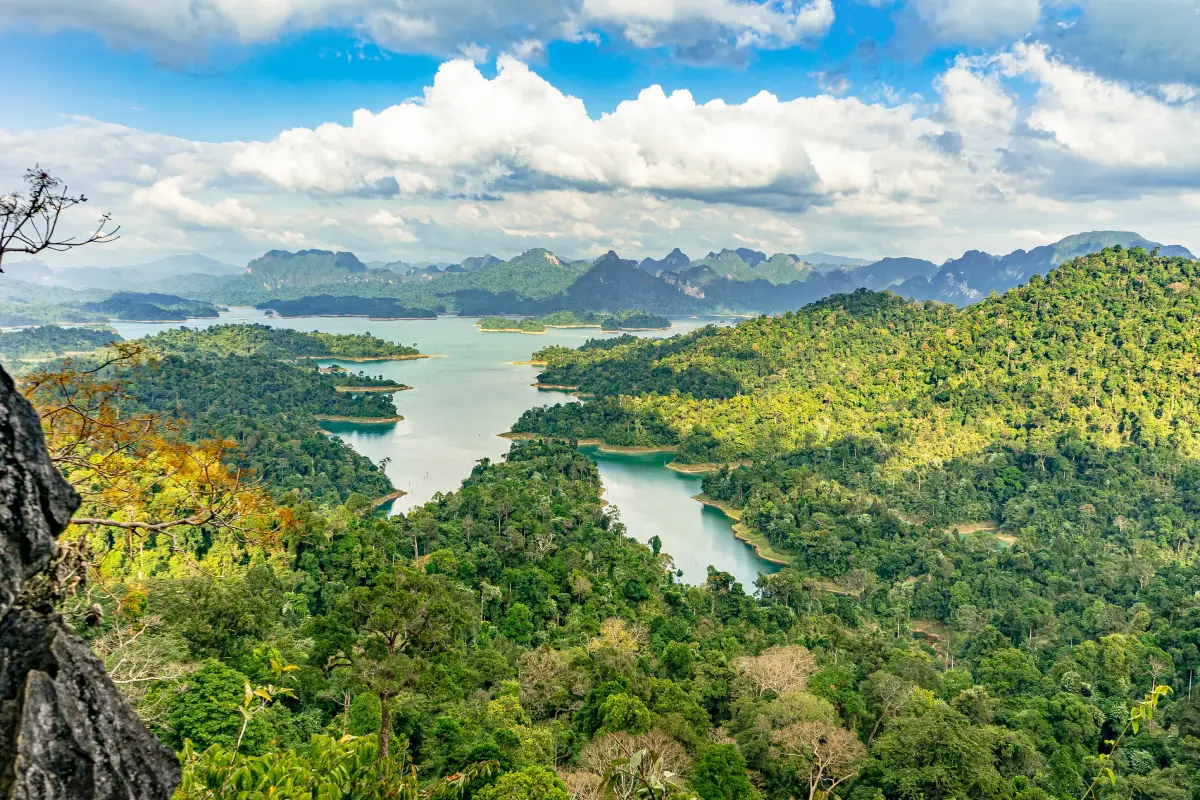
156 National Parks and Nature Destinations in Thailand Thailand offers one of Southeast Asia’s richest collections of protected landscapes, from cloud forests and pine-covered mountains in the North to sandstone plateaus in the Northeast, vast wildlife corridors in the West and tropical islands along the Gulf of Thailand and Andaman Sea. This guide brings together 156 national-park and nature-conservation destinations for readers planning journeys across the country.
The best-known destinations include Doi Inthanon, home to Thailand’s highest summit; Phu Kradueng, celebrated for plateau trekking and sunrise and sunset viewpoints; Khao Yai, the country’s first national park; Kaeng Krachan, a major western forest landscape; and Khao Sok, whose rainforest and limestone mountains surround Cheow Lan Lake.
National parks are more than scenic visitor attractions. Mountain forests protect important headwaters and wildlife habitat, while coastal reserves help conserve beaches, mangroves, marine ecosystems and coral reefs. Their long-term value depends on visitors respecting park regulations and on protecting habitats beyond the immediate tourist routes.
Northern Thailand is particularly appealing for high mountain scenery, cool-season travel, forest trails and waterfalls. Northeastern Thailand features sandstone escarpments, seasonal wildflower meadows, forested plateaus and important archaeological landscapes. Western and central parks are celebrated for waterfalls, forest biodiversity, caves and wildlife observation; the South offers rainforests, coastal wetlands, limestone cliffs and islands.
The best time to travel varies by destination. Cooler months often provide comfortable conditions for mountain sightseeing, while rainfall can make waterfalls impressive but also creates risks from slippery tracks and flash floods. The marine parks on the Andaman coast and the Gulf of Thailand have different weather patterns, and some islands, bays and trekking trails close seasonally.
For short trips, select a park close to your accommodation and focus on accessible visitor areas. Longer trips are appropriate for extended hikes, overnight camping or island-hopping. Always check current opening arrangements, permitted routes, marine weather, fees and advance-booking requirements with the managing agency.
This editorial compilation includes several locations described in the source material as proposed or under establishment. Its 156 entries must not be treated as the legally gazetted number of Thai national parks at a particular date. Each destination below retains the original article order and provides a map reference.

1. Doi Inthanon National Park — Chiang Mai, Thailand Doi Inthanon National Park is a mountain and forest destination associated with Chiang Mai. The original guide describes its distinctive natural setting and its role in protecting local landscapes and ecosystems. Key points of interest include Kew Mae Pan Nature Trail, Ang Ka Nature Trail, Wachirathan Waterfall, Mae Ya Waterfall, natural grasslands.
Its 2,565-meter summit is the highest point in Thailand, with cool-climate forest, royal pagodas and dramatic changes in vegetation along the ascent.
Main Attractions and Highlights: Kew Mae Pan Nature Trail, Ang Ka Nature Trail, Wachirathan Waterfall, Mae Ya Waterfall, natural grasslands. Nature photography, careful observation of wildlife and responsible exploration are suitable ways to enjoy the area where visitor access is permitted.
The surrounding forests and waterways contribute to watershed health and biodiversity. Stay on authorized paths, avoid feeding wild animals, and keep noise and litter to a minimum. Check with park staff before entering remote sections, especially during periods of heavy rain.
Getting There: Travel to Chiang Mai and select the entrance or authorized visitor location corresponding to your intended attraction. Mainland routes may involve winding mountain roads; island sites can require local boat transfers. Confirm the exact route, seasonal access and transport arrangements before departure.
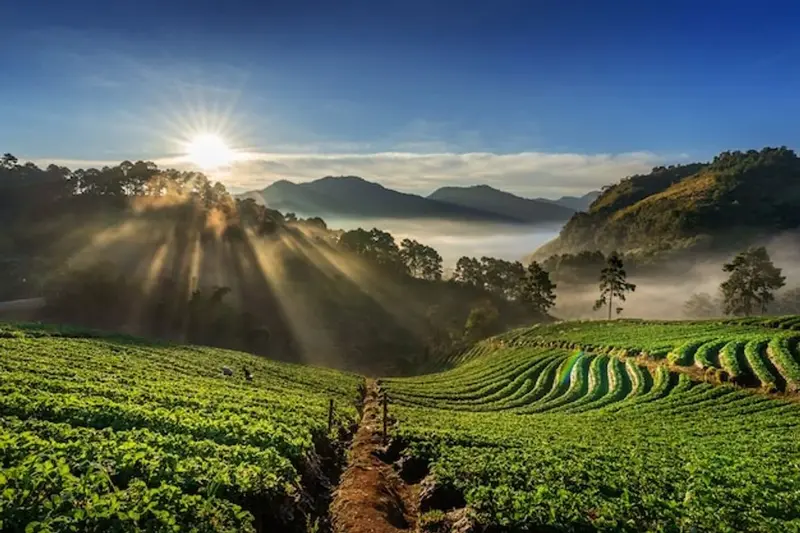
2. Doi Suthep Pui National Park — Chiang Mai, Thailand Doi Suthep Pui National Park is a mountain and forest destination associated with Chiang Mai. The original guide describes its distinctive natural setting and its role in protecting local landscapes and ecosystems. Key points of interest include waterfalls.
Waterfalls and streams are central to this destination’s visitor appeal. Water levels, rock surfaces and trail access can change markedly between the wet and dry seasons, so safe viewing areas and posted guidance are especially important.
Main Attractions and Highlights: Waterfalls. Nature photography, careful observation of wildlife and responsible exploration are suitable ways to enjoy the area where visitor access is permitted.
The surrounding forests and waterways contribute to watershed health and biodiversity. Stay on authorized paths, avoid feeding wild animals, and keep noise and litter to a minimum. Check with park staff before entering remote sections, especially during periods of heavy rain.
Getting There: Travel to Chiang Mai and select the entrance or authorized visitor location corresponding to your intended attraction. Mainland routes may involve winding mountain roads; island sites can require local boat transfers. Confirm the exact route, seasonal access and transport arrangements before departure.
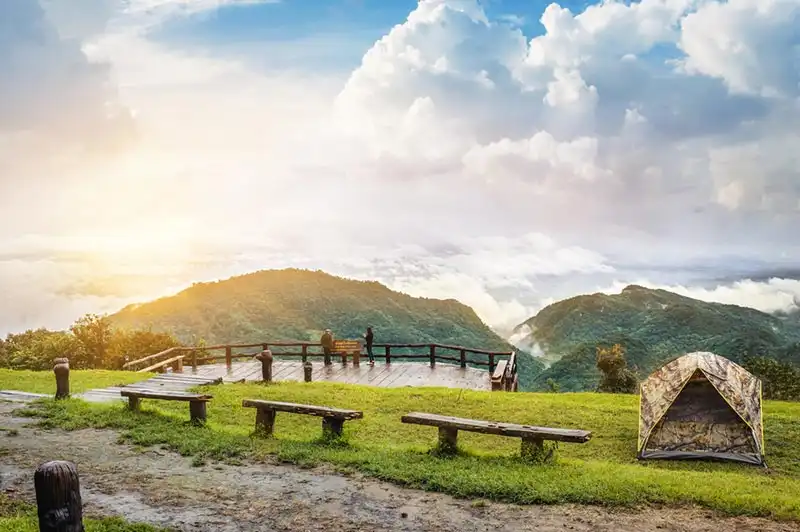
3. Doi Pha Hom Pok National Park — Chiang Mai, Thailand Doi Pha Hom Pok National Park is a mountain and forest destination associated with Chiang Mai. The original guide describes its distinctive natural setting and its role in protecting local landscapes and ecosystems. Key points of interest include Fang Hot Springs, sea-of-mist viewpoints, natural hot springs, forest hiking trails, scenic viewpoints.
Its landscape is shaped by local geology, vegetation and changes in elevation. Visitors can appreciate the natural setting through officially accessible viewpoints and forest or nature-study areas, while respecting sensitive habitats and visitor restrictions.
Main Attractions and Highlights: Fang Hot Springs, sea-of-mist viewpoints, natural hot springs, forest hiking trails, scenic viewpoints. Nature photography, careful observation of wildlife and responsible exploration are suitable ways to enjoy the area where visitor access is permitted.
The surrounding forests and waterways contribute to watershed health and biodiversity. Stay on authorized paths, avoid feeding wild animals, and keep noise and litter to a minimum. Check with park staff before entering remote sections, especially during periods of heavy rain.
Getting There: Travel to Chiang Mai and select the entrance or authorized visitor location corresponding to your intended attraction. Mainland routes may involve winding mountain roads; island sites can require local boat transfers. Confirm the exact route, seasonal access and transport arrangements before departure.

4. Huai Nam Dang National Park — Chiang Mai, Mae Hong Son, Thailand Huai Nam Dang National Park is a mountain and forest destination associated with Chiang Mai, Mae Hong Son. The original guide describes its distinctive natural setting and its role in protecting local landscapes and ecosystems. Key points of interest include sea-of-mist viewpoints, natural hot springs, scenic viewpoints.
Its landscape is shaped by local geology, vegetation and changes in elevation. Visitors can appreciate the natural setting through officially accessible viewpoints and forest or nature-study areas, while respecting sensitive habitats and visitor restrictions.
Main Attractions and Highlights: Sea-of-mist viewpoints, natural hot springs, scenic viewpoints. Nature photography, careful observation of wildlife and responsible exploration are suitable ways to enjoy the area where visitor access is permitted.
The surrounding forests and waterways contribute to watershed health and biodiversity. Stay on authorized paths, avoid feeding wild animals, and keep noise and litter to a minimum. Check with park staff before entering remote sections, especially during periods of heavy rain.
Getting There: Travel to Chiang Mai, Mae Hong Son and select the entrance or authorized visitor location corresponding to your intended attraction. Mainland routes may involve winding mountain roads; island sites can require local boat transfers. Confirm the exact route, seasonal access and transport arrangements before departure.
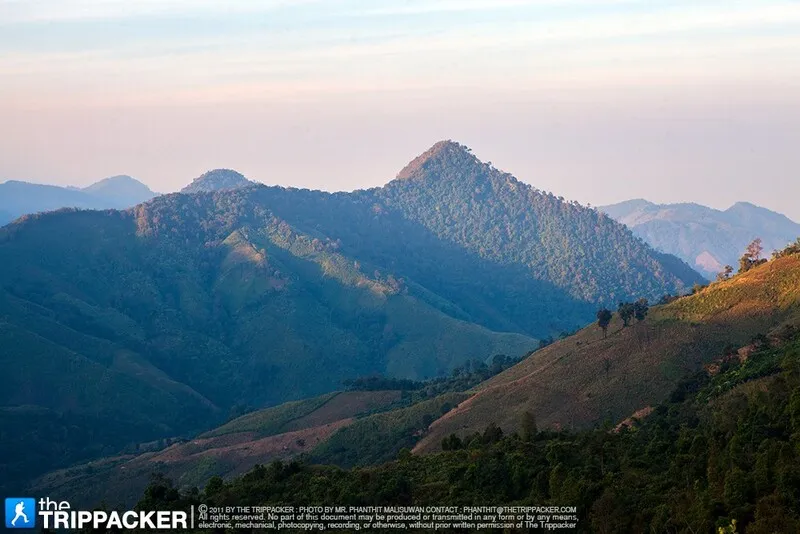
5. Doi Phu Kha National Park — Nan, Thailand Doi Phu Kha National Park is a mountain and forest destination associated with Nan. The original guide describes its distinctive natural setting and its role in protecting local landscapes and ecosystems. Key points of interest include scenic viewpoints.
Its landscape is shaped by local geology, vegetation and changes in elevation. Visitors can appreciate the natural setting through officially accessible viewpoints and forest or nature-study areas, while respecting sensitive habitats and visitor restrictions.
Main Attractions and Highlights: Scenic viewpoints. Nature photography, careful observation of wildlife and responsible exploration are suitable ways to enjoy the area where visitor access is permitted.
The surrounding forests and waterways contribute to watershed health and biodiversity. Stay on authorized paths, avoid feeding wild animals, and keep noise and litter to a minimum. Check with park staff before entering remote sections, especially during periods of heavy rain.
Getting There: Travel to Nan and select the entrance or authorized visitor location corresponding to your intended attraction. Mainland routes may involve winding mountain roads; island sites can require local boat transfers. Confirm the exact route, seasonal access and transport arrangements before departure.
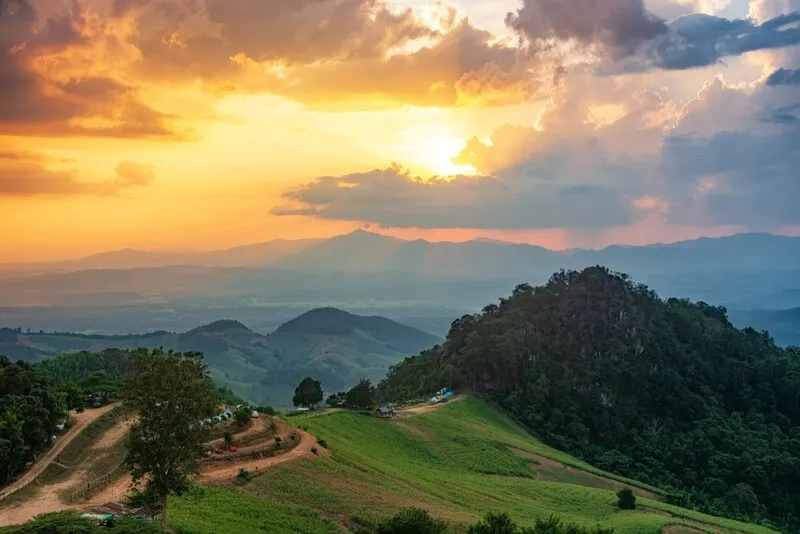
6. Si Nan National Park — Nan, Thailand Si Nan National Park is a mountain and forest destination associated with Nan. The original guide describes its distinctive natural setting and its role in protecting local landscapes and ecosystems. Key points of interest include Doi Samer Dao Viewpoint, cliff viewpoints, river landscapes, scenic viewpoints.
Its landscape is shaped by local geology, vegetation and changes in elevation. Visitors can appreciate the natural setting through officially accessible viewpoints and forest or nature-study areas, while respecting sensitive habitats and visitor restrictions.
Main Attractions and Highlights: Doi Samer Dao Viewpoint, cliff viewpoints, river landscapes, scenic viewpoints. Nature photography, careful observation of wildlife and responsible exploration are suitable ways to enjoy the area where visitor access is permitted.
The surrounding forests and waterways contribute to watershed health and biodiversity. Stay on authorized paths, avoid feeding wild animals, and keep noise and litter to a minimum. Check with park staff before entering remote sections, especially during periods of heavy rain.
Getting There: Travel to Nan and select the entrance or authorized visitor location corresponding to your intended attraction. Mainland routes may involve winding mountain roads; island sites can require local boat transfers. Confirm the exact route, seasonal access and transport arrangements before departure.
Map (GPS):Get directions to Si Nan National Park
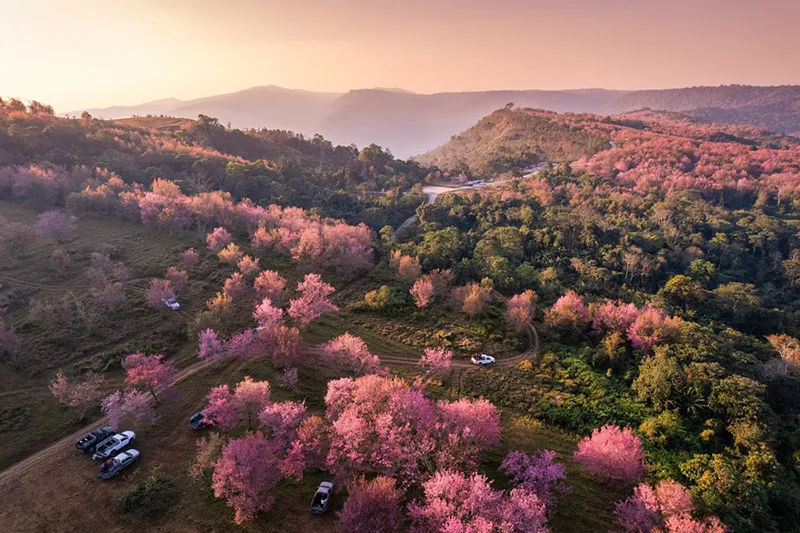
7. Phu Hin Rong Kla National Park — Phitsanulok, Phetchabun, Loei, Thailand Phu Hin Rong Kla National Park is a mountain and forest destination associated with Phitsanulok, Phetchabun, Loei. The original guide describes its distinctive natural setting and its role in protecting local landscapes and ecosystems. Key points of interest include Lan Hin Pum Rock Formations, Lan Hin Taek Rock Field, waterfalls, pine forests.
Waterfalls and streams are central to this destination’s visitor appeal. Water levels, rock surfaces and trail access can change markedly between the wet and dry seasons, so safe viewing areas and posted guidance are especially important.
Main Attractions and Highlights: Lan Hin Pum Rock Formations, Lan Hin Taek Rock Field, waterfalls, pine forests. Nature photography, careful observation of wildlife and responsible exploration are suitable ways to enjoy the area where visitor access is permitted.
The surrounding forests and waterways contribute to watershed health and biodiversity. Stay on authorized paths, avoid feeding wild animals, and keep noise and litter to a minimum. Check with park staff before entering remote sections, especially during periods of heavy rain.
Getting There: Travel to Phitsanulok, Phetchabun, Loei and select the entrance or authorized visitor location corresponding to your intended attraction. Mainland routes may involve winding mountain roads; island sites can require local boat transfers. Confirm the exact route, seasonal access and transport arrangements before departure.
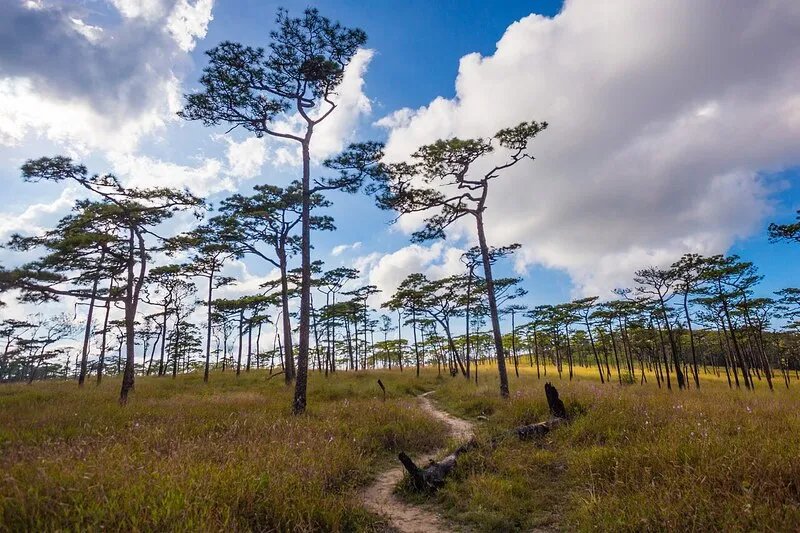
8. Phu Soi Dao National Park — Uttaradit, Phitsanulok, Thailand Phu Soi Dao National Park is a mountain and forest destination associated with Uttaradit, Phitsanulok. The original guide describes its distinctive natural setting and its role in protecting local landscapes and ecosystems. Key points of interest include seasonal Murdannia flower fields, waterfalls, forest hiking trails.
Waterfalls and streams are central to this destination’s visitor appeal. Water levels, rock surfaces and trail access can change markedly between the wet and dry seasons, so safe viewing areas and posted guidance are especially important.
Main Attractions and Highlights: Seasonal Murdannia flower fields, waterfalls, forest hiking trails. Nature photography, careful observation of wildlife and responsible exploration are suitable ways to enjoy the area where visitor access is permitted.
The surrounding forests and waterways contribute to watershed health and biodiversity. Stay on authorized paths, avoid feeding wild animals, and keep noise and litter to a minimum. Check with park staff before entering remote sections, especially during periods of heavy rain.
Getting There: Travel to Uttaradit, Phitsanulok and select the entrance or authorized visitor location corresponding to your intended attraction. Mainland routes may involve winding mountain roads; island sites can require local boat transfers. Confirm the exact route, seasonal access and transport arrangements before departure.

9. Khlong Lan National Park — Kamphaeng Phet, Thailand Khlong Lan National Park is a mountain and forest destination associated with Kamphaeng Phet. The original guide describes its distinctive natural setting and its role in protecting local landscapes and ecosystems. Key points of interest include Khlong Lan Waterfall, waterfalls.
Waterfalls and streams are central to this destination’s visitor appeal. Water levels, rock surfaces and trail access can change markedly between the wet and dry seasons, so safe viewing areas and posted guidance are especially important.
Main Attractions and Highlights: Khlong Lan Waterfall, waterfalls. Nature photography, careful observation of wildlife and responsible exploration are suitable ways to enjoy the area where visitor access is permitted.
The surrounding forests and waterways contribute to watershed health and biodiversity. Stay on authorized paths, avoid feeding wild animals, and keep noise and litter to a minimum. Check with park staff before entering remote sections, especially during periods of heavy rain.
Getting There: Travel to Kamphaeng Phet and select the entrance or authorized visitor location corresponding to your intended attraction. Mainland routes may involve winding mountain roads; island sites can require local boat transfers. Confirm the exact route, seasonal access and transport arrangements before departure.

10. Nam Nao National Park — Phetchabun, Thailand Nam Nao National Park is a mountain and forest destination associated with Phetchabun. The original guide describes its distinctive natural setting and its role in protecting local landscapes and ecosystems. Key points of interest include scenic viewpoints, pine forests.
Its landscape is shaped by local geology, vegetation and changes in elevation. Visitors can appreciate the natural setting through officially accessible viewpoints and forest or nature-study areas, while respecting sensitive habitats and visitor restrictions.
Main Attractions and Highlights: Scenic viewpoints, pine forests. Nature photography, careful observation of wildlife and responsible exploration are suitable ways to enjoy the area where visitor access is permitted.
The surrounding forests and waterways contribute to watershed health and biodiversity. Stay on authorized paths, avoid feeding wild animals, and keep noise and litter to a minimum. Check with park staff before entering remote sections, especially during periods of heavy rain.
Getting There: Travel to Phetchabun and select the entrance or authorized visitor location corresponding to your intended attraction. Mainland routes may involve winding mountain roads; island sites can require local boat transfers. Confirm the exact route, seasonal access and transport arrangements before departure.
Map (GPS):Get directions to Nam Nao National Park
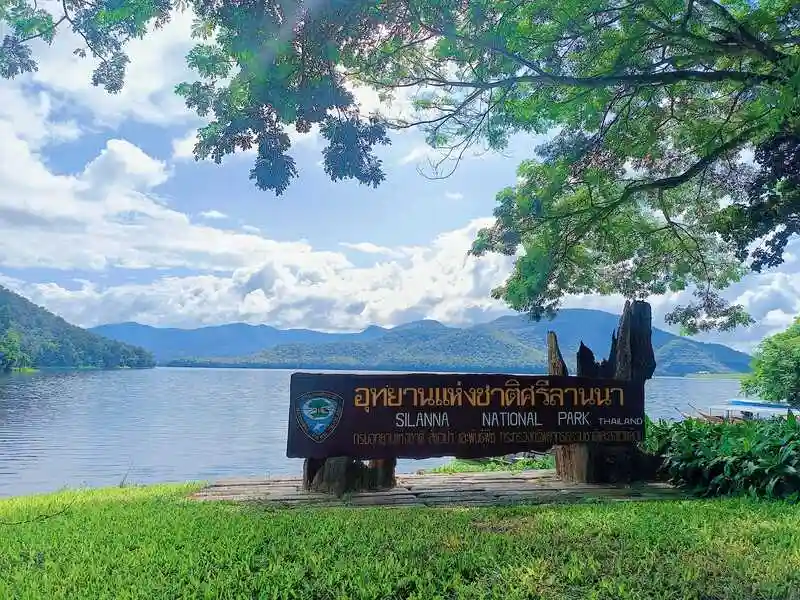
11. Si Lanna National Park — Chiang Mai, Thailand Si Lanna National Park is a mountain and forest destination associated with Chiang Mai. The original guide describes its distinctive natural setting and its role in protecting local landscapes and ecosystems. Key points of interest include Mae Ngat Reservoir, Bua Tong Waterfall, waterfalls.
Waterfalls and streams are central to this destination’s visitor appeal. Water levels, rock surfaces and trail access can change markedly between the wet and dry seasons, so safe viewing areas and posted guidance are especially important.
Main Attractions and Highlights: Mae Ngat Reservoir, Bua Tong Waterfall, waterfalls. Nature photography, careful observation of wildlife and responsible exploration are suitable ways to enjoy the area where visitor access is permitted.
The surrounding forests and waterways contribute to watershed health and biodiversity. Stay on authorized paths, avoid feeding wild animals, and keep noise and litter to a minimum. Check with park staff before entering remote sections, especially during periods of heavy rain.
Getting There: Travel to Chiang Mai and select the entrance or authorized visitor location corresponding to your intended attraction. Mainland routes may involve winding mountain roads; island sites can require local boat transfers. Confirm the exact route, seasonal access and transport arrangements before departure.
Map (GPS):Get directions to Si Lanna National Park

12. Op Luang National Park — Chiang Mai, Thailand Op Luang National Park is a mountain and forest destination associated with Chiang Mai. The original guide describes its distinctive natural setting and its role in protecting local landscapes and ecosystems. Key points of interest include cliff viewpoints, scenic viewpoints.
Its landscape is shaped by local geology, vegetation and changes in elevation. Visitors can appreciate the natural setting through officially accessible viewpoints and forest or nature-study areas, while respecting sensitive habitats and visitor restrictions.
Main Attractions and Highlights: Cliff viewpoints, scenic viewpoints. Nature photography, careful observation of wildlife and responsible exploration are suitable ways to enjoy the area where visitor access is permitted.
The surrounding forests and waterways contribute to watershed health and biodiversity. Stay on authorized paths, avoid feeding wild animals, and keep noise and litter to a minimum. Check with park staff before entering remote sections, especially during periods of heavy rain.
Getting There: Travel to Chiang Mai and select the entrance or authorized visitor location corresponding to your intended attraction. Mainland routes may involve winding mountain roads; island sites can require local boat transfers. Confirm the exact route, seasonal access and transport arrangements before departure.
Map (GPS):Get directions to Op Luang National Park

13. Pha Daeng National Park — Chiang Mai, Thailand Pha Daeng National Park is a mountain and forest destination associated with Chiang Mai. The original guide describes its distinctive natural setting and its role in protecting local landscapes and ecosystems. Key points of interest include caves.
Its landscape is shaped by local geology, vegetation and changes in elevation. Visitors can appreciate the natural setting through officially accessible viewpoints and forest or nature-study areas, while respecting sensitive habitats and visitor restrictions.
Main Attractions and Highlights: Caves. Nature photography, careful observation of wildlife and responsible exploration are suitable ways to enjoy the area where visitor access is permitted.
The surrounding forests and waterways contribute to watershed health and biodiversity. Stay on authorized paths, avoid feeding wild animals, and keep noise and litter to a minimum. Check with park staff before entering remote sections, especially during periods of heavy rain.
Getting There: Travel to Chiang Mai and select the entrance or authorized visitor location corresponding to your intended attraction. Mainland routes may involve winding mountain roads; island sites can require local boat transfers. Confirm the exact route, seasonal access and transport arrangements before departure.

14. Mae Takhrai National Park — Chiang Mai, Lamphun, Thailand Mae Takhrai National Park is a mountain and forest destination associated with Chiang Mai, Lamphun. The original guide describes its distinctive natural setting and its role in protecting local landscapes and ecosystems. Key points of interest include waterfalls.
Waterfalls and streams are central to this destination’s visitor appeal. Water levels, rock surfaces and trail access can change markedly between the wet and dry seasons, so safe viewing areas and posted guidance are especially important.
Main Attractions and Highlights: Waterfalls. Nature photography, careful observation of wildlife and responsible exploration are suitable ways to enjoy the area where visitor access is permitted.
The surrounding forests and waterways contribute to watershed health and biodiversity. Stay on authorized paths, avoid feeding wild animals, and keep noise and litter to a minimum. Check with park staff before entering remote sections, especially during periods of heavy rain.
Getting There: Travel to Chiang Mai, Lamphun and select the entrance or authorized visitor location corresponding to your intended attraction. Mainland routes may involve winding mountain roads; island sites can require local boat transfers. Confirm the exact route, seasonal access and transport arrangements before departure.

15. Doi Wiang Pha National Park — Chiang Mai, Thailand Doi Wiang Pha National Park is a mountain and forest destination associated with Chiang Mai. The original guide describes its distinctive natural setting and its role in protecting local landscapes and ecosystems. Key points of interest include forest hiking trails.
Its landscape is shaped by local geology, vegetation and changes in elevation. Visitors can appreciate the natural setting through officially accessible viewpoints and forest or nature-study areas, while respecting sensitive habitats and visitor restrictions.
Main Attractions and Highlights: Forest hiking trails. Nature photography, careful observation of wildlife and responsible exploration are suitable ways to enjoy the area where visitor access is permitted.
The surrounding forests and waterways contribute to watershed health and biodiversity. Stay on authorized paths, avoid feeding wild animals, and keep noise and litter to a minimum. Check with park staff before entering remote sections, especially during periods of heavy rain.
Getting There: Travel to Chiang Mai and select the entrance or authorized visitor location corresponding to your intended attraction. Mainland routes may involve winding mountain roads; island sites can require local boat transfers. Confirm the exact route, seasonal access and transport arrangements before departure.

16. Khun Khan National Park — Chiang Mai, Thailand Khun Khan National Park is a mountain and forest destination associated with Chiang Mai. The original guide describes its distinctive natural setting and its role in protecting local landscapes and ecosystems. Key points of interest include its forest landscapes and natural scenery.
Its landscape is shaped by local geology, vegetation and changes in elevation. Visitors can appreciate the natural setting through officially accessible viewpoints and forest or nature-study areas, while respecting sensitive habitats and visitor restrictions.
Main Attractions and Highlights: Its forest landscapes and natural scenery. Nature photography, careful observation of wildlife and responsible exploration are suitable ways to enjoy the area where visitor access is permitted.
The surrounding forests and waterways contribute to watershed health and biodiversity. Stay on authorized paths, avoid feeding wild animals, and keep noise and litter to a minimum. Check with park staff before entering remote sections, especially during periods of heavy rain.
Getting There: Travel to Chiang Mai and select the entrance or authorized visitor location corresponding to your intended attraction. Mainland routes may involve winding mountain roads; island sites can require local boat transfers. Confirm the exact route, seasonal access and transport arrangements before departure.

17. Doi Luang National Park — Chiang Rai, Lampang, Phayao, Thailand Doi Luang National Park is a mountain and forest destination associated with Chiang Rai, Lampang, Phayao. The original guide describes its distinctive natural setting and its role in protecting local landscapes and ecosystems. Key points of interest include waterfalls.
Waterfalls and streams are central to this destination’s visitor appeal. Water levels, rock surfaces and trail access can change markedly between the wet and dry seasons, so safe viewing areas and posted guidance are especially important.
Main Attractions and Highlights: Waterfalls. Nature photography, careful observation of wildlife and responsible exploration are suitable ways to enjoy the area where visitor access is permitted.
The surrounding forests and waterways contribute to watershed health and biodiversity. Stay on authorized paths, avoid feeding wild animals, and keep noise and litter to a minimum. Check with park staff before entering remote sections, especially during periods of heavy rain.
Getting There: Travel to Chiang Rai, Lampang, Phayao and select the entrance or authorized visitor location corresponding to your intended attraction. Mainland routes may involve winding mountain roads; island sites can require local boat transfers. Confirm the exact route, seasonal access and transport arrangements before departure.

18. Khun Chae National Park — Chiang Rai, Thailand Khun Chae National Park is a mountain and forest destination associated with Chiang Rai. The original guide describes its distinctive natural setting and its role in protecting local landscapes and ecosystems. Key points of interest include waterfalls, forest hiking trails.
Waterfalls and streams are central to this destination’s visitor appeal. Water levels, rock surfaces and trail access can change markedly between the wet and dry seasons, so safe viewing areas and posted guidance are especially important.
Main Attractions and Highlights: Waterfalls, forest hiking trails. Nature photography, careful observation of wildlife and responsible exploration are suitable ways to enjoy the area where visitor access is permitted.
The surrounding forests and waterways contribute to watershed health and biodiversity. Stay on authorized paths, avoid feeding wild animals, and keep noise and litter to a minimum. Check with park staff before entering remote sections, especially during periods of heavy rain.
Getting There: Travel to Chiang Rai and select the entrance or authorized visitor location corresponding to your intended attraction. Mainland routes may involve winding mountain roads; island sites can require local boat transfers. Confirm the exact route, seasonal access and transport arrangements before departure.

19. Lam Nam Kok National Park — Chiang Rai, Thailand Lam Nam Kok National Park is a mountain and forest destination associated with Chiang Rai. The original guide describes its distinctive natural setting and its role in protecting local landscapes and ecosystems. Key points of interest include waterfalls.
Waterfalls and streams are central to this destination’s visitor appeal. Water levels, rock surfaces and trail access can change markedly between the wet and dry seasons, so safe viewing areas and posted guidance are especially important.
Main Attractions and Highlights: Waterfalls. Nature photography, careful observation of wildlife and responsible exploration are suitable ways to enjoy the area where visitor access is permitted.
The surrounding forests and waterways contribute to watershed health and biodiversity. Stay on authorized paths, avoid feeding wild animals, and keep noise and litter to a minimum. Check with park staff before entering remote sections, especially during periods of heavy rain.
Getting There: Travel to Chiang Rai and select the entrance or authorized visitor location corresponding to your intended attraction. Mainland routes may involve winding mountain roads; island sites can require local boat transfers. Confirm the exact route, seasonal access and transport arrangements before departure.

20. Ob Khan National Park — Chiang Mai, Thailand Ob Khan National Park is a mountain and forest destination associated with Chiang Mai. The original guide describes its distinctive natural setting and its role in protecting local landscapes and ecosystems. Key points of interest include its forest landscapes and natural scenery.
Its landscape is shaped by local geology, vegetation and changes in elevation. Visitors can appreciate the natural setting through officially accessible viewpoints and forest or nature-study areas, while respecting sensitive habitats and visitor restrictions.
Main Attractions and Highlights: Its forest landscapes and natural scenery. Nature photography, careful observation of wildlife and responsible exploration are suitable ways to enjoy the area where visitor access is permitted.
The surrounding forests and waterways contribute to watershed health and biodiversity. Stay on authorized paths, avoid feeding wild animals, and keep noise and litter to a minimum. Check with park staff before entering remote sections, especially during periods of heavy rain.
Getting There: Travel to Chiang Mai and select the entrance or authorized visitor location corresponding to your intended attraction. Mainland routes may involve winding mountain roads; island sites can require local boat transfers. Confirm the exact route, seasonal access and transport arrangements before departure.
Map (GPS):Get directions to Ob Khan National Park
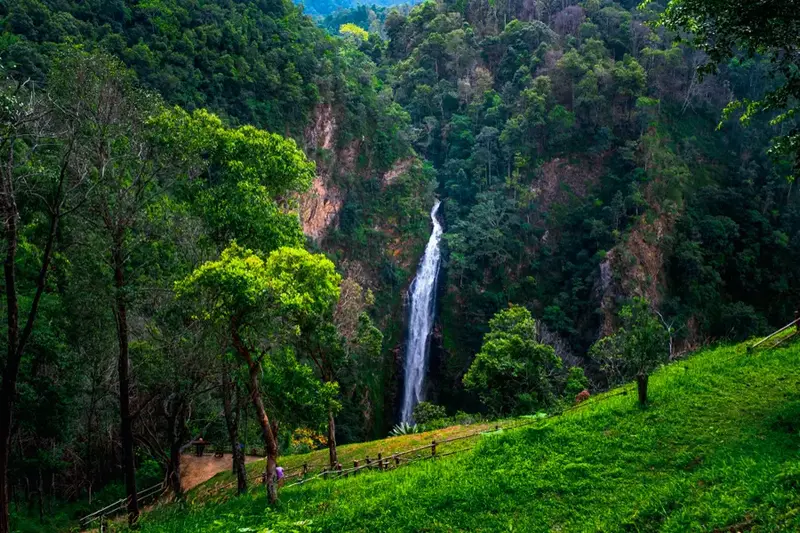
21. Mae Surin Waterfall National Park — Mae Hong Son, Thailand Mae Surin Waterfall National Park is a mountain and forest destination associated with Mae Hong Son. The original guide describes its distinctive natural setting and its role in protecting local landscapes and ecosystems. Key points of interest include waterfalls.
Waterfalls and streams are central to this destination’s visitor appeal. Water levels, rock surfaces and trail access can change markedly between the wet and dry seasons, so safe viewing areas and posted guidance are especially important.
Main Attractions and Highlights: Waterfalls. Nature photography, careful observation of wildlife and responsible exploration are suitable ways to enjoy the area where visitor access is permitted.
The surrounding forests and waterways contribute to watershed health and biodiversity. Stay on authorized paths, avoid feeding wild animals, and keep noise and litter to a minimum. Check with park staff before entering remote sections, especially during periods of heavy rain.
Getting There: Travel to Mae Hong Son and select the entrance or authorized visitor location corresponding to your intended attraction. Mainland routes may involve winding mountain roads; island sites can require local boat transfers. Confirm the exact route, seasonal access and transport arrangements before departure.

22. Salawin National Park — Mae Hong Son, Thailand Salawin National Park is a mountain and forest destination associated with Mae Hong Son. The original guide describes its distinctive natural setting and its role in protecting local landscapes and ecosystems. Key points of interest include river landscapes.
Its landscape is shaped by local geology, vegetation and changes in elevation. Visitors can appreciate the natural setting through officially accessible viewpoints and forest or nature-study areas, while respecting sensitive habitats and visitor restrictions.
Main Attractions and Highlights: River landscapes. Nature photography, careful observation of wildlife and responsible exploration are suitable ways to enjoy the area where visitor access is permitted.
The surrounding forests and waterways contribute to watershed health and biodiversity. Stay on authorized paths, avoid feeding wild animals, and keep noise and litter to a minimum. Check with park staff before entering remote sections, especially during periods of heavy rain.
Getting There: Travel to Mae Hong Son and select the entrance or authorized visitor location corresponding to your intended attraction. Mainland routes may involve winding mountain roads; island sites can require local boat transfers. Confirm the exact route, seasonal access and transport arrangements before departure.
Map (GPS):Get directions to Salawin National Park

23. Mae Charim National Park — Nan, Thailand Mae Charim National Park is a mountain and forest destination associated with Nan. The original guide describes its distinctive natural setting and its role in protecting local landscapes and ecosystems. Key points of interest include its forest landscapes and natural scenery.
Its landscape is shaped by local geology, vegetation and changes in elevation. Visitors can appreciate the natural setting through officially accessible viewpoints and forest or nature-study areas, while respecting sensitive habitats and visitor restrictions.
Main Attractions and Highlights: Its forest landscapes and natural scenery. Nature photography, careful observation of wildlife and responsible exploration are suitable ways to enjoy the area where visitor access is permitted.
The surrounding forests and waterways contribute to watershed health and biodiversity. Stay on authorized paths, avoid feeding wild animals, and keep noise and litter to a minimum. Check with park staff before entering remote sections, especially during periods of heavy rain.
Getting There: Travel to Nan and select the entrance or authorized visitor location corresponding to your intended attraction. Mainland routes may involve winding mountain roads; island sites can require local boat transfers. Confirm the exact route, seasonal access and transport arrangements before departure.

24. Khun Nan National Park — Nan, Thailand Khun Nan National Park is a mountain and forest destination associated with Nan. The original guide describes its distinctive natural setting and its role in protecting local landscapes and ecosystems. Key points of interest include waterfalls.
Waterfalls and streams are central to this destination’s visitor appeal. Water levels, rock surfaces and trail access can change markedly between the wet and dry seasons, so safe viewing areas and posted guidance are especially important.
Main Attractions and Highlights: Waterfalls. Nature photography, careful observation of wildlife and responsible exploration are suitable ways to enjoy the area where visitor access is permitted.
The surrounding forests and waterways contribute to watershed health and biodiversity. Stay on authorized paths, avoid feeding wild animals, and keep noise and litter to a minimum. Check with park staff before entering remote sections, especially during periods of heavy rain.
Getting There: Travel to Nan and select the entrance or authorized visitor location corresponding to your intended attraction. Mainland routes may involve winding mountain roads; island sites can require local boat transfers. Confirm the exact route, seasonal access and transport arrangements before departure.
Map (GPS):Get directions to Khun Nan National Park

25. Khun Sathan National Park — Nan, Thailand Khun Sathan National Park is a mountain and forest destination associated with Nan. The original guide describes its distinctive natural setting and its role in protecting local landscapes and ecosystems. Key points of interest include sea-of-mist viewpoints, scenic viewpoints, pine forests.
Its landscape is shaped by local geology, vegetation and changes in elevation. Visitors can appreciate the natural setting through officially accessible viewpoints and forest or nature-study areas, while respecting sensitive habitats and visitor restrictions.
Main Attractions and Highlights: Sea-of-mist viewpoints, scenic viewpoints, pine forests. Nature photography, careful observation of wildlife and responsible exploration are suitable ways to enjoy the area where visitor access is permitted.
The surrounding forests and waterways contribute to watershed health and biodiversity. Stay on authorized paths, avoid feeding wild animals, and keep noise and litter to a minimum. Check with park staff before entering remote sections, especially during periods of heavy rain.
Getting There: Travel to Nan and select the entrance or authorized visitor location corresponding to your intended attraction. Mainland routes may involve winding mountain roads; island sites can require local boat transfers. Confirm the exact route, seasonal access and transport arrangements before departure.

26. Tham Saken National Park — Nan, Phayao, Thailand Tham Saken National Park is a mountain and forest destination associated with Nan, Phayao. The original guide describes its distinctive natural setting and its role in protecting local landscapes and ecosystems. Key points of interest include caves, waterfalls.
Waterfalls and streams are central to this destination’s visitor appeal. Water levels, rock surfaces and trail access can change markedly between the wet and dry seasons, so safe viewing areas and posted guidance are especially important.
Main Attractions and Highlights: Caves, waterfalls. Nature photography, careful observation of wildlife and responsible exploration are suitable ways to enjoy the area where visitor access is permitted.
The surrounding forests and waterways contribute to watershed health and biodiversity. Stay on authorized paths, avoid feeding wild animals, and keep noise and litter to a minimum. Check with park staff before entering remote sections, especially during periods of heavy rain.
Getting There: Travel to Nan, Phayao and select the entrance or authorized visitor location corresponding to your intended attraction. Mainland routes may involve winding mountain roads; island sites can require local boat transfers. Confirm the exact route, seasonal access and transport arrangements before departure.
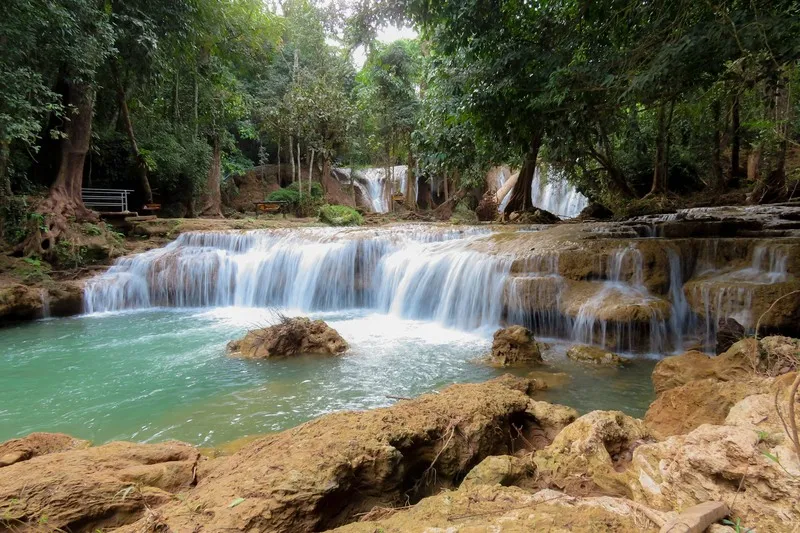
27. Doi Phu Nang National Park — Phayao, Thailand Doi Phu Nang National Park is a mountain and forest destination associated with Phayao. The original guide describes its distinctive natural setting and its role in protecting local landscapes and ecosystems. Key points of interest include native peafowl habitat, waterfalls.
Waterfalls and streams are central to this destination’s visitor appeal. Water levels, rock surfaces and trail access can change markedly between the wet and dry seasons, so safe viewing areas and posted guidance are especially important.
Main Attractions and Highlights: Native peafowl habitat, waterfalls. Nature photography, careful observation of wildlife and responsible exploration are suitable ways to enjoy the area where visitor access is permitted.
The surrounding forests and waterways contribute to watershed health and biodiversity. Stay on authorized paths, avoid feeding wild animals, and keep noise and litter to a minimum. Check with park staff before entering remote sections, especially during periods of heavy rain.
Getting There: Travel to Phayao and select the entrance or authorized visitor location corresponding to your intended attraction. Mainland routes may involve winding mountain roads; island sites can require local boat transfers. Confirm the exact route, seasonal access and transport arrangements before departure.

28. Phu Sang National Park — Phayao, Thailand Phu Sang National Park is a mountain and forest destination associated with Phayao. The original guide describes its distinctive natural setting and its role in protecting local landscapes and ecosystems. Key points of interest include waterfalls.
Waterfalls and streams are central to this destination’s visitor appeal. Water levels, rock surfaces and trail access can change markedly between the wet and dry seasons, so safe viewing areas and posted guidance are especially important.
Main Attractions and Highlights: Waterfalls. Nature photography, careful observation of wildlife and responsible exploration are suitable ways to enjoy the area where visitor access is permitted.
The surrounding forests and waterways contribute to watershed health and biodiversity. Stay on authorized paths, avoid feeding wild animals, and keep noise and litter to a minimum. Check with park staff before entering remote sections, especially during periods of heavy rain.
Getting There: Travel to Phayao and select the entrance or authorized visitor location corresponding to your intended attraction. Mainland routes may involve winding mountain roads; island sites can require local boat transfers. Confirm the exact route, seasonal access and transport arrangements before departure.
Map (GPS):Get directions to Phu Sang National Park

29. Nanthaburi National Park — Nan, Thailand Nanthaburi National Park is a mountain and forest destination associated with Nan. The original guide describes its distinctive natural setting and its role in protecting local landscapes and ecosystems. Key points of interest include waterfalls, scenic viewpoints.
Waterfalls and streams are central to this destination’s visitor appeal. Water levels, rock surfaces and trail access can change markedly between the wet and dry seasons, so safe viewing areas and posted guidance are especially important.
Main Attractions and Highlights: Waterfalls, scenic viewpoints. Nature photography, careful observation of wildlife and responsible exploration are suitable ways to enjoy the area where visitor access is permitted.
The surrounding forests and waterways contribute to watershed health and biodiversity. Stay on authorized paths, avoid feeding wild animals, and keep noise and litter to a minimum. Check with park staff before entering remote sections, especially during periods of heavy rain.
Getting There: Travel to Nan and select the entrance or authorized visitor location corresponding to your intended attraction. Mainland routes may involve winding mountain roads; island sites can require local boat transfers. Confirm the exact route, seasonal access and transport arrangements before departure.
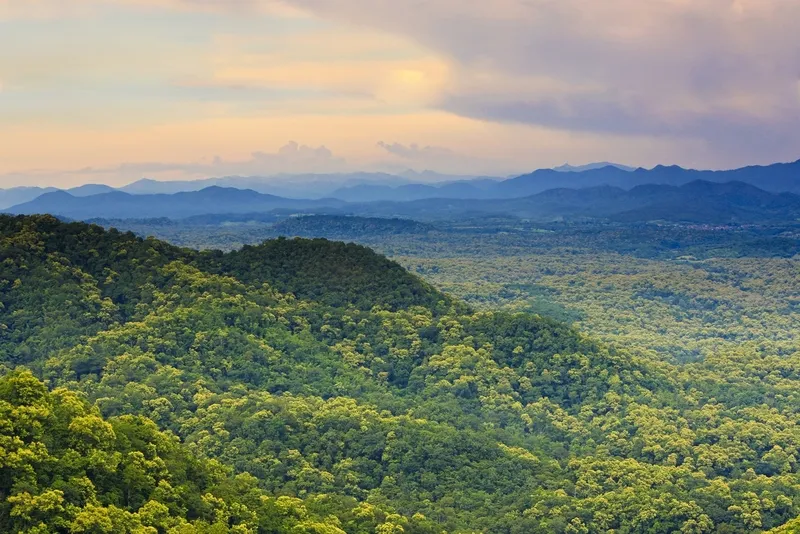
30. Mae Yom National Park — Phrae, Thailand Mae Yom National Park is a mountain and forest destination associated with Phrae. The original guide describes its distinctive natural setting and its role in protecting local landscapes and ecosystems. Key points of interest include river landscapes.
Its landscape is shaped by local geology, vegetation and changes in elevation. Visitors can appreciate the natural setting through officially accessible viewpoints and forest or nature-study areas, while respecting sensitive habitats and visitor restrictions.
Main Attractions and Highlights: River landscapes. Nature photography, careful observation of wildlife and responsible exploration are suitable ways to enjoy the area where visitor access is permitted.
The surrounding forests and waterways contribute to watershed health and biodiversity. Stay on authorized paths, avoid feeding wild animals, and keep noise and litter to a minimum. Check with park staff before entering remote sections, especially during periods of heavy rain.
Getting There: Travel to Phrae and select the entrance or authorized visitor location corresponding to your intended attraction. Mainland routes may involve winding mountain roads; island sites can require local boat transfers. Confirm the exact route, seasonal access and transport arrangements before departure.
Map (GPS):Get directions to Mae Yom National Park

31. Wiang Kosai National Park — Lampang, Phrae, Thailand Wiang Kosai National Park is a mountain and forest destination associated with Lampang, Phrae. The original guide describes its distinctive natural setting and its role in protecting local landscapes and ecosystems. Key points of interest include waterfalls.
Waterfalls and streams are central to this destination’s visitor appeal. Water levels, rock surfaces and trail access can change markedly between the wet and dry seasons, so safe viewing areas and posted guidance are especially important.
Main Attractions and Highlights: Waterfalls. Nature photography, careful observation of wildlife and responsible exploration are suitable ways to enjoy the area where visitor access is permitted.
The surrounding forests and waterways contribute to watershed health and biodiversity. Stay on authorized paths, avoid feeding wild animals, and keep noise and litter to a minimum. Check with park staff before entering remote sections, especially during periods of heavy rain.
Getting There: Travel to Lampang, Phrae and select the entrance or authorized visitor location corresponding to your intended attraction. Mainland routes may involve winding mountain roads; island sites can require local boat transfers. Confirm the exact route, seasonal access and transport arrangements before departure.

32. Doi Pha Klong National Park — Phrae, Thailand Doi Pha Klong National Park is a mountain and forest destination associated with Phrae. The original guide describes its distinctive natural setting and its role in protecting local landscapes and ecosystems. Key points of interest include cliff viewpoints.
Its landscape is shaped by local geology, vegetation and changes in elevation. Visitors can appreciate the natural setting through officially accessible viewpoints and forest or nature-study areas, while respecting sensitive habitats and visitor restrictions.
Main Attractions and Highlights: Cliff viewpoints. Nature photography, careful observation of wildlife and responsible exploration are suitable ways to enjoy the area where visitor access is permitted.
The surrounding forests and waterways contribute to watershed health and biodiversity. Stay on authorized paths, avoid feeding wild animals, and keep noise and litter to a minimum. Check with park staff before entering remote sections, especially during periods of heavy rain.
Getting There: Travel to Phrae and select the entrance or authorized visitor location corresponding to your intended attraction. Mainland routes may involve winding mountain roads; island sites can require local boat transfers. Confirm the exact route, seasonal access and transport arrangements before departure.
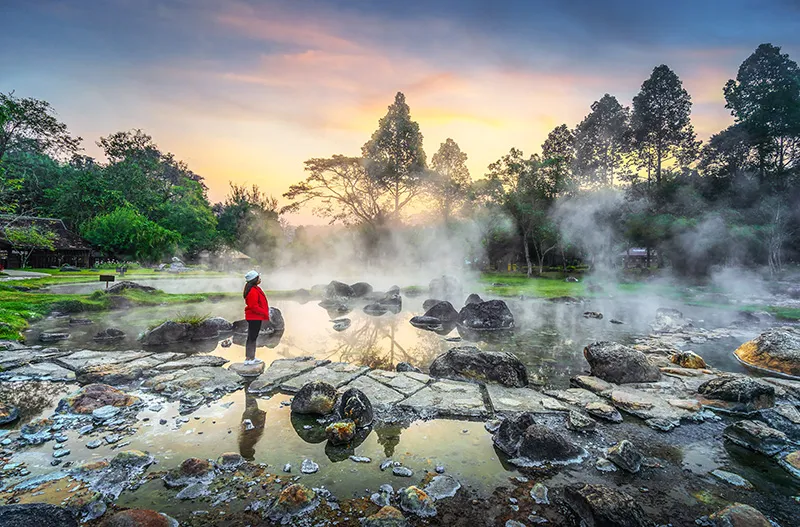
33. Chae Son National Park — Lampang, Thailand Chae Son National Park is a protected natural destination associated with Lampang. The original guide describes its distinctive natural setting and its role in protecting local landscapes and ecosystems. Key points of interest include natural hot springs, waterfalls.
Waterfalls and streams are central to this destination’s visitor appeal. Water levels, rock surfaces and trail access can change markedly between the wet and dry seasons, so safe viewing areas and posted guidance are especially important.
Main Attractions and Highlights: Natural hot springs, waterfalls. Nature photography, careful observation of wildlife and responsible exploration are suitable ways to enjoy the area where visitor access is permitted.
The surrounding forests and waterways contribute to watershed health and biodiversity. Stay on authorized paths, avoid feeding wild animals, and keep noise and litter to a minimum. Check with park staff before entering remote sections, especially during periods of heavy rain.
Getting There: Travel to Lampang and select the entrance or authorized visitor location corresponding to your intended attraction. Mainland routes may involve winding mountain roads; island sites can require local boat transfers. Confirm the exact route, seasonal access and transport arrangements before departure.
Map (GPS):Get directions to Chae Son National Park
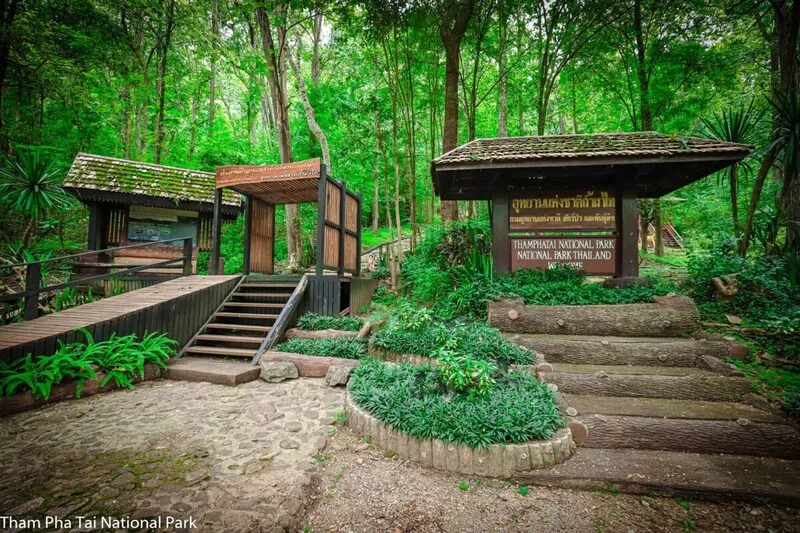
34. Tham Pha Thai National Park — Lampang, Thailand Tham Pha Thai National Park is a mountain and forest destination associated with Lampang. The original guide describes its distinctive natural setting and its role in protecting local landscapes and ecosystems. Key points of interest include caves.
Its landscape is shaped by local geology, vegetation and changes in elevation. Visitors can appreciate the natural setting through officially accessible viewpoints and forest or nature-study areas, while respecting sensitive habitats and visitor restrictions.
Main Attractions and Highlights: Caves. Nature photography, careful observation of wildlife and responsible exploration are suitable ways to enjoy the area where visitor access is permitted.
The surrounding forests and waterways contribute to watershed health and biodiversity. Stay on authorized paths, avoid feeding wild animals, and keep noise and litter to a minimum. Check with park staff before entering remote sections, especially during periods of heavy rain.
Getting There: Travel to Lampang and select the entrance or authorized visitor location corresponding to your intended attraction. Mainland routes may involve winding mountain roads; island sites can require local boat transfers. Confirm the exact route, seasonal access and transport arrangements before departure.
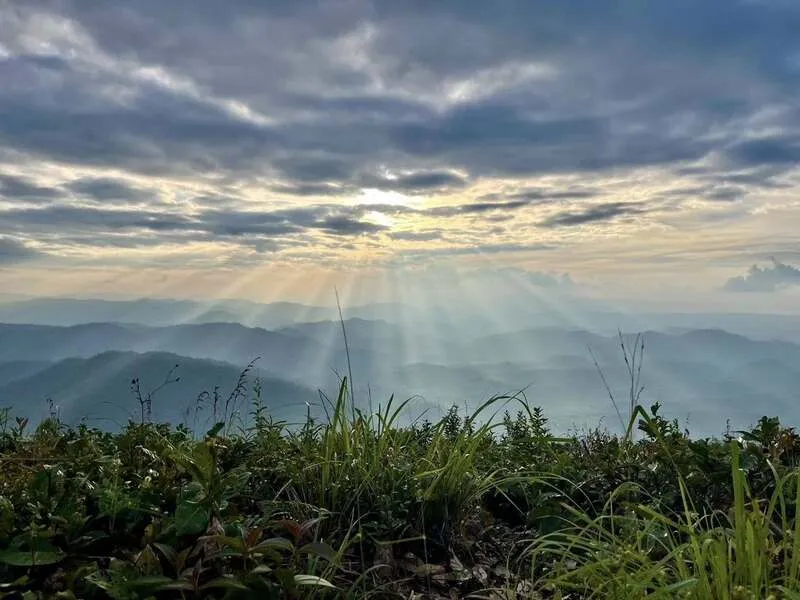
35. Doi Chong National Park — Lampang, Lamphun, Thailand Doi Chong National Park is a mountain and forest destination associated with Lampang, Lamphun. The original guide describes its distinctive natural setting and its role in protecting local landscapes and ecosystems. Key points of interest include forest hiking trails.
Its landscape is shaped by local geology, vegetation and changes in elevation. Visitors can appreciate the natural setting through officially accessible viewpoints and forest or nature-study areas, while respecting sensitive habitats and visitor restrictions.
Main Attractions and Highlights: Forest hiking trails. Nature photography, careful observation of wildlife and responsible exploration are suitable ways to enjoy the area where visitor access is permitted.
The surrounding forests and waterways contribute to watershed health and biodiversity. Stay on authorized paths, avoid feeding wild animals, and keep noise and litter to a minimum. Check with park staff before entering remote sections, especially during periods of heavy rain.
Getting There: Travel to Lampang, Lamphun and select the entrance or authorized visitor location corresponding to your intended attraction. Mainland routes may involve winding mountain roads; island sites can require local boat transfers. Confirm the exact route, seasonal access and transport arrangements before departure.
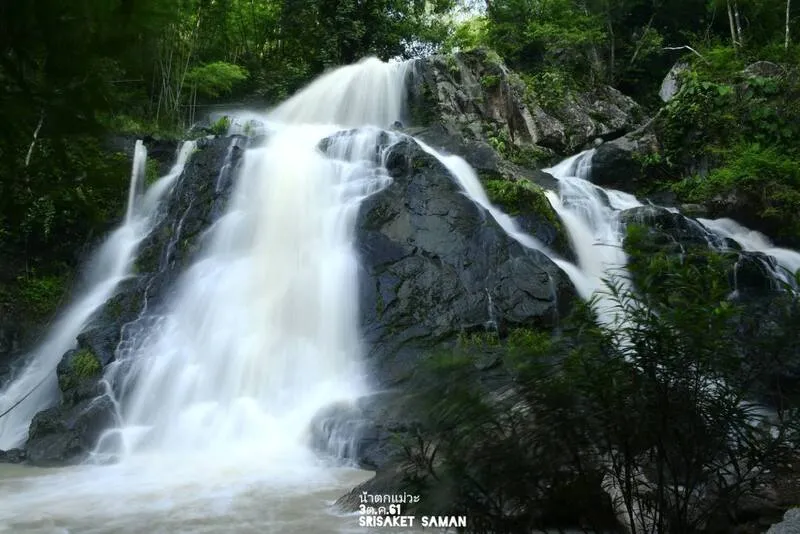
36. Mae Wa National Park — Lampang, Thailand Mae Wa National Park is a mountain and forest destination associated with Lampang. The original guide describes its distinctive natural setting and its role in protecting local landscapes and ecosystems. Key points of interest include waterfalls.
Waterfalls and streams are central to this destination’s visitor appeal. Water levels, rock surfaces and trail access can change markedly between the wet and dry seasons, so safe viewing areas and posted guidance are especially important.
Main Attractions and Highlights: Waterfalls. Nature photography, careful observation of wildlife and responsible exploration are suitable ways to enjoy the area where visitor access is permitted.
The surrounding forests and waterways contribute to watershed health and biodiversity. Stay on authorized paths, avoid feeding wild animals, and keep noise and litter to a minimum. Check with park staff before entering remote sections, especially during periods of heavy rain.
Getting There: Travel to Lampang and select the entrance or authorized visitor location corresponding to your intended attraction. Mainland routes may involve winding mountain roads; island sites can require local boat transfers. Confirm the exact route, seasonal access and transport arrangements before departure.
Map (GPS):Get directions to Mae Wa National Park

37. Mae Ping National Park — Lamphun, Thailand Mae Ping National Park is a mountain and forest destination associated with Lamphun. The original guide describes its distinctive natural setting and its role in protecting local landscapes and ecosystems. Key points of interest include natural grasslands, waterfalls, river landscapes.
Waterfalls and streams are central to this destination’s visitor appeal. Water levels, rock surfaces and trail access can change markedly between the wet and dry seasons, so safe viewing areas and posted guidance are especially important.
Main Attractions and Highlights: Natural grasslands, waterfalls, river landscapes. Nature photography, careful observation of wildlife and responsible exploration are suitable ways to enjoy the area where visitor access is permitted.
The surrounding forests and waterways contribute to watershed health and biodiversity. Stay on authorized paths, avoid feeding wild animals, and keep noise and litter to a minimum. Check with park staff before entering remote sections, especially during periods of heavy rain.
Getting There: Travel to Lamphun and select the entrance or authorized visitor location corresponding to your intended attraction. Mainland routes may involve winding mountain roads; island sites can require local boat transfers. Confirm the exact route, seasonal access and transport arrangements before departure.
Map (GPS):Get directions to Mae Ping National Park

38. Doi Khun Tan National Park — Lampang, Lamphun, Thailand Doi Khun Tan National Park is a mountain and forest destination associated with Lampang, Lamphun. The original guide describes its distinctive natural setting and its role in protecting local landscapes and ecosystems. Key points of interest include forest hiking trails, scenic viewpoints.
Its landscape is shaped by local geology, vegetation and changes in elevation. Visitors can appreciate the natural setting through officially accessible viewpoints and forest or nature-study areas, while respecting sensitive habitats and visitor restrictions.
Main Attractions and Highlights: Forest hiking trails, scenic viewpoints. Nature photography, careful observation of wildlife and responsible exploration are suitable ways to enjoy the area where visitor access is permitted.
The surrounding forests and waterways contribute to watershed health and biodiversity. Stay on authorized paths, avoid feeding wild animals, and keep noise and litter to a minimum. Check with park staff before entering remote sections, especially during periods of heavy rain.
Getting There: Travel to Lampang, Lamphun and select the entrance or authorized visitor location corresponding to your intended attraction. Mainland routes may involve winding mountain roads; island sites can require local boat transfers. Confirm the exact route, seasonal access and transport arrangements before departure.

39. Lam Nam Nan National Park — Uttaradit, Thailand Lam Nam Nan National Park is a mountain and forest destination associated with Uttaradit. The original guide describes its distinctive natural setting and its role in protecting local landscapes and ecosystems. Key points of interest include scenic viewpoints.
Its landscape is shaped by local geology, vegetation and changes in elevation. Visitors can appreciate the natural setting through officially accessible viewpoints and forest or nature-study areas, while respecting sensitive habitats and visitor restrictions.
Main Attractions and Highlights: Scenic viewpoints. Nature photography, careful observation of wildlife and responsible exploration are suitable ways to enjoy the area where visitor access is permitted.
The surrounding forests and waterways contribute to watershed health and biodiversity. Stay on authorized paths, avoid feeding wild animals, and keep noise and litter to a minimum. Check with park staff before entering remote sections, especially during periods of heavy rain.
Getting There: Travel to Uttaradit and select the entrance or authorized visitor location corresponding to your intended attraction. Mainland routes may involve winding mountain roads; island sites can require local boat transfers. Confirm the exact route, seasonal access and transport arrangements before departure.
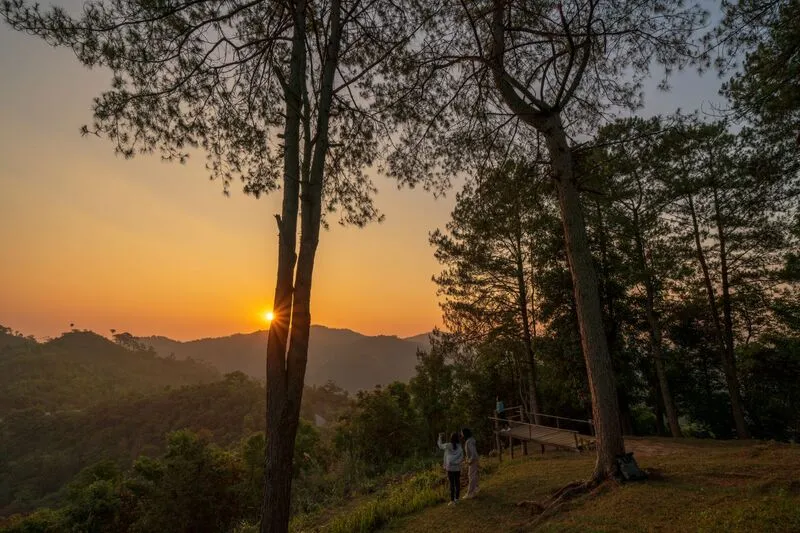
40. Taksin Maharat National Park — Tak, Thailand Taksin Maharat National Park is a mountain and forest destination associated with Tak. The original guide describes its distinctive natural setting and its role in protecting local landscapes and ecosystems. Key points of interest include scenic viewpoints.
Its landscape is shaped by local geology, vegetation and changes in elevation. Visitors can appreciate the natural setting through officially accessible viewpoints and forest or nature-study areas, while respecting sensitive habitats and visitor restrictions.
Main Attractions and Highlights: Scenic viewpoints. Nature photography, careful observation of wildlife and responsible exploration are suitable ways to enjoy the area where visitor access is permitted.
The surrounding forests and waterways contribute to watershed health and biodiversity. Stay on authorized paths, avoid feeding wild animals, and keep noise and litter to a minimum. Check with park staff before entering remote sections, especially during periods of heavy rain.
Getting There: Travel to Tak and select the entrance or authorized visitor location corresponding to your intended attraction. Mainland routes may involve winding mountain roads; island sites can require local boat transfers. Confirm the exact route, seasonal access and transport arrangements before departure.
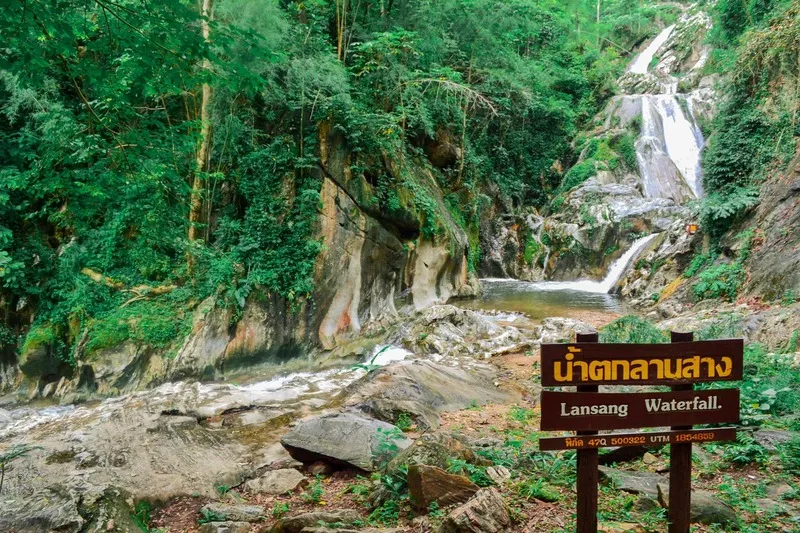
41. Lan Sang National Park — Tak, Thailand Lan Sang National Park is a mountain and forest destination associated with Tak. The original guide describes its distinctive natural setting and its role in protecting local landscapes and ecosystems. Key points of interest include waterfalls.
Waterfalls and streams are central to this destination’s visitor appeal. Water levels, rock surfaces and trail access can change markedly between the wet and dry seasons, so safe viewing areas and posted guidance are especially important.
Main Attractions and Highlights: Waterfalls. Nature photography, careful observation of wildlife and responsible exploration are suitable ways to enjoy the area where visitor access is permitted.
The surrounding forests and waterways contribute to watershed health and biodiversity. Stay on authorized paths, avoid feeding wild animals, and keep noise and litter to a minimum. Check with park staff before entering remote sections, especially during periods of heavy rain.
Getting There: Travel to Tak and select the entrance or authorized visitor location corresponding to your intended attraction. Mainland routes may involve winding mountain roads; island sites can require local boat transfers. Confirm the exact route, seasonal access and transport arrangements before departure.
Map (GPS):Get directions to Lan Sang National Park

42. Khun Phawo National Park — Tak, Thailand Khun Phawo National Park is a mountain and forest destination associated with Tak. The original guide describes its distinctive natural setting and its role in protecting local landscapes and ecosystems. Key points of interest include waterfalls, scenic viewpoints.
Waterfalls and streams are central to this destination’s visitor appeal. Water levels, rock surfaces and trail access can change markedly between the wet and dry seasons, so safe viewing areas and posted guidance are especially important.
Main Attractions and Highlights: Waterfalls, scenic viewpoints. Nature photography, careful observation of wildlife and responsible exploration are suitable ways to enjoy the area where visitor access is permitted.
The surrounding forests and waterways contribute to watershed health and biodiversity. Stay on authorized paths, avoid feeding wild animals, and keep noise and litter to a minimum. Check with park staff before entering remote sections, especially during periods of heavy rain.
Getting There: Travel to Tak and select the entrance or authorized visitor location corresponding to your intended attraction. Mainland routes may involve winding mountain roads; island sites can require local boat transfers. Confirm the exact route, seasonal access and transport arrangements before departure.

43. Khlong Wang Chao National Park — Kamphaeng Phet, Tak, Thailand Khlong Wang Chao National Park is a mountain and forest destination associated with Kamphaeng Phet, Tak. The original guide describes its distinctive natural setting and its role in protecting local landscapes and ecosystems. Key points of interest include waterfalls, forest hiking trails.
Waterfalls and streams are central to this destination’s visitor appeal. Water levels, rock surfaces and trail access can change markedly between the wet and dry seasons, so safe viewing areas and posted guidance are especially important.
Main Attractions and Highlights: Waterfalls, forest hiking trails. Nature photography, careful observation of wildlife and responsible exploration are suitable ways to enjoy the area where visitor access is permitted.
The surrounding forests and waterways contribute to watershed health and biodiversity. Stay on authorized paths, avoid feeding wild animals, and keep noise and litter to a minimum. Check with park staff before entering remote sections, especially during periods of heavy rain.
Getting There: Travel to Kamphaeng Phet, Tak and select the entrance or authorized visitor location corresponding to your intended attraction. Mainland routes may involve winding mountain roads; island sites can require local boat transfers. Confirm the exact route, seasonal access and transport arrangements before departure.
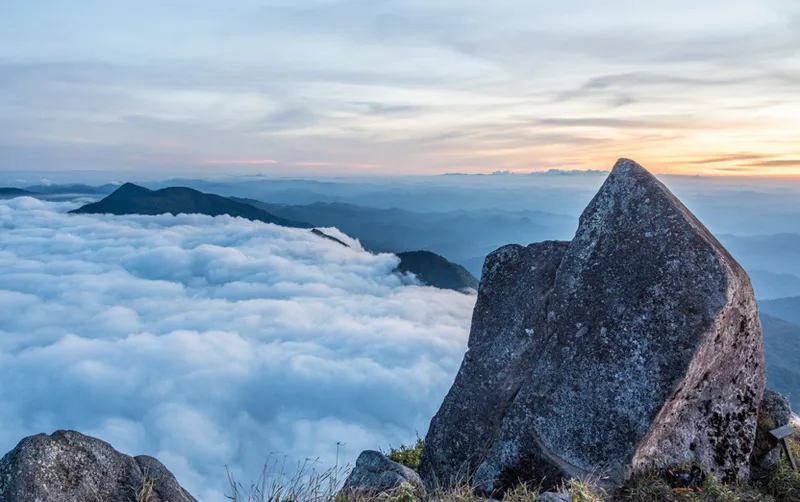
44. Mae Wong National Park — Kamphaeng Phet, Nakhon Sawan, Thailand Mae Wong National Park is a mountain and forest destination associated with Kamphaeng Phet, Nakhon Sawan. The original guide describes its distinctive natural setting and its role in protecting local landscapes and ecosystems. Key points of interest include waterfalls, forest hiking trails, scenic viewpoints.
Waterfalls and streams are central to this destination’s visitor appeal. Water levels, rock surfaces and trail access can change markedly between the wet and dry seasons, so safe viewing areas and posted guidance are especially important.
Main Attractions and Highlights: Waterfalls, forest hiking trails, scenic viewpoints. Nature photography, careful observation of wildlife and responsible exploration are suitable ways to enjoy the area where visitor access is permitted.
The surrounding forests and waterways contribute to watershed health and biodiversity. Stay on authorized paths, avoid feeding wild animals, and keep noise and litter to a minimum. Check with park staff before entering remote sections, especially during periods of heavy rain.
Getting There: Travel to Kamphaeng Phet, Nakhon Sawan and select the entrance or authorized visitor location corresponding to your intended attraction. Mainland routes may involve winding mountain roads; island sites can require local boat transfers. Confirm the exact route, seasonal access and transport arrangements before departure.
Map (GPS):Get directions to Mae Wong National Park
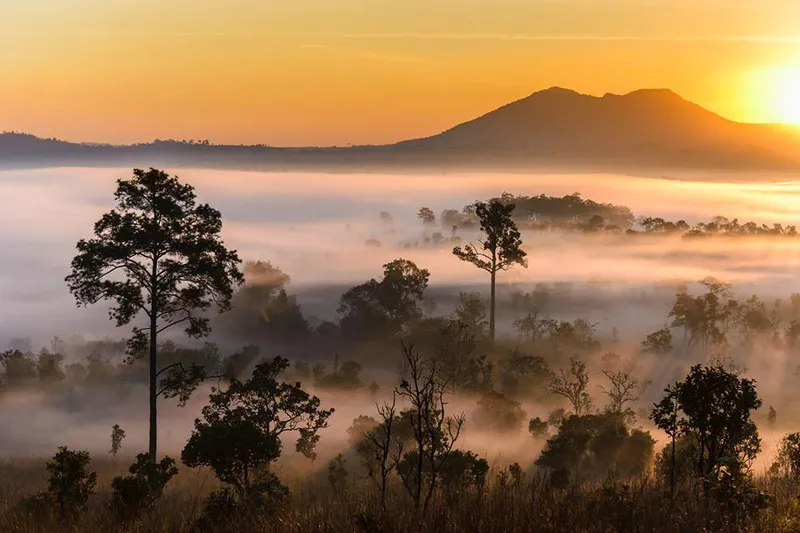
45. Thung Salaeng Luang National Park — Phitsanulok, Phetchabun, Thailand Thung Salaeng Luang National Park is a mountain and forest destination associated with Phitsanulok, Phetchabun. The original guide describes its distinctive natural setting and its role in protecting local landscapes and ecosystems. Key points of interest include natural grasslands, pine forests.
Its landscape is shaped by local geology, vegetation and changes in elevation. Visitors can appreciate the natural setting through officially accessible viewpoints and forest or nature-study areas, while respecting sensitive habitats and visitor restrictions.
Main Attractions and Highlights: Natural grasslands, pine forests. Nature photography, careful observation of wildlife and responsible exploration are suitable ways to enjoy the area where visitor access is permitted.
The surrounding forests and waterways contribute to watershed health and biodiversity. Stay on authorized paths, avoid feeding wild animals, and keep noise and litter to a minimum. Check with park staff before entering remote sections, especially during periods of heavy rain.
Getting There: Travel to Phitsanulok, Phetchabun and select the entrance or authorized visitor location corresponding to your intended attraction. Mainland routes may involve winding mountain roads; island sites can require local boat transfers. Confirm the exact route, seasonal access and transport arrangements before departure.
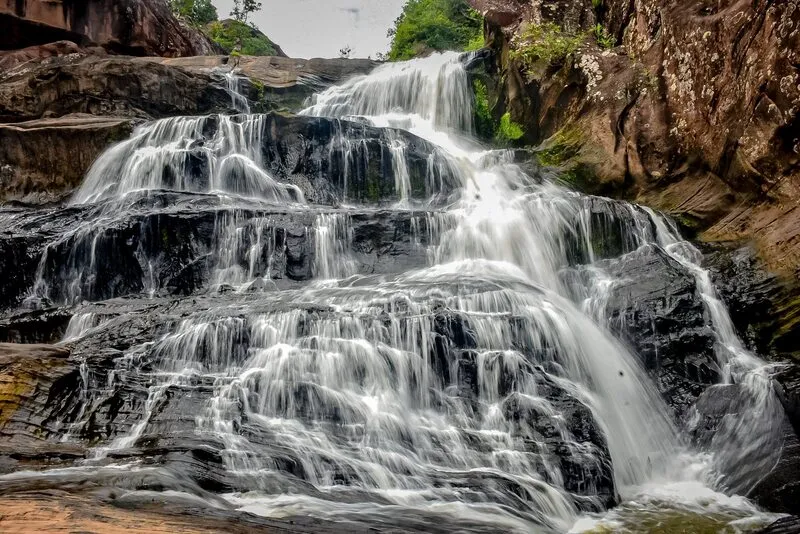
46. Namtok Chat Trakan National Park — Phitsanulok, Thailand Namtok Chat Trakan National Park is a mountain and forest destination associated with Phitsanulok. The original guide describes its distinctive natural setting and its role in protecting local landscapes and ecosystems. Key points of interest include waterfalls.
Waterfalls and streams are central to this destination’s visitor appeal. Water levels, rock surfaces and trail access can change markedly between the wet and dry seasons, so safe viewing areas and posted guidance are especially important.
Main Attractions and Highlights: Waterfalls. Nature photography, careful observation of wildlife and responsible exploration are suitable ways to enjoy the area where visitor access is permitted.
The surrounding forests and waterways contribute to watershed health and biodiversity. Stay on authorized paths, avoid feeding wild animals, and keep noise and litter to a minimum. Check with park staff before entering remote sections, especially during periods of heavy rain.
Getting There: Travel to Phitsanulok and select the entrance or authorized visitor location corresponding to your intended attraction. Mainland routes may involve winding mountain roads; island sites can require local boat transfers. Confirm the exact route, seasonal access and transport arrangements before departure.
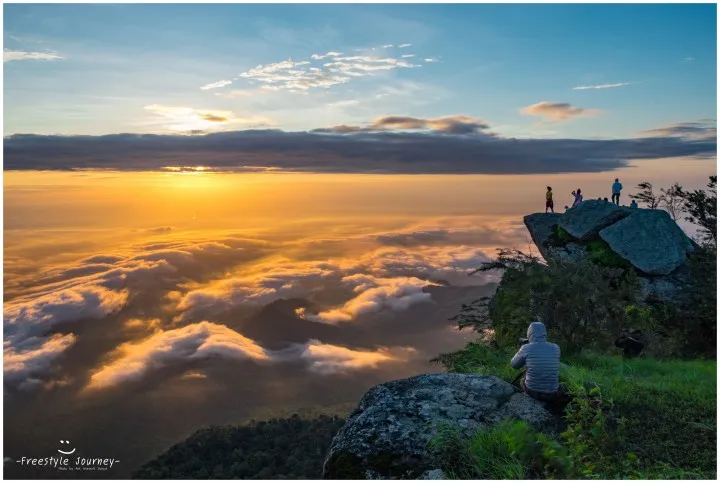
47. Ramkhamhaeng National Park — Sukhothai, Thailand Ramkhamhaeng National Park is a mountain and forest destination associated with Sukhothai. The original guide describes its distinctive natural setting and its role in protecting local landscapes and ecosystems. Key points of interest include forest hiking trails, scenic viewpoints.
Its landscape is shaped by local geology, vegetation and changes in elevation. Visitors can appreciate the natural setting through officially accessible viewpoints and forest or nature-study areas, while respecting sensitive habitats and visitor restrictions.
Main Attractions and Highlights: Forest hiking trails, scenic viewpoints. Nature photography, careful observation of wildlife and responsible exploration are suitable ways to enjoy the area where visitor access is permitted.
The surrounding forests and waterways contribute to watershed health and biodiversity. Stay on authorized paths, avoid feeding wild animals, and keep noise and litter to a minimum. Check with park staff before entering remote sections, especially during periods of heavy rain.
Getting There: Travel to Sukhothai and select the entrance or authorized visitor location corresponding to your intended attraction. Mainland routes may involve winding mountain roads; island sites can require local boat transfers. Confirm the exact route, seasonal access and transport arrangements before departure.
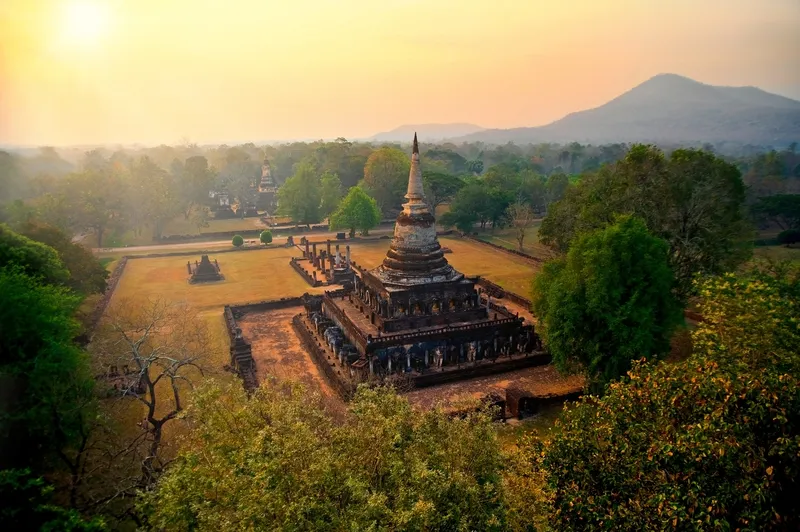
48. Si Satchanalai National Park — Lampang, Sukhothai, Thailand Si Satchanalai National Park is a mountain and forest destination associated with Lampang, Sukhothai. The original guide describes its distinctive natural setting and its role in protecting local landscapes and ecosystems. Key points of interest include caves, waterfalls.
Waterfalls and streams are central to this destination’s visitor appeal. Water levels, rock surfaces and trail access can change markedly between the wet and dry seasons, so safe viewing areas and posted guidance are especially important.
Main Attractions and Highlights: Caves, waterfalls. Nature photography, careful observation of wildlife and responsible exploration are suitable ways to enjoy the area where visitor access is permitted.
The surrounding forests and waterways contribute to watershed health and biodiversity. Stay on authorized paths, avoid feeding wild animals, and keep noise and litter to a minimum. Check with park staff before entering remote sections, especially during periods of heavy rain.
Getting There: Travel to Lampang, Sukhothai and select the entrance or authorized visitor location corresponding to your intended attraction. Mainland routes may involve winding mountain roads; island sites can require local boat transfers. Confirm the exact route, seasonal access and transport arrangements before departure.

49. Tat Mok National Park — Phetchabun, Thailand Tat Mok National Park is a mountain and forest destination associated with Phetchabun. The original guide describes its distinctive natural setting and its role in protecting local landscapes and ecosystems. Key points of interest include waterfalls, forest hiking trails.
Waterfalls and streams are central to this destination’s visitor appeal. Water levels, rock surfaces and trail access can change markedly between the wet and dry seasons, so safe viewing areas and posted guidance are especially important.
Main Attractions and Highlights: Waterfalls, forest hiking trails. Nature photography, careful observation of wildlife and responsible exploration are suitable ways to enjoy the area where visitor access is permitted.
The surrounding forests and waterways contribute to watershed health and biodiversity. Stay on authorized paths, avoid feeding wild animals, and keep noise and litter to a minimum. Check with park staff before entering remote sections, especially during periods of heavy rain.
Getting There: Travel to Phetchabun and select the entrance or authorized visitor location corresponding to your intended attraction. Mainland routes may involve winding mountain roads; island sites can require local boat transfers. Confirm the exact route, seasonal access and transport arrangements before departure.
Map (GPS):Get directions to Tat Mok National Park
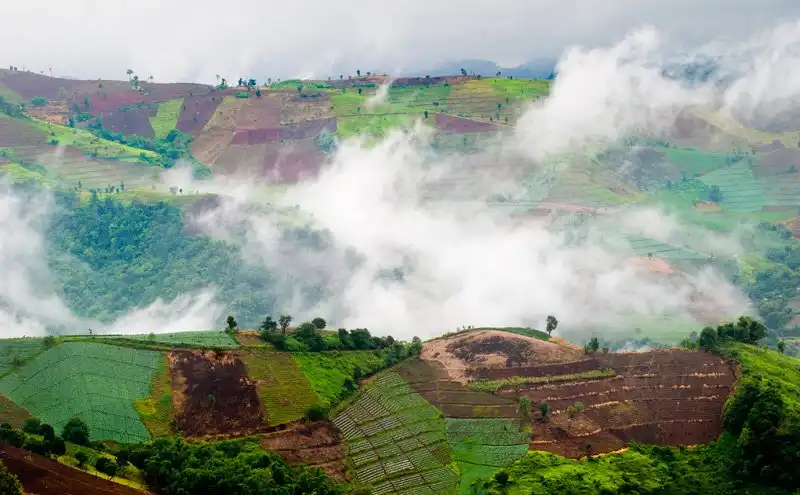
50. Mae Tho National Park — Chiang Mai, Thailand Mae Tho National Park is a mountain and forest destination associated with Chiang Mai. The original guide describes its distinctive natural setting and its role in protecting local landscapes and ecosystems. Key points of interest include scenic viewpoints.
Its landscape is shaped by local geology, vegetation and changes in elevation. Visitors can appreciate the natural setting through officially accessible viewpoints and forest or nature-study areas, while respecting sensitive habitats and visitor restrictions.
Main Attractions and Highlights: Scenic viewpoints. Nature photography, careful observation of wildlife and responsible exploration are suitable ways to enjoy the area where visitor access is permitted.
The surrounding forests and waterways contribute to watershed health and biodiversity. Stay on authorized paths, avoid feeding wild animals, and keep noise and litter to a minimum. Check with park staff before entering remote sections, especially during periods of heavy rain.
Getting There: Travel to Chiang Mai and select the entrance or authorized visitor location corresponding to your intended attraction. Mainland routes may involve winding mountain roads; island sites can require local boat transfers. Confirm the exact route, seasonal access and transport arrangements before departure.
Map (GPS):Get directions to Mae Tho National Park

51. Khwae Noi National Park — Phitsanulok, Thailand Khwae Noi National Park is a mountain and forest destination associated with Phitsanulok. The original guide describes its distinctive natural setting and its role in protecting local landscapes and ecosystems. Key points of interest include its forest landscapes and natural scenery.
Its landscape is shaped by local geology, vegetation and changes in elevation. Visitors can appreciate the natural setting through officially accessible viewpoints and forest or nature-study areas, while respecting sensitive habitats and visitor restrictions.
Main Attractions and Highlights: Its forest landscapes and natural scenery. Nature photography, careful observation of wildlife and responsible exploration are suitable ways to enjoy the area where visitor access is permitted.
The surrounding forests and waterways contribute to watershed health and biodiversity. Stay on authorized paths, avoid feeding wild animals, and keep noise and litter to a minimum. Check with park staff before entering remote sections, especially during periods of heavy rain.
Getting There: Travel to Phitsanulok and select the entrance or authorized visitor location corresponding to your intended attraction. Mainland routes may involve winding mountain roads; island sites can require local boat transfers. Confirm the exact route, seasonal access and transport arrangements before departure.

52. Namtok Pha Charoen National Park (Under Establishment) — Tak, Thailand Namtok Pha Charoen National Park is a mountain and forest destination associated with Tak. The original guide describes its distinctive natural setting and its role in protecting local landscapes and ecosystems. Key points of interest include seasonal Siam tulip fields, natural hot springs, waterfalls.
Waterfalls and streams are central to this destination’s visitor appeal. Water levels, rock surfaces and trail access can change markedly between the wet and dry seasons, so safe viewing areas and posted guidance are especially important.
Main Attractions and Highlights: Seasonal Siam tulip fields, natural hot springs, waterfalls. Nature photography, careful observation of wildlife and responsible exploration are suitable ways to enjoy the area where visitor access is permitted.
The surrounding forests and waterways contribute to watershed health and biodiversity. Stay on authorized paths, avoid feeding wild animals, and keep noise and litter to a minimum. Check with park staff before entering remote sections, especially during periods of heavy rain.
This destination is identified as under establishment in the source guide. It should not be presented as having the same legal or visitor-access status as a gazetted national park without confirmation from the responsible government authority.
Getting There: Travel to Tak and select the entrance or authorized visitor location corresponding to your intended attraction. Mainland routes may involve winding mountain roads; island sites can require local boat transfers. Confirm the exact route, seasonal access and transport arrangements before departure.
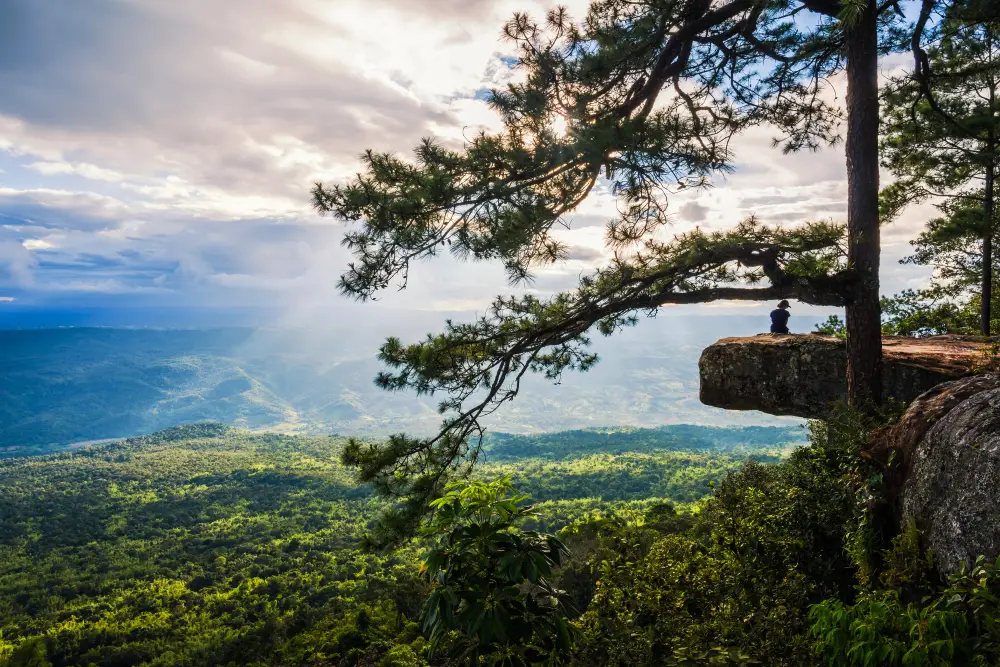
53. Phu Kradueng National Park — Loei, Thailand Phu Kradueng National Park is a mountain and forest destination associated with Loei. The original guide describes its distinctive natural setting and its role in protecting local landscapes and ecosystems. Key points of interest include Pha Lom Sak Viewpoint, cliff viewpoints, waterfalls, pine forests.
This flat-topped sandstone mountain is famous for the challenging climb to the plateau and its pine forests, waterfalls and celebrated sunset cliffs.
Main Attractions and Highlights: Pha Lom Sak Viewpoint, cliff viewpoints, waterfalls, pine forests. Nature photography, careful observation of wildlife and responsible exploration are suitable ways to enjoy the area where visitor access is permitted.
The surrounding forests and waterways contribute to watershed health and biodiversity. Stay on authorized paths, avoid feeding wild animals, and keep noise and litter to a minimum. Check with park staff before entering remote sections, especially during periods of heavy rain.
Getting There: Travel to Loei and select the entrance or authorized visitor location corresponding to your intended attraction. Mainland routes may involve winding mountain roads; island sites can require local boat transfers. Confirm the exact route, seasonal access and transport arrangements before departure.

54. Phu Ruea National Park — Loei, Thailand Phu Ruea National Park is a mountain and forest destination associated with Loei. The original guide describes its distinctive natural setting and its role in protecting local landscapes and ecosystems. Key points of interest include sea-of-mist viewpoints, pine forests.
Its landscape is shaped by local geology, vegetation and changes in elevation. Visitors can appreciate the natural setting through officially accessible viewpoints and forest or nature-study areas, while respecting sensitive habitats and visitor restrictions.
Main Attractions and Highlights: Sea-of-mist viewpoints, pine forests. Nature photography, careful observation of wildlife and responsible exploration are suitable ways to enjoy the area where visitor access is permitted.
The surrounding forests and waterways contribute to watershed health and biodiversity. Stay on authorized paths, avoid feeding wild animals, and keep noise and litter to a minimum. Check with park staff before entering remote sections, especially during periods of heavy rain.
Getting There: Travel to Loei and select the entrance or authorized visitor location corresponding to your intended attraction. Mainland routes may involve winding mountain roads; island sites can require local boat transfers. Confirm the exact route, seasonal access and transport arrangements before departure.
Map (GPS):Get directions to Phu Ruea National Park
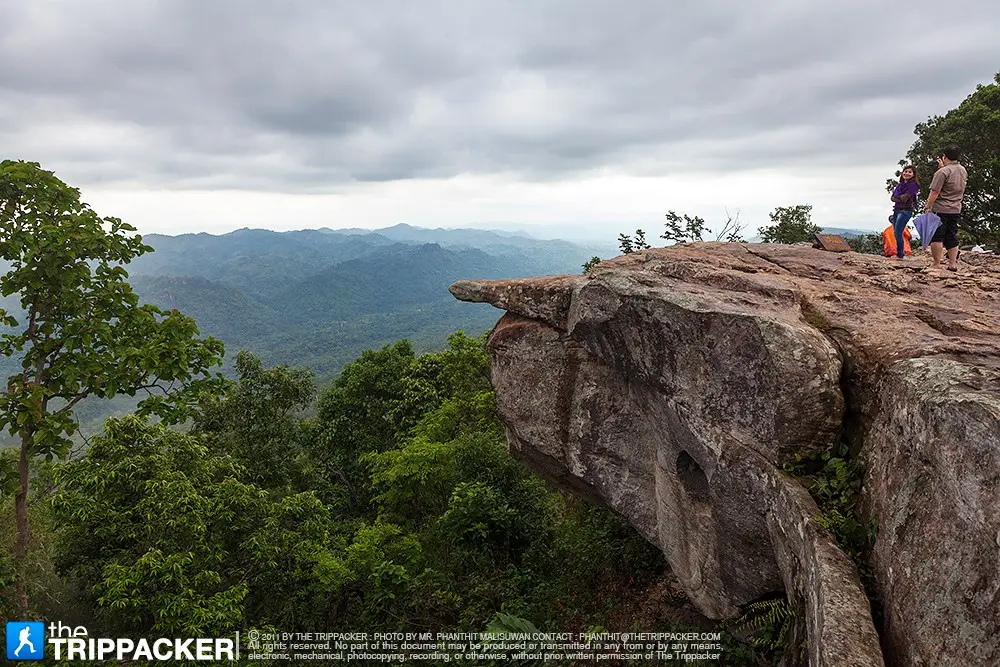
55. Pa Hin Ngam National Park — Chaiyaphum, Thailand Pa Hin Ngam National Park is a mountain and forest destination associated with Chaiyaphum. The original guide describes its distinctive natural setting and its role in protecting local landscapes and ecosystems. Key points of interest include seasonal Siam tulip fields, scenic viewpoints, sandstone formations.
Its landscape is shaped by local geology, vegetation and changes in elevation. Visitors can appreciate the natural setting through officially accessible viewpoints and forest or nature-study areas, while respecting sensitive habitats and visitor restrictions.
Main Attractions and Highlights: Seasonal Siam tulip fields, scenic viewpoints, sandstone formations. Nature photography, careful observation of wildlife and responsible exploration are suitable ways to enjoy the area where visitor access is permitted.
The surrounding forests and waterways contribute to watershed health and biodiversity. Stay on authorized paths, avoid feeding wild animals, and keep noise and litter to a minimum. Check with park staff before entering remote sections, especially during periods of heavy rain.
Getting There: Travel to Chaiyaphum and select the entrance or authorized visitor location corresponding to your intended attraction. Mainland routes may involve winding mountain roads; island sites can require local boat transfers. Confirm the exact route, seasonal access and transport arrangements before departure.
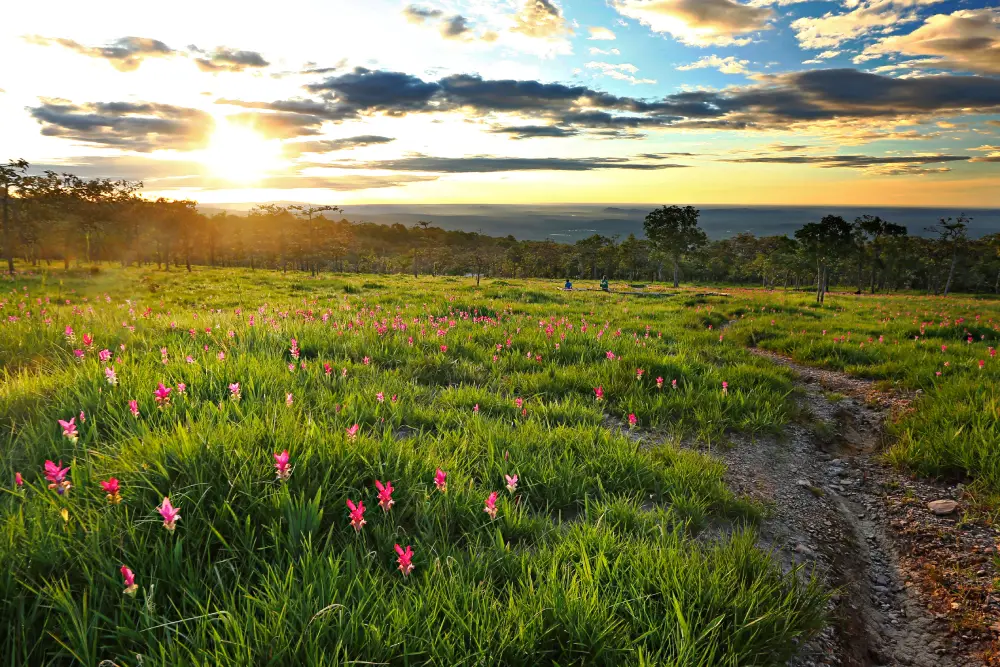
56. Sai Thong National Park — Chaiyaphum, Thailand Sai Thong National Park is a mountain and forest destination associated with Chaiyaphum. The original guide describes its distinctive natural setting and its role in protecting local landscapes and ecosystems. Key points of interest include cliff viewpoints, waterfalls, sandstone formations.
Waterfalls and streams are central to this destination’s visitor appeal. Water levels, rock surfaces and trail access can change markedly between the wet and dry seasons, so safe viewing areas and posted guidance are especially important.
Main Attractions and Highlights: Cliff viewpoints, waterfalls, sandstone formations. Nature photography, careful observation of wildlife and responsible exploration are suitable ways to enjoy the area where visitor access is permitted.
The surrounding forests and waterways contribute to watershed health and biodiversity. Stay on authorized paths, avoid feeding wild animals, and keep noise and litter to a minimum. Check with park staff before entering remote sections, especially during periods of heavy rain.
Getting There: Travel to Chaiyaphum and select the entrance or authorized visitor location corresponding to your intended attraction. Mainland routes may involve winding mountain roads; island sites can require local boat transfers. Confirm the exact route, seasonal access and transport arrangements before departure.

57. Phu Laen Kha National Park — Chaiyaphum, Thailand Phu Laen Kha National Park is a mountain and forest destination associated with Chaiyaphum. The original guide describes its distinctive natural setting and its role in protecting local landscapes and ecosystems. Key points of interest include scenic viewpoints.
Its landscape is shaped by local geology, vegetation and changes in elevation. Visitors can appreciate the natural setting through officially accessible viewpoints and forest or nature-study areas, while respecting sensitive habitats and visitor restrictions.
Main Attractions and Highlights: Scenic viewpoints. Nature photography, careful observation of wildlife and responsible exploration are suitable ways to enjoy the area where visitor access is permitted.
The surrounding forests and waterways contribute to watershed health and biodiversity. Stay on authorized paths, avoid feeding wild animals, and keep noise and litter to a minimum. Check with park staff before entering remote sections, especially during periods of heavy rain.
Getting There: Travel to Chaiyaphum and select the entrance or authorized visitor location corresponding to your intended attraction. Mainland routes may involve winding mountain roads; island sites can require local boat transfers. Confirm the exact route, seasonal access and transport arrangements before departure.
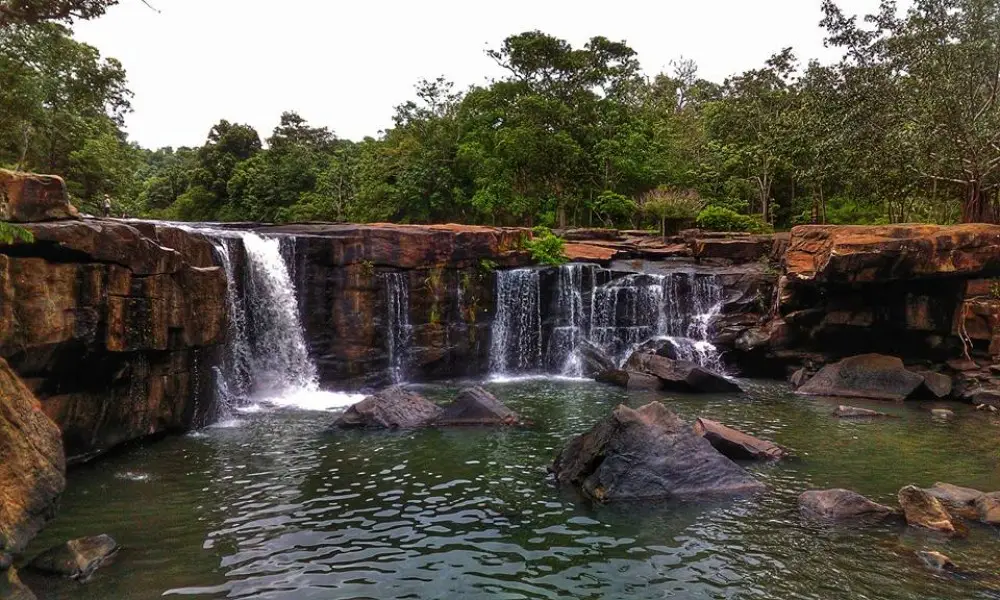
58. Tat Ton National Park — Chaiyaphum, Thailand Tat Ton National Park is a protected natural destination associated with Chaiyaphum. The original guide describes its distinctive natural setting and its role in protecting local landscapes and ecosystems. Key points of interest include waterfalls.
Waterfalls and streams are central to this destination’s visitor appeal. Water levels, rock surfaces and trail access can change markedly between the wet and dry seasons, so safe viewing areas and posted guidance are especially important.
Main Attractions and Highlights: Waterfalls. Nature photography, careful observation of wildlife and responsible exploration are suitable ways to enjoy the area where visitor access is permitted.
The surrounding forests and waterways contribute to watershed health and biodiversity. Stay on authorized paths, avoid feeding wild animals, and keep noise and litter to a minimum. Check with park staff before entering remote sections, especially during periods of heavy rain.
Getting There: Travel to Chaiyaphum and select the entrance or authorized visitor location corresponding to your intended attraction. Mainland routes may involve winding mountain roads; island sites can require local boat transfers. Confirm the exact route, seasonal access and transport arrangements before departure.
Map (GPS):Get directions to Tat Ton National Park
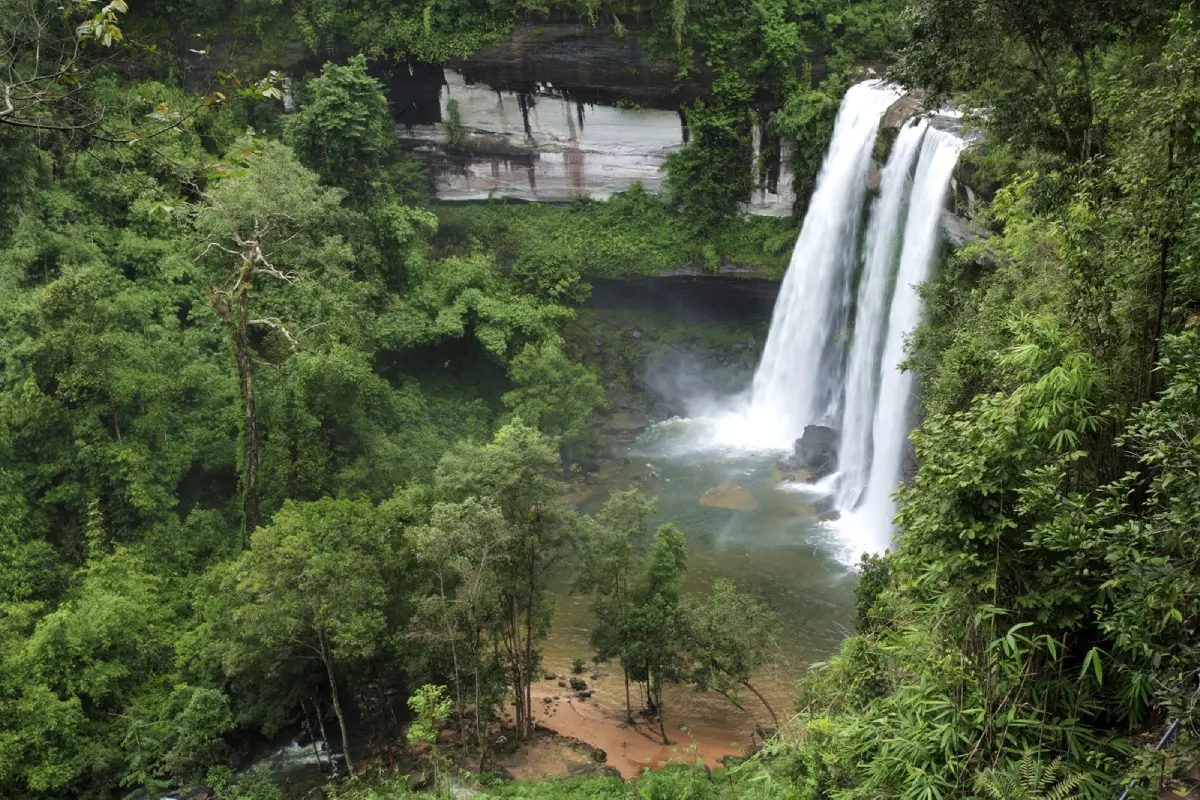
59. Phu Chong Na Yoi National Park — Ubon Ratchathani, Thailand Phu Chong Na Yoi National Park is a mountain and forest destination associated with Ubon Ratchathani. The original guide describes its distinctive natural setting and its role in protecting local landscapes and ecosystems. Key points of interest include Huai Luang Waterfall, cliff viewpoints, waterfalls, scenic viewpoints.
Waterfalls and streams are central to this destination’s visitor appeal. Water levels, rock surfaces and trail access can change markedly between the wet and dry seasons, so safe viewing areas and posted guidance are especially important.
Main Attractions and Highlights: Huai Luang Waterfall, cliff viewpoints, waterfalls, scenic viewpoints. Nature photography, careful observation of wildlife and responsible exploration are suitable ways to enjoy the area where visitor access is permitted.
The surrounding forests and waterways contribute to watershed health and biodiversity. Stay on authorized paths, avoid feeding wild animals, and keep noise and litter to a minimum. Check with park staff before entering remote sections, especially during periods of heavy rain.
Getting There: Travel to Ubon Ratchathani and select the entrance or authorized visitor location corresponding to your intended attraction. Mainland routes may involve winding mountain roads; island sites can require local boat transfers. Confirm the exact route, seasonal access and transport arrangements before departure.
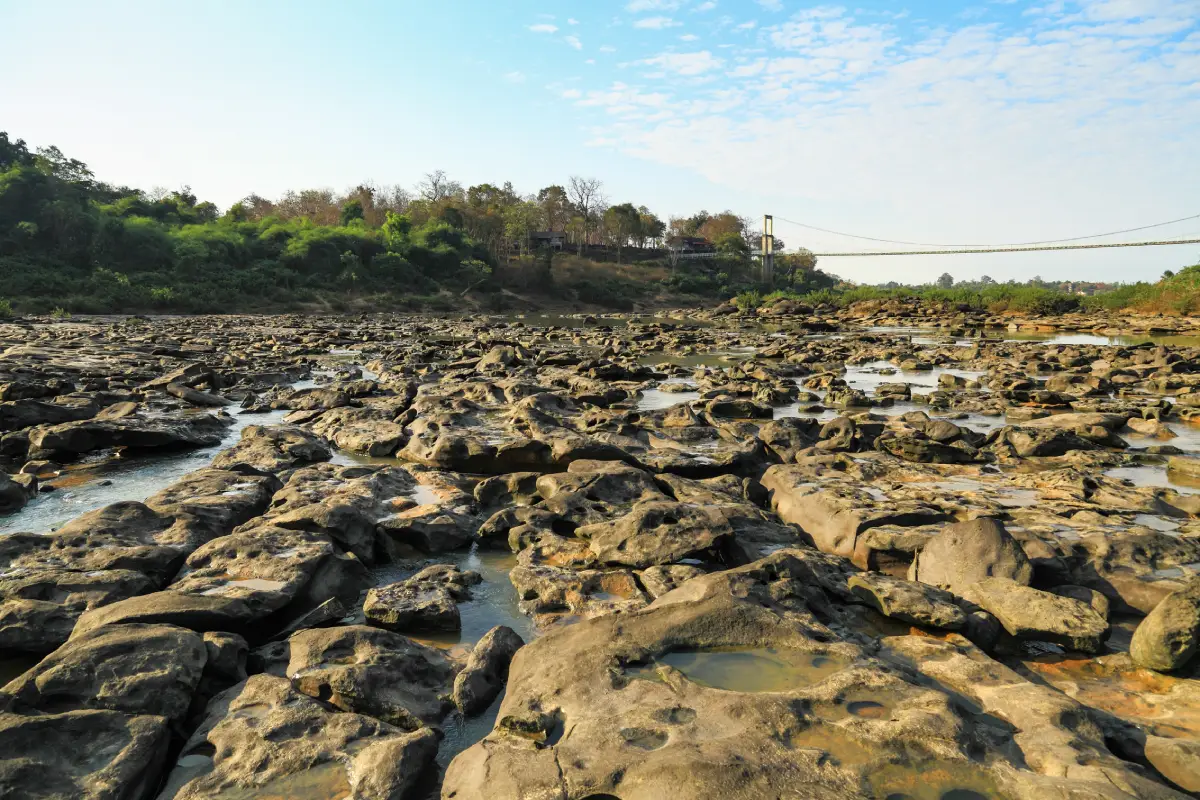
60. Kaeng Tana National Park — Ubon Ratchathani, Thailand Kaeng Tana National Park is a mountain and forest destination associated with Ubon Ratchathani. The original guide describes its distinctive natural setting and its role in protecting local landscapes and ecosystems. Key points of interest include river landscapes, scenic viewpoints.
Its landscape is shaped by local geology, vegetation and changes in elevation. Visitors can appreciate the natural setting through officially accessible viewpoints and forest or nature-study areas, while respecting sensitive habitats and visitor restrictions.
Main Attractions and Highlights: River landscapes, scenic viewpoints. Nature photography, careful observation of wildlife and responsible exploration are suitable ways to enjoy the area where visitor access is permitted.
The surrounding forests and waterways contribute to watershed health and biodiversity. Stay on authorized paths, avoid feeding wild animals, and keep noise and litter to a minimum. Check with park staff before entering remote sections, especially during periods of heavy rain.
Getting There: Travel to Ubon Ratchathani and select the entrance or authorized visitor location corresponding to your intended attraction. Mainland routes may involve winding mountain roads; island sites can require local boat transfers. Confirm the exact route, seasonal access and transport arrangements before departure.
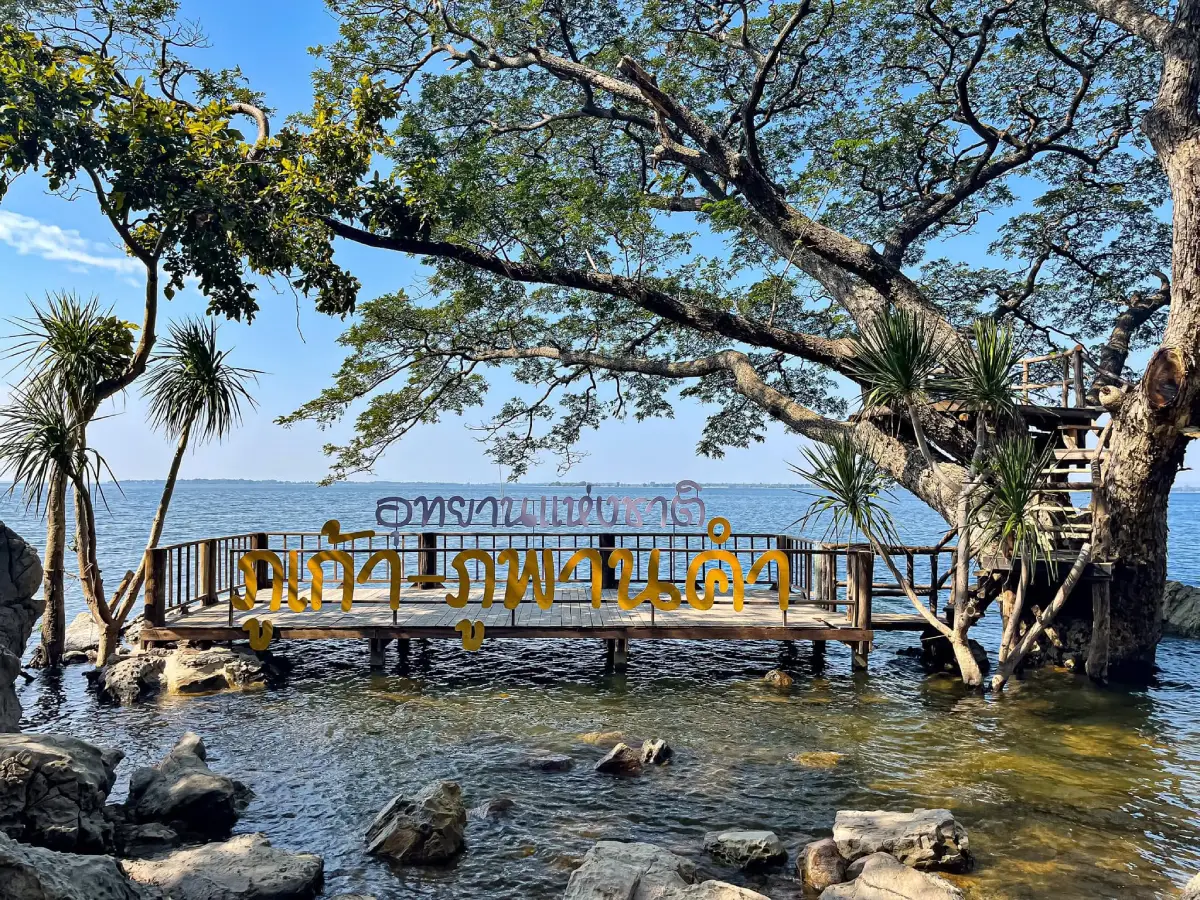
61. Phu Kao Phu Phan Kham National Park — Khon Kaen, Nong Bua Lam Phu, Thailand Phu Kao Phu Phan Kham National Park is a mountain and forest destination associated with Khon Kaen, Nong Bua Lam Phu. The original guide describes its distinctive natural setting and its role in protecting local landscapes and ecosystems. Key points of interest include scenic viewpoints, sandstone formations.
Its landscape is shaped by local geology, vegetation and changes in elevation. Visitors can appreciate the natural setting through officially accessible viewpoints and forest or nature-study areas, while respecting sensitive habitats and visitor restrictions.
Main Attractions and Highlights: Scenic viewpoints, sandstone formations. Nature photography, careful observation of wildlife and responsible exploration are suitable ways to enjoy the area where visitor access is permitted.
The surrounding forests and waterways contribute to watershed health and biodiversity. Stay on authorized paths, avoid feeding wild animals, and keep noise and litter to a minimum. Check with park staff before entering remote sections, especially during periods of heavy rain.
Getting There: Travel to Khon Kaen, Nong Bua Lam Phu and select the entrance or authorized visitor location corresponding to your intended attraction. Mainland routes may involve winding mountain roads; island sites can require local boat transfers. Confirm the exact route, seasonal access and transport arrangements before departure.
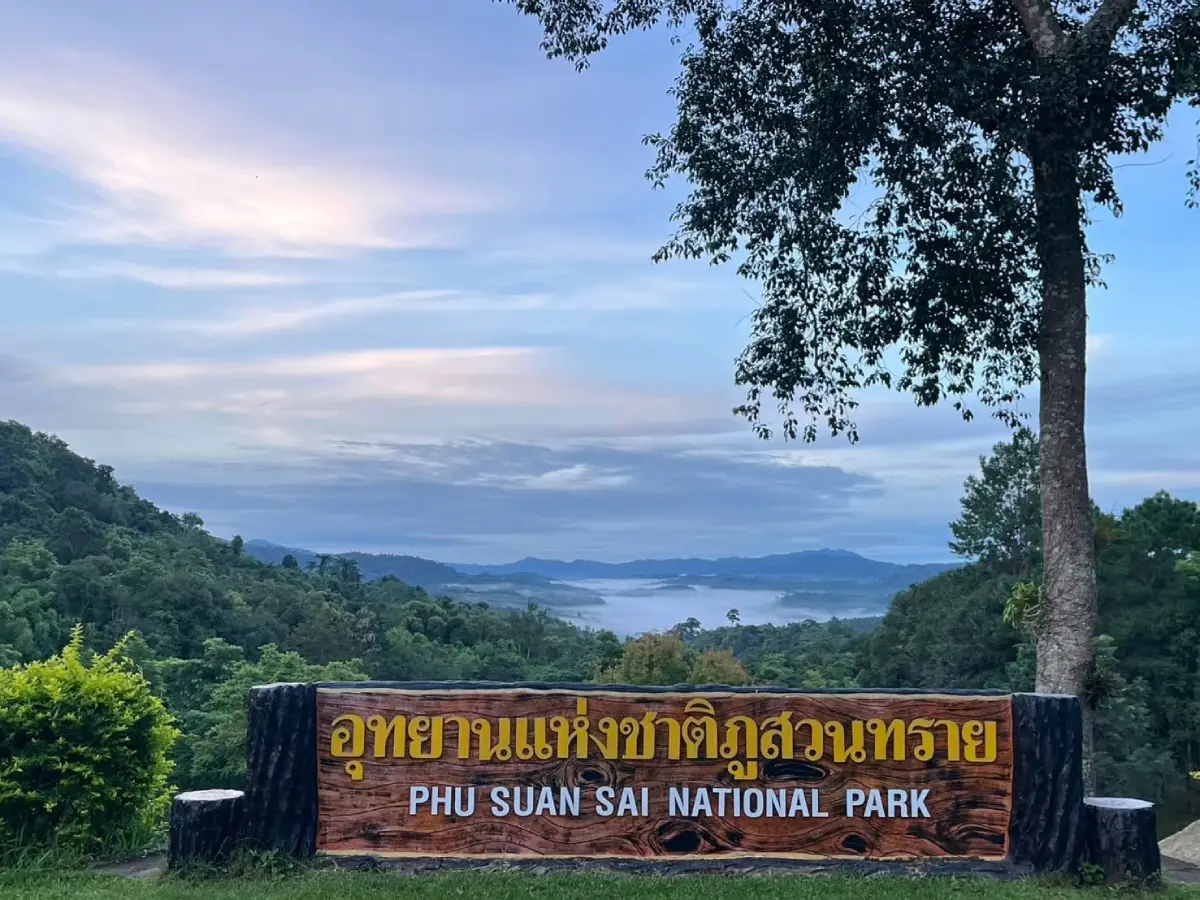
62. Phu Suan Sai National Park — Loei, Thailand Phu Suan Sai National Park is a mountain and forest destination associated with Loei. The original guide describes its distinctive natural setting and its role in protecting local landscapes and ecosystems. Key points of interest include waterfalls, scenic viewpoints.
Waterfalls and streams are central to this destination’s visitor appeal. Water levels, rock surfaces and trail access can change markedly between the wet and dry seasons, so safe viewing areas and posted guidance are especially important.
Main Attractions and Highlights: Waterfalls, scenic viewpoints. Nature photography, careful observation of wildlife and responsible exploration are suitable ways to enjoy the area where visitor access is permitted.
The surrounding forests and waterways contribute to watershed health and biodiversity. Stay on authorized paths, avoid feeding wild animals, and keep noise and litter to a minimum. Check with park staff before entering remote sections, especially during periods of heavy rain.
Getting There: Travel to Loei and select the entrance or authorized visitor location corresponding to your intended attraction. Mainland routes may involve winding mountain roads; island sites can require local boat transfers. Confirm the exact route, seasonal access and transport arrangements before departure.
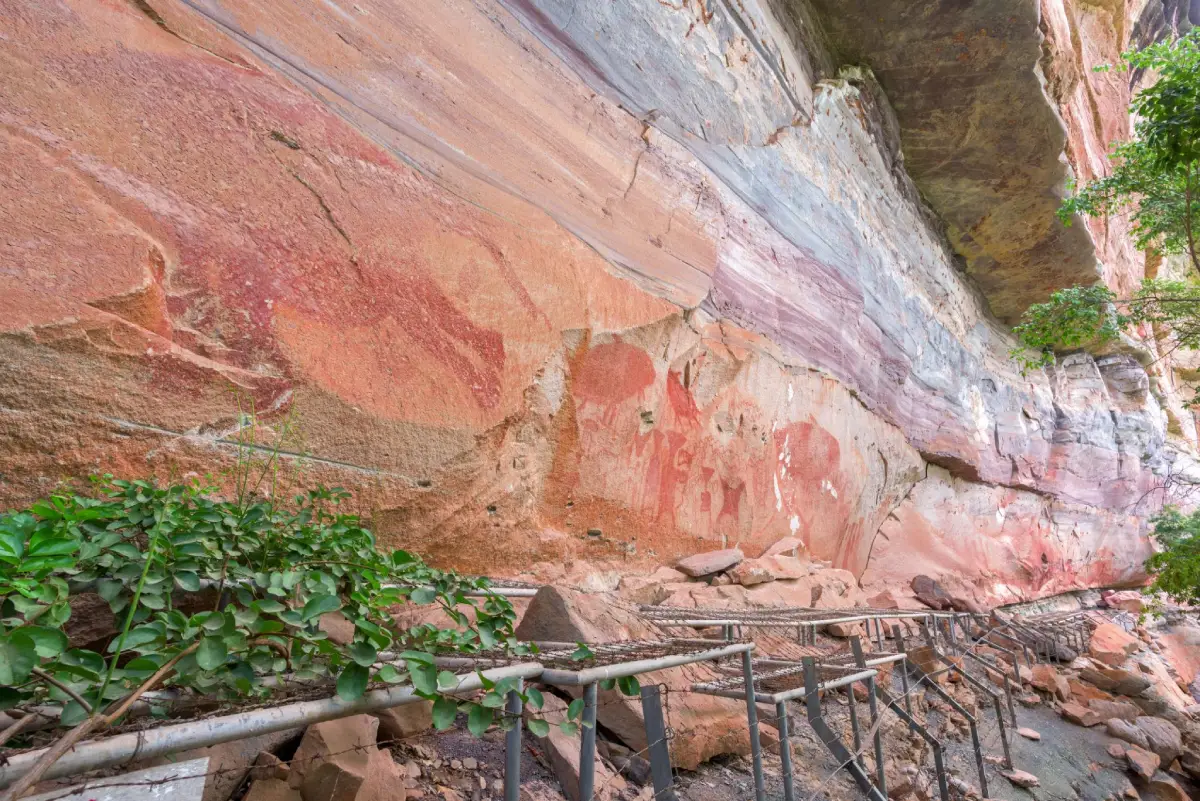
63. Pha Taem National Park — Ubon Ratchathani, Thailand Pha Taem National Park is a protected natural destination associated with Ubon Ratchathani. The original guide describes its distinctive natural setting and its role in protecting local landscapes and ecosystems. Key points of interest include Pha Taem Cliffs, waterfalls, sandstone formations.
Waterfalls and streams are central to this destination’s visitor appeal. Water levels, rock surfaces and trail access can change markedly between the wet and dry seasons, so safe viewing areas and posted guidance are especially important.
Main Attractions and Highlights: Pha Taem Cliffs, waterfalls, sandstone formations. Nature photography, careful observation of wildlife and responsible exploration are suitable ways to enjoy the area where visitor access is permitted.
The surrounding forests and waterways contribute to watershed health and biodiversity. Stay on authorized paths, avoid feeding wild animals, and keep noise and litter to a minimum. Check with park staff before entering remote sections, especially during periods of heavy rain.
Getting There: Travel to Ubon Ratchathani and select the entrance or authorized visitor location corresponding to your intended attraction. Mainland routes may involve winding mountain roads; island sites can require local boat transfers. Confirm the exact route, seasonal access and transport arrangements before departure.
Map (GPS):Get directions to Pha Taem National Park
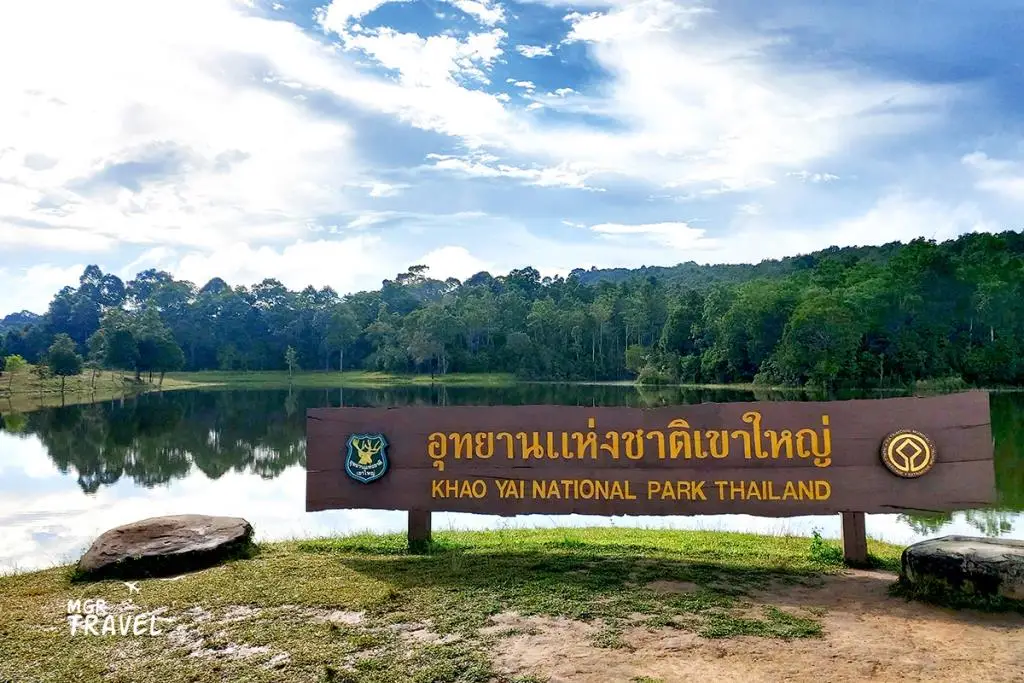
64. Khao Yai National Park — Nakhon Ratchasima, Thailand Khao Yai National Park is a protected natural destination associated with Nakhon Ratchasima. The original guide describes its distinctive natural setting and its role in protecting local landscapes and ecosystems. Key points of interest include waterfalls, scenic viewpoints.
Thailand’s first national park combines accessible forest trails, major waterfalls and wildlife habitats. Wild elephant sightings require distance and patience.
Main Attractions and Highlights: Waterfalls, scenic viewpoints. Nature photography, careful observation of wildlife and responsible exploration are suitable ways to enjoy the area where visitor access is permitted.
The surrounding forests and waterways contribute to watershed health and biodiversity. Stay on authorized paths, avoid feeding wild animals, and keep noise and litter to a minimum. Check with park staff before entering remote sections, especially during periods of heavy rain.
Getting There: Travel to Nakhon Ratchasima and select the entrance or authorized visitor location corresponding to your intended attraction. Mainland routes may involve winding mountain roads; island sites can require local boat transfers. Confirm the exact route, seasonal access and transport arrangements before departure.
Map (GPS):Get directions to Khao Yai National Park
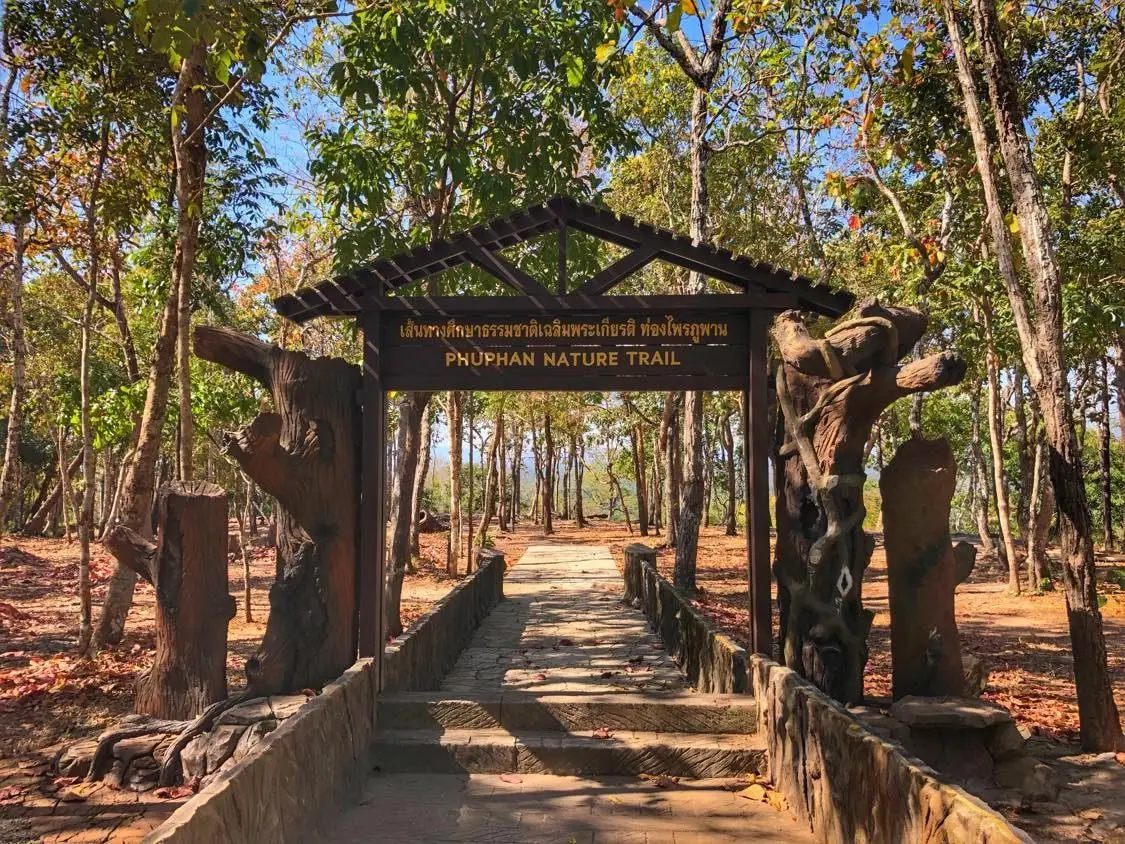
65. Phu Phan National Park — Sakon Nakhon, Thailand Phu Phan National Park is a mountain and forest destination associated with Sakon Nakhon. The original guide describes its distinctive natural setting and its role in protecting local landscapes and ecosystems. Key points of interest include caves, waterfalls.
Waterfalls and streams are central to this destination’s visitor appeal. Water levels, rock surfaces and trail access can change markedly between the wet and dry seasons, so safe viewing areas and posted guidance are especially important.
Main Attractions and Highlights: Caves, waterfalls. Nature photography, careful observation of wildlife and responsible exploration are suitable ways to enjoy the area where visitor access is permitted.
The surrounding forests and waterways contribute to watershed health and biodiversity. Stay on authorized paths, avoid feeding wild animals, and keep noise and litter to a minimum. Check with park staff before entering remote sections, especially during periods of heavy rain.
Getting There: Travel to Sakon Nakhon and select the entrance or authorized visitor location corresponding to your intended attraction. Mainland routes may involve winding mountain roads; island sites can require local boat transfers. Confirm the exact route, seasonal access and transport arrangements before departure.
Map (GPS):Get directions to Phu Phan National Park
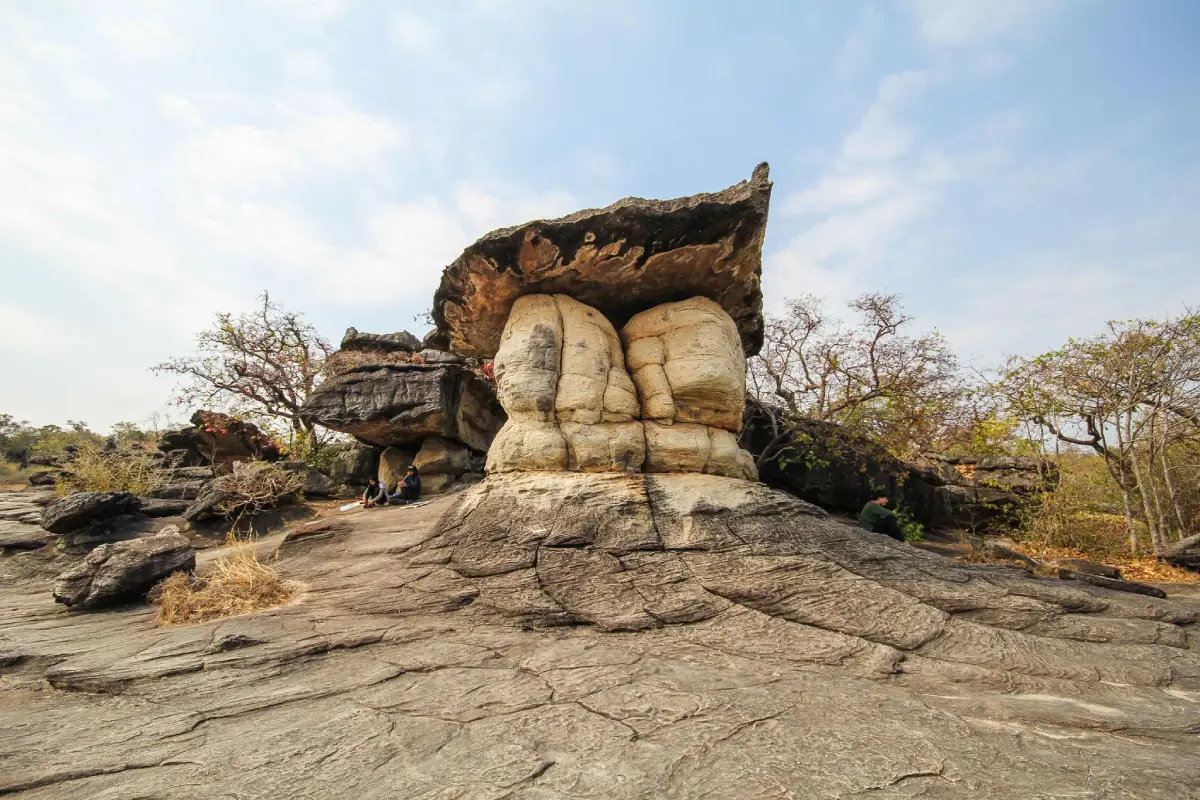
66. Phu Pha Thoep National Park — Mukdahan, Thailand Phu Pha Thoep National Park is a mountain and forest destination associated with Mukdahan. The original guide describes its distinctive natural setting and its role in protecting local landscapes and ecosystems. Key points of interest include caves, scenic viewpoints.
Its landscape is shaped by local geology, vegetation and changes in elevation. Visitors can appreciate the natural setting through officially accessible viewpoints and forest or nature-study areas, while respecting sensitive habitats and visitor restrictions.
Main Attractions and Highlights: Caves, scenic viewpoints. Nature photography, careful observation of wildlife and responsible exploration are suitable ways to enjoy the area where visitor access is permitted.
The surrounding forests and waterways contribute to watershed health and biodiversity. Stay on authorized paths, avoid feeding wild animals, and keep noise and litter to a minimum. Check with park staff before entering remote sections, especially during periods of heavy rain.
Getting There: Travel to Mukdahan and select the entrance or authorized visitor location corresponding to your intended attraction. Mainland routes may involve winding mountain roads; island sites can require local boat transfers. Confirm the exact route, seasonal access and transport arrangements before departure.

67. Phu Wiang National Park — Khon Kaen, Thailand Phu Wiang National Park is a mountain and forest destination associated with Khon Kaen. The original guide describes its distinctive natural setting and its role in protecting local landscapes and ecosystems. Key points of interest include waterfalls, scenic viewpoints.
Waterfalls and streams are central to this destination’s visitor appeal. Water levels, rock surfaces and trail access can change markedly between the wet and dry seasons, so safe viewing areas and posted guidance are especially important.
Main Attractions and Highlights: Waterfalls, scenic viewpoints. Nature photography, careful observation of wildlife and responsible exploration are suitable ways to enjoy the area where visitor access is permitted.
The surrounding forests and waterways contribute to watershed health and biodiversity. Stay on authorized paths, avoid feeding wild animals, and keep noise and litter to a minimum. Check with park staff before entering remote sections, especially during periods of heavy rain.
Getting There: Travel to Khon Kaen and select the entrance or authorized visitor location corresponding to your intended attraction. Mainland routes may involve winding mountain roads; island sites can require local boat transfers. Confirm the exact route, seasonal access and transport arrangements before departure.
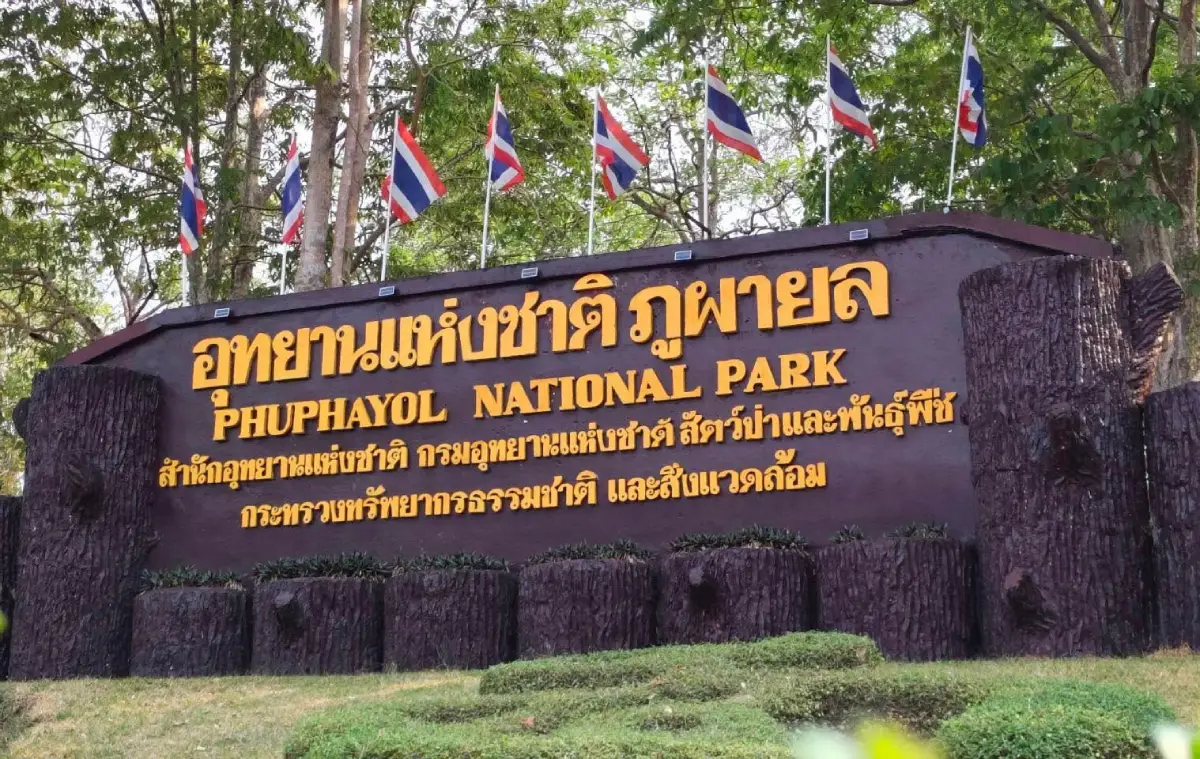
68. Phu Pha Yon National Park — Sakon Nakhon, Thailand Phu Pha Yon National Park is a mountain and forest destination associated with Sakon Nakhon. The original guide describes its distinctive natural setting and its role in protecting local landscapes and ecosystems. Key points of interest include waterfalls.
Waterfalls and streams are central to this destination’s visitor appeal. Water levels, rock surfaces and trail access can change markedly between the wet and dry seasons, so safe viewing areas and posted guidance are especially important.
Main Attractions and Highlights: Waterfalls. Nature photography, careful observation of wildlife and responsible exploration are suitable ways to enjoy the area where visitor access is permitted.
The surrounding forests and waterways contribute to watershed health and biodiversity. Stay on authorized paths, avoid feeding wild animals, and keep noise and litter to a minimum. Check with park staff before entering remote sections, especially during periods of heavy rain.
Getting There: Travel to Sakon Nakhon and select the entrance or authorized visitor location corresponding to your intended attraction. Mainland routes may involve winding mountain roads; island sites can require local boat transfers. Confirm the exact route, seasonal access and transport arrangements before departure.
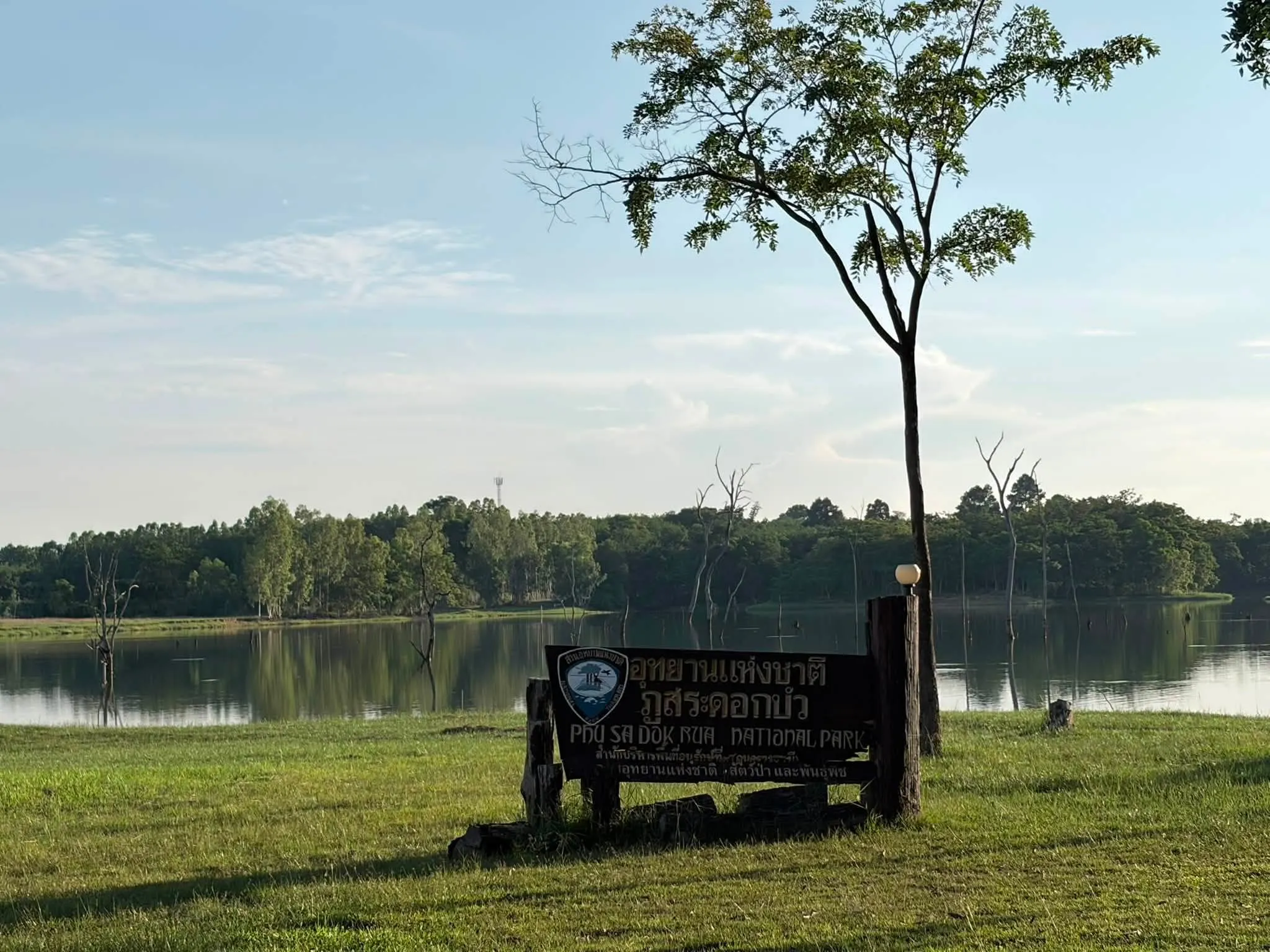
69. Phu Sa Dok Bua National Park — Mukdahan, Amnat Charoen, Thailand Phu Sa Dok Bua National Park is a mountain and forest destination associated with Mukdahan, Amnat Charoen. The original guide describes its distinctive natural setting and its role in protecting local landscapes and ecosystems. Key points of interest include Pha Taem Cliffs.
Its landscape is shaped by local geology, vegetation and changes in elevation. Visitors can appreciate the natural setting through officially accessible viewpoints and forest or nature-study areas, while respecting sensitive habitats and visitor restrictions.
Main Attractions and Highlights: Pha Taem Cliffs. Nature photography, careful observation of wildlife and responsible exploration are suitable ways to enjoy the area where visitor access is permitted.
The surrounding forests and waterways contribute to watershed health and biodiversity. Stay on authorized paths, avoid feeding wild animals, and keep noise and litter to a minimum. Check with park staff before entering remote sections, especially during periods of heavy rain.
Getting There: Travel to Mukdahan, Amnat Charoen and select the entrance or authorized visitor location corresponding to your intended attraction. Mainland routes may involve winding mountain roads; island sites can require local boat transfers. Confirm the exact route, seasonal access and transport arrangements before departure.

70. Nam Phong National Park — Khon Kaen, Thailand Nam Phong National Park is a mountain and forest destination associated with Khon Kaen. The original guide describes its distinctive natural setting and its role in protecting local landscapes and ecosystems. Key points of interest include scenic viewpoints, sandstone formations.
Its landscape is shaped by local geology, vegetation and changes in elevation. Visitors can appreciate the natural setting through officially accessible viewpoints and forest or nature-study areas, while respecting sensitive habitats and visitor restrictions.
Main Attractions and Highlights: Scenic viewpoints, sandstone formations. Nature photography, careful observation of wildlife and responsible exploration are suitable ways to enjoy the area where visitor access is permitted.
The surrounding forests and waterways contribute to watershed health and biodiversity. Stay on authorized paths, avoid feeding wild animals, and keep noise and litter to a minimum. Check with park staff before entering remote sections, especially during periods of heavy rain.
Getting There: Travel to Khon Kaen and select the entrance or authorized visitor location corresponding to your intended attraction. Mainland routes may involve winding mountain roads; island sites can require local boat transfers. Confirm the exact route, seasonal access and transport arrangements before departure.
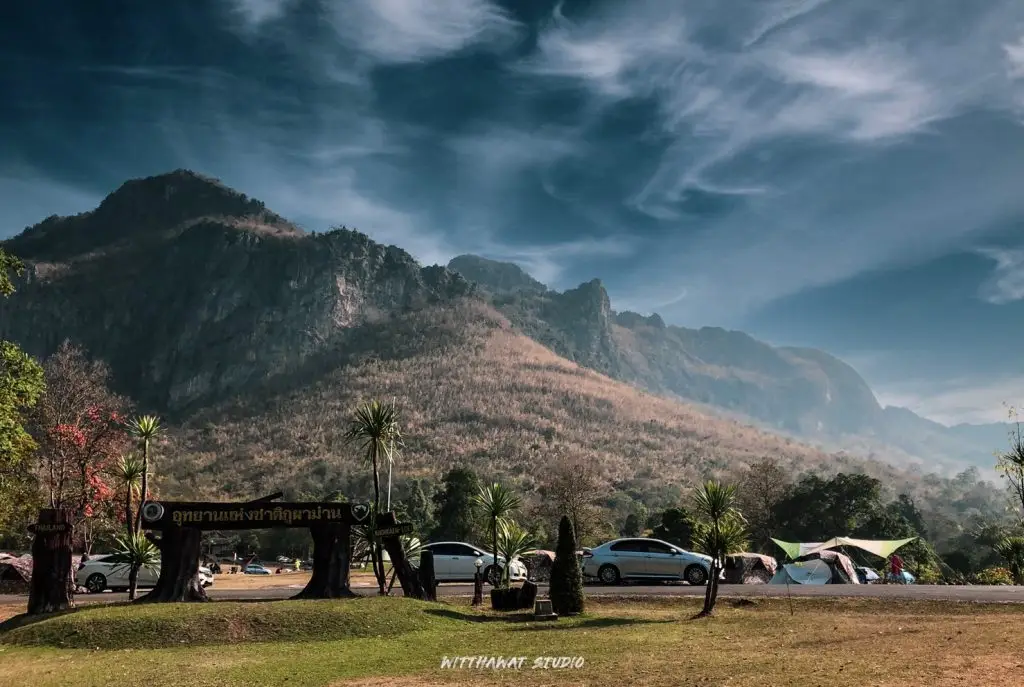
71. Phu Pha Man National Park — Khon Kaen, Thailand Phu Pha Man National Park is a mountain and forest destination associated with Khon Kaen. The original guide describes its distinctive natural setting and its role in protecting local landscapes and ecosystems. Key points of interest include caves, cliff viewpoints.
Its landscape is shaped by local geology, vegetation and changes in elevation. Visitors can appreciate the natural setting through officially accessible viewpoints and forest or nature-study areas, while respecting sensitive habitats and visitor restrictions.
Main Attractions and Highlights: Caves, cliff viewpoints. Nature photography, careful observation of wildlife and responsible exploration are suitable ways to enjoy the area where visitor access is permitted.
The surrounding forests and waterways contribute to watershed health and biodiversity. Stay on authorized paths, avoid feeding wild animals, and keep noise and litter to a minimum. Check with park staff before entering remote sections, especially during periods of heavy rain.
Getting There: Travel to Khon Kaen and select the entrance or authorized visitor location corresponding to your intended attraction. Mainland routes may involve winding mountain roads; island sites can require local boat transfers. Confirm the exact route, seasonal access and transport arrangements before departure.

72. Phu Langka National Park — Nakhon Phanom, Thailand Phu Langka National Park is a mountain and forest destination associated with Nakhon Phanom. The original guide describes its distinctive natural setting and its role in protecting local landscapes and ecosystems. Key points of interest include waterfalls, sandstone formations.
Waterfalls and streams are central to this destination’s visitor appeal. Water levels, rock surfaces and trail access can change markedly between the wet and dry seasons, so safe viewing areas and posted guidance are especially important.
Main Attractions and Highlights: Waterfalls, sandstone formations. Nature photography, careful observation of wildlife and responsible exploration are suitable ways to enjoy the area where visitor access is permitted.
The surrounding forests and waterways contribute to watershed health and biodiversity. Stay on authorized paths, avoid feeding wild animals, and keep noise and litter to a minimum. Check with park staff before entering remote sections, especially during periods of heavy rain.
Getting There: Travel to Nakhon Phanom and select the entrance or authorized visitor location corresponding to your intended attraction. Mainland routes may involve winding mountain roads; island sites can require local boat transfers. Confirm the exact route, seasonal access and transport arrangements before departure.

73. Thap Lan National Park — Nakhon Ratchasima, Prachin Buri, Thailand Thap Lan National Park is a protected natural destination associated with Nakhon Ratchasima, Prachin Buri. The original guide describes its distinctive natural setting and its role in protecting local landscapes and ecosystems. Key points of interest include scenic viewpoints.
Its landscape is shaped by local geology, vegetation and changes in elevation. Visitors can appreciate the natural setting through officially accessible viewpoints and forest or nature-study areas, while respecting sensitive habitats and visitor restrictions.
Main Attractions and Highlights: Scenic viewpoints. Nature photography, careful observation of wildlife and responsible exploration are suitable ways to enjoy the area where visitor access is permitted.
The surrounding forests and waterways contribute to watershed health and biodiversity. Stay on authorized paths, avoid feeding wild animals, and keep noise and litter to a minimum. Check with park staff before entering remote sections, especially during periods of heavy rain.
Getting There: Travel to Nakhon Ratchasima, Prachin Buri and select the entrance or authorized visitor location corresponding to your intended attraction. Mainland routes may involve winding mountain roads; island sites can require local boat transfers. Confirm the exact route, seasonal access and transport arrangements before departure.
Map (GPS):Get directions to Thap Lan National Park

74. Ta Phraya National Park — Buri Ram, Sa Kaeo, Thailand Ta Phraya National Park is a mountain and forest destination associated with Buri Ram, Sa Kaeo. The original guide describes its distinctive natural setting and its role in protecting local landscapes and ecosystems. Key points of interest include sandstone formations.
Its landscape is shaped by local geology, vegetation and changes in elevation. Visitors can appreciate the natural setting through officially accessible viewpoints and forest or nature-study areas, while respecting sensitive habitats and visitor restrictions.
Main Attractions and Highlights: Sandstone formations. Nature photography, careful observation of wildlife and responsible exploration are suitable ways to enjoy the area where visitor access is permitted.
The surrounding forests and waterways contribute to watershed health and biodiversity. Stay on authorized paths, avoid feeding wild animals, and keep noise and litter to a minimum. Check with park staff before entering remote sections, especially during periods of heavy rain.
Getting There: Travel to Buri Ram, Sa Kaeo and select the entrance or authorized visitor location corresponding to your intended attraction. Mainland routes may involve winding mountain roads; island sites can require local boat transfers. Confirm the exact route, seasonal access and transport arrangements before departure.
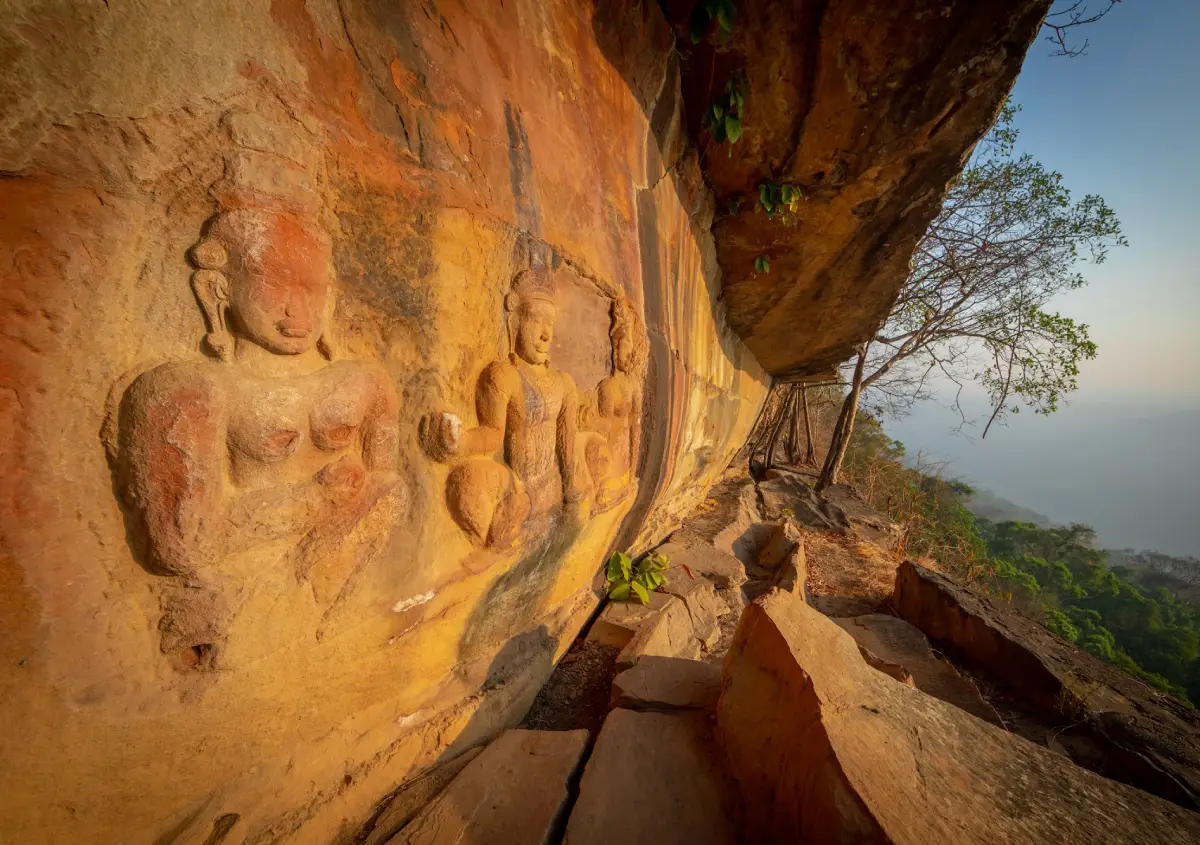
75. Khao Phra Wihan National Park — Si Sa Ket, Thailand Khao Phra Wihan National Park is a mountain and forest destination associated with Si Sa Ket. The original guide describes its distinctive natural setting and its role in protecting local landscapes and ecosystems. Key points of interest include cliff viewpoints, scenic viewpoints.
Its landscape is shaped by local geology, vegetation and changes in elevation. Visitors can appreciate the natural setting through officially accessible viewpoints and forest or nature-study areas, while respecting sensitive habitats and visitor restrictions.
Main Attractions and Highlights: Cliff viewpoints, scenic viewpoints. Nature photography, careful observation of wildlife and responsible exploration are suitable ways to enjoy the area where visitor access is permitted.
The surrounding forests and waterways contribute to watershed health and biodiversity. Stay on authorized paths, avoid feeding wild animals, and keep noise and litter to a minimum. Check with park staff before entering remote sections, especially during periods of heavy rain.
Getting There: Travel to Si Sa Ket and select the entrance or authorized visitor location corresponding to your intended attraction. Mainland routes may involve winding mountain roads; island sites can require local boat transfers. Confirm the exact route, seasonal access and transport arrangements before departure.

76. Kaeng Krachan National Park — Phetchaburi, Prachuap Khiri Khan, Thailand Kaeng Krachan National Park is a protected natural destination associated with Phetchaburi, Prachuap Khiri Khan. The original guide describes its distinctive natural setting and its role in protecting local landscapes and ecosystems. Key points of interest include sea-of-mist viewpoints.
As Thailand’s largest national park by area, it protects extensive western forests and important habitats for birds, butterflies and mammals.
Main Attractions and Highlights: Sea-of-mist viewpoints. Nature photography, careful observation of wildlife and responsible exploration are suitable ways to enjoy the area where visitor access is permitted.
The surrounding forests and waterways contribute to watershed health and biodiversity. Stay on authorized paths, avoid feeding wild animals, and keep noise and litter to a minimum. Check with park staff before entering remote sections, especially during periods of heavy rain.
Getting There: Travel to Phetchaburi, Prachuap Khiri Khan and select the entrance or authorized visitor location corresponding to your intended attraction. Mainland routes may involve winding mountain roads; island sites can require local boat transfers. Confirm the exact route, seasonal access and transport arrangements before departure.
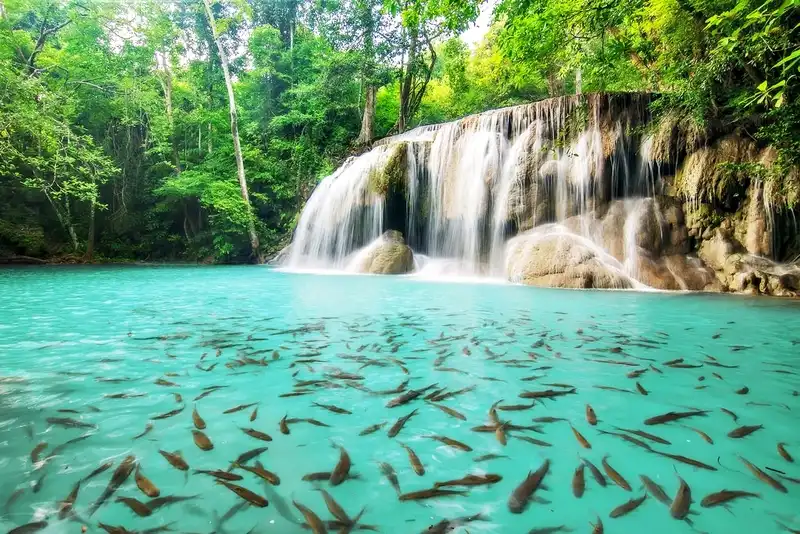
77. Erawan National Park — Kanchanaburi, Thailand Erawan National Park is a protected natural destination associated with Kanchanaburi. The original guide describes its distinctive natural setting and its role in protecting local landscapes and ecosystems. Key points of interest include Erawan Waterfall, caves, waterfalls.
The seven-tier Erawan Waterfall is the signature attraction; paths and swimming areas have separate access and safety rules.
Main Attractions and Highlights: Erawan Waterfall, caves, waterfalls. Nature photography, careful observation of wildlife and responsible exploration are suitable ways to enjoy the area where visitor access is permitted.
The surrounding forests and waterways contribute to watershed health and biodiversity. Stay on authorized paths, avoid feeding wild animals, and keep noise and litter to a minimum. Check with park staff before entering remote sections, especially during periods of heavy rain.
Getting There: Travel to Kanchanaburi and select the entrance or authorized visitor location corresponding to your intended attraction. Mainland routes may involve winding mountain roads; island sites can require local boat transfers. Confirm the exact route, seasonal access and transport arrangements before departure.
Map (GPS):Get directions to Erawan National Park
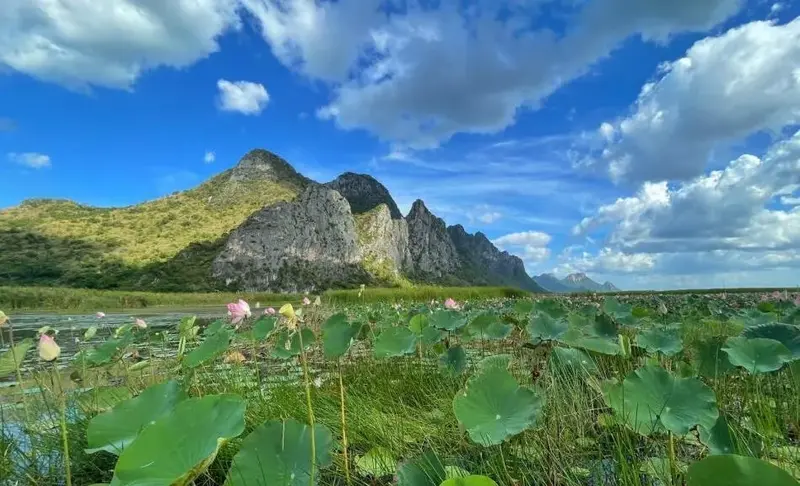
78. Sam Roi Yot National Park — Prachuap Khiri Khan, Thailand Sam Roi Yot National Park is a mountain and forest destination associated with Prachuap Khiri Khan. The original guide describes its distinctive natural setting and its role in protecting local landscapes and ecosystems. Key points of interest include Phraya Nakhon Cave, caves.
Its landscape is shaped by local geology, vegetation and changes in elevation. Visitors can appreciate the natural setting through officially accessible viewpoints and forest or nature-study areas, while respecting sensitive habitats and visitor restrictions.
Main Attractions and Highlights: Phraya Nakhon Cave, caves. Nature photography, careful observation of wildlife and responsible exploration are suitable ways to enjoy the area where visitor access is permitted.
The surrounding forests and waterways contribute to watershed health and biodiversity. Stay on authorized paths, avoid feeding wild animals, and keep noise and litter to a minimum. Check with park staff before entering remote sections, especially during periods of heavy rain.
Getting There: Travel to Prachuap Khiri Khan and select the entrance or authorized visitor location corresponding to your intended attraction. Mainland routes may involve winding mountain roads; island sites can require local boat transfers. Confirm the exact route, seasonal access and transport arrangements before departure.
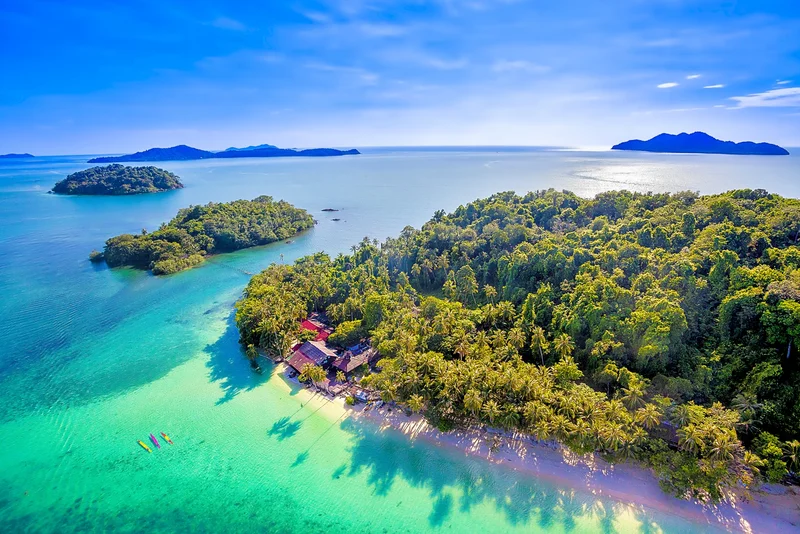
79. Mu Ko Chang National Park — Trat, Thailand Mu Ko Chang National Park is a mountain and forest destination associated with Trat. The original guide describes its distinctive natural setting and its role in protecting local landscapes and ecosystems. Key points of interest include islands and coastal scenery, waterfalls.
Waterfalls and streams are central to this destination’s visitor appeal. Water levels, rock surfaces and trail access can change markedly between the wet and dry seasons, so safe viewing areas and posted guidance are especially important.
Main Attractions and Highlights: Islands and coastal scenery, waterfalls. Nature photography, careful observation of wildlife and responsible exploration are suitable ways to enjoy the area where visitor access is permitted.
The surrounding forests and waterways contribute to watershed health and biodiversity. Stay on authorized paths, avoid feeding wild animals, and keep noise and litter to a minimum. Check with park staff before entering remote sections, especially during periods of heavy rain.
Getting There: Travel to Trat and select the entrance or authorized visitor location corresponding to your intended attraction. Mainland routes may involve winding mountain roads; island sites can require local boat transfers. Confirm the exact route, seasonal access and transport arrangements before departure.
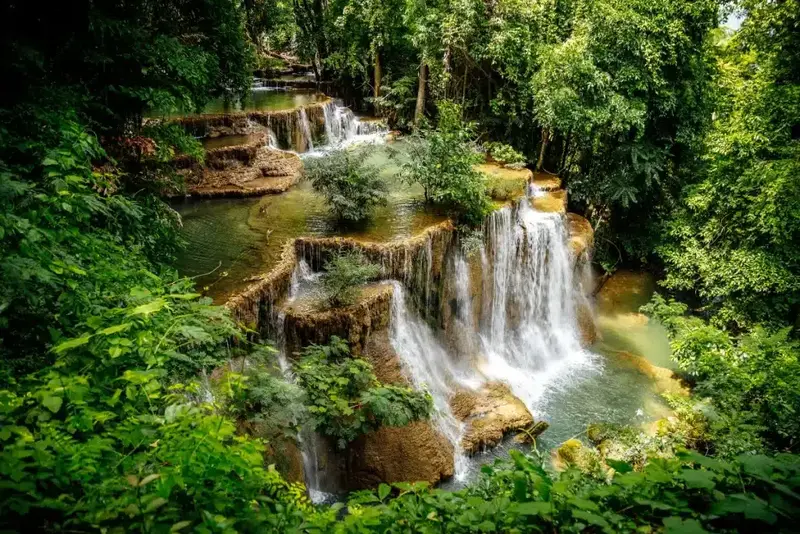
80. Sai Yok National Park — Kanchanaburi, Thailand Sai Yok National Park is a mountain and forest destination associated with Kanchanaburi. The original guide describes its distinctive natural setting and its role in protecting local landscapes and ecosystems. Key points of interest include caves, waterfalls, river landscapes.
Waterfalls and streams are central to this destination’s visitor appeal. Water levels, rock surfaces and trail access can change markedly between the wet and dry seasons, so safe viewing areas and posted guidance are especially important.
Main Attractions and Highlights: Caves, waterfalls, river landscapes. Nature photography, careful observation of wildlife and responsible exploration are suitable ways to enjoy the area where visitor access is permitted.
The surrounding forests and waterways contribute to watershed health and biodiversity. Stay on authorized paths, avoid feeding wild animals, and keep noise and litter to a minimum. Check with park staff before entering remote sections, especially during periods of heavy rain.
Getting There: Travel to Kanchanaburi and select the entrance or authorized visitor location corresponding to your intended attraction. Mainland routes may involve winding mountain roads; island sites can require local boat transfers. Confirm the exact route, seasonal access and transport arrangements before departure.
Map (GPS):Get directions to Sai Yok National Park

81. Namtok Chet Sao Noi National Park — Nakhon Ratchasima, Saraburi, Thailand Namtok Chet Sao Noi National Park is a protected natural destination associated with Nakhon Ratchasima, Saraburi. The original guide describes its distinctive natural setting and its role in protecting local landscapes and ecosystems. Key points of interest include waterfalls.
Waterfalls and streams are central to this destination’s visitor appeal. Water levels, rock surfaces and trail access can change markedly between the wet and dry seasons, so safe viewing areas and posted guidance are especially important.
Main Attractions and Highlights: Waterfalls. Nature photography, careful observation of wildlife and responsible exploration are suitable ways to enjoy the area where visitor access is permitted.
The surrounding forests and waterways contribute to watershed health and biodiversity. Stay on authorized paths, avoid feeding wild animals, and keep noise and litter to a minimum. Check with park staff before entering remote sections, especially during periods of heavy rain.
Getting There: Travel to Nakhon Ratchasima, Saraburi and select the entrance or authorized visitor location corresponding to your intended attraction. Mainland routes may involve winding mountain roads; island sites can require local boat transfers. Confirm the exact route, seasonal access and transport arrangements before departure.
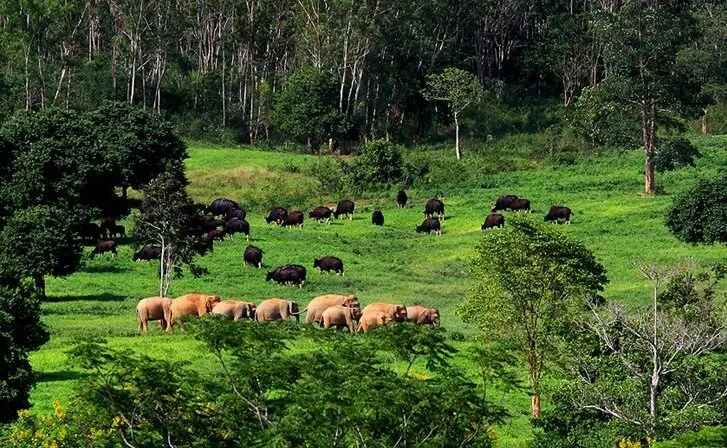
82. Kui Buri National Park — Prachuap Khiri Khan, Thailand Kui Buri National Park is a mountain and forest destination associated with Prachuap Khiri Khan. The original guide describes its distinctive natural setting and its role in protecting local landscapes and ecosystems. Key points of interest include its forest landscapes and natural scenery.
Its landscape is shaped by local geology, vegetation and changes in elevation. Visitors can appreciate the natural setting through officially accessible viewpoints and forest or nature-study areas, while respecting sensitive habitats and visitor restrictions.
Main Attractions and Highlights: Its forest landscapes and natural scenery. Nature photography, careful observation of wildlife and responsible exploration are suitable ways to enjoy the area where visitor access is permitted.
The surrounding forests and waterways contribute to watershed health and biodiversity. Stay on authorized paths, avoid feeding wild animals, and keep noise and litter to a minimum. Check with park staff before entering remote sections, especially during periods of heavy rain.
Getting There: Travel to Prachuap Khiri Khan and select the entrance or authorized visitor location corresponding to your intended attraction. Mainland routes may involve winding mountain roads; island sites can require local boat transfers. Confirm the exact route, seasonal access and transport arrangements before departure.
Map (GPS):Get directions to Kui Buri National Park
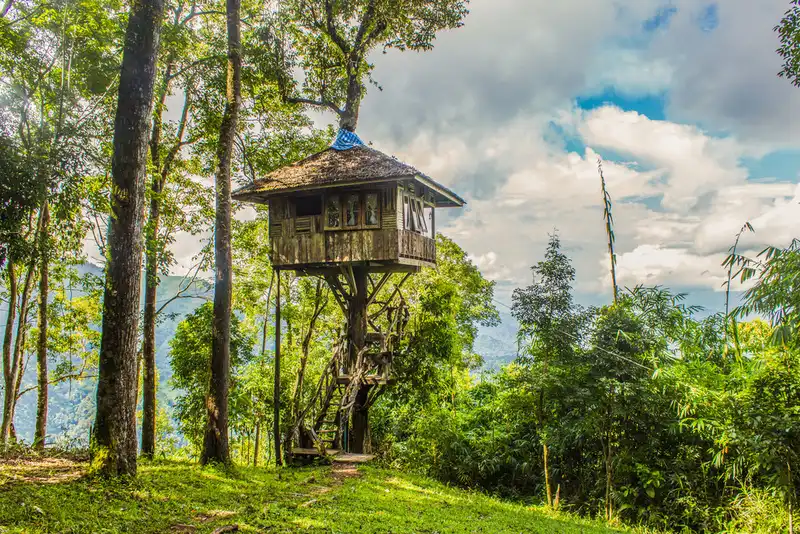
83. Thong Pha Phum National Park — Kanchanaburi, Thailand Thong Pha Phum National Park is a mountain and forest destination associated with Kanchanaburi. The original guide describes its distinctive natural setting and its role in protecting local landscapes and ecosystems. Key points of interest include forest hiking trails, scenic viewpoints.
Its landscape is shaped by local geology, vegetation and changes in elevation. Visitors can appreciate the natural setting through officially accessible viewpoints and forest or nature-study areas, while respecting sensitive habitats and visitor restrictions.
Main Attractions and Highlights: Forest hiking trails, scenic viewpoints. Nature photography, careful observation of wildlife and responsible exploration are suitable ways to enjoy the area where visitor access is permitted.
The surrounding forests and waterways contribute to watershed health and biodiversity. Stay on authorized paths, avoid feeding wild animals, and keep noise and litter to a minimum. Check with park staff before entering remote sections, especially during periods of heavy rain.
Getting There: Travel to Kanchanaburi and select the entrance or authorized visitor location corresponding to your intended attraction. Mainland routes may involve winding mountain roads; island sites can require local boat transfers. Confirm the exact route, seasonal access and transport arrangements before departure.
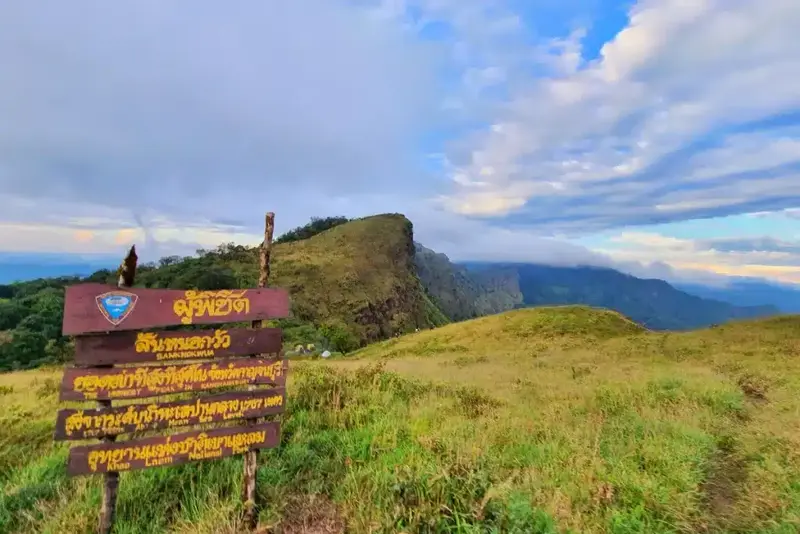
84. Khao Laem National Park — Kanchanaburi, Thailand Khao Laem National Park is a mountain and forest destination associated with Kanchanaburi. The original guide describes its distinctive natural setting and its role in protecting local landscapes and ecosystems. Key points of interest include waterfalls, scenic viewpoints.
Waterfalls and streams are central to this destination’s visitor appeal. Water levels, rock surfaces and trail access can change markedly between the wet and dry seasons, so safe viewing areas and posted guidance are especially important.
Main Attractions and Highlights: Waterfalls, scenic viewpoints. Nature photography, careful observation of wildlife and responsible exploration are suitable ways to enjoy the area where visitor access is permitted.
The surrounding forests and waterways contribute to watershed health and biodiversity. Stay on authorized paths, avoid feeding wild animals, and keep noise and litter to a minimum. Check with park staff before entering remote sections, especially during periods of heavy rain.
Getting There: Travel to Kanchanaburi and select the entrance or authorized visitor location corresponding to your intended attraction. Mainland routes may involve winding mountain roads; island sites can require local boat transfers. Confirm the exact route, seasonal access and transport arrangements before departure.
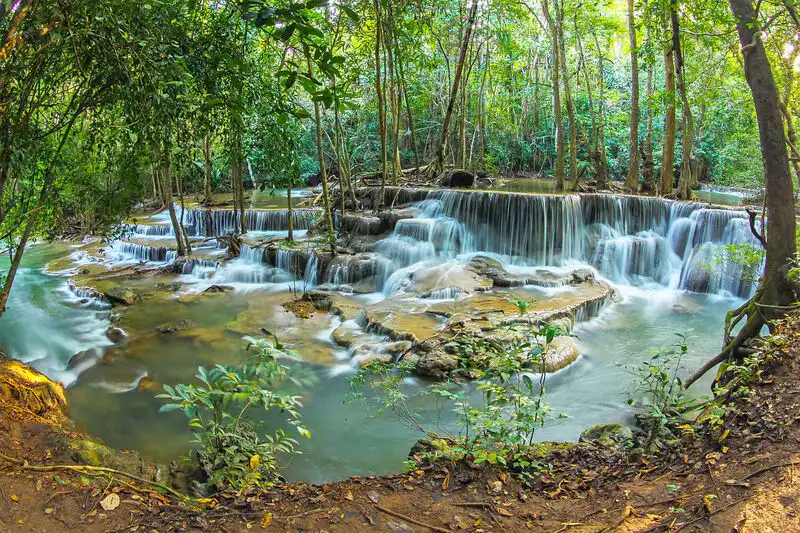
85. Sri Nakarin National Park — Kanchanaburi, Thailand Sri Nakarin National Park is a mountain and forest destination associated with Kanchanaburi. The original guide describes its distinctive natural setting and its role in protecting local landscapes and ecosystems. Key points of interest include Huai Mae Khamin Waterfall, waterfalls.
Waterfalls and streams are central to this destination’s visitor appeal. Water levels, rock surfaces and trail access can change markedly between the wet and dry seasons, so safe viewing areas and posted guidance are especially important.
Main Attractions and Highlights: Huai Mae Khamin Waterfall, waterfalls. Nature photography, careful observation of wildlife and responsible exploration are suitable ways to enjoy the area where visitor access is permitted.
The surrounding forests and waterways contribute to watershed health and biodiversity. Stay on authorized paths, avoid feeding wild animals, and keep noise and litter to a minimum. Check with park staff before entering remote sections, especially during periods of heavy rain.
Getting There: Travel to Kanchanaburi and select the entrance or authorized visitor location corresponding to your intended attraction. Mainland routes may involve winding mountain roads; island sites can require local boat transfers. Confirm the exact route, seasonal access and transport arrangements before departure.

86. Pang Sida National Park — Prachin Buri, Sa Kaeo, Thailand Pang Sida National Park is a mountain and forest destination associated with Prachin Buri, Sa Kaeo. The original guide describes its distinctive natural setting and its role in protecting local landscapes and ecosystems. Key points of interest include natural grasslands, waterfalls, scenic viewpoints.
Waterfalls and streams are central to this destination’s visitor appeal. Water levels, rock surfaces and trail access can change markedly between the wet and dry seasons, so safe viewing areas and posted guidance are especially important.
Main Attractions and Highlights: Natural grasslands, waterfalls, scenic viewpoints. Nature photography, careful observation of wildlife and responsible exploration are suitable ways to enjoy the area where visitor access is permitted.
The surrounding forests and waterways contribute to watershed health and biodiversity. Stay on authorized paths, avoid feeding wild animals, and keep noise and litter to a minimum. Check with park staff before entering remote sections, especially during periods of heavy rain.
Getting There: Travel to Prachin Buri, Sa Kaeo and select the entrance or authorized visitor location corresponding to your intended attraction. Mainland routes may involve winding mountain roads; island sites can require local boat transfers. Confirm the exact route, seasonal access and transport arrangements before departure.

87. Namtok Phliu National Park — Chanthaburi, Thailand Namtok Phliu National Park is a mountain and forest destination associated with Chanthaburi. The original guide describes its distinctive natural setting and its role in protecting local landscapes and ecosystems. Key points of interest include waterfalls.
Waterfalls and streams are central to this destination’s visitor appeal. Water levels, rock surfaces and trail access can change markedly between the wet and dry seasons, so safe viewing areas and posted guidance are especially important.
Main Attractions and Highlights: Waterfalls. Nature photography, careful observation of wildlife and responsible exploration are suitable ways to enjoy the area where visitor access is permitted.
The surrounding forests and waterways contribute to watershed health and biodiversity. Stay on authorized paths, avoid feeding wild animals, and keep noise and litter to a minimum. Check with park staff before entering remote sections, especially during periods of heavy rain.
Getting There: Travel to Chanthaburi and select the entrance or authorized visitor location corresponding to your intended attraction. Mainland routes may involve winding mountain roads; island sites can require local boat transfers. Confirm the exact route, seasonal access and transport arrangements before departure.

88. Khao Khitchakut National Park — Chanthaburi, Thailand Khao Khitchakut National Park is a mountain and forest destination associated with Chanthaburi. The original guide describes its distinctive natural setting and its role in protecting local landscapes and ecosystems. Key points of interest include waterfalls, tropical rainforest.
Waterfalls and streams are central to this destination’s visitor appeal. Water levels, rock surfaces and trail access can change markedly between the wet and dry seasons, so safe viewing areas and posted guidance are especially important.
Main Attractions and Highlights: Waterfalls, tropical rainforest. Nature photography, careful observation of wildlife and responsible exploration are suitable ways to enjoy the area where visitor access is permitted.
The surrounding forests and waterways contribute to watershed health and biodiversity. Stay on authorized paths, avoid feeding wild animals, and keep noise and litter to a minimum. Check with park staff before entering remote sections, especially during periods of heavy rain.
Getting There: Travel to Chanthaburi and select the entrance or authorized visitor location corresponding to your intended attraction. Mainland routes may involve winding mountain roads; island sites can require local boat transfers. Confirm the exact route, seasonal access and transport arrangements before departure.

89. Hat Wanakon National Park — Prachuap Khiri Khan, Thailand Hat Wanakon National Park is a protected natural destination associated with Prachuap Khiri Khan. The original guide describes its distinctive natural setting and its role in protecting local landscapes and ecosystems. Key points of interest include beaches.
Its landscape is shaped by local geology, vegetation and changes in elevation. Visitors can appreciate the natural setting through officially accessible viewpoints and forest or nature-study areas, while respecting sensitive habitats and visitor restrictions.
Main Attractions and Highlights: Beaches. Nature photography, careful observation of wildlife and responsible exploration are suitable ways to enjoy the area where visitor access is permitted.
The surrounding forests and waterways contribute to watershed health and biodiversity. Stay on authorized paths, avoid feeding wild animals, and keep noise and litter to a minimum. Check with park staff before entering remote sections, especially during periods of heavy rain.
Getting There: Travel to Prachuap Khiri Khan and select the entrance or authorized visitor location corresponding to your intended attraction. Mainland routes may involve winding mountain roads; island sites can require local boat transfers. Confirm the exact route, seasonal access and transport arrangements before departure.
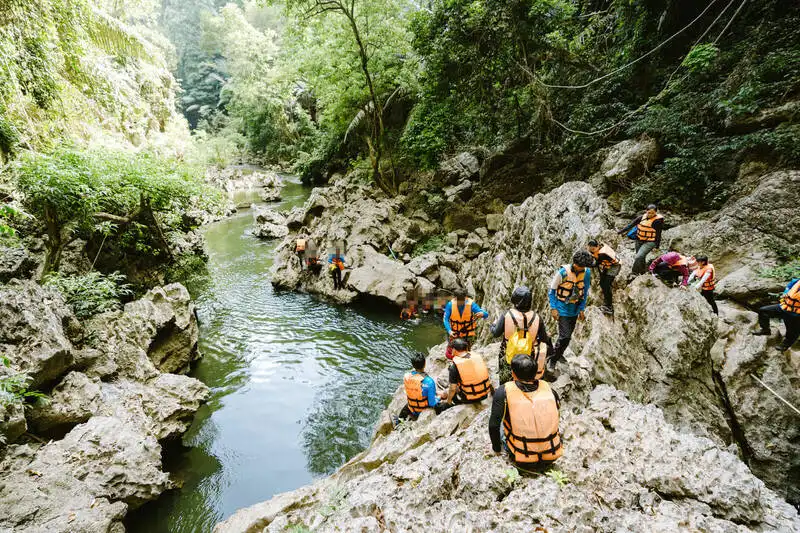
90. Lam Khlong Ngu National Park — Kanchanaburi, Thailand Lam Khlong Ngu National Park is a mountain and forest destination associated with Kanchanaburi. The original guide describes its distinctive natural setting and its role in protecting local landscapes and ecosystems. Key points of interest include caves.
Its landscape is shaped by local geology, vegetation and changes in elevation. Visitors can appreciate the natural setting through officially accessible viewpoints and forest or nature-study areas, while respecting sensitive habitats and visitor restrictions.
Main Attractions and Highlights: Caves. Nature photography, careful observation of wildlife and responsible exploration are suitable ways to enjoy the area where visitor access is permitted.
The surrounding forests and waterways contribute to watershed health and biodiversity. Stay on authorized paths, avoid feeding wild animals, and keep noise and litter to a minimum. Check with park staff before entering remote sections, especially during periods of heavy rain.
Getting There: Travel to Kanchanaburi and select the entrance or authorized visitor location corresponding to your intended attraction. Mainland routes may involve winding mountain roads; island sites can require local boat transfers. Confirm the exact route, seasonal access and transport arrangements before departure.

91. Namtok Sam Lan National Park — Saraburi, Thailand Namtok Sam Lan National Park is a mountain and forest destination associated with Saraburi. The original guide describes its distinctive natural setting and its role in protecting local landscapes and ecosystems. Key points of interest include waterfalls.
Waterfalls and streams are central to this destination’s visitor appeal. Water levels, rock surfaces and trail access can change markedly between the wet and dry seasons, so safe viewing areas and posted guidance are especially important.
Main Attractions and Highlights: Waterfalls. Nature photography, careful observation of wildlife and responsible exploration are suitable ways to enjoy the area where visitor access is permitted.
The surrounding forests and waterways contribute to watershed health and biodiversity. Stay on authorized paths, avoid feeding wild animals, and keep noise and litter to a minimum. Check with park staff before entering remote sections, especially during periods of heavy rain.
Getting There: Travel to Saraburi and select the entrance or authorized visitor location corresponding to your intended attraction. Mainland routes may involve winding mountain roads; island sites can require local boat transfers. Confirm the exact route, seasonal access and transport arrangements before departure.

92. Chaloem Rattanakosin National Park (Tham Than Lot) — Kanchanaburi, Thailand Chaloem Rattanakosin National Park (Tham Than Lot) is a mountain and forest destination associated with Kanchanaburi. The original guide describes its distinctive natural setting and its role in protecting local landscapes and ecosystems. Key points of interest include caves.
Its landscape is shaped by local geology, vegetation and changes in elevation. Visitors can appreciate the natural setting through officially accessible viewpoints and forest or nature-study areas, while respecting sensitive habitats and visitor restrictions.
Main Attractions and Highlights: Caves. Nature photography, careful observation of wildlife and responsible exploration are suitable ways to enjoy the area where visitor access is permitted.
The surrounding forests and waterways contribute to watershed health and biodiversity. Stay on authorized paths, avoid feeding wild animals, and keep noise and litter to a minimum. Check with park staff before entering remote sections, especially during periods of heavy rain.
Getting There: Travel to Kanchanaburi and select the entrance or authorized visitor location corresponding to your intended attraction. Mainland routes may involve winding mountain roads; island sites can require local boat transfers. Confirm the exact route, seasonal access and transport arrangements before departure.

93. Khao Chamao Khao Wong National Park — Chanthaburi, Rayong, Thailand Khao Chamao Khao Wong National Park is a mountain and forest destination associated with Chanthaburi, Rayong. The original guide describes its distinctive natural setting and its role in protecting local landscapes and ecosystems. Key points of interest include caves, waterfalls, tropical rainforest.
Waterfalls and streams are central to this destination’s visitor appeal. Water levels, rock surfaces and trail access can change markedly between the wet and dry seasons, so safe viewing areas and posted guidance are especially important.
Main Attractions and Highlights: Caves, waterfalls, tropical rainforest. Nature photography, careful observation of wildlife and responsible exploration are suitable ways to enjoy the area where visitor access is permitted.
The surrounding forests and waterways contribute to watershed health and biodiversity. Stay on authorized paths, avoid feeding wild animals, and keep noise and litter to a minimum. Check with park staff before entering remote sections, especially during periods of heavy rain.
Getting There: Travel to Chanthaburi, Rayong and select the entrance or authorized visitor location corresponding to your intended attraction. Mainland routes may involve winding mountain roads; island sites can require local boat transfers. Confirm the exact route, seasonal access and transport arrangements before departure.

94. Khao Sip Ha Chan National Park — Chanthaburi, Thailand Khao Sip Ha Chan National Park is a mountain and forest destination associated with Chanthaburi. The original guide describes its distinctive natural setting and its role in protecting local landscapes and ecosystems. Key points of interest include waterfalls.
Waterfalls and streams are central to this destination’s visitor appeal. Water levels, rock surfaces and trail access can change markedly between the wet and dry seasons, so safe viewing areas and posted guidance are especially important.
Main Attractions and Highlights: Waterfalls. Nature photography, careful observation of wildlife and responsible exploration are suitable ways to enjoy the area where visitor access is permitted.
The surrounding forests and waterways contribute to watershed health and biodiversity. Stay on authorized paths, avoid feeding wild animals, and keep noise and litter to a minimum. Check with park staff before entering remote sections, especially during periods of heavy rain.
Getting There: Travel to Chanthaburi and select the entrance or authorized visitor location corresponding to your intended attraction. Mainland routes may involve winding mountain roads; island sites can require local boat transfers. Confirm the exact route, seasonal access and transport arrangements before departure.
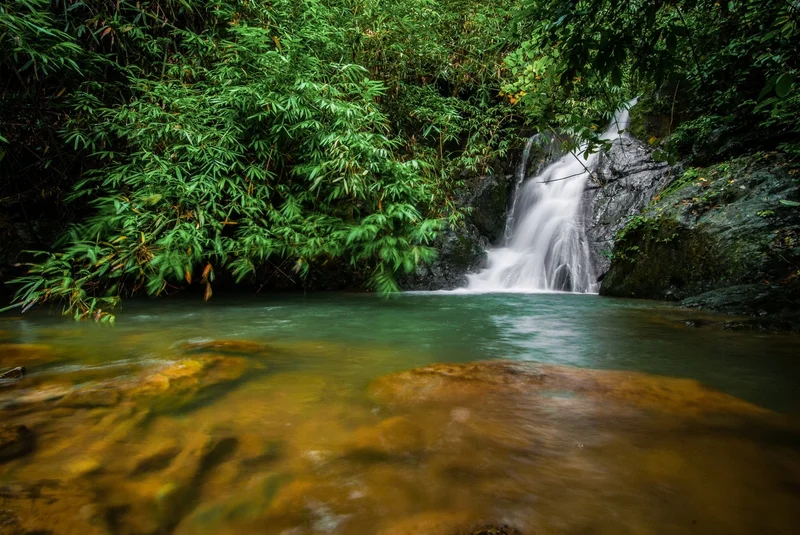
95. Namtok Khlong Kaeo National Park — Trat, Thailand Namtok Khlong Kaeo National Park is a mountain and forest destination associated with Trat. The original guide describes its distinctive natural setting and its role in protecting local landscapes and ecosystems. Key points of interest include waterfalls, forest hiking trails, tropical rainforest.
Waterfalls and streams are central to this destination’s visitor appeal. Water levels, rock surfaces and trail access can change markedly between the wet and dry seasons, so safe viewing areas and posted guidance are especially important.
Main Attractions and Highlights: Waterfalls, forest hiking trails, tropical rainforest. Nature photography, careful observation of wildlife and responsible exploration are suitable ways to enjoy the area where visitor access is permitted.
The surrounding forests and waterways contribute to watershed health and biodiversity. Stay on authorized paths, avoid feeding wild animals, and keep noise and litter to a minimum. Check with park staff before entering remote sections, especially during periods of heavy rain.
Getting There: Travel to Trat and select the entrance or authorized visitor location corresponding to your intended attraction. Mainland routes may involve winding mountain roads; island sites can require local boat transfers. Confirm the exact route, seasonal access and transport arrangements before departure.

96. Chaloem Phrakiat Thai Prachan National Park — Ratchaburi, Thailand Chaloem Phrakiat Thai Prachan National Park is a mountain and forest destination associated with Ratchaburi. The original guide describes its distinctive natural setting and its role in protecting local landscapes and ecosystems. Key points of interest include waterfalls.
Waterfalls and streams are central to this destination’s visitor appeal. Water levels, rock surfaces and trail access can change markedly between the wet and dry seasons, so safe viewing areas and posted guidance are especially important.
Main Attractions and Highlights: Waterfalls. Nature photography, careful observation of wildlife and responsible exploration are suitable ways to enjoy the area where visitor access is permitted.
The surrounding forests and waterways contribute to watershed health and biodiversity. Stay on authorized paths, avoid feeding wild animals, and keep noise and litter to a minimum. Check with park staff before entering remote sections, especially during periods of heavy rain.
Getting There: Travel to Ratchaburi and select the entrance or authorized visitor location corresponding to your intended attraction. Mainland routes may involve winding mountain roads; island sites can require local boat transfers. Confirm the exact route, seasonal access and transport arrangements before departure.
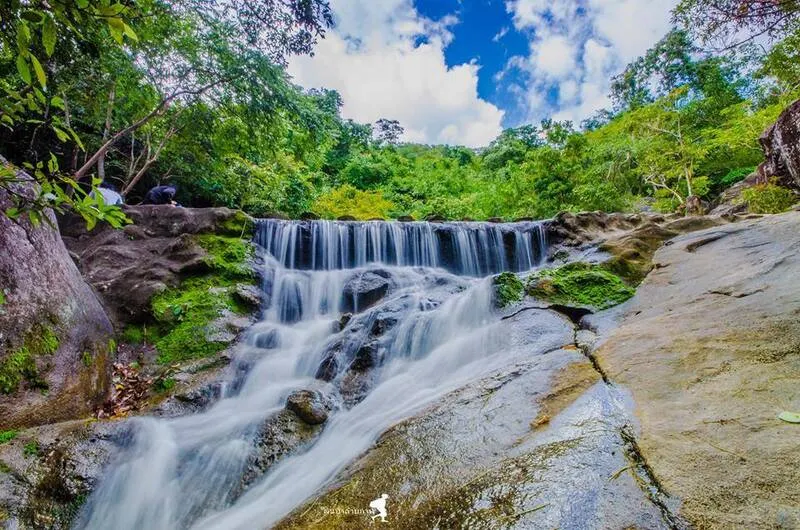
97. Huai Yang Waterfall National Park — Prachuap Khiri Khan, Thailand Huai Yang Waterfall National Park is a mountain and forest destination associated with Prachuap Khiri Khan. The original guide describes its distinctive natural setting and its role in protecting local landscapes and ecosystems. Key points of interest include beaches, waterfalls.
Waterfalls and streams are central to this destination’s visitor appeal. Water levels, rock surfaces and trail access can change markedly between the wet and dry seasons, so safe viewing areas and posted guidance are especially important.
Main Attractions and Highlights: Beaches, waterfalls. Nature photography, careful observation of wildlife and responsible exploration are suitable ways to enjoy the area where visitor access is permitted.
The surrounding forests and waterways contribute to watershed health and biodiversity. Stay on authorized paths, avoid feeding wild animals, and keep noise and litter to a minimum. Check with park staff before entering remote sections, especially during periods of heavy rain.
Getting There: Travel to Prachuap Khiri Khan and select the entrance or authorized visitor location corresponding to your intended attraction. Mainland routes may involve winding mountain roads; island sites can require local boat transfers. Confirm the exact route, seasonal access and transport arrangements before departure.
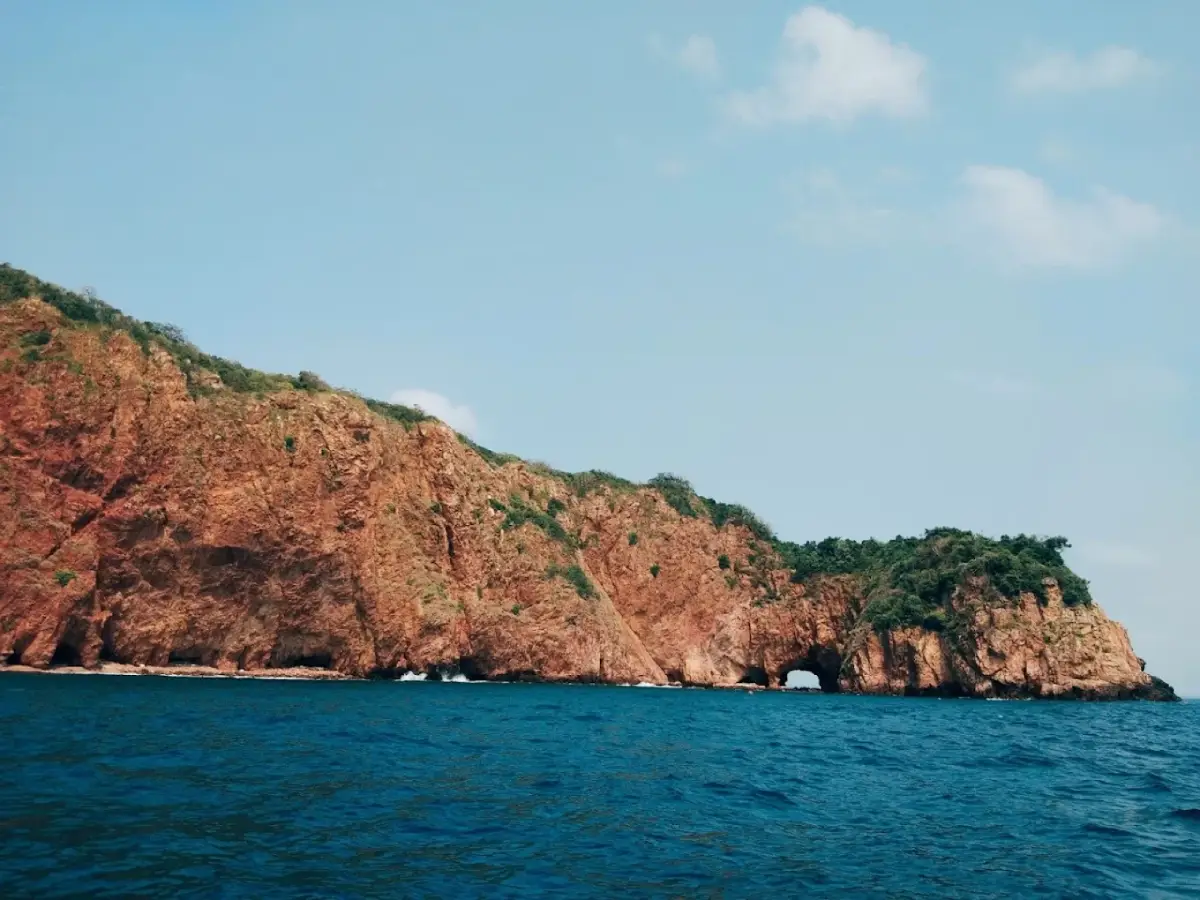
98. Ao Siam National Park (Under Establishment) — Prachuap Khiri Khan, Thailand Ao Siam National Park is a marine and coastal destination associated with Prachuap Khiri Khan. The original guide describes its distinctive natural setting and its role in protecting local landscapes and ecosystems. Key points of interest include beaches.
The landscape combines coastal environments with the ecological connections between land and sea. Depending on the specific site, visitors may encounter beaches, island habitats, mangroves or marine life. Access to boats, beaches and offshore activity areas should always be checked against current regulations and weather.
Main Attractions and Highlights: Beaches. Nature photography, careful observation of wildlife and responsible exploration are suitable ways to enjoy the area where visitor access is permitted.
The coastal ecosystem is important for local biodiversity. Visitors should avoid damaging coral, disturbing wildlife or removing shells and plants, and should carry waste back to an appropriate disposal point. Sea conditions must be checked before boat transfers.
This destination is identified as under establishment in the source guide. It should not be presented as having the same legal or visitor-access status as a gazetted national park without confirmation from the responsible government authority.
Getting There: Travel to Prachuap Khiri Khan and select the entrance or authorized visitor location corresponding to your intended attraction. Mainland routes may involve winding mountain roads; island sites can require local boat transfers. Confirm the exact route, seasonal access and transport arrangements before departure.
Map (GPS):Get directions to Ao Siam National Park
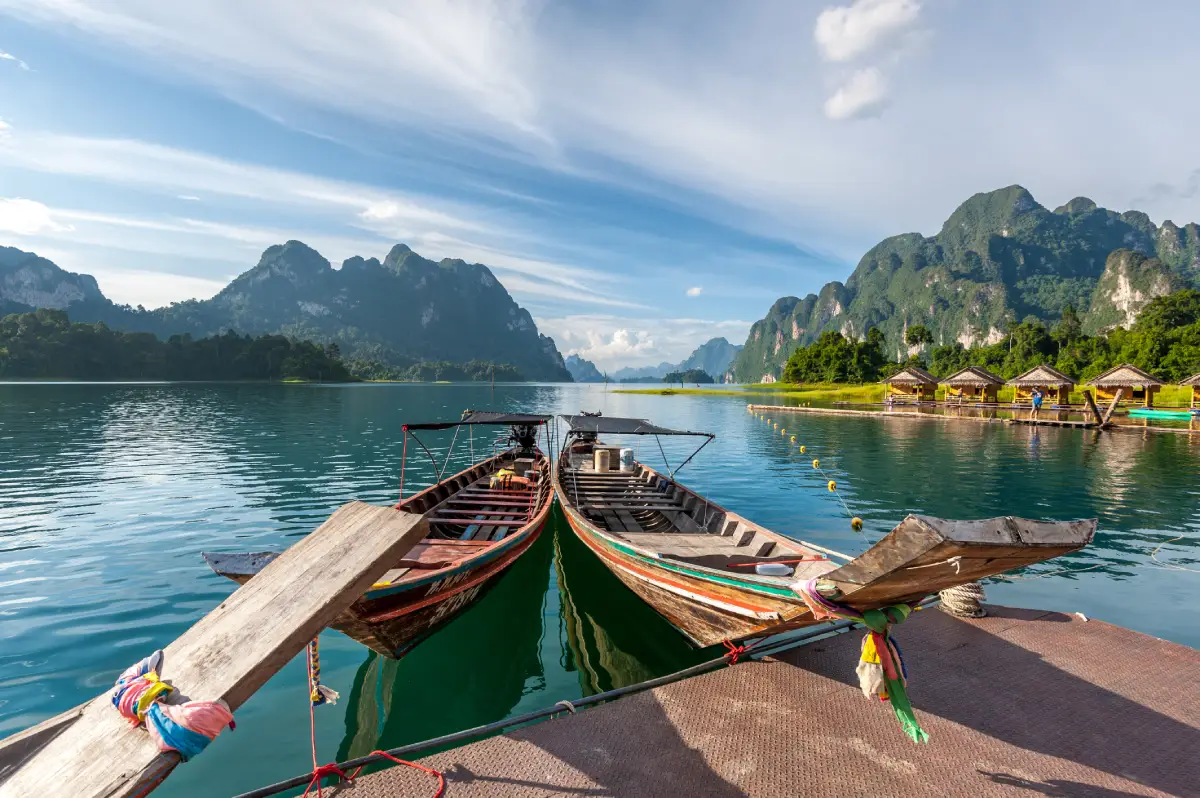
99. Khao Sok National Park — Surat Thani, Thailand Khao Sok National Park is a marine and coastal destination associated with Surat Thani. The original guide describes its distinctive natural setting and its role in protecting local landscapes and ecosystems. Key points of interest include Cheow Lan Lake, caves.
Cheow Lan Lake, limestone towers and old-growth rainforest make this one of Southern Thailand’s outstanding nature destinations.
Main Attractions and Highlights: Cheow Lan Lake, caves. Nature photography, careful observation of wildlife and responsible exploration are suitable ways to enjoy the area where visitor access is permitted.
The coastal ecosystem is important for local biodiversity. Visitors should avoid damaging coral, disturbing wildlife or removing shells and plants, and should carry waste back to an appropriate disposal point. Sea conditions must be checked before boat transfers.
Getting There: Travel to Surat Thani and select the entrance or authorized visitor location corresponding to your intended attraction. Mainland routes may involve winding mountain roads; island sites can require local boat transfers. Confirm the exact route, seasonal access and transport arrangements before departure.
Map (GPS):Get directions to Khao Sok National Park
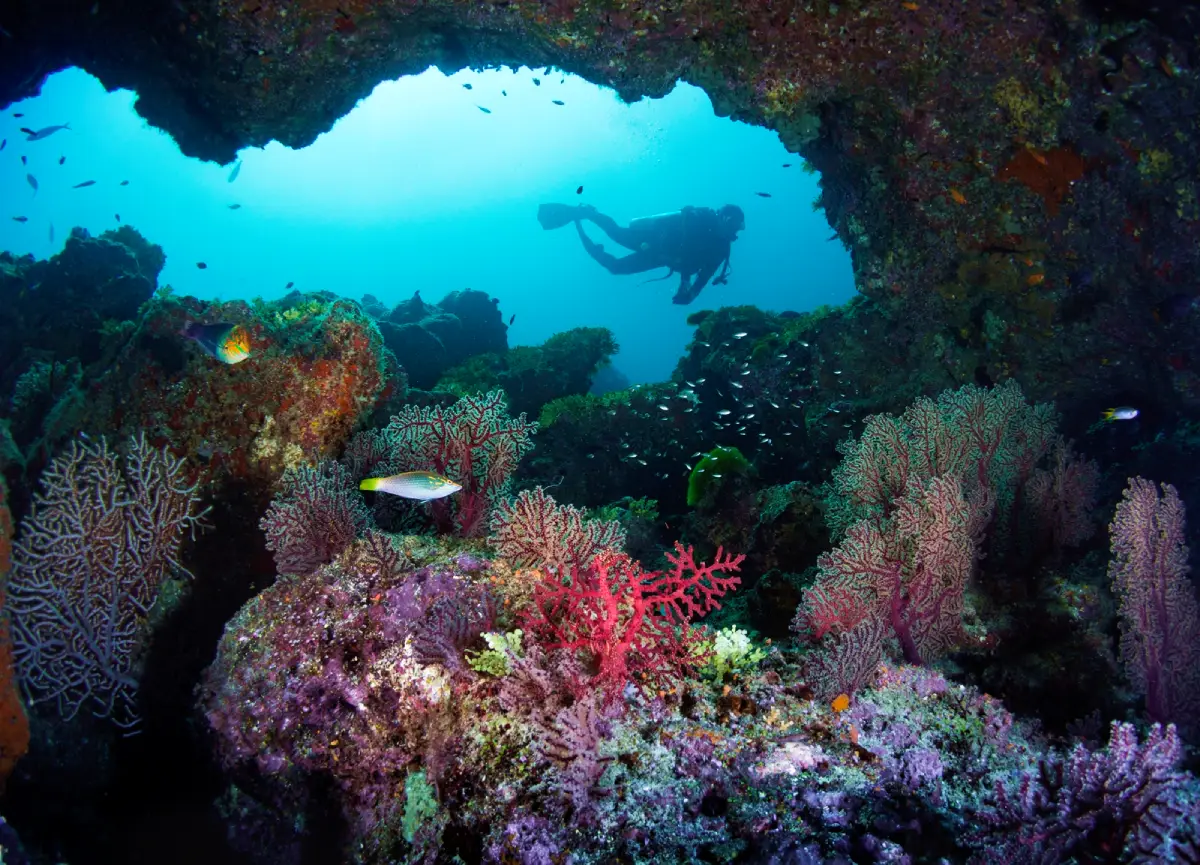
100. Mu Ko Similan National Park — Phang Nga, Thailand Mu Ko Similan National Park is a marine and coastal destination associated with Phang Nga. The original guide describes its distinctive natural setting and its role in protecting local landscapes and ecosystems. Key points of interest include islands and coastal scenery, beaches, scenic viewpoints.
The Similan Islands are renowned for exceptionally clear water, distinctive granitic rocks, beaches and underwater landscapes.
Main Attractions and Highlights: Islands and coastal scenery, beaches, scenic viewpoints. Nature photography, careful observation of wildlife and responsible exploration are suitable ways to enjoy the area where visitor access is permitted.
The coastal ecosystem is important for local biodiversity. Visitors should avoid damaging coral, disturbing wildlife or removing shells and plants, and should carry waste back to an appropriate disposal point. Sea conditions must be checked before boat transfers.
Getting There: Travel to Phang Nga and select the entrance or authorized visitor location corresponding to your intended attraction. Mainland routes may involve winding mountain roads; island sites can require local boat transfers. Confirm the exact route, seasonal access and transport arrangements before departure.
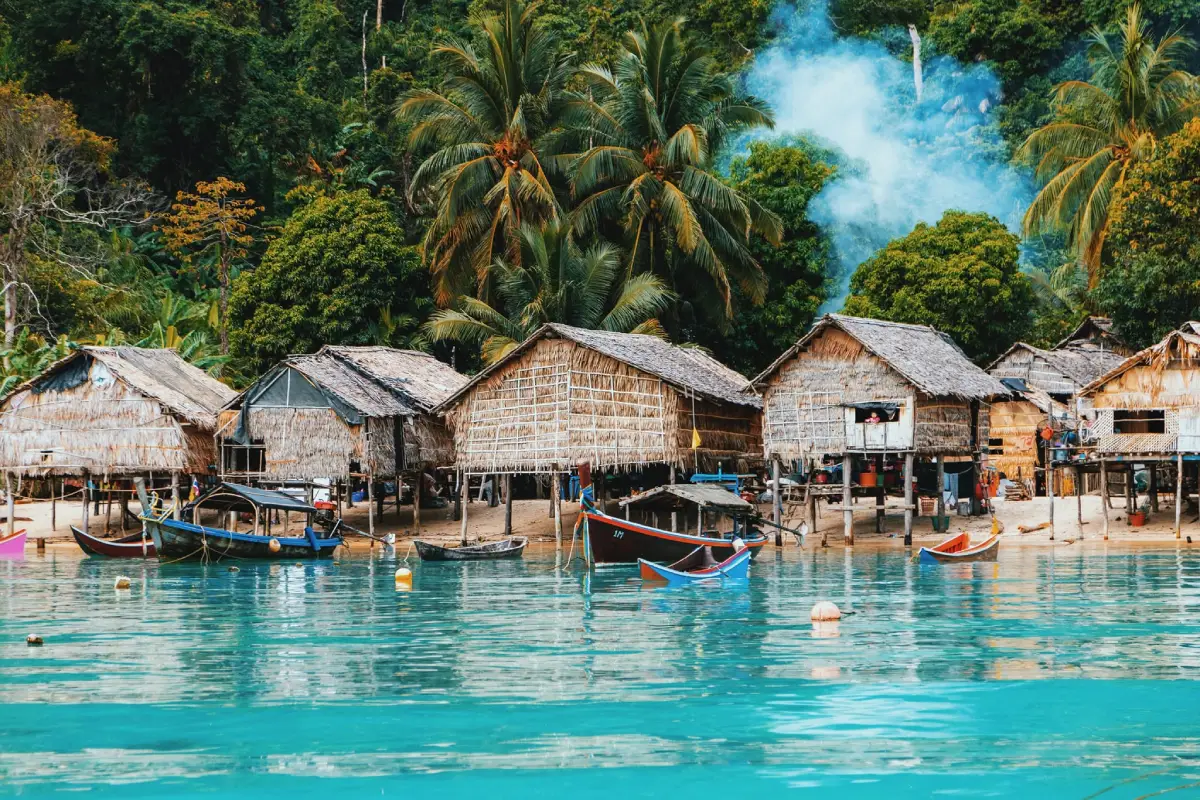
101. Mu Koh Surin National Park — Phang Nga, Thailand Mu Koh Surin National Park is a marine and coastal destination associated with Phang Nga. The original guide describes its distinctive natural setting and its role in protecting local landscapes and ecosystems. Key points of interest include islands and coastal scenery.
The landscape combines coastal environments with the ecological connections between land and sea. Depending on the specific site, visitors may encounter beaches, island habitats, mangroves or marine life. Access to boats, beaches and offshore activity areas should always be checked against current regulations and weather.
Main Attractions and Highlights: Islands and coastal scenery. Nature photography, careful observation of wildlife and responsible exploration are suitable ways to enjoy the area where visitor access is permitted.
The coastal ecosystem is important for local biodiversity. Visitors should avoid damaging coral, disturbing wildlife or removing shells and plants, and should carry waste back to an appropriate disposal point. Sea conditions must be checked before boat transfers.
Getting There: Travel to Phang Nga and select the entrance or authorized visitor location corresponding to your intended attraction. Mainland routes may involve winding mountain roads; island sites can require local boat transfers. Confirm the exact route, seasonal access and transport arrangements before departure.
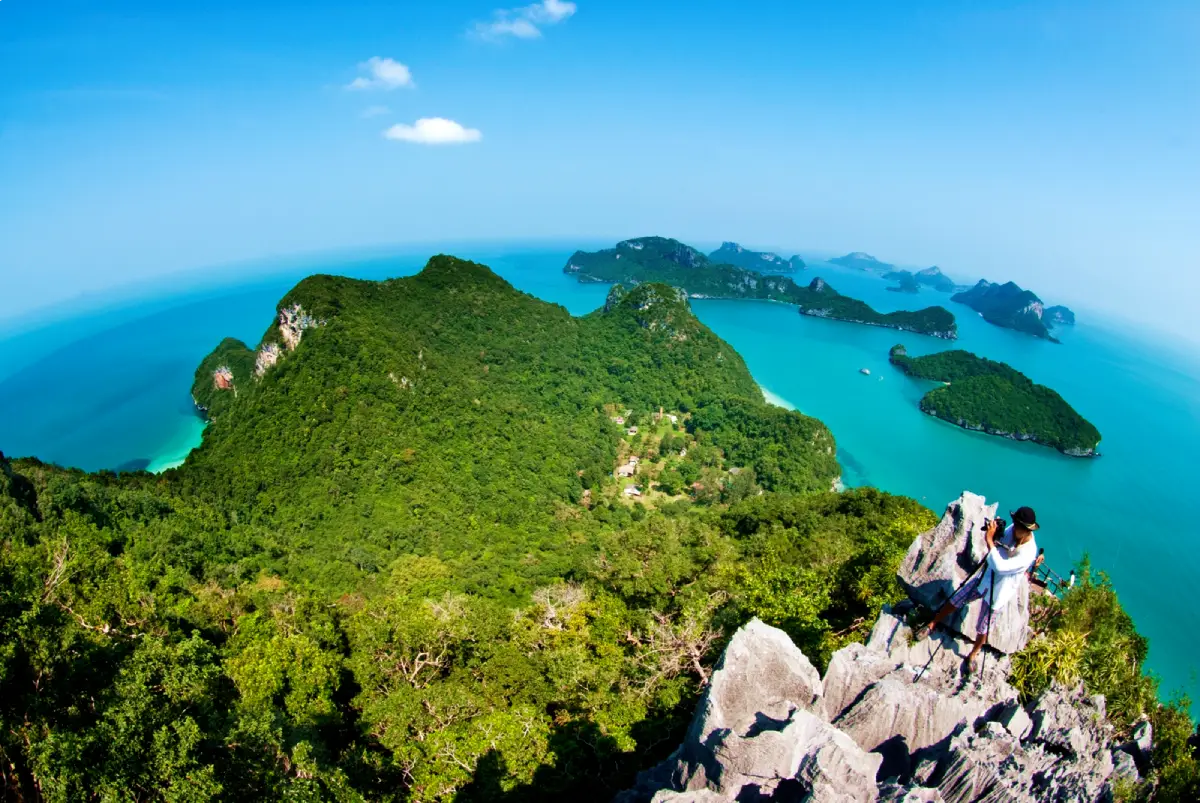
102. Mu Ko Ang Thong National Park — Surat Thani, Thailand Mu Ko Ang Thong National Park is a marine and coastal destination associated with Surat Thani. The original guide describes its distinctive natural setting and its role in protecting local landscapes and ecosystems. Key points of interest include islands and coastal scenery, scenic viewpoints.
The landscape combines coastal environments with the ecological connections between land and sea. Depending on the specific site, visitors may encounter beaches, island habitats, mangroves or marine life. Access to boats, beaches and offshore activity areas should always be checked against current regulations and weather.
Main Attractions and Highlights: Islands and coastal scenery, scenic viewpoints. Nature photography, careful observation of wildlife and responsible exploration are suitable ways to enjoy the area where visitor access is permitted.
The coastal ecosystem is important for local biodiversity. Visitors should avoid damaging coral, disturbing wildlife or removing shells and plants, and should carry waste back to an appropriate disposal point. Sea conditions must be checked before boat transfers.
Getting There: Travel to Surat Thani and select the entrance or authorized visitor location corresponding to your intended attraction. Mainland routes may involve winding mountain roads; island sites can require local boat transfers. Confirm the exact route, seasonal access and transport arrangements before departure.
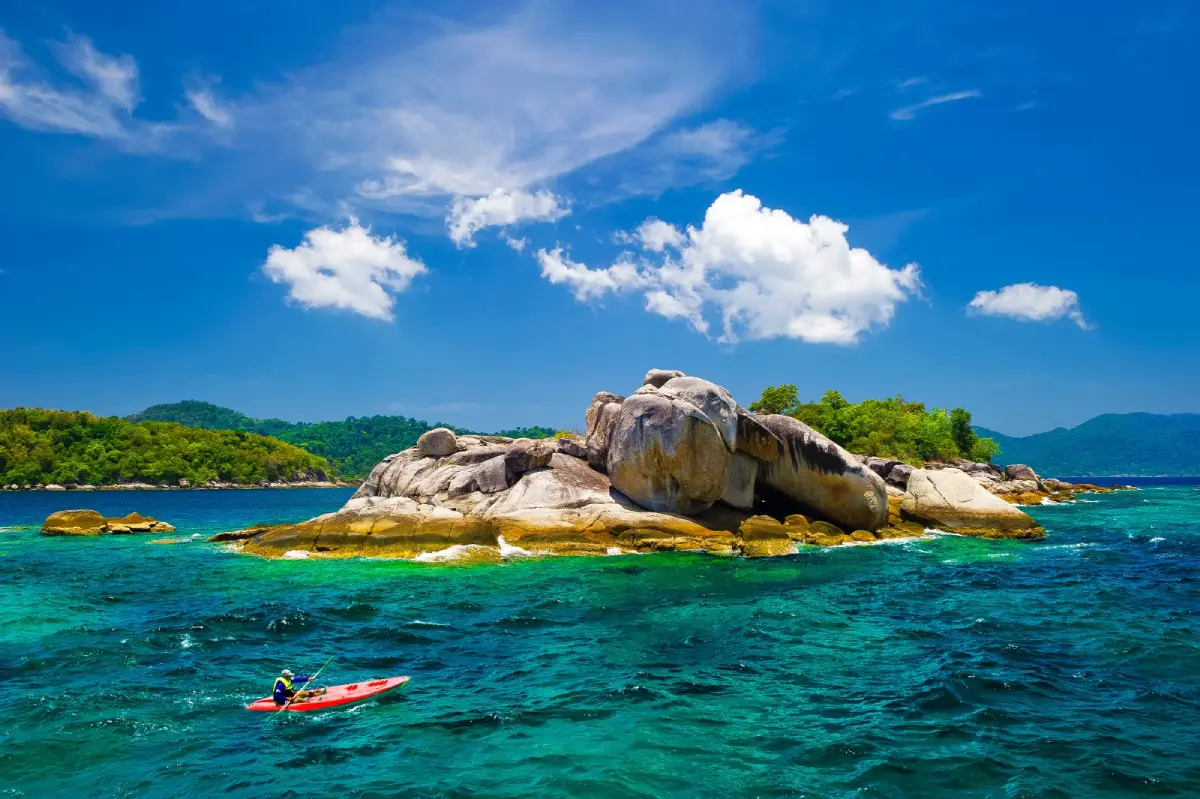
103. Tarutao National Park — Satun, Thailand Tarutao National Park is a marine and coastal destination associated with Satun. The original guide describes its distinctive natural setting and its role in protecting local landscapes and ecosystems. Key points of interest include islands and coastal scenery, scenic viewpoints.
The Tarutao island group combines beaches, tropical forests and an important chapter of southern maritime history.
Main Attractions and Highlights: Islands and coastal scenery, scenic viewpoints. Nature photography, careful observation of wildlife and responsible exploration are suitable ways to enjoy the area where visitor access is permitted.
The coastal ecosystem is important for local biodiversity. Visitors should avoid damaging coral, disturbing wildlife or removing shells and plants, and should carry waste back to an appropriate disposal point. Sea conditions must be checked before boat transfers.
Getting There: Travel to Satun and select the entrance or authorized visitor location corresponding to your intended attraction. Mainland routes may involve winding mountain roads; island sites can require local boat transfers. Confirm the exact route, seasonal access and transport arrangements before departure.
Map (GPS):Get directions to Tarutao National Park
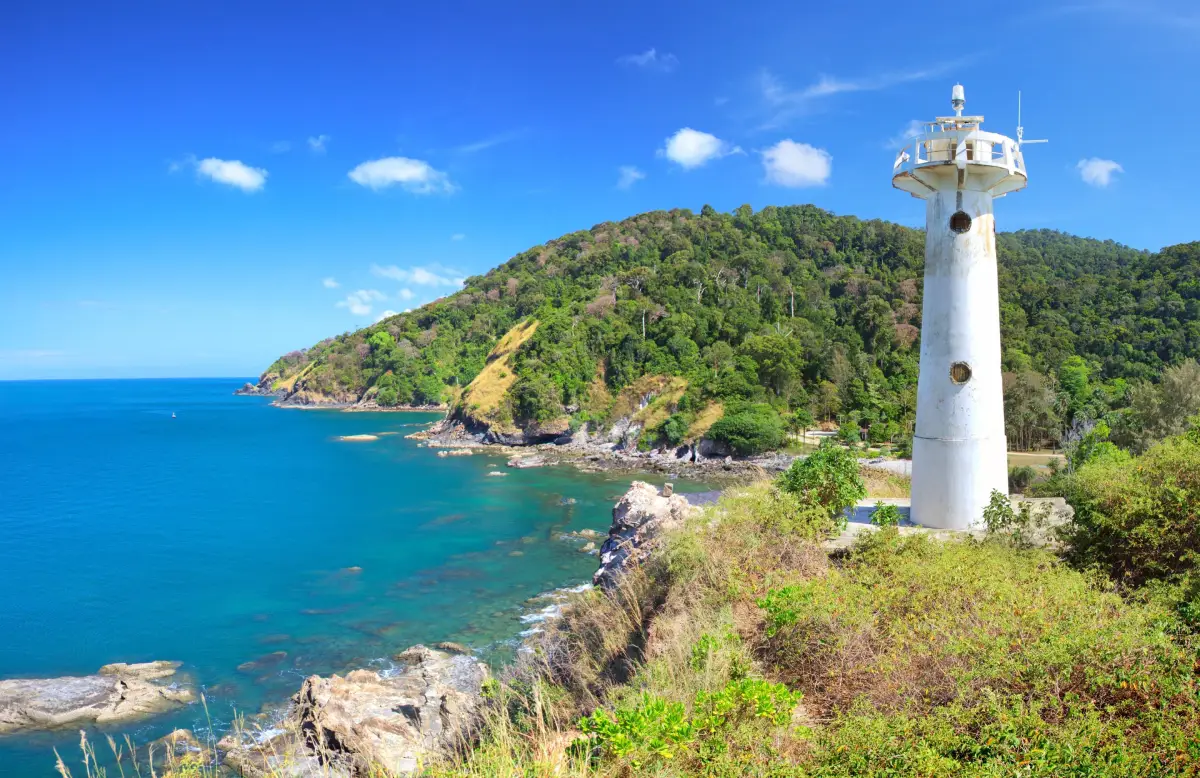
104. Mu Ko Lanta National Park — Krabi, Thailand Mu Ko Lanta National Park is a marine and coastal destination associated with Krabi. The original guide describes its distinctive natural setting and its role in protecting local landscapes and ecosystems. Key points of interest include coral reefs, islands and coastal scenery.
The landscape combines coastal environments with the ecological connections between land and sea. Depending on the specific site, visitors may encounter beaches, island habitats, mangroves or marine life. Access to boats, beaches and offshore activity areas should always be checked against current regulations and weather.
Main Attractions and Highlights: Coral reefs, islands and coastal scenery. Nature photography, careful observation of wildlife and responsible exploration are suitable ways to enjoy the area where visitor access is permitted.
The coastal ecosystem is important for local biodiversity. Visitors should avoid damaging coral, disturbing wildlife or removing shells and plants, and should carry waste back to an appropriate disposal point. Sea conditions must be checked before boat transfers.
Getting There: Travel to Krabi and select the entrance or authorized visitor location corresponding to your intended attraction. Mainland routes may involve winding mountain roads; island sites can require local boat transfers. Confirm the exact route, seasonal access and transport arrangements before departure.
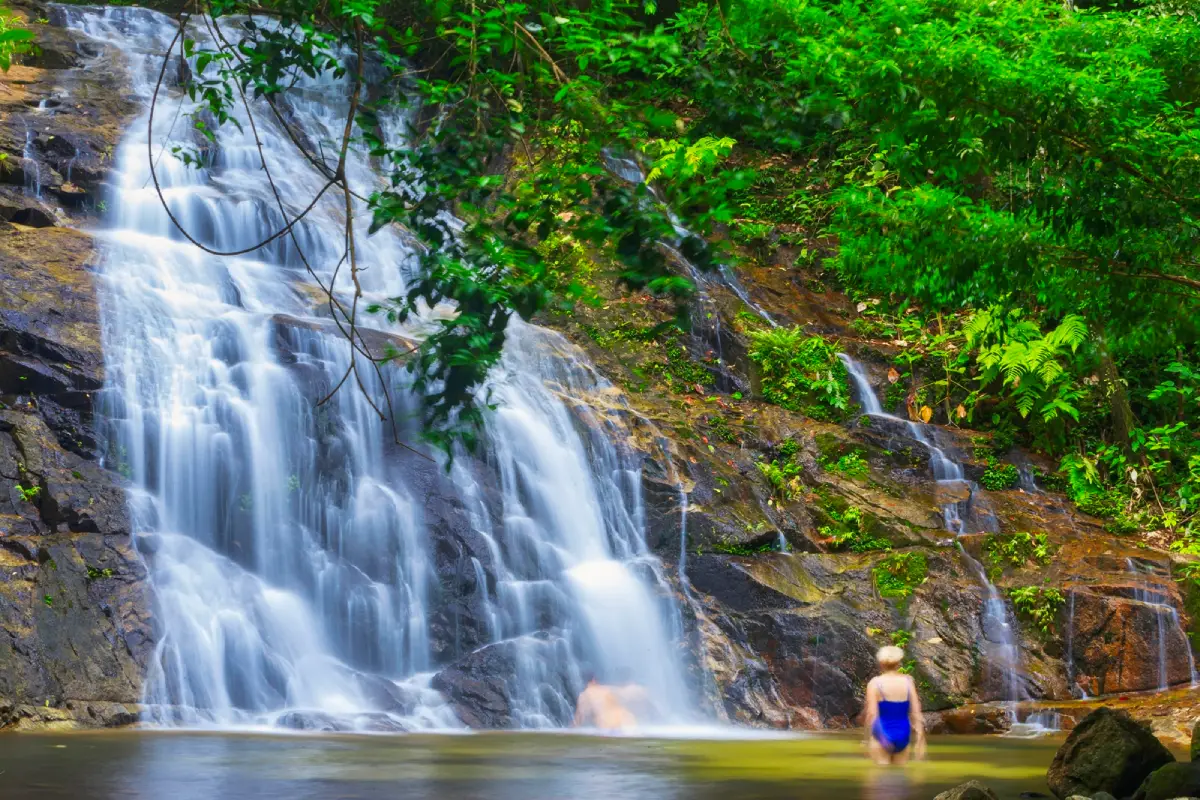
105. Khao Lak Lam Ru National Park — Phang Nga, Thailand Khao Lak Lam Ru National Park is a marine and coastal destination associated with Phang Nga. The original guide describes its distinctive natural setting and its role in protecting local landscapes and ecosystems. Key points of interest include waterfalls.
The landscape combines coastal environments with the ecological connections between land and sea. Depending on the specific site, visitors may encounter beaches, island habitats, mangroves or marine life. Access to boats, beaches and offshore activity areas should always be checked against current regulations and weather.
Main Attractions and Highlights: Waterfalls. Nature photography, careful observation of wildlife and responsible exploration are suitable ways to enjoy the area where visitor access is permitted.
The coastal ecosystem is important for local biodiversity. Visitors should avoid damaging coral, disturbing wildlife or removing shells and plants, and should carry waste back to an appropriate disposal point. Sea conditions must be checked before boat transfers.
Getting There: Travel to Phang Nga and select the entrance or authorized visitor location corresponding to your intended attraction. Mainland routes may involve winding mountain roads; island sites can require local boat transfers. Confirm the exact route, seasonal access and transport arrangements before departure.
106. Hat Chao Mai National Park — Trang, Thailand Hat Chao Mai National Park is a marine and coastal destination associated with Trang. The original guide describes its distinctive natural setting and its role in protecting local landscapes and ecosystems. Key points of interest include islands and coastal scenery, caves, cliff viewpoints.
The landscape combines coastal environments with the ecological connections between land and sea. Depending on the specific site, visitors may encounter beaches, island habitats, mangroves or marine life. Access to boats, beaches and offshore activity areas should always be checked against current regulations and weather.
Main Attractions and Highlights: Islands and coastal scenery, caves, cliff viewpoints. Nature photography, careful observation of wildlife and responsible exploration are suitable ways to enjoy the area where visitor access is permitted.
The coastal ecosystem is important for local biodiversity. Visitors should avoid damaging coral, disturbing wildlife or removing shells and plants, and should carry waste back to an appropriate disposal point. Sea conditions must be checked before boat transfers.
Getting There: Travel to Trang and select the entrance or authorized visitor location corresponding to your intended attraction. Mainland routes may involve winding mountain roads; island sites can require local boat transfers. Confirm the exact route, seasonal access and transport arrangements before departure.
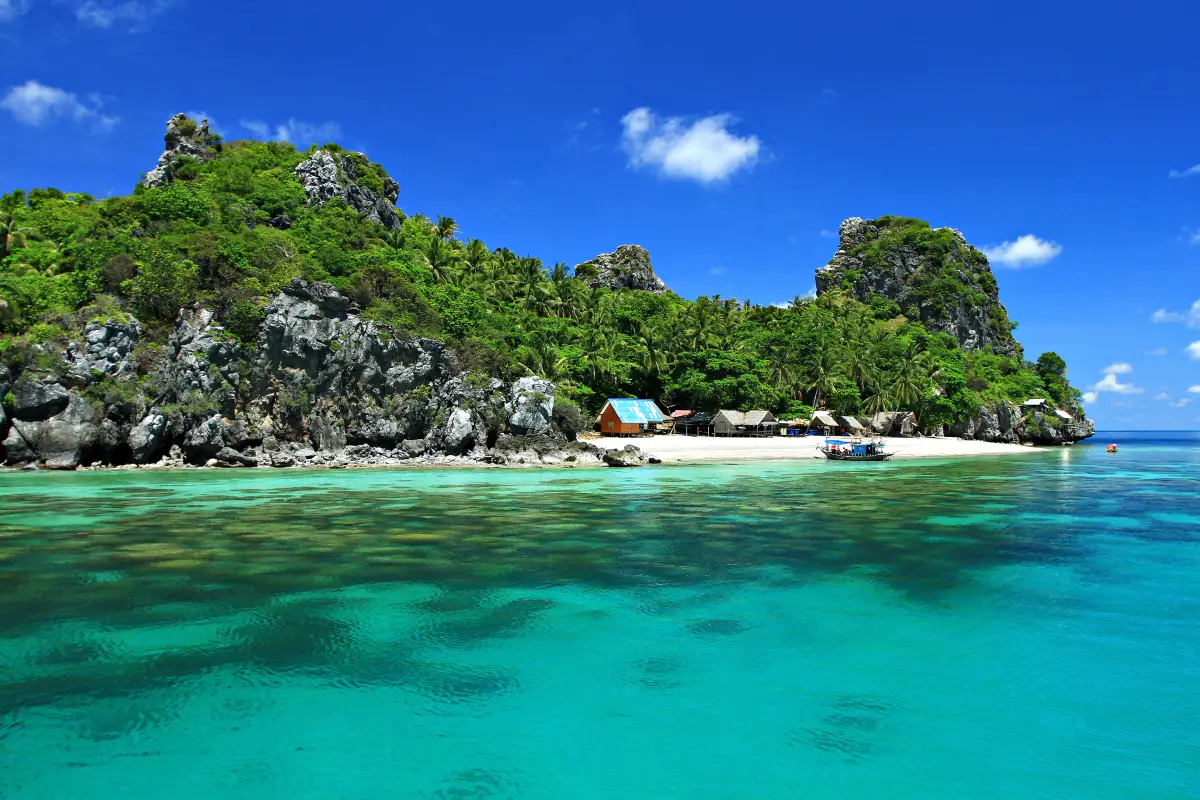
107. Mu Ko Chumphon National Park — Chumphon, Thailand Mu Ko Chumphon National Park is a marine and coastal destination associated with Chumphon. The original guide describes its distinctive natural setting and its role in protecting local landscapes and ecosystems. Key points of interest include mangrove forests, coral reefs, islands and coastal scenery.
The landscape combines coastal environments with the ecological connections between land and sea. Depending on the specific site, visitors may encounter beaches, island habitats, mangroves or marine life. Access to boats, beaches and offshore activity areas should always be checked against current regulations and weather.
Main Attractions and Highlights: Mangrove forests, coral reefs, islands and coastal scenery. Nature photography, careful observation of wildlife and responsible exploration are suitable ways to enjoy the area where visitor access is permitted.
The coastal ecosystem is important for local biodiversity. Visitors should avoid damaging coral, disturbing wildlife or removing shells and plants, and should carry waste back to an appropriate disposal point. Sea conditions must be checked before boat transfers.
Getting There: Travel to Chumphon and select the entrance or authorized visitor location corresponding to your intended attraction. Mainland routes may involve winding mountain roads; island sites can require local boat transfers. Confirm the exact route, seasonal access and transport arrangements before departure.
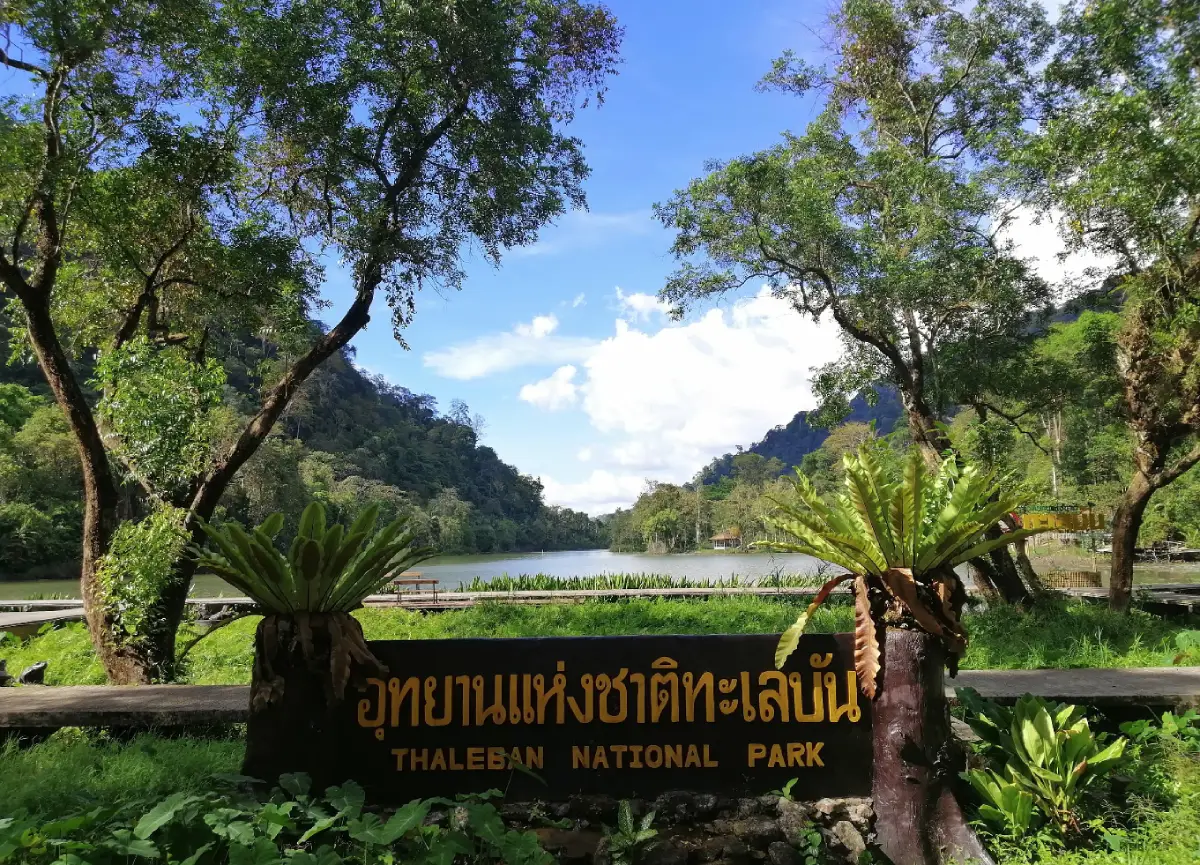
108. Thale Ban National Park — Satun, Thailand Thale Ban National Park is a marine and coastal destination associated with Satun. The original guide describes its distinctive natural setting and its role in protecting local landscapes and ecosystems. Key points of interest include tropical rainforest.
The landscape combines coastal environments with the ecological connections between land and sea. Depending on the specific site, visitors may encounter beaches, island habitats, mangroves or marine life. Access to boats, beaches and offshore activity areas should always be checked against current regulations and weather.
Main Attractions and Highlights: Tropical rainforest. Nature photography, careful observation of wildlife and responsible exploration are suitable ways to enjoy the area where visitor access is permitted.
The coastal ecosystem is important for local biodiversity. Visitors should avoid damaging coral, disturbing wildlife or removing shells and plants, and should carry waste back to an appropriate disposal point. Sea conditions must be checked before boat transfers.
Getting There: Travel to Satun and select the entrance or authorized visitor location corresponding to your intended attraction. Mainland routes may involve winding mountain roads; island sites can require local boat transfers. Confirm the exact route, seasonal access and transport arrangements before departure.
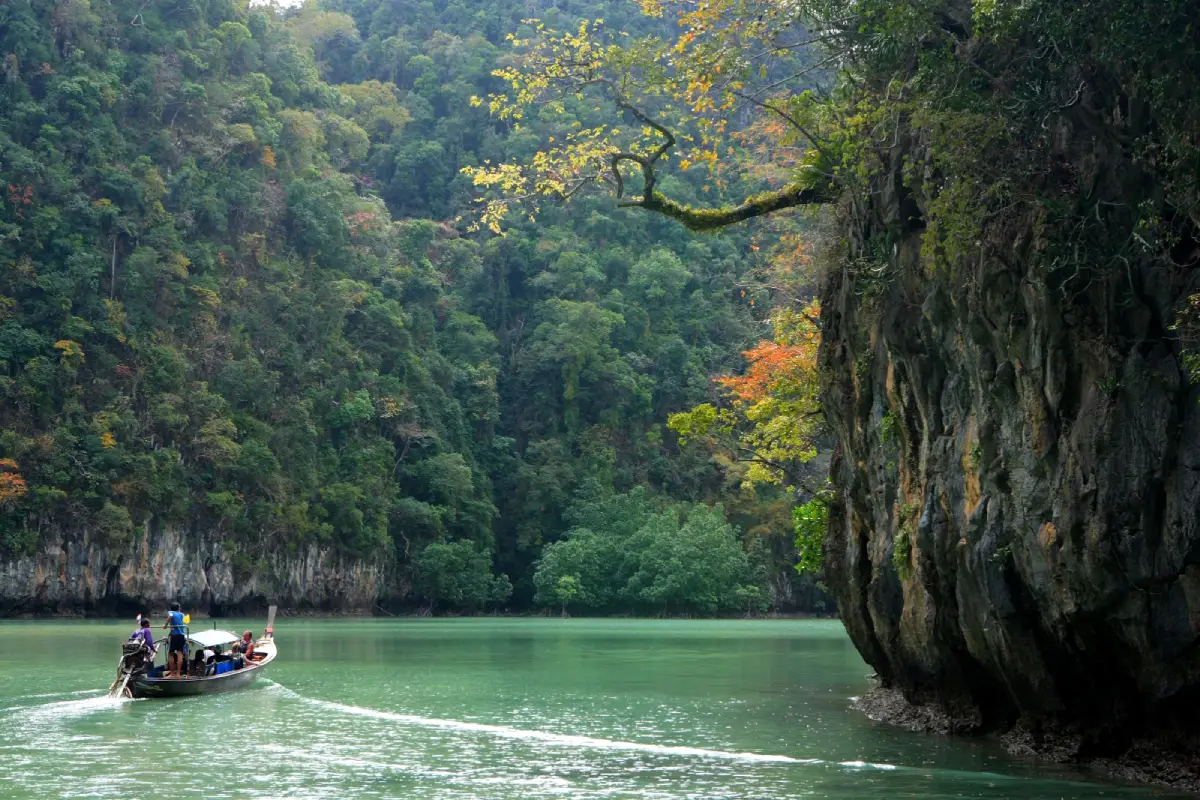
109. Than Bok Khorani National Park — Krabi, Thailand Than Bok Khorani National Park is a marine and coastal destination associated with Krabi. The original guide describes its distinctive natural setting and its role in protecting local landscapes and ecosystems. Key points of interest include islands and coastal scenery, caves.
The landscape combines coastal environments with the ecological connections between land and sea. Depending on the specific site, visitors may encounter beaches, island habitats, mangroves or marine life. Access to boats, beaches and offshore activity areas should always be checked against current regulations and weather.
Main Attractions and Highlights: Islands and coastal scenery, caves. Nature photography, careful observation of wildlife and responsible exploration are suitable ways to enjoy the area where visitor access is permitted.
The coastal ecosystem is important for local biodiversity. Visitors should avoid damaging coral, disturbing wildlife or removing shells and plants, and should carry waste back to an appropriate disposal point. Sea conditions must be checked before boat transfers.
Getting There: Travel to Krabi and select the entrance or authorized visitor location corresponding to your intended attraction. Mainland routes may involve winding mountain roads; island sites can require local boat transfers. Confirm the exact route, seasonal access and transport arrangements before departure.
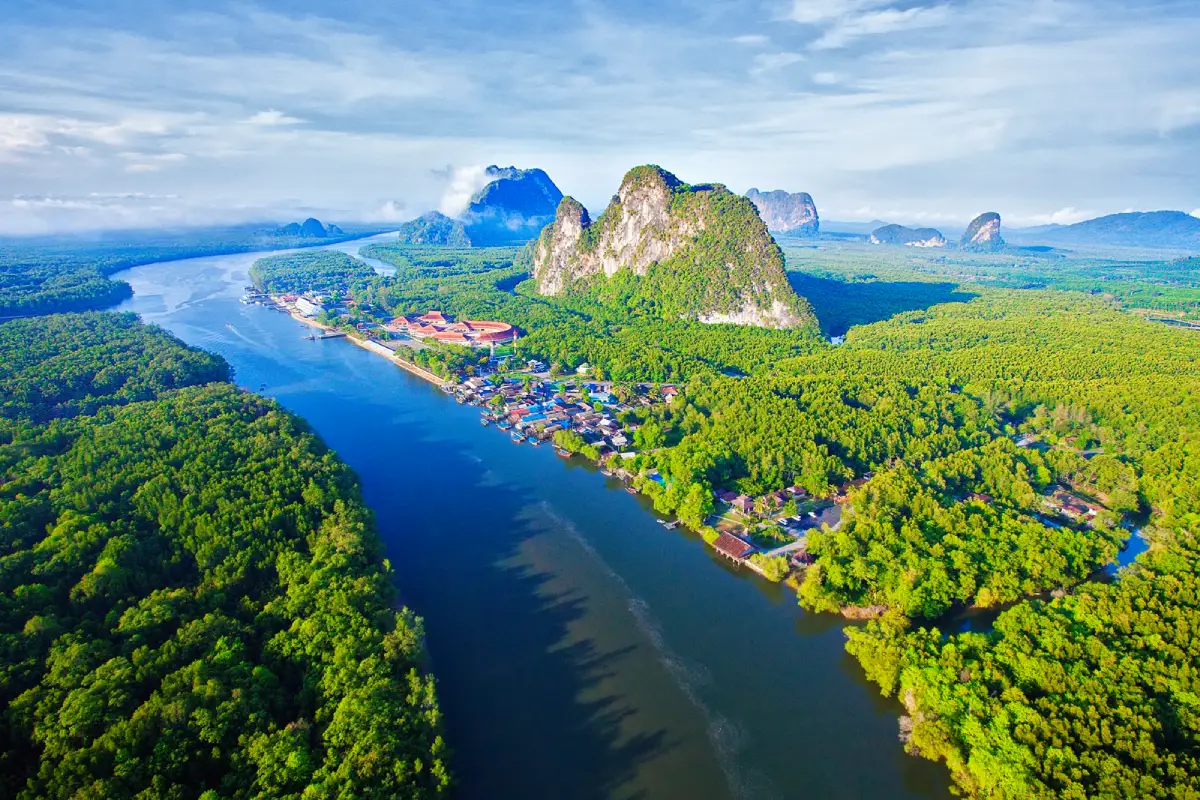
110. Ao Phang Nga National Park — Phang Nga, Thailand Ao Phang Nga National Park is a marine and coastal destination associated with Phang Nga. The original guide describes its distinctive natural setting and its role in protecting local landscapes and ecosystems. Key points of interest include islands and coastal scenery, caves.
The landscape combines coastal environments with the ecological connections between land and sea. Depending on the specific site, visitors may encounter beaches, island habitats, mangroves or marine life. Access to boats, beaches and offshore activity areas should always be checked against current regulations and weather.
Main Attractions and Highlights: Islands and coastal scenery, caves. Nature photography, careful observation of wildlife and responsible exploration are suitable ways to enjoy the area where visitor access is permitted.
The coastal ecosystem is important for local biodiversity. Visitors should avoid damaging coral, disturbing wildlife or removing shells and plants, and should carry waste back to an appropriate disposal point. Sea conditions must be checked before boat transfers.
Getting There: Travel to Phang Nga and select the entrance or authorized visitor location corresponding to your intended attraction. Mainland routes may involve winding mountain roads; island sites can require local boat transfers. Confirm the exact route, seasonal access and transport arrangements before departure.
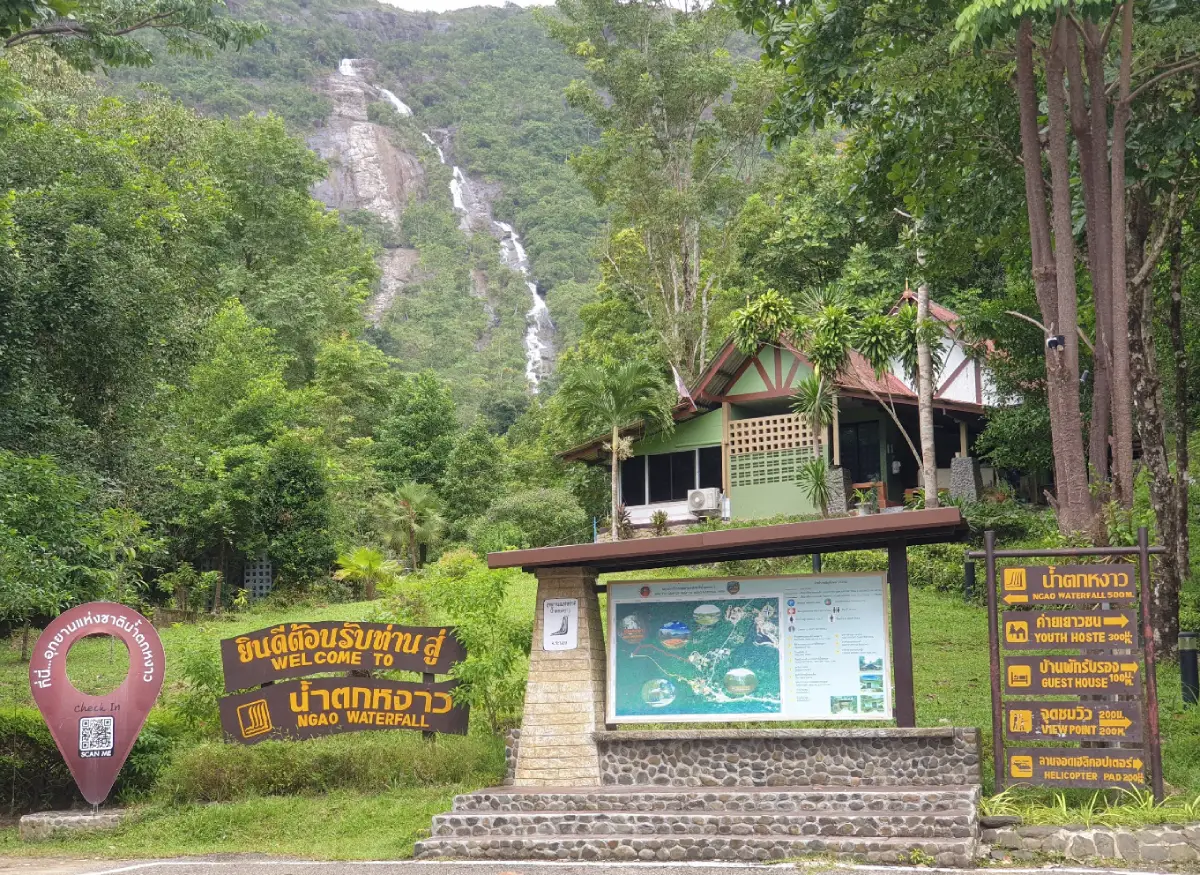
111. Namtok Ngao National Park — Ranong, Thailand Namtok Ngao National Park is a mountain and forest destination associated with Ranong. The original guide describes its distinctive natural setting and its role in protecting local landscapes and ecosystems. Key points of interest include waterfalls, tropical rainforest.
Waterfalls and streams are central to this destination’s visitor appeal. Water levels, rock surfaces and trail access can change markedly between the wet and dry seasons, so safe viewing areas and posted guidance are especially important.
Main Attractions and Highlights: Waterfalls, tropical rainforest. Nature photography, careful observation of wildlife and responsible exploration are suitable ways to enjoy the area where visitor access is permitted.
The surrounding forests and waterways contribute to watershed health and biodiversity. Stay on authorized paths, avoid feeding wild animals, and keep noise and litter to a minimum. Check with park staff before entering remote sections, especially during periods of heavy rain.
Getting There: Travel to Ranong and select the entrance or authorized visitor location corresponding to your intended attraction. Mainland routes may involve winding mountain roads; island sites can require local boat transfers. Confirm the exact route, seasonal access and transport arrangements before departure.
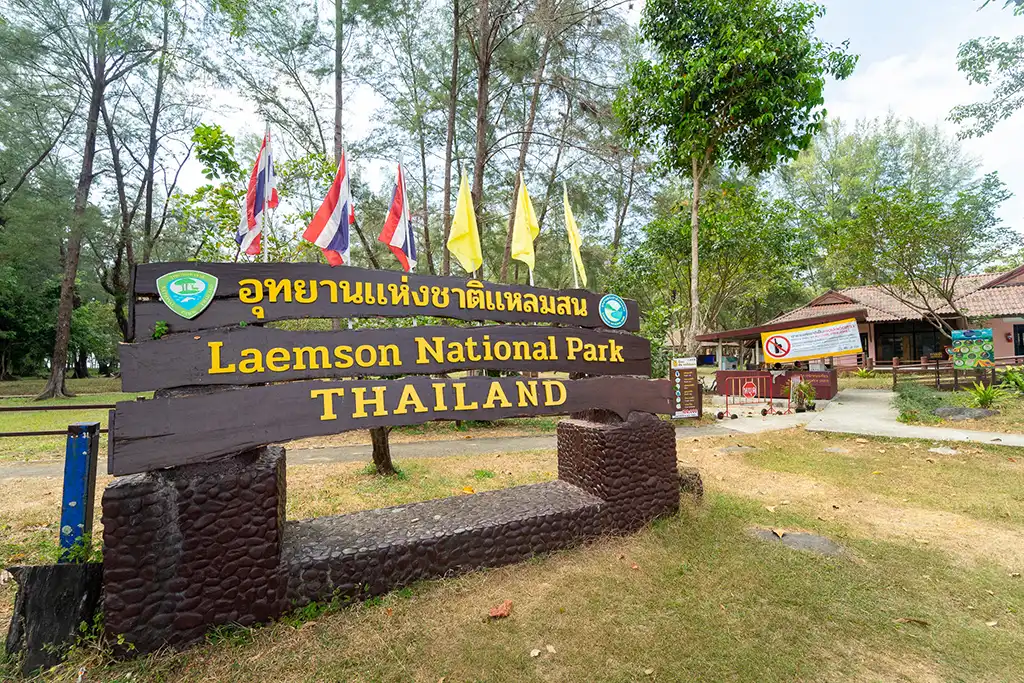
112. Laem Son National Park — Phang Nga, Ranong, Thailand Laem Son National Park is a marine and coastal destination associated with Phang Nga, Ranong. The original guide describes its distinctive natural setting and its role in protecting local landscapes and ecosystems. Key points of interest include islands and coastal scenery, beaches.
The landscape combines coastal environments with the ecological connections between land and sea. Depending on the specific site, visitors may encounter beaches, island habitats, mangroves or marine life. Access to boats, beaches and offshore activity areas should always be checked against current regulations and weather.
Main Attractions and Highlights: Islands and coastal scenery, beaches. Nature photography, careful observation of wildlife and responsible exploration are suitable ways to enjoy the area where visitor access is permitted.
The coastal ecosystem is important for local biodiversity. Visitors should avoid damaging coral, disturbing wildlife or removing shells and plants, and should carry waste back to an appropriate disposal point. Sea conditions must be checked before boat transfers.
Getting There: Travel to Phang Nga, Ranong and select the entrance or authorized visitor location corresponding to your intended attraction. Mainland routes may involve winding mountain roads; island sites can require local boat transfers. Confirm the exact route, seasonal access and transport arrangements before departure.
Map (GPS):Get directions to Laem Son National Park
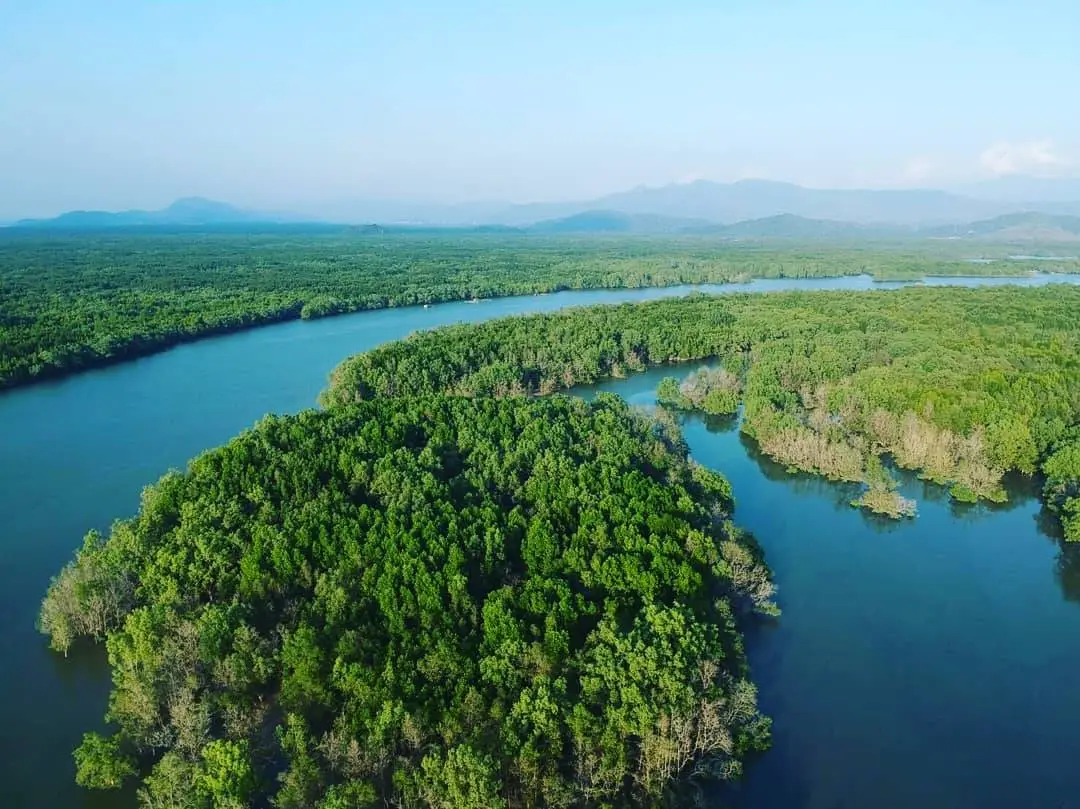
113. Mu Ko Ranong National Park — Ranong, Thailand Mu Ko Ranong National Park is a marine and coastal destination associated with Ranong. The original guide describes its distinctive natural setting and its role in protecting local landscapes and ecosystems. Key points of interest include mangrove forests, islands and coastal scenery.
The landscape combines coastal environments with the ecological connections between land and sea. Depending on the specific site, visitors may encounter beaches, island habitats, mangroves or marine life. Access to boats, beaches and offshore activity areas should always be checked against current regulations and weather.
Main Attractions and Highlights: Mangrove forests, islands and coastal scenery. Nature photography, careful observation of wildlife and responsible exploration are suitable ways to enjoy the area where visitor access is permitted.
The coastal ecosystem is important for local biodiversity. Visitors should avoid damaging coral, disturbing wildlife or removing shells and plants, and should carry waste back to an appropriate disposal point. Sea conditions must be checked before boat transfers.
Getting There: Travel to Ranong and select the entrance or authorized visitor location corresponding to your intended attraction. Mainland routes may involve winding mountain roads; island sites can require local boat transfers. Confirm the exact route, seasonal access and transport arrangements before departure.
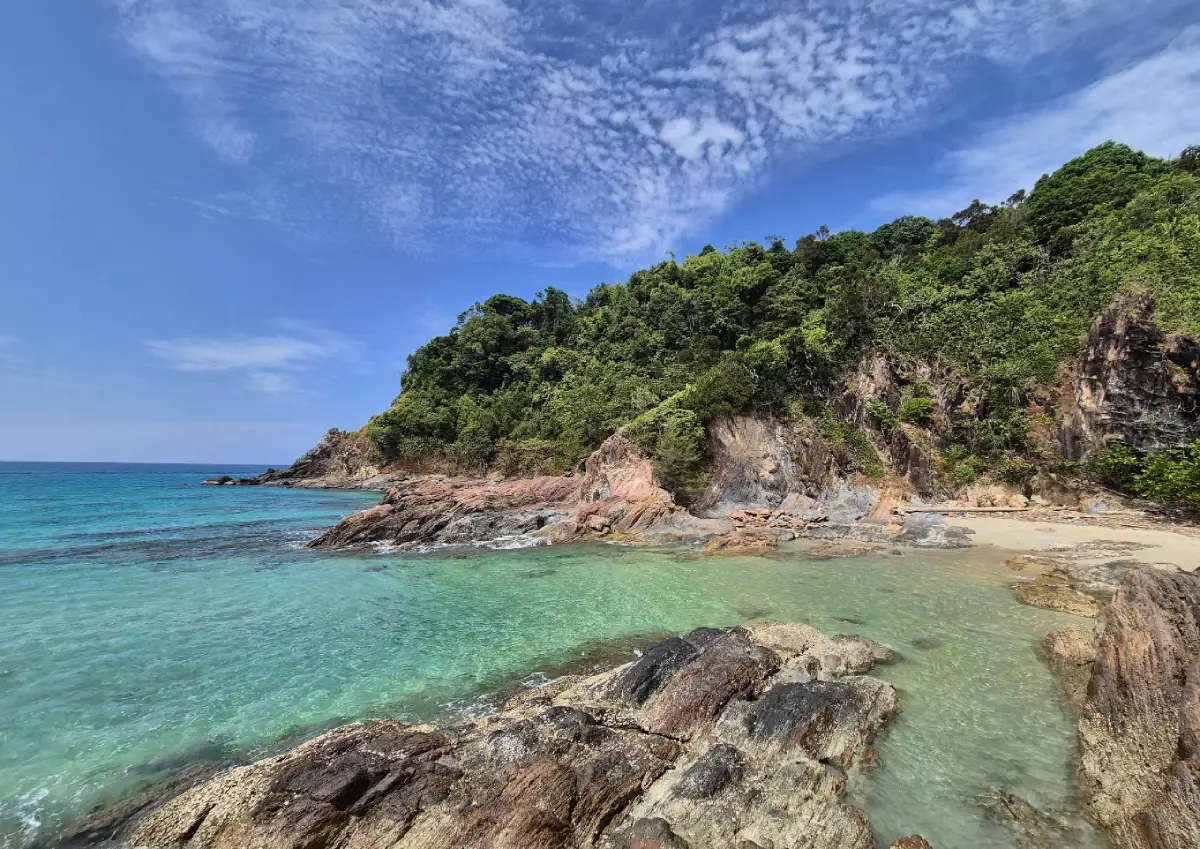
114. Khao Lampi Hat Thai Mueang National Park — Phang Nga, Thailand Khao Lampi Hat Thai Mueang National Park is a marine and coastal destination associated with Phang Nga. The original guide describes its distinctive natural setting and its role in protecting local landscapes and ecosystems. Key points of interest include waterfalls, tropical rainforest.
The landscape combines coastal environments with the ecological connections between land and sea. Depending on the specific site, visitors may encounter beaches, island habitats, mangroves or marine life. Access to boats, beaches and offshore activity areas should always be checked against current regulations and weather.
Main Attractions and Highlights: Waterfalls, tropical rainforest. Nature photography, careful observation of wildlife and responsible exploration are suitable ways to enjoy the area where visitor access is permitted.
The coastal ecosystem is important for local biodiversity. Visitors should avoid damaging coral, disturbing wildlife or removing shells and plants, and should carry waste back to an appropriate disposal point. Sea conditions must be checked before boat transfers.
Getting There: Travel to Phang Nga and select the entrance or authorized visitor location corresponding to your intended attraction. Mainland routes may involve winding mountain roads; island sites can require local boat transfers. Confirm the exact route, seasonal access and transport arrangements before departure.
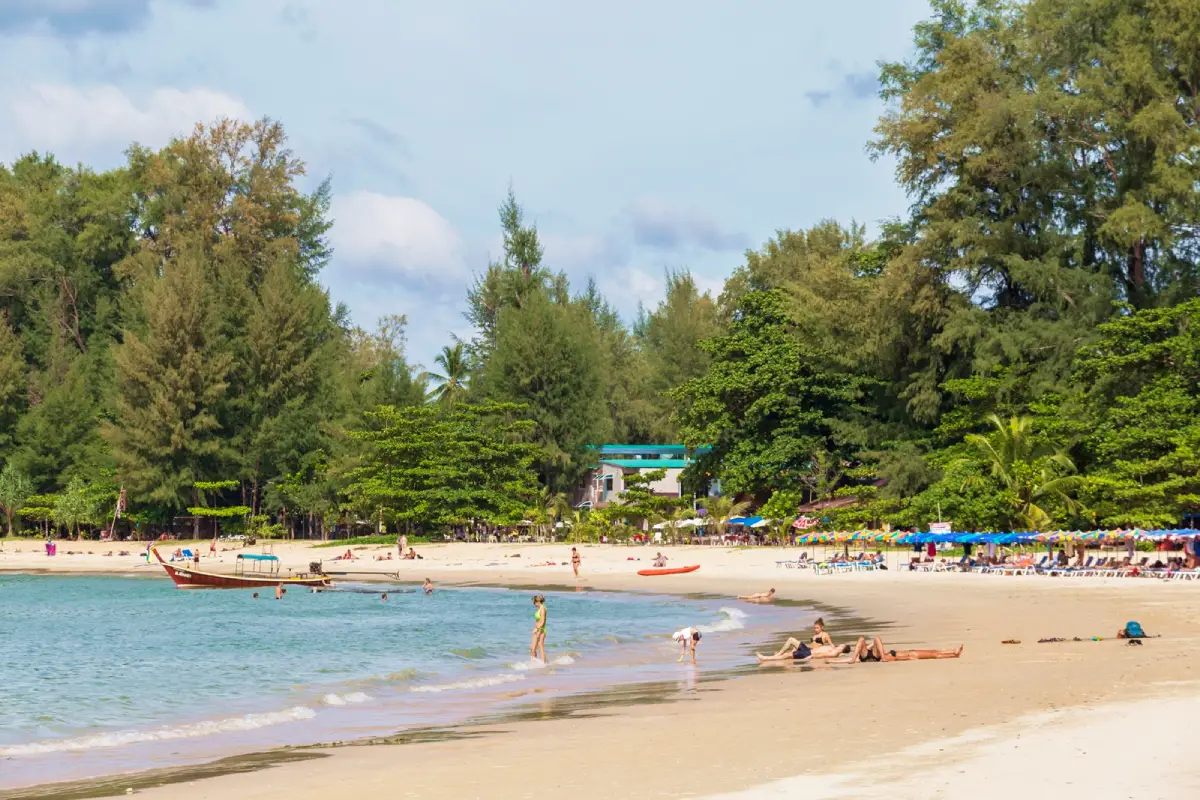
115. Sirinat National Park — Phuket, Thailand Sirinat National Park is a marine and coastal destination associated with Phuket. The original guide describes its distinctive natural setting and its role in protecting local landscapes and ecosystems. Key points of interest include mangrove forests, beaches.
The landscape combines coastal environments with the ecological connections between land and sea. Depending on the specific site, visitors may encounter beaches, island habitats, mangroves or marine life. Access to boats, beaches and offshore activity areas should always be checked against current regulations and weather.
Main Attractions and Highlights: Mangrove forests, beaches. Nature photography, careful observation of wildlife and responsible exploration are suitable ways to enjoy the area where visitor access is permitted.
The coastal ecosystem is important for local biodiversity. Visitors should avoid damaging coral, disturbing wildlife or removing shells and plants, and should carry waste back to an appropriate disposal point. Sea conditions must be checked before boat transfers.
Getting There: Travel to Phuket and select the entrance or authorized visitor location corresponding to your intended attraction. Mainland routes may involve winding mountain roads; island sites can require local boat transfers. Confirm the exact route, seasonal access and transport arrangements before departure.
Map (GPS):Get directions to Sirinat National Park
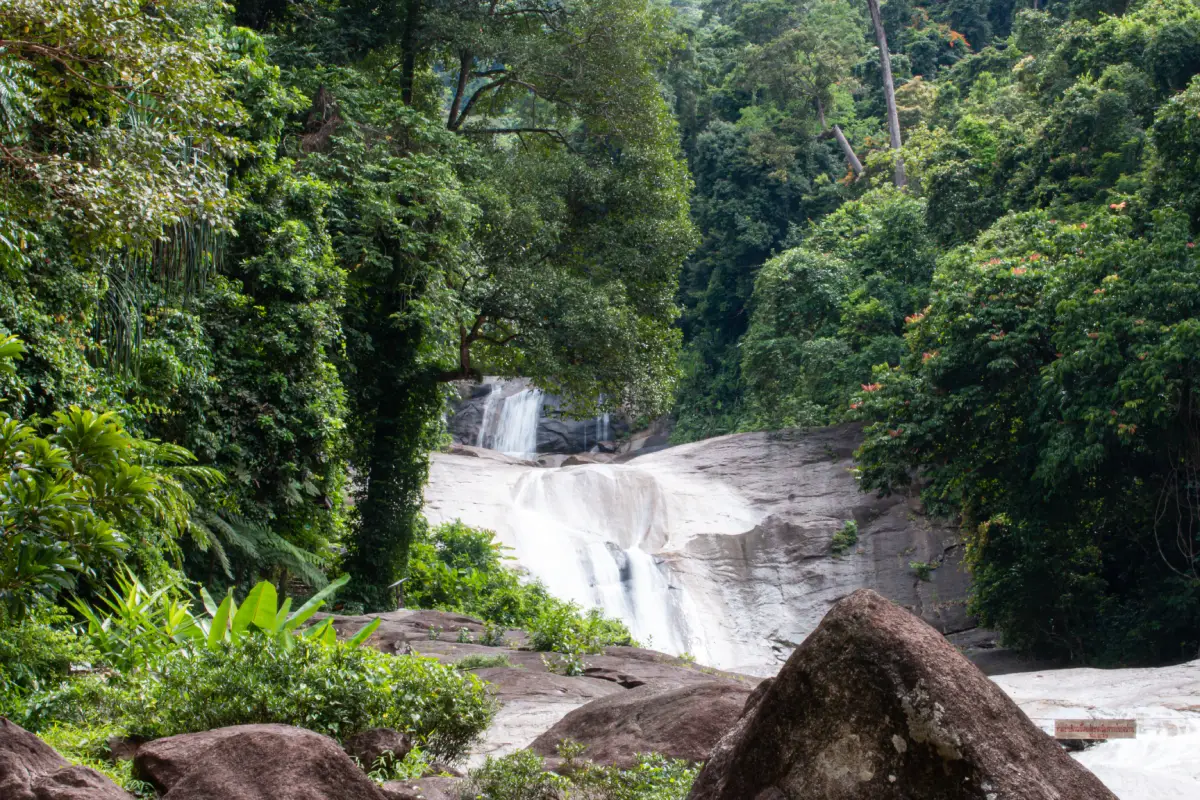
116. Khao Luang National Park — Nakhon Si Thammarat, Thailand Khao Luang National Park is a marine and coastal destination associated with Nakhon Si Thammarat. The original guide describes its distinctive natural setting and its role in protecting local landscapes and ecosystems. Key points of interest include waterfalls, forest hiking trails, tropical rainforest.
The landscape combines coastal environments with the ecological connections between land and sea. Depending on the specific site, visitors may encounter beaches, island habitats, mangroves or marine life. Access to boats, beaches and offshore activity areas should always be checked against current regulations and weather.
Main Attractions and Highlights: Waterfalls, forest hiking trails, tropical rainforest. Nature photography, careful observation of wildlife and responsible exploration are suitable ways to enjoy the area where visitor access is permitted.
The coastal ecosystem is important for local biodiversity. Visitors should avoid damaging coral, disturbing wildlife or removing shells and plants, and should carry waste back to an appropriate disposal point. Sea conditions must be checked before boat transfers.
Getting There: Travel to Nakhon Si Thammarat and select the entrance or authorized visitor location corresponding to your intended attraction. Mainland routes may involve winding mountain roads; island sites can require local boat transfers. Confirm the exact route, seasonal access and transport arrangements before departure.
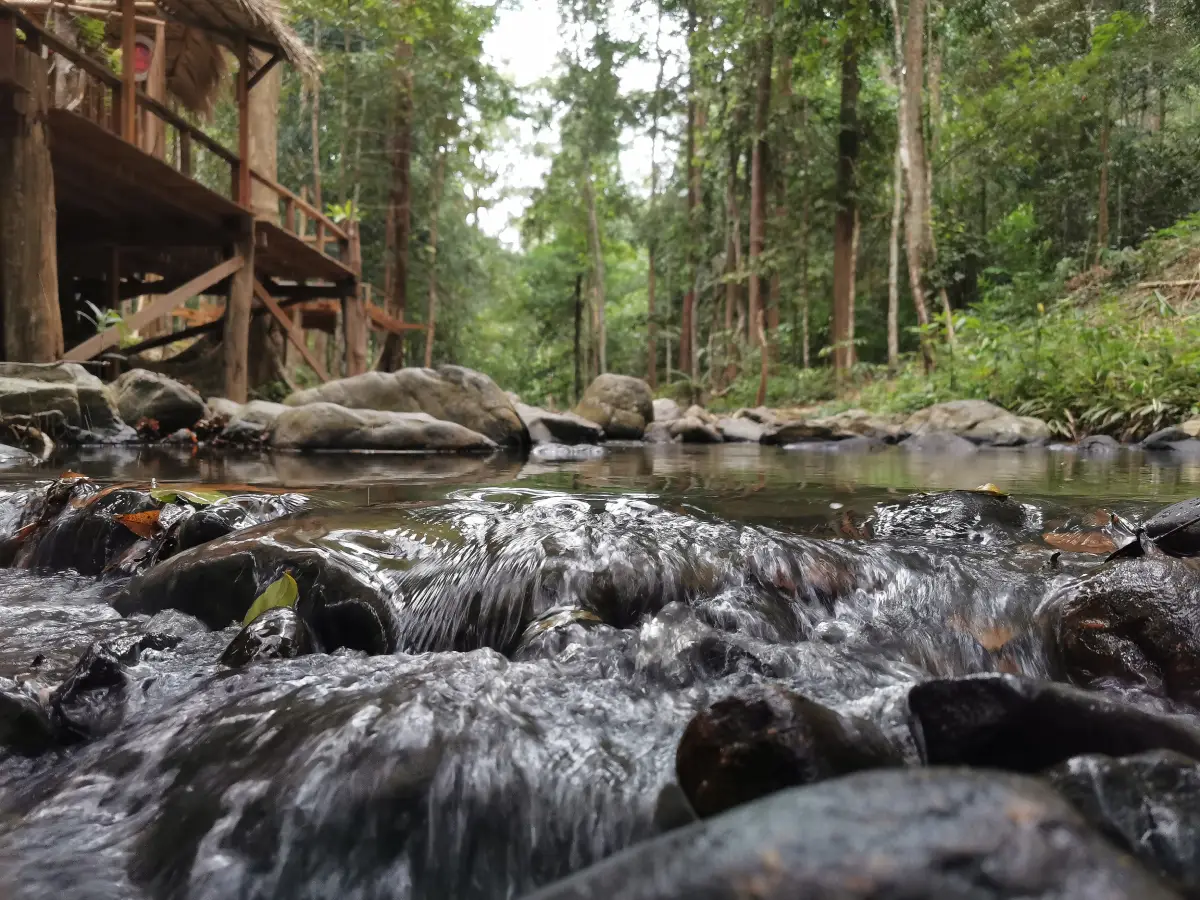
117. Khao Nam Khang National Park — Songkhla, Thailand Khao Nam Khang National Park is a mountain and forest destination associated with Songkhla. The original guide describes its distinctive natural setting and its role in protecting local landscapes and ecosystems. Key points of interest include caves, waterfalls.
Waterfalls and streams are central to this destination’s visitor appeal. Water levels, rock surfaces and trail access can change markedly between the wet and dry seasons, so safe viewing areas and posted guidance are especially important.
Main Attractions and Highlights: Caves, waterfalls. Nature photography, careful observation of wildlife and responsible exploration are suitable ways to enjoy the area where visitor access is permitted.
The surrounding forests and waterways contribute to watershed health and biodiversity. Stay on authorized paths, avoid feeding wild animals, and keep noise and litter to a minimum. Check with park staff before entering remote sections, especially during periods of heavy rain.
Getting There: Travel to Songkhla and select the entrance or authorized visitor location corresponding to your intended attraction. Mainland routes may involve winding mountain roads; island sites can require local boat transfers. Confirm the exact route, seasonal access and transport arrangements before departure.

118. Tai Rom Yen National Park — Surat Thani, Thailand Tai Rom Yen National Park is a mountain and forest destination associated with Surat Thani. The original guide describes its distinctive natural setting and its role in protecting local landscapes and ecosystems. Key points of interest include cliff viewpoints, waterfalls.
Waterfalls and streams are central to this destination’s visitor appeal. Water levels, rock surfaces and trail access can change markedly between the wet and dry seasons, so safe viewing areas and posted guidance are especially important.
Main Attractions and Highlights: Cliff viewpoints, waterfalls. Nature photography, careful observation of wildlife and responsible exploration are suitable ways to enjoy the area where visitor access is permitted.
The surrounding forests and waterways contribute to watershed health and biodiversity. Stay on authorized paths, avoid feeding wild animals, and keep noise and litter to a minimum. Check with park staff before entering remote sections, especially during periods of heavy rain.
Getting There: Travel to Surat Thani and select the entrance or authorized visitor location corresponding to your intended attraction. Mainland routes may involve winding mountain roads; island sites can require local boat transfers. Confirm the exact route, seasonal access and transport arrangements before departure.
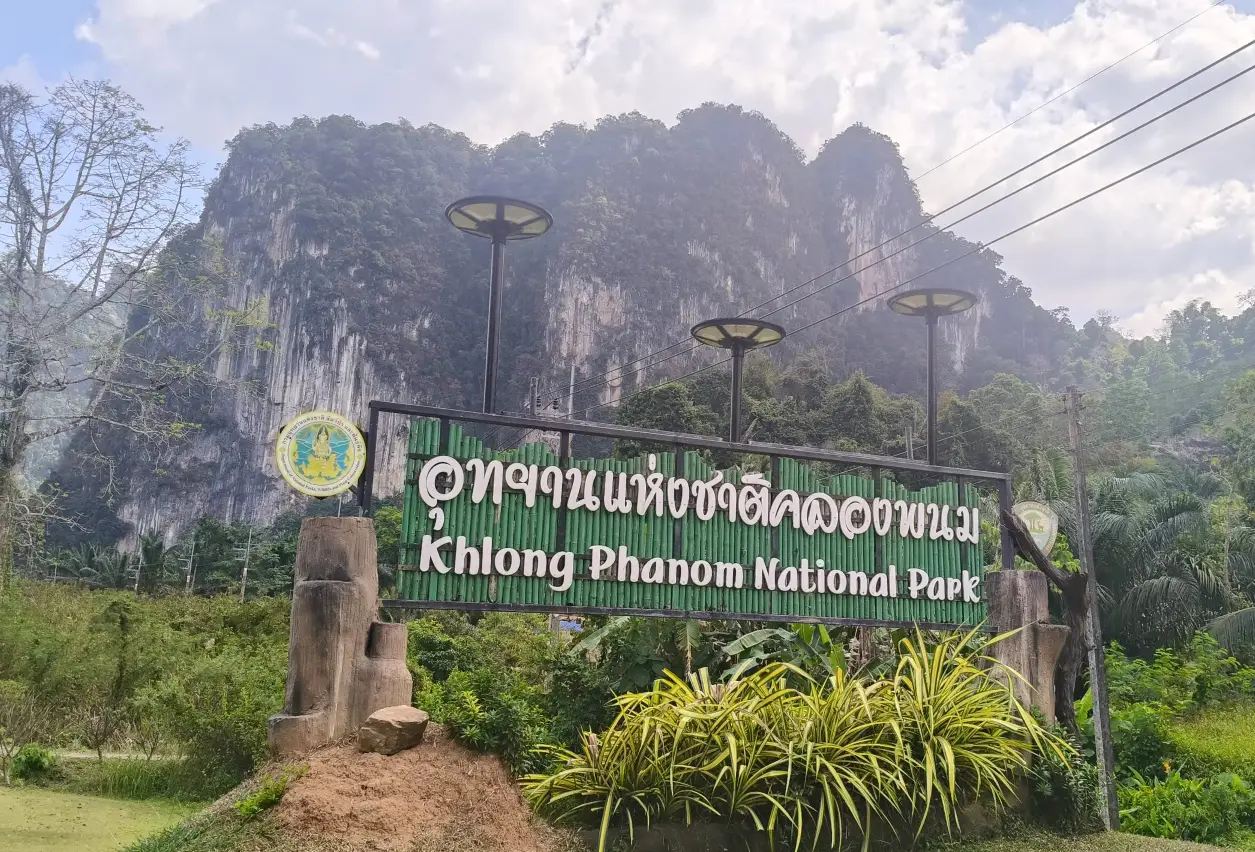
119. Khlong Phanom National Park — Surat Thani, Thailand Khlong Phanom National Park is a mountain and forest destination associated with Surat Thani. The original guide describes its distinctive natural setting and its role in protecting local landscapes and ecosystems. Key points of interest include caves, waterfalls, tropical rainforest.
Waterfalls and streams are central to this destination’s visitor appeal. Water levels, rock surfaces and trail access can change markedly between the wet and dry seasons, so safe viewing areas and posted guidance are especially important.
Main Attractions and Highlights: Caves, waterfalls, tropical rainforest. Nature photography, careful observation of wildlife and responsible exploration are suitable ways to enjoy the area where visitor access is permitted.
The surrounding forests and waterways contribute to watershed health and biodiversity. Stay on authorized paths, avoid feeding wild animals, and keep noise and litter to a minimum. Check with park staff before entering remote sections, especially during periods of heavy rain.
Getting There: Travel to Surat Thani and select the entrance or authorized visitor location corresponding to your intended attraction. Mainland routes may involve winding mountain roads; island sites can require local boat transfers. Confirm the exact route, seasonal access and transport arrangements before departure.
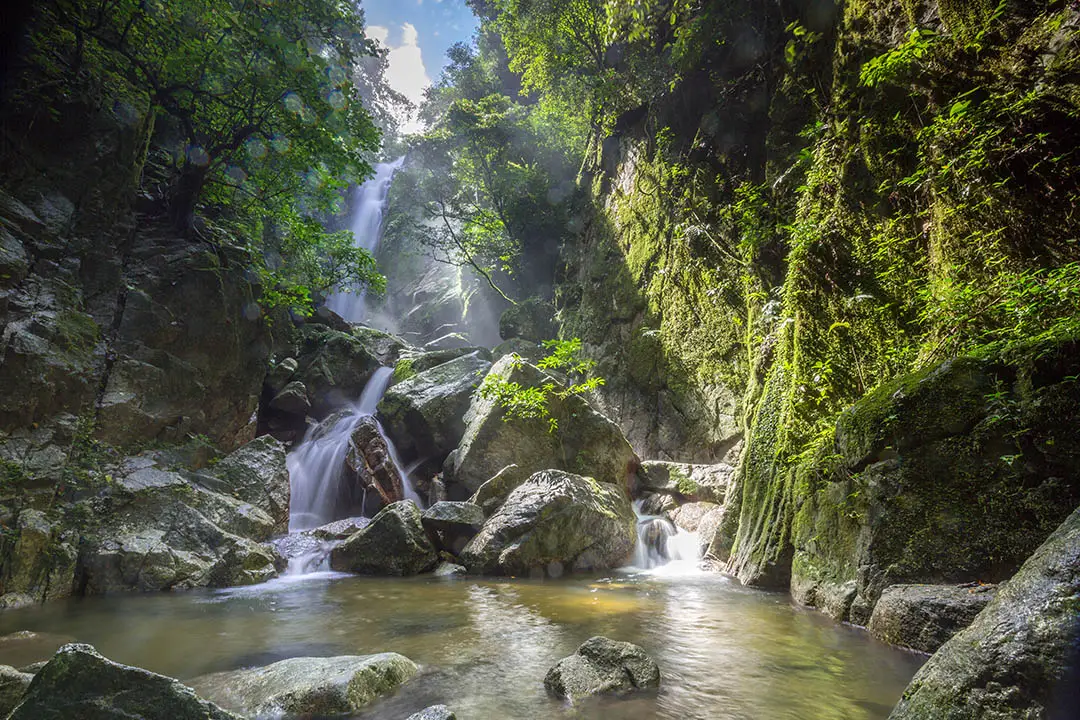
120. Namtok Sai Khao National Park — Pattani, Thailand Namtok Sai Khao National Park is a mountain and forest destination associated with Pattani. The original guide describes its distinctive natural setting and its role in protecting local landscapes and ecosystems. Key points of interest include waterfalls.
Waterfalls and streams are central to this destination’s visitor appeal. Water levels, rock surfaces and trail access can change markedly between the wet and dry seasons, so safe viewing areas and posted guidance are especially important.
Main Attractions and Highlights: Waterfalls. Nature photography, careful observation of wildlife and responsible exploration are suitable ways to enjoy the area where visitor access is permitted.
The surrounding forests and waterways contribute to watershed health and biodiversity. Stay on authorized paths, avoid feeding wild animals, and keep noise and litter to a minimum. Check with park staff before entering remote sections, especially during periods of heavy rain.
Getting There: Travel to Pattani and select the entrance or authorized visitor location corresponding to your intended attraction. Mainland routes may involve winding mountain roads; island sites can require local boat transfers. Confirm the exact route, seasonal access and transport arrangements before departure.
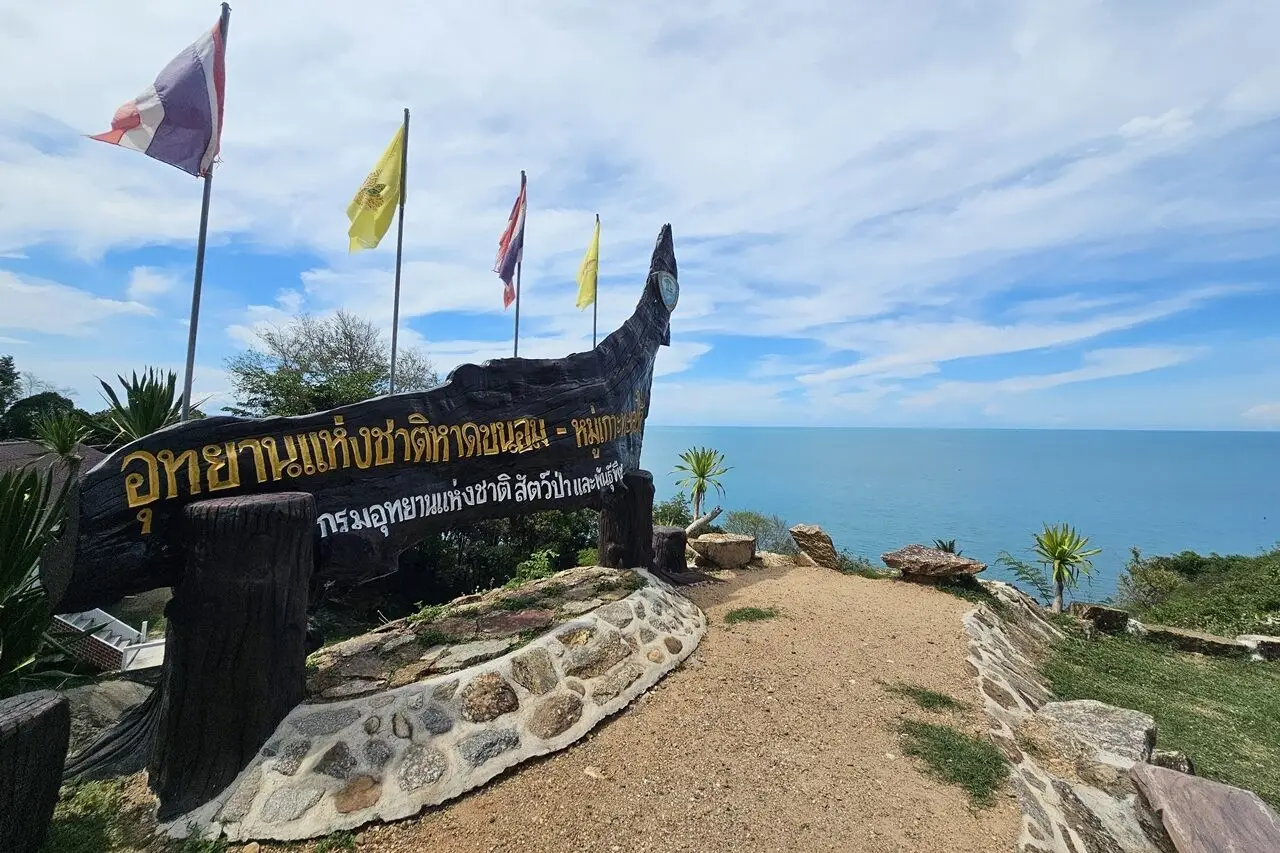
121. Hat Khanom Mu Ko Thale Tai National Park (Under Establishment) — Nakhon Si Thammarat, Thailand Hat Khanom Mu Ko Thale Tai National Park is a marine and coastal destination associated with Nakhon Si Thammarat. The original guide describes its distinctive natural setting and its role in protecting local landscapes and ecosystems. Key points of interest include islands and coastal scenery, beaches.
The landscape combines coastal environments with the ecological connections between land and sea. Depending on the specific site, visitors may encounter beaches, island habitats, mangroves or marine life. Access to boats, beaches and offshore activity areas should always be checked against current regulations and weather.
Main Attractions and Highlights: Islands and coastal scenery, beaches. Nature photography, careful observation of wildlife and responsible exploration are suitable ways to enjoy the area where visitor access is permitted.
The coastal ecosystem is important for local biodiversity. Visitors should avoid damaging coral, disturbing wildlife or removing shells and plants, and should carry waste back to an appropriate disposal point. Sea conditions must be checked before boat transfers.
This destination is identified as under establishment in the source guide. It should not be presented as having the same legal or visitor-access status as a gazetted national park without confirmation from the responsible government authority.
Getting There: Travel to Nakhon Si Thammarat and select the entrance or authorized visitor location corresponding to your intended attraction. Mainland routes may involve winding mountain roads; island sites can require local boat transfers. Confirm the exact route, seasonal access and transport arrangements before departure.
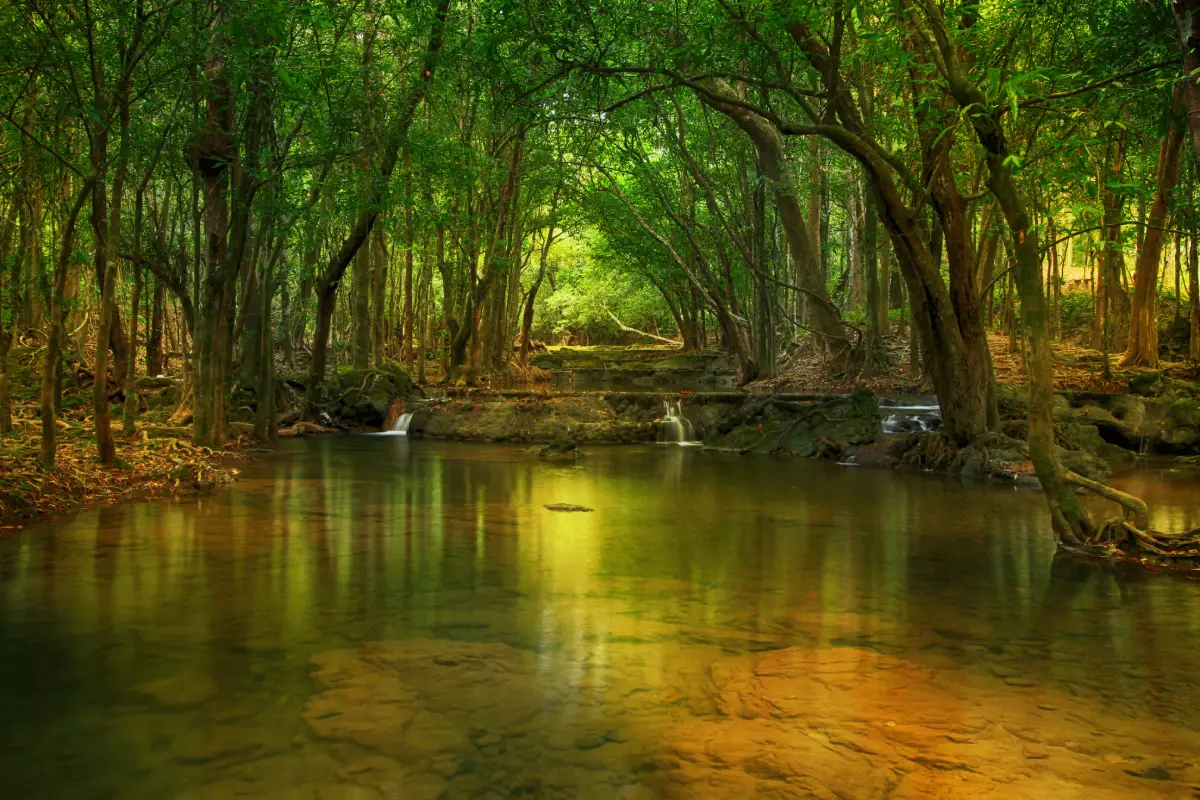
122. Namtok Si Khit National Park — Surat Thani, Nakhon Si Thammarat, Thailand Namtok Si Khit National Park is a mountain and forest destination associated with Surat Thani, Nakhon Si Thammarat. The original guide describes its distinctive natural setting and its role in protecting local landscapes and ecosystems. Key points of interest include waterfalls, tropical rainforest.
Waterfalls and streams are central to this destination’s visitor appeal. Water levels, rock surfaces and trail access can change markedly between the wet and dry seasons, so safe viewing areas and posted guidance are especially important.
Main Attractions and Highlights: Waterfalls, tropical rainforest. Nature photography, careful observation of wildlife and responsible exploration are suitable ways to enjoy the area where visitor access is permitted.
The surrounding forests and waterways contribute to watershed health and biodiversity. Stay on authorized paths, avoid feeding wild animals, and keep noise and litter to a minimum. Check with park staff before entering remote sections, especially during periods of heavy rain.
Getting There: Travel to Surat Thani, Nakhon Si Thammarat and select the entrance or authorized visitor location corresponding to your intended attraction. Mainland routes may involve winding mountain roads; island sites can require local boat transfers. Confirm the exact route, seasonal access and transport arrangements before departure.
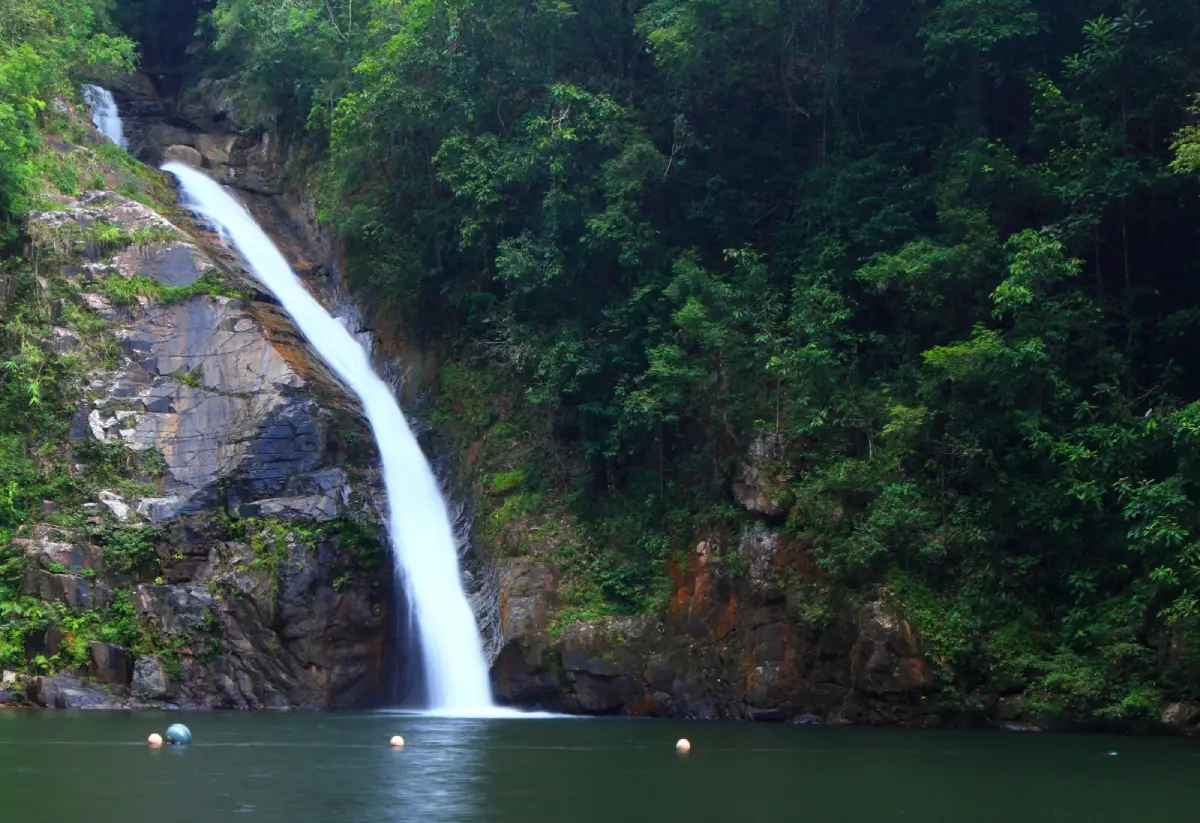
123. Namtok Yong National Park — Nakhon Si Thammarat, Thailand Namtok Yong National Park is a mountain and forest destination associated with Nakhon Si Thammarat. The original guide describes its distinctive natural setting and its role in protecting local landscapes and ecosystems. Key points of interest include waterfalls, tropical rainforest.
Waterfalls and streams are central to this destination’s visitor appeal. Water levels, rock surfaces and trail access can change markedly between the wet and dry seasons, so safe viewing areas and posted guidance are especially important.
Main Attractions and Highlights: Waterfalls, tropical rainforest. Nature photography, careful observation of wildlife and responsible exploration are suitable ways to enjoy the area where visitor access is permitted.
The surrounding forests and waterways contribute to watershed health and biodiversity. Stay on authorized paths, avoid feeding wild animals, and keep noise and litter to a minimum. Check with park staff before entering remote sections, especially during periods of heavy rain.
Getting There: Travel to Nakhon Si Thammarat and select the entrance or authorized visitor location corresponding to your intended attraction. Mainland routes may involve winding mountain roads; island sites can require local boat transfers. Confirm the exact route, seasonal access and transport arrangements before departure.
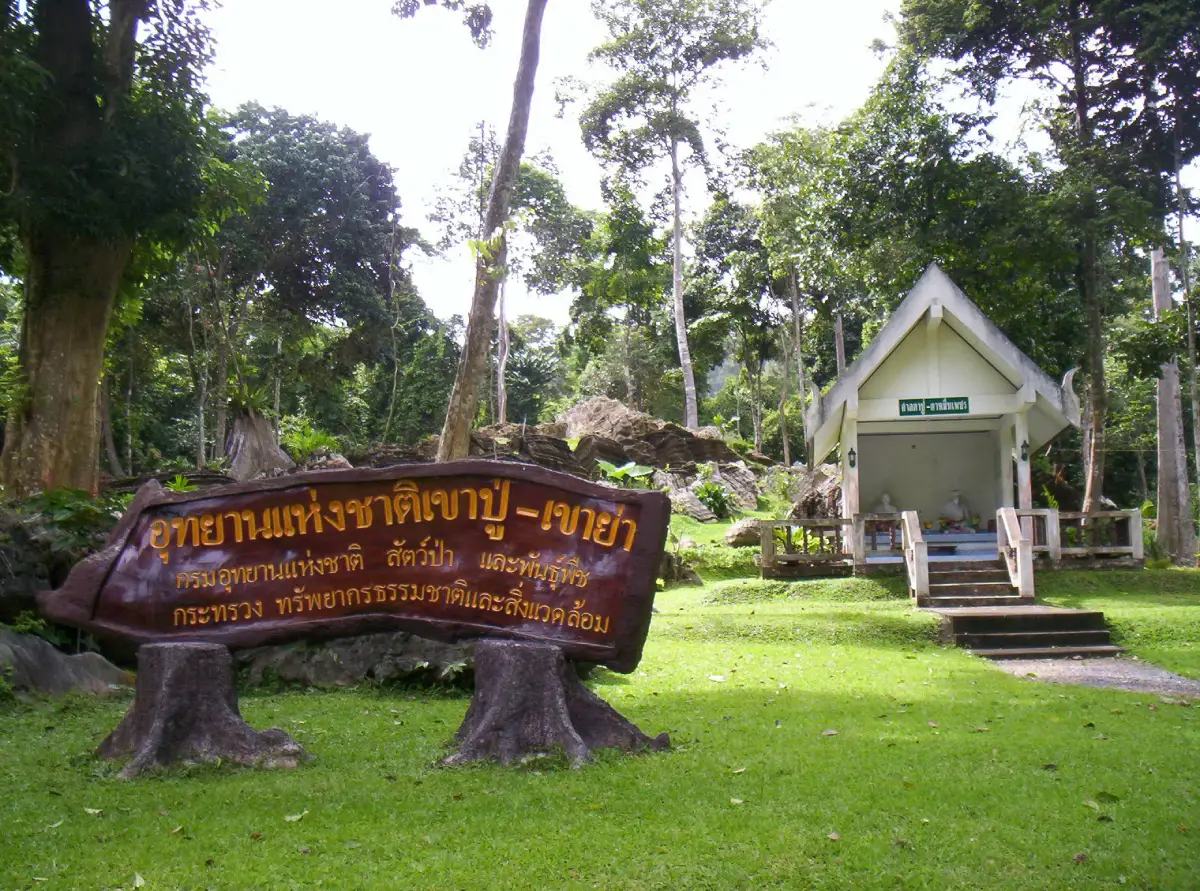
124. Khao Pu–Khao Ya National Park — Phatthalung, Thailand Khao Pu–Khao Ya National Park is a mountain and forest destination associated with Phatthalung. The original guide describes its distinctive natural setting and its role in protecting local landscapes and ecosystems. Key points of interest include caves, waterfalls, tropical rainforest.
Waterfalls and streams are central to this destination’s visitor appeal. Water levels, rock surfaces and trail access can change markedly between the wet and dry seasons, so safe viewing areas and posted guidance are especially important.
Main Attractions and Highlights: Caves, waterfalls, tropical rainforest. Nature photography, careful observation of wildlife and responsible exploration are suitable ways to enjoy the area where visitor access is permitted.
The surrounding forests and waterways contribute to watershed health and biodiversity. Stay on authorized paths, avoid feeding wild animals, and keep noise and litter to a minimum. Check with park staff before entering remote sections, especially during periods of heavy rain.
Getting There: Travel to Phatthalung and select the entrance or authorized visitor location corresponding to your intended attraction. Mainland routes may involve winding mountain roads; island sites can require local boat transfers. Confirm the exact route, seasonal access and transport arrangements before departure.
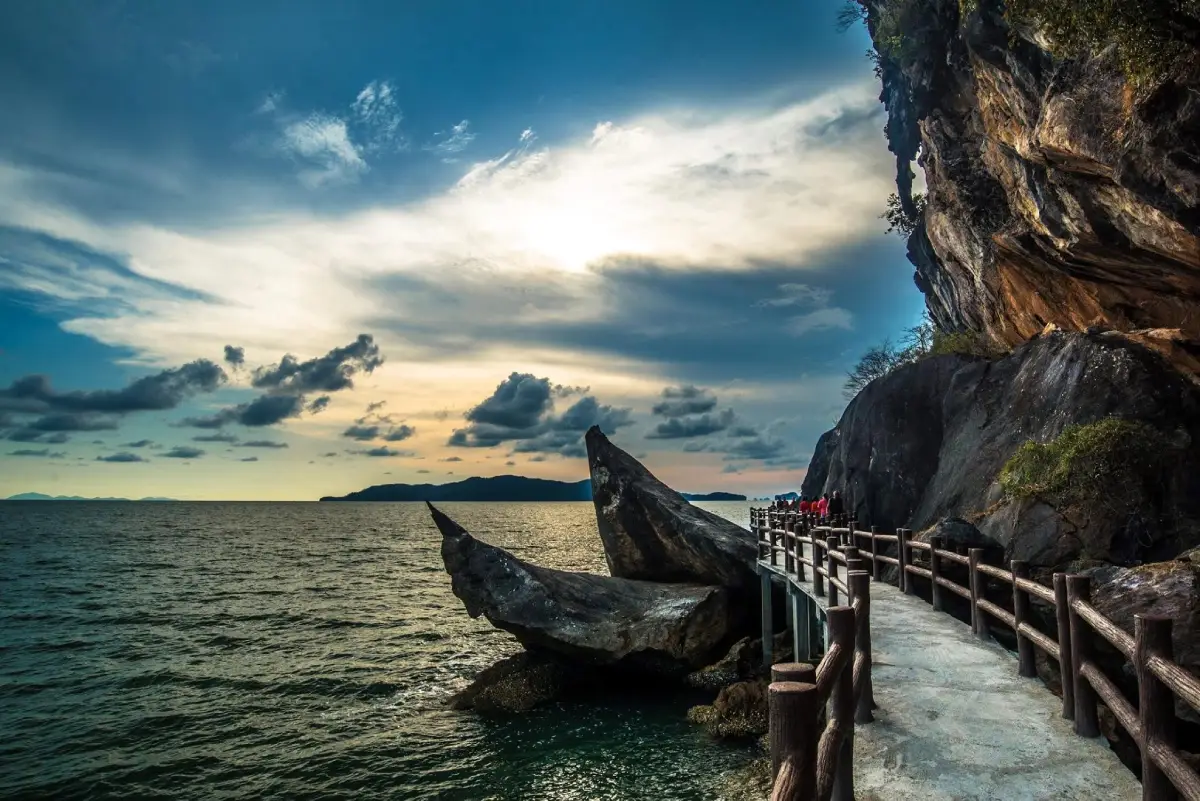
125. Mu Ko Phetra National Park — Trang, Satun, Thailand Mu Ko Phetra National Park is a marine and coastal destination associated with Trang, Satun. The original guide describes its distinctive natural setting and its role in protecting local landscapes and ecosystems. Key points of interest include islands and coastal scenery, beaches.
The landscape combines coastal environments with the ecological connections between land and sea. Depending on the specific site, visitors may encounter beaches, island habitats, mangroves or marine life. Access to boats, beaches and offshore activity areas should always be checked against current regulations and weather.
Main Attractions and Highlights: Islands and coastal scenery, beaches. Nature photography, careful observation of wildlife and responsible exploration are suitable ways to enjoy the area where visitor access is permitted.
The coastal ecosystem is important for local biodiversity. Visitors should avoid damaging coral, disturbing wildlife or removing shells and plants, and should carry waste back to an appropriate disposal point. Sea conditions must be checked before boat transfers.
Getting There: Travel to Trang, Satun and select the entrance or authorized visitor location corresponding to your intended attraction. Mainland routes may involve winding mountain roads; island sites can require local boat transfers. Confirm the exact route, seasonal access and transport arrangements before departure.
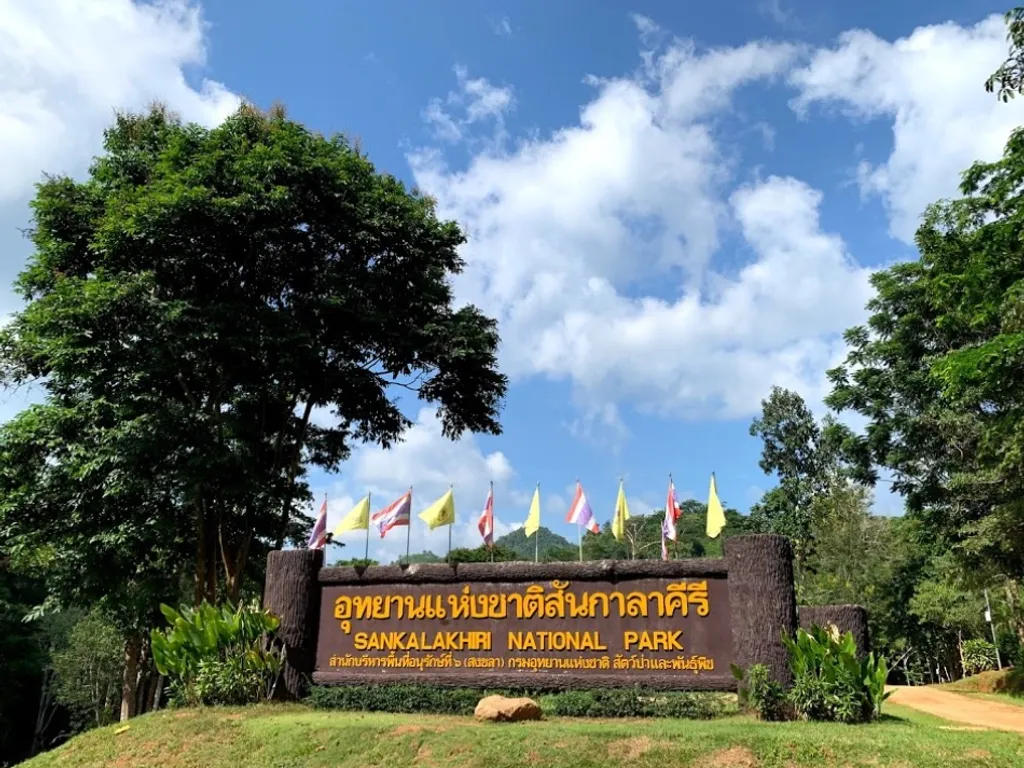
126. San Kala Khiri National Park (Under Establishment) — Songkhla, Thailand San Kala Khiri National Park is a mountain and forest destination associated with Songkhla. The original guide describes its distinctive natural setting and its role in protecting local landscapes and ecosystems. Key points of interest include tropical rainforest.
Its landscape is shaped by local geology, vegetation and changes in elevation. Visitors can appreciate the natural setting through officially accessible viewpoints and forest or nature-study areas, while respecting sensitive habitats and visitor restrictions.
Main Attractions and Highlights: Tropical rainforest. Nature photography, careful observation of wildlife and responsible exploration are suitable ways to enjoy the area where visitor access is permitted.
The surrounding forests and waterways contribute to watershed health and biodiversity. Stay on authorized paths, avoid feeding wild animals, and keep noise and litter to a minimum. Check with park staff before entering remote sections, especially during periods of heavy rain.
This destination is identified as under establishment in the source guide. It should not be presented as having the same legal or visitor-access status as a gazetted national park without confirmation from the responsible government authority.
Getting There: Travel to Songkhla and select the entrance or authorized visitor location corresponding to your intended attraction. Mainland routes may involve winding mountain roads; island sites can require local boat transfers. Confirm the exact route, seasonal access and transport arrangements before departure.
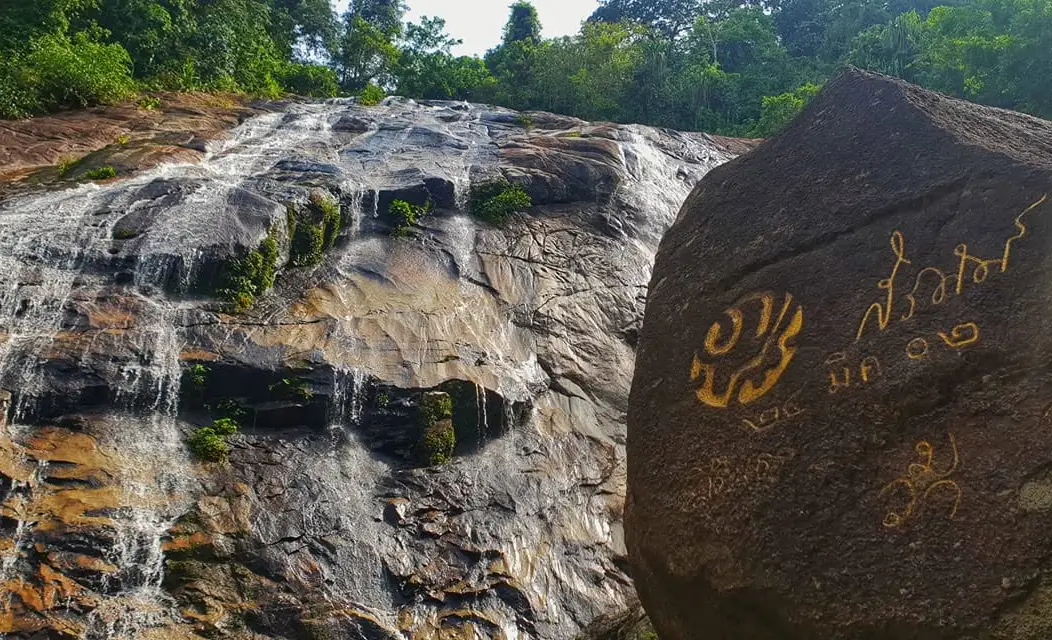
127. Budo–Su ngai Padi National Park — Pattani, Yala, Narathiwat, Thailand Budo–Su ngai Padi National Park is a mountain and forest destination associated with Pattani, Yala, Narathiwat. The original guide describes its distinctive natural setting and its role in protecting local landscapes and ecosystems. Key points of interest include waterfalls.
Waterfalls and streams are central to this destination’s visitor appeal. Water levels, rock surfaces and trail access can change markedly between the wet and dry seasons, so safe viewing areas and posted guidance are especially important.
Main Attractions and Highlights: Waterfalls. Nature photography, careful observation of wildlife and responsible exploration are suitable ways to enjoy the area where visitor access is permitted.
The surrounding forests and waterways contribute to watershed health and biodiversity. Stay on authorized paths, avoid feeding wild animals, and keep noise and litter to a minimum. Check with park staff before entering remote sections, especially during periods of heavy rain.
Getting There: Travel to Pattani, Yala, Narathiwat and select the entrance or authorized visitor location corresponding to your intended attraction. Mainland routes may involve winding mountain roads; island sites can require local boat transfers. Confirm the exact route, seasonal access and transport arrangements before departure.
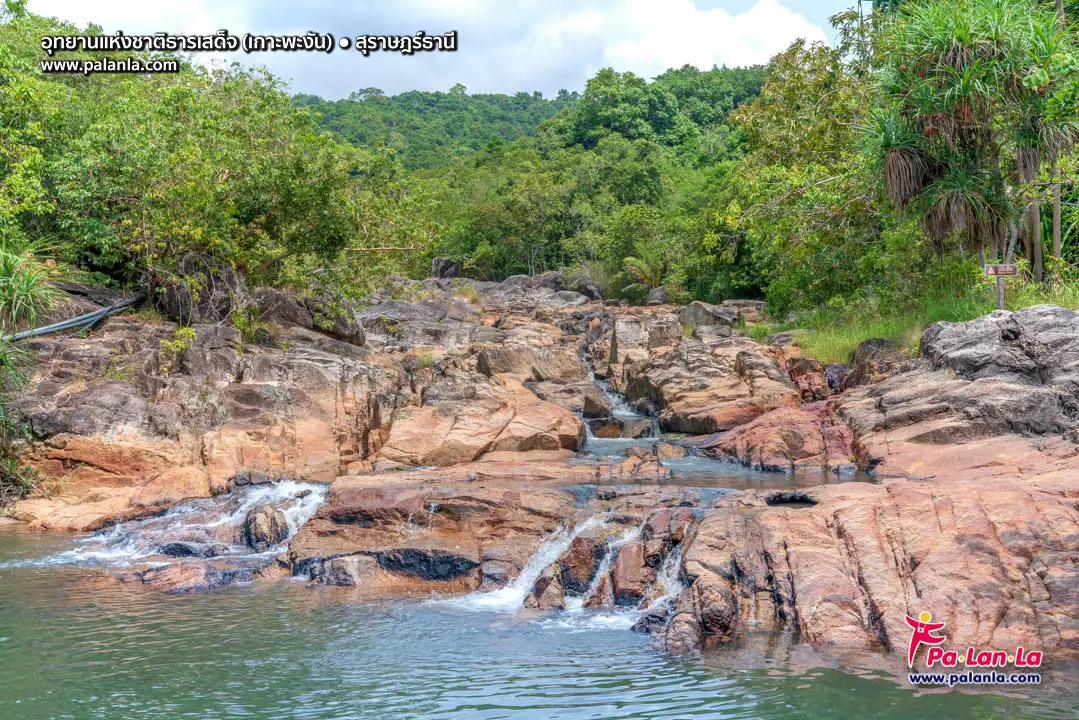
128. Than Sadet Ko Pha ngan National Park — Surat Thani, Thailand Than Sadet Ko Pha ngan National Park is a marine and coastal destination associated with Surat Thani. The original guide describes its distinctive natural setting and its role in protecting local landscapes and ecosystems. Key points of interest include islands and coastal scenery, waterfalls, forest hiking trails.
The landscape combines coastal environments with the ecological connections between land and sea. Depending on the specific site, visitors may encounter beaches, island habitats, mangroves or marine life. Access to boats, beaches and offshore activity areas should always be checked against current regulations and weather.
Main Attractions and Highlights: Islands and coastal scenery, waterfalls, forest hiking trails. Nature photography, careful observation of wildlife and responsible exploration are suitable ways to enjoy the area where visitor access is permitted.
The coastal ecosystem is important for local biodiversity. Visitors should avoid damaging coral, disturbing wildlife or removing shells and plants, and should carry waste back to an appropriate disposal point. Sea conditions must be checked before boat transfers.
Getting There: Travel to Surat Thani and select the entrance or authorized visitor location corresponding to your intended attraction. Mainland routes may involve winding mountain roads; island sites can require local boat transfers. Confirm the exact route, seasonal access and transport arrangements before departure.
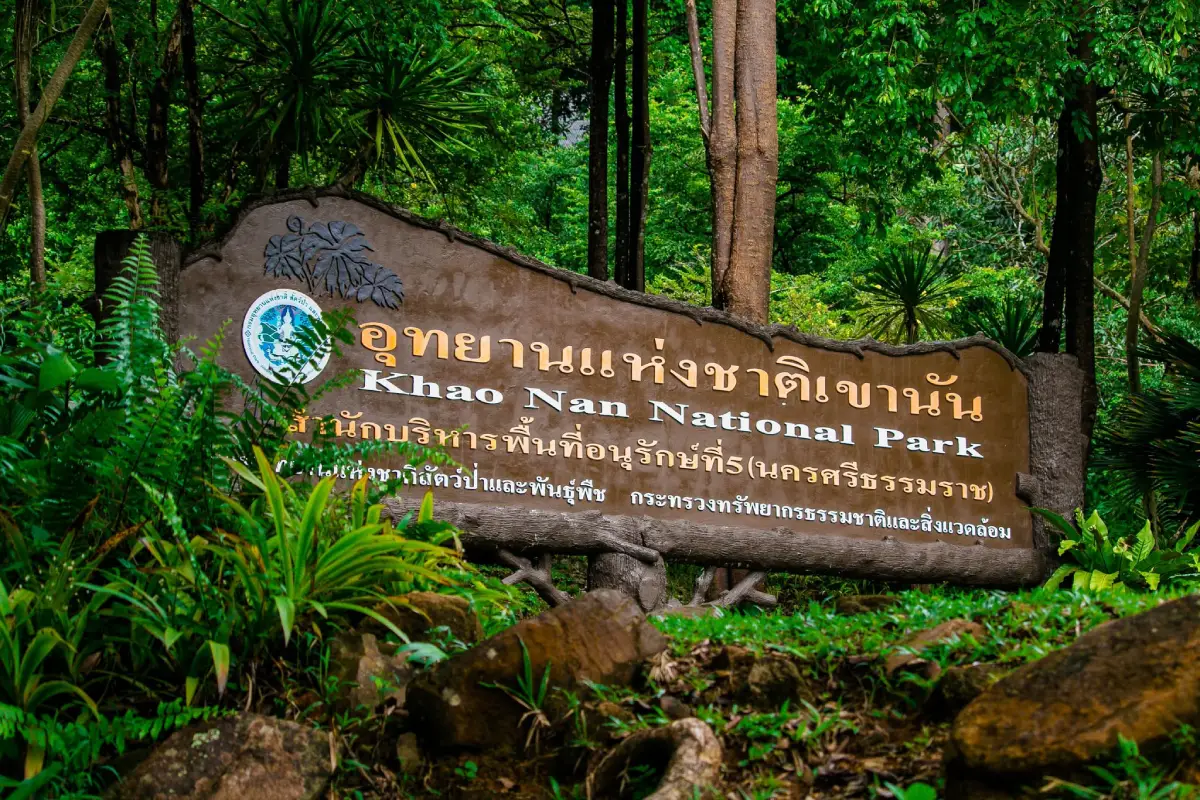
129. Khao Nan National Park — Nakhon Si Thammarat, Thailand Khao Nan National Park is a mountain and forest destination associated with Nakhon Si Thammarat. The original guide describes its distinctive natural setting and its role in protecting local landscapes and ecosystems. Key points of interest include caves, waterfalls, tropical rainforest.
Waterfalls and streams are central to this destination’s visitor appeal. Water levels, rock surfaces and trail access can change markedly between the wet and dry seasons, so safe viewing areas and posted guidance are especially important.
Main Attractions and Highlights: Caves, waterfalls, tropical rainforest. Nature photography, careful observation of wildlife and responsible exploration are suitable ways to enjoy the area where visitor access is permitted.
The surrounding forests and waterways contribute to watershed health and biodiversity. Stay on authorized paths, avoid feeding wild animals, and keep noise and litter to a minimum. Check with park staff before entering remote sections, especially during periods of heavy rain.
Getting There: Travel to Nakhon Si Thammarat and select the entrance or authorized visitor location corresponding to your intended attraction. Mainland routes may involve winding mountain roads; island sites can require local boat transfers. Confirm the exact route, seasonal access and transport arrangements before departure.
Map (GPS):Get directions to Khao Nan National Park
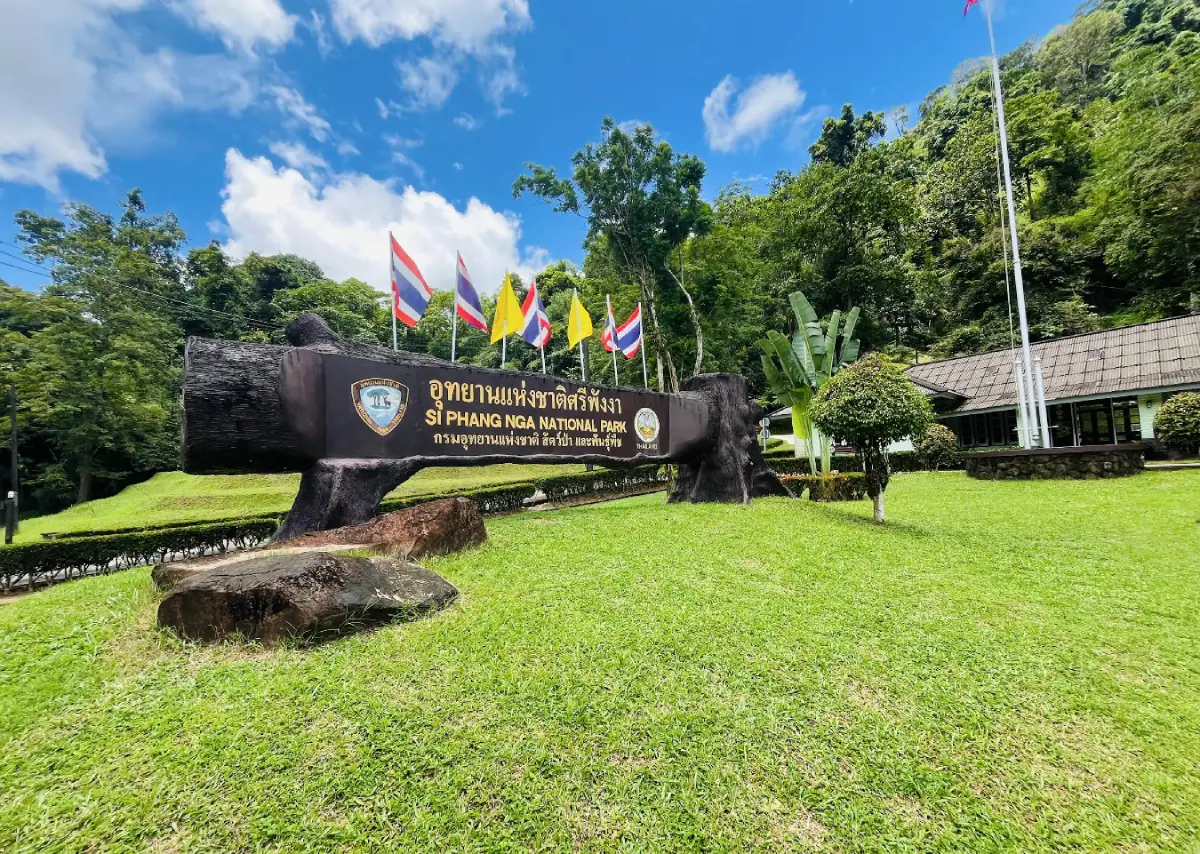
130. Si Phang Nga National Park — Phang Nga, Thailand Si Phang Nga National Park is a marine and coastal destination associated with Phang Nga. The original guide describes its distinctive natural setting and its role in protecting local landscapes and ecosystems. Key points of interest include waterfalls, tropical rainforest.
The landscape combines coastal environments with the ecological connections between land and sea. Depending on the specific site, visitors may encounter beaches, island habitats, mangroves or marine life. Access to boats, beaches and offshore activity areas should always be checked against current regulations and weather.
Main Attractions and Highlights: Waterfalls, tropical rainforest. Nature photography, careful observation of wildlife and responsible exploration are suitable ways to enjoy the area where visitor access is permitted.
The coastal ecosystem is important for local biodiversity. Visitors should avoid damaging coral, disturbing wildlife or removing shells and plants, and should carry waste back to an appropriate disposal point. Sea conditions must be checked before boat transfers.
Getting There: Travel to Phang Nga and select the entrance or authorized visitor location corresponding to your intended attraction. Mainland routes may involve winding mountain roads; island sites can require local boat transfers. Confirm the exact route, seasonal access and transport arrangements before departure.
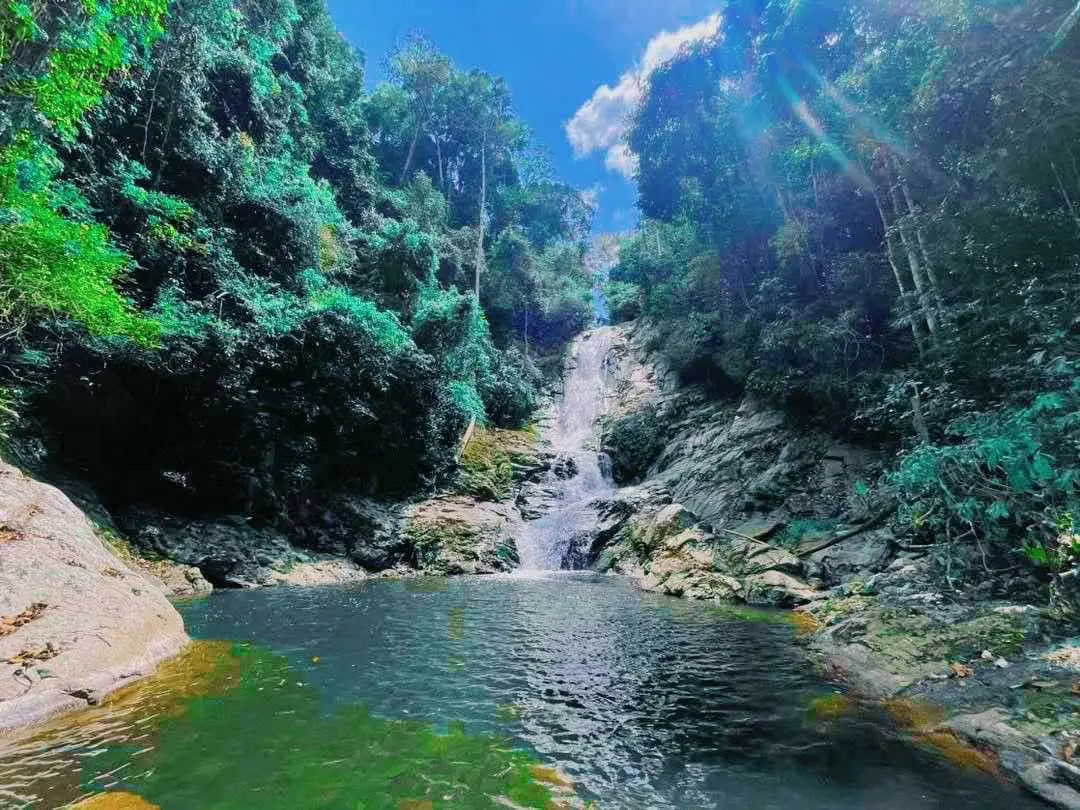
131. Bang Lang National Park — Yala, Thailand Bang Lang National Park is a mountain and forest destination associated with Yala. The original guide describes its distinctive natural setting and its role in protecting local landscapes and ecosystems. Key points of interest include waterfalls.
Waterfalls and streams are central to this destination’s visitor appeal. Water levels, rock surfaces and trail access can change markedly between the wet and dry seasons, so safe viewing areas and posted guidance are especially important.
Main Attractions and Highlights: Waterfalls. Nature photography, careful observation of wildlife and responsible exploration are suitable ways to enjoy the area where visitor access is permitted.
The surrounding forests and waterways contribute to watershed health and biodiversity. Stay on authorized paths, avoid feeding wild animals, and keep noise and litter to a minimum. Check with park staff before entering remote sections, especially during periods of heavy rain.
Getting There: Travel to Yala and select the entrance or authorized visitor location corresponding to your intended attraction. Mainland routes may involve winding mountain roads; island sites can require local boat transfers. Confirm the exact route, seasonal access and transport arrangements before departure.
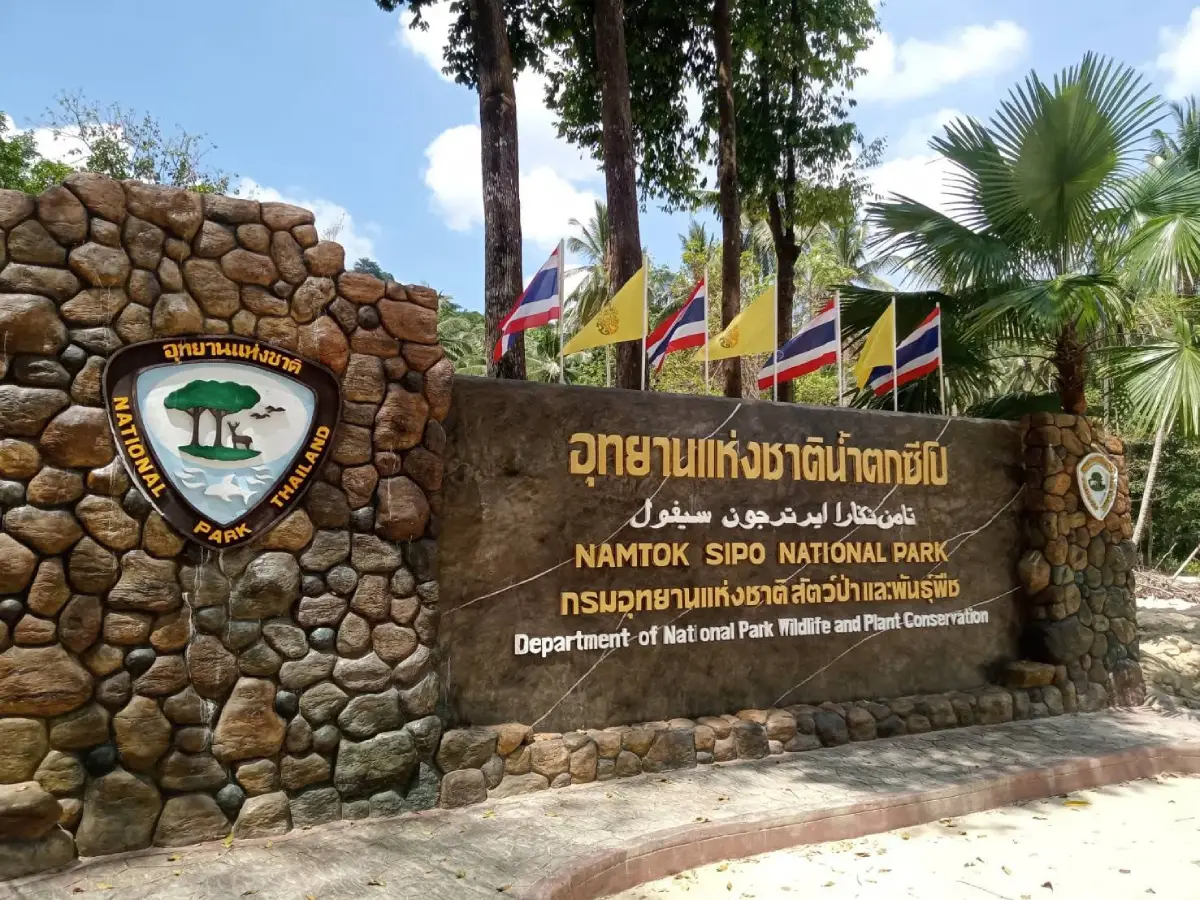
132. Namtok Sipo National Park — Narathiwat, Thailand Namtok Sipo National Park is a mountain and forest destination associated with Narathiwat. The original guide describes its distinctive natural setting and its role in protecting local landscapes and ecosystems. Key points of interest include waterfalls.
Waterfalls and streams are central to this destination’s visitor appeal. Water levels, rock surfaces and trail access can change markedly between the wet and dry seasons, so safe viewing areas and posted guidance are especially important.
Main Attractions and Highlights: Waterfalls. Nature photography, careful observation of wildlife and responsible exploration are suitable ways to enjoy the area where visitor access is permitted.
The surrounding forests and waterways contribute to watershed health and biodiversity. Stay on authorized paths, avoid feeding wild animals, and keep noise and litter to a minimum. Check with park staff before entering remote sections, especially during periods of heavy rain.
Getting There: Travel to Narathiwat and select the entrance or authorized visitor location corresponding to your intended attraction. Mainland routes may involve winding mountain roads; island sites can require local boat transfers. Confirm the exact route, seasonal access and transport arrangements before departure.

133. Khao Laem Ya–Mu Ko Samet National Park — Rayong, Thailand Khao Laem Ya–Mu Ko Samet National Park is a marine and coastal destination associated with Rayong. The original guide describes its distinctive natural setting and its role in protecting local landscapes and ecosystems. Key points of interest include islands and coastal scenery, beaches.
The landscape combines coastal environments with the ecological connections between land and sea. Depending on the specific site, visitors may encounter beaches, island habitats, mangroves or marine life. Access to boats, beaches and offshore activity areas should always be checked against current regulations and weather.
Main Attractions and Highlights: Islands and coastal scenery, beaches. Nature photography, careful observation of wildlife and responsible exploration are suitable ways to enjoy the area where visitor access is permitted.
The coastal ecosystem is important for local biodiversity. Visitors should avoid damaging coral, disturbing wildlife or removing shells and plants, and should carry waste back to an appropriate disposal point. Sea conditions must be checked before boat transfers.
Getting There: Travel to Rayong and select the entrance or authorized visitor location corresponding to your intended attraction. Mainland routes may involve winding mountain roads; island sites can require local boat transfers. Confirm the exact route, seasonal access and transport arrangements before departure.
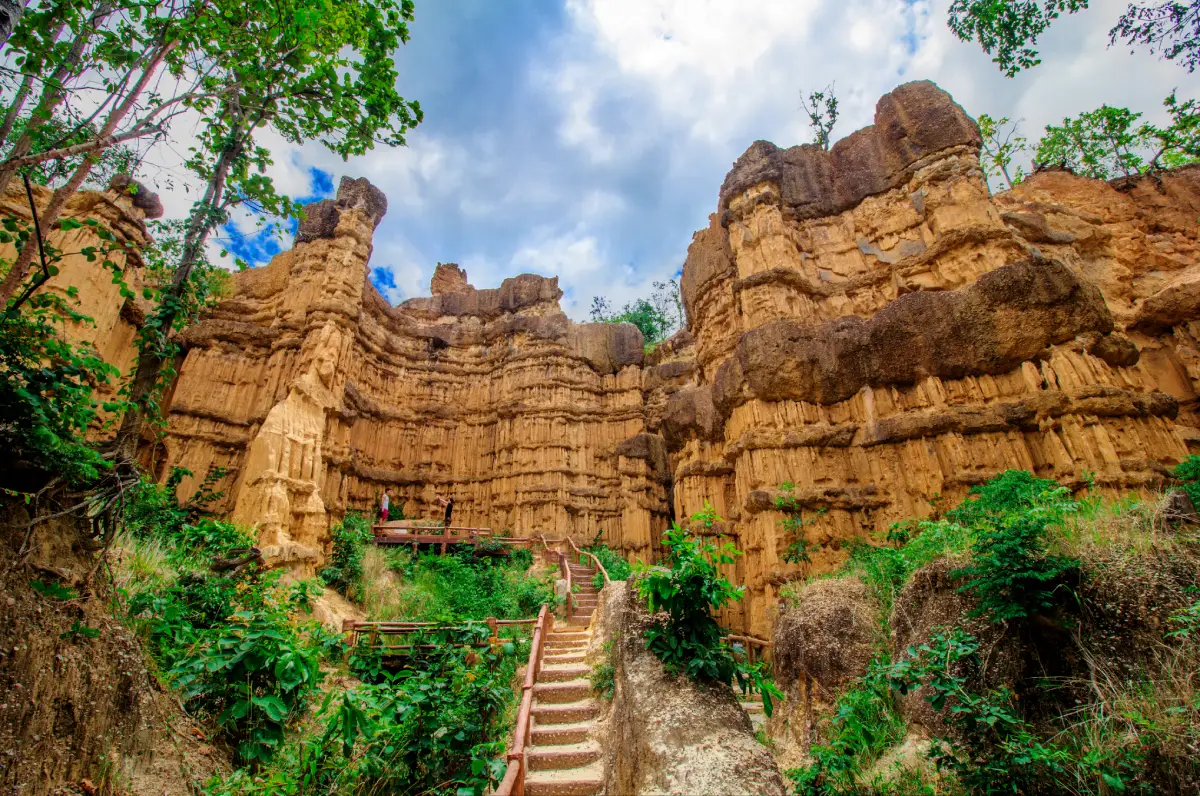
134. Mae Wang National Park — Chiang Mai, Thailand Mae Wang National Park is a mountain and forest destination associated with Chiang Mai. The original guide describes its distinctive natural setting and its role in protecting local landscapes and ecosystems. Key points of interest include its forest landscapes and natural scenery.
Its landscape is shaped by local geology, vegetation and changes in elevation. Visitors can appreciate the natural setting through officially accessible viewpoints and forest or nature-study areas, while respecting sensitive habitats and visitor restrictions.
Main Attractions and Highlights: Its forest landscapes and natural scenery. Nature photography, careful observation of wildlife and responsible exploration are suitable ways to enjoy the area where visitor access is permitted.
The surrounding forests and waterways contribute to watershed health and biodiversity. Stay on authorized paths, avoid feeding wild animals, and keep noise and litter to a minimum. Check with park staff before entering remote sections, especially during periods of heavy rain.
Getting There: Travel to Chiang Mai and select the entrance or authorized visitor location corresponding to your intended attraction. Mainland routes may involve winding mountain roads; island sites can require local boat transfers. Confirm the exact route, seasonal access and transport arrangements before departure.
Map (GPS):Get directions to Mae Wang National Park
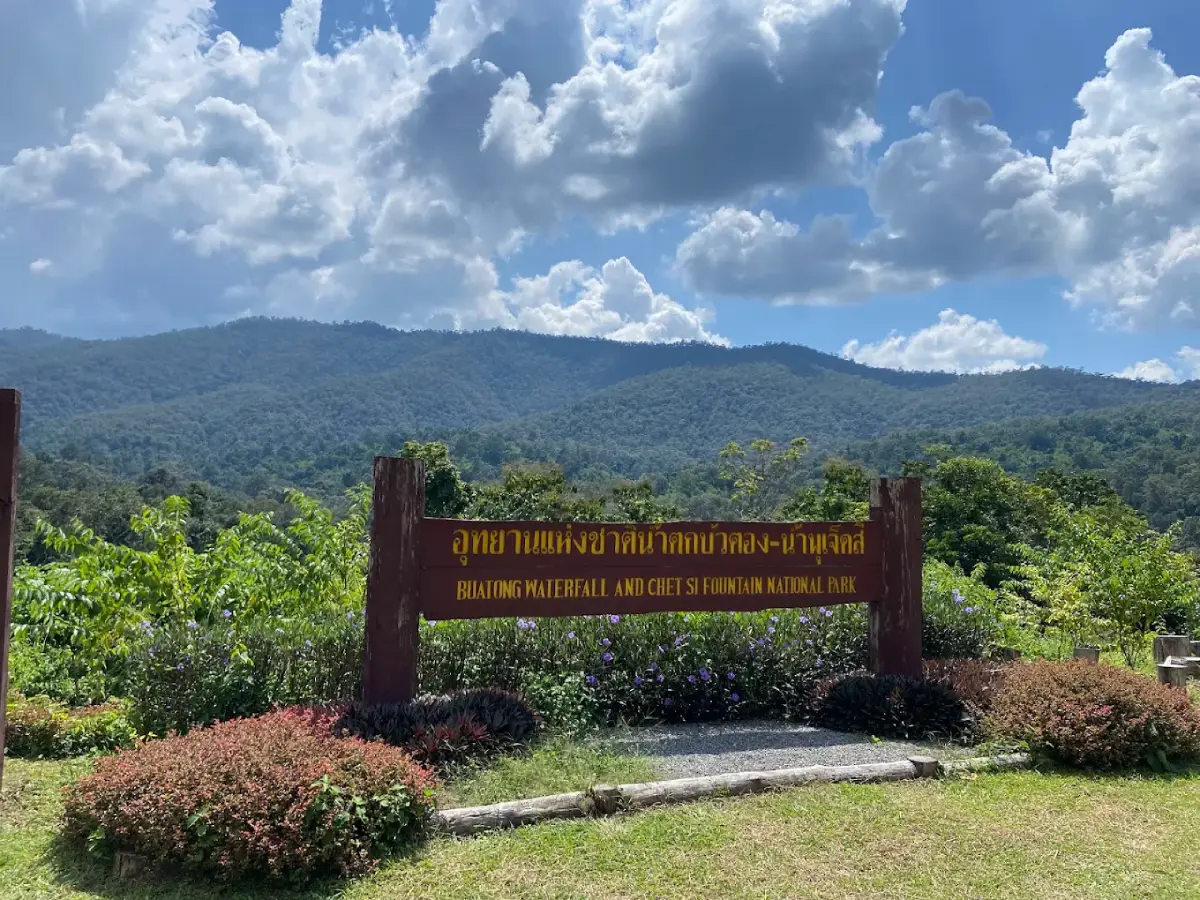
135. Bua Tong Waterfall–Seven Color Spring National Park (Under Establishment) — Chiang Mai, Thailand Bua Tong Waterfall–Seven Color Spring National Park is a protected natural destination associated with Chiang Mai. The original guide describes its distinctive natural setting and its role in protecting local landscapes and ecosystems. Key points of interest include Bua Tong Waterfall, waterfalls.
Waterfalls and streams are central to this destination’s visitor appeal. Water levels, rock surfaces and trail access can change markedly between the wet and dry seasons, so safe viewing areas and posted guidance are especially important.
Main Attractions and Highlights: Bua Tong Waterfall, waterfalls. Nature photography, careful observation of wildlife and responsible exploration are suitable ways to enjoy the area where visitor access is permitted.
The surrounding forests and waterways contribute to watershed health and biodiversity. Stay on authorized paths, avoid feeding wild animals, and keep noise and litter to a minimum. Check with park staff before entering remote sections, especially during periods of heavy rain.
This destination is identified as under establishment in the source guide. It should not be presented as having the same legal or visitor-access status as a gazetted national park without confirmation from the responsible government authority.
Getting There: Travel to Chiang Mai and select the entrance or authorized visitor location corresponding to your intended attraction. Mainland routes may involve winding mountain roads; island sites can require local boat transfers. Confirm the exact route, seasonal access and transport arrangements before departure.
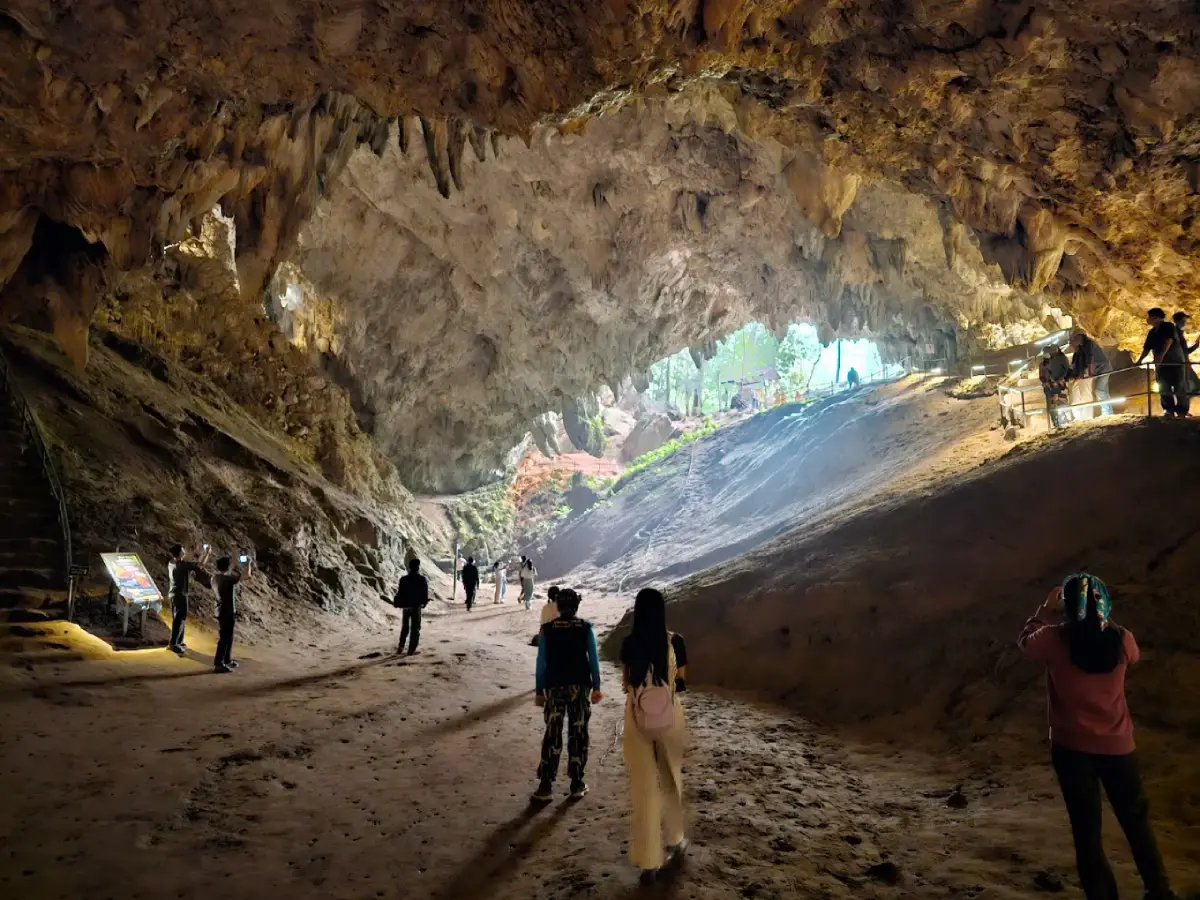
136. Tham Luang–Khun Nam Nang Non National Park (Under Establishment) — Chiang Rai, Thailand Tham Luang–Khun Nam Nang Non National Park is a protected natural destination associated with Chiang Rai. The original guide describes its distinctive natural setting and its role in protecting local landscapes and ecosystems. Key points of interest include caves.
Its landscape is shaped by local geology, vegetation and changes in elevation. Visitors can appreciate the natural setting through officially accessible viewpoints and forest or nature-study areas, while respecting sensitive habitats and visitor restrictions.
Main Attractions and Highlights: Caves. Nature photography, careful observation of wildlife and responsible exploration are suitable ways to enjoy the area where visitor access is permitted.
The surrounding forests and waterways contribute to watershed health and biodiversity. Stay on authorized paths, avoid feeding wild animals, and keep noise and litter to a minimum. Check with park staff before entering remote sections, especially during periods of heavy rain.
This destination is identified as under establishment in the source guide. It should not be presented as having the same legal or visitor-access status as a gazetted national park without confirmation from the responsible government authority.
Getting There: Travel to Chiang Rai and select the entrance or authorized visitor location corresponding to your intended attraction. Mainland routes may involve winding mountain roads; island sites can require local boat transfers. Confirm the exact route, seasonal access and transport arrangements before departure.
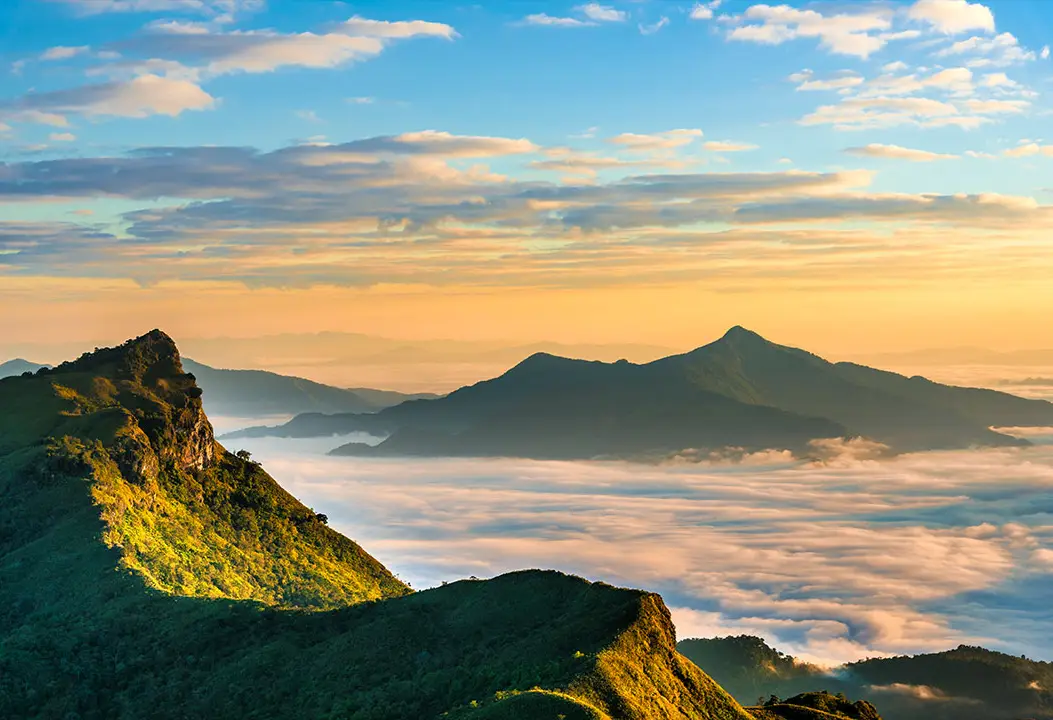
137. Phu Chi Fa National Park (Under Establishment) — Chiang Rai, Thailand Phu Chi Fa National Park is a marine and coastal destination associated with Chiang Rai. The original guide describes its distinctive natural setting and its role in protecting local landscapes and ecosystems. Key points of interest include sea-of-mist viewpoints, natural grasslands.
The landscape combines coastal environments with the ecological connections between land and sea. Depending on the specific site, visitors may encounter beaches, island habitats, mangroves or marine life. Access to boats, beaches and offshore activity areas should always be checked against current regulations and weather.
Main Attractions and Highlights: Sea-of-mist viewpoints, natural grasslands. Nature photography, careful observation of wildlife and responsible exploration are suitable ways to enjoy the area where visitor access is permitted.
The coastal ecosystem is important for local biodiversity. Visitors should avoid damaging coral, disturbing wildlife or removing shells and plants, and should carry waste back to an appropriate disposal point. Sea conditions must be checked before boat transfers.
This destination is identified as under establishment in the source guide. It should not be presented as having the same legal or visitor-access status as a gazetted national park without confirmation from the responsible government authority.
Getting There: Travel to Chiang Rai and select the entrance or authorized visitor location corresponding to your intended attraction. Mainland routes may involve winding mountain roads; island sites can require local boat transfers. Confirm the exact route, seasonal access and transport arrangements before departure.
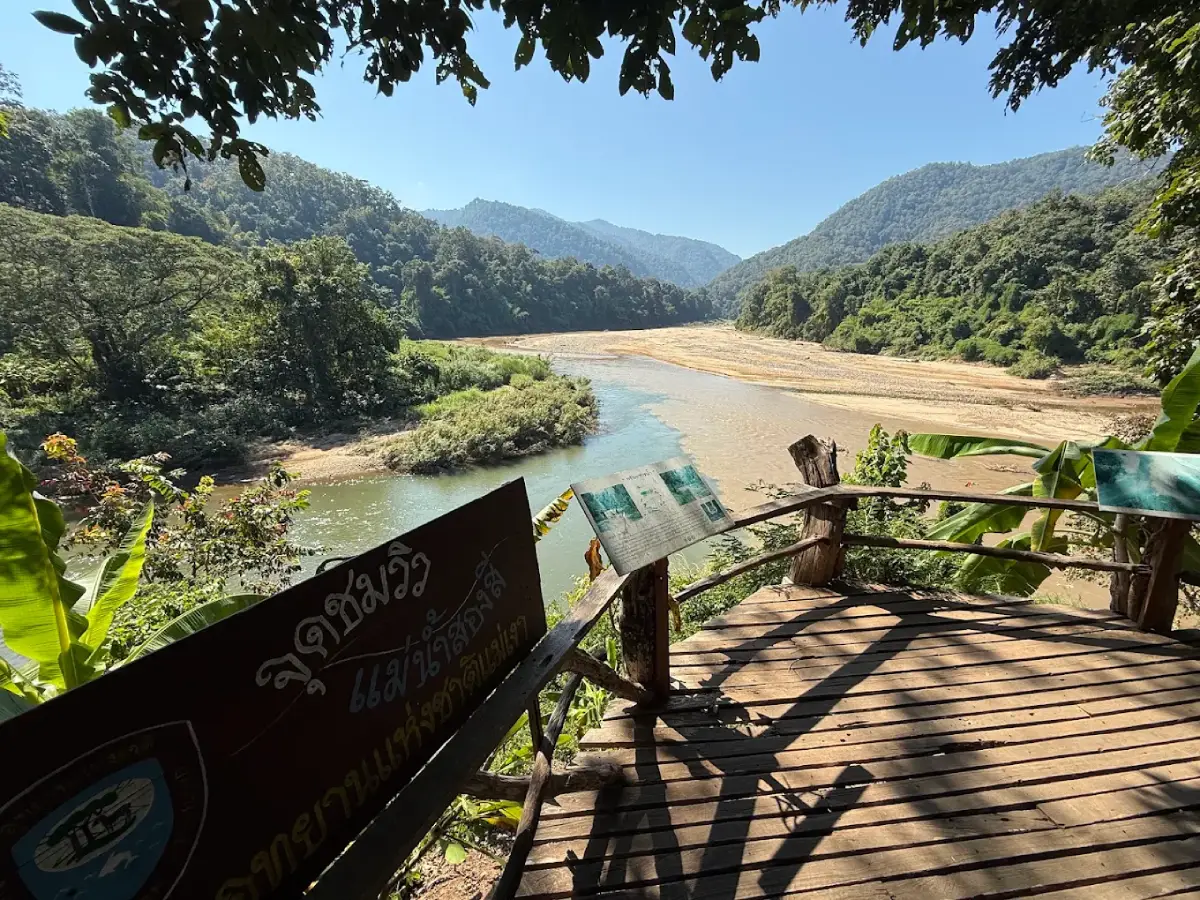
138. Mae Ngao National Park (Under Establishment) — Mae Hong Son, Thailand Mae Ngao National Park is a mountain and forest destination associated with Mae Hong Son. The original guide describes its distinctive natural setting and its role in protecting local landscapes and ecosystems. Key points of interest include its forest landscapes and natural scenery.
Its landscape is shaped by local geology, vegetation and changes in elevation. Visitors can appreciate the natural setting through officially accessible viewpoints and forest or nature-study areas, while respecting sensitive habitats and visitor restrictions.
Main Attractions and Highlights: Its forest landscapes and natural scenery. Nature photography, careful observation of wildlife and responsible exploration are suitable ways to enjoy the area where visitor access is permitted.
The surrounding forests and waterways contribute to watershed health and biodiversity. Stay on authorized paths, avoid feeding wild animals, and keep noise and litter to a minimum. Check with park staff before entering remote sections, especially during periods of heavy rain.
This destination is identified as under establishment in the source guide. It should not be presented as having the same legal or visitor-access status as a gazetted national park without confirmation from the responsible government authority.
Getting There: Travel to Mae Hong Son and select the entrance or authorized visitor location corresponding to your intended attraction. Mainland routes may involve winding mountain roads; island sites can require local boat transfers. Confirm the exact route, seasonal access and transport arrangements before departure.
Map (GPS):Get directions to Mae Ngao National Park
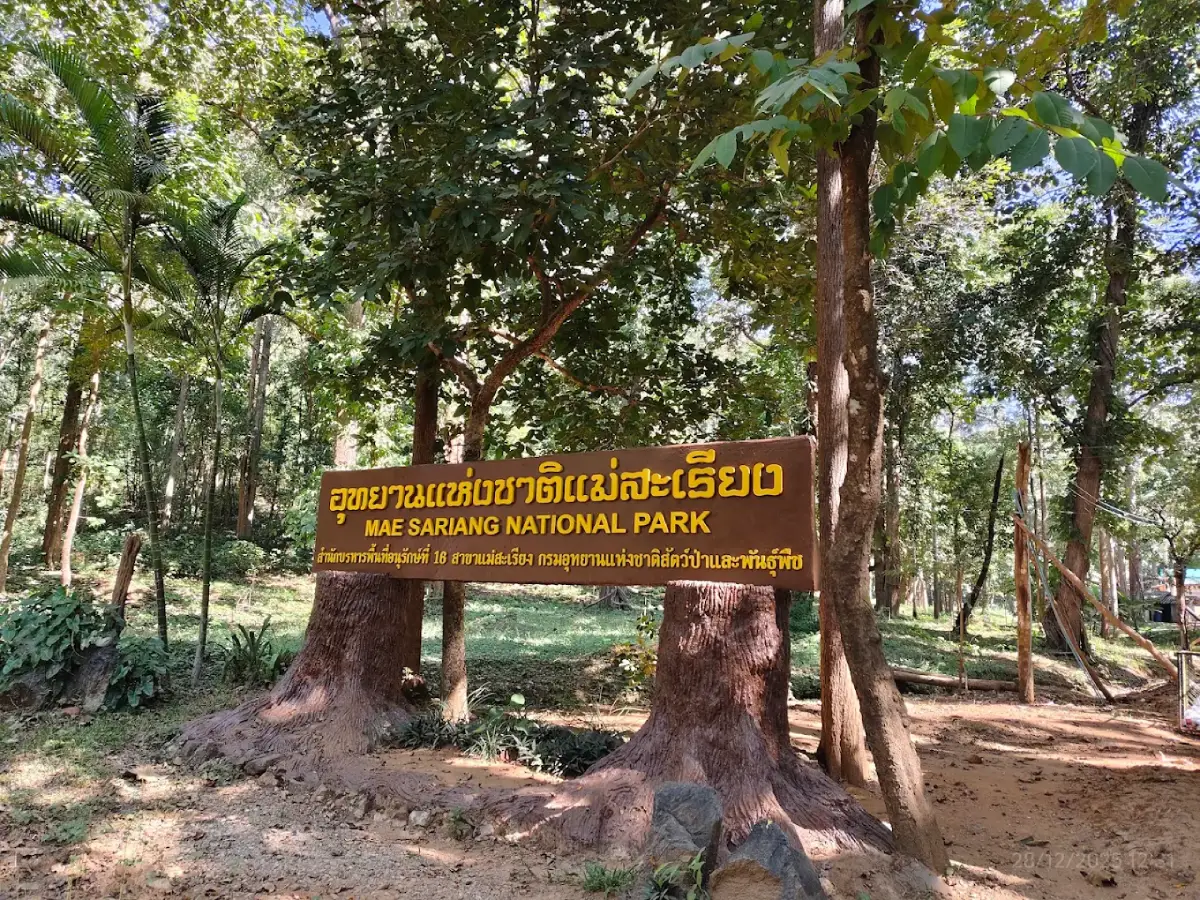
139. Mae Sariang National Park (Under Establishment) — Mae Hong Son, Thailand Mae Sariang National Park is a mountain and forest destination associated with Mae Hong Son. The original guide describes its distinctive natural setting and its role in protecting local landscapes and ecosystems. Key points of interest include sea-of-mist viewpoints, scenic viewpoints.
Its landscape is shaped by local geology, vegetation and changes in elevation. Visitors can appreciate the natural setting through officially accessible viewpoints and forest or nature-study areas, while respecting sensitive habitats and visitor restrictions.
Main Attractions and Highlights: Sea-of-mist viewpoints, scenic viewpoints. Nature photography, careful observation of wildlife and responsible exploration are suitable ways to enjoy the area where visitor access is permitted.
The surrounding forests and waterways contribute to watershed health and biodiversity. Stay on authorized paths, avoid feeding wild animals, and keep noise and litter to a minimum. Check with park staff before entering remote sections, especially during periods of heavy rain.
This destination is identified as under establishment in the source guide. It should not be presented as having the same legal or visitor-access status as a gazetted national park without confirmation from the responsible government authority.
Getting There: Travel to Mae Hong Son and select the entrance or authorized visitor location corresponding to your intended attraction. Mainland routes may involve winding mountain roads; island sites can require local boat transfers. Confirm the exact route, seasonal access and transport arrangements before departure.
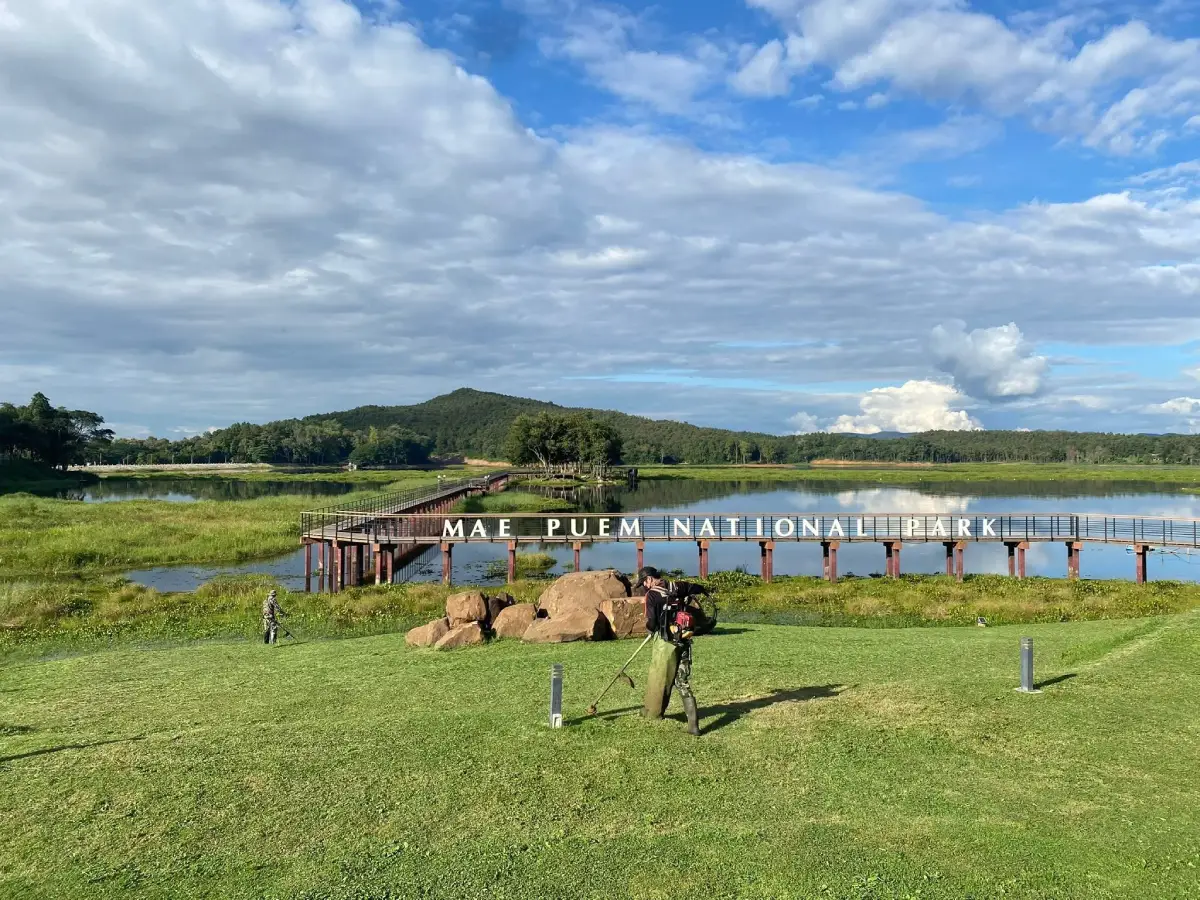
140. Mae Puem National Park — Chiang Rai, Phayao, Thailand Mae Puem National Park is a mountain and forest destination associated with Chiang Rai, Phayao. The original guide describes its distinctive natural setting and its role in protecting local landscapes and ecosystems. Key points of interest include its forest landscapes and natural scenery.
Its landscape is shaped by local geology, vegetation and changes in elevation. Visitors can appreciate the natural setting through officially accessible viewpoints and forest or nature-study areas, while respecting sensitive habitats and visitor restrictions.
Main Attractions and Highlights: Its forest landscapes and natural scenery. Nature photography, careful observation of wildlife and responsible exploration are suitable ways to enjoy the area where visitor access is permitted.
The surrounding forests and waterways contribute to watershed health and biodiversity. Stay on authorized paths, avoid feeding wild animals, and keep noise and litter to a minimum. Check with park staff before entering remote sections, especially during periods of heavy rain.
Getting There: Travel to Chiang Rai, Phayao and select the entrance or authorized visitor location corresponding to your intended attraction. Mainland routes may involve winding mountain roads; island sites can require local boat transfers. Confirm the exact route, seasonal access and transport arrangements before departure.
Map (GPS):Get directions to Mae Puem National Park

141. Khelang Banphot National Park (Under Establishment) — Lampang, Thailand Khelang Banphot National Park is a mountain and forest destination associated with Lampang. The original guide describes its distinctive natural setting and its role in protecting local landscapes and ecosystems. Key points of interest include its forest landscapes and natural scenery.
Its landscape is shaped by local geology, vegetation and changes in elevation. Visitors can appreciate the natural setting through officially accessible viewpoints and forest or nature-study areas, while respecting sensitive habitats and visitor restrictions.
Main Attractions and Highlights: Its forest landscapes and natural scenery. Nature photography, careful observation of wildlife and responsible exploration are suitable ways to enjoy the area where visitor access is permitted.
The surrounding forests and waterways contribute to watershed health and biodiversity. Stay on authorized paths, avoid feeding wild animals, and keep noise and litter to a minimum. Check with park staff before entering remote sections, especially during periods of heavy rain.
This destination is identified as under establishment in the source guide. It should not be presented as having the same legal or visitor-access status as a gazetted national park without confirmation from the responsible government authority.
Getting There: Travel to Lampang and select the entrance or authorized visitor location corresponding to your intended attraction. Mainland routes may involve winding mountain roads; island sites can require local boat transfers. Confirm the exact route, seasonal access and transport arrangements before departure.
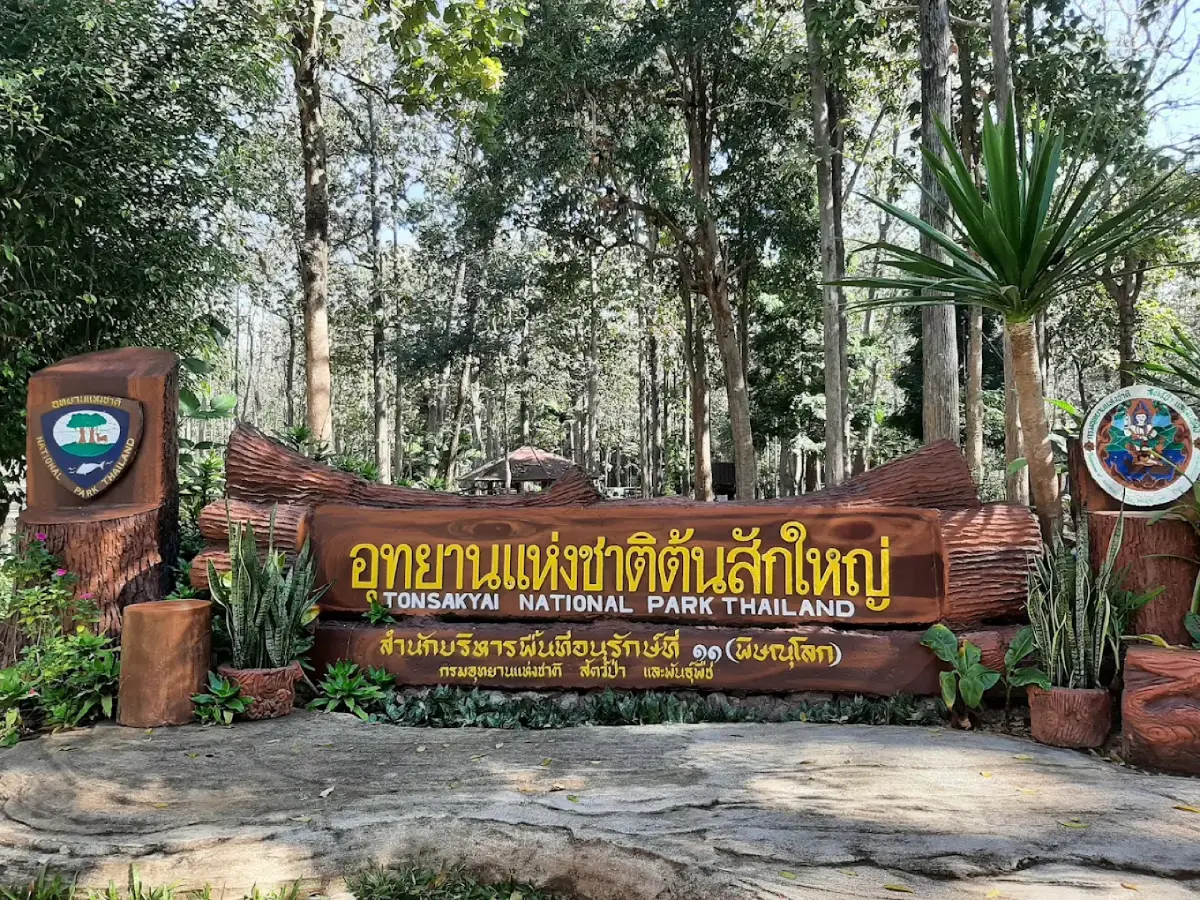
142. Ton Sak Yai National Park — Uttaradit, Thailand Ton Sak Yai National Park is a mountain and forest destination associated with Uttaradit. The original guide describes its distinctive natural setting and its role in protecting local landscapes and ecosystems. Key points of interest include its forest landscapes and natural scenery.
Its landscape is shaped by local geology, vegetation and changes in elevation. Visitors can appreciate the natural setting through officially accessible viewpoints and forest or nature-study areas, while respecting sensitive habitats and visitor restrictions.
Main Attractions and Highlights: Its forest landscapes and natural scenery. Nature photography, careful observation of wildlife and responsible exploration are suitable ways to enjoy the area where visitor access is permitted.
The surrounding forests and waterways contribute to watershed health and biodiversity. Stay on authorized paths, avoid feeding wild animals, and keep noise and litter to a minimum. Check with park staff before entering remote sections, especially during periods of heavy rain.
Getting There: Travel to Uttaradit and select the entrance or authorized visitor location corresponding to your intended attraction. Mainland routes may involve winding mountain roads; island sites can require local boat transfers. Confirm the exact route, seasonal access and transport arrangements before departure.
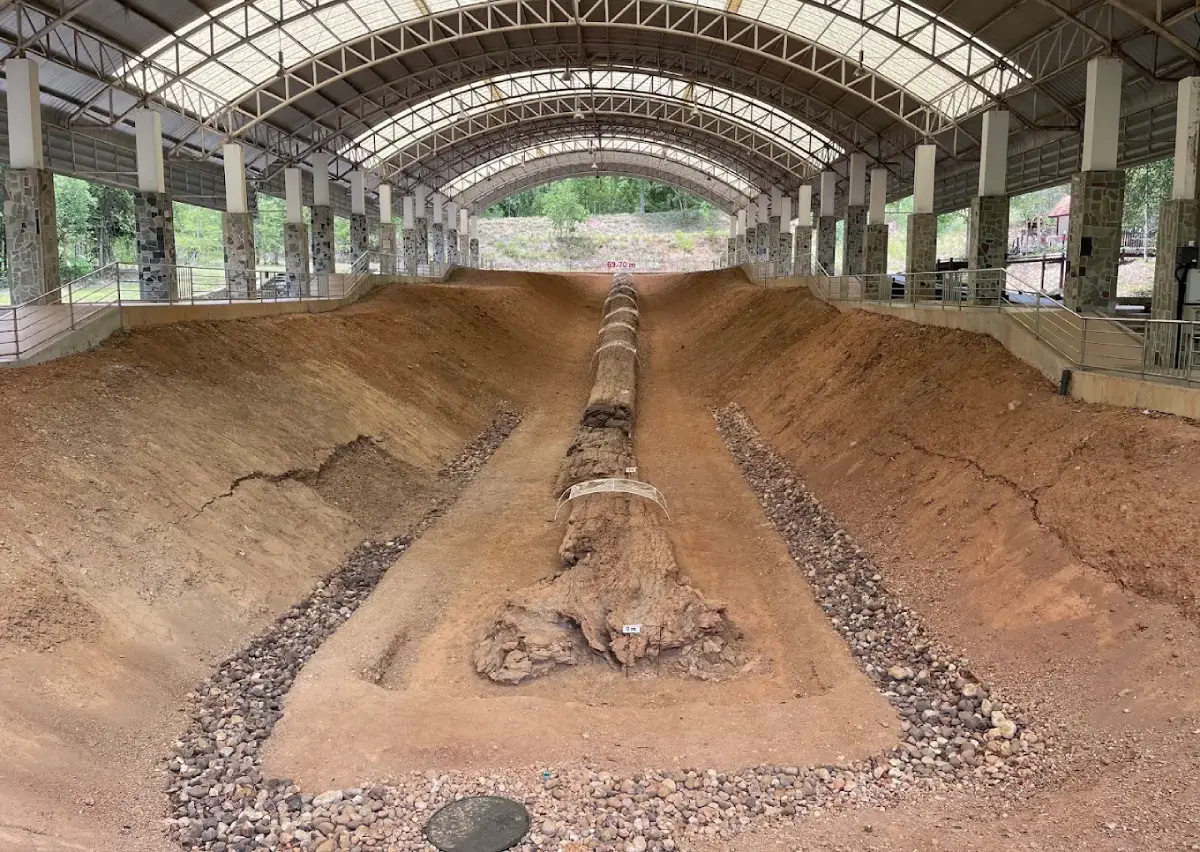
143. Doi Soi Malai–Petrified Wood National Park (Under Establishment) — Tak, Thailand Doi Soi Malai–Petrified Wood National Park is a mountain and forest destination associated with Tak. The original guide describes its distinctive natural setting and its role in protecting local landscapes and ecosystems. Key points of interest include its forest landscapes and natural scenery.
Its landscape is shaped by local geology, vegetation and changes in elevation. Visitors can appreciate the natural setting through officially accessible viewpoints and forest or nature-study areas, while respecting sensitive habitats and visitor restrictions.
Main Attractions and Highlights: Its forest landscapes and natural scenery. Nature photography, careful observation of wildlife and responsible exploration are suitable ways to enjoy the area where visitor access is permitted.
The surrounding forests and waterways contribute to watershed health and biodiversity. Stay on authorized paths, avoid feeding wild animals, and keep noise and litter to a minimum. Check with park staff before entering remote sections, especially during periods of heavy rain.
This destination is identified as under establishment in the source guide. It should not be presented as having the same legal or visitor-access status as a gazetted national park without confirmation from the responsible government authority.
Getting There: Travel to Tak and select the entrance or authorized visitor location corresponding to your intended attraction. Mainland routes may involve winding mountain roads; island sites can require local boat transfers. Confirm the exact route, seasonal access and transport arrangements before departure.
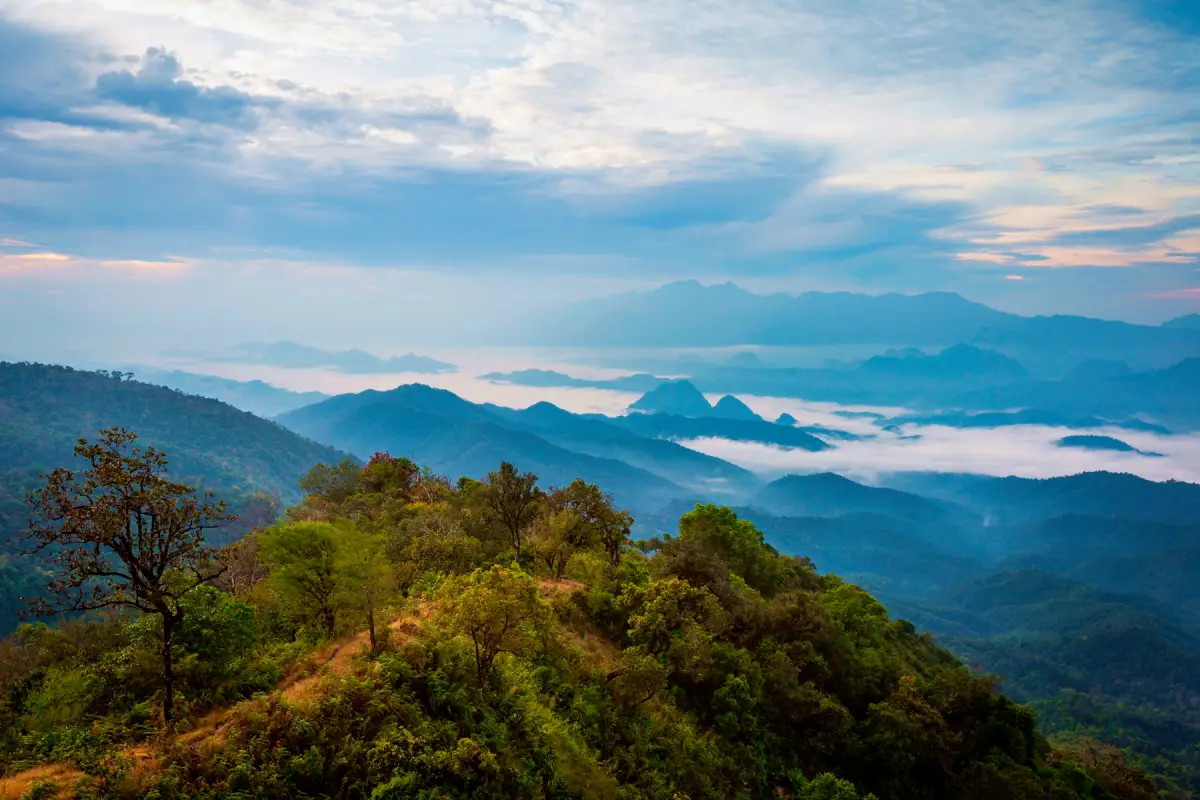
144. Mae Moei National Park — Tak, Thailand Mae Moei National Park is a marine and coastal destination associated with Tak. The original guide describes its distinctive natural setting and its role in protecting local landscapes and ecosystems. Key points of interest include sea-of-mist viewpoints.
The landscape combines coastal environments with the ecological connections between land and sea. Depending on the specific site, visitors may encounter beaches, island habitats, mangroves or marine life. Access to boats, beaches and offshore activity areas should always be checked against current regulations and weather.
Main Attractions and Highlights: Sea-of-mist viewpoints. Nature photography, careful observation of wildlife and responsible exploration are suitable ways to enjoy the area where visitor access is permitted.
The coastal ecosystem is important for local biodiversity. Visitors should avoid damaging coral, disturbing wildlife or removing shells and plants, and should carry waste back to an appropriate disposal point. Sea conditions must be checked before boat transfers.
Getting There: Travel to Tak and select the entrance or authorized visitor location corresponding to your intended attraction. Mainland routes may involve winding mountain roads; island sites can require local boat transfers. Confirm the exact route, seasonal access and transport arrangements before departure.
Map (GPS):Get directions to Mae Moei National Park
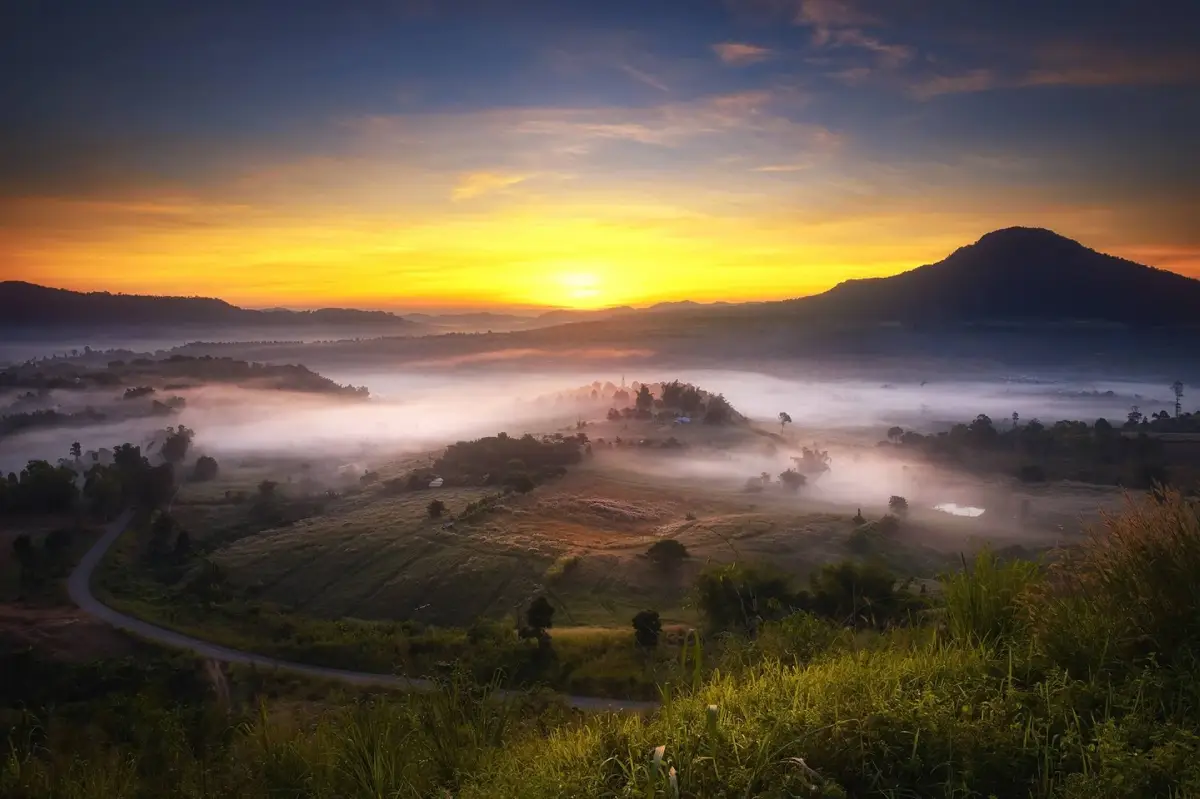
145. Khao Kho National Park — Phetchabun, Thailand Khao Kho National Park is a mountain and forest destination associated with Phetchabun. The original guide describes its distinctive natural setting and its role in protecting local landscapes and ecosystems. Key points of interest include waterfalls, sandstone formations.
Waterfalls and streams are central to this destination’s visitor appeal. Water levels, rock surfaces and trail access can change markedly between the wet and dry seasons, so safe viewing areas and posted guidance are especially important.
Main Attractions and Highlights: Waterfalls, sandstone formations. Nature photography, careful observation of wildlife and responsible exploration are suitable ways to enjoy the area where visitor access is permitted.
The surrounding forests and waterways contribute to watershed health and biodiversity. Stay on authorized paths, avoid feeding wild animals, and keep noise and litter to a minimum. Check with park staff before entering remote sections, especially during periods of heavy rain.
Getting There: Travel to Phetchabun and select the entrance or authorized visitor location corresponding to your intended attraction. Mainland routes may involve winding mountain roads; island sites can require local boat transfers. Confirm the exact route, seasonal access and transport arrangements before departure.
Map (GPS):Get directions to Khao Kho National Park
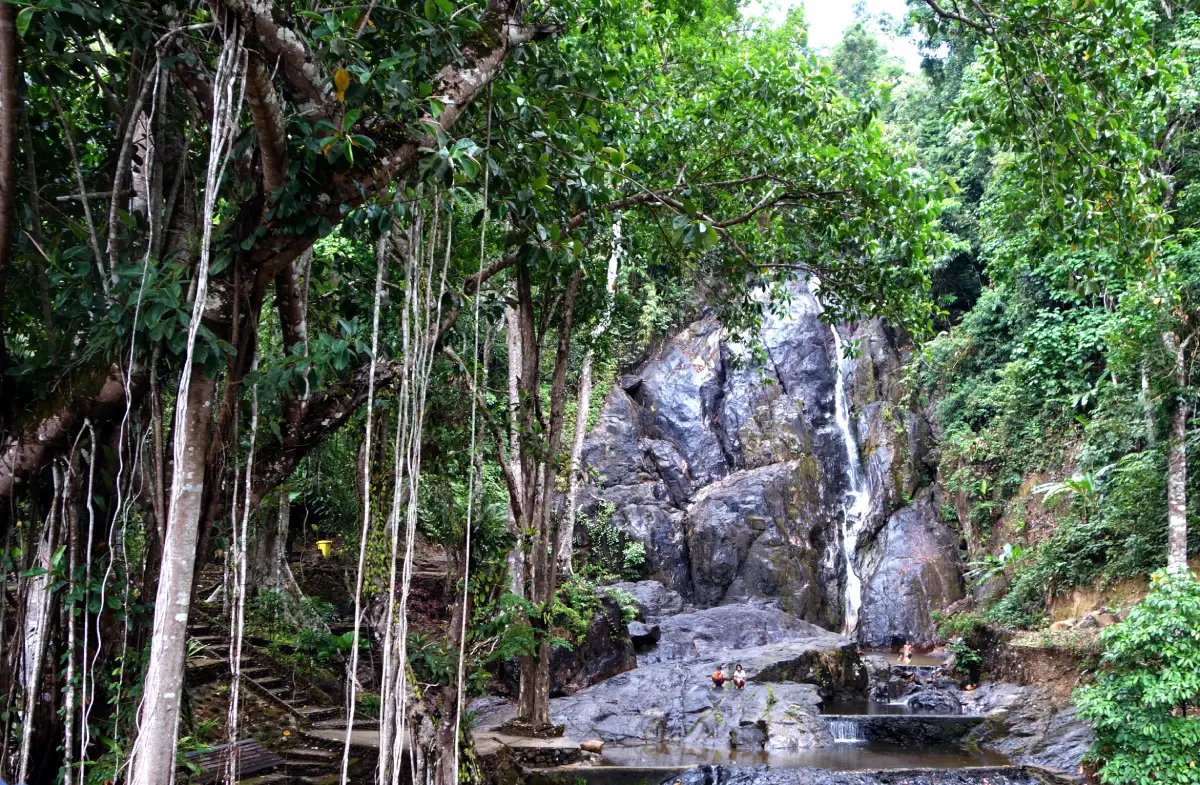
146. Lam Nam Kraburi National Park — Ranong, Thailand Lam Nam Kraburi National Park is a protected natural destination associated with Ranong. The original guide describes its distinctive natural setting and its role in protecting local landscapes and ecosystems. Key points of interest include mangrove forests, waterfalls, river landscapes.
Waterfalls and streams are central to this destination’s visitor appeal. Water levels, rock surfaces and trail access can change markedly between the wet and dry seasons, so safe viewing areas and posted guidance are especially important.
Main Attractions and Highlights: Mangrove forests, waterfalls, river landscapes. Nature photography, careful observation of wildlife and responsible exploration are suitable ways to enjoy the area where visitor access is permitted.
The surrounding forests and waterways contribute to watershed health and biodiversity. Stay on authorized paths, avoid feeding wild animals, and keep noise and litter to a minimum. Check with park staff before entering remote sections, especially during periods of heavy rain.
Getting There: Travel to Ranong and select the entrance or authorized visitor location corresponding to your intended attraction. Mainland routes may involve winding mountain roads; island sites can require local boat transfers. Confirm the exact route, seasonal access and transport arrangements before departure.

147. Phu Toei National Park — Suphan Buri, Thailand Phu Toei National Park is a marine and coastal destination associated with Suphan Buri. The original guide describes its distinctive natural setting and its role in protecting local landscapes and ecosystems. Key points of interest include sea-of-mist viewpoints, two-needle pine forest, pine forests.
The landscape combines coastal environments with the ecological connections between land and sea. Depending on the specific site, visitors may encounter beaches, island habitats, mangroves or marine life. Access to boats, beaches and offshore activity areas should always be checked against current regulations and weather.
Main Attractions and Highlights: Sea-of-mist viewpoints, two-needle pine forest, pine forests. Nature photography, careful observation of wildlife and responsible exploration are suitable ways to enjoy the area where visitor access is permitted.
The coastal ecosystem is important for local biodiversity. Visitors should avoid damaging coral, disturbing wildlife or removing shells and plants, and should carry waste back to an appropriate disposal point. Sea conditions must be checked before boat transfers.
Getting There: Travel to Suphan Buri and select the entrance or authorized visitor location corresponding to your intended attraction. Mainland routes may involve winding mountain roads; island sites can require local boat transfers. Confirm the exact route, seasonal access and transport arrangements before departure.
Map (GPS):Get directions to Phu Toei National Park
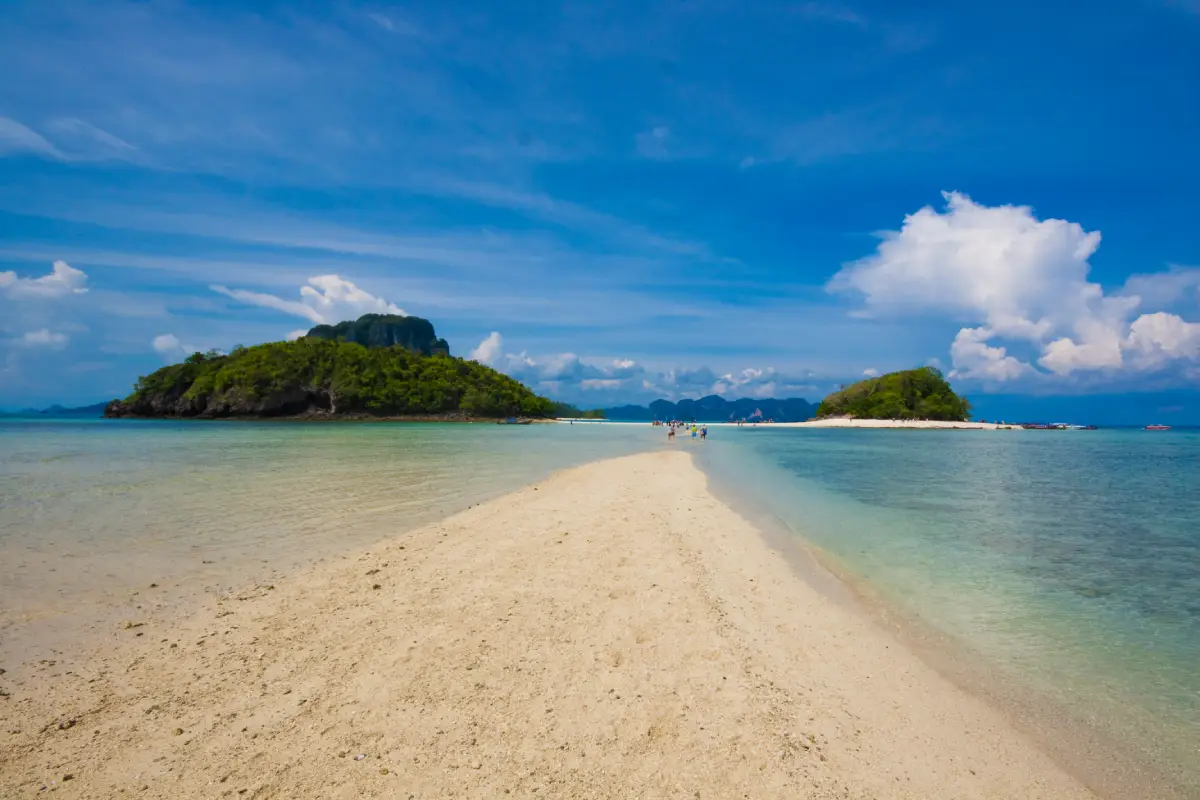
148. Hat Noppharat Thara–Mu Ko Phi Phi National Park — Krabi, Thailand Hat Noppharat Thara–Mu Ko Phi Phi National Park is a marine and coastal destination associated with Krabi. The original guide describes its distinctive natural setting and its role in protecting local landscapes and ecosystems. Key points of interest include Maya Bay, Pileh Lagoon, Noppharat Thara Beach, Phi Phi Islands, islands and coastal scenery.
This marine park includes Noppharat Thara Beach and the Phi Phi island group, with Maya Bay, limestone cliffs and coral-reef ecosystems.
Main Attractions and Highlights: Maya Bay, Pileh Lagoon, Noppharat Thara Beach, Phi Phi Islands, islands and coastal scenery. Nature photography, careful observation of wildlife and responsible exploration are suitable ways to enjoy the area where visitor access is permitted.
The coastal ecosystem is important for local biodiversity. Visitors should avoid damaging coral, disturbing wildlife or removing shells and plants, and should carry waste back to an appropriate disposal point. Sea conditions must be checked before boat transfers.
Getting There: Travel to Krabi and select the entrance or authorized visitor location corresponding to your intended attraction. Mainland routes may involve winding mountain roads; island sites can require local boat transfers. Confirm the exact route, seasonal access and transport arrangements before departure.
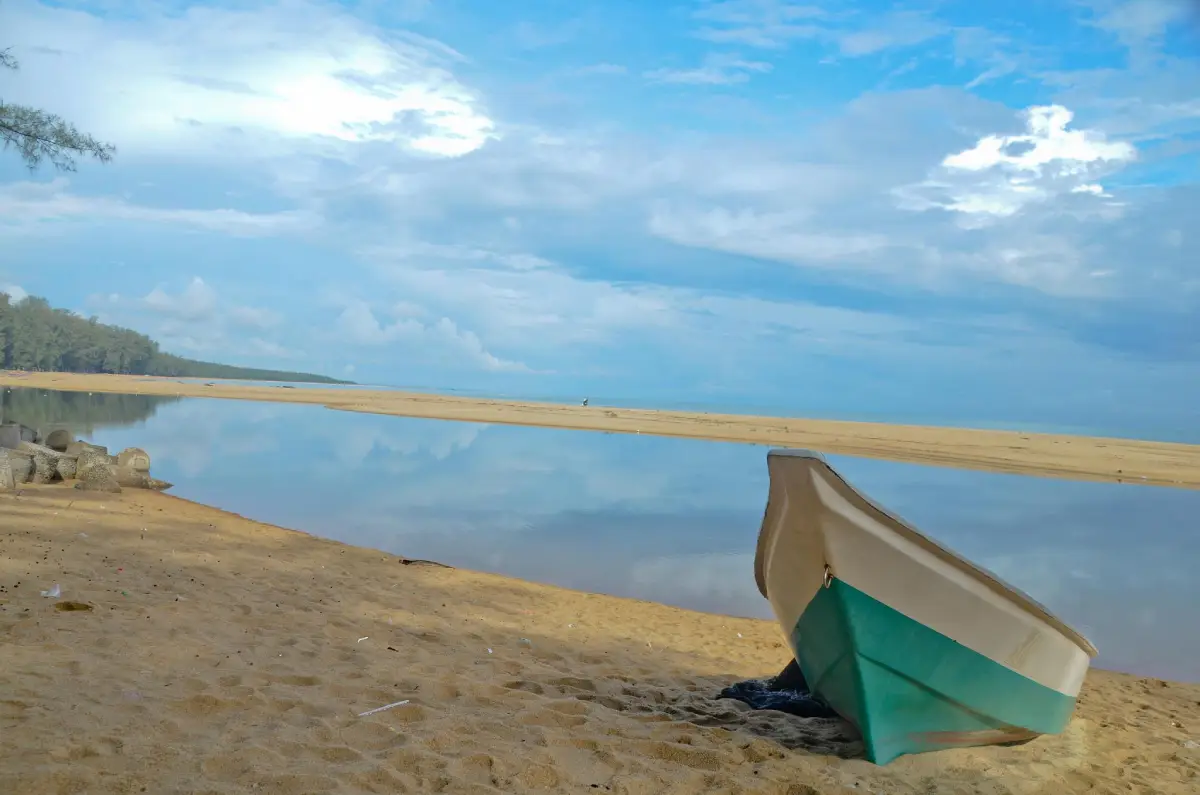
149. Ao Manao–Khao Tanyong National Park (Proposed) — Narathiwat, Thailand Ao Manao–Khao Tanyong National Park (Proposed) is a marine and coastal destination associated with Narathiwat. The original guide describes its distinctive natural setting and its role in protecting local landscapes and ecosystems. Key points of interest include Ao Manao Beach, beaches.
Ao Manao on the Narathiwat coast is not the similarly named beach in Prachuap Khiri Khan. This is a proposed park area, not a fully gazetted national park.
Main Attractions and Highlights: Ao Manao Beach, beaches. Nature photography, careful observation of wildlife and responsible exploration are suitable ways to enjoy the area where visitor access is permitted.
The coastal ecosystem is important for local biodiversity. Visitors should avoid damaging coral, disturbing wildlife or removing shells and plants, and should carry waste back to an appropriate disposal point. Sea conditions must be checked before boat transfers.
This destination is identified as under establishment in the source guide. It should not be presented as having the same legal or visitor-access status as a gazetted national park without confirmation from the responsible government authority.
Getting There: Travel to Narathiwat and select the entrance or authorized visitor location corresponding to your intended attraction. Mainland routes may involve winding mountain roads; island sites can require local boat transfers. Confirm the exact route, seasonal access and transport arrangements before departure.
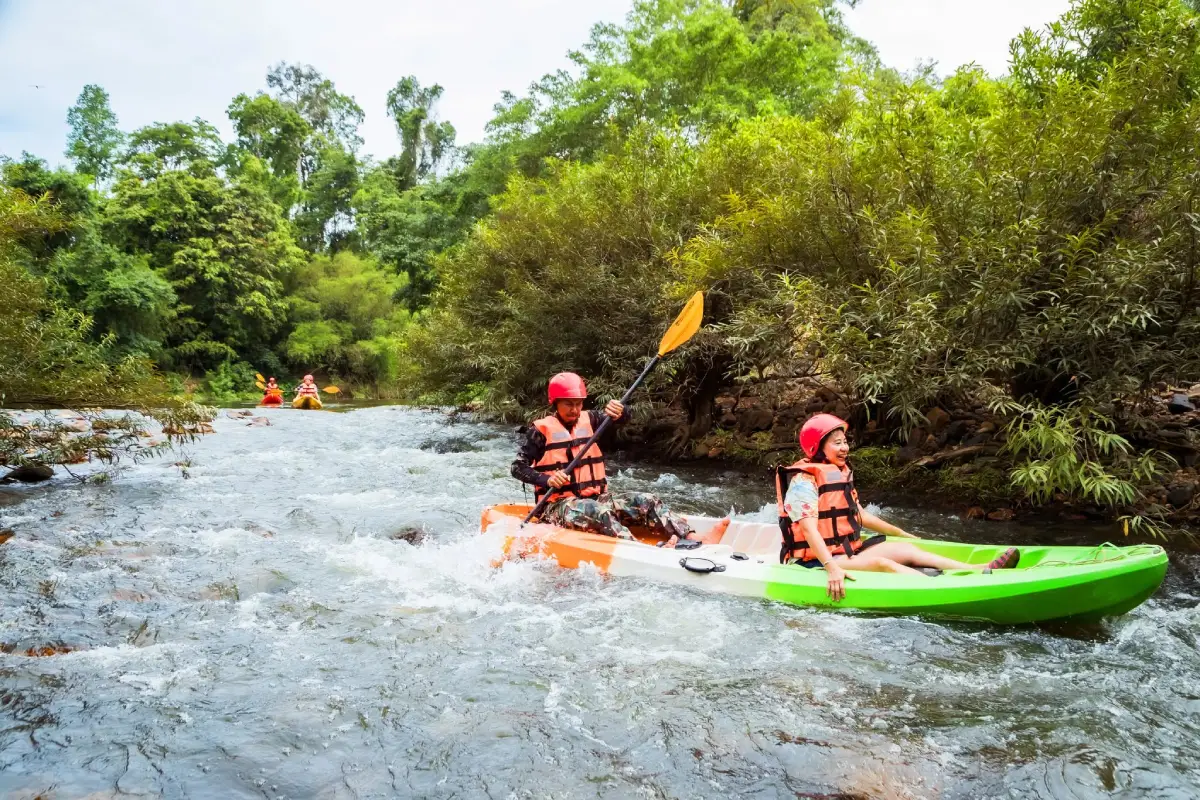
150. Kaeng Krung National Park — Surat Thani, Thailand Kaeng Krung National Park is a mountain and forest destination associated with Surat Thani. The original guide describes its distinctive natural setting and its role in protecting local landscapes and ecosystems. Key points of interest include waterfalls, tropical rainforest.
Waterfalls and streams are central to this destination’s visitor appeal. Water levels, rock surfaces and trail access can change markedly between the wet and dry seasons, so safe viewing areas and posted guidance are especially important.
Main Attractions and Highlights: Waterfalls, tropical rainforest. Nature photography, careful observation of wildlife and responsible exploration are suitable ways to enjoy the area where visitor access is permitted.
The surrounding forests and waterways contribute to watershed health and biodiversity. Stay on authorized paths, avoid feeding wild animals, and keep noise and litter to a minimum. Check with park staff before entering remote sections, especially during periods of heavy rain.
Getting There: Travel to Surat Thani and select the entrance or authorized visitor location corresponding to your intended attraction. Mainland routes may involve winding mountain roads; island sites can require local boat transfers. Confirm the exact route, seasonal access and transport arrangements before departure.
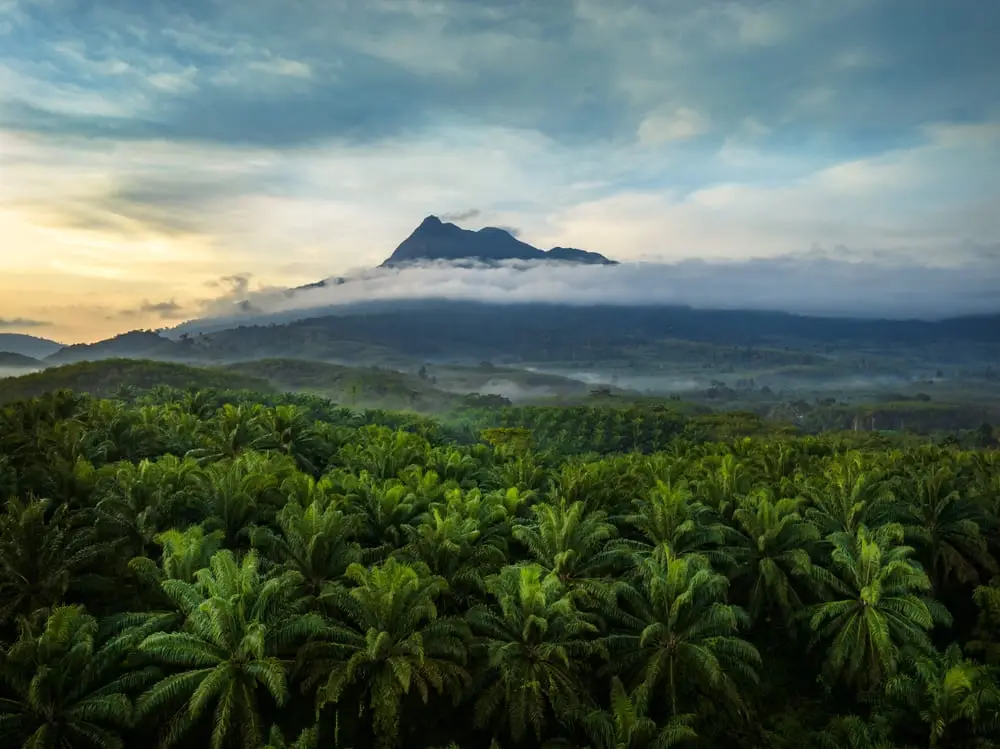
151. Khao Phanom Bencha National Park — Krabi, Thailand Khao Phanom Bencha National Park is a marine and coastal destination associated with Krabi. The original guide describes its distinctive natural setting and its role in protecting local landscapes and ecosystems. Key points of interest include Huai To Waterfall, caves, waterfalls, forest hiking trails, tropical rainforest.
The landscape combines coastal environments with the ecological connections between land and sea. Depending on the specific site, visitors may encounter beaches, island habitats, mangroves or marine life. Access to boats, beaches and offshore activity areas should always be checked against current regulations and weather.
Main Attractions and Highlights: Huai To Waterfall, caves, waterfalls, forest hiking trails, tropical rainforest. Nature photography, careful observation of wildlife and responsible exploration are suitable ways to enjoy the area where visitor access is permitted.
The coastal ecosystem is important for local biodiversity. Visitors should avoid damaging coral, disturbing wildlife or removing shells and plants, and should carry waste back to an appropriate disposal point. Sea conditions must be checked before boat transfers.
Getting There: Travel to Krabi and select the entrance or authorized visitor location corresponding to your intended attraction. Mainland routes may involve winding mountain roads; island sites can require local boat transfers. Confirm the exact route, seasonal access and transport arrangements before departure.
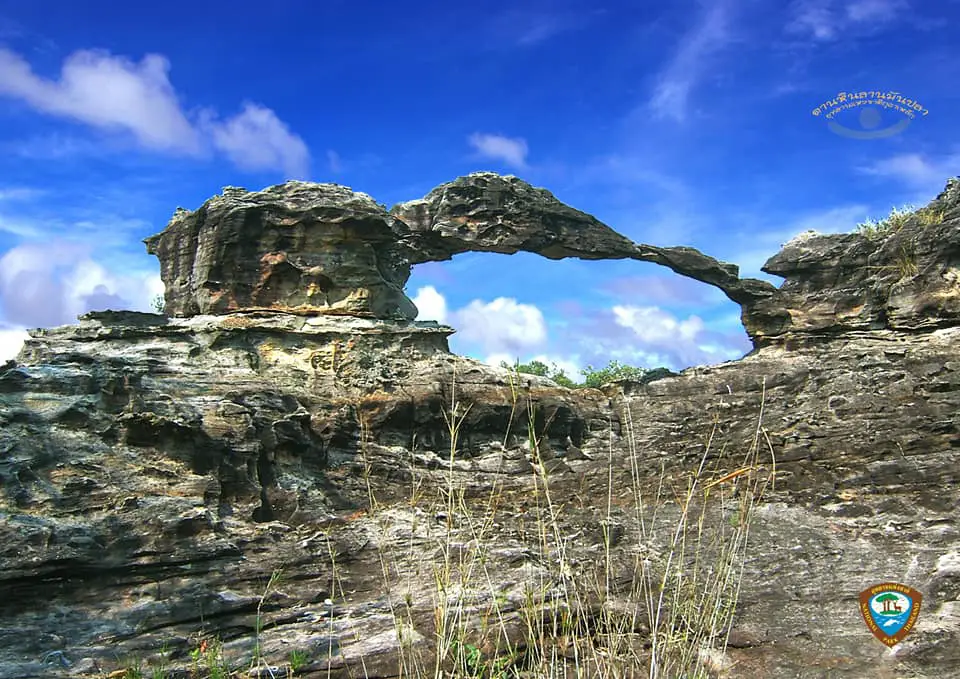
152. Phu Pha Lek National Park — Sakon Nakhon, Thailand Phu Pha Lek National Park is a mountain and forest destination associated with Sakon Nakhon. The original guide describes its distinctive natural setting and its role in protecting local landscapes and ecosystems. Key points of interest include scenic viewpoints.
Its landscape is shaped by local geology, vegetation and changes in elevation. Visitors can appreciate the natural setting through officially accessible viewpoints and forest or nature-study areas, while respecting sensitive habitats and visitor restrictions.
Main Attractions and Highlights: Scenic viewpoints. Nature photography, careful observation of wildlife and responsible exploration are suitable ways to enjoy the area where visitor access is permitted.
The surrounding forests and waterways contribute to watershed health and biodiversity. Stay on authorized paths, avoid feeding wild animals, and keep noise and litter to a minimum. Check with park staff before entering remote sections, especially during periods of heavy rain.
Getting There: Travel to Sakon Nakhon and select the entrance or authorized visitor location corresponding to your intended attraction. Mainland routes may involve winding mountain roads; island sites can require local boat transfers. Confirm the exact route, seasonal access and transport arrangements before departure.

153. Tham Pla–Pha Suea National Park — Mae Hong Son, Thailand Tham Pla–Pha Suea National Park is a mountain and forest destination associated with Mae Hong Son. The original guide describes its distinctive natural setting and its role in protecting local landscapes and ecosystems. Key points of interest include Tham Pla Fish Cave, Pha Suea Waterfall, caves, waterfalls.
Waterfalls and streams are central to this destination’s visitor appeal. Water levels, rock surfaces and trail access can change markedly between the wet and dry seasons, so safe viewing areas and posted guidance are especially important.
Main Attractions and Highlights: Tham Pla Fish Cave, Pha Suea Waterfall, caves, waterfalls. Nature photography, careful observation of wildlife and responsible exploration are suitable ways to enjoy the area where visitor access is permitted.
The surrounding forests and waterways contribute to watershed health and biodiversity. Stay on authorized paths, avoid feeding wild animals, and keep noise and litter to a minimum. Check with park staff before entering remote sections, especially during periods of heavy rain.
Getting There: Travel to Mae Hong Son and select the entrance or authorized visitor location corresponding to your intended attraction. Mainland routes may involve winding mountain roads; island sites can require local boat transfers. Confirm the exact route, seasonal access and transport arrangements before departure.
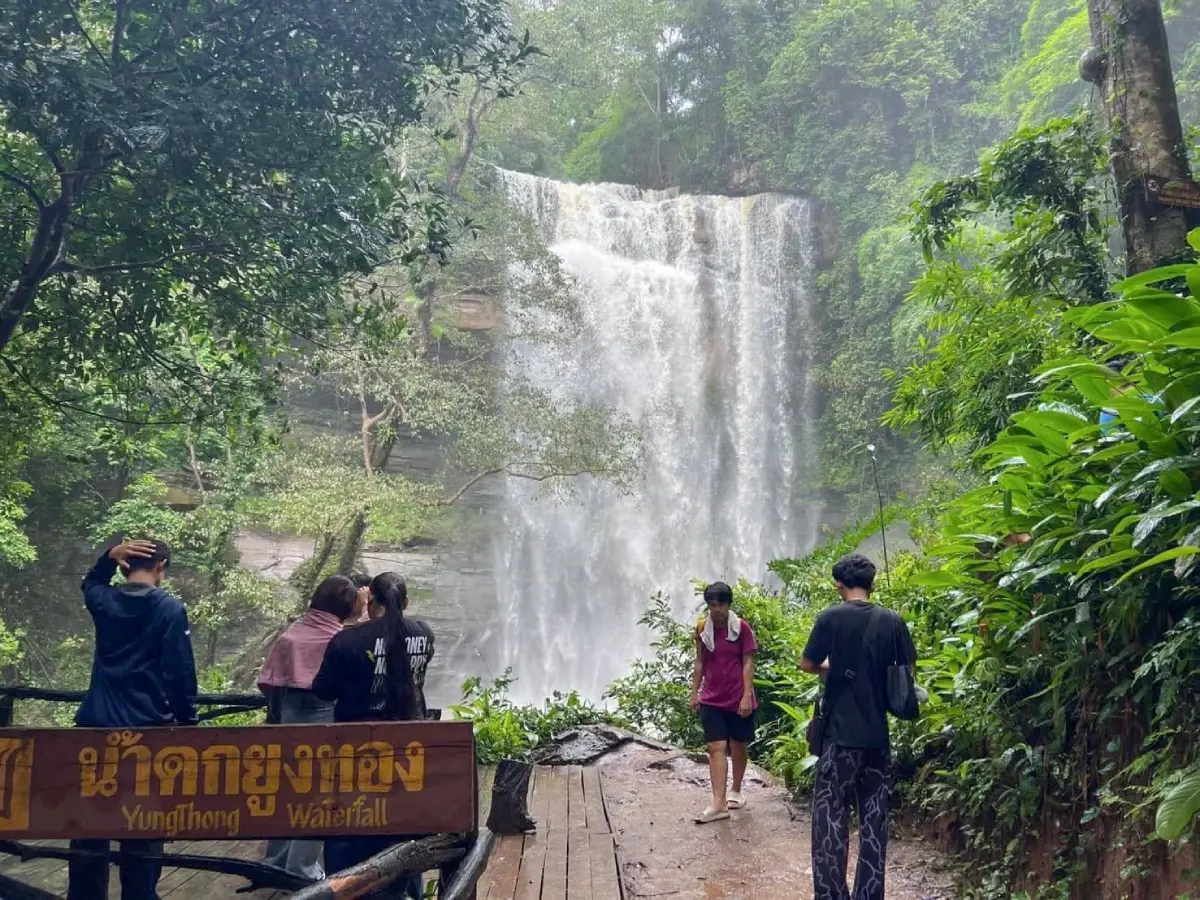
154. Na Yung–Nam Som National Park — Udon Thani, Thailand Na Yung–Nam Som National Park is a mountain and forest destination associated with Udon Thani. The original guide describes its distinctive natural setting and its role in protecting local landscapes and ecosystems. Key points of interest include Yung Thong Waterfall, waterfalls, scenic viewpoints.
Waterfalls and streams are central to this destination’s visitor appeal. Water levels, rock surfaces and trail access can change markedly between the wet and dry seasons, so safe viewing areas and posted guidance are especially important.
Main Attractions and Highlights: Yung Thong Waterfall, waterfalls, scenic viewpoints. Nature photography, careful observation of wildlife and responsible exploration are suitable ways to enjoy the area where visitor access is permitted.
The surrounding forests and waterways contribute to watershed health and biodiversity. Stay on authorized paths, avoid feeding wild animals, and keep noise and litter to a minimum. Check with park staff before entering remote sections, especially during periods of heavy rain.
Getting There: Travel to Udon Thani and select the entrance or authorized visitor location corresponding to your intended attraction. Mainland routes may involve winding mountain roads; island sites can require local boat transfers. Confirm the exact route, seasonal access and transport arrangements before departure.
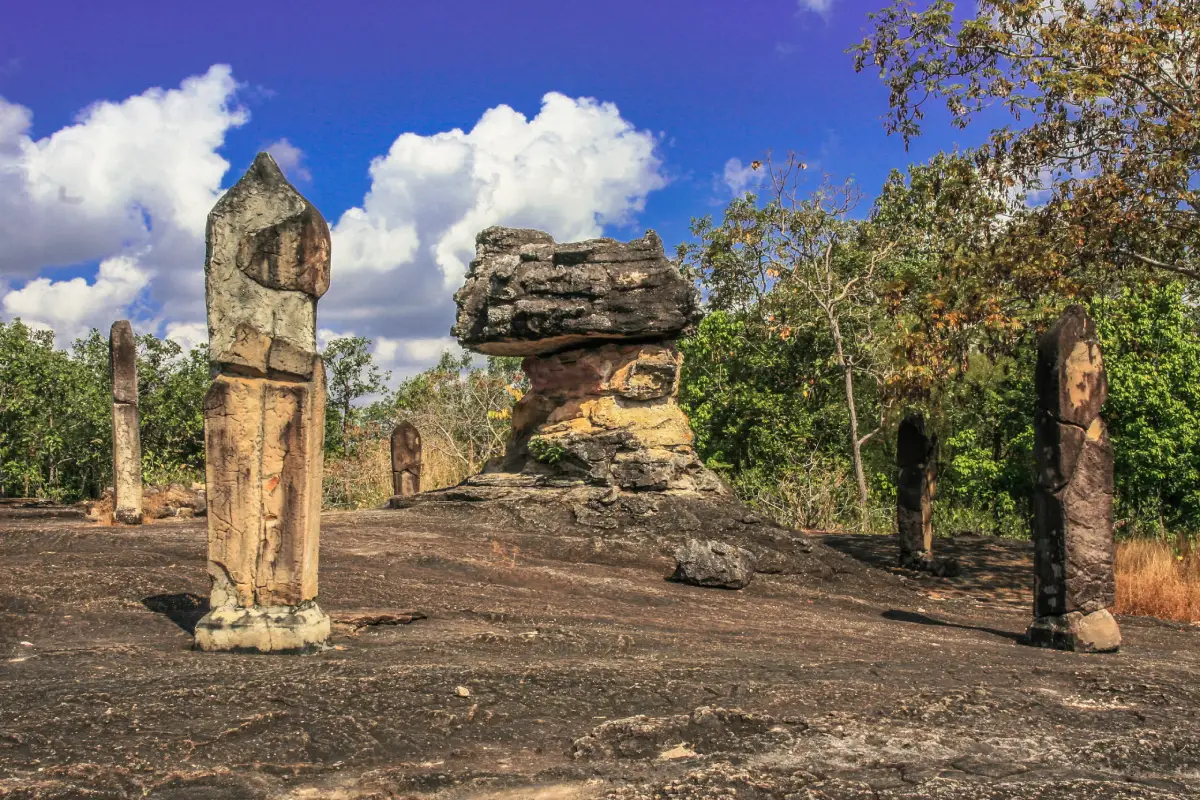
155. Phu Hin Chom That–Phu Phra Bat National Park (Proposed) — Udon Thani, Thailand Phu Hin Chom That–Phu Phra Bat National Park (Proposed) is a mountain and forest destination associated with Udon Thani. The original guide describes its distinctive natural setting and its role in protecting local landscapes and ecosystems. Key points of interest include sandstone formations.
The Phu Phra Bat historical and archaeological landscape is under a different managing authority; its photo and coordinates here are geographic references only.
Main Attractions and Highlights: Sandstone formations. Nature photography, careful observation of wildlife and responsible exploration are suitable ways to enjoy the area where visitor access is permitted.
The surrounding forests and waterways contribute to watershed health and biodiversity. Stay on authorized paths, avoid feeding wild animals, and keep noise and litter to a minimum. Check with park staff before entering remote sections, especially during periods of heavy rain.
This destination is identified as under establishment in the source guide. It should not be presented as having the same legal or visitor-access status as a gazetted national park without confirmation from the responsible government authority.
Getting There: Travel to Udon Thani and select the entrance or authorized visitor location corresponding to your intended attraction. Mainland routes may involve winding mountain roads; island sites can require local boat transfers. Confirm the exact route, seasonal access and transport arrangements before departure.
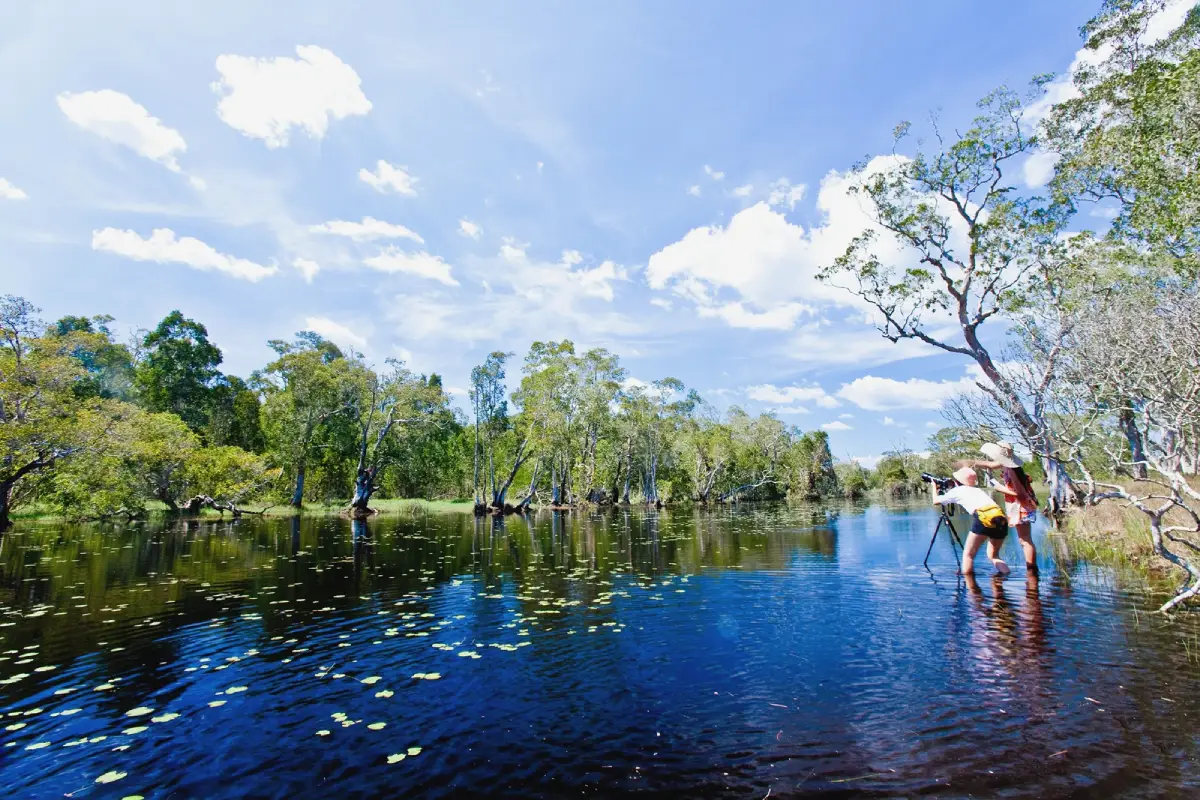
156. Mu Ko Ra–Ko Phra Thong National Park — Phang Nga, Thailand Mu Ko Ra–Ko Phra Thong National Park is a marine and coastal destination associated with Phang Nga. The original guide describes its distinctive natural setting and its role in protecting local landscapes and ecosystems. Key points of interest include Ko Phra Thong, savanna-like grasslands, natural grasslands, mangrove forests, peat swamp forests.
Ko Phra Thong stands out for savanna-like grasslands, melaleuca forest, wetlands, beaches and coastal biodiversity.
Main Attractions and Highlights: Ko Phra Thong, savanna-like grasslands, natural grasslands, mangrove forests, peat swamp forests. Nature photography, careful observation of wildlife and responsible exploration are suitable ways to enjoy the area where visitor access is permitted.
The coastal ecosystem is important for local biodiversity. Visitors should avoid damaging coral, disturbing wildlife or removing shells and plants, and should carry waste back to an appropriate disposal point. Sea conditions must be checked before boat transfers.
Getting There: Travel to Phang Nga and select the entrance or authorized visitor location corresponding to your intended attraction. Mainland routes may involve winding mountain roads; island sites can require local boat transfers. Confirm the exact route, seasonal access and transport arrangements before departure.
Summary Table — 156 National Park and Nature Destinations in Thailand
| Guide Title | 156 National Parks and Nature Destinations in Thailand |
| Number of Entries | 156 destinations, including some proposed or under-establishment areas |
| Geographical Coverage | Northern, Northeastern, Central, Eastern, Western and Southern Thailand |
| Types of Natural Landscapes | Mountains, forests, waterfalls, caves, cliffs, wetlands, beaches, islands and coral reefs |
| Key Activities | Hiking, camping, nature photography, birdwatching, waterfalls, wildlife observation, kayaking and snorkeling where authorized |
| Travel Planning | Check seasonal closures, travel conditions, entry fees, local transport and permissions for each destination |
| Conservation Guidelines | Follow designated paths, leave no litter, do not feed wildlife and respect marine protection rules |
| Responsible Agency | Department of National Parks, Wildlife and Plant Conservation, together with other competent agencies for proposed or separately managed areas |
Complete English Directory — 156 Destinations
| No. | National Park / Destination | Province | Highlights | English Site Link | Map (GPS) |
| 1 | Doi Inthanon National Park | Chiang Mai | Kew Mae Pan Nature Trail, Ang Ka Nature Trail, Wachirathan Waterfall, Mae Ya Waterfall, natural grasslands | View English Detail | Directions |
| 2 | Doi Suthep Pui National Park | Chiang Mai | waterfalls | View English Detail | Directions |
| 3 | Doi Pha Hom Pok National Park | Chiang Mai | Fang Hot Springs, sea-of-mist viewpoints, natural hot springs, forest hiking trails, scenic viewpoints | View English Detail | Directions |
| 4 | Huai Nam Dang National Park | Chiang Mai, Mae Hong Son | sea-of-mist viewpoints, natural hot springs, scenic viewpoints | View English Detail | Directions |
| 5 | Doi Phu Kha National Park | Nan | scenic viewpoints | View English Detail | Directions |
| 6 | Si Nan National Park | Nan | Doi Samer Dao Viewpoint, cliff viewpoints, river landscapes, scenic viewpoints | View English Detail | Directions |
| 7 | Phu Hin Rong Kla National Park | Phitsanulok, Phetchabun, Loei | Lan Hin Pum Rock Formations, Lan Hin Taek Rock Field, waterfalls, pine forests | View English Detail | Directions |
| 8 | Phu Soi Dao National Park | Uttaradit, Phitsanulok | seasonal Murdannia flower fields, waterfalls, forest hiking trails | View English Detail | Directions |
| 9 | Khlong Lan National Park | Kamphaeng Phet | Khlong Lan Waterfall, waterfalls | View English Detail | Directions |
| 10 | Nam Nao National Park | Phetchabun | scenic viewpoints, pine forests | View English Detail | Directions |
| 11 | Si Lanna National Park | Chiang Mai | Mae Ngat Reservoir, Bua Tong Waterfall, waterfalls | View English Detail | Directions |
| 12 | Op Luang National Park | Chiang Mai | cliff viewpoints, scenic viewpoints | View English Detail | Directions |
| 13 | Pha Daeng National Park | Chiang Mai | caves | View English Detail | Directions |
| 14 | Mae Takhrai National Park | Chiang Mai, Lamphun | waterfalls | View English Detail | Directions |
| 15 | Doi Wiang Pha National Park | Chiang Mai | forest hiking trails | View English Detail | Directions |
| 16 | Khun Khan National Park | Chiang Mai | its forest landscapes and natural scenery | View English Detail | Directions |
| 17 | Doi Luang National Park | Chiang Rai, Lampang, Phayao | waterfalls | View English Detail | Directions |
| 18 | Khun Chae National Park | Chiang Rai | waterfalls, forest hiking trails | View English Detail | Directions |
| 19 | Lam Nam Kok National Park | Chiang Rai | waterfalls | View English Detail | Directions |
| 20 | Ob Khan National Park | Chiang Mai | its forest landscapes and natural scenery | View English Detail | Directions |
| 21 | Mae Surin Waterfall National Park | Mae Hong Son | waterfalls | View English Detail | Directions |
| 22 | Salawin National Park | Mae Hong Son | river landscapes | View English Detail | Directions |
| 23 | Mae Charim National Park | Nan | its forest landscapes and natural scenery | View English Detail | Directions |
| 24 | Khun Nan National Park | Nan | waterfalls | View English Detail | Directions |
| 25 | Khun Sathan National Park | Nan | sea-of-mist viewpoints, scenic viewpoints, pine forests | View English Detail | Directions |
| 26 | Tham Saken National Park | Nan, Phayao | caves, waterfalls | View English Detail | Directions |
| 27 | Doi Phu Nang National Park | Phayao | native peafowl habitat, waterfalls | View English Detail | Directions |
| 28 | Phu Sang National Park | Phayao | waterfalls | View English Detail | Directions |
| 29 | Nanthaburi National Park | Nan | waterfalls, scenic viewpoints | View English Detail | Directions |
| 30 | Mae Yom National Park | Phrae | river landscapes | View English Detail | Directions |
| 31 | Wiang Kosai National Park | Lampang, Phrae | waterfalls | View English Detail | Directions |
| 32 | Doi Pha Klong National Park | Phrae | cliff viewpoints | View English Detail | Directions |
| 33 | Chae Son National Park | Lampang | natural hot springs, waterfalls | View English Detail | Directions |
| 34 | Tham Pha Thai National Park | Lampang | caves | View English Detail | Directions |
| 35 | Doi Chong National Park | Lampang, Lamphun | forest hiking trails | View English Detail | Directions |
| 36 | Mae Wa National Park | Lampang | waterfalls | View English Detail | Directions |
| 37 | Mae Ping National Park | Lamphun | natural grasslands, waterfalls, river landscapes | View English Detail | Directions |
| 38 | Doi Khun Tan National Park | Lampang, Lamphun | forest hiking trails, scenic viewpoints | View English Detail | Directions |
| 39 | Lam Nam Nan National Park | Uttaradit | scenic viewpoints | View English Detail | Directions |
| 40 | Taksin Maharat National Park | Tak | scenic viewpoints | View English Detail | Directions |
| 41 | Lan Sang National Park | Tak | waterfalls | View English Detail | Directions |
| 42 | Khun Phawo National Park | Tak | waterfalls, scenic viewpoints | View English Detail | Directions |
| 43 | Khlong Wang Chao National Park | Kamphaeng Phet, Tak | waterfalls, forest hiking trails | View English Detail | Directions |
| 44 | Mae Wong National Park | Kamphaeng Phet, Nakhon Sawan | waterfalls, forest hiking trails, scenic viewpoints | View English Detail | Directions |
| 45 | Thung Salaeng Luang National Park | Phitsanulok, Phetchabun | natural grasslands, pine forests | View English Detail | Directions |
| 46 | Namtok Chat Trakan National Park | Phitsanulok | waterfalls | View English Detail | Directions |
| 47 | Ramkhamhaeng National Park | Sukhothai | forest hiking trails, scenic viewpoints | View English Detail | Directions |
| 48 | Si Satchanalai National Park | Lampang, Sukhothai | caves, waterfalls | View English Detail | Directions |
| 49 | Tat Mok National Park | Phetchabun | waterfalls, forest hiking trails | View English Detail | Directions |
| 50 | Mae Tho National Park | Chiang Mai | scenic viewpoints | View English Detail | Directions |
| 51 | Khwae Noi National Park | Phitsanulok | its forest landscapes and natural scenery | View English Detail | Directions |
| 52 | Namtok Pha Charoen National Park | Tak | seasonal Siam tulip fields, natural hot springs, waterfalls | View English Detail | Directions |
| 53 | Phu Kradueng National Park | Loei | Pha Lom Sak Viewpoint, cliff viewpoints, waterfalls, pine forests | View English Detail | Directions |
| 54 | Phu Ruea National Park | Loei | sea-of-mist viewpoints, pine forests | View English Detail | Directions |
| 55 | Pa Hin Ngam National Park | Chaiyaphum | seasonal Siam tulip fields, scenic viewpoints, sandstone formations | View English Detail | Directions |
| 56 | Sai Thong National Park | Chaiyaphum | cliff viewpoints, waterfalls, sandstone formations | View English Detail | Directions |
| 57 | Phu Laen Kha National Park | Chaiyaphum | scenic viewpoints | View English Detail | Directions |
| 58 | Tat Ton National Park | Chaiyaphum | waterfalls | View English Detail | Directions |
| 59 | Phu Chong Na Yoi National Park | Ubon Ratchathani | Huai Luang Waterfall, cliff viewpoints, waterfalls, scenic viewpoints | View English Detail | Directions |
| 60 | Kaeng Tana National Park | Ubon Ratchathani | river landscapes, scenic viewpoints | View English Detail | Directions |
| 61 | Phu Kao Phu Phan Kham National Park | Khon Kaen, Nong Bua Lam Phu | scenic viewpoints, sandstone formations | View English Detail | Directions |
| 62 | Phu Suan Sai National Park | Loei | waterfalls, scenic viewpoints | View English Detail | Directions |
| 63 | Pha Taem National Park | Ubon Ratchathani | Pha Taem Cliffs, waterfalls, sandstone formations | View English Detail | Directions |
| 64 | Khao Yai National Park | Nakhon Ratchasima | waterfalls, scenic viewpoints | View English Detail | Directions |
| 65 | Phu Phan National Park | Sakon Nakhon | caves, waterfalls | View English Detail | Directions |
| 66 | Phu Pha Thoep National Park | Mukdahan | caves, scenic viewpoints | View English Detail | Directions |
| 67 | Phu Wiang National Park | Khon Kaen | waterfalls, scenic viewpoints | View English Detail | Directions |
| 68 | Phu Pha Yon National Park | Sakon Nakhon | waterfalls | View English Detail | Directions |
| 69 | Phu Sa Dok Bua National Park | Mukdahan, Amnat Charoen | Pha Taem Cliffs | View English Detail | Directions |
| 70 | Nam Phong National Park | Khon Kaen | scenic viewpoints, sandstone formations | View English Detail | Directions |
| 71 | Phu Pha Man National Park | Khon Kaen | caves, cliff viewpoints | View English Detail | Directions |
| 72 | Phu Langka National Park | Nakhon Phanom | waterfalls, sandstone formations | View English Detail | Directions |
| 73 | Thap Lan National Park | Nakhon Ratchasima, Prachin Buri | scenic viewpoints | View English Detail | Directions |
| 74 | Ta Phraya National Park | Buri Ram, Sa Kaeo | sandstone formations | View English Detail | Directions |
| 75 | Khao Phra Wihan National Park | Si Sa Ket | cliff viewpoints, scenic viewpoints | View English Detail | Directions |
| 76 | Kaeng Krachan National Park | Phetchaburi, Prachuap Khiri Khan | sea-of-mist viewpoints | View English Detail | Directions |
| 77 | Erawan National Park | Kanchanaburi | Erawan Waterfall, caves, waterfalls | View English Detail | Directions |
| 78 | Sam Roi Yot National Park | Prachuap Khiri Khan | Phraya Nakhon Cave, caves | View English Detail | Directions |
| 79 | Mu Ko Chang National Park | Trat | islands and coastal scenery, waterfalls | View English Detail | Directions |
| 80 | Sai Yok National Park | Kanchanaburi | caves, waterfalls, river landscapes | View English Detail | Directions |
| 81 | Namtok Chet Sao Noi National Park | Nakhon Ratchasima, Saraburi | waterfalls | View English Detail | Directions |
| 82 | Kui Buri National Park | Prachuap Khiri Khan | its forest landscapes and natural scenery | View English Detail | Directions |
| 83 | Thong Pha Phum National Park | Kanchanaburi | forest hiking trails, scenic viewpoints | View English Detail | Directions |
| 84 | Khao Laem National Park | Kanchanaburi | waterfalls, scenic viewpoints | View English Detail | Directions |
| 85 | Sri Nakarin National Park | Kanchanaburi | Huai Mae Khamin Waterfall, waterfalls | View English Detail | Directions |
| 86 | Pang Sida National Park | Prachin Buri, Sa Kaeo | natural grasslands, waterfalls, scenic viewpoints | View English Detail | Directions |
| 87 | Namtok Phliu National Park | Chanthaburi | waterfalls | View English Detail | Directions |
| 88 | Khao Khitchakut National Park | Chanthaburi | waterfalls, tropical rainforest | View English Detail | Directions |
| 89 | Hat Wanakon National Park | Prachuap Khiri Khan | beaches | View English Detail | Directions |
| 90 | Lam Khlong Ngu National Park | Kanchanaburi | caves | View English Detail | Directions |
| 91 | Namtok Sam Lan National Park | Saraburi | waterfalls | View English Detail | Directions |
| 92 | Chaloem Rattanakosin National Park (Tham Than Lot) | Kanchanaburi | caves | View English Detail | Directions |
| 93 | Khao Chamao Khao Wong National Park | Chanthaburi, Rayong | caves, waterfalls, tropical rainforest | View English Detail | Directions |
| 94 | Khao Sip Ha Chan National Park | Chanthaburi | waterfalls | View English Detail | Directions |
| 95 | Namtok Khlong Kaeo National Park | Trat | waterfalls, forest hiking trails, tropical rainforest | View English Detail | Directions |
| 96 | Chaloem Phrakiat Thai Prachan National Park | Ratchaburi | waterfalls | View English Detail | Directions |
| 97 | Huai Yang Waterfall National Park | Prachuap Khiri Khan | beaches, waterfalls | View English Detail | Directions |
| 98 | Ao Siam National Park | Prachuap Khiri Khan | beaches | View English Detail | Directions |
| 99 | Khao Sok National Park | Surat Thani | Cheow Lan Lake, caves | View English Detail | Directions |
| 100 | Mu Ko Similan National Park | Phang Nga | islands and coastal scenery, beaches, scenic viewpoints | View English Detail | Directions |
| 101 | Mu Koh Surin National Park | Phang Nga | islands and coastal scenery | View English Detail | Directions |
| 102 | Mu Ko Ang Thong National Park | Surat Thani | islands and coastal scenery, scenic viewpoints | View English Detail | Directions |
| 103 | Tarutao National Park | Satun | islands and coastal scenery, scenic viewpoints | View English Detail | Directions |
| 104 | Mu Ko Lanta National Park | Krabi | coral reefs, islands and coastal scenery | View English Detail | Directions |
| 105 | Khao Lak Lam Ru National Park | Phang Nga | waterfalls | View English Detail | Directions |
| 106 | Hat Chao Mai National Park | Trang | islands and coastal scenery, caves, cliff viewpoints | View English Detail | Directions |
| 107 | Mu Ko Chumphon National Park | Chumphon | mangrove forests, coral reefs, islands and coastal scenery | View English Detail | Directions |
| 108 | Thale Ban National Park | Satun | tropical rainforest | View English Detail | Directions |
| 109 | Than Bok Khorani National Park | Krabi | islands and coastal scenery, caves | View English Detail | Directions |
| 110 | Ao Phang Nga National Park | Phang Nga | islands and coastal scenery, caves | View English Detail | Directions |
| 111 | Namtok Ngao National Park | Ranong | waterfalls, tropical rainforest | View English Detail | Directions |
| 112 | Laem Son National Park | Phang Nga, Ranong | islands and coastal scenery, beaches | View English Detail | Directions |
| 113 | Mu Ko Ranong National Park | Ranong | mangrove forests, islands and coastal scenery | View English Detail | Directions |
| 114 | Khao Lampi Hat Thai Mueang National Park | Phang Nga | waterfalls, tropical rainforest | View English Detail | Directions |
| 115 | Sirinat National Park | Phuket | mangrove forests, beaches | View English Detail | Directions |
| 116 | Khao Luang National Park | Nakhon Si Thammarat | waterfalls, forest hiking trails, tropical rainforest | View English Detail | Directions |
| 117 | Khao Nam Khang National Park | Songkhla | caves, waterfalls | View English Detail | Directions |
| 118 | Tai Rom Yen National Park | Surat Thani | cliff viewpoints, waterfalls | View English Detail | Directions |
| 119 | Khlong Phanom National Park | Surat Thani | caves, waterfalls, tropical rainforest | View English Detail | Directions |
| 120 | Namtok Sai Khao National Park | Pattani | waterfalls | View English Detail | Directions |
| 121 | Hat Khanom Mu Ko Thale Tai National Park | Nakhon Si Thammarat | islands and coastal scenery, beaches | View English Detail | Directions |
| 122 | Namtok Si Khit National Park | Surat Thani, Nakhon Si Thammarat | waterfalls, tropical rainforest | View English Detail | Directions |
| 123 | Namtok Yong National Park | Nakhon Si Thammarat | waterfalls, tropical rainforest | View English Detail | Directions |
| 124 | Khao Pu–Khao Ya National Park | Phatthalung | caves, waterfalls, tropical rainforest | View English Detail | Directions |
| 125 | Mu Ko Phetra National Park | Trang, Satun | islands and coastal scenery, beaches | View English Detail | Directions |
| 126 | San Kala Khiri National Park | Songkhla | tropical rainforest | View English Detail | Directions |
| 127 | Budo–Su ngai Padi National Park | Pattani, Yala, Narathiwat | waterfalls | View English Detail | Directions |
| 128 | Than Sadet Ko Pha ngan National Park | Surat Thani | islands and coastal scenery, waterfalls, forest hiking trails | View English Detail | Directions |
| 129 | Khao Nan National Park | Nakhon Si Thammarat | caves, waterfalls, tropical rainforest | View English Detail | Directions |
| 130 | Si Phang Nga National Park | Phang Nga | waterfalls, tropical rainforest | View English Detail | Directions |
| 131 | Bang Lang National Park | Yala | waterfalls | View English Detail | Directions |
| 132 | Namtok Sipo National Park | Narathiwat | waterfalls | View English Detail | Directions |
| 133 | Khao Laem Ya–Mu Ko Samet National Park | Rayong | islands and coastal scenery, beaches | View English Detail | Directions |
| 134 | Mae Wang National Park | Chiang Mai | its forest landscapes and natural scenery | View English Detail | Directions |
| 135 | Bua Tong Waterfall–Seven Color Spring National Park | Chiang Mai | Bua Tong Waterfall, waterfalls | View English Detail | Directions |
| 136 | Tham Luang–Khun Nam Nang Non National Park | Chiang Rai | caves | View English Detail | Directions |
| 137 | Phu Chi Fa National Park | Chiang Rai | sea-of-mist viewpoints, natural grasslands | View English Detail | Directions |
| 138 | Mae Ngao National Park | Mae Hong Son | its forest landscapes and natural scenery | View English Detail | Directions |
| 139 | Mae Sariang National Park | Mae Hong Son | sea-of-mist viewpoints, scenic viewpoints | View English Detail | Directions |
| 140 | Mae Puem National Park | Chiang Rai, Phayao | its forest landscapes and natural scenery | View English Detail | Directions |
| 141 | Khelang Banphot National Park | Lampang | its forest landscapes and natural scenery | View English Detail | Directions |
| 142 | Ton Sak Yai National Park | Uttaradit | its forest landscapes and natural scenery | View English Detail | Directions |
| 143 | Doi Soi Malai–Petrified Wood National Park | Tak | its forest landscapes and natural scenery | View English Detail | Directions |
| 144 | Mae Moei National Park | Tak | sea-of-mist viewpoints | View English Detail | Directions |
| 145 | Khao Kho National Park | Phetchabun | waterfalls, sandstone formations | View English Detail | Directions |
| 146 | Lam Nam Kraburi National Park | Ranong | mangrove forests, waterfalls, river landscapes | View English Detail | Directions |
| 147 | Phu Toei National Park | Suphan Buri | sea-of-mist viewpoints, two-needle pine forest, pine forests | View English Detail | Directions |
| 148 | Hat Noppharat Thara–Mu Ko Phi Phi National Park | Krabi | Maya Bay, Pileh Lagoon, Noppharat Thara Beach, Phi Phi Islands, islands and coastal scenery | View English Detail | Directions |
| 149 | Ao Manao–Khao Tanyong National Park (Proposed) | Narathiwat | Ao Manao Beach, beaches | View English Detail | Directions |
| 150 | Kaeng Krung National Park | Surat Thani | waterfalls, tropical rainforest | View English Detail | Directions |
| 151 | Khao Phanom Bencha National Park | Krabi | Huai To Waterfall, caves, waterfalls, forest hiking trails, tropical rainforest | View English Detail | Directions |
| 152 | Phu Pha Lek National Park | Sakon Nakhon | scenic viewpoints | View English Detail | Directions |
| 153 | Tham Pla–Pha Suea National Park | Mae Hong Son | Tham Pla Fish Cave, Pha Suea Waterfall, caves, waterfalls | View English Detail | Directions |
| 154 | Na Yung–Nam Som National Park | Udon Thani | Yung Thong Waterfall, waterfalls, scenic viewpoints | View English Detail | Directions |
| 155 | Phu Hin Chom That–Phu Phra Bat National Park (Proposed) | Udon Thani | sandstone formations | English detail page not verified | Directions |
| 156 | Mu Ko Ra–Ko Phra Thong National Park | Phang Nga | Ko Phra Thong, savanna-like grasslands, natural grasslands, mangrove forests, peat swamp forests | View English Detail | Directions |
National Parks and Nature Destinations by Region
| Region | Listings | National Parks and Nature Destinations |
| Northern Thailand | 65 | |
| Northeastern Thailand | 24 | |
| Central, Eastern and Western Thailand | 28 | |
| Southern Thailand | 39 | |
| Total Across Four Regional Guides | 156 | Counts regional listings, including parks repeated across regions; not the number of distinct gazetted national parks. |
Frequently Asked Questions (FAQ)
Q: Does Thailand have exactly 156 officially established national parks?
A: Not necessarily. This guide contains 156 editorial entries and includes some proposed or under-establishment conservation areas. It is not a substitute for the Department of National Parks’ current legal register.
Q: Which Thai national parks are best for first-time visitors?
A: Doi Inthanon, Khao Yai, Erawan, Doi Suthep–Pui and Khao Sok are popular options offering different landscapes. Accessibility, suitable activities and trail conditions differ by park.
Q: Which parks are good for families?
A: Accessible visitor sections of Erawan, Doi Suthep–Pui, Chae Son and Tat Ton can be suitable for family outings. Choose trails based on the ages and walking abilities of the group, and check temporary restrictions.
Q: When is the best time to visit national parks in Thailand?
A: Cooler months are often comfortable for mountain travel. Rainy months can bring lush forests and stronger waterfalls, but also slippery paths and flash-flood risks. Check marine weather and island closure periods separately.
Q: Which national parks are known for hiking and camping?
A: Phu Kradueng, Phu Soi Dao, Mae Wong and Ramkhamhaeng are well known for hiking. Overnight camping and long-distance trails are allowed only in designated areas during official opening periods.
Q: Can visitors explore marine national parks throughout the year?
A: Not all marine areas remain accessible year-round. Islands, bays and diving sites may close during monsoon seasons or for ecosystem recovery. Boat services also depend on prevailing sea conditions.
Q: Do national parks in Thailand charge entrance fees?
A: Many parks charge entry fees, often with different rates based on nationality, age, vehicle type or activities. Exact rates change, so consult the current official notice for each destination.
Q: How do proposed national parks differ from established national parks?
A: An under-establishment park has not necessarily completed the legal declaration process. Management, visitor access and regulations may differ from those of officially gazetted parks. The status should be checked before visiting.
 Category: ●Travel Articles, Recipes
 Group: ●Travel Review, Food Review
Last Update : 1 DayAgo
 Last Update : 1 DayAgo
Recommend

 Art, Culture and Heritage
 Historical Sites and Monuments(3)
 Landmarks and Memorials(23)
 Royal Palace(13)
 Art, Craft Centres, Tradition(35)
 Museums(59)
 Historic Homes and Cities(3)
 Art Gallery(16)
 Educational Places
 Museum for Study(6)
 Library(4)
 Places of Worship
 Temple(72)
 Church(2)
 Mosque(67)
 Other Sacred Sites(8)
 Research and Development
 Royal Project(1)
 Suburban Living
 Village, Community(5)
 Local Market(9)
 Floating Market(2)
 Nature and Wildlife
 River, Canal(3)
 Bays and Beaches(1)
 Other natural attractions(1)
 Entertainment and Agricultural
 Zoos and Aquariums(5)
 Animal camps and shows(5)
 Stadium(9)
 Farms, Parks and Ecotourism(20)
 Amusement Park(1)
 Waterpark(4)
 Theater(7)
 Cinema(1)
 Shopping
 Shopping and Night Market(20)
 Department Store(7)
 Spas and Wellness
 Spas and Wellness(1)
 Restaurant
 Michelin Star(5)
 Accommodation
 Hotel(3)
 Call Customer Service in Tourism
 Call Customer Service in Tourism(1)
Travel Review, Food Review(41)
 Royal Thai Desserts and Recipes(56)


