
lovethailand home >South Travel Attractions >Phang Nga Travel Attractions >Khura Buri >Koh Phra Thong > Mu Koh Surin National Park
TL;DR: Mu Koh Surin National Park is located at Andaman Sea, Ko Phra Thong Subdistrict, Khura Buri District, Phang Nga Province, open Tourism Season From 15 October – 15 May Every Year; Annual Tourism And, hours During The Open Season, 08.30 – 16.30.
Mu Koh Surin National Park
Open Days: Tourism Season From 15 October – 15 May Every Year; Annual Tourism And Overnight Closure From 15 May – 15 October 2026
Opening Hours: During The Open Season, 08.30 – 16.30
Mu Ko Surin National Park in Phang Nga Province is a marine national park in the Andaman Sea, Khura Buri District. It is known for Thailand’s outstanding shallow coral reefs, clear water, white beaches, the Moken sea community, snorkeling areas around North Surin Island and South Surin Island, and Richelieu Rock for experienced scuba divers. The tourism season normally runs from 15 October to 15 May every year. In 2026, the park is closed to tourism and overnight stays from 15 May to 15 October for monsoon safety and ecological recovery.
Mu Ko Surin National Park in Phang Nga Province is one of Thailand’s most important marine national parks and one of the finest natural destinations in the Andaman Sea. Located off the coast of Khura Buri District, the park is known for clear blue water, white sand, shallow coral reefs, forested islands, rich marine life, and the Moken sea people whose culture has long been connected to these waters. Unlike heavily developed island destinations, the Surin Islands remain strongly shaped by national park management, seasonal access, conservation rules, and limited infrastructure. This makes the park especially suitable for travelers who want a more natural and ecologically focused sea experience.
The Surin Islands are best known for snorkeling. Many reefs lie close to the islands in relatively shallow water, allowing visitors to see coral, reef fish, sea anemones, and marine life without needing to dive deeply. The water is often exceptionally clear during the open season, especially from November to April. For many travelers, this is the main reason to choose Mu Ko Surin National Park over other Andaman destinations. It offers an intimate underwater experience where even first-time snorkelers can enjoy the reef when sea conditions are suitable.
Mu Ko Surin National Park was declared a national park on 9 July 1981. The protected area consists of five principal islands: Ko Surin Nuea, Ko Surin Tai, Ko Ri or Ko Stork, Ko Khai or Ko Torinla, and Ko Klang or Ko Pachumba. These islands form an important marine and island ecosystem, including coral reefs, beach forest, tropical evergreen forest, rocky shores, white beaches, turtle-related habitats, and areas associated with the Moken people. The park is also closely linked to Richelieu Rock, one of Thailand’s most important scuba diving sites and a marine area of high ecological value.
The geography of the park is distinctive. Ko Surin Nuea and Ko Surin Tai sit very close to each other, with a shallow channel of about 200 meters between them. This area is known as Ao Chong Khad. At low tide, the shallow water between the two islands becomes especially visible, giving the area its distinctive character. The arrangement of the islands helps create sheltered bays and shallow coastal reefs, which is one reason the Surin Islands support such extensive snorkeling environments.
The marine environment around the islands is highly suitable for coral growth. Clear water, appropriate light levels, warm tropical temperatures, and nutrient movement around the islands support a diverse reef ecosystem. The reefs around Ko Surin Nuea, Ko Surin Tai, and nearby smaller islands are home to hard corals, soft corals, sea anemones, reef fish, crustaceans, and many other organisms. Visitors may see clownfish, parrotfish, butterflyfish, damselfish, groupers, sea turtles, lobsters, and many smaller animals living among the reef structures.
Ko Surin Nuea is the main service area during the open tourism season. Ao Chong Khad and Ao Mai Ngam are the best-known visitor zones, with park facilities, accommodation, tents, welfare food service, toilets, visitor services, and boat access to snorkeling sites when available. Ao Chong Khad is important because of its location between the two main islands, while Ao Mai Ngam offers a quieter natural setting. Staying overnight in the national park, when available through the park system, gives visitors more time to experience early morning and evening on the island, rather than only a rushed day trip.
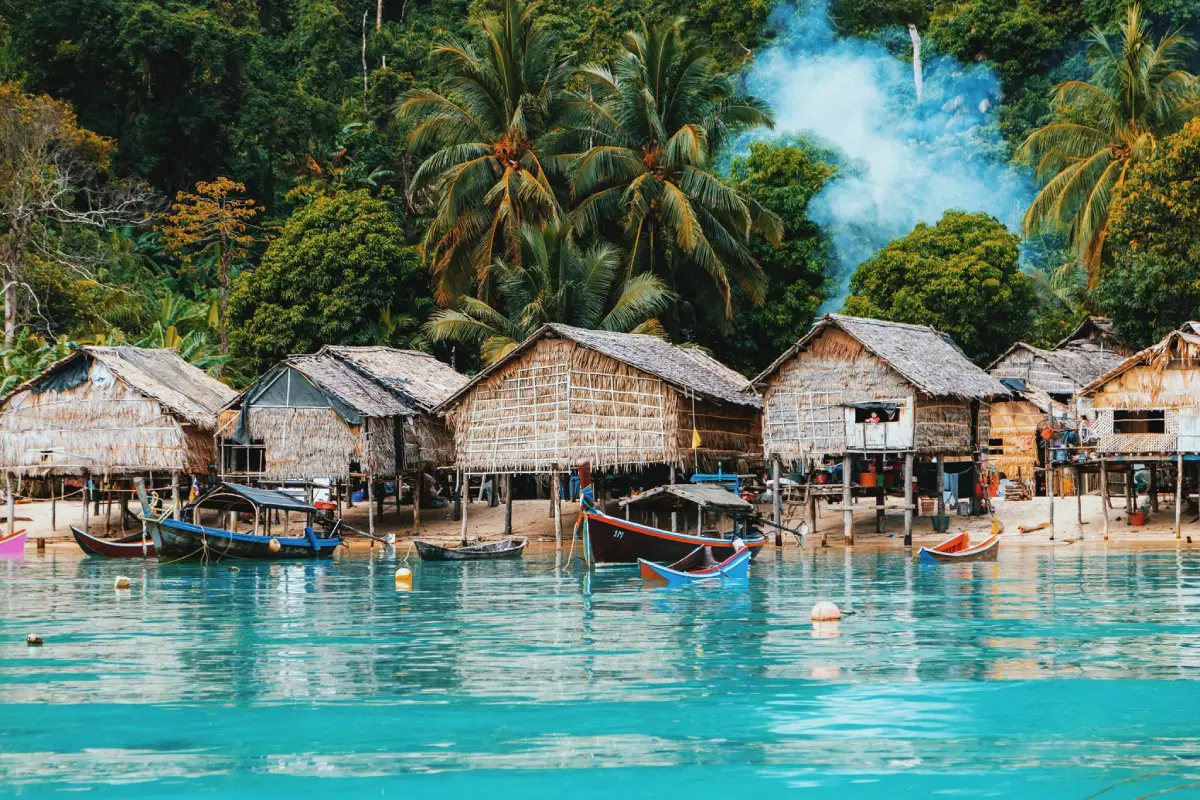
Ko Surin Tai is important for both nature and culture. It is associated with the Moken community, a sea-based ethnic group whose way of life has long been shaped by boats, fishing, coastal knowledge, and island environments. Visiting Moken areas should be done respectfully. Travelers should not treat the community as a spectacle, should avoid intrusive photography, and should follow the guidance of park staff or authorized guides. This cultural dimension makes the Surin Islands more than a snorkeling destination; they are also a living seascape where people and marine nature have been connected for generations.
Ao Bon is one of the areas linked with the Moken and with beautiful coral in front of the bay. It has a history of sea-people settlement and relocation, and it remains one of the meaningful cultural and ecological locations in the park. Visitors should follow designated routes and park instructions in this area because it is both culturally sensitive and environmentally important.
Ko Khai, also known as Ko Torinla, is a smaller island associated with reef scenery and marine biodiversity. When conditions are suitable and the site is open for visitation, it can be part of snorkeling or marine sightseeing routes. The underwater environment may include coral gardens, fish, rocks, and other reef life. Like other sites in the national park, access depends on weather, currents, safety decisions, and conservation management.
Ko Klang, also known as Ko Pachumba, is another island with beaches, reef areas, and a quieter natural character. It is part of the broader protected island group and is important for the ecological diversity of the park. Some areas around the island are known for reef and marine life, while other parts remain less developed and more conservation-focused. Visitors should understand that not every attractive site is open at all times, because the park manages access according to safety and environmental conditions.
Ko Ri, or Ko Stork, is a smaller rocky island within the island group. Smaller islands like this are ecologically important even when they are not major visitor service areas. They contribute to coastal habitats, resting areas for birds, marine edges, and the overall landscape of the archipelago. Protecting these quieter zones is part of what keeps the Surin Islands more natural than many developed island destinations.
Richelieu Rock is one of Thailand’s most famous scuba diving sites and is closely associated with Mu Ko Surin National Park. It is known for marine biodiversity, soft coral, sea fans, reef fish, and occasional sightings of large marine animals such as whale sharks or manta rays in suitable seasons. Richelieu Rock is a scuba diving site for trained divers, not a casual snorkeling spot. Currents, depth, open-sea conditions, and dive planning make it suitable only for divers using qualified operators and experienced dive leaders.
The tourism season is central to planning a trip. Mu Ko Surin National Park normally opens from 15 October to 15 May every year and closes during the Andaman monsoon. In 2026, the park is closed to tourism and overnight stays from 15 May to 15 October. This seasonal closure is not merely an administrative schedule. It protects visitors from unsafe sea conditions and allows coral reefs, beaches, wildlife, and island facilities to recover from tourism pressure.
The best time to visit is generally from November to April. During this period, sea conditions are usually calmer, underwater visibility is often better, and snorkeling is more rewarding. December to April is especially popular for travelers who want clear water and reliable snorkeling conditions. Early in the season, after the park reopens, nature has had several months of recovery, but weather and sea conditions should still guide travel decisions. Safety must always come before completing a planned itinerary.
The main gateway to the Surin Islands is Khura Buri Pier in Phang Nga Province. The islands are about 60 km from the pier. Speedboats generally take a little over one hour, while larger or slower boats take longer. Many travelers choose to stay in Khura Buri before departure so they can reach the pier early and avoid rushing. This is especially useful for visitors traveling from Phuket, Bangkok, Khao Lak, or other provinces.
Travelers from Bangkok can take long-distance buses that pass Khura Buri or routes heading toward the upper Andaman coast, then continue by local transport to the pier. Travelers flying in usually use Phuket International Airport and continue by van, transfer, rental car, or tour operator transport. Booking a package that includes land transfer, boat travel, food, snorkeling equipment, park fee handling, and insurance can simplify the trip, especially for first-time visitors.
During the open season, national park accommodation and camping areas are available in designated zones on Ko Surin Nuea, especially around Ao Chong Khad and Ao Mai Ngam, depending on the park’s seasonal arrangement. Facilities are basic and nature-focused, including bungalows, tents, camping areas, food service, toilets, visitor information, and boat services to snorkeling sites. Overnight stays in the park are very different from staying in a mainland hotel. Visitors should expect limited resources, stricter rules, and the need to manage waste carefully.
Ao Chong Khad is one of the most important visitor areas because it lies between the two main islands and provides a clear sense of the park’s geography. Ao Mai Ngam is another key area for resting, camping, and enjoying a quieter natural atmosphere. Both areas are central to the experience of staying in the park. They allow visitors to slow down, observe the island environment, and take part in snorkeling trips without the pressure of a single-day schedule.
Snorkeling sites vary by season, weather, currents, and park management. Commonly known areas include Ao Phak Kad, Ao Tao, Ao Mae Yai, Ao Suthep, Ao Chak, Ao Sapparot, Ko Torinla, Ko Pachumba, and reefs around the main islands. The actual sites visited on any day depend on safety and conservation decisions. A good snorkeling trip is not about visiting as many sites as possible; it is about spending enough time in safe areas without damaging coral or disturbing marine life.
Snorkeling in the Surin Islands can be beginner-friendly because many reefs are shallow and close to the islands. However, this also means visitors must be careful not to stand on coral, kick the reef with fins, chase fish, or touch marine animals. Wearing a life jacket correctly, listening to guides, and floating calmly help keep both visitors and reefs safe. Coral grows slowly, and even brief contact can cause damage.
Important rules include not touching coral, not feeding fish, not chasing turtles, not collecting shells, not removing marine life, not littering, and not bringing unnecessary single-use waste onto the islands. Feeding fish changes natural behavior and can affect reef health. Collecting shells or marine life removes part of the ecosystem. Responsible visitors enjoy the underwater world by observing, not interfering.
For scuba divers, Richelieu Rock and other sites associated with Mu Ko Surin National Park are major attractions. Divers should choose licensed operators with proper equipment, safety systems, insurance, and dive leaders who know the area. Sites with currents and depth are not suitable for untrained divers. Dive planning should match certification level, experience, weather, currents, and official park rules.
Useful items for a Surin Islands trip include swimwear, a long-sleeved sun shirt, hat, sunglasses, towel, waterproof phone bag, seasickness medication, personal medication, stable sandals or boat shoes, and a small practical bag. Overnight visitors should pack lightly and reduce waste as much as possible. Fresh water, electricity, and waste handling are more limited on islands than on the mainland.
The entrance fee is 100 baht for Thai adults and 50 baht for Thai children. Foreign adults pay 500 baht and foreign children pay 250 baht. This is the national park entrance fee only. Boat fares, tour packages, snorkeling equipment, food, accommodation, and other services are separate unless included by the operator. Travelers should confirm exactly what is included before booking.
The park uses an electronic ticketing system for visitor management. Travelers should provide accurate identification details and confirm with tour operators whether the national park fee and ticketing process are included. This is especially important during peak travel periods when many visitors arrive at the pier early in the morning.
The Surin Islands can be suitable for children and older travelers when the tour is well chosen. Boats should be licensed and safe, staff should assist with boarding and landing, and the schedule should not be too rushed. Children should wear life jackets whenever on or near the water. Travelers prone to seasickness should prepare medication in advance. Good preparation makes the trip safer and more comfortable.
Day trips are suitable for visitors with limited time, while overnight stays in the national park allow a deeper experience. Staying overnight gives visitors more time for snorkeling, quiet mornings, and evening island atmosphere. However, visitors must accept national park conditions, including simple facilities, conservation rules, limited waste capacity, and seasonal restrictions.
Khura Buri is the most practical mainland base before traveling to the islands. Staying near the pier reduces early-morning travel stress and helps avoid missing boat check-in. Local restaurants, simple accommodation, and resorts in Khura Buri serve travelers before or after island trips. This is especially useful for visitors arriving from Phuket, Bangkok, or other parts of southern Thailand.
In summary, Mu Ko Surin National Park is ideal for travelers who want clear water, shallow coral reefs, snorkeling, marine conservation, Moken culture, and a natural island atmosphere. The park’s beauty depends on seasonal closure, limited access, and responsible behavior. Travelers who visit during the open season, choose qualified operators, follow park rules, and avoid disturbing reefs will experience one of the most valuable marine landscapes in Phang Nga Province.
| Name | Mu Ko Surin National Park |
| Location | Andaman Sea, Ko Phra Thong Subdistrict, Khura Buri District, Phang Nga Province |
| Mainland Office Address | 140/11 Moo 3, Phet Kasem Road, Khura Subdistrict, Khura Buri District, Phang Nga 82150, Thailand |
| Highlights | Shallow coral reefs, Ao Chong Khad, Ao Mai Ngam, Ao Bon, Moken village, Ko Surin Nuea, Ko Surin Tai, Ko Torinla, Ko Pachumba, Ko Stork, and Richelieu Rock |
| History | Declared a national park on 9 July 1981 as an important marine national park in the Andaman Sea, Phang Nga Province |
| Distinctive Features | Offshore island group with extensive shallow coral reefs, clear water, island forest, white beaches, rare marine life, and long-standing Moken cultural connections |
| Travel Information | Main access is from Khura Buri Pier in Phang Nga Province. The islands are about 60 km from the pier, and speedboat travel takes a little over one hour depending on sea conditions and boat type. |
| Current Status | Seasonal marine national park; as of 28 August 2026, the park is within its annual tourism and overnight closure period |
| Open Days | Tourism season from 15 October – 15 May every year; annual tourism and overnight closure from 15 May – 15 October 2026 |
| Opening Hours | During the open season, 08.30 – 16.30; boat schedules depend on licensed operators and sea conditions |
| Fees | Thai adults 100 baht, Thai children 50 baht / foreign adults 500 baht, foreign children 250 baht |
| Facilities | Visitor center, welfare restaurant, toilets, bungalows, tents, camping areas, boat landing points, and snorkeling boat services during the open season |
| Main Areas / Zones | Ko Surin Nuea, Ko Surin Tai, Ko Ri / Ko Stork, Ko Khai / Ko Torinla, Ko Klang / Ko Pachumba, Ao Chong Khad, Ao Mai Ngam, Ao Bon, Ao Mae Yai, Ao Phak Kad, Ao Tao, Ao Suthep, and Richelieu Rock |
| Caretaker | Department of National Parks, Wildlife and Plant Conservation, Protected Area Regional Office 5 (Nakhon Si Thammarat) |
| Main Contact Number | 076-472-145, 076-472-146 |
| Official Website / Official Page | Facebook: อุทยานแห่งชาติหมู่เกาะสุรินทร์ - Mu Ko Surin National Park |
| Nearby Tourist Attractions | 1. Khura Buri Pier, about 0 km from the mainland office 2. Ko Phra Thong, about 15 km by boat from the pier 3. Si Phang Nga National Park, about 32 km 4. Khura Buri Green View Resort And Surrounding Nature Area, about 30 km 5. Laem Son National Park, Ranong Province, about 65 km |
| Nearby Restaurants | 1. Krua Khura, about 7 km 2. Restaurants In Khura Buri Market, about 7 km 3. Krua Rom Mai Khura Buri, about 20 km 4. Phae Pla Chon Sombat Khura Buri Phang Nga, about 25 km, Tel. 093-572-6111 5. Kuraburi Greenview Resort Restaurant, about 30 km, Tel. 076-401-400, 081-958-1543 |
| Nearby Accommodations | 1. Mu Ko Surin National Park Accommodation And Camping Area On Ko Surin Nuea, Tel. 076-472-145, 076-472-146 2. Bansuan Sukcharoen At Kuraburi, about 0.3 km from the pier, Tel. 081-090-8760, 081-326-7853 3. Boon Piya Resort Khura Buri, about 8 km, Tel. 081-752-5457 4. KURAA HOUSE, about 12 km, Tel. 088-753-2789 5. Kuraburi Greenview Resort, about 30 km, Tel. 076-401-400, 081-958-1543 |
Frequently Asked Questions (FAQ)
Q: When is Mu Ko Surin National Park open?
A: The tourism season runs from 15 October to 15 May every year. In 2026, the park is closed to tourism and overnight stays from 15 May to 15 October 2026.
Q: How much is the entrance fee?
A: Thai adults pay 100 baht and Thai children pay 50 baht. Foreign adults pay 500 baht and foreign children pay 250 baht. Boat, snorkeling equipment, tour, and accommodation costs are separate.
Q: Is Mu Ko Surin National Park good for snorkeling?
A: Yes. It is one of Thailand’s best-known shallow reef snorkeling destinations, with clear water, coral reefs, and diverse reef fish around the main islands.
Q: Which pier is used for traveling to the Surin Islands?
A: Khura Buri Pier in Phang Nga Province is the main access point. The islands are about 60 km from the pier, and speedboat travel takes a little over one hour depending on sea conditions.
Q: Can visitors stay overnight in the national park?
A: Yes, during the open season, accommodation, tents, and camping areas are available in designated areas on Ko Surin Nuea through the national park system.
Q: What are the main snorkeling and diving highlights?
A: Key areas include Ao Chong Khad, Ao Mai Ngam, Ao Phak Kad, Ao Tao, Ao Mae Yai, Ko Torinla, Ko Pachumba, and Richelieu Rock for experienced scuba divers.
Q: Is the Moken village part of the national park experience?
A: Yes. The Moken community is an important cultural part of the Surin Islands. Visitors should behave respectfully, avoid intrusive photography, and follow park guidance.
Q: What should visitors prepare before traveling?
A: Bring swimwear, sun protection, a waterproof bag, seasickness medication, personal medicine, stable boat-friendly footwear, and confirm the season, operator, and park entry arrangements before departure.
 Category: ●Nature and Wildlife
 Group: ●National Parks and Marine Reserves
Last Update : 3 WeekAgo
 Last Update : 3 WeekAgo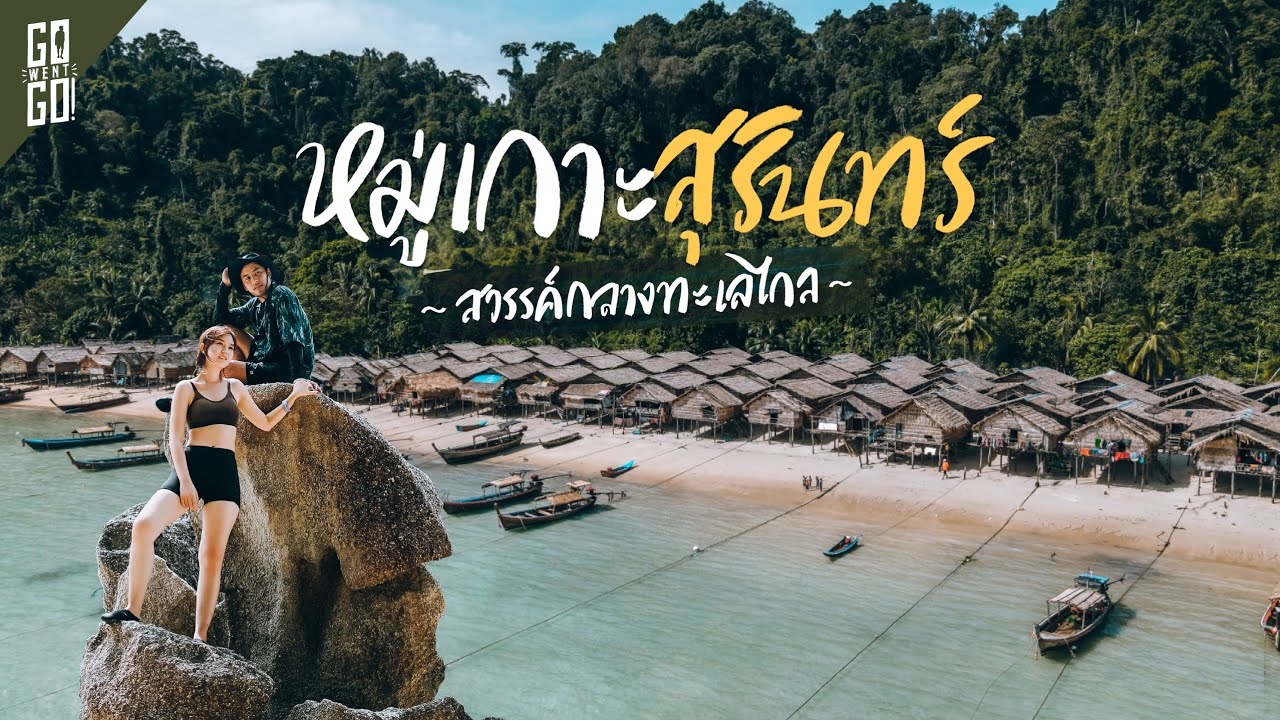
 Click to Access the Navigation Map GPS
Mu Koh Surin National Park Map
Recommend

 Art, Culture and Heritage
 Historical Sites and Monuments(2)
 Landmarks and Memorials(6)
 Art, Craft Centres, Tradition(3)
 Places of Worship
 Temple(18)
 Other Sacred Sites(8)
 Suburban Living
 Village, Community(3)
National Parks and Marine Reserves(12)
Village, Community(3)
National Parks and Marine Reserves(12)
 Mountain (Doi)(8)
 Waterfalls(21)
 Hot Springs(2)
 Caves(12)
 River, Canal(4)
 Bays and Beaches(28)
 Islands(11)
 Other natural attractions(7)
 Entertainment and Agricultural
 Animal camps and shows(2)
 Farms, Parks and Ecotourism(2)
 Outdoor and Adventure Activities(3)
 Travel Articles, Recipes
 Southern Food Menu, Southern Food Recipes(1)


