
lovethailand home >North Travel Attractions >Lamphun Travel Attractions >Li >Mae Lan > Mae Ping National Park
TL;DR: Mae Ping National Park is located at Li District, Lamphun Province, open Daily, hours 08:00 – 18:00. Highlights include Ping River, Kaeng Kor, Kor Luang Waterfall, Yang Wee Cave, Thung Kik.
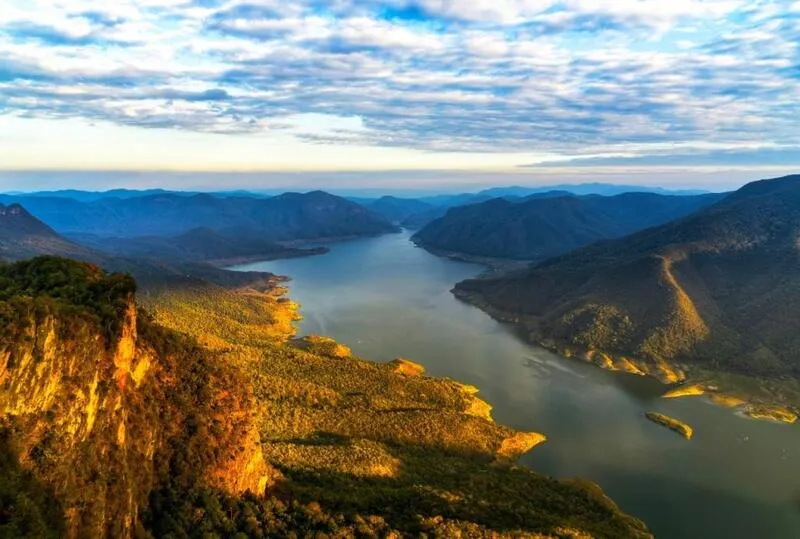
Mae Ping National Park
Open Days: Daily
Opening Hours: 08:00 – 18:00
Mae Ping National Park in Lamphun Province is one of the most remarkable natural destinations in Northern Thailand, offering a unique combination of river landscapes, mountain terrain, dense forests, and geological formations. The defining feature of this national park is the Ping River, which flows through the park for approximately 140 kilometers. This long stretch of river creates a diverse ecosystem and forms the backbone of the park’s scenery, shaping cliffs, rapids, small islands, and lush vegetation along both sides of the riverbanks.
The park is located primarily in Li District, Lamphun Province, and covers a vast area of mountainous terrain interspersed with valleys and river systems. The landscape is characterized by mixed deciduous forest, dry dipterocarp forest, and patches of evergreen forest. This ecological diversity allows visitors to experience different types of natural environments within a single destination. The varying elevations also create subtle changes in temperature and atmosphere, making each part of the park feel slightly different from the next.
One of the most distinctive aspects of Mae Ping National Park is how the Ping River connects many of its key attractions. Unlike many national parks where hiking trails are the primary way to explore, Mae Ping offers both land-based and water-based experiences. Traveling along the river, especially by raft, provides a completely different perspective of the landscape. Visitors can observe towering limestone cliffs, layered rock formations, dense forest walls, and calm stretches of water that reflect the surrounding mountains.
Kaeng Kor is one of the most popular destinations within the park and is widely known as the heart of river-based tourism in Mae Ping. This area features a broad section of the river with gentle rapids, surrounded by mountains and forest. The atmosphere is peaceful and scenic, making it ideal for relaxation. Visitors can stay overnight in floating raft houses, which provide a unique experience of sleeping on the water while being surrounded by nature. In the morning, mist often rises from the river surface, creating a tranquil and memorable view.
Kor Luang Waterfall is another must-visit highlight of Mae Ping National Park. This limestone waterfall cascades down multiple tiers, forming clear pools with a bluish-green tint. The contrast between the pale rock and the flowing water creates a striking visual effect. During the right season, the water is clear enough to see the rock formations beneath the surface. Visitors can relax nearby or enjoy the refreshing atmosphere, though they should always follow safety guidelines when entering the water.
Yang Wee Cave offers a completely different kind of experience. Inside the cave, visitors will find stalactites and stalagmites formed over thousands of years. The cave consists of multiple chambers and passages, each with unique formations. Exploring the cave requires caution and should ideally be done with guidance from experienced personnel or park staff to ensure safety and protect the fragile geological features.
Thung Kik provides a contrasting landscape compared to the forested areas of the park. This open grassland offers wide, unobstructed views of the surrounding mountains. It is an ideal place for photography, relaxation, and enjoying the quiet atmosphere of nature. The open terrain allows sunlight to spread across the field, creating a warm and calm environment, especially during sunrise and sunset.
The overall atmosphere of Mae Ping National Park is calm, natural, and relatively untouched. It is not heavily developed for mass tourism, which makes it suitable for travelers seeking a more authentic and peaceful experience. The park encourages slow travel, where visitors can take their time exploring each area, observing nature, and enjoying the surroundings without rushing.
Rafting along the Ping River is one of the most popular activities in the park. It allows visitors to travel through different sections of the river while observing changing landscapes. Some parts of the river are calm and reflective, while others feature gentle rapids and rocky outcrops. This variation makes rafting both relaxing and visually engaging. Visitors should always use licensed services and follow safety instructions carefully.
Travel Information Mae Ping National Park is best accessed by private vehicle. Travelers can drive to Li District in Lamphun Province and continue toward the park headquarters. The route includes mountainous roads with curves and elevation changes, so careful driving is necessary. It is recommended to check road conditions and weather forecasts before traveling, especially during the rainy season.
Accommodation within the park includes camping areas and floating raft houses. Camping allows visitors to stay close to nature, while raft houses provide a distinctive experience of living on the water. Both options offer a peaceful environment away from urban noise. Visitors should make reservations in advance through official park channels to ensure availability.
The best time to visit Mae Ping National Park is during the late rainy season and winter. During this period, the landscape is green and vibrant, and the weather is cooler. Water levels in the river are generally suitable for rafting, and waterfalls are more active. Visitors should avoid periods of heavy rain, as water levels can rise quickly and trails may become slippery.
Preparation is essential for a comfortable and safe trip. Visitors should bring sufficient drinking water, snacks, appropriate clothing for changing weather conditions, and sturdy footwear. For overnight stays, additional items such as flashlights, insect repellent, and warm clothing are recommended.
Nearby attractions such as Tha Chomphu White Bridge and Bhumibol Dam can be included in the same trip for a more complete travel experience. These locations add cultural and scenic variety to the journey, combining natural landscapes with historical and engineering landmarks.
In conclusion, Mae Ping National Park is a destination that offers a balanced combination of river scenery, forest landscapes, geological formations, and outdoor activities. It is particularly suitable for travelers who want to explore nature in a quiet environment, experience river-based tourism, and enjoy the unique atmosphere of Northern Thailand’s mountain regions.
| Name | Mae Ping National Park |
| Location | Li District, Lamphun Province |
| Highlights | Ping River, Kaeng Kor, Kor Luang Waterfall, Yang Wee Cave, Thung Kik |
| Distinctive Features | 140 km river with cliffs, rapids, and diverse ecosystems |
| Travel Information | Accessible by car via Li District |
| Caretaker | Department of National Parks, Wildlife and Plant Conservation |
| Main Contact Number | 0 5354 6336, 0 5351 8060 |
| Nearby Tourist Attractions | 1. Kaeng Kor 5 km 2. Kor Luang Waterfall 8 km 3. Yang Wee Cave 10 km 4. Thung Kik 12 km 5. Bhumibol Dam 40 km |
| Nearby Restaurants | 1. Mae Ping National Park Restaurant 3 km Tel. 0 5354 6336 2. Kaeng Kor Local Restaurant 5 km 3. Li District Local Restaurants 20 km |
| Nearby Accommodations | 1. Kaeng Kor Raft Houses 5 km 2. Mae Ping National Park Camping Area 3 km Tel. 0 5354 6336 3. Li District Accommodations 20 km |
Frequently Asked Questions (FAQ)
Q: Where is Mae Ping National Park located?
A: It is located in Li District, Lamphun Province, Northern Thailand.
Q: What is the main highlight of the park?
A: The 140 km stretch of the Ping River and natural attractions such as waterfalls, caves, and rafting areas.
Q: Can visitors stay overnight?
A: Yes, visitors can camp or stay in floating raft houses within the park.
Q: What activities are available?
A: Rafting, hiking, sightseeing, waterfall visits, and nature exploration.
Q: When is the best time to visit?
A: The best time is during the late rainy season and winter when the weather is cooler and nature is at its best.
 Category: ●Nature and Wildlife
 Group: ●National Parks and Marine Reserves
Last Update : 6 MonthAgo
 Last Update : 6 MonthAgo
 Click to Access the Navigation Map GPS
Mae Ping National Park Map
Recommend

 Art, Culture and Heritage
 Historical Sites and Monuments(2)
 Landmarks and Memorials(8)
 Art, Craft Centres, Tradition(9)
 Museums(3)
 Historic Homes and Cities(1)
 Places of Worship
 Temple(91)
 Mosque(1)
 Other Sacred Sites(7)
 Research and Development
 Royal Project(1)
 Suburban Living
 Village, Community(13)
 Local Market(3)
National Parks and Marine Reserves(2)
 Mountain (Doi)(1)
 Dam, Reservoir, Lake(13)
 Waterfalls(3)
 Caves(4)
 River, Canal(1)
 Other natural attractions(1)
 Entertainment and Agricultural
 Farms, Parks and Ecotourism(2)
 Waterpark(1)
 Travel Articles, Recipes
 Travel Review, Food Review(1)


