
lovethailand home >Northeastern Travel Attractions >Nakhon Ratchasima Travel Attractions > 60 Must-Visit Attractions in Nakhon Ratchasima Upd..
TL;DR: 60 Must-Visit Attractions in Nakhon Ratchasima Updated 2027.
60 Must-Visit Attractions in Nakhon Ratchasima Updated 2027
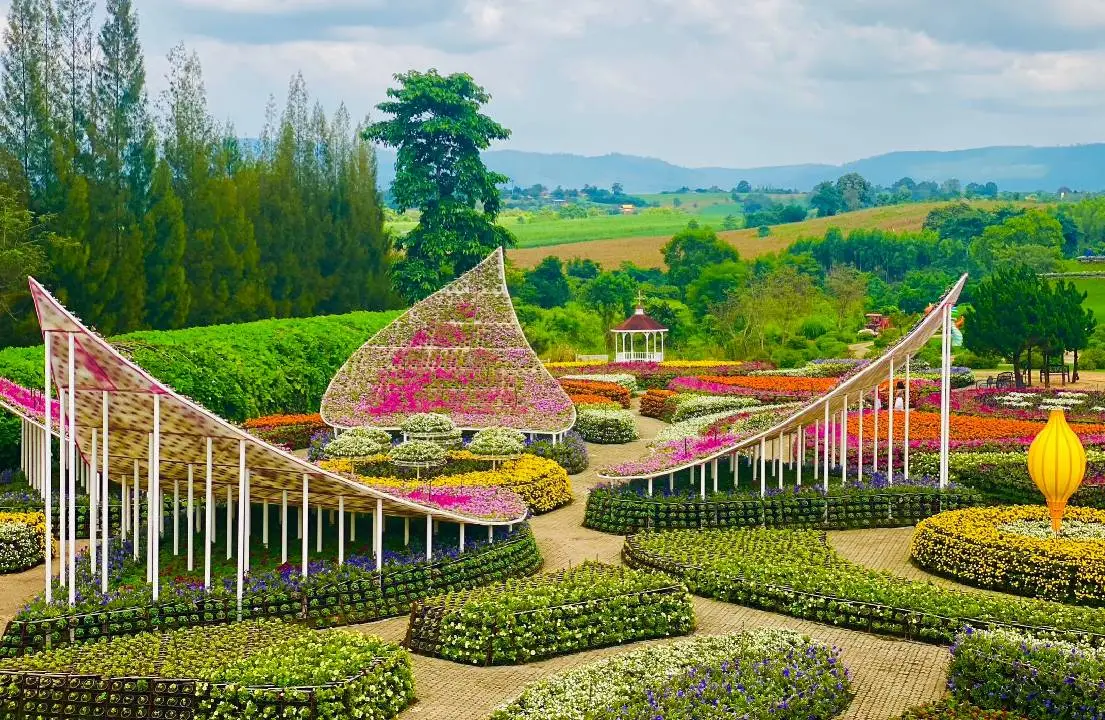
Nakhon Ratchasima, commonly known as “Korat,” is one of the largest provinces in Northeastern Thailand and offers an exceptional variety of travel experiences. The province ranges from the World Heritage forests, mountains, waterfalls, and wildlife of Khao Yai to ancient Khmer sanctuaries and historic settlements that reveal the region’s long cultural development. Visitors can also explore agricultural attractions, local markets, traditional communities, Buddhist temples, museums, archaeological sites, and important historical landmarks spread across many districts.
For travelers searching for the best places to visit in Korat or wondering what to do in Nakhon Ratchasima, the province can easily be divided into several travel zones. You can explore central Korat, Pak Chong–Khao Yai, Phimai, Wang Nam Khiao, Sung Noen–Sikhio, Pak Thong Chai, or follow historical and cultural routes through smaller districts. Each area has its own character, making Nakhon Ratchasima a province that can be visited repeatedly without having the same experience twice.
Whether you enjoy nature, history, photography, family travel, local culture, wildlife, or scenic road trips, these 60 Must-Visit Attractions in Nakhon Ratchasima – Updated 2027 introduce destinations across Korat with useful travel information and Google Maps links for planning your journey.
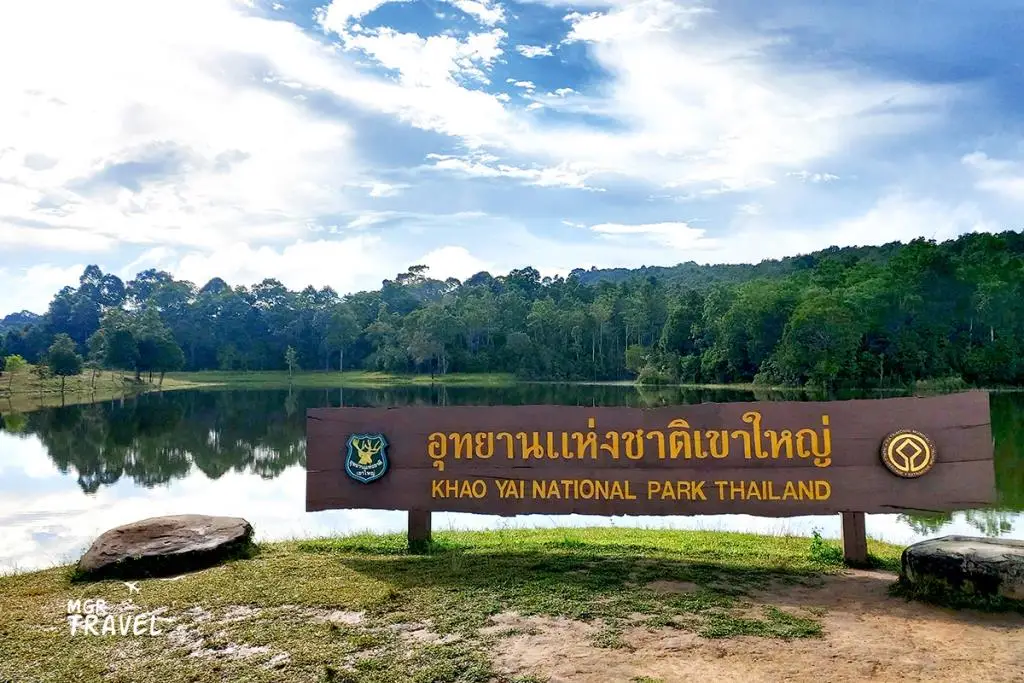
1. Khao Yai National Park is one of the most famous attractions in Nakhon Ratchasima and Thailand’s first national park, officially established on September 18, 1962. The park extends across Nakhon Ratchasima, Saraburi, Prachin Buri, and Nakhon Nayok provinces, with one of its main gateways located in Pak Chong District. Khao Yai protects a vast forest landscape that serves as an important watershed, wildlife habitat, and conservation area of international significance. It forms part of the Dong Phayayen–Khao Yai Forest Complex, a UNESCO World Heritage Site. The landscape includes mountains, evergreen forest, grasslands, streams, waterfalls, reservoirs, and scenic viewpoints. Wildlife that may be encountered includes wild elephants, deer, muntjac, gaur, gibbons, monkeys, hornbills, and many other species. Popular places inside the park include Haew Suwat Waterfall, Haew Narok Waterfall, Pha Kluai Mai Waterfall, Kong Kaeo Waterfall, Sai Sorn Reservoir, Nong Phak Chi Wildlife Watchtower, and several mountain viewpoints. Nature walks, birdwatching, wildlife observation, and camping make Khao Yai an essential destination for first-time visitors to Korat.
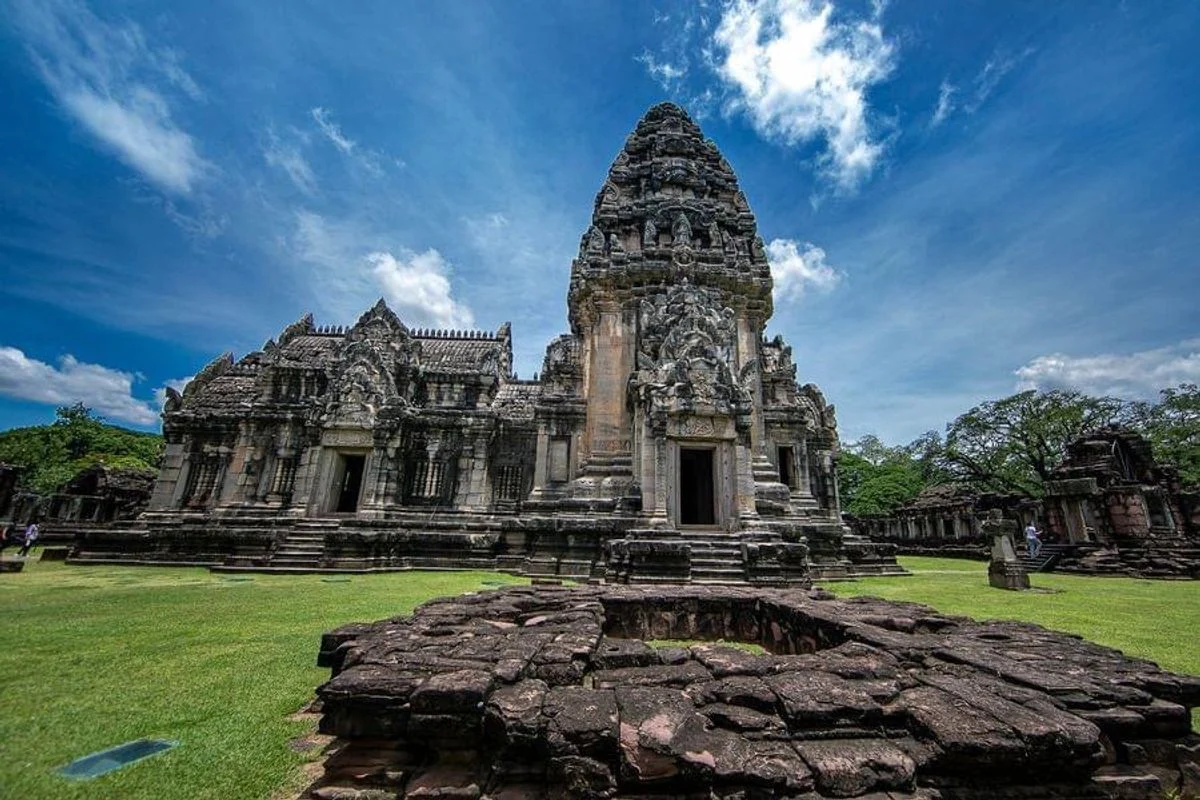
2. Phimai Historical Park is one of the most important archaeological and historical attractions in Nakhon Ratchasima. Located in the center of Phimai District, the park preserves the monumental Prasat Hin Phimai sanctuary at the heart of an ancient city closely connected with Khmer civilization in the Mun River basin. The complex includes the Naga Bridge, gopuras or entrance gateways, outer walls, galleries, the principal sanctuary, Prang Brahmadat, and Prang Hin Daeng. The main sanctuary, built largely from pale sandstone, is especially impressive for its scale, architectural balance, and surviving decorative details. Unlike many Khmer sanctuaries, the main axis faces south, reflecting the historical route linking Phimai with Angkor. Remains of ancient city gates, walls, Meru Brahmadat, and other archaeological features survive around the park. A visit to Phimai is therefore more than viewing a single monument; it is an opportunity to understand an entire ancient urban landscape. Phimai National Museum and Sai Ngam are nearby, making the district ideal for a full-day historical itinerary.
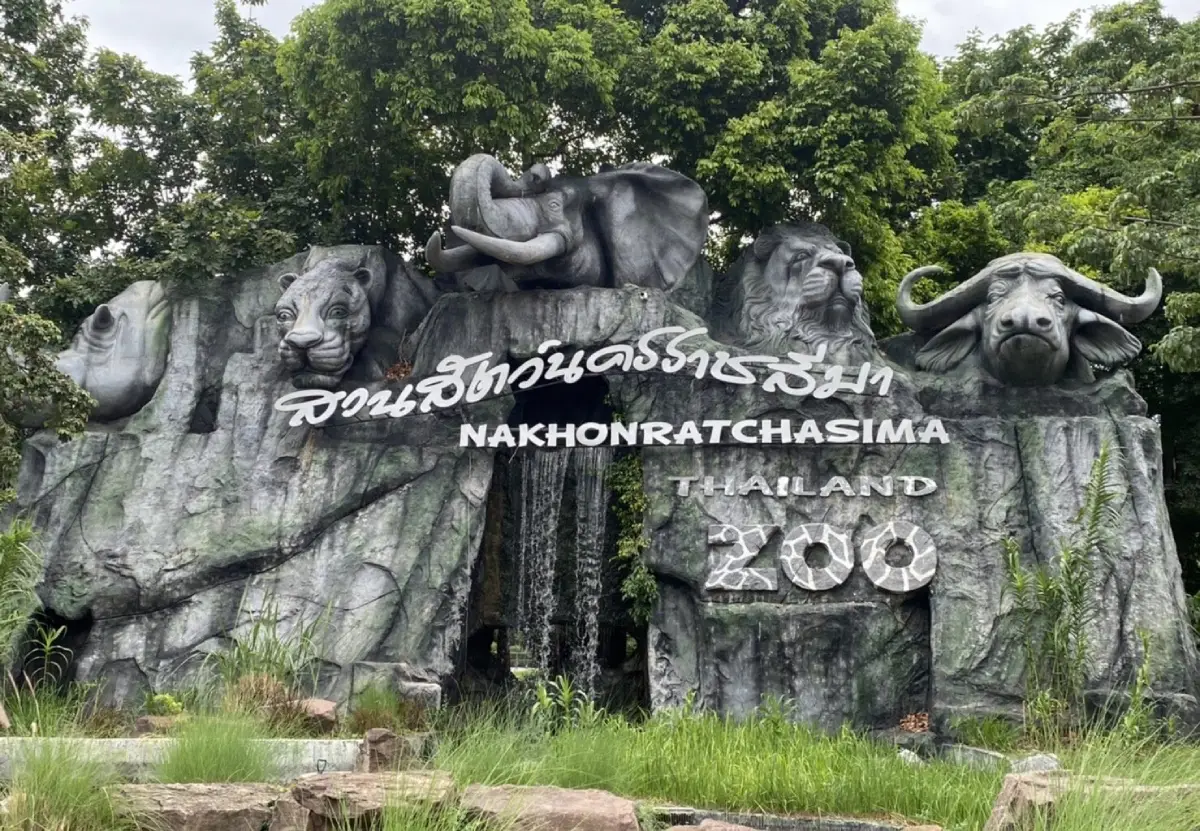
3. Nakhon Ratchasima Zoo, often called Korat Zoo, is located in Chai Mongkhon Subdistrict, Mueang Nakhon Ratchasima District. It is one of the province’s most popular family attractions, combining recreation, wildlife education, and conservation in one large area of approximately 545 rai. The zoo was designed with spacious semi-open habitats intended to suit the natural behavior of different animal species. Visitors can see animals from Africa and other regions, including giraffes, zebras, lions, cheetahs, white rhinoceroses, African elephants, African buffalo, flamingos, hornbills, penguins, seals, reptiles, and many other species. Educational areas, children’s zones, museums, and conservation activities help visitors understand animal behavior and the importance of wildlife protection. Families can comfortably spend half a day or nearly an entire day here. The zoo lies about 18–19 kilometers from central Nakhon Ratchasima along the Nakhon Ratchasima–Pak Thong Chai route, making it easily accessible for travelers staying in Korat City.
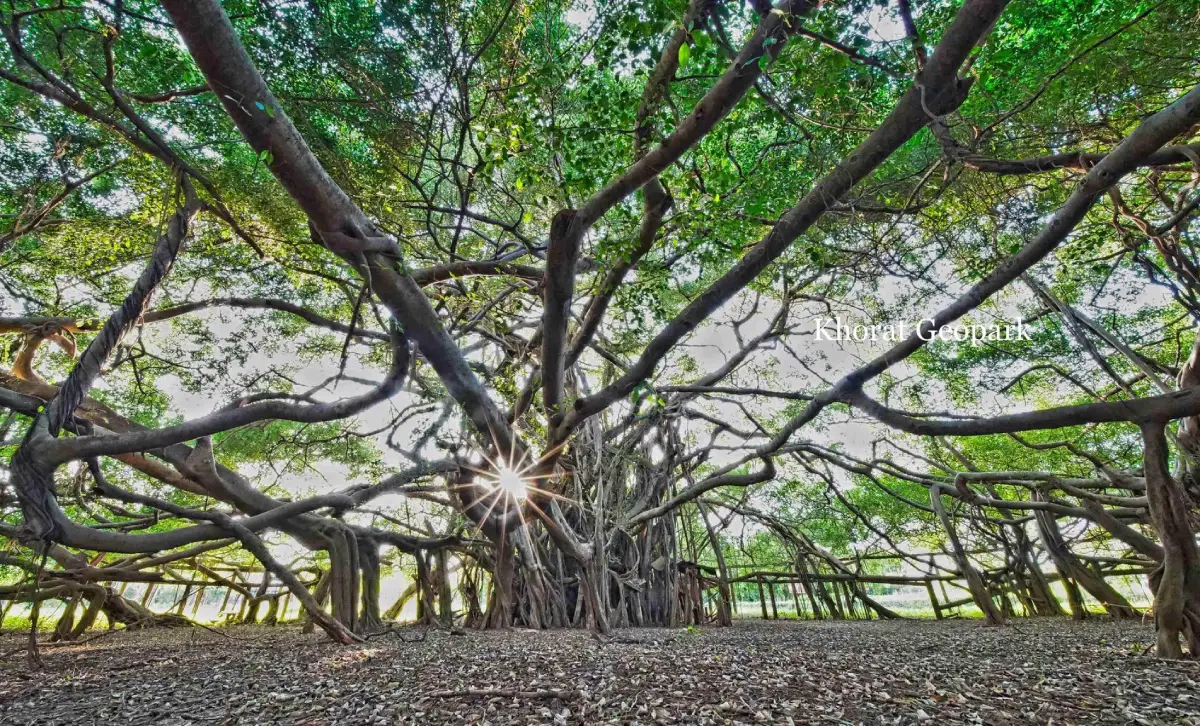
4. Sai Ngam is one of Phimai District’s best-known natural attractions. The area is famous for an extraordinary grove of banyan trees more than 350 years old. Their long branches produce aerial roots that descend toward the ground, gradually developing into new supporting trunks. Over centuries, this process has created a broad interconnected canopy that resembles a small natural forest. Beneath the banyans, the atmosphere is cool and shaded, making Sai Ngam suitable for walking, photography, family visits, and relaxation after exploring Phimai’s archaeological sites. The site gained special historical recognition after Queen Saovabha Phongsri visited Phimai on January 21, 1911 and bestowed the name “Sai Ngam,” meaning beautiful banyan. Restaurants, souvenir stalls, and riverside rest areas are available nearby. Because Sai Ngam lies close to Phimai Historical Park and Phimai National Museum, the three attractions can conveniently be visited during the same day.
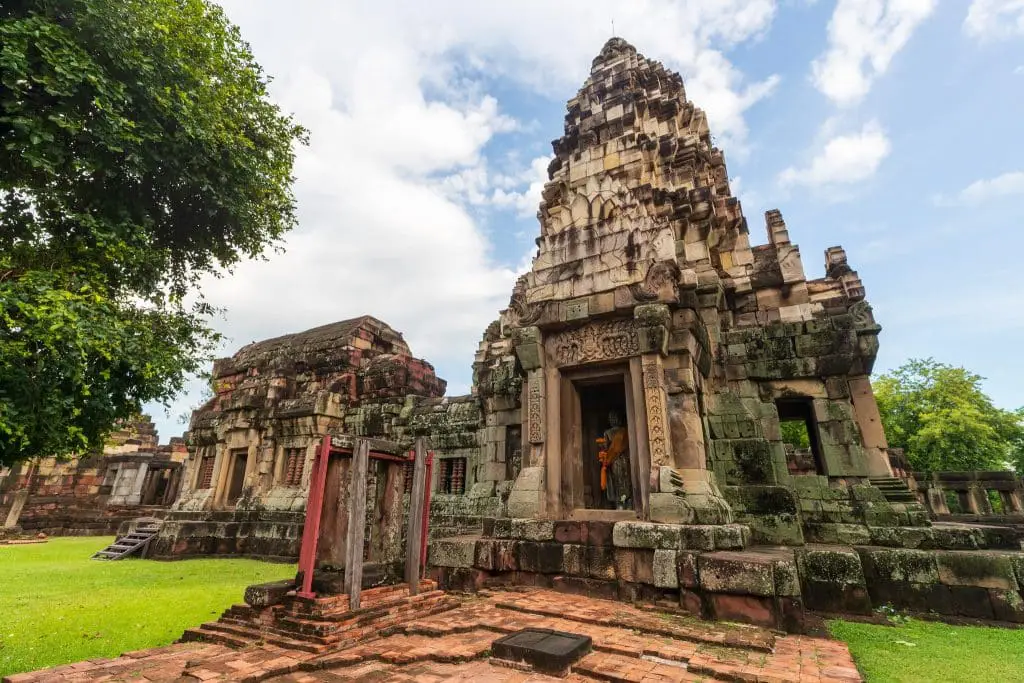
5. Prasat Phanom Wan is an important ancient Khmer sanctuary located at Ban Makha, Ban Pho Subdistrict, Mueang Nakhon Ratchasima District, approximately 15 kilometers from central Korat. The site developed through several architectural phases. Early brick structures date to around the 10th century, while sandstone buildings were constructed and modified during later periods. Inscriptions identify the place with the name “Devasrama,” indicating its original role as a Hindu religious site before Buddhist use became more prominent. The surviving complex includes a cruciform principal sanctuary, mandapa, connecting passage, galleries, four entrance gopuras, a smaller sanctuary, moat, and traces of additional ancient structures. Visitors can observe the use of brick, gray sandstone, red sandstone, and laterite, as well as carving details and sections of construction that appear to have remained unfinished. Prasat Phanom Wan is especially valuable for travelers interested in archaeology, architectural development, and the spread of Khmer culture across the Korat Plateau.
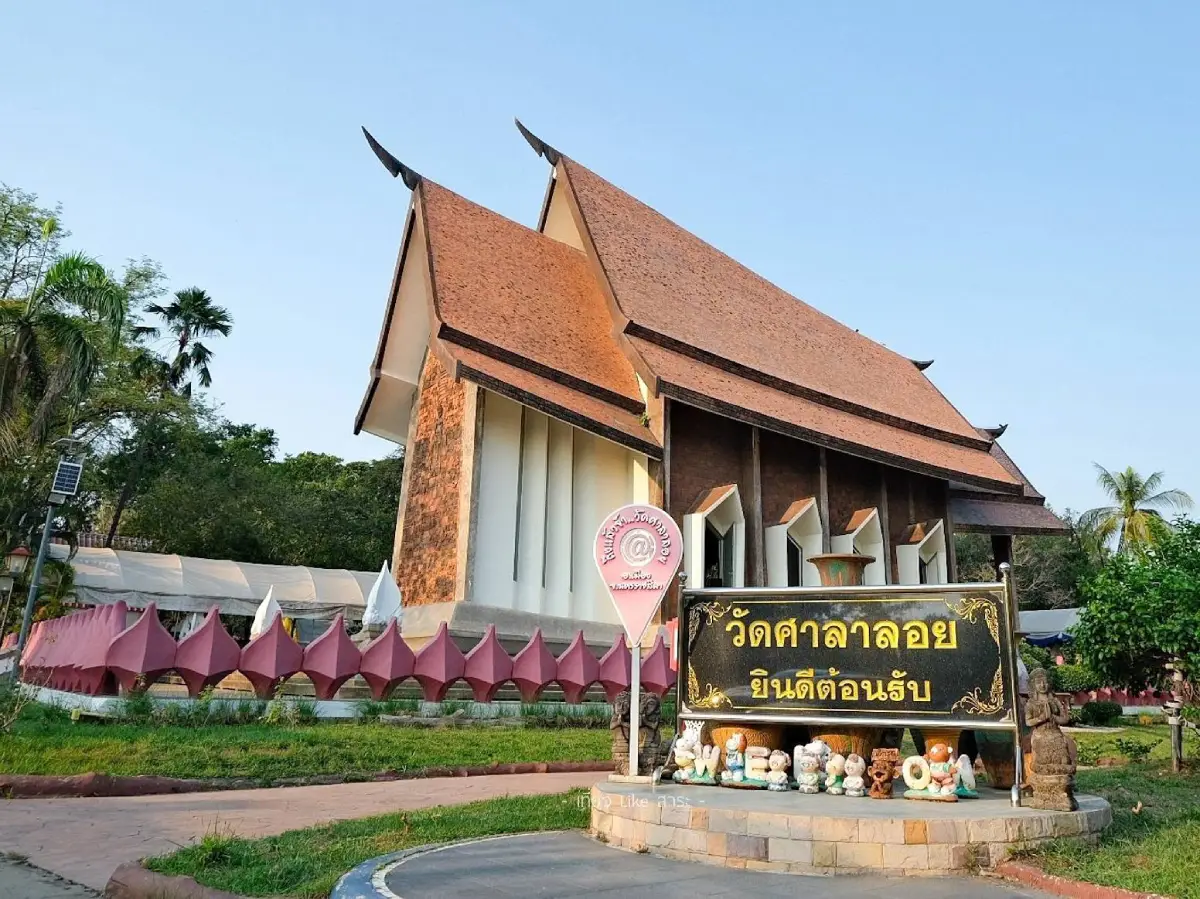
6. Wat Sala Loi is one of Korat’s most important temples and is closely associated with Thao Suranari, or Ya Mo, the revered heroine of Nakhon Ratchasima. The temple stands near Lam Takhong in Mueang Nakhon Ratchasima District. Local tradition relates that after the victory connected with the Thung Samrit incident, Thao Suranari released a small floating pavilion-shaped raft onto Lam Takhong and vowed to establish a temple wherever it came to rest. Wat Sala Loi was subsequently founded in 1827. The temple’s most distinctive feature is its modern Thai-style ordination hall designed in the form of a boat riding through waves. Its exterior incorporates Dan Kwian ceramic tiles, linking the building with Korat’s famous pottery tradition. Inside is a white stucco Buddha image in the gesture of calming the ocean. The temple grounds also contain a stupa associated with the remains of Thao Suranari, the older ordination hall, and other religious structures. Wat Sala Loi can easily be combined with Thao Suranari Monument, Chumphon Gate, and other central Korat landmarks.
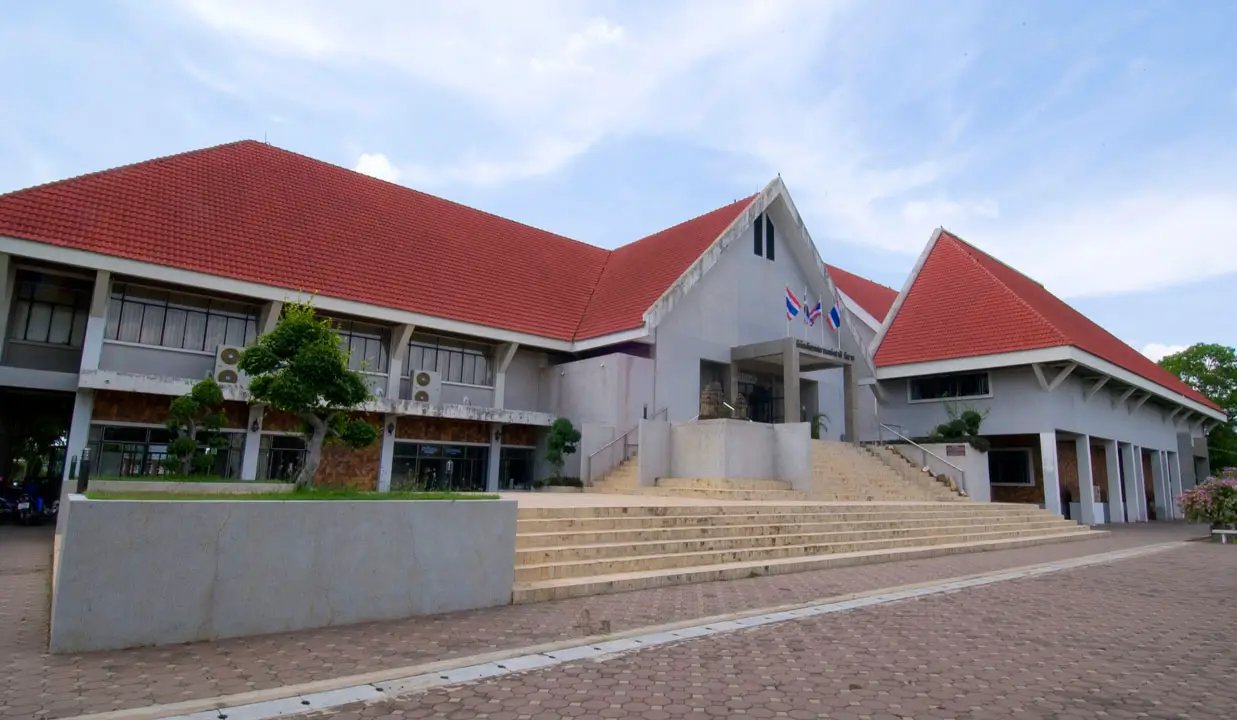
7. Phimai National Museum is located on Tha Songkran Road in Nai Mueang Subdistrict, Phimai District, close to Phimai Historical Park. It is one of the most important museums for understanding the history and archaeology of the lower Northeast. The museum preserves antiquities, sculptures, architectural fragments, inscriptions, ceramics, and archaeological evidence from sites throughout the Korat Basin. Exhibitions trace regional development from prehistoric communities through Dvaravati culture and ancient Khmer civilization to the period when Phimai became a major regional center. Significant displays include sandstone sculptures, lintels, pediments, Hindu deities, Buddha images, and artifacts associated with Phimai sanctuary and neighboring archaeological sites. Visiting the museum before or after exploring the historical park helps travelers understand the religious ideas, architecture, artistic styles, and everyday life represented by the ruins. Phimai National Museum, Phimai Historical Park, and Sai Ngam together form one of the most complete cultural day trips in Nakhon Ratchasima.
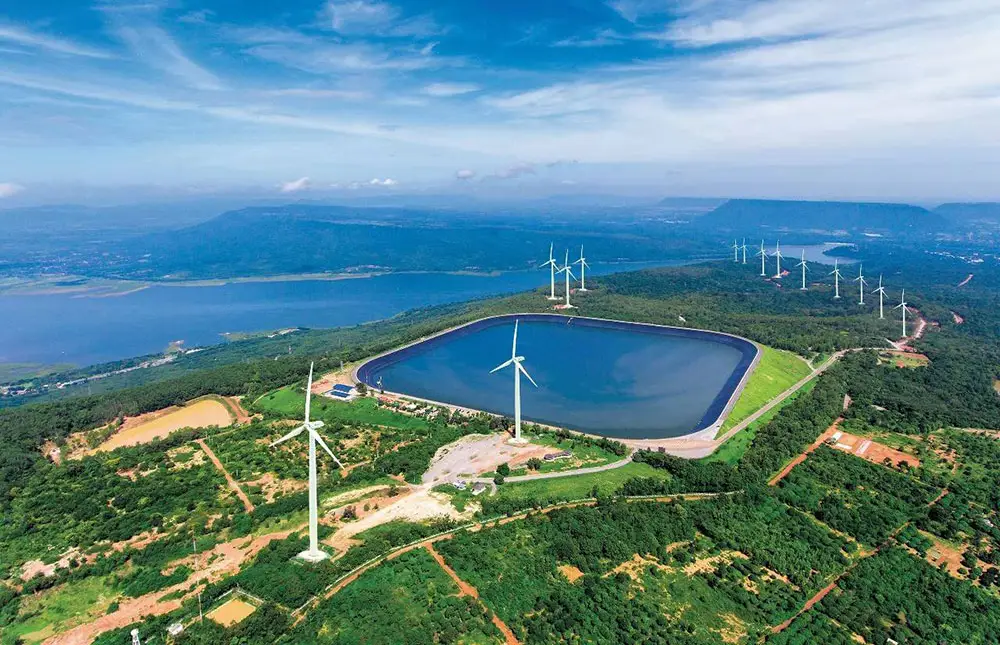
8. Lam Takhong Dam is a large earth dam and reservoir in Sikhio District, covering areas around Lat Bua Khao and Khlong Phai subdistricts. The reservoir stores water from Lam Takhong for irrigation, household consumption, and agriculture across Nakhon Ratchasima. Beyond its practical role in water management, Lam Takhong has become one of the most recognizable landscapes along Mittraphap Road between Bangkok and Korat. The wide reservoir framed by mountain ridges makes the area a popular place to stop, rest, take photographs, enjoy the scenery, and watch sunset. The atmosphere is particularly pleasant during the late rainy season and the cool season. Travelers can combine the dam with Khao Yai Thiang, the upper reservoir, Lam Takhong pumped-storage hydropower facilities, and the nearby wind-turbine viewpoints. Together, these sites create an attractive route combining reservoirs, mountain scenery, renewable energy, and engineering education.
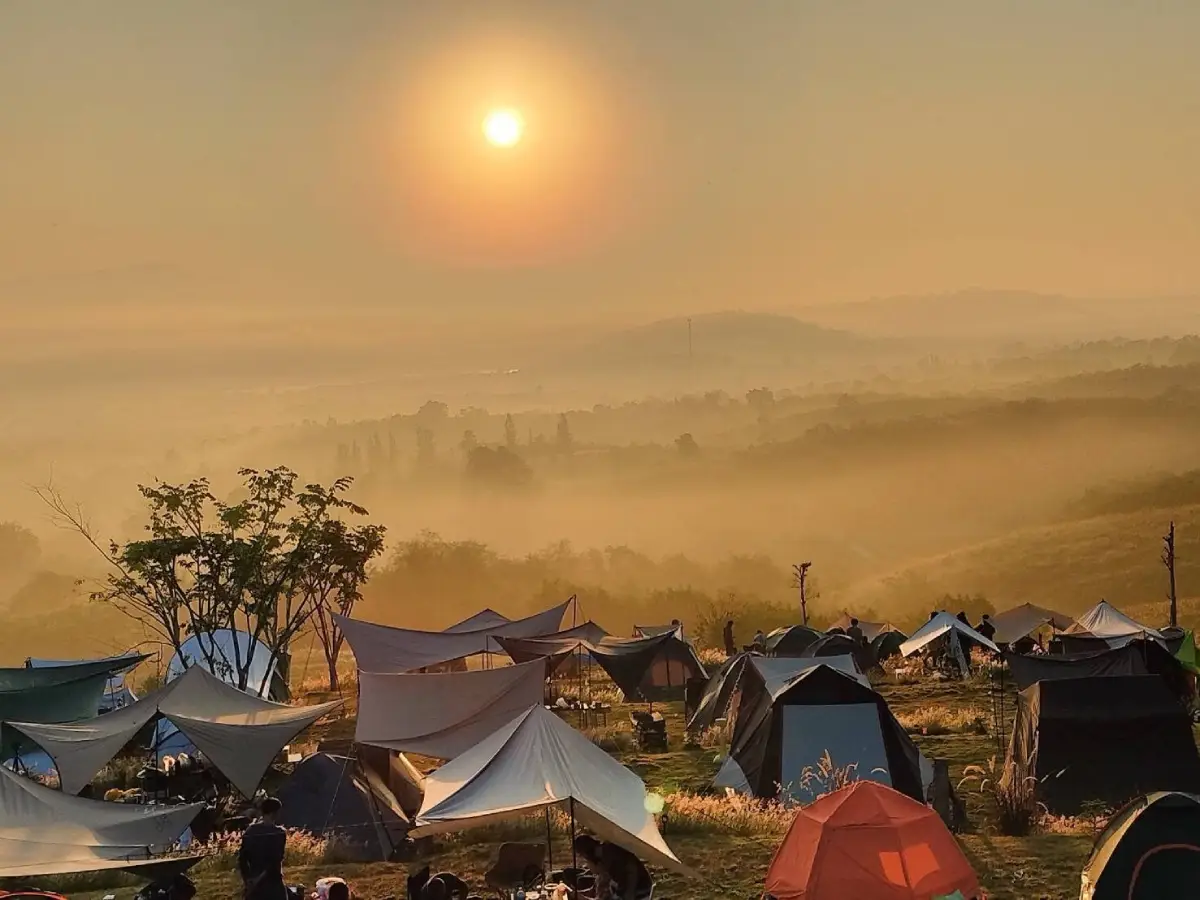
9. Khao Phaeng Ma is a well-known conservation destination in Wang Nam Khiao District, famous for opportunities to observe wild gaur in their natural habitat. The area is also an important example of ecological restoration, where degraded land was gradually rehabilitated into productive forest connected with the larger protected landscapes of northeastern Thailand. The main attraction is the gaur observation area. During the early morning or late afternoon, visitors may see groups of gaur emerging from the forest to graze. Other wildlife and numerous bird species also inhabit the area. The mountain and forest scenery add to the experience, particularly during cooler months. Visitors should remain quiet, keep a safe distance from wildlife, never feed animals, and follow instructions from local conservation staff because gaur are large and potentially dangerous wild animals. Khao Phaeng Ma can be included in a Wang Nam Khiao nature itinerary with Pha Kep Tawan, Sakaerat Environmental Research Station, and local agricultural attractions.
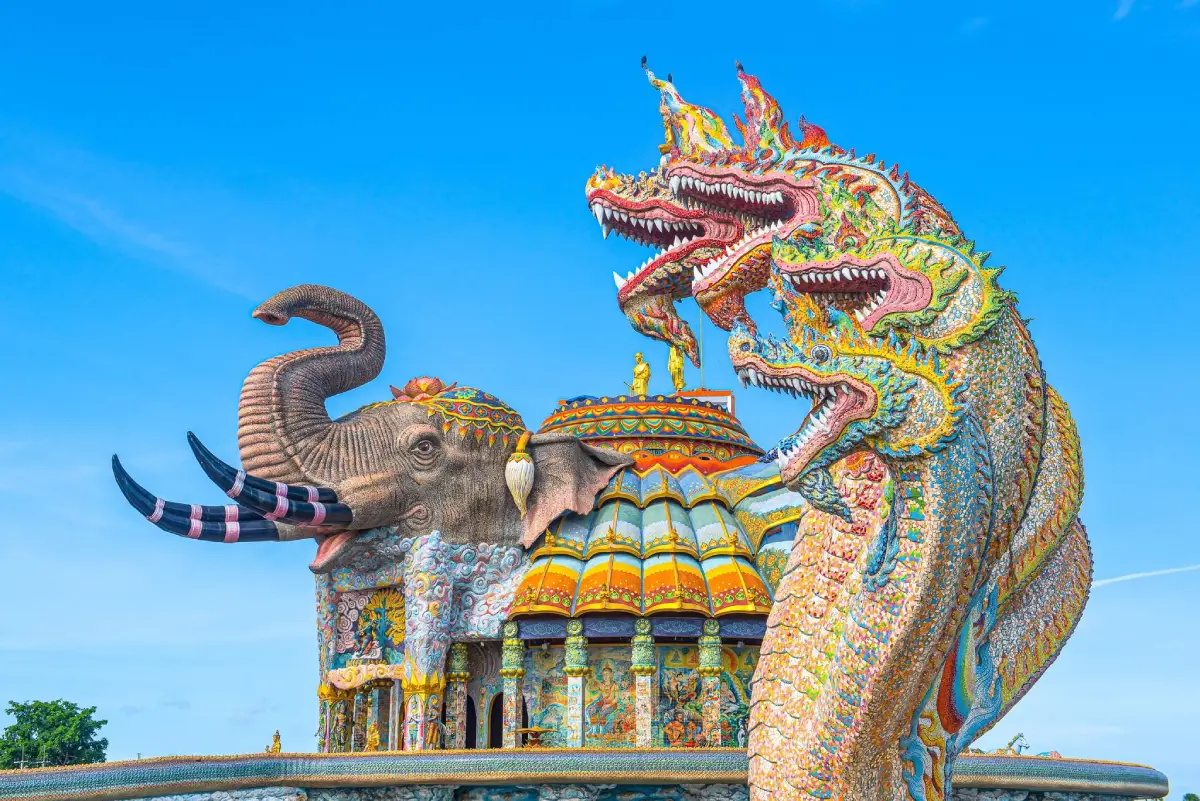
10. Wat Ban Rai is located in Kut Phiman Subdistrict, Dan Khun Thot District, and is one of the best-known Buddhist temples in Nakhon Ratchasima. The temple is strongly associated with Luang Pho Khun Parisuttho, one of Thailand’s most respected modern Buddhist monks. Wat Ban Rai serves as a spiritual center, a meditation site, and a place where visitors can learn about his life and teachings. Its architectural highlight is Wihan Thep Witthayakhom, a large structure standing in the water and covered with elaborate colorful mosaic decoration. The building presents Buddhist stories, moral teachings, symbolism, and ideas about living a meaningful life. Other areas preserve information about Luang Pho Khun and his influence on Thai society. The temple therefore attracts both pilgrims and visitors interested in contemporary Buddhist art. Travelers should dress respectfully, remain quiet in religious spaces, and follow temple regulations while visiting.
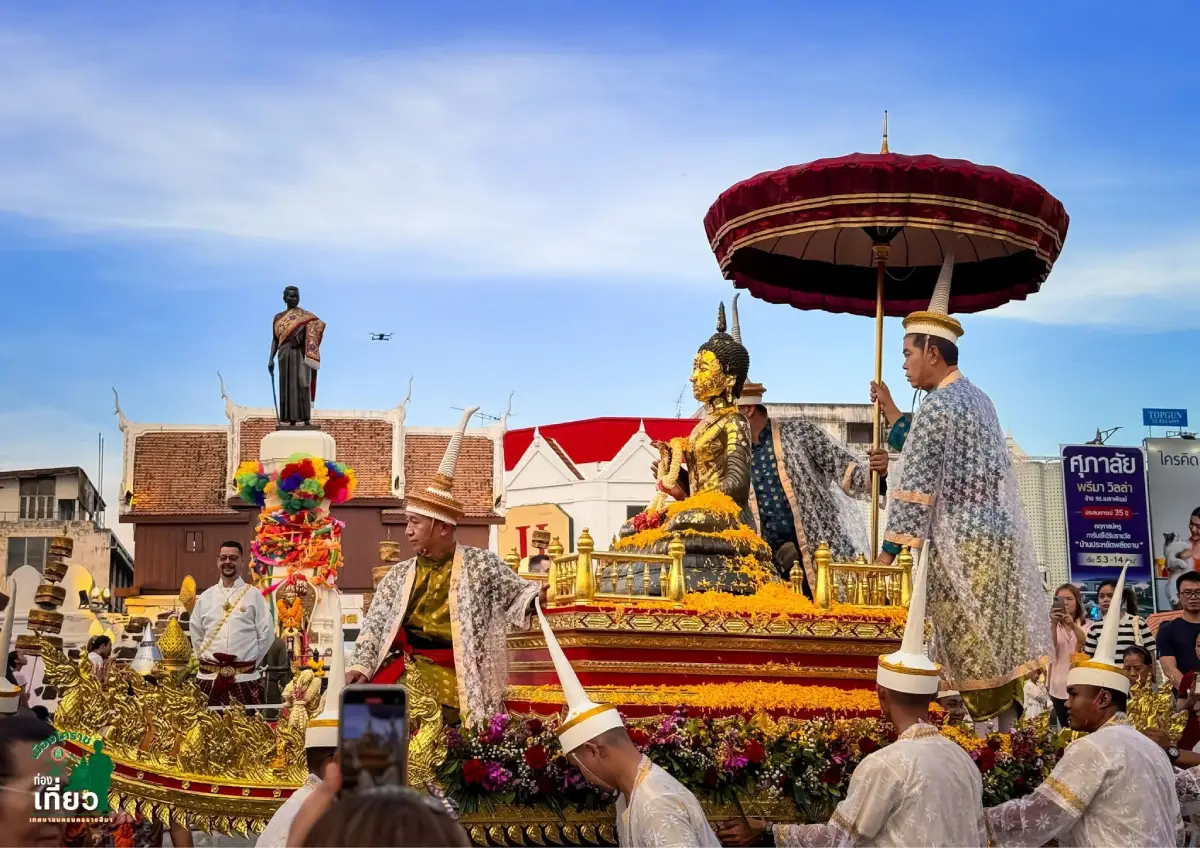
11. Thao Suranari Monument, commonly known as the Ya Mo Monument, is one of the most important landmarks in Nakhon Ratchasima. It stands on Ratchadamnoen Road in central Korat, directly in front of the old city wall and Chumphon Gate. The monument commemorates Khun Ying Mo, later honored as Thao Suranari, a central figure in Korat’s historical memory associated with resistance to the forces of Chao Anouvong of Vientiane in 1826. The monument is a bronze standing figure holding a sword and facing west. Local residents and visitors regularly come to pay respects, make wishes, offer flowers, and participate in ceremonies. The area becomes especially lively during the annual Thao Suranari Victory Celebration. Because the monument stands at the heart of the old city, it is also an ideal starting point for walking to Chumphon Gate, Wat Phayap, the City Pillar Shrine, nearby markets, and commercial streets.
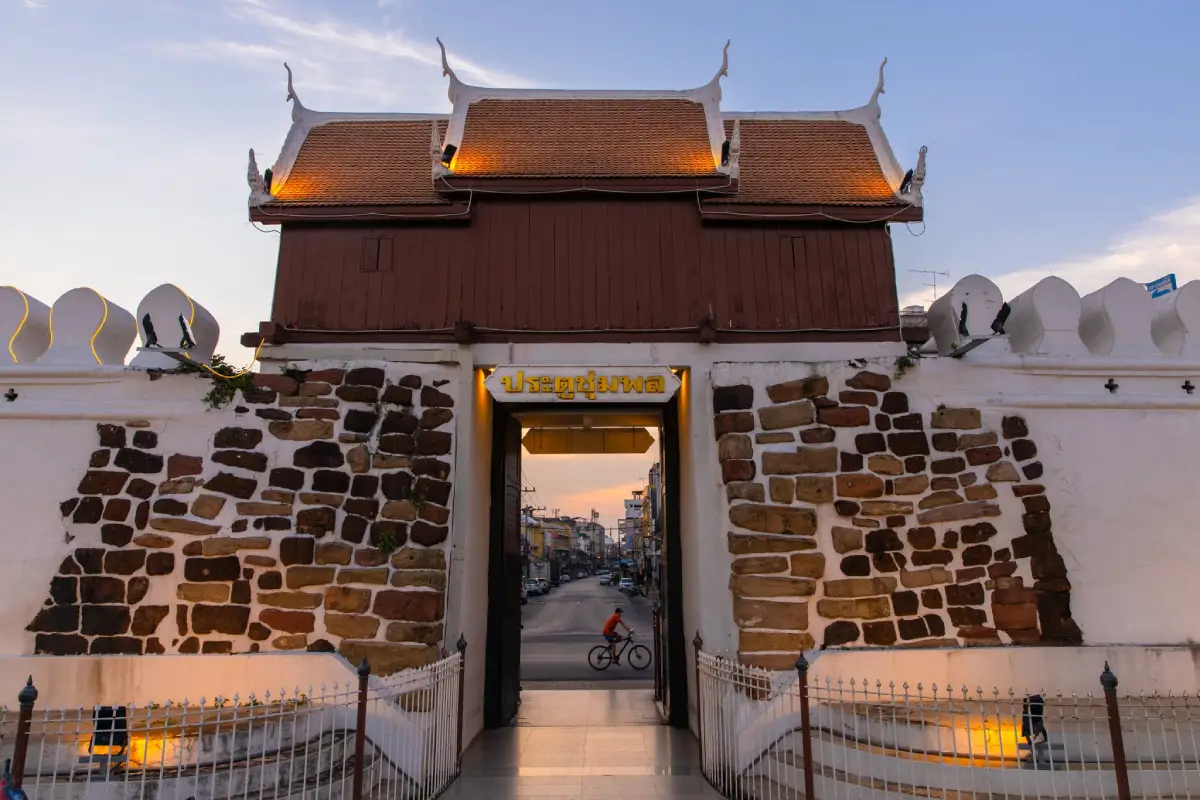
12. Pratu Chumphon, or Chumphon Gate, is one of the symbolic historic gateways of Nakhon Ratchasima and stands immediately behind Thao Suranari Monument in central Korat. The old fortified city originally had four principal gateways corresponding to the cardinal directions, but Chumphon Gate is the best-known surviving gateway and remains strongly associated with the identity of Korat. Its structure combines a broad masonry entrance with a traditional Thai-style pavilion rising above the wall. Visitors frequently walk through the gate, take photographs, and learn about the historical town plan of Nakhon Ratchasima. A popular local belief is also associated with walking through the gate and eventually returning to Korat. Because Chumphon Gate and Thao Suranari Monument stand beside one another, both can be visited easily on foot. From here, travelers can continue through the old-city area toward Chumphon Road, Wat Phayap, the City Pillar Shrine, markets, and other historic landmarks.
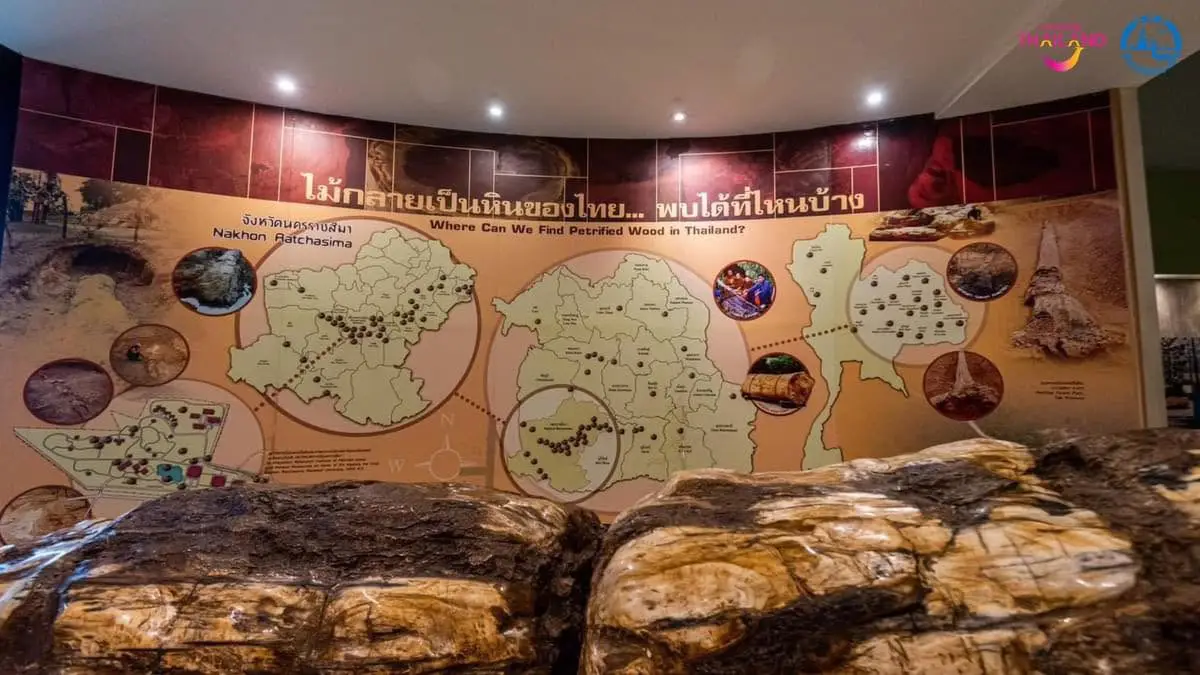
13. Khorat Fossil Museum is an important center for geology and paleontology located at Ban Krok Duean Ha, Suranari Subdistrict, Mueang Nakhon Ratchasima District. The museum is particularly well known for its extensive collection of petrified wood, together with fossils of prehistoric mammals, ancient elephants, and geological material discovered in northeastern Thailand. Exhibitions explain how trees buried beneath sediment can gradually have their organic material replaced by minerals until the wood becomes stone over millions of years. Additional displays explore the evolution of the Earth, ancient landscapes, prehistoric ecosystems, and fossil discoveries in the Korat region. The museum is especially suitable for families, students, teachers, and visitors interested in natural science. It also broadens the image of Nakhon Ratchasima beyond temples and historical monuments by showing the province’s importance for geology and fossil research. It can be combined with Suranaree University of Technology, Nakhon Ratchasima Zoo, and Dan Kwian Pottery Village.
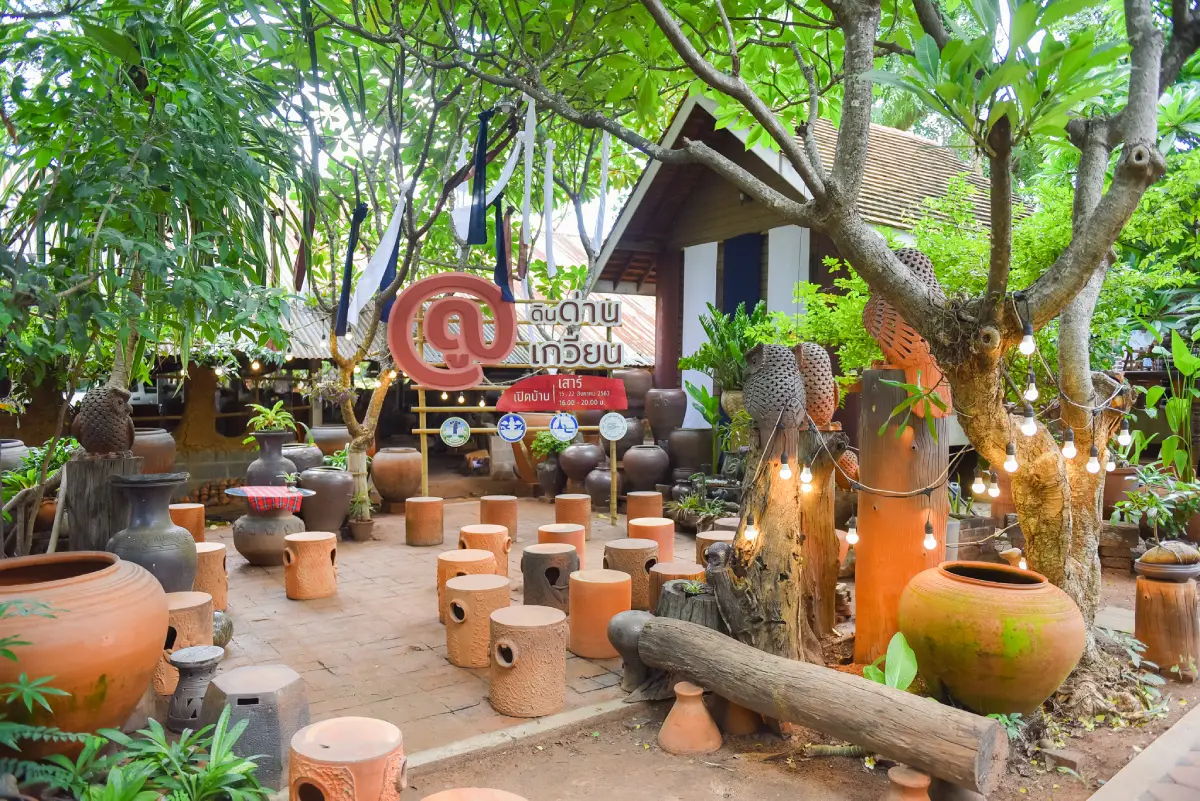
14. Dan Kwian Pottery Village is located in Dan Kwian Subdistrict, Chok Chai District, and is one of the most distinctive craft communities in Nakhon Ratchasima and northeastern Thailand. Local clay from the Mun River region contains mineral characteristics that make it suitable for shaping and high-temperature firing, producing strong earthenware with characteristic red, brown, and dark tones. Traditional products include water jars, storage containers, mortars, pots, and basins, while modern artisans also create vases, sculptures, garden ornaments, jewelry, and decorative pieces for homes, restaurants, resorts, and cafés. Dan Kwian developed along an old trade route and became associated with ox-cart caravans traveling through the Korat region. Today visitors can explore pottery shops, observe production processes, purchase local products, and learn about skills passed down through generations. A visit offers insight into how natural resources, craft knowledge, community life, and contemporary design continue to interact in Korat.
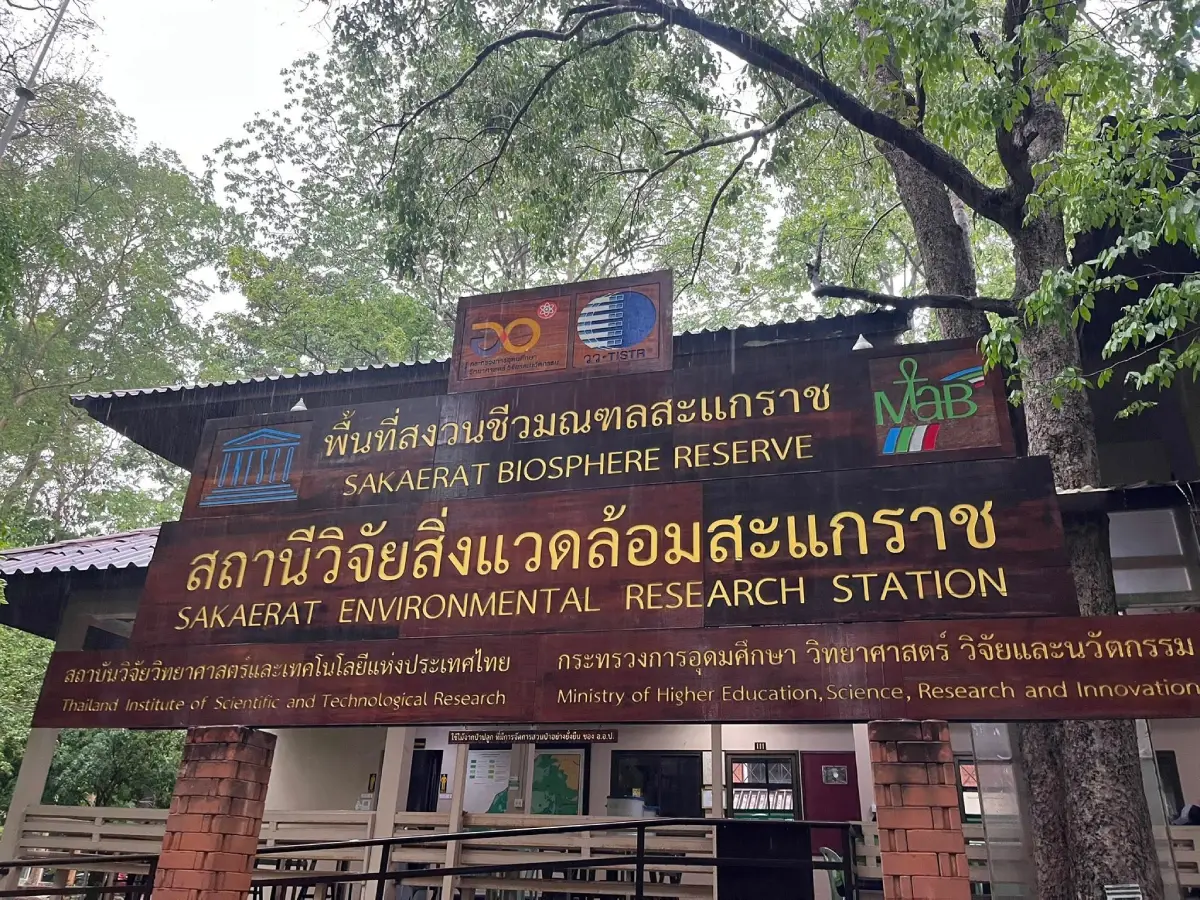
15. Sakaerat Environmental Research Station is located in Udom Sap Subdistrict, Wang Nam Khiao District, beside Highway 304 on the Nakhon Ratchasima–Kabin Buri route. It is one of Thailand’s important long-term ecological research areas and protects extensive natural forest containing both dry evergreen forest and dry dipterocarp forest. The site supports diverse plant and animal communities and has long been used for ecological research, wildlife studies, environmental education, and forest restoration. Sakaerat also has international significance as part of a designated biosphere reserve. Visitors and educational groups may join approved nature-study activities, including forest walks, birdwatching, wildlife observation, and learning about different forest ecosystems. The attraction is particularly suitable for travelers who want to experience Wang Nam Khiao beyond cafés and commercial viewpoints. It can be combined with Khao Phaeng Ma, Pha Kep Tawan, and other nature destinations in the Wang Nam Khiao and Sakaerat area.
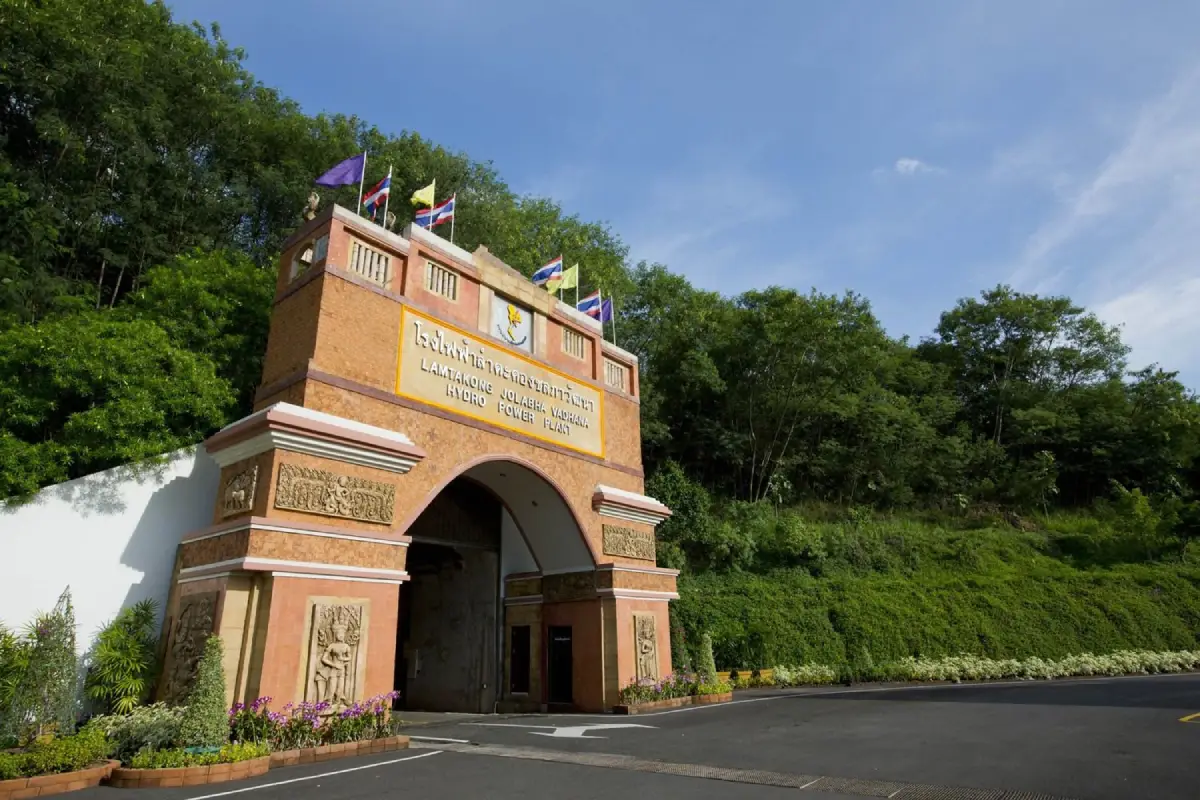
16. Lam Takong Pumped Storage Hydropower Plant is located in the Lam Takhong area of Khlong Phai Subdistrict, Sikhio District, and is one of Nakhon Ratchasima’s most interesting energy-learning destinations. The pumped-storage system works by moving water from the lower reservoir to an upper reservoir when electricity demand is low, then releasing the water through turbines to generate electricity when demand increases. The upper-reservoir area near Khao Yai Thiang also offers broad views over Lam Takhong Reservoir, surrounding mountains, and nearby landscapes. Wind turbines have become another recognizable feature of the area, attracting travelers, cyclists, photographers, and visitors interested in renewable energy. The destination therefore combines scenic mountain views with an opportunity to understand modern electricity generation. It can be visited together with Lam Takhong Dam, Khao Yai Thiang, and nearby viewpoints along Mittraphap Road.
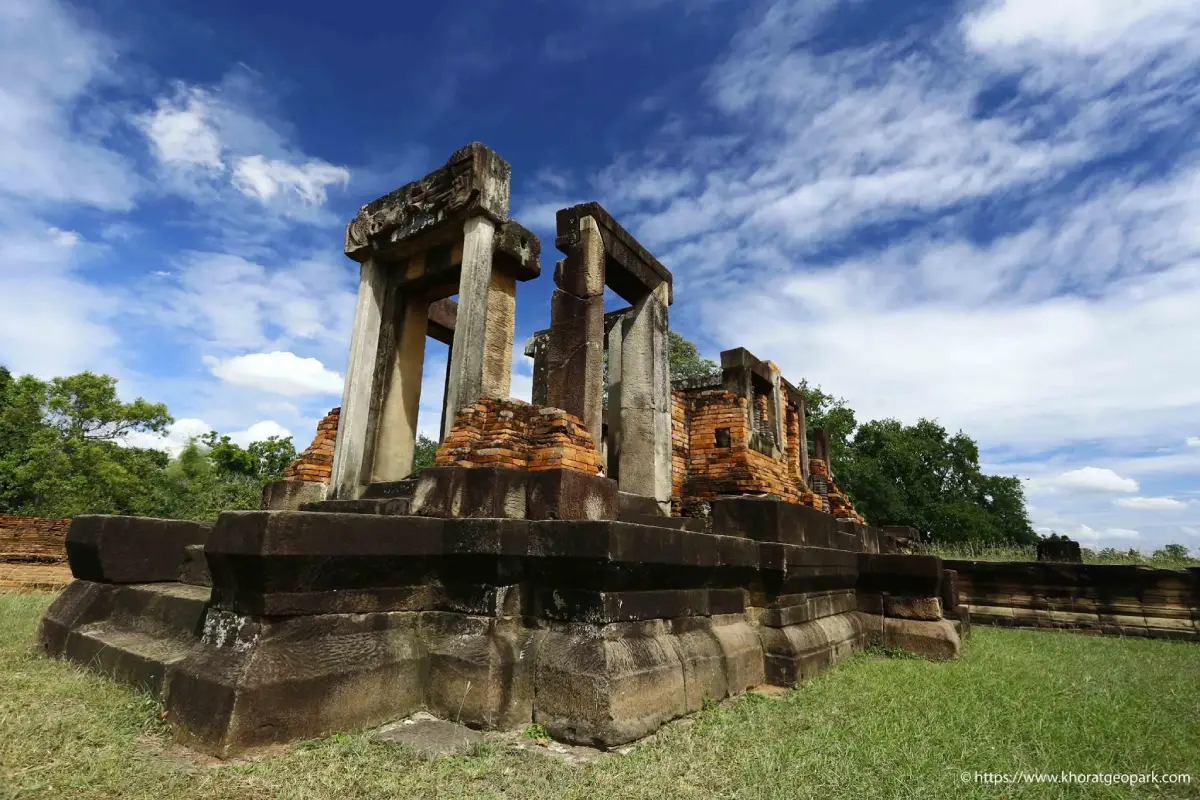
17. Prasat Muang Khaek is located at Ban Kok Kok in Khorat Subdistrict, Sung Noen District, and is one of the most substantial ancient Khmer monuments in Nakhon Ratchasima. The sanctuary was associated with Hindu religious traditions and preserves a complex layout including a principal sanctuary, subsidiary structures, mandapa, libraries, walls, gateways, moat, and ceremonial spaces. Architectural fragments and carved stone discovered around the site demonstrate the influence of Khmer art across the upper Mun River region. Prasat Muang Khaek is closely related to other monuments in the old Khorat area, including Prasat Non Ku and Prasat Mueang Kao, showing that Sung Noen once supported an important concentration of ancient settlements and religious sites. The ruins are particularly suitable for travelers interested in Khmer architecture, archaeology, and the historical development of Korat before the rise of the modern provincial capital. Mueang Sema and Wat Dhammachak Semaram can also be included in the same historical route.
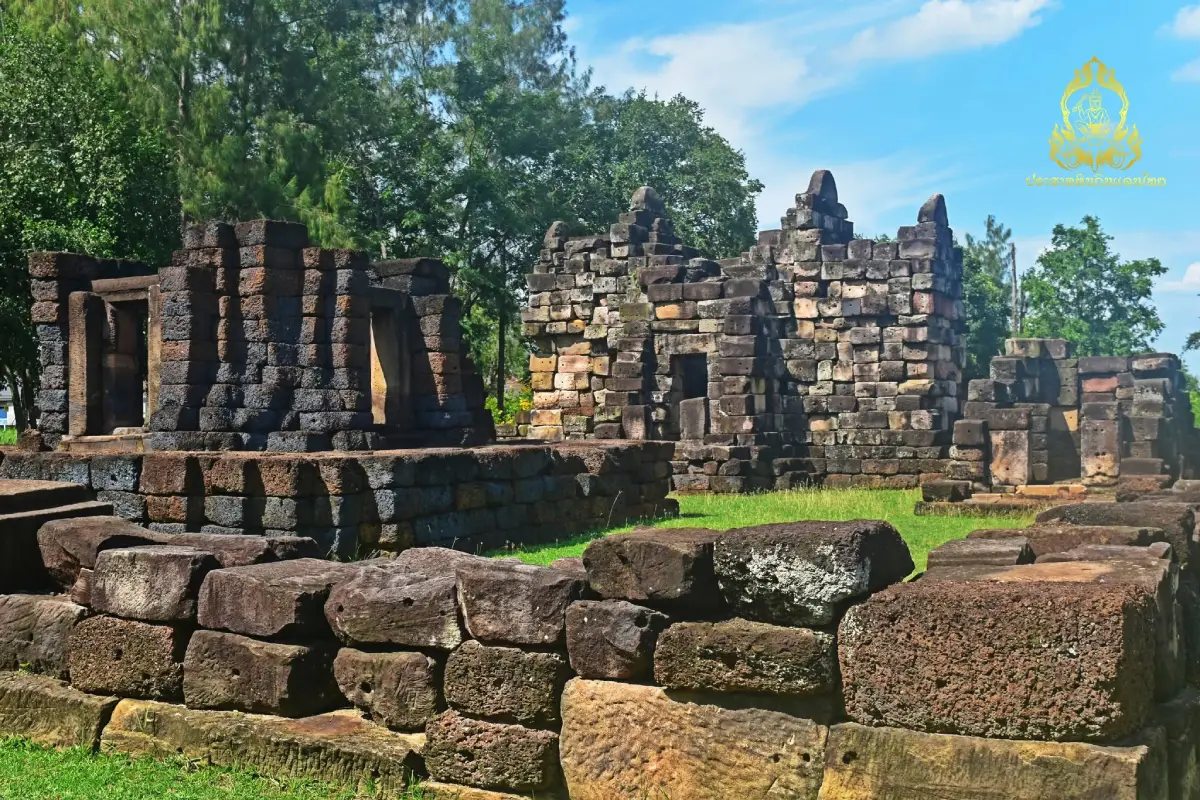
18. Ancient Town at Korat Sub-District is a group of archaeological sites in Khorat Subdistrict, Sung Noen District, where traces of ancient settlement and religious architecture survive from several historical periods. Important monuments in the area include Prasat Muang Khaek, Prasat Non Ku, and Prasat Mueang Kao. Together, they demonstrate the gradual development of local communities and the increasing influence of ancient Khmer religion, architecture, and urban organization in the region. Because each sanctuary differs in design and construction period, the area is best explored as a connected archaeological route rather than as a single isolated attraction. Visitors can drive between the monuments within relatively short distances. Prasat Muang Khaek is generally the most convenient starting point for understanding the wider group. Exploring the old Khorat settlements provides valuable insight into the historical importance of Sung Noen before modern Nakhon Ratchasima became the dominant urban center of the province.
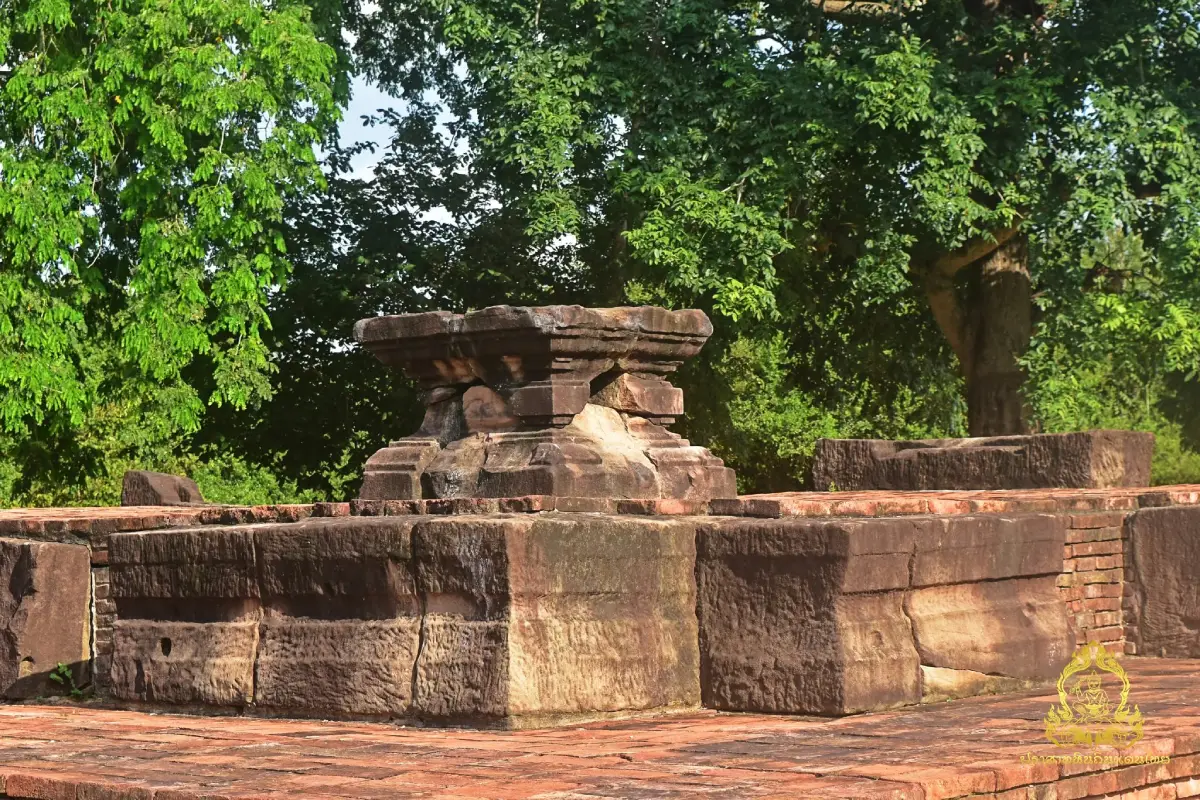
19. Mueang Sema Ancient Town is a major archaeological settlement in Sema Subdistrict, Sung Noen District, and is especially important for understanding Dvaravati culture in northeastern Thailand. The ancient city was protected by moats and earthen ramparts and consisted of connected inner and outer settlement areas. Archaeological discoveries include religious foundations, sema stones, inscriptions, Dharma-wheel remains, artifacts, and evidence of long-term settlement. One of the most significant finds is the Bo I Ka inscription, which contributes to understanding regional political and religious connections. Visitors should view the entire city landscape rather than considering individual ruins separately, because the moats, ramparts, monument locations, and surrounding archaeological zones together reveal the organization of the ancient settlement. Mueang Sema can be combined with Wat Dhammachak Semaram, home to the monumental sandstone Reclining Buddha, as well as Prasat Muang Khaek and the other Sung Noen archaeological sites. A full day allows travelers to understand the area far more clearly than a quick stop.
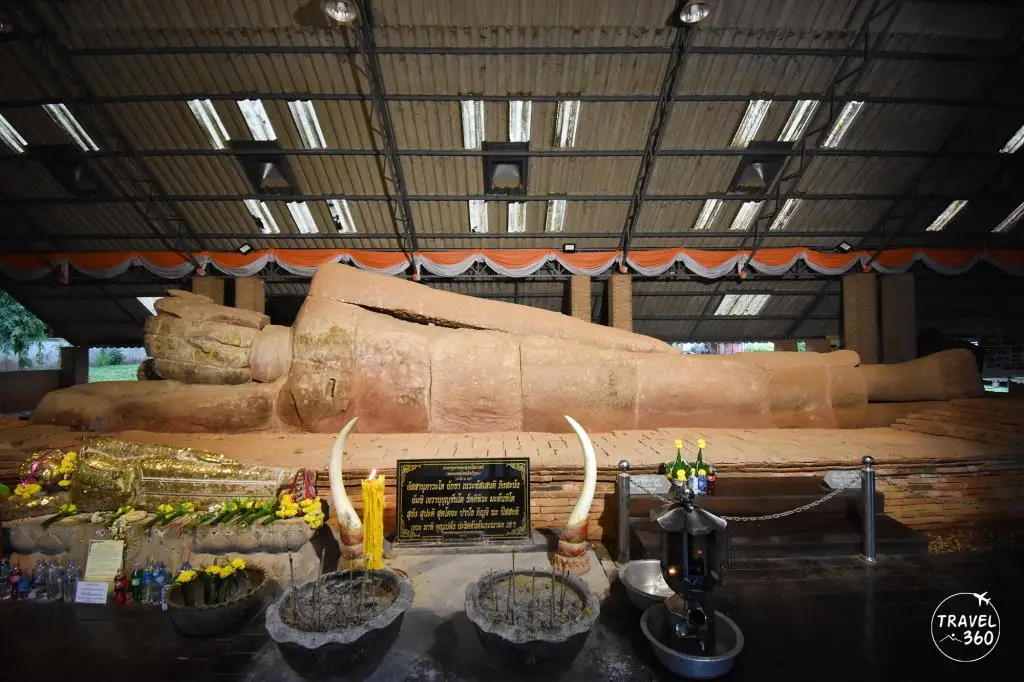
20. Wat Dhammachak Semaram, also known locally as Wat Phra Non Khlong Khwang, is located at Ban Khlong Khwang in Sema Subdistrict, Sung Noen District. The temple is closely connected with the archaeological landscape of ancient Mueang Sema. Its most important feature is a monumental reclining Buddha constructed from large sandstone blocks and associated with Dvaravati-period Buddhist art. The image is remarkable for both its scale and its historical significance. Sema stones and additional archaeological evidence discovered around the temple reflect the spread of Buddhism through the Lam Takhong basin and the lower Northeast. Wat Dhammachak Semaram therefore functions as both an active place of worship and an archaeological learning site. Travelers visiting Mueang Sema should include the temple in the same itinerary because the reclining Buddha, archaeological remains, and ancient urban landscape together provide a much clearer picture of the religious and cultural development of the region.
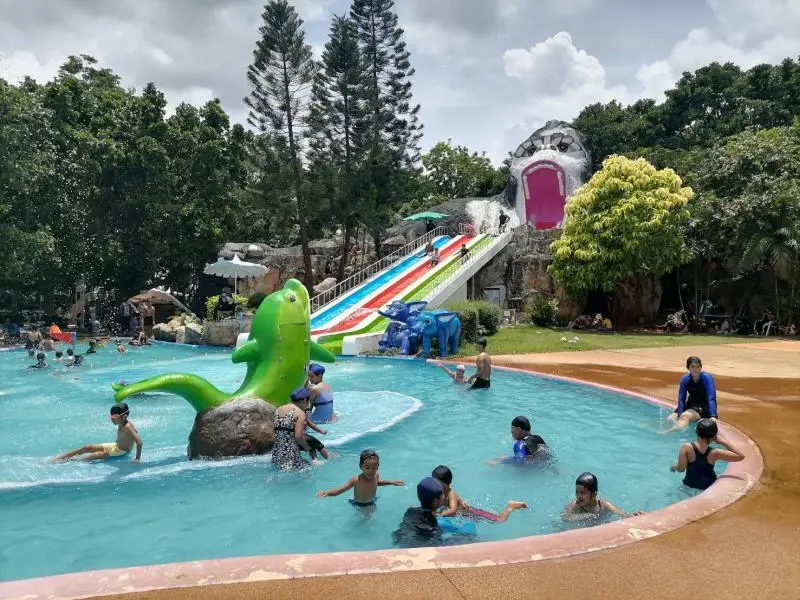
21. Korat Zoo Lagoon, also known as The Lagoona Korat Zoo, is a family-friendly water park located inside Nakhon Ratchasima Zoo in Chai Mongkhon Subdistrict, Mueang Nakhon Ratchasima District, approximately 19 kilometers from central Korat along the Nakhon Ratchasima–Pak Thong Chai route. One of its main advantages is that families can combine a zoo visit and water activities in the same day. The water park covers approximately 12 rai and includes a lazy river, large water slides, a King Kong slide, children’s water-play areas, and several animal-themed water features. Facilities around the park include seating areas, food and beverage outlets, photo spots, and rental services for swimming equipment. Visitors can spend several hours here comfortably, making it particularly suitable for families with children. A practical itinerary is to explore Nakhon Ratchasima Zoo in the morning and continue to the water park during the late morning or afternoon. Parents should supervise children closely, select attractions appropriate for their age, and follow all safety regulations.
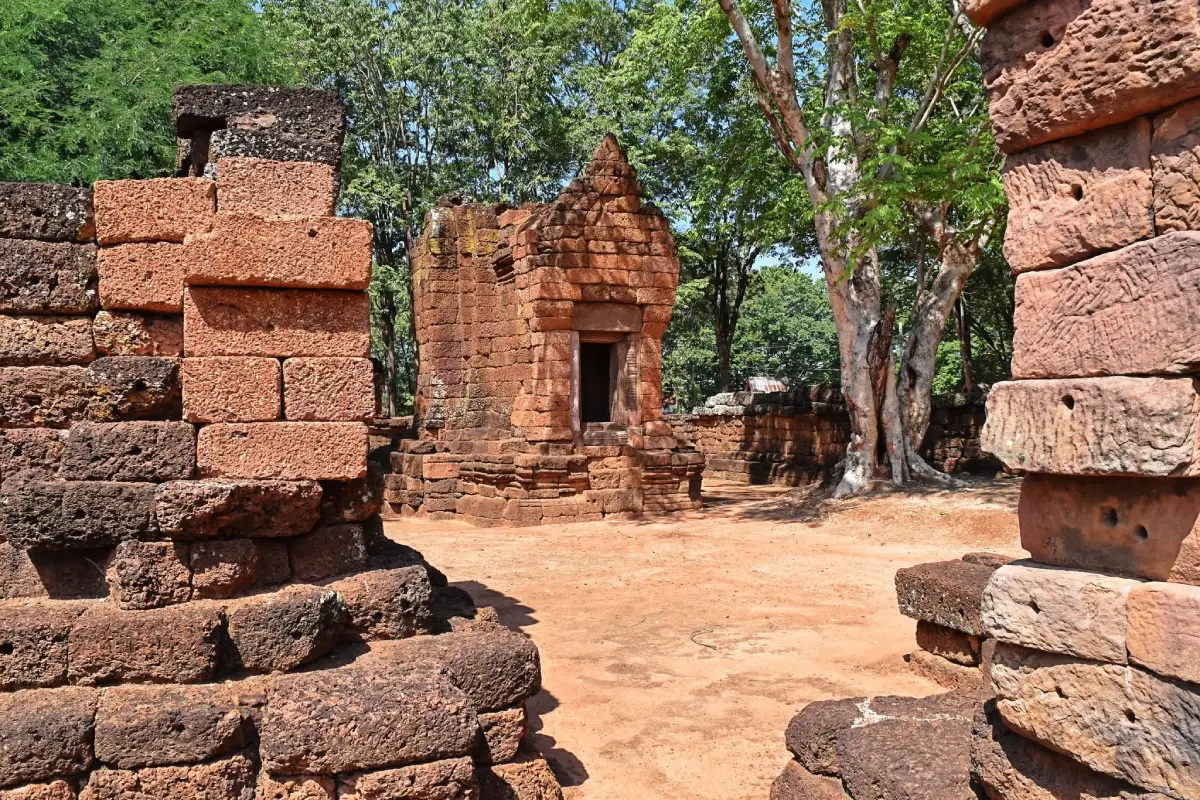
22. Prang Khon Buri is located within the grounds of Ban Khon Buri Nakhon Thammasit Witthayakhan School in Khon Buri Tai Subdistrict, Khon Buri District, Nakhon Ratchasima. The site reflects the influence of ancient Khmer culture across the lower Northeast and demonstrates that Khon Buri was historically connected with wider settlement and religious networks in the Mun River basin. Although the remains are not as complete as major Khmer monuments such as Phimai or Phanom Wan, the surviving archaeological features are still useful for studying building techniques, construction materials, and the placement of ancient religious structures. The quiet community setting gives the site a different atmosphere from larger historical parks. Travelers interested in archaeology and regional history can include Prang Khon Buri in a route through southern Korat, especially when continuing toward Wang Nam Khiao or Pak Thong Chai. Visitors should avoid climbing on the remains or moving stone fragments.
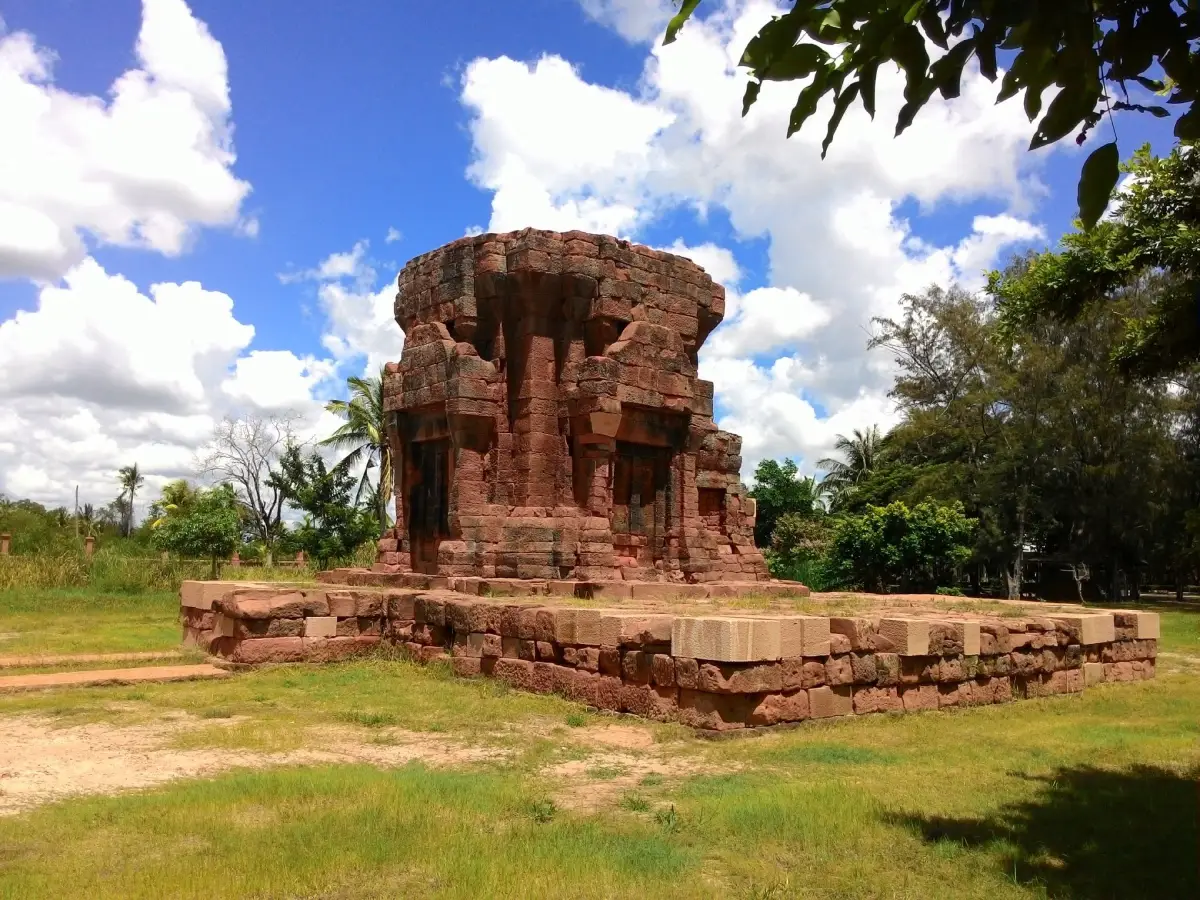
23. Prang Ban Prang is located in Ban Prang Nakhon community, Ban Prang Subdistrict, Khong District, Nakhon Ratchasima. The archaeological site demonstrates the spread of ancient Khmer culture across northern Korat and is especially interesting because the remains still stand close to an active local community. This allows visitors to see continuity in land use from the ancient period to the present. Architectural traces provide clues about religious beliefs, construction styles, and the relationship between historic settlements and transportation routes in the Mun River basin. Although parts of the monument have deteriorated over time, the quiet atmosphere makes it suitable for slow exploration, photography, and archaeological observation. Travelers can combine Prang Ban Prang with Ban Prasat Archaeological Site, Phimai, or historical attractions around Non Sung to gain a broader understanding of the ancient settlement network in Nakhon Ratchasima.
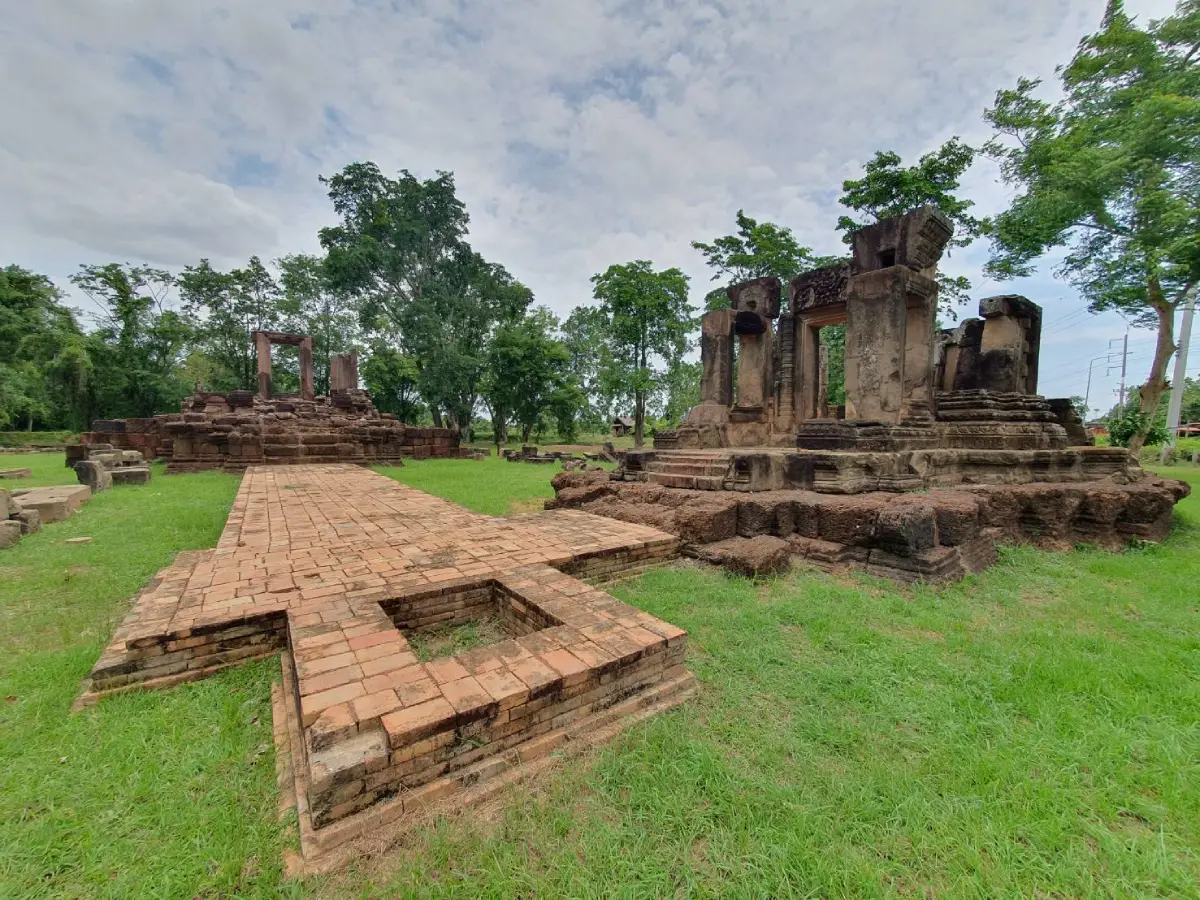
24. Prasat Phakho is located near Ban Phakho in Krathok Subdistrict, Chok Chai District. It is an ancient religious site that reflects Khmer artistic and religious influence in southern Nakhon Ratchasima. Surviving structures and construction materials indicate that communities once settled in this area and used religious monuments as important centers of belief. Although much of the original architecture has collapsed over time, the site still has archaeological and historical value, particularly when compared with other Khmer sanctuaries across Korat. Visitors can study the surviving foundations, stone elements, and the surrounding landscape before continuing to Dan Kwian Pottery Village, Pak Thong Chai, or other attractions in southern Korat. Prasat Phakho is particularly suitable for travelers who want to explore less-visited historical sites beyond the province’s most famous monuments.
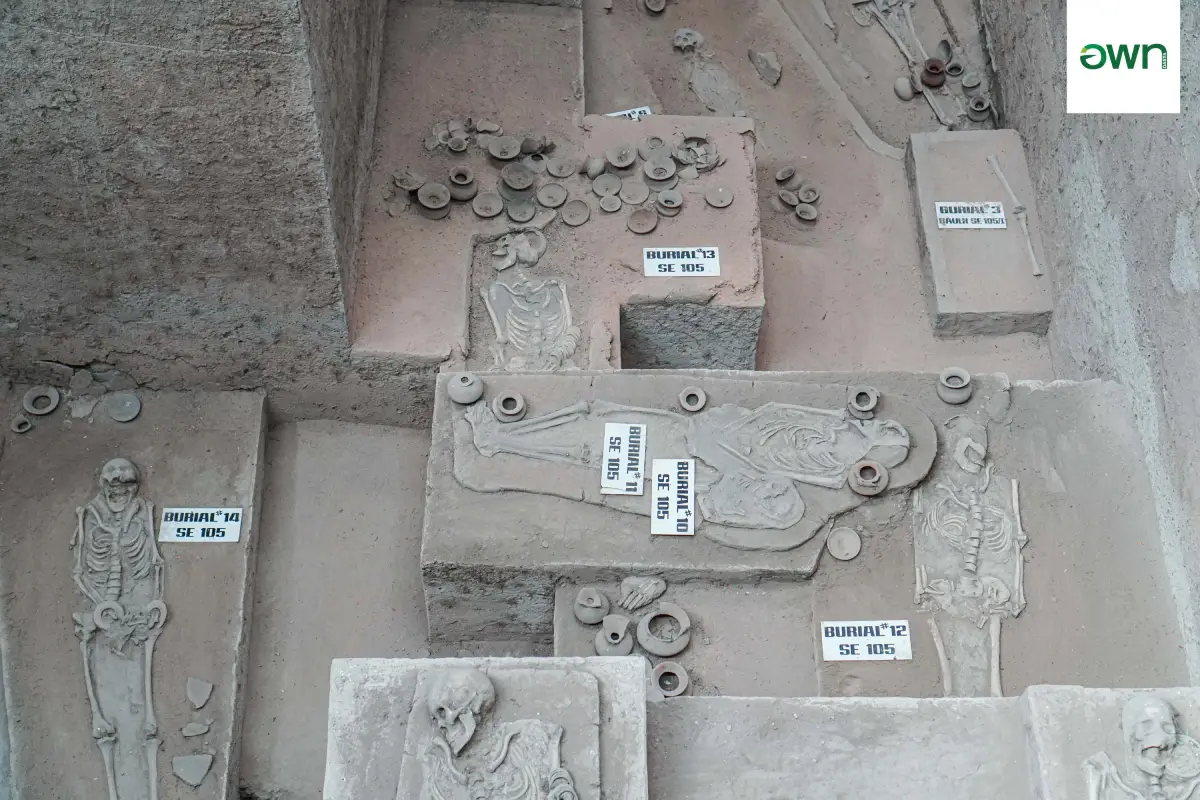
25. Ban Prasat Archaeological Site is located around Ban Prasat Tai in Than Prasat Subdistrict, Non Sung District. It is one of the most important community archaeology sites for understanding prehistoric settlement in the Korat Basin. Unlike ancient stone sanctuaries, Ban Prasat is especially significant for evidence of everyday life and burial traditions. Archaeological discoveries include human skeletons, pottery, ornaments, tools, and other artifacts that help researchers reconstruct settlement patterns, beliefs, technology, and social development in the region. Visiting Ban Prasat provides a different perspective on Korat’s past because it reveals human occupation long before large cities and monumental stone architecture appeared. The surrounding community atmosphere also allows travelers to experience local life alongside the archaeological heritage. Ban Prasat can be combined with Ku Prasat, Prasat Phon Songkhram, and Phimai for a broader historical itinerary through Non Sung and neighboring districts.
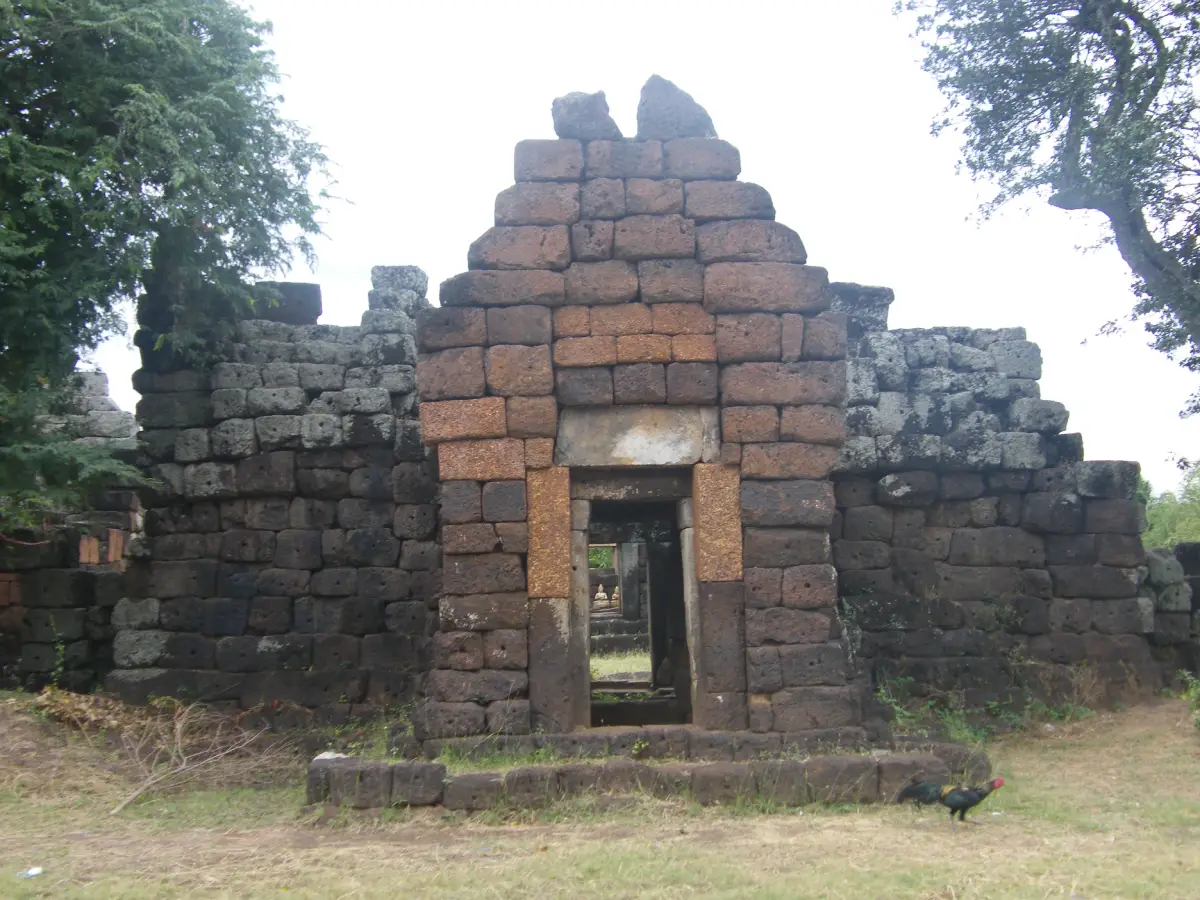
26. Prasat Phon Songkhram is located at Ban Phon Songkhram, Moo 2, Phon Songkhram Subdistrict, Non Sung District. This ancient Khmer site adds to the dense concentration of archaeological remains found in the upper Mun River basin. Non Sung is especially rich in both prehistoric archaeological evidence and later religious monuments, making Prasat Phon Songkhram particularly valuable when viewed within the wider historical landscape. Surviving remains help visitors study site selection, layout, and ancient building materials. The sanctuary is relatively small compared with Phimai, but this makes it useful for comparing community-level religious sites with larger state-sponsored monuments. Visitors can explore the site quietly and then continue to Ban Prasat Archaeological Site, Ku Prasat, or Phimai. Together, these places show the long development of settlement in the area from prehistoric communities to the period of ancient Khmer cultural influence.
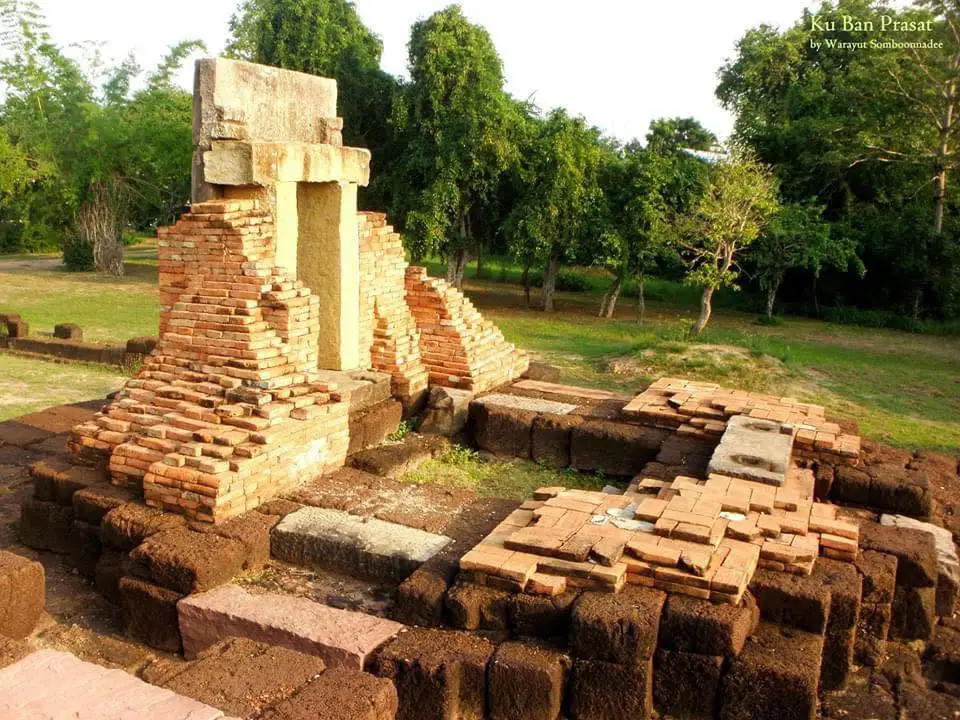
27. Ku Prasat is located at Ban Prasat, Moo 7, Mueang Prasat Subdistrict, Non Sung District, not far from several important archaeological sites in the area. The word “Ku” is commonly used in northeastern Thailand for ancient religious buildings or monuments that survive from earlier historical periods. Although Ku Prasat is much smaller than Phimai, its architectural traces and location help illustrate the continuity of ancient settlement in Non Sung. A short visit becomes more meaningful when combined with Ban Prasat Archaeological Site and Prasat Phon Songkhram because travelers can then see how settlements, religious spaces, and transportation routes related to one another. The site is particularly appealing to visitors who prefer quiet historical attractions away from mainstream tourism. Stone fragments and archaeological remains should not be moved, climbed on, or disturbed.
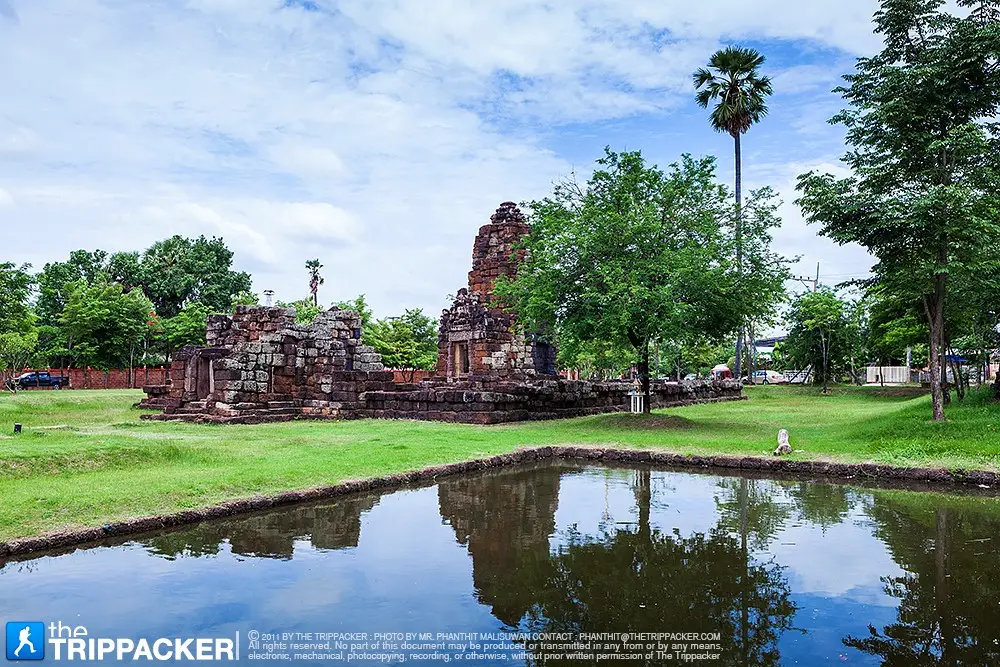
28. Prang Ku is located within Wat Ban Ku at Ban Ku, Moo 4, Don Tanin Subdistrict, Bua Yai District. The monument demonstrates that ancient religious and settlement activity extended far into northern Nakhon Ratchasima, beyond the better-known historical zones of Phimai and Non Sung. Surviving architectural elements provide evidence of ancient construction styles and the spread of religious traditions throughout the region. Because the site stands within an active temple, visitors experience both an archaeological monument and a living Buddhist community in the same place. This combination makes Prang Ku especially interesting for travelers exploring northern Korat. It can be included in a route through Bua Yai and nearby districts. Visitors should dress respectfully, remain quiet, and remember that the temple grounds are still used for religious activities by local residents.
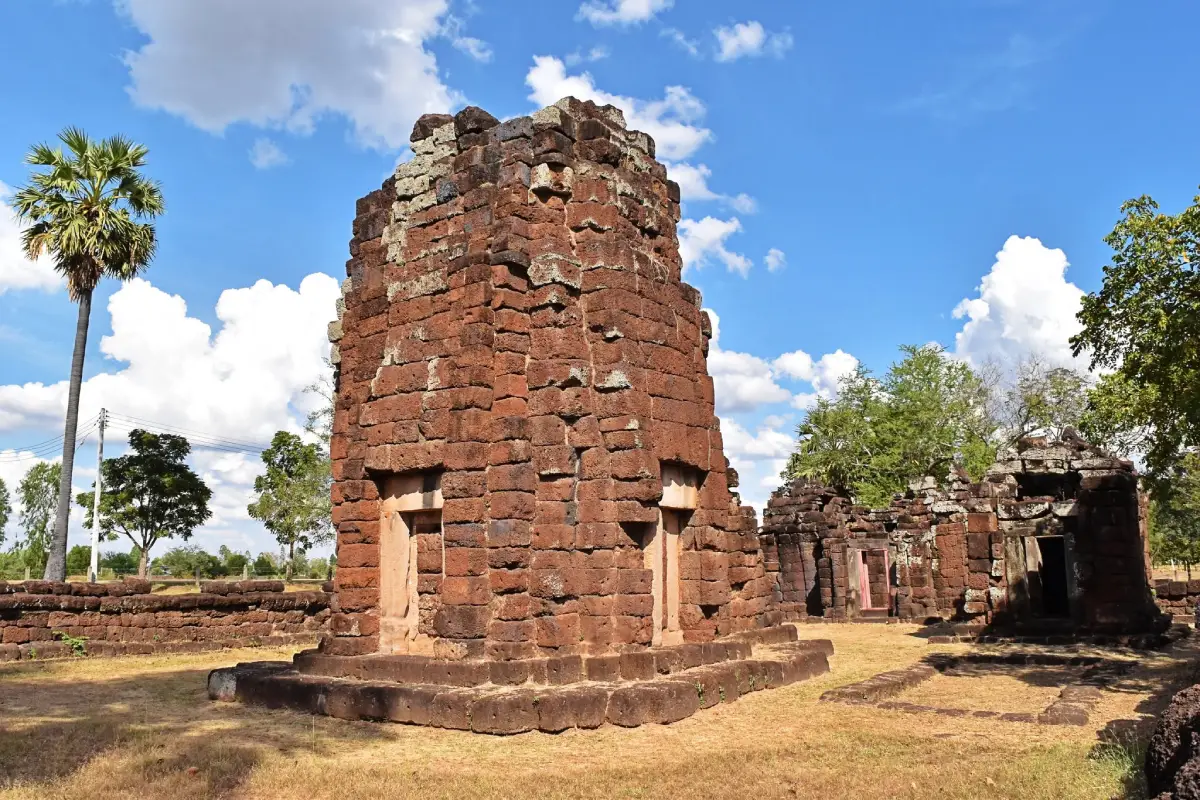
29. Prasat Nang Ram is located at Ban Nang Ram, Nang Ram Subdistrict, Prathai District. It is another ancient Khmer monument demonstrating that religious architecture and settlement networks extended well beyond Phimai into northern Nakhon Ratchasima. Although parts of the structure survive mainly as foundations and fragmented architectural remains, the site still offers valuable evidence for studying sanctuary layouts, building techniques, construction materials, and the relationship between monuments and surrounding communities. The relatively quiet environment makes the site suitable for travelers who enjoy slower archaeological exploration. Visitors should pay attention not only to the remaining structures but also to entrance orientation, building foundations, scattered stone components, and the surrounding landscape. Prasat Nang Ram can be included in a Prathai–Bua Yai–Phimai route for travelers interested in connecting several ancient sites across northern Korat.
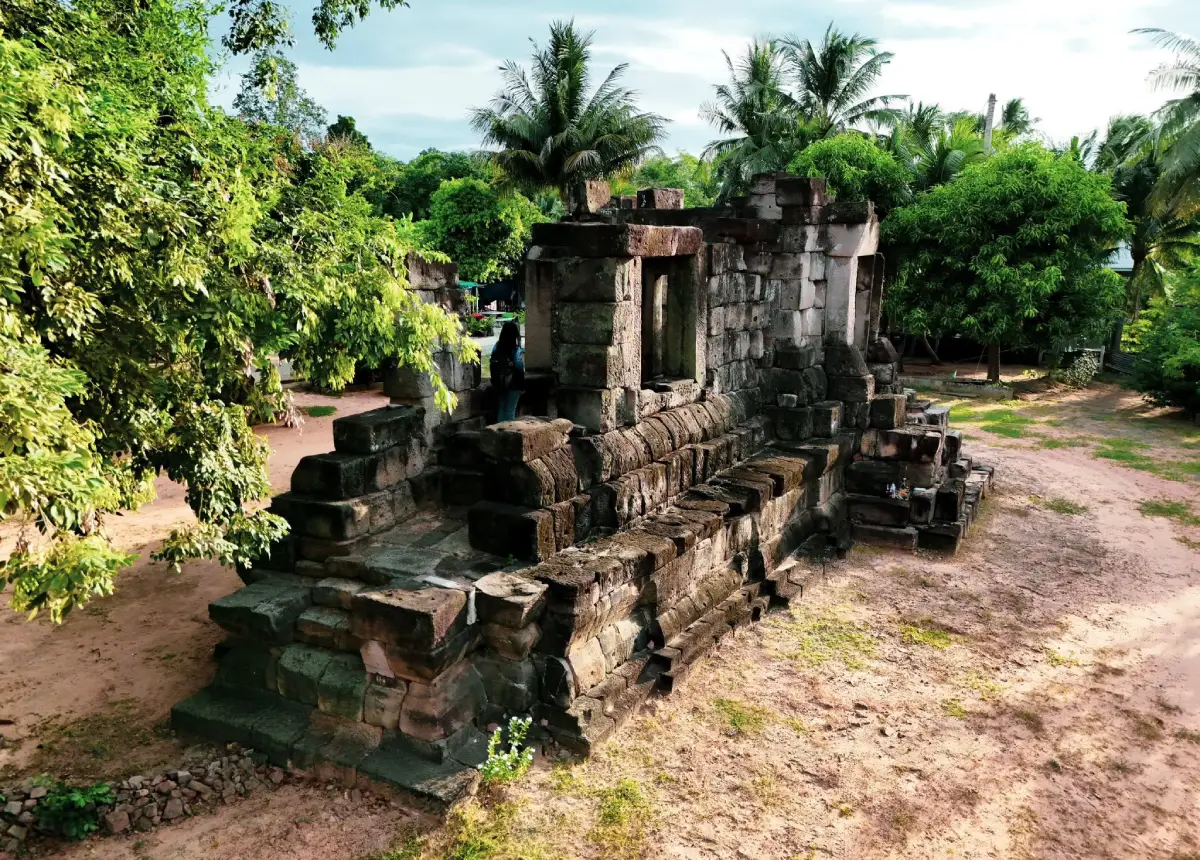
30. Prasat Bueng Kham (Ku Kasem), also known as Ku Kasem, is located at Ban Khlong Toei, Moo 5, Sakaerat Subdistrict, Pak Thong Chai District. It is an ancient religious sanctuary important for understanding Khmer cultural influence in southern Korat. The monument is built from sandstone and displays architectural characteristics connected with Hindu beliefs, particularly traditions associated with Shiva. Although much of the structure has deteriorated over the centuries, surviving walls, doorways, projections, and architectural fragments remain important for historical study. The quiet rural atmosphere allows visitors to examine details at close range. Because sections of the monument are fragile, visitors should not climb the structure or enter restricted areas. Prasat Bueng Kham can be included in a route with Sakaerat Environmental Research Station, Wat Na Phra That, Pak Thong Chai attractions, and Lam Phra Phloeng Dam, creating a trip that combines archaeology, religion, rural culture, and nature.
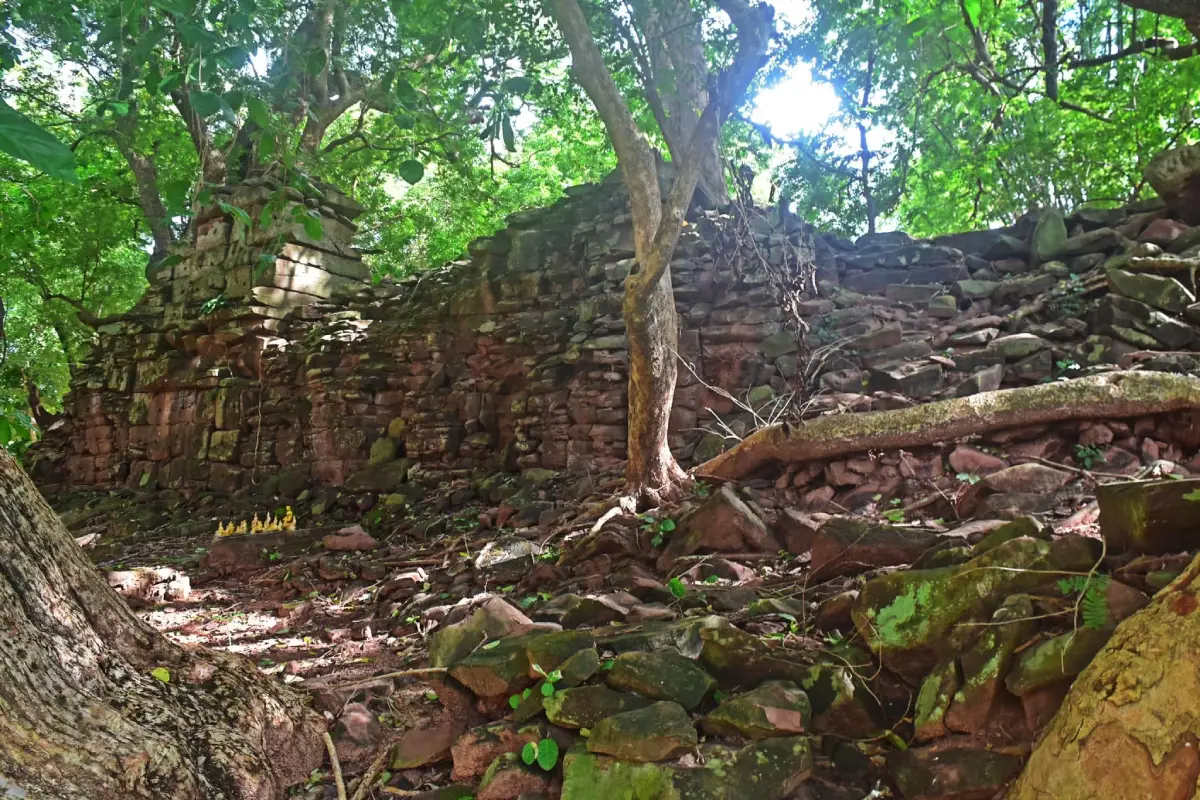
31. Prasat Ku Sila, also known as Ku Silakhan, is located inside Wat Ku Silakhan at Ban Ku Silakhan, Moo 4, Lung Pradu Subdistrict, Huai Thalaeng District. This ancient Khmer monument is especially significant for understanding the historical transportation network between Angkor and Phimai. The surviving sandstone structure sits on a low mound and is now largely ruined, but remaining walls and architectural elements still indicate the building’s original form. Ku Sila is associated with the network of dharmasalas or fire-house rest stations constructed along important routes during the reign of King Jayavarman VII in the late 12th and early 13th centuries. These structures supported travelers moving between major cities and formed part of an extensive regional road system. Ku Sila is therefore more than an isolated religious ruin; it is evidence of ancient infrastructure and long-distance movement. Visitors interested in Khmer history, royal roads, and ancient architecture should explore the site carefully and avoid climbing or moving any archaeological stones.
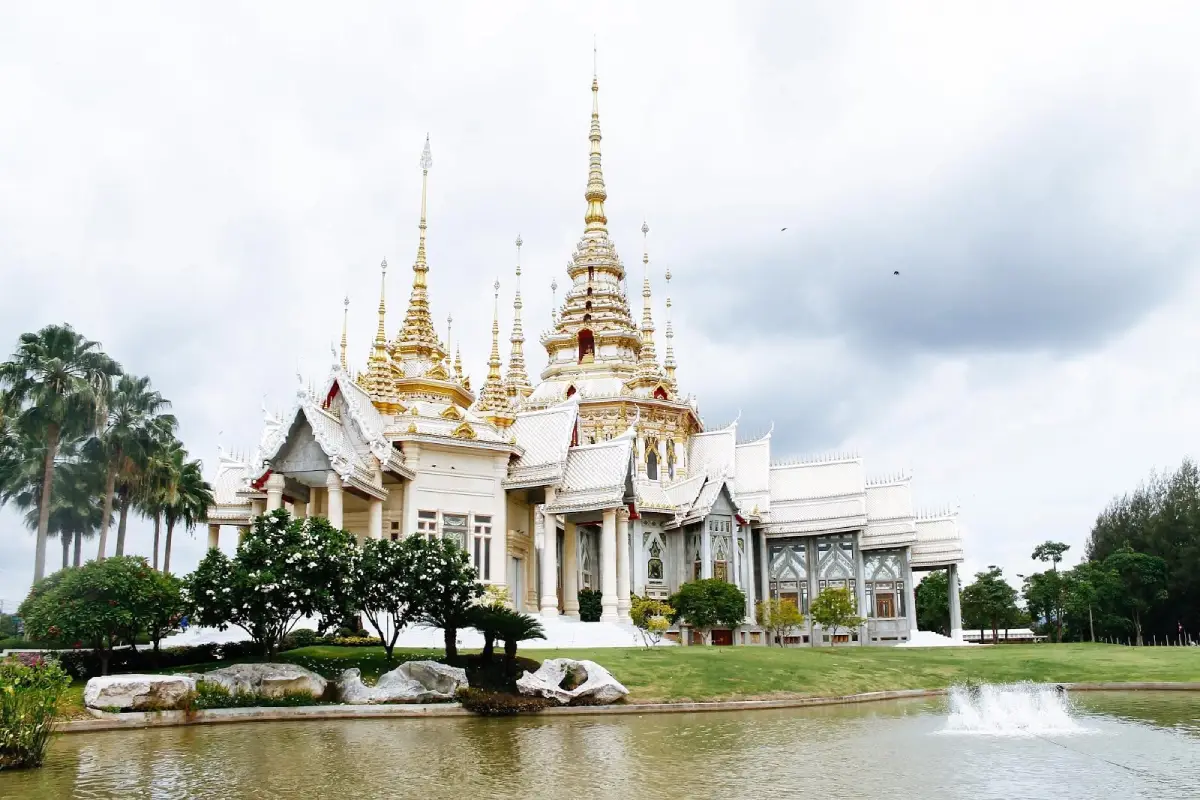
32. Mahaviharn Merit Park is located beside Mittraphap Road in Mittraphap Subdistrict, Sikhio District. It is a Buddhist attraction and convenient roadside stop for travelers approaching Nakhon Ratchasima. The spacious grounds are intended for worship, merit-making, rest, and short breaks during long-distance travel. Large Buddhist structures and religious features make the site easy to recognize from the surrounding area. The atmosphere is generally peaceful, especially during the morning and evening. Travelers driving from Bangkok toward Korat can use Mahaviharn Merit Park as an early stop before continuing to Lam Takhong Dam, Khao Yai Thiang, Sikhio Stone Quarry, or central Nakhon Ratchasima. Its location gives the site both religious significance and practical value as part of the western Korat travel corridor. Visitors should dress respectfully and maintain a quiet atmosphere around religious areas.
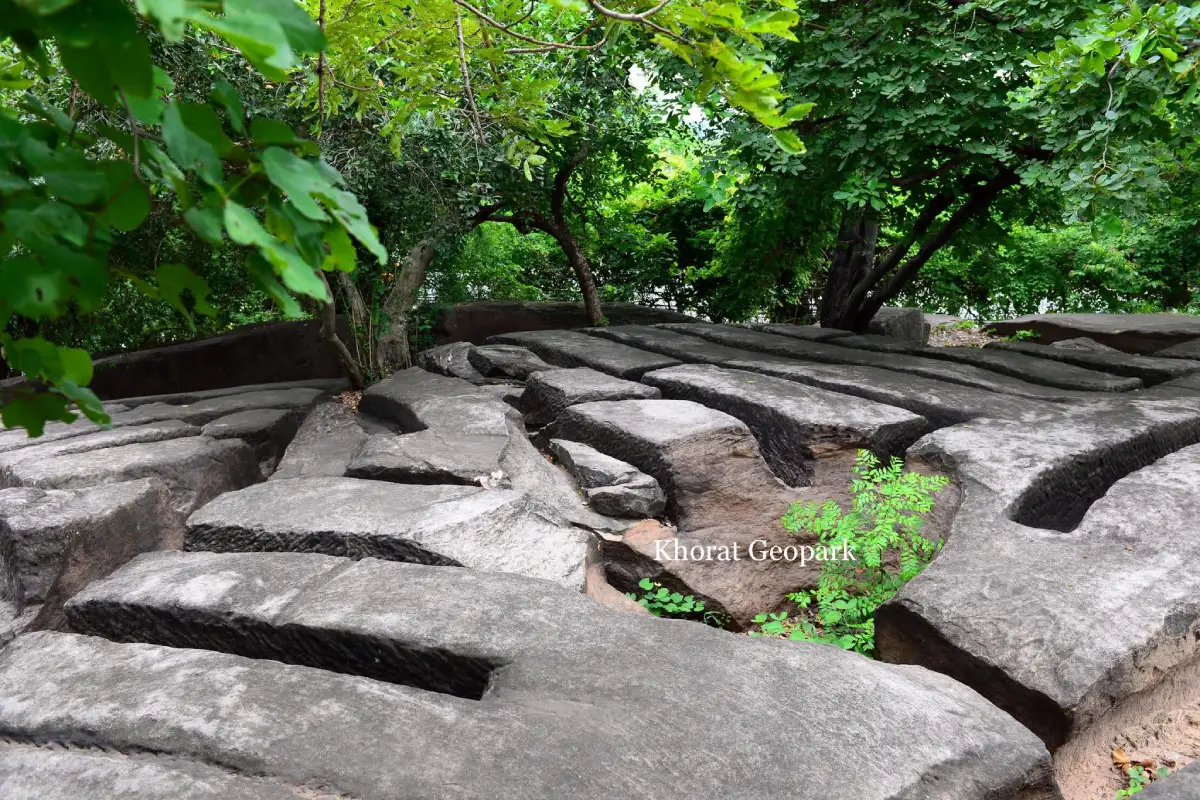
33. Sikhio Stone Quarry Site is located near Mittraphap Road in Lat Bua Khao Subdistrict, Sikhio District. This archaeological site is especially important for understanding how sandstone was extracted for ancient Khmer construction. Visitors can observe quarrying traces cut directly into the natural rock, including channels, chisel marks, extraction pits, and surfaces where stone blocks were separated. These features help explain a fundamental question about ancient architecture: how were the massive stone blocks used in temples and sanctuaries obtained from the landscape? In this sense, the quarry provides a different experience from visiting a finished stone monument because it reveals the beginning of the construction process. The site is valuable for archaeology, geology, and the study of ancient engineering. It can be combined with Lam Takhong Dam, Khao Yai Thiang, the 4,000-Year-Old Paintings, and archaeological sites in Sung Noen for a broader historical and geological itinerary.
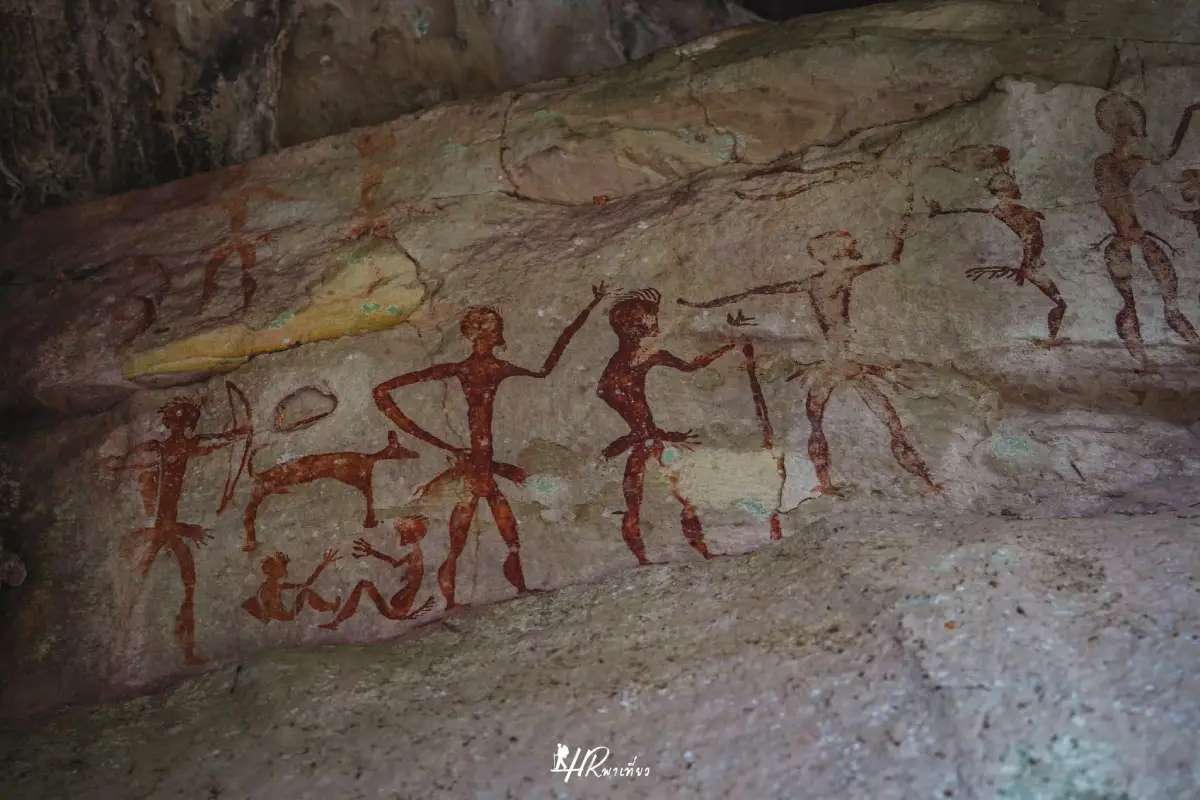
34. 4,000-Year-Old Paintings are located near Ban Loet Sawat in Lat Bua Khao Subdistrict, Sikhio District. The site contains traces of prehistoric rock art on natural stone surfaces and is important for understanding human activity in the Sikhio area thousands of years before the construction of cities and stone sanctuaries. Ancient rock paintings can provide clues about worldview, belief, daily activity, social behavior, and the relationship between early communities and their environment. Although some details have faded due to weathering and the passage of time, the surviving pigment remains an important record of prehistoric human expression. Visitors should never touch, scratch, paint over, wet, or clean the rock surface because even minor physical contact can cause irreversible damage. The site is particularly suitable for travelers interested in prehistory, archaeology, and natural landscapes. It can be combined with Sikhio Stone Quarry, Lam Takhong Dam, and the ancient sites of Sung Noen.
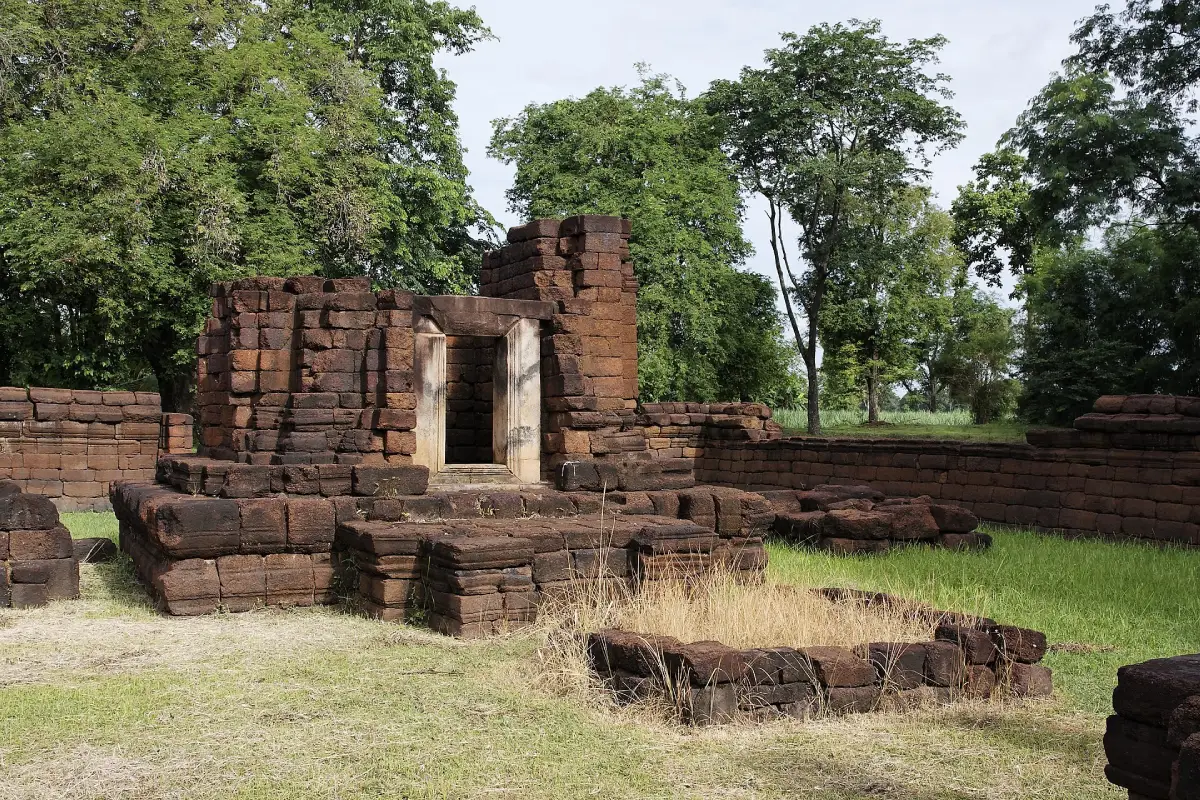
35. Prasat Ban Thanon Hak is located within Wat Ban Thanon Hak at Ban Thanon Hak, Moo 4, Ban Mai Subdistrict, Nong Bun Mak District. The ancient Khmer monument is approximately 900 years old and is generally associated with the late 11th to early 12th centuries and Hindu religious traditions. Laterite was used as a principal construction material, while sandstone was employed around door frames and areas requiring more refined workmanship. Although most of the upper architecture has collapsed, visitors can still study the principal sanctuary foundation, surrounding walls, gopura, and traces of water features around the complex. The site is especially notable for discoveries of gold ornaments and important archaeological objects, some featuring intricate decorative work and gemstones. These finds indicate the former significance of the sanctuary and the high level of craftsmanship in the region. Visitors should focus on the surviving layout and foundations while avoiding climbing on archaeological structures. Respectful dress is also appropriate because the ruins stand within an active temple.
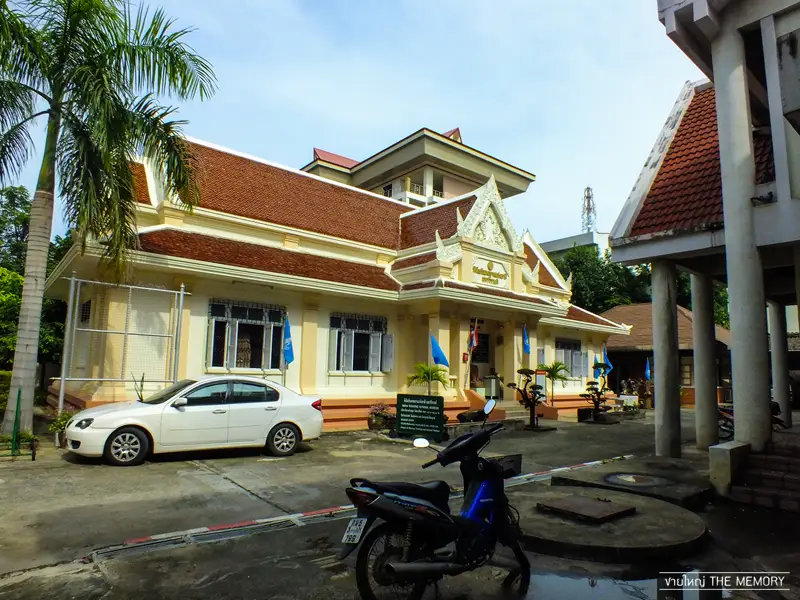
36. Maha Wirawong National Museum is located within Wat Sutthachinda Worawihan on Ratchadamnoen Road in central Nakhon Ratchasima. The museum is an excellent starting point for travelers who want to understand Korat’s history from prehistoric times through the Rattanakosin period. Its origins are connected with Somdet Phra Maha Wirawong (Uan Tisso), who collected antiquities and works of art and later entrusted them to the Fine Arts Department for preservation and study. The collection includes Buddha images, sandstone sculptures, ceramics, ancient utensils, architectural fragments, and local cultural objects from different periods. Visiting the museum before or after Phimai, Mueang Sema, or ancient Khmer sanctuaries helps visitors understand the broader artistic and historical context of those sites. The museum is compact enough to explore in approximately one to two hours and is conveniently located near Thao Suranari Monument, Chumphon Gate, and the historic city center.
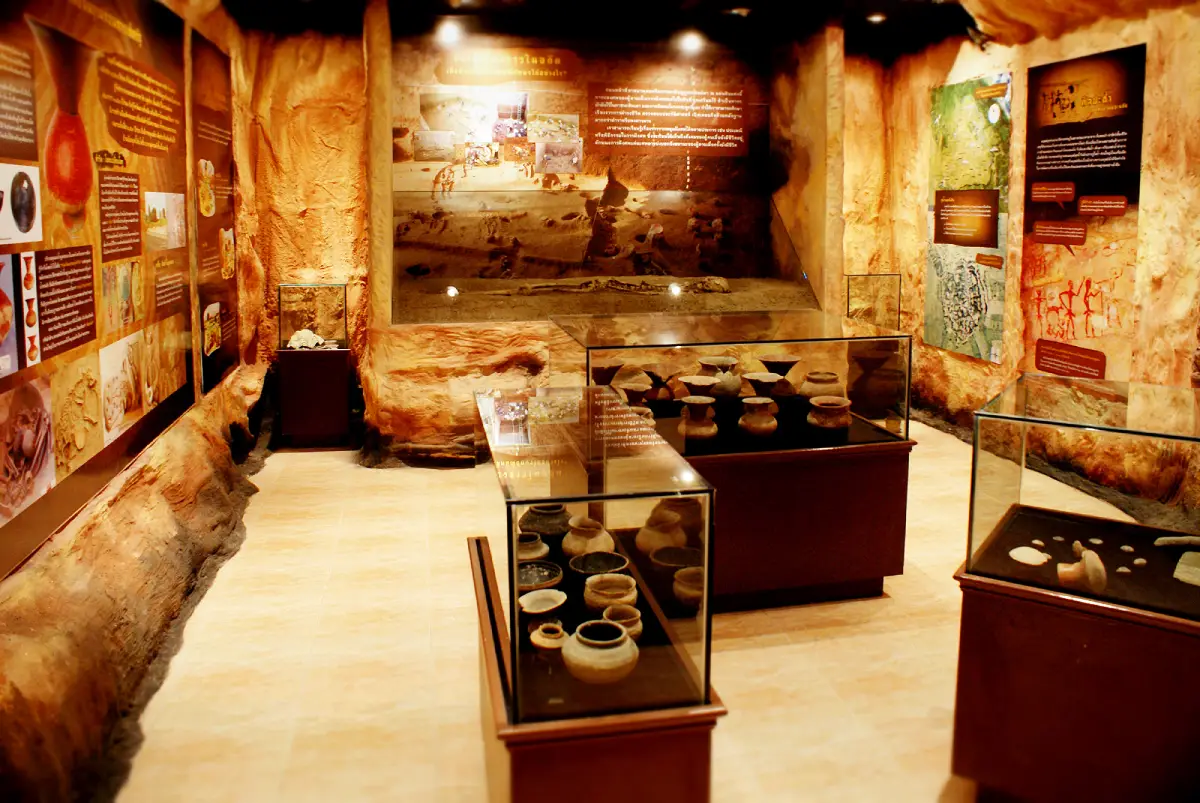
37. Korat Museum is located inside Nakhon Ratchasima Rajabhat University, in Building 10, on the second floor of the Office of Arts and Culture. The museum presents the story of Korat through history, local culture, and everyday life. Exhibitions introduce the development of Nakhon Ratchasima from earlier settlements and historical communities to its growth as a major regional center in northeastern Thailand. Visitors can learn through photographs, documents, objects, and cultural information related to language, cuisine, traditions, folk arts, and important events in the history of the city. Unlike a museum focused primarily on archaeological objects, Korat Museum places strong emphasis on connecting the past with the lives and identity of people today. It is suitable for students, families, and travelers who want to understand the province before visiting historical sites in person. The museum can be combined with Thao Suranari Monument, Chumphon Gate, Wat Sala Loi, and Maha Wirawong National Museum.
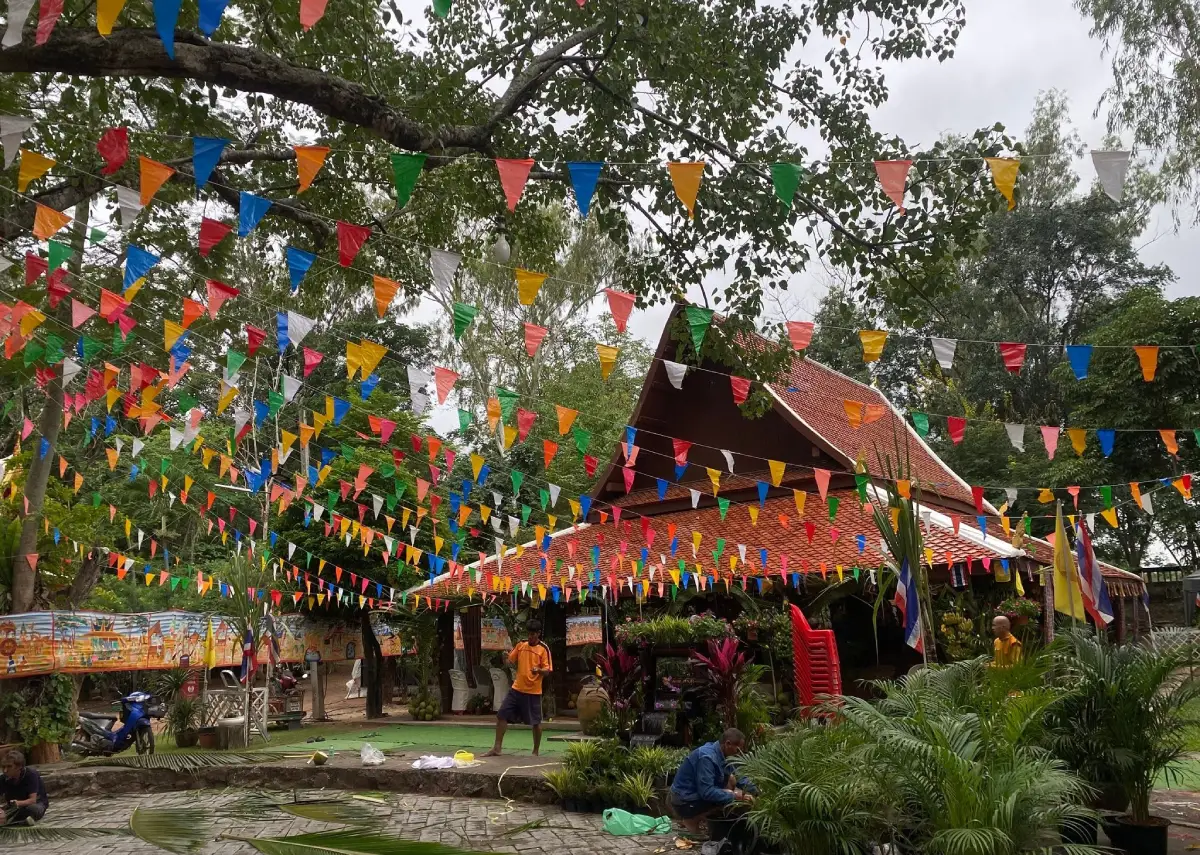
38. Wat Phrommarat Museum is located inside Wat Phrommarat at Ban Phrommarat, Tum Subdistrict, Pak Thong Chai District. This local museum preserves objects, tools, household equipment, and cultural materials connected with the everyday life of earlier generations. Agricultural implements, domestic utensils, religious objects, and community heritage items allow visitors to trace changes in rural life from a period dominated by manual labor and local natural resources to the increasing use of modern technology. The museum’s location inside a temple also reflects the traditional role of Buddhist monasteries as centers of education and community memory. Wat Phrommarat Museum is particularly suitable for travelers interested in rural culture, local history, and Pak Thong Chai community life. It can be combined with Wat Na Phra That, Lam Phra Phloeng Dam, agricultural attractions, and other cultural sites around Pak Thong Chai.
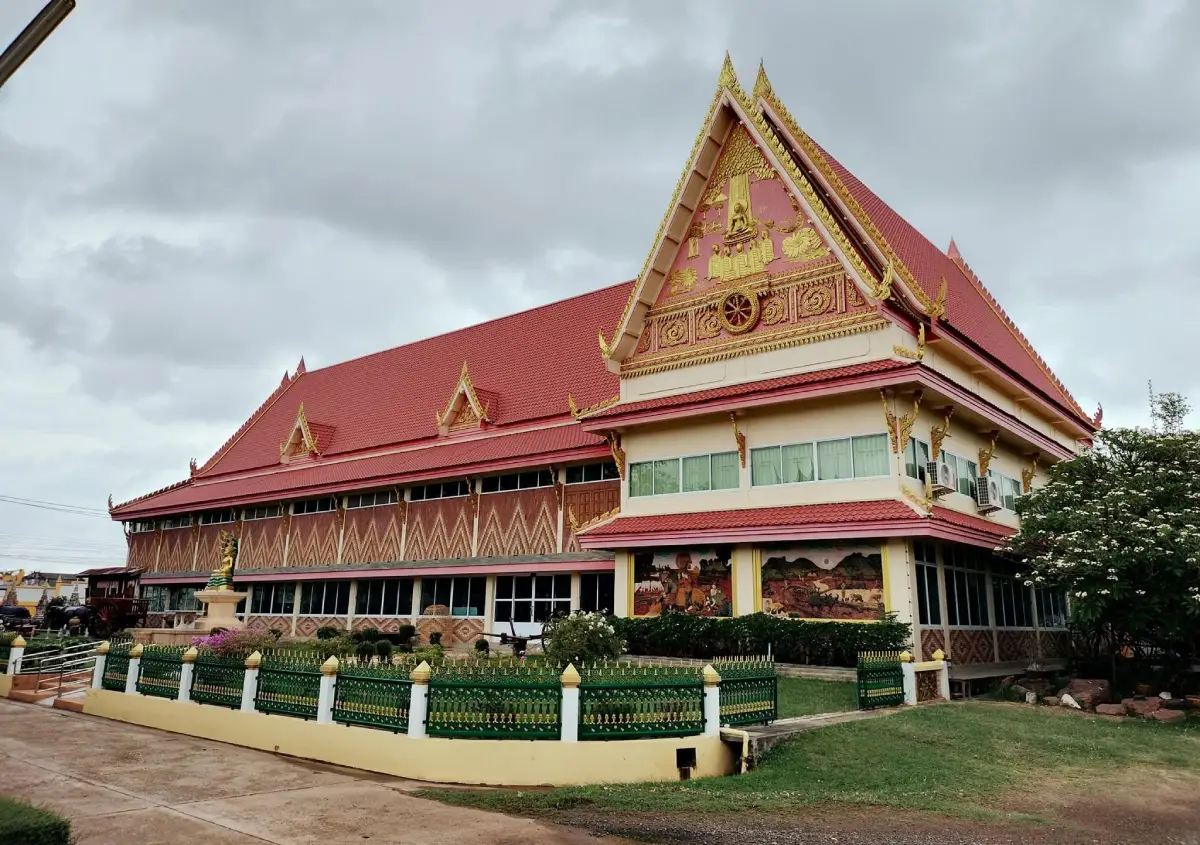
39. Farmer Wisdom Museum is located inside Wat Prachakomaram in Thap Sawai Subdistrict, Huai Thalaeng District. The museum preserves traditional farming tools, household equipment, and knowledge associated with rice cultivation in earlier Thai rural communities. Displays help explain every stage of traditional rice production, from preparing fields and planting to harvesting, threshing, and storing grain. Many of the tools reflect practical knowledge developed in response to the climate, landscape, and seasonal cycle of northeastern Thailand before tractors, mechanical harvesters, and modern equipment replaced human and animal labor. The museum shows how rice was not merely a food crop but a foundation of household economics, belief, seasonal ritual, and community life. Its location inside an active temple strengthens the connection between the displays and the surrounding community. The museum is particularly useful for children, students, and travelers who want to understand Korat through agricultural heritage and local wisdom.
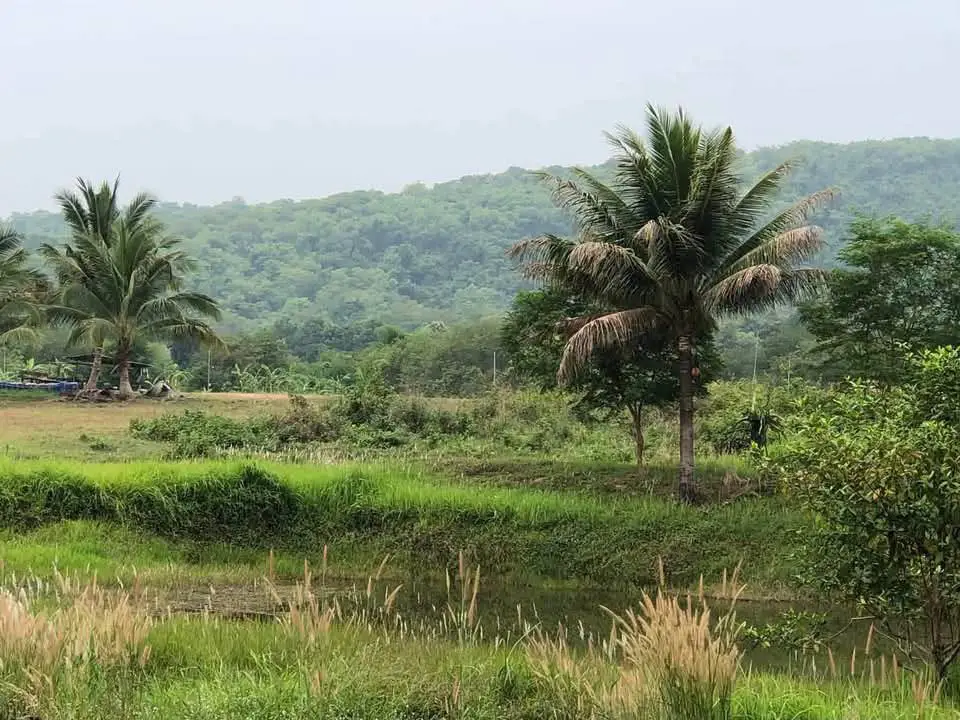
40. Suan Pu Ya Na Yu Project, Ban Suanhom is located at Ban Suan Hom, Moo 14, Tum Subdistrict, Pak Thong Chai District. It is an agricultural learning site that demonstrates mixed farming and community-based land management. The approximately 21-rai property is organized as a diversified farm containing multiple layers of vegetation, including large trees, fruit trees, shrubs, vegetables, herbs, and ground-cover plants. This multi-level planting system supports food production, household income, shade, biodiversity, and long-term land use within the same area. The project reflects family-scale farming and self-reliance rather than large-scale monoculture production, making it particularly useful for farmers, students, and visitors interested in integrated agriculture. Walking through the site helps explain how trees, food crops, water resources, and living spaces can be arranged to support one another. Because the site is also a private farm and educational venue, visitors should contact the operators in advance before planning a study visit. Nearby routes can include Lam Phra Phloeng Dam, Jim Thompson Farm, and other attractions around Pak Thong Chai.
41. Kham Thale So Subdistrict Agricultural Technology Transfer Center is located at Ban Khok Faek, Moo 5, Kham Thale So Subdistrict, Kham Thale So District, Nakhon Ratchasima. The center serves as an agricultural learning site where farmers, students, and interested visitors can study practical methods for improving agricultural production. The site is suitable for learning about field management, agricultural technology, production planning, cost reduction, and techniques adapted to local conditions in Nakhon Ratchasima. Unlike conventional tourist attractions focused on sightseeing and entertainment, this center is more relevant to visitors interested in practical agriculture, rural development, and community-level knowledge transfer. Its main value lies in allowing learners to see how agricultural knowledge is applied in real working environments. Groups wishing to arrange a study visit should contact the center in advance so that staff can prepare appropriate information and activities. The location is also convenient for travelers continuing between Kham Thale So and central Nakhon Ratchasima.
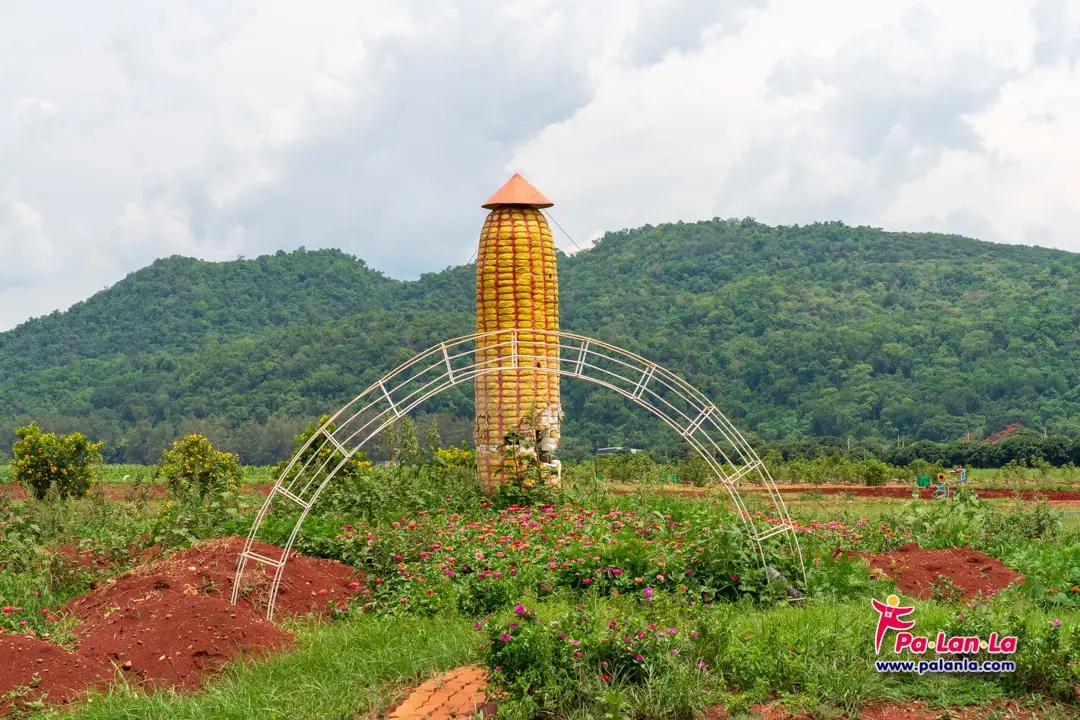
42. National Corn and Sorghum Research Center is located in Klang Dong Subdistrict, Pak Chong District, beside Mittraphap Road. The center is an important research and learning facility for field crops, particularly corn and sorghum, which are significant agricultural crops in Thailand. The climate and landscape around Klang Dong and Pak Chong are suitable for agricultural experimentation, giving the center an important role in research, crop variety development, production techniques, and knowledge transfer to farmers. Students, agricultural professionals, and visitors interested in crop science can learn how scientific research supports food production and agricultural productivity. The center also provides a different perspective on Pak Chong, which is usually associated with Khao Yai, farms, cafés, and scenic tourism. Visitors planning group study trips or more specialized visits should arrange access with the center in advance.
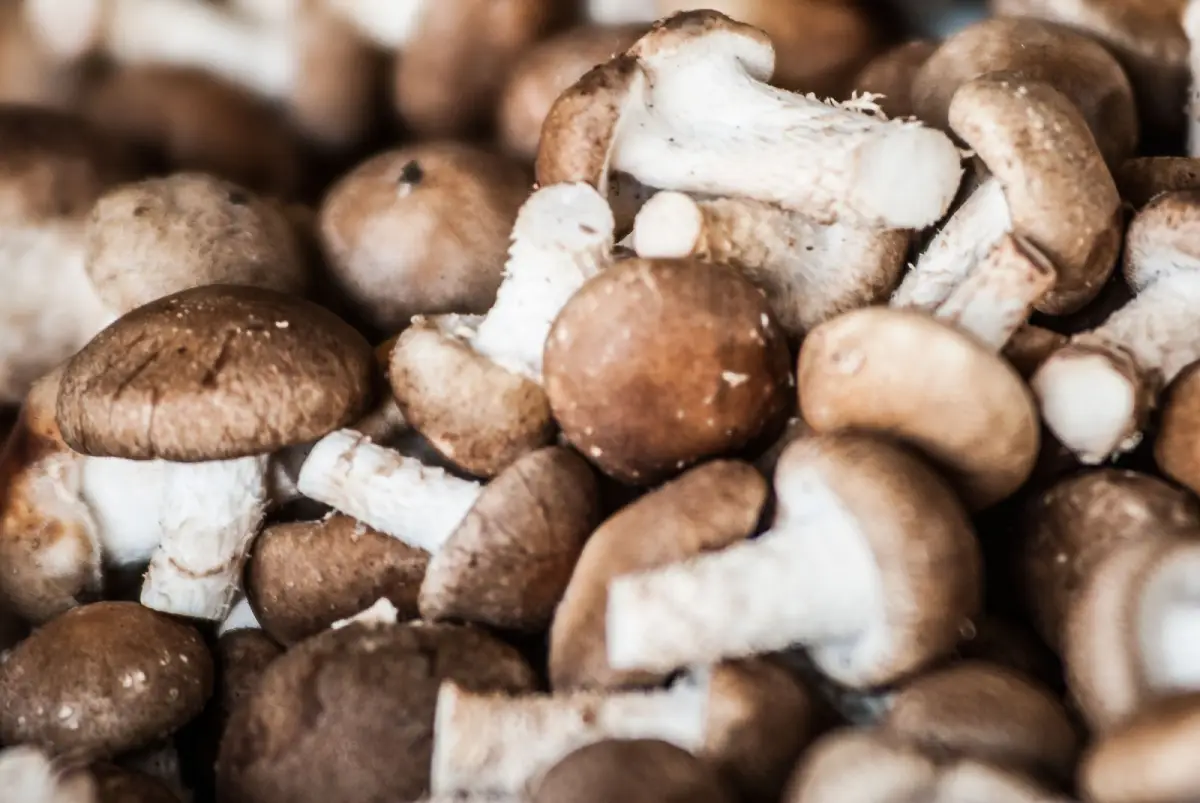
43. Ban Busai Shiitake Mushroom Planting and Processing Demonstration Center is located at Ban Bu Sai, Moo 4, Thai Samakkhi Subdistrict, Wang Nam Khiao District. It is an agricultural learning center connected with Wang Nam Khiao’s reputation for cool-climate crops, safe agriculture, and agricultural tourism. Visitors can learn about shiitake mushroom cultivation from preparation and environmental control to harvesting and product processing. The center demonstrates how agricultural products can gain additional value through suitable processing and management. It is useful for farmers, students, families, and travelers interested in agricultural livelihoods in Wang Nam Khiao. A visit also provides an opportunity to experience the atmosphere of upland farming communities. The center can be combined with Khao Phaeng Ma, Sakaerat Environmental Research Station, and other agricultural attractions in the Wang Nam Khiao area.
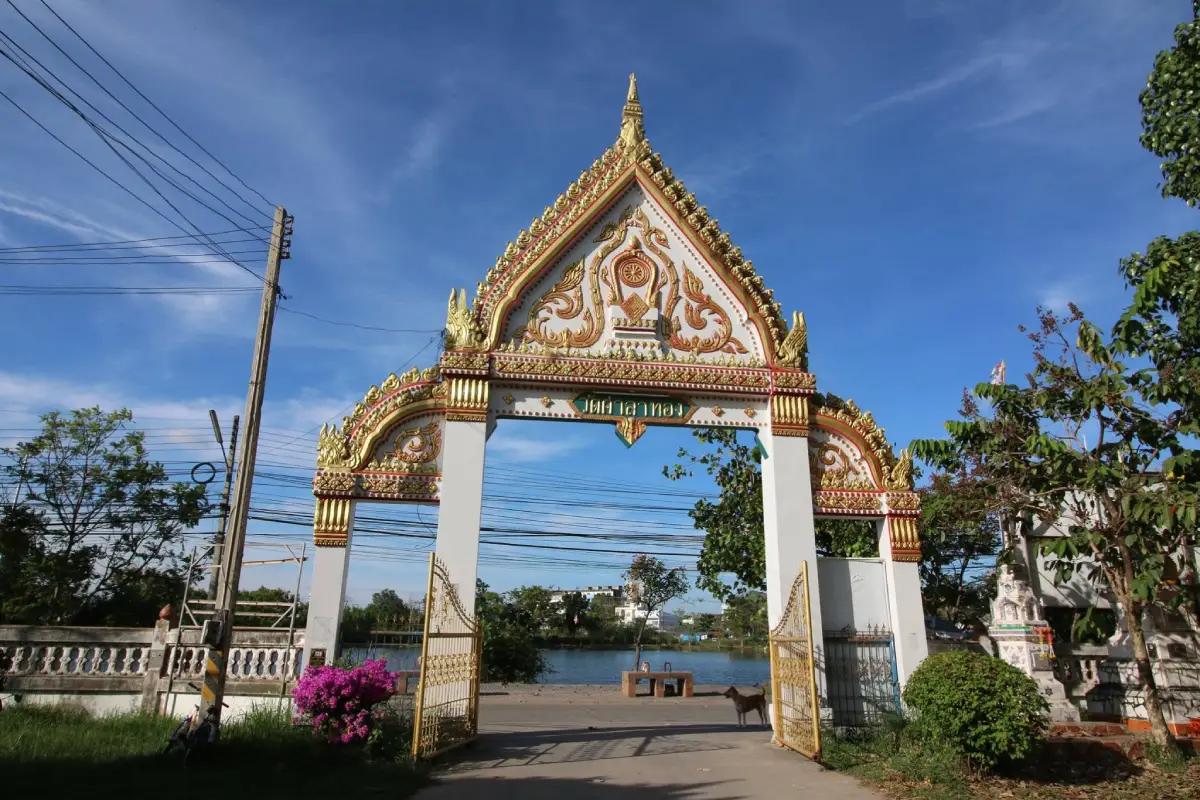
44. Wat Sala Thong is located on Bencharong Road in Nai Mueang Subdistrict, Mueang Nakhon Ratchasima District. It is an important Buddhist temple in central Korat and has long maintained close ties with the surrounding community. The temple contains religious buildings and sacred features that reflect local Buddhist art and devotion. It is suitable for travelers who want to make merit, pay respects, and learn about local religious culture while exploring Nakhon Ratchasima City. The atmosphere inside the temple is generally quieter than the nearby commercial districts, making it a peaceful stop during a city tour. Wat Sala Thong can be combined with Wat Sala Loi, Thao Suranari Monument, Wat Phayap, Wat Phra Narai Maharat Worawihan, and Maha Wirawong National Museum for a full-day temple and old-city itinerary. Visitors should dress respectfully and avoid disturbing monks or worshippers during religious activities.
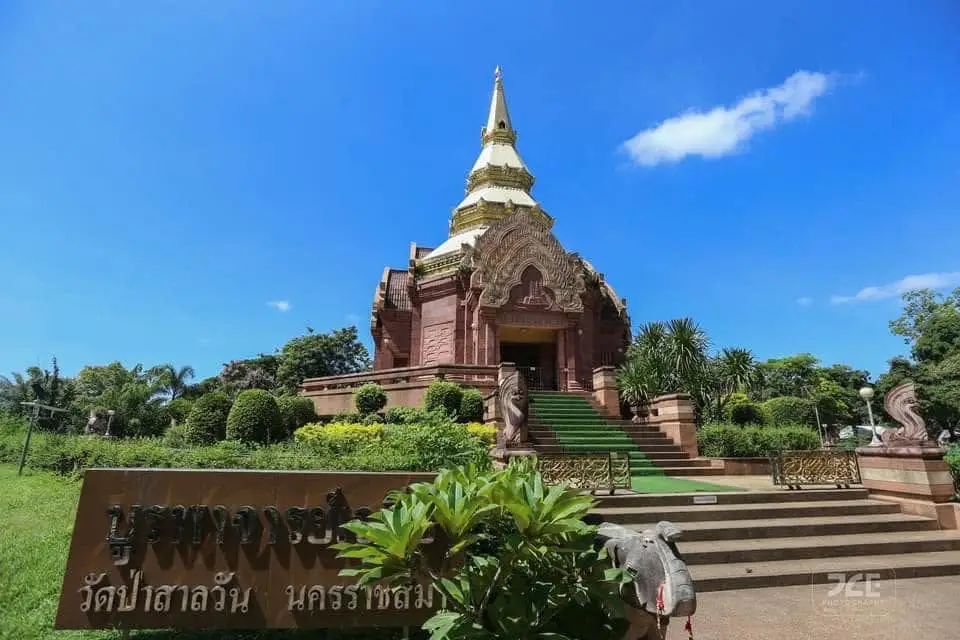
45. Wat Pa Salawan is located on Suebsiri Road behind Nakhon Ratchasima Railway Station in Nai Mueang Subdistrict. It is one of Korat’s well-known forest-style meditation temples and offers an atmosphere quite different from urban temples in busy commercial areas. The grounds are shaded and peaceful, making the temple suitable for merit-making, meditation, Dharma study, or simply spending quiet time away from the city. Forest-temple traditions emphasize simplicity, calmness, and spiritual practice rather than elaborate architectural display. Although Wat Pa Salawan is close to the city center and railway station, visitors can still experience a noticeably quieter and more natural environment inside. It can be combined with Wat Phayap, Wat Phra Narai Maharat Worawihan, Thao Suranari Monument, and other central Korat landmarks. Visitors should dress modestly, keep mobile phones quiet, and respect areas used for meditation.
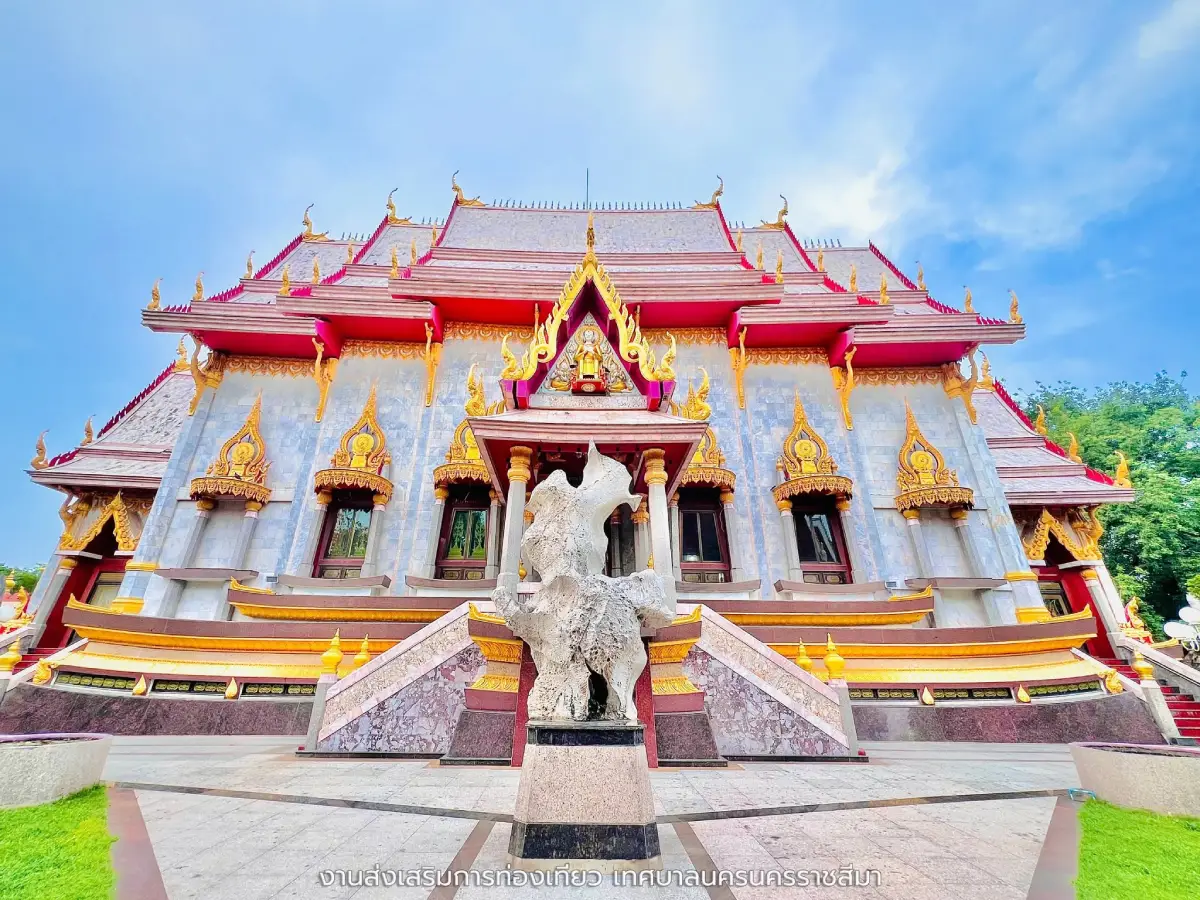
46. Wat Phayap is located on Chumphon Road in Nai Mueang Subdistrict and is one of the historic Buddhist temples within Korat’s old-city area. Its location makes it easy to combine with Thao Suranari Monument, Chumphon Gate, and other attractions in central Nakhon Ratchasima. The temple reflects the religious history and long-standing Buddhist faith of the local community. Visitors can make merit, pay respects, and explore the religious buildings while experiencing a traditional temple atmosphere within the modern city. Wat Phayap is particularly convenient for a half-day walking itinerary around central Korat because it is close to the Ya Mo Monument and old-city landmarks. Visitors should wear respectful clothing and remain quiet, especially around the ordination hall and areas where monks are conducting religious activities.
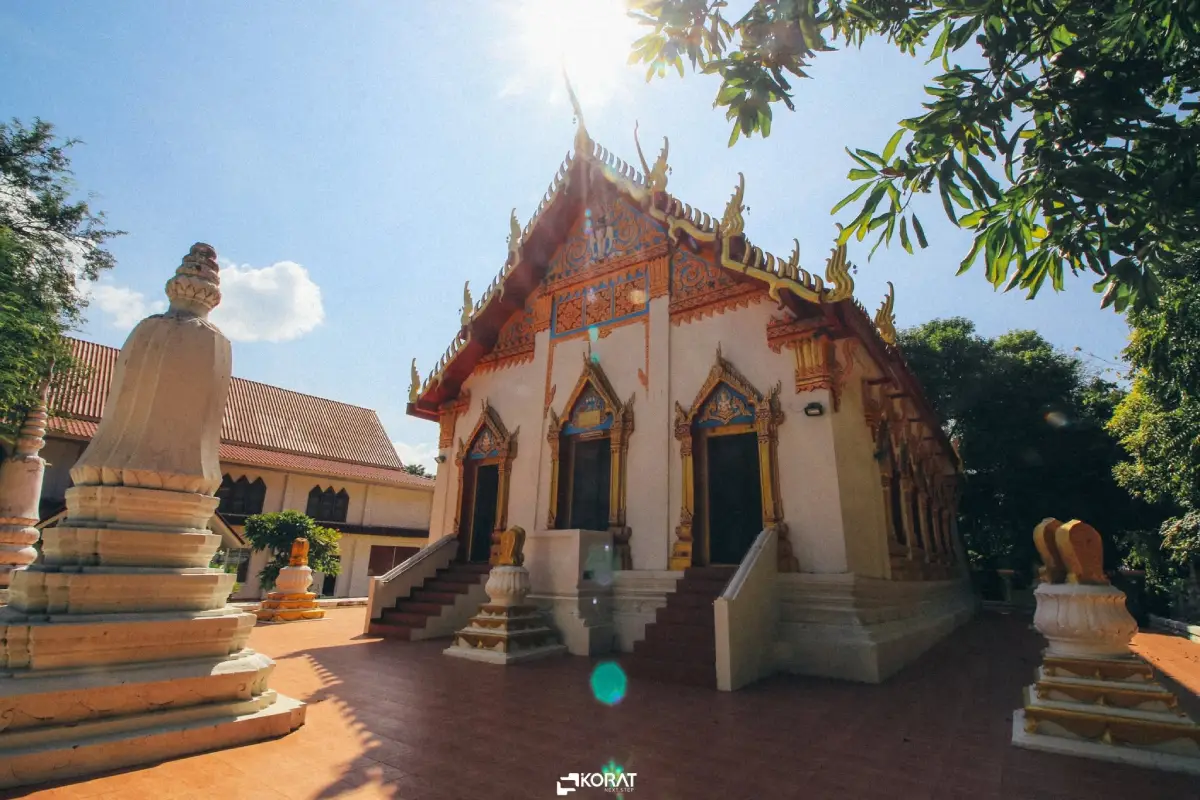
47. Wat Isan is located on Kudan Road in Nai Mueang Subdistrict, within the old-city area of Nakhon Ratchasima. The temple continues to serve as an important Buddhist center for the local community, supporting merit-making, Dharma activities, annual traditions, and religious ceremonies. For visitors, the appeal lies in experiencing an active urban temple that remains closely integrated with daily community life rather than existing only as a tourist attraction. Wat Isan can be included in a walking route through the old city with Thao Suranari Monument, Chumphon Gate, the City Pillar Shrine, Wat Phayap, and Wat Phra Narai Maharat Worawihan. Visitors should dress modestly, remove footwear where required, and avoid disrupting religious activities or community events.
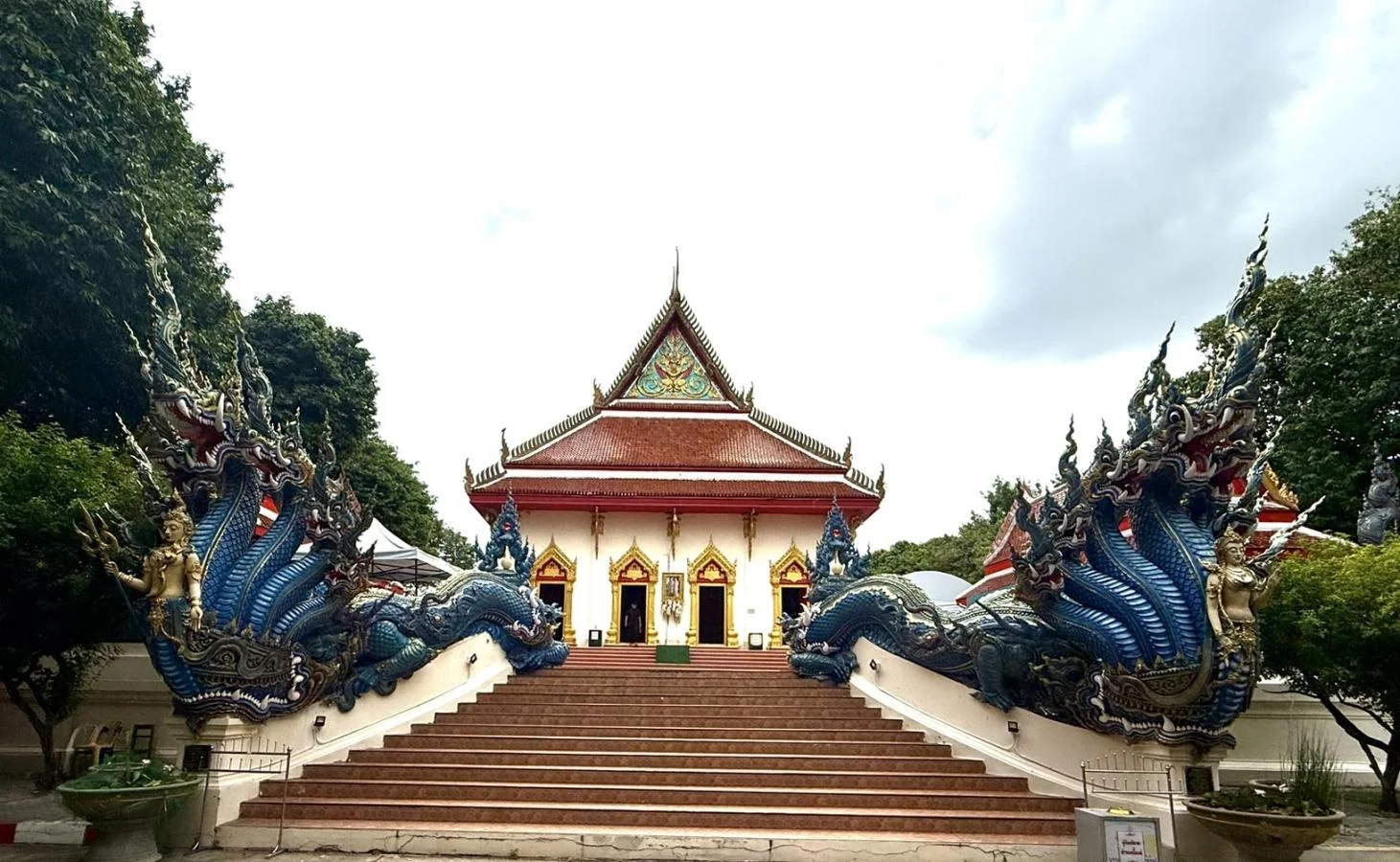
48. Wat Phra Narai Maharat Worawihan is located in central Nakhon Ratchasima near the City Pillar Shrine and is one of the important temples associated with the history of the old city. The temple remains active in religious, cultural, and community life and offers travelers an opportunity to make merit, observe Buddhist architecture, and understand the relationship between temples and the historical development of Korat. Its central location makes it easy to continue to the City Pillar Shrine, Thao Suranari Monument, Chumphon Gate, Wat Phayap, and Maha Wirawong National Museum. This makes the temple particularly suitable for a half-day or full-day walking route through the historic center. Visitors should dress respectfully, remain quiet, and avoid interfering with ceremonies or religious activities.
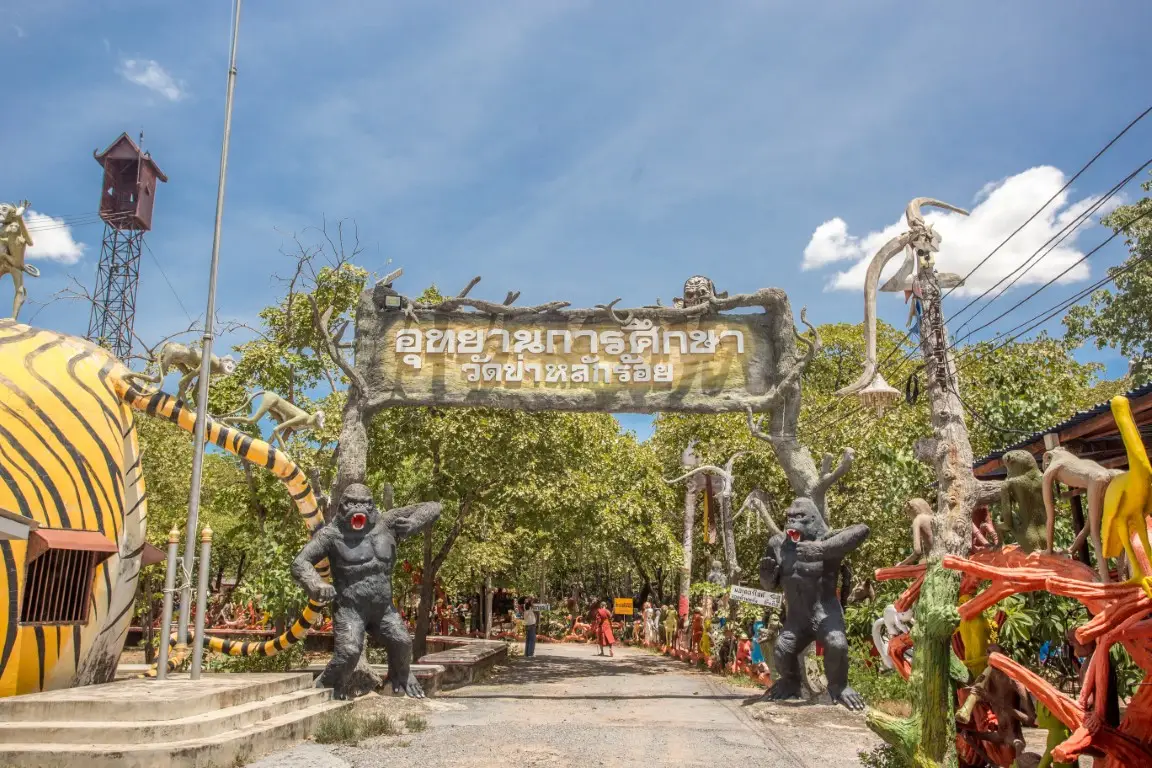
49. Wat Pa Lak Roi is located at Ban Lak Roi, Moo 9, Non Thai Subdistrict, Non Thai District. The temple has a peaceful forest-temple atmosphere and is surrounded by the rural landscape of central Korat. It is suitable for travelers who want to pay respects, make merit, rest quietly, or experience a Buddhist site away from busy urban areas. Rural temples often function as more than places of worship; they are also community centers for local ceremonies, traditions, and village cooperation. Travelers passing through Non Thai can stop here before continuing toward Non Sung, Phimai, or neighboring districts. The temple is particularly suitable for visitors who appreciate quiet spiritual spaces and authentic community environments. Modest clothing and respectful behavior are expected, and visitors should avoid disturbing monks’ living quarters or meditation areas.
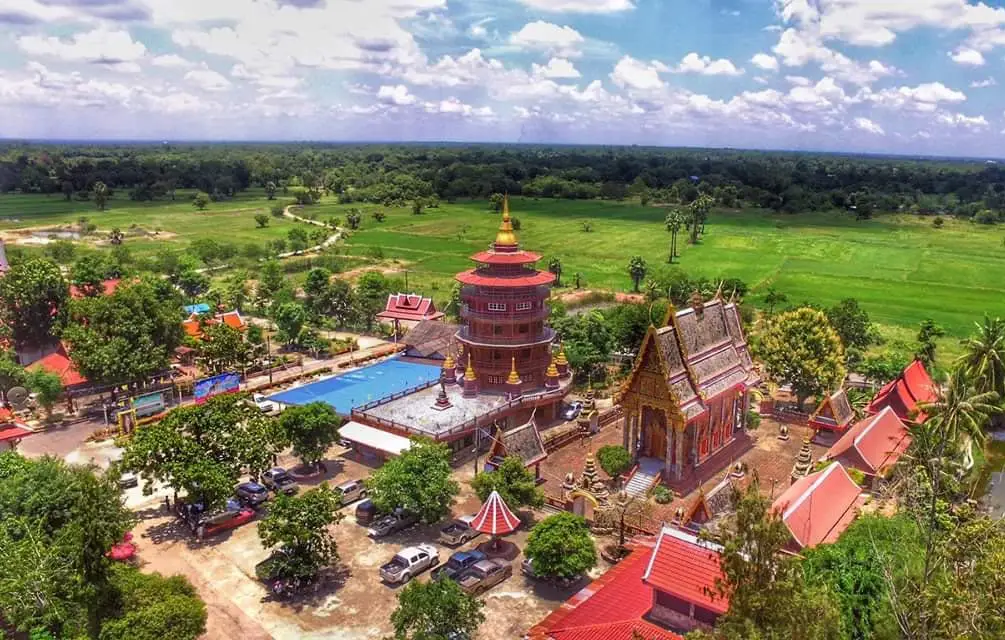
50. Wat Marum is located at Ban Marum, Moo 7, Phon Songkhram Subdistrict, Non Sung District. It is a community temple that continues to play an important role in local religious life, traditional ceremonies, and village activities. The temple atmosphere is suitable for merit-making, paying respects, and observing rural community life in Korat. Travelers exploring the historical landscape of Non Sung can combine Wat Marum with Prasat Phon Songkhram, Ban Prasat Archaeological Site, and Ku Prasat. These nearby attractions demonstrate how settlement in the area has continued from ancient times into the present. Adding a living community temple to an archaeological itinerary helps travelers understand the modern cultural landscape rather than focusing only on ruins. Visitors should dress respectfully, keep the temple grounds clean, and follow local regulations during festivals or religious ceremonies.
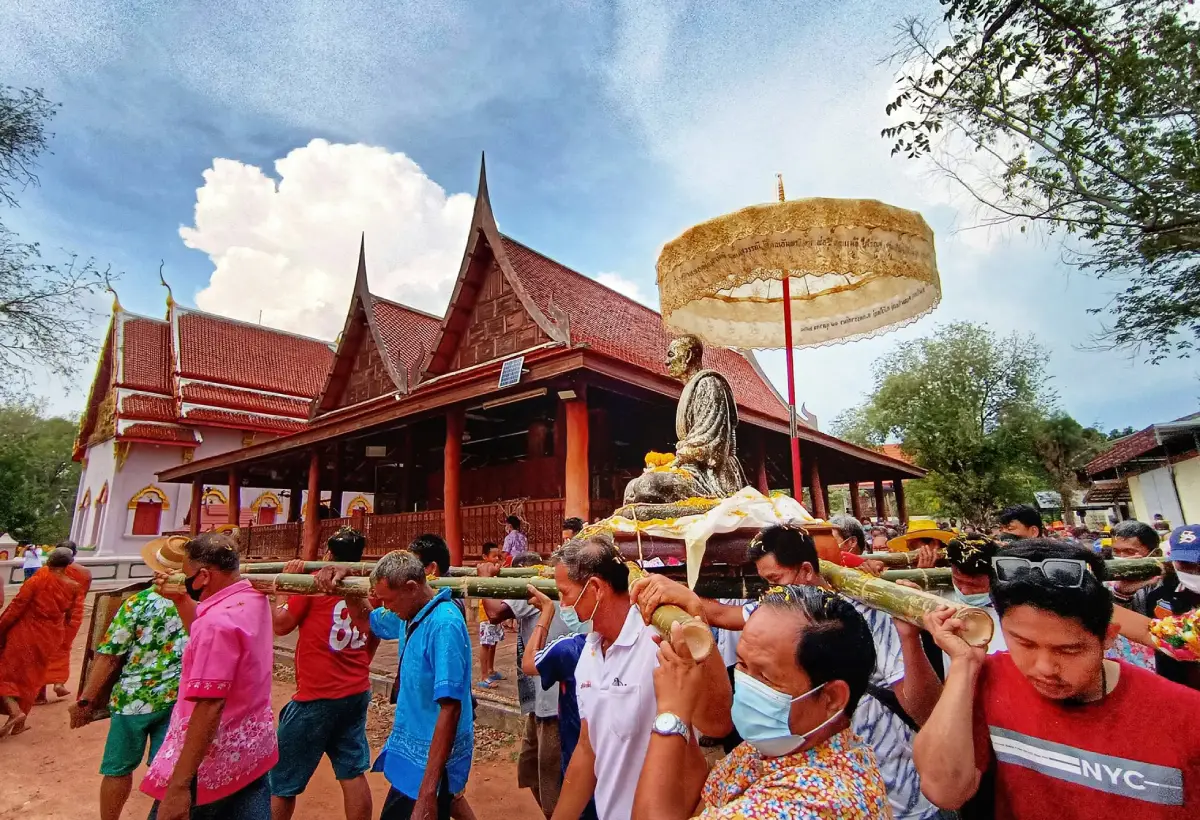
51. Wat Ban Sema Yai is located in Sema Yai Subdistrict, Bua Yai District. It is a community temple serving as a religious center for local residents in northern Korat. The word “Sema” is closely associated with Buddhist culture and appears in the names of many communities across northeastern Thailand. Wat Ban Sema Yai is suitable for travelers passing through Bua Yai who want to make merit or experience the atmosphere of a rural Buddhist temple that remains closely connected with community life. Travel in Bua Yai can also be combined with Prang Ku and other attractions in northern Nakhon Ratchasima, offering a different experience from Khao Yai or central Korat. Visitors should dress modestly, remain quiet, and avoid entering monks’ private areas without permission. When visiting during a local merit-making festival, travelers may also observe the temple’s important role in community traditions.
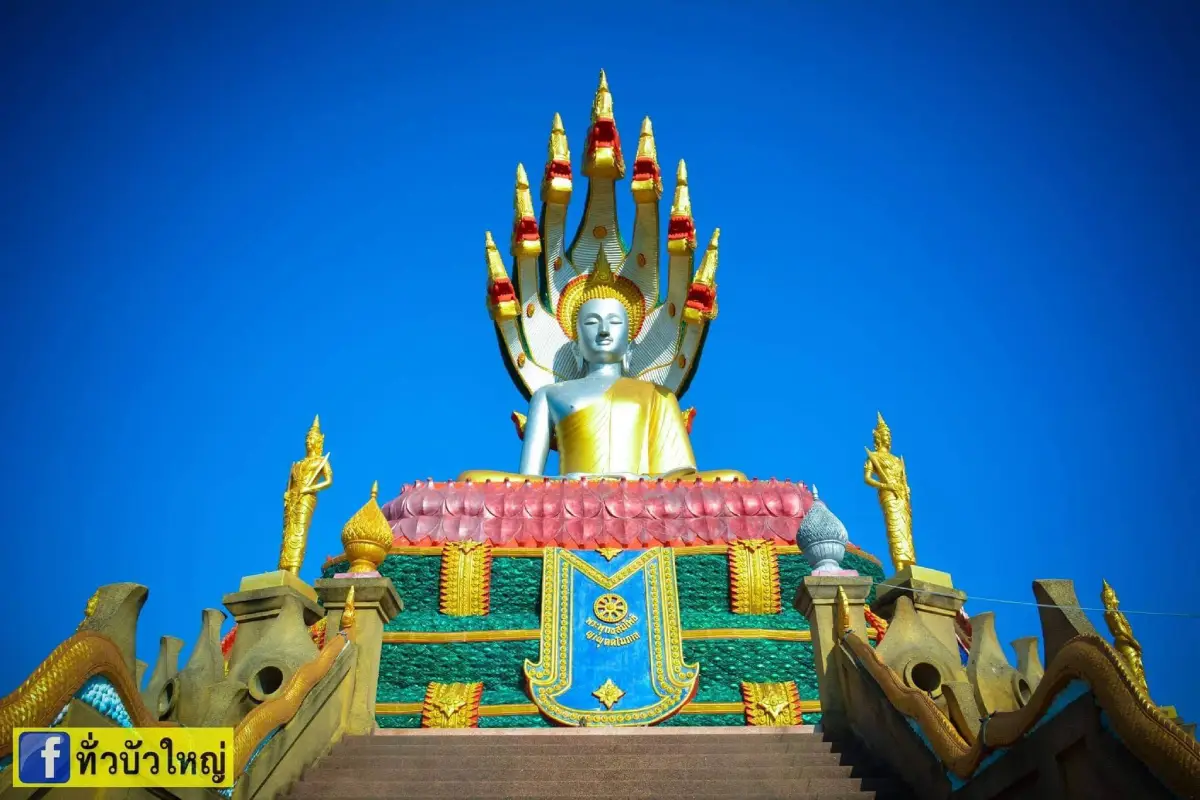
52. Wat Pa Ban Don Han Kut Chok is located at Ban Don Han, Moo 11, Kut Chok Subdistrict, Bua Yai District. This forest-style temple offers a peaceful setting for merit-making, paying respects, quiet reflection, and experiencing rural Buddhist life. Forest temples generally emphasize simplicity, meditation, and a close relationship with the natural environment, creating an atmosphere quite different from large urban temples. Visitors can spend time walking through the grounds or resting quietly without needing a rushed itinerary. The temple can be incorporated into a northern Korat route with Prang Ku, Wat Ban Sema Yai, and attractions around Prathai District. It is especially suitable for travelers interested in local environments beyond mainstream tourism. Visitors should speak quietly, dress respectfully, and avoid disturbing meditation areas.
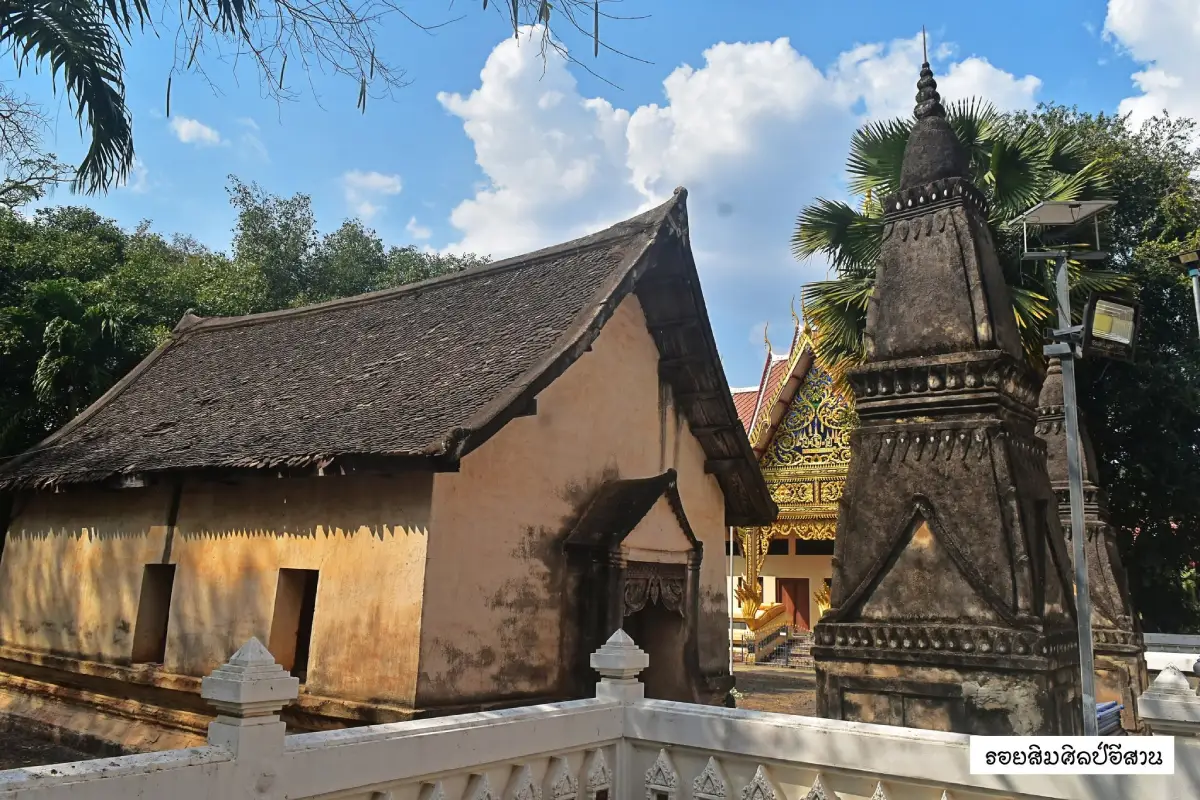
53. Wat Pathum Khongkha (Nok Ok) is located at Ban Nok Ok, Moo 6, Nok Ok Subdistrict, Pak Thong Chai District. The temple serves as an important Buddhist and community center connected with local religious activities and traditions. Temples in Pak Thong Chai remain closely related to agricultural communities and local culture, making a visit useful for travelers who want to experience a quieter and more everyday side of Korat. Visitors can make merit and stop here while traveling toward Wat Na Phra That, Lam Phra Phloeng Dam, or Sakaerat. Pak Thong Chai also contains community museums, agricultural attractions, and archaeological sites, allowing visitors to create a full-day itinerary combining religion, culture, agriculture, and nature. Appropriate clothing and respectful behavior are expected, particularly during religious ceremonies.
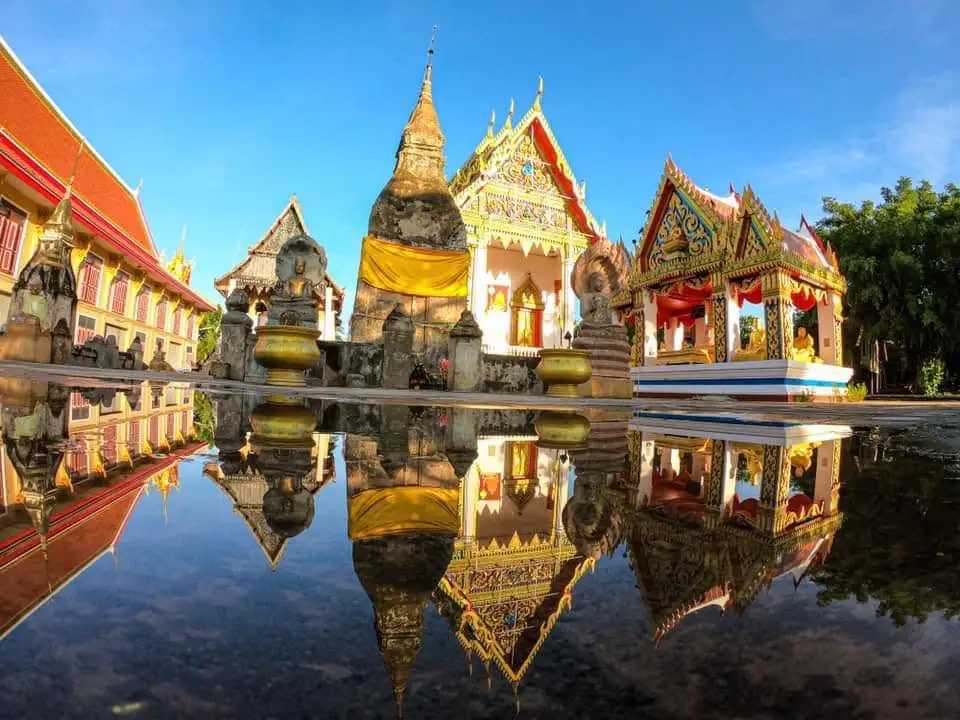
54. Wat Na Phra That, also known locally as Wat Taku, is located in Taku Subdistrict, Pak Thong Chai District. The temple is significant for religion, local history, arts, and cultural heritage. Its religious buildings and artistic elements reflect local craftsmanship and Buddhist devotion, making it suitable not only for merit-making but also for travelers interested in traditional architecture and cultural heritage. Visitors should take time to observe the details of the buildings, artwork, and surrounding community rather than rushing through the site. Wat Na Phra That can be combined with Wat Phrommarat Museum, Lam Phra Phloeng Dam, Jim Thompson Farm, and other agricultural attractions in Pak Thong Chai. Visitors who enjoy historic temples and local cultural sites will find this one of the more interesting stops in the district. Modest clothing is appropriate, and old artworks should not be touched unnecessarily.
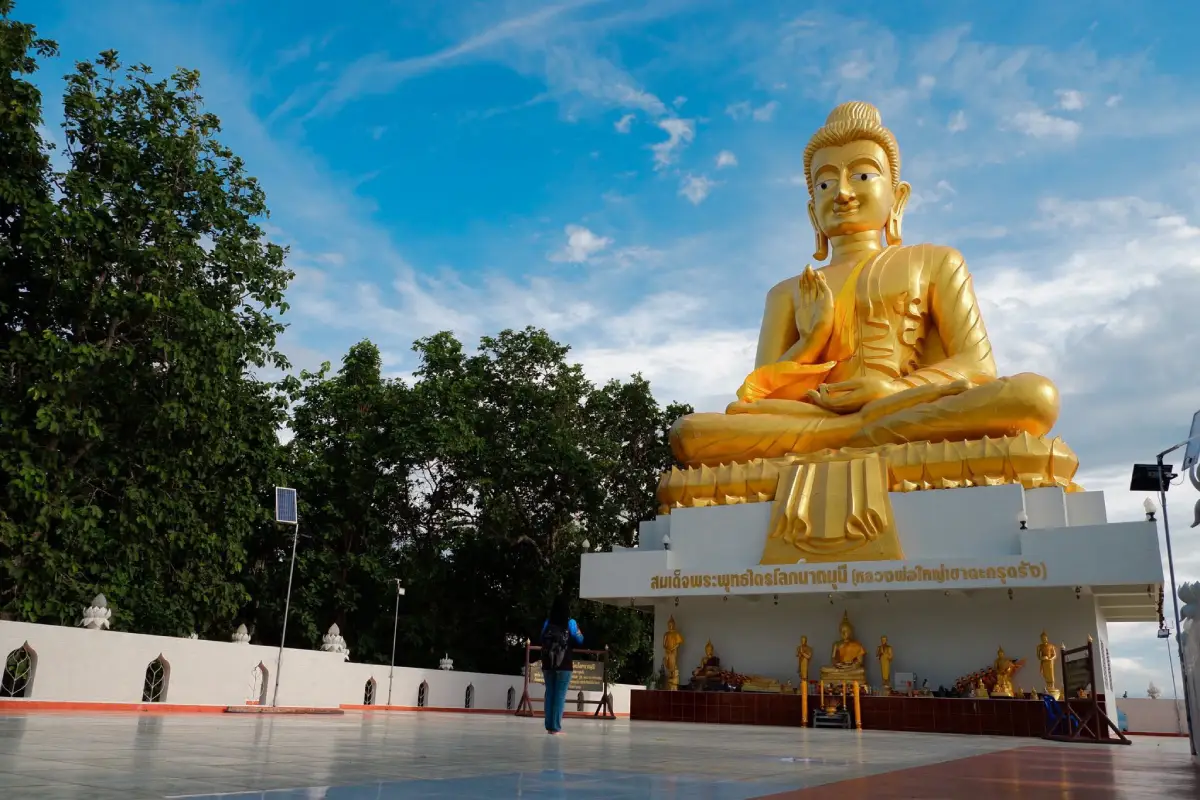
55. Wat Khao Takrut Rang is located near Ban Khlong Toei, Moo 5, Sakaerat Subdistrict, Pak Thong Chai District. The temple stands in an area where local communities, agriculture, archaeological attractions, and natural destinations meet. Its peaceful environment is suitable for merit-making, worship, and resting during journeys through Sakaerat, Pak Thong Chai, and Wang Nam Khiao. The surrounding area contains archaeological sites, educational centers, and protected natural environments, making Wat Khao Takrut Rang a useful religious stop within a broader travel route. Visitors can continue to Prasat Bueng Kham, Sakaerat Environmental Research Station, or other attractions along Highway 304. As with other active temples, visitors should wear respectful clothing, remain quiet, and avoid disturbing monks or community activities.
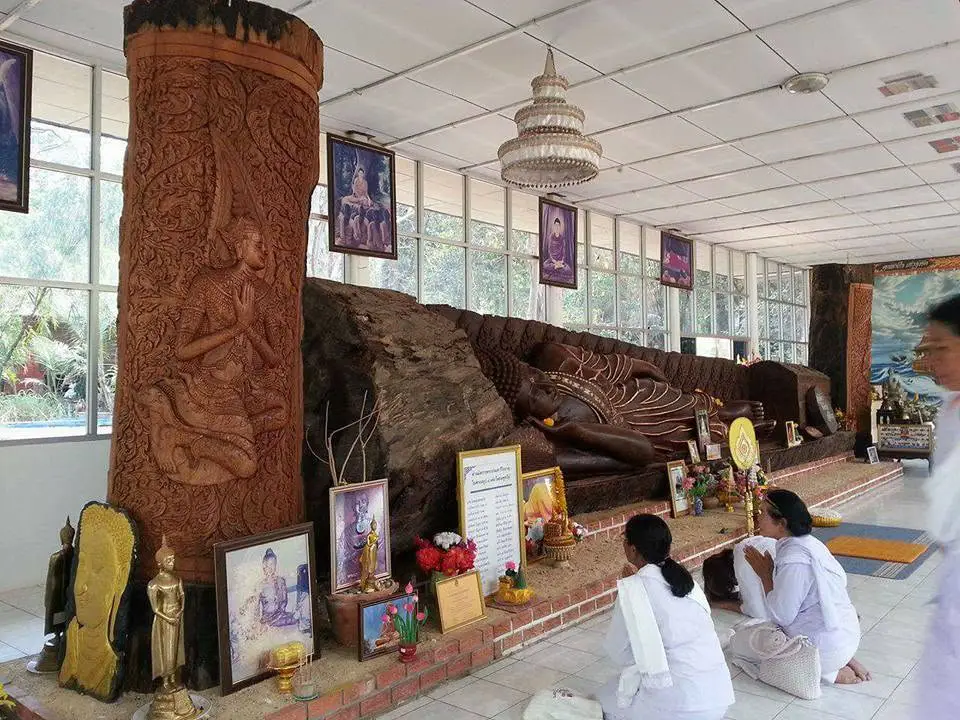
56. Wat Siri Aran Rukkhawat (Wat Por Daeng) is located at Ban Po Daeng, Moo 4, Phu Luang Subdistrict, Pak Thong Chai District. This rural community temple serves as a center for religious activities and local social life. The local name, Wat Por Daeng, reflects the close relationship between the temple and the surrounding community. Its quiet atmosphere is suitable for merit-making, paying respects, and taking a peaceful break while traveling around Pak Thong Chai. The temple has not been heavily commercialized for tourism, allowing visitors to experience a more authentic community religious environment. It can be combined with Wat Na Phra That, Lam Phra Phloeng Dam, local museums, and agricultural attractions in Pak Thong Chai District. Visitors should dress modestly, remain quiet, and avoid entering monks’ private living areas without permission.
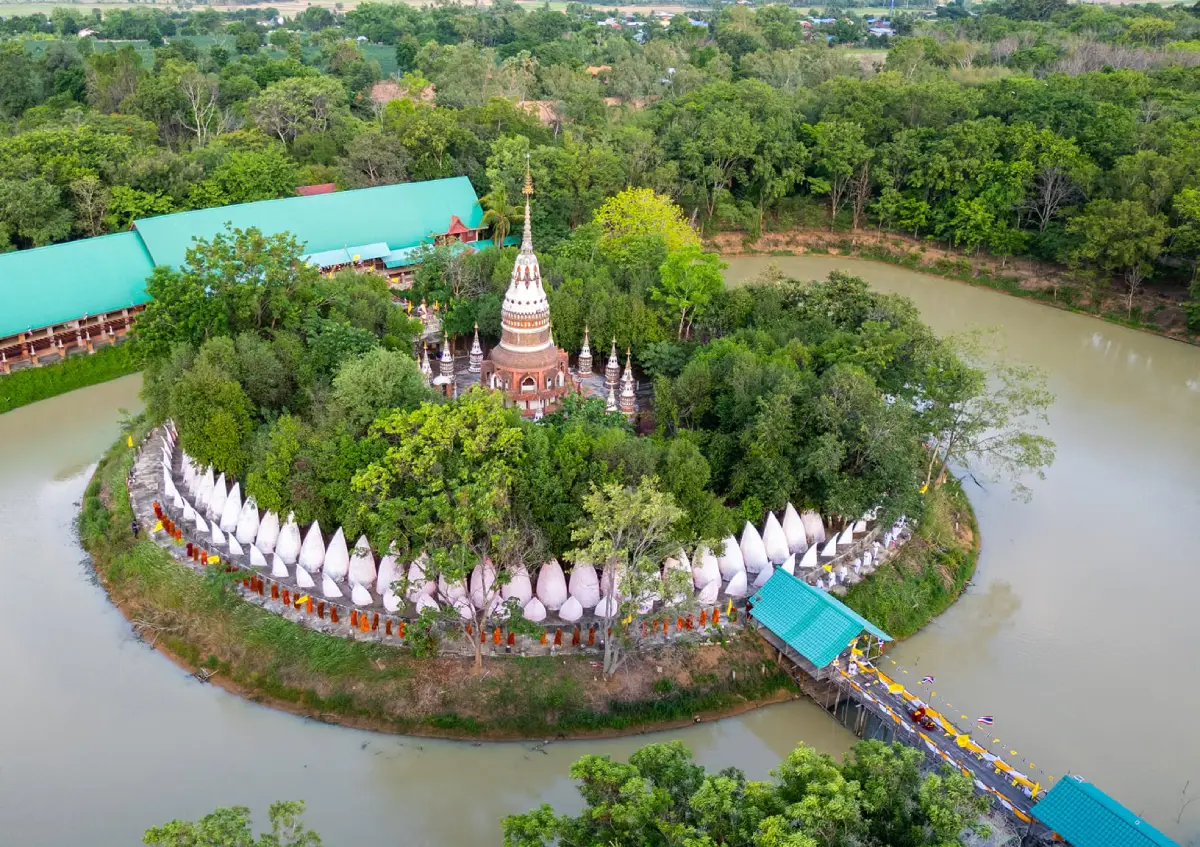
57. Wat Pa Nang Hoen, also known as Wat Mon Mawas, is located at Ban Kao Nang Hoen, Moo 5, Kasem Sap Subdistrict, Pak Thong Chai District. The temple has the peaceful character of a forest monastery and is suitable for travelers seeking a quiet rural Buddhist environment. Forest temples typically emphasize simplicity, nature, meditation, and spiritual practice, creating an atmosphere very different from busy urban religious sites. Visitors can make merit, pay respects, sit quietly, and spend time in a calm natural setting. The temple can be combined with other temples in Pak Thong Chai, agricultural attractions, Lam Phra Phloeng Dam, and nature destinations along routes toward Wang Nam Khiao. Visitors should avoid loud music or unnecessary noise and respect areas reserved for monks and meditation practice.
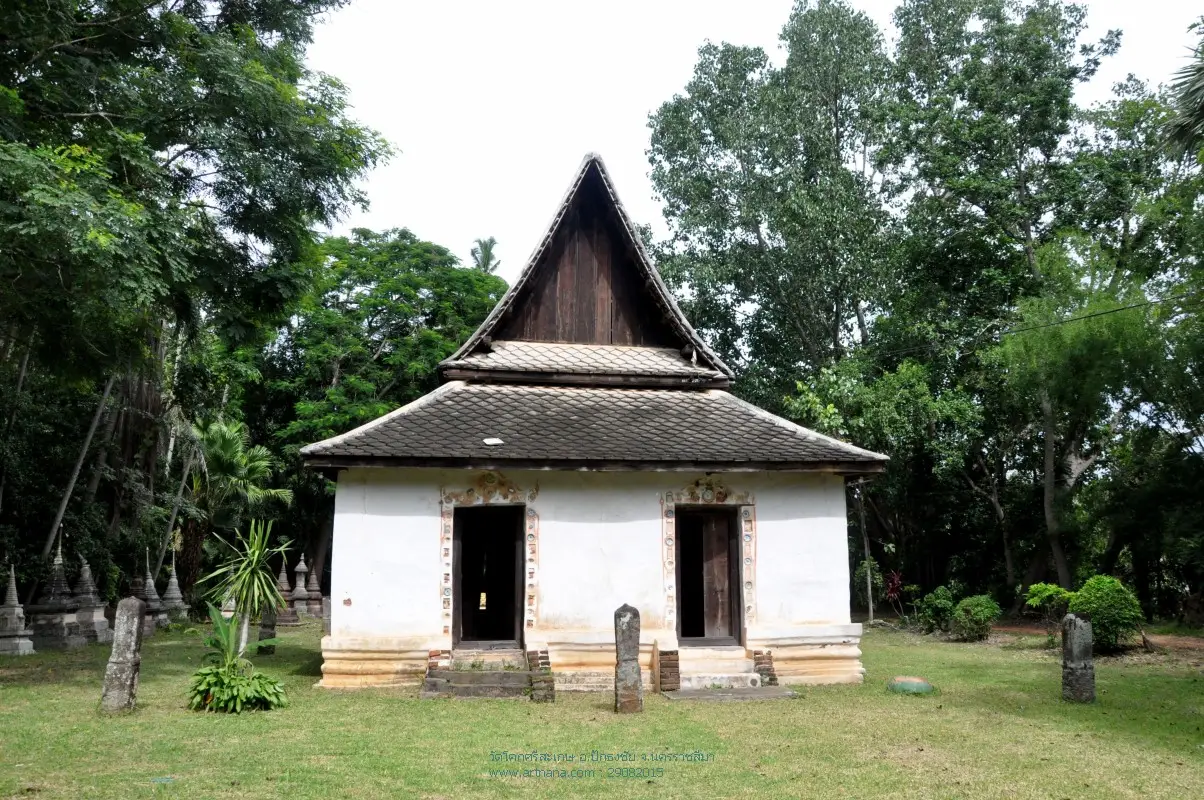
58. Wat Khok Si Saket is located at Ban Sa Noi, Nok Ok Subdistrict, Pak Thong Chai District. It is a community temple that supports religious ceremonies, local traditions, and community activities. Visiting the temple offers travelers an opportunity to experience the rural atmosphere of Pak Thong Chai and observe the close relationship between local temples and everyday village life. The site is suitable for making merit, paying respects, and taking a short break while traveling through the Nok Ok and Taku areas. Community temples such as Wat Khok Si Saket may not feature monumental tourist landmarks, but they provide valuable insight into local culture and daily religious life. The temple can be combined with Wat Pathum Khongkha, Wat Na Phra That, and other Pak Thong Chai attractions. Visitors should dress respectfully and avoid interrupting ceremonies or local events.
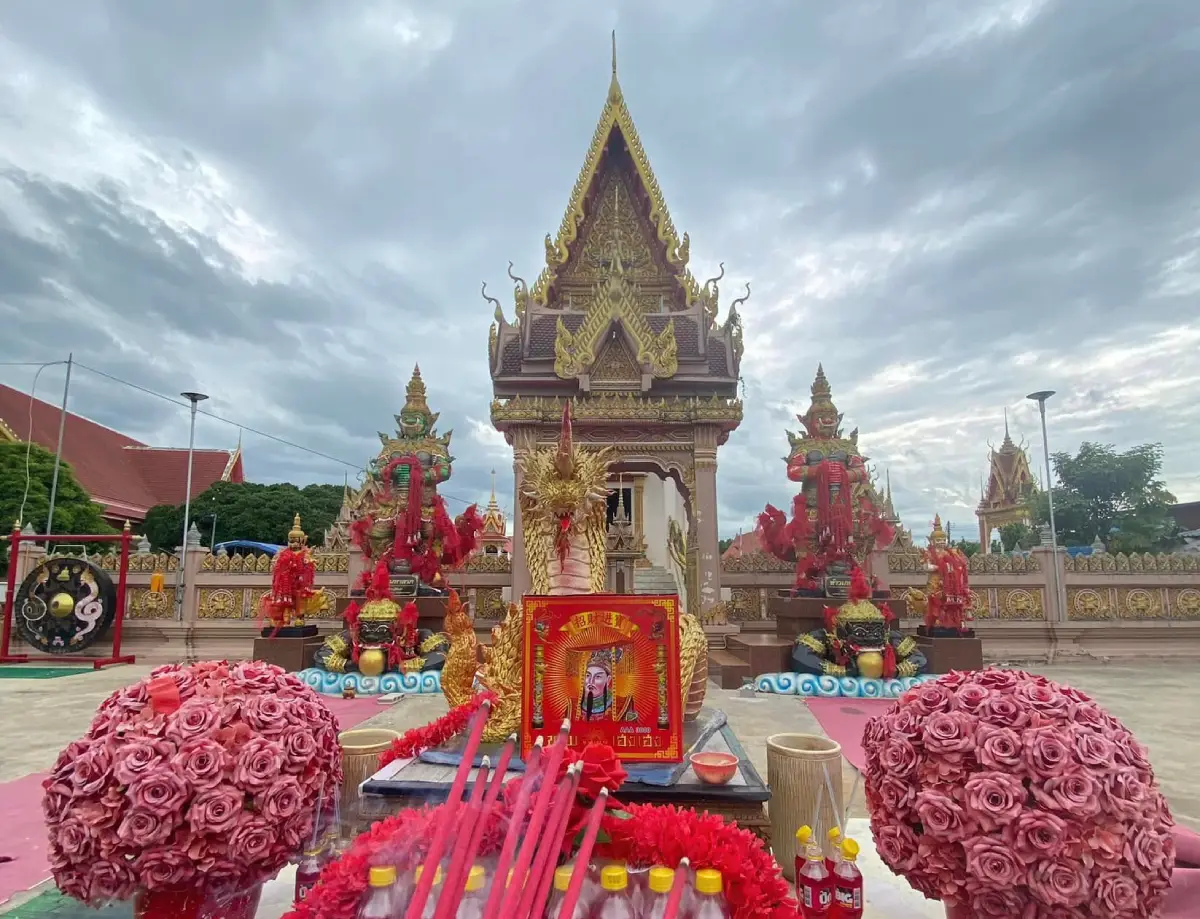
59. Wat Ban Samrit Tawan Ok is located around Ban Samret, Moo 13, Samrit Subdistrict, Phimai District. It is a community temple within a district of major historical and cultural importance. The wider Phimai area contains ancient settlements, religious monuments, and communities that have continued to develop around the old city. Visiting Wat Ban Samrit Tawan Ok adds a living cultural dimension to a trip otherwise focused on major archaeological sites. The temple remains a center for worship and local community activities and is suitable for merit-making and a short rest while traveling. Visitors can combine it with Phimai Historical Park, Phimai National Museum, Sai Ngam, and attractions around Samrit Subdistrict to experience history, archaeology, and contemporary community life within the same day. Respectful dress and behavior are expected within religious areas.
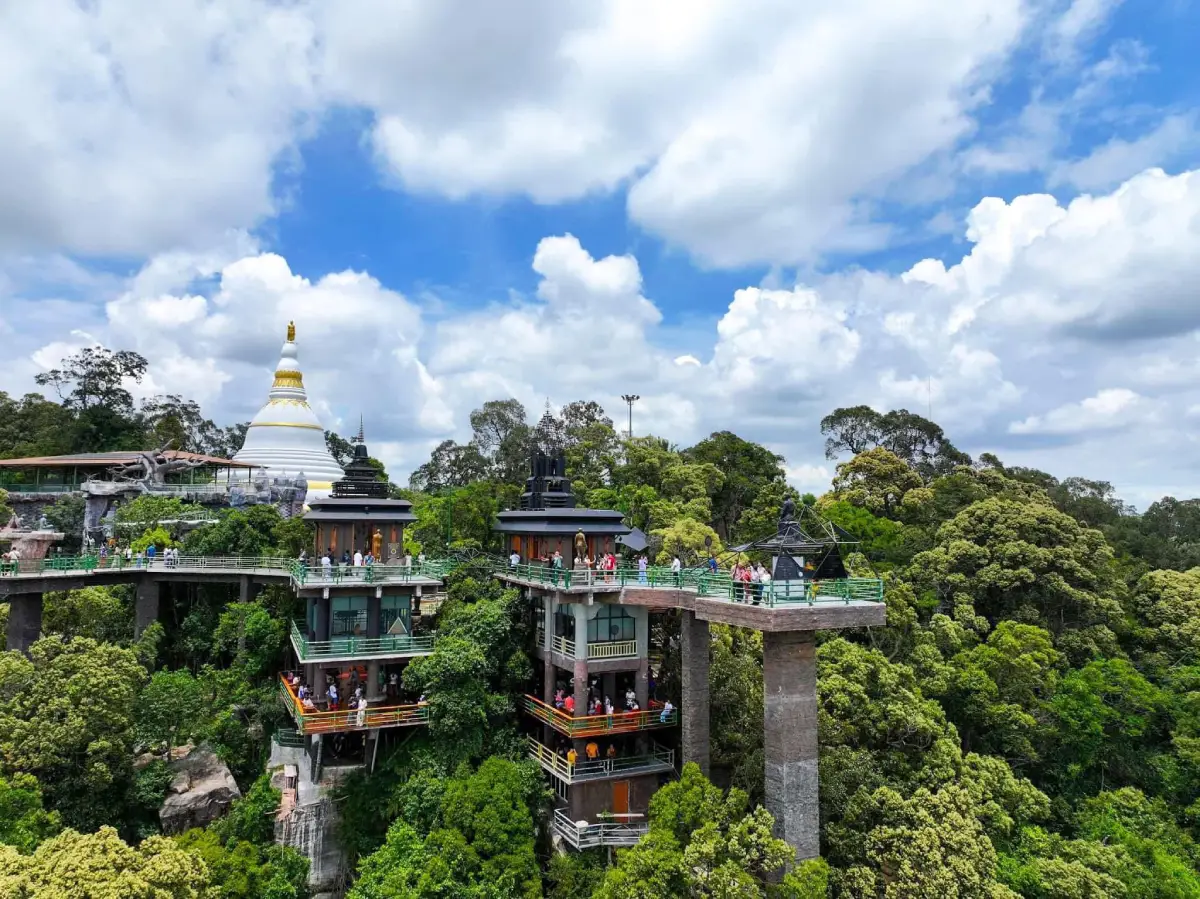
60. Wat Pa Phu Pha Sung is located at Ban Dong Mafai, Makluea Mai Subdistrict, Sung Noen District. This forest temple offers a peaceful natural setting suitable for merit-making, meditation, quiet reflection, and spiritual retreat. Sung Noen contains mountains, old communities, and numerous archaeological sites, allowing Wat Pa Phu Pha Sung to be incorporated into an itinerary combining natural and historical attractions. Travelers visiting Mueang Sema, Prasat Muang Khaek, or ancient sites in Khorat Subdistrict can stop here for a different atmosphere after exploring archaeological ruins. The main attraction of a forest temple is its simplicity, natural environment, and suitability for mindfulness rather than busy sightseeing. Visitors should dress modestly, remain quiet, and observe temple regulations, particularly in areas used by monks and meditation practitioners.
| Topic | Details |
| Province | Nakhon Ratchasima, commonly known as Korat |
| Region | Northeastern Thailand (Isan) |
| Travel Experiences | Nature and wildlife, history and archaeology, arts and culture, Buddhist temples and religious sites, museums, agricultural tourism, educational attractions, family travel, and local community experiences |
| Province Highlights | Nakhon Ratchasima is one of Thailand’s largest provinces and offers attractions across many districts, from Khao Yai and Wang Nam Khiao to Khmer sanctuaries and ancient towns in Phimai and Sung Noen, as well as temples, museums, agricultural sites, and historic landmarks in central Korat. |
| Pak Chong – Khao Yai Route | 1. Khao Yai National Park 2. National Corn and Sorghum Research Center 3. Nature and agricultural attractions around Pak Chong |
| Korat City Route | 1. Thao Suranari Monument 2. Chumphon Gate 3. Wat Sala Loi 4. Maha Wirawong National Museum 5. Korat Museum 6. Wat Sala Thong 7. Wat Pa Salawan 8. Wat Phayap 9. Wat Isan 10. Wat Phra Narai Maharat Worawihan |
| Phimai Route | 1. Phimai Historical Park 2. Phimai National Museum 3. Sai Ngam 4. Wat Ban Samrit Tawan Ok |
| Sung Noen – Sikhio Historical Route | 1. Prasat Muang Khaek 2. Ancient Town at Korat Sub-District 3. Mueang Sema Ancient Town 4. Wat Dhammachak Semaram 5. Sikhio Stone Quarry Site 6. 4,000-Year-Old Paintings 7. Mahaviharn Merit Park 8. Wat Pa Phu Pha Sung |
| Wang Nam Khiao – Sakaerat Route | 1. Khao Phaeng Ma 2. Sakaerat Environmental Research Station 3. Ban Busai Shiitake Mushroom Planting and Processing Demonstration Center 4. Prasat Bueng Kham (Ku Kasem) 5. Wat Khao Takrut Rang |
| Pak Thong Chai Route | 1. Wat Phrommarat Museum 2. Suan Pu Ya Na Yu Project, Ban Suanhom 3. Wat Pathum Khongkha (Nok Ok) 4. Wat Na Phra That 5. Wat Khao Takrut Rang 6. Wat Siri Aran Rukkhawat (Wat Por Daeng) 7. Wat Pa Nang Hoen 8. Wat Khok Si Saket |
| Non Sung Archaeological Route | 1. Ban Prasat Archaeological Site 2. Prasat Phon Songkhram 3. Ku Prasat 4. Wat Marum |
| Northern Korat Route | 1. Prang Ban Prang 2. Prang Ku 3. Prasat Nang Ram 4. Wat Ban Sema Yai 5. Wat Pa Ban Don Han Kut Chok |
| Southern Korat Route | 1. Prang Khon Buri 2. Prasat Phakho 3. Prasat Ban Thanon Hak 4. Dan Kwian Pottery Village |
| Family-Friendly Attractions | 1. Nakhon Ratchasima Zoo 2. Korat Zoo Lagoon 3. Khorat Fossil Museum 4. Khao Yai National Park |
| Agricultural and Science Learning Attractions | 1. Kham Thale So Subdistrict Agricultural Technology Transfer Center 2. National Corn and Sorghum Research Center 3. Ban Busai Shiitake Mushroom Planting and Processing Demonstration Center 4. Suan Pu Ya Na Yu Project, Ban Suanhom 5. Sakaerat Environmental Research Station 6. Lam Takong Pumped Storage Hydropower Plant |
| Major Historical Attractions | Phimai Historical Park, Prasat Phanom Wan, Prasat Muang Khaek, Mueang Sema Ancient Town, Wat Dhammachak Semaram, Ban Prasat Archaeological Site, and numerous ancient Khmer sanctuaries located throughout Nakhon Ratchasima. |
| Major Natural Attractions | Khao Yai National Park, Khao Phaeng Ma, Lam Takhong Dam, Sakaerat Environmental Research Station, and the natural landscapes around Wang Nam Khiao. |
| Best Time to Visit | Nakhon Ratchasima can be visited throughout the year. The late rainy season through the cool season is particularly suitable for Khao Yai, Wang Nam Khiao, Sikhio, and other nature destinations, while historical attractions, museums, temples, and central Korat can be visited year-round. |
| Getting Around | Nakhon Ratchasima covers a very large area, and the 60 attractions are spread across many districts. A private car or rental car is generally the most convenient option. Travelers should divide the province into zones such as Korat City, Phimai, Sung Noen–Sikhio, Pak Chong–Khao Yai, Wang Nam Khiao, and Pak Thong Chai instead of trying to cover distant areas on the same day. |
| Travel Notes | Opening hours, admission fees, study-visit arrangements, and access conditions may vary by attraction and can change. Travelers should check the latest information with the attraction or responsible organization before visiting, particularly for museums, research centers, agricultural learning sites, and meditation areas. |
Frequently Asked Questions (FAQ)
Q: What are the best places to visit in Nakhon Ratchasima?
A: Nakhon Ratchasima offers a very wide variety of attractions, including Khao Yai National Park, Khao Phaeng Ma, Lam Takhong Dam, Phimai Historical Park, Prasat Phanom Wan, Mueang Sema Ancient Town, Thao Suranari Monument, Wat Ban Rai, Nakhon Ratchasima Zoo, museums, agricultural attractions, and many important Buddhist temples. The province is suitable for nature lovers, history enthusiasts, families, cultural travelers, and visitors interested in local communities.
Q: Where should first-time visitors go in Korat?
A: First-time visitors with limited time can begin at Thao Suranari Monument and Chumphon Gate in central Korat. After that, choose one additional zone according to your interests: Khao Yai for nature and wildlife, Phimai for ancient history and archaeology, or Wang Nam Khiao for mountains, forests, agriculture, and rural scenery.
Q: Which attractions in Korat are suitable for families with children?
A: Nakhon Ratchasima Zoo and Korat Zoo Lagoon are particularly suitable for families because visitors can combine wildlife viewing and water activities in the same area. Khorat Fossil Museum is also a good educational attraction for learning about fossils, geology, and prehistoric life, while Khao Yai National Park offers opportunities for the whole family to experience forests and wildlife.
Q: Which route is best for travelers interested in history?
A: Phimai and Sung Noen are among the most important historical routes in Nakhon Ratchasima. In Phimai, visitors can explore Phimai Historical Park, Phimai National Museum, and Sai Ngam. Another day can be devoted to Mueang Sema Ancient Town, Wat Dhammachak Semaram, Prasat Muang Khaek, and the ancient sites around Khorat Subdistrict. Smaller Khmer sanctuaries can also be found in Non Sung, Bua Yai, Prathai, Huai Thalaeng, Pak Thong Chai, and other districts.
Q: Can Khao Yai and Wang Nam Khiao be visited on the same trip?
A: Yes, but it is better to allow at least 2–3 days because Khao Yai, Pak Chong, and Wang Nam Khiao are separate tourism zones with many attractions in each area. Travelers with only one day should normally choose a single zone to reduce driving time and allow more time at each attraction.
Q: Are there lesser-known places to visit in Korat?
A: Yes. Nakhon Ratchasima has many lesser-known historical and cultural attractions, including Prang Khon Buri, Prang Ban Prang, Prasat Phon Songkhram, Ku Prasat, Prang Ku, Prasat Nang Ram, Prasat Ku Sila, the 4,000-Year-Old Paintings, Wat Phrommarat Museum, and Farmer Wisdom Museum. These places are suitable for travelers who want to explore local history beyond the province’s most famous attractions.
Q: How many days are needed to visit all 60 attractions in Korat?
A: Travelers should not try to visit all 60 attractions in a single trip because Nakhon Ratchasima is a very large province and the sites are spread across many districts. A more practical plan is to divide the province into several trips: Korat City for 1 day, Phimai for 1 day, Sung Noen–Sikhio for 1–2 days, Pak Chong–Khao Yai for about 2 days, Wang Nam Khiao–Sakaerat for 1–2 days, and Pak Thong Chai plus outlying areas for another 1–2 days.
Q: When is the best time to visit Nakhon Ratchasima?
A: The period from the late rainy season through the cool season is especially suitable for nature destinations such as Khao Yai, Wang Nam Khiao, Khao Phaeng Ma, and Lam Takhong Dam because temperatures are generally more comfortable and the landscapes are greener. Temples, museums, archaeological sites, and central Korat attractions can be visited throughout the year.
 Category: ●Travel Articles, Recipes
 Group: ●Travel Review, Food Review
Last Update : 3 WeekAgo
 Last Update : 3 WeekAgo
Recommend

 Art, Culture and Heritage
 Historical Sites and Monuments(20)
 Landmarks and Memorials(5)
 Art, Craft Centres, Tradition(7)
 Museums(6)
 Art Gallery(1)
 Educational Places
 Educational Gardens, Farm(4)
 Places of Worship
 Temple(29)
 Mosque(1)
 Other Sacred Sites(6)
 Research and Development
 Royal Project(3)
 Suburban Living
 Village, Community(6)
 Local Market(4)
 Floating Market(1)
 Nature and Wildlife
 National Parks and Marine Reserves(3)
 Mountain (Doi)(5)
 Dam, Reservoir, Lake(8)
 Waterfalls(9)
 Hot Springs(1)
 Caves(2)
 Flower Field(1)
 River, Canal(8)
 Bays and Beaches(2)
 Other natural attractions(3)
 Entertainment and Agricultural
 Zoos and Aquariums(2)
 Animal camps and shows(1)
 Farms, Parks and Ecotourism(21)
 Waterpark(4)
 Outdoor and Adventure Activities(6)
 Shopping
 Shopping and Night Market(2)
Travel Review, Food Review(6)


