
lovethailand home >Northeastern Travel Attractions
> Nakhon Ratchasima Travel Attractions
TL;DR: A quick overview of attractions in Nakhon Ratchasima, plus planning details, access, and key travel highlights.
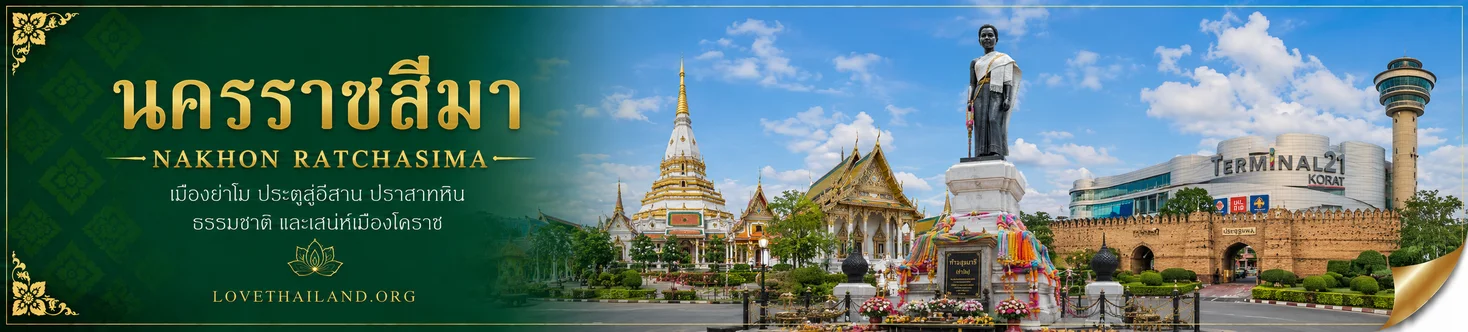
Nakhon Ratchasima
Slogan : Land of brave women, Fine Silk material, Khorat Rice noodle, Phimai historical park, and Dan Kwian Ceramics.
Nakhon Ratchasima Province, widely known as “Korat,” is one of Thailand’s most significant provinces, serving as the gateway to the northeastern region. Covering an area of over 20,000 square kilometers, it is the largest province in the country and offers remarkable diversity in geography, culture, lifestyle, and tourism experiences. Visitors can explore everything from world-class natural landscapes and ancient civilizations to vibrant local communities that preserve their identity with pride.
Korat’s strategic location near Bangkok makes it highly accessible via car, train, and major highways. This convenience has made it one of the top weekend getaway destinations for both Thai and international travelers. Whether traveling as a family, exploring nature, or visiting sacred sites, Nakhon Ratchasima provides a comprehensive travel experience.
The province features diverse terrain. The central region consists of the Korat Plateau, while the northern areas are characterized by rolling plains suitable for agriculture. The southern part is dominated by mountain ranges, which serve as the source of important waterways such as Lam Takhong, Lam Phra Phloeng, and Lam Sae. The Mun River, one of the major rivers in northeastern Thailand, also flows through the province, contributing to its ecological richness.
Historically, Nakhon Ratchasima has been inhabited since prehistoric times, as evidenced by numerous archaeological discoveries. During the Dvaravati period, the area around present-day Sung Noen District was home to the ancient city of Sema. Later, under the Khmer Empire, the region flourished with Phimai as a major cultural and political center. Today, the grandeur of this era is preserved in sites such as Phimai Historical Park, which is internationally recognized.
During the Ayutthaya period, King Narai the Great established the city of Nakhon Ratchasima by merging the names of Sema and Khorakhapura. The city became a crucial frontier for defending the kingdom from the northeast and served as an administrative center of the region.
One of the most celebrated historical events is the heroic story of Thao Suranaree, also known as “Lady Mo,” who led the people of Korat to victory against invading forces from Vientiane during the reign of King Rama III. Her bravery has become a lasting symbol of courage and patriotism, deeply respected by the people of Korat to this day.
Culturally, Nakhon Ratchasima represents a harmonious blend of northeastern (Isan) and central Thai traditions. This fusion is reflected in local language, customs, and lifestyle. A prominent example is the annual Thao Suranaree Festival, one of the province’s largest cultural events. Other traditions, such as Candle Festivals and Buddhist merit-making ceremonies, highlight the strong religious faith of the local people.
In terms of natural attractions, the province is home to Khao Yai National Park, a UNESCO World Heritage Site and one of Thailand’s most important natural destinations. Visitors can experience lush forests, waterfalls, and diverse wildlife, along with activities such as hiking, birdwatching, and camping.
Another notable destination is Wang Nam Khiao, often referred to as the “Switzerland of Isan,” known for its clean air and scenic mountain views. It is an ideal location for relaxation and wellness tourism, as well as agricultural tourism where visitors can learn about local farming practices.
Food is another highlight of Korat. The province is famous for “Pad Mee Korat,” a signature noodle dish with a distinctive balance of sweet, salty, and spicy flavors. Other popular dishes include som tam, grilled chicken, larb, and a variety of Isan cuisine enjoyed nationwide. Visitors can also find agricultural products, processed foods, silk textiles, and traditional handicrafts as souvenirs.
Getting There is convenient from Bangkok, taking approximately 3–4 hours by car, bus, or train. The northeastern railway line operates throughout the day, and ongoing infrastructure development, including high-speed rail projects, will further enhance accessibility in the future.
With all these elements combined, Nakhon Ratchasima is not merely a transit city but a complete travel destination. It offers history, culture, nature, and cuisine in one place, making it suitable for all types of travelers seeking an authentic northeastern Thai experience.
From a broader perspective, Korat has long served as a key economic and transportation hub connecting central Thailand with the northeast. Continuous infrastructure development, including highways and rail systems, reinforces its role as a major regional center.
Cultural tourism in the province is deeply rooted in its historical heritage. Phimai Historical Park stands as one of the largest and most well-presed Khmer sanctuaries in Thailand, showcasing the sophistication of ancient architecture, art, and religious beliefs.
Other important archaeological sites include the ancient city of Sema, where significant evidence of Dvaravati civilization remains. Visiting these sites provides not only a travel experience but also an opportunity to engage with living history.
Local traditions remain vibrant, with folk performances such as “Korat Song” representing unique regional art forms. These performances, along with community festivals, reflect the unity and cultural identity of the local population.
Eco-tourism and agricultural tourism are also major highlights, especially in Wang Nam Khiao and Pak Chong. Visitors can participate in farm activities, learn about organic agriculture, and enjoy peaceful stays surrounded by nature.
For adventure enthusiasts, Korat offers outdoor activities such as white-water rafting along Lam Takhong River, particularly during the rainy season from June to October when water levels are ideal. Visitors should always check water conditions and follow safety guidelines.
Traveling within national parks such as Khao Yai requires adherence to strict regulations, including the prohibition of feeding wildlife and bringing pets into protected areas, ensuring both visitor safety and ecological balance.
The lifestyle of the people in Nakhon Ratchasima is simple and welcoming. Travelers can experience genuine hospitality through local markets, traditional eateries, and community-based tourism activities, which create memorable and authentic experiences.
Modern conveniences such as shopping malls, night markets, and urban amenities further enhance the travel experience, allowing visitors to combine traditional exploration with contemporary comfort.
Overall, Nakhon Ratchasima stands out as a province with immense tourism potential. Its combination of natural resources, cultural heritage, and infrastructure makes it one of Thailand’s most compelling destinations.
Whether for a short getaway or an in-depth cultural journey, Korat offers a complete and rewarding experience, making it a must-visit destination in Thailand.
Annual Festivals in Nakhon Ratchasima 2026
| Festival Name | Date (Approx.) | Time | Location | Area | Highlights | Best For | Notes |
|---|---|---|---|---|---|---|---|
| Thao Suranaree Festival | March – April 2026 | All Day | Thao Suranaree Monument, Mueang District | City Center | Ceremony, parade, cultural shows | Families, culture lovers | Very crowded, go early |
| Phimai Festival | November 2026 | 09:00 – 22:00 | Phimai Historical Park | Phimai | Light & sound show, ancient market | History lovers | Book accommodation early |
| Khao Yai Festival | December 2026 | 08:00 – 18:00 | Khao Yai National Park | Pak Chong | Nature activities, outdoor events | Nature travelers | Best weather of the year |
| Candle Festival | July 2026 | Morning – Afternoon | Mueang District | City | Large candle procession | Buddhist travelers | Hot weather |
3–5 Day Travel Plan in Nakhon Ratchasima (Detailed)
| Day | Destination | District | Zone | Highlights | Best Time | Duration | Tips |
|---|---|---|---|---|---|---|---|
| Day 1 | Thao Suranaree Monument + Save One Market | Mueang | City | Landmark + street food | Evening | 4–6 hrs | Parking may be limited |
| Day 2 | Khao Yai National Park | Pak Chong | Mountain | Waterfalls, wildlife | Morning – Afternoon | Full day | Private car recommended |
| Day 3 | Phimai Historical Park | Phimai | Historical | Ancient Khmer architecture | Morning | 3–4 hrs | Bring sun protection |
| Day 4 | Wang Nam Khiao | Wang Nam Khiao | Nature | Mountain views, farms | All day | Full day | Cool weather year-round |
| Day 5 | Lam Takhong | Sikhio | Adventure | Rafting | Rainy season | 2–3 hrs | Check water conditions |
Top 10 MUST VISIT Attractions in Nakhon Ratchasima
| No. | Place | District | Zone | Type | Highlights | Best For |
|---|---|---|---|---|---|---|
| 1 | Khao Yai National Park | Pak Chong | Mountain | Nature | UNESCO World Heritage | All travelers |
| 2 | Thao Suranaree Monument | Mueang | City | Landmark | Symbol of Korat | Spiritual travelers |
| 3 | Phimai Historical Park | Phimai | Historical | Ancient Site | Khmer architecture | History lovers |
| 4 | Wang Nam Khiao | Wang Nam Khiao | Mountain | Nature | Clean air, scenic views | Relaxation |
| 5 | Primo Piazza | Pak Chong | Cafe Zone | Attraction | European-style village | Photographers |
| 6 | Farm Chokchai | Pak Chong | Agriculture | Farm | Dairy experience | Families |
| 7 | Haew Suwat Waterfall | Khao Yai | Nature | Waterfall | Famous waterfall | Nature lovers |
| 8 | Save One Market | Mueang | City | Market | Street food hub | Food lovers |
| 9 | Nakhon Ratchasima Zoo | Mueang | City | Family | Various animals | Kids |
| 10 | Pha Kep Tawan | Wang Nam Khiao | Nature | Viewpoint | Sunset viewpoint | Scenic travelers |
Frequently Asked Questions (FAQ)
Q: How many days are recommended for visiting Nakhon Ratchasima?
A: For a short trip focusing on the main attractions in the city, 2–3 days is sufficient. However, if you want to explore Khao Yai, Pak Chong, Phimai, and Wang Nam Khiao in a relaxed way, a 4–5 day itinerary is highly recommended.
Q: What makes Nakhon Ratchasima unique?
A: The province stands out for its diversity. In one destination, you can experience UNESCO-listed natural attractions like Khao Yai National Park, ancient Khmer architecture at Phimai, rich local culture, and famous regional cuisine such as Pad Mee Korat.
Q: Where should first-time visitors start in Korat?
A: First-time visitors should begin in Mueang Nakhon Ratchasima, visiting landmarks such as the Thao Suranaree Monument and nearby temples and markets. From there, you can expand your trip to Khao Yai, Pak Chong, or Phimai depending on your interests.
Q: What is the best time to visit Nakhon Ratchasima?
A: The best time to visit is between October and February when the weather is cooler and nature is at its most beautiful. For rafting activities at Lam Takhong, the ideal period is June to October when water levels are suitable.
Q: What are the top natural attractions in Korat?
A: Top natural attractions include Khao Yai National Park, Wang Nam Khiao, various waterfalls within Khao Yai, Pha Kep Tawan viewpoint, and the surrounding mountain landscapes in Pak Chong.
Q: What historical sites should not be missed?
A: Phimai Historical Park is the most important historical site, representing one of the largest Khmer sanctuaries in Thailand. Other notable sites include Phanom Wan Castle and the ancient city of Sema.
Q: What local food is famous in Nakhon Ratchasima?
A: The most famous dish is Pad Mee Korat, known for its unique flavor profile. Other popular foods include som tam (papaya salad), grilled chicken, larb, and a wide variety of northeastern Thai cuisine.
Q: How can I travel from Bangkok to Korat?
A: Traveling from Bangkok to Nakhon Ratchasima is very convenient. You can use a private car, bus, or train, with an average travel time of approximately 3–4 hours depending on traffic conditions.
Q: What should I know before visiting Khao Yai National Park?
A: Visitors should prepare proper footwear for walking, plan routes in advance, and strictly follow park regulations. Feeding wildlife, littering, and bringing pets into the park are strictly prohibited.
Q: Who is Nakhon Ratchasima suitable for?
A: Nakhon Ratchasima is suitable for all types of travelers, including families, couples, nature lovers, history enthusiasts, photographers, and food lovers due to its wide variety of attractions and experiences.
Nakhon Ratchasima Map

 Art, Culture and Heritage
 Historical Sites and Monuments(20)
 Landmarks and Memorials(5)
 Art, Craft Centres, Tradition(7)
 Museums(6)
 Art Gallery(1)
 Educational Places
 Educational Gardens, Farm(4)
 Places of Worship
 Temple(29)
 Mosque(1)
 Other Sacred Sites(6)
 Research and Development
 Royal Project(3)
 Suburban Living
 Village, Community(6)
 Local Market(4)
 Floating Market(1)
 Nature and Wildlife
 National Parks and Marine Reserves(3)
 Mountain (Doi)(5)
 Dam, Reservoir, Lake(8)
 Waterfalls(9)
 Hot Springs(1)
 Caves(2)
 Flower Field(1)
 River, Canal(8)
 Bays and Beaches(2)
 Other natural attractions(3)
 Entertainment and Agricultural
 Zoos and Aquariums(1)
 Animal camps and shows(1)
 Farms, Parks and Ecotourism(21)
 Waterpark(2)
 Outdoor and Adventure Activities(6)
 Shopping
 Shopping and Night Market(2)
 Travel Articles, Recipes
 Travel Review, Food Review(5)


