
lovethailand home >Central Travel Attractions >Bangkok Travel Attractions > 9 UNESCO World Heritage Sites in Thailand Travel G..
TL;DR: 9 UNESCO World Heritage Sites in Thailand Travel Guide with History, open Daily Opening Hours: 08:00 – 16:30. Some halls or areas may follow separate, hours 08:00 – 16:30 for general visiting areas.
9 UNESCO World Heritage Sites in Thailand Travel Guide with History
9 UNESCO World Heritage Sites in Thailand: Complete 2026 Travel Guide with History, Maps, Entrance Fees, and Opening Hours As of 2026, Thailand has 9 properties inscribed on the UNESCO World Heritage List, comprising 6 cultural heritage sites and 3 natural heritage sites. These remarkable places preserve some of the country's most important historical, archaeological, religious, artistic, and ecological treasures. From ancient capitals and prehistoric settlements to sacred Buddhist landscapes and vast tropical forests, each World Heritage Site tells a distinctive story about Thailand's past, its cultural connections with neighboring civilizations, and the natural environments that continue to shape the country.
Thailand's 9 UNESCO World Heritage Sites are the Historic City of Ayutthaya; the Historic Town of Sukhothai and Associated Historic Towns; the Thungyai–Huai Kha Khaeng Wildlife Sanctuaries; the Ban Chiang Archaeological Site; the Dong Phayayen–Khao Yai Forest Complex; the Kaeng Krachan Forest Complex; the Ancient Town of Si Thep and its Associated Dvaravati Monuments; Phu Phrabat, a Testimony to the Sīma Stone Tradition of the Dvaravati Period; and Wat Phra Mahathat Woramahawihan in Nakhon Si Thammarat. The sites are presented below in reverse chronological order, beginning with the most recently inscribed.
UNESCO World Heritage status is not awarded simply because a destination is ancient, beautiful, or popular with visitors. A property must demonstrate Outstanding Universal Value, meaning that its importance extends beyond national boundaries and deserves protection for future generations. Thailand's cultural World Heritage Sites preserve evidence of urban development, political institutions, Buddhism, architecture, artistic innovation, and traditional knowledge. Its natural World Heritage Sites protect exceptional ecosystems, wildlife habitats, watersheds, and biodiversity that are significant at a global level.
For travelers interested in Thai history, Ayutthaya and Sukhothai offer two particularly rewarding introductions to the country's historic kingdoms. Sukhothai is celebrated for its distinctive Buddhist art, graceful Buddha images, lotus-bud-shaped stupas, and sophisticated ancient urban landscape. Ayutthaya, meanwhile, developed into a powerful international capital whose importance extended across politics, commerce, diplomacy, religion, and the cultural exchanges of mainland Southeast Asia.
Visitors fascinated by prehistoric civilizations can explore Ban Chiang in Udon Thani Province, where archaeological discoveries reveal the development of settled communities, pottery production, agriculture, and early metallurgy. The Ancient Town of Si Thep in Phetchabun and Phu Phrabat in Udon Thani preserve important evidence of Dvaravati-era religious culture. Wat Phra Mahathat Woramahawihan in Nakhon Si Thammarat provides another perspective on Thailand's past through its centuries-long role in the transmission of Theravada Buddhism, religious traditions, and southern Thai cultural identity.
Thailand's three natural World Heritage Sites—the Thungyai–Huai Kha Khaeng Wildlife Sanctuaries, the Dong Phayayen–Khao Yai Forest Complex, and the Kaeng Krachan Forest Complex—protect extensive forest landscapes and remarkable wildlife diversity. Tourism within these protected areas must be approached carefully. Some sections are wildlife sanctuaries or strictly protected conservation zones that are not open to independent sightseeing. Visitors should use only designated routes, visitor facilities, and locations officially authorized by the responsible agencies.
A World Heritage journey through Thailand can be organized by region, available time, and personal interests. Ayutthaya is a convenient cultural excursion from Bangkok, while exploring Sukhothai together with Si Satchanalai and Kamphaeng Phet is best planned as a multi-day historical journey. Northeastern Thailand offers the remarkable archaeological landscapes of Ban Chiang and Phu Phrabat, whereas the southern city of Nakhon Si Thammarat offers a rich combination of Buddhist history, architecture, and living religious traditions.
Beyond their historical and environmental significance, Thailand's World Heritage destinations also offer opportunities to experience regional food, traditional markets, local communities, handicrafts, and cultural festivals. Responsible travel is essential to their preservation. Visitors should respect entrance regulations, avoid touching or climbing ancient monuments, and refrain from activities that disturb wildlife or damage natural habitats. Understanding these responsibilities helps ensure that Thailand's outstanding cultural and natural heritage remains accessible to future generations.
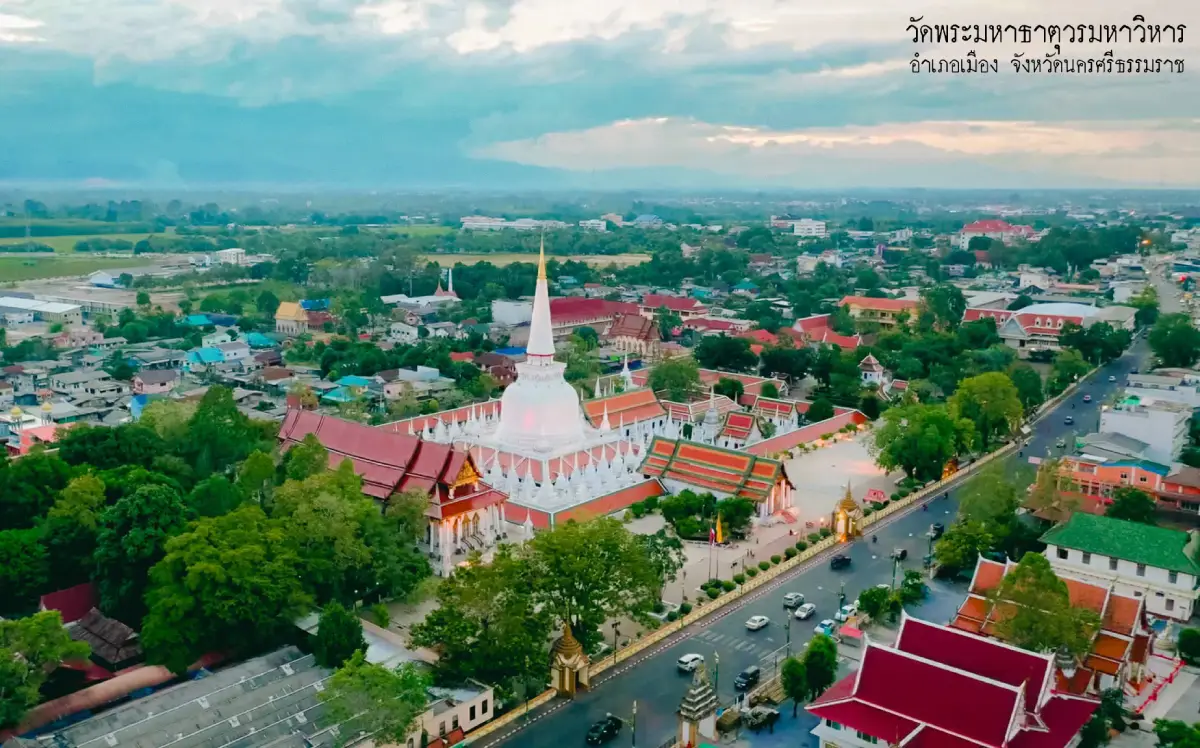
1. Wat Phra Mahathat Woramahawihan (2026) – UNESCO Cultural World Heritage Site is a first-class royal Buddhist temple on Ratchadamnoen Road in Nai Mueang Subdistrict, Mueang Nakhon Si Thammarat District, Nakhon Si Thammarat Province. It is among the most important religious monuments in southern Thailand and has served as a center of Theravada Buddhist devotion for centuries. Its inscription on the UNESCO World Heritage List in 2026 brought Thailand's total number of World Heritage properties to 9.
Highlights: Phra Borommathat Chedi, a monumental Sri Lankan-style Buddhist stupa; Phra Wihan Luang; Wihan Phra Song Ma; Wihan Khian; the traditional Hae Pha Khuen That cloth-wrapping ceremony; and the temple's enduring significance as a major center of Buddhism and southern Thai cultural heritage.
Wat Phra Mahathat Woramahawihan stands within the historic heart of Nakhon Si Thammarat, a city that played an important role in maritime trade, religious transmission, and cultural exchange on the southern Thai peninsula. Its location near established coastal routes helped connect local communities with India, Sri Lanka, the Malay Peninsula, and other parts of Southeast Asia. Over many centuries, these exchanges contributed to the region's distinctive religious beliefs, artistic traditions, and architectural styles.
The history of Phra Borommathat Chedi is closely associated with the introduction and development of Theravada Buddhism in southern Thailand. Local religious traditions recount the arrival of sacred relics of the Buddha and their enshrinement in Nakhon Si Thammarat. Although these accounts belong to the realm of religious tradition and should not be treated as fully documented historical events, they have profoundly shaped the city's collective memory, spiritual identity, and longstanding importance as a place of pilgrimage.
At the center of the temple complex stands Phra Borommathat Chedi, whose bell-shaped architectural form reflects strong associations with Sri Lankan Buddhist traditions. The stupa's distinctive structure and upper spire have made it one of the most recognizable landmarks in southern Thailand. For generations, Buddhists from Nakhon Si Thammarat and other provinces have visited to pay respect to the sacred relics and participate in religious ceremonies.
The significance of the great stupa extends well beyond its appearance. Nakhon Si Thammarat developed into a major center of Theravada Buddhist learning, ritual practice, and artistic production. The temple's architecture offers tangible evidence of religious connections between the southern Thai peninsula and the wider Buddhist world of the Indian Ocean, particularly Sri Lanka. These influences were not simply copied; they were adapted into the religious and cultural traditions of the local population.
Throughout its long history, Phra Borommathat Chedi has undergone restoration and conservation supported by rulers, religious communities, and generations of devotees. Such work has helped preserve the stupa's historic architectural character while allowing the temple to remain an active place of worship. The survival of the monument illustrates the continuity of religious devotion despite political changes, environmental pressures, and the passage of time.
Nakhon Si Thammarat was historically an influential political and religious center with connections to important kingdoms and trading networks across the region. During different periods, the city maintained relationships with Sukhothai, Ayutthaya, and other regional powers. Its role in Buddhist networks contributed to the transmission of Theravada traditions and Sri Lankan-influenced religious art to other parts of Thailand.
The temple complex contains several important religious buildings in addition to the great stupa. Phra Wihan Luang is a major hall used for Buddhist activities and worship, with architectural details that reflect the artistic traditions of Nakhon Si Thammarat and changes introduced through successive periods of restoration. Exploring this hall helps visitors understand how religious architecture was adapted over time while preserving the temple's spiritual role.
Wihan Phra Song Ma is another historically significant structure associated with the sacred precinct and the traditional circulation of worshippers around the stupa. Wihan Khian also contributes to the temple's architectural and artistic heritage. Together, these buildings demonstrate that the site's importance derives not from a single monument but from a wider complex of sacred spaces developed and maintained across generations.
One of the temple's best-known living traditions is Hae Pha Khuen That, the ceremonial offering of a long piece of cloth to be wrapped around the great stupa. The practice symbolizes devotion to the Buddha and continues as an important expression of collective religious faith. Major ceremonies are commonly associated with Makha Bucha and Visakha Bucha, drawing worshippers from Nakhon Si Thammarat and other parts of Thailand.
The Hae Pha Khuen That tradition illustrates the close relationship between the temple and the surrounding community. Participants help prepare the ceremonial cloth, join processions, chant prayers, and take part in the offering. The ceremony is not only a Buddhist religious activity but also an expression of cooperation, shared memory, and cultural continuity passed from one generation to the next.
Wat Phra Mahathat Woramahawihan is also connected with Nakhon Si Thammarat's traditional craftsmanship, including niello work, silverware, and handmade objects associated with Buddhist worship. Visitors exploring the neighborhood around the temple can encounter examples of these regional crafts and learn how religious institutions have influenced local artistic production, community life, and economic activity.
The temple's cultural importance lies in the continuity of Buddhist worship and the preservation of the architectural, ritual, and social traditions surrounding Phra Borommathat Chedi. The stupa, ceremonial halls, annual traditions, and living relationship with the local community all contribute to the site's distinctive identity. Its World Heritage recognition in 2026 reflects the importance of preserving this continuing Buddhist heritage.
For visitors, the temple is a rewarding destination for exploring Buddhist history, southern Thai architecture, regional traditions, and religious art. A visit can begin at the great stupa before continuing to the principal worship halls and other historic structures. Allowing sufficient time to study their architectural details helps reveal the relationship between the sacred monument and the surrounding religious complex.
Visitors should dress modestly, remain respectful in areas where religious activities are taking place, and avoid noisy behavior or intrusive photography. During major festivals and ceremonial periods, the temple can receive large numbers of worshippers, so additional time should be allowed for visiting and moving through the complex.
Travelers wishing to explore Nakhon Si Thammarat more extensively can combine the temple with the city's historic walls, Ho Phra Isuan, the Nakhon Si Thammarat National Museum, and traditional craft communities around the old town. Such an itinerary reveals how the temple developed within a wider historical city shaped by trade, religion, craftsmanship, and cultural exchange.
Wat Phra Mahathat Woramahawihan is therefore much more than a place to worship sacred relics. It is a testament to the long history of Theravada Buddhism on the southern Thai peninsula, a center of living ritual traditions, and an architectural landmark that reflects centuries of cultural relationships between Thailand and the wider Asian world.
Open Days: Daily Opening Hours: 08:00 – 16:30. Some halls or areas may follow separate schedules according to religious activities.
Admission Fees: Free admission to the general temple grounds. Visitors may make voluntary donations. Special activities or services may involve additional charges.
Getting There: Wat Phra Mahathat Woramahawihan is located on Ratchadamnoen Road in central Nakhon Si Thammarat. It is accessible by private vehicle, taxi, or local transport from elsewhere in the city. Travelers arriving at Nakhon Si Thammarat Airport can take a taxi or rental car into the city and follow Ratchadamnoen Road toward the temple.
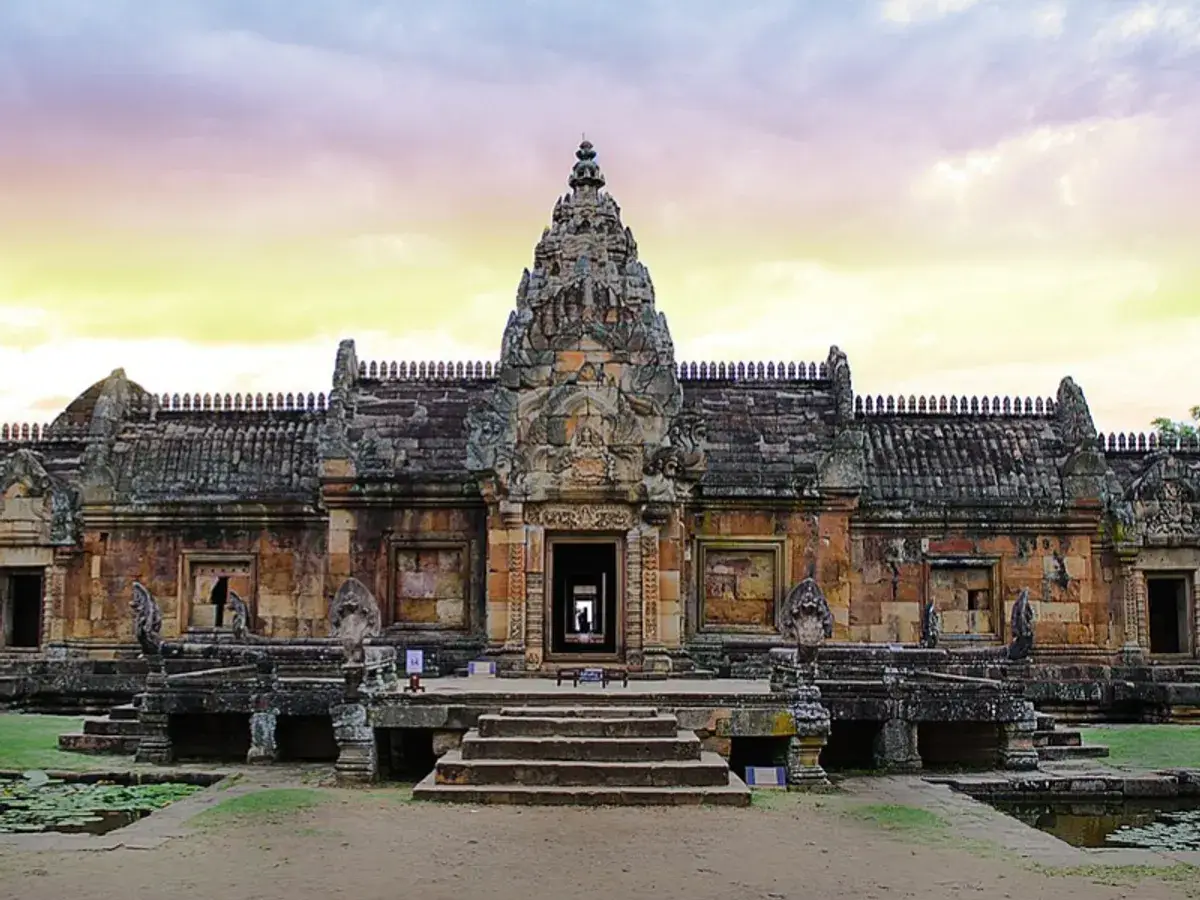
2. Phu Phrabat, a Testimony to the Sīma Stone Tradition of the Dvaravati Period (2024) – UNESCO Cultural World Heritage Site is located in Ban Phue District, Udon Thani Province. Inscribed on the UNESCO World Heritage List in 2024, the property preserves an extraordinary sacred landscape where unusual sandstone formations, prehistoric rock paintings, and Buddhist boundary stones reveal the relationship between nature, spiritual beliefs, and human activity over many centuries.
Highlights: Ho Nang Usa, remarkable sandstone shelters and rock formations, Dvaravati-period Sīma stones, prehistoric rock paintings, ancient religious shelters, Khok Ma Thao Barot, the Nang Usa–Thao Barot legend, and the wider sandstone landscape that was transformed into a sacred Buddhist setting.
Phu Phrabat Historical Park is situated around Ban Tio in Muang Phan Subdistrict, Ban Phue District, in the western part of the Phu Phan mountain landscape. Its terrain consists of sandstone terraces, natural shelters, cliffs, and unusual rock formations shaped over immense periods by weathering and erosion. These geological processes created distinctive shapes that resemble towers, mushrooms, columns, and suspended boulders, giving the landscape both visual appeal and archaeological significance.
The history of human activity at Phu Phrabat extends back to prehistoric times. Rock paintings and other traces of ancient occupation have been discovered in numerous sandstone shelters. Some paintings depict human figures, animals, hands, and geometric designs, providing valuable evidence of how prehistoric communities interacted with their surroundings. The use of natural shelters as places of refuge or human activity demonstrates that these formations had practical and cultural importance long before the arrival of Buddhism.
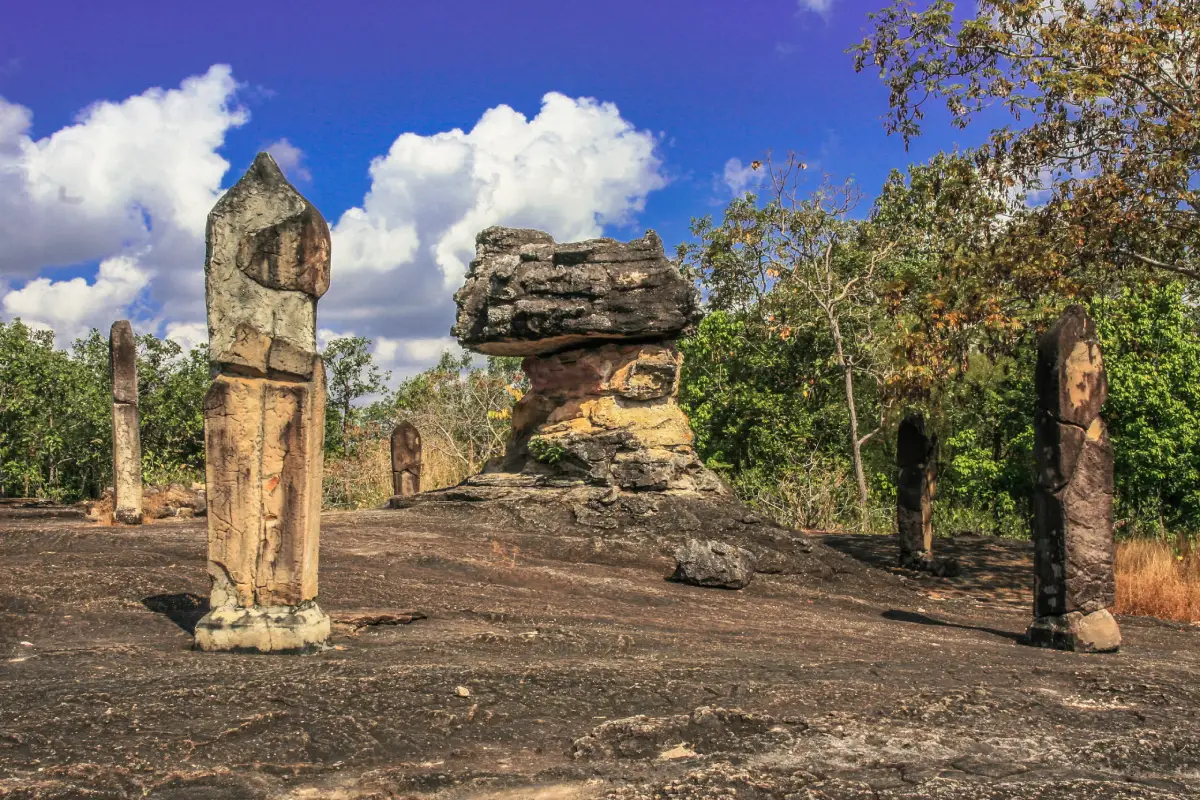
When Buddhism spread through the region, particularly during the Dvaravati period, the sandstone landscape acquired additional spiritual meaning. Communities placed sandstone Sīma stones around natural shelters to mark areas associated with Buddhist religious activities. These ancient boundary markers are central to Phu Phrabat's significance because they demonstrate how natural geological features were transformed into an organized sacred landscape.
The Sīma stone tradition is associated with the marking of consecrated boundaries for activities performed by Buddhist monastic communities. During the Dvaravati period, stone boundary markers were used in several parts of northeastern Thailand. Phu Phrabat is exceptional because of the surviving groups of Sīma stones, their close relationship with sandstone shelters, and the surrounding environment that helps preserve the original context in which religious ceremonies were conducted.
The arrangement of Sīma stones around natural rock formations demonstrates how ancient communities used existing landscapes for religious purposes instead of relying entirely on purpose-built monuments. This approach illustrates a close relationship between Buddhist belief and the environment, as well as the capacity of local communities to reinterpret natural spaces as places of spiritual importance.
Ho Nang Usa is the best-known landmark of Phu Phrabat Historical Park. This remarkable sandstone formation has a large upper rock resting on a comparatively narrow base, giving it the appearance of a tall tower rising above the surrounding terrace. Its unusual shape was created by natural erosion before being incorporated into the cultural landscape and local storytelling traditions. Ho Nang Usa is therefore a particularly striking example of natural geology acquiring human and spiritual meaning.
The legend of Nang Usa and Thao Barot is an important part of the area's cultural identity. Local stories connect numerous formations and features with characters and events from the legend, including Ho Nang Usa, Khok Ma Thao Barot, and the pond associated with Nang Usa. Although these stories are folklore rather than documented historical accounts, they are valuable expressions of how local communities have understood and remembered the landscape across generations.
Khok Ma Thao Barot is another notable feature associated with the traditional story. Its name reflects a local interpretation of the rock formation and its connection with characters from regional folklore. Visiting these places helps travelers appreciate that the heritage of Phu Phrabat includes not only monuments and archaeological evidence but also oral traditions, beliefs, and stories that contribute to the identity of the landscape.
Prehistoric paintings found in the park provide another important historical layer. Some depict forms and patterns created with red pigments on natural rock surfaces. Archaeologists study these paintings to understand the activities, ideas, and symbolic expressions of earlier populations. The coexistence of prehistoric art and later Dvaravati Buddhist boundary markers demonstrates the continuing cultural importance of the same landscape across different historical periods.
Phu Phrabat is also associated with Buddhist beliefs concerning sacred footprints. Nearby Phra Phutthabat Bua Bok is a place of worship that remains important to local devotees. The presence of Buddhist sacred sites within the wider sandstone landscape illustrates how successive generations continued to assign religious meaning to the same mountains, shelters, and rock formations.
In later periods, Phu Phrabat continued to play a role in the cultural and religious life of northeastern Thailand. Local communities maintained traditions associated with sacred places, told stories about prominent formations, and incorporated the landscape into their collective memory. This continuity has made Phu Phrabat a destination where archaeological evidence and living cultural traditions can be appreciated together.
Archaeological research and conservation by Thailand's Fine Arts Department have been essential to understanding and protecting the site. Surveys have documented rock paintings, Sīma stones, historical remains, and geological formations, supporting the establishment and development of Phu Phrabat Historical Park as a protected cultural and educational destination.
On July 27, 2024, Phu Phrabat was inscribed on the UNESCO World Heritage List as a cultural property. Its Outstanding Universal Value is closely connected with the Dvaravati-period Sīma stone tradition and the exceptional relationship between Buddhist boundary markers and natural sandstone shelters used as sacred spaces. The inscription recognizes a form of cultural landscape that is unusual even among Thailand's many archaeological sites.
For travelers, Phu Phrabat Historical Park offers opportunities to explore archaeology, geology, Buddhist history, local folklore, and dramatic natural scenery in a single destination. A visit should begin at the visitor center, where maps and interpretive information help explain the archaeological landscape, before continuing to Ho Nang Usa, important Sīma stone groups, and selected rock-painting shelters along the designated paths.
Walking routes within the park include level ground, sandstone terraces, and sections of natural trail. Comfortable walking shoes, drinking water, a hat, and sun protection are advisable. Visitors must avoid touching prehistoric paintings, moving ancient stones, or climbing fragile archaeological structures, as damage to these irreplaceable remains cannot be easily reversed.
A half-day visit allows travelers to see several of the park's principal features. Those with more time can combine the historical park with Phra Phutthabat Bua Bok and other cultural attractions in Ban Phue District to better understand the relationships between archaeology, religious belief, folklore, and the natural environment.
Phu Phrabat is ultimately an exceptional testimony to the relationship between people, nature, and religion. Sandstone formations created by geological forces were transformed into sacred Buddhist spaces during the Dvaravati period, while legends and living traditions continue to connect the landscape with surrounding communities. Its importance lies in this remarkable combination of archaeology, spirituality, natural scenery, and cultural continuity.
Open Days: Daily Opening Hours: 08:30 – 16:30.
Admission Fees: Thai visitors 20 THB; foreign visitors 120 THB, according to the rates published by LoveThailand.org.
Getting There: From Udon Thani city, travel by road toward Ban Phue District, then continue toward Muang Phan Subdistrict and follow the signs for Phu Phrabat Historical Park. A private car or rental vehicle is convenient for travelers planning to visit archaeological sites and other attractions in the surrounding area, where direct public transport may be limited.

3. The Ancient Town of Si Thep and its Associated Dvaravati Monuments (2023) – UNESCO Cultural World Heritage Site is located in Phetchabun Province and was inscribed on the UNESCO World Heritage List in 2023. The property comprises the Ancient Town of Si Thep, Khao Klang Nok, and the cave monuments of Khao Thamorrat. Together, these sites preserve evidence of a flourishing ancient urban center in the Pa Sak River basin and the development of Dvaravati artistic, religious, and cultural traditions in mainland Southeast Asia.
Highlights: Si Thep's distinctive inner and outer town layouts, Khao Klang Nai, Prang Si Thep, Prang Song Phi Nong, Khao Klang Nok, and Khao Thamorrat Cave, together with sculptures and religious monuments revealing the influence of Buddhism and Brahmanical-Hindu traditions in Southeast Asia.
The Ancient Town of Si Thep is situated in Si Thep Subdistrict, Si Thep District, Phetchabun Province, within the Pa Sak River basin. Its location connects the central plains of Thailand with the northeastern plateau, making it well suited to settlement and the exchange of goods, ideas, and cultural traditions. Over many centuries, Si Thep developed into an important center of economic activity, religion, and artistic production within this wider regional network.
Archaeological evidence indicates that the area was occupied before it developed into a major Dvaravati-period urban center. Investigations have revealed traces of settlement, tools, pottery, and evidence of burial practices in and around the ancient town. As the community expanded and became increasingly involved in larger commercial and cultural networks, its urban organization, religious architecture, and artistic traditions became more sophisticated.
Si Thep's prosperity was closely associated with Dvaravati culture, which flourished across central Thailand and neighboring regions during approximately the 7th to 11th centuries CE. Buddhism was a major influence on the creation of religious monuments and sculpture, although other belief systems were also present. The town absorbed ideas from several cultural traditions and developed a distinctive artistic identity recognized today through the sculptures and architectural remains associated with the Si Thep style.
One of the ancient town's most remarkable features is its two-part urban layout. The inner town has a broadly circular plan enclosed by moats and earthen embankments, while the outer town occupies an additional area extending eastward with a different layout. This arrangement provides important evidence of the town's expansion and the changing ways in which its inhabitants organized space during successive phases of development.
Numerous ponds and water-storage features have been discovered within the ancient settlement, demonstrating the ability of its inhabitants to manage water resources in support of a substantial urban population. Moats, embankments, and reservoirs played roles in everyday life and the organization of urban space. These features help explain how a large settlement could develop and remain active in the Pa Sak basin over an extended period.
The modern identification of Si Thep is associated with historical investigations undertaken by Prince Damrong Rajanubhab in the early 20th century. His studies of the ruins and local historical evidence contributed to renewed interest in the ancient town. Subsequent archaeological surveys and excavations have greatly expanded knowledge of its settlement history, cultural connections, religious practices, and artistic achievements.
Khao Klang Nai is one of the principal monuments within Si Thep Historical Park. Located in the inner town, it features a substantial laterite platform and important decorative stucco reliefs associated with Dvaravati art. These sculptural details provide valuable evidence of the site's religious symbolism and demonstrate the technical ability of ancient craftsmen to integrate elaborate decorative work with monumental architecture.
The stucco sculptures of Khao Klang Nai are particularly noteworthy for their figures and ornamental patterns, which show elements of Indian artistic influence combined with local interpretations. They demonstrate that Si Thep participated in wider networks through which religious ideas, iconographic traditions, and artistic techniques moved across South and Southeast Asia. Studying these sculptures reveals how local artists responded creatively to ideas from beyond their own communities.
Prang Si Thep is another important monument within the ancient town. Its architectural form reflects Khmer artistic influence during a later stage of the settlement's development. The surviving structure helps demonstrate the transformation of Si Thep's religious landscape from earlier Dvaravati forms toward monuments associated with Khmer architectural traditions.
Prang Song Phi Nong consists of two temple towers standing close to each other. The complex provides additional evidence of Khmer architectural and religious influence and shows how building materials and construction practices were adapted to local circumstances. Studied alongside earlier monuments, it helps explain the continuity and transformation of religious architecture at Si Thep over several centuries.
Khao Klang Nok is among the most significant monuments associated with Si Thep's World Heritage inscription. Located outside the principal ancient town, it is an enormous religious structure built upon a high, multi-level square platform. Its monumental proportions, architectural organization, and stairways reflect the development of large-scale Buddhist religious architecture during the Dvaravati period.
The importance of Khao Klang Nok extends beyond its size. Its architectural composition expresses religious concepts through a monumental built form. Constructing such a complex required considerable resources, labor, engineering knowledge, and organized community effort. The monument therefore provides evidence of the social and technical capacities of the people who inhabited Si Thep and its surrounding region.
Khao Thamorrat Cave is another essential component of the World Heritage property. Located on a nearby limestone mountain, the cave preserves evidence of religious sculptures and carvings associated with Buddhist beliefs during the Dvaravati period. Its significance lies partly in the use of a natural mountain environment as a place of religious activity, creating a meaningful relationship between the ancient town on the plain and a sacred landscape beyond its boundaries.
Si Thep is also important for understanding the development of Buddhism in early Thailand. Archaeologists have discovered Buddha images, Bodhisattva sculptures, and other religious objects that reveal the presence of different Buddhist ideas and artistic traditions. These finds show that ancient communities did not simply reproduce foreign cultural influences but developed their own interpretations and local religious identity.
Si Thep sculpture is distinguished by the distinctive treatment of Buddhist and Hindu religious figures, combining influences associated with the Indian cultural world and the artistic practices of local craftsmen. Some sculptures are considered particularly important for studying the development of Southeast Asian art. Their facial features, postures, ornaments, and iconography help scholars investigate the religious beliefs and technical accomplishments of the ancient community.
Si Thep remained an important settlement through several historical phases before its political and economic role changed as other cities and kingdoms expanded. Although it did not remain a major urban center indefinitely, its surviving archaeological landscape preserves evidence of a complex society whose cultural connections extended well beyond the Pa Sak basin.
In modern times, Thailand's Fine Arts Department has undertaken surveys, archaeological excavations, conservation, and restoration at Si Thep. The establishment of Si Thep Historical Park made it possible to protect the ancient remains while creating an educational destination where visitors can explore the town's layout, monuments, and historical landscape in a coordinated way.
On September 19, 2023, the Ancient Town of Si Thep and its Associated Dvaravati Monuments were inscribed on the UNESCO World Heritage List. The inscription recognizes the property's exceptional importance for understanding Dvaravati urban planning, religious architecture, sculptural traditions, and the distinctive cultural development of an ancient Southeast Asian city.
Today, Si Thep Historical Park is an excellent destination for travelers interested in history, archaeology, Buddhism, ancient architecture, and cultural photography. Visitors can explore major monuments within the town, learn from the visitor center, and then plan an additional excursion to Khao Klang Nok, which lies outside the main historical park area.
Travelers with half a day should prioritize Khao Klang Nai, Prang Si Thep, Prang Song Phi Nong, and the ancient urban layout. Those with a full day can add Khao Klang Nok and learn about the landscape of Khao Thamorrat from locations accessible under the relevant conservation regulations. Because the area is extensive and many monuments are exposed to the sun, comfortable walking shoes, drinking water, and sun protection are recommended.
Si Thep is therefore a World Heritage destination of exceptional importance for understanding ancient urban development in Thailand. Its Outstanding Universal Value arises not from one isolated monument but from the relationship between the town layout, water-management systems, monumental religious structures, sculpture, and sacred natural landscape that together reveal the achievements of its inhabitants.
Open Days: Daily Opening Hours: 08:00 – 16:30 for Si Thep Historical Park.
Admission Fees: Thai visitors 20 THB; foreign visitors 100 THB for Si Thep Historical Park, according to LoveThailand.org. Archaeological areas outside the main park may have separate visiting arrangements.
Getting There: From Phetchabun or the central region, travel along Highway 21 toward Si Thep District. Continue into Si Thep Subdistrict and follow the signs for Si Thep Historical Park. Travelers planning to visit Khao Klang Nok or other nearby archaeological sites should allow additional time, as these monuments are situated outside the main ancient town.

4. Kaeng Krachan Forest Complex (2021) – UNESCO Natural World Heritage Site became Thailand's third natural World Heritage Site when it was inscribed on the UNESCO World Heritage List in 2021. Situated along the Tenasserim mountain range in western Thailand, this vast protected forest landscape is internationally important for its biodiversity. It lies near the meeting point of several major biogeographical regions, where plant and animal species associated with the Himalayas, Indochina, and the Malay Peninsula occur within a connected forest environment.
Highlights: Kaeng Krachan National Park, Kaeng Krachan Dam and its scenic reservoir, Ban Krang's birdwatching and butterfly habitats, Phanoen Thung's seasonal sea-of-mist viewpoints, designated nature trails, and the wildlife-rich Tenasserim forest ecosystem. Some areas operate seasonally and are subject to specific access restrictions.
The Kaeng Krachan Forest Complex occupies part of the Tenasserim mountain range, which extends north to south near the Thailand–Myanmar border. Its landscape includes mountains, valleys, streams, and extensive forests ranging from tropical evergreen and dry evergreen forests to mixed deciduous and montane forests. Differences in elevation and local climate create varied habitats that support a remarkable diversity of plants and animals.
Kaeng Krachan National Park is one of the most important protected areas within this forest complex. Established in 1981, the national park covers a vast area of the Tenasserim landscape and plays a major role in the conservation of watersheds, forest ecosystems, and wildlife populations that depend on extensive, connected natural habitats.
The history of Kaeng Krachan is closely connected with the communities of the Phetchaburi River basin, where people have long depended on local natural resources for water, agriculture, transport, and everyday life. As settlements and infrastructure developed, the importance of conserving the surrounding forest increased, particularly because of its role in maintaining water supplies and the ecological balance of the region.
Kaeng Krachan Dam is one of the best-known scenic attractions near the national park. It plays an important role in storing and managing water for the Phetchaburi River basin. The expansive reservoir, with islands rising above the water, has become a popular destination for sightseeing and photography. However, the recreational landscape around the dam should not be confused with the entire UNESCO-inscribed World Heritage property, which covers a much broader protected forest area.
The principal reason for the Kaeng Krachan Forest Complex's World Heritage recognition is its exceptional biodiversity, shaped by its geographical location at the junction of several major species-distribution regions. Plants and animals with different ecological affinities occur within the same extensive landscape, making the forests particularly valuable for the conservation of species and habitats at the global level.
The forests provide habitat for a wide range of wildlife, including Asian elephants, gaurs, dholes, tigers, clouded leopards, and several other wild cat species. UNESCO recognizes the importance of the area for conserving species threatened with extinction. The diversity of habitats and the continuity of the forest support the survival, movement, and reproduction of these animals in their natural environment.
Bird diversity is another outstanding feature of Kaeng Krachan. The forest complex attracts birdwatchers from Thailand and abroad because many species inhabit its evergreen forests, streams, and mountain habitats. Hornbills, sunbirds, woodpeckers, and numerous other forest birds contribute to its ecological richness. Observing these birds also provides an opportunity to understand the different functions of forests and the importance of habitat conservation.
Butterflies are among the most celebrated wildlife attractions of Kaeng Krachan, especially in the Ban Krang area. At certain times of year, large numbers of butterflies gather on moist ground and beside streams to obtain minerals. This natural behavior, together with the variety of species present, has made Ban Krang one of Thailand's best-known destinations for butterfly watching and nature photography.
Ban Krang also serves as an important gateway for learning about the Tenasserim forest ecosystem. Its natural environment supports birdwatching, butterfly observation, and opportunities to appreciate forest wildlife. Visitors should remain quiet, avoid disturbing animals, and follow the national park's regulations concerning access, movement, and the use of designated facilities.
Phanoen Thung is another highly regarded destination, known for its mountain views and seasonal seas of mist. From elevated viewpoints, visitors can look across broad mountain ranges and forested valleys. Under suitable early-morning weather conditions, mist can gather across the lower landscape, creating a dramatic panorama. Access to Phanoen Thung is regulated because the mountain route includes steep and challenging sections that are not suitable for every type of vehicle.
Trips to Phanoen Thung must be planned around seasonal conditions. The Ban Krang and Phanoen Thung zones have traditionally closed to tourism and overnight stays during part of the rainy season, generally from August 1 to October 31, to allow environmental recovery and maintain visitor safety. Travelers should confirm the most recent park announcement because opening dates, road conditions, and vehicle requirements can change.
In addition to viewpoints and wildlife-watching areas, Kaeng Krachan contains streams and waterfalls that reflect the health of its forest ecosystems. Some attractions are accessible only along designated routes or require additional preparation and authorization. Visitors should consider trail difficulty, travel time, weather, and safety requirements before entering any remote part of the park.
The watersheds of Kaeng Krachan are extremely important to the Phetchaburi River basin. Forest vegetation helps retain moisture, regulate water flow, reduce soil erosion, and sustain natural hydrological processes. Protecting the headwaters therefore benefits not only the ecosystems within the national park but also communities downstream that depend on reliable water resources for agriculture and everyday use.
The inscription of the Kaeng Krachan Forest Complex as a UNESCO World Heritage Site in 2021 marked an important milestone for nature conservation in Thailand. It recognized the international significance of the Tenasserim forests and reinforced the need for effective management, including measures against wildlife poaching, habitat degradation, and other pressures on protected ecosystems.
Conservation management in the Kaeng Krachan region is also connected with the lives of communities living within and around the wider forest landscape. Sustainable protection requires attention to community participation, people's rights and livelihoods, and the balanced management of natural resources. Conserving a World Heritage property involves responsibilities toward both ecological systems and the people whose lives are connected with them.
For general visitors, the dam area and the national park's principal visitor facilities are convenient starting points. From there, travelers can select activities according to their interests, including reservoir sightseeing, birdwatching, butterfly observation, or a trip to Phanoen Thung during periods when mountain access is officially permitted.
A one-day visit is generally best focused on the dam and readily accessible park facilities. Travelers interested in Ban Krang and Phanoen Thung should allow more time and check any advance arrangements or restrictions, especially during weekends and popular travel periods.
Visitors should prepare suitable footwear, rain protection, drinking water, and insect protection according to the season and planned activities. Mountain journeys and restricted forest routes should be undertaken in accordance with park staff instructions. Feeding animals, disturbing wildlife, collecting plants or natural objects, and leaving litter are prohibited practices that can undermine the conservation of this valuable ecosystem.
The Kaeng Krachan Forest Complex is therefore significant not only for the sea of mist at Phanoen Thung, the butterflies at Ban Krang, or the scenery of Kaeng Krachan Reservoir. Its global importance lies in the biodiversity, watershed functions, and extensive forest habitats that support rare wildlife and contribute to the ecological stability of the wider region.
Open Days: Main visitor areas are generally open daily. The Ban Krang–Phanoen Thung area is commonly closed to tourism and overnight stays from August 1 to October 31. Opening Hours: Main checkpoints and entrance gates generally operate around 05:00 – 17:00, with separate restrictions for individual areas.
Admission Fees: Kaeng Krachan National Park: Thai adults 60 THB, Thai children 30 THB, foreign adults 300 THB, and foreign children 150 THB. Vehicle fees: motorcycles 20 THB, four-wheeled cars 30 THB, and six-wheeled vehicles 100 THB. Separate charges may apply for additional services or special activities.
Getting There: From Bangkok, travel south along Rama II Road or Phetkasem Road toward Phetchaburi Province. Continue to Kaeng Krachan District and follow the signs to Kaeng Krachan National Park headquarters. Travelers planning to visit Ban Krang or Phanoen Thung should check the road conditions, permitted vehicle types, and entrance schedules in advance because access is regulated along the forest mountain route.

5. Dong Phayayen–Khao Yai Forest Complex (2005) – UNESCO Natural World Heritage Site was inscribed on the UNESCO World Heritage List in 2005. This extensive protected forest landscape covers approximately 615,500 hectares, or 6,155 square kilometers, and comprises five conservation areas: Khao Yai National Park, Thap Lan National Park, Pang Sida National Park, Ta Phraya National Park, and Dong Yai Wildlife Sanctuary. These connected areas form a major ecological landscape essential to wildlife conservation and biodiversity in mainland Southeast Asia.
Highlights: Khao Yai National Park, Haew Narok Waterfall, Haew Suwat Waterfall, Pha Kluai Mai Waterfall, Nong Phak Chi Wildlife Observation Tower, Pha Diao Dai Viewpoint, Thap Lan's protected forests, Pang Sida's butterfly habitats, and the eastern forest ecosystem supporting wild elephants, gaurs, gibbons, hornbills, and many other animals.
The Dong Phayayen–Khao Yai Forest Complex follows the Dong Phayayen and Sankamphaeng mountain ranges, forming a natural connection between Thailand's central region and northeastern plateau. The World Heritage property stretches for approximately 230 kilometers, from Ta Phraya National Park near the Cambodian border in the east to Khao Yai National Park in the west. Its varied terrain includes mountains, plateaus, valleys, waterfalls, streams, and multiple forest types that provide habitats for a remarkable range of living organisms.
The history of Dong Phayayen is closely associated with travel routes between Thailand's central plains and the Khorat Plateau. In earlier periods, the heavily forested mountains presented major challenges to travelers because of their rugged terrain, dense vegetation, and health risks. The name Dong Phayayen is part of the historical memory of this mountain landscape, once considered a remote and difficult region to cross.
As modern transport networks and surrounding settlements expanded, sections of the forest experienced pressure from land-use changes, logging, and hunting. The protection of the remaining forest therefore became increasingly important. During the second half of the 20th century, Thailand began establishing more formally protected natural areas as part of a growing national effort to conserve wildlife and forest ecosystems.
Khao Yai National Park has a particularly important place in Thailand's conservation history. Established on September 18, 1962, it became the country's first national park. Its creation marked a major turning point in the development of Thailand's national park system and provided a foundation for the expansion of protected natural areas throughout the country.
Khao Yai is characterized by highlands, mountains, and valleys, with temperatures that are often cooler than those of the surrounding lowlands. Its ecosystems include tropical evergreen forests, dry evergreen forests, montane forests, mixed deciduous forests, and grasslands. This environmental diversity supports many wildlife species and makes the park one of Thailand's most important destinations for ecological education and nature tourism.
The importance of the Dong Phayayen–Khao Yai Forest Complex extends far beyond Khao Yai National Park alone. Its Outstanding Universal Value arises from the ecological connections among all five protected areas. Together, they preserve wildlife habitats across a large landscape, particularly for animals requiring extensive feeding territories or seasonal movement. Maintaining forest connectivity helps reduce the isolation of wildlife populations and supports long-term ecological stability.
The forest complex was inscribed as a UNESCO Natural World Heritage Site on July 14, 2005. UNESCO recognized its exceptional biodiversity and conservation significance, especially for threatened species. The landscape supports more than 800 species of wildlife, including mammals, birds, reptiles, and amphibians that contribute to the region's ecological diversity.
Wild elephants are among Khao Yai's most recognizable animals. They play important ecological roles by dispersing seeds and influencing vegetation through their natural movements and feeding behavior. Encountering an elephant on a park road requires particular caution because these large animals can behave unpredictably. Visitors should follow park staff instructions, avoid approaching elephants, refrain from making loud noises, and never leave a vehicle to take photographs at close range.
In addition to elephants, the wider forest complex supports gaurs, sambar deer, barking deer, dholes, gibbons, and several hornbill species. Hornbills are especially important as dispersers of large forest seeds, helping maintain forest regeneration and ecological diversity. Protecting these birds is therefore closely linked with the preservation of healthy tropical forest ecosystems.
Haew Narok Waterfall is one of the most famous natural attractions in Khao Yai National Park. Set within a densely forested landscape, this large waterfall plunges through a series of dramatic drops into a deep valley. The surrounding environment is ecologically important, while the visitor route includes walking paths and steep stairways. Suitable footwear and careful attention to safety regulations are essential.
Haew Suwat Waterfall is another major attraction. Water flows over a rocky cliff into a pool surrounded by lush vegetation, creating one of the park's best-known scenic views. The waterfall is suitable for sightseeing and photography, although swimming and access to the water must follow park restrictions because currents and water levels may change significantly with the season.
Pha Kluai Mai Waterfall is associated with nature-study routes within Khao Yai. The surrounding forest contains a variety of plants, including wild orchids in suitable seasonal conditions. Walking designated trails provides an opportunity to learn about the relationships among vegetation, wildlife, soils, water, and landforms that collectively shape the park's forest ecosystems.
Nong Phak Chi Wildlife Observation Tower allows visitors to observe wildlife activity from a distance without unnecessarily disturbing natural habitats. The surrounding grassland and water sources are used by various animal species. Wildlife watching should be conducted quietly, preferably with binoculars or an appropriate camera lens, while maintaining a safe distance.
Thap Lan National Park is another essential component of the World Heritage complex. Its extensive forests and landscapes associated with the talipot palm contribute to the botanical diversity of the region. Protecting Thap Lan helps preserve wildlife habitats connected with Khao Yai and neighboring conservation areas, reinforcing the ecological importance of the forest complex as a whole.
Pang Sida National Park is particularly popular with travelers interested in butterflies and natural history. Forests and streams provide suitable habitats for many insect species, and butterflies may gather in large numbers at favorable locations during certain periods. This makes Pang Sida an important setting for nature education and for understanding the ecological roles of insects alongside more conspicuous wildlife.
Ta Phraya National Park and Dong Yai Wildlife Sanctuary form part of the eastern portion of the World Heritage property. These areas play important roles in maintaining forest connectivity along the border region and the northeastern plateau. Their conservation helps protect wildlife movement corridors and reduces the effects of land-use changes around the protected landscape.
Beyond wildlife conservation, the Dong Phayayen–Khao Yai forests are important headwater areas for river systems flowing toward central, eastern, and northeastern Thailand. Forest vegetation helps retain water, limit soil erosion, and support natural watershed processes. The benefits of protecting these forests therefore extend to communities and agricultural landscapes outside the conservation boundaries.
Management of the forest complex faces challenges including poaching, encroachment, and changes in surrounding land use. Effective conservation requires cooperation among park authorities, wildlife officers, researchers, government agencies, and local communities to protect habitats and maintain the movement of animals across this extensive landscape.
For most travelers, Khao Yai National Park offers one of the most accessible introductions to this World Heritage property. Roads lead to established visitor facilities, viewpoints, waterfalls, nature trails, and designated camping areas. The park is suitable for families, educational excursions, and relatively short trips from Bangkok, making it one of Thailand's most popular destinations for learning about protected natural environments.
Visitors with one day can focus on the visitor center, Haew Suwat Waterfall, viewpoints, and open nature-study routes. With two days or more, it is possible to include Haew Narok Waterfall, wildlife observation areas, and additional activities permitted by park authorities. Thap Lan, Pang Sida, and Ta Phraya are separate destinations, however, and should be planned as additional trips rather than treated as attractions within a single Khao Yai sightseeing circuit.
Preparation is important for a safe visit. Rain protection is useful during the wet season, while suitable walking shoes, drinking water, and protective clothing are recommended for outdoor activities. Drivers must remain alert because roads may be winding and wild animals can cross unexpectedly. Feeding wildlife is prohibited, and visitors should never leave their vehicles in areas where park officers have identified a risk.
The Dong Phayayen–Khao Yai Forest Complex therefore represents the importance of conserving nature across a vast, interconnected landscape. Its global significance lies not merely in waterfalls and mountain scenery but in its connected ecosystems, wildlife diversity, and essential watershed functions. Visiting responsibly offers an opportunity to appreciate the delicate relationship between people, forests, and wildlife.
Open Days: Daily for Khao Yai National Park. Opening Hours: Park entrance and exit generally 06:00 – 18:00; visitor center approximately 08:30 – 16:30. Other protected areas within the World Heritage complex have separate regulations.
Admission Fees: Khao Yai National Park: Thai adults 40 THB, Thai children 20 THB, foreign adults 400 THB, and foreign children 200 THB. Vehicle fees: motorcycles 20 THB, four-wheeled cars 30 THB, and six-wheeled vehicles 100 THB. These are Khao Yai National Park charges, not a single admission rate for all five protected areas.
Getting There: From Bangkok, take Phahonyothin Road toward Saraburi, then continue along Mittraphap Road toward Pak Chong District in Nakhon Ratchasima. Follow Thanarat Road to the Khao Yai National Park entrance. An alternative approach is through Nakhon Nayok or Prachin Buri via the Noen Hom entrance. Travelers wishing to visit Thap Lan, Pang Sida, or Ta Phraya should plan separate routes according to each park's location.
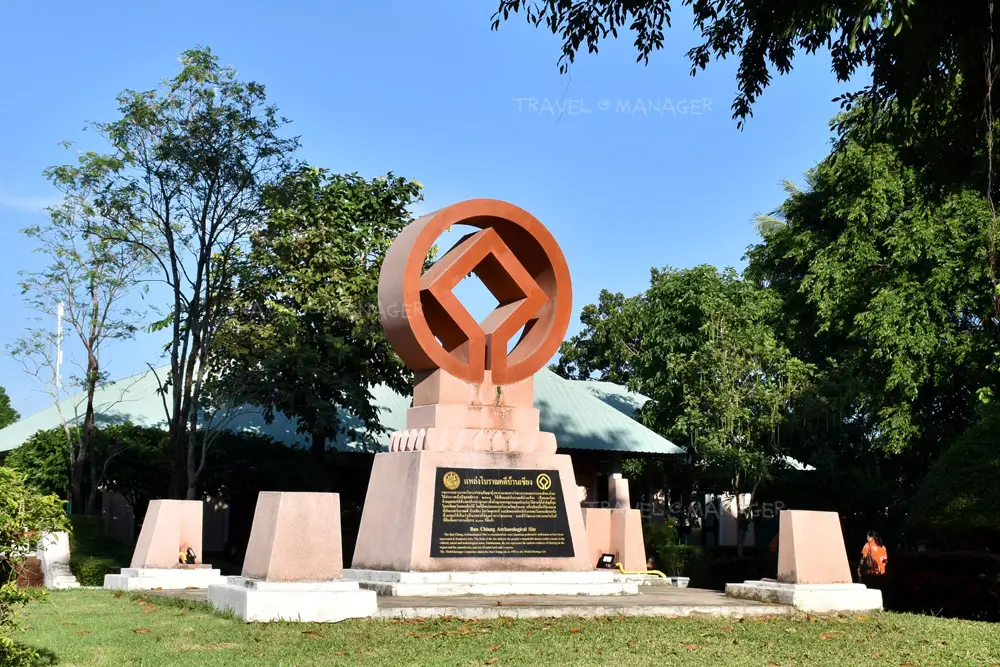
6. Ban Chiang Archaeological Site (1992) – UNESCO Cultural World Heritage Site is located in Ban Chiang Subdistrict, Nong Han District, Udon Thani Province. Inscribed on the UNESCO World Heritage List in 1992, it is one of Southeast Asia's most important prehistoric archaeological sites. The discoveries made here provide evidence of long-term human settlement, agricultural development, pottery production, metalworking, and burial traditions, revealing how communities lived and developed thousands of years before the emergence of the region's better-known historic kingdoms.
Highlights: Ban Chiang National Museum, the archaeological excavation site at Wat Pho Si Nai, the distinctive red-painted pottery, bronze tools and ornaments, prehistoric human burials, and archaeological exhibitions explaining the development of communities on the Khorat Plateau.
Ban Chiang is among the archaeological discoveries that transformed our understanding of prehistoric Southeast Asia. Excavations have uncovered evidence of long-term settlement, pottery, stone and metal tools, ornaments, human skeletons, and objects associated with daily life. These discoveries allow archaeologists to investigate technological, social, and cultural changes during periods when written historical records did not yet exist in the region.
The archaeological site lies on the Khorat Plateau in northeastern Thailand, within a landscape that offered access to water, agricultural land, and other resources important to permanent settlement. Over time, prehistoric communities developed ways of growing food, raising animals, producing domestic equipment, and maintaining social relationships. The accumulated remains of these activities now provide evidence of a long sequence of human occupation.
The modern archaeological history of Ban Chiang began with the recognition of pottery fragments and other ancient materials in the local community. These discoveries led to systematic investigations by Thai and international archaeologists during the 1960s and 1970s. Major excavations revealed pottery, metal artifacts, ornaments, human burials, and successive occupation layers, creating opportunities to study the development of prehistoric settlements and their technological achievements in considerable detail.
Ban Chiang is particularly famous for its pottery decorated with red-painted designs on pale backgrounds. Many vessels display geometric patterns, curved lines, spirals, and other distinctive motifs that demonstrate the artistic skills of their makers. However, the pottery tradition was much more diverse than the familiar red-painted examples commonly featured in tourist images. Archaeologists have also identified plain pottery, cord-marked vessels, and changes in vessel shapes and decoration across different periods of occupation.
Studying the pottery provides insights into clay selection, vessel construction, firing techniques, surface decoration, and the functions of objects in prehistoric society. Some vessels were used in everyday activities involving food and water, while others were associated with burials or ritual practices. Changes in pottery styles are therefore important archaeological indicators that help establish cultural sequences and explain developments within the Ban Chiang community.
Another particularly important group of discoveries consists of metal tools and ornaments, especially bronze objects that demonstrate prehistoric knowledge of metallurgy. Bronze production required an understanding of raw materials, heating, casting, shaping, and finishing techniques. Such evidence shows that communities in this region developed specialized craftsmanship and participated in the transmission of technological knowledge over time.
The metalworking evidence from Ban Chiang has played a major role in archaeological discussions about the chronology of bronze technology in Southeast Asia. Scientific dating methods and archaeological interpretations have been reviewed and refined as research has progressed. The significance of Ban Chiang should therefore not be reduced to claims that it represents the earliest metalworking civilization. Its greater importance lies in the substantial evidence of long-term settlement, technological development, and changing cultural practices within a broader prehistoric context.
Burial evidence is another major source of information about prehistoric life at Ban Chiang. Archaeologists have discovered human skeletons accompanied by pottery vessels, ornaments, and other grave goods. The position of the bodies, the arrangement of accompanying objects, and differences between burials allow researchers to investigate beliefs surrounding life and death, social relationships, and changes in funerary customs over time.
Excavations at Ban Chiang have made it possible to identify different phases of cultural development through changes in pottery, metal technology, burial practices, and other archaeological materials. Researchers study the relationships between soil layers, artifacts, and scientific dates to reconstruct these phases. This approach shows that Ban Chiang was not a settlement that appeared suddenly, but a community whose way of life developed and changed over a long period.
Ban Chiang National Museum is the principal destination for visitors wishing to learn about the site's archaeological and historical importance. Its exhibitions explain the prehistoric environment, settlement patterns, agriculture, pottery, metallurgy, and burial practices through objects and educational displays. By connecting different kinds of archaeological evidence, the museum helps visitors understand how scholars reconstruct the lives of people who left no written records.
Another essential place to visit is the archaeological excavation area at Wat Pho Si Nai. Here, visitors can learn about excavation techniques and the importance of archaeological context. An artifact's value does not lie only in its appearance or age. The exact position where it was discovered, its depth within the soil, and its relationship with nearby remains all contribute to understanding the history of a site.
Ban Chiang was inscribed on the UNESCO World Heritage List as a cultural property in 1992 because it preserves outstanding evidence of prehistoric societies, including their settlement history, agricultural practices, and development of metal technology. The site's international importance lies in its contribution to understanding human history before written documentation and the emergence of the historic civilizations of Southeast Asia.
The cultural significance of Ban Chiang also extends into the present-day community. Visitors can encounter locally produced crafts inspired by the decorative designs of prehistoric pottery and explore aspects of Thai Phuan culture, which remains part of the local identity. Ban Chiang therefore offers a connection between archaeological heritage beneath the ground and the living traditions of the people who inhabit the area today.
Ban Chiang is a particularly rewarding destination for history enthusiasts, archaeology students, families, and travelers interested in traditional crafts. Visitors should allow sufficient time to study the museum exhibitions before exploring the excavation site and community attractions. This sequence provides a more complete understanding of prehistoric Ban Chiang and the ways in which its heritage continues to influence local life.
Travelers arriving by private car can combine the museum with other attractions in Udon Thani Province. A rewarding itinerary begins at Ban Chiang National Museum and the Wat Pho Si Nai excavation site, followed by local craft workshops, community products, and opportunities to discover the area's traditional culture. This allows visitors to experience both authentic archaeological evidence and the continuing cultural creativity of the surrounding community.
Ban Chiang is therefore an exceptionally important World Heritage Site for understanding the prehistoric development of Southeast Asia. Its painted pottery, bronze objects, human skeletons, and settlement remains reveal the adaptability, creativity, technical knowledge, and social complexity of ancient communities. Visiting Ban Chiang is a journey into a chapter of human history that began long before the more familiar royal capitals and monumental temples of Thailand.
Open Days: Wednesday – Sunday; closed on Mondays and Tuesdays. Opening Hours: 09:00 – 16:00 for Ban Chiang National Museum.
Admission Fees: Ban Chiang National Museum charges Thai visitors 30 THB and foreign visitors 200 THB. Certain visitor categories may qualify for admission exemptions under Fine Arts Department regulations.
Getting There: From Udon Thani city, take Highway 22 toward Nong Han District, then follow the signs into Ban Chiang Subdistrict and continue to Ban Chiang National Museum. Travelers without private transport can take a bus toward Nong Han and continue by local vehicle. A private car or rental vehicle is particularly convenient for visiting the museum, excavation site, and community attractions in one day.
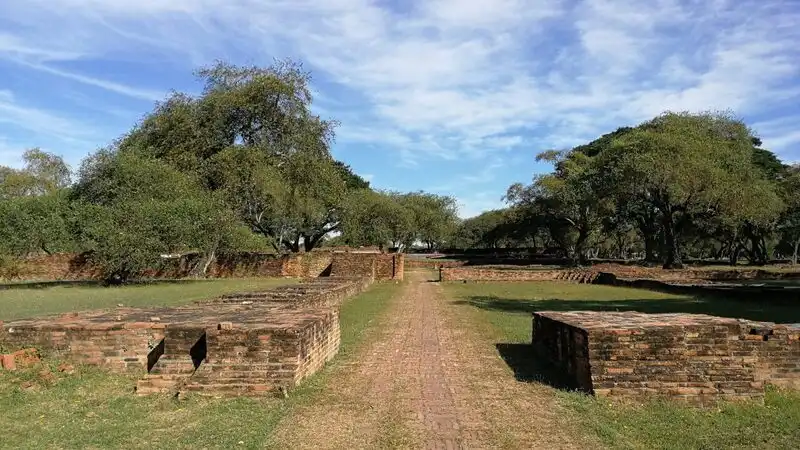
7. Historic City of Ayutthaya (1991) – UNESCO Cultural World Heritage Site is located in Phra Nakhon Si Ayutthaya Province. Inscribed on the UNESCO World Heritage List in 1991, Ayutthaya was once one of Southeast Asia's most important capitals. For more than 400 years, the city served as a political, commercial, religious, artistic, and diplomatic center of the Kingdom of Ayutthaya. Today, the remains of royal palaces, monumental temples, prangs, chedis, and historic urban structures preserve evidence of the capital's former grandeur.
Highlights: The Ancient Royal Palace, Wat Phra Si Sanphet, Wat Mahathat, Wat Ratchaburana, Wat Phra Ram, and the major archaeological monuments of Ayutthaya Historical Park. Together, they illustrate the political institutions, Buddhist traditions, architecture, and sophisticated urban planning of the former capital.
Ayutthaya's history as a royal capital began in 1351, when King Ramathibodi I, also known as King U Thong, established the city. Its location offered considerable geographical advantages. The city occupied an island-like area shaped by the Chao Phraya, Pa Sak, and Lopburi rivers, which provided transport routes, water resources, and natural defensive barriers. The choice of this location was closely connected with the ability to control trade routes and administer territories within the Chao Phraya River basin.
During its early development, Ayutthaya absorbed political and cultural influences from established regional centers, including Lavo, Suphannaphum, and the Khmer cultural world. Early Ayutthaya architecture consequently displayed elements associated with Lopburi and Khmer artistic traditions, particularly in the construction of prang towers and the organization of Buddhist religious complexes. As the kingdom expanded and developed wider connections, its artistic traditions gradually evolved into increasingly distinctive Ayutthaya styles.
During the reign of King Borommatrailokkanat, the kingdom's administrative system underwent major reforms. Responsibilities within civil and military government were organized more systematically, official ranks became increasingly structured, and the sakdina system helped define relationships within society. These developments influenced the administration of the capital and provincial territories, contributing to the emergence of a state with increasingly complex institutions and an ability to govern extensive areas.
Ayutthaya developed extensive international trading connections, particularly with China, Japan, Persia, India, and European countries including Portugal, the Netherlands, France, and England. Its commercial networks handled agricultural products, forest goods, animal hides, aromatic woods, and merchandise moving through regional markets. Foreign merchants and residents established communities around the capital, encouraging exchanges of knowledge, technology, religion, and cultural traditions.
The reign of King Narai the Great was especially notable for diplomatic relations with foreign powers. The Ayutthaya court maintained contacts with France and engaged in exchanges involving commerce, scientific knowledge, and technology. These relationships demonstrate that Ayutthaya was not simply a regional political center but an important participant in broader international networks during the early modern period.
The Ancient Royal Palace was the center of royal authority in Ayutthaya. Its precincts included residential quarters and ceremonial halls used by the monarchy for royal activities, important rituals, and state administration. Although most of the original buildings no longer survive intact, their foundations and the palace layout still provide evidence of the royal compound's former organization. Notable remains include those associated with Sanphet Maha Prasat, Suriyat Amarin, and Wihan Somdet royal halls.
Wat Phra Si Sanphet stands beside the former royal palace and served as an important royal Buddhist temple for the court. Unlike ordinary monasteries, it did not accommodate a permanent community of resident monks. Its most recognizable features are three elegant bell-shaped chedis associated with the royal remains of kings from the Suphannaphum dynasty. The monument illustrates the close relationship between Buddhism and royal authority during the Ayutthaya period.
Wat Mahathat was another principal religious monument of the capital. Its historic prang and associated archaeological remains reflect the importance of Buddhism in the city's religious life. The temple's best-known feature is the sandstone head of a Buddha image enclosed within tree roots, an extraordinary sight that attracts visitors from around the world. Travelers should follow the photography rules and demonstrate appropriate respect toward this religious object.
Wat Ratchaburana was established during the reign of King Borommarachathirat II, also known as Chao Sam Phraya. It is famous for its substantial central prang and the discovery of significant artifacts in the crypt, including gold objects and ceremonial treasures. These discoveries reveal aspects of royal commemoration, religious offerings, and the skill of goldsmiths during the Ayutthaya period. Some of the most important objects are displayed at the Chao Sam Phraya National Museum.
Wat Phra Ram is another significant archaeological monument near the Ancient Royal Palace. Its central prang and surrounding structural remains stand within a green landscape near Bueng Phra Ram. The site's architecture reflects temple-building traditions from the early Ayutthaya period. Exploring this area provides insight into the relationship between the royal palace, major Buddhist institutions, and water features within the former city.
Outside the central island stands Wat Chaiwatthanaram, established in 1630 during the reign of King Prasat Thong. Built as an expression of royal merit and Buddhist devotion, the temple is distinguished by a monumental central prang surrounded by subsidiary towers and cloistered structures. Its architecture reflects Khmer artistic influences adapted to the religious and political context of the Ayutthaya court.
Ayutthaya's sophisticated urban planning and water-management systems contributed significantly to its prosperity. Rivers and canals served as transport routes for goods and people, while moats and defensive features strengthened the capital's security. The extensive water network also helped accommodate a substantial urban population and supported commercial activity involving both domestic and international merchants.
In 1767, Ayutthaya ceased to function as the royal capital following the war with Burmese forces. The conflict caused severe damage to buildings, homes, palaces, and temples, and many residents were displaced. A new royal capital was subsequently established at Thonburi, followed by the development of Bangkok as the center of the Rattanakosin Kingdom. The remains of Ayutthaya were left as an extensive archaeological landscape preserving evidence of a once-powerful capital.
Conservation of Ayutthaya's historic monuments became increasingly important in the modern period. Thailand's Fine Arts Department has carried out archaeological surveys, excavations, restoration, and management of the historic area. In 1991, the Historic City of Ayutthaya was inscribed on the UNESCO World Heritage List as a cultural property, recognizing its significance as exceptional testimony to a civilization that once flourished in Southeast Asia.
Ayutthaya's value as a World Heritage Site lies not only in the impressive scale of its ruins but also in the broader evidence of a city that played a major role in international commerce and diplomacy. Its architecture illustrates cultural exchanges, while its urban layout reveals complex systems of political authority, religious life, and city management. Together, these features make Ayutthaya one of the most important places for understanding the history of Thailand and mainland Southeast Asia.
Today, visitors can explore Ayutthaya Historical Park on foot, by bicycle, or using local tuk-tuk services. A one-day itinerary should prioritize the Ancient Royal Palace, Wat Phra Si Sanphet, Wat Mahathat, and Wat Ratchaburana. With more time, travelers can add Wat Chaiwatthanaram, Wat Phanan Choeng Worawihan, and the Chao Sam Phraya National Museum for a deeper understanding of the city's history, religious heritage, and artistic achievements.
Exploring Ayutthaya can also include local communities, traditional markets, and regional food. Grilled river prawns and roti sai mai, a Thai-style sweet crepe filled with fine sugar threads, are among the province's best-known specialties. Combining archaeology with local food and riverside sightseeing helps visitors appreciate Ayutthaya not only as a collection of historic ruins but also as a living city.
Open Days: The main tourist-accessible monuments generally open daily. Opening Hours: Hours vary according to the individual monument, heritage site, and activities taking place.
Admission Fees: For monuments included in Ayutthaya Historical Park's ticketing system, individual admission is 10 THB for Thai visitors and 80 THB for foreign visitors. Combined tickets cost 40 THB for Thai visitors and 300 THB for foreign visitors. The combined ticket covers seven listed monument groups: Wat Mahathat, Wat Ratchaburana, Wat Phra Ram, Wat Phra Si Sanphet and the Ancient Royal Palace, Wat Chaiwatthanaram, Wat Maheyong, and Wat Kudi Dao. Visitors should check the latest ticket conditions and validity rules before purchasing.
Getting There: From Bangkok, take Highway 32, also known as the Asian Highway, toward Phra Nakhon Si Ayutthaya Province. Continue into the city and cross onto the historic island to reach Ayutthaya Historical Park. Travelers arriving by train can get off at Ayutthaya Railway Station and continue by tuk-tuk or local taxi. Cars, bicycles, and hired local vehicles are convenient options for traveling between the historic monuments.
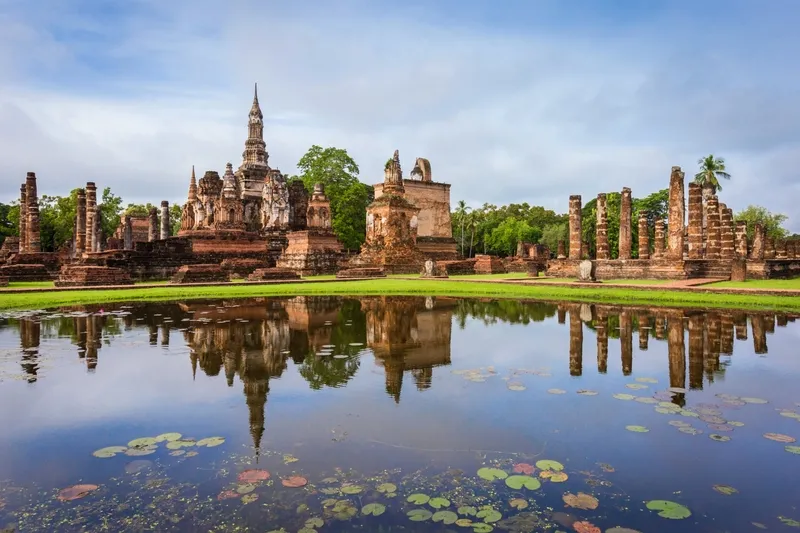
8. Historic Town of Sukhothai and Associated Historic Towns (1991) – UNESCO Cultural World Heritage Site was inscribed on the UNESCO World Heritage List in 1991. The property consists of three historically related cities: Sukhothai, Si Satchanalai, and Kamphaeng Phet. These cities were connected through political authority, religion, economic activities, artistic traditions, and the defense of the Sukhothai Kingdom. The World Heritage designation therefore recognizes a group of historic towns rather than Sukhothai Historical Park alone.
Highlights: Wat Mahathat, Wat Si Chum, Wat Sa Si, Wat Si Sawai, Wat Phra Phai Luang, Wat Saphan Hin, ancient moats and reservoirs, Si Satchanalai Historical Park, and Kamphaeng Phet Historical Park. Together, these sites reveal the distinctive achievements of Sukhothai Buddhist art, architecture, urban planning, and water management.
The history of the Sukhothai Kingdom is associated with the emergence of important settlements in the Yom River basin during the 13th century. According to historical traditions and evidence, King Si Inthrathit was the first ruler of the Phra Ruang dynasty and played a significant role in establishing the kingdom's political foundations. Sukhothai subsequently developed into an influential regional center through relationships with neighboring cities and control over important transport and communication routes.
The reign of King Ramkhamhaeng the Great is traditionally remembered as a major period of territorial expansion and cultural prosperity. Stone Inscription No. 1, associated with his reign, provides important information about government, commerce, religious life, social customs, and the early development of Thai writing. The inscription is a major source for investigating the history of language and society during the Sukhothai period.
Sukhothai is particularly celebrated for developing distinctive forms of Buddhist art and architecture. One of its most recognizable features is the lotus-bud-shaped chedi, also called the lotus-bud stupa, which became a defining element of the Sukhothai artistic tradition. Buddha images from the period are admired for their graceful proportions, serene expressions, and balanced forms. Walking Buddha images are especially notable as examples of the refinement achieved by Sukhothai sculptors.
Theravada Buddhism played a central role in Sukhothai society, influencing government, education, art, and religious belief. During the reign of King Maha Thammaracha I, also known as King Lithai, Buddhism received important royal support. The literary work Trai Phum Phra Ruang, traditionally associated with his reign, is a significant text for understanding Buddhist cosmology, moral teachings, and the history of Thai literature.
Sukhothai Historical Park is located in Mueang Kao Subdistrict, Mueang Sukhothai District, Sukhothai Province. The protected area contains temples, archaeological remains, city walls, moats, gates, ponds, and evidence of ancient water-management systems. The city has a broadly rectangular layout, with distinct archaeological zones inside and outside the original walls. Together, these elements reveal how the settlement was organized and how its inhabitants interacted with the surrounding landscape.
Wat Mahathat is one of the most important religious monuments in Sukhothai. Situated near the center of the ancient city, it contains a principal lotus-bud-shaped chedi surrounded by subsidiary stupas, assembly halls, and Buddha images. Its architecture reflects Buddhism's central position in the kingdom's spiritual life and exemplifies the elegant proportions and balanced compositions associated with classical Sukhothai art.
Wat Si Chum is another celebrated monument, best known for Phra Achana, a monumental seated Buddha image housed within a large brick mondop. The tall opening in the front of the structure allows visitors to see the imposing Buddha image from outside. The serenity of the figure and the dramatic architectural framing make Wat Si Chum one of the most memorable sites in the historical park. The temple is also associated with the traditional story of a speaking Buddha image, an element of local historical memory and folklore.
Wat Si Sawai is distinguished by three prang towers that reflect Khmer architectural influence. The monument demonstrates that Sukhothai was connected with religious and cultural traditions that existed before the kingdom's period of greatest prosperity. Wat Phra Phai Luang, situated north of the city walls, preserves further evidence of the transition from Khmer-influenced artistic forms to the distinctive styles associated with Sukhothai. These monuments illustrate the importance of cultural exchange in the kingdom's development.
Wat Sa Si stands on an island within Traphang Trakuan, surrounded by water and greenery. Its bell-shaped chedi, assembly hall, and Buddha image create a harmonious composition that is particularly attractive in the morning and late afternoon, when the monuments are reflected in the pond. Wat Saphan Hin, west of the ancient city, stands on a hill and is known for a large standing Buddha image. The walk uphill provides a different perspective on Sukhothai's archaeological landscape and its relationship with the surrounding terrain.
Water management was another important achievement of the Sukhothai civilization. The historic landscape includes moats, ponds, reservoirs, and ancient embankments designed to collect and distribute water for agriculture and everyday use. Saritphong Dam, also known as Thamnop Phra Ruang, is an important example of ancient water-management knowledge. These features contributed to the stability of the settlement and helped sustain its population over time.
Si Satchanalai, located in present-day Sukhothai Province, formed another major component of the historic kingdom. The city was important for religion, artistic production, and economic activity, particularly the manufacture of Sangkhalok ceramics. Important monuments include Wat Chang Lom, Wat Chedi Chet Thaeo, and Wat Nang Phaya. The surviving kiln sites provide evidence of ceramic production, technological knowledge, and participation in regional trading networks.
Wat Chang Lom in Si Satchanalai is notable for the elephant sculptures surrounding the base of its principal chedi. The design reflects Buddhist symbolism and distinctive forms of ancient religious architecture. Wat Chedi Chet Thaeo is known for the variety of chedi forms within a single complex, making it particularly valuable for studying architectural development and the diversity of artistic traditions during the Sukhothai period.
Kamphaeng Phet, the third component of the World Heritage property, stands in the Ping River basin and historically played an important role in the southern defense of the Sukhothai political sphere. The city also connected trade routes between northern settlements and the Chao Phraya basin. Its principal archaeological monuments include Wat Phra Kaeo, Wat Phra That, Wat Chang Rop, and surviving city walls that reveal the defensive organization of the ancient settlement.
Kamphaeng Phet's monuments are particularly distinguished by their extensive use of laterite as a building material. This gives many religious structures and city walls a distinctive appearance compared with monuments in Sukhothai and Si Satchanalai. Studying the three cities together provides insights into local building materials, construction methods, and artistic developments across the wider Sukhothai cultural landscape.
Sukhothai, Si Satchanalai, and Kamphaeng Phet were connected through roads, waterways, systems of government, religious institutions, and economic networks. Their shared cultural character explains why UNESCO recognizes them as a single World Heritage property. Sukhothai served as a major political center, Si Satchanalai was important for religion and ceramic production, and Kamphaeng Phet contributed to regional defense and trade along the southern approaches to the kingdom.
As Sukhothai's political influence gradually declined and Ayutthaya expanded, the roles of these cities changed. Nevertheless, many areas continued to be inhabited or retain religious importance through subsequent historical periods. Archaeological surveys, excavations, and restoration by Thailand's Fine Arts Department have helped preserve their surviving monuments. In 1991, UNESCO recognized the three historic towns as a cultural World Heritage property because of their exceptional evidence of early Thai civilization, architecture, art, and urban development.
Today, Sukhothai Historical Park is one of Thailand's most important historical tourism destinations. Visitors can explore the ancient monuments on foot, rent bicycles, or use tram services in designated areas. Cycling is particularly popular because it allows travelers to move between historic temples at a relaxed pace while appreciating the surrounding ponds, trees, and open landscapes.
The historical park is also associated with the annual Loy Krathong, Phao Thian, Len Fai Festival, one of Sukhothai Province's best-known cultural celebrations. During the festival, traditional performances and other cultural activities take place in the atmospheric setting of the ancient city. The event connects the monumental heritage of Sukhothai with traditions that remain part of Thai cultural life today.
Travelers with half a day should prioritize Wat Mahathat, Wat Sa Si, Wat Si Sawai, and the major monuments within the city walls. With a full day, it is possible to add Wat Si Chum, Wat Phra Phai Luang, and Wat Saphan Hin. Visitors wishing to understand all three components of the World Heritage property should plan a multi-day journey to include Si Satchanalai and Kamphaeng Phet, each of which offers substantial historical and artistic significance.
Open Days: Daily. Opening Hours: 06:30 – 19:30 for Sukhothai Historical Park, according to LoveThailand.org. Si Satchanalai and Kamphaeng Phet Historical Parks have their own visiting hours.
Admission Fees: Sukhothai Historical Park central or inner historical zone: Thai visitors 20 THB and foreign visitors 200 THB. Combined tickets listed by LoveThailand.org are 40 THB for Thai visitors and 400 THB for foreign visitors. Charges depend on the zone and ticket type. These tickets should not be assumed to include all three historic cities of Sukhothai, Si Satchanalai, and Kamphaeng Phet.
Getting There: From modern Sukhothai town, follow Highway 12 west toward Mueang Kao Subdistrict, approximately 12 kilometers away. Travelers can use a private car, rental vehicle, songthaew, or local taxi. Within the historical park, tram services and bicycle rentals are available. Visiting Si Satchanalai and Kamphaeng Phet requires additional travel, so a private vehicle or carefully planned separate transport arrangements are recommended.
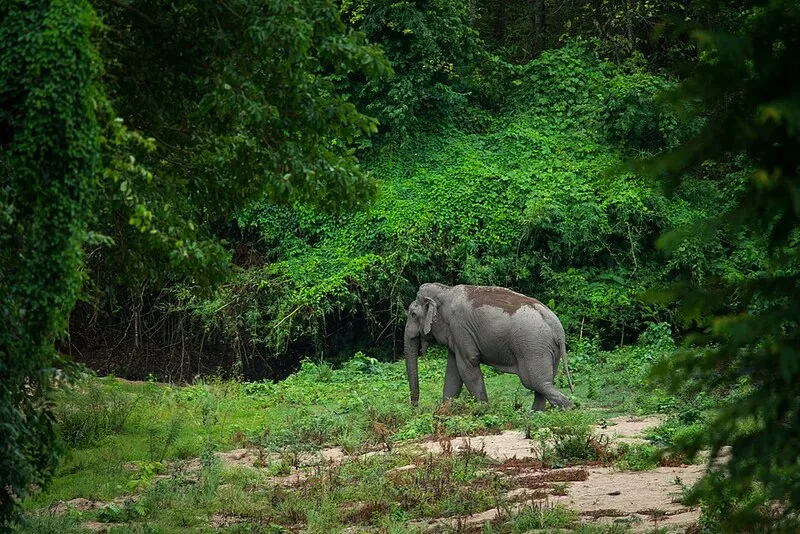
9. Thungyai–Huai Kha Khaeng Wildlife Sanctuaries (1991) – UNESCO Natural World Heritage Site became Thailand's first natural World Heritage property when it was inscribed on the UNESCO World Heritage List in 1991. Located in western Thailand, the protected forests extend across Uthai Thani, Tak, and Kanchanaburi provinces near the Myanmar border. The sanctuaries are internationally important for their biodiversity, habitats for rare wildlife, and the ecological integrity of one of mainland Southeast Asia's great remaining forest landscapes.
Highlights: More than 6,000 square kilometers of protected forest, diverse ecological habitats, populations of tigers, Asian elephants, gaurs, banteng, and other rare wildlife, the Seub Nakhasathien Memorial, conservation education facilities at Huai Kha Khaeng, and designated nature-study routes in areas where public access is permitted.
The Thungyai–Huai Kha Khaeng forest landscape lies among the mountain ranges of western Thailand near the Myanmar border. It includes the protected areas of Thungyai Naresuan Wildlife Sanctuary and Huai Kha Khaeng Wildlife Sanctuary, which together form an extensive and interconnected natural ecosystem. Forest continuity is particularly important for large mammals and predators that require substantial territories for feeding, breeding, and movement through their natural habitats.
The modern conservation history of the property is associated with the legal protection of Thungyai Naresuan Wildlife Sanctuary in 1972 and Huai Kha Khaeng Wildlife Sanctuary in 1974. These designations were part of Thailand's growing commitment to protecting wildlife habitats through formally established conservation areas. Their principal objectives included preventing wildlife hunting, maintaining natural habitats, and conserving forests essential to long-term ecological stability.
Before the establishment of the protected areas, the western forests formed part of a broad landscape of mountains, valleys, and important river catchments. Some areas contained traditional travel routes and communities, while much of the remote interior retained relatively undisturbed natural environments. Difficult terrain and limited accessibility helped preserve large sections of forest from the extensive land-use changes that affected more accessible regions.
The property's international importance derives largely from the integrity and diversity of its forest ecosystems. These include tropical rainforests, dry evergreen forests, montane evergreen forests, mixed deciduous forests, dry dipterocarp forests, grasslands, and riverine habitats. The combination of these interconnected environments supports a wide range of wildlife and makes the region especially valuable for conservation in mainland Southeast Asia.
Tigers are among the most significant animals in the Thungyai–Huai Kha Khaeng ecosystem. As large predators, they help regulate populations of herbivorous prey species and contribute to ecological balance. The continued survival of tiger populations depends on extensive natural habitats, adequate water resources, and sufficient prey. Conserving tigers therefore also requires protecting the entire forest food web rather than focusing on a single species.
In addition to tigers, the forest is home to Asian elephants, gaurs, banteng, deer, barking deer, bears, and many other mammal species. It also supports diverse populations of birds, reptiles, and amphibians. Differences in terrain, elevation, vegetation, and climate create habitats suited to different species and life cycles, allowing a remarkable variety of wildlife to survive within the same protected landscape.
The forests are also important headwater areas. Streams and tributaries originating in the mountains contribute to major river systems in western Thailand. Healthy forests absorb and retain water, reduce soil erosion, and maintain natural hydrological processes. These ecological services benefit not only the protected areas themselves but also downstream communities and agricultural landscapes that depend on reliable water supplies.
One of the most important figures associated with the conservation of Huai Kha Khaeng is Seub Nakhasathien, a Thai wildlife researcher and conservationist who devoted his career to protecting forests and wild animals. He served as head of Huai Kha Khaeng Wildlife Sanctuary and played a significant role in raising public awareness of wildlife poaching, illegal forest encroachment, and the challenges faced by conservation officers.
Seub Nakhasathien died on September 1, 1990. His death became a major turning point in Thailand's environmental conservation movement, bringing wider national attention to the protection of forests and wildlife. Events commemorating his life and conservation work are held around the beginning of September, and he remains a powerful symbol of dedication to the country's natural heritage.
The Seub Nakhasathien Memorial stands within the Huai Kha Khaeng Wildlife Sanctuary headquarters area. It is an important destination for visitors interested in the history of forest conservation in Thailand. Through commemorative facilities and educational information, travelers can learn about the work of wildlife officers, the challenges of protecting natural habitats, and the wider importance of biodiversity conservation.
Inscription on the UNESCO World Heritage List in 1991 marked another milestone in the protection of Thungyai–Huai Kha Khaeng. The designation recognized the exceptional natural and ecological values of the western forests and drew greater attention from conservation organizations and researchers. It also supported the development of wildlife monitoring, anti-poaching measures, and long-term management strategies for the protected areas.
Huai Kha Khaeng is especially important for wildlife research, including the monitoring of large mammal populations. Camera traps, field surveys, animal tracks, and habitat studies are used to understand the distribution and behavior of wildlife. Information obtained through this research helps conservation officers assess population trends and improve strategies for protecting sensitive habitats and threatened species.
However, World Heritage status does not mean that the entire forest is open to tourists. Most of the property is a strictly protected conservation landscape where the principal priority is wildlife protection. Visitors must use authorized service areas and are not permitted to enter remote forest zones or restricted habitats independently. These limitations help reduce disturbance to animals and support effective conservation patrols.
Suitable visitor activities include learning about forest ecosystems at conservation education facilities, visiting the Seub Nakhasathien Memorial, walking along designated nature-study trails, and observing wildlife responsibly from approved locations. Such experiences are particularly suitable for families, students, birdwatchers, nature photographers, and travelers interested in environmental conservation.
Visitors should prepare appropriate equipment for outdoor conditions, including sturdy footwear, drinking water, comfortable clothing, and insect protection. Loud music, unnecessary noise, wildlife feeding, littering, and the removal of plants or natural materials are prohibited. These activities can interfere with wildlife behavior and damage the delicate ecological processes that the sanctuaries were established to protect.
Thungyai–Huai Kha Khaeng is therefore much more than a scenic forest destination. It is a globally important conservation landscape, a place for learning about the relationships among wildlife, forests, water, and people, and a reminder of the dedication of those who work to protect Thailand's natural heritage. A responsible visit to its designated learning areas offers a deeper appreciation of why intact forest ecosystems are essential to the future of both Thailand and the wider world.
Open Days: Daily for designated visitor service areas. Opening Hours: Entry to the service area is permitted from 08:00 – 15:30, and visitors must leave before 17:00, according to LoveThailand.org. Access remains subject to sanctuary regulations and operational conditions.
Admission and Access: Visits are restricted to officially designated service areas and authorized zones. Independent entry into the inner forest is not permitted. Certain activities require advance arrangements with conservation officers, and any applicable charges depend on the activity and the authorized area being visited.
Getting There: The Huai Kha Khaeng visitor service area can be approached through Uthai Thani Province. Travel toward Lan Sak District and Rabam Subdistrict, then follow the designated access route to the Huai Kha Khaeng Wildlife Sanctuary headquarters. Visitors should use a vehicle suitable for the road conditions and check access arrangements before departure, as seasonal weather and forest road conditions may affect travel.
Summary Table: Thailand's 9 UNESCO World Heritage Sites, Ranked by Inscription Year (Newest to Oldest)
As of 2026, Thailand has 9 UNESCO World Heritage Sites, including 6 Cultural World Heritage Sites and 3 Natural World Heritage Sites. Wat Phra Mahathat Woramahawihan in Nakhon Si Thammarat is the country's most recently inscribed property, having joined the World Heritage List in 2026. The following table presents all 9 sites in descending order of inscription year, together with their locations, outstanding features, admission information, and GPS directions.
| Inscription Year | World Heritage Site Details |
| 2026 | 1. Wat Phra Mahathat Woramahawihan UNESCO Classification: Cultural World Heritage Site Location: Nakhon Si Thammarat Province, Southern Thailand Key Attractions: Phra Borommathat Chedi, Sri Lankan-influenced Buddhist architecture, historic worship halls, and the Hae Pha Khuen That religious tradition Open Days: Daily Opening Hours: 08:00 – 16:30 for general visiting areas Admission Fees: Free general admission; voluntary donations are welcome Map (GPS):Get Directions |
| 2024 | 2. Phu Phrabat, a Testimony to the Sīma Stone Tradition of the Dvaravati Period UNESCO Classification: Cultural World Heritage Site Location: Ban Phue District, Udon Thani Province Key Attractions: Ho Nang Usa, sandstone rock shelters, prehistoric rock paintings, Dvaravati Sīma stones, and the Nang Usa–Thao Barot legend Open Days: Daily Opening Hours: 08:30 – 16:30 Admission Fees: Thai visitors 20 THB; foreign visitors 120 THB Map (GPS):Get Directions |
| 2023 | 3. The Ancient Town of Si Thep and its Associated Dvaravati Monuments UNESCO Classification: Cultural World Heritage Site Location: Si Thep District, Phetchabun Province Key Attractions: Khao Klang Nai, Khao Klang Nok, Prang Si Thep, Prang Song Phi Nong, Khao Thamorrat Cave, and the ancient inner and outer town layouts Open Days: Daily Opening Hours: 08:00 – 16:30 for Si Thep Historical Park Admission Fees: Thai visitors 20 THB; foreign visitors 100 THB Map (GPS):Get Directions |
| 2021 | 4. Kaeng Krachan Forest Complex UNESCO Classification: Natural World Heritage Site Location: The Tenasserim forest landscape, principally in Phetchaburi and Prachuap Khiri Khan provinces Key Attractions: Kaeng Krachan National Park, Ban Krang butterfly habitats, Phanoen Thung viewpoints, birdwatching areas, and wildlife-rich tropical forests Open Days: Main visitor areas generally operate daily; seasonal restrictions apply to certain forest zones Opening Hours: Main access points generally operate around 05:00 – 17:00 Admission Fees: Kaeng Krachan National Park: Thai adults 60 THB, Thai children 30 THB, foreign adults 300 THB, and foreign children 150 THB Map (GPS):Get Directions |
| 2005 | 5. Dong Phayayen–Khao Yai Forest Complex UNESCO Classification: Natural World Heritage Site Location: Protected forests across central and northeastern Thailand, including Khao Yai, Thap Lan, Pang Sida, Ta Phraya, and Dong Yai Key Attractions: Haew Narok Waterfall, Haew Suwat Waterfall, Nong Phak Chi Wildlife Observation Tower, tropical forests, elephants, and hornbills Open Days: Daily for Khao Yai National Park Opening Hours: Khao Yai entrance and exit generally 06:00 – 18:00 Admission Fees: Khao Yai National Park: Thai adults 40 THB, Thai children 20 THB, foreign adults 400 THB, and foreign children 200 THB Map (GPS):Get Directions |
| 1992 | 6. Ban Chiang Archaeological Site UNESCO Classification: Cultural World Heritage Site Location: Ban Chiang Subdistrict, Nong Han District, Udon Thani Province Key Attractions: Ban Chiang National Museum, Wat Pho Si Nai excavation site, prehistoric painted pottery, bronze tools, and ancient burial remains Open Days: Wednesday – Sunday; closed Monday and Tuesday Opening Hours: 09:00 – 16:00 for Ban Chiang National Museum Admission Fees: Thai visitors 30 THB; foreign visitors 200 THB Map (GPS):Get Directions |
| 1991 | 7. Historic City of Ayutthaya UNESCO Classification: Cultural World Heritage Site Location: Phra Nakhon Si Ayutthaya Province Key Attractions: Ancient Royal Palace, Wat Phra Si Sanphet, Wat Mahathat, Wat Ratchaburana, and Wat Phra Ram Open Days: Major tourist monuments generally open daily Opening Hours: Vary by monument Admission Fees: Individual tickets for selected monuments: Thai visitors 10 THB, foreign visitors 80 THB; combined tickets may be available separately Map (GPS):Get Directions |
| 1991 | 8. Historic Town of Sukhothai and Associated Historic Towns UNESCO Classification: Cultural World Heritage Site Location: Sukhothai and Kamphaeng Phet provinces Key Attractions: Sukhothai Historical Park, Si Satchanalai Historical Park, Kamphaeng Phet Historical Park, lotus-bud-shaped chedis, and Sukhothai Buddhist sculpture Open Days: Daily for Sukhothai Historical Park Opening Hours: 06:30 – 19:30 for Sukhothai Historical Park, according to the published listing Admission Fees: Sukhothai Historical Park central zone: Thai visitors 20 THB; foreign visitors 200 THB Map (GPS):Get Directions |
| 1991 | 9. Thungyai–Huai Kha Khaeng Wildlife Sanctuaries UNESCO Classification: Natural World Heritage Site Location: Uthai Thani, Tak, and Kanchanaburi provinces Key Attractions: Western Forest Complex, tiger and elephant habitats, Seub Nakhasathien Memorial, and designated conservation education areas Open Days: Daily for authorized visitor service areas Opening Hours: Entry generally 08:00 – 15:30; visitors must leave before 17:00 Admission and Access: Only authorized visitor zones may be entered. Entry conditions and any applicable charges depend on the specific area or activity Map (GPS):Get Directions |
Visitor Information: The admission fees shown above relate to the principal tourist attractions or visitor facilities associated with each World Heritage property. They should not be interpreted as a single entrance fee covering an entire UNESCO-listed landscape. Opening hours, ticket prices, and access regulations may change. Travelers should confirm current conditions with the responsible heritage authority or national park before visiting.
Frequently Asked Questions (FAQ)
Q: How many UNESCO World Heritage Sites are there in Thailand in 2026?
A: As of 2026, Thailand has 9 UNESCO World Heritage Sites, comprising 6 cultural properties and 3 natural properties. They preserve the country's exceptional historical, archaeological, religious, and ecological heritage.
Q: What is Thailand's newest UNESCO World Heritage Site?
A: Wat Phra Mahathat Woramahawihan in Nakhon Si Thammarat is Thailand's newest UNESCO World Heritage Site. It was inscribed as a cultural property on July 25, 2026, becoming the country's ninth World Heritage Site.
Q: What are Thailand's six Cultural World Heritage Sites?
A: Thailand's six Cultural World Heritage Sites are Wat Phra Mahathat Woramahawihan (2026), Phu Phrabat (2024), the Ancient Town of Si Thep and its Associated Dvaravati Monuments (2023), Ban Chiang Archaeological Site (1992), Historic City of Ayutthaya (1991), and Historic Town of Sukhothai and Associated Historic Towns (1991).
Q: What are Thailand's three Natural World Heritage Sites?
A: Thailand's three Natural World Heritage Sites are Kaeng Krachan Forest Complex (2021), Dong Phayayen–Khao Yai Forest Complex (2005), and Thungyai–Huai Kha Khaeng Wildlife Sanctuaries (1991). These forest landscapes are internationally important for their biodiversity, protected habitats, and rare wildlife species.
Q: When did Thailand receive its first UNESCO World Heritage inscriptions?
A: Thailand received its first three World Heritage inscriptions in 1991: the Historic City of Ayutthaya, the Historic Town of Sukhothai and Associated Historic Towns, and the Thungyai–Huai Kha Khaeng Wildlife Sanctuaries. Two are cultural properties, while Thungyai–Huai Kha Khaeng is a natural property.
Q: What is the difference between a Cultural and a Natural World Heritage Site?
A: Cultural World Heritage Sites are recognized for exceptional historical, archaeological, architectural, artistic, or cultural significance. Natural World Heritage Sites are recognized for outstanding natural features, ecosystems, biodiversity, geological formations, or habitats important for the conservation of life on Earth.
Q: Does the Sukhothai World Heritage Site include only Sukhothai Historical Park?
A: No. The UNESCO property called Historic Town of Sukhothai and Associated Historic Towns includes three historic cities: Sukhothai, Si Satchanalai, and Kamphaeng Phet. They were jointly inscribed as one Cultural World Heritage Site in 1991 because of their shared history, artistic traditions, and cultural relationships.
Q: Can tourists enter every area of Thailand's Natural World Heritage Sites?
A: No. Some areas are strictly protected wildlife sanctuaries or conservation zones where public access is restricted or requires authorization. Travelers should use designated visitor facilities, nature trails, and official access routes, and follow the regulations of the responsible national park or wildlife conservation authority.
Q: Which UNESCO World Heritage Site in Thailand is best for a day trip from Bangkok?
A: The Historic City of Ayutthaya is one of the most practical choices for a day trip from Bangkok. Visitors can explore the Ancient Royal Palace, Wat Phra Si Sanphet, Wat Mahathat, and Wat Ratchaburana within the historic city. Khao Yai National Park is another option for travelers interested in natural World Heritage landscapes, although a longer visit is preferable for exploring its waterfalls and forests.
Q: Do all UNESCO World Heritage Sites in Thailand charge an entrance fee?
A: No. Admission conditions vary by property and by the specific attractions within each property. Wat Phra Mahathat Woramahawihan generally offers free admission to its main temple grounds, while historical parks, museums, and national parks may charge entrance fees. Some wildlife sanctuaries restrict access regardless of payment. Visitors should check the current arrangements before traveling.
Q: Why are Thailand's UNESCO World Heritage Sites important?
A: They preserve evidence of ancient civilizations, Buddhist traditions, historic urban development, prehistoric technologies, and globally significant natural ecosystems. Their UNESCO designation acknowledges Outstanding Universal Value and encourages long-term conservation, education, research, and responsible tourism.
Q: How should travelers plan a trip to multiple World Heritage Sites in Thailand?
A: Travelers should group destinations by region and allow sufficient time for each property. Ayutthaya is accessible from Bangkok, while Sukhothai, Si Satchanalai, and Kamphaeng Phet are best explored over several days. Ban Chiang and Phu Phrabat can be included in an Udon Thani itinerary, and Wat Phra Mahathat Woramahawihan can be combined with other cultural attractions in Nakhon Si Thammarat. For national parks and wildlife sanctuaries, visitors should check seasonal closures, entrance rules, and road conditions before departure.
 Category: ●Travel Articles, Recipes
 Group: ●Travel Review, Food Review
Last Update : 1 DayAgo
 Last Update : 1 DayAgo
Recommend

 Art, Culture and Heritage
 Historical Sites and Monuments(3)
 Landmarks and Memorials(23)
 Royal Palace(13)
 Art, Craft Centres, Tradition(35)
 Museums(59)
 Historic Homes and Cities(3)
 Art Gallery(16)
 Educational Places
 Museum for Study(6)
 Library(4)
 Places of Worship
 Temple(72)
 Church(2)
 Mosque(67)
 Other Sacred Sites(8)
 Research and Development
 Royal Project(1)
 Suburban Living
 Village, Community(5)
 Local Market(9)
 Floating Market(2)
 Nature and Wildlife
 River, Canal(3)
 Bays and Beaches(1)
 Other natural attractions(1)
 Entertainment and Agricultural
 Zoos and Aquariums(5)
 Animal camps and shows(5)
 Stadium(9)
 Farms, Parks and Ecotourism(20)
 Amusement Park(1)
 Waterpark(4)
 Theater(7)
 Cinema(1)
 Shopping
 Shopping and Night Market(20)
 Department Store(7)
 Spas and Wellness
 Spas and Wellness(1)
 Restaurant
 Michelin Star(5)
 Accommodation
 Hotel(3)
 Call Customer Service in Tourism
 Call Customer Service in Tourism(1)
Travel Review, Food Review(41)
 Royal Thai Desserts and Recipes(56)


