
lovethailand home >Central Travel Attractions >Bangkok Travel Attractions > 100 Best Places to Visit in Thailand A Complete Gu..
TL;DR: 100 Best Places to Visit in Thailand A Complete Guide to All 77 Provinces.
100 Best Places to Visit in Thailand A Complete Guide to All 77 Provinces
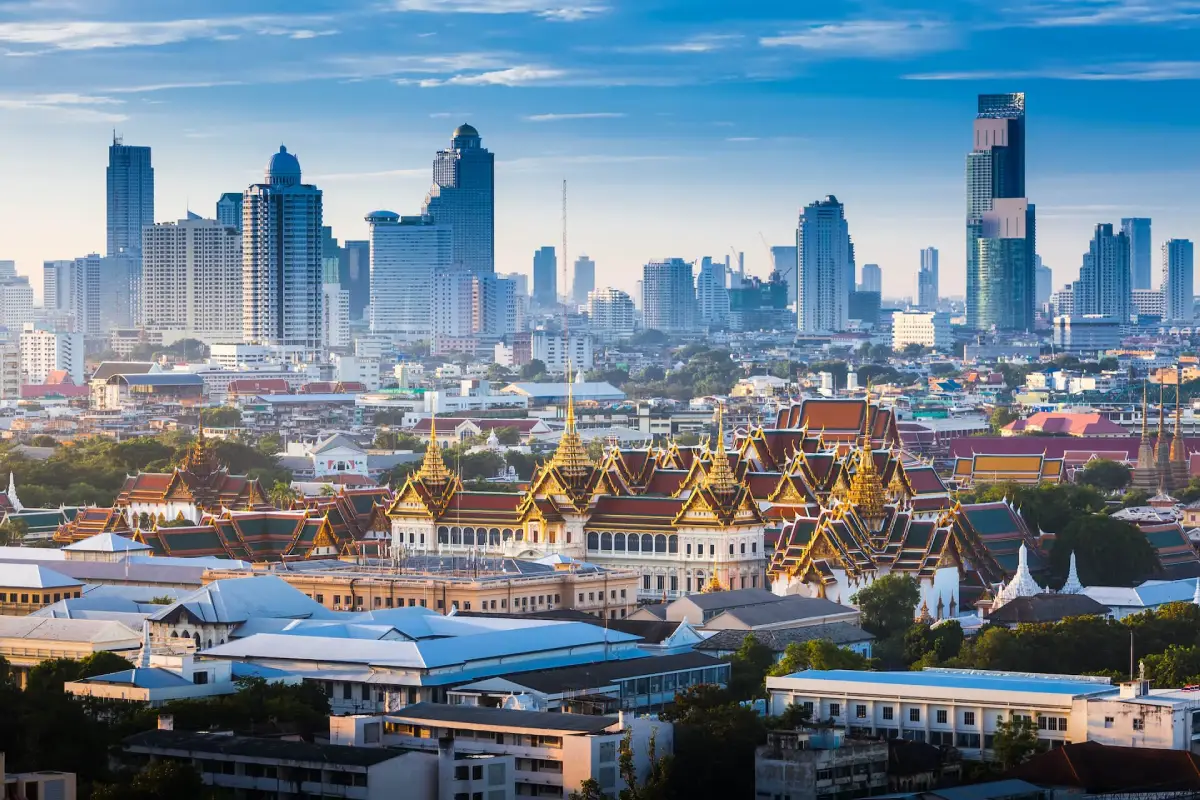
100 Best Places to Visit in Thailand: A Complete Guide to All 77 Provinces, Famous Landmarks and Hidden Gems with GPS Maps Thailand offers extraordinary travel diversity across all 77 provinces. In the north, mountains rise into cloud forests and misty valleys; the northeast holds distinctive sandstone landscapes and rich traditions; the central plains preserve former capitals and riverside communities; eastern Thailand brings coastal escapes and islands; western provinces connect forested mountains with important historical sites; and the south offers two very different coastlines bordering the Andaman Sea and the Gulf of Thailand. Exploring the country province by province is therefore much more than collecting destinations: it is a chance to discover local landscapes, history, faith, food and ways of life.
This guide brings together 100 places to visit across all 77 provinces, with at least one destination representing every province. The selection includes nationally recognised landmarks alongside smaller cultural and natural attractions that reveal another side of Thailand. National parks, temples, historic monuments, lakes, waterfalls, caves, islands, old towns and scenic viewpoints are all represented. Each destination includes its distinctive highlights, practical visiting guidance and a direct map link to assist with trip planning.
The appeal of exploring Thailand lies in how quickly the travel experience can change between neighbouring provinces. One town may be celebrated for a sacred Buddhist relic, another for an ancient archaeological site, and the next for a forest trail or a tranquil coast. Grouping nearby places into a sensible driving or transport route allows travellers to enjoy varied experiences without spending too much time doubling back.
Northern Thailand is a region of mountain ranges, valleys and towns shaped by Lanna culture. Chiang Mai combines the highland ecosystems of Doi Inthanon with the religious importance of Wat Phra That Doi Suthep. Chiang Rai offers contemporary Buddhist art at the White Temple and mountain scenery at Phu Chi Fa. Nan, Phayao, Phrae, Mae Hong Son, Lampang, Lamphun and Uttaradit add historic architecture, peaceful water landscapes and highland communities.
Northeastern Thailand, often called Isan, spreads across an enormous plateau enriched by Mekong River landscapes, national parks, prehistoric sites, Khmer-era stone sanctuaries and living Buddhist traditions. Travelling here is a chance to experience regional cuisine, historic festivals, locally rooted religious art and nature that changes dramatically with the seasons. Some places are at their most striking during wet-season flowering periods; others attract visitors for cool-weather sunrise views.
Bangkok and Thailand's central provinces are essential for understanding the country's historical development. Palaces, religious sites, riverside trading communities and historic towns reveal connections between successive periods of Thai history. Bangkok, Ayutthaya, Sukhothai and Lop Buri offer particularly strong cultural itineraries, while the wider central plains preserve markets, food traditions and craftsmanship associated with river-based settlement.
Eastern Thailand is well suited to travellers who want to combine beach time with local culture. Chon Buri, Rayong, Trat and Chanthaburi offer islands, coastline and trading history, while Chachoengsao, Prachin Buri and Sa Kaeo bring major temples, forests and archaeological heritage. Some eastern trips fit into a weekend, while island-hopping journeys require more careful planning around ferries and the weather.
Western Thailand is characterised by forested ranges, waterfalls, river scenery and historical landmarks. Kanchanaburi's Bridge over the River Kwai and Erawan Waterfall illustrate the range of experiences available within one province. Tak, Prachuap Khiri Khan, Phetchaburi and Ratchaburi offer additional mountain, coast, heritage and market experiences. A vehicle is useful for some more dispersed attractions, though major towns are also accessible by public transport.
Southern Thailand occupies a peninsula between the Andaman Sea and the Gulf of Thailand. It offers beach holidays, limestone islands, historic waterfront districts, Buddhist temples, mosques, rainforest and distinctive regional food. The monsoon affects the two coasts differently, and conditions can also vary between individual islands. Choosing the right season and checking boat schedules are therefore essential parts of any southern itinerary.
Seasonality matters across the country. Cooler months often appeal to visitors seeking mountain temperatures and viewpoints. The rainy season brings lush forests and more powerful waterfalls, although flooding, slippery trails and temporary restrictions can make some outdoor areas unsuitable. Marine travel requires extra care: check sea conditions, official park notices and the advice of local operators before booking excursions.
Regional cuisine and community traditions deepen the experience. Northern specialities include khao soi and Lanna cooking; Isan is known for sticky rice, herbs and vibrant local flavours; central Thailand has foodways shaped by river communities and royal culinary traditions; the east offers seasonal fruits and seafood; and southern dishes reflect a distinctive use of spices and coastal ingredients. Visiting community markets and local food businesses supports the places that make these journeys memorable.
You do not need to visit all 77 provinces in one trip. With one to three days, focus on a small group of nearby attractions. With four to seven days, consider a cluster of adjoining provinces and allow time for overnight stops. A longer goal of visiting every province works best as several journeys spread across the year, planned according to weather, realistic travel times and individual interests.
Responsible travel protects the places worth visiting. Dress respectfully at religious sites, observe local customs, avoid feeding wildlife, use established trails and do not leave litter in natural areas. Choosing local services thoughtfully supports communities and helps protect their heritage. The following 100 destinations begin in the north, continue through Thailand's other regions and provide a starting point for planning a more meaningful nationwide journey.
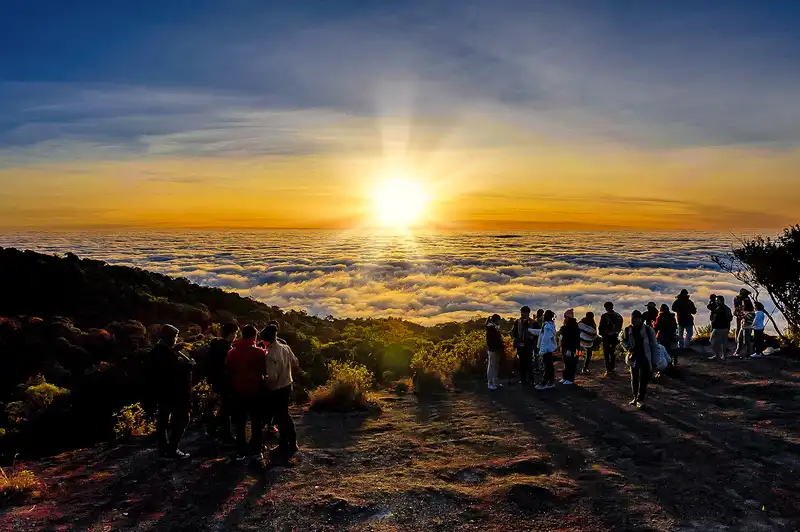
1. Doi Inthanon National Park is a distinctive travel destination in Chiang Mai, Thailand. Rising to 2,565 metres above sea level, Doi Inthanon reveals a succession of ecosystems as the road climbs from lowland woodland to cool, misty montane forest. Visitors can combine the summit with Ang Ka Nature Trail, impressive waterfalls and the twin royal pagodas. The mountain is also an important watershed supporting communities in northern Thailand.
Highlights: Thailand's highest summit, cloud forests, waterfalls and royal twin pagodas.
The landscape is shaped by ecological processes that are often easier to understand when you slow down and observe the surroundings. Weather, water levels and seasonal conditions may alter what can be seen and which routes are available. Follow designated trails and avoid disturbing wildlife or fragile natural areas.
Visitor Tips: Allow a full day to explore more than one zone. Highland temperatures can be markedly cooler than in Chiang Mai city, and some trails have seasonal closures.
Getting There: Use the location in Chiang Mai as your trip-planning reference and confirm the appropriate entrance or transport connection. Mountain roads, islands and protected areas may require additional local transfers.
Map (GPS):Directions to Doi Inthanon National Park
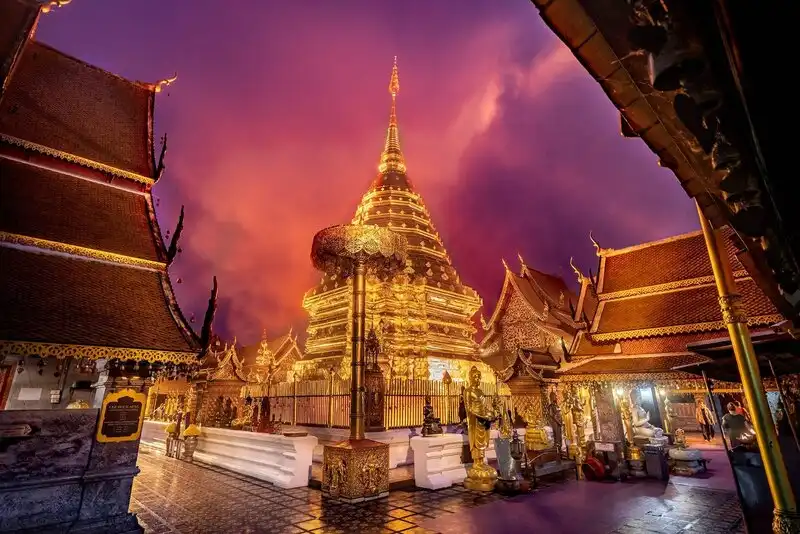
2. Wat Phra That Doi Suthep is a distinctive travel destination in Chiang Mai, Thailand. This revered Buddhist temple stands on a mountainside overlooking Chiang Mai. Its golden chedi, ceremonial courtyards and elaborate Lanna decoration express the long relationship between the city and its religious traditions. The naga-lined staircase is one of the site's most recognisable approaches.
Highlights: Golden relic stupa, ornate naga stairway and panoramic Chiang Mai views.
Beyond its appearance, this site is part of a living religious landscape. Visitors can use the architecture, devotional spaces and nearby town environment to understand how spiritual traditions remain woven into everyday life. Approach the visit as an opportunity to learn from a community, rather than as a photo stop alone.
Visitor Tips: Dress respectfully and take time to look at the architectural details. Visitors can combine a temple visit with viewpoints and nature stops elsewhere on Doi Suthep.
Getting There: Use the location in Chiang Mai as your trip-planning reference and confirm the appropriate entrance or transport connection. Mountain roads, islands and protected areas may require additional local transfers.
Map (GPS):Directions to Wat Phra That Doi Suthep
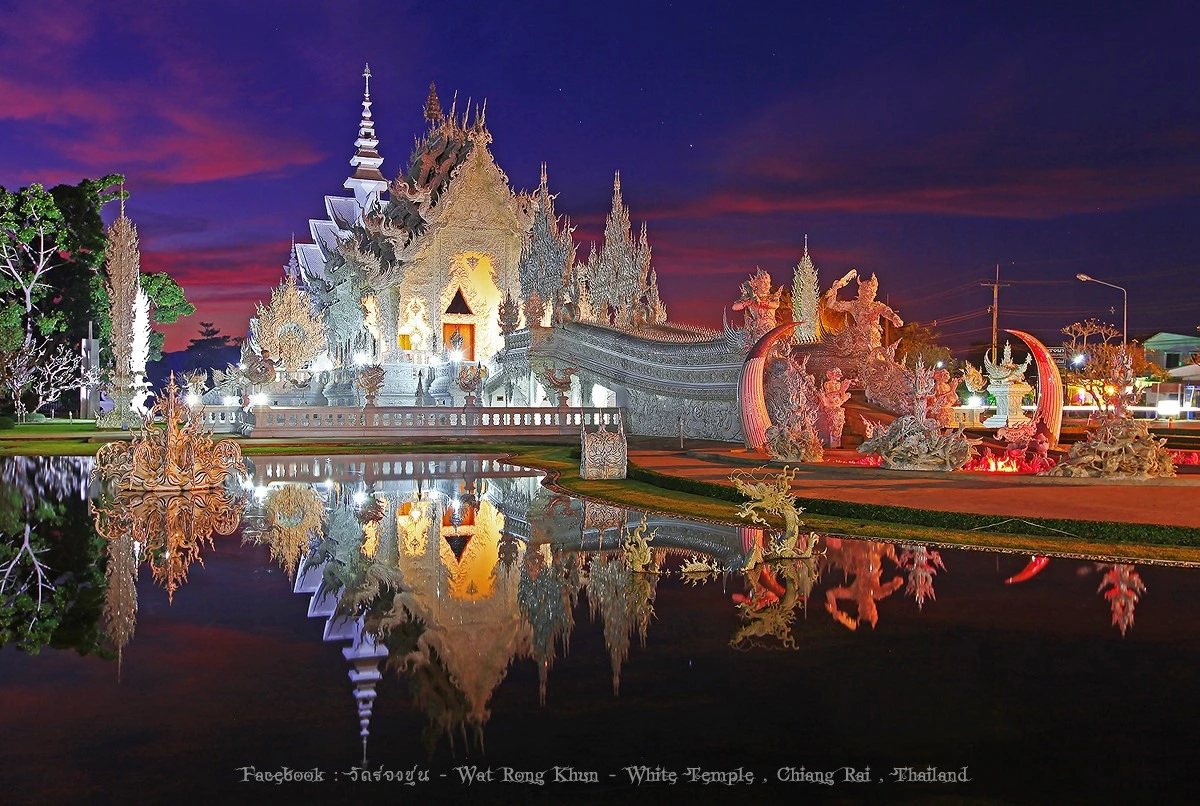
3. Wat Rong Khun (White Temple) is a distinctive travel destination in Chiang Rai, Thailand. Wat Rong Khun is among Chiang Rai's most recognisable contemporary landmarks. Artist Chalermchai Kositpipat uses white surfaces, reflective decoration and symbolic sculptures to explore Buddhist ideas. The bridge and the main hall form part of an integrated artistic composition rather than a conventional historic temple complex.
Highlights: White contemporary Buddhist architecture by Chalermchai Kositpipat.
Beyond its appearance, this site is part of a living religious landscape. Visitors can use the architecture, devotional spaces and nearby town environment to understand how spiritual traditions remain woven into everyday life. Approach the visit as an opportunity to learn from a community, rather than as a photo stop alone.
Visitor Tips: Follow restrictions on photography and access, particularly inside religious buildings. Its location south of Chiang Rai makes it convenient for a city-based excursion.
Getting There: Use the location in Chiang Rai as your trip-planning reference and confirm the appropriate entrance or transport connection. Mountain roads, islands and protected areas may require additional local transfers.

4. Phu Chi Fa Forest Park is a distinctive travel destination in Chiang Rai, Thailand. Phu Chi Fa is celebrated for its distinctive cliff-top silhouette and sweeping views towards the Lao border. At dawn, changing light reveals layers of mountains and, when conditions allow, clouds or mist filling the valleys below. The open highland landscape is particularly memorable in the cooler season.
Highlights: Dramatic mountain ridge, sunrise and seasonal sea of mist.
The landscape is shaped by ecological processes that are often easier to understand when you slow down and observe the surroundings. Weather, water levels and seasonal conditions may alter what can be seen and which routes are available. Follow designated trails and avoid disturbing wildlife or fragile natural areas.
Visitor Tips: Expect a short walk from the access area, cool winds and exposed slopes. Wear non-slip shoes and stay on designated paths near steep edges.
Getting There: Use the location in Chiang Rai as your trip-planning reference and confirm the appropriate entrance or transport connection. Mountain roads, islands and protected areas may require additional local transfers.
Map (GPS):Directions to Phu Chi Fa Forest Park

5. Wat Phumin is a distinctive travel destination in Nan, Thailand. Located in Nan's historic centre, Wat Phumin is distinguished by its unusual cruciform layout and painted interior. The famous whispering couple, often called the Whisper of Love, forms part of a broader mural cycle depicting clothing, social life and local traditions. The temple offers a vivid introduction to Nan's artistic heritage.
Highlights: Cruciform temple and celebrated Nan mural paintings.
Beyond its appearance, this site is part of a living religious landscape. Visitors can use the architecture, devotional spaces and nearby town environment to understand how spiritual traditions remain woven into everyday life. Approach the visit as an opportunity to learn from a community, rather than as a photo stop alone.
Visitor Tips: The old town can be explored on foot. Avoid touching historic paintings and respect any restrictions on flash photography.
Getting There: Use the location in Nan as your trip-planning reference and confirm the appropriate entrance or transport connection. Mountain roads, islands and protected areas may require additional local transfers.
Map (GPS):Directions to Wat Phumin

6. Kwan Phayao (Phayao Lake) is a distinctive travel destination in Phayao, Thailand. Kwan Phayao defines the landscape of Phayao city. The broad freshwater lake supports local livelihoods and creates a relaxing setting for shoreline walks, sunset views and nearby food stalls. Its significance also extends to local religious customs and traditions associated with the water.
Highlights: Freshwater landscape, mountain backdrop and lakeside local life.
The landscape is shaped by ecological processes that are often easier to understand when you slow down and observe the surroundings. Weather, water levels and seasonal conditions may alter what can be seen and which routes are available. Follow designated trails and avoid disturbing wildlife or fragile natural areas.
Visitor Tips: An easy-paced stop for families and senior travellers. Take care near the water and use appropriate safety equipment when joining boat activities.
Getting There: Use the location in Phayao as your trip-planning reference and confirm the appropriate entrance or transport connection. Mountain roads, islands and protected areas may require additional local transfers.
Map (GPS):Directions to Kwan Phayao (Phayao Lake)

7. Vongburi House is a distinctive travel destination in Phrae, Thailand. Vongburi House, also known as Khum Wong Buri, is an elegant historic residence recalling Phrae's teak-trading era. Its carved timber, decorative details, room arrangement and refined domestic architecture illuminate the social history of northern Thailand during a period of economic change.
Highlights: Historic teak mansion and intricate woodwork in Phrae.
A considered visit reveals how buildings and surviving details connect to the wider history of their surroundings. Spend time observing the design, materials and layout, and consider pairing the attraction with other historic streets, monuments or museums in the same area. Conservation rules are part of keeping this heritage available for future visitors.
Visitor Tips: Explore the surrounding old-town streets and other heritage houses. Follow the house's visitor rules to protect the furnishings and timber surfaces.
Getting There: Use the location in Phrae as your trip-planning reference and confirm the appropriate entrance or transport connection. Mountain roads, islands and protected areas may require additional local transfers.
Map (GPS):Directions to Vongburi House

8. Pang Ung (Royal Forest Park Project) is a distinctive travel destination in Mae Hong Son, Thailand. Pang Ung is renowned for the atmospheric combination of still water, surrounding pine trees and early morning mist. The area is associated with forest restoration initiatives and highland community life. The reflections across the reservoir create a striking landscape, especially in the cool season.
Highlights: Misty reservoir, pine forest and tranquil Mae Hong Son highlands.
The landscape is shaped by ecological processes that are often easier to understand when you slow down and observe the surroundings. Weather, water levels and seasonal conditions may alter what can be seen and which routes are available. Follow designated trails and avoid disturbing wildlife or fragile natural areas.
Visitor Tips: Mountain roads can be winding and travel is slower than on lowland routes. Check access arrangements and overnight-stay rules before visiting.
Getting There: Use the location in Mae Hong Son as your trip-planning reference and confirm the appropriate entrance or transport connection. Mountain roads, islands and protected areas may require additional local transfers.
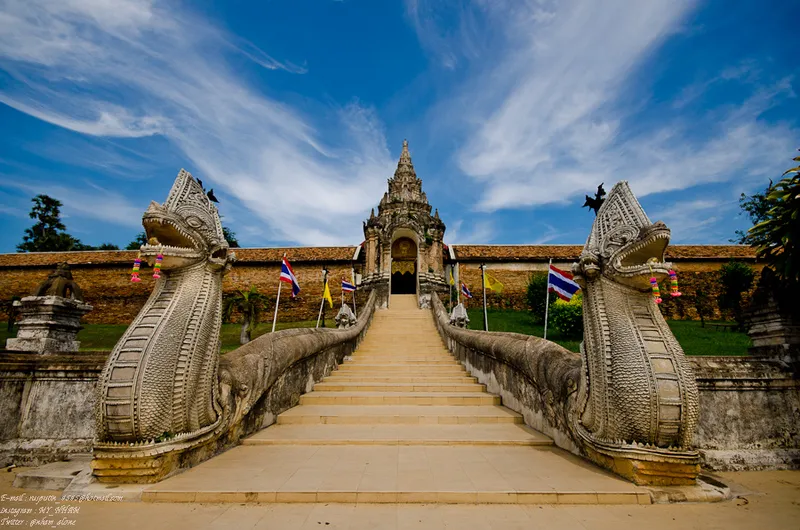
9. Wat Phra That Lampang Luang is a distinctive travel destination in Lampang, Thailand. Wat Phra That Lampang Luang is one of northern Thailand's important surviving examples of traditional Lanna temple architecture. The central stupa, ceremonial gateways and old wooden halls illustrate historical temple planning and craftsmanship. The site remains an active place of Buddhist worship.
Highlights: Historic Lanna temple with timber halls and a sacred chedi.
Beyond its appearance, this site is part of a living religious landscape. Visitors can use the architecture, devotional spaces and nearby town environment to understand how spiritual traditions remain woven into everyday life. Approach the visit as an opportunity to learn from a community, rather than as a photo stop alone.
Visitor Tips: Spend time examining architectural features as well as the main chedi. Modest dress and quiet behaviour are appropriate throughout the temple grounds.
Getting There: Use the location in Lampang as your trip-planning reference and confirm the appropriate entrance or transport connection. Mountain roads, islands and protected areas may require additional local transfers.
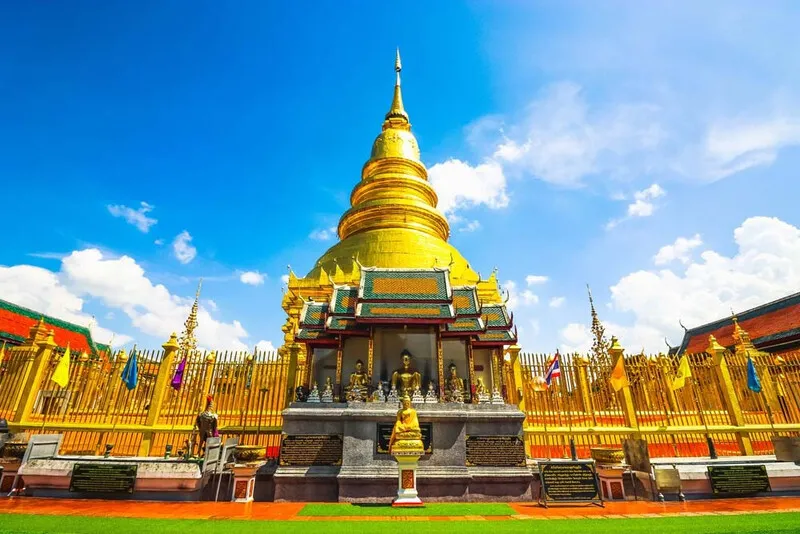
10. Wat Phra That Hariphunchai Woramahawihan is a distinctive travel destination in Lamphun, Thailand. At the heart of historic Lamphun, Wat Phra That Hariphunchai connects the former Hariphunchai kingdom with later Lanna culture. Its striking golden chedi dominates an ensemble of religious buildings, courtyards and artistic details. The temple is both an important pilgrimage site and a natural starting point for exploring the old town.
Highlights: Golden relic stupa and the religious heritage of Lamphun.
Beyond its appearance, this site is part of a living religious landscape. Visitors can use the architecture, devotional spaces and nearby town environment to understand how spiritual traditions remain woven into everyday life. Approach the visit as an opportunity to learn from a community, rather than as a photo stop alone.
Visitor Tips: Visit respectfully and allow time to explore central Lamphun on foot, including nearby local food and heritage sites.
Getting There: Use the location in Lamphun as your trip-planning reference and confirm the appropriate entrance or transport connection. Mountain roads, islands and protected areas may require additional local transfers.

11. Lam Nam Nan National Park is a distinctive travel destination in Uttaradit, Thailand. Lam Nam Nan National Park protects mountainous forest and riverine landscapes in the lower northern region. The interplay of wooded slopes and water provides a quiet alternative to major urban attractions and helps visitors appreciate the ecological importance of the Nan River basin.
Highlights: Forested hills and the scenic Nan River watershed.
The landscape is shaped by ecological processes that are often easier to understand when you slow down and observe the surroundings. Weather, water levels and seasonal conditions may alter what can be seen and which routes are available. Follow designated trails and avoid disturbing wildlife or fragile natural areas.
Visitor Tips: Confirm which visitor areas are accessible before setting out. Road and trail conditions can change during heavy rain.
Getting There: Use the location in Uttaradit as your trip-planning reference and confirm the appropriate entrance or transport connection. Mountain roads, islands and protected areas may require additional local transfers.
Map (GPS):Directions to Lam Nam Nan National Park
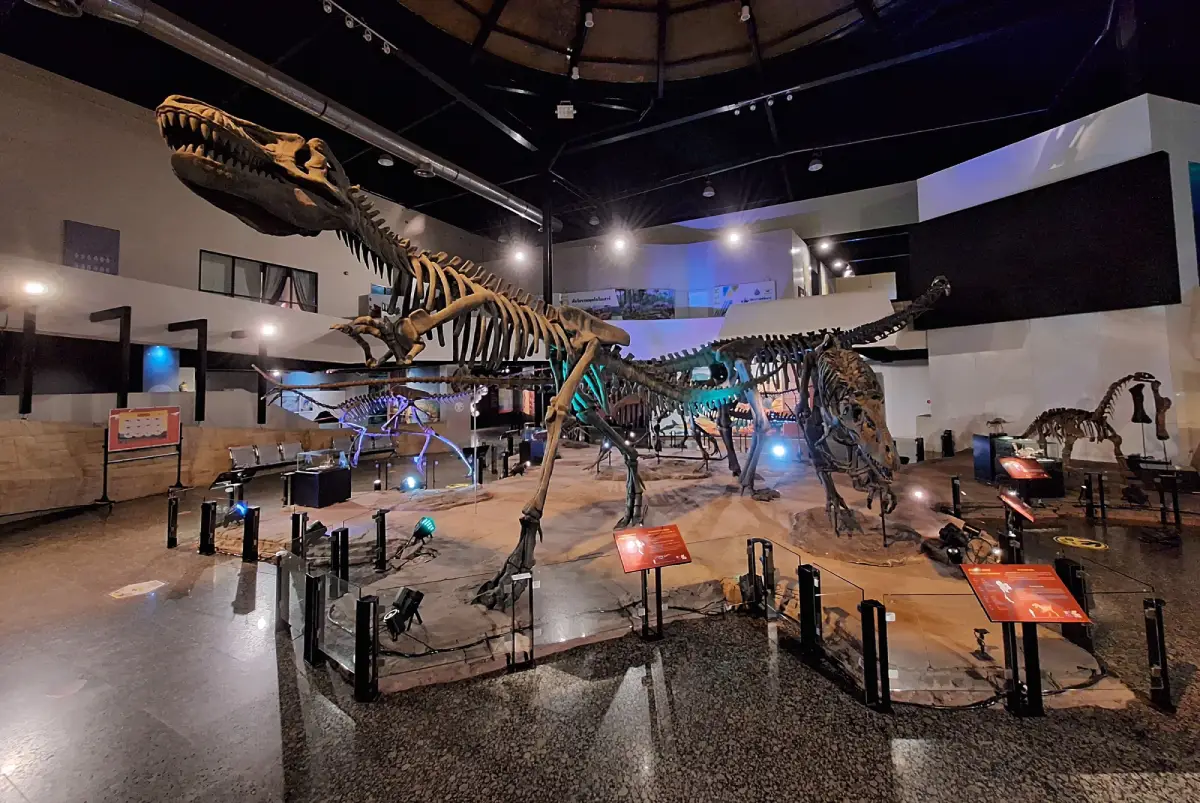
12. Sirindhorn Museum is a distinctive travel destination in Kalasin, Thailand. Sirindhorn Museum in Kalasin explores prehistoric life through fossil collections and explanatory displays. Its setting near the important Phu Kum Khao dinosaur excavation site makes it an engaging place to understand how scientists reconstruct ancient environments and the history of dinosaurs in Thailand.
Highlights: Dinosaur fossils, palaeontology and the Phu Kum Khao excavation area.
This is also an opportunity to encounter the traditions, knowledge or daily activities that give the province its character. Allow time to explore beyond the most recognisable feature and consider supporting nearby local businesses. Families may find it useful to balance learning activities with unhurried breaks.
Visitor Tips: A worthwhile educational stop for families and school groups. Leave time to explore the exhibitions rather than treating the museum as a quick photo stop.
Getting There: Use the location in Kalasin as your trip-planning reference and confirm the appropriate entrance or transport connection. Mountain roads, islands and protected areas may require additional local transfers.
Map (GPS):Directions to Sirindhorn Museum
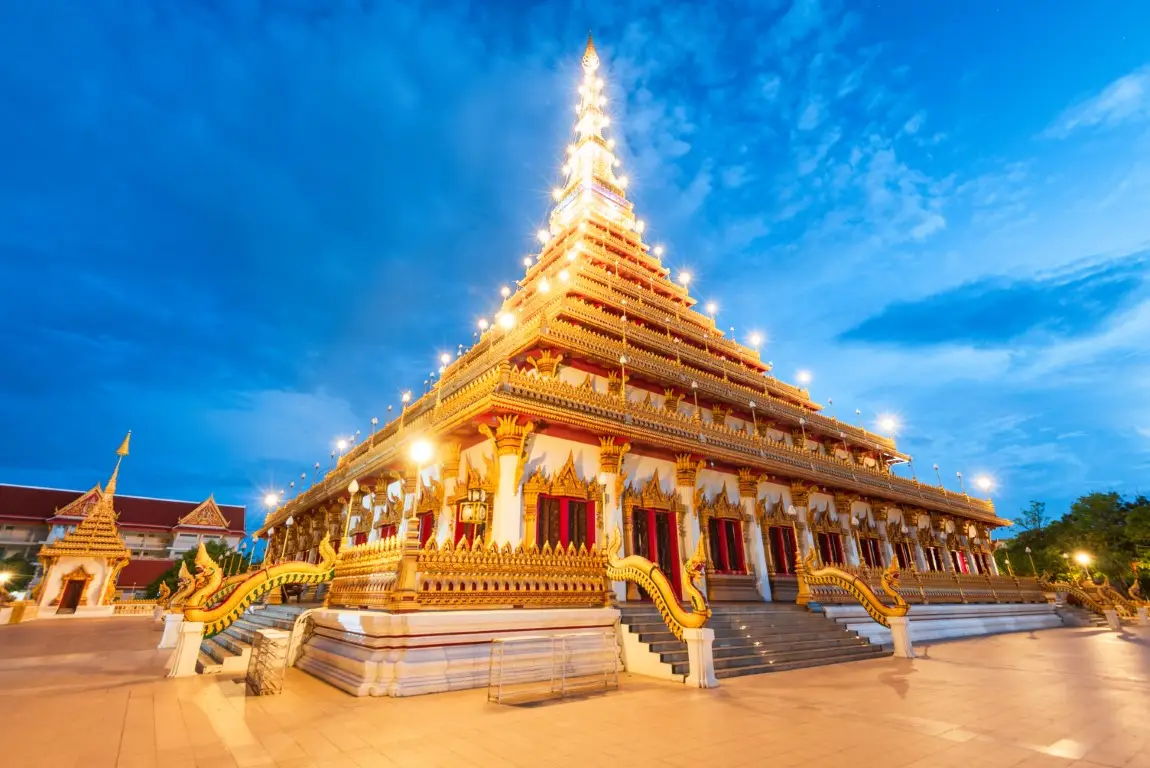
13. Phra Mahathat Kaen Nakhon (Wat Nong Waeng) is a distinctive travel destination in Khon Kaen, Thailand. Wat Nong Waeng, near Bueng Kaen Nakhon in Khon Kaen, is best known for its multi-storey Phra Mahathat tower. Its architectural details reflect northeastern Thai Buddhist art and regional craftsmanship. The temple brings together city sightseeing, spiritual life and local culture.
Highlights: Nine-storey Buddhist tower overlooking Khon Kaen.
Beyond its appearance, this site is part of a living religious landscape. Visitors can use the architecture, devotional spaces and nearby town environment to understand how spiritual traditions remain woven into everyday life. Approach the visit as an opportunity to learn from a community, rather than as a photo stop alone.
Visitor Tips: Dress modestly and respect worshippers. The surrounding lakeside district can be visited during the same city outing.
Getting There: Use the location in Khon Kaen as your trip-planning reference and confirm the appropriate entrance or transport connection. Mountain roads, islands and protected areas may require additional local transfers.
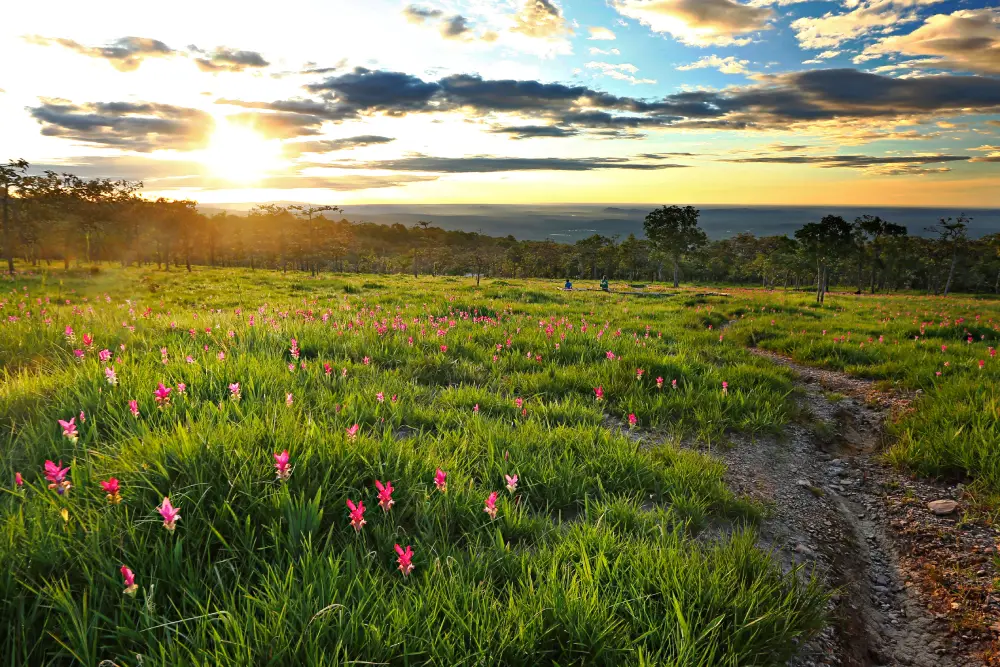
14. Sai Thong National Park is a distinctive travel destination in Chaiyaphum, Thailand. Sai Thong National Park in Chaiyaphum draws visitors to forests, exposed rock formations, viewpoints and seasonal fields of pink Siam tulips. Its landscape is especially appealing during the rainy-season flowering period, though the precise bloom and access conditions vary each year.
Highlights: Seasonal Siam tulips, forests, cliffs and highland trails.
The landscape is shaped by ecological processes that are often easier to understand when you slow down and observe the surroundings. Weather, water levels and seasonal conditions may alter what can be seen and which routes are available. Follow designated trails and avoid disturbing wildlife or fragile natural areas.
Visitor Tips: Check official park announcements before visiting during wet weather. Wear suitable shoes and follow the designated routes near cliff edges.
Getting There: Use the location in Chaiyaphum as your trip-planning reference and confirm the appropriate entrance or transport connection. Mountain roads, islands and protected areas may require additional local transfers.
Map (GPS):Directions to Sai Thong National Park
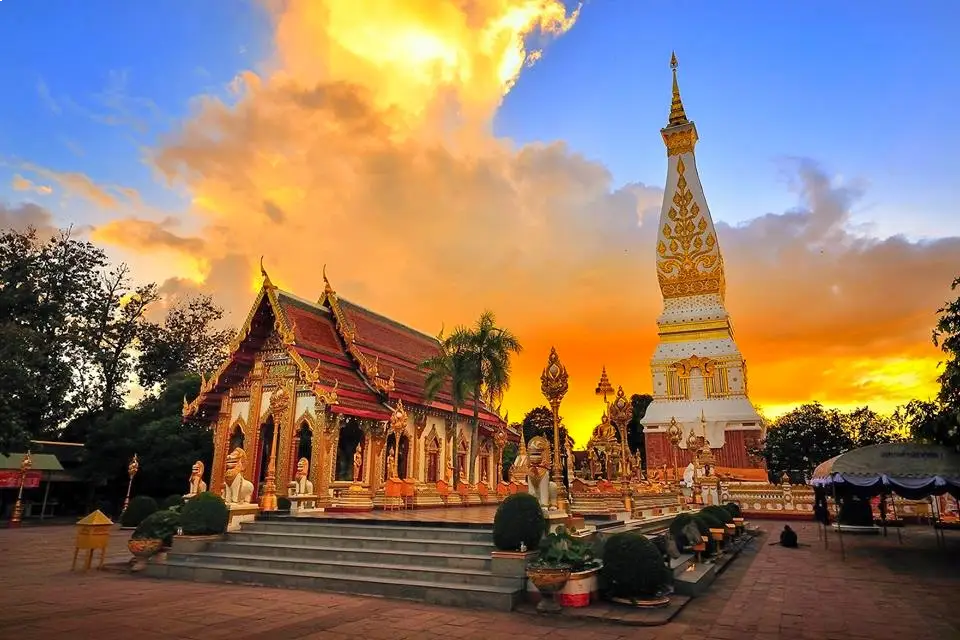
15. Wat Phra That Phanom Woramahawihan is a distinctive travel destination in Nakhon Phanom, Thailand. Wat Phra That Phanom is among the most revered Buddhist sites of northeastern Thailand. Its towering relic stupa has spiritual significance for communities on both sides of the Mekong River. The temple's architecture and active religious traditions make a visit both a cultural and devotional experience.
Highlights: Major Mekong-region pilgrimage shrine.
Beyond its appearance, this site is part of a living religious landscape. Visitors can use the architecture, devotional spaces and nearby town environment to understand how spiritual traditions remain woven into everyday life. Approach the visit as an opportunity to learn from a community, rather than as a photo stop alone.
Visitor Tips: Maintain a respectful manner during ceremonies and dress appropriately. The temple is reached via That Phanom district, south of Nakhon Phanom city.
Getting There: Use the location in Nakhon Phanom as your trip-planning reference and confirm the appropriate entrance or transport connection. Mountain roads, islands and protected areas may require additional local transfers.
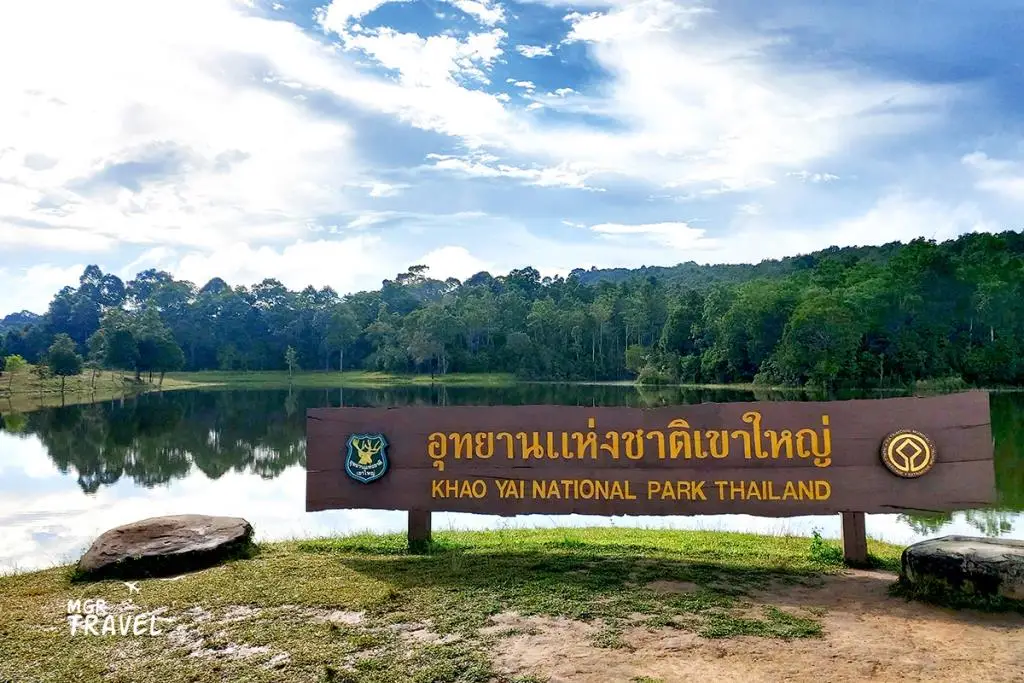
16. Khao Yai National Park is a distinctive travel destination in Nakhon Ratchasima, Thailand. Khao Yai protects an extensive forest ecosystem stretching across several provinces. The Nakhon Ratchasima approach is popular with travellers arriving from Bangkok. Visitors encounter grasslands, rainforest, scenic roads, waterfalls and habitats used by diverse wildlife.
Highlights: World Heritage forest, waterfalls, wildlife and nature trails.
The landscape is shaped by ecological processes that are often easier to understand when you slow down and observe the surroundings. Weather, water levels and seasonal conditions may alter what can be seen and which routes are available. Follow designated trails and avoid disturbing wildlife or fragile natural areas.
Visitor Tips: Keep your distance from animals and never feed them. Trails, checkpoints and visitor zones are subject to park rules and seasonal conditions.
Getting There: Use the location in Nakhon Ratchasima as your trip-planning reference and confirm the appropriate entrance or transport connection. Mountain roads, islands and protected areas may require additional local transfers.
Map (GPS):Directions to Khao Yai National Park
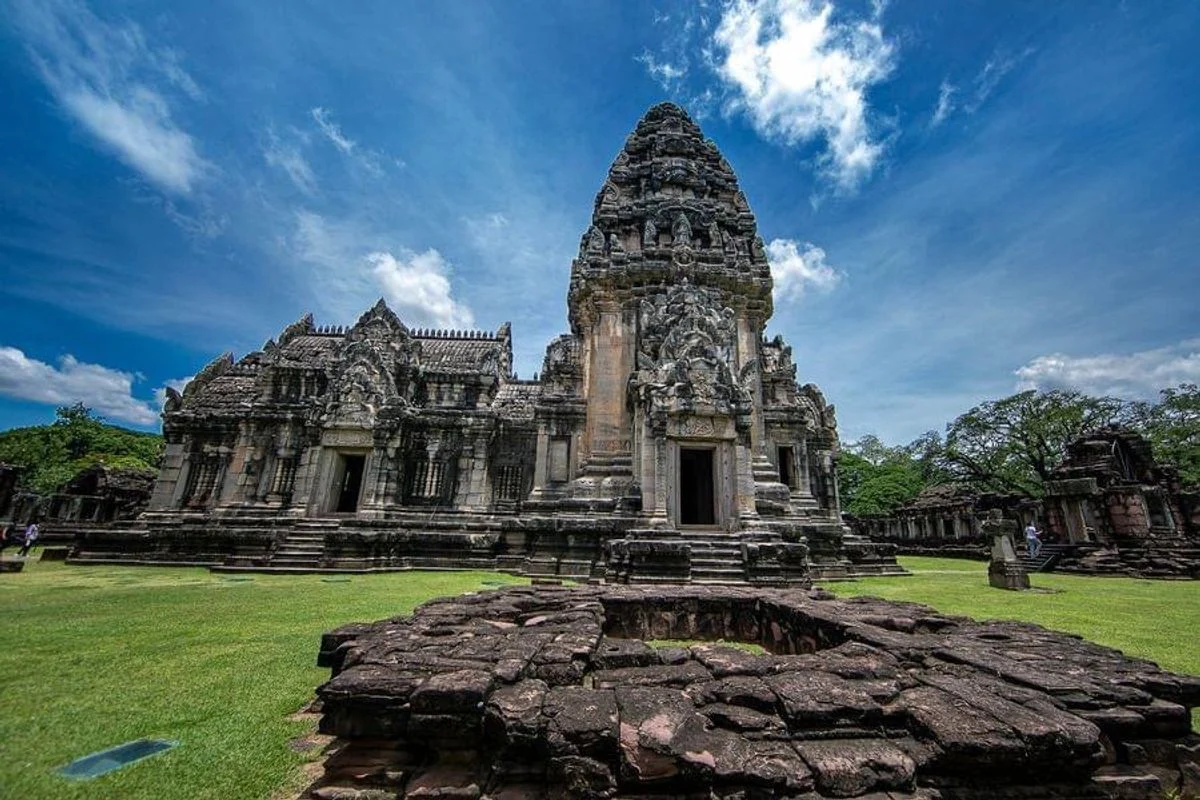
17. Phimai Historical Park is a distinctive travel destination in Nakhon Ratchasima, Thailand. Phimai Historical Park preserves a major stone temple complex with axial approaches, carved architectural details and ceremonial spaces. The monument illustrates the influence of Khmer civilisation and the exchange of religious and artistic ideas across mainland Southeast Asia.
Highlights: Monumental Khmer stone sanctuary in an ancient town.
A considered visit reveals how buildings and surviving details connect to the wider history of their surroundings. Spend time observing the design, materials and layout, and consider pairing the attraction with other historic streets, monuments or museums in the same area. Conservation rules are part of keeping this heritage available for future visitors.
Visitor Tips: Allow time to study the layout and decorative carvings. Follow conservation rules and avoid touching or climbing the historic stonework.
Getting There: Use the location in Nakhon Ratchasima as your trip-planning reference and confirm the appropriate entrance or transport connection. Mountain roads, islands and protected areas may require additional local transfers.
Map (GPS):Directions to Phimai Historical Park
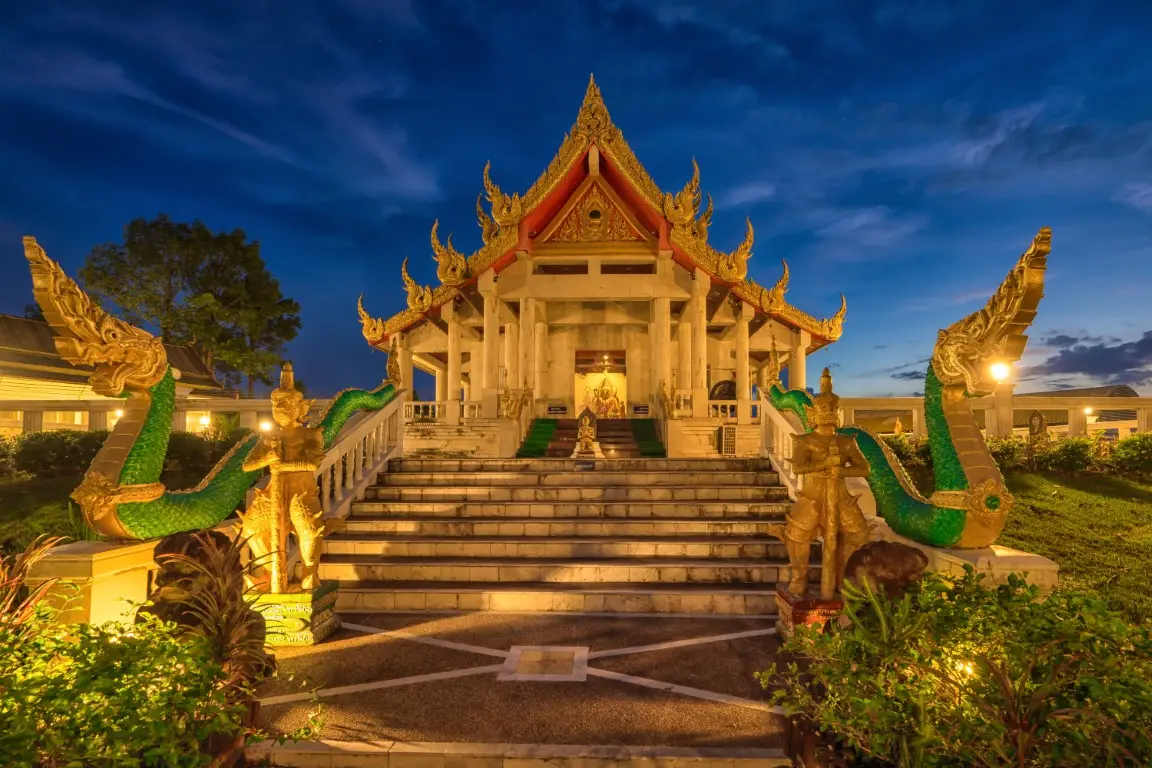
18. Wat Ahong Silawat is a distinctive travel destination in Bueng Kan, Thailand. Wat Ahong Silawat is a peaceful riverside Buddhist temple in Bueng Kan. Its location beside the Mekong and nearby rocky river scenery gives it a distinctive character compared with urban shrines. Changes in river level produce different views throughout the year.
Highlights: Mekong-side temple beside dramatic rock formations.
Beyond its appearance, this site is part of a living religious landscape. Visitors can use the architecture, devotional spaces and nearby town environment to understand how spiritual traditions remain woven into everyday life. Approach the visit as an opportunity to learn from a community, rather than as a photo stop alone.
Visitor Tips: Respect the worship area and use care on damp stones and along the riverbank. The temple fits naturally into a wider Mekong-side itinerary.
Getting There: Use the location in Bueng Kan as your trip-planning reference and confirm the appropriate entrance or transport connection. Mountain roads, islands and protected areas may require additional local transfers.
Map (GPS):Directions to Wat Ahong Silawat
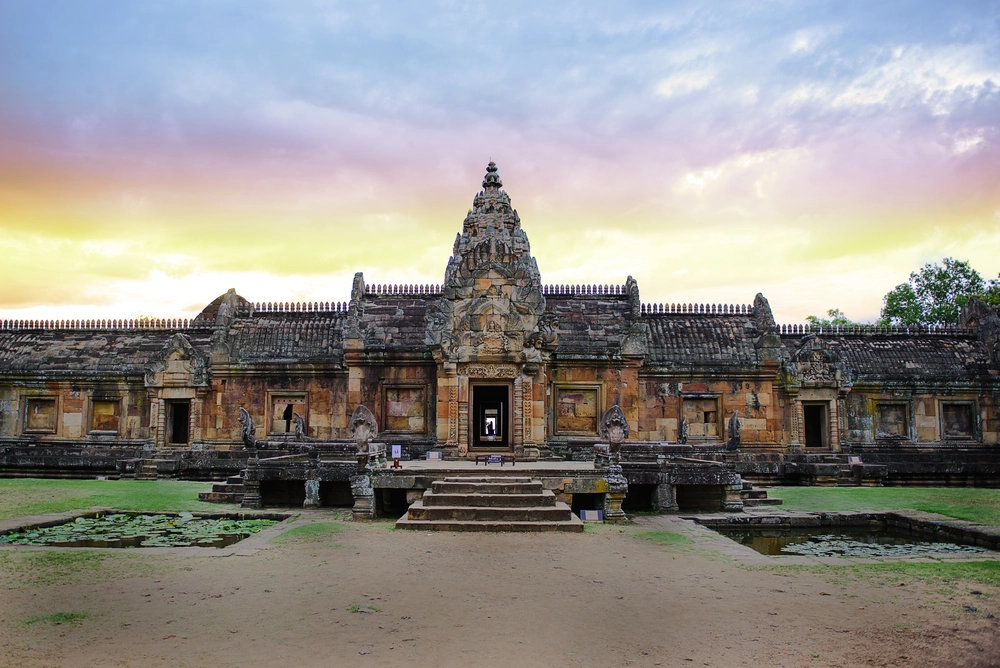
19. Phanom Rung Historical Park is a distinctive travel destination in Buri Ram, Thailand. Phanom Rung rises above the surrounding countryside on an old volcanic hill in Buri Ram. Its sandstone architecture, processional approaches and naga bridges showcase Khmer artistic traditions in a dramatic elevated setting. Carvings and carefully aligned structures invite close observation.
Highlights: Ancient Khmer sanctuary atop an extinct volcano.
A considered visit reveals how buildings and surviving details connect to the wider history of their surroundings. Spend time observing the design, materials and layout, and consider pairing the attraction with other historic streets, monuments or museums in the same area. Conservation rules are part of keeping this heritage available for future visitors.
Visitor Tips: Expect steps and exposed walking areas. Bring water, protect yourself from the sun and remain on conservation paths.
Getting There: Use the location in Buri Ram as your trip-planning reference and confirm the appropriate entrance or transport connection. Mountain roads, islands and protected areas may require additional local transfers.
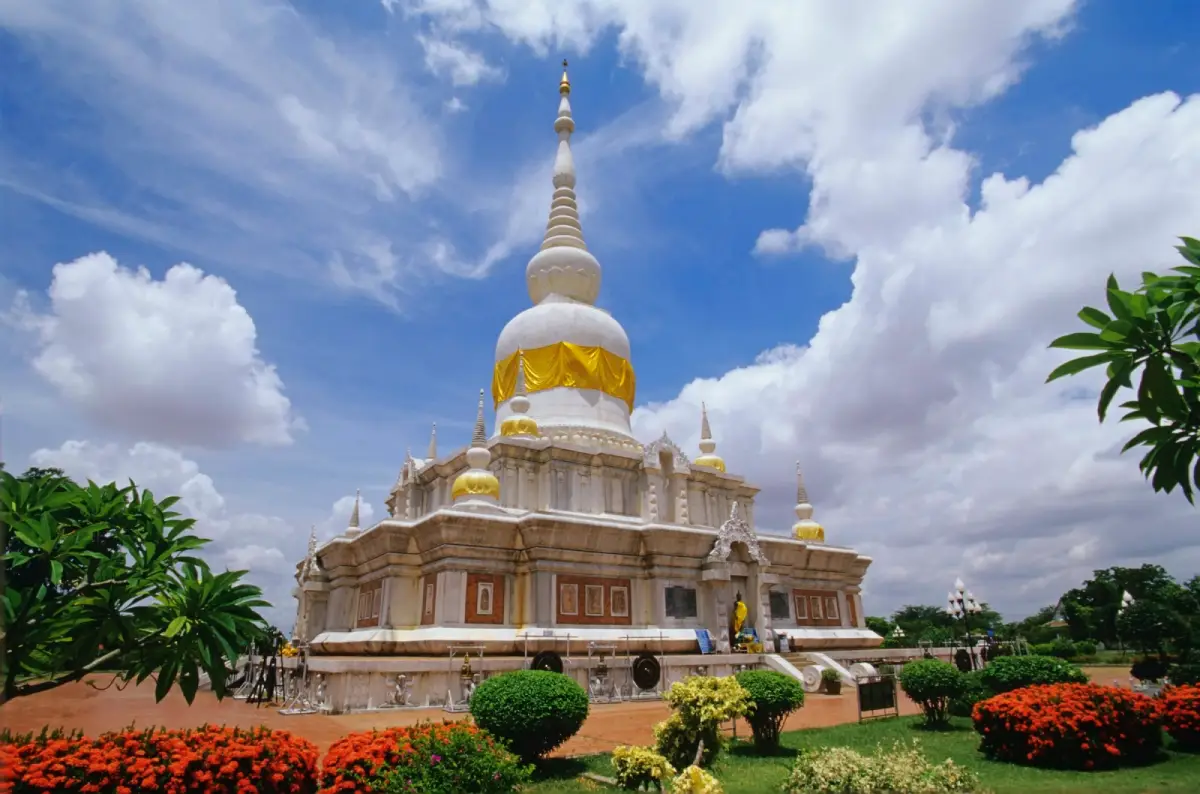
20. Phra That Na Dun is a distinctive travel destination in Maha Sarakham, Thailand. Phra That Na Dun is a major devotional and cultural landmark in Maha Sarakham's Na Dun district. The monument is closely associated with local archaeological heritage and Buddhist history, offering visitors an opportunity to connect the region's past with present-day religious traditions.
Highlights: Sacred Buddhist monument in Maha Sarakham.
Beyond its appearance, this site is part of a living religious landscape. Visitors can use the architecture, devotional spaces and nearby town environment to understand how spiritual traditions remain woven into everyday life. Approach the visit as an opportunity to learn from a community, rather than as a photo stop alone.
Visitor Tips: An accessible stop for cultural travellers and families. Dress modestly and keep the area peaceful for worshippers.
Getting There: Use the location in Maha Sarakham as your trip-planning reference and confirm the appropriate entrance or transport connection. Mountain roads, islands and protected areas may require additional local transfers.
Map (GPS):Directions to Phra That Na Dun
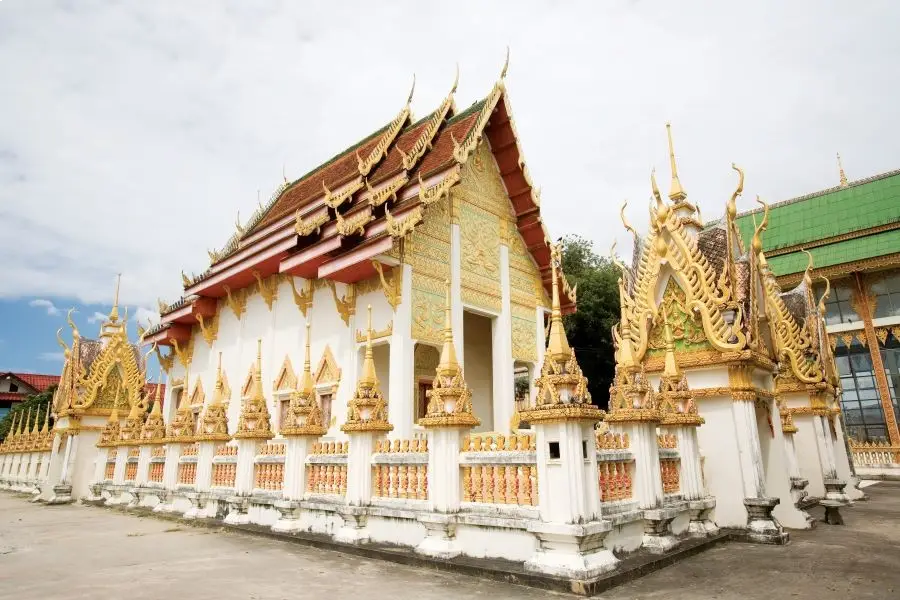
21. Wat Yot Kaeo Si Wichai is a distinctive travel destination in Mukdahan, Thailand. Wat Yot Kaeo Si Wichai offers a glimpse into the religious life and traditions of Mukdahan, a province on the Mekong frontier. It can be combined with the town's markets, neighbourhoods and riverfront areas to experience the province beyond its best-known viewpoints.
Highlights: Local Buddhist heritage in Mukdahan.
Beyond its appearance, this site is part of a living religious landscape. Visitors can use the architecture, devotional spaces and nearby town environment to understand how spiritual traditions remain woven into everyday life. Approach the visit as an opportunity to learn from a community, rather than as a photo stop alone.
Visitor Tips: Use the mapped location to find the temple and remain respectful of ordinary religious activities.
Getting There: Use the location in Mukdahan as your trip-planning reference and confirm the appropriate entrance or transport connection. Mountain roads, islands and protected areas may require additional local transfers.
Map (GPS):Directions to Wat Yot Kaeo Si Wichai
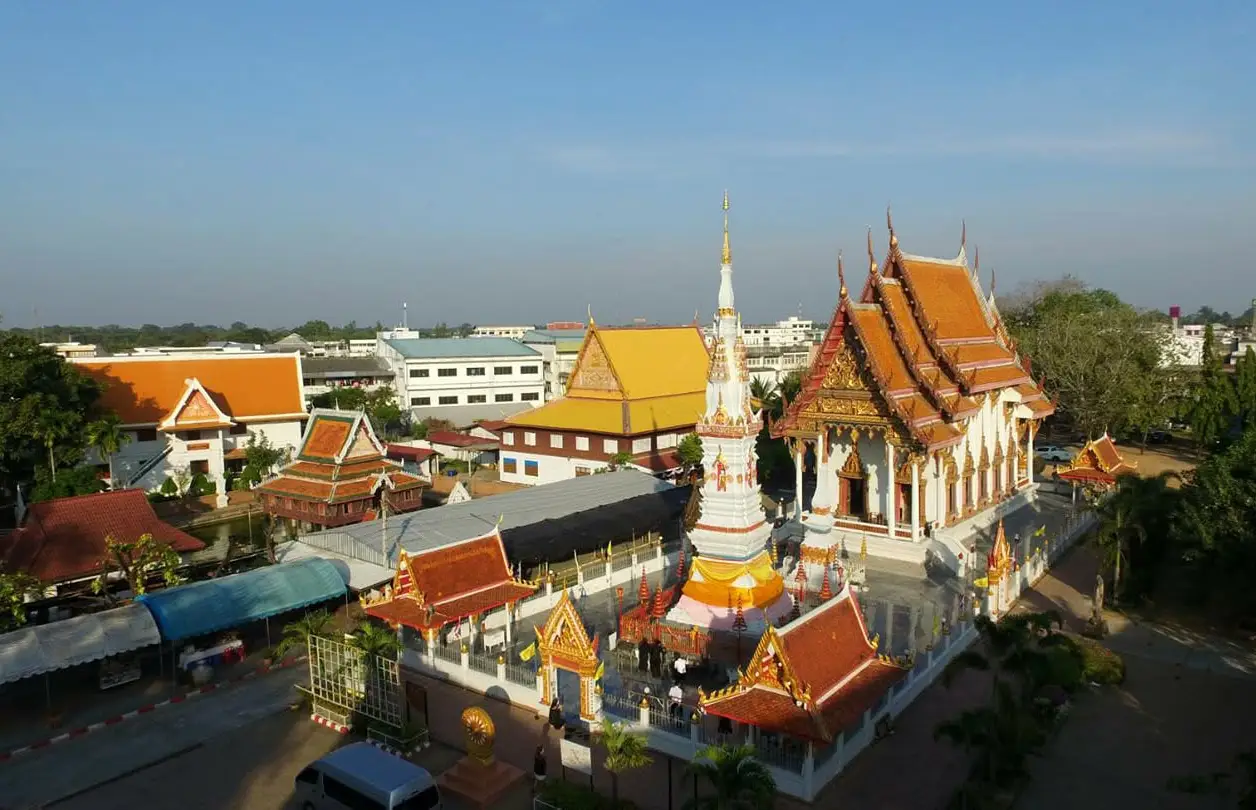
22. Wat Mahathat, Yasothon is a distinctive travel destination in Yasothon, Thailand. Wat Mahathat is an important religious landmark in Yasothon town. Within the complex, Phra That Anon is a distinctive focus of worship and regional architectural heritage. Visiting helps explain the links between urban development, Buddhist faith and the artistic culture of Isan.
Highlights: Important town temple associated with Phra That Anon.
Beyond its appearance, this site is part of a living religious landscape. Visitors can use the architecture, devotional spaces and nearby town environment to understand how spiritual traditions remain woven into everyday life. Approach the visit as an opportunity to learn from a community, rather than as a photo stop alone.
Visitor Tips: A convenient cultural stop in central Yasothon. Wear modest clothing and avoid interrupting religious ceremonies.
Getting There: Use the location in Yasothon as your trip-planning reference and confirm the appropriate entrance or transport connection. Mountain roads, islands and protected areas may require additional local transfers.
Map (GPS):Directions to Wat Mahathat, Yasothon
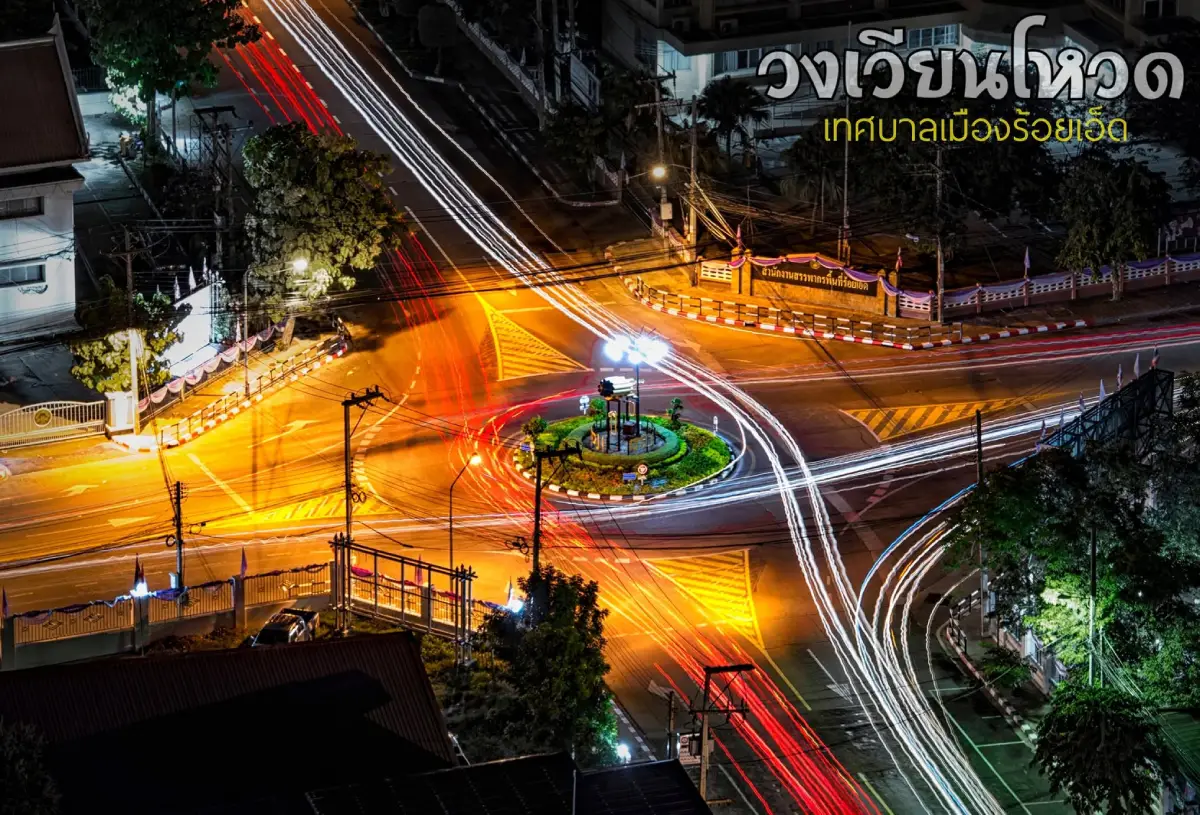
23. Wot Roundabout, Roi Et is a distinctive travel destination in Roi Et, Thailand. The Wot Roundabout features a symbol inspired by the wot, a traditional northeastern Thai musical instrument. As an urban landmark, it reflects local identity and the importance of music in Roi Et's cultural life.
Highlights: Public monument celebrating the traditional Isan khaen-family instrument.
This is also an opportunity to encounter the traditions, knowledge or daily activities that give the province its character. Allow time to explore beyond the most recognisable feature and consider supporting nearby local businesses. Families may find it useful to balance learning activities with unhurried breaks.
Visitor Tips: The landmark can be combined with nearby Bueng Phlan Chai. Stay alert to traffic when photographing the roundabout.
Getting There: Use the location in Roi Et as your trip-planning reference and confirm the appropriate entrance or transport connection. Mountain roads, islands and protected areas may require additional local transfers.
Map (GPS):Directions to Wot Roundabout, Roi Et

24. Phu Thok, Chiang Khan is a distinctive travel destination in Loei, Thailand. Phu Thok is a hilltop lookout near Chiang Khan in Loei province. Visitors come for broad views of the Mekong, the neighbouring Lao mountains and seasonal morning mist. The outlook reveals the geography that shapes the town's riverside way of life.
Highlights: Sunrise viewpoint over Chiang Khan and the Mekong.
The landscape is shaped by ecological processes that are often easier to understand when you slow down and observe the surroundings. Weather, water levels and seasonal conditions may alter what can be seen and which routes are available. Follow designated trails and avoid disturbing wildlife or fragile natural areas.
Visitor Tips: Follow local arrangements for transfers from the parking area and check visibility before travelling at dawn.
Getting There: Use the location in Loei as your trip-planning reference and confirm the appropriate entrance or transport connection. Mountain roads, islands and protected areas may require additional local transfers.
Map (GPS):Directions to Phu Thok, Chiang Khan
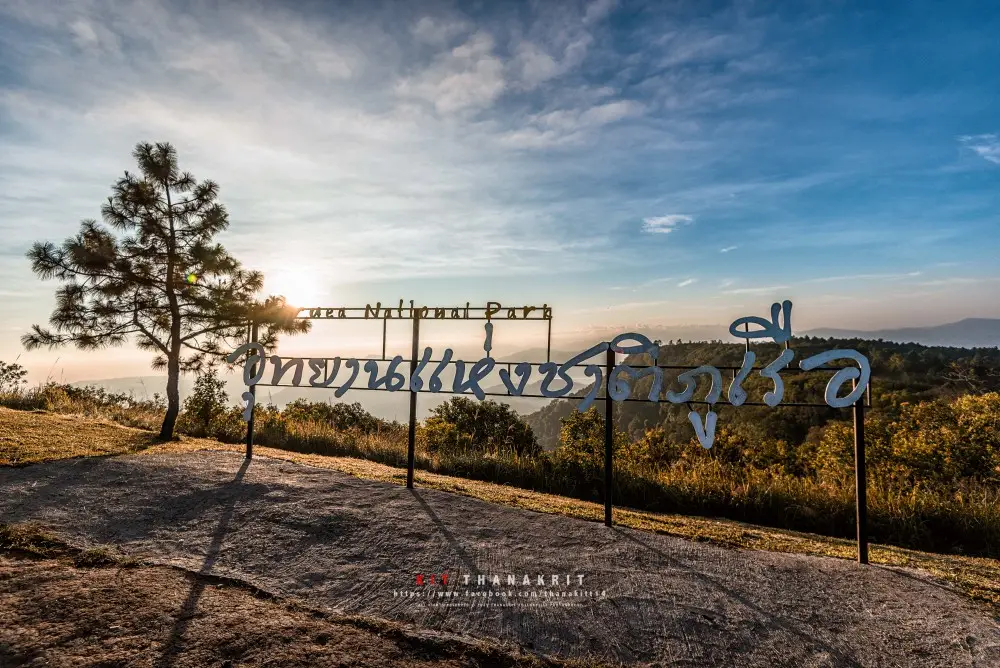
25. Phu Ruea National Park is a distinctive travel destination in Loei, Thailand. Phu Ruea National Park offers mountainous scenery and forest trails in Loei. Its summit areas and lookout points are especially popular in cool weather, when conditions contrast sharply with Thailand's lower elevations.
Highlights: Cool mountain summit, viewpoints and highland forests.
The landscape is shaped by ecological processes that are often easier to understand when you slow down and observe the surroundings. Weather, water levels and seasonal conditions may alter what can be seen and which routes are available. Follow designated trails and avoid disturbing wildlife or fragile natural areas.
Visitor Tips: Carry a jacket in the cooler months and check which trails and viewing areas are open on the day of travel.
Getting There: Use the location in Loei as your trip-planning reference and confirm the appropriate entrance or transport connection. Mountain roads, islands and protected areas may require additional local transfers.
Map (GPS):Directions to Phu Ruea National Park
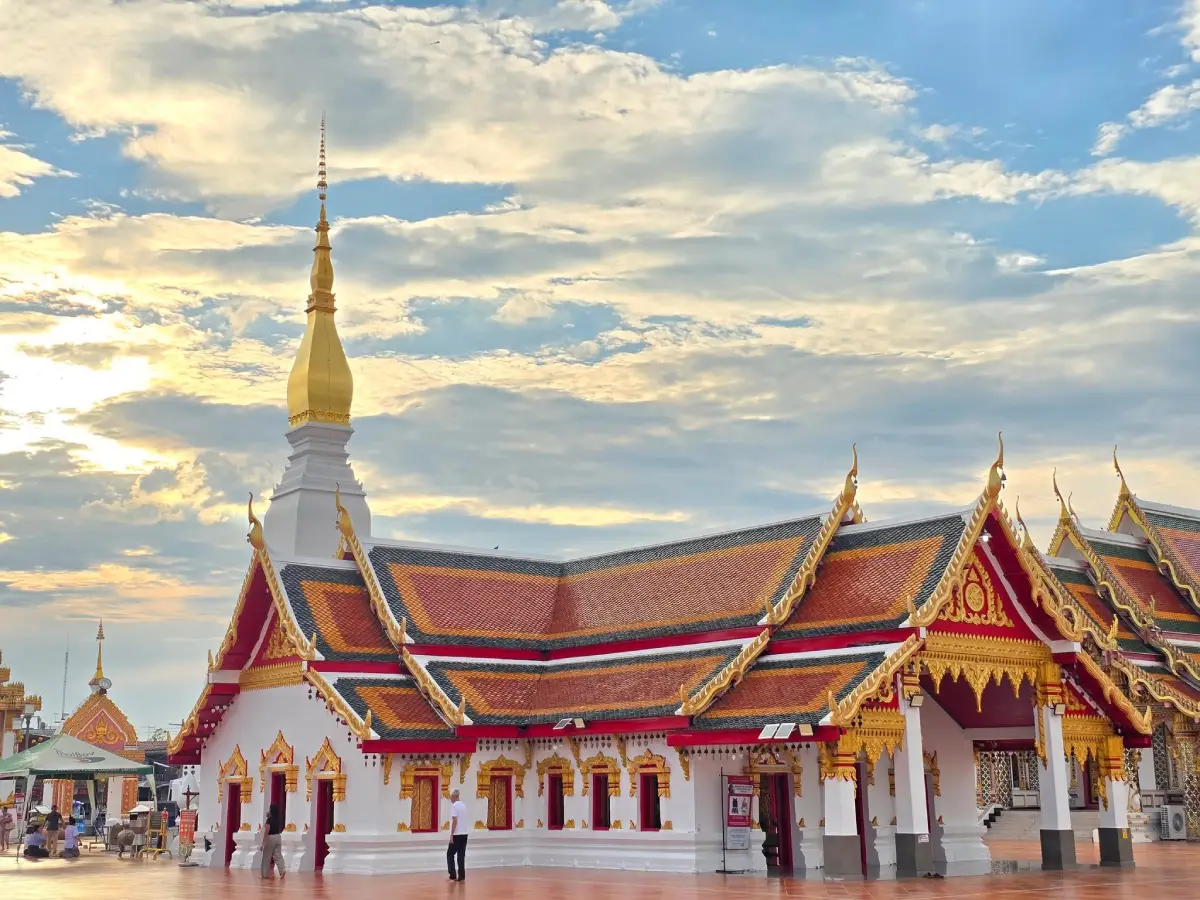
26. Wat Phra That Choeng Chum is a distinctive travel destination in Sakon Nakhon, Thailand. Wat Phra That Choeng Chum is a central spiritual landmark in Sakon Nakhon, recognisable for its white chedi and golden finial. The temple also houses the revered Phra Ong Saen image and reflects the area's enduring Buddhist traditions.
Highlights: White-and-gold stupa and revered Buddha image in Sakon Nakhon.
Beyond its appearance, this site is part of a living religious landscape. Visitors can use the architecture, devotional spaces and nearby town environment to understand how spiritual traditions remain woven into everyday life. Approach the visit as an opportunity to learn from a community, rather than as a photo stop alone.
Visitor Tips: Combine the visit with a walk around the town centre and observe appropriate etiquette in active worship areas.
Getting There: Use the location in Sakon Nakhon as your trip-planning reference and confirm the appropriate entrance or transport connection. Mountain roads, islands and protected areas may require additional local transfers.
Map (GPS):Directions to Wat Phra That Choeng Chum
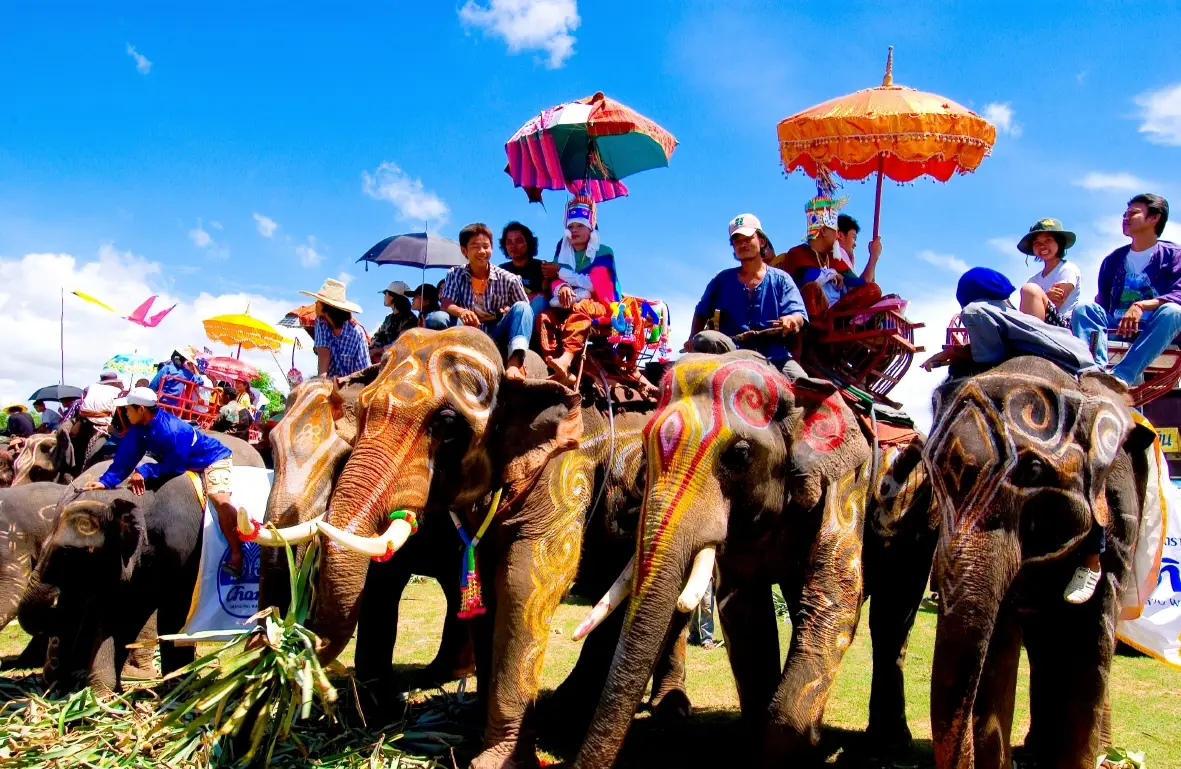
27. Surin Elephant Village is a distinctive travel destination in Surin, Thailand. Ban Ta Klang in Surin province is associated with the cultural heritage of the Kui people and their longstanding knowledge of living and working with elephants. Visiting provides insight into local history and the human-animal relationship that has shaped the community.
Highlights: Kui community traditions and the relationship with elephants.
This is also an opportunity to encounter the traditions, knowledge or daily activities that give the province its character. Allow time to explore beyond the most recognisable feature and consider supporting nearby local businesses. Families may find it useful to balance learning activities with unhurried breaks.
Visitor Tips: Prioritise educational visits and ethical elephant welfare. Avoid activities that cause distress to animals.
Getting There: Use the location in Surin as your trip-planning reference and confirm the appropriate entrance or transport connection. Mountain roads, islands and protected areas may require additional local transfers.
Map (GPS):Directions to Surin Elephant Village
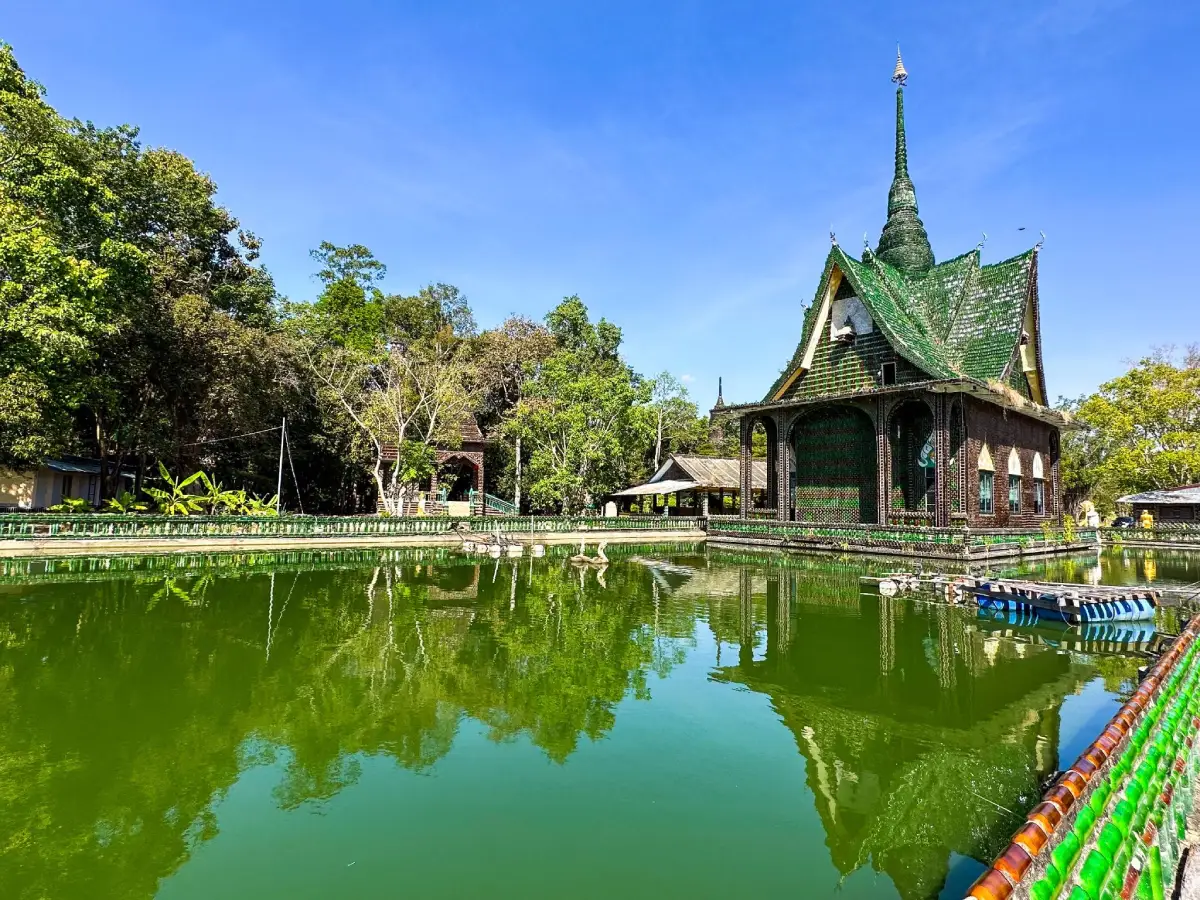
28. Wat Pa Maha Chedi Kaew (Million Bottle Temple) is a distinctive travel destination in Si Sa Ket, Thailand. This unusual temple in Si Sa Ket is famous for decorative surfaces created using glass bottles. Its buildings demonstrate how local ingenuity and Buddhist faith can combine to produce striking architecture while reusing everyday materials.
Highlights: Colourful religious buildings decorated with recycled glass bottles.
Beyond its appearance, this site is part of a living religious landscape. Visitors can use the architecture, devotional spaces and nearby town environment to understand how spiritual traditions remain woven into everyday life. Approach the visit as an opportunity to learn from a community, rather than as a photo stop alone.
Visitor Tips: Walk through the complex respectfully and take time to notice the bottle patterns and construction details.
Getting There: Use the location in Si Sa Ket as your trip-planning reference and confirm the appropriate entrance or transport connection. Mountain roads, islands and protected areas may require additional local transfers.
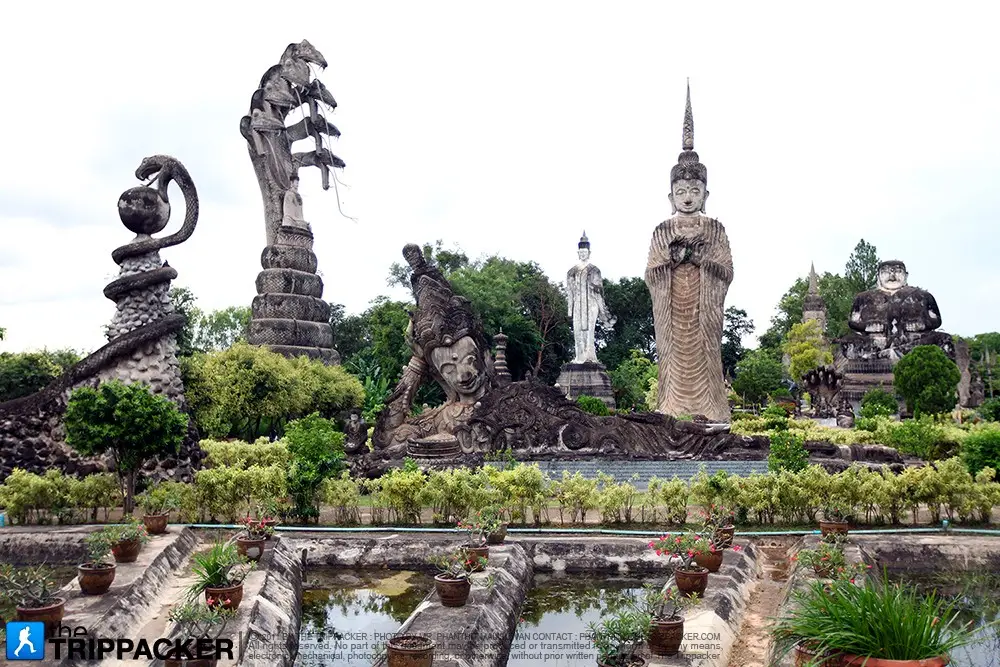
29. Sala Kaeo Ku is a distinctive travel destination in Nong Khai, Thailand. Sala Kaeo Ku in Nong Khai is an open-air complex filled with monumental religious sculptures. Its distinctive figures and symbolic scenes draw on Buddhist and Hindu traditions, creating a memorable place for cultural exploration and photography.
Highlights: Extraordinary sculpture park blending Buddhist and Hindu imagery.
The landscape is shaped by ecological processes that are often easier to understand when you slow down and observe the surroundings. Weather, water levels and seasonal conditions may alter what can be seen and which routes are available. Follow designated trails and avoid disturbing wildlife or fragile natural areas.
Visitor Tips: Allow time to understand the groups of sculptures rather than simply taking photographs. Remain respectful within the site.
Getting There: Use the location in Nong Khai as your trip-planning reference and confirm the appropriate entrance or transport connection. Mountain roads, islands and protected areas may require additional local transfers.
Map (GPS):Directions to Sala Kaeo Ku
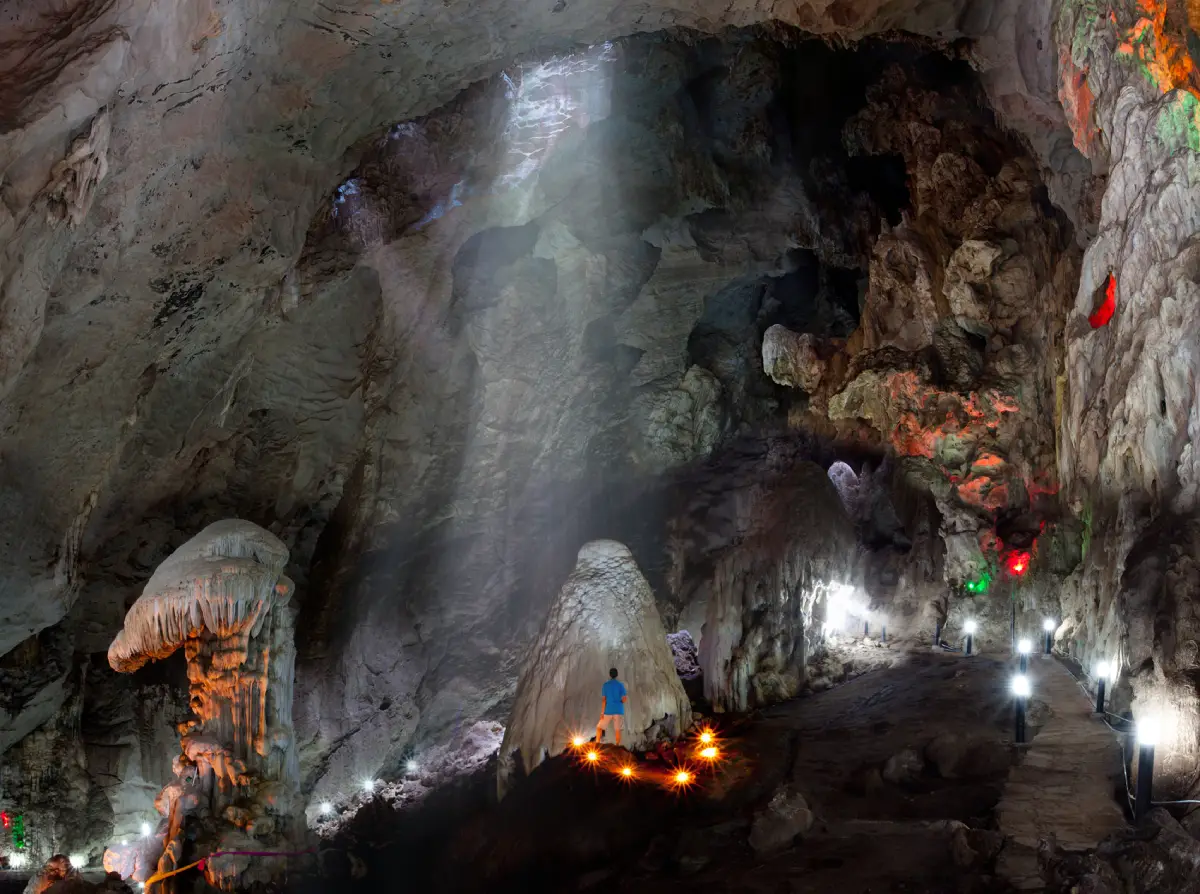
30. Tham Erawan Cave is a distinctive travel destination in Nong Bua Lamphu, Thailand. Tham Erawan Cave in Nong Bua Lamphu combines a dramatic limestone landscape with religious significance. Reaching the cavern involves climbing many steps, but the approach offers views of the surrounding hills.
Highlights: Large limestone cavern reached by a long hillside stairway.
The landscape is shaped by ecological processes that are often easier to understand when you slow down and observe the surroundings. Weather, water levels and seasonal conditions may alter what can be seen and which routes are available. Follow designated trails and avoid disturbing wildlife or fragile natural areas.
Visitor Tips: Wear supportive shoes, carry water and take regular breaks on the stairway, especially in hot weather.
Getting There: Use the location in Nong Bua Lamphu as your trip-planning reference and confirm the appropriate entrance or transport connection. Mountain roads, islands and protected areas may require additional local transfers.
Map (GPS):Directions to Tham Erawan Cave
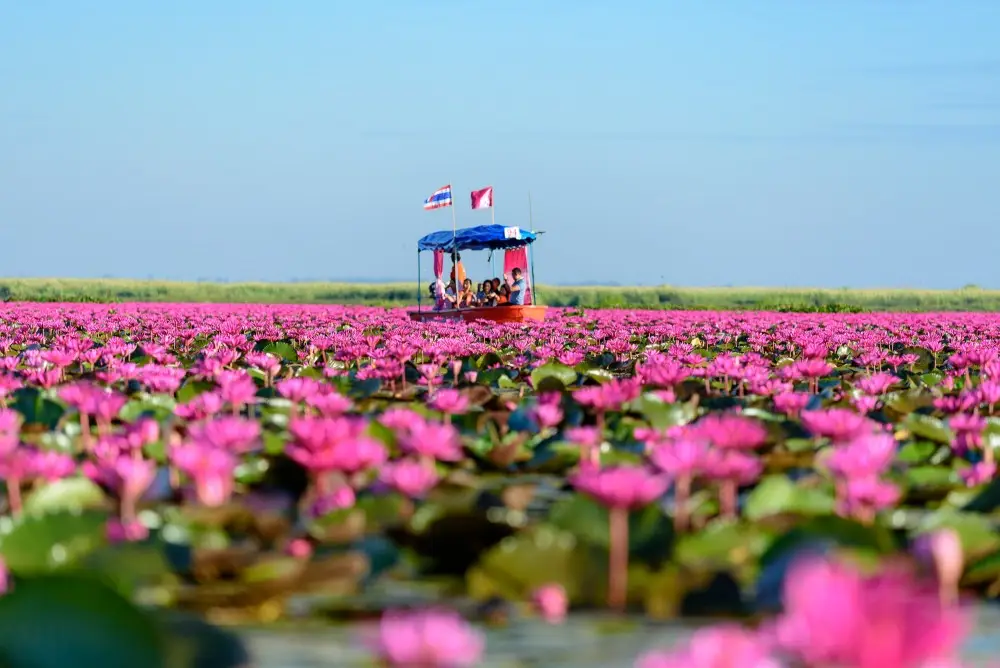
31. Red Lotus Sea is a distinctive travel destination in Udon Thani, Thailand. The Red Lotus Sea near Kumphawapi in Udon Thani is famous for broad expanses of pink-red lotus flowers when conditions are right. Boat trips in the morning allow visitors to see the flowers close to the water, with the surrounding lake adding to the experience.
Highlights: Seasonal pink lotus blooms on Nong Han Lake.
The landscape is shaped by ecological processes that are often easier to understand when you slow down and observe the surroundings. Weather, water levels and seasonal conditions may alter what can be seen and which routes are available. Follow designated trails and avoid disturbing wildlife or fragile natural areas.
Visitor Tips: The bloom is seasonal rather than year-round. Check conditions, boat availability and weather in advance.
Getting There: Use the location in Udon Thani as your trip-planning reference and confirm the appropriate entrance or transport connection. Mountain roads, islands and protected areas may require additional local transfers.
Map (GPS):Directions to Red Lotus Sea
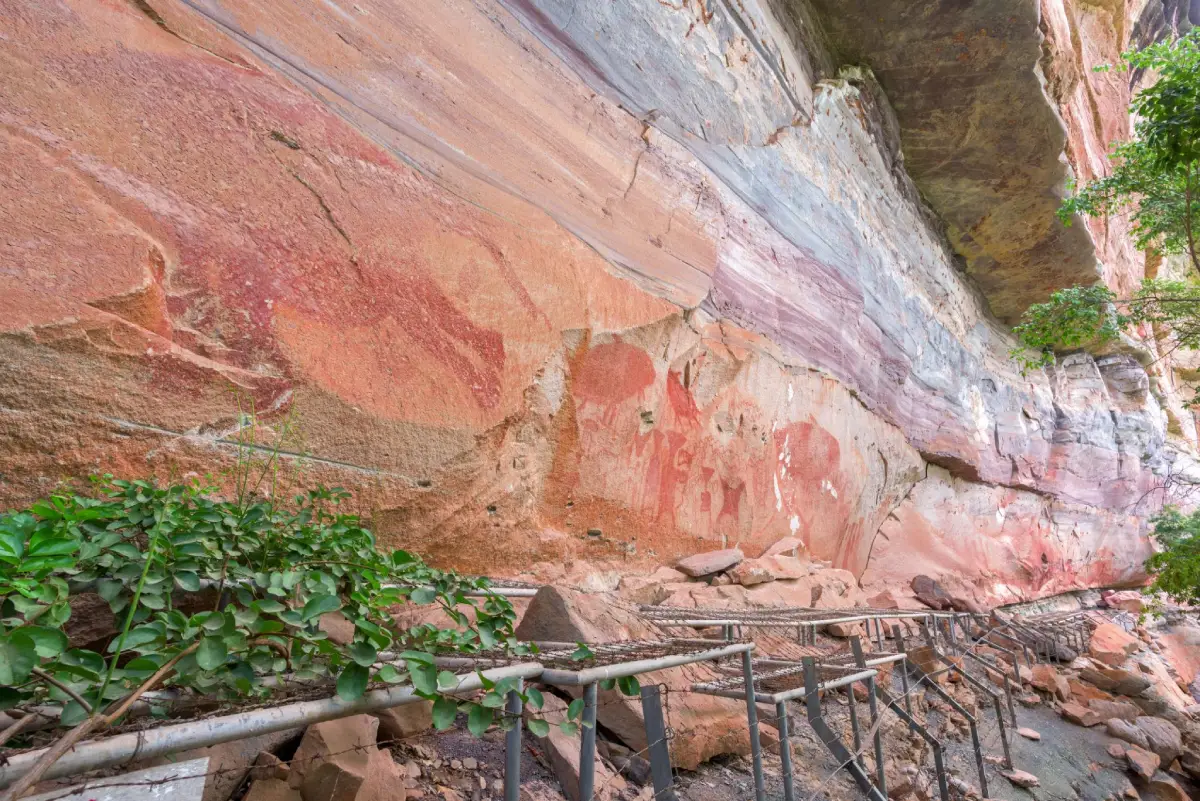
32. Pha Taem National Park is a distinctive travel destination in Ubon Ratchathani, Thailand. Pha Taem National Park in Ubon Ratchathani combines sandstone cliffs, sweeping views over the Mekong and important prehistoric rock paintings. Its landscape makes it a destination for both natural history and the study of early human activity.
Highlights: Mekong cliffs and ancient rock paintings.
The landscape is shaped by ecological processes that are often easier to understand when you slow down and observe the surroundings. Weather, water levels and seasonal conditions may alter what can be seen and which routes are available. Follow designated trails and avoid disturbing wildlife or fragile natural areas.
Visitor Tips: Plan enough time for the rock-art trail and respect protected surfaces. Conditions on open cliff paths can change with the weather.
Getting There: Use the location in Ubon Ratchathani as your trip-planning reference and confirm the appropriate entrance or transport connection. Mountain roads, islands and protected areas may require additional local transfers.
Map (GPS):Directions to Pha Taem National Park
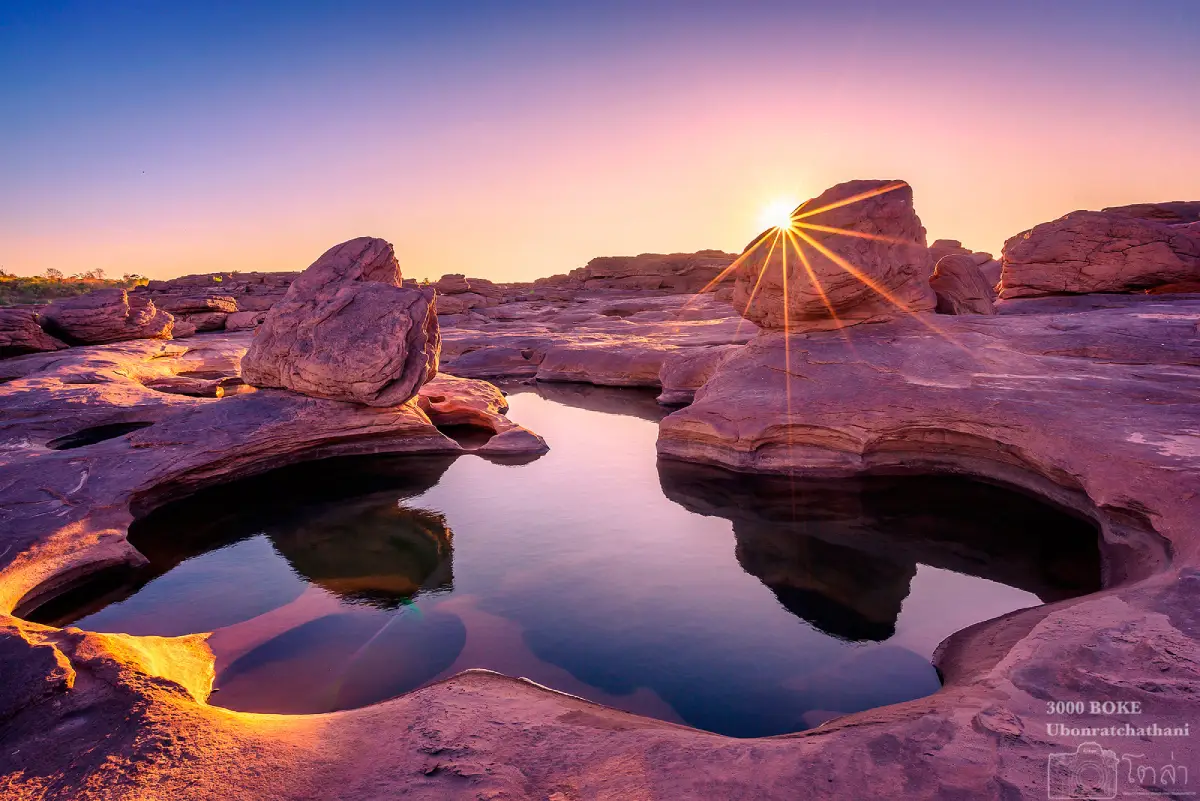
33. Sam Phan Bok (Kaeng Song Khon) is a distinctive travel destination in Ubon Ratchathani, Thailand. At Sam Phan Bok, the changing Mekong has carved countless potholes and channels into exposed rock. These formations become especially visible when river levels are low and offer a remarkable study in erosion and river geology.
Highlights: Thousands of sculpted rock pools in the Mekong riverbed.
The landscape is shaped by ecological processes that are often easier to understand when you slow down and observe the surroundings. Weather, water levels and seasonal conditions may alter what can be seen and which routes are available. Follow designated trails and avoid disturbing wildlife or fragile natural areas.
Visitor Tips: Visit only when water levels permit safe access. Rock surfaces can be slippery or uneven, so exercise caution.
Getting There: Use the location in Ubon Ratchathani as your trip-planning reference and confirm the appropriate entrance or transport connection. Mountain roads, islands and protected areas may require additional local transfers.

34. Buddha Park and Phra Mongkhon Ming Mueang is a distinctive travel destination in Amnat Charoen, Thailand. This Buddhist park is an important place of worship in Amnat Charoen. Its monumental Buddha image and grounds represent the province's religious life and provide a cultural stop for visitors exploring the city.
Highlights: Large Buddha image and spiritual landmark of Amnat Charoen.
Beyond its appearance, this site is part of a living religious landscape. Visitors can use the architecture, devotional spaces and nearby town environment to understand how spiritual traditions remain woven into everyday life. Approach the visit as an opportunity to learn from a community, rather than as a photo stop alone.
Visitor Tips: Dress appropriately and allow space for those undertaking religious practices.
Getting There: Use the location in Amnat Charoen as your trip-planning reference and confirm the appropriate entrance or transport connection. Mountain roads, islands and protected areas may require additional local transfers.
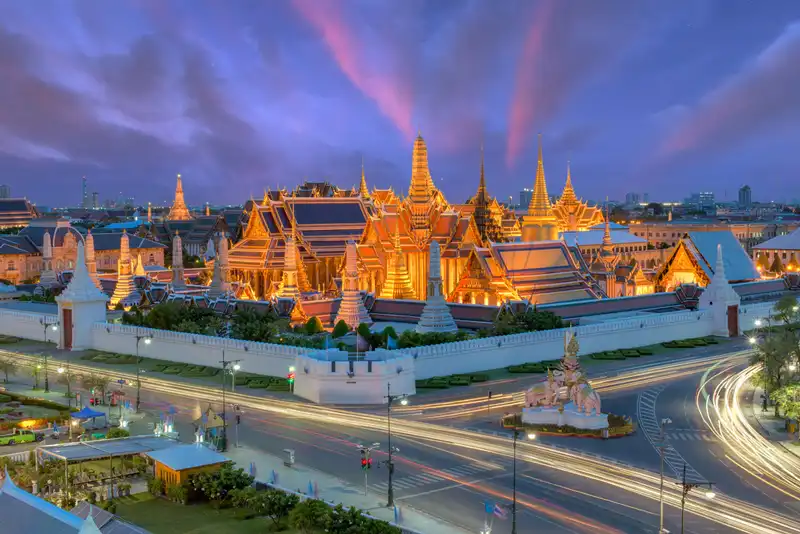
35. Wat Phra Kaew (Temple of the Emerald Buddha) is a distinctive travel destination in Bangkok, Thailand. Within Bangkok's Grand Palace grounds, Wat Phra Kaew is one of Thailand's most important sacred sites. Established during the reign of King Rama I, the temple is celebrated for richly decorated buildings, traditional painting and the revered Emerald Buddha image.
Highlights: Emerald Buddha and magnificent early Rattanakosin royal architecture.
Beyond its appearance, this site is part of a living religious landscape. Visitors can use the architecture, devotional spaces and nearby town environment to understand how spiritual traditions remain woven into everyday life. Approach the visit as an opportunity to learn from a community, rather than as a photo stop alone.
Visitor Tips: The Grand Palace has a dress code and controlled entry points. Arrive with appropriate clothing and allow generous time to see the complex.
Getting There: Use the location in Bangkok as your trip-planning reference and confirm the appropriate entrance or transport connection. Mountain roads, islands and protected areas may require additional local transfers.

36. Wat Arun (Temple of Dawn) is a distinctive travel destination in Bangkok, Thailand. Wat Arun rises on the west bank of the Chao Phraya River, its distinctive central prang forming one of Bangkok's best-known skylines. Close-up views reveal ceramic decoration and architectural details linked to the early Rattanakosin period.
Highlights: Porcelain-decorated riverside prang overlooking the Chao Phraya.
Beyond its appearance, this site is part of a living religious landscape. Visitors can use the architecture, devotional spaces and nearby town environment to understand how spiritual traditions remain woven into everyday life. Approach the visit as an opportunity to learn from a community, rather than as a photo stop alone.
Visitor Tips: Reach the temple by river crossing or local transport and follow any access restrictions around steep architectural features.
Getting There: Use the location in Bangkok as your trip-planning reference and confirm the appropriate entrance or transport connection. Mountain roads, islands and protected areas may require additional local transfers.
Map (GPS):Directions to Wat Arun (Temple of Dawn)

37. Wat Pho (Temple of the Reclining Buddha) is a distinctive travel destination in Bangkok, Thailand. Wat Pho is a major Bangkok temple near the Grand Palace. Its large reclining Buddha, historic inscriptions, courtyards and religious buildings reflect both Buddhist art and a long association with traditional Thai knowledge.
Highlights: Giant reclining Buddha and the heritage of Thai traditional medicine.
Beyond its appearance, this site is part of a living religious landscape. Visitors can use the architecture, devotional spaces and nearby town environment to understand how spiritual traditions remain woven into everyday life. Approach the visit as an opportunity to learn from a community, rather than as a photo stop alone.
Visitor Tips: The temple is easy to include in a walking itinerary with the Grand Palace and Tha Tien. Respect worshippers and the site's heritage rules.
Getting There: Use the location in Bangkok as your trip-planning reference and confirm the appropriate entrance or transport connection. Mountain roads, islands and protected areas may require additional local transfers.

38. Wat Saket and the Golden Mount is a distinctive travel destination in Bangkok, Thailand. Wat Saket is known for the Golden Mount, an artificial hill surmounted by a Buddhist chedi. A stairway leads above the surrounding streets, opening views towards Bangkok's historic districts and giving visitors a new perspective on the old city.
Highlights: Hilltop chedi and elevated views over historic Bangkok.
Beyond its appearance, this site is part of a living religious landscape. Visitors can use the architecture, devotional spaces and nearby town environment to understand how spiritual traditions remain woven into everyday life. Approach the visit as an opportunity to learn from a community, rather than as a photo stop alone.
Visitor Tips: Allow time for the uphill walk and dress suitably for an active religious site.
Getting There: Use the location in Bangkok as your trip-planning reference and confirm the appropriate entrance or transport connection. Mountain roads, islands and protected areas may require additional local transfers.
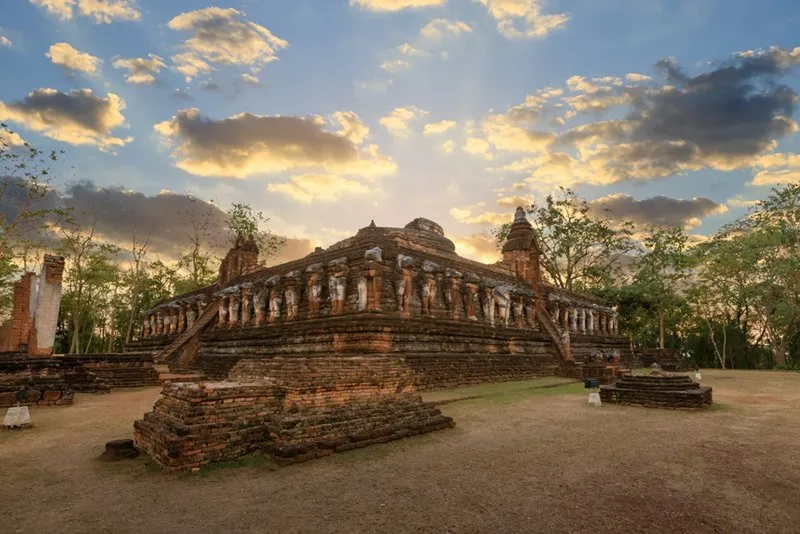
39. Kamphaeng Phet Historical Park is a distinctive travel destination in Kamphaeng Phet, Thailand. This historical park preserves temples, city walls and forested archaeological zones associated with Kamphaeng Phet's role in the wider Sukhothai world. Laterite construction and the remains of ceremonial spaces are among its most notable features.
Highlights: Laterite temples and remains of a Sukhothai-period city.
A considered visit reveals how buildings and surviving details connect to the wider history of their surroundings. Spend time observing the design, materials and layout, and consider pairing the attraction with other historic streets, monuments or museums in the same area. Conservation rules are part of keeping this heritage available for future visitors.
Visitor Tips: The park covers multiple areas; plan a sensible circuit and avoid climbing on ancient structures.
Getting There: Use the location in Kamphaeng Phet as your trip-planning reference and confirm the appropriate entrance or transport connection. Mountain roads, islands and protected areas may require additional local transfers.

40. Chai Nat Bird Park is a distinctive travel destination in Chai Nat, Thailand. Chai Nat Bird Park is a popular family attraction with landscaped grounds and opportunities to learn about birds and the natural environment. Its educational appeal makes it a useful stop on a central Thailand road trip.
Highlights: Bird displays and family-friendly environmental learning.
This is also an opportunity to encounter the traditions, knowledge or daily activities that give the province its character. Allow time to explore beyond the most recognisable feature and consider supporting nearby local businesses. Families may find it useful to balance learning activities with unhurried breaks.
Visitor Tips: Check which exhibits are accessible during your visit and allow time for breaks if travelling with children.
Getting There: Use the location in Chai Nat as your trip-planning reference and confirm the appropriate entrance or transport connection. Mountain roads, islands and protected areas may require additional local transfers.
Map (GPS):Directions to Chai Nat Bird Park

41. Sarika Waterfall is a distinctive travel destination in Nakhon Nayok, Thailand. Sarika Waterfall lies in a forested mountain setting close to Nakhon Nayok. Water cascading down rocky slopes creates an attractive nature stop, particularly when the surrounding vegetation is lush.
Highlights: Forest waterfall near Nakhon Nayok city.
The landscape is shaped by ecological processes that are often easier to understand when you slow down and observe the surroundings. Weather, water levels and seasonal conditions may alter what can be seen and which routes are available. Follow designated trails and avoid disturbing wildlife or fragile natural areas.
Visitor Tips: Use care on wet rocks and follow safety notices during periods of high rainfall.
Getting There: Use the location in Nakhon Nayok as your trip-planning reference and confirm the appropriate entrance or transport connection. Mountain roads, islands and protected areas may require additional local transfers.
Map (GPS):Directions to Sarika Waterfall

42. Khun Dan Prakan Chon Dam is a distinctive travel destination in Nakhon Nayok, Thailand. Khun Dan Prakan Chon Dam is both a major water-management project and a popular viewpoint in Nakhon Nayok. From the dam area visitors can appreciate the reservoir framed by mountains and explore other nearby natural attractions.
Highlights: Long dam crest, reservoir and mountain scenery.
The landscape is shaped by ecological processes that are often easier to understand when you slow down and observe the surroundings. Weather, water levels and seasonal conditions may alter what can be seen and which routes are available. Follow designated trails and avoid disturbing wildlife or fragile natural areas.
Visitor Tips: Combine the visit with carefully selected Nakhon Nayok stops, allowing for walking time and changing weather.
Getting There: Use the location in Nakhon Nayok as your trip-planning reference and confirm the appropriate entrance or transport connection. Mountain roads, islands and protected areas may require additional local transfers.
Map (GPS):Directions to Khun Dan Prakan Chon Dam

43. Phra Pathom Chedi is a distinctive travel destination in Nakhon Pathom, Thailand. Phra Pathom Chedi dominates the skyline of Nakhon Pathom. Its enormous chedi and surrounding temple precinct represent a long tradition of Buddhist worship in the central plains and provide a focal point for exploring the town.
Highlights: Monumental golden stupa and historic Buddhist centre.
The landscape is shaped by ecological processes that are often easier to understand when you slow down and observe the surroundings. Weather, water levels and seasonal conditions may alter what can be seen and which routes are available. Follow designated trails and avoid disturbing wildlife or fragile natural areas.
Visitor Tips: The location is convenient for travellers arriving by train or car. Dress respectfully and allow time for the surrounding city.
Getting There: Use the location in Nakhon Pathom as your trip-planning reference and confirm the appropriate entrance or transport connection. Mountain roads, islands and protected areas may require additional local transfers.
Map (GPS):Directions to Phra Pathom Chedi
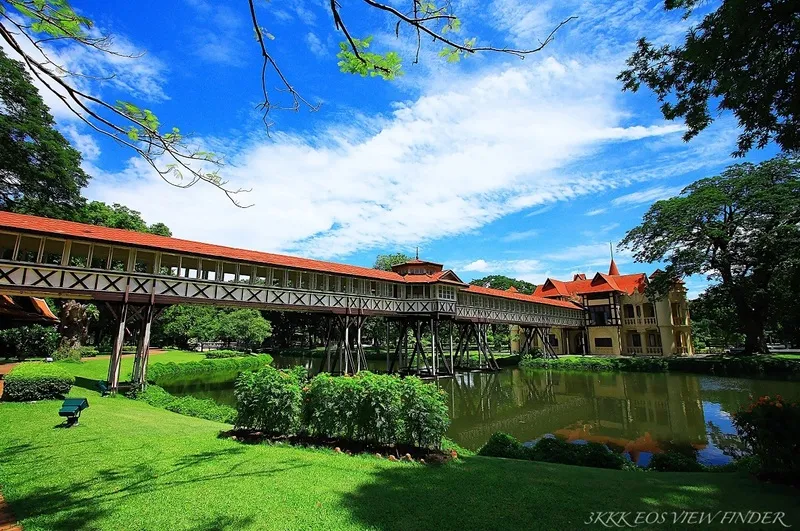
44. Sanam Chandra Palace is a distinctive travel destination in Nakhon Pathom, Thailand. Sanam Chandra Palace in Nakhon Pathom includes buildings associated with King Rama VI and architecture reflecting both Thai and European influences. The grounds give visitors a closer look at royal life and changing design tastes in the early modern period.
Highlights: Early twentieth-century royal residences and landscaped grounds.
A considered visit reveals how buildings and surviving details connect to the wider history of their surroundings. Spend time observing the design, materials and layout, and consider pairing the attraction with other historic streets, monuments or museums in the same area. Conservation rules are part of keeping this heritage available for future visitors.
Visitor Tips: Check access conditions for individual buildings; some spaces may have restrictions that differ from the wider grounds.
Getting There: Use the location in Nakhon Pathom as your trip-planning reference and confirm the appropriate entrance or transport connection. Mountain roads, islands and protected areas may require additional local transfers.
Map (GPS):Directions to Sanam Chandra Palace

45. Bueng Boraphet is a distinctive travel destination in Nakhon Sawan, Thailand. Bueng Boraphet is an important wetland near Nakhon Sawan, supporting fishing livelihoods and a rich variety of waterbirds. The open water and marshland make it a significant site for nature education and birdwatching.
Highlights: Large freshwater wetland and bird habitats.
The landscape is shaped by ecological processes that are often easier to understand when you slow down and observe the surroundings. Weather, water levels and seasonal conditions may alter what can be seen and which routes are available. Follow designated trails and avoid disturbing wildlife or fragile natural areas.
Visitor Tips: Wildlife activity and water levels change throughout the year. Choose suitable observation areas and avoid disturbing birds.
Getting There: Use the location in Nakhon Sawan as your trip-planning reference and confirm the appropriate entrance or transport connection. Mountain roads, islands and protected areas may require additional local transfers.
Map (GPS):Directions to Bueng Boraphet

46. Ko Kret is a distinctive travel destination in Nonthaburi, Thailand. Ko Kret is an island community in the Chao Phraya River, known for Mon cultural traditions, distinctive pottery and relaxed pedestrian lanes. Visiting workshops, temples and small food stalls provides a close-up view of living heritage near Bangkok.
Highlights: Mon riverside village, pottery workshops and local food.
The landscape is shaped by ecological processes that are often easier to understand when you slow down and observe the surroundings. Weather, water levels and seasonal conditions may alter what can be seen and which routes are available. Follow designated trails and avoid disturbing wildlife or fragile natural areas.
Visitor Tips: The island is reached by ferry. Respect residential areas and share narrow paths carefully with cyclists.
Getting There: Use the location in Nonthaburi as your trip-planning reference and confirm the appropriate entrance or transport connection. Mountain roads, islands and protected areas may require additional local transfers.
Map (GPS):Directions to Ko Kret

47. Wat Phra Dhammakaya is a distinctive travel destination in Pathum Thani, Thailand. Wat Phra Dhammakaya occupies a substantial site in Khlong Luang district and is associated with Buddhist gatherings and religious activities. The scale of the buildings and grounds makes the complex architecturally distinctive.
Highlights: Large Buddhist religious complex in Pathum Thani.
Beyond its appearance, this site is part of a living religious landscape. Visitors can use the architecture, devotional spaces and nearby town environment to understand how spiritual traditions remain woven into everyday life. Approach the visit as an opportunity to learn from a community, rather than as a photo stop alone.
Visitor Tips: Access arrangements vary with scheduled religious activities; follow staff directions and stay within permitted areas.
Getting There: Use the location in Pathum Thani as your trip-planning reference and confirm the appropriate entrance or transport connection. Mountain roads, islands and protected areas may require additional local transfers.
Map (GPS):Directions to Wat Phra Dhammakaya
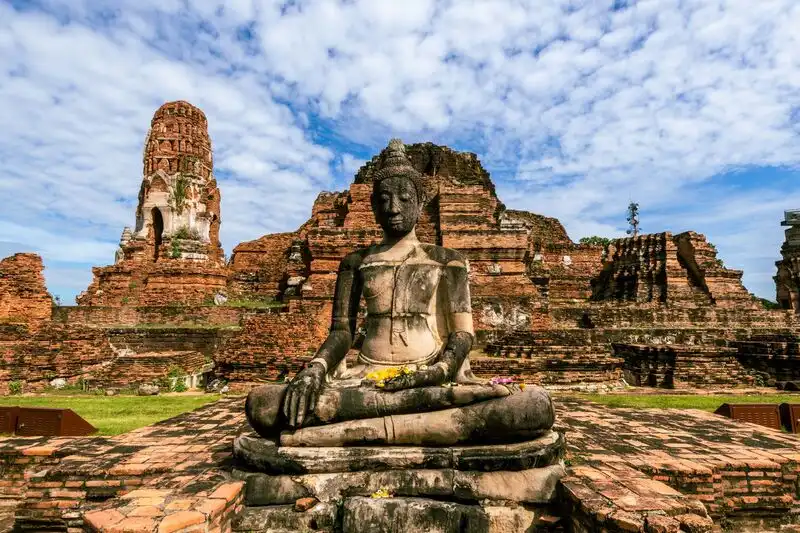
48. Wat Mahathat, Ayutthaya is a distinctive travel destination in Phra Nakhon Si Ayutthaya, Thailand. Wat Mahathat is among Ayutthaya's iconic archaeological sites. Its surviving prang structures, brick foundations and famous Buddha head held within tree roots recall the city's religious and political importance when it served as a royal capital.
Highlights: Ancient temple ruins and the Buddha head entwined in tree roots.
Beyond its appearance, this site is part of a living religious landscape. Visitors can use the architecture, devotional spaces and nearby town environment to understand how spiritual traditions remain woven into everyday life. Approach the visit as an opportunity to learn from a community, rather than as a photo stop alone.
Visitor Tips: Remain on marked routes and do not touch or climb historic structures. The temple works well as part of an old-city heritage circuit.
Getting There: Use the location in Phra Nakhon Si Ayutthaya as your trip-planning reference and confirm the appropriate entrance or transport connection. Mountain roads, islands and protected areas may require additional local transfers.
Map (GPS):Directions to Wat Mahathat, Ayutthaya
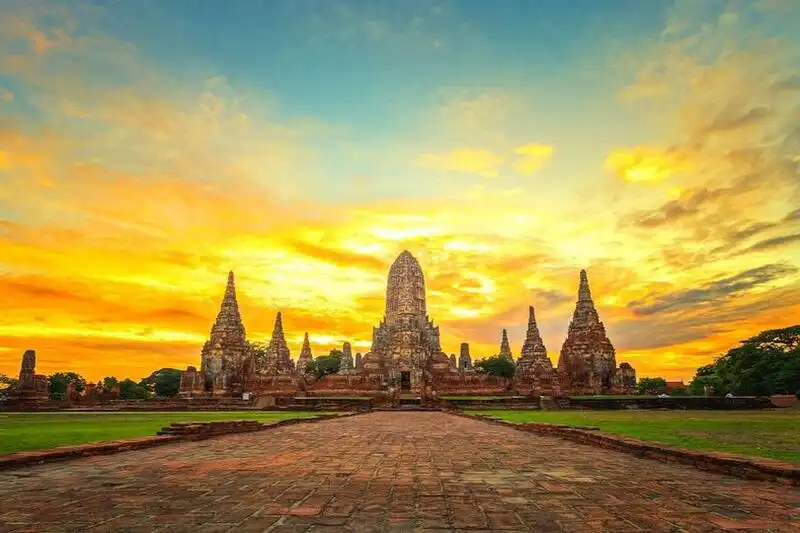
49. Wat Chaiwatthanaram is a distinctive travel destination in Phra Nakhon Si Ayutthaya, Thailand. Wat Chaiwatthanaram stands beside the Chao Phraya River west of Ayutthaya's historic island. Built in the reign of King Prasat Thong, its symmetrical layout and central prang create one of the city's most impressive historic ensembles.
Highlights: Riverside Ayutthaya temple with a monumental central prang.
Beyond its appearance, this site is part of a living religious landscape. Visitors can use the architecture, devotional spaces and nearby town environment to understand how spiritual traditions remain woven into everyday life. Approach the visit as an opportunity to learn from a community, rather than as a photo stop alone.
Visitor Tips: Explore the ruins on designated paths and be considerate when photographing the historic architecture.
Getting There: Use the location in Phra Nakhon Si Ayutthaya as your trip-planning reference and confirm the appropriate entrance or transport connection. Mountain roads, islands and protected areas may require additional local transfers.
Map (GPS):Directions to Wat Chaiwatthanaram

50. Bueng Si Fai is a distinctive travel destination in Phichit, Thailand. Bueng Si Fai is a major freshwater landscape in Phichit, serving as a scenic public space and an enduring part of local life. Its broad water surface and surrounding paths make it an appealing low-key stop.
Highlights: Urban lake and peaceful green space in Phichit.
The landscape is shaped by ecological processes that are often easier to understand when you slow down and observe the surroundings. Weather, water levels and seasonal conditions may alter what can be seen and which routes are available. Follow designated trails and avoid disturbing wildlife or fragile natural areas.
Visitor Tips: Choose cooler hours for a relaxed walk and supervise children close to the lake edge.
Getting There: Use the location in Phichit as your trip-planning reference and confirm the appropriate entrance or transport connection. Mountain roads, islands and protected areas may require additional local transfers.
Map (GPS):Directions to Bueng Si Fai
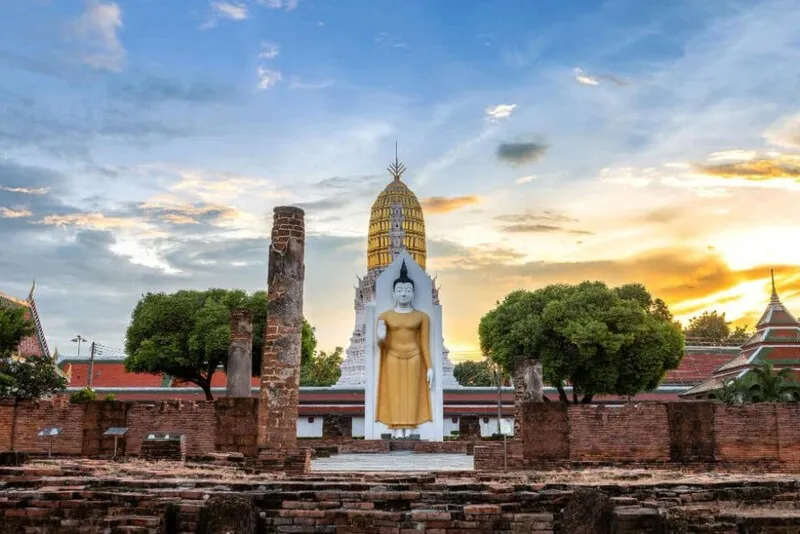
51. Wat Phra Si Rattana Mahathat (Wat Yai) is a distinctive travel destination in Phitsanulok, Thailand. This important temple in Phitsanulok houses Phra Phuttha Chinnarat, one of Thailand's most venerated Buddha images. The religious architecture and active worship traditions reflect the historical significance of the city.
Highlights: Revered Phra Phuttha Chinnarat Buddha image in Phitsanulok.
Beyond its appearance, this site is part of a living religious landscape. Visitors can use the architecture, devotional spaces and nearby town environment to understand how spiritual traditions remain woven into everyday life. Approach the visit as an opportunity to learn from a community, rather than as a photo stop alone.
Visitor Tips: Spend time appreciating the Buddha image and surrounding Buddhist art. Modest dress and quiet conduct are required.
Getting There: Use the location in Phitsanulok as your trip-planning reference and confirm the appropriate entrance or transport connection. Mountain roads, islands and protected areas may require additional local transfers.
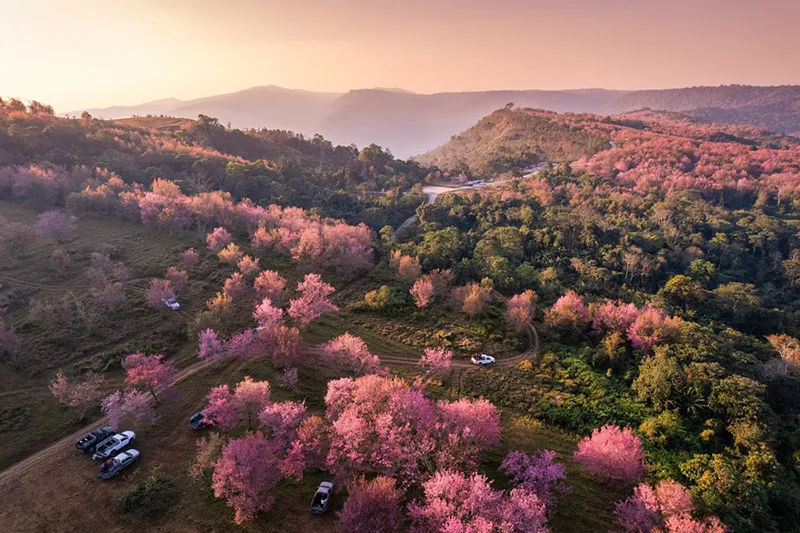
52. Phu Hin Rong Kla National Park is a distinctive travel destination in Phitsanulok, Thailand. Phu Hin Rong Kla National Park combines unusual rocky terrain with forest ecosystems and traces of a significant chapter in Thailand's twentieth-century history. Trails and viewpoints help visitors appreciate both the landscape and its human stories.
Highlights: Distinctive rock formations, highland forest and modern history.
The landscape is shaped by ecological processes that are often easier to understand when you slow down and observe the surroundings. Weather, water levels and seasonal conditions may alter what can be seen and which routes are available. Follow designated trails and avoid disturbing wildlife or fragile natural areas.
Visitor Tips: Conditions on mountain roads and walking routes vary by season. Check park notices before travelling.
Getting There: Use the location in Phitsanulok as your trip-planning reference and confirm the appropriate entrance or transport connection. Mountain roads, islands and protected areas may require additional local transfers.

53. Wat Phra That Pha Sorn Kaew is a distinctive travel destination in Phetchabun, Thailand. Wat Phra That Pha Sorn Kaew is a visually striking Buddhist sanctuary set amid the hills of Phetchabun. Its layered white Buddha images and intricate mosaic surfaces contrast with the surrounding mountain panorama.
Highlights: Colourful mosaics and white Buddha images amid Khao Kho mountains.
Beyond its appearance, this site is part of a living religious landscape. Visitors can use the architecture, devotional spaces and nearby town environment to understand how spiritual traditions remain woven into everyday life. Approach the visit as an opportunity to learn from a community, rather than as a photo stop alone.
Visitor Tips: Mountain fog and rain can reduce visibility. Wear respectful clothing and take care on winding access roads.
Getting There: Use the location in Phetchabun as your trip-planning reference and confirm the appropriate entrance or transport connection. Mountain roads, islands and protected areas may require additional local transfers.

54. Phu Thap Boek is a distinctive travel destination in Phetchabun, Thailand. Phu Thap Boek offers elevated views over the mountains of Phetchabun and an insight into life and agriculture on high ground. Morning light, seasonal cloud and cooler temperatures are among the main reasons for visiting.
Highlights: Highland village, mountain panoramas and cool-season scenery.
The landscape is shaped by ecological processes that are often easier to understand when you slow down and observe the surroundings. Weather, water levels and seasonal conditions may alter what can be seen and which routes are available. Follow designated trails and avoid disturbing wildlife or fragile natural areas.
Visitor Tips: Approach roads are winding and steep. Check vehicle condition, visibility and weather before ascending.
Getting There: Use the location in Phetchabun as your trip-planning reference and confirm the appropriate entrance or transport connection. Mountain roads, islands and protected areas may require additional local transfers.
Map (GPS):Directions to Phu Thap Boek
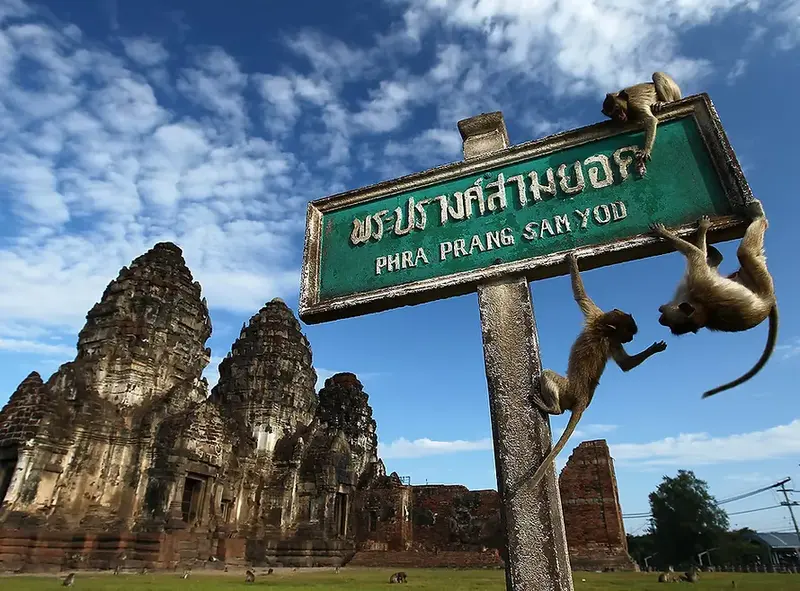
55. Phra Prang Sam Yot is a distinctive travel destination in Lop Buri, Thailand. Phra Prang Sam Yot is one of Lop Buri's signature monuments, its trio of adjoining towers reflecting Khmer-era artistic and religious influences. The surrounding old town contains other sites linked to the historical city of Lavo.
Highlights: Three Khmer-style towers in the historic heart of Lop Buri.
A considered visit reveals how buildings and surviving details connect to the wider history of their surroundings. Spend time observing the design, materials and layout, and consider pairing the attraction with other historic streets, monuments or museums in the same area. Conservation rules are part of keeping this heritage available for future visitors.
Visitor Tips: Keep possessions secure and do not feed the monkeys sometimes found around the monument. Follow heritage-site rules.
Getting There: Use the location in Lop Buri as your trip-planning reference and confirm the appropriate entrance or transport connection. Mountain roads, islands and protected areas may require additional local transfers.
Map (GPS):Directions to Phra Prang Sam Yot

56. Ancient Siam (Muang Boran) is a distinctive travel destination in Samut Prakan, Thailand. Ancient Siam in Samut Prakan brings together replicas, reconstructed monuments and interpretive landscapes representing architectural traditions from across Thailand. The extensive grounds make it possible to compare buildings from different historical periods in one visit.
Highlights: Open-air architectural museum representing the regions of Thailand.
A considered visit reveals how buildings and surviving details connect to the wider history of their surroundings. Spend time observing the design, materials and layout, and consider pairing the attraction with other historic streets, monuments or museums in the same area. Conservation rules are part of keeping this heritage available for future visitors.
Visitor Tips: Set aside several hours and check transport options within the site, particularly when visiting with children or older companions.
Getting There: Use the location in Samut Prakan as your trip-planning reference and confirm the appropriate entrance or transport connection. Mountain roads, islands and protected areas may require additional local transfers.
Map (GPS):Directions to Ancient Siam (Muang Boran)

57. Amphawa Floating Market is a distinctive travel destination in Samut Songkhram, Thailand. Amphawa is known for its canal-side market and traditional waterfront setting in Samut Songkhram. Wooden buildings, shops and local dishes create an enjoyable glimpse into the area's long relationship with its waterways.
Highlights: Canal-side wooden houses, evening market and local food.
This is also an opportunity to encounter the traditions, knowledge or daily activities that give the province its character. Allow time to explore beyond the most recognisable feature and consider supporting nearby local businesses. Families may find it useful to balance learning activities with unhurried breaks.
Visitor Tips: Opening patterns can differ by day and individual trader. Respect residents and use designated walkways and boat services.
Getting There: Use the location in Samut Songkhram as your trip-planning reference and confirm the appropriate entrance or transport connection. Mountain roads, islands and protected areas may require additional local transfers.
Map (GPS):Directions to Amphawa Floating Market

58. Phan Thai Norasing Shrine is a distinctive travel destination in Samut Sakhon, Thailand. The Phan Thai Norasing Shrine in Samut Sakhon commemorates a figure celebrated in Thai historical tradition for loyalty and responsibility. Nearby canals and coastal communities help place the story within the region's history of water transport.
Highlights: Historic shrine commemorating duty and integrity.
Beyond its appearance, this site is part of a living religious landscape. Visitors can use the architecture, devotional spaces and nearby town environment to understand how spiritual traditions remain woven into everyday life. Approach the visit as an opportunity to learn from a community, rather than as a photo stop alone.
Visitor Tips: An informative stop for travellers interested in local history and the settlement of the central coastal plain.
Getting There: Use the location in Samut Sakhon as your trip-planning reference and confirm the appropriate entrance or transport connection. Mountain roads, islands and protected areas may require additional local transfers.
Map (GPS):Directions to Phan Thai Norasing Shrine
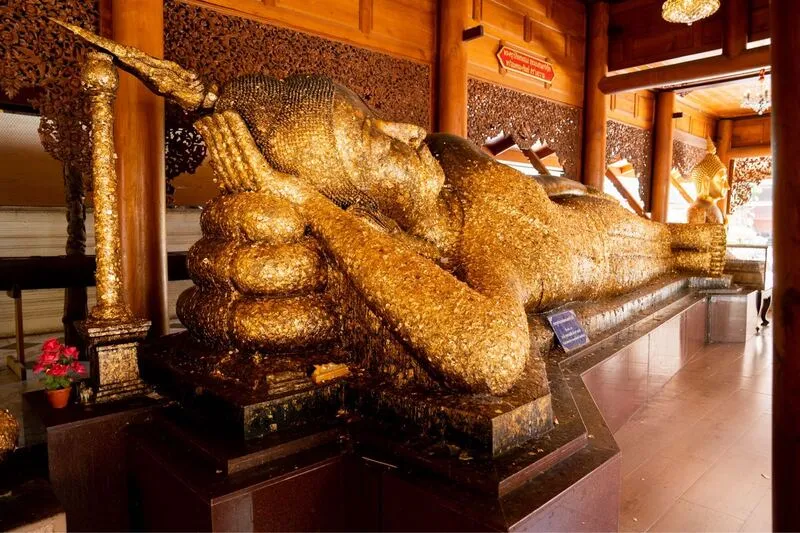
59. Wat Phra Non Chakkrasi Worawihan is a distinctive travel destination in Sing Buri, Thailand. Wat Phra Non Chakkrasi houses an impressive reclining Buddha and is an important religious destination in Sing Buri. Its buildings and continued worship reflect the long presence of Buddhism in the central Thai river plains.
Highlights: Revered reclining Buddha in Sing Buri.
Beyond its appearance, this site is part of a living religious landscape. Visitors can use the architecture, devotional spaces and nearby town environment to understand how spiritual traditions remain woven into everyday life. Approach the visit as an opportunity to learn from a community, rather than as a photo stop alone.
Visitor Tips: Dress modestly and visit at a considerate pace when religious services are taking place.
Getting There: Use the location in Sing Buri as your trip-planning reference and confirm the appropriate entrance or transport connection. Mountain roads, islands and protected areas may require additional local transfers.
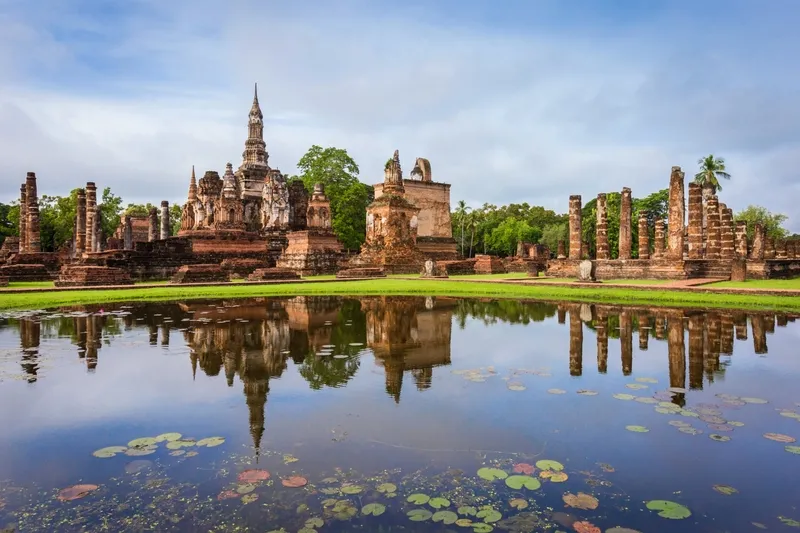
60. Sukhothai Historical Park is a distinctive travel destination in Sukhothai, Thailand. Sukhothai Historical Park preserves the monuments of a former capital, including temple compounds, stupas, Buddha images, ponds and traces of the old city. Walking or cycling around the park reveals how religious architecture related to the surrounding landscape.
Highlights: Historic temples, Buddha images and ancient city landscape.
A considered visit reveals how buildings and surviving details connect to the wider history of their surroundings. Spend time observing the design, materials and layout, and consider pairing the attraction with other historic streets, monuments or museums in the same area. Conservation rules are part of keeping this heritage available for future visitors.
Visitor Tips: Allow sufficient time for the principal monuments and follow conservation rules to protect fragile ruins.
Getting There: Use the location in Sukhothai as your trip-planning reference and confirm the appropriate entrance or transport connection. Mountain roads, islands and protected areas may require additional local transfers.
Map (GPS):Directions to Sukhothai Historical Park
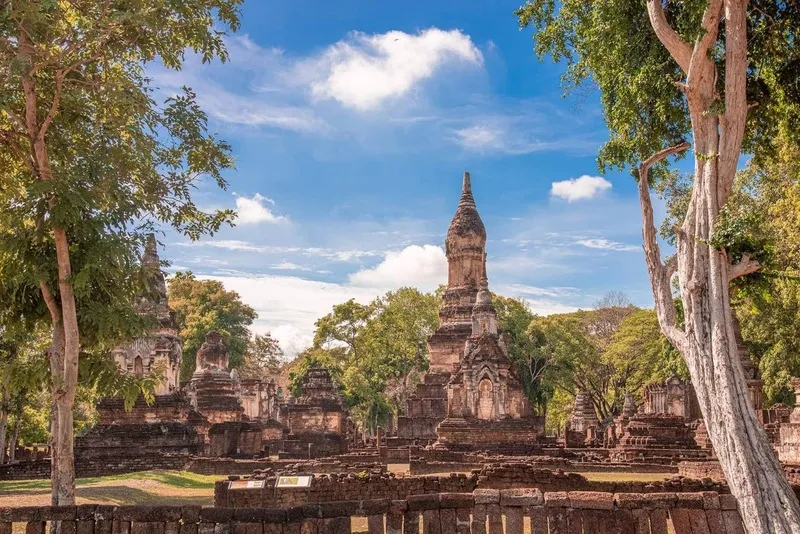
61. Si Satchanalai Historical Park is a distinctive travel destination in Sukhothai, Thailand. Si Satchanalai is an important historic site associated with the Sukhothai period. Its temples and stupas occupy a quieter environment that rewards careful observation of architectural design, town history and natural surroundings.
Highlights: Ancient temple complexes in a tranquil historic landscape.
A considered visit reveals how buildings and surviving details connect to the wider history of their surroundings. Spend time observing the design, materials and layout, and consider pairing the attraction with other historic streets, monuments or museums in the same area. Conservation rules are part of keeping this heritage available for future visitors.
Visitor Tips: The area is best explored without rushing. Carry drinking water and sun protection for outdoor sections.
Getting There: Use the location in Sukhothai as your trip-planning reference and confirm the appropriate entrance or transport connection. Mountain roads, islands and protected areas may require additional local transfers.

62. Bueng Chawak Chaloem Phrakiat is a distinctive travel destination in Suphan Buri, Thailand. Bueng Chawak in Suphan Buri combines a broad wetland landscape with developed educational and leisure facilities. Different visitor areas offer opportunities to explore nature and animal-related displays.
Highlights: Freshwater lake and family-friendly learning attractions.
The landscape is shaped by ecological processes that are often easier to understand when you slow down and observe the surroundings. Weather, water levels and seasonal conditions may alter what can be seen and which routes are available. Follow designated trails and avoid disturbing wildlife or fragile natural areas.
Visitor Tips: Check operating status and access for the individual attractions within the wider site before travelling.
Getting There: Use the location in Suphan Buri as your trip-planning reference and confirm the appropriate entrance or transport connection. Mountain roads, islands and protected areas may require additional local transfers.

63. Wat Phra Phutthachai is a distinctive travel destination in Saraburi, Thailand. Wat Phra Phutthachai in Saraburi is a hillside religious site famous for the sacred Buddha shadow image associated with its rock face. The natural stone backdrop makes the temple a distinctive pilgrimage destination.
Highlights: Sacred Buddha shadow image on a rock face.
Beyond its appearance, this site is part of a living religious landscape. Visitors can use the architecture, devotional spaces and nearby town environment to understand how spiritual traditions remain woven into everyday life. Approach the visit as an opportunity to learn from a community, rather than as a photo stop alone.
Visitor Tips: Wear shoes suitable for steps and uneven paths, and observe appropriate conduct at the shrine.
Getting There: Use the location in Saraburi as your trip-planning reference and confirm the appropriate entrance or transport connection. Mountain roads, islands and protected areas may require additional local transfers.
Map (GPS):Directions to Wat Phra Phutthachai
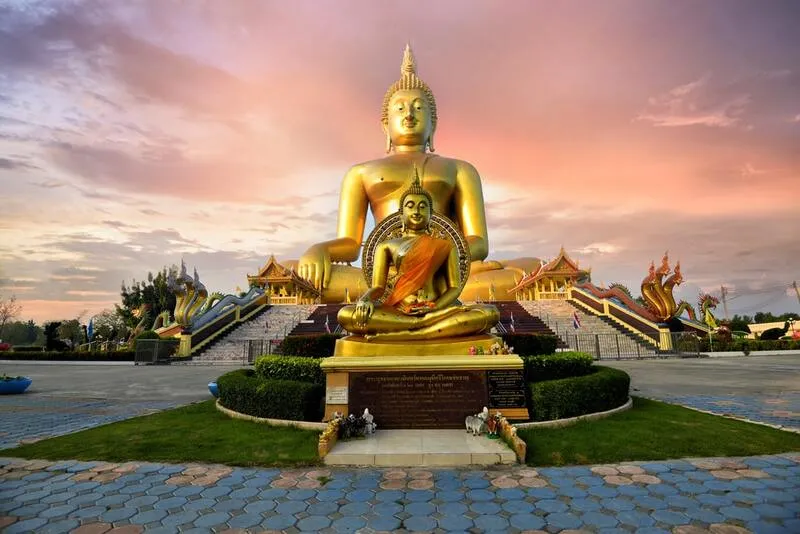
64. Wat Muang is a distinctive travel destination in Ang Thong, Thailand. Wat Muang in Ang Thong is best known for a huge seated Buddha image visible across the surrounding landscape. The scale of the sculpture and the complex's religious buildings attract pilgrims and visitors interested in Buddhist art.
Highlights: Monumental seated Buddha and expansive temple grounds.
Beyond its appearance, this site is part of a living religious landscape. Visitors can use the architecture, devotional spaces and nearby town environment to understand how spiritual traditions remain woven into everyday life. Approach the visit as an opportunity to learn from a community, rather than as a photo stop alone.
Visitor Tips: Dress appropriately and respect the active worship areas while exploring the grounds.
Getting There: Use the location in Ang Thong as your trip-planning reference and confirm the appropriate entrance or transport connection. Mountain roads, islands and protected areas may require additional local transfers.
Map (GPS):Directions to Wat Muang
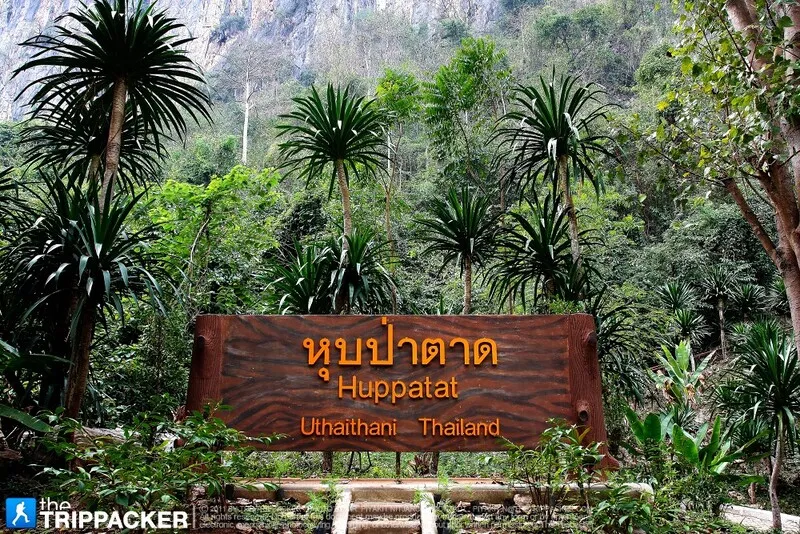
65. Hup Pa Tat is a distinctive travel destination in Uthai Thani, Thailand. Hup Pa Tat in Uthai Thani is an enclosed limestone landscape reached through rocky openings, revealing dense and distinctive plant life. Its striking forest atmosphere feels different from the open countryside beyond the cliffs.
Highlights: Hidden limestone valley with unusual prehistoric-looking vegetation.
The landscape is shaped by ecological processes that are often easier to understand when you slow down and observe the surroundings. Weather, water levels and seasonal conditions may alter what can be seen and which routes are available. Follow designated trails and avoid disturbing wildlife or fragile natural areas.
Visitor Tips: Follow marked paths, wear sturdy shoes and protect the fragile vegetation by avoiding off-trail exploration.
Getting There: Use the location in Uthai Thani as your trip-planning reference and confirm the appropriate entrance or transport connection. Mountain roads, islands and protected areas may require additional local transfers.
Map (GPS):Directions to Hup Pa Tat

66. Chanthaboon Riverside Community is a distinctive travel destination in Chanthaburi, Thailand. The Chanthaboon Riverside Community preserves historic houses and old trading streets along the water in Chanthaburi. Architecture, food and the area's multicultural history provide a compelling alternative to a conventional beach itinerary.
Highlights: Historic riverside streets, wooden buildings and multicultural heritage.
A considered visit reveals how buildings and surviving details connect to the wider history of their surroundings. Spend time observing the design, materials and layout, and consider pairing the attraction with other historic streets, monuments or museums in the same area. Conservation rules are part of keeping this heritage available for future visitors.
Visitor Tips: Explore slowly on foot and support local shops while respecting the community as a residential neighbourhood.
Getting There: Use the location in Chanthaburi as your trip-planning reference and confirm the appropriate entrance or transport connection. Mountain roads, islands and protected areas may require additional local transfers.

67. Nang Phaya Viewpoint is a distinctive travel destination in Chanthaburi, Thailand. Nang Phaya Viewpoint offers wide sea views along one of Chanthaburi's most scenic coastal roads. The sweeping curve of the road against the coast has made it a popular photographic stop.
Highlights: Curving coastal road and panoramic Chanthaburi seascape.
The landscape is shaped by ecological processes that are often easier to understand when you slow down and observe the surroundings. Weather, water levels and seasonal conditions may alter what can be seen and which routes are available. Follow designated trails and avoid disturbing wildlife or fragile natural areas.
Visitor Tips: Use official parking areas, keep clear of traffic and take care when stopping near roadside viewpoints.
Getting There: Use the location in Chanthaburi as your trip-planning reference and confirm the appropriate entrance or transport connection. Mountain roads, islands and protected areas may require additional local transfers.
Map (GPS):Directions to Nang Phaya Viewpoint
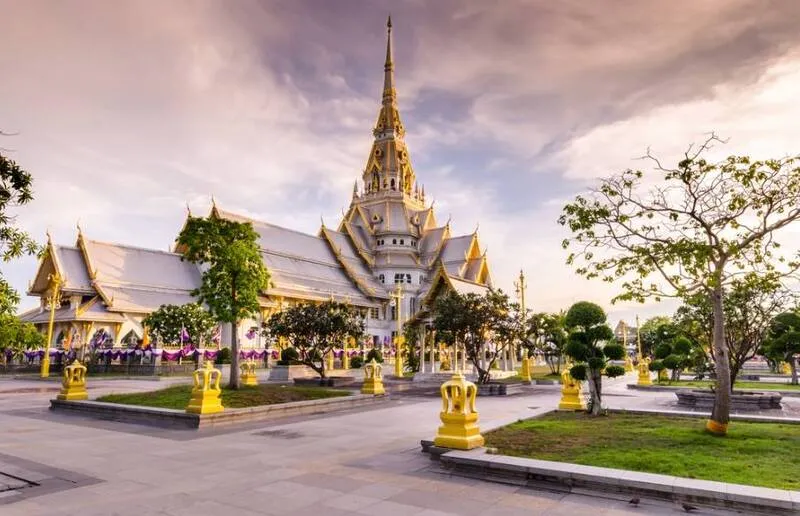
68. Wat Sothonwararam Worawihan is a distinctive travel destination in Chachoengsao, Thailand. Wat Sothonwararam in Chachoengsao is a major religious destination associated with the revered Luang Pho Sothon Buddha image. Its setting on the Bang Pakong River connects devotional life with the historic riverside city.
Highlights: Revered Luang Pho Sothon image and riverside Buddhist temple.
Beyond its appearance, this site is part of a living religious landscape. Visitors can use the architecture, devotional spaces and nearby town environment to understand how spiritual traditions remain woven into everyday life. Approach the visit as an opportunity to learn from a community, rather than as a photo stop alone.
Visitor Tips: Dress modestly, follow visitor routes and allow time for the surrounding town and riverfront.
Getting There: Use the location in Chachoengsao as your trip-planning reference and confirm the appropriate entrance or transport connection. Mountain roads, islands and protected areas may require additional local transfers.

69. Sanctuary of Truth is a distinctive travel destination in Chon Buri, Thailand. The Sanctuary of Truth in Pattaya is a spectacular structure built from elaborately carved timber. Its sculptural programme draws on religious philosophy and traditional craftsmanship, making it both an architectural attraction and an exploration of artistic ideas.
Highlights: Monumental carved timber sanctuary beside the sea.
A considered visit reveals how buildings and surviving details connect to the wider history of their surroundings. Spend time observing the design, materials and layout, and consider pairing the attraction with other historic streets, monuments or museums in the same area. Conservation rules are part of keeping this heritage available for future visitors.
Visitor Tips: Follow site safety requirements and any guided-visit arrangements, especially around sections where work continues.
Getting There: Use the location in Chon Buri as your trip-planning reference and confirm the appropriate entrance or transport connection. Mountain roads, islands and protected areas may require additional local transfers.
Map (GPS):Directions to Sanctuary of Truth

70. Koh Larn is a distinctive travel destination in Chon Buri, Thailand. Koh Larn is a popular island getaway from Pattaya, with sandy coves, swimming areas and coastal viewpoints. Its proximity to the mainland makes it suitable for a day trip or a slower overnight visit.
Highlights: Clear-water island beaches off Pattaya.
The setting is best appreciated with enough time for the changing light and local environment. The quality of the experience may depend on tide, weather, sea conditions and transport schedules, so a flexible itinerary is preferable to a tightly packed one. Protect coastal habitats and respect safety guidance.
Visitor Tips: Check ferry or speedboat schedules and observe local beach and marine safety guidance.
Getting There: Use the location in Chon Buri as your trip-planning reference and confirm the appropriate entrance or transport connection. Mountain roads, islands and protected areas may require additional local transfers.
Map (GPS):Directions to Koh Larn
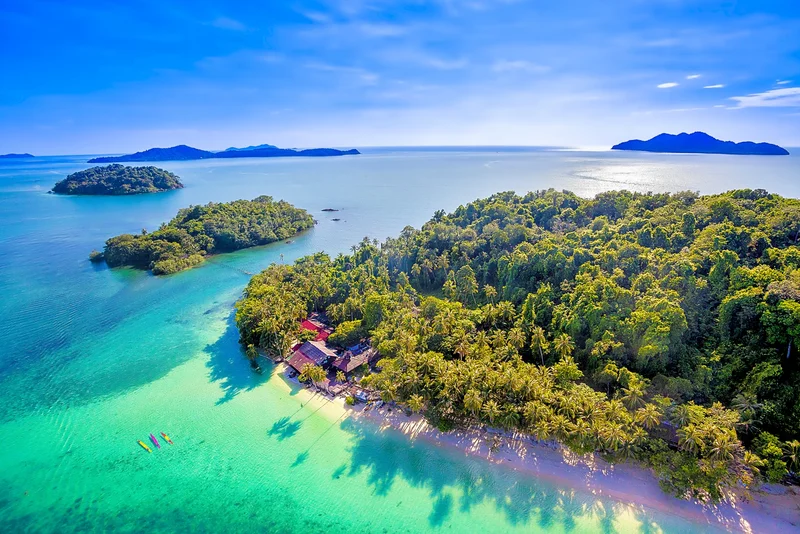
71. Mu Ko Chang National Park is a distinctive travel destination in Trat, Thailand. The Mu Ko Chang National Park area includes mountainous islands, coastal forest and surrounding marine habitats. Koh Chang provides a mixture of beaches and inland greenery, with opportunities to explore the wider archipelago.
Highlights: Forested islands, beaches and marine ecosystems in Trat.
The setting is best appreciated with enough time for the changing light and local environment. The quality of the experience may depend on tide, weather, sea conditions and transport schedules, so a flexible itinerary is preferable to a tightly packed one. Protect coastal habitats and respect safety guidance.
Visitor Tips: Sea conditions and park access vary seasonally. Check boat arrangements and weather before setting out.
Getting There: Use the location in Trat as your trip-planning reference and confirm the appropriate entrance or transport connection. Mountain roads, islands and protected areas may require additional local transfers.
Map (GPS):Directions to Mu Ko Chang National Park

72. Koh Kood is a distinctive travel destination in Trat, Thailand. Koh Kood in Trat is valued for its tranquil atmosphere, attractive beaches and tropical landscapes. Many visitors come for a slower island experience than at larger commercial resorts.
Highlights: Quiet tropical island with beaches and lush inland greenery.
The setting is best appreciated with enough time for the changing light and local environment. The quality of the experience may depend on tide, weather, sea conditions and transport schedules, so a flexible itinerary is preferable to a tightly packed one. Protect coastal habitats and respect safety guidance.
Visitor Tips: Plan ferry connections in advance and consider seasonal waves and rain when choosing dates.
Getting There: Use the location in Trat as your trip-planning reference and confirm the appropriate entrance or transport connection. Mountain roads, islands and protected areas may require additional local transfers.
Map (GPS):Directions to Koh Kood

73. Thap Lan National Park is a distinctive travel destination in Prachin Buri, Thailand. Thap Lan National Park protects major forest areas across the eastern region, with natural scenery and important ecosystems. Its name is associated with lan palms, a characteristic element of the wider landscape.
Highlights: Extensive forest and distinctive fan-palm landscapes.
The landscape is shaped by ecological processes that are often easier to understand when you slow down and observe the surroundings. Weather, water levels and seasonal conditions may alter what can be seen and which routes are available. Follow designated trails and avoid disturbing wildlife or fragile natural areas.
Visitor Tips: Check authorised entrances and current access rules, as the park covers a very large area.
Getting There: Use the location in Prachin Buri as your trip-planning reference and confirm the appropriate entrance or transport connection. Mountain roads, islands and protected areas may require additional local transfers.
Map (GPS):Directions to Thap Lan National Park

74. Hat Sai Kaew (Koh Samet) is a distinctive travel destination in Rayong, Thailand. Hat Sai Kaew is one of Koh Samet's best-known beaches, attracting visitors for swimming, seaside walks and easy access to the island's services. The beach is a natural choice for a short getaway from Rayong.
Highlights: Bright sandy beach and island leisure on Koh Samet.
The setting is best appreciated with enough time for the changing light and local environment. The quality of the experience may depend on tide, weather, sea conditions and transport schedules, so a flexible itinerary is preferable to a tightly packed one. Protect coastal habitats and respect safety guidance.
Visitor Tips: Check boat times and marine conditions, particularly during periods of rough weather.
Getting There: Use the location in Rayong as your trip-planning reference and confirm the appropriate entrance or transport connection. Mountain roads, islands and protected areas may require additional local transfers.
Map (GPS):Directions to Hat Sai Kaew (Koh Samet)

75. Rayong Botanical Garden is a distinctive travel destination in Rayong, Thailand. Rayong Botanical Garden protects and showcases wetland ecosystems and local plant life. Its calm setting provides an alternative to coastal beaches and an opportunity to learn about biodiversity in eastern Thailand.
Highlights: Wetland forest, waterways and nature education.
The landscape is shaped by ecological processes that are often easier to understand when you slow down and observe the surroundings. Weather, water levels and seasonal conditions may alter what can be seen and which routes are available. Follow designated trails and avoid disturbing wildlife or fragile natural areas.
Visitor Tips: Choose appropriate footwear, follow designated nature routes and plan around weather conditions.
Getting There: Use the location in Rayong as your trip-planning reference and confirm the appropriate entrance or transport connection. Mountain roads, islands and protected areas may require additional local transfers.
Map (GPS):Directions to Rayong Botanical Garden

76. Sdok Kok Thom Sanctuary is a distinctive travel destination in Sa Kaeo, Thailand. Sdok Kok Thom is an important Khmer-era archaeological monument in Sa Kaeo. Its sandstone structures, layout and decorative remains offer insights into the region's historical ties with neighbouring cultures.
Highlights: Ancient Khmer stone temple near the Cambodian border.
A considered visit reveals how buildings and surviving details connect to the wider history of their surroundings. Spend time observing the design, materials and layout, and consider pairing the attraction with other historic streets, monuments or museums in the same area. Conservation rules are part of keeping this heritage available for future visitors.
Visitor Tips: Remain on heritage paths and allow time to observe the details of the sanctuary's design.
Getting There: Use the location in Sa Kaeo as your trip-planning reference and confirm the appropriate entrance or transport connection. Mountain roads, islands and protected areas may require additional local transfers.
Map (GPS):Directions to Sdok Kok Thom Sanctuary

77. Bridge over the River Kwai is a distinctive travel destination in Kanchanaburi, Thailand. The bridge over the River Kwai is one of Kanchanaburi's most widely recognised landmarks. Its history is closely associated with the Thai–Burma Railway and the experiences of prisoners of war and forced labourers during the Second World War.
Highlights: Historic railway bridge and Second World War heritage.
The landscape is shaped by ecological processes that are often easier to understand when you slow down and observe the surroundings. Weather, water levels and seasonal conditions may alter what can be seen and which routes are available. Follow designated trails and avoid disturbing wildlife or fragile natural areas.
Visitor Tips: The site deserves a thoughtful visit. Stay clear of active railway areas and follow safety instructions on and around the bridge.
Getting There: Use the location in Kanchanaburi as your trip-planning reference and confirm the appropriate entrance or transport connection. Mountain roads, islands and protected areas may require additional local transfers.
Map (GPS):Directions to Bridge over the River Kwai
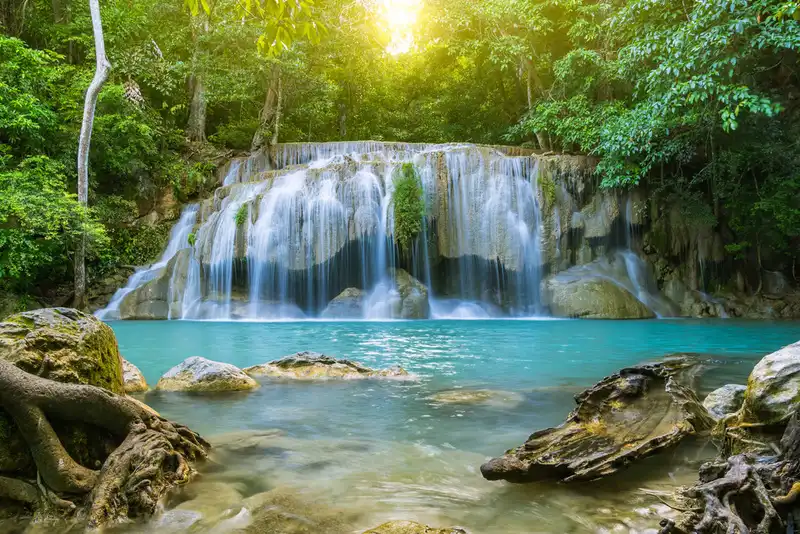
78. Erawan Waterfall is a distinctive travel destination in Kanchanaburi, Thailand. Erawan Waterfall in Kanchanaburi is famous for a succession of cascades and pools set amid lush forest. Trails connect the waterfall's different levels, offering visitors a varied nature experience.
Highlights: Multi-tiered turquoise pools in forested mountains.
The landscape is shaped by ecological processes that are often easier to understand when you slow down and observe the surroundings. Weather, water levels and seasonal conditions may alter what can be seen and which routes are available. Follow designated trails and avoid disturbing wildlife or fragile natural areas.
Visitor Tips: Some levels require longer walks. Wear non-slip shoes and follow park rules on swimming and weather-related closures.
Getting There: Use the location in Kanchanaburi as your trip-planning reference and confirm the appropriate entrance or transport connection. Mountain roads, islands and protected areas may require additional local transfers.
Map (GPS):Directions to Erawan Waterfall
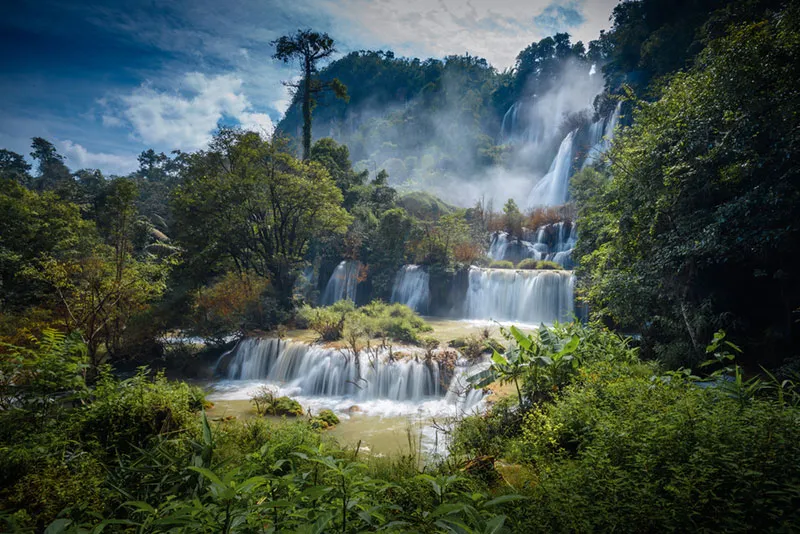
79. Thi Lo Su Waterfall is a distinctive travel destination in Tak, Thailand. Thi Lo Su is a spectacular waterfall in the Umphang area of Tak province. Its broad cascades and remote forest setting reward travellers willing to plan a journey into mountainous country.
Highlights: Powerful multi-tiered forest waterfall in remote Tak.
The landscape is shaped by ecological processes that are often easier to understand when you slow down and observe the surroundings. Weather, water levels and seasonal conditions may alter what can be seen and which routes are available. Follow designated trails and avoid disturbing wildlife or fragile natural areas.
Visitor Tips: Access can be affected by the rainy season and road conditions. Check the latest local arrangements before travelling.
Getting There: Use the location in Tak as your trip-planning reference and confirm the appropriate entrance or transport connection. Mountain roads, islands and protected areas may require additional local transfers.
Map (GPS):Directions to Thi Lo Su Waterfall
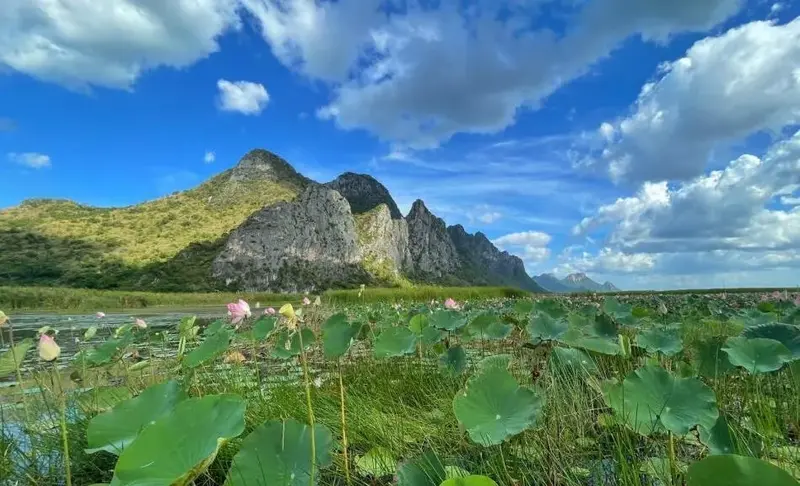
80. Khao Sam Roi Yot National Park is a distinctive travel destination in Prachuap Khiri Khan, Thailand. Khao Sam Roi Yot National Park in Prachuap Khiri Khan combines striking limestone ridges, marshes and coastal scenery. Its varied habitats make it appealing to birdwatchers and travellers interested in landscape diversity.
Highlights: Limestone mountains, wetlands and coastal habitats.
The landscape is shaped by ecological processes that are often easier to understand when you slow down and observe the surroundings. Weather, water levels and seasonal conditions may alter what can be seen and which routes are available. Follow designated trails and avoid disturbing wildlife or fragile natural areas.
Visitor Tips: Allow time to move between visitor zones and check seasonal access to caves, trails or wetland areas.
Getting There: Use the location in Prachuap Khiri Khan as your trip-planning reference and confirm the appropriate entrance or transport connection. Mountain roads, islands and protected areas may require additional local transfers.

81. Hua Hin Beach is a distinctive travel destination in Prachuap Khiri Khan, Thailand. Hua Hin Beach is a longstanding seaside destination in Prachuap Khiri Khan. Its sandy shoreline, coastal atmosphere and nearby town services appeal to visitors who want a relaxed beach holiday with easy dining and accommodation options.
Highlights: Classic Gulf of Thailand beach beside a historic seaside town.
The setting is best appreciated with enough time for the changing light and local environment. The quality of the experience may depend on tide, weather, sea conditions and transport schedules, so a flexible itinerary is preferable to a tightly packed one. Protect coastal habitats and respect safety guidance.
Visitor Tips: Weather and tide conditions can influence swimming and beach activities. The town is suited to both short breaks and longer stays.
Getting There: Use the location in Prachuap Khiri Khan as your trip-planning reference and confirm the appropriate entrance or transport connection. Mountain roads, islands and protected areas may require additional local transfers.
Map (GPS):Directions to Hua Hin Beach
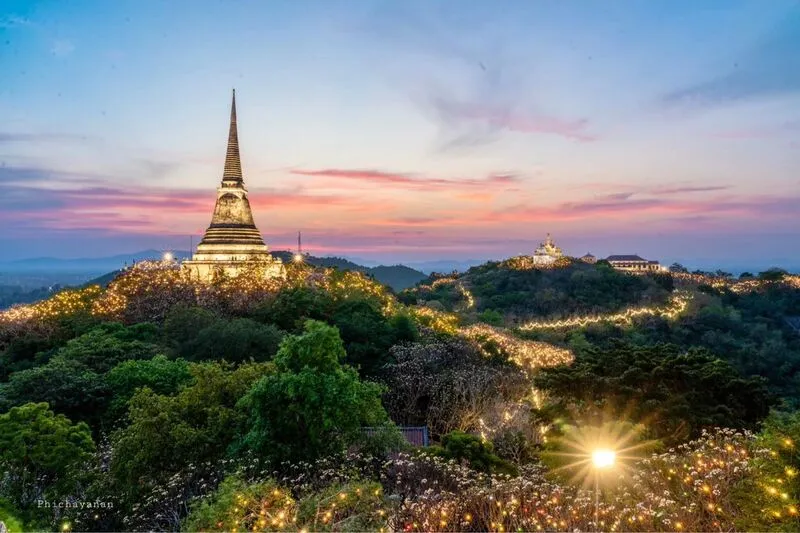
82. Phra Nakhon Khiri Historical Park is a distinctive travel destination in Phetchaburi, Thailand. Phra Nakhon Khiri, also called Khao Wang, preserves royal buildings, religious structures and historic architecture on a hill overlooking Phetchaburi. The elevated setting offers views of the town and illustrates nineteenth-century royal design.
Highlights: Hilltop royal palace ensemble overlooking Phetchaburi.
A considered visit reveals how buildings and surviving details connect to the wider history of their surroundings. Spend time observing the design, materials and layout, and consider pairing the attraction with other historic streets, monuments or museums in the same area. Conservation rules are part of keeping this heritage available for future visitors.
Visitor Tips: Expect uphill sections and some stairs. Plan your visit for comfortable weather and follow rules for heritage interiors.
Getting There: Use the location in Phetchaburi as your trip-planning reference and confirm the appropriate entrance or transport connection. Mountain roads, islands and protected areas may require additional local transfers.

83. Damnoen Saduak Floating Market is a distinctive travel destination in Ratchaburi, Thailand. Damnoen Saduak Floating Market in Ratchaburi is famous for its canals, boats and colourful food stalls. The lively trading environment evokes central Thailand's long dependence on waterways for transport and commerce.
Highlights: Traditional canal market and boat-based commerce.
This is also an opportunity to encounter the traditions, knowledge or daily activities that give the province its character. Allow time to explore beyond the most recognisable feature and consider supporting nearby local businesses. Families may find it useful to balance learning activities with unhurried breaks.
Visitor Tips: Visit with respect for vendors and local residents, and clarify boat prices and routes before departure.
Getting There: Use the location in Ratchaburi as your trip-planning reference and confirm the appropriate entrance or transport connection. Mountain roads, islands and protected areas may require additional local transfers.
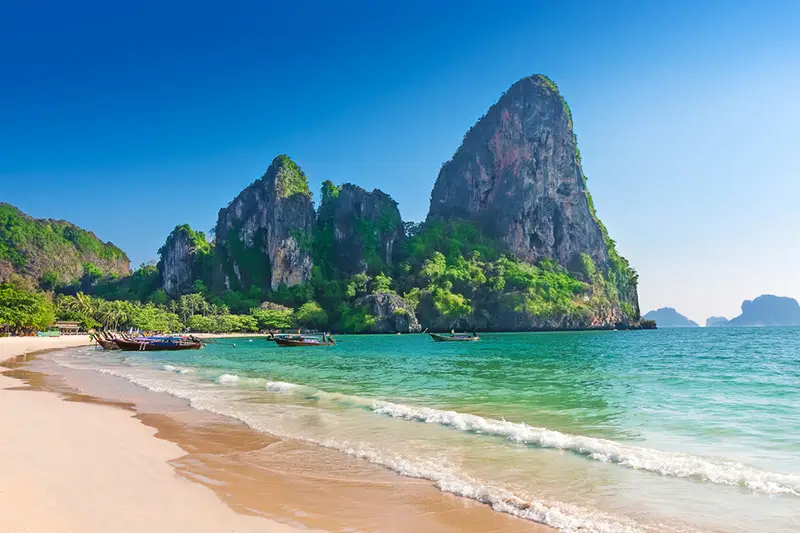
84. Railay Beach is a distinctive travel destination in Krabi, Thailand. Railay Beach in Krabi lies amid towering limestone cliffs that make it feel secluded from the mainland road network. Its coastline is popular for relaxed beach time, scenic viewpoints and rock-climbing culture.
Highlights: White sand, limestone cliffs and dramatic coastal scenery.
The setting is best appreciated with enough time for the changing light and local environment. The quality of the experience may depend on tide, weather, sea conditions and transport schedules, so a flexible itinerary is preferable to a tightly packed one. Protect coastal habitats and respect safety guidance.
Visitor Tips: Railay is normally reached by boat. Check tides, landing conditions and services before travelling.
Getting There: Use the location in Krabi as your trip-planning reference and confirm the appropriate entrance or transport connection. Mountain roads, islands and protected areas may require additional local transfers.
Map (GPS):Directions to Railay Beach
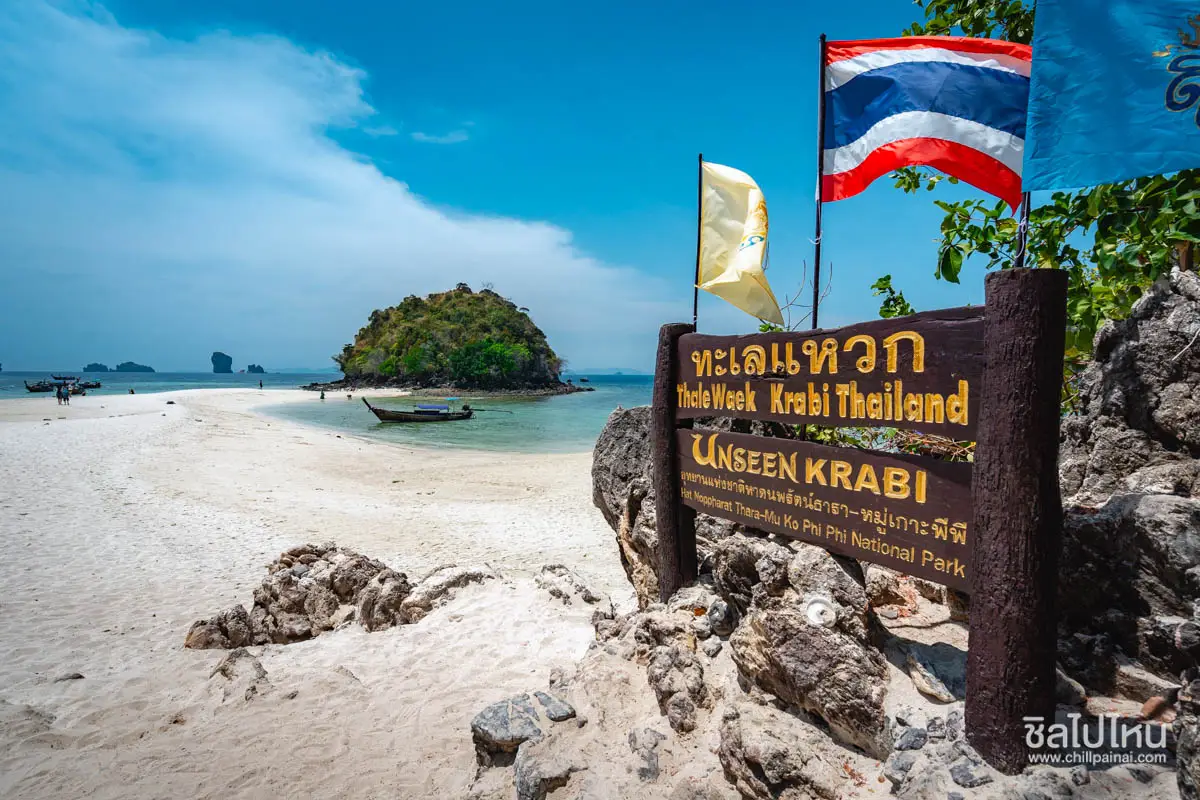
85. Thale Waek (Separated Sea) is a distinctive travel destination in Krabi, Thailand. Thale Waek is a remarkable tidal attraction near Krabi, where low water can reveal sandbars linking islands. The changing shape of the shallow sea makes the visit heavily dependent on timing, tide and weather.
Highlights: Sandbars that appear between small islands at low tide.
The setting is best appreciated with enough time for the changing light and local environment. The quality of the experience may depend on tide, weather, sea conditions and transport schedules, so a flexible itinerary is preferable to a tightly packed one. Protect coastal habitats and respect safety guidance.
Visitor Tips: Arrange a boat trip around suitable tides and follow marine safety advice when walking on exposed sandbars.
Getting There: Use the location in Krabi as your trip-planning reference and confirm the appropriate entrance or transport connection. Mountain roads, islands and protected areas may require additional local transfers.
Map (GPS):Directions to Thale Waek (Separated Sea)
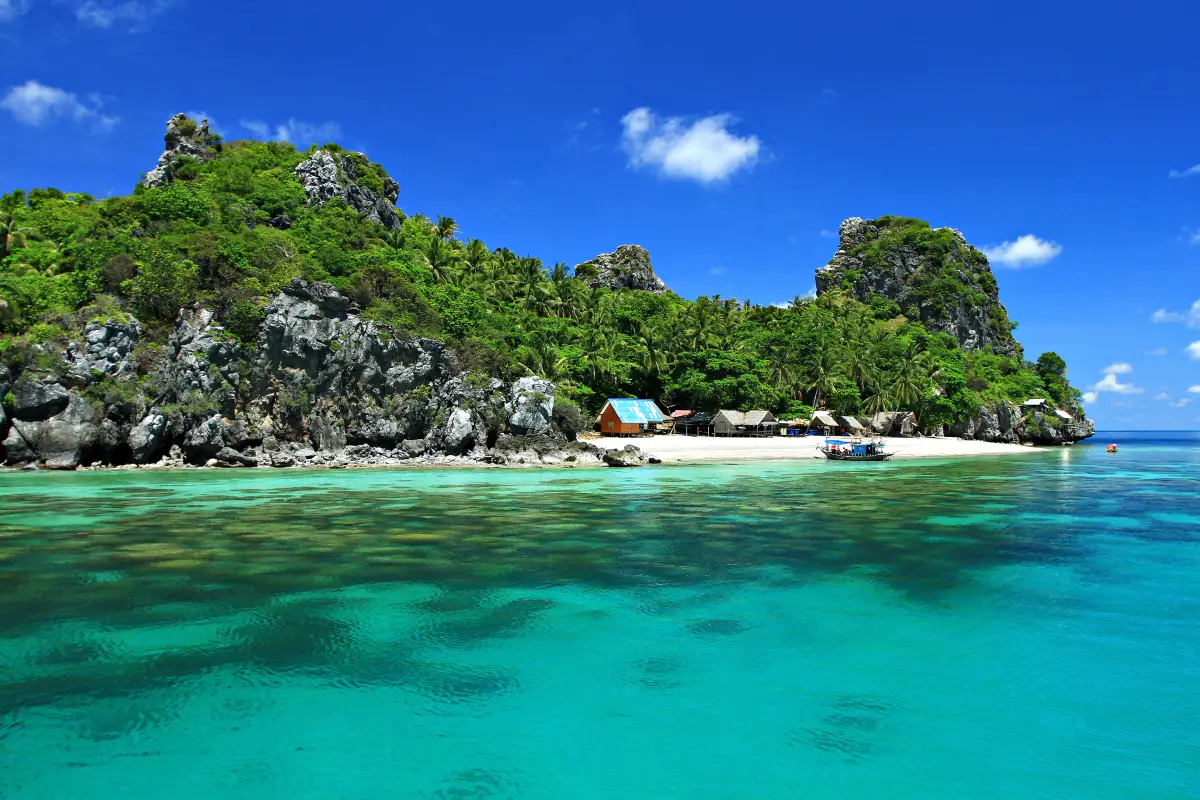
86. Mu Ko Chumphon National Park is a distinctive travel destination in Chumphon, Thailand. Mu Ko Chumphon National Park protects marine and coastal environments near Chumphon. The area offers scenery, islands and opportunities to appreciate the natural habitats of Thailand's gulf coast.
Highlights: Island seascapes and marine nature in the Gulf of Thailand.
The setting is best appreciated with enough time for the changing light and local environment. The quality of the experience may depend on tide, weather, sea conditions and transport schedules, so a flexible itinerary is preferable to a tightly packed one. Protect coastal habitats and respect safety guidance.
Visitor Tips: Check operating conditions for boat tours and any marine conservation rules before planning a trip.
Getting There: Use the location in Chumphon as your trip-planning reference and confirm the appropriate entrance or transport connection. Mountain roads, islands and protected areas may require additional local transfers.
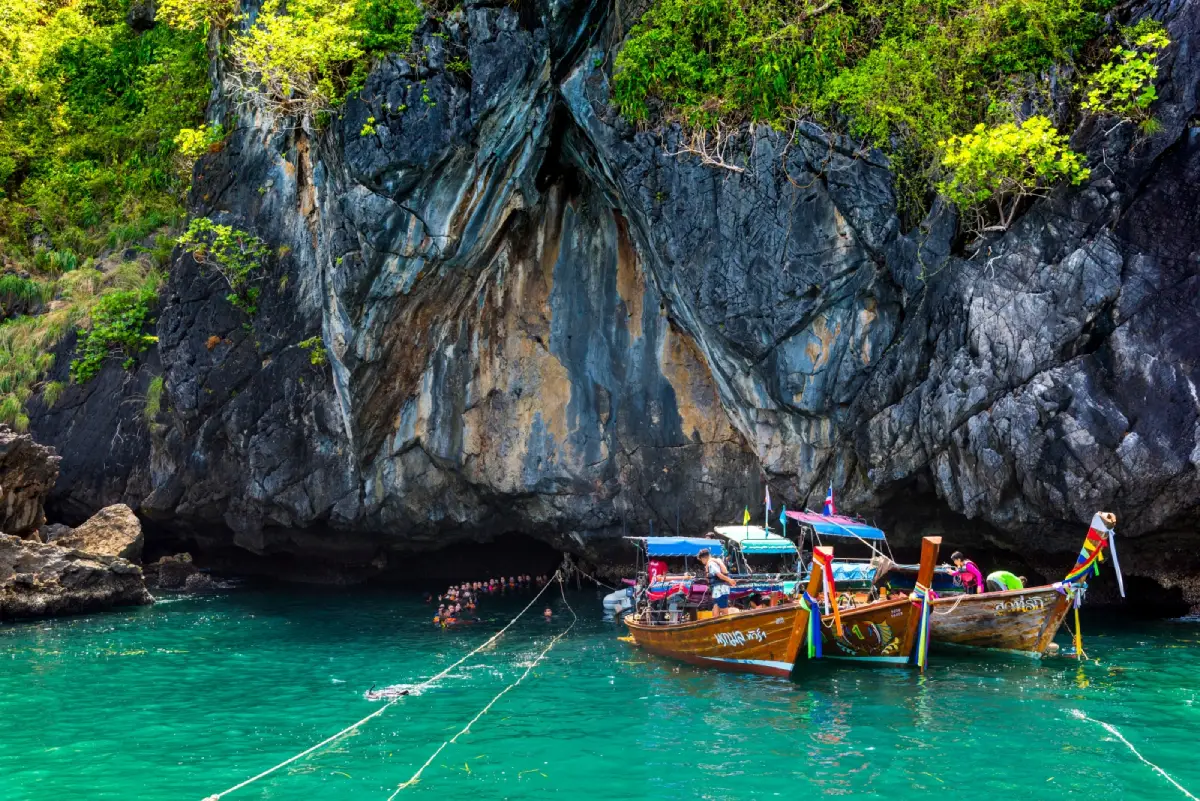
87. Emerald Cave and Koh Mook is a distinctive travel destination in Trang, Thailand. Emerald Cave on Koh Mook in Trang is known for the experience of passing through a sea cave to reach an enclosed beach and lagoon surrounded by steep rock walls. The site is one of the Andaman coast's memorable natural attractions.
Highlights: Sea cave passage opening to a hidden lagoon.
The setting is best appreciated with enough time for the changing light and local environment. The quality of the experience may depend on tide, weather, sea conditions and transport schedules, so a flexible itinerary is preferable to a tightly packed one. Protect coastal habitats and respect safety guidance.
Visitor Tips: Enter only with suitable local guidance and appropriate safety equipment. Tide, waves and light conditions are crucial.
Getting There: Use the location in Trang as your trip-planning reference and confirm the appropriate entrance or transport connection. Mountain roads, islands and protected areas may require additional local transfers.
Map (GPS):Directions to Emerald Cave and Koh Mook
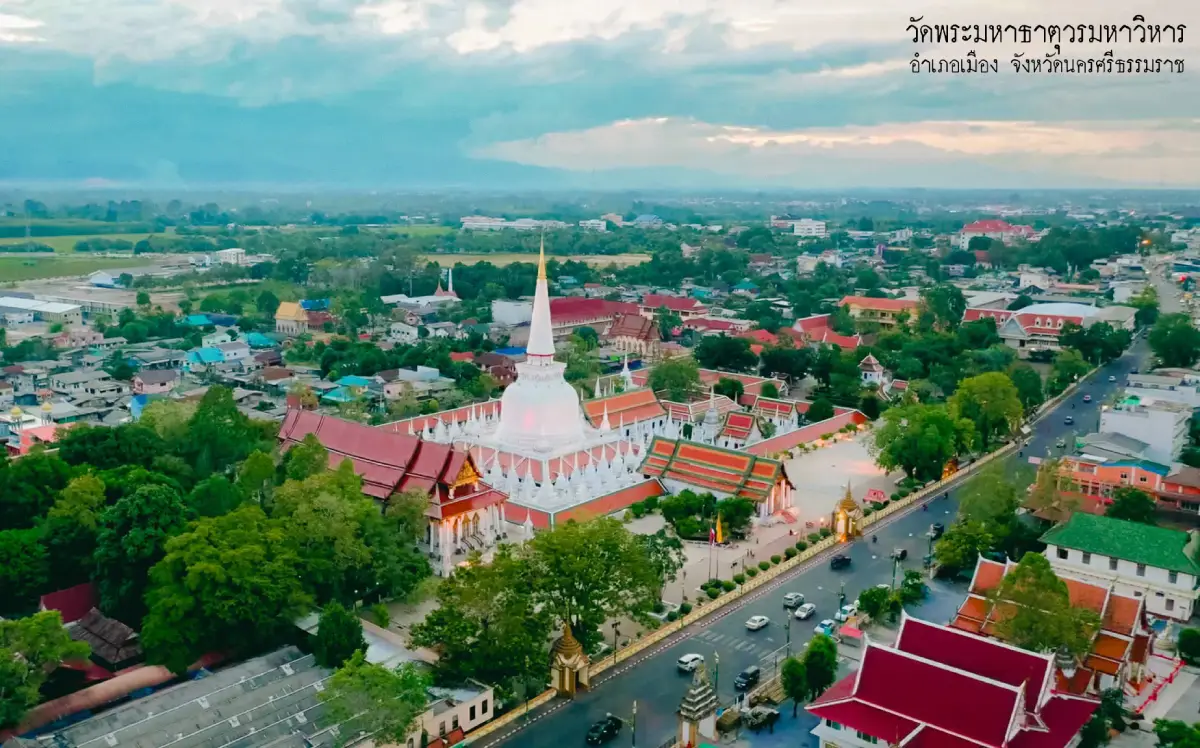
88. Wat Phra Mahathat Woramahawihan is a distinctive travel destination in Nakhon Si Thammarat, Thailand. Wat Phra Mahathat Woramahawihan is a major Buddhist landmark in Nakhon Si Thammarat. Its important chedi and religious traditions reflect the long-standing role of the city as a cultural and spiritual centre of southern Thailand.
Highlights: Sacred relic stupa and cultural centre of Nakhon Si Thammarat.
Beyond its appearance, this site is part of a living religious landscape. Visitors can use the architecture, devotional spaces and nearby town environment to understand how spiritual traditions remain woven into everyday life. Approach the visit as an opportunity to learn from a community, rather than as a photo stop alone.
Visitor Tips: Dress respectfully and leave time to appreciate the temple's architecture, devotional atmosphere and historical setting.
Getting There: Use the location in Nakhon Si Thammarat as your trip-planning reference and confirm the appropriate entrance or transport connection. Mountain roads, islands and protected areas may require additional local transfers.
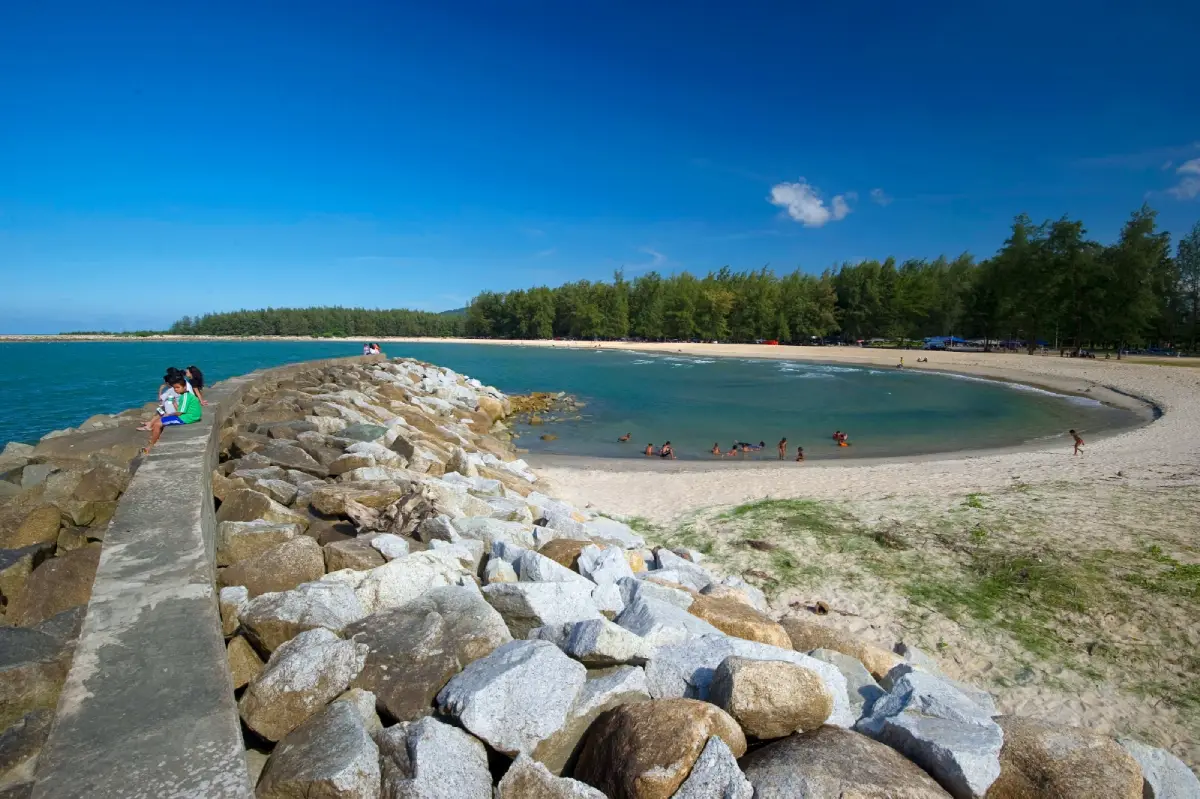
89. Narathat Beach is a distinctive travel destination in Narathiwat, Thailand. Narathat Beach is a prominent seaside recreation area in Narathiwat, offering wide coastal views and a setting for local outdoor life. It provides a different experience from southern Thailand's resort islands.
Highlights: Open sandy coastline beside Narathiwat town.
The setting is best appreciated with enough time for the changing light and local environment. The quality of the experience may depend on tide, weather, sea conditions and transport schedules, so a flexible itinerary is preferable to a tightly packed one. Protect coastal habitats and respect safety guidance.
Visitor Tips: Observe local beach conditions and be considerate of community activities along the shore.
Getting There: Use the location in Narathiwat as your trip-planning reference and confirm the appropriate entrance or transport connection. Mountain roads, islands and protected areas may require additional local transfers.
Map (GPS):Directions to Narathat Beach
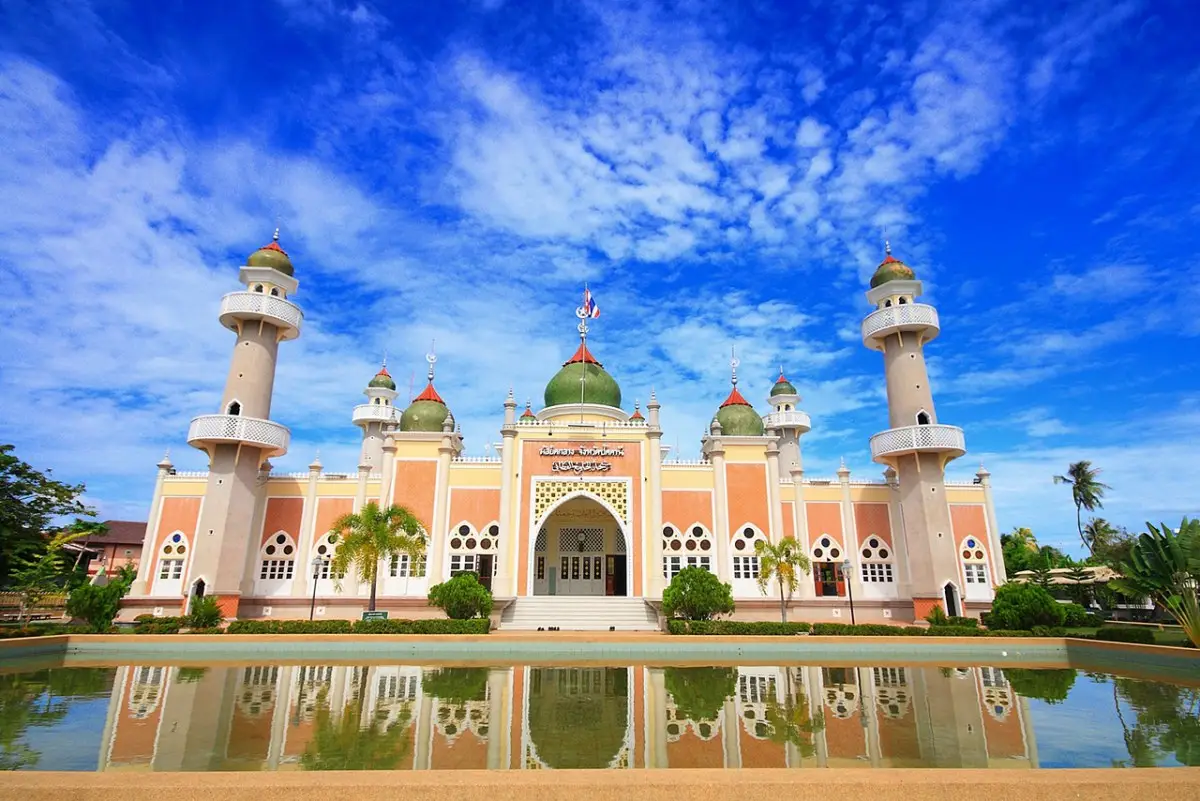
90. Pattani Central Mosque is a distinctive travel destination in Pattani, Thailand. Pattani Central Mosque is a major Islamic religious landmark and an important part of Pattani's urban identity. Its architecture and continued religious use offer visitors a perspective on the region's diverse cultural heritage.
Highlights: Elegant mosque and landmark of southern Thai Muslim culture.
Beyond its appearance, this site is part of a living religious landscape. Visitors can use the architecture, devotional spaces and nearby town environment to understand how spiritual traditions remain woven into everyday life. Approach the visit as an opportunity to learn from a community, rather than as a photo stop alone.
Visitor Tips: Visitors should respect prayer times, dress modestly and follow rules on access and photography.
Getting There: Use the location in Pattani as your trip-planning reference and confirm the appropriate entrance or transport connection. Mountain roads, islands and protected areas may require additional local transfers.
Map (GPS):Directions to Pattani Central Mosque
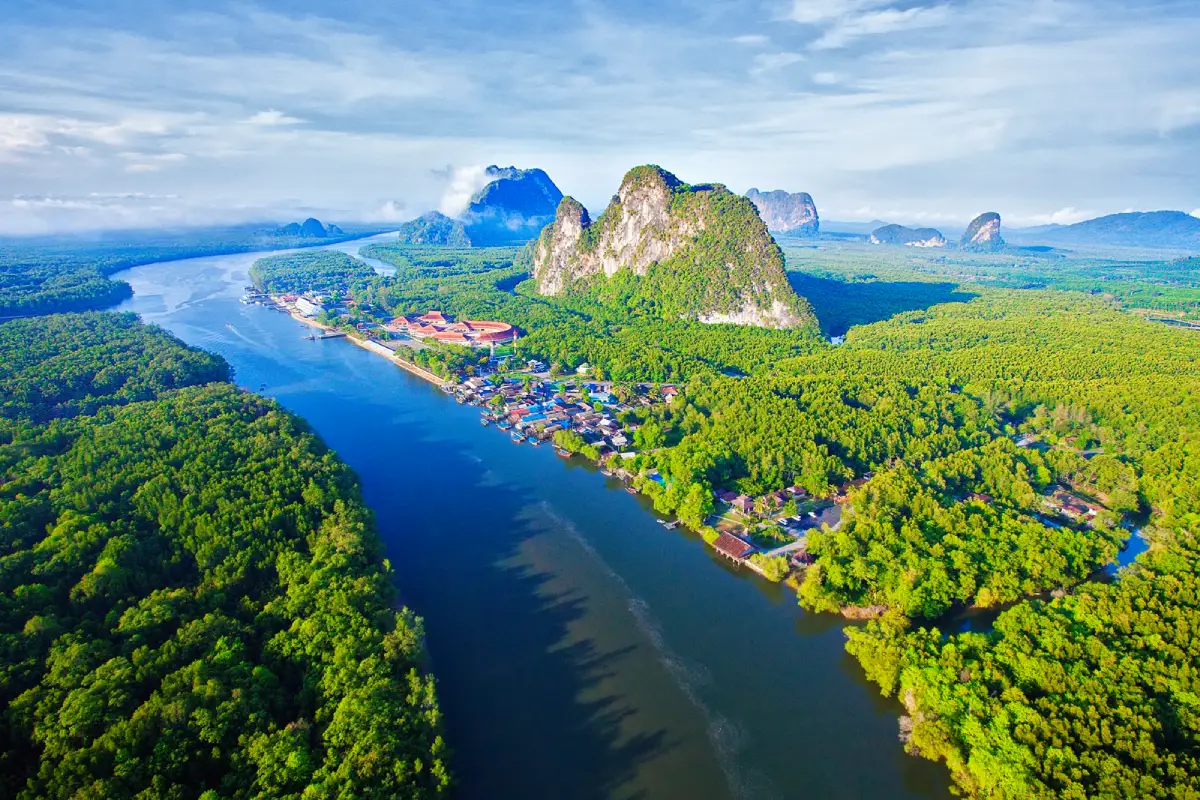
91. Ao Phang Nga National Park is a distinctive travel destination in Phang Nga, Thailand. Ao Phang Nga National Park is famous for dramatic limestone outcrops rising from tranquil coastal waters. Its islands, caves and mangrove environments form one of southern Thailand's signature natural landscapes.
Highlights: Limestone karsts and sheltered Andaman bays.
The landscape is shaped by ecological processes that are often easier to understand when you slow down and observe the surroundings. Weather, water levels and seasonal conditions may alter what can be seen and which routes are available. Follow designated trails and avoid disturbing wildlife or fragile natural areas.
Visitor Tips: Plan boat travel with a reputable operator and respect national park and coastal conservation rules.
Getting There: Use the location in Phang Nga as your trip-planning reference and confirm the appropriate entrance or transport connection. Mountain roads, islands and protected areas may require additional local transfers.
Map (GPS):Directions to Ao Phang Nga National Park
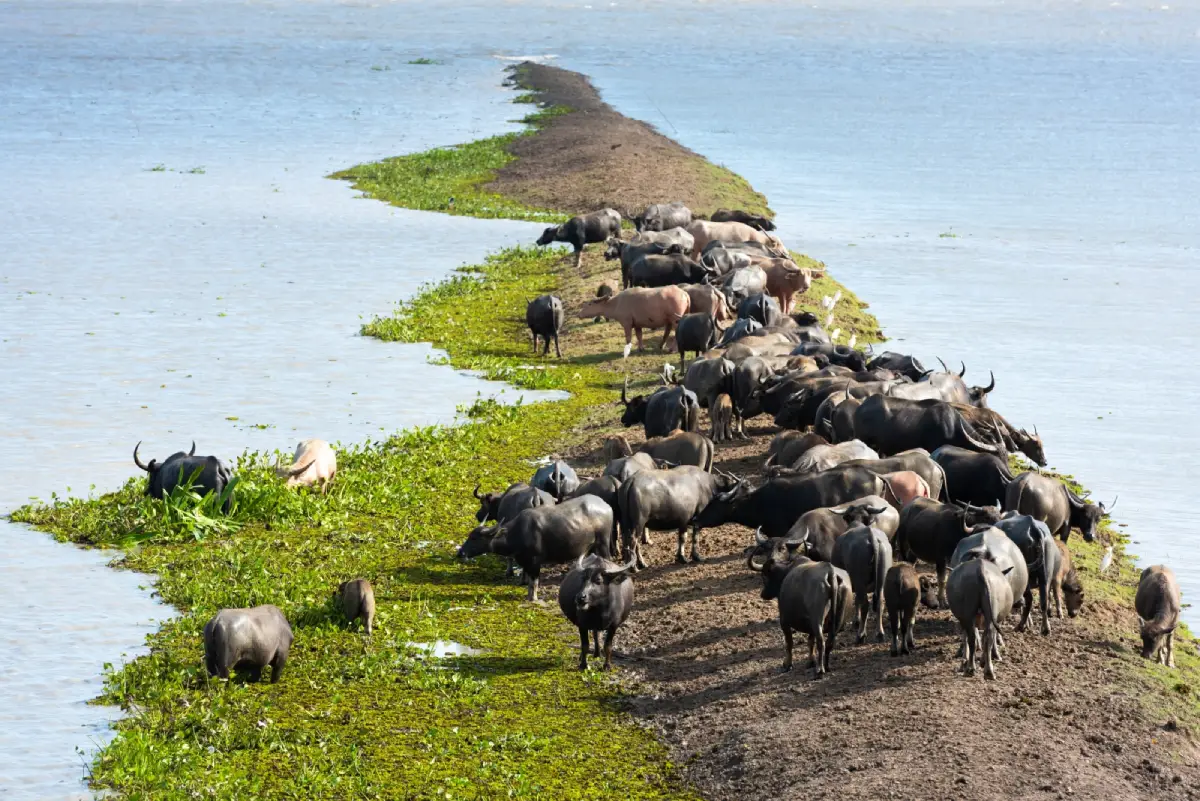
92. Thale Noi Non-Hunting Area is a distinctive travel destination in Phatthalung, Thailand. Thale Noi in Phatthalung is a large wetland conservation area celebrated for birdlife, aquatic plants and broad views over shallow waters. Boat trips can reveal seasonal flowers and the rhythms of local wetland communities.
Highlights: Wetland birds, lotus-covered waters and rural ecosystems.
The landscape is shaped by ecological processes that are often easier to understand when you slow down and observe the surroundings. Weather, water levels and seasonal conditions may alter what can be seen and which routes are available. Follow designated trails and avoid disturbing wildlife or fragile natural areas.
Visitor Tips: Select times that minimise disturbance to wildlife, and check seasonal conditions for boat activities.
Getting There: Use the location in Phatthalung as your trip-planning reference and confirm the appropriate entrance or transport connection. Mountain roads, islands and protected areas may require additional local transfers.
Map (GPS):Directions to Thale Noi Non-Hunting Area
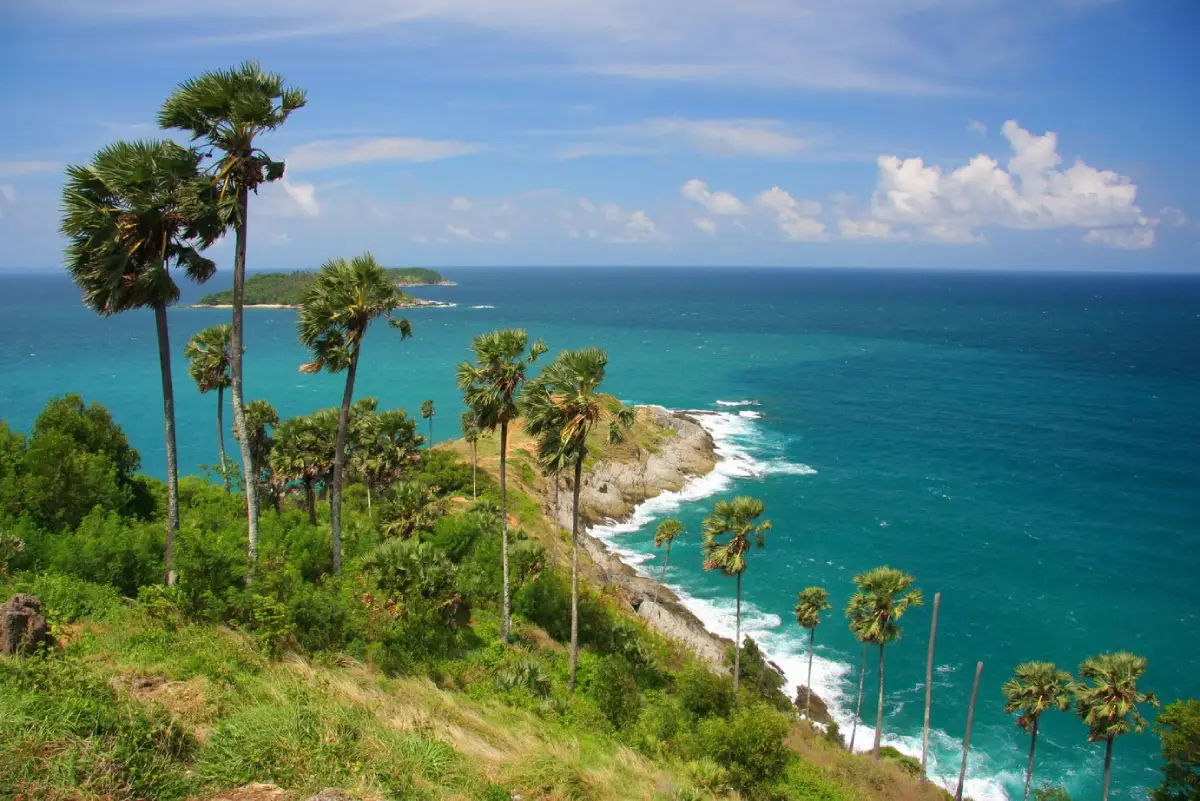
93. Promthep Cape is a distinctive travel destination in Phuket, Thailand. Promthep Cape is one of Phuket's most familiar scenic viewpoints. Its rocky headland opens towards the Andaman Sea and nearby islands, making it particularly popular in the late afternoon.
Highlights: Spectacular coastal headland and sunset views in Phuket.
The setting is best appreciated with enough time for the changing light and local environment. The quality of the experience may depend on tide, weather, sea conditions and transport schedules, so a flexible itinerary is preferable to a tightly packed one. Protect coastal habitats and respect safety guidance.
Visitor Tips: The viewpoint can be busy near sunset. Use designated observation areas and avoid exposed or unstable edges.
Getting There: Use the location in Phuket as your trip-planning reference and confirm the appropriate entrance or transport connection. Mountain roads, islands and protected areas may require additional local transfers.
Map (GPS):Directions to Promthep Cape
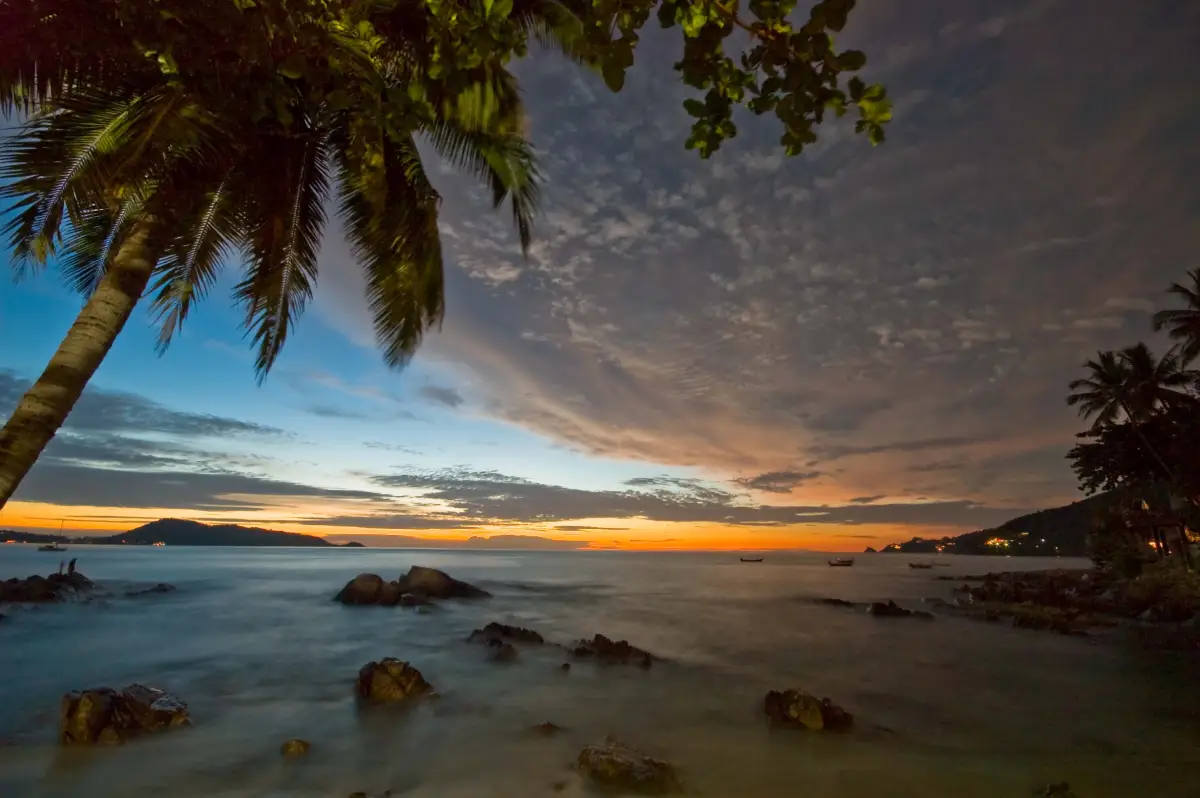
94. Patong Beach is a distinctive travel destination in Phuket, Thailand. Patong Beach is a major visitor hub on Phuket's west coast, known for its broad sandy bay and concentration of restaurants, hotels and entertainment. It suits travellers looking for a lively seaside atmosphere.
Highlights: Busy Phuket beach with water activities and nightlife.
The setting is best appreciated with enough time for the changing light and local environment. The quality of the experience may depend on tide, weather, sea conditions and transport schedules, so a flexible itinerary is preferable to a tightly packed one. Protect coastal habitats and respect safety guidance.
Visitor Tips: Swimming conditions depend on the season; heed beach safety flags and local warnings.
Getting There: Use the location in Phuket as your trip-planning reference and confirm the appropriate entrance or transport connection. Mountain roads, islands and protected areas may require additional local transfers.
Map (GPS):Directions to Patong Beach
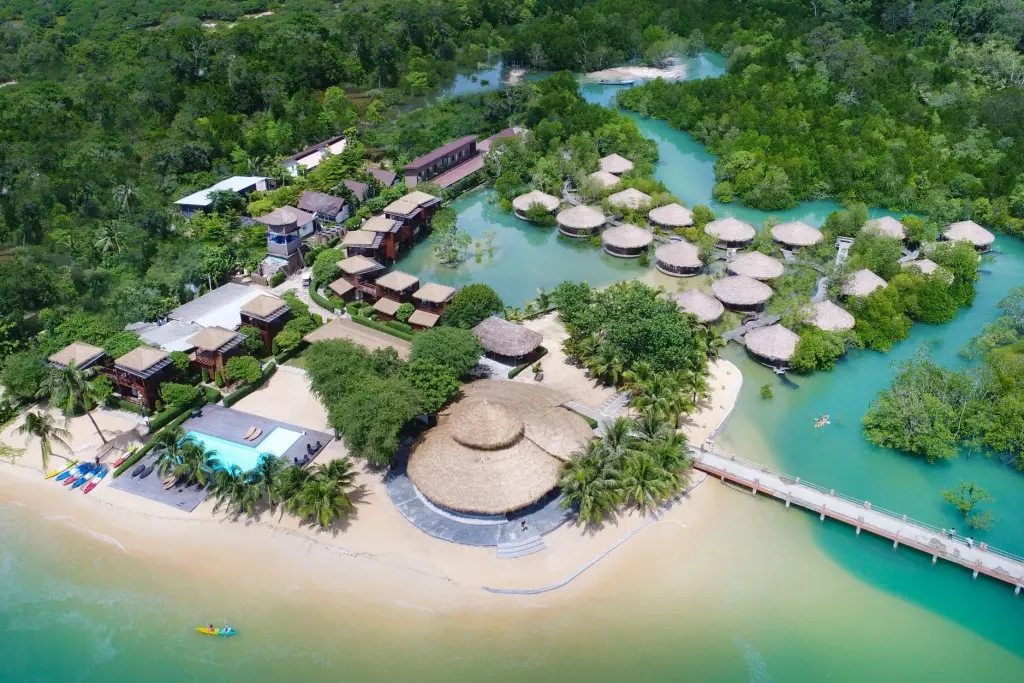
95. Koh Phayam is a distinctive travel destination in Ranong, Thailand. Koh Phayam is a relaxed island destination off Ranong with quiet beaches and a slower pace of travel. Its coastal landscapes offer an alternative to larger resort areas.
Highlights: Laid-back island atmosphere and uncrowded Ranong beaches.
The setting is best appreciated with enough time for the changing light and local environment. The quality of the experience may depend on tide, weather, sea conditions and transport schedules, so a flexible itinerary is preferable to a tightly packed one. Protect coastal habitats and respect safety guidance.
Visitor Tips: Check ferry timetables and weather, particularly during the monsoon period when marine access can be affected.
Getting There: Use the location in Ranong as your trip-planning reference and confirm the appropriate entrance or transport connection. Mountain roads, islands and protected areas may require additional local transfers.
Map (GPS):Directions to Koh Phayam
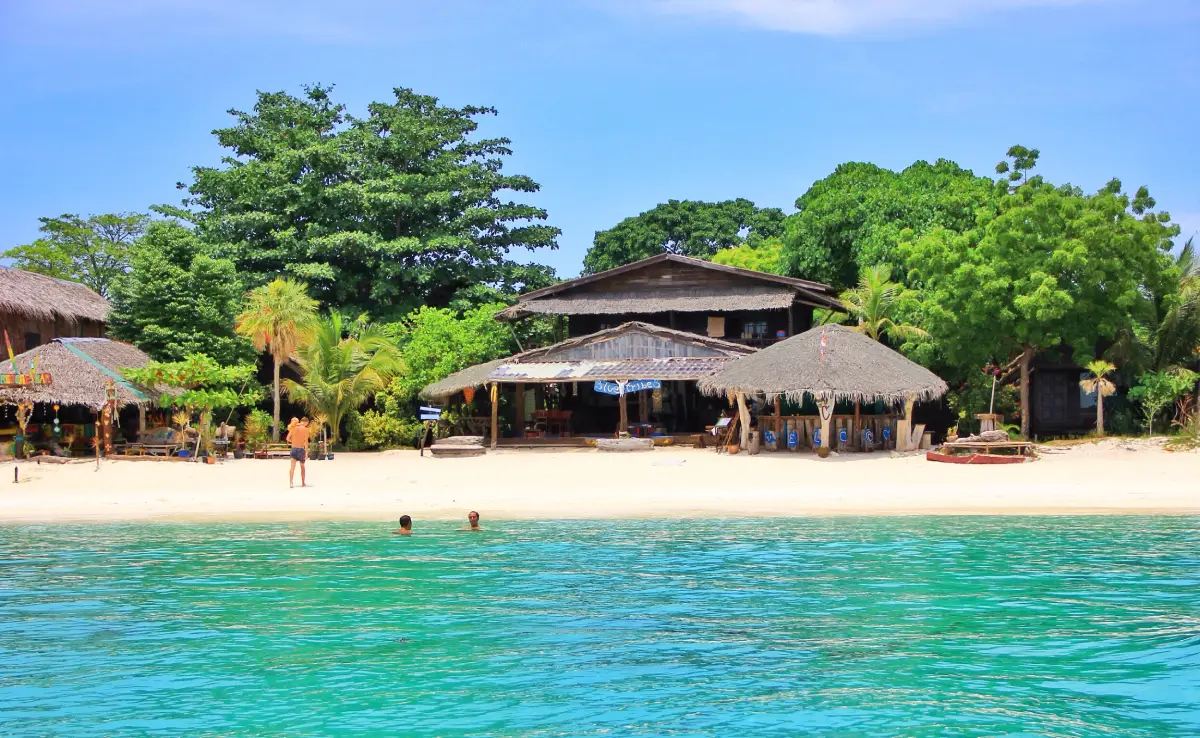
96. Koh Lipe is a distinctive travel destination in Satun, Thailand. Koh Lipe in Satun is known for turquoise water, sandy shores and easy access to a striking island seascape. Its setting near marine conservation areas makes responsible tourism especially important.
Highlights: Clear Andaman waters and compact island beaches.
The setting is best appreciated with enough time for the changing light and local environment. The quality of the experience may depend on tide, weather, sea conditions and transport schedules, so a flexible itinerary is preferable to a tightly packed one. Protect coastal habitats and respect safety guidance.
Visitor Tips: Plan sea transfers carefully and respect coral habitats, beach regulations and marine park guidance.
Getting There: Use the location in Satun as your trip-planning reference and confirm the appropriate entrance or transport connection. Mountain roads, islands and protected areas may require additional local transfers.
Map (GPS):Directions to Koh Lipe
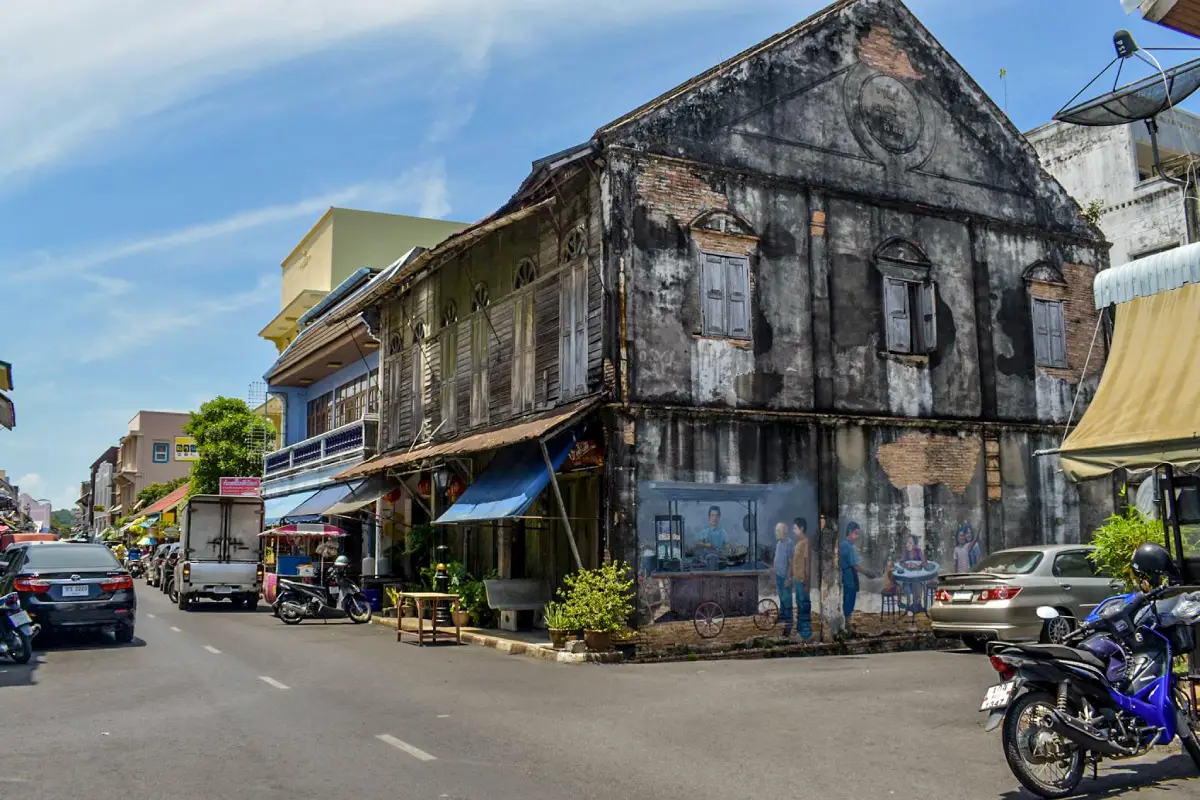
97. Songkhla Old Town is a distinctive travel destination in Songkhla, Thailand. Songkhla Old Town preserves streets shaped by maritime trade and diverse cultural influences. Traditional buildings, local food and contemporary art make it a rewarding place to explore on foot.
Highlights: Historic shophouses, street art and multicultural trading heritage.
A considered visit reveals how buildings and surviving details connect to the wider history of their surroundings. Spend time observing the design, materials and layout, and consider pairing the attraction with other historic streets, monuments or museums in the same area. Conservation rules are part of keeping this heritage available for future visitors.
Visitor Tips: Look beyond the main photo spots to discover neighbourhood shops and local history, while respecting residents.
Getting There: Use the location in Songkhla as your trip-planning reference and confirm the appropriate entrance or transport connection. Mountain roads, islands and protected areas may require additional local transfers.
Map (GPS):Directions to Songkhla Old Town
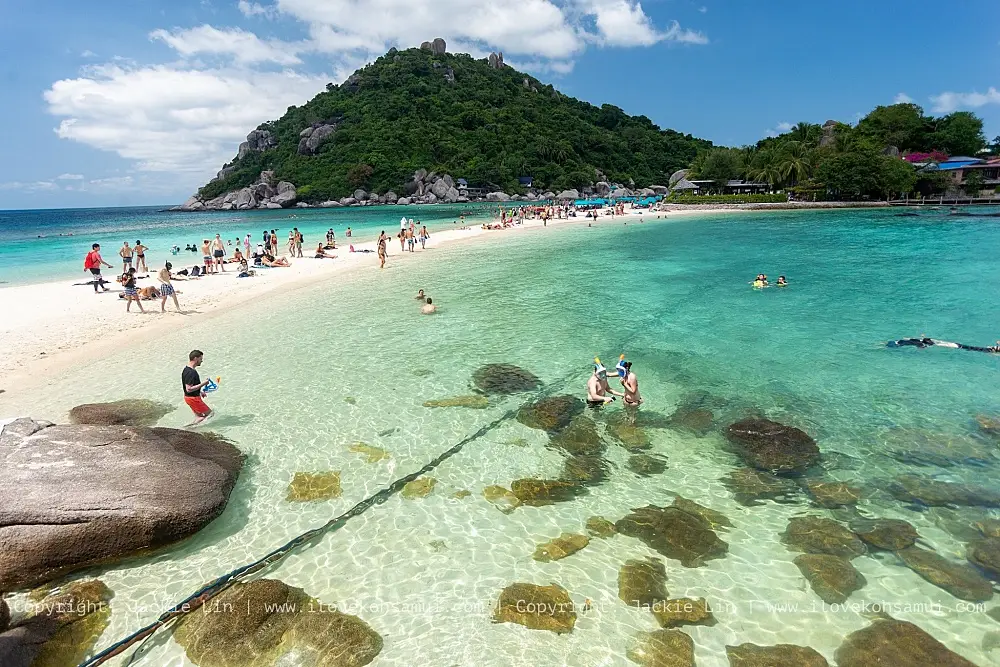
98. Koh Samui is a distinctive travel destination in Surat Thani, Thailand. Koh Samui in Surat Thani combines beach resorts, coastal landscapes, villages and temples. Its island road network offers varied experiences, from relaxed seaside stays to cultural excursions and viewpoints.
Highlights: Popular Gulf of Thailand island with beaches and local temples.
The setting is best appreciated with enough time for the changing light and local environment. The quality of the experience may depend on tide, weather, sea conditions and transport schedules, so a flexible itinerary is preferable to a tightly packed one. Protect coastal habitats and respect safety guidance.
Visitor Tips: Choose accommodation and transport according to the areas you plan to visit, and check sea conditions for surrounding island trips.
Getting There: Use the location in Surat Thani as your trip-planning reference and confirm the appropriate entrance or transport connection. Mountain roads, islands and protected areas may require additional local transfers.
Map (GPS):Directions to Koh Samui
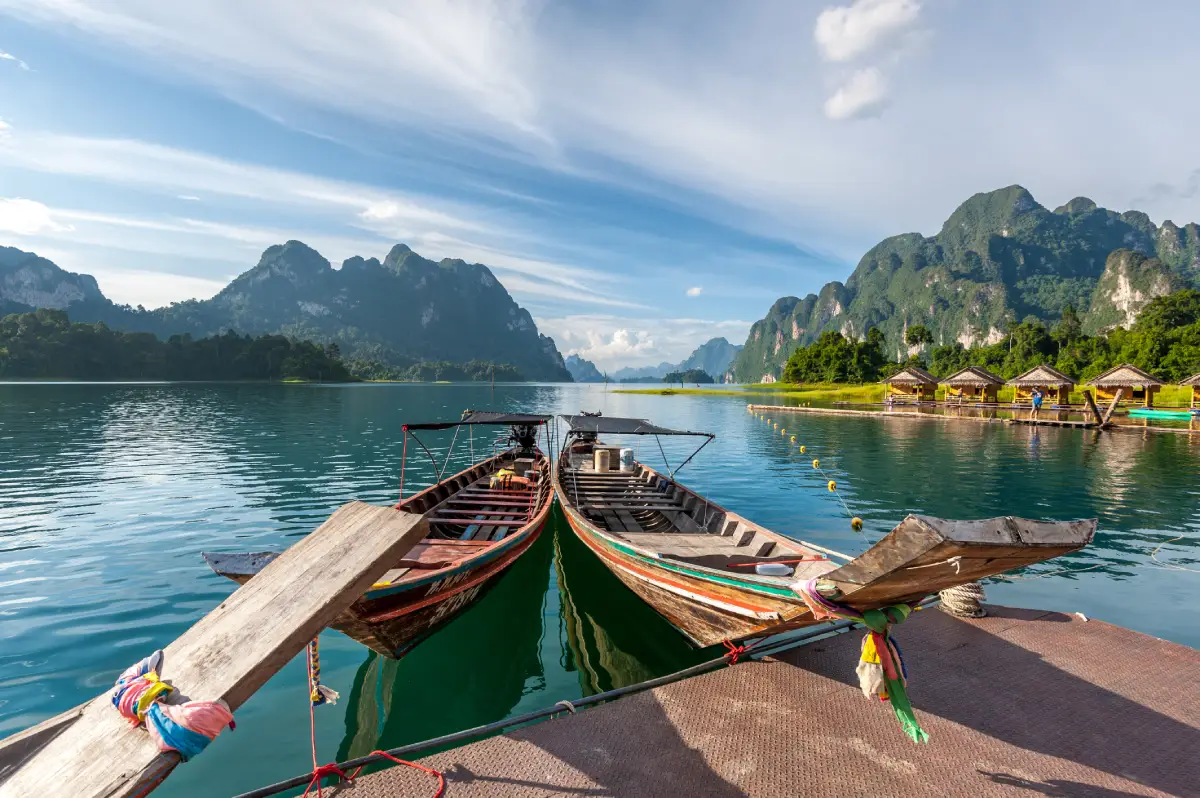
99. Khao Sok National Park is a distinctive travel destination in Surat Thani, Thailand. Khao Sok National Park protects dramatic forest and limestone scenery in Surat Thani. Its rainforest habitats and access to striking reservoir landscapes make it a major nature destination in the south.
Highlights: Ancient rainforest, towering limestone cliffs and lake landscapes.
The landscape is shaped by ecological processes that are often easier to understand when you slow down and observe the surroundings. Weather, water levels and seasonal conditions may alter what can be seen and which routes are available. Follow designated trails and avoid disturbing wildlife or fragile natural areas.
Visitor Tips: Use licensed local services for suitable activities, check trail rules and prepare for rapid changes in tropical weather.
Getting There: Use the location in Surat Thani as your trip-planning reference and confirm the appropriate entrance or transport connection. Mountain roads, islands and protected areas may require additional local transfers.
Map (GPS):Directions to Khao Sok National Park
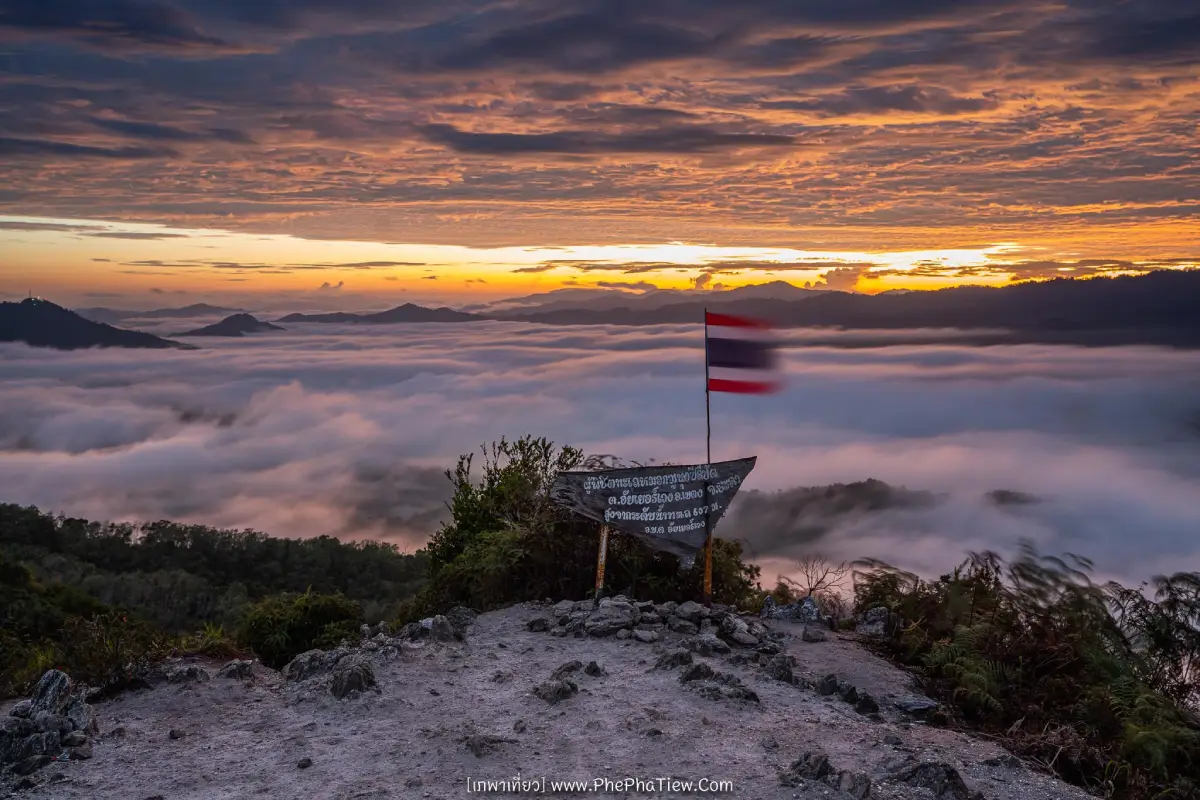
100. Gunung Silipat Sea of Mist is a distinctive travel destination in Yala, Thailand. Gunung Silipat in Yala offers highland views and the possibility of seeing cloud-filled valleys in the early morning. The landscape reveals a less familiar side of southern Thailand beyond its coastlines and urban centres.
Highlights: Mountain panorama and morning cloudscapes in Yala.
The setting is best appreciated with enough time for the changing light and local environment. The quality of the experience may depend on tide, weather, sea conditions and transport schedules, so a flexible itinerary is preferable to a tightly packed one. Protect coastal habitats and respect safety guidance.
Visitor Tips: Plan for an early start and check road and weather conditions; mist formation cannot be guaranteed every day.
Getting There: Use the location in Yala as your trip-planning reference and confirm the appropriate entrance or transport connection. Mountain roads, islands and protected areas may require additional local transfers.
Map (GPS):Directions to Gunung Silipat Sea of Mist
Thailand Travel Summary: 100 Attractions Across All 77 Provinces
1. Overview of Thailand’s Six Travel Regions
| Northern Thailand | 9 provinces / 11 places
Highlights: Mountain scenery, Lanna heritage towns and important temples Best For: Nature, culture and photography Trip Duration: 2–5 days per regional route Examples: 1. Doi Inthanon National Park (Chiang Mai) 2. Wat Phra That Doi Suthep (Chiang Mai) 3. Wat Rong Khun (White Temple) (Chiang Rai) 4. Phu Chi Fa Forest Park (Chiang Rai) |
| Northeastern Thailand (Isan) | 20 provinces / 23 places
Highlights: Mekong culture, Khmer-era sanctuaries and sandstone landscapes Best For: History, faith and regional traditions Trip Duration: 3–7 days per regional route Examples: 12. Sirindhorn Museum (Kalasin) 13. Phra Mahathat Kaen Nakhon (Wat Nong Waeng) (Khon Kaen) 14. Sai Thong National Park (Chaiyaphum) 15. Wat Phra That Phanom Woramahawihan (Nakhon Phanom) |
| Central Thailand and Bangkok | 22 provinces / 31 places
Highlights: Former capitals, heritage temples and waterside communities Best For: History, architecture and family trips Trip Duration: 1–5 days per regional route Examples: 35. Wat Phra Kaew (Temple of the Emerald Buddha) (Bangkok) 36. Wat Arun (Temple of Dawn) (Bangkok) 37. Wat Pho (Temple of the Reclining Buddha) (Bangkok) 38. Wat Saket and the Golden Mount (Bangkok) |
| Eastern Thailand | 7 provinces / 11 places
Highlights: Coastal islands, temples, forests and historical towns Best For: Beaches, cultural walks and nature Trip Duration: 2–5 days per regional route Examples: 66. Chanthaboon Riverside Community (Chanthaburi) 67. Nang Phaya Viewpoint (Chanthaburi) 68. Wat Sothonwararam Worawihan (Chachoengsao) 69. Sanctuary of Truth (Chon Buri) |
| Western Thailand | 5 provinces / 7 places
Highlights: Forests, waterfalls, wartime heritage and historic sites Best For: Nature and road trips Trip Duration: 2–5 days per regional route Examples: 77. Bridge over the River Kwai (Kanchanaburi) 78. Erawan Waterfall (Kanchanaburi) 79. Thi Lo Su Waterfall (Tak) 80. Khao Sam Roi Yot National Park (Prachuap Khiri Khan) |
| Southern Thailand | 14 provinces / 17 places
Highlights: Andaman and Gulf islands, wetlands, temples and rainforest Best For: Islands, scenery and regional culture Trip Duration: 3–7 days per regional route Examples: 84. Railay Beach (Krabi) 85. Thale Waek (Separated Sea) (Krabi) 86. Mu Ko Chumphon National Park (Chumphon) 87. Emerald Cave and Koh Mook (Trang) |
2. Complete List of All 100 Places to Visit in Thailand
| 1. Doi Inthanon National Park | Province: Chiang Mai Type: Nature & Landscapes Highlights: Thailand's highest summit, cloud forests, waterfalls and royal twin pagodas |
| 2. Wat Phra That Doi Suthep | Province: Chiang Mai Type: Religion & Culture Highlights: Golden relic stupa, ornate naga stairway and panoramic Chiang Mai views |
| 3. Wat Rong Khun (White Temple) | Province: Chiang Rai Type: Religion & Culture Highlights: White contemporary Buddhist architecture by Chalermchai Kositpipat |
| 4. Phu Chi Fa Forest Park | Province: Chiang Rai Type: Nature & Landscapes Highlights: Dramatic mountain ridge, sunrise and seasonal sea of mist |
| 5. Wat Phumin | Province: Nan Type: Religion & Culture Highlights: Cruciform temple and celebrated Nan mural paintings |
| 6. Kwan Phayao (Phayao Lake) | Province: Phayao Type: Nature & Landscapes Highlights: Freshwater landscape, mountain backdrop and lakeside local life |
| 7. Vongburi House | Province: Phrae Type: History & Architecture Highlights: Historic teak mansion and intricate woodwork in Phrae |
| 8. Pang Ung (Royal Forest Park Project) | Province: Mae Hong Son Type: Nature & Landscapes Highlights: Misty reservoir, pine forest and tranquil Mae Hong Son highlands |
| 9. Wat Phra That Lampang Luang | Province: Lampang Type: Religion & Culture Highlights: Historic Lanna temple with timber halls and a sacred chedi |
| 10. Wat Phra That Hariphunchai Woramahawihan | Province: Lamphun Type: Religion & Culture Highlights: Golden relic stupa and the religious heritage of Lamphun |
| 11. Lam Nam Nan National Park | Province: Uttaradit Type: Nature & Landscapes Highlights: Forested hills and the scenic Nan River watershed |
| 12. Sirindhorn Museum | Province: Kalasin Type: Culture & Learning Highlights: Dinosaur fossils, palaeontology and the Phu Kum Khao excavation area |
| 13. Phra Mahathat Kaen Nakhon (Wat Nong Waeng) | Province: Khon Kaen Type: Religion & Culture Highlights: Nine-storey Buddhist tower overlooking Khon Kaen |
| 14. Sai Thong National Park | Province: Chaiyaphum Type: Nature & Landscapes Highlights: Seasonal Siam tulips, forests, cliffs and highland trails |
| 15. Wat Phra That Phanom Woramahawihan | Province: Nakhon Phanom Type: Religion & Culture Highlights: Major Mekong-region pilgrimage shrine |
| 16. Khao Yai National Park | Province: Nakhon Ratchasima Type: Nature & Landscapes Highlights: World Heritage forest, waterfalls, wildlife and nature trails |
| 17. Phimai Historical Park | Province: Nakhon Ratchasima Type: History & Architecture Highlights: Monumental Khmer stone sanctuary in an ancient town |
| 18. Wat Ahong Silawat | Province: Bueng Kan Type: Religion & Culture Highlights: Mekong-side temple beside dramatic rock formations |
| 19. Phanom Rung Historical Park | Province: Buri Ram Type: History & Architecture Highlights: Ancient Khmer sanctuary atop an extinct volcano |
| 20. Phra That Na Dun | Province: Maha Sarakham Type: Religion & Culture Highlights: Sacred Buddhist monument in Maha Sarakham |
| 21. Wat Yot Kaeo Si Wichai | Province: Mukdahan Type: Religion & Culture Highlights: Local Buddhist heritage in Mukdahan |
| 22. Wat Mahathat, Yasothon | Province: Yasothon Type: Religion & Culture Highlights: Important town temple associated with Phra That Anon |
| 23. Wot Roundabout, Roi Et | Province: Roi Et Type: Culture & Learning Highlights: Public monument celebrating the traditional Isan khaen-family instrument |
| 24. Phu Thok, Chiang Khan | Province: Loei Type: Nature & Landscapes Highlights: Sunrise viewpoint over Chiang Khan and the Mekong |
| 25. Phu Ruea National Park | Province: Loei Type: Nature & Landscapes Highlights: Cool mountain summit, viewpoints and highland forests |
| 26. Wat Phra That Choeng Chum | Province: Sakon Nakhon Type: Religion & Culture Highlights: White-and-gold stupa and revered Buddha image in Sakon Nakhon |
| 27. Surin Elephant Village | Province: Surin Type: Culture & Learning Highlights: Kui community traditions and the relationship with elephants |
| 28. Wat Pa Maha Chedi Kaew (Million Bottle Temple) | Province: Si Sa Ket Type: Religion & Culture Highlights: Colourful religious buildings decorated with recycled glass bottles |
| 29. Sala Kaeo Ku | Province: Nong Khai Type: Nature & Landscapes Highlights: Extraordinary sculpture park blending Buddhist and Hindu imagery |
| 30. Tham Erawan Cave | Province: Nong Bua Lamphu Type: Nature & Landscapes Highlights: Large limestone cavern reached by a long hillside stairway |
| 31. Red Lotus Sea | Province: Udon Thani Type: Nature & Landscapes Highlights: Seasonal pink lotus blooms on Nong Han Lake |
| 32. Pha Taem National Park | Province: Ubon Ratchathani Type: Nature & Landscapes Highlights: Mekong cliffs and ancient rock paintings |
| 33. Sam Phan Bok (Kaeng Song Khon) | Province: Ubon Ratchathani Type: Nature & Landscapes Highlights: Thousands of sculpted rock pools in the Mekong riverbed |
| 34. Buddha Park and Phra Mongkhon Ming Mueang | Province: Amnat Charoen Type: Religion & Culture Highlights: Large Buddha image and spiritual landmark of Amnat Charoen |
| 35. Wat Phra Kaew (Temple of the Emerald Buddha) | Province: Bangkok Type: Religion & Culture Highlights: Emerald Buddha and magnificent early Rattanakosin royal architecture |
| 36. Wat Arun (Temple of Dawn) | Province: Bangkok Type: Religion & Culture Highlights: Porcelain-decorated riverside prang overlooking the Chao Phraya |
| 37. Wat Pho (Temple of the Reclining Buddha) | Province: Bangkok Type: Religion & Culture Highlights: Giant reclining Buddha and the heritage of Thai traditional medicine |
| 38. Wat Saket and the Golden Mount | Province: Bangkok Type: Religion & Culture Highlights: Hilltop chedi and elevated views over historic Bangkok |
| 39. Kamphaeng Phet Historical Park | Province: Kamphaeng Phet Type: History & Architecture Highlights: Laterite temples and remains of a Sukhothai-period city |
| 40. Chai Nat Bird Park | Province: Chai Nat Type: Culture & Learning Highlights: Bird displays and family-friendly environmental learning |
| 41. Sarika Waterfall | Province: Nakhon Nayok Type: Nature & Landscapes Highlights: Forest waterfall near Nakhon Nayok city |
| 42. Khun Dan Prakan Chon Dam | Province: Nakhon Nayok Type: Nature & Landscapes Highlights: Long dam crest, reservoir and mountain scenery |
| 43. Phra Pathom Chedi | Province: Nakhon Pathom Type: Nature & Landscapes Highlights: Monumental golden stupa and historic Buddhist centre |
| 44. Sanam Chandra Palace | Province: Nakhon Pathom Type: History & Architecture Highlights: Early twentieth-century royal residences and landscaped grounds |
| 45. Bueng Boraphet | Province: Nakhon Sawan Type: Nature & Landscapes Highlights: Large freshwater wetland and bird habitats |
| 46. Ko Kret | Province: Nonthaburi Type: Nature & Landscapes Highlights: Mon riverside village, pottery workshops and local food |
| 47. Wat Phra Dhammakaya | Province: Pathum Thani Type: Religion & Culture Highlights: Large Buddhist religious complex in Pathum Thani |
| 48. Wat Mahathat, Ayutthaya | Province: Phra Nakhon Si Ayutthaya Type: Religion & Culture Highlights: Ancient temple ruins and the Buddha head entwined in tree roots |
| 49. Wat Chaiwatthanaram | Province: Phra Nakhon Si Ayutthaya Type: Religion & Culture Highlights: Riverside Ayutthaya temple with a monumental central prang |
| 50. Bueng Si Fai | Province: Phichit Type: Nature & Landscapes Highlights: Urban lake and peaceful green space in Phichit |
| 51. Wat Phra Si Rattana Mahathat (Wat Yai) | Province: Phitsanulok Type: Religion & Culture Highlights: Revered Phra Phuttha Chinnarat Buddha image in Phitsanulok |
| 52. Phu Hin Rong Kla National Park | Province: Phitsanulok Type: Nature & Landscapes Highlights: Distinctive rock formations, highland forest and modern history |
| 53. Wat Phra That Pha Sorn Kaew | Province: Phetchabun Type: Religion & Culture Highlights: Colourful mosaics and white Buddha images amid Khao Kho mountains |
| 54. Phu Thap Boek | Province: Phetchabun Type: Nature & Landscapes Highlights: Highland village, mountain panoramas and cool-season scenery |
| 55. Phra Prang Sam Yot | Province: Lop Buri Type: History & Architecture Highlights: Three Khmer-style towers in the historic heart of Lop Buri |
| 56. Ancient Siam (Muang Boran) | Province: Samut Prakan Type: History & Architecture Highlights: Open-air architectural museum representing the regions of Thailand |
| 57. Amphawa Floating Market | Province: Samut Songkhram Type: Culture & Learning Highlights: Canal-side wooden houses, evening market and local food |
| 58. Phan Thai Norasing Shrine | Province: Samut Sakhon Type: Religion & Culture Highlights: Historic shrine commemorating duty and integrity |
| 59. Wat Phra Non Chakkrasi Worawihan | Province: Sing Buri Type: Religion & Culture Highlights: Revered reclining Buddha in Sing Buri |
| 60. Sukhothai Historical Park | Province: Sukhothai Type: History & Architecture Highlights: Historic temples, Buddha images and ancient city landscape |
| 61. Si Satchanalai Historical Park | Province: Sukhothai Type: History & Architecture Highlights: Ancient temple complexes in a tranquil historic landscape |
| 62. Bueng Chawak Chaloem Phrakiat | Province: Suphan Buri Type: Nature & Landscapes Highlights: Freshwater lake and family-friendly learning attractions |
| 63. Wat Phra Phutthachai | Province: Saraburi Type: Religion & Culture Highlights: Sacred Buddha shadow image on a rock face |
| 64. Wat Muang | Province: Ang Thong Type: Religion & Culture Highlights: Monumental seated Buddha and expansive temple grounds |
| 65. Hup Pa Tat | Province: Uthai Thani Type: Nature & Landscapes Highlights: Hidden limestone valley with unusual prehistoric-looking vegetation |
| 66. Chanthaboon Riverside Community | Province: Chanthaburi Type: History & Architecture Highlights: Historic riverside streets, wooden buildings and multicultural heritage |
| 67. Nang Phaya Viewpoint | Province: Chanthaburi Type: Nature & Landscapes Highlights: Curving coastal road and panoramic Chanthaburi seascape |
| 68. Wat Sothonwararam Worawihan | Province: Chachoengsao Type: Religion & Culture Highlights: Revered Luang Pho Sothon image and riverside Buddhist temple |
| 69. Sanctuary of Truth | Province: Chon Buri Type: History & Architecture Highlights: Monumental carved timber sanctuary beside the sea |
| 70. Koh Larn | Province: Chon Buri Type: Coast, Islands & Scenery Highlights: Clear-water island beaches off Pattaya |
| 71. Mu Ko Chang National Park | Province: Trat Type: Coast, Islands & Scenery Highlights: Forested islands, beaches and marine ecosystems in Trat |
| 72. Koh Kood | Province: Trat Type: Coast, Islands & Scenery Highlights: Quiet tropical island with beaches and lush inland greenery |
| 73. Thap Lan National Park | Province: Prachin Buri Type: Nature & Landscapes Highlights: Extensive forest and distinctive fan-palm landscapes |
| 74. Hat Sai Kaew (Koh Samet) | Province: Rayong Type: Coast, Islands & Scenery Highlights: Bright sandy beach and island leisure on Koh Samet |
| 75. Rayong Botanical Garden | Province: Rayong Type: Nature & Landscapes Highlights: Wetland forest, waterways and nature education |
| 76. Sdok Kok Thom Sanctuary | Province: Sa Kaeo Type: History & Architecture Highlights: Ancient Khmer stone temple near the Cambodian border |
| 77. Bridge over the River Kwai | Province: Kanchanaburi Type: Nature & Landscapes Highlights: Historic railway bridge and Second World War heritage |
| 78. Erawan Waterfall | Province: Kanchanaburi Type: Nature & Landscapes Highlights: Multi-tiered turquoise pools in forested mountains |
| 79. Thi Lo Su Waterfall | Province: Tak Type: Nature & Landscapes Highlights: Powerful multi-tiered forest waterfall in remote Tak |
| 80. Khao Sam Roi Yot National Park | Province: Prachuap Khiri Khan Type: Nature & Landscapes Highlights: Limestone mountains, wetlands and coastal habitats |
| 81. Hua Hin Beach | Province: Prachuap Khiri Khan Type: Coast, Islands & Scenery Highlights: Classic Gulf of Thailand beach beside a historic seaside town |
| 82. Phra Nakhon Khiri Historical Park | Province: Phetchaburi Type: History & Architecture Highlights: Hilltop royal palace ensemble overlooking Phetchaburi |
| 83. Damnoen Saduak Floating Market | Province: Ratchaburi Type: Culture & Learning Highlights: Traditional canal market and boat-based commerce |
| 84. Railay Beach | Province: Krabi Type: Coast, Islands & Scenery Highlights: White sand, limestone cliffs and dramatic coastal scenery |
| 85. Thale Waek (Separated Sea) | Province: Krabi Type: Coast, Islands & Scenery Highlights: Sandbars that appear between small islands at low tide |
| 86. Mu Ko Chumphon National Park | Province: Chumphon Type: Coast, Islands & Scenery Highlights: Island seascapes and marine nature in the Gulf of Thailand |
| 87. Emerald Cave and Koh Mook | Province: Trang Type: Coast, Islands & Scenery Highlights: Sea cave passage opening to a hidden lagoon |
| 88. Wat Phra Mahathat Woramahawihan | Province: Nakhon Si Thammarat Type: Religion & Culture Highlights: Sacred relic stupa and cultural centre of Nakhon Si Thammarat |
| 89. Narathat Beach | Province: Narathiwat Type: Coast, Islands & Scenery Highlights: Open sandy coastline beside Narathiwat town |
| 90. Pattani Central Mosque | Province: Pattani Type: Religion & Culture Highlights: Elegant mosque and landmark of southern Thai Muslim culture |
| 91. Ao Phang Nga National Park | Province: Phang Nga Type: Nature & Landscapes Highlights: Limestone karsts and sheltered Andaman bays |
| 92. Thale Noi Non-Hunting Area | Province: Phatthalung Type: Nature & Landscapes Highlights: Wetland birds, lotus-covered waters and rural ecosystems |
| 93. Promthep Cape | Province: Phuket Type: Coast, Islands & Scenery Highlights: Spectacular coastal headland and sunset views in Phuket |
| 94. Patong Beach | Province: Phuket Type: Coast, Islands & Scenery Highlights: Busy Phuket beach with water activities and nightlife |
| 95. Koh Phayam | Province: Ranong Type: Coast, Islands & Scenery Highlights: Laid-back island atmosphere and uncrowded Ranong beaches |
| 96. Koh Lipe | Province: Satun Type: Coast, Islands & Scenery Highlights: Clear Andaman waters and compact island beaches |
| 97. Songkhla Old Town | Province: Songkhla Type: History & Architecture Highlights: Historic shophouses, street art and multicultural trading heritage |
| 98. Koh Samui | Province: Surat Thani Type: Coast, Islands & Scenery Highlights: Popular Gulf of Thailand island with beaches and local temples |
| 99. Khao Sok National Park | Province: Surat Thani Type: Nature & Landscapes Highlights: Ancient rainforest, towering limestone cliffs and lake landscapes |
| 100. Gunung Silipat Sea of Mist | Province: Yala Type: Coast, Islands & Scenery Highlights: Mountain panorama and morning cloudscapes in Yala |
3. Choose Your Destination by Travel Style
4. Suggested Thailand Travel Itineraries
| Bangkok Riverside Temples | Duration: 1 day Attractions: 35. Wat Phra Kaew (Temple of the Emerald Buddha) (Bangkok) 37. Wat Pho (Temple of the Reclining Buddha) (Bangkok) 36. Wat Arun (Temple of Dawn) (Bangkok) Plan: Use public transport and the Chao Phraya cross-river ferry to connect the temple districts. |
| Historic Ayutthaya | Duration: 1 day Attractions: 48. Wat Mahathat, Ayutthaya (Phra Nakhon Si Ayutthaya) 49. Wat Chaiwatthanaram (Phra Nakhon Si Ayutthaya) Plan: Focus on the historic island and western riverside, allowing time to reach each monument. |
| Chiang Mai and Lamphun | Duration: 3 days / 2 nights Attractions: 2. Wat Phra That Doi Suthep (Chiang Mai) 10. Wat Phra That Hariphunchai Woramahawihan (Lamphun) 1. Doi Inthanon National Park (Chiang Mai) Plan: Allow a separate day for Doi Inthanon and use the remaining time for city temples and Lamphun. |
| Northeast Heritage Route | Duration: 3–4 days Attractions: 13. Phra Mahathat Kaen Nakhon (Wat Nong Waeng) (Khon Kaen) 31. Red Lotus Sea (Udon Thani) 29. Sala Kaeo Ku (Nong Khai) Plan: Connect Khon Kaen, Udon Thani and Nong Khai with realistic overland transfers. |
| Khmer Heritage Trail | Duration: 2–3 days Attractions: 17. Phimai Historical Park (Nakhon Ratchasima) 19. Phanom Rung Historical Park (Buri Ram) Plan: Visit Phimai and Phanom Rung with an overnight stop rather than rushing between historic sites. |
| Eastern Island Escape | Duration: 5–7 days Attractions: 70. Koh Larn (Chon Buri) 74. Hat Sai Kaew (Koh Samet) (Rayong) 71. Mu Ko Chang National Park (Trat) 72. Koh Kood (Trat) Plan: Plan ferries and overland transfers between Chon Buri, Rayong and Trat. |
| Kanchanaburi Nature and History | Duration: 2 days / 1 night Attractions: 77. Bridge over the River Kwai (Kanchanaburi) 78. Erawan Waterfall (Kanchanaburi) Plan: Use different half-day or full-day blocks for the historic bridge and waterfall trails. |
| Andaman Coast Highlights | Duration: 5–7 days Attractions: 93. Promthep Cape (Phuket) 91. Ao Phang Nga National Park (Phang Nga) 84. Railay Beach (Krabi) 85. Thale Waek (Separated Sea) (Krabi) Plan: Allow time for Phuket, Phang Nga and Krabi, with a separate weather-dependent boat day. |
| Sukhothai Historic Cities | Duration: 2–3 days Attractions: 60. Sukhothai Historical Park (Sukhothai) 61. Si Satchanalai Historical Park (Sukhothai) Plan: Explore the principal heritage park and Si Satchanalai without compressing them into one short visit. |
| Surat Thani Island and Rainforest | Duration: 5 days / 4 nights Attractions: 98. Koh Samui (Surat Thani) 99. Khao Sok National Park (Surat Thani) Plan: Koh Samui and Khao Sok are in different travel zones and need a substantial transfer day. |
| Thailand’s Northern Highlands | Duration: 4–5 days Attractions: 3. Wat Rong Khun (White Temple) (Chiang Rai) 4. Phu Chi Fa Forest Park (Chiang Rai) 5. Wat Phumin (Nan) 8. Pang Ung (Royal Forest Park Project) (Mae Hong Son) Plan: These attractions are spread widely across northern provinces; allocate separate travel days and overnight stays. |
| Southern Heritage and Wetlands | Duration: 3–4 days Attractions: 88. Wat Phra Mahathat Woramahawihan (Nakhon Si Thammarat) 92. Thale Noi Non-Hunting Area (Phatthalung) 97. Songkhla Old Town (Songkhla) Plan: Combine Nakhon Si Thammarat, Phatthalung and Songkhla with sensible regional transfers. |
5. Choosing the Best Travel Season
| Highlands and Sea of Mist | Cooler months are appealing for many northern and northeastern viewpoints, but mist formation always depends on daily atmospheric conditions. |
| Waterfalls and Forest Trails | The rainy season can make forests green and waterfalls powerful, but high water, slippery paths and temporary restrictions require particular care. |
| Andaman Sea Islands | Check seasonal winds, marine park rules, boat departures and local weather forecasts, particularly during the monsoon. |
| Gulf of Thailand Islands | Local rainfall patterns vary across the gulf and should not be treated as identical to those on the Andaman coast. |
| National Parks | Confirm official park opening arrangements, route availability and any seasonal restrictions before travelling. |
| Temples and Archaeological Sites | Mornings can be more comfortable for outdoor visits. Respect dress codes, worship schedules and conservation requirements. |
| Community Markets and Historic Streets | Check operating days and local activity schedules, as individual shops and markets may not operate daily. |
| Boat Trips and Island Transfers | Allow flexibility in your itinerary and avoid assuming departures are guaranteed during bad weather. |
Frequently Asked Questions (FAQ)
Q: Where should I start if I want to visit all 77 Thai provinces?
A: Begin with provinces that are easy to reach and match your interests. Bangkok and Ayutthaya are suitable for history, Chiang Mai for mountains and temples, and Chon Buri for a short coastal break.
Q: What are the most famous tourist attractions in Thailand?
A: Well-known examples in this guide include Doi Inthanon, Wat Phra Kaew, Sukhothai Historical Park, Khao Yai National Park, the Bridge over the River Kwai, Koh Samet and Promthep Cape.
Q: Where should I go if I only have one day?
A: Choose attractions in one city or a closely connected area, such as Wat Phra Kaew, Wat Pho and Wat Arun in Bangkok, or the historic monuments of Ayutthaya.
Q: Which region is best for a three-day, two-night holiday?
A: Concentrate on one province or a nearby pair, such as Chiang Mai and Lamphun, Nakhon Ratchasima and Buri Ram, or Kanchanaburi.
Q: Which provinces are best for mountains and outdoor nature?
A: Chiang Mai, Chiang Rai, Loei, Phetchabun, Phitsanulok and Tak all offer mountain scenery, forests, waterfalls or viewpoints featured in this article.
Q: Which provinces are best for beaches and islands?
A: Chon Buri, Rayong, Trat, Krabi, Phuket, Phang Nga, Satun and Surat Thani are major choices. Match the trip to seasonal weather and available ferries.
Q: Which attractions are good for families with children?
A: Sirindhorn Museum, Ancient Siam, Bueng Chawak and Rayong Botanical Garden offer opportunities for educational or relaxed family outings. Choose activities to suit the ages of your group.
Q: What places are suitable for older travellers?
A: Many temples, museums and accessible viewpoints can fit a shorter itinerary, but always check walking distances, stairs, transport links and facilities for each destination.
Q: Which historic towns and archaeological sites should I visit?
A: Ayutthaya, Sukhothai, Si Satchanalai, Phimai, Phanom Rung and Kamphaeng Phet contain significant historic monuments.
Q: Where should I travel during Thailand’s cool season?
A: Chiang Mai, Chiang Rai, Loei and Phetchabun have appealing mountain destinations, though actual temperatures and visibility need to be checked close to the travel date.
Q: Which attractions are worth visiting during the rainy season?
A: Forests and waterfalls can be particularly lush in places such as Nakhon Nayok and Kanchanaburi. Check safety notices, river levels and trail access before travelling.
Q: Do the Andaman Sea and Gulf of Thailand have the same best travel season?
A: No. Monsoon conditions differ between coasts and also across particular islands. Check the forecast for the precise destination and your boat itinerary.
Q: Can I travel around Thailand without renting a car?
A: Yes, many towns are reachable by train, bus, minivan or domestic flight, combined with local transfers. Remote mountains and islands may require additional transport planning.
Q: How can I save time when travelling across several provinces?
A: Group adjacent provinces, plan stops along real travel routes and avoid packing too many attractions into one day. Allow extra transfer time for mountain roads and boats.
Q: How can I realistically visit all 77 provinces?
A: Break the goal into several regional journeys, track the provinces already visited and select at least one meaningful destination in each province from the full list of 100 places.
 Category: ●Travel Articles, Recipes
 Group: ●Travel Review, Food Review
Last Update : 2 WeekAgo
 Last Update : 2 WeekAgo
Recommend

 Art, Culture and Heritage
 Historical Sites and Monuments(3)
 Landmarks and Memorials(23)
 Royal Palace(13)
 Art, Craft Centres, Tradition(35)
 Museums(59)
 Historic Homes and Cities(3)
 Art Gallery(16)
 Educational Places
 Museum for Study(6)
 Library(4)
 Places of Worship
 Temple(72)
 Church(2)
 Mosque(67)
 Other Sacred Sites(8)
 Research and Development
 Royal Project(1)
 Suburban Living
 Village, Community(5)
 Local Market(9)
 Floating Market(2)
 Nature and Wildlife
 River, Canal(3)
 Bays and Beaches(1)
 Other natural attractions(1)
 Entertainment and Agricultural
 Zoos and Aquariums(5)
 Animal camps and shows(5)
 Stadium(9)
 Farms, Parks and Ecotourism(20)
 Amusement Park(1)
 Waterpark(4)
 Theater(7)
 Cinema(1)
 Shopping
 Shopping and Night Market(20)
 Department Store(7)
 Spas and Wellness
 Spas and Wellness(1)
 Restaurant
 Michelin Star(5)
 Accommodation
 Hotel(3)
 Call Customer Service in Tourism
 Call Customer Service in Tourism(1)
Travel Review, Food Review(41)
 Royal Thai Desserts and Recipes(56)


