
lovethailand home >South Travel Attractions >Surat Thani Travel Attractions >Koh Samui >Ang Thong > Koh Samui
TL;DR: Koh Samui is located at Koh Samui District, Surat Thani Province, Gulf of Thailand, open Daily, hours Public island areas are accessible throughout the day; individual piers.
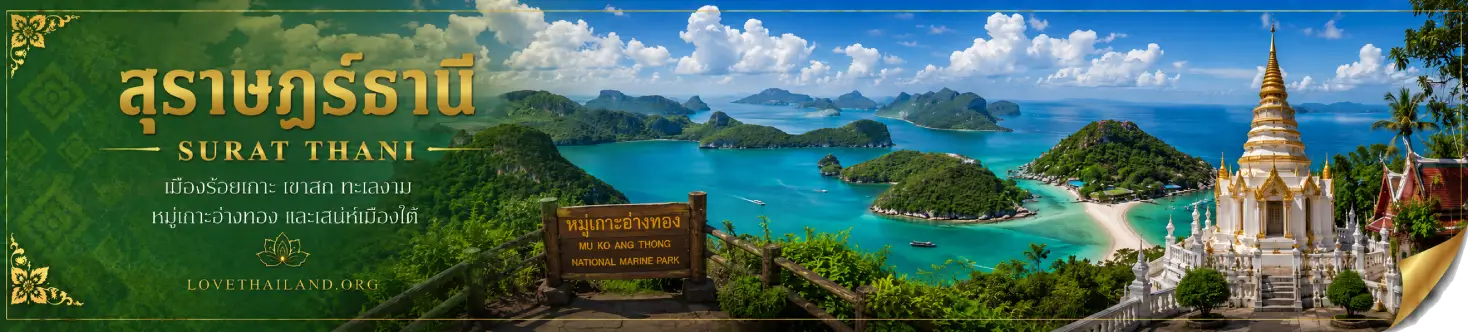
Koh Samui
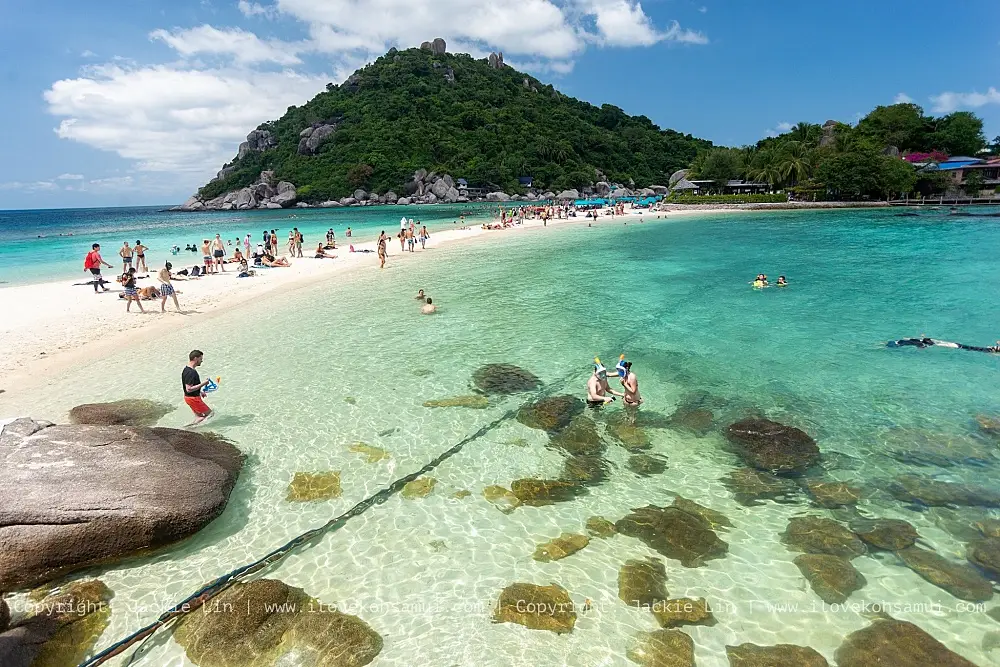
Open Days: Daily
Opening Hours: Public island areas are accessible throughout the day; individual piers, attractions, restaurants, hotels and tours operate on their own schedules
Koh Samui in Surat Thani Province is one of Thailand’s best-known island destinations in the Gulf of Thailand. The island brings together white-sand beaches, clear seawater, coconut-fringed coastlines, local seaside communities, Buddhist temples, waterfalls, viewpoints, fresh seafood, wellness spas, golf, marine activities and a wide range of accommodation. Travelers can visit Koh Samui for a relaxing beach holiday, a family trip, a wellness retreat, a cultural route around temples and old communities, or as a gateway to nearby islands such as Koh Phangan, Koh Tao and Mu Ko Ang Thong.
Koh Samui lies east of Surat Thani city and northeast of the mainland pier area around Don Sak. It is one of the largest islands in Thailand and serves as a major tourism hub for the southern Gulf of Thailand. The main ring road, Thawi Rat Phakdi Road or Highway 4169, connects the island’s major beaches, villages, ferry piers, temples, viewpoints, restaurants and hotels. This road makes Koh Samui easier to explore than many smaller islands because travelers can plan a full island loop, stay in one convenient beach area and travel out for day trips, or choose a quieter coast and arrange private transfers for selected excursions.
The classic image of Koh Samui is a long sandy beach lined with coconut palms and clear blue water. Chaweng Beach is the island’s most famous and energetic beach area, suitable for first-time visitors who want restaurants, cafes, nightlife, shopping and beach activities within easy reach. Lamai Beach offers a more relaxed balance, with a beautiful shoreline, hotels, restaurants and access to landmarks such as Hin Ta and Hin Yai Rocks. Bophut and Fisherman’s Village are ideal for travelers who enjoy seaside dining, boutique hotels, old shophouses and an evening walking atmosphere. Maenam, Choeng Mon, Lipa Noi, Taling Ngam and Natien suit visitors looking for a quieter holiday, sunset views or a slower beach rhythm.
Koh Samui is not only a beach destination. The island’s landscape combines coastal plains, hilly interiors, coconut groves, waterfalls and long-established communities. Before becoming an international resort island, Samui developed around coconut farming, fishing, sea trade and local Buddhist communities. Many parts of the island still preserve this local character, especially around temples, old villages, markets and quieter coastal settlements. A well-planned trip therefore gives travelers more than beaches: it reveals how local culture, religious life, food, maritime routes and tropical nature continue to shape the identity of the island.
Chaweng is the most convenient base for travelers who want everything close at hand. The beach is long and scenic, the water is attractive for swimming in good conditions, and the area has many hotels, restaurants, spas and entertainment options. Daytime is suitable for swimming, walking along the sand, enjoying cafes and relaxing by the sea. Evening brings a livelier atmosphere with restaurants and nightlife. Visitors who prefer quiet surroundings should choose accommodation away from the busiest central zone or consider other parts of the island.
Lamai is one of the island’s most appealing alternatives to Chaweng. It has a more relaxed feel while still offering plenty of services, restaurants and accommodation. The beach is popular with couples, families and independent travelers who want a balance between comfort and calm. Nearby Hin Ta and Hin Yai Rocks are among Koh Samui’s best-known natural landmarks, shaped by the sea and connected with local storytelling. Lamai also provides convenient access to waterfalls, temples and scenic routes on the eastern and southeastern sides of the island.
Bophut and Fisherman’s Village show another side of Samui. This area blends seafront dining, old-style buildings, boutique hotels, cafes, shops and evening markets. It is a strong choice for families, couples and travelers who prefer dining and walking streets over nightlife. Bophut is also well placed for visiting the Big Buddha, Wat Plai Laem, Maenam Beach, Choeng Mon Beach and Samui Airport. For many visitors, it is one of the best areas for an easy, atmospheric stay without the density of central Chaweng.
Maenam, the northern coast, Lipa Noi and Taling Ngam offer a slower, quieter version of Koh Samui. Maenam has a peaceful beach character and views toward Koh Phangan from certain points. Lipa Noi is known for gentle coastal scenery and ferry access, while Taling Ngam on the western side is one of the island’s preferred areas for sunset views. These zones are suitable for travelers who want privacy, long stays, wellness retreats, quiet resorts or a beach holiday centered on rest rather than constant movement.
For nature-focused travelers, Koh Samui has waterfalls, viewpoints and inland landscapes that add variety to a beach itinerary. Na Muang Waterfall is one of the island’s best-known natural sites, especially attractive during periods with good water flow. Hin Lad Waterfall offers a greener and more shaded atmosphere. Viewpoints across the island reveal wide scenes of the Gulf of Thailand, coastal settlements and hilly interiors. Travelers with a private car, rental car or hired driver can combine waterfalls, viewpoints, temples and beaches in one full-day island loop.
The cultural side of Koh Samui is equally important. Wat Phra Yai, also known as the Big Buddha Temple, is one of the island’s most recognized religious landmarks. Wat Plai Laem is known for its striking Buddhist imagery and colorful architecture. Wat Khunaram is associated with Luang Por Daeng, a highly respected monk whose preserved body is visited by local devotees and travelers. Other culturally meaningful places include Wat Samret, Wat Lamai, Laem Sor Pagoda and Phra That Hin Ngu. Visitors should dress respectfully, keep their voices low in temple areas and remember that these places are active religious sites for local communities.
Food is one of the strongest reasons to travel to Koh Samui. Fresh seafood, southern Thai flavors, coconut-based dishes, local curries, spicy dips and simple seaside meals are part of the island experience. Travelers can choose casual beach restaurants, local Thai eateries, seafood restaurants, international dining, night markets and refined resort restaurants. Eating on Koh Samui is not only about convenience; it connects the traveler with the island’s maritime setting, coconut heritage and local food culture.
Koh Samui has also become a leading wellness and spa destination. Many visitors come for Thai massage, spa treatments, herbal therapies, yoga, detox programs, fitness retreats and resort-based wellness experiences. Water-based relaxation, aromatic plant therapies, body massage and the sea breeze combine to make Samui a strong choice for travelers who want to restore their energy rather than simply move from attraction to attraction. This wellness identity has become one of the island’s most valuable strengths.
Marine activities are central to a Koh Samui trip. Depending on the season and sea conditions, visitors can swim, kayak, join boat tours, go snorkeling or diving, learn Thai cooking, train in Muay Thai, play golf, or book a day trip to Mu Ko Ang Thong. Mu Ko Ang Thong is a group of islands known for limestone scenery, viewpoints, kayaking routes and the famous inland sea. Travelers planning marine excursions should check the weather, boat schedule and safety conditions before departure because sea trips depend directly on wind and wave conditions.
A practical Koh Samui itinerary usually needs at least 3 days. With 3 days, travelers can enjoy one main beach area, visit major temples, see a viewpoint or waterfall, and include good meals by the sea. With 4 or 5 days, the trip becomes more balanced: there is time for a boat tour, a spa session, a quieter beach, Fisherman’s Village, a temple route, and slow mornings by the sea. Visitors who plan to continue to Koh Phangan or Koh Tao should keep extra time for ferry schedules and weather changes.
Getting There is straightforward by Thai island standards. The fastest option is to fly directly to Samui Airport, which is located on the island and provides quick access to Chaweng, Bophut, Choeng Mon and other main areas. Another common route is to travel to Surat Thani, continue by road to Don Sak, and take a ferry to Koh Samui. Major ferry routes between Don Sak and Samui take about 1 hour and 30 minutes. Travelers with private cars can take vehicles across on selected ferry services, while travelers without cars can use hotel transfers, taxis, shared local transport, rental cars or private drivers on the island.
Getting around Koh Samui depends on where visitors stay. Chaweng and Bophut are convenient for restaurants, shops and short transfers. Quieter areas such as Maenam, Taling Ngam and Lipa Noi are more peaceful but require more planning for transport. Taxis, songthaews, rental cars, motorbike rentals and private driver services are available. Travelers who drive should be careful on steep roads, curves and village streets, and motorbike riders should carry a valid license and wear helmets at all times.
The best travel period depends on the purpose of the trip. January to May is especially suitable for beach holidays, swimming, marine activities and sunny coastal relaxation. Mid-year can also be appealing for travelers who prefer fewer crowds. During wetter or windier periods, boat trips and sea activities should be checked carefully in advance. Koh Samui can be visited year-round, but matching the travel season with the desired activities makes the trip more reliable and enjoyable.
Koh Samui suits many types of travelers. Families can choose beachfront hotels with pools and easy services. Couples can select quiet resorts, private villas or sunset beaches. Activity-focused travelers can stay near Chaweng or Lamai for convenience. Food-focused visitors should spend time around Bophut, local markets and seaside restaurants. Luxury travelers have many high-end resorts along the northern, eastern and southeastern coasts, while budget-conscious visitors can still find small hotels, guesthouses and long-stay options in several parts of the island.
The best way to enjoy Koh Samui is not to rush through every attraction. The island rewards slow travel: a morning walk on the beach, a temple visit with respectful dress, a seafood lunch by the sea, an afternoon waterfall stop, a spa treatment, and a sunset dinner can be more memorable than a crowded checklist. When travelers balance activities with rest, Koh Samui offers a complete Thai island experience: nature, culture, food, wellness, marine scenery and the relaxed rhythm of the Gulf of Thailand.
Responsible travel also matters on Koh Samui. Visitors should keep beaches clean, avoid littering, avoid touching or damaging coral, avoid feeding marine wildlife, choose safety-conscious tour operators and respect local communities. A thoughtful travel style helps preserve the island’s beaches, temples, villages and marine environment for both residents and future visitors.
| Name | Koh Samui |
| Location | Koh Samui District, Surat Thani Province, Gulf of Thailand |
| Address | Koh Samui District, Surat Thani Province 84140, Thailand |
| Coordinates | Around 9.5°N, 100°E at island level |
| Highlights | World-famous Thai island with white beaches, clear water, coconut groves, spas, seafood, Buddhist temples, waterfalls, viewpoints and island-hopping routes |
| History / Importance | Koh Samui developed from coconut farming, fishing, sea trade and local Buddhist communities before becoming a major tourism hub in the southern Gulf of Thailand |
| Distinctive Features | Ring road access, beach zones around the island, hilly interiors, coconut groves, temples, waterfalls and strong tourism services |
| Main Areas / Zones | Chaweng Beach, Lamai Beach, Bophut, Fisherman’s Village, Maenam Beach, Choeng Mon Beach, Lipa Noi Beach, Taling Ngam Beach, Nathon, Natien Beach, Na Muang Waterfall and Hin Lad Waterfall |
| Travel Information | Travel directly by air to Samui Airport or travel via Surat Thani and Don Sak, then take a ferry to Koh Samui. Major ferry crossings take about 1 hour and 30 minutes |
| Current Status | Open to visitors and operating as one of the main tourism hubs of Surat Thani and the Gulf of Thailand |
| Open Days | Daily |
| Opening Hours | Public island areas are accessible throughout the day; individual piers, attractions, restaurants, hotels and tours operate on their own schedules |
| Fees | No island admission fee. Costs depend on transport, accommodation, tours, ferries, national park visits, activities and selected services |
| Facilities | Airport, ferry piers, hotels, resorts, restaurants, cafes, vehicle rentals, tour operators, hospitals, convenience stores, markets, beaches, viewpoints and visitor services |
| Caretaker / Related Authorities | Koh Samui City Municipality, Koh Samui District Office, Tourism Authority of Thailand Ko Samui Office and relevant transport authorities |
| Main Contact Number | Tourism Authority of Thailand Ko Samui Office: +66 77 420 504 Koh Samui City Municipality: 077-421421-2 |
| Official Website / Official Page | Tourism Authority of Thailand website and Koh Samui City Municipality website |
| Nearby Tourist Attractions | Approximate distances from Nathon Pier 1. Fisherman’s Village Bophut, about 18 km 2. Big Buddha Temple, about 24 km 3. Wat Plai Laem, about 25 km 4. Chaweng Beach, about 25 km 5. Lamai Beach and Hin Ta Hin Yai Rocks, about 30 km 6. Na Muang Waterfall, about 20 km 7. Mu Ko Ang Thong, accessible by boat tour from Koh Samui |
| Nearby Restaurants | Approximate distances from Nathon Pier 1. Khaw Glong Thai Restaurant, about 25 km, Tel. 092-446-5919 2. Baan Ya Jai, about 29 km, Tel. 099-479-0707 3. The Jungle Club, about 26 km, Tel. 081-891-8263 4. Saffron at Banyan Tree Samui, about 33 km, Tel. 077-915-333 5. Supattra Thai Dining, about 23 km |
| Nearby Accommodations | Approximate distances from Nathon Pier 1. Four Seasons Resort Koh Samui, about 11 km, Tel. 077-243-000 2. W Koh Samui, about 14 km, Tel. 077-915999 3. Anantara Bophut Koh Samui Resort, about 17 km, Tel. 077-428-300 4. Six Senses Samui, about 26 km, Tel. 077-245-678 5. SALA Samui Chaweng Beach Resort, about 28 km, Tel. 077-905-888 6. Banyan Tree Samui, about 33 km, Tel. 077-915-333 |
Frequently Asked Questions (FAQ)
Q: Is Koh Samui open to visitors?
A: Yes. Koh Samui is open to visitors. Public island areas are accessible daily, while piers, attractions, restaurants, hotels and tour services follow their own operating hours.
Q: What is the best time to visit Koh Samui?
A: January to May is especially suitable for beach holidays, swimming, boat trips and marine activities because sea and weather conditions are generally more favorable than during the monsoon period.
Q: How do travelers get to Koh Samui?
A: Travelers can fly directly to Samui Airport or travel to Surat Thani, continue to Don Sak by road, and take a ferry to Koh Samui. Major ferry crossings take about 1 hour and 30 minutes.
Q: Is there an admission fee for Koh Samui?
A: There is no island admission fee. Travelers pay separately for transport, accommodation, ferry services, tours, national park visits, activities, restaurants and other selected services.
Q: Which area is best to stay in on Koh Samui?
A: Chaweng is best for convenience and nightlife, Lamai is good for a balanced beach stay, Bophut is ideal for dining and walking, Maenam is quieter, and Taling Ngam or Lipa Noi suit travelers seeking peaceful sunsets and privacy.
Q: Can travelers explore Koh Samui without a private car?
A: Yes. Taxis, songthaews, hotel transfers, private drivers, rental cars and motorbike rentals are available. For a full island loop in one day, a rental car or private driver is usually the most convenient option.
Q: How many days are enough for Koh Samui?
A: At least 3 days are recommended for beaches, temples, viewpoints and good meals. A 4–5 day trip is better for adding a boat tour, Mu Ko Ang Thong, spa time and slower beach relaxation.
Q: Is Koh Samui suitable for families?
A: Yes. Koh Samui is suitable for families because it has many beach areas, hotels with full facilities, restaurants, hospitals, transfers and family-friendly services. Choosing a convenient beach area makes the trip easier for children and older travelers.
 Category: ●Nature and Wildlife
 Group: ●Islands
Last Update : 2 MonthAgo
 Last Update : 2 MonthAgo
 Click to Access the Navigation Map GPS
Koh Samui Map
Gellery
Recommend

 Art, Culture and Heritage
 Landmarks and Memorials(1)
 Art, Craft Centres, Tradition(8)
 Museums(5)
 Educational Places
 Educational Gardens, Farm(1)
 Places of Worship
 Temple(32)
 Other Sacred Sites(8)
 Research and Development
 Royal Project(1)
 Suburban Living
 Village, Community(6)
 Local Market(1)
 National Parks and Marine Reserves(8)
 Mountain (Doi)(2)
 Dam, Reservoir, Lake(8)
 Waterfalls(34)
 Hot Springs(7)
 Caves(18)
 River, Canal(11)
 Bays and Beaches(30)
Islands(16)
Bays and Beaches(30)
Islands(16)
 Other natural attractions(10)
 Entertainment and Agricultural
 Animal camps and shows(6)
 Farms, Parks and Ecotourism(7)
 Outdoor and Adventure Activities(2)
 Shopping
 Shopping and Night Market(1)
 Travel Articles, Recipes
 Travel Review, Food Review(1)
 Southern Food Menu, Southern Food Recipes(1)


