
lovethailand home >North Travel Attractions >Chiang Mai Travel Attractions > 24 MICHELIN Guide Restaurants in Chiang Mai
TL;DR: 24 MICHELIN Guide Restaurants in Chiang Mai is located at MICHELIN Recognition, open Monday, Tuesday, and Thursday–Sunday (Closed Wednesday) Opening Hours: 11:00 AM.

24 MICHELIN Guide Restaurants in Chiang Mai
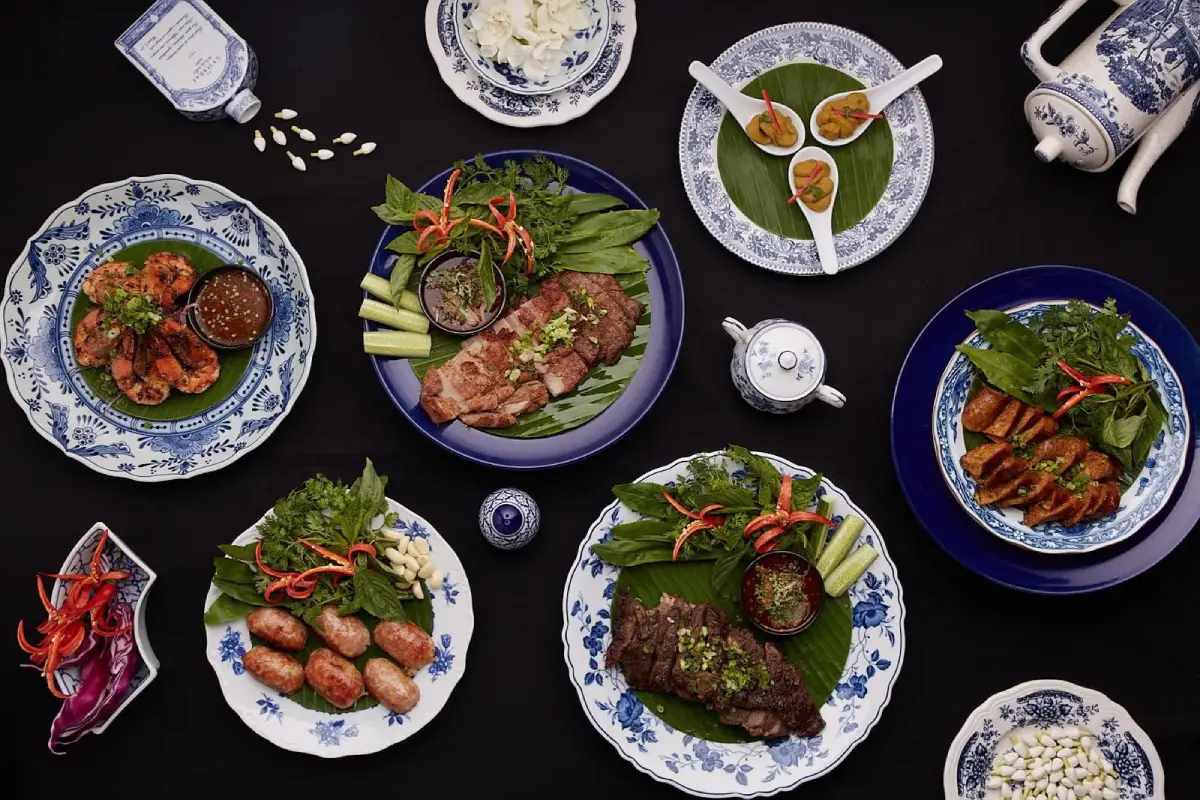
24 MICHELIN Guide Restaurants in Chiang Mai are among the many highlights of traveling through Northern Thailand. Chiang Mai is celebrated not only for its mountains, historic temples, and rich Lanna cultural heritage, but also for its remarkable culinary diversity. The city brings together traditional Northern Thai restaurants, long-established street food vendors, and contemporary Thai dining establishments. From steaming bowls of Khao Soi and richly flavored Nam Ngiao noodles to aromatic Northern-style Larb, Sai Ua sausage, Nam Prik Noom chili dip, and creative Thai dishes prepared with locally sourced ingredients, Chiang Mai offers a wide range of memorable food experiences. Many of these restaurants have earned recognition from the MICHELIN Guide, making a visit to Chiang Mai an opportunity to discover Northern Thai culture through food, atmosphere, and the stories of local communities.
For travelers searching for the best MICHELIN Guide restaurants in Chiang Mai, the MICHELIN Guide Thailand 2027 is particularly noteworthy. Chiang Mai has 20 restaurants awarded the Bib Gourmand distinction, including 3 newly recognized establishments: Baan Nam Ngiew Wieng Kao, Huen Jai Yong, and Jaan Joor. These restaurants demonstrate that outstanding food is not limited to luxury dining establishments. High-quality meals can also be found at traditional family-run restaurants, neighborhood favorites, and modest eateries that prepare their dishes with care while maintaining reasonable prices.
Understanding the different MICHELIN Guide distinctions is essential when choosing where to eat. MICHELIN Stars recognize restaurants for the exceptional quality of their cooking according to Michelin's established criteria. The Bib Gourmand distinction highlights restaurants serving good-quality food at reasonable prices, while MICHELIN Selected identifies establishments recommended by the guide for the quality of their cuisine. A MICHELIN Selected restaurant does not automatically hold a Michelin Star or Bib Gourmand award. Recognizing these differences helps travelers choose restaurants that match their preferred dining experience, culinary interests, and budget.
The distinctive character of Chiang Mai cuisine comes from the traditional food culture of the Lanna region, where sticky rice, local vegetables, herbs, and aromatic spices play essential roles. Northern Thai dishes often differ from Central Thai cuisine in their combinations of seasonings, the fragrance of roasted dried chilies, and the use of regional curry pastes. Seasonal ingredients also influence what local families prepare and eat throughout the year. Khao Soi is one of the most internationally recognized Northern Thai dishes, but travelers seeking a deeper understanding of the region's culinary traditions should also explore Gaeng Hang Lay, Gaeng Ho, Jin Som, Northern-style Larb, Nam Prik Ong, and vegetable-based dishes prepared with ingredients available during different seasons.
Restaurants recognized by the MICHELIN Guide in Chiang Mai offer distinctly different dining experiences. Some are small neighborhood eateries where local residents stop for everyday meals, while others occupy traditional wooden Lanna houses designed for sharing several dishes with family and friends. Contemporary restaurants may emphasize artistic presentation, carefully selected seasonal ingredients, and modern culinary techniques. This diversity allows visitors to create food-focused itineraries according to their interests, whether exploring Chiang Mai street food, discovering authentic Northern Thai recipes, or enjoying a special meal in a restaurant with an atmospheric setting.
Central Chiang Mai is a convenient starting point for exploring the city's MICHELIN Guide restaurants, particularly around the Old City, Chang Moi, Chang Phueak, Wat Ket, and neighborhoods connected by major roads. Each area has its own character. The Old City is ideal for combining temple visits with meals at nearby restaurants. Chang Moi and Wat Ket preserve connections to Chiang Mai's historic trading communities along the Ping River. Chang Phueak is a residential and commercial district with local restaurants and convenient routes leading toward attractions in the northern part of the city.
Beyond central Chiang Mai, MICHELIN Guide restaurants can also be found in surrounding districts such as Mae Rim, San Sai, and San Kamphaeng. Traveling to these areas introduces visitors to another side of the province, where traditional houses, gardens, agricultural landscapes, and local communities provide a different atmosphere from the busy tourist districts. Some restaurants are excellent destinations for half-day or full-day excursions, especially when combined with nearby cultural attractions, countryside experiences, or nature-based activities. Planning meals according to their geographical locations also helps visitors avoid unnecessary journeys back and forth across the province.
For travelers with only 1 day in Chiang Mai, visiting approximately 2–3 restaurants within the city is a practical way to experience several styles of Northern Thai cuisine. A suggested itinerary could begin with Khao Soi or another local noodle dish for breakfast or lunch, followed by temple sightseeing and walks through historic neighborhoods. In the evening, travelers can enjoy a traditional Northern Thai meal with several shared dishes. Those spending 2–3 days in Chiang Mai can extend their culinary journey to Mae Rim or San Kamphaeng, combining restaurant visits with traditional handicraft workshops, community cultural experiences, and natural attractions along the way.
Many traditional Northern Thai dishes are closely connected to the everyday lives of Lanna communities. Sai Ua sausage combines minced meat with fragrant herbs and spices, while Gaeng Hang Lay is known for its deeply seasoned pork and distinctive curry aroma. Nam Prik Noom, a roasted green chili dip, is commonly served with fresh or blanched vegetables. These dishes reflect culinary knowledge passed down through generations of families and local communities. Some restaurants continue to preserve traditional preparation methods, while others adapt presentation techniques to modern dining preferences without losing the characteristic flavors and importance of regional ingredients.
Chiang Mai is also known for important cultural celebrations, including the Yi Peng Festival and Songkran, which bring together local communities and visitors from around the world. During these festive periods, popular restaurants may experience particularly high demand. Travelers hoping to dine at well-known establishments should plan carefully, especially when visiting smaller restaurants with limited seating or eateries serving food only during specific hours of the day.
Chiang Mai's cool season is particularly pleasant for exploring the city and visiting several restaurants throughout the day. The rainy season offers a different experience, with lush greenery and attractive countryside scenery that enhances trips to restaurants outside the city center. Regardless of the season, visitors should consider traffic conditions, weather, and restaurant operating hours when planning their itinerary. Grouping restaurants by location rather than repeatedly traveling across the city allows more time for enjoying meals and exploring nearby attractions.
Traditional Northern Thai food products also make meaningful souvenirs from Chiang Mai. Popular choices include Nam Prik Noom chili dip, Sai Ua sausage, crispy pork cracklings, local curry pastes, and preserved food products made by community producers. Travelers can purchase these specialties from local markets and shops, paying attention to freshness, packaging, and storage requirements, particularly when transporting food over long distances or returning home by air.
Exploring Chiang Mai's MICHELIN Guide restaurants is therefore much more than following a list of famous places to eat. It is a journey into the connections between food, ingredients, cooks, and the communities where these culinary traditions developed. From the comforting flavors of family-run restaurants to the innovative creations of contemporary kitchens, every meal reveals a different aspect of Chiang Mai's identity. Food becomes a way to experience local culture, understand regional heritage, and make a journey to Northern Thailand more meaningful than an ordinary dining experience.

1. Huen Muan Jai is a traditional Northern Thai restaurant recognized with the Bib Gourmand distinction by the MICHELIN Guide. Located in Chang Phueak Subdistrict, Mueang Chiang Mai District, the restaurant beautifully reflects the essence of Lanna food culture through regional dishes prepared with local herbs and spices. Its welcoming atmosphere resembles a traditional Northern Thai home, creating an environment where visitors can enjoy authentic local cuisine while experiencing the warmth of Lanna hospitality. The name "Huen Muan Jai" conveys the idea of a home filled with happiness and comfort, making it an excellent introduction to Northern Thai cuisine for first-time visitors.
Highlights: Authentic Northern Thai cuisine in a traditional Lanna-style house, featuring dishes such as Gaeng Hang Lay, Jor Phak Kad, and Nam Prik Noom served with local vegetable accompaniments. The restaurant is particularly suitable for ordering several dishes to share, allowing diners to appreciate a wide variety of traditional flavors in one meal.
One of the most appealing aspects of Huen Muan Jai is its traditional Lanna-inspired interior. Wooden architectural elements, local household objects, woven textiles, and decorative pieces reflect the distinctive character of Northern Thailand. The restaurant has a relaxed, welcoming atmosphere reminiscent of dining in a local family home. This makes it especially suitable for families and groups of friends who want to enjoy a leisurely meal while spending time together rather than rushing through a quick dining experience.
Gaeng Hang Lay is one of the restaurant's most recommended dishes. This traditional Northern Thai pork curry demonstrates the careful use of spices and slow cooking techniques that allow the meat to absorb the rich flavors of the sauce. The aromatic curry combines savory, slightly sweet, and gently sour notes in a balanced way, creating a flavor profile quite different from the coconut milk-based curries commonly associated with Central Thai cuisine. The dish also reflects historical culinary exchanges between Lanna communities and neighboring regions.
Jor Phak Kad is another important dish for understanding traditional Northern Thai cooking. This comforting soup typically combines mustard greens and pork with seasonings that create a balanced, mildly sour, and savory flavor. Diners who enjoy chili dips should also try Nam Prik Noom, prepared with roasted green chilies that give the dip its distinctive smoky aroma. It is commonly served with fresh or blanched vegetables, highlighting the importance of vegetable accompaniments in traditional Lanna meals.
For visitors unfamiliar with Northern Thai cuisine, ordering Gaeng Hang Lay together with Nam Prik Noom and Jor Phak Kad is a practical way to begin. These dishes introduce three important elements of a Northern Thai meal: a richly flavored curry, a traditional chili dip, and a lighter vegetable-based soup. Diners who prefer stronger flavors can ask the restaurant about additional dishes featuring Northern-style Larb spice blends, local herbs, and regional seasonings.
Huen Muan Jai is also conveniently located for travelers exploring central Chiang Mai. Its position in Chang Phueak provides easy access to the Old City and major roads connecting different neighborhoods. Visitors can combine a meal here with sightseeing at historic temples around the Old City moat or a walk through nearby residential communities without traveling far outside the city center. Groups visiting during weekends or public holidays should allow additional time for traffic, seating, and meal preparation.
Open Days: Monday, Tuesday, and Thursday–Sunday (Closed Wednesday) Opening Hours: 11:00 AM – 9:00 PM
Telephone: 098-261-8029
Getting There: From central Chiang Mai, visitors can reach Huen Muan Jai by private car, local taxi, or ride-hailing service. The restaurant is located in Chang Phueak Subdistrict, Mueang Chiang Mai District, not far from the Old City. Travelers driving their own vehicles should check the available parking arrangements and access route on a navigation map before departure, particularly during lunch and dinner hours.
Map (GPS):Get Directions to Huen Muan Jai

2. Lhong Kao Kitchen (Krua Hlong Khao) is a traditional Northern Thai restaurant located in Rim Tai Subdistrict, Mae Rim District, Chiang Mai. Recognized with the MICHELIN Guide Bib Gourmand distinction, it is an appealing destination for travelers who want to experience regional cuisine in a peaceful, green setting outside the city center. The restaurant emphasizes traditional Northern Thai flavors, using aromatic spices, local vegetables, and established cooking methods to create dishes that reflect the region's culinary identity. Its countryside atmosphere offers a dining experience that feels noticeably different from restaurants in central Chiang Mai.
Highlights: Northern-style cooked pork Larb, water morning glory curry with fish, and traditional dishes prepared with locally sourced herbs and ingredients. The restaurant's relaxed natural surroundings make it an excellent stop during a sightseeing trip through Mae Rim District.
Lhong Kao Kitchen stands out for its clear expression of authentic Northern Thai flavors. One particularly interesting dish is cooked pork Larb, which uses a traditional Northern Thai spice blend known as Prik Larb. The minced pork is cooked with aromatic herbs and spices to produce a rich, distinctive flavor. Unlike Isan-style Larb from Northeastern Thailand, which commonly emphasizes lime juice and toasted rice powder, Northern-style Larb relies more heavily on the fragrance and complexity of regional dried spices. This difference makes the dish an excellent choice for visitors interested in comparing Thailand's diverse regional food traditions.
Another noteworthy dish is water morning glory curry with fish, which combines locally available leafy vegetables, fish, and a traditional curry paste. This type of dish illustrates the close relationship between local cuisine and the agricultural landscapes, rivers, and freshwater resources surrounding Northern Thai communities. Served with sticky rice or steamed rice, the curry allows diners to appreciate the distinct flavors of the vegetables, fish, and aromatic broth.
The atmosphere at Lhong Kao Kitchen appeals particularly to visitors who enjoy restaurants surrounded by natural scenery. Its relaxing environment makes it suitable for families and travelers exploring Mae Rim by car. The restaurant reflects another side of Chiang Mai, where gardens, villages, agricultural land, and quieter countryside landscapes remain within reach of the provincial capital. Dining here adds variety to a trip that might otherwise focus mainly on famous temples and attractions within the city.
Travelers can easily combine a visit to Lhong Kao Kitchen with sightseeing in Mae Rim. Nearby cultural attractions include Daraphirom Palace Museum and Wat Pa Daraphirom, both of which provide opportunities to learn about the history and religious heritage of the area. Planning a half-day or full-day itinerary around Mae Rim allows visitors to enjoy a meal without repeatedly traveling back into central Chiang Mai, leaving more time to explore the district.
Groups visiting the restaurant are encouraged to order several types of Northern Thai dishes for sharing, including meat dishes, local vegetables, chili dips, and traditional curries. Sharing a selection of dishes reflects the communal style of dining commonly found in Lanna households and provides a more complete introduction to regional food culture than ordering only one individual dish. Asking about the day's specials and locally prepared dishes can also introduce diners to seasonal ingredients or recipes they may not have encountered before.
Open Days: Tuesday–Sunday (Closed Monday) Opening Hours: 10:30 AM – 7:00 PM
Telephone: 083-476-3421
Getting There: From Chiang Mai city, travel north toward Mae Rim District and continue into Rim Tai Subdistrict. The restaurant can be reached by private car, rental car, or hired taxi. Visitors using a taxi or ride-hailing service from central Chiang Mai should make arrangements for their return journey, as the restaurant is located outside the main urban area.
Map (GPS):Get Directions to Lhong Kao Kitchen

3. Khao Soi Mae Sai is a well-known Northern Thai restaurant in Chang Phueak Subdistrict, Mueang Chiang Mai District, celebrated for its Khao Soi and Khanom Jeen Nam Ngiao. Recognized with the MICHELIN Guide Bib Gourmand distinction, the restaurant is an excellent choice for travelers seeking authentic Northern Thai noodle dishes in a simple local setting. It is particularly appealing to visitors with limited time in Chiang Mai who want to begin their culinary journey with one of the region's most recognizable traditional dishes.
Highlights: Beef Khao Soi with fragrant, richly seasoned curry broth, along with traditional Khanom Jeen Nam Ngiao. The restaurant is conveniently located within Chiang Mai city and is suitable for breakfast or lunch before exploring historic neighborhoods and temples.
Khao Soi reflects a long history of cultural exchange between Northern Thai communities and neighboring regions. The dish combines egg noodles with a rich, aromatic curry broth containing spices and coconut milk. It is served with accompaniments that enhance the flavor and texture of each bowl. Enjoying Khao Soi is not simply about tasting the curry broth; the experience also involves combining the noodles, fragrant sauce, and side condiments in proportions that suit individual preferences.
The beef Khao Soi at Khao Soi Mae Sai is particularly notable for its tender meat and deeply flavored curry broth. The beef is prepared to complement the richness of the sauce, while aromatic spices give the dish a distinctive character that sets it apart from ordinary noodle soups. First-time visitors can begin by tasting the broth before adding the accompanying condiments, allowing them to appreciate how each ingredient changes the overall balance of flavors.
In addition to Khao Soi, Khanom Jeen Nam Ngiao is another dish worth trying. This Northern Thai rice noodle specialty has strong cultural connections to communities in Chiang Rai and neighboring areas. Its broth has a distinctive character derived from tomatoes, curry paste, and regional seasonings, creating a savory and pleasantly tangy flavor that contrasts with the creamy richness of Khao Soi. Travelers visiting with family or friends can order both dishes and share them to better appreciate the diversity of Northern Thai noodle cuisine.
The restaurant has a straightforward, informal atmosphere focused primarily on serving traditional local food. It is ideal for visitors who want to experience everyday Chiang Mai dining culture without choosing an upscale restaurant. Lunchtime is often a busy period, so allowing sufficient time for the meal helps travelers continue their sightseeing plans without unnecessary disruption.
Located in the Chang Phueak area, Khao Soi Mae Sai can be included in an Old City sightseeing itinerary. Visitors might begin with a late-morning bowl of Khao Soi, then continue to Wat Chet Yot or explore temples within the historic city walls. A visit to a local café or another neighborhood attraction can complete the day's experience. This approach is particularly suitable for travelers who enjoy combining culinary exploration with Chiang Mai's architectural and cultural heritage.
Open Days: Monday–Saturday (Closed Sunday) Opening Hours: 8:00 AM – 4:00 PM
Telephone: 053-213-284
Getting There: Khao Soi Mae Sai is located in Chang Phueak Subdistrict, Mueang Chiang Mai District. Visitors can reach the restaurant from the Old City by private car, taxi, or ride-hailing service using its location on a navigation map. Those planning to explore central Chiang Mai should schedule this restaurant for breakfast or lunch in accordance with its operating hours.
Map (GPS):Get Directions to Khao Soi Mae Sai

4. Meena Rice Based Cuisine is a Thai and Northern Thai restaurant in San Kamphaeng District, Chiang Mai, known for its natural surroundings and creative approach to food presentation. Recognized with the MICHELIN Guide Bib Gourmand distinction, the restaurant offers visitors an opportunity to enjoy carefully prepared dishes in a setting inspired by traditional Lanna architecture and the beauty of the local landscape. Its emphasis on colorful natural ingredients, attractive presentation, and a relaxed atmosphere makes it especially appealing to families, photography enthusiasts, and travelers who enjoy dining close to nature.
Highlights: Signature Five-Colored Rice made with naturally colored ingredients, beautifully presented Thai and Northern Thai dishes, and a tranquil restaurant surrounded by greenery. The restaurant is a popular choice for families and visitors who appreciate scenic dining environments and food photography.
One of the defining features of Meena Rice Based Cuisine is its emphasis on rice as the foundation of Thai food culture. The restaurant's signature Five-Colored Rice uses natural ingredients to create a range of appealing colors, including butterfly pea flowers for blue, turmeric for yellow, and riceberry rice for purple tones. This creative presentation adds visual interest to the meal while demonstrating how familiar ingredients found throughout Thailand can be used in imaginative ways without losing their traditional culinary significance.
The restaurant's appeal extends beyond attractive presentation. Its menu remains closely connected to traditional Thai cuisine through a selection of curries, chili dips, and locally grown vegetables. Noteworthy dishes include Gaeng Hang Lay, Nam Prik Ong, and salads prepared with regional vegetables. When paired with colorful rice, these dishes offer a combination of aromatic curry spices, fresh vegetable flavors, and subtle details from edible flowers or seasonal ingredients that enhance the overall dining experience.
Meena's location in San Kamphaeng gives it a distinctly different character from restaurants in Chiang Mai's Old City. The surrounding gardens and agricultural scenery allow visitors to experience a landscape closely connected to the region's traditional farming heritage. Local design elements and a relaxed setting create a peaceful atmosphere, making the restaurant an attractive dining stop while exploring San Kamphaeng and the eastern outskirts of Chiang Mai.
The restaurant also offers options for diners interested in vegetable-based dishes, including herbal fried tofu and meals featuring a variety of locally sourced vegetables. However, visitors following a strict vegetarian diet or those with specific dietary restrictions should ask about ingredients and preparation methods before ordering, as certain Thai dishes may contain animal-based seasonings or other ingredients that are not immediately apparent.
Meena Rice Based Cuisine can be included in a cultural itinerary through San Kamphaeng. Travelers might visit Bo Sang Umbrella Village or explore nearby handicraft workshops before stopping at the restaurant for a relaxing meal and returning to central Chiang Mai. This type of itinerary offers an opportunity to experience the connections between Northern Thai cuisine, traditional craftsmanship, and local community life within the same district.
Open Days: Daily Opening Hours: 10:00 AM – 8:30 PM
Telephone: 095-693-9586
Getting There: From Chiang Mai city, follow the main roads toward San Kamphaeng District and continue to the restaurant using its mapped location. Traveling by private car, rental car, or hired taxi is recommended. Visitors without their own vehicle should arrange a return ride in advance, as public transportation in this area is less frequent than in the central tourist districts of Chiang Mai.

5. Saiyut and Doctor Sai Kitchen is a Thai restaurant in Mueang Chiang Mai District that has received the Bib Gourmand distinction from the MICHELIN Guide. The restaurant is particularly known for its refined approach to traditional Thai cuisine, combining carefully balanced flavors, meticulous cooking techniques, and artistic food presentation. It is an excellent choice for travelers who want to experience authentic Thai cooking in a warm and welcoming setting while appreciating culinary traditions passed down through generations of family cooks.
Highlights: Carefully prepared Thai dishes representing several regions of the country, including Northern Thai specialties, curries, traditional chili dips, and beautifully presented desserts. The restaurant's attention to decorative food presentation makes it especially suitable for family gatherings and special occasions.
Saiyut and Doctor Sai Kitchen pays close attention to every stage of food preparation, from selecting ingredients to arranging the finished dishes. Many of its creations demonstrate the refinement of traditional Thai culinary techniques, in which the quality of a meal is judged not only by taste but also by the balance of colors, aromas, flavors, and visual presentation. This approach transforms dining into a cultural experience that connects the enjoyment of food with the artistic traditions of Thai cuisine.
Northern Thai specialties such as Nam Prik Noom and Gaeng Hang Lay illustrate how the restaurant presents familiar regional dishes with additional attention to detail. Nam Prik Noom is distinguished by the smoky aroma of roasted green chilies and is traditionally served with a variety of vegetables. Gaeng Hang Lay combines pork with aromatic spices and a rich curry sauce, slowly cooked until the meat becomes tender and absorbs the seasonings. These dishes demonstrate that traditional Northern Thai recipes can be presented elegantly without losing the essential characteristics of their original flavors.
In addition to savory dishes, the restaurant places considerable importance on desserts and decorative presentation. Traditional fruit and vegetable carving, together with carefully arranged ingredients, reflects the connection between Thai cuisine and artistic craftsmanship. This attention to visual beauty has long been associated with refined Thai food preparation, where the appearance of a dish is considered an important part of the dining experience. Travelers interested in traditional craftsmanship as well as food can therefore discover another dimension of Thai culinary heritage at this restaurant.
The restaurant has a warm atmosphere that is particularly suitable for groups and families. Ordering several dishes to share allows diners to appreciate its culinary approach more fully, from Northern Thai recipes to specialties from other regions of Thailand. Each dish highlights different ingredients, preparation techniques, and presentation styles, making a shared meal an enjoyable way to explore the diversity of Thai cuisine.
For travelers interested in learning about Thai culinary culture, Saiyut and Doctor Sai Kitchen is an excellent destination for lunch or dinner during a visit to Chiang Mai. Its location within Mueang Chiang Mai District makes it possible to combine the meal with sightseeing in the city. Visiting with family members or friends also provides an opportunity to order a wider selection of dishes, creating a more complete dining experience than choosing a single individual meal.
Open Days: Monday, Tuesday, and Thursday–Sunday (Closed Wednesday) Opening Hours: 10:00 AM – 9:00 PM
Telephone: 081-530-1172, 099-235-9508
Getting There: Saiyut and Doctor Sai Kitchen is located in Mueang Chiang Mai District and can be reached from the Old City and other central neighborhoods by private car, taxi, or ride-hailing service. Visitors can use the restaurant's GPS coordinates for direct navigation. Those planning an evening meal should allow sufficient travel time, particularly during periods of heavier traffic in central Chiang Mai.

6. Rasik Local Kitchen is a contemporary Thai restaurant located in Chang Khlan Subdistrict, Mueang Chiang Mai District. Recognized with the Bib Gourmand distinction by the MICHELIN Guide, the restaurant stands out for combining locally sourced ingredients with modern cooking techniques while preserving the distinctive flavors of Thai cuisine and Northern Thailand's culinary heritage. Situated on Sri Don Chai Road, it is an appealing destination for diners seeking creative Thai food and a dining experience that differs from more traditional Northern Thai restaurants.
Highlights: Contemporary Thai cuisine prepared with seasonal ingredients, creatively interpreted dishes featuring local spices and herbs, and an intimate restaurant atmosphere where careful attention is given to the preparation and presentation of every dish.
Rasik Local Kitchen is particularly notable for the way it connects traditional regional cooking with contemporary culinary ideas. Rather than simply presenting familiar dishes in a modern style, the kitchen carefully selects ingredients and preparation methods to create distinctive combinations of aroma, flavor, and texture. Local spices, herbs, and naturally sourced ingredients play an important role in this process, maintaining a strong connection to Thai culinary culture while allowing the chef to explore new interpretations.
One interesting example of the restaurant's culinary approach is Kaeng Khua Moo Yang Kularb Mon, a grilled pork curry featuring Damask rose. This dish combines pork and traditional Thai curry paste before introducing an additional aromatic dimension through the use of rose. The incorporation of flowers and fragrant herbs into a richly seasoned curry creates a dining experience that differs from more familiar versions of Thai red curry, particularly in the complexity of its aroma and the relationship between floral notes and traditional spices.
Another distinctive dish is braised and grilled beef shin with Northern Thai Larb spices and toasted rice powder. The beef is first slow-cooked until tender and then grilled to develop an additional smoky aroma. It is subsequently seasoned with traditional Northern Thai spices and toasted rice, creating a combination of richly flavored meat, fragrant seasonings, and contrasting textures. The dish demonstrates how regional Thai flavors can be incorporated into a preparation involving several cooking techniques while retaining their recognizable culinary identity.
The restaurant also emphasizes seasonal ingredients, which influence the selection of dishes available at different times of the year. Its menu may include signature creations, seasonal specialties, and dishes prepared with ingredients selected for their freshness and suitability. Travelers interested in contemporary cuisine are encouraged to ask about the dishes available on the day of their visit, as certain ingredients and menu selections may change according to seasonal availability and the kitchen's culinary direction.
Rasik Local Kitchen has a simple yet welcoming atmosphere, with wooden decorative elements that create a sense of warmth and intimacy. Its relatively small dining area allows guests to enjoy a more personal experience, but seating capacity is limited. Advance reservations are therefore recommended, especially during weekends, public holidays, and visits involving larger groups. Booking ahead also helps travelers coordinate their dining plans with the restaurant's available seating times.
Rasik Local Kitchen is particularly appealing to visitors who have already explored traditional Northern Thai restaurants and would like to discover how contemporary chefs reinterpret local ingredients, spices, and culinary knowledge. Choosing this restaurant for dinner can introduce a different dimension to a Chiang Mai food itinerary that also includes Khao Soi shops, family-run Northern Thai restaurants, and traditional street food establishments.
Open Days: Monday and Wednesday–Sunday (Closed Tuesday) Opening Hours: 5:00 PM – 9:00 PM
Telephone: 083-269-6632
Getting There: Rasik Local Kitchen is located at 44/3 Sri Don Chai Road, Chang Khlan Subdistrict, Mueang Chiang Mai District. Visitors can travel from the Old City or Chiang Mai Night Bazaar by private car, taxi, or ride-hailing service. As the restaurant has limited seating, it is advisable to contact the restaurant in advance to arrange a reservation and confirm the available dining times before traveling.
Map (GPS):Get Directions to Rasik Local Kitchen

7. Huan Soontaree is a traditional Northern Thai restaurant located beside the Ping River in Pa Tan Subdistrict, Mueang Chiang Mai District. Recognized with the Bib Gourmand distinction by the MICHELIN Guide, the restaurant offers a distinctive combination of Lanna cuisine, riverside scenery, and traditional Northern Thai music. It is closely associated with Soontaree Vechanont, a renowned singer of Northern Thai songs who has played an important role in sharing Lanna culture through music. This connection makes the restaurant a particularly interesting destination for travelers who want to experience Chiang Mai's culinary and artistic traditions during the same evening.
Highlights: Traditional Northern Thai cuisine, scenic views of the Ping River, and Northern Thai musical performances. Recommended dishes include Gaeng Hang Lay, Nam Prik Noom, Northern-style Larb, and a carefully prepared deboned snakehead fish stuffed with seasoned pork.
Huan Soontaree is situated directly beside the Ping River in a building designed to reflect traditional Lanna architecture. The restaurant offers both indoor dining areas and outdoor seating overlooking the water. Visiting in the evening allows diners to appreciate the peaceful riverside atmosphere and the cultural significance of the Ping River, which has long served as an important waterway in Chiang Mai's history. The river once played a central role in transportation, commerce, and the daily lives of communities established along its banks.
Northern Thai cuisine is central to the restaurant's identity, with a menu featuring traditional curries, chili dips, and dishes prepared with aromatic regional herbs. Gaeng Hang Lay offers the rich flavors of slow-cooked meat and spices, while Nam Prik Noom is distinguished by its roasted green chili aroma and is typically eaten with vegetables or crispy pork cracklings. Northern-style Larb provides another example of the distinctive spice combinations found in Lanna cooking. Ordering several dishes to share allows visitors to discover the variety of flavors and ingredients that characterize traditional Northern Thai meals.
One especially interesting specialty is deboned snakehead fish stuffed with seasoned pork. This elaborate dish combines fish and pork through a preparation process that requires considerable care and attention to the ingredients. Fragrant spices contribute to its distinctive flavor, while the combination of different meats creates an unusual and memorable presentation. The dish demonstrates how familiar local ingredients can be transformed into a special culinary creation that differs from ordinary fried fish or fish curry.
Music is another defining feature of Huan Soontaree. The restaurant has a strong cultural connection to traditional Northern Thai songs, commonly known as Kam Mueang music, and performances that express the identity of the Lanna region. This musical atmosphere adds another dimension to the dining experience, allowing visitors to appreciate not only Northern Thai food but also the cultural traditions communicated through melody and local language.
The restaurant is well suited to evening meals with family members, friends, or anyone seeking a relaxing riverside setting. Larger groups can order a selection of shared Northern Thai dishes and enjoy a meal together at a leisurely pace. Advance contact is recommended for visitors who would prefer riverside seating or wish to enjoy a musical performance at a particular time, especially during weekends and other busy periods.
A visit to Huan Soontaree also provides an opportunity to explore the Pa Tan area and the communities along the Ping River, where the atmosphere differs from the historic Old City inside Chiang Mai's moat. Travelers might spend the afternoon walking through the Wat Ket neighborhood or exploring nearby riverside attractions before arriving at the restaurant for dinner. This itinerary creates a pleasant combination of local history, community culture, music, and traditional Northern Thai cuisine.
Open Days: Monday–Saturday (Closed Sunday) Opening Hours: 4:30 PM – 11:00 PM
Telephone: 083-860-8196
Getting There: Huan Soontaree is located at 208 Pa Tan Road, Pa Tan Subdistrict, Mueang Chiang Mai District. Visitors can travel from central Chiang Mai by private car, taxi, or ride-hailing service using roads connecting the city to the Ping River area. Those planning an evening meal should allow sufficient travel time and consider reserving a table in advance, particularly on Fridays and Saturdays.
Map (GPS):Get Directions to Huan Soontaree

8. Magnolia Cafe is a Thai restaurant located in Chang Moi Subdistrict, Mueang Chiang Mai District, that has received the Bib Gourmand distinction from the MICHELIN Guide. The restaurant is known for serving carefully prepared Thai dishes representing several regions of the country, with particular attention to ingredient selection and traditional cooking methods. Its warm, welcoming atmosphere combines a simple dining environment with distinctive decorative details, making it an appealing choice for visitors who appreciate richly flavored Thai food in an intimate restaurant setting.
Highlights: Thai dishes from different regions, bold traditional flavors, attractive food presentation, and fresh pandan custard, known in Thai as Khanom Piak Poon, which provides a memorable conclusion to the meal.
Magnolia Cafe has a distinctly different atmosphere from a traditional Northern Thai restaurant. Its interior combines contemporary decorative elements with vintage furnishings and carefully selected collectible objects. The dining area is relatively compact, creating an intimate and welcoming environment where guests can enjoy their meals in a comfortable setting. It is particularly suitable for families or groups of friends who want to order several dishes and share a traditional Thai-style meal together.
The restaurant offers Thai cuisine with clearly defined flavors, including curries, chili dips, and dishes prepared with ingredients associated with different regions of Thailand. Noteworthy examples include Green Curry and Nam Prik Ong, which demonstrate contrasting styles of Thai seasoning. Green Curry combines fresh curry paste with coconut milk to create a rich and aromatic sauce, while Nam Prik Ong is a Northern Thai chili dip made with tomatoes and regional seasonings. Its balanced savory and slightly sweet flavor offers a different experience from the fragrant richness of coconut-based curries.
Beyond familiar Thai dishes, Magnolia Cafe also features preparations that highlight interesting combinations of ingredients and flavors. Examples include fried sun-dried squid served with a bean-based sauce and watermelon accompanied by dried fish. The latter reflects a long-established tradition in Thai cuisine of pairing fresh fruit with savory ingredients. The sweetness and refreshing texture of watermelon create an appealing contrast with the salty richness of dried fish, illustrating the importance of balance in traditional Thai food.
Another appealing feature of Magnolia Cafe is its careful approach to food presentation. From the selection of serving dishes to the arrangement of ingredients on each plate, attention is given to visual detail without sacrificing the bold, characteristic flavors of Thai cuisine. This makes the restaurant an excellent option for diners who wish to explore more than one regional style of Thai cooking during a single meal and understand how different curry pastes, seasonings, and ingredients contribute to their distinctive tastes.
After the savory dishes, fresh Khanom Piak Poon is a particularly memorable dessert. This traditional Thai sweet has a soft, delicate texture and the fragrant aroma of pandan leaves. Its gentle sweetness provides a pleasant contrast to the stronger flavors of the main dishes. Ending the meal with this dessert reflects the traditional Thai appreciation of a complete dining experience, where carefully prepared sweets provide a satisfying conclusion to savory food.
Magnolia Cafe is located in the Chang Moi neighborhood, an area closely associated with Chiang Mai's commercial history. Visitors can combine a meal at the restaurant with a walk through the historic Wat Ket district, the Ping River area, or nearby traditional communities. These neighborhoods offer opportunities to explore old buildings, local shops, and riverside streets. Groups planning to visit Magnolia Cafe should check table availability and the day's menu in advance, as the restaurant has a limited number of seats.
Open Days: Monday–Saturday (Closed Sunday) Opening Hours: 5:00 PM – 10:00 PM
Telephone: 061-684-8222
Getting There: Magnolia Cafe is located on Rattanakosin Road, Chang Moi Subdistrict, Mueang Chiang Mai District. Visitors can travel from the Old City or Wat Ket neighborhood by private car, taxi, or ride-hailing service. Those driving their own vehicles should check available parking spaces in the surrounding area before departure.
Map (GPS):Get Directions to Magnolia Cafe

9. Tue Ka Ko Na Prince is a traditional street food shop in the Wat Ket neighborhood of Mueang Chiang Mai District that has received the Bib Gourmand distinction from the MICHELIN Guide. It is an excellent example of affordable local food with a distinctive culinary identity. The shop specializes in Tue Ka Ko, a deep-fried snack made with batter and taro, served with a sweet-and-sour dipping sauce containing peanuts. This popular snack reflects the influence of Chinese food traditions on Chiang Mai's local culinary culture.
Highlights: Crispy taro fritters with a soft interior, served with a signature sweet-and-sour peanut dipping sauce. Fried tofu is another interesting option. The shop is especially suitable for travelers who want to experience traditional Chiang Mai street food.
Tue Ka Ko is a traditional snack associated with Chinese communities in Northern Thailand. It is prepared by coating taro or other suitable ingredients in batter and deep-frying them until the exterior becomes crisp. When served with a tangy, slightly sweet dipping sauce, the rich taste of the fried snack is balanced by the refreshing acidity and sweetness of the sauce. The appeal of this food comes from the simplicity of its ingredients and the careful frying technique needed to achieve the right texture.
Tue Ka Ko Na Prince is a long-established roadside food shop that has been part of everyday life in Chiang Mai for many years. Its main products are convenient fried snacks that can be enjoyed while exploring the neighborhood or purchased for a light bite during the day. The shop's popularity demonstrates that memorable street food does not need to be complicated. A simple preparation, when made with care and consistency, can leave a lasting impression on local customers and visitors alike.
The defining characteristic of Tue Ka Ko is the contrast between its crispy batter and the soft taro filling. When fried at an appropriate temperature, the outside develops a satisfying crunch while the taro inside remains tender. Eating the fritters while they are still warm allows diners to appreciate this difference in texture more clearly. Those who prefer stronger flavors can add more dipping sauce according to their taste.
The dipping sauce is an essential part of the dish's distinctive identity. Traditional Tue Ka Ko dipping sauce usually combines sweet and sour flavors, sometimes with a mild spicy note from chili. Crushed peanuts may be mixed into the sauce or sprinkled over it, adding a nutty aroma and crunchy texture. Visitors with peanut allergies should ask about the ingredients before eating, as peanuts are an important component of the customary accompaniment.
In addition to Tue Ka Ko, the shop also serves fried tofu, another snack worth trying. Ordering both items and sharing them allows visitors to compare their different textures and appreciate the variety of traditional fried foods commonly enjoyed in local communities. These snacks are particularly suitable for a short food stop while sightseeing rather than as a complete main meal.
The shop is located on Kaew Nawarat Road near The Prince Royal's College in the Wat Ket neighborhood. Visitors can combine a stop here with a visit to Wat Ket Karam, a walk through the historic riverside community, or a look around nearby local shops. Wat Ket is historically significant as a trading district beside the Ping River, making it an attractive area for exploring Chiang Mai's traditional architecture, commercial heritage, and community life.
Travelers specifically planning to try Tue Ka Ko should visit while the shop still has freshly prepared snacks available. Some fried items may sell out before the stated closing time, especially on busy days. Calling ahead can help visitors plan their stop more effectively and avoid arriving after the day's popular items have sold out.
Open Days: Monday–Saturday (Closed Sunday) Opening Hours: Generally 9:00 AM – 4:00 PM (According to the MICHELIN Guide, Tuesday opening hours extend to 5:00 PM)
Telephone: 091-072-5891
Getting There: Tue Ka Ko Na Prince is located along Kaew Nawarat Road near The Prince Royal's College in the Wat Ket area of Mueang Chiang Mai District. Visitors can reach the shop from central Chiang Mai by private car, taxi, or ride-hailing service. Drivers should check permitted parking areas nearby and avoid stopping in locations that obstruct traffic or access to surrounding businesses.
Map (GPS):Get Directions to Tue Ka Ko Na Prince

10. Guay Jub Chang Moi Tat Mai is a long-established noodle restaurant in Chang Moi Subdistrict, Mueang Chiang Mai District, recognized with the Bib Gourmand distinction by the MICHELIN Guide. The restaurant is particularly known for its clear-broth Guay Jub, a traditional rolled rice noodle soup with a rich peppery aroma and carefully prepared pork ingredients. This local eatery reflects the popularity of noodle dishes within Chiang Mai's urban communities and is an excellent choice for travelers looking for authentic local food while exploring the historic city.
Highlights: Traditional pork Guay Jub in clear, peppery broth, pleasantly chewy rolled rice noodles, and a selection of other satisfying single-dish meals suitable for lunch.
Guay Jub is a noodle dish closely associated with Chinese culinary traditions in Thailand. Its characteristic rice noodle sheets curl into tubular shapes when cooked and are served in broth with ingredients such as pork, offal, or crispy pork, depending on the restaurant's recipe. The distinctive appeal of clear-broth Guay Jub comes from the generous use of pepper, which gives the soup a fragrant, warming flavor that differs from the lighter broths found in many other Thai noodle dishes.
Guay Jub Chang Moi Tat Mai has a long history of serving food in Chiang Mai. Its recipe has connections to the Wang Burapha neighborhood of Bangkok, where traditional Guay Jub has been prepared and sold for generations. The restaurant therefore illustrates how recipes and culinary knowledge can travel between different cities before becoming established as beloved local food traditions. Over time, the shop has developed a loyal following among Chiang Mai residents while preserving the character of its original noodle dish.
The restaurant's main attraction is its flavorful broth, distinguished by the unmistakable aroma of pepper. The soup has a well-balanced savory taste that complements the soft yet pleasantly chewy rice noodles. When enjoyed together with pork and the other accompanying ingredients, each spoonful offers a combination of fragrant broth and contrasting textures. Diners who enjoy the warming sensation of pepper without needing to add large amounts of fresh chili may particularly appreciate this style of noodle soup.
Visitors who prefer a meal without noodles can ask about the restaurant's Kaolao, a soup prepared with the same pork ingredients and broth but served without rice noodles. Fresh spring rolls are another interesting option, demonstrating the diversity of Chinese-influenced foods that have become part of Thailand's everyday dining culture.
Those who prefer rice dishes can also ask about the restaurant's braised pork rice, depending on the day's available menu. This type of dish features pork slowly simmered or braised until tender, creating a satisfying combination of soft meat and savory seasonings. It offers a different flavor and texture from Guay Jub and is suitable for diners looking for a filling individual meal.
The restaurant has the informal atmosphere of a small neighborhood eatery, with an emphasis on serving freshly prepared individual meals during the daytime. It is a convenient stop for lunch while exploring Chiang Mai or visiting nearby communities. Because the shop is popular with both local residents and tourists, visitors should allow extra time during busy dining periods.
Its location on Chang Moi Tat Mai Road makes Guay Jub Chang Moi Tat Mai easy to include in a sightseeing itinerary through Chiang Mai's Old City and historic trading neighborhoods. Travelers might begin near Tha Phae Gate, stop for lunch in Chang Moi, and continue toward Wat Ket or the Ping River. Organizing the route in this way reduces unnecessary travel and provides more opportunities to experience the daily life, architecture, and cultural character of central Chiang Mai.
Open Days: Daily Opening Hours: 10:00 AM – 3:00 PM
Telephone: 053-251-451
Getting There: Guay Jub Chang Moi Tat Mai is located at 99/11–12 Chang Moi Tat Mai Road, Chang Moi Subdistrict, Mueang Chiang Mai District. It can be reached from Tha Phae Gate or the Old City by private car, taxi, or ride-hailing service. Visitors driving their own vehicles should look for permitted parking spaces and avoid obstructing traffic or access to surrounding shops and residential areas.

11. Kanom Jeen Sanpakoi is a long-established rice noodle restaurant located in Thongkham Market in the San Pa Koi neighborhood of Chiang Mai. Recognized with the Bib Gourmand distinction by the MICHELIN Guide, the restaurant specializes in traditional Kanom Jeen rice noodles served with a variety of flavorful curry sauces. Its food reflects the culinary heritage and everyday lifestyle of Chiang Mai residents. Established in 1977, the restaurant has remained popular with local diners for decades, offering richly seasoned individual meals at accessible prices and allowing customers to select their preferred curry accompaniments.
Highlights: Kanom Jeen Nam Ngiao, rice noodles with traditional Thai curry sauces, Nam Lo combining several types of curry, and Northern Thai specialties such as Khao Kan Jin. The restaurant is an excellent choice for travelers who want to enjoy local food in the lively atmosphere of a traditional market.
Kanom Jeen Sanpakoi has a distinctive charm rooted in its simple, traditional style of serving food. Diners can choose their preferred curry sauce to accompany the soft rice noodles. The noodles have a delicate texture that pairs well with different preparations, including Northern Thai Nam Ngiao, coconut milk-based curry sauces, and other fragrant curries prepared with aromatic spices. Served with fresh vegetables and traditional accompaniments, the dishes offer a variety of flavors, from spicy and rich to refreshing and herbaceous.
Nam Lo is another specialty that attracts attention. This preparation combines different curry sauces to create a flavor profile that differs from eating rice noodles with just one type of curry. Diners who enjoy bold, complex flavors may find this combination especially appealing. Those who prefer milder food should ask about the spiciness of the available sauces before making their selection, as each curry uses different ingredients, spices, and seasoning techniques.
For visitors interested in Northern Thai cuisine, Kanom Jeen Nam Ngiao is a particularly important dish to try. Nam Ngiao is distinguished by its use of tomatoes and aromatic curry paste, creating a savory, slightly sour broth with a characteristic herbal fragrance. Its flavor differs considerably from coconut milk-based rice noodle curries. Trying Nam Ngiao alongside another type of Kanom Jeen sauce allows diners to appreciate the differences between Northern Thai noodle traditions and the rice noodle dishes commonly found in other parts of Thailand.
The restaurant also offers traditional rice-based dishes, including Khao Kan Jin, a Northern Thai specialty associated with Lanna and Shan culinary traditions. Other options may include fried pork served with sticky rice. These additional dishes provide more variety for families and groups who want to sample several types of regional food rather than ordering rice noodles alone.
Kanom Jeen Sanpakoi is situated inside Thongkham Market in the lively San Pa Koi neighborhood, an established local community with many different food vendors. Dining here allows travelers to experience the atmosphere of a market used by Chiang Mai residents in their everyday lives rather than a location created specifically for tourism. The restaurant's informal setting makes it suitable for a meal during a neighborhood walk or for an uncomplicated lunch or dinner.
Visitors can combine a meal at Kanom Jeen Sanpakoi with sightseeing in Wat Ket, Charoen Mueang Road, and the traditional communities along the Ping River. These neighborhoods have historical connections to trade, migration, and the settlement of different groups of people in Chiang Mai. Exploring the area on foot provides an opportunity to understand the relationships between local food, traditional markets, and the everyday cultural life of the city.
MICHELIN Recognition: MICHELIN Bib Gourmand
Open Days: Monday–Saturday (Closed Sunday) Opening Hours: 11:00 AM – 11:00 PM
Telephone: 061-301-8000
Getting There: Kanom Jeen Sanpakoi is located in Thongkham Market on Tha Satoi Alley in the San Pa Koi neighborhood of Mueang Chiang Mai District. Visitors can reach the market from central Chiang Mai by private car, taxi, or ride-hailing service. Travel toward the Wat Ket area and Charoen Mueang Road before continuing into the market neighborhood. Drivers should use permitted parking areas, as the market is busy with pedestrians and local traffic throughout the day.
Map (GPS):Get Directions to Kanom Jeen Sanpakoi

12. Dan Khao Man Gai (San Sai Branch) is a popular Thai chicken rice restaurant in San Sai Noi Subdistrict, San Sai District, Chiang Mai, recognized with the Bib Gourmand distinction by the MICHELIN Guide. The restaurant is known for its fragrant rice, tender poached chicken, and flavorful dipping sauce, which together create a satisfying version of one of Thailand's most widely enjoyed individual meals. The business originally began selling food at Sam Yaek San Sai Market before expanding into a larger restaurant with more seating for customers.
Highlights: Tender poached chicken served with fragrant, well-cooked rice, a richly flavored ginger dipping sauce, and popular chicken offal dishes. Visitors interested in the offal selections should arrive in the morning, as certain items may sell out before the restaurant closes.
The appeal of Khao Man Gai, Thailand's version of Hainanese chicken rice, depends on several important elements. The rice is cooked with broth and aromatic ingredients, giving it a savory flavor even before it is combined with chicken. The poached chicken should remain tender and moist rather than becoming dry or tough. When served with a distinctive dipping sauce and a bowl of warm soup, these ingredients create the balance of flavor and texture that has made chicken rice a favorite meal throughout Thailand.
Dan Khao Man Gai stands out for preparing chicken that remains tender and juicy, served alongside fragrant rice cooked to the appropriate texture. Its dipping sauce has a distinctive ginger aroma, with savory, tangy, and spicy notes characteristic of Thai-style chicken rice condiments. Adding a suitable amount of sauce allows diners to enhance the dish while still appreciating the natural flavors of the rice and chicken.
Chicken offal is another popular feature of the restaurant, particularly chicken liver, which may sell out earlier than other menu items. Travelers specifically interested in trying these specialties should visit during the morning or before lunchtime. This reflects a common characteristic of local Thai restaurants, where ingredients are prepared daily according to anticipated demand and certain dishes may no longer be available by the normal closing time.
The restaurant has been serving chicken rice for more than 20 years and has maintained a strong reputation for its consistent flavors. Its development from a small market food stall into a larger restaurant illustrates how local food businesses can grow through the quality of their cooking and the trust of their customers. Despite its expansion, the restaurant remains closely associated with the traditional chicken rice recipe that established its popularity.
For travelers planning to explore San Sai District, Dan Khao Man Gai is a convenient place to stop for breakfast or lunch before continuing to other destinations. It is particularly suitable for visitors traveling by private car who intend to explore attractions north or east of central Chiang Mai. Scheduling the restaurant early in the day also reduces the likelihood of missing popular dishes that may sell out during the afternoon.
MICHELIN Recognition: MICHELIN Bib Gourmand
Open Days: Daily Opening Hours: 7:30 AM – 2:00 PM
Telephone: 081-022-1128
Getting There: From Chiang Mai city, travel toward San Sai District using Old San Sai Road and continue into San Sai Noi Subdistrict. The restaurant is located in Moo 3 along Old San Sai Road and can be reached by private car, rental car, or taxi. Visitors who want to avoid the busiest dining period should plan to arrive before noon.

13. Sanae Thai Cuisine is a halal Thai restaurant recognized with the Bib Gourmand distinction by the MICHELIN Guide. It is particularly appealing to beef lovers, offering a wide variety of Thai dishes prepared using different cuts of beef. Its menu includes rice dishes, traditional soups, and preparations featuring aromatic Thai herbs and richly flavored seasonings. The restaurant has attracted the attention of both local diners and international travelers seeking distinctive halal Thai cuisine.
Highlights: Beef fat rice topped with egg yolk, carefully prepared beef dishes using different cuts and cooking techniques, and a spicy and sour beef shank soup infused with aromatic Thai herbs. The restaurant is especially suitable for visitors who enjoy halal Thai cuisine and flavorful beef specialties.
The culinary concept at Sanae Thai Cuisine focuses on making creative use of different cuts of beef. Each cut has its own characteristics, including tenderness, fat content, and the texture of its muscles and connective tissues. Selecting the most appropriate cooking technique for each cut is therefore essential to achieving the desired flavor and texture. This careful approach allows the restaurant to create a diverse menu while highlighting the distinctive qualities of beef.
Beef fat rice is one of the signature dishes worth trying. It features fragrant rice enriched with the savory richness of beef fat, served alongside cooked beef and an egg yolk that adds another layer of flavor. The appeal of this dish lies in the balance between the rice, beef, and egg. Diners who enjoy beef will appreciate the distinctive aroma and richness of the meat's fat, which creates a noticeably different experience from the familiar flavors of Thai chicken rice.
Another popular dish is spicy and sour beef shank soup. The preparation uses a cut of beef containing connective tissue and firm muscle fibers, which is slowly cooked until tender. The beef is then combined with Thai herbs and seasonings to create a fragrant, richly flavored broth with spicy and sour notes. This dish demonstrates how a cut requiring a longer cooking time can be transformed into a satisfying meal with a combination of soft meat, tender connective tissue, and complex herbal flavors.
Another important characteristic of Sanae Thai Cuisine is its halal approach to food preparation, providing additional dining options for Muslim travelers and others seeking halal food. The restaurant's menu brings together Thai seasonings, traditional herbs, and ingredients selected to meet the requirements of halal cooking. This combination allows visitors to enjoy recognizable Thai flavors while choosing food appropriate to their dietary and religious preferences.
The restaurant has a relaxed atmosphere and is suitable for dining with family members or groups of friends. Ordering several beef dishes to share allows visitors to compare different cooking methods and discover how various cuts are used in rice dishes, soups, and traditional Thai preparations. Beef enthusiasts may also wish to ask about the day's special selections, as certain cuts and dishes may change according to ingredient availability.
The restaurant's current location listed in the MICHELIN Guide is at Soi Ban Khang Wat Ram Poeng, Suthep Subdistrict, Mueang Chiang Mai District. This makes it possible to combine a visit with sightseeing around Wat Ram Poeng or the nearby Baan Kang Wat arts community. The neighborhood is known for its creative atmosphere, small shops, artistic spaces, and community activities, making it a pleasant destination for spending part of the afternoon or evening without repeatedly traveling across the city.
MICHELIN Recognition: MICHELIN Bib Gourmand
Open Days: Tuesday–Sunday (Closed Monday) Opening Hours: 11:30 AM – 9:00 PM
Telephone: 081-159-0435
Getting There: From central Chiang Mai, travel toward Suthep Subdistrict and the Wat Ram Poeng area before entering Soi Ban Khang Wat Ram Poeng. The restaurant is located near number 68 and can be reached by private car, taxi, or ride-hailing service. Visitors should search for the restaurant by name in a navigation application to ensure they are directed to its current location.
Map (GPS):Get Directions to Sanae Thai Cuisine

14. Busarin Cuisine is a Northern Thai restaurant situated on Rattanakosin Road in Mueang Chiang Mai District. Featured in the MICHELIN Guide and previously awarded the Bib Gourmand distinction in the 2023 edition, the restaurant is known for presenting traditional Northern Thai family recipes in a welcoming setting with carefully selected decorative details. Busarin Cuisine is connected to the development of Magnolia Cafe and demonstrates how regional culinary traditions can be preserved and reinterpreted through thoughtful cooking techniques and distinctive meal presentation.
Highlights: Slow-braised pork Gaeng Hang Lay served with roti, traditional Northern Thai dishes based on family recipes, and authentic Thai desserts. The restaurant is particularly suitable for travelers seeking regional cuisine in a beautifully decorated, intimate dining environment.
One of Busarin Cuisine's distinctive features is its approach to presenting Northern Thai food in ways that differ from the conventional combination of sticky rice and shared side dishes. Certain menu items are served with roti or noodles, creating alternatives to traditional rice-based accompaniments. This approach introduces different textures and reflects culinary connections with neighboring regions while retaining the essential flavors and character of Northern Thai cooking.
A particularly notable dish is pork Gaeng Hang Lay, prepared by slowly braising pork with spices and curry sauce until the meat becomes exceptionally tender and absorbs the rich seasonings. The extended cooking process develops a fragrant combination of ginger and traditional curry spices, together with a deeply flavored sauce. Serving the curry with roti creates an interesting contrast in texture and offers a different dining experience from the more familiar practice of eating Gaeng Hang Lay with steamed rice or sticky rice.
Another important aspect of the restaurant is its emphasis on recipes developed through generations of family cooking. These preparations reflect the passing down of culinary knowledge about ingredients, spices, and cooking methods from one generation to another. The success of traditional dishes often depends on details such as the preparation of curry paste, careful control of cooking time, and selecting suitable cuts of meat for each recipe. By preserving these techniques, Busarin Cuisine maintains an important connection to the region's domestic food traditions.
The restaurant's interior features high ceilings and decorative collections of household objects and tableware that create the atmosphere of an elegant family home. Its carefully selected colors, furnishings, and decorative details give the dining space a distinctive identity. This welcoming environment is ideal for visitors who want to enjoy a relaxed meal while discovering the stories and culinary traditions associated with a family-run restaurant.
In addition to its savory dishes, Busarin Cuisine includes traditional Thai desserts as an important part of the dining experience. Finishing a meal with a carefully prepared sweet provides an opportunity to appreciate the role of desserts in Thai culinary culture. The contrast between richly seasoned main dishes and gently sweet desserts reflects the traditional emphasis on balance throughout a complete Thai meal. Visitors who enjoy learning about food culture can therefore discover both savory and sweet aspects of regional Thai cuisine at the restaurant.
Busarin Cuisine is located along Rattanakosin Road, which connects with the Chang Moi area and neighborhoods near the Ping River. Visitors can combine a meal here with a walk through Chiang Mai's historic communities or traditional commercial districts. The restaurant is especially appealing to travelers interested in experiencing Northern Thai cuisine through a more contemporary presentation while remaining connected to the region's culinary heritage.
MICHELIN Recognition: Featured in the MICHELIN Guide; previously awarded Bib Gourmand in 2023
Open Days: Monday–Saturday (Closed Sunday) Opening Hours: 11:00 AM – 5:00 PM
Telephone: 081-671-2846
Getting There: Busarin Cuisine is located at 133 Rattanakosin Road, Mueang Chiang Mai District. Visitors can travel from central Chiang Mai by private car, taxi, or ride-hailing service using roads connecting the Chang Moi district with the neighborhoods along the Ping River. A navigation application can then be used to locate the restaurant directly.
Map (GPS):Get Directions to Busarin Cuisine

15. Ekachan is a contemporary Thai restaurant on Charoen Prathet Road in Chang Khlan Subdistrict, Mueang Chiang Mai District. Selected for inclusion in the MICHELIN Guide, the restaurant is distinguished by its thoughtful interpretation of Thai dishes from different regions of the country. Its culinary approach emphasizes carefully selected ingredients and freshly prepared curry pastes made with aromatic herbs. The restaurant offers a relaxed and welcoming atmosphere, with both indoor and outdoor dining areas.
Highlights: Fried rice with shrimp paste and sweet shrimp, aromatic beef Gaeng Ra Waeng curry, and Thai dishes prepared with freshly pounded curry pastes. The restaurant is an excellent destination for visitors who appreciate richly flavored Thai cuisine and creative combinations of ingredients from different regions.
The defining characteristic of Ekachan is its meticulous approach to food preparation and seasoning. Many dishes rely on freshly prepared curry pastes, herbs, and chilies to develop complex aromas and flavors. The kitchen places particular importance on balancing the fundamental tastes of Thai cuisine: sour, salty, sweet, and spicy. This attention to detail allows familiar ingredients to be transformed into carefully prepared dishes that retain the distinctive identity of traditional Thai cooking.
Fried rice with shrimp paste and sweet shrimp is one of the restaurant's noteworthy dishes. The rice is stir-fried with shrimp paste or shrimp-based seasonings until it develops a fragrant, savory flavor. It is then served with accompaniments such as sweet shrimp, fresh chilies, shallots, and shredded green mango. These ingredients create a combination of savory richness, sweetness, and refreshing acidity, allowing diners to experience several contrasting flavors within a single rice dish.
Another signature dish is beef Gaeng Ra Waeng, a richly flavored Thai curry prepared with a combination of curry paste and aromatic herbs. The beef is cooked until tender enough to complement the concentrated curry sauce. This dish is especially appealing to visitors who enjoy traditional Thai curries and want to discover a flavor profile that differs from more familiar preparations such as Green Curry or Red Curry. Its complexity comes from the careful blending of spices and herbs and the technique used to develop the sauce.
The restaurant also offers daily specials displayed on a blackboard. These dishes may change depending on the ingredients available and the kitchen's culinary ideas. Choosing a daily special provides an opportunity to discover seasonal flavors and preparations that may not appear on the regular menu. Asking about these dishes can therefore enrich the dining experience, especially for visitors interested in the diversity of Thai ingredients and traditional cooking techniques.
Ekachan has a relaxed atmosphere and includes outdoor seating, making it suitable for dining with friends or family. Guests who enjoy spicy food can ask about the heat level of individual dishes or request additional fresh chilies where appropriate. This flexibility allows diners to adjust their meal to their personal preferences while appreciating the restaurant's distinctive approach to Thai cooking.
Located in Chang Khlan, Ekachan is conveniently connected to Chiang Mai Night Bazaar and the communities along the Ping River. The restaurant can therefore be included in a lunch or dinner itinerary while exploring central Chiang Mai. Visitors planning to dine during weekends or public holidays are encouraged to check table availability in advance so that their meal can be coordinated with other sightseeing activities.
MICHELIN Recognition: MICHELIN Guide Selected Restaurant
Open Days: Daily Opening Hours: Monday–Wednesday and Friday–Sunday, 11:00 AM – 3:00 PM and 5:00 PM – 10:00 PM; Thursday, 12:30 PM – 3:00 PM and 5:00 PM – 9:30 PM
Telephone: 097-962-6445
Getting There: Ekachan is located at 95 Charoen Prathet Road, Chang Khlan Subdistrict, Mueang Chiang Mai District. Visitors can reach the restaurant from the Old City, Chiang Mai Night Bazaar, or the Ping River area by private car, taxi, or ride-hailing service. Charoen Prathet Road provides the main access route, and those driving should check available parking options nearby before departure.
Map (GPS):Get Directions to Ekachan

16. Krua Phech Doi Ngam is a traditional Northern Thai restaurant located on Mahidol Road in Pa Daet Subdistrict, Mueang Chiang Mai District. Featured in the MICHELIN Guide, the restaurant is recognized for preserving authentic Lanna flavors through the use of regional herbs, spices, and local vegetables. Having operated for more than 30 years, it remains a well-established destination for travelers who want to experience traditional Northern Thai cuisine in a relaxed and informal atmosphere.
Highlights: Northern-style fish Larb known as Lap Pla Phia, Gaeng Hang Lay, traditional dishes prepared with local herbs and vegetables, and seasonal specialties. Meals are cooked fresh to order, allowing diners to enjoy the aromas and flavors of freshly prepared Northern Thai cuisine.
Krua Phech Doi Ngam is distinguished by its commitment to traditional regional cooking methods, particularly dishes prepared with local herbs and aromatic spices. Many Northern Thai recipes use ingredients that are less common in Central Thai cuisine, including Prik Larb spice mixtures, Makwaen, seasonal vegetables, and distinctive regional curry pastes. Dining at a restaurant that specializes in these ingredients provides an opportunity to understand the culinary knowledge and local food traditions of Lanna communities.
Lap Pla Phia is one of the dishes highlighted by the MICHELIN Guide. This Northern-style fish Larb combines fish with regional seasonings to create a distinctive aroma and flavor. Northern Thai Larb differs from the better-known Isan version because it commonly emphasizes dried spices and aromatic Prik Larb mixtures rather than the bright acidity of lime juice. Preparing fish Larb requires careful attention to ingredient freshness and the balance of spices so that the natural flavor of the fish works harmoniously with the seasoning.
Gaeng Hang Lay is another recommended dish, particularly for visitors who are beginning to explore Northern Thai cuisine. This rich pork curry develops its flavor through slow cooking with curry paste and aromatic spices, producing a sauce that differs from the coconut-based curries commonly found in Central Thailand. Served with sticky rice or steamed rice, it allows diners to appreciate the depth of the curry's seasoning and the fragrance of the ingredients used in its preparation.
The restaurant is also noteworthy for its use of local vegetables and seasonal ingredients, some of which are rarely found in more conventional Thai restaurants. These vegetables may be incorporated into curries, stir-fried dishes, or served blanched as accompaniments to traditional chili dips. Their use adds variety to the menu and highlights the close relationship between Northern Thailand's culinary traditions and its natural resources. For visitors interested in regional food culture, these ingredients provide an opportunity to discover flavors and textures beyond the most familiar Thai dishes.
Krua Phech Doi Ngam has an open-air, relaxing atmosphere with greenery that makes it suitable for dining with family or groups of friends. Most dishes are designed to be shared, reflecting the traditional Thai custom of placing several dishes in the center of the table. Ordering a combination of curries, Larb, and vegetable-based specialties allows diners to appreciate the diversity of Lanna flavors within a single meal.
The restaurant is a convenient stop for travelers moving around Chiang Mai, particularly those using Mahidol Road or passing through areas near Chiang Mai International Airport. Families and groups may wish to ask about the day's menu and seasonal specialties before ordering so that they can choose dishes suited to everyone's preferences. This is also an opportunity to discover traditional Northern Thai ingredients that may not be available throughout the year.
MICHELIN Recognition: MICHELIN Guide Selected Restaurant
Open Days: Daily Opening Hours: 10:30 AM – 9:30 PM
Telephone: 053-204-517
Getting There: Krua Phech Doi Ngam is located at 267/1 Moo 2, Mahidol Road, Pa Daet Subdistrict, Mueang Chiang Mai District. Visitors can travel by private car, taxi, or ride-hailing service using Mahidol Road as the main route. Those arriving from Chiang Mai International Airport or the Old City should use a navigation application to select the most suitable route according to traffic conditions.
Map (GPS):Get Directions to Krua Phech Doi Ngam

17. Baan Landai (BAAN Landai Fine Thai Cuisine) is a Thai restaurant located in Chiang Mai's historic Old City, on Phra Pok Klao Road in Si Phum Subdistrict, Mueang Chiang Mai District. Selected for inclusion in the MICHELIN Guide, the restaurant is known for its carefully prepared Thai dishes representing different regions of the country and its attractive food presentation. Its welcoming atmosphere combines simple decorative elements with contemporary design, creating an intimate dining environment suitable for visitors who want to enjoy authentic Thai flavors while exploring central Chiang Mai.
Highlights: Braised pork ribs with red wine sauce, Miang Kham, traditional Thai curries, and classic Thai desserts. The menu features a variety of dishes suitable for sharing with family members and friends.
Baan Landai places particular importance on presenting Thai cuisine with clearly defined flavors and careful attention to cooking techniques. Its menu is not limited to Northern Thai specialties but also includes traditional dishes from other regions of Thailand. This variety allows diners to explore different curry pastes, ingredients, and cooking methods within a single meal. The restaurant's approach demonstrates how regional Thai recipes can be presented in an attractive contemporary setting while preserving the flavors that make them distinctive.
One of the restaurant's notable specialties is braised pork ribs served with red wine sauce. The pork is carefully cooked until tender and accompanied by a richly flavored sauce that complements the meat. This dish reflects the incorporation of contemporary culinary techniques into the preparation of familiar ingredients. Traditional Thai curries and chili dips provide further variety, allowing diners to enjoy both modern interpretations and recognizable Thai flavors during the same meal.
Miang Kham is another interesting example of traditional Thai cuisine available at the restaurant. This classic bite-sized appetizer combines several ingredients in a single mouthful, including wild betel leaves, toasted coconut, ginger, shallots, and a sweet and savory dressing. Each component contributes a different aroma, flavor, or texture. The combination creates a balance of freshness, richness, and aromatic intensity, making Miang Kham an excellent appetizer before the main courses.
The restaurant's interior features distinctive decorative objects and furnishings that create a warm and welcoming atmosphere. A window overlooking part of the kitchen allows guests to observe some of the food preparation process. This arrangement creates a sense of connection between the dining area and the kitchen while adding to the restaurant's informal charm. The setting is particularly suitable for meals shared with family members or friends.
Baan Landai also places importance on traditional Thai desserts, offering a selection of sweets according to the menu available on the day of the visit. Ending a meal with a Thai dessert allows diners to experience another important aspect of the country's culinary traditions. The gentle sweetness of desserts prepared with coconut milk and local ingredients creates a pleasant contrast to the bold flavors of the savory dishes.
The restaurant's location in Chiang Mai's Old City makes it convenient to combine a meal with visits to nearby historic temples and cultural attractions. Travelers can explore Wat Chiang Man, the Three Kings Monument, or streets within the Old City moat before or after dining. This makes Baan Landai particularly appealing to visitors who want to discover traditional Thai cuisine without traveling far from the main sightseeing areas.
MICHELIN Recognition: MICHELIN Guide Selected Restaurant
Open Days: Tuesday–Sunday (Closed Monday) Opening Hours: 11:00 AM – 2:30 PM and 5:00 PM – 8:30 PM
Telephone: 065-848-4464
Getting There: Baan Landai is located at 252/13 Phra Pok Klao Road, Si Phum Subdistrict, Mueang Chiang Mai District. Visitors can reach the restaurant from the Old City moat by private car, taxi, or ride-hailing service. It is also convenient for travelers staying within walking distance of the historic center. Those driving should check nearby parking options, and advance reservations are recommended during weekends and busy holiday periods.
Map (GPS):Get Directions to Baan Landai

18. The House by Ginger is a contemporary Thai restaurant in Chiang Mai's Old City, known for creatively reinterpreting Northern Thai and traditional Thai cuisine through carefully selected ingredients and imaginative presentation. The restaurant previously received the Bib Gourmand distinction in the MICHELIN Guide Thailand 2022 and 2023 editions. It is also celebrated for its distinctive setting inside a historic building that has been renovated to combine colorful contemporary design with a warm and welcoming atmosphere. The House by Ginger is an appealing destination for travelers who want to enjoy Thai cuisine while appreciating an interior filled with character and creative decorative details.
Highlights: Contemporary Northern Thai and Thai cuisine, Khao Soi, Nam Prik Ong, dishes prepared with organic ingredients, and a colorful colonial-style historic building that creates a memorable dining atmosphere.
One of the most distinctive features of The House by Ginger is the building itself, whose history dates back to 1937, when it was constructed by a Danish trading company. The property was later renovated into a restaurant, preserving important elements of its original architectural character while introducing contemporary decorative features. The result is an interior that combines the classic elegance of a historic house with the colorful personality of modern design. This creates an atmosphere noticeably different from that of many other restaurants in Chiang Mai.
The restaurant's culinary concept focuses on creatively presenting Thai and Northern Thai recipes while maintaining their essential flavors. Ingredients are selected from local producers and farms connected with the restaurant's business operations. Many dishes incorporate vegetables, herbs, and seasonal ingredients to achieve freshness and a flavor profile appropriate to each preparation. This emphasis on ingredient selection reflects the restaurant's interest in the relationship between local agriculture and contemporary Thai cuisine.
Khao Soi is one of the dishes that most clearly represents Chiang Mai's culinary identity. It combines egg noodles with a fragrant coconut milk-based curry broth seasoned with aromatic spices. When prepared with carefully selected ingredients and presented using contemporary techniques, the dish offers an experience different from that of a traditional neighborhood Khao Soi shop. Nevertheless, the quality of the curry broth, noodles, and traditional accompaniments remains central to its character and appeal.
Nam Prik Ong is another dish closely connected to Lanna food culture. This traditional Northern Thai chili dip combines tomatoes with local curry paste and seasonings to create a savory, balanced flavor and a distinctive aroma. It is commonly eaten with fresh or blanched vegetables. At a contemporary restaurant such as The House by Ginger, Nam Prik Ong demonstrates how a familiar regional dish can be presented in an attractive modern style while preserving its connection to traditional Northern Thai cooking.
The use of farm-sourced produce and seasonal vegetables is another important part of the restaurant's identity. This approach is associated with an interest in sustainable food practices and reducing waste during food preparation. Paying attention to ingredients from their source through to the finished plate helps strengthen the connection between farmers, cooks, and consumers. It also allows the restaurant to highlight the freshness and character of locally available produce.
The restaurant offers several dining areas, including spaces decorated to reflect the charm of the historic building and corners designed for relaxed dining. Its overall atmosphere is creative and welcoming, making it particularly appealing to visitors interested in art, design, and photography. For travelers looking for a special meal in Chiang Mai's Old City, the building's distinctive architecture and colorful interiors add another dimension to the dining experience.
The House by Ginger is located near Mun Mueang Road, which connects with Tha Phae Gate and several important attractions in central Chiang Mai. Visitors can explore temples within the Old City before stopping for a meal or enjoy dinner at the restaurant before continuing to walk through the historic neighborhood in the evening. Its convenient location makes it easy to include in a sightseeing itinerary without traveling far outside the city center.
MICHELIN Recognition: Previously awarded MICHELIN Bib Gourmand in the 2022 and 2023 guide editions
Open Days: Daily Opening Hours: 11:00 AM – 10:00 PM
Telephone: 053-287-681
Getting There: The House by Ginger is located at 199 Mun Mueang Road, Si Phum Subdistrict, Mueang Chiang Mai District, near Tha Phae Gate. Visitors can reach the restaurant by private car or taxi, while those staying inside the Old City may find it convenient to walk. Drivers should check available parking spaces nearby, as this historic neighborhood has regular traffic from both local residents and visitors.
Map (GPS):Get Directions to The House by Ginger

19. Kitipanit (Kiti Panit) is a Northern Thai restaurant located on Tha Phae Road in Mueang Chiang Mai District. Featured in the MICHELIN Guide, the restaurant is known for transforming a historic building dating from the 1880s into a dining destination that celebrates the flavors and stories of Lanna culture. The building was once the home of the restaurant owner's ancestors and has been carefully restored by a younger generation of the family. Through traditional Northern Thai cuisine and architectural conservation, the restaurant has brought new life to a property closely connected to Chiang Mai's history.
Highlights: Pork Gaeng Hang Lay, Northern Thai Larb, traditional dishes prepared with regional spices, stir-fried beef with Makwaen, and grilled chicken salad with coriander. The restaurant's historic building, which is more than 100 years old, provides an atmospheric setting that adds cultural depth to the dining experience.
Kitipanit is distinguished by the way it connects traditional Lanna cuisine with architecture and family history. The historic building retains architectural details that reflect Chiang Mai's commercial past, when the city was an important regional trading center. Its restoration has preserved much of the original atmosphere while adapting the interior for contemporary dining. Visitors can therefore enjoy traditional Northern Thai food in surroundings that also reveal an important part of the city's architectural heritage.
Gaeng Hang Lay is one of the restaurant's signature dishes, emphasizing richly flavored curry paste and pork slowly cooked until tender enough to absorb the seasonings. The sauce develops a complex aroma from spices and ginger, creating a deeply satisfying curry that pairs well with steamed rice or sticky rice. This dish illustrates the importance of patience and careful preparation in traditional Northern Thai cooking, where extended cooking time allows flavors to develop gradually.
Another interesting dish is stir-fried beef with Makwaen, a distinctive Northern Thai spice known for its fragrant aroma and slightly tingling sensation on the tongue. Makwaen plays an important role in many Lanna dishes, providing a character that differs from more familiar culinary spices. When used with stir-fried beef, it enhances the meat's flavor with aromatic and gently warming notes, creating a preparation closely associated with regional Northern Thai cuisine.
Grilled chicken salad with coriander is another dish that reflects the restaurant's approach to presenting Northern Thai flavors in a contemporary style. Fragrant grilled chicken is combined with vegetables and seasonings to create a balanced and refreshing dish. It is particularly suitable for sharing alongside richer curries because its fresh ingredients provide a pleasant contrast to the more concentrated flavors of traditional curry sauces.
The historic interior is an essential part of the experience that makes Kitipanit attractive to visitors. The building's original materials, decorative details, and carefully preserved architectural features contribute to an atmosphere that feels deeply connected to Chiang Mai's past. Dining in such a setting provides an opportunity to appreciate the importance of conserving historic buildings while exploring traditional Northern Thai cuisine.
Kitipanit is located on Tha Phae Road, a major route that has played an important role in Chiang Mai's urban history. Travelers can combine a meal here with a walk along Tha Phae Road, an exploration of historic commercial buildings, or visits to the Chang Moi neighborhood and Ping River area. The restaurant is particularly appealing to visitors interested in the relationship between Chiang Mai's architectural heritage and the traditional food culture of the Lanna region.
MICHELIN Recognition: MICHELIN Guide Selected Restaurant
Open Days: Monday and Wednesday–Sunday (Closed Tuesday) Opening Hours: 11:30 AM – 3:00 PM and 5:00 PM – 10:00 PM
Telephone: 080-191-7996
Getting There: Kitipanit is located at 19 Tha Phae Road, Chang Khlan Subdistrict, Mueang Chiang Mai District. Visitors can travel from Tha Phae Gate or the Night Bazaar area by private car, taxi, or ride-hailing service. Those staying nearby can also explore the historic buildings along Tha Phae Road on foot before stopping at the restaurant for a meal.
Map (GPS):Get Directions to Kitipanit

20. Witheelarb Charoenmuang (Withee Laab Charoen Muang) is a traditional Northern Thai restaurant in the Wat Ket neighborhood of Mueang Chiang Mai District that has been selected for inclusion in the MICHELIN Guide. Known for its regional Larb dishes, the restaurant occupies an old wooden building tucked away in a small alley off Charoen Mueang Road. It is an appealing destination for travelers who want to discover authentic Northern Thai cuisine, particularly the distinctive local style of Larb prepared with aromatic spices and traditional Lanna cooking techniques.
Highlights: Minced buffalo Larb, cooked pork Larb, aromatic Lanna spice blends, and the nostalgic atmosphere of a historic wooden restaurant in the Charoen Mueang neighborhood. The restaurant is particularly suitable for visitors who enjoy richly seasoned regional food.
Northern Thai Larb differs significantly from the better-known Larb of Northeastern Thailand. Its distinctive character comes from an aromatic spice mixture known as Prik Larb, which typically contains several types of dried spices. When mixed with meat, these seasonings create a rich fragrance and complex flavor. Different communities may prepare Larb in different ways, including both raw and cooked versions. Visitors unfamiliar with these preparations can begin with cooked Larb to experience the characteristic Northern Thai seasonings.
Minced buffalo Larb is one of the restaurant's signature dishes. It combines buffalo meat with traditional regional spices to create a distinctive flavor that reflects Lanna culinary traditions. Historically, buffalo played an important role in the agricultural life of Northern Thai communities, serving both practical purposes in farming and as part of local food culture. Traditional buffalo dishes therefore provide insight into the relationship between agriculture, livestock, and the culinary knowledge developed by Lanna communities over generations.
For visitors who do not eat buffalo meat, cooked pork Larb is another worthwhile option. The dish combines minced pork with Prik Larb and local herbs to create a fragrant, richly seasoned preparation. It can be enjoyed with sticky rice and traditional vegetables, which help balance the intensity of the spices. Choosing cooked Larb is also a practical introduction for international travelers who are unfamiliar with the raw-meat preparations found in some traditional Northern Thai dishes.
One of the restaurant's most appealing characteristics is its historic wooden building, hidden within a narrow alley in the Charoen Mueang area. The simple interior preserves the atmosphere of a traditional neighborhood restaurant, where the quality and flavor of the food remain the main focus. Wooden architectural details and understated decoration contribute to a nostalgic setting that feels different from modern restaurants or dining establishments designed primarily for tourists.
Dining at Witheelarb Charoenmuang also provides an opportunity to learn more about traditional Lanna spices, particularly Prik Larb, which is essential to many Northern Thai meat dishes. Its distinctive fragrance and flavor come from combining different dried spices in carefully balanced proportions. The use of these seasonings extends beyond Larb and forms part of a wider regional culinary tradition involving various meat preparations and traditional cooking methods.
The Charoen Mueang and Wat Ket neighborhoods have historical connections to trade along the Ping River. Travelers can combine a meal at Witheelarb Charoenmuang with a visit to Wat Ket Karam or a walk through the area's older buildings and established communities. Choosing a traditional restaurant in a historic neighborhood allows visitors to experience Chiang Mai through both its culinary heritage and the everyday lives of local residents.
MICHELIN Recognition: MICHELIN Guide Selected Restaurant
Open Days: Tuesday–Sunday (Closed Monday) Opening Hours: 11:00 AM – 10:00 PM
Telephone: 093-192-2596
Getting There: Witheelarb Charoenmuang is located near 94–120 Charoen Mueang Road in the Wat Ket neighborhood of Mueang Chiang Mai District. Visitors can travel by private car, taxi, or ride-hailing service using Charoen Mueang Road as the main route before turning into the small alley where the restaurant is situated. Those unfamiliar with the neighborhood should use a navigation application to locate the entrance more easily.

21. Tune In Garden is a traditional Thai restaurant surrounded by nature in Pong Yaeng Subdistrict, Mae Rim District, Chiang Mai. The restaurant is distinguished by its combination of traditional Thai culinary heritage and the peaceful atmosphere of a wooded garden. It has close connections to the late Rong Wongsawan, a celebrated Thai writer and National Artist, and his wife, Sumalee Wongsawan, who continues to preserve the family's culinary traditions and memories through authentic Thai recipes. Tune In Garden was also recognized with the Bib Gourmand distinction in earlier editions of the MICHELIN Guide, making it an appealing destination for visitors interested in traditional Thai cooking, literature, and cultural history.
Highlights: Traditional Thai dishes prepared from family recipes, including braised pork ribs with cabbage, fermented pork in coconut cream, Ma Hor, and dishes incorporating ingredients from the garden. Its tranquil woodland setting and traditional shared-meal presentation provide a distinctive dining experience.
One of the most remarkable aspects of Tune In Garden is that it represents much more than an ordinary restaurant. The property is closely connected to the life and work of Rong Wongsawan, an influential figure in modern Thai literature. The house and surrounding garden, shaded by mature trees, reflect not only a peaceful natural environment but also the lifestyle, memories, and personal connections of the family. Dining here therefore offers a cultural experience that extends beyond food, allowing visitors to appreciate a place associated with an important Thai literary figure.
The restaurant's cuisine is based on recipes passed down within the family. Sumalee Wongsawan has drawn upon her knowledge of traditional cooking to develop carefully prepared meals for visitors. Each dish places importance on ingredient preparation, the creation of curry pastes, and the balance of fundamental Thai flavors, including salty, sweet, sour, and spicy notes. These traditional cooking methods often involve greater attention to individual ingredients and preparation techniques than dishes relying primarily on ready-made seasonings.
The restaurant's dining experience is also distinctive. First-time visitors may be served a selection of dishes arranged as a set meal, allowing them to sample several traditional preparations during one visit. Returning guests can inquire about additional dishes available from the restaurant's menu. This approach reflects the traditional Thai custom of serving several complementary dishes together, including appetizers, curries, richly seasoned specialties, and vegetables or other accompaniments.
Braised pork ribs with cabbage are among the restaurant's noteworthy dishes. The pork ribs are slowly cooked until tender and fragrant, then served with cabbage that has absorbed the flavors of the accompanying seasonings. This dish demonstrates how familiar ingredients can be transformed into a carefully prepared meal through appropriate cooking time and precise seasoning. The softness of the pork and the natural sweetness of the cabbage create a balanced and comforting flavor.
Fermented pork in coconut cream, known as Lon Naem, is another dish that illustrates the diversity of traditional Thai cuisine. The dish combines Naem, a fermented pork preparation with a naturally tangy flavor, with coconut cream and seasonings to create a rich yet balanced dipping sauce. Lon dishes are commonly served with fresh vegetables, which provide a refreshing contrast to the creamy, savory dip. Travelers interested in traditional Thai cooking can discover the differences between this style of coconut-based dip and the many varieties of chili paste found throughout the country.
Ma Hor is a traditional Thai appetizer that combines fresh fruit with a sweet and savory topping. This unusual pairing demonstrates the sophisticated way Thai cuisine balances contrasting flavors. The natural freshness of the fruit helps offset the richness of the seasoned topping, creating an appealing combination within a single bite. In addition to Ma Hor, Tune In Garden offers other family-style Thai dishes according to the selections prepared on the day of the visit.
The atmosphere of Tune In Garden is another feature that distinguishes it from restaurants in central Chiang Mai. The property is surrounded by mature trees and natural gardens, with a pond and shaded areas that contribute to its tranquil character. Guests can enjoy their meals without rushing while appreciating the sounds of nature and the peaceful surroundings of Mae Rim's mountain landscape. The garden is particularly pleasant during the morning and daytime hours, when natural light filters through the trees.
Dining at Tune In Garden is suitable for couples, families, and groups of friends seeking a quiet retreat from the busy city. Because the restaurant places importance on preparing its dishes and organizing meals for visitors, advance reservations are recommended, particularly for larger groups or guests with specific dietary requirements. Contacting the restaurant before traveling helps ensure that the meal can be arranged appropriately.
Travelers exploring Mae Rim can combine a visit to Tune In Garden with a scenic journey through the natural attractions of Mae Rim and Pong Yaeng. The restaurant can serve as the main destination for lunch, followed by visits to other attractions along the route. Traveling by private car or rental car is particularly convenient because the restaurant is located in a natural setting some distance from central Chiang Mai.
MICHELIN Recognition: Previously awarded MICHELIN Bib Gourmand in earlier guide editions
Open Days: Daily Opening Hours: 9:00 AM – 5:00 PM
Telephone: 087-185-2951, 053-879-251
Getting There: From central Chiang Mai, travel toward Mae Rim District and continue to Pong Yaeng Subdistrict using the route shown on a navigation map. The restaurant is located within a natural garden setting and is most conveniently reached by private car or rental car. Visitors using a hired taxi should arrange their return journey in advance and contact the restaurant to reserve their meal before departure, as set meals may require advance preparation.
Map (GPS):Get Directions to Tune In Garden

22. Lam Dee Tee Khua Daeng (Lumdee Te Khuadang) is a Northern Thai restaurant located in San Phra Net Subdistrict, San Sai District, Chiang Mai. Selected for inclusion in the MICHELIN Guide, the restaurant is known for its traditional Lanna cuisine and spacious dining environment, making it particularly suitable for families and groups of friends. Its name comes from the Northern Thai dialect and conveys the meaning of delicious food at the red bridge, referring to the distinctive miniature red bridge that forms an important decorative feature of the property.
Highlights: Freshly prepared Northern Thai dishes, including grilled Northern-style fermented pork, fermented pork salad with wild betel leaves, stir-fried fermented pork with eggs, Gaeng Hang Lay, Nam Prik Noom, and traditional recipes featuring local vegetables and spices. The restaurant's miniature red bridge is also a memorable feature and popular photography spot.
One of the most recognizable characteristics of Lam Dee Tee Khua Daeng is the concept behind its decorative setting. The restaurant features a small red bridge inspired by a famous suspension bridge, providing a distinctive landmark and photography location within the property. This feature gives visitors an additional reason to explore the surroundings before or after their meal. The spacious restaurant also offers different seating arrangements, including indoor dining areas and outdoor spaces where guests can enjoy the atmosphere.
The restaurant's cuisine focuses on familiar Northern Thai dishes, particularly curries, traditional chili dips, and preparations featuring Naem, a type of fermented pork. Naem develops a characteristic sour flavor through fermentation and can be used in several different dishes. It may be grilled, stir-fried, or prepared as a salad, with each cooking method producing a different aroma and texture. This versatility makes fermented pork an important ingredient in many Northern Thai meals.
Grilled Northern-style fermented pork is one dish worth trying. Grilling enhances the aroma and creates a texture that differs from fermented pork that has not been heated. When served with chilies and fresh vegetables, the dish offers a combination of savory, tangy, and aromatic flavors. Visitors who prefer stir-fried dishes can choose fermented pork with eggs, in which the natural sourness of Naem is balanced by the mild richness and soft texture of eggs. This preparation pairs particularly well with steamed rice.
Fermented pork salad with wild betel leaves is another example of how familiar regional ingredients can be combined creatively. The dish incorporates Naem with wild betel leaves, known locally as Cha Phlu, which have a distinctive fragrance. The combination produces a mixture of tangy flavors and aromatic herbal notes. These leaves are important ingredients in several Thai culinary traditions, including bite-sized leaf-wrapped appetizers, salads, and vegetable accompaniments.
For visitors interested in traditional Northern Thai cuisine, Gaeng Hang Lay and Nam Prik Noom are excellent dishes to order together. Gaeng Hang Lay is distinguished by its richly seasoned pork and aromatic spices, developed through slow cooking. Nam Prik Noom offers the smoky fragrance of roasted green chilies and is commonly served with fresh or blanched vegetables. Enjoying both dishes introduces two important elements of Lanna food culture: richly flavored curries and traditional chili dips.
Lam Dee Tee Khua Daeng also offers Northern Thai dishes featuring seasonal ingredients, particularly local vegetables and mushrooms cooked with aromatic herbs. During the rainy season and other periods when local produce is abundant, Northern Thai restaurants often prepare seasonal dishes that differ from their regular menus. Asking about the day's special preparations can therefore provide an opportunity to try regional ingredients and recipes that are not commonly available throughout the year.
The restaurant has sufficient space to accommodate families and larger groups of visitors. Its seating options include air-conditioned rooms and terrace areas, allowing guests to choose the atmosphere they prefer. Groups planning to dine during weekends or major holidays are encouraged to contact the restaurant in advance to check table availability and arrange suitable seating.
Located in San Sai District, Lam Dee Tee Khua Daeng can be included in a sightseeing itinerary through the eastern outskirts of Chiang Mai. It is particularly convenient for travelers using private cars who want to explore local communities or attractions outside the Old City. The restaurant is suitable for either lunch or dinner, and its decorative red bridge provides an additional point of interest for visitors who enjoy photography.
MICHELIN Recognition: MICHELIN Guide Selected Restaurant
Open Days: Daily Opening Hours: 10:30 AM – 9:00 PM
Telephone: 086-688-3688
Getting There: Lam Dee Tee Khua Daeng is located at 345/9 Moo 3, V Community Project, Second Ring Road, San Phra Net Subdistrict, San Sai District, Chiang Mai. From central Chiang Mai, follow the Second Ring Road and use a navigation map to reach the restaurant. Private cars, rental cars, and taxis are convenient options because the property is located outside the Old City and along a major ring-road route.
Map (GPS):Get Directions to Lam Dee Tee Khua Daeng

23. Kinlum Kindee is a traditional Northern Thai restaurant located in Mueang Len Subdistrict, San Sai District, Chiang Mai. Selected for inclusion in the MICHELIN Guide, the restaurant is known for its richly flavored Lanna cuisine and its emphasis on using vegetables, fruits, and herbs grown in its own garden. Surrounded by greenery and natural landscapes, the restaurant provides a peaceful setting for travelers seeking a break from central Chiang Mai while discovering regional culinary traditions through local ingredients and established cooking methods.
Highlights: Pu Ong, Northern-style pork Aom curry, Nam Prik Noom with fermented fish, Kua Khae frog curry, and seasonal Pak Wan vegetable curry with red ant eggs. Its garden setting and use of local ingredients make it especially appealing to visitors interested in traditional Lanna cuisine.
The name Kinlum Kindee comes from the Northern Thai dialect and conveys the idea of eating delicious food and enjoying good meals. This concept is reflected in the restaurant's approach to selecting ingredients and preserving traditional regional flavors. The business previously operated in central Chiang Mai before relocating to San Sai District, where the larger property offers a more natural and spacious environment. The move has allowed the restaurant to create a dining experience more closely connected to gardens and rural scenery.
One of Kinlum Kindee's defining characteristics is its use of ingredients closely associated with Lanna life and food culture. Some of the vegetables and herbs are grown in the restaurant's own garden, while other ingredients are selected according to the needs of each dish and the season. Fresh ingredients help preserve the natural aromas and textures of the food, which is particularly important in Northern Thai cuisine because many recipes depend on the distinctive flavors of regional vegetables and herbs.
Pu Ong is a traditional dish with strong connections to Lanna agricultural communities. It is prepared using the rich contents of field crabs, combined with eggs and seasonings, before being grilled inside a crab shell until fragrant. The finished dish has a soft texture and concentrated savory flavor and is commonly eaten with sticky rice. Its preparation reflects traditional knowledge developed in farming communities, where ingredients gathered from rice fields were transformed into distinctive local dishes.
Northern-style pork Aom curry is another dish that demonstrates the character of regional curry pastes. Pork is cooked with aromatic spices and herbs to produce a flavorful, richly seasoned broth. Unlike many Central Thai curries, this preparation emphasizes the fragrance of herbs and spices rather than the richness of coconut milk. Served with sticky rice and local vegetables, it provides an excellent example of the balance of flavors found in traditional Northern Thai cooking.
Nam Prik Noom with fermented fish is an example of how a traditional Northern Thai chili dip can be prepared with a more intense savory flavor. The smoky aroma of roasted green chilies is combined with the distinctive taste of fermented fish, which adds depth and complexity to the seasoning. Serving the dip with fresh and blanched vegetables creates an appealing contrast between its concentrated flavors and the natural freshness of the accompaniments.
Pak Wan vegetable curry with red ant eggs is another seasonal specialty that reflects the food traditions of Northern Thai communities. Pak Wan leaves have a tender texture and mild natural flavor, while red ant eggs contribute additional texture and richness to the broth. Because the availability of these ingredients depends on the season and local harvesting conditions, the dish may not be offered throughout the year. Visitors interested in trying it should ask about seasonal specials when ordering.
Another distinctive dish is Kua Khae frog curry, prepared by cooking frog with a variety of local vegetables and traditional Lanna curry paste. Kua Khae dishes are characterized by their combinations of regional vegetables and fragrant spices, producing a flavor profile closely associated with Northern Thai home cooking. Trying this dish provides an opportunity to discover how local communities use diverse plant ingredients and regional protein sources. Visitors unfamiliar with traditional Northern Thai food can ask about the ingredients and level of spiciness before ordering.
The atmosphere at Kinlum Kindee is particularly suitable for relaxed dining. Greenery and trees surround the restaurant, while its design allows natural light to enter the dining areas, creating a comfortable connection with the garden. Visitors can experience a quieter countryside environment that contrasts with restaurants inside Chiang Mai's historic center. The setting is particularly appealing to families and groups of friends who want to enjoy an unhurried meal together.
Because Kinlum Kindee is located in San Sai District, it can be incorporated into an itinerary exploring northeastern Chiang Mai and its surrounding countryside. Visitors traveling by private car can leave the city and stop at other attractions along the route. Choosing the restaurant for lunch also allows time to appreciate the garden setting before returning to central Chiang Mai later in the day.
MICHELIN Recognition: MICHELIN Guide Selected Restaurant
Open Days: Daily Opening Hours: Monday–Thursday, 10:00 AM – 7:00 PM; Friday–Sunday, 10:00 AM – 9:00 PM
Telephone: 082-656-3941
Getting There: Kinlum Kindee is located at 172 Moo 3, Mueang Len Subdistrict, San Sai District, Chiang Mai. From central Chiang Mai, visitors can travel by private car, rental car, or hired taxi, following the main roads toward San Sai District before continuing to Mueang Len using a navigation map. Those relying on hired transport should arrange their return journey in advance because the restaurant is situated outside the main urban area.
Map (GPS):Get Directions to Kinlum Kindee

24. Na Chantra at Chantra Khiri Chalet is a Thai restaurant situated within Chantra Khiri Chalet in Ban Pong Subdistrict, Hang Dong District, Chiang Mai. Recognized by the MICHELIN Guide and previously included in its Bib Gourmand selections, the restaurant is known for presenting dishes from Northern and Central Thailand in a peaceful hillside setting. Surrounded by mountain scenery and forested landscapes, it is an attractive destination for travelers who want to enjoy carefully prepared Thai cuisine while appreciating the natural beauty of Chiang Mai's countryside.
Highlights: Thai and Northern Thai dishes prepared with fresh ingredients, homemade Sai Ua sausage, minced pork Miang served with fresh vegetables, spicy yellow curry with sea bass, and outdoor dining near an infinity pool overlooking the mountains.
Na Chantra is located within Chantra Khiri Chalet, a retreat designed to provide a peaceful atmosphere closely connected to the surrounding natural landscape. The restaurant occupies a hillside setting with views of mountains and forests, creating a dining experience noticeably different from restaurants in central Chiang Mai. Visitors seeking a relaxing escape from urban surroundings can enjoy a leisurely meal while appreciating the open scenery and tranquil environment.
The restaurant's culinary approach places importance on fresh ingredients and aromatic herbs sourced from the surrounding area. Vegetables and other ingredients from nearby gardens are incorporated into its cooking, strengthening the connection between the cuisine and Chiang Mai's natural landscape. The menu includes both Northern Thai specialties and dishes from other regions of the country, providing a variety of options for diners with different culinary preferences.
Sai Ua is one of the dishes most closely associated with Lanna food culture. This traditional Northern Thai sausage is prepared by combining minced pork with curry paste and fragrant herbs such as lemongrass, kaffir lime leaves, and chilies. The seasoned pork mixture is stuffed into sausage casings and grilled until aromatic. The proportions of spices and the grilling time are essential to achieving the desired flavor. Na Chantra emphasizes making its own Sai Ua to maintain control over the ingredients and preserve the distinctive fragrance of the herbs.
Minced pork Miang served with fresh vegetables and spicy dipping sauce is another noteworthy dish. Seasoned minced pork is prepared to develop a balanced savory flavor, then enjoyed with fresh vegetables and a dipping sauce that adds heat and aroma. Miang-style dishes are characterized by bringing several ingredients together in individual bites, allowing diners to adjust the proportions of meat, vegetables, and condiments according to their preferences.
Spicy yellow curry with sea bass demonstrates the diversity of Thai cuisine beyond the northern region. Fresh sea bass is cooked in a strongly flavored yellow curry sauce with a distinctive combination of heat and acidity. The concentrated curry broth pairs well with steamed rice and provides a contrasting flavor to the restaurant's Northern Thai specialties. Ordering dishes from different regions allows guests to experience a broader range of Thai cooking traditions during a single meal.
Na Chantra's presentation emphasizes balanced flavors and the freshness of its ingredients. Dishes prepared with herbs and local vegetables provide aromatic and refreshing qualities, while traditional curries and meat preparations contribute richer, more concentrated tastes. Ordering several dishes to share is an excellent way to explore this diversity, particularly for families or groups of friends interested in sampling both Northern and Central Thai cuisine.
One of the restaurant's most attractive features is its outdoor dining area near an infinity pool overlooking the surrounding mountains and natural scenery. During the evening, when the temperature becomes cooler, this area provides a pleasant setting for relaxing and enjoying the landscape. Visitors interested in photography can capture a different side of Chiang Mai, with mountain views and forested hills that contrast with the historic streets and temples of the city center.
The restaurant is suitable for couples, families, and groups of friends seeking a meal in a special setting, particularly those exploring Hang Dong District and the mountainous areas west of Chiang Mai. Because Na Chantra is located within a resort property, visitors who are not staying overnight should inquire about restaurant access and make reservations in advance. This helps ensure that dining arrangements and preferred seating times can be confirmed before the journey.
A visit to Na Chantra can be combined with sightseeing in Hang Dong District. Travelers may leave central Chiang Mai in the late morning or afternoon, explore natural attractions and scenic locations along the route, and then stop at the restaurant for a meal. Traveling by private car or rental car is particularly convenient because the property is located away from the city center and some sections of the access route pass through hilly terrain.
MICHELIN Recognition: Previously featured in the MICHELIN Bib Gourmand selections in earlier guide editions
Open Days: Daily Opening Hours: 6:00 AM – 9:00 PM
Telephone: 052-010-155, 081-802-0666
Getting There: Na Chantra is located within Chantra Khiri Chalet in Ban Pong Subdistrict, Hang Dong District, Chiang Mai. From central Chiang Mai, follow the main roads toward Hang Dong District before continuing to Ban Pong and the hillside property using a navigation map. Traveling by private car or rental car is recommended. Visitors unfamiliar with the area should check the access route before departure, as parts of the journey involve uphill and downhill roads.
Summary Table: 24 MICHELIN Guide Restaurants in Chiang Mai
| Restaurant | Location | MICHELIN Recognition | Signature Dishes and Highlights | Opening Days and Hours | Telephone | Map |
| 1. Huen Muan Jai | Chang Phueak Subdistrict, Mueang Chiang Mai District | Bib Gourmand | Gaeng Hang Lay, Jor Phak Kad, Nam Prik Noom, and authentic Lanna cuisine in a traditional wooden house | Monday, Tuesday, Thursday–Sunday, 11:00 AM–9:00 PM; Closed Wednesday | 098-261-8029 | Directions |
| 2. Lhong Kao Kitchen | Rim Tai Subdistrict, Mae Rim District | Bib Gourmand | Northern-style cooked pork Larb, water morning glory curry with fish, traditional Northern Thai food, and garden surroundings | Tuesday–Sunday, 10:30 AM–7:00 PM; Closed Monday | 083-476-3421 | Directions |
| 3. Khao Soi Mae Sai | Chang Phueak Subdistrict, Mueang Chiang Mai District | Bib Gourmand | Beef Khao Soi, Khanom Jeen Nam Ngiao, and traditional Northern Thai noodle dishes | Monday–Saturday, 8:00 AM–4:00 PM; Closed Sunday | 053-213-284 | Directions |
| 4. Meena Rice Based Cuisine | San Kamphaeng District | Bib Gourmand | Five-Colored Rice, Gaeng Hang Lay, Nam Prik Ong, and scenic gardens and rice fields | Daily, 10:00 AM–8:30 PM | 095-693-9586 | Directions |
| 5. Saiyut and Doctor Sai Kitchen | Mueang Chiang Mai District | Bib Gourmand | Refined Thai cuisine, Gaeng Hang Lay, traditional chili dips, and beautifully presented Thai desserts | Monday, Tuesday, Thursday–Sunday, 10:00 AM–9:00 PM; Closed Wednesday | 081-530-1172, 099-235-9508 | Directions |
| 6. Rasik Local Kitchen | Sri Don Chai Road, Chang Khlan Subdistrict, Mueang Chiang Mai District | Bib Gourmand | Contemporary Thai cuisine, grilled pork curry with Damask rose, and braised and grilled beef with Northern Thai Larb spices | Monday, Wednesday–Sunday, 5:00 PM–9:00 PM; Closed Tuesday | 083-269-6632 | Directions |
| 7. Huan Soontaree | Pa Tan Road, Pa Tan Subdistrict, Mueang Chiang Mai District | Bib Gourmand | Northern Thai cuisine, Gaeng Hang Lay, Northern-style Larb, traditional music, and views of the Ping River | Monday–Saturday, 4:30 PM–11:00 PM; Closed Sunday | 083-860-8196 | Directions |
| 8. Magnolia Cafe | Rattanakosin Road, Chang Moi Subdistrict, Mueang Chiang Mai District | Bib Gourmand | Regional Thai cuisine, Green Curry, and fresh pandan custard | Monday–Saturday, 5:00 PM–10:00 PM; Closed Sunday | 061-684-8222 | Directions |
| 9. Tue Ka Ko Na Prince | Kaew Nawarat Road, Wat Ket Area, Mueang Chiang Mai District | Bib Gourmand | Crispy taro fritters, fried tofu, and sweet-and-sour peanut dipping sauce | Monday–Saturday, generally 9:00 AM–4:00 PM; Tuesday until 5:00 PM; Closed Sunday | 091-072-5891 | Directions |
| 10. Guay Jub Chang Moi Tat Mai | Chang Moi Tat Mai Road, Chang Moi Subdistrict, Mueang Chiang Mai District | Bib Gourmand | Clear-broth Guay Jub with pepper, pork ingredients, Kaolao soup, and fresh spring rolls | Daily, 10:00 AM–3:00 PM | 053-251-451 | Directions |
| 11. Kanom Jeen Sanpakoi | Thongkham Market, San Pa Koi Area, Mueang Chiang Mai District | Bib Gourmand | Kanom Jeen Nam Ngiao, mixed curry sauce noodles (Nam Lo), Khao Kan Jin, and local Northern Thai dishes | Monday–Saturday, 11:00 AM–11:00 PM; Closed Sunday | 061-301-8000 | Directions |
| 12. Dan Khao Man Gai (San Sai Branch) | San Sai Noi Subdistrict, San Sai District | Bib Gourmand | Poached chicken rice, tender chicken, ginger dipping sauce, and chicken offal specialties | Daily, 7:30 AM–2:00 PM | 081-022-1128 | Directions |
| 13. Sanae Thai Cuisine | Soi Ban Khang Wat Ram Poeng, Suthep Subdistrict, Mueang Chiang Mai District | Bib Gourmand | Halal Thai cuisine, beef fat rice, and aromatic beef shank soup | Tuesday–Sunday, 11:30 AM–9:00 PM; Closed Monday | 081-159-0435 | Directions |
| 14. Busarin Cuisine | Rattanakosin Road, Mueang Chiang Mai District | Featured in the MICHELIN Guide; previously awarded Bib Gourmand in 2023 | Pork Gaeng Hang Lay with roti, family-style Northern Thai cuisine, and traditional Thai desserts | Monday–Saturday, 11:00 AM–5:00 PM; Closed Sunday | 081-671-2846 | Directions |
| 15. Ekachan | Charoen Prathet Road, Chang Khlan Subdistrict, Mueang Chiang Mai District | MICHELIN Selected | Fried rice with shrimp paste and sweet shrimp, beef Gaeng Ra Waeng, and freshly prepared Thai curry pastes | Monday–Wednesday, Friday–Sunday: 11:00 AM–3:00 PM and 5:00 PM–10:00 PM; Thursday: 12:30 PM–3:00 PM and 5:00 PM–9:30 PM | 097-962-6445 | Directions |
| 16. Krua Phech Doi Ngam | Mahidol Road, Pa Daet Subdistrict, Mueang Chiang Mai District | MICHELIN Selected | Northern-style fish Larb, Gaeng Hang Lay, traditional Northern Thai dishes, and seasonal vegetables | Daily, 10:30 AM–9:30 PM | 053-204-517 | Directions |
| 17. Baan Landai | Phra Pok Klao Road, Si Phum Subdistrict, Mueang Chiang Mai District | MICHELIN Selected | Braised pork ribs, Miang Kham, traditional Thai curries, and Thai desserts | Tuesday–Sunday, 11:00 AM–2:30 PM and 5:00 PM–8:30 PM; Closed Monday | 065-848-4464 | Directions |
| 18. The House by Ginger | Mun Mueang Road, Si Phum Subdistrict, Mueang Chiang Mai District | Previously awarded Bib Gourmand in 2022–2023 | Contemporary Thai cuisine, Khao Soi, Nam Prik Ong, and a colorful colonial-style historic building | Daily, 11:00 AM–10:00 PM | 053-287-681 | Directions |
| 19. Kitipanit | Tha Phae Road, Mueang Chiang Mai District | MICHELIN Selected | Gaeng Hang Lay, stir-fried beef with Makwaen, and dining in a restored historic building | Monday, Wednesday–Sunday, 11:30 AM–3:00 PM and 5:00 PM–10:00 PM; Closed Tuesday | 080-191-7996 | Directions |
| 20. Witheelarb Charoenmuang | Wat Ket Area, Charoen Mueang Road, Mueang Chiang Mai District | MICHELIN Selected | Minced buffalo Larb, cooked pork Larb, and traditional Lanna spice blends | Tuesday–Sunday, 11:00 AM–10:00 PM; Closed Monday | 093-192-2596 | Directions |
| 21. Tune In Garden | Pong Yaeng Subdistrict, Mae Rim District | Previously awarded Bib Gourmand in earlier guide editions | Traditional Thai cuisine, braised pork ribs with cabbage, Lon Naem, and a peaceful garden setting | Daily, 9:00 AM–5:00 PM | 087-185-2951 | Directions |
| 22. Lam Dee Tee Khua Daeng | San Phra Net Subdistrict, San Sai District | MICHELIN Selected | Grilled fermented pork, Naem salad with wild betel leaves, Gaeng Hang Lay, and a miniature red bridge | Daily, 10:30 AM–9:00 PM | 086-688-3688 | Directions |
| 23. Kinlum Kindee | Mueang Len Subdistrict, San Sai District | MICHELIN Selected | Pu Ong, Northern-style pork Aom curry, Kua Khae frog curry, local vegetables, and seasonal specialties | Monday–Thursday, 10:00 AM–7:00 PM; Friday–Sunday, 10:00 AM–9:00 PM | 082-656-3941 | Directions |
| 24. Na Chantra at Chantra Khiri Chalet | Ban Pong Subdistrict, Hang Dong District | Previously featured in the Bib Gourmand selections in earlier guide editions | Sai Ua sausage, minced pork Miang, yellow curry with sea bass, and mountain views | Daily, 6:00 AM–9:00 PM | 052-010-155, 081-802-0666 | Directions |
Frequently Asked Questions (FAQ)
Q: Which MICHELIN Guide restaurants in Chiang Mai are worth visiting?
A: Some of the most interesting MICHELIN Guide restaurants in Chiang Mai include Huen Muan Jai, Lhong Kao Kitchen, Khao Soi Mae Sai, Meena Rice Based Cuisine, Saiyut and Doctor Sai Kitchen, Rasik Local Kitchen, Huan Soontaree, and Kanom Jeen Sanpakoi. Each restaurant offers a distinctive experience, ranging from traditional Northern Thai cuisine and contemporary Thai cooking to affordable local noodle dishes and street food. Visitors can choose restaurants according to their culinary preferences, budget, and travel itinerary.
Q: Do all restaurants featured in the MICHELIN Guide in Chiang Mai have Michelin Stars?
A: No. Restaurants featured in the MICHELIN Guide do not necessarily hold Michelin Stars. The guide recognizes restaurants through several distinctions, including MICHELIN Stars for establishments awarded stars based on the quality of their cooking, Bib Gourmand for restaurants offering good-quality food at reasonable prices, and MICHELIN Selected for restaurants recommended for their culinary quality. Each distinction has a different meaning, so travelers should check the recognition associated with each restaurant rather than assuming that every listed establishment has earned a Michelin Star.
Q: What is the difference between a MICHELIN Bib Gourmand and a Michelin Star?
A: Bib Gourmand recognizes restaurants that serve good-quality food at reasonable prices, making it especially relevant to travelers looking for excellent value. Michelin Stars recognize restaurants for the quality of their cooking according to the MICHELIN Guide's established assessment criteria. A restaurant awarded Bib Gourmand does not automatically hold a Michelin Star. Both distinctions recognize culinary quality, but they represent different categories within the guide.
Q: What does MICHELIN Selected mean?
A: MICHELIN Selected refers to restaurants chosen by MICHELIN Guide inspectors for inclusion in the guide because their cooking meets Michelin's selection standards. These restaurants offer food considered worthy of recommendation, but being MICHELIN Selected does not mean that an establishment has received a Michelin Star or a Bib Gourmand award. The distinction helps travelers identify quality restaurants that may offer different styles of cuisine, dining environments, and price ranges.
Q: Are MICHELIN Guide restaurants in Chiang Mai expensive?
A: MICHELIN Guide restaurants in Chiang Mai cover a wide range of prices. Visitors can find affordable street food stalls and casual restaurants serving individual meals, as well as contemporary Thai restaurants offering carefully prepared dishes in more refined settings. Travelers seeking high-quality food at reasonable prices can begin by exploring restaurants recognized with the Bib Gourmand distinction. This variety makes MICHELIN Guide dining in Chiang Mai accessible to visitors with different budgets.
Q: Which MICHELIN Guide Khao Soi restaurant should I try in Chiang Mai?
A:Khao Soi Mae Sai is one of Chiang Mai's well-known Bib Gourmand restaurants, particularly celebrated for its Khao Soi and Khanom Jeen Nam Ngiao. It is an excellent choice for travelers who want to try traditional Northern Thai noodle dishes in a simple local restaurant atmosphere. The restaurant is located in the Chang Phueak area of Mueang Chiang Mai District, making it convenient to combine a meal with sightseeing in the city.
Q: Which MICHELIN Guide Northern Thai restaurants in Chiang Mai are suitable for families?
A: Huen Muan Jai, Lhong Kao Kitchen, and Lam Dee Tee Khua Daeng are good options for family meals or groups of friends. These restaurants offer a variety of Northern Thai dishes that can be ordered and shared, allowing everyone to sample different regional flavors. Their dining environments are also suitable for spending time together over a leisurely meal. Families can choose combinations of curries, meat dishes, local vegetables, and traditional chili dips according to their preferences.
Q: Which MICHELIN Guide restaurants in Chiang Mai have beautiful gardens or natural surroundings?
A: Restaurants known for their natural settings include Meena Rice Based Cuisine in San Kamphaeng District, Lhong Kao Kitchen and Tune In Garden in Mae Rim District, Kinlum Kindee in San Sai District, and Na Chantra at Chantra Khiri Chalet in Hang Dong District. These restaurants are particularly appealing to travelers who want to enjoy Thai cuisine while experiencing gardens, greenery, countryside scenery, or mountain views outside central Chiang Mai.
Q: Which MICHELIN Guide restaurants are conveniently located in central Chiang Mai?
A: Several MICHELIN Guide restaurants are located within Mueang Chiang Mai District, including Huen Muan Jai, Khao Soi Mae Sai, Guay Jub Chang Moi Tat Mai, Magnolia Cafe, Baan Landai, Ekachan, and Rasik Local Kitchen. Visitors can organize their meals around sightseeing routes through the Old City, Chang Moi, Chang Phueak, and Chang Khlan neighborhoods. Choosing restaurants in nearby areas helps reduce travel time and makes it easier to explore Chiang Mai's cultural attractions between meals.
Q: Are there any halal MICHELIN Guide restaurants in Chiang Mai?
A: Yes. Sanae Thai Cuisine is a halal Thai restaurant recognized with the Bib Gourmand distinction. It specializes in Thai dishes featuring different cuts of beef, including flavorful rice dishes and soups prepared with aromatic Thai herbs. The restaurant is particularly suitable for visitors looking for halal dining options in Chiang Mai while exploring the flavors of traditional Thai cuisine.
Q: Which MICHELIN Guide restaurants in Chiang Mai are suitable for special occasions?
A: Several restaurants offer dining environments suitable for special occasions. Saiyut and Doctor Sai Kitchen is known for carefully prepared Thai cuisine and refined food presentation. Ekachan offers contemporary Thai dishes in a welcoming setting. Huan Soontaree provides traditional Northern Thai food beside the Ping River, while Na Chantra at Chantra Khiri Chalet offers dining surrounded by mountain scenery. These restaurants are appealing choices for celebrations, family gatherings, romantic meals, or other memorable dining experiences.
Q: What traditional Northern Thai dishes should I try at MICHELIN Guide restaurants in Chiang Mai?
A: Recommended Northern Thai dishes include Khao Soi, Khanom Jeen Nam Ngiao, Gaeng Hang Lay, cooked pork Larb, Sai Ua sausage, Nam Prik Noom, Jor Phak Kad, and dishes featuring seasonal local vegetables. These specialties demonstrate the distinctive ingredients, herbs, spices, and cooking techniques of Lanna cuisine. Trying several types of dishes, particularly a combination of curry, chili dip, vegetables, and meat preparations, provides a more complete introduction to Northern Thailand's culinary traditions.
Q: Are there MICHELIN Guide street food stalls or casual eateries in Chiang Mai?
A: Yes. Chiang Mai has several MICHELIN Guide establishments specializing in street food and affordable individual meals. Tue Ka Ko Na Prince is known for its traditional fried snacks, while Guay Jub Chang Moi Tat Mai specializes in peppery clear-broth rolled rice noodle soup. Kanom Jeen Sanpakoi serves rice noodles with several types of curry sauce, and Dan Khao Man Gai (San Sai Branch) is recognized for its chicken rice. These restaurants demonstrate the diversity of Chiang Mai's affordable local dining scene.
Q: Do I need to make reservations at MICHELIN Guide restaurants in Chiang Mai?
A: Reservation requirements depend on the restaurant and its style of service. Restaurants with limited seating or those popular with larger groups may require advance bookings, especially during weekends, public holidays, and major Chiang Mai festivals. Travelers planning to visit small contemporary restaurants or enjoy meals in special settings should contact the restaurant before arrival. For casual noodle shops and street food stalls, it is generally more important to check their opening hours and ensure that popular dishes are still available when visiting.
Q: What is the best time to visit MICHELIN Guide restaurants in Chiang Mai?
A: The best time depends on the type of food served and each restaurant's opening schedule. Khao Soi shops and other casual eateries are often convenient for breakfast or lunch, while traditional Northern Thai restaurants serving shared dishes can be suitable for either lunch or dinner. Some establishments operate only during specific periods of the day or close on particular weekdays. Visitors should check current opening hours and regular closing days before planning their dining itinerary.
Q: Can I visit several MICHELIN Guide restaurants in Chiang Mai in one day?
A: Yes. Visiting approximately 2–3 restaurants in one day is a practical approach, especially when the selected restaurants are located close to one another. Travelers might begin with Khao Soi or Khanom Jeen around lunchtime, spend the afternoon exploring the Old City or nearby historic neighborhoods, and finish with a traditional Northern Thai dinner. Organizing restaurant visits geographically helps minimize travel time while allowing visitors to experience several styles of local cuisine during a single day.
Q: How should I plan a 2–3-day MICHELIN Guide food itinerary in Chiang Mai?
A: A convenient approach is to organize the itinerary by district. On the first day, focus on restaurants within central Chiang Mai, combining meals with visits to historic temples and traditional neighborhoods. On the second day, explore Mae Rim District, where restaurants can be paired with countryside scenery and natural attractions. On the third day, consider visiting San Kamphaeng, San Sai, or Hang Dong according to personal interests. This approach allows travelers to enjoy traditional Northern Thai dishes, contemporary Thai cuisine, and restaurants with different atmospheres while making efficient use of their travel time.
Q: Can I visit MICHELIN Guide restaurants in Chiang Mai without renting a car?
A: Yes. Restaurants within central Chiang Mai can generally be reached using local taxis, red songthaew shared taxis, or ride-hailing services. However, visitors planning to dine in Mae Rim, San Kamphaeng, San Sai, or Hang Dong should arrange their transportation more carefully. Some restaurants are located away from central tourist areas, and travel times may be longer. For restaurants in more remote countryside locations, arranging a return journey in advance can make the visit more convenient.
Q: Are MICHELIN Guide restaurants in Chiang Mai suitable for international travelers who have never tried Northern Thai food?
A: Yes. MICHELIN Guide restaurants in Chiang Mai offer excellent opportunities for international travelers to discover traditional Lanna cuisine. First-time visitors can begin with approachable dishes such as Khao Soi, Gaeng Hang Lay, Sai Ua sausage, and Nam Prik Noom before trying specialties featuring stronger spices or less familiar ingredients. Travelers who prefer mild food or have dietary restrictions should ask restaurant staff about ingredients, preparation methods, and spice levels before ordering.
Q: Why is Chiang Mai an important destination for MICHELIN Guide food experiences?
A: Chiang Mai has a distinctive culinary identity shaped by Lanna history, locally sourced ingredients, regional herbs, and traditional cooking methods passed down through generations. The city also offers remarkable diversity, from long-established neighborhood restaurants and traditional street food stalls to contemporary Thai dining establishments that creatively reinterpret local ingredients. This combination allows visitors to experience Chiang Mai through food while discovering its culture, community traditions, and everyday way of life. Exploring MICHELIN Guide restaurants therefore adds a meaningful culinary dimension to a journey through Northern Thailand.
 Category: ●Travel Articles, Recipes
 Group: ●Travel Review, Food Review
Last Update : 1 HourAgo
 Last Update : 1 HourAgo
Recommend

 Art, Culture and Heritage
 Historical Sites and Monuments(8)
 Landmarks and Memorials(5)
 Royal Palace(2)
 Art, Craft Centres, Tradition(43)
 Museums(24)
 Educational Places
 Museum for Study(2)
 Educational Gardens, Farm(5)
 Training Center(1)
 University
 Public university(3)
 Autonomous Universities(3)
 Rajamangala University of Technology(1)
 Rajabhat University(1)
 Private University(5)
 Places of Worship
 Temple(79)
 Mosque(2)
 Other Sacred Sites(17)
 Research and Development
 Royal Project(45)
 Suburban Living
 Village, Community(41)
 Local Market(14)
 Nature and Wildlife
 National Parks and Marine Reserves(18)
 Mountain (Doi)(21)
 Dam, Reservoir, Lake(26)
 Waterfalls(43)
 Hot Springs(12)
 Caves(11)
 River, Canal(6)
 Other natural attractions(14)
 Entertainment and Agricultural
 Zoos and Aquariums(3)
 Animal camps and shows(3)
 Stadium(1)
 Farms, Parks and Ecotourism(19)
 Waterpark(2)
 Theater(1)
 Outdoor and Adventure Activities(10)
 Shopping
 Shopping and Night Market(6)
 Restaurant
 Michelin Star(1)
 Michelin Guide(23)
 Call Customer Service in Tourism
 Call Customer Service in Tourism(1)
Travel Review, Food Review(26)
 Food Menu, North Recipes(30)
 Thai Desserts, North Recipes(17)


