
lovethailand home >Eastern Travel Attractions >Chanthaburi Travel Attractions > 12 Traditional Festivals of Eastern Thailand in 20..
TL;DR: 12 Traditional Festivals of Eastern Thailand in 2027.

12 Traditional Festivals of Eastern Thailand in 2027
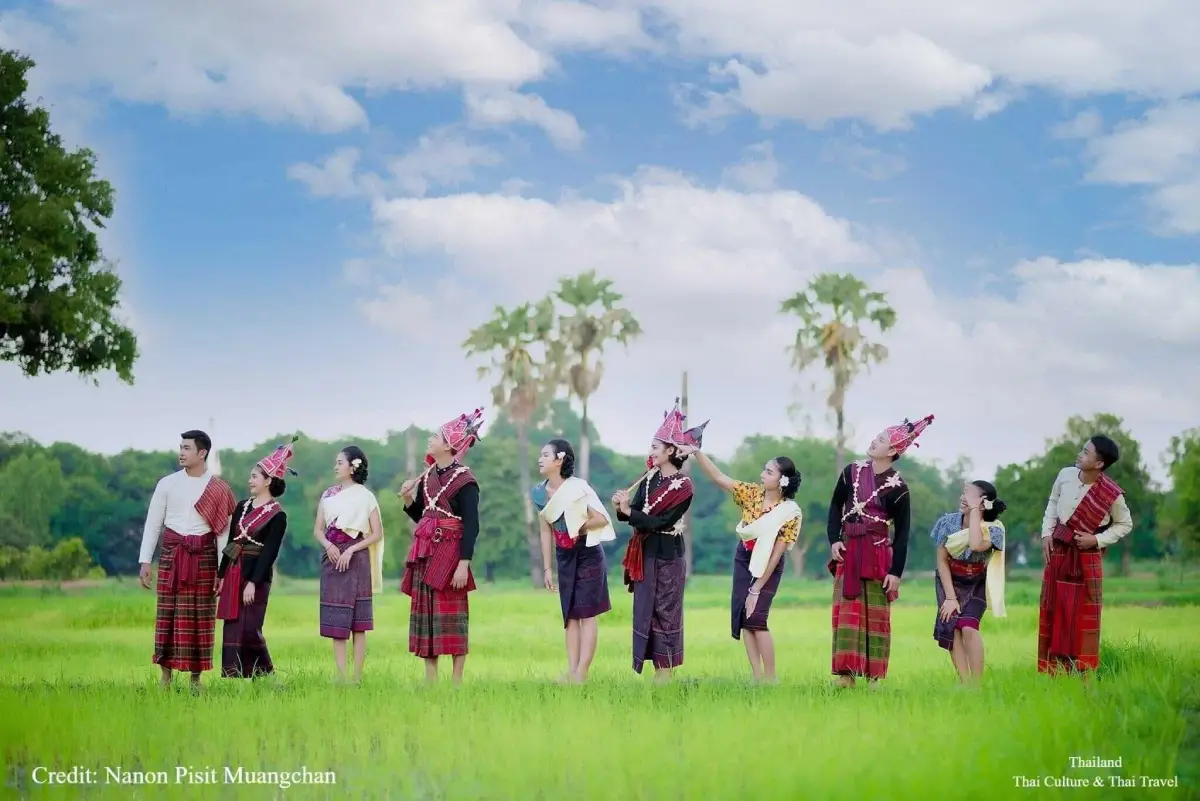
12 Traditional Festivals of Eastern Thailand in 2027: Cultural Celebrations Across Six Provinces Eastern Thailand is home to a remarkable range of living traditions shaped by Buddhism, farming, fishing communities, migration and the history of the Thai-Cambodian borderlands. This guide introduces 12 traditions from Chanthaburi, Chon Buri, Prachin Buri, Rayong, Sa Kaeo and Trat. Each celebration has its own rituals, community meaning and local setting, from quiet dawn offerings to major provincial festivals.
What are the major traditions of Eastern Thailand? They include the Buddha Footprint Pulling Festival at Wat Tapon Yai, the Pa Pah Jon early-morning robe offering, the Khao Khitchakut pilgrimage, the Chon Buri Buffalo Racing Festival, the Buddhist Lent Candle Procession, the waterborne Buddha procession and longboat races, the riverside forest-robe offering, the field merit-making tradition, the Rocket Festival, the Rice Spirit Calling Ceremony, Trat Remembrance Day and the traditional rowing races of Ban Nam Chiao.
The region’s geography helps explain the diversity. Coastal settlements preserve rituals involving boats and waterways, while agricultural communities honour water buffaloes, rice, rainfall and the harvest. Trat also maintains a remembrance ceremony associated with a turning point in its modern history. These celebrations are not merely tourist performances: they remain expressions of community identity, belief and shared memory.
Planning a Festival Trip in 2027 Always confirm the official dates with the temple, community, municipality or provincial organisers. Some events follow the lunar calendar, water levels, seasonal conditions or local decisions. The periods listed below describe established customs and should not be taken as confirmed event dates for 2027.

1. Buddha Footprint Pulling Festival (Wat Tapon Yai) — Chanthaburi The Buddha Footprint Pulling Festival centres on Wat Tapon Yai and the villages of Tapon in Chanthaburi. A replica of the Buddha’s footprint is carried from community to community so residents can pay their respects, chant and make offerings. More than a religious procession, the ceremony reinforces the relationships among neighbouring villages.
Highlights: Procession of a replica Buddha footprint, ceremonial cart tug-of-war and communal merit-making
Villagers bring the revered footprint to crossroads and community gathering places. Residents join chanting and offer food to monks. One of the most distinctive activities is a tug-of-war involving the cart carrying the footprint, bringing an element of shared enjoyment to an occasion rooted in Buddhist devotion and mutual cooperation.
The precise procession schedule changes according to community arrangements. Visitors should confirm when the footprint will pass through each village, dress respectfully, avoid blocking the procession and approach the event as both a meaningful Buddhist ceremony and a cherished local celebration.
Festival Location: Tapon Subdistrict, Khlung District, Chanthaburi
Traditional Timing: Around one month after Songkran
Further Information:Read more about Buddha Footprint Pulling Festival (Wat Tapon Yai)

2. Pa Pah Jon (Early-Morning Forest Robe Offering) — Chanthaburi Pa Pah Jon is a distinctive form of Buddhist robe offering in Chanthaburi. Families prepare robes and necessities and place them along a route used by monks on their early-morning alms round. Despite the name, often rendered as “robber’s forest robe offering,” the tradition has nothing to do with stealing. It refers to a discreet act of generosity rather than a public ceremony.
Highlights: Unannounced offering of robes and essential supplies to monks without designating a recipient
Offerings may include white cloth, dye, needles, thread and other requisites, according to the donors’ means. Relatives or close community members prepare the bundle, traditionally setting it down before daybreak. A monk who comes across the offering may perform the customary robe-taking rite and give a blessing. The merit-making is not directed to any particular monk.
This is a quiet community custom, not necessarily a large scheduled festival with public performances. Travellers wishing to understand it should contact local residents or a temple in advance and take care not to interrupt the predawn religious observance.
Festival Location: Tha Mai District, Chanthaburi
Traditional Timing: Before dawn, as arranged by participating households
Further Information:Read more about Pa Pah Jon (Early-Morning Forest Robe Offering)

3. Khao Khitchakut Pilgrimage Tradition — Chanthaburi The annual Khao Khitchakut pilgrimage draws Buddhist devotees to the revered footprint on Khao Phra Bat Phluang in Chanthaburi. Pilgrims regard the ascent as an act of faith, reflection and personal resolve. The mountain scenery and forest environment are integral to the experience, combining religious devotion with a demanding journey through nature.
Highlights: Pilgrimage to the sacred Buddha footprint on Khao Phra Bat Phluang
Access to the upper pilgrimage route is authorised only during the designated season. Visitor transport, boarding areas, registration procedures and permitted routes may change from year to year. A normal visit to Khao Khitchakut National Park should therefore not be confused with access to the sacred mountain during the annual pilgrimage.
The tradition also highlights the considerable coordination required to accommodate pilgrims in a mountain environment. Visitors should follow the current organiser’s instructions, choose suitable clothing and footwear, prepare for the terrain and carry their litter out of the protected forest.
Festival Location: Phluang Subdistrict, Khao Khitchakut District, Chanthaburi
Traditional Timing: Early in the year; exact pilgrimage period announced annually
Further Information:Read more about Khao Khitchakut Pilgrimage Tradition

4. Chon Buri Buffalo Racing Festival — Chon Buri The Chon Buri Buffalo Racing Festival is one of the province’s most recognisable cultural traditions. Its roots lie in rice farming, when water buffaloes were essential working animals. Although agriculture and the local economy have changed considerably, the festival continues to express the connection between farmers, their animals and the region’s agricultural history.
Highlights: Buffalo races, farming heritage and community celebrations
The best-known attraction is the buffalo race, which calls for experience in handling and training the animals. Depending on the year, the programme may also feature buffalo competitions and folk activities. The grounds become a place where farming families, residents and visitors share in an important part of Chon Buri’s cultural memory.
Check the official competition dates, venue and safety arrangements. Spectators should stay clear of the racing course, avoid disturbing buffaloes before or during races and recognise that animal care and local heritage matter as much as the excitement of the contest.
Festival Location: Mueang Chon Buri District, Chon Buri
Traditional Timing: Usually in October; confirm the annual schedule
Further Information:Read more about Chon Buri Buffalo Racing Festival

5. Buddhist Lent Candle Procession — Chon Buri The Buddhist Lent Candle Procession in Nong Chak, Ban Bueng District, reflects the traditional offering of candles to monks during the three-month rains retreat. Historically, candles provided light for religious study and daily observances before electric lighting became widely available. Preparing the candles together remains an act of faith and communal participation.
Highlights: Decorated candle procession and the offering of Lent candles to temples
Large candles may be decorated with traditional motifs, flowers and intricate handcrafted ornamentation. Local people prepare the procession and accompany the candles to temples, where they are presented as offerings. This collaboration brings religious practice together with craftsmanship, design and cultural expression.
Travellers interested in Thai Buddhist art and seasonal customs can appreciate both the procession and the skill invested in each candle. Routes, venues and event-day arrangements vary, so check the local community’s announcement before visiting.
Festival Location: Nong Chak Subdistrict, Ban Bueng District, Chon Buri
Traditional Timing: Before or around the beginning of Buddhist Lent
Further Information:Read more about Buddhist Lent Candle Procession

6. Waterborne Buddha Procession and Longboat Racing — Prachin Buri The waterborne Buddha procession and longboat racing tradition at Wat Bang Taen in Prachin Buri reflects the central place of rivers in local life. A Buddha image is carried on a decorated boat so people living along the waterway can pay their respects. The religious ceremony recalls the era when rivers were major routes for travel, trade and social gatherings.
Highlights: Buddha image procession by boat, followed by traditional longboat races
After the devotional activities, longboat racing brings a very different energy to the river. The crews must paddle in synchrony, while residents cheer from the banks. The event combines Buddhist faith, community teamwork and a traditional water sport closely linked with the area’s riverside heritage.
The timing and course depend on local water conditions and event planning. Visitors should confirm viewing points with the organisers and remain in designated safe areas, avoiding interference with both the religious boats and racing crews.
Festival Location: Wat Bang Taen, Bang Taen Subdistrict, Ban Sang District, Prachin Buri
Traditional Timing: Traditionally around September; dependent on annual arrangements
Further Information:Read more about Waterborne Buddha Procession and Longboat Racing

7. Tod Phapa Klang Nam (Mid-River Robe Offering) — Rayong The mid-river robe offering is a signature tradition of Pak Nam Prasae in Rayong, a community whose history is closely linked with the river, the estuary and the sea. Villagers prepare offerings and take part in Buddhist merit-making associated with boats and the waterway, creating a ceremony shaped by local fishing and maritime life.
Highlights: Forest-robe offering celebrated through riverboats and the Pak Nam Prasae community
Participants prepare decorated offering trees and the requisites traditionally presented to monks. The gathering recalls the period when waterways were central to travel and livelihood. In this setting, a religious donation also expresses the community’s shared memory of life at the mouth of the Prasae River.
The event follows the community’s festival calendar. Travellers can combine the celebration with a walk around Pak Nam Prasae and nearby mangrove learning sites, while observing safety rules around piers, riverbanks and boats.
Festival Location: Pak Nam Prasae Community, Klaeng District, Rayong
Traditional Timing: Around the Loy Krathong season; confirm yearly arrangements
Further Information:Read more about Tod Phapa Klang Nam (Mid-River Robe Offering)

8. Tam Bun Klang Thung (Field Merit-Making Tradition) — Rayong The field merit-making tradition of Rayong developed within agricultural communities that depended on planting seasons and the harvest. Residents would gather in an open field or on a rice-threshing floor to give thanks, make merit and acknowledge the spiritual significance of rice and nature, including the belief in Mae Phosop, the rice goddess.
Highlights: New-rice blessings, threshing-floor merit-making and traditional rain prayers
Traditional practices include ceremonies using newly harvested rice, merit-making at the threshing floor during the third lunar month, and rain-invoking rites when crops face drought. Families bring food and offerings; in some communities, freshly harvested rice is prepared as bamboo-cooked sticky rice (khao lam), both to offer to monks and to share with neighbours.
The ceremony expresses solidarity and cooperation within farming villages, rather than functioning as a fixed large-scale public festival. Visitors should enquire locally about the date, location and appropriate conduct before attending.
Festival Location: Ban Khai District and other farming communities, Rayong
Traditional Timing: Third lunar month and other community-arranged agricultural rites
Further Information:Read more about Tam Bun Klang Thung (Field Merit-Making Tradition)

9. Bun Bang Fai (Rocket Festival) — Sa Kaeo The Bun Bang Fai festival held in Ta Lang Nai, Wang Nam Yen District, illustrates the influence of Isan cultural traditions within Sa Kaeo. The celebration connects the approach of the planting season with beliefs about Phaya Thaen, a celestial figure associated in folk tradition with rainfall and agricultural abundance.
Highlights: Rain-invoking rites and a lively traditional rocket procession
Depending on the programme, festivities may include decorated rocket processions, folk dancing, merit-making and ceremonial rocket launches. Residents from different villages work together to prepare the occasion. Beyond its vivid spectacle, the festival expresses the continuity of traditions brought by communities with northeastern Thai cultural roots.
Rocket launching involves significant safety risks. Spectators must remain within designated viewing areas, obey the organiser’s instructions and keep clear of launch sites and restricted zones.
Festival Location: Wat Ta Lang Nai, Ta Lang Nai Subdistrict, Wang Nam Yen District, Sa Kaeo
Traditional Timing: Usually May; actual dates depend on organisers
Further Information:Read more about Bun Bang Fai (Rocket Festival)

10. Su Kwan Khao (Rice Spirit Calling Ceremony) — Sa Kaeo The Su Kwan Khao ceremony in Khao Sam Sip, Sa Kaeo, gives thanks for the rice harvest and honours Mae Phosop, the guardian spirit of rice in Thai folk belief. After bringing in the crop, villagers invite the rice spirit to return and express their hopes for a fruitful, secure planting season to come.
Highlights: Calling the rice spirit, honouring Mae Phosop and blessing the next growing season
Ceremonial offerings may include a bai si arrangement, flowers, puffed rice, fragrant water and food. Elders or knowledgeable members of the community recite the words calling back the rice spirit; Buddhist chanting and blessings may also form part of the observance. The details illustrate how agricultural work, local beliefs and Buddhist practice can overlap.
This living custom transmits knowledge and values across generations. Guests should avoid handling ritual offerings without permission, behave respectfully and check the actual ceremony date with the community before travelling.
Festival Location: Khao Sam Sip Subdistrict, Khao Chakan District, Sa Kaeo
Traditional Timing: Usually after the harvest, around November–December
Further Information:Read more about Su Kwan Khao (Rice Spirit Calling Ceremony)

11. Trat Remembrance Day — Trat Trat Remembrance Day commemorates the province’s return to Siamese rule on 23 March 1907, following a period of French control. The annual observance recalls a defining chapter in the history of Thailand’s eastern borderlands and honours King Chulalongkorn (Rama V).
Highlights: Commemoration of Trat’s return to Siamese administration in 1907
The provincial authorities, students, residents and local organisations gather for remembrance ceremonies around the provincial hall and the monument to King Rama V. The programme may include the laying of tributes and cultural activities as announced in each year’s official schedule.
The event provides an opportunity to understand the region’s role in diplomatic and territorial developments during the colonial era. The day of commemoration should not be confused with the opening hours of the surrounding public spaces; travellers intending to attend the ceremony should verify the current programme.
Festival Location: Provincial Hall and King Rama V Monument, Mueang Trat District, Trat
Traditional Timing: 23 March each year; accompanying programme varies
Further Information:Read more about Trat Remembrance Day

12. Traditional Rowing Boat Race of Ban Nam Chiao — Trat The Ban Nam Chiao rowing tradition reflects the importance of Khlong Nam Chiao to local travel, livelihood and social life in Trat. The community includes Buddhist and Muslim residents whose traditions have coexisted for generations. The races are therefore occasions for reunion and cooperation, not simply contests to reach the finish line first.
Highlights: Traditional rowing competition and cooperation within a multicultural riverside community
Local accounts describe earlier races using improvised containers or everyday materials in place of boats, highlighting the ingenuity and playful spirit of participants. Today, the rowing competition forms part of Ban Nam Chiao’s cultural identity alongside fishing, mangrove environments and the making of traditional woven ngop hats.
Timing is linked to local Muslim community observances and is not a fixed date on the Gregorian calendar. Visitors should check the race schedule and safe viewing points locally and avoid entering the canal or competition areas without permission.
Festival Location: Ban Nam Chiao, Laem Ngop District, Trat
Traditional Timing: After the community’s Muslim moon-sighting observance; exact timing varies
Further Information:Read more about Traditional Rowing Boat Race of Ban Nam Chiao
| 1. Buddha Footprint Pulling Festival (Wat Tapon Yai) | Chanthaburi | Around one month after Songkran |
| 2. Pa Pah Jon (Early-Morning Forest Robe Offering) | Chanthaburi | Before dawn, as arranged by participating households |
| 3. Khao Khitchakut Pilgrimage Tradition | Chanthaburi | Early in the year; exact pilgrimage period announced annually |
| 4. Chon Buri Buffalo Racing Festival | Chon Buri | Usually in October; confirm the annual schedule |
| 5. Buddhist Lent Candle Procession | Chon Buri | Before or around the beginning of Buddhist Lent |
| 6. Waterborne Buddha Procession and Longboat Racing | Prachin Buri | Traditionally around September; dependent on annual arrangements |
| 7. Tod Phapa Klang Nam (Mid-River Robe Offering) | Rayong | Around the Loy Krathong season; confirm yearly arrangements |
| 8. Tam Bun Klang Thung (Field Merit-Making Tradition) | Rayong | Third lunar month and other community-arranged agricultural rites |
| 9. Bun Bang Fai (Rocket Festival) | Sa Kaeo | Usually May; actual dates depend on organisers |
| 10. Su Kwan Khao (Rice Spirit Calling Ceremony) | Sa Kaeo | Usually after the harvest, around November–December |
| 11. Trat Remembrance Day | Trat | 23 March each year; accompanying programme varies |
| 12. Traditional Rowing Boat Race of Ban Nam Chiao | Trat | After the community’s Muslim moon-sighting observance; exact timing varies |
Frequently Asked Questions (FAQ)
Q: What are the major traditional festivals in Eastern Thailand?
A: Well-known examples include the Chon Buri Buffalo Racing Festival, the Khao Khitchakut pilgrimage in Chanthaburi, the mid-river robe offering in Rayong and the Ban Nam Chiao rowing races in Trat, alongside numerous other local traditions.
Q: Which Eastern Thailand traditions are linked to farming?
A: Buffalo racing, field merit-making, the Rocket Festival and the Rice Spirit Calling Ceremony all reflect the importance of farm labour, rainfall and the rice harvest.
Q: Which festivals involve rivers or boats?
A: Examples include the Buddha procession and longboat races in Prachin Buri, the mid-river robe offering in Rayong and the Ban Nam Chiao rowing races in Trat.
Q: When is the Chon Buri Buffalo Racing Festival held?
A: It generally takes place in October, but visitors should confirm the precise date and location with the organisers each year.
Q: Can visitors make the Khao Khitchakut pilgrimage throughout the year?
A: No. Access to the pilgrimage route is permitted only during an announced annual season; it does not stay open for pilgrimage year-round.
Q: When is Trat Remembrance Day?
A: It is observed on 23 March each year to commemorate an important event in the province’s history.
Q: What is Pa Pah Jon?
A: It is a predawn robe-offering custom in which Buddhist requisites are made available to monks without identifying a particular recipient. Its name does not refer to theft.
Q: How should I prepare to attend a festival in 2027?
A: Confirm the official programme and venue locally, check transport and weather, dress modestly for religious observances and follow public safety instructions.
 Category: ●Travel Articles, Recipes
 Group: ●Travel Review, Food Review
Last Update : 1 DayAgo
 Last Update : 1 DayAgo
Recommend

 Art, Culture and Heritage
 Historical Sites and Monuments(7)
 Landmarks and Memorials(7)
 Royal Palace(1)
 Art, Craft Centres, Tradition(7)
 Museums(2)
 Educational Places
 Educational Gardens, Farm(5)
 Places of Worship
 Temple(25)
 Church(1)
 Other Sacred Sites(16)
 Research and Development
 Royal Project(1)
 Suburban Living
 Village, Community(4)
 Local Market(5)
 Nature and Wildlife
 National Parks and Marine Reserves(7)
 Mountain (Doi)(3)
 Dam, Reservoir, Lake(8)
 Waterfalls(21)
 Hot Springs(1)
 Caves(4)
 River, Canal(3)
 Bays and Beaches(9)
 Islands(2)
 Other natural attractions(3)
 Entertainment and Agricultural
 Zoos and Aquariums(3)
 Stadium(1)
 Farms, Parks and Ecotourism(7)
 Outdoor and Adventure Activities(3)
Travel Review, Food Review(3)


