
lovethailand home >Central Travel Attractions >Bangkok Travel Attractions > 50 Best Museums in Thailand Must-Visit
TL;DR: 50 Best Museums in Thailand Must-Visit, open Tuesday–Sunday Opening Hours: 10:00 – 18:00.
50 Best Museums in Thailand Must-Visit
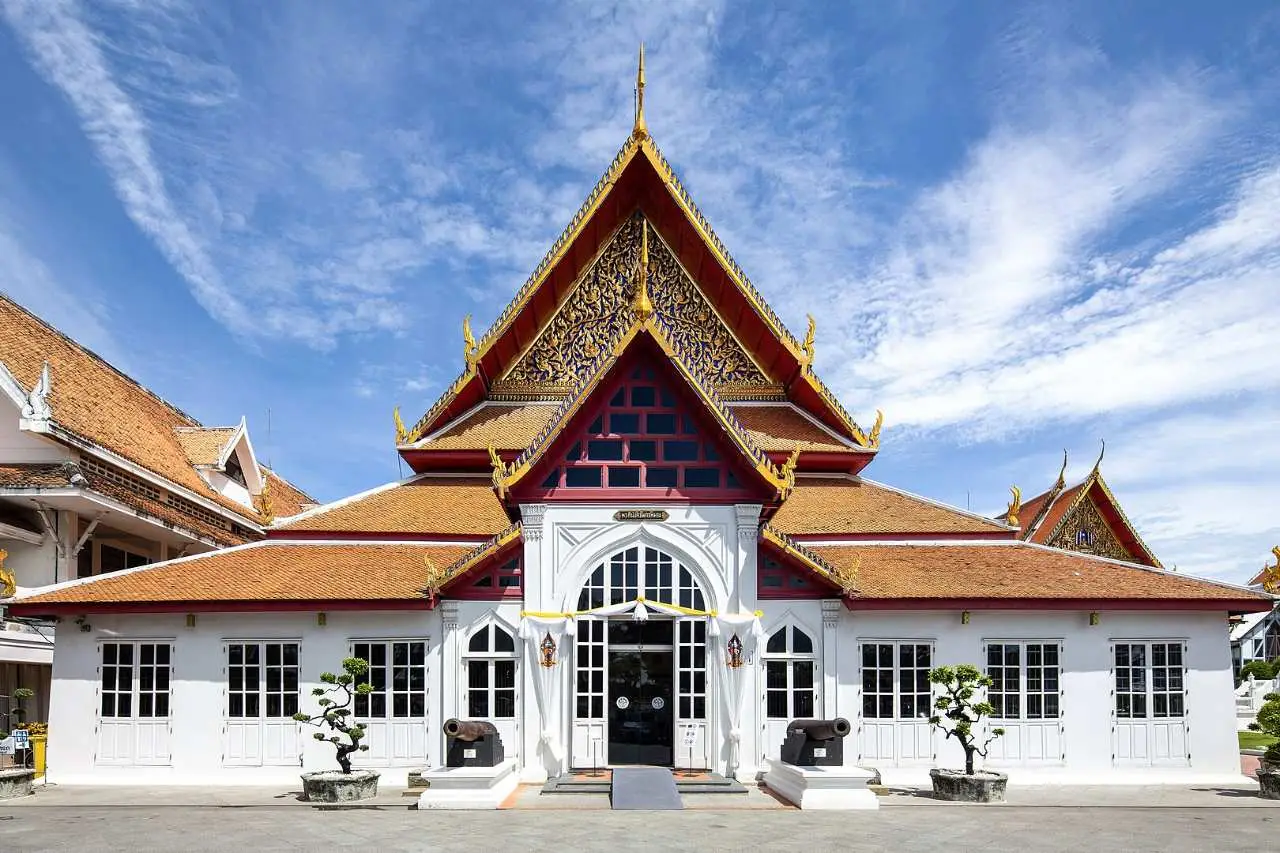
50 Best Museums in Thailand: Must-Visit Museums with Locations and GPS Directions Museums in Thailand offer travelers an opportunity to discover the country's history, art, traditional ways of life, local wisdom, and social development through authentic artifacts, historic buildings, exhibitions, and educational activities. Thailand has a remarkable variety of museums, ranging from national museums that preserve important antiquities and art museums displaying valuable collections to community museums documenting local stories and specialized museums devoted to royal barges, silk, religion, and regional culture. Each museum has its own distinctive history and exhibitions, making museum visits worthwhile for families, schoolchildren, students, history enthusiasts, and international travelers seeking a deeper understanding of Thailand.
For travelers beginning their museum journey in Bangkok, Museum Siam is an excellent introduction to Thai identity through contemporary exhibitions and interactive learning. The Jim Thompson House Museum offers an opportunity to appreciate traditional Thai architecture and learn about the history of Thai silk, while the National Museum of Royal Barges allows visitors to admire exquisitely decorated royal ceremonial vessels at close range. Those interested in Thailand's former capitals should consider Chao Sam Phraya National Museum in Ayutthaya and Ramkhamhaeng National Museum in Sukhothai. Meanwhile, Chiang Mai National Museum introduces the history of the Lanna Kingdom, and museums in Nakhon Si Thammarat provide fascinating insights into the cultural heritage of southern Thailand.
One of the greatest attractions of visiting museums is the chance to encounter objects and evidence that directly connect the past with the present. Some antiquities reveal the achievements of ancient kingdoms, while everyday tools and household objects demonstrate how people developed skills and adapted to their environments. Many museums also preserve historic buildings as an integral part of the visitor experience. Rather than simply reading exhibition labels, travelers can explore authentic surroundings and gain a stronger sense of the places in which important events and ways of life once unfolded.
Museums across Thailand also reflect the country's regional diversity. Northern Thailand is particularly rich in Lanna art, traditional handicrafts, and the history of ancient cities. Central Thailand preserves evidence of the great civilizations and kingdoms associated with Sukhothai, Ayutthaya, and Rattanakosin. Northeastern Thailand is renowned for archaeological discoveries and the cultures of the Mekong River basin, while southern Thailand reveals a long history of maritime trade, cultural exchange, and communities shaped by connections with other parts of Asia. Together, these varied museum collections make traveling around Thailand feel like a journey through different chapters of the country's history.
Travelers with just one day can visit museums located within the same district to reduce travel time. In Bangkok, for example, Museum Siam can be combined with historic attractions in Phra Nakhon, while the Jim Thompson House Museum can be paired with art and cultural destinations around Pathum Wan. With 2–3 days available, visiting Ayutthaya, Sukhothai, or Chiang Mai provides opportunities to explore museums alongside ancient monuments and traditional communities. Travelers planning a longer journey of 4–5 days or more can create an itinerary across several provinces, comparing regional art, architecture, and historical developments at a more relaxed pace.
Museum visits appeal to many different kinds of travelers. Families with children can choose institutions offering interactive exhibits and hands-on educational activities. History enthusiasts may prefer to spend additional time studying archaeological evidence and reading detailed exhibition descriptions. Art lovers can focus on architecture, sculpture, and painting, while photography enthusiasts should always check camera and flash restrictions before taking pictures. Observing these rules helps protect important collections and ensures that other visitors can enjoy the exhibitions without disturbance.
Before traveling, visitors should check each museum's weekly closing days, opening hours, guided-tour schedules, and admission conditions. Some museums close on Mondays or public holidays, while others require guided entry or advance reservations. Planning routes carefully and using public transportation where convenient can make it easier to visit several attractions without rushing. This is particularly useful in Bangkok, where many museums and historic landmarks are located near MRT or BTS stations and within established heritage districts.

1. Museum Siam, Bangkok is located at No. 4 Sanam Chai Road, Phra Borom Maha Ratchawang Subdistrict, Phra Nakhon District, Bangkok, inside the former Ministry of Commerce building. It is an innovative learning museum known for presenting Thai identity through contemporary exhibitions, creative media, and activities that encourage visitors to participate. Unlike traditional museums that primarily focus on displaying ancient artifacts, Museum Siam invites visitors to question and explore the history, society, identity, and cultural diversity of the people of Thailand.
Highlights: Exhibitions exploring Thai identity, interactive learning experiences, the historic former Ministry of Commerce building, distinctive architecture in the Sanam Chai neighborhood, and convenient access from Sanam Chai MRT Station.
What distinguishes Museum Siam from conventional history museums is its approach to learning, which connects exhibitions with visitors' own ideas and experiences. Rather than merely presenting a chronological sequence of historical events, it encourages visitors to consider how Thai identity has been shaped by people, languages, food, clothing, beliefs, and cultural exchanges that have changed over time. Visitors can therefore explore history by observing, comparing, questioning, and interpreting the exhibits for themselves.
The museum building is historically and architecturally significant in its own right. Originally used for government administration, it has been carefully adapted into a modern learning space. Walking through its rooms allows visitors to appreciate the details of a historic building alongside contemporary exhibition design. This combination also illustrates how architectural heritage can be preserved through thoughtful reuse rather than maintained as an unused monument.
Museum Siam is particularly suitable for families, school groups, university students, and travelers who enjoy informal learning. Its exhibitions encourage visitors of different ages to exchange ideas and discuss what they discover. Parents can turn a visit into a shared educational experience with their children, while international travelers can gain an accessible introduction to Thai culture before exploring the country's temples, historical sites, and regional communities.
Its location in Bangkok's Phra Nakhon District makes it an excellent starting point for a full day of exploring the historic city. After visiting the museum, travelers can continue to Wat Pho, the Grand Palace, or the Tha Tien neighborhood. Using the MRT and walking between nearby attractions can help avoid traffic congestion in this historic part of central Bangkok.
Open Days: Tuesday–Sunday Opening Hours: 10:00 – 18:00
Admission Fee: Thai and foreign adults: 100 THB. Students aged 15 and above: 50 THB. Children under 15, visitors aged 60 and above, and other eligible groups receive free admission according to museum conditions.
Telephone: 02-225-2777
Getting There: Take the MRT Blue Line to Sanam Chai Station, Exit 1, then walk directly to the museum. Alternatively, take a Chao Phraya riverboat and continue on foot from the Tha Tien or Yodpiman area. Travelers arriving by car should allow additional time for traffic and check available parking facilities.
Map (GPS):Get Directions to Museum Siam

2. The Jim Thompson House Museum, Bangkok is an internationally renowned traditional Thai house museum located in Kasemsan 2 Alley, off Rama I Road in Bangkok's Pathum Wan District. It was once the residence of James H. W. Thompson, widely known as Jim Thompson, who played an important role in introducing Thai silk to international markets and was a dedicated collector of Asian art. The museum consists of traditional teakwood houses arranged as an interconnected complex, surrounded by lush gardens that allow visitors to experience the atmosphere of a traditional Thai home despite being in the heart of Bangkok's busy commercial district.
Highlights: Historic teakwood Thai houses, collections of Asian art and antiquities, the history of Thai silk, beautifully landscaped gardens, and guided tours of the main residence.
The museum's most distinctive feature is its preservation of a historic residence with a unique personal story. Inside the traditional houses, furniture, paintings, Buddha images, and Asian art objects are displayed in arrangements reflecting the tastes and interests of the original owner. Exploring the rooms offers visitors a glimpse into the life of an art collector in the mid-20th century while introducing artistic traditions and craftsmanship from different parts of Asia.
Traditional Thai architecture is another important aspect of the visit. The elevated wooden floors, supporting columns, steeply pitched roofs, open terraces, and connections between buildings demonstrate architectural knowledge developed for Thailand's hot and humid climate. The combination of natural building materials and surrounding greenery creates a peaceful atmosphere that contrasts with the modern urban landscape outside the museum walls.
The museum also explains the importance of Thai silk as a distinctive cultural product and traditional handicraft. Jim Thompson's success in developing the Thai silk industry connects the story of his home with creative industries, the skills of local silk weavers, and design practices that brought traditional Thai craftsmanship to international recognition.
Visits to the main residence are organized as guided tours. Travelers should allow time for their assigned tour and follow instructions concerning footwear, bags, and photography. Because the traditional houses include several staircases, visitors traveling with young children or elderly family members should consider accessibility and walking requirements. The museum is especially rewarding for those interested in architecture, fine art, craftsmanship, and the history of Thai design.
Open Days: Daily Opening Hours: 10:00 – 17:00
Admission Fee: Adults: 250 THB. Visitors aged 10–21: 150 THB. Children under 10 enter free of charge. Other exemptions may apply under the museum's admission policies.
Telephone: 02-216-7368
Getting There: Take the BTS Skytrain to National Stadium Station, Exit 1, then walk into Kasemsan 2 Alley off Rama I Road. The museum is within walking distance of the station. Visitors can also arrive by taxi or private car.

3. National Museum of Royal Barges, Bangkok is located along Khlong Bangkok Noi in Bangkok Noi District, Bangkok. This specialized museum preserves and displays Thailand's royal ceremonial barges, which are used in important royal waterborne ceremonies. Its most remarkable feature is the opportunity to see the actual royal barges inside their boathouse while studying the elaborate carvings on their prows, gilded lacquer decorations, vessel designs, and traditional royal craftsmanship that demonstrate the exceptional skills of Thai artisans.
Highlights: The Suphannahong Royal Barge, Anantanakkharat Royal Barge, Narai Song Suban Royal Barge, Anekchatphuchong Royal Barge, and the artistic traditions associated with the Royal Barge Procession.
Thailand's royal ceremonial barges represent a remarkable combination of boatbuilding knowledge, decorative arts, religious symbolism, and royal traditions. The design of each prow and its ornamental motifs reflects symbolic meanings and the vessel's position in the royal procession. Viewing several barges together allows visitors to compare their shapes, proportions, carvings, and distinctive decorative features in considerable detail.
The Suphannahong Royal Barge is among Thailand's most famous ceremonial vessels. Its prow is intricately carved into the graceful form of a golden swan, while the Narai Song Suban Royal Barge features an elaborate figure associated with religious mythology and royal iconography. Each vessel is therefore more than a means of transportation. It is a work of art that reflects important aspects of traditional Thai beliefs and the symbolic world of the royal court.
Displaying the vessels in their boathouse makes it possible to appreciate their actual construction, including their impressive length, width, ornamental details, and wooden hulls. The museum also helps visitors understand the preparation required before the barges can participate in a royal ceremony, from inspecting and maintaining the vessels to training the rowing crews and coordinating their movements.
The museum is closely associated with the Royal Barge Procession, an important Thai royal ceremony held on special occasions. Seeing the actual barges provides an appreciation of their craftsmanship that cannot be gained from photographs or televised coverage alone. It is particularly appealing to visitors interested in Thai history, woodcarving, royal decorative arts, and Thailand's long-standing relationship with its rivers and waterways.
The museum is situated in Bangkok Noi, a historic district whose development has long been closely connected with rivers and canals. Visitors can combine their museum visit with other riverside communities and historical attractions on the Thonburi side of Bangkok. Checking pedestrian access and river transportation routes before setting out will help make the journey more convenient.
Open Days: Generally open daily, except on designated museum holidays Opening Hours: 09:00 – 17:00
Telephone: 02-424-0004
Getting There: From central Bangkok on the eastern bank of the Chao Phraya River, cross to the Bangkok Noi area and continue by local transport or on foot toward the royal barge boathouse. Visitors arriving by car can use roads on the Thonburi side around Arun Amarin Road and the Siriraj area before following local streets to the museum.
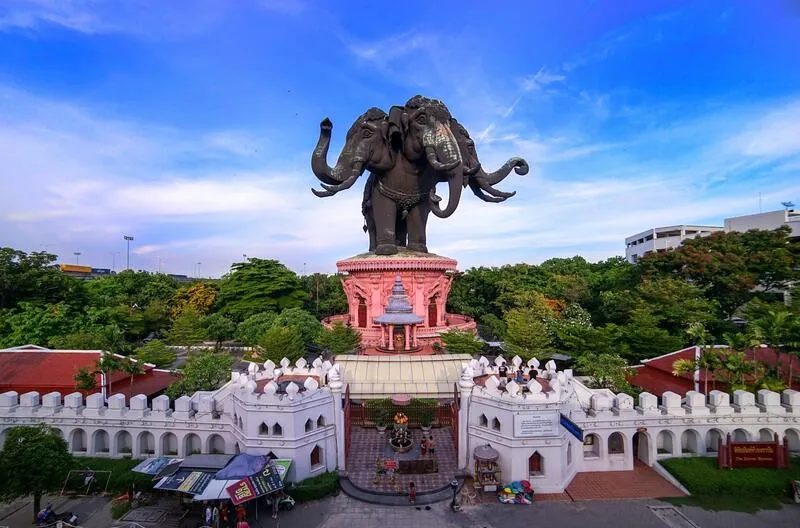
4. The Erawan Museum, Samut Prakan is a striking cultural attraction devoted to art, heritage, and spiritual beliefs, distinguished by its enormous three-headed Erawan elephant sculpture. Located along Sukhumvit Road in Samut Prakan Province, the museum features exhibition spaces, monumental architecture, and beautifully landscaped gardens. Visitors can explore the symbolism of the universe, religious beliefs, and traditional artistic craftsmanship through an architectural design in which individual elements carry deeper cultural meanings.
Highlights: The monumental three-headed Erawan elephant, the museum's three symbolic levels, stained-glass ceiling, elaborately decorated staircases, art collections, and landscaped gardens surrounding the museum.
The creation of the Erawan Museum was inspired by the vision of Lek Viriyaphant, who also played a major role in developing Ancient Siam in Samut Prakan. The museum was conceived as a place to preserve works of art and communicate ideas about the universe through a combination of spiritual beliefs, religion, art, and philosophy. The three-headed elephant is therefore far more than an impressive sculpture; it serves as a powerful symbol introducing visitors to the ideas explored throughout the building.
The exhibition areas are designed around traditional concepts of the world and the universe, with each level featuring its own atmosphere and decorative characteristics. Visitors encounter many forms of traditional craftsmanship, including intricate interior ornamentation and a stained-glass ceiling that transforms natural light into spectacular colors. These artistic details make the museum both an exhibition venue and an immense architectural artwork.
The art objects and religious elements displayed inside reflect the diversity of beliefs that have influenced Thai society. Visitors can learn about the symbolism of sculptures and decorative features, while photography enthusiasts will find attractive viewpoints around the gardens and within designated interior areas where photography is permitted.
The surrounding landscape adds another dimension to the visitor experience. Garden paths and viewpoints offer opportunities to appreciate the enormous elephant sculpture from different angles. Those with an interest in architecture should allow enough time to examine both the exterior and interior spaces, as each area presents different artistic details and symbolic meanings.
The Erawan Museum can be combined with a visit to Ancient Siam and other attractions along Sukhumvit Road in Samut Prakan. Traveling by BTS Skytrain is a convenient way to reduce time spent in traffic, particularly on weekends and public holidays when popular attractions may receive large numbers of visitors.
Open Days: Daily Opening Hours: 09:00 – 18:00. Ticket sales close at 17:00.
Admission Fee: Thai visitors: Adults 250 THB, children 125 THB. Foreign visitors: Adults 500 THB, children 250 THB.
Telephone: 02-371-3135 to 02-371-3136
Getting There: Take the BTS Sukhumvit Line to Chang Erawan Station and walk to the museum. Visitors traveling by car can follow Sukhumvit Road toward Samut Prakan. The enormous three-headed elephant sculpture is an easily recognizable landmark.
Map (GPS):Get Directions to the Erawan Museum
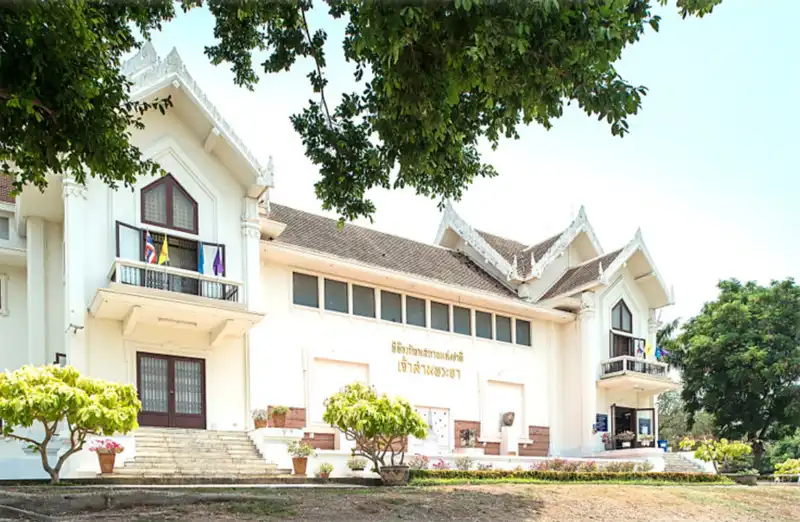
5. Chao Sam Phraya National Museum, Phra Nakhon Si Ayutthaya is located on Rojana Road in Pratu Chai Subdistrict, Phra Nakhon Si Ayutthaya District. It is one of Thailand's most important historical museums for understanding the achievements of the Ayutthaya Kingdom, particularly antiquities and works of art associated with the royal court, religious traditions, and archaeological discoveries in the province. The museum provides valuable context for the historic monuments within Ayutthaya Historical Park, helping visitors understand the relationship between objects displayed in galleries and the places where they were originally discovered.
Highlights: Gold treasures from the crypt of Wat Ratchaburana, Ayutthaya-period Buddha images, archaeological discoveries, traditional decorative arts, and exhibitions on the history of the Ayutthaya Kingdom.
Chao Sam Phraya National Museum plays an important role in preserving and displaying antiquities recovered from archaeological sites throughout the former capital. Particularly significant are the gold treasures and precious objects associated with the crypt of Wat Ratchaburana. These discoveries provide important evidence of Ayutthaya's artistic achievements, religious beliefs, and prosperity. Viewing the objects in a museum allows visitors to appreciate details of ancient craftsmanship that would be difficult to observe when visiting ruined monuments alone.
The ancient goldwork is especially valuable because it demonstrates sophisticated techniques in metalworking, ornamentation, and the production of jewelry and ceremonial objects during the Ayutthaya period. Visitors can examine finely executed designs and decorative motifs that reflect religious ideas as well as the relationship between artistic production and the royal court.
In addition to gold artifacts, the museum houses Buddha images, sculptures, and objects recovered from various archaeological sites. These collections help explain the development of artistic styles over successive periods. Exploring the exhibits before visiting Wat Mahathat, Wat Ratchaburana, and Wat Phra Si Sanphet allows travelers to connect the details seen inside the museum with the surviving structures of Ayutthaya's historic temples.
The museum is ideal for history enthusiasts, students, and visitors who want a structured introduction to Ayutthaya. Travelers with half a day can concentrate on the principal galleries before continuing to nearby historic sites. Those with a deeper interest in art and archaeology should allow additional time to read exhibition descriptions and study individual objects closely.
A visit also highlights the importance of conserving antiquities as irreplaceable evidence of Thailand's history. Displaying these objects in appropriate environmental conditions helps protect fragile materials while giving the public opportunities to study significant cultural treasures without compromising their preservation.
Open Days: Tuesday–Sunday Opening Hours: 09:00 – 16:00
Admission Fee: Thai visitors 30 THB, foreign visitors 150 THB. Children, eligible students, visitors with disabilities, and Thai citizens over 60 may receive free admission under the applicable museum conditions.
Telephone: 035-241-587, 035-244-570
Getting There: From Bangkok, follow the Asian Highway toward Phra Nakhon Si Ayutthaya, then continue into the city across Somdet Phra Naresuan Maharaj Bridge toward Rojana Road. The museum is located near the Phra Nakhon Si Ayutthaya Provincial Court. Visitors can travel by private car, taxi, or local tuk-tuk from Ayutthaya Railway Station.
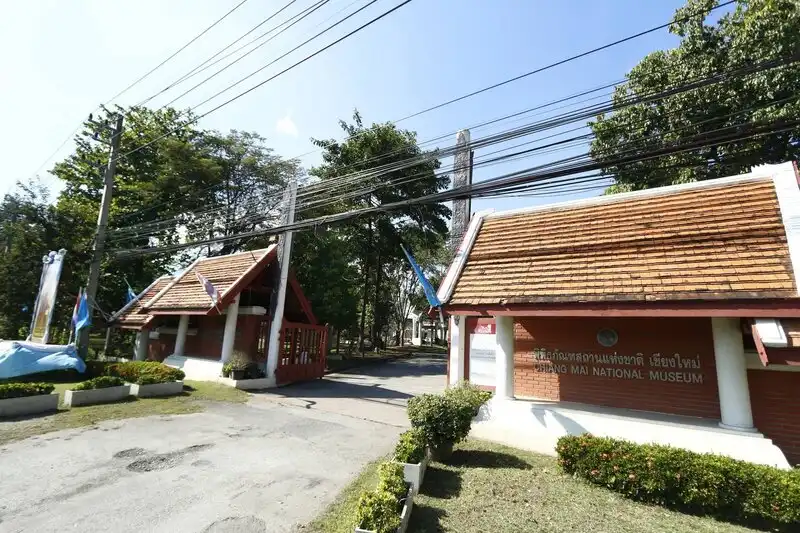
6. Chiang Mai National Museum, Chiang Mai is a regional national museum dedicated to the history, archaeology, art, and cultural heritage of Lanna. It is situated along the Chiang Mai–Lampang Superhighway near Wat Jed Yod in Chang Phueak Subdistrict, Mueang Chiang Mai District. The museum occupies a four-winged building designed in an adapted traditional Thai style with architectural details inspired by Lanna heritage. Both its collections and the design of the building reflect the distinctive cultural identity of northern Thailand.
Highlights: Lanna archaeological artifacts, Buddhist art, the history of Chiang Mai, regional cultural heritage, and exhibitions tracing the development of Upper Northern Thailand.
The museum presents the development of the Lanna region from prehistoric times through the period when Chiang Mai became an important political, economic, and religious center. Visitors can explore evidence of early settlements, traditional systems of government, and relationships between major northern cities through archaeological objects and informative exhibition materials.
Lanna art forms a central part of the museum's collections. Buddha images, sculptures, and examples of traditional craftsmanship demonstrate the close relationship between religion and everyday life. These objects also help explain how Lanna artistic traditions differ from those associated with the Sukhothai and Ayutthaya periods.
Other exhibitions explore Chiang Mai's development during the period when its relationship with Bangkok became increasingly significant. The expansion of trade and transportation, particularly the arrival of the Northern Railway, profoundly affected the region's economy and way of life. Learning about these developments reveals Chiang Mai as a city that has undergone continuous historical change rather than simply a destination famous for beautiful temples and mountain scenery.
Chiang Mai National Museum is an excellent starting point for travelers who wish to understand Lanna history before visiting important monuments such as Wat Jed Yod, Wat Chiang Man, Wat Phra Singh, and Wat Chedi Luang. Visitors interested in history can spend time examining the artifacts and comparing artistic styles from different periods.
Open Days: Wednesday–Sunday Opening Hours: 09:00 – 16:00
Telephone: 053-221-308, 053-408-568 ext. 10 or 13
Getting There: From central Chiang Mai, follow the Chiang Mai–Lampang Superhighway toward Wat Jed Yod. The museum is located near the main road and can be reached by private car, taxi, or red songthaew from the city.
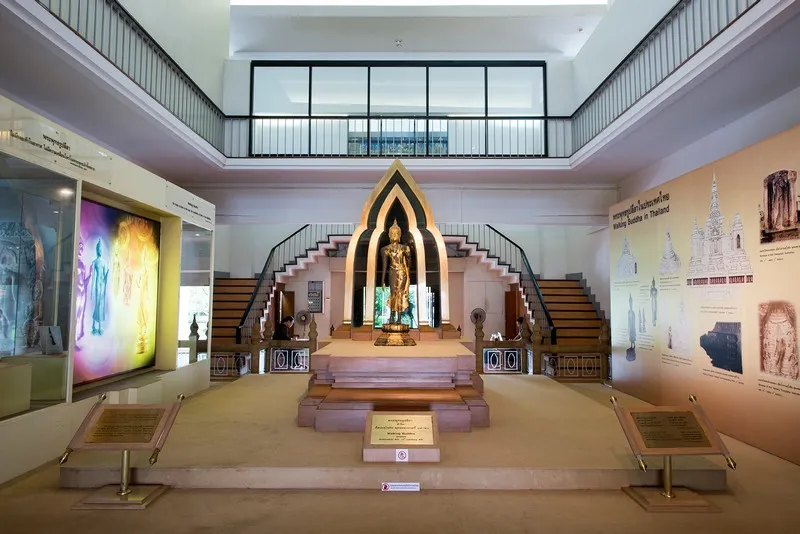
7. Ramkhamhaeng National Museum, Sukhothai is located on Charot Withi Thong Road in Mueang Kao Subdistrict, Mueang Sukhothai District. It is an important museum preserving archaeological artifacts and works of art from the Sukhothai Kingdom and surrounding areas. The museum is particularly worthwhile before or after visiting Sukhothai Historical Park because it helps visitors understand the connections between the displayed objects and the remains of ancient temples, monuments, and communities.
Highlights: Sukhothai-style Buddha images, archaeological artifacts from the old city, Sangkhalok ceramics, sculptures, ancient tools, household objects, and evidence of life in historic Sukhothai communities.
The museum preserves important evidence of the Sukhothai Kingdom's development in government, religion, art, and the economy. Many artifacts reflect the prosperity of urban communities connected with agricultural settlements and regional trading networks. Studying these collections allows visitors to understand Sukhothai beyond the familiar images of ancient stupas and ruined city walls seen throughout the historical park.
Sukhothai-period Buddha images and sculptures are among the museum's outstanding exhibits. They demonstrate artistic ideals emphasizing elegance, harmony, and spiritual serenity. Visitors can examine body proportions, facial characteristics, hairstyles, and postures that distinguish Sukhothai Buddhist art from other periods. Seeing original objects makes the craftsmanship considerably more apparent than studying photographs alone.
Sangkhalok ceramics are another significant collection for understanding Sukhothai's economic history and craftsmanship. These pottery products demonstrate techniques of shaping, decorating, glazing, and firing that developed into an important industry in the past. Their patterns and vessel forms also reveal how pottery was used and how artistic preferences differed among communities.
Other exhibits relate to everyday life, including agricultural tools, transportation equipment, and household objects. They connect the familiar history of kings and religious monuments with the experiences of ordinary people, showing that Sukhothai's development depended on the knowledge and labor of communities engaged in many different occupations.
Ramkhamhaeng National Museum is conveniently located for a historical sightseeing itinerary. Travelers can explore the museum before continuing to Wat Mahathat, Wat Sa Si, and Wat Si Chum, comparing what they have learned with the actual monuments within Sukhothai Historical Park.
Open Days: Daily Opening Hours: 09:00 – 16:00
Telephone: 055-697-026
Getting There: From Sukhothai city, take Highway 12 toward Mueang Kao Subdistrict and Sukhothai Historical Park. The museum stands on Charot Withi Thong Road and is accessible by private car, taxi, or local public transportation.
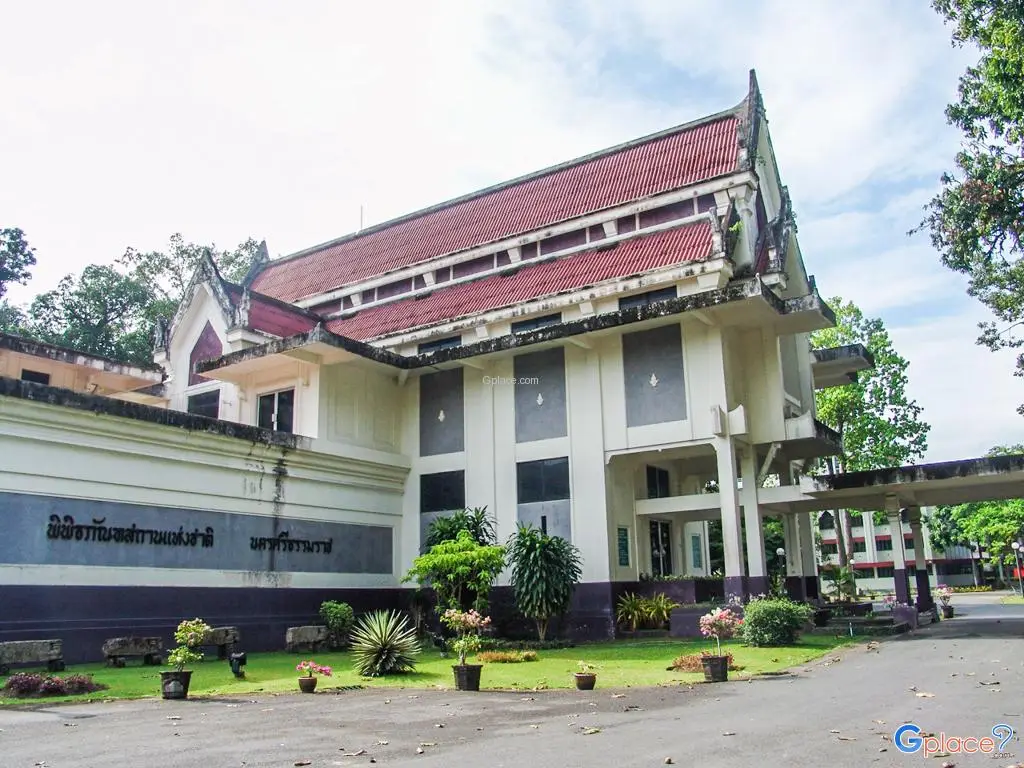
8. Nakhon Si Thammarat National Museum, Nakhon Si Thammarat is an important center for archaeological artifacts and works of art associated with the history and culture of Southern Thailand. It is located on Ratchadamnoen Road opposite Wat Suan Luang, in Nai Mueang Subdistrict, Mueang Nakhon Si Thammarat District. The museum plays a significant role in preserving and sharing knowledge about early human settlements, religious art, and the cultural development of the southern peninsula, which has maintained connections with maritime trading networks for many centuries.
Highlights: Southern Thai antiquities, Buddha images, religious art, evidence of ancient settlements, and exhibitions tracing the history of Nakhon Si Thammarat.
Nakhon Si Thammarat is one of Thailand's historically important cities, with a long-established role in the spread of Buddhism, regional trade, and cultural exchange. Studying the museum's collections helps visitors understand the region's development from its earliest settlements to the emergence of an influential center of commerce and religion.
The collections of religious art reveal cultural influences that reached Southern Thailand during different historical periods. Buddha images, sculptures, and ceremonial objects demonstrate the development of artistic styles and religious beliefs. Comparing these objects allows visitors to observe both continuity and change in regional craftsmanship.
The museum also makes an important contribution to understanding ancient communities and trade routes connecting Southern Thailand with other parts of Southeast Asia and the Indian Ocean. These historical connections demonstrate that Nakhon Si Thammarat belonged to extensive economic and cultural networks long before the modern period.
A visit is particularly suitable for travelers interested in archaeology, religious history, and the development of Nakhon Si Thammarat. Taking time to read descriptions of the artifacts will help visitors connect the collections with important provincial landmarks, including Wat Phra Mahathat Woramahawihan and other historic sites.
The museum's location on Ratchadamnoen Road makes it convenient to include in a cultural itinerary alongside Wat Phra Mahathat Woramahawihan, Nakhon Si Thammarat City Museum, and older neighborhoods. Visiting these places together provides a more complete understanding of the city's history through both museum exhibits and surviving historic surroundings.
Open Days: Wednesday–Sunday Opening Hours: 09:00 – 16:00
Telephone: 075-341-075, 075-340-419, 075-356-229
Getting There: From central Nakhon Si Thammarat, follow Ratchadamnoen Road toward the museum opposite Wat Suan Luang. Visitors arriving at the airport can travel into the city by taxi or rental car, while those arriving by train or bus can continue by local transportation.

9. Thai Boat Museum, Phra Nakhon Si Ayutthaya is a privately operated museum dedicated to preserving and sharing knowledge of traditional Thai boats and boatbuilding craftsmanship. It is located within the residential grounds of Ajarn Paitoon Khaomala on Bang Ian Road, Pratu Chai Subdistrict, Phra Nakhon Si Ayutthaya District. The museum is known for its extensive collection of meticulously crafted model boats, including traditional working boats, trading vessels, everyday watercraft, and royal ceremonial barges. These models demonstrate the importance of rivers and canals to Thai history and everyday life.
Highlights: An extensive collection of miniature Thai boats, models of royal ceremonial barges, traditional working boats, boatbuilding craftsmanship, and the historic teakwood Thai house used for exhibitions.
Ayutthaya's history is inseparable from its waterways. The former capital developed around several interconnected rivers, making boats essential for travel, transporting goods, commercial exchange, and important ceremonial occasions. Different types of boats were developed to suit particular activities and the conditions of rivers and canals.
The museum displays detailed boat models that reveal the construction of different vessels. Visitors can examine hull shapes, bows, sterns, and other structural features designed for specific uses. Comparing different models provides insight into how Thai boatbuilders developed practical knowledge of water conditions, currents, and the needs of communities in different regions.
Models of royal ceremonial barges are particularly interesting because they demonstrate the difference between working boats used in daily life and vessels created for royal ceremonies. Their elaborate prows and decorative details reflect the importance of art and symbolic beliefs in royal boatbuilding traditions.
The museum has a welcoming, intimate atmosphere because it is situated within a traditional residential compound. Visitors can appreciate the charm of its wooden buildings while learning about the dedication of individuals who have worked to preserve Thai boatbuilding knowledge. It is particularly suitable for families, students, craft enthusiasts, and travelers seeking a different perspective on Ayutthaya beyond its temples and ancient monuments.
Because the museum is privately operated, visitors should make arrangements in advance, particularly when traveling in groups. Afterward, they can continue to Wat Mahathat, Wat Ratchaburana, or Chao Sam Phraya National Museum to explore Ayutthaya's heritage through both everyday community life and the artistic traditions of the former royal capital.
Open Days: Daily; advance arrangements recommended Opening Hours: 09:00 – 17:00
Admission Fee: Free admission; voluntary donations are welcome.
Telephone: 035-241-195
Getting There: From central Ayutthaya Island, take Bang Ian Road and turn into Khaomala Alley. The museum is located at No. 12, Moo 1, Pratu Chai Subdistrict. Visitors can travel by private car, taxi, or local tuk-tuk within the old city.
Map (GPS):Get Directions to the Thai Boat Museum
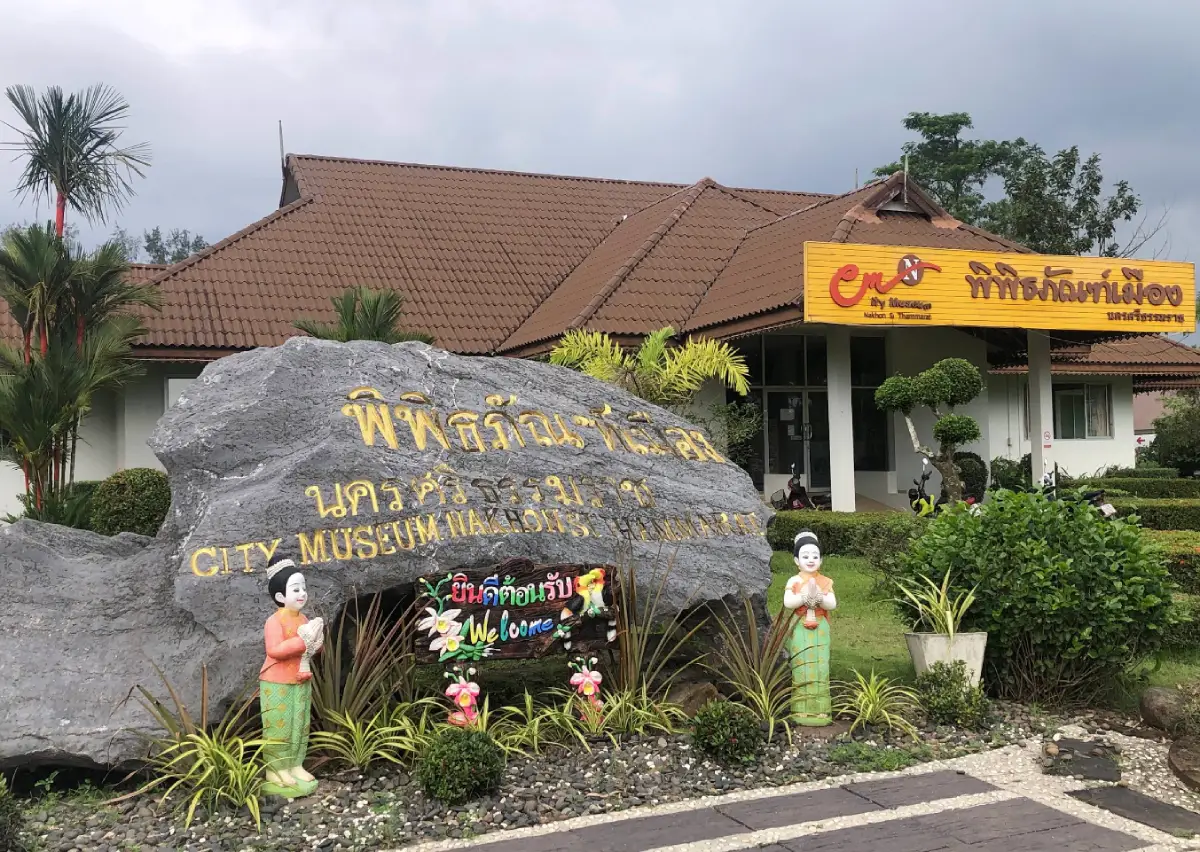
10. Nakhon Si Thammarat City Museum, Nakhon Si Thammarat is an educational center dedicated to the province's history, society, culture, and identity. Located within King Srinagarindra 84 Park, also known as Thung Tha Lat, in Na Khian Subdistrict, Mueang Nakhon Si Thammarat District, the museum is managed by Nakhon Si Thammarat City Municipality. It is distinguished by multimedia displays and thoughtfully organized exhibitions that make complex historical subjects easier to understand. The museum is suitable for visitors of all ages who want to learn about the city before exploring its major landmarks.
Highlights: Exhibitions on the history of Nakhon Si Thammarat, the twelve zodiac emblems, archaeological artifacts, multimedia presentations, models, and accounts of important provincial events.
Nakhon Si Thammarat City Museum traces the establishment and development of a city with a long and significant history. Visitors can study settlement patterns, geography, and the relationship between the city and its inhabitants through maps, illustrations, and chronological displays that explain how the community evolved over time.
Nakhon Si Thammarat's importance extends beyond its historical role as a regional city. It has also served as a center of religion, art, and culture in Southern Thailand. The museum therefore explores Buddhism, local traditions, archaeological sites, and antiquities that demonstrate connections and exchanges with other regions.
The twelve zodiac emblems are important symbols associated with the history of Nakhon Si Thammarat. Learning about them helps visitors understand how traditional beliefs were connected with systems of governance and regional history. The museum also covers major historical events affecting local communities, including periods of warfare and natural disasters that have shaped life in the province.
Another distinctive feature is the use of multimedia technology, including moving images, models, projected presentations, and interactive exhibitions. This approach is particularly effective for children and younger visitors, helping them understand complex historical subjects without relying entirely on lengthy written explanations.
For travelers visiting Nakhon Si Thammarat for the first time, this museum offers an excellent introduction before exploring Wat Phra Mahathat Woramahawihan, Nakhon Si Thammarat National Museum, and traditional neighborhoods in the city. Understanding the historical background makes these subsequent visits more meaningful.
The museum also serves as a learning resource for local communities and younger generations. By presenting the city's history in ways that connect with everyday life, it allows cultural preservation to become a shared educational experience rather than something found only in books and archives.
Open Days: Tuesday–Sunday Opening Hours: Tuesday–Friday 08:30 – 16:30; Saturday–Sunday 09:00 – 17:00
Admission Fee: Free admission.
Telephone: 075-358-261
Getting There: From central Nakhon Si Thammarat, travel toward King Srinagarindra 84 Park, or Thung Tha Lat, in Na Khian Subdistrict. Visitors can arrive by private car, taxi, or rental car from the airport or bus terminal. The museum is located within the public park.
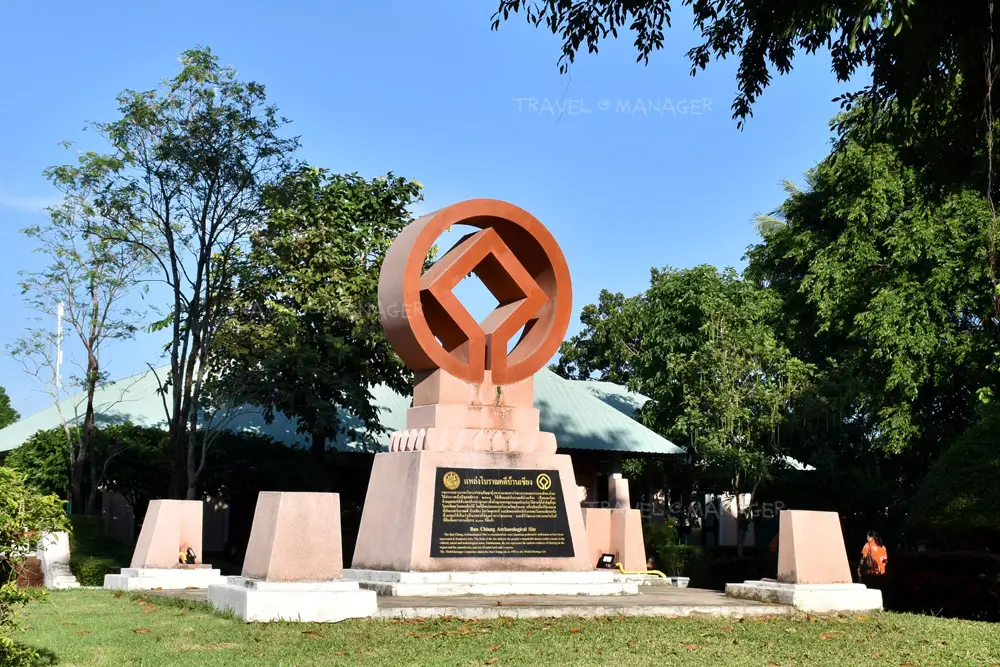
11. Ban Chiang National Museum, Udon Thani is located at Moo 13, Sutthiphong Road, Ban Chiang Subdistrict, Nong Han District, Udon Thani Province. It is an important archaeological museum presenting the Ban Chiang World Heritage Site, which was inscribed on the UNESCO World Heritage List in 1992. The museum provides an introduction to prehistoric societies in Southeast Asia, particularly the distinctive red-painted pottery, early metalworking, tools, ornaments, and burial evidence associated with ancient settlements.
Highlights: Ban Chiang pottery with red-painted designs, ancient bronze objects, archaeological evidence of burial rituals, exhibitions on prehistoric community development, the Wat Pho Si Nai excavation site, and the cultural traditions of the Thai Phuan community.
Ban Chiang is significant because its archaeological discoveries provide insight into the settlement patterns and cultural development of prehistoric communities in northeastern Thailand. These ancient societies did not depend solely on hunting and gathering. They also developed agricultural knowledge, produced pottery, and used metal to make tools and ornaments. These discoveries demonstrate that local communities established organized societies and passed technical knowledge between generations over an extensive period.
Red-painted pottery is the most widely recognized symbol of Ban Chiang. Its flowing spiral designs and decorative patterns demonstrate the skills of ancient craftspeople and the artistic development of pottery production. Visitors can compare vessels from different periods to understand changes in shape, function, and surface decoration.
Exhibits associated with burial practices offer insights into the beliefs of prehistoric communities. Pottery, ornaments, and other objects discovered alongside human remains provide important evidence for studying rituals and social relationships. These displays are closely connected with the archaeological excavation pit at Wat Pho Si Nai, where visitors can gain a clearer understanding of the original context in which the artifacts were discovered.
In addition to archaeology, the museum highlights the present-day Ban Chiang community, particularly Thai Phuan culture and traditional handicrafts. Exploring local craft activities and the surrounding village alongside the archaeological collections reveals how the value of Ban Chiang extends beyond its ancient past and remains connected with the identity and everyday life of its residents.
Visitors seeking a comprehensive experience should consider allowing approximately half a day to explore the museum exhibitions, the excavation area, and educational attractions in the community. Ban Chiang is especially suitable for families, school groups, students, and history enthusiasts interested in understanding human cultural development through authentic evidence.
Open Days: Wednesday–Sunday Opening Hours: 09:00 – 16:00
Admission Fee: Thai visitors 30 THB; foreign visitors 200 THB. Exemptions apply to eligible visitors under national museum regulations.
Getting There: From Udon Thani city, take Highway 22 toward Sakon Nakhon and Nong Han District, then turn onto Highway 2225 toward Ban Chiang. The museum is approximately 55–60 kilometers from the city center. A private car, rental vehicle, or hired van is recommended.
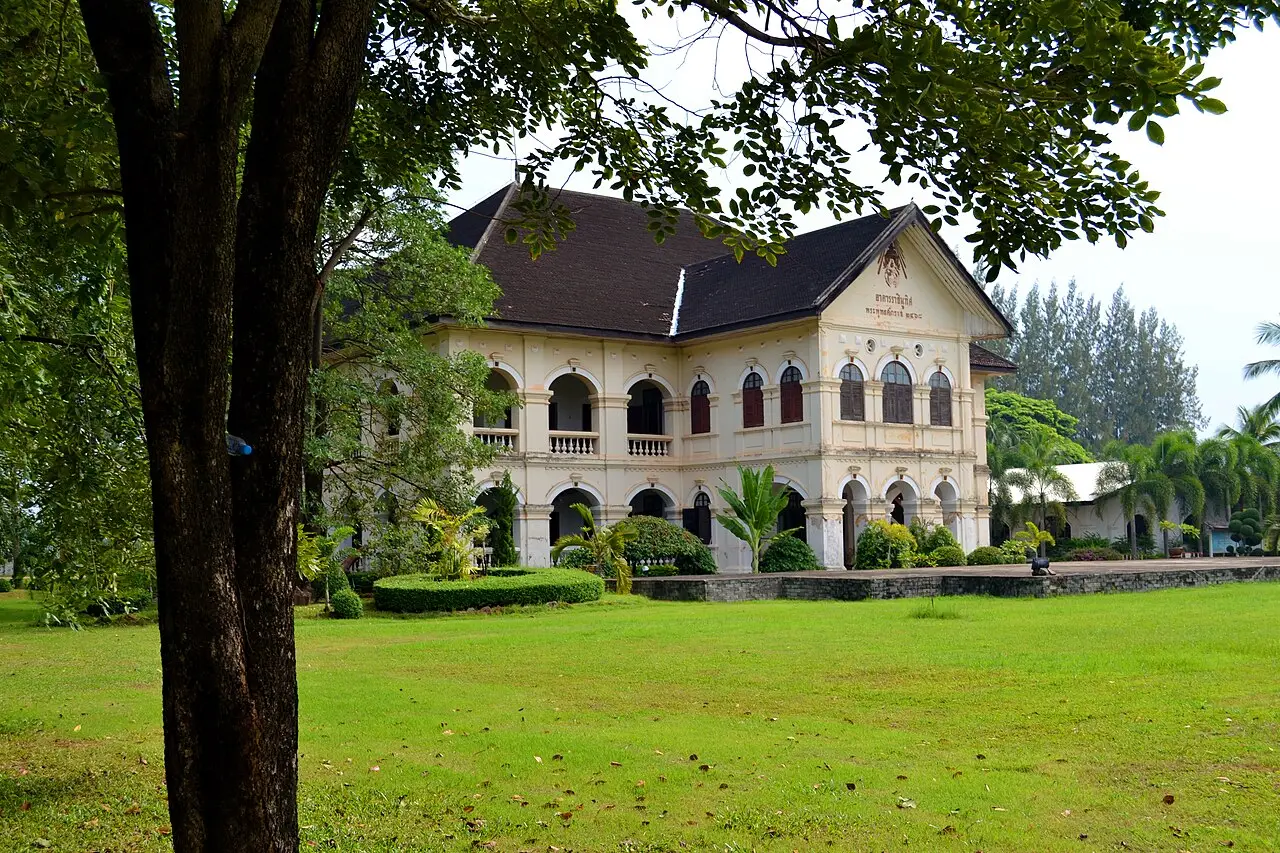
12. Udon Thani City Museum, Udon Thani is situated on Pho Si Road in Mak Khaeng Subdistrict, Mueang Udon Thani District. This educational attraction introduces the history and identity of Udon Thani Province, from its geography and earliest human settlements to the development of the modern city. Historical evidence, exhibitions, and educational media connect the province's past with the broader cultural history of the Mekong River basin and northeastern Thailand.
Highlights: Exhibitions on Udon Thani's history, the Ban Chiang World Heritage Site, the development of Mekong basin communities, archaeological discoveries, Buddhism, and local arts and culture.
Exploring the museum helps visitors understand that the Udon Thani region has been important since prehistoric times, long before the modern city was established during the Rattanakosin period. Exhibitions on geography and natural resources explain why people settled in the area and how communities developed relationships with their surrounding environment.
Displays relating to Ban Chiang introduce its distinctive pottery, bronze technology, and prehistoric way of life. Travelers planning to visit the Ban Chiang Archaeological Site can begin at this museum to gain an overview of its chronology and archaeological importance before seeing the original location.
Another group of exhibits examines the development of religious beliefs in northeastern Thailand, from early spiritual traditions to the adoption of Buddhism. Artistic and archaeological evidence reveals relationships between communities in Udon Thani and neighboring cultures that exchanged ideas and traditions over many centuries.
As the historical narrative moves toward the establishment of modern Udon Thani, the museum explains the expansion of the city, administrative systems, transportation, and everyday life. Historical events are connected with landmarks that can still be seen today, making the museum a meaningful starting point for exploring the city.
The museum is suitable for first-time visitors, families, and school groups because it brings together an overview of the province's history in one convenient location. A visit can easily be combined with Nong Prajak Silpakom Public Park and other historical attractions in central Udon Thani.
Open Days: Tuesday–Sunday Opening Hours: 09:00 – 16:00. Visitor registration is available from 09:00 – 11:30 and 13:00 – 16:00.
Admission Fee: Free admission.
Getting There: From central Udon Thani, travel along Pho Si Road near Nong Prajak Silpakom Public Park. The museum can be reached by private car, taxi, or local transportation from Udon Thani Railway Station and Udon Thani International Airport.
Map (GPS):Get Directions to Udon Thani City Museum
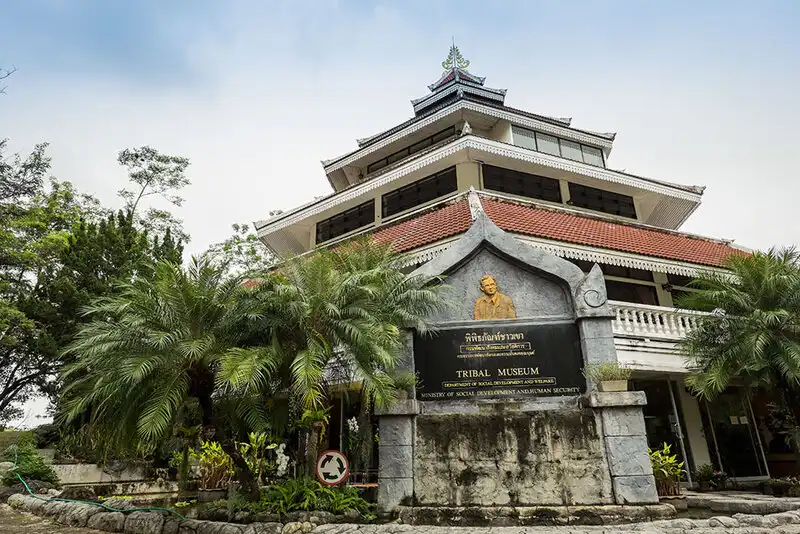
13. Hill Tribe Museum, Chiang Mai is located within Lanna Rama IX Park on Chotana Road, Chang Phueak Subdistrict, Mueang Chiang Mai District. The museum presents the traditional lifestyles, customs, clothing, tools, and cultural heritage of ethnic communities living in the highlands of northern Thailand. Through cultural objects and informative exhibitions, visitors can learn about linguistic diversity, beliefs, traditional knowledge, and the ways these communities have adapted their lives to mountainous environments.
Highlights: Traditional ethnic clothing, embroidered textiles, ornaments, agricultural tools, musical instruments, customary practices, and accounts of highland community life.
The importance of this museum lies in its presentation of Northern Thailand's cultural diversity. The region is home to numerous ethnic communities with distinct histories, languages, and traditions. Studying these differences helps visitors understand that northern highland culture is not uniform, but reflects continuing migration, cultural exchange, and adaptation to local environments.
Traditional clothing and handicrafts are particularly interesting because weaving patterns, embroidery techniques, and color combinations often express community identity, beliefs, and social meaning. These objects therefore offer insights into both artistic beauty and the practical and cultural purposes of traditional dress.
Agricultural implements, household equipment, and ceremonial objects demonstrate how people developed ways of living in mountainous areas. Cultivation methods, resource use, and community organization illustrate knowledge that evolved in response to environmental and cultural conditions.
Visitors interested in community-based tourism can use the museum as an introduction to differences among ethnic groups before exploring villages or community learning centers. Such preparation encourages culturally respectful travel and helps avoid treating diverse communities as though they all share the same traditions.
The museum is suitable for families, students, and travelers interested in anthropology and traditional knowledge. Combining a visit with Lanna Rama IX Park and other Chiang Mai attractions can make for a rewarding half-day itinerary.
Open Days: Monday–Sunday, except public holidays Opening Hours: 09:00 – 16:00
Admission Fee: Free admission; voluntary donations to support museum activities are welcome.
Telephone: 053-210-872, 053-221-933
Getting There: From central Chiang Mai, follow Chotana Road north toward Lanna Rama IX Park. The museum is located inside the park and can be reached by private car, taxi, or red songthaew.
Map (GPS):Get Directions to the Hill Tribe Museum

14. Komol Antique Textile Museum, Phrae is located in Huai O Subdistrict, Long District, Phrae Province. It is a specialized museum dedicated to historic textiles and local craftsmanship, playing an important role in preserving the weaving traditions of the Long community. Its most significant collections include traditional Tin Chok skirts, known for their distinctive patterns, colors, and intricate weaving techniques. The museum is especially appealing to visitors interested in Thai textiles, design, folk art, and the cultural history of northern Thailand.
Highlights: Traditional Long District Tin Chok skirts, antique woven textiles, regional textile motifs, supplementary-weft weaving techniques, textile conservation, and Thai handicraft heritage.
Tin Chok textiles demonstrate the expertise of traditional weavers who create intricate patterns using techniques requiring considerable skill. Their significance extends beyond the beauty of their designs to include symbolic meanings and the role of textiles in everyday life, religious ceremonies, and important community occasions. Studying older fabrics reveals evidence of traditional beliefs and artistic preferences.
The museum preserves a range of woven textiles illustrating the development of patterns, techniques, and materials. Visitors can compare their design arrangements, color choices, and weaving methods to understand the knowledge and artistic traditions passed down through generations of local craftspeople.
Textile conservation is another important aspect of the museum's work. Historic fabrics are vulnerable to light, humidity, and direct handling. Appropriate storage and the continued transmission of weaving knowledge are therefore essential to preserving this cultural heritage. The museum helps younger generations appreciate the value of antique textiles and the expertise of traditional weavers.
Long District is particularly well known for its regional weaving traditions. A museum visit can be combined with exploring local communities and handicraft production. Visitors may also examine contemporary textile products developed from traditional designs, observing how historic knowledge has been adapted to modern creative work.
Komol Antique Textile Museum is especially suitable for enthusiasts of Lanna culture and those working in art, fashion, and handicrafts. Carefully examining the textiles provides an appreciation of the time, patience, and technical expertise involved in producing each piece.
Open Days: Daily Opening Hours: Approximately 08:00 – 17:00
Admission Fee: Free admission.
Getting There: From Phrae city, follow the route toward Long District and continue to Huai O Subdistrict, following signs for Komol Antique Textile Museum. Traveling by private car or rental vehicle also makes it convenient to visit other handicraft centers in Long District.
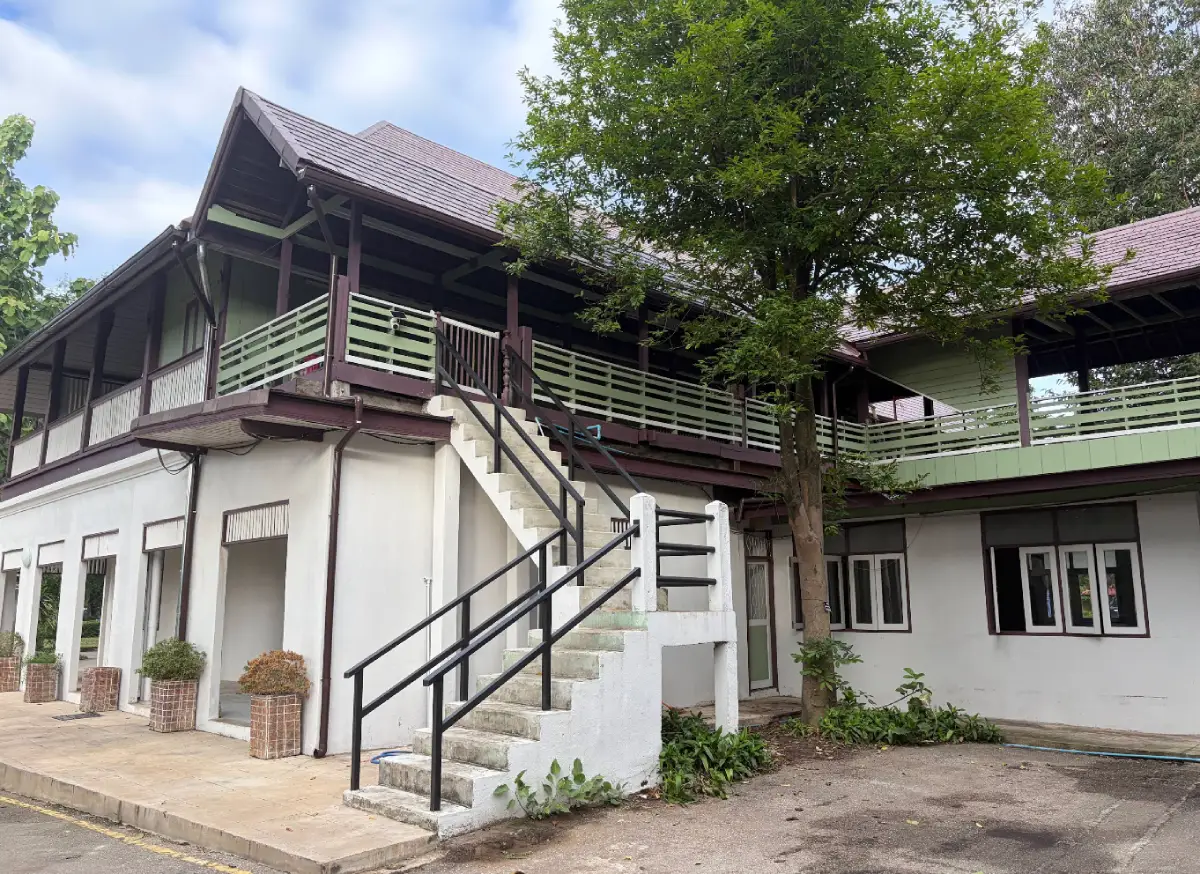
15. Lampang Forestry Museum (Hundred-Year-Old House), Lampang is located within a forestry administration compound in Lampang Province. The museum explores the history of forestry, the use of natural resources, and the development of Lampang during the period when the teak trade played a major economic role. Its most distinctive features are the historic wooden building and the stories connecting northern Thailand's local economy with the administration of forest resources.
Highlights: The historic Hundred-Year-Old House, traditional wooden architecture, the history of forestry concessions, equipment associated with timber operations, and Lampang's economic development.
Lampang once played an important role in the teak timber trade because northern Thailand possessed extensive forest resources and transportation networks connecting different towns. The expansion of forestry businesses influenced the economy, settlement patterns, and urban architecture, particularly the construction of wooden buildings used by administrative offices and timber enterprises.
The Hundred-Year-Old House is a significant part of the visitor experience because it allows travelers to examine historic wooden architecture in an authentic setting. Details of the structural framework, staircases, windows, and internal spaces reveal how such buildings were used in the past and how they differed from modern office architecture.
The history of forestry also offers an opportunity to understand the relationship between people and natural resources, including both their economic uses and the need for conservation. These subjects contribute to a broader understanding of landscape change and the development of forest management in Thailand.
The museum is suitable for visitors interested in urban history, wooden architecture, and environmental conservation. It can be combined with Baan Sao Nak, Kad Kong Ta, and other historic buildings in Lampang to explore the city's former prosperity through surviving architecture.
Travelers should confirm whether the interior is open to visitors before making the journey, as the museum is located within a government compound and may have particular requirements for building access or group visits.
Open Days: Monday–Friday Opening Hours: Approximately 08:30 – 16:30
Getting There: From central Lampang, head toward Wiang Nuea and the provincial forestry offices. Visitors can travel by private car, taxi, or local songthaew, then follow the map to the Hundred-Year-Old House.
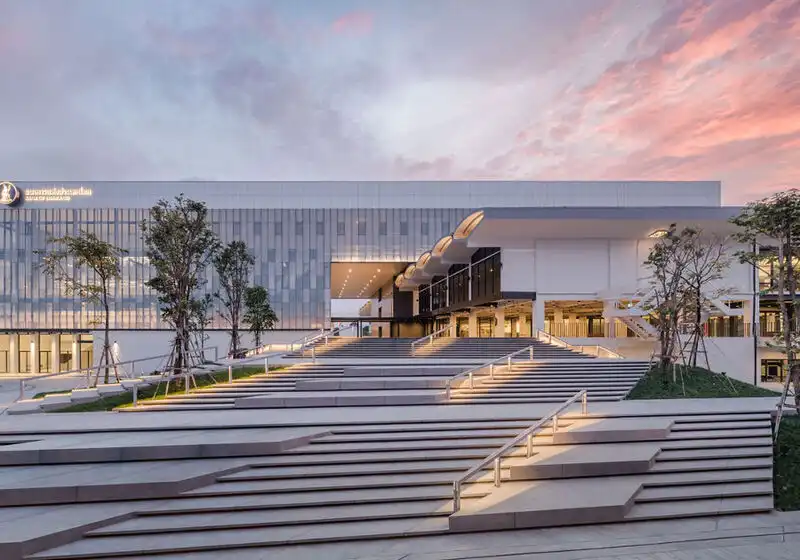
16. Bank of Thailand Museum, Bangkok is located within the Bang Khun Phrom Palace complex on Samsen Road, Wat Sam Phraya Subdistrict, Phra Nakhon District, Bangkok. It is an educational destination exploring the history of Thai currency, financial systems, banking, and the country's economic development from the past to the present. One of its most distinctive features is the presentation of monetary history alongside historic architecture associated with the development of the Bank of Thailand.
Highlights: The history of Thai currency, coins and banknotes, the central banking system, financial and economic exhibitions, and the architecture of Bang Khun Phrom Palace.
The history of currency is an important part of understanding Thailand's economic development because methods of payment have changed alongside trade, government systems, and international relations. In the past, people used several forms of money before modern coins and banknotes developed into the principal means of exchange and payment in contemporary society.
The museum helps explain the role of a central bank in the economy, including maintaining financial stability, issuing banknotes, and implementing policies relating to the broader economic system. These exhibits connect potentially complex financial concepts with situations that affect people's everyday lives.
Collections of currency allow visitors to examine how coin and banknote designs have changed through successive periods. Their imagery, symbols, and production techniques reflect technological advances as well as important events in Thailand's history.
Bang Khun Phrom Palace itself is historically and architecturally important because it is associated with the royal residences and institutional buildings that played a role in Bangkok's modernization. Architecture enthusiasts can examine the building's design and its preservation alongside the financial exhibitions.
The museum is suitable for students, economics enthusiasts, and travelers seeking a different perspective on Bangkok beyond its temples and palaces. A visit can be combined with nearby historic attractions around Bang Lamphu, Samsen Road, and the Chao Phraya River.
Open Days: Tuesday–Sunday Opening Hours: 09:30 – 12:00 and 13:00 – 16:30
Admission Fee: Free admission.
Getting There: From Phra Nakhon or Bang Lamphu, follow Samsen Road toward Bang Khun Phrom Palace. The area can be reached by public bus, taxi, or private car. Visitors should check registration procedures and entry requirements before traveling.
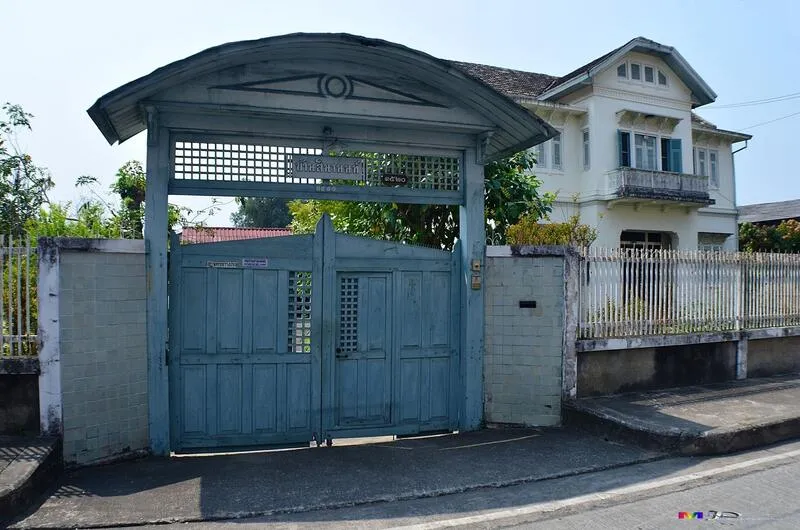
17. Sinanon Museum, Lampang is located within Wat Phra Chao Than Chai in Ton Thong Chai Subdistrict, Mueang Lampang District. This local heritage museum is particularly interesting because an old wooden rice granary has been adapted into an exhibition space for traditional household objects and tools. Its distinctive character lies in the preservation of both historic architecture and community knowledge, allowing visitors to experience traditional Lanna life within an authentic wooden building.
Highlights: An antique wooden rice granary, traditional household objects, Lanna cultural heritage, agricultural knowledge, and the atmosphere of a community museum within a temple.
Rice granaries were essential buildings in agricultural communities because they stored unhusked rice after the harvest for consumption and future planting. Their design demonstrates traditional knowledge of protecting produce from humidity and preserving grain. Converting an old granary into a museum therefore preserves vernacular architecture while providing an opportunity to learn about traditional community life.
The displayed objects relate to occupations and everyday activities in the past. Agricultural implements and household equipment demonstrate how people used natural materials and craftsmanship to solve practical problems in their daily lives.
The museum also illustrates the relationship between temples and communities in Lanna society. Temples were not only places of worship but also centers of cultural activities and the transmission of knowledge. Establishing a museum within a temple helps preserve objects associated with the community's shared memories.
Visitors interested in wooden architecture can examine the granary's structural details, including its supporting posts, floor, walls, and roof, which reflect the expertise of local builders. Travelers interested in traditional culture can also learn how the displayed tools were used and what they reveal about the occupations of earlier generations.
Sinanon Museum is particularly suitable for visitors wishing to discover Lampang's traditional way of life. A visit can be combined with historic temples, wooden buildings, and other cultural attractions in the city to gain a broader appreciation of the province's diverse heritage.
Open Days: Daily Opening Hours: Approximately 08:00 – 17:00
Getting There: From central Lampang, travel to Ton Thong Chai Subdistrict and Wat Phra Chao Than Chai. Visitors can arrive by private car, local songthaew, or taxi. The museum is situated within the temple grounds.
Map (GPS):Get Directions to Sinanon Museum

18. Chiang Rai Contemporary Art Gallery, Chiang Rai is located in Rim Kok Subdistrict, Mueang Chiang Rai District. It is a contemporary art exhibition space reflecting Chiang Rai's role as a city of art and creativity. The gallery provides opportunities to experience various forms of artistic expression and explore artists' ideas through exhibitions and activities connecting contemporary creativity with regional cultural heritage.
Highlights: Contemporary art exhibitions, works by artists, multidisciplinary creative projects, art-related activities, and opportunities to explore contemporary culture in Chiang Rai.
Chiang Rai is home to many prominent artists, particularly those working in painting, sculpture, and contemporary architecture inspired by religion, nature, and Lanna traditions. Exhibition spaces such as this gallery play an important role in presenting creative work and helping visitors understand the ideas behind artistic expression.
Contemporary art allows artists to experiment with many different forms of communication. Some works explore the beauty of shapes and colors, while others address social issues, environmental concerns, or regional identity. Viewing such artworks therefore offers more than visual enjoyment; it encourages visitors to ask questions and develop their own interpretations.
Another fascinating aspect of Chiang Rai's artistic identity is the relationship between contemporary creativity and traditional Lanna culture. Visitors may encounter reinterpretations of local decorative patterns, Buddhist symbolism, or northern landscapes expressed through modern artistic techniques and ideas.
For travelers interested in design and creative industries, visiting the gallery offers insights into contemporary Thai art. It also provides opportunities to compare artistic approaches and understand how cultural spaces contribute to a city's creative environment.
The gallery can be included in a wider itinerary exploring Chiang Rai's artistic attractions, particularly destinations known for distinctive creative work such as Wat Rong Khun and museums associated with Lanna art. Visiting several types of artistic spaces helps reveal the differences between traditional artistic heritage and contemporary expression.
Open Days: Tuesday–Sunday Opening Hours: 09:00 – 17:00
Getting There: From central Chiang Rai, follow the main roads toward Rim Kok Subdistrict, then continue to the gallery using GPS directions. Traveling by private car, rental vehicle, or taxi is convenient.
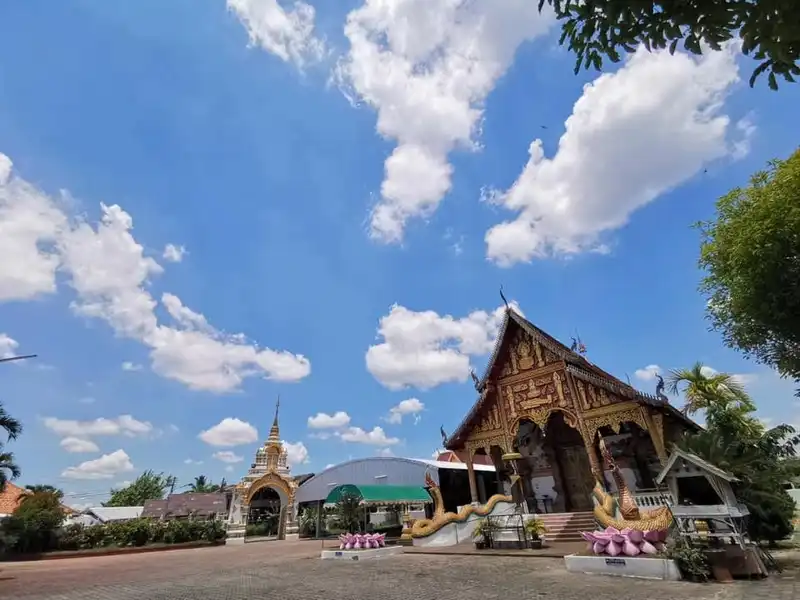
19. Wat Rangsi Sutthawat Museum, Chiang Mai is located in Ban Luang Tai community, Choeng Doi Subdistrict, Doi Saket District, Chiang Mai Province. This community museum preserves and presents the cultural heritage of the local Tai Lue people, particularly their settlement history, traditional architecture, clothing, household objects, and ancestral customs. The museum is significant as a learning space that connects the temple with its surrounding community and helps preserve the distinctive cultural identity of Ban Luang Tai.
Highlights: Tai Lue traditions of Ban Luang Tai, traditional clothing, woven fabrics, household equipment, community history, and the preservation of local knowledge.
The Tai Lue people have a long history of settlement and migration throughout the Lanna region and neighboring territories. Their culture is distinguished by language, clothing, customs, and handicrafts. Establishing a community museum helps preserve objects and stories reflecting the shared memories of local residents.
Traditional tools and woven textiles are important examples of local knowledge because they demonstrate how people lived and the craft skills passed down between generations. Studying these objects helps visitors understand how closely traditional knowledge was connected with the environment and everyday needs of the community.
Another important feature is the role of the temple as a center of culture and learning. Wat Rangsi Sutthawat is significant not only for religious activities but also as a place where community members maintain traditions and gather for social occasions. The museum therefore presents the relationship between religion, family, and local cultural heritage.
Visitors can learn about the community through a local perspective, which differs from the experience offered by large museums with extensive collections of ancient artifacts. Community museums emphasize the value of personal stories, household objects, and memories shared across several generations.
This attraction is suitable for travelers interested in ethnic studies and Lanna heritage. Visitors should arrange their visit with the caretakers in advance so they can explore the museum at an appropriate time without disturbing activities at the temple or within the community.
Open Days: Visits by prior arrangement Opening Hours: As agreed with the caretakers and Ban Luang Tai community
Admission Fee: Generally free; voluntary donations to support the temple or community activities are welcome.
Getting There: From Chiang Mai city, take Highway 118 toward Doi Saket District, then turn onto local roads toward Choeng Doi Subdistrict and Ban Luang Tai. The museum is situated within Wat Rangsi Sutthawat.
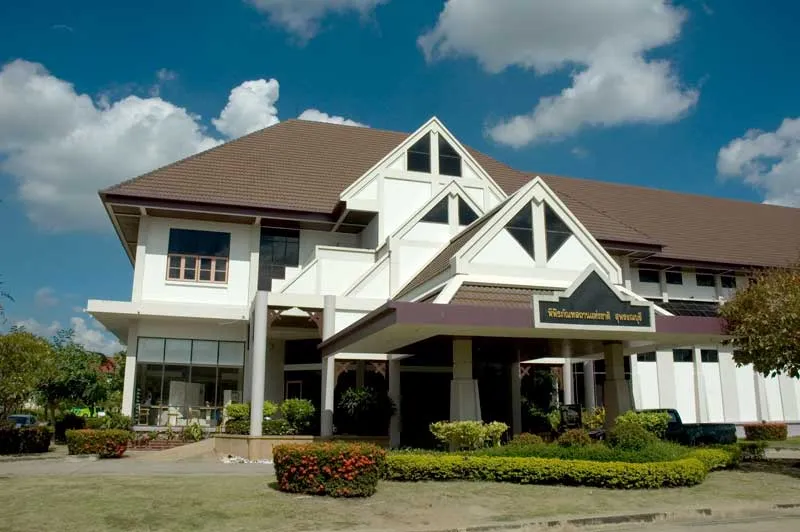
20. National Museum Suphan Buri, Suphan Buri is situated within the Fine Arts Department government complex in Sanam Chai Subdistrict, Mueang Suphan Buri District. This historical and cultural museum presents the province's development from prehistoric times to the present. Its exhibitions include archaeological artifacts, religious art, the history of the city, ethnic communities, and local cultural heritage reflecting Suphan Buri's importance as a regional center in central Thailand. The museum is particularly suitable for travelers wishing to gain a comprehensive understanding of the province before visiting its historical monuments and cultural attractions.
Highlights: Exhibitions on Suphan Buri's history, Dvaravati- and Ayutthaya-period artifacts, the story of King Naresuan, ethnic traditions, folk music, luk thung songs, and local knowledge.
Suphan Buri has evidence of human settlement extending back many centuries. The area's historical importance is not limited to the Ayutthaya period; archaeological discoveries also reveal earlier communities and Dvaravati cultural influences. The museum explains these developments through artifacts and supporting information, illustrating the connections between settlement patterns, geography, rivers, and trading networks that contributed to urban growth.
Buddhist antiquities are important for studying the region's art history. Visitors can examine Buddha images, votive tablets, and other religious objects reflecting the artistic styles and beliefs of different periods. Comparing decorative motifs, shapes, and production techniques helps explain the continuity of religious traditions and influences from various cultural centers.
Exhibitions on important events in Thai history, particularly those associated with King Naresuan, help visitors understand Suphan Buri's role in the country's historical memory. At the same time, displays about folk songs, luk thung music, prominent local figures, and everyday life reveal a province with a strong tradition of performance and cultural creativity.
One of the museum's strengths is its presentation of history alongside the experiences of ordinary people. Rather than focusing solely on political events and important figures, its collections also explore occupations, customs, languages, food, and local knowledge. These exhibits demonstrate how Suphan Buri's cultural heritage developed through the interactions of diverse communities and their changing ways of life.
The museum is suitable for families, school groups, students, and history enthusiasts. Visitors can combine it with the Thai Farmers National Museum and the Hall of Fame of H.E. Banharn Silpa-Archa, both located nearby, to explore the city's history, agricultural traditions, and modern development from several perspectives in a single day.
Open Days: Wednesday–Sunday and selected public holidays Opening Hours: 09:00 – 16:00
Admission Fee: Thai visitors 20 THB; foreign visitors 100 THB.
Getting There: From Bangkok, follow Highway 340 toward Suphan Buri, then continue to the Fine Arts Department government complex in Sanam Chai Subdistrict. Travelers can arrive by private car or take an intercity bus to Suphan Buri and continue by local taxi.
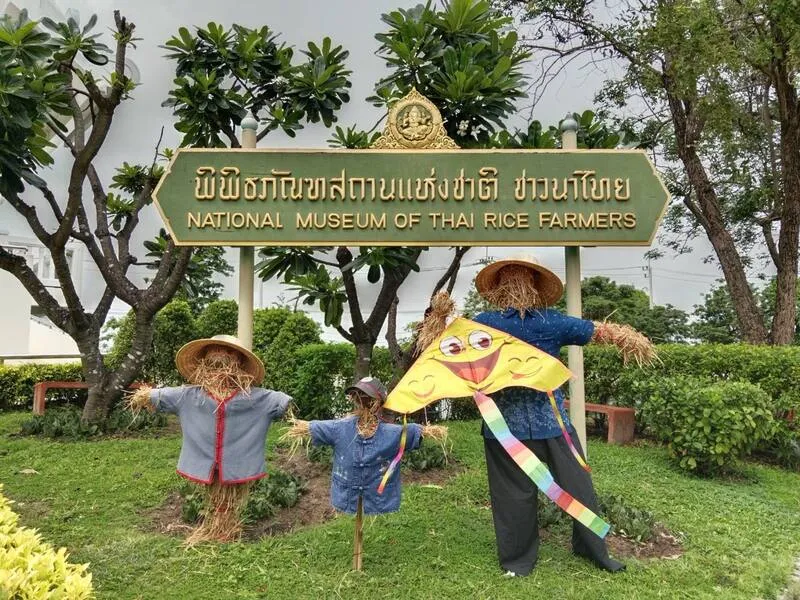
21. Thai Farmers National Museum, Suphan Buri is a specialized museum dedicated to the history of rice cultivation, agricultural life, and the traditional knowledge of Thai farmers. It is situated within the Fine Arts Department government complex in Sanam Chai Subdistrict, Mueang Suphan Buri District. The exhibition building draws inspiration from traditional Thai houses and structures associated with farming communities. Inside, visitors can explore rice-growing equipment, rice varieties, traditional customs, beliefs, and the development of agricultural technology that has shaped food production in Thai society from the past to the present.
Highlights: Traditional farming tools, ploughs, sickles, rice granaries, rice-related customs, beliefs concerning Mae Phosop, the Rice Goddess, and the development of Thailand's agricultural communities.
Rice has been central to Thai life for centuries. It is not only the country's staple food but is also closely connected with the economy, family labor, community organization, and seasonal traditions. The museum explains how traditional rice cultivation required knowledge of soil, water, rainfall, and the appropriate planting season. Visitors can learn about each stage of rice production, from preparing the fields, sowing or transplanting seedlings, and caring for crops to harvesting and storing the grain.
Traditional farming implements demonstrate the ingenuity of local craftspeople who designed equipment suitable for human and animal labor. Each type of tool served a particular purpose within the agricultural process. By examining their shapes and construction, visitors can understand how practical design was linked to everyday use and compare traditional farming knowledge with modern agricultural machinery that has reduced the time and labor required for cultivation.
Beliefs concerning Mae Phosop and rituals associated with rice are another important aspect of Thai agricultural culture. These traditions express the value placed on crops and the relationship between human communities and the natural environment. In traditional farming societies, cultivation was more than an economic activity; it involved cooperation among families and neighbors, together with ceremonies and customs passed down through generations.
The building and its surroundings contribute to the learning experience because their architectural forms are influenced by traditional rural houses and rice storage structures. Visitors can therefore explore both the collections and the design concepts associated with farming communities, making the history of rice cultivation easier to visualize and understand.
Thai Farmers National Museum is especially suitable for families and school groups, particularly those interested in discovering where everyday rice comes from and how traditional farming differs from modern agricultural practices. It can easily be combined with the nearby National Museum Suphan Buri to explore both the province's historical development and the lives of its farming communities.
Open Days: Wednesday–Sunday Opening Hours: 09:00 – 16:00
Admission Fee: Free admission.
Getting There: From Bangkok, take Highway 340 toward Suphan Buri and continue to the Fine Arts Department government complex in Sanam Chai Subdistrict. The museum is close to National Museum Suphan Buri and can be reached by private car or local taxi from the provincial city.

22. U Thong National Museum, Suphan Buri is located on Malai Maen Road in U Thong Subdistrict, U Thong District, Suphan Buri Province. It is an important archaeological museum for studying the history of the ancient city of U Thong and Dvaravati culture in central Thailand. The museum preserves objects discovered in U Thong and surrounding archaeological sites, including Buddha images, votive tablets, ornaments, ancient coins, household tools, and evidence of trade connections among communities throughout Southeast Asia. It is particularly suitable for visitors interested in history preceding the Sukhothai and Ayutthaya periods.
Highlights: Dvaravati-period antiquities, Buddhist art, ancient coins, beads, ornaments, archaeological evidence from U Thong, and the culture of the Lao Song or Thai Song Dam community.
Ancient U Thong is an important archaeological site demonstrating the development of urban communities in central Thailand before the establishment of later Thai kingdoms. Archaeological evidence reveals connections between local settlements and regional as well as international trading networks. The museum explains how ancient cities were linked to other centers through economic activity, religious traditions, and the exchange of cultural knowledge rather than existing in isolation.
Dvaravati Buddhist art is among the museum's most valuable collections. Visitors can study Buddha images, votive tablets, and sculptures that demonstrate the influence of Buddhism and the adaptation of artistic ideas from other regions into local traditions. These objects help explain how Buddhism became an important part of life in ancient urban communities and influenced artistic production.
Ornaments, beads, and ancient coins provide additional evidence of economic activity and trade. Examining their materials, shapes, and production techniques reveals the skills of ancient craftspeople and the movement of goods between communities. Although many of these objects are small, their historical significance extends far beyond their appearance because they can help researchers understand the economies and social relationships of past societies.
In addition to archaeology, the museum presents aspects of the ethnic diversity of Suphan Buri, particularly the culture of the Lao Song, also known as Thai Song Dam. Their distinctive clothing, language, beliefs, and customs provide an important connection between the region's ancient past and the diversity of communities living there today.
U Thong National Museum is ideal for archaeology enthusiasts and those interested in Dvaravati history. A visit can be combined with Khao Chang Din and archaeological sites around U Thong District, allowing travelers to compare museum exhibits with surviving evidence in the landscape. Exploring both the objects and their archaeological setting provides a deeper understanding of the ancient city.
Open Days: Wednesday–Sunday and public holidays according to museum announcements Opening Hours: 09:00 – 16:00
Admission Fee: Thai visitors 30 THB; foreign visitors 200 THB.
Getting There: From Bangkok, take Highway 340 toward Suphan Buri, then continue toward U Thong District along Malai Maen Road. The museum is near the U Thong District Office and can be reached by private car, rental vehicle, or local taxi from Suphan Buri city.
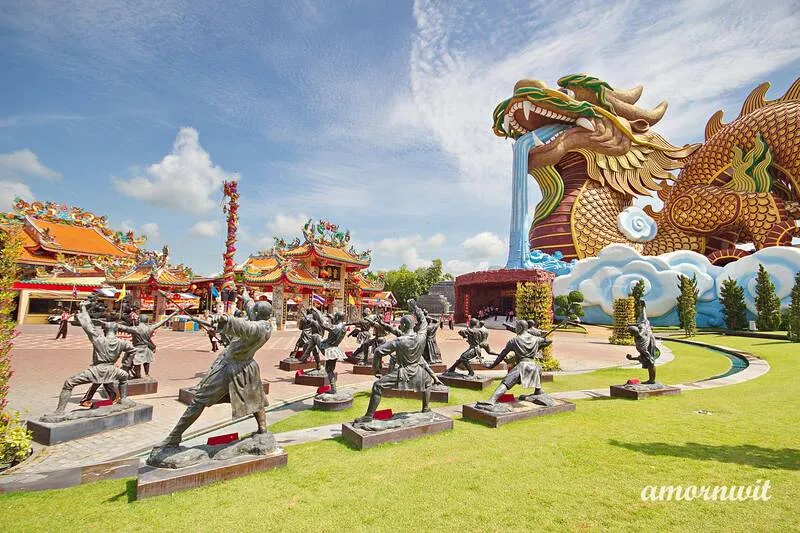
23. Dragon Descendants Museum (Heavenly Dragon Park), Suphan Buri is located near Suphan Buri City Pillar Shrine. It is a museum devoted to Chinese history and culture, distinguished by an enormous exhibition building shaped like a dragon. Its displays trace Chinese civilization from creation legends and the development of successive dynasties to important historical events and the relationships between Thailand, China, and Thai communities of Chinese descent. The museum uses images, sound, models, and multimedia technology to make its extensive historical subject matter engaging and accessible.
Highlights: The giant dragon-shaped building, exhibitions on Chinese history, historical reconstructions, Chinese dynasties, multimedia presentations, Suphan Buri City Pillar Shrine, and Heavenly Dragon Village.
Dragon Descendants Museum was developed to communicate the historical and cultural relationships between Thailand and China. Its architecture uses the dragon, an important symbol in Chinese beliefs, as the defining form of the building. Upon entering the museum grounds, visitors encounter this impressive structure, whose appearance reflects the subject of its exhibitions. The dragon therefore serves both as a cultural symbol and as a memorable part of the learning experience.
Inside, the exhibitions follow the development of Chinese civilization from legendary origins and early dynasties through periods of political unification, the development of philosophical thought, and inventions that influenced the wider world. The stories of successive dynasties introduce changes in government, economic life, warfare, and society, while demonstrating how developments in China were connected with the history of Southeast Asia.
Multimedia technology makes the historical material more accessible, particularly for families and school groups. Short films, lighting effects, sound, and models bring important events and places to life. Visitors can therefore learn through changing visual and atmospheric experiences rather than depending entirely on traditional explanatory labels.
The history of Thai people of Chinese descent is another important part of the museum's interpretation. It reflects migration, settlement, and the development of commercial and cultural relationships between the two countries. Chinese culture has influenced Thai food, festivals, language, beliefs, and economic life over many generations. Exploring these connections helps visitors appreciate the cultural diversity that forms part of contemporary Thai identity.
Beyond the dragon-shaped building, the surrounding area includes Heavenly Dragon Village and Suphan Buri City Pillar Shrine, both popular places for walking and photography. Visitors can spend several hours exploring the complex. It is advisable to check the exhibition tour schedule before entering and then allow additional time to see the outdoor attractions.
The museum is particularly suitable for Chinese history enthusiasts, families, and travelers interested in Thai-Chinese culture. It serves as an educational destination connecting the history of another civilization with the everyday lives of communities in Thailand. Its distinctive architecture also makes it one of Suphan Buri's most recognizable cultural attractions.
Open Days: Wednesday–Sunday Opening Hours: Wednesday–Friday 10:00 – 16:00; Saturday–Sunday 09:00 – 16:20. Admission is organized according to scheduled tours.
Telephone: 035-526-212, 089-443-9709
Getting There: From Bangkok, take Highway 340 into Suphan Buri city and continue toward the City Pillar Shrine and Heavenly Dragon Park. Visitors can arrive by private car, intercity bus, or local taxi from the city center.
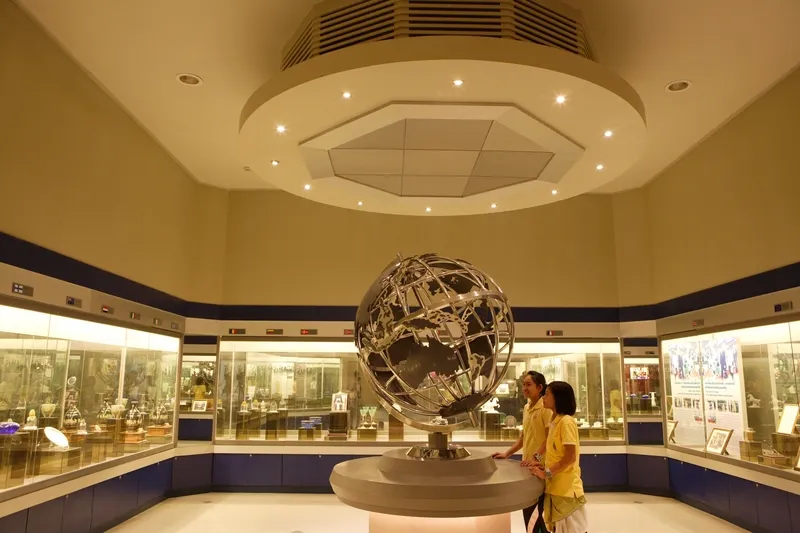
24. Hall of Fame of H.E. Banharn Silpa-Archa, Suphan Buri is a biographical museum and contemporary history learning center presenting the life, career, and public contributions of Banharn Silpa-Archa, a former Prime Minister of Thailand closely associated with Suphan Buri Province. It is located within the Fine Arts Department government complex in Sanam Chai Subdistrict, Mueang Suphan Buri District. Exhibitions include personal history, photographs, documents, and major events relating to his career, together with accounts of the province's development over different periods.
Highlights: The biography of Banharn Silpa-Archa, historical photographs, documents and memorabilia, public contributions, contemporary Thai political history, and the development of Suphan Buri Province.
Biographical museums differ from archaeological museums because they focus on the life of an individual through evidence connected with historical events and social circumstances. This hall introduces Banharn Silpa-Archa's life from his personal background and early career to his involvement in politics and national administration. Its collections also provide a starting point for studying important events in Thailand's contemporary history.
The photographs and documents on display are valuable for understanding different stages of a prominent person's life because they connect events with associated places and people. They also reflect changes in Thai society over several decades, including economic development, transportation, politics, and the ways people communicated.
Another important subject is the development of Suphan Buri, including the expansion of infrastructure, educational institutions, and public facilities. Studying the exhibits alongside the appearance of the modern city encourages visitors to consider how the province has changed and how public policies can influence everyday life.
The hall also plays a role in preserving historical memory. Unlike museums containing objects that are several centuries old, it focuses on relatively recent events that remain relevant to contemporary Thai society. Visitors can use the exhibitions as a foundation for further study of political history through additional historical sources.
The Hall of Fame is particularly appropriate for students and visitors interested in contemporary history. It can be combined with National Museum Suphan Buri and the Thai Farmers National Museum, which are located nearby, to explore the province's history from ancient times through agricultural traditions to modern social and political developments.
Open Days: Wednesday–Sunday and public holidays according to museum announcements Opening Hours: 09:00 – 16:00
Admission Fee: Free admission.
Getting There: From Bangkok, follow Highway 340 toward Suphan Buri and continue to the Fine Arts Department government complex in Sanam Chai Subdistrict. The hall can be reached by private car or local taxi from Suphan Buri city and can conveniently be combined with neighboring museums.
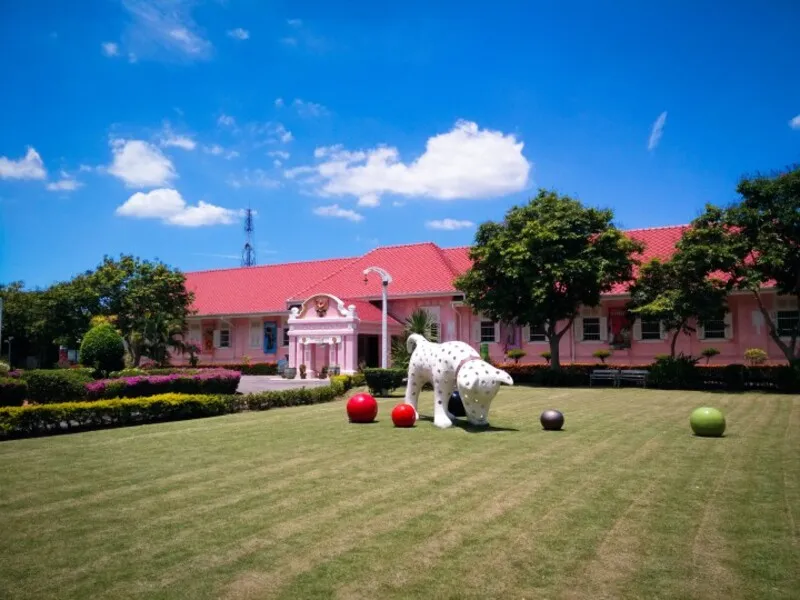
25. Ratchaburi National Museum, Ratchaburi is situated on Woradet Road in Na Mueang Subdistrict, Mueang Ratchaburi District, inside a historic building that formerly served as the provincial government hall. The museum preserves the history, archaeology, art, and culture of Ratchaburi Province from prehistoric times to the present. Exhibitions feature antiquities from important archaeological sites, evidence of Dvaravati culture, traditional artworks, tools, household objects, and the stories of ethnic communities living in the province. It is an important educational resource for understanding Ratchaburi's cultural diversity and long history of settlement.
Highlights: The former provincial government hall, Dvaravati-period artifacts, Buddha images, traditional artworks, ethnic cultural heritage, and exhibitions on the history of Ratchaburi.
Ratchaburi contains archaeological evidence of human settlement across many historical periods, including important sites associated with prehistoric communities and ancient Dvaravati cities. The museum explains these developments through excavated objects and historical information, allowing visitors to trace changes from early settlements to the emergence of towns and increasingly complex economic systems.
Buddhist art is another important collection because Ratchaburi received cultural influences from several ancient urban centers. Visitors can examine Buddha images, votive tablets, and religious objects to compare artistic characteristics from different periods. These exhibits demonstrate the relationships between religion, belief systems, and urban development in western Thailand.
The traditions of different ethnic communities provide further insight into Ratchaburi's distinctive identity. The province is home to communities that have preserved different languages, clothing styles, foods, and customs. Exploring these cultural traditions reveals the diversity of its population and the exchange of knowledge among communities over time.
The museum building itself has architectural value because it is a historic government structure adapted for cultural exhibitions. Exploring its interior offers an opportunity to appreciate the original building alongside the displayed antiquities and artwork. Preserving historic buildings for public use also helps ensure that places associated with the past continue to serve educational purposes.
Ratchaburi National Museum is a worthwhile starting point before visiting important landmarks such as Wat Mahathat Worawihan and the historic neighborhoods of Ratchaburi. Travelers can combine the museum with a walk among old buildings and communities along the Mae Klong River, connecting the historical subjects presented in the exhibitions with the city's present-day landscape.
Open Days: Wednesday–Sunday Opening Hours: 09:00 – 16:00
Admission Fee: Thai visitors 20 THB; foreign visitors 100 THB.
Getting There: From Bangkok, take Phetkasem Road toward Ratchaburi, then continue into the city along Woradet Road. The museum is located in the historic town area and can be reached by private car, train, or intercity bus, followed by a local taxi if required.
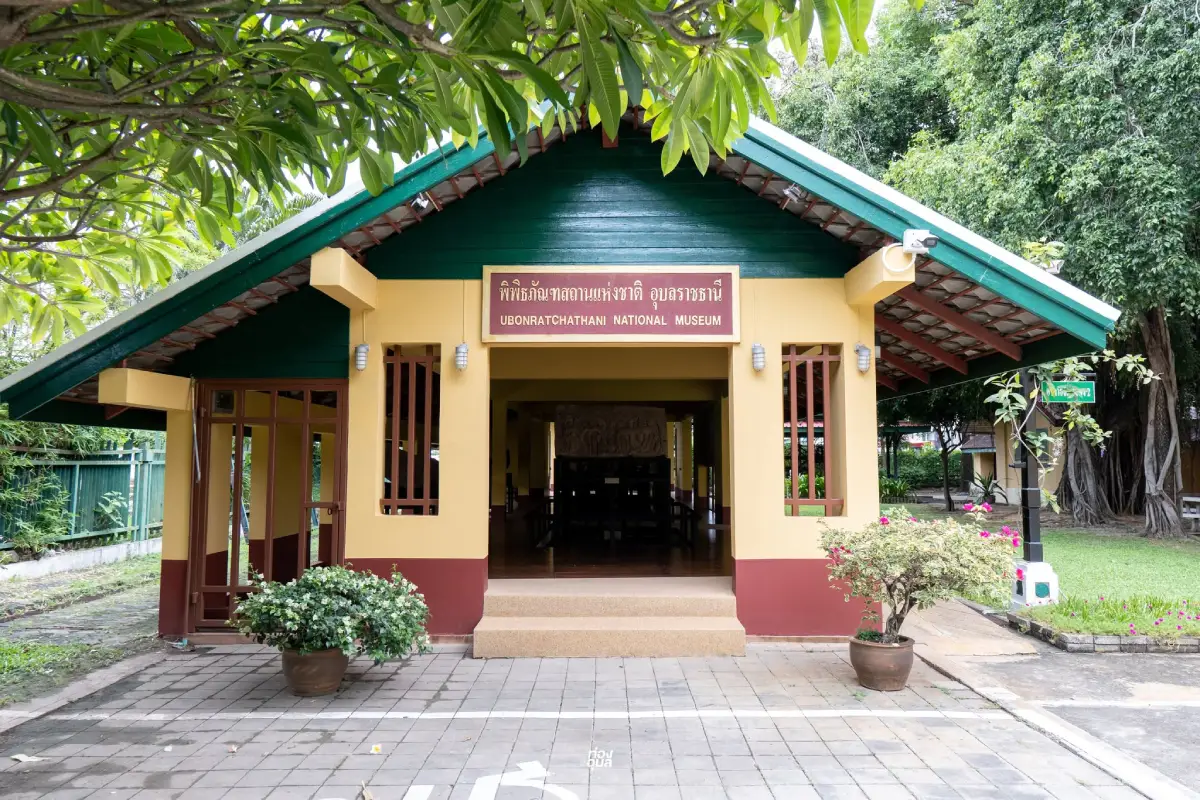
26. Ubon Ratchathani National Museum, Ubon Ratchathani is located on Khuean Thani Road in Nai Mueang Subdistrict, Mueang Ubon Ratchathani District. The museum occupies the former provincial government hall, a historic building adapted for the preservation and presentation of the region's history and cultural heritage. Its collections cover archaeology, art, the establishment of Ubon Ratchathani, and the traditions of northeastern communities, particularly those associated with the Mun and Mekong river basins. Exhibits include antiquities, Buddha images, traditional artworks, and household objects that help visitors understand the province's historical development.
Highlights: The former Ubon Ratchathani Provincial Hall, northeastern archaeological artifacts, Buddhist art, traditional household equipment, the history of Ubon Ratchathani, and the cultural heritage of the Mun River basin.
Ubon Ratchathani has a long history and occupies an important cultural position because of its connections with communities throughout the Mekong River region. The museum's exhibitions explain the development of settlements through archaeological discoveries and historical evidence. Visitors can learn about the area's geography, traditional ways of life, and the art of ancient communities before exploring the establishment of Ubon Ratchathani during the Rattanakosin period.
Buddhist antiquities demonstrate the important role of religion in the development of northeastern Thai society. Visitors can study Buddha images, carved works, and ceremonial objects influenced by different artistic traditions. Comparing their styles reveals connections between settlements in the Mun River basin and communities elsewhere in northeastern Thailand and the greater Mekong region.
Traditional household objects and occupational tools reflect the ways local people adapted to their environment. Agriculture, fishing, weaving, and handicrafts were essential elements of community life. These collections help visitors understand regional culture through objects once used in everyday activities.
The museum building itself is historically significant. Its former use as a government office connects it with the changing administration and development of Ubon Ratchathani. Preserving and adapting the building for educational purposes allows visitors to appreciate its architecture while learning about the province's transformation during the modern period.
Ubon Ratchathani National Museum is an excellent starting point for a cultural itinerary in the city. Visitors can continue to Thung Si Mueang, Wat Si Ubon Rattanaram, and Wat Phra That Nong Bua, combining museum exhibitions with religious architecture and historic landmarks that remain important to the community today.
Open Days: Wednesday–Sunday Opening Hours: 09:00 – 16:00
Admission Fee: Thai visitors 20 THB; foreign visitors 100 THB.
Getting There: From Ubon Ratchathani Airport, travel toward the city center and Thung Si Mueang, then continue to Khuean Thani Road. The museum is conveniently located in the central city and can be reached by private car, rental car, taxi, or local transportation.
27. Hellfire Pass Memorial Museum, Kanchanaburi is located in Sai Yok District, Kanchanaburi Province. It is one of Thailand's important museums of wartime history, established to commemorate the construction of the Thailand–Burma Railway during World War II. The museum focuses particularly on the suffering endured by prisoners of war and civilian laborers who were forced to work under extremely harsh conditions. The site includes an exhibition building and a historical walking trail through Hellfire Pass, part of the former railway route. Visitors can therefore learn about the events through historical records and the physical landscape where they occurred.
Highlights: Exhibitions on the Thailand–Burma Railway, the experiences of prisoners of war during World War II, Hellfire Pass, historical walking trails, surviving rock cuttings, and a memorial dedicated to remembrance.
The construction of the Thailand–Burma Railway was a major event during World War II. The Japanese military sought to establish a transportation route between Thailand and Burma for troops and military supplies. Building the railway required workers to cross mountainous terrain, forests, and rivers. Prisoners of war and civilian laborers experienced severe shortages of food, disease, dangerous working conditions, and widespread loss of life.
Hellfire Pass was one of the locations where workers had to cut through solid rock to construct the railway. The work was physically demanding and carried out under severe time pressure. Surviving marks in the rock provide powerful historical evidence of the construction process. Walking through the original cutting allows visitors to appreciate the difficult terrain and gain a deeper understanding of the conditions faced by those who labored there.
The museum's exhibitions use photographs, documents, and personal accounts to explain the experiences of people involved in the wartime railway construction. Rather than concentrating solely on military strategy, the displays emphasize individual lives, families, suffering, and the wider consequences of war. They encourage visitors to reflect on human dignity, peace, and the importance of preserving historical memory.
The historical walking trail is an essential part of the visit. It follows sections of the former railway route and provides close views of the rock cutting. Some sections involve slopes and uneven ground, so visitors should wear suitable walking shoes, carry drinking water, and consider their physical fitness, particularly during hot weather or after rainfall.
Hellfire Pass is significant as a place of remembrance connecting people from several countries. Its exhibitions place human experiences and wartime losses at the center of the historical narrative. Preserving the site ensures that future generations can study and reflect on the consequences of war through an authentic historical landscape.
Travelers exploring Kanchanaburi can combine Hellfire Pass with the Thailand–Burma Railway Centre, the Allied War Cemetery, and the Bridge over the River Kwai. These sites provide different perspectives on World War II. Because Hellfire Pass is some distance from Kanchanaburi city, visitors should allow sufficient travel time and plan to explore both the exhibition building and the outdoor trail.
Open Days: Daily, except on specially announced holidays Opening Hours: 09:00 – 16:00
Getting There: From Kanchanaburi city, take Highway 323 toward Sai Yok District and follow signs to Hellfire Pass Memorial Museum. The site is approximately 80 kilometers from the city center. Traveling by private car, rental vehicle, or hired van is convenient.

28. Khon Kaen National Museum, Khon Kaen is located in Nai Mueang Subdistrict, Mueang Khon Kaen District. This national museum preserves archaeological discoveries, historical evidence, and the artistic and cultural heritage of northeastern Thailand, especially artifacts associated with ancient settlements in the Chi and Mun river basins. Exhibitions feature stone tools, pottery, Buddha images, sandstone boundary markers known as sema, and sculptures from different historical periods. Together, they illustrate human development and cultural changes in the Isan region from prehistoric times to the present.
Highlights: Prehistoric artifacts, pottery, Dvaravati sandstone sema stones, northeastern Buddhist art, sculptures, and exhibitions on communities in the Chi River basin.
Northeastern Thailand contains extensive archaeological evidence, particularly of prehistoric settlements that developed agriculture, pottery production, and metalworking. Khon Kaen National Museum introduces these developments through authentic objects that offer important insights into the region's ancient past.
Pottery and traditional tools help explain how earlier communities lived, produced food, used natural resources, and made equipment for different activities. Examining their shapes and materials reveals how ancient technology developed and provided a foundation for more complex societies.
Sandstone sema stones are among the most important forms of ancient art found in northeastern Thailand, particularly those associated with Dvaravati Buddhist culture. Some feature carved scenes connected with religious teachings and beliefs. Studying these monuments helps visitors understand artistic traditions and the spread of Buddhism among early communities in the Chi River basin.
Buddha images and sculptures from successive periods reveal cultural exchanges between northeastern settlements and other ancient urban centers. Comparing their artistic styles demonstrates how religious beliefs and craftsmanship evolved over time, influencing traditions that remain important in the region today.
The museum also contributes to the study of local culture and everyday life. Northeastern Thailand encompasses communities with diverse languages, customs, and traditional skills. Household objects and ethnographic materials help explain how the region's cultural identity developed through environmental adaptation and exchanges between communities.
Khon Kaen National Museum is ideal for archaeology enthusiasts, students, and travelers seeking an introduction to the history of Isan. A visit can be combined with religious landmarks and cultural attractions in Khon Kaen city to explore both ancient history and contemporary regional life.
Open Days: Wednesday–Sunday Opening Hours: 09:00 – 16:00
Admission Fee: Thai visitors 20 THB; foreign visitors 100 THB.
Getting There: From central Khon Kaen, travel toward the government center area and the road behind the government offices. Visitors can use a private car, rental vehicle, or taxi from Khon Kaen Airport or the railway station, following the GPS location for the museum.
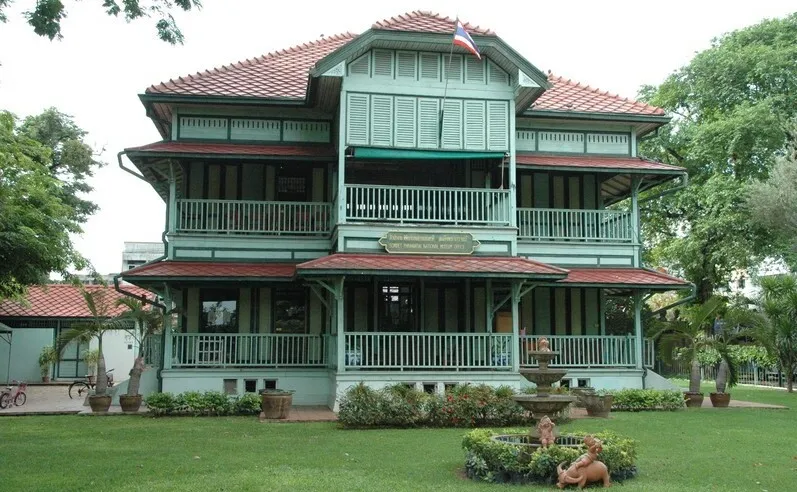
29. King Narai National Museum, Lop Buri is located within Phra Narai Ratchaniwet, or King Narai Palace, in Tha Hin Subdistrict, Mueang Lop Buri District. It is an exceptionally important historical museum for studying Lop Buri and the reign of King Narai the Great. The museum comprises historic palace buildings and exhibition spaces containing antiquities, artworks, and evidence of human settlement from prehistoric times through the Rattanakosin period. Its distinctive appeal lies in the opportunity to study history in a place that once served as an important center of the Ayutthaya royal court.
Highlights: King Narai Palace, Dusit Sawan Thanya Maha Prasat Throne Hall, Chanthara Phisan Throne Hall, Phiman Mongkut Throne Hall, Lop Buri archaeological artifacts, and the history of diplomatic relations with Western countries during King Narai's reign.
Lop Buri has a long history and was an important city from the Dvaravati period onward. It later absorbed influences from ancient Khmer art and culture before becoming especially significant during the Ayutthaya Kingdom. The museum presents evidence from these successive periods, helping visitors understand the continuity of settlement and the city's changing relationships with regional political powers and trading networks.
King Narai Palace reflects Lop Buri's importance during the reign of King Narai the Great. The palace was associated with royal administration and international relations, particularly diplomatic contacts with Western nations. Its architecture combines Thai design with foreign influences, illustrating the cultural exchanges that characterized this period.
The surviving palace buildings are a major part of the museum experience. Visitors can explore spaces associated with historical events while viewing antiquities displayed within the complex. Walking through the palace provides an appreciation of its scale and arrangement that cannot be fully conveyed through photographs or architectural plans.
Exhibits span several eras, from evidence of prehistoric settlement to religious art and objects associated with royal life. Comparing artifacts from different periods helps visitors understand Lop Buri's historical development and its connections with other communities and political centers.
International diplomacy during King Narai's reign is an important subject in Thai history because it demonstrates the Ayutthaya court's relationships with foreign countries. Diplomatic contacts and the exchange of knowledge influenced aspects of architecture, commerce, and culture during the period.
The museum is particularly rewarding for travelers interested in Thai history and architecture. It can be combined with Phra Prang Sam Yot, Wichayen House, and other historic sites in central Lop Buri. Visitors should allow sufficient time to explore both the buildings and the grounds because the palace complex covers a substantial area and contains many details worth examining.
Open Days: Wednesday–Sunday Opening Hours: 09:00 – 16:00
Admission Fee: Thai visitors 30 THB.
Telephone: 036-411-458
Getting There: From Bangkok, take Highway 1 toward Lop Buri, then continue into the historic city center toward King Narai Palace. Visitors can arrive by private car, intercity bus, or train to Lop Buri Railway Station before continuing to the palace.

30. Prachin Buri National Museum, Prachin Buri is located in Mueang Prachin Buri District, Prachin Buri Province. This archaeological and art museum preserves antiquities from Prachin Buri and other areas of eastern Thailand, especially discoveries associated with the ancient city of Si Mahosot, Dvaravati culture, and ancient Khmer artistic influences. Collections include Buddha images, sculptures, religious objects, traditional tools, and artifacts that reveal the development of settlements and trading relationships across the region over many centuries.
Highlights: Antiquities from Si Mahosot, Dvaravati Buddha images, Khmer-style sculptures, religious art, and exhibitions on the history of eastern Thailand.
Prachin Buri is archaeologically significant because it contains several ancient settlements demonstrating the development of communities and towns. Si Mahosot is especially important as an ancient urban center associated with religion and trade. The museum helps visitors understand how these settlements were connected with cultures that flourished in central and eastern Thailand.
Dvaravati art is a major highlight. Visitors can study Buddha images, votive tablets, and sculptures associated with Buddhism. These collections illustrate artistic styles and beliefs that spread among ancient towns, as well as the ways local craftspeople adapted outside artistic influences to suit regional traditions.
Artifacts influenced by Khmer art provide further evidence of connections between eastern Thailand and other regional centers. Sculptures and religious objects demonstrate that cultural exchange involved not only commerce but also the movement of religious ideas, beliefs, and artistic techniques.
Household tools and everyday objects provide insights into occupations, food production, and domestic life in ancient communities. Such evidence shows that these societies developed complex economies and relied on knowledge of natural resources and practical technologies to support urban growth.
The museum's importance extends beyond displaying antiquities. It connects the history of Prachin Buri with the broader cultural development of eastern Thailand. Visitors can use the museum's collections as an introduction before traveling to the ancient city of Si Mahosot and other archaeological sites to study the surviving evidence in its original landscape.
Prachin Buri National Museum is suitable for families, students, and archaeology enthusiasts. Combining the museum with nearby ancient monuments provides an opportunity to explore the region through both preserved objects and historic places. Reading the descriptions of individual collections can deepen visitors' understanding of the evidence and its significance.
Open Days: Wednesday–Sunday Opening Hours: 09:00 – 16:00
Telephone: 037-211-587
Getting There: From Bangkok, take Highway 305 toward Prachin Buri and continue into the city toward Prachin Buri National Museum. Travelers can arrive by private car, rental vehicle, or intercity bus, then take a local taxi to the museum.

31. Phra Pathom Chedi National Museum, Nakhon Pathom is located in Mueang Nakhon Pathom District, Nakhon Pathom Province. It is an archaeological and art museum of considerable importance for studying the history of Nakhon Pathom and Dvaravati culture in central Thailand. The museum preserves archaeological artifacts, Buddha images, sculptures, and historical evidence associated with early settlements and the development of Buddhism in the territory of present-day Thailand. It is especially suitable for visitors wishing to understand the area's historical background before exploring Phra Pathom Chedi and other important monuments.
Highlights: Dvaravati antiquities, Dvaravati-style Buddha images, Buddhist sculptures, ancient inscriptions, and exhibitions on the history of Nakhon Pathom.
Nakhon Pathom is one of the most significant areas for studying Dvaravati history because numerous archaeological discoveries demonstrate the emergence of urban communities and the flourishing of Buddhism in central Thailand. The museum helps visitors understand relationships between ancient towns, trade contacts, and the spread of religion through its organized display of archaeological evidence, particularly objects associated with religious monuments and ceremonial practices.
Dvaravati Buddha images and sculptures are important because they represent artistic traditions from a period when Buddhism had become central to the lives of ancient urban communities. Visitors can examine facial features, bodily proportions, and decorative details that distinguish Dvaravati works from those of the Sukhothai and Ayutthaya periods. Such comparisons provide insight into the development of Buddhist art and the adoption of artistic influences from other regions.
Inscriptions and religious objects are also valuable for studying ancient languages, beliefs, and ceremonial traditions. Although many of these objects are relatively small, their details can connect individual artifacts with wider aspects of historical society and culture. Reading the accompanying descriptions therefore provides a deeper understanding than simply admiring their outward appearance.
The museum is closely associated with Phra Pathom Chedi, one of Thailand's most famous Buddhist landmarks. Visiting the museum before or after exploring the great stupa helps travelers understand the historical background of Nakhon Pathom and the significance of archaeological discoveries in the area.
For families and students, the museum provides a learning opportunity directly connected with Thai history. Archaeology enthusiasts can compare artifacts from different periods before exploring other historic sites in Nakhon Pathom, gaining a clearer understanding of the relationship between museum collections and the places where the objects originated.
Open Days: Daily, according to the attraction's published information Opening Hours: 09:00 – 16:00
Getting There: From Bangkok, take Phetkasem Road toward Nakhon Pathom, then continue to the area around Phra Pathom Chedi. Visitors can travel by private car, bus, or train to Nakhon Pathom Railway Station before walking or taking local transportation to the museum.
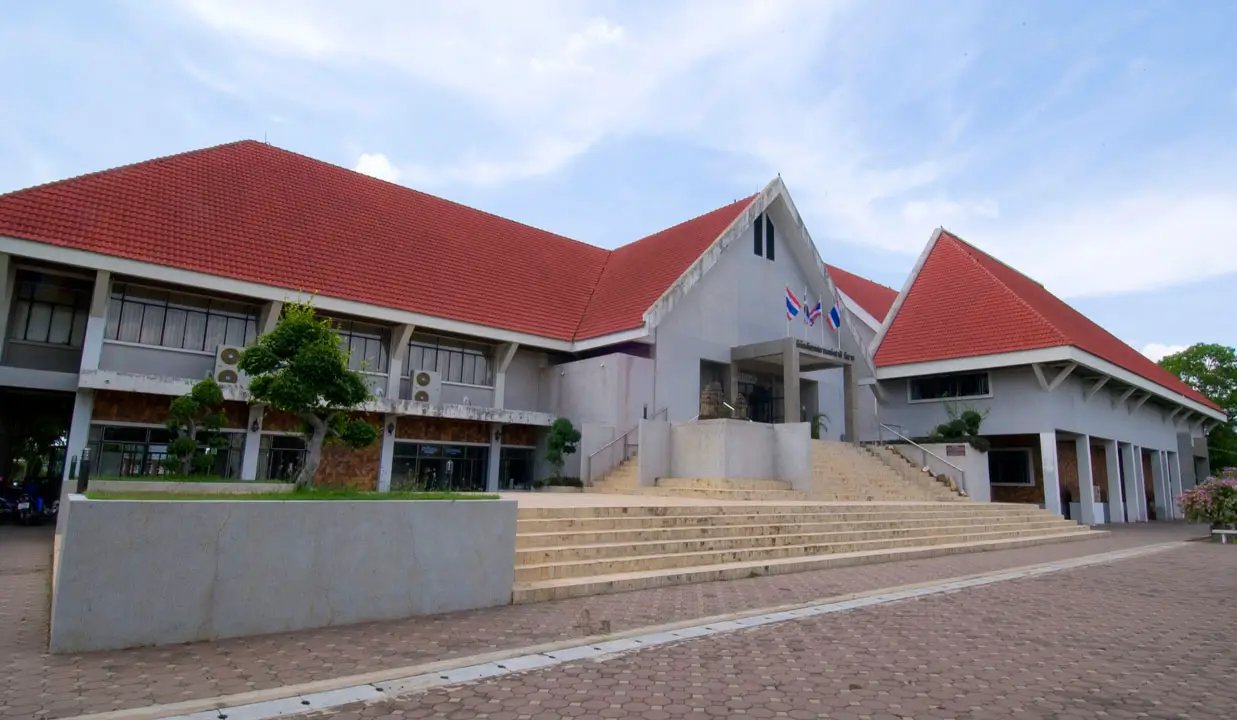
32. Phimai National Museum, Nakhon Ratchasima is located in Phimai District, Nakhon Ratchasima Province. It is an archaeological museum preserving important discoveries from Phimai and other archaeological sites in the lower northeastern region of Thailand. Its collections are particularly notable for ancient Khmer art associated with Phimai Historical Park. Exhibits include sandstone sculptures, lintels, inscriptions, Buddha images, and artifacts recovered from surrounding sites. These collections help explain the history of Phimai and the cultural relationships between communities in the Mun River basin and the ancient Khmer civilization.
Highlights: Khmer sandstone sculptures, ancient lintels and pediments, Buddha images, stone inscriptions, artifacts from Phimai Historical Park, and exhibitions on the history of the Mun River basin.
Phimai was an important center of ancient settlement in northeastern Thailand, particularly during periods when Khmer culture influenced religious architecture and artistic production. Phimai Historical Park preserves architectural evidence of sophisticated engineering and craftsmanship. The museum complements the ancient monument by displaying sculptures and other objects that provide a closer understanding of the site's artistic and religious history.
Sandstone sculptures are particularly impressive because they demonstrate detailed carving techniques associated with religious beliefs. Visitors can examine representations of deities, ornamental motifs, and elaborately carved lintels once incorporated into temple architecture. These works help explain the relationship between art and narratives drawn from Hinduism and Buddhism.
Inscriptions and ceremonial objects provide additional evidence concerning religion, government, and relationships among ancient communities. Historical inscriptions may preserve names, locations, and events, while religious objects demonstrate the forms of worship practiced during different periods.
Visiting the museum before Phimai Historical Park is particularly rewarding because the exhibitions explain architectural components and sculptures that may be missing from their original locations. Travelers can then connect objects seen in the galleries with the surviving stone structures of the ancient sanctuary.
Phimai National Museum is suitable for students, archaeologists, and travelers interested in ancient Khmer art. A visit can be combined with Phimai Historical Park, Sai Ngam, and other historical attractions in Phimai District to explore connections between ancient settlements, geography, and regional culture.
Open Days: Wednesday–Sunday Opening Hours: 09:00 – 16:00
Admission Fee: Thai visitors 20 THB; foreign visitors 200 THB.
Getting There: From Nakhon Ratchasima city, take Highway 2 toward the Talat Khae junction, then turn onto Highway 206 toward Phimai District. The museum is near Phimai Historical Park and can be reached by private car, rental vehicle, or local transportation.
Map (GPS):Get Directions to Phimai National Museum
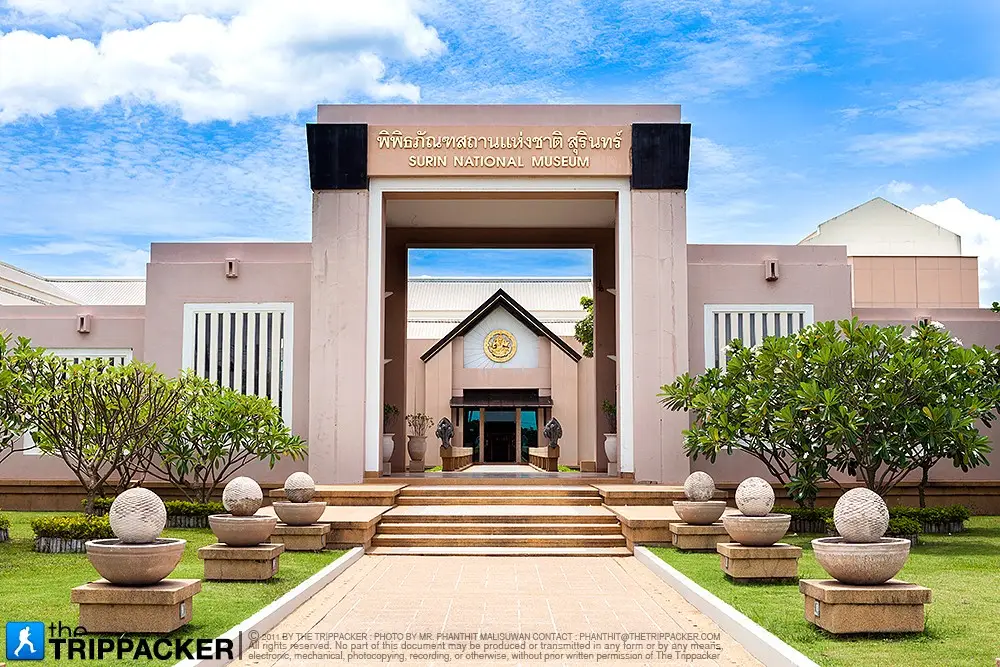
33. Surin National Museum, Surin is located in Surin Province. It preserves the province's history, archaeology, and cultural heritage, particularly the traditions of Kuy, Khmer, and Lao communities and the close relationship between people and elephants, which is one of Surin's most distinctive cultural characteristics. Exhibits include antiquities, traditional tools, clothing, artworks, and information about communities in southern northeastern Thailand. Together, they introduce Surin as a culturally diverse region with historical connections to ancient civilizations.
Highlights: The history of Surin, Kuy culture and Thai elephants, Khmer and Lao ethnic traditions, archaeological artifacts, traditional clothing, and local knowledge.
Surin has a long history of settlement and cultural exchange, with connections to communities in the Mun River basin and the ancient Khmer cultural sphere. The museum explains how geography and transportation influenced the development of settlements and how government and economic activities changed over time.
The relationship between Kuy communities and elephants is among the province's most important cultural traditions. Some Kuy communities have preserved specialized knowledge of elephant care and training over many generations. Learning about their customs and daily lives reveals the relationships between elephants, families, community beliefs, and local economies, offering a perspective that goes beyond elephant performances at festivals.
Other ethnic traditions are equally important to Surin's identity. Languages, clothing, customs, and handicrafts reflect communities with diverse backgrounds living alongside one another. Traditional textiles and household objects also reveal how people adapted to their environments and made use of local resources.
In archaeology and art, the museum explains Surin's connections with ancient cultures across the lower northeastern region. Visitors can examine artifacts and artistic styles reflecting religious influences and beliefs from neighboring areas, as well as the development of distinctive local traditions.
Surin National Museum is suitable for visitors interested in ethnology, regional history, and traditional knowledge. It can be combined with elephant communities and cultural attractions elsewhere in the province to connect the museum's historical interpretation with traditions that remain part of local life.
Open Days: Wednesday–Sunday and public holidays according to museum announcements Opening Hours: 09:00 – 16:00
Admission Fee: Free admission.
Getting There: From Surin city, follow the main roads toward Surin National Museum using its GPS location. Visitors can travel by private car, rental vehicle, or taxi from Surin Railway Station or the provincial bus terminal.
Map (GPS):Get Directions to Surin National Museum
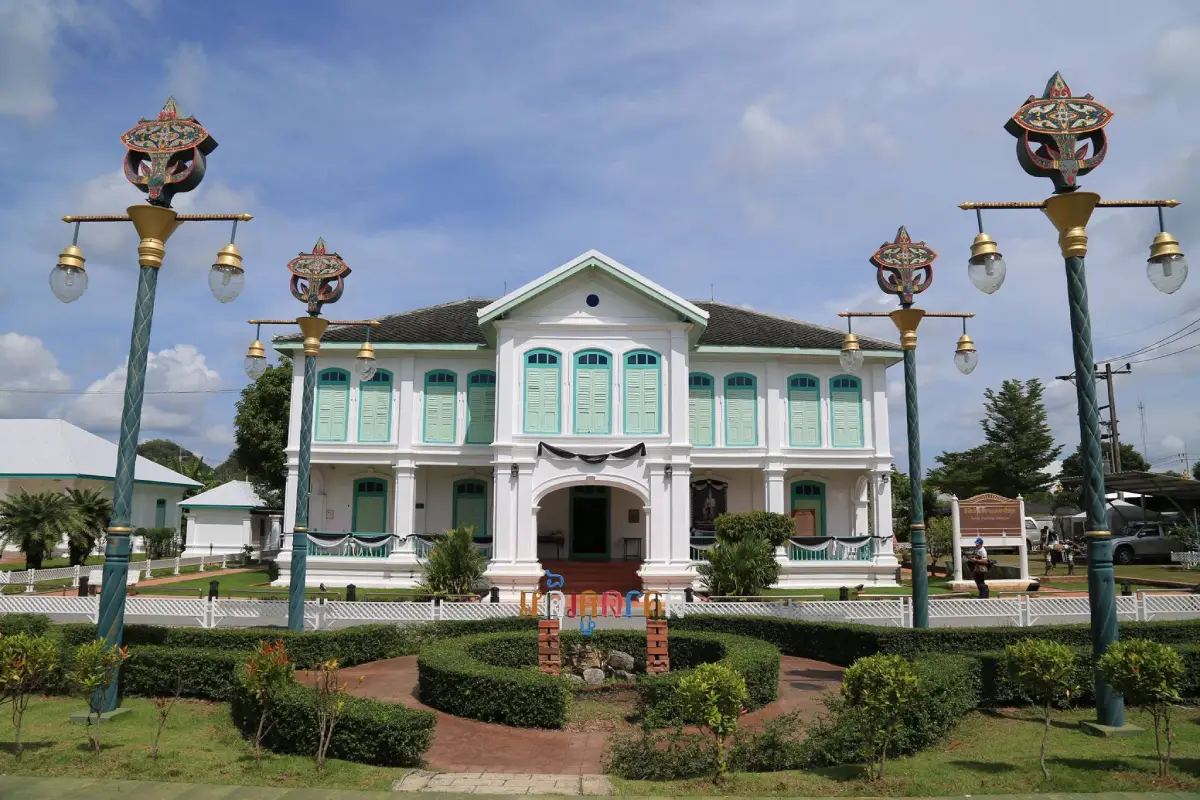
34. Satun National Museum (Kuden Mansion), Satun is located in Mueang Satun District, Satun Province. It occupies Kuden Mansion, a historic building whose architecture combines Western influences with the local traditions of Southern Thailand. The museum presents the history of Satun, Thai Muslim cultural heritage, ethnic communities, traditional lifestyles, and the province's trading relationships with the Malay Peninsula and other parts of the region. Its special appeal lies in the combination of exhibitions with an original historic building that forms part of Satun's urban heritage.
Highlights: Kuden Mansion, architecture combining Western and regional styles, the history of Satun, Thai Muslim traditions, traditional household objects, and maritime trade.
Satun's history is closely connected with the Malay Peninsula and maritime trading networks. Settlements developed in relation to coastal geography, islands, and travel routes linking communities across the region. The museum explains how Satun developed as a multicultural city with characteristics distinguishing it from other provinces in Thailand.
Kuden Mansion is an essential part of the visitor experience because the building reflects outside architectural influences adapted to local environmental conditions. Visitors can examine doors, windows, arches, and ornamental elements demonstrating craftsmanship from a period of extensive cultural contact. Preserving this historic building as a museum helps protect an important part of Satun's collective memory.
Exhibitions on community life introduce the region's diversity of languages, religions, and customs, particularly Thai Muslim traditions that contribute strongly to Satun's identity. Clothing, household objects, and occupational tools illustrate lifestyles associated with religion, family, and the coastal environment.
Maritime commerce is another important theme. Satun's location provided connections to trading routes across the Malay Peninsula. Studying this history helps explain how people, goods, and ideas moved between communities and how coastal cities developed as places of contact among different societies.
Satun National Museum is suitable for travelers interested in southern Thai history, architecture, and local culture. It can be combined with historic attractions and traditional neighborhoods in Satun city, allowing visitors to explore aspects of the province beyond its better-known beaches and islands.
Open Days: Wednesday–Sunday Opening Hours: 09:00 – 16:00
Admission Fee: Thai visitors 10 THB; foreign visitors 50 THB.
Getting There: From central Satun, follow the main roads toward Kuden Mansion. The museum is within the urban area and can be reached by private car, rental vehicle, or taxi from the provincial bus terminal. Its location is convenient for exploring other nearby historical attractions.
Map (GPS):Get Directions to Satun National Museum
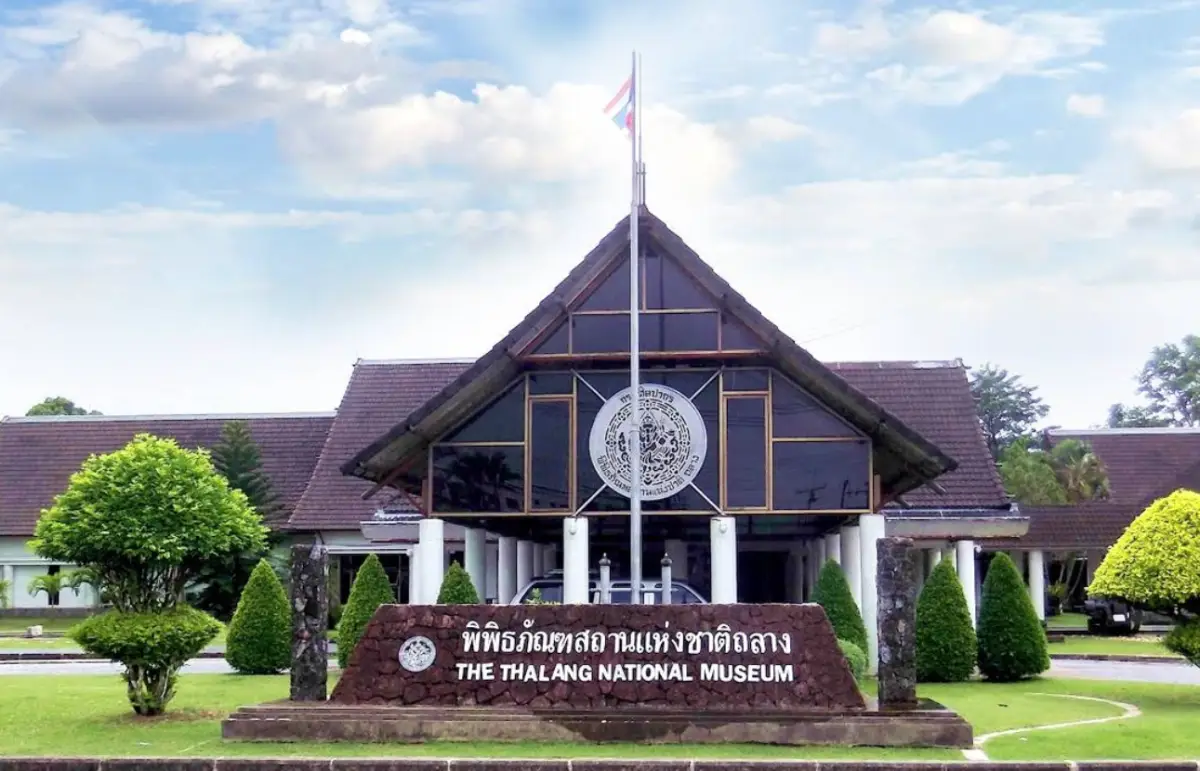
35. Thalang National Museum, Phuket is located in Thalang District, Phuket Province. This history and cultural museum traces the development of Phuket and the Andaman coastal region from prehistoric times to the modern era. Its collections include archaeological artifacts, historical evidence, and exhibitions about maritime commerce, tin mining, the heritage of Thai-Chinese communities, and important events in the history of Thalang. Particular attention is given to the stories of Thao Thep Krasattri and Thao Si Sunthon, who are remembered for their role in defending Thalang in the past.
Highlights: The history of Thalang, Thao Thep Krasattri and Thao Si Sunthon, maritime trade, traditional tin mining equipment, Thai-Chinese culture, and the artistic heritage of the Andaman coast.
Phuket had a long and significant history before becoming a major international tourism destination. Situated along important sea routes, the island developed relationships with trading networks involving people of different nationalities and cultures. Thalang National Museum introduces this history through evidence of settlement, shipping, and the development of Andaman coastal communities.
The defense of Thalang is an important historical theme, particularly events associated with Thao Thep Krasattri and Thao Si Sunthon, who are honored in local history. The exhibitions introduce the circumstances surrounding these events and the importance of Thalang during a period of political and military change in the region.
Tin mining played a major role in Phuket's economic development. The expansion of mining encouraged labor migration and urban growth. Tools and information associated with the industry help explain how natural resources influenced livelihoods, architecture, and the development of local communities.
Thai-Chinese culture remains an essential part of Phuket's identity, influencing food, clothing, festivals, and the architecture of the old town. The museum connects the stories of communities from different backgrounds with Phuket's wider development, illustrating the cultural diversity created through commerce and settlement.
Thalang National Museum is ideal for visitors seeking to discover Phuket beyond its beaches. A visit can be combined with the Thao Thep Krasattri and Thao Si Sunthon Monument, other historic attractions in Thalang, and Phuket Old Town. Together, these places reveal connections between the island's past and the modern tourism destination seen today.
Open Days: Wednesday–Sunday Opening Hours: 09:00 – 16:00
Admission Fee: Thai visitors 20 THB; foreign visitors 100 THB, subject to applicable national museum exemptions.
Getting There: From Phuket city, take Thepkrasattri Road, Highway 402, toward Thalang District. The museum is near the Thao Thep Krasattri and Thao Si Sunthon Monument. Visitors can travel by private car, rental vehicle, or taxi from Phuket city or Phuket International Airport.
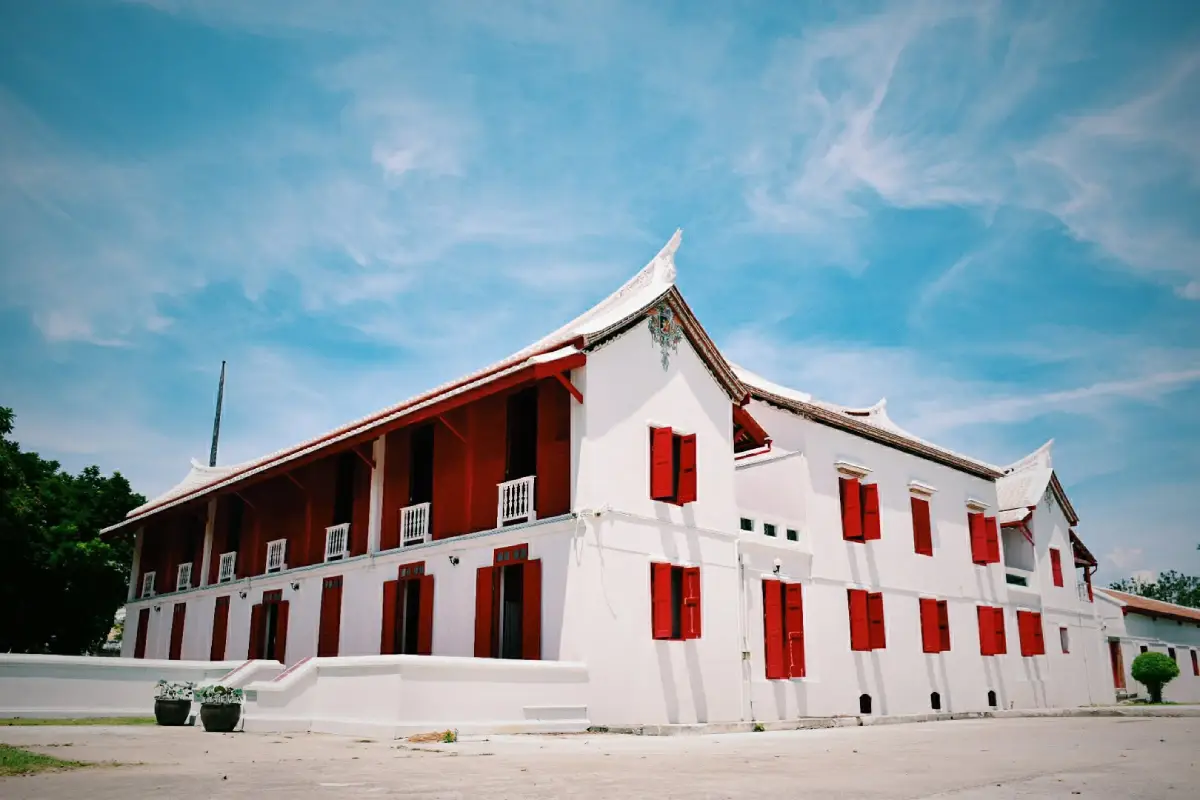
36. Songkhla National Museum, Songkhla is located in Songkhla Old Town, Mueang Songkhla District, Songkhla Province. This historical and cultural museum is distinguished by both its collections and its architecture. The historic building once served as a residence associated with the administration of Songkhla. Today, the museum preserves archaeological objects, artworks, traditional household equipment, and cultural artifacts reflecting the connections between communities on the southern peninsula and maritime trading networks. Its exhibitions also explore the diverse ethnic and religious groups that have shaped the identity of Songkhla.
Highlights: The historic museum building, southern Thai antiquities, Chinese ceramics, traditional household objects, religious art, and exhibitions on Thai, Chinese, and Malay cultural heritage.
Songkhla has a long history as an important trading port connected with commercial routes across the Malay Peninsula. The development of its settlements was influenced by geography, Songkhla Lake, and transportation by water. The museum explains how the city grew through the exchange of goods among different communities and developed a multicultural identity that distinguishes it from many other Thai cities.
Objects associated with maritime trade are particularly interesting. Ceramics and vessels originating from different production centers reveal economic connections between coastal communities and places further afield. By examining their shapes, decorations, and materials, visitors can learn about historical trading relationships and changing artistic preferences, as well as Songkhla's role as a city receptive to diverse cultural influences.
Traditional household equipment and artworks reflect the lifestyles of Thai, Chinese, and Malay communities associated with Songkhla. Food, dress, religious beliefs, and customs demonstrate the diversity of people living alongside one another. The collections help visitors understand how the city's distinctive character emerged through continuing cultural exchange.
The museum building has considerable architectural value in its own right. Its historic form and decorative details make it appealing to visitors interested in architecture and photography. Preserving the building as a museum also allows a historically important site to continue serving the public as a place of cultural learning.
Songkhla National Museum is an excellent introduction before exploring Songkhla Old Town. Visitors can continue to Nakhon Nok Road, Nakhon Nai Road, Nang Ngam Road, and other historical areas, comparing the museum's collections with the surviving buildings, temples, shrines, and communities that remain part of the city's everyday life.
Open Days: Wednesday–Sunday Opening Hours: 09:00 – 16:00
Admission Fee: Thai visitors 30 THB; foreign visitors 150 THB. Eligible groups may receive exemptions under national museum regulations.
Getting There: From Hat Yai, take Highway 407 toward Mueang Songkhla District and continue into Songkhla Old Town. The museum is near Wichian Chom Road and can be reached by private car, rental vehicle, taxi, or transportation connecting Hat Yai and Songkhla.
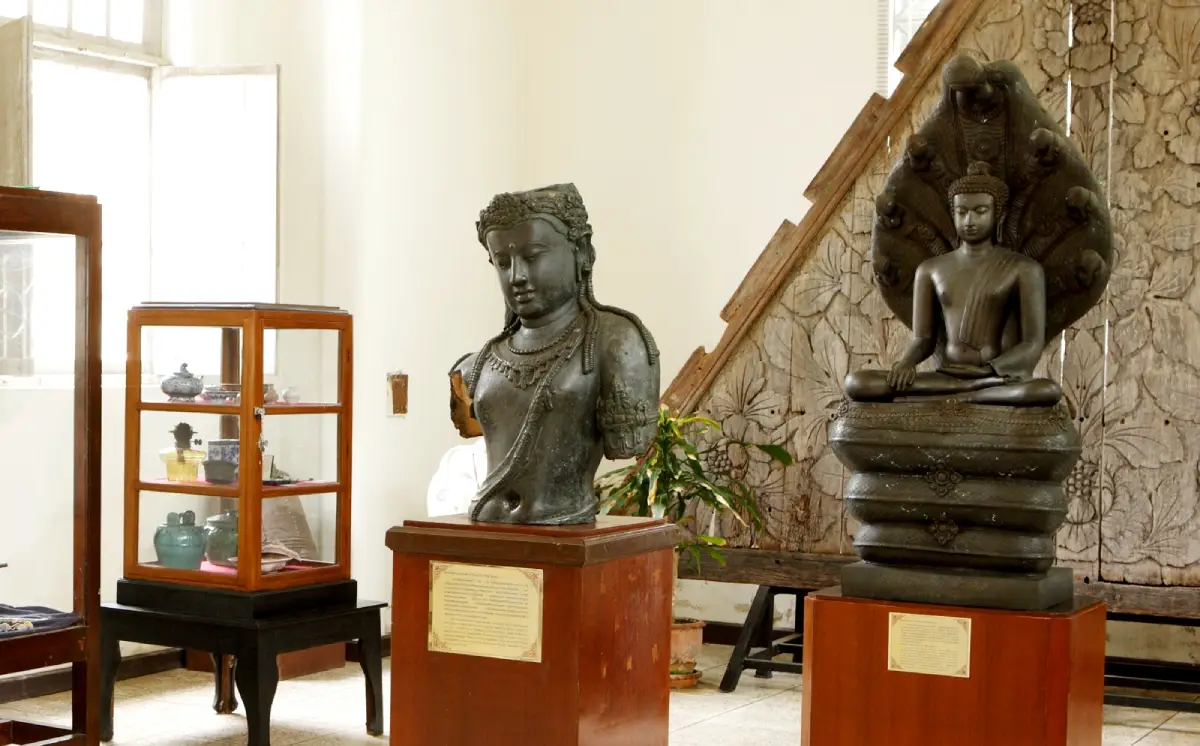
37. Chaiya National Museum, Surat Thani is located in Chaiya District, Surat Thani Province, near Wat Phra Borommathat Chaiya Ratchaworawihan. This archaeological and art museum is important for studying the history of Southern Thailand, particularly Srivijaya culture and the relationships between coastal communities and maritime trading networks. Its collections include Buddha images, religious sculptures, antiquities, and evidence of the development of ancient Chaiya, an area long associated with Buddhism and cultural exchange across the southern peninsula.
Highlights: Srivijaya art, bronze Buddha images, Buddhist sculptures, artifacts from ancient Chaiya, and the history of maritime trade in Southern Thailand.
Chaiya is historically significant because archaeological discoveries demonstrate the spread of Buddhism and regional trade during periods when Srivijaya culture was influential. The museum explains the role of local communities through historical evidence and objects revealing relationships between coastal settlements and cultural centers elsewhere in Southeast Asia.
Srivijaya art is among the museum's most important subjects, particularly Buddhist sculptures reflecting religious beliefs and craftsmanship developed through contact with other regions. Visitors can examine distinctive forms of Buddha images and religious figures as well as artistic influences adapted to the local cultural setting.
Objects associated with maritime commerce help explain Chaiya's importance as a place of exchange. Sea travel connected distant communities, making possible the movement of goods, knowledge, religious beliefs, and technologies. These discoveries demonstrate how the history of Southern Thailand has long been connected with societies beyond its shores.
The museum also introduces the relationship between Buddhism and Chaiya's urban development. Religious monuments and ceremonial objects played important roles in the lives of earlier communities. Their interpretation helps visitors appreciate the continuity of beliefs and traditions that remain visible in southern Thai culture today.
A visit to Chaiya National Museum can easily be combined with Wat Phra Borommathat Chaiya Ratchaworawihan nearby. Travelers interested in Srivijaya history can study the museum's artifacts before visiting the temple to gain a deeper understanding of its architecture and religious significance.
The museum is suitable for students, archaeology enthusiasts, and travelers interested in ancient civilizations of the Malay Peninsula. Seeing authentic artifacts alongside the historical setting of Chaiya provides insight into the town's role as an important religious and cultural center.
Open Days: Wednesday–Sunday Opening Hours: 09:00 – 16:00
Admission Fee: Thai visitors 20 THB; foreign visitors 100 THB.
Getting There: From Surat Thani city, take Highway 41 toward Chaiya District and continue to Wat Phra Borommathat Chaiya Ratchaworawihan. The museum is nearby. Visitors can arrive by private car, rental vehicle, or train to Chaiya Railway Station, followed by local transportation.
Map (GPS):Get Directions to Chaiya National Museum
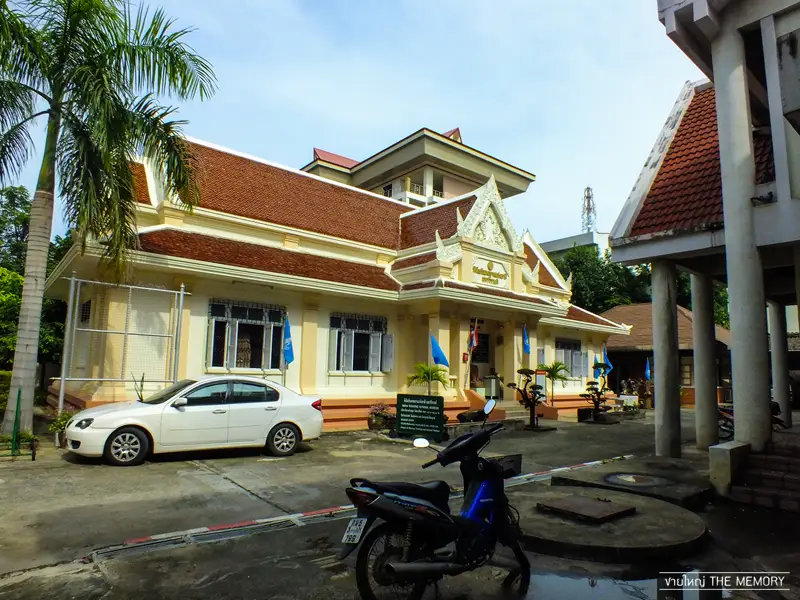
38. Maha Viravong National Museum, Nakhon Ratchasima is located within Wat Sutthachinda in Mueang Nakhon Ratchasima District. It preserves important archaeological artifacts and works of art from the lower northeastern region, particularly objects associated with Buddhism, Dvaravati culture, and ancient Khmer artistic traditions. Exhibits include Buddha images, sculptures, traditional tools, and historical evidence that help visitors understand the development of Nakhon Ratchasima and ancient communities in the Mun River basin.
Highlights: Northeastern Thai antiquities, Dvaravati- and Khmer-style Buddha images, religious sculptures, archaeological discoveries, and the history of Nakhon Ratchasima.
Nakhon Ratchasima has long been an important city connecting central Thailand with the northeastern region. This geographical position encouraged the exchange of goods, religious ideas, and cultural traditions between communities. Maha Viravong National Museum illustrates these developments through objects associated with ancient settlements and artistic production during different historical periods.
Buddha images and religious sculptures are major collections because they demonstrate the spread of Buddhism and the changing craftsmanship of the region. Visitors can compare facial characteristics, poses, and decorative details to understand the development of Buddhist art from the Dvaravati period through periods of Khmer influence.
Other archaeological objects, including tools, ornaments, and ceremonial equipment, offer insights into ancient lifestyles. Studying them reveals how communities used natural resources and developed practical technologies and craft skills to meet their needs.
The museum also connects archaeological discoveries with the wider history of Nakhon Ratchasima, which became an important administrative and transportation center during the Rattanakosin period. Evidence from different eras helps visitors understand the transformation from ancient settlements into the major regional city seen today.
The museum's location makes it convenient to combine with the Thao Suranari Monument, Wat Sutthachinda, and historic neighborhoods in central Nakhon Ratchasima. Visiting the museum first provides historical context for exploring the city's present-day landmarks.
Maha Viravong National Museum is suitable for history and archaeology enthusiasts, families, and school groups. Encountering original antiquities also highlights the importance of preserving cultural heritage, allowing the stories of earlier communities to be studied even after many centuries.
Open Days: Wednesday–Sunday Opening Hours: 09:00 – 16:00
Admission Fee: Thai visitors 10 THB; foreign visitors 50 THB.
Getting There: From central Nakhon Ratchasima, travel toward Wat Sutthachinda near the old city area and Thao Suranari Monument. Visitors can use a private car, taxi, or local public transportation. The museum is conveniently situated for visiting several historic landmarks during the same trip.

39. Hariphunchai National Museum, Lamphun is situated in central Lamphun, close to Wat Phra That Hariphunchai Woramahawihan. This important archaeological and art museum preserves evidence of the ancient Hariphunchai Kingdom and Lanna culture. Exhibits include Buddha images, votive tablets, stone inscriptions, traditional implements, and archaeological discoveries from Lamphun and surrounding areas. The museum is particularly significant for studying northern Thailand before the establishment of the Lanna Kingdom and for understanding the development of Buddhism and artistic traditions that later influenced the region.
Highlights: Hariphunchai stone inscriptions, Hariphunchai- and Lanna-style Buddha images, ancient votive tablets, antiquities from Lamphun, and exhibitions on the history of the Hariphunchai Kingdom.
Hariphunchai was an important center of ancient settlement in northern Thailand before the expansion of the Lanna Kingdom. Lamphun's history is closely connected with legends of Queen Chamadevi and the spread of Buddhism throughout the Kuang and Ping river basins. The museum introduces the achievements of this earlier civilization through archaeological objects that are important for understanding the region's past.
Stone inscriptions are among the museum's most valuable objects because they preserve evidence of ancient languages, beliefs, and society. Studying their scripts and inscriptions provides insight into cultural development and the use of language in Hariphunchai, including connections with Mon culture and some communities in central Thailand.
Buddha images and votive tablets reveal the distinctive artistic identity of Hariphunchai. Visitors can observe construction techniques and decorative details that differ from those of other artistic traditions. Comparing these objects with later Lanna works helps explain both continuity and change in northern Buddhist art.
Tools and household objects recovered from archaeological sites provide insights into the daily lives of Lamphun's ancient inhabitants. These collections demonstrate that the prosperity of historical kingdoms depended not only on rulers and religious monuments but also on the knowledge, labor, and skills of ordinary people.
The museum is conveniently located near Wat Phra That Hariphunchai Woramahawihan, making it ideal for a historical itinerary in Lamphun. Visitors can begin by studying the kingdom's art and history inside the museum before continuing to temples and important ancient sites, connecting preserved objects with the places where the region's history unfolded.
For travelers interested in Lanna history, the museum provides a valuable introduction to the period before the founding of Chiang Mai and the Lanna Kingdom. It reveals that northern Thailand already possessed well-developed communities and cultural traditions, and that Hariphunchai knowledge of religion, art, and social organization contributed to the region's subsequent history.
Open Days: Wednesday–Sunday Opening Hours: 09:00 – 16:00
Admission Fee: Thai visitors 20 THB; foreign visitors 100 THB.
Getting There: From Chiang Mai, take Highway 106 toward Lamphun and continue into the city center near Wat Phra That Hariphunchai Woramahawihan. The museum is close to the temple and can be reached by private car, rental vehicle, or public transportation to central Lamphun.

40. Chiang Saen National Museum, Chiang Rai is located in Chiang Saen District, Chiang Rai Province. It preserves archaeological artifacts and cultural heritage associated with the ancient city of Chiang Saen and the Lanna Kingdom. Its collections include Buddha images, stone inscriptions, traditional implements, ornaments, and objects recovered from archaeological sites in the Upper Mekong region. Exhibitions also explore local culture and the diverse communities historically connected with Chiang Saen. The museum is an important destination for understanding the history of this ancient riverside city and its position within northern Thailand's cultural networks.
Highlights: Chiang Saen-style Buddha images, Lanna antiquities, stone inscriptions, the history of Chiang Saen, Mekong River cultural traditions, and the heritage of northern ethnic communities.
Chiang Saen is an important historic city on the Mekong River, with surviving city walls, moats, temples, and ancient monuments demonstrating its former prosperity. Its riverside position connected it with trading and transportation routes linking northern Thailand with other parts of the Mekong region. The museum explains this history through archaeological discoveries and the experiences of the communities that lived there.
Chiang Saen-style Buddha images are among the museum's most significant collections because they demonstrate a distinctive tradition of northern Buddhist art. Visitors can examine facial characteristics, hairstyles, and bodily proportions that differ from those of Buddha images produced in other periods. Such comparisons provide insight into Lanna craftsmanship and the development of Buddhism in the region.
Stone inscriptions and religious objects are equally important for understanding ancient languages, beliefs, and community relationships. Their writing systems provide valuable historical evidence, while tools, ornaments, and household vessels reveal aspects of everyday life in historic Chiang Saen.
Cultural exhibitions also introduce the diversity of peoples living in the Mekong River basin, including communities with different languages, clothing, customs, and traditional knowledge. These collections demonstrate that Chiang Saen was not only a political and religious center but also a place of continuing exchange among communities throughout the region.
Chiang Saen National Museum is an ideal starting point for exploring the ancient city. After studying the history and artistic traditions in the museum, visitors can continue to Wat Pa Sak, Wat Phra That Chedi Luang, and the old city walls to connect the exhibits with surviving monuments.
For travelers interested in Lanna history and culture, the museum is an important stop that reveals Chiang Saen's historical significance as a city beside the Mekong River. The knowledge gained here can also add historical depth to subsequent visits to the Golden Triangle and other attractions in Chiang Rai.
Open Days: Wednesday–Sunday Opening Hours: 09:00 – 16:00
Admission Fee: Thai visitors 20 THB; foreign visitors 120 THB.
Getting There: From Chiang Rai city, take Highway 110 toward Chiang Saen District, then continue into the old city area following signs for Chiang Saen National Museum. Visitors can travel by private car, rental vehicle, or bus to Chiang Saen, followed by local transportation.

41. Hall of Opium, Golden Triangle Park, Chiang Rai is located near the Golden Triangle in Chiang Saen District, Chiang Rai Province. The museum presents the history of opium, from its origins and worldwide distribution to international trade and its effects on economies, public health, and the lives of communities in the Mekong region. Operated under the Mae Fah Luang Foundation under Royal Patronage, it is distinguished by exhibitions that combine multimedia, lighting, sound, and reconstructed environments to explain complex historical developments. The museum is particularly suitable for visitors interested in Asian history, international commerce, and social change in the Golden Triangle region.
Highlights: Exhibitions on the history of opium, Asian opium trading routes, the Opium Wars, the consequences of drug use, traditional life in Golden Triangle communities, and efforts to improve living conditions among highland populations.
The Golden Triangle is a border region linking Thailand, Laos, and Myanmar. It has long been significant for its geography, trade, and the movement of people. In the past, parts of the region were associated with opium cultivation and commerce, which had considerable effects on local economies, political relationships, and communities. The Hall of Opium therefore examines more than the history of a particular plant. It explores connections between global trade, political power, social transformation, and the effects experienced by people across different periods.
The exhibitions follow a historical sequence, beginning with information about the opium poppy and its use in early societies. They then examine the development of trading systems and the spread of opium to different parts of the world. Reconstructed settings, historical documents, and multimedia presentations demonstrate how opium influenced international relations and the economy while explaining the harmful consequences that arose when drug dependence became a major health and social problem.
Another important subject is the history of highland communities and their transition from older economic systems toward more sustainable livelihoods. These displays demonstrate that addressing drug-related problems requires more than legal enforcement. Education, healthcare, occupational development, and long-term economic opportunities are also important to improving community well-being.
The Hall of Opium is particularly notable for its immersive exhibition design. Visitors move through spaces whose atmosphere changes with each historical theme, creating a memorable learning experience. The museum is suitable for students and travelers interested in social history because it presents historical facts alongside lessons concerning the consequences of drug use and international trade.
Visitors should allow approximately 1–2 hours to explore the exhibitions, read the descriptions, and experience the multimedia presentations. The museum can then be combined with Golden Triangle viewpoints, ancient Chiang Saen, and historic temples along the Mekong River.
The Hall of Opium is an important educational attraction in Chiang Rai because it presents regional history through social and humanitarian perspectives. A visit reveals that the Golden Triangle is not merely a scenic border destination, but a place with complex historical experiences and important lessons concerning community development.
Open Days: Tuesday–Sunday Opening Hours: 08:30 – 16:00
Admission Fee: Thai visitors 150 THB; foreign visitors 200 THB; students 50 THB.
Telephone: 053-784-444 to 053-784-446
Getting There: From Chiang Rai city, travel toward Chiang Saen District and continue to the Golden Triangle. The museum is approximately 9 kilometers from Chiang Saen town and can be reached by private car, rental vehicle, or taxi. The journey from Chiang Rai city generally takes around 1–1.5 hours, depending on traffic.
Map (GPS):Get Directions to the Hall of Opium
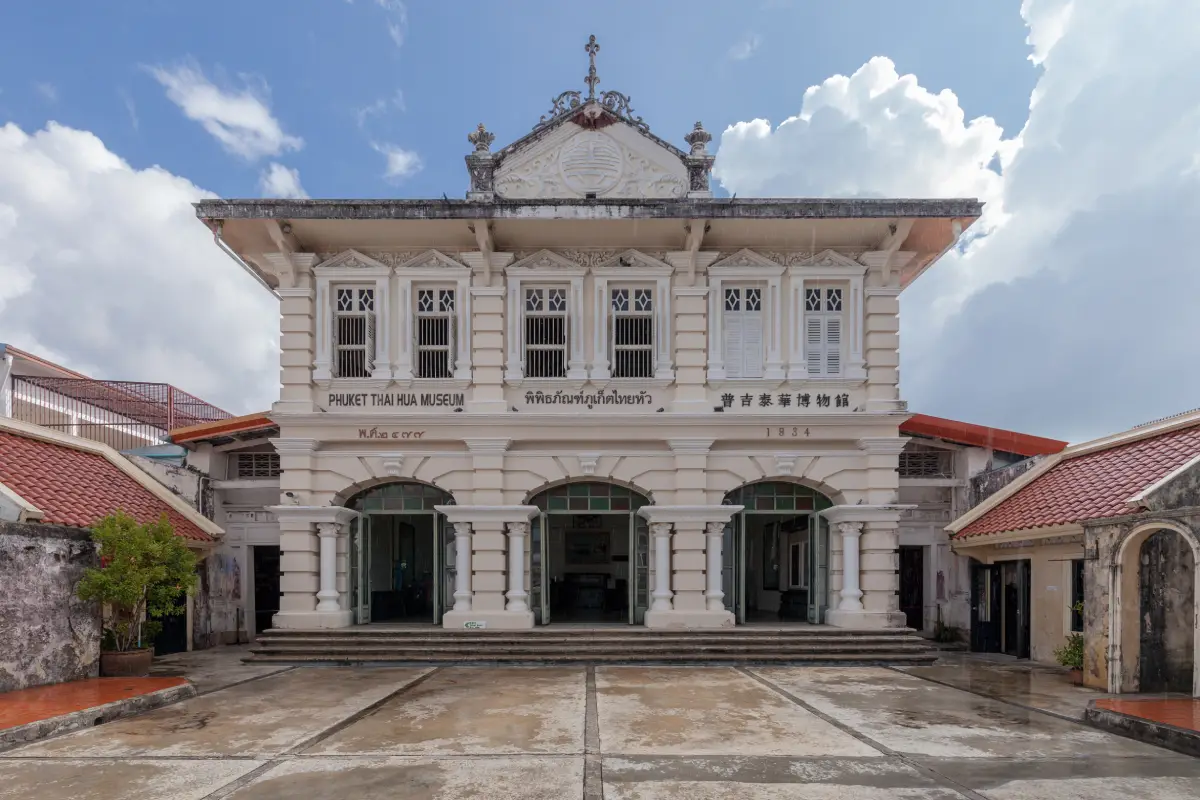
42. Phuket Thai Hua Museum, Phuket is located at No. 28 Krabi Road in Talat Nuea Subdistrict, Mueang Phuket District. It occupies a two-story Sino-Portuguese building that once served as an important Chinese-language school for Phuket's Hokkien community. The museum presents the history of Chinese migration, tin mining, commerce, education, food, festivals, and Baba–Nyonya traditions, all of which helped shape Phuket's cultural identity. The building itself is an important part of the community's architectural heritage and collective memory, making it an excellent starting point for exploring Phuket Old Town.
Highlights: Sino-Portuguese architecture, the history of Thai Hua School, Hokkien Chinese culture, tin mining, Baba–Nyonya heritage, historic photographs, and the red bat motif decorating the building's facade.
Phuket has a long history of commerce and tin mining. During the expansion of mining, many Chinese migrants arrived to work and establish businesses on the island. The growing Chinese community influenced settlement patterns, architecture, food, language, and festivals still visible in Phuket Old Town today. The museum explains these developments through photographs, documents, and historical objects, demonstrating how the city's distinctive character emerged from continuing cultural exchanges.
The former Thai Hua School is significant in the history of community education. It reflects the determination of earlier Chinese residents to provide education for younger generations while preserving ancestral language and cultural values. Learning about the school's history reveals the role of education in strengthening communities and shows why the museum is more than a visually attractive historic building.
Sino-Portuguese architecture is one of the building's most distinctive features. Its windows, arches, balconies, and openings combine Western architectural influences with Chinese cultural traditions. The red bat motif on the facade is associated with auspicious meanings in Chinese symbolism. Examining these elements helps visitors understand how architecture can express the values and beliefs of a community.
Exhibitions on tin mining and local commerce explain Phuket's development from a mining center into a major tourism destination. Historical photographs, tools, and personal stories reveal aspects of work, trade, and community growth. Other exhibits highlight food and festivals, demonstrating how Baba–Nyonya traditions have continued through everyday life and celebrations.
The museum is situated in the heart of Phuket Old Town, making it a convenient starting point for walking along Krabi Road, Thalang Road, Soi Rommanee, and the surrounding historic streets. Visitors should allow approximately 1–2 hours for the exhibitions and building before continuing to local restaurants, shrines, and nearby examples of historic architecture.
Phuket Thai Hua Museum is ideal for visitors interested in community history, architecture, and Thai-Chinese culture. It demonstrates that Phuket's identity extends beyond beaches and tourism, with important roots in education, commerce, mining, and the coexistence of culturally diverse communities.
Open Days: Daily Opening Hours: 09:00 – 17:00
Admission Fee: Thai visitors: Adults 50 THB, children and students 25 THB. Foreign visitors: Adults 200 THB, children 120 THB.
Telephone: 076-211-224
Getting There: From Phuket International Airport, take Thepkrasattri Road toward Phuket city and continue to Krabi Road in the Old Town. Visitors staying around Thalang Road can walk to the museum. Those arriving by private car should check nearby public parking areas.
Map (GPS):Get Directions to Phuket Thai Hua Museum
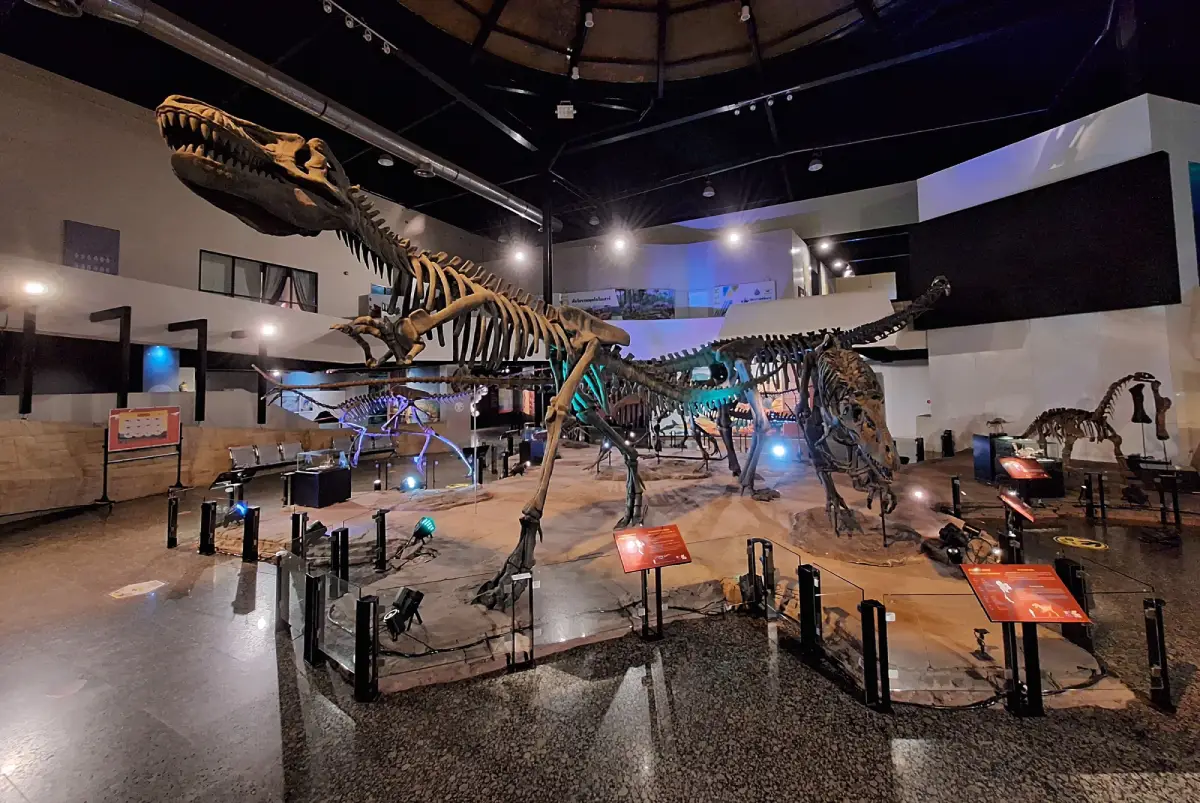
43. Sirindhorn Museum, Kalasin is located at No. 200, Moo 11, Non Buri Subdistrict, Sahatsakhan District, Kalasin Province. It is one of Thailand's important dinosaur museums and fossil education centers, situated near the Phu Kum Khao excavation site and Wat Sakkawan. The museum presents the formation of Earth, the evolution of life, geology, dinosaurs, and paleontological research through exhibitions, reconstructions, skeletal displays, multimedia, and scientific evidence. It is particularly suitable for families, students, and natural history enthusiasts who wish to explore the prehistoric world in an engaging and accessible setting.
Highlights: Dinosaur skeleton reconstructions, fossils discovered at Phu Kum Khao, exhibitions on the origins of Earth, the evolution of life, reconstructed dinosaur environments, and the nearby excavation area at Wat Sakkawan.
Kalasin is significant for paleontological research because dinosaur fossils and evidence of other ancient organisms have been discovered at several locations in the province. Phu Kum Khao is among Thailand's important excavation sites. Its fossil bones allow researchers to investigate the characteristics of animals that lived in the region millions of years ago. Sirindhorn Museum plays a major role in communicating these scientific discoveries to the public.
The exhibitions are organized to guide visitors through natural history, beginning with the origins of the universe and Earth before exploring environmental change, the appearance of life, and evolution across geological periods. This presentation helps visitors understand that the planet has changed continuously and that present-day organisms are the result of natural processes extending over immense timescales.
The dinosaur galleries are among the museum's most popular attractions. Life-size models and skeleton reconstructions demonstrate the size, appearance, and characteristics of different prehistoric animals. Visitors can learn about diets, movement, and the environments in which dinosaurs lived, discovering how different species adapted to different ecosystems.
Authentic fossils give the museum considerable scientific value because they provide evidence used to study the anatomy and behavior of extinct organisms. Exhibitions explaining excavation, documentation, and fossil analysis demonstrate that paleontological discoveries require collaboration among geologists and paleontologists, not simply finding bones and assembling skeletons.
The museum also supports science education through displays designed for children and young people. Seeing fossils and reconstructions makes subjects previously encountered only in textbooks easier to understand. Students can use the visit to explore evolution, geological change, and the importance of preserving natural evidence.
Visitors interested in a comprehensive experience should allow approximately 2–3 hours for the museum's main exhibition areas. They can then continue to Wat Sakkawan and the Phu Kum Khao fossil excavation area to connect museum displays with the original discovery site. Lam Pao Dam and Thepsuda Bridge may also be included in a wider regional itinerary.
Sirindhorn Museum demonstrates that tourism in Thailand is not limited to human history and cultural heritage. It also provides opportunities to explore natural history extending back many millions of years and reveals that the northeastern region once supported environments and animals very different from those seen today.
Open Days: Tuesday–Sunday Opening Hours: 09:30 – 16:30
Admission Fee: Thai visitors: Adults 50 THB, children 20 THB. Foreign visitors: Adults 150 THB, children 70 THB. Exemptions may apply under museum regulations.
Getting There: From Kalasin city, take Highway 227 toward Sahatsakhan District and continue into Non Buri Subdistrict, following signs for Sirindhorn Museum and Wat Sakkawan. The museum is approximately 30–35 kilometers from the city center and can be reached by private car, rental vehicle, or taxi.
Map (GPS):Get Directions to Sirindhorn Museum
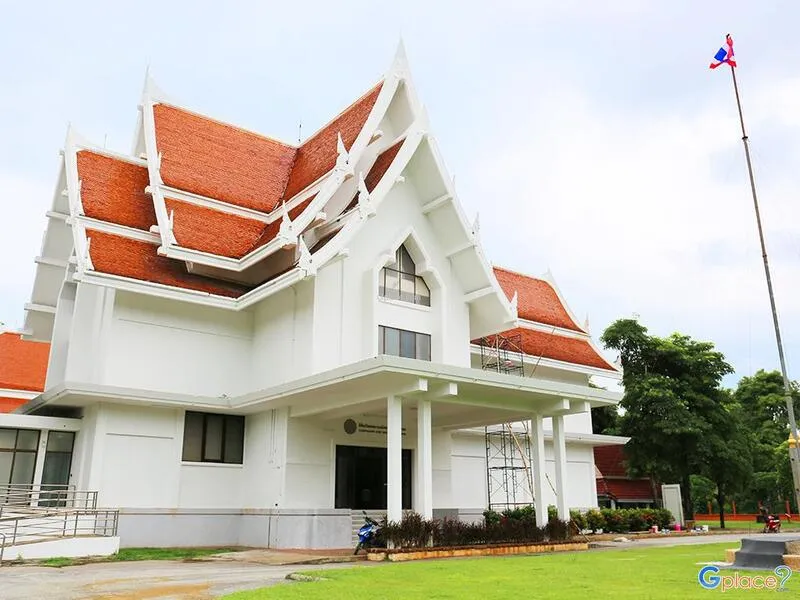
44. Kamphaeng Phet National Museum, Kamphaeng Phet is located on Pin Damri Road in Nai Mueang Subdistrict, Mueang Kamphaeng Phet District. The museum preserves important archaeological and artistic evidence relating to the history of Kamphaeng Phet and settlements in the Ping River basin. Its collections span several periods, including prehistory, Dvaravati, Lop Buri, Sukhothai, Ayutthaya, and Rattanakosin. Exhibits include religious sculptures, Buddha images, Sangkhalok ceramics, inscriptions, and objects associated with everyday life. The museum is especially suitable for visitors wishing to understand the city before exploring its historical park and important ancient monuments.
Highlights: The bronze Shiva sculpture, Sukhothai-period antiquities, Buddha images, Sangkhalok ceramics, ancient inscriptions, stucco decorations, and exhibitions on Kamphaeng Phet's history.
Kamphaeng Phet was an important historic city, particularly during periods when it was connected with the Sukhothai Kingdom and other settlements in the Ping River basin. Its development was influenced by the river, transportation routes, and political relationships with neighboring centers. The museum introduces these changes through antiquities representing successive eras and distinctive artistic traditions.
The bronze Shiva sculpture is an important artifact associated with the region's religious and artistic history. Studying such a work provides evidence of the coexistence of different religious beliefs and the relationship between artistic production and political authority. Other collections include Buddha images and Buddhist objects illustrating religion's central position in ancient urban culture.
Sangkhalok ceramics and earthenware demonstrate Kamphaeng Phet's connections with ceramic production and trading networks during the Sukhothai period. Visitors can examine vessel forms, decorations, and production techniques that reveal ancient craftsmanship. Comparing these objects with ceramics from other sites also provides insights into trade and regional cultural exchange.
Stucco ornaments and architectural fragments are valuable for understanding ancient decorative arts. They reveal details of motifs that once adorned religious buildings. These collections connect with the monuments of Kamphaeng Phet Historical Park, where surviving city walls, stupas, and temple ruins provide evidence of the area's historical importance.
The museum is close to the Shiva Shrine, City Pillar Shrine, and Kamphaeng Phet Historical Park, making it convenient for a day of historical sightseeing. Visitors can begin with the museum to understand the city and then explore the ancient monuments, comparing architectural details with the objects seen in the galleries.
Kamphaeng Phet National Museum is well suited to students and enthusiasts of Sukhothai history. It helps explain the city's importance within the UNESCO-listed Historic Town of Sukhothai and Associated Historic Towns. Studying artifacts alongside surviving archaeological sites makes the experience of visiting this historic region more meaningful.
Open Days: Wednesday–Sunday Opening Hours: 09:00 – 16:00
Admission Fee: Thai visitors 20 THB; foreign visitors 100 THB.
Getting There: From Bangkok, take Highway 32 through Nakhon Sawan and continue along Highway 1 toward Kamphaeng Phet. Enter the city and follow Pin Damri Road. The museum is near the Shiva Shrine and can be reached by private car or local taxi from Kamphaeng Phet Bus Terminal.
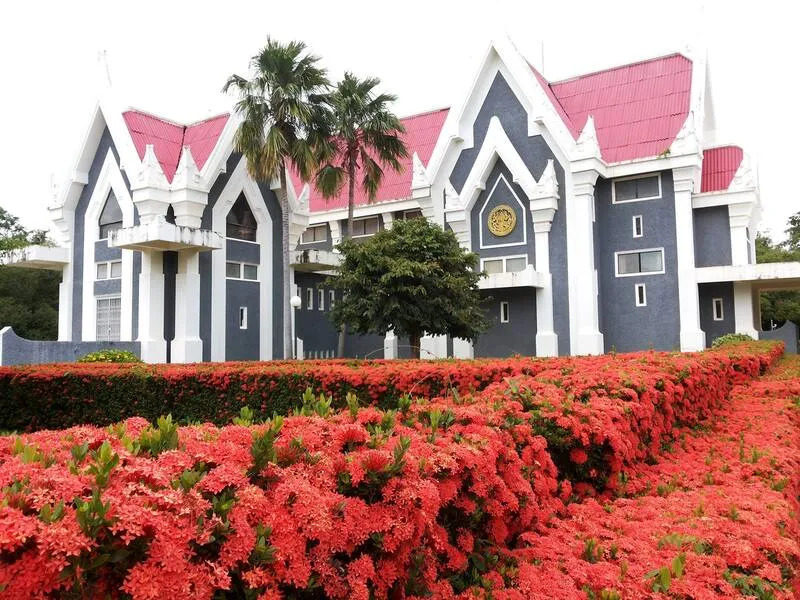
45. Sawankhaworanayok National Museum, Sukhothai is located on Pracharat Road in Mueang Sawankhalok Subdistrict, Sawankhalok District, Sukhothai Province, near Wat Sawankharam, also known as Wat Klang. It is a historical and archaeological museum preserving important artifacts from Sawankhalok and Si Satchanalai, particularly Sukhothai-style Buddha images, Sangkhalok ceramics, and antiquities from ancient temples and settlements. The museum contributes to the study of regional history and the relationships between religion, craftsmanship, and the economy of communities in the Yom River basin.
Highlights: Sukhothai-style Buddha images, Sangkhalok ceramics from ancient production centers, Sawankhalok archaeological discoveries, religious sculptures, and the history of Si Satchanalai.
Sawankhalok and Si Satchanalai played important roles in the development of the Sukhothai Kingdom, particularly in craftsmanship, pottery production, and regional commerce. Settlements in the Yom River basin benefited from river transportation and trading routes that connected communities with other areas. The museum explains this prosperity through artifacts that provide important evidence of the towns' historical development.
Sangkhalok ceramics are among the best-known cultural products associated with Sukhothai and Si Satchanalai. Their production required sophisticated knowledge of shaping, glazing, decorating, and firing clay. Visitors can compare different forms of pottery to understand their functions and the craftsmanship involved, as well as the role of ceramic production and trade in the ancient economy.
Buddha images and sculptures demonstrate the development of Sukhothai Buddhist art, particularly its emphasis on graceful forms and spiritual serenity. By examining facial features, proportions, and postures, visitors can appreciate the artistic ideals of ancient craftspeople and compare the museum's collections with Buddha images preserved in nearby historic temples.
Ceremonial objects and household implements provide further insights into ancient everyday life, including food production, occupations, and domestic activities. These exhibits broaden the historical narrative beyond kings and religious monuments to include ordinary people whose work and knowledge contributed to the prosperity of earlier communities.
Sawankhaworanayok National Museum can be combined with Si Satchanalai Historical Park and historic Sangkhalok kiln sites. History enthusiasts can begin with the museum's collections before traveling to archaeological sites to explore the relationship between urban settlements, traditional craftsmanship, and Buddhist culture.
For travelers passing through Sawankhalok, the museum is a worthwhile cultural stop. It demonstrates that the history of Sukhothai Province extends beyond Sukhothai Historical Park and includes other communities that played important roles in the region's artistic and economic development.
Open Days: Wednesday–Sunday Opening Hours: 09:00 – 16:00
Getting There: From Sukhothai city, travel toward Sawankhalok District and continue to Pracharat Road near Wat Sawankharam. The museum can be reached by private car, rental vehicle, or local taxi from Sawankhalok town.

46. Queen Sirikit Museum of Textiles, Bangkok is located inside the Ratsadakorn-bhibhathana Building within the Grand Palace complex in Phra Nakhon District, Bangkok. It is a specialized museum dedicated to textiles and the history of Thai clothing, playing an important role in preserving the nation's traditional arts and craftsmanship. Its exhibitions feature Thai fabrics, historical costumes, jewelry, and displays relating to the development of traditional Thai dress and regional weaving techniques. Particular emphasis is placed on the royal initiatives of Her Majesty Queen Sirikit to promote traditional handicrafts and preserve the knowledge of Thai weavers. The museum is especially suitable for visitors interested in costume history, design, and the relationship between textiles and Thai cultural identity.
Highlights: Royal court costumes, antique Thai textiles, traditional Thai national dress, regional weaving traditions, exhibitions on royal support for Thai handicrafts, and textile conservation.
Thai textiles are an important cultural heritage reflecting the skills and design knowledge of craftspeople throughout the country. Patterns, colors, materials, and weaving techniques are closely associated with local environments, traditional beliefs, social status, and customs passed down through generations. The museum demonstrates that textiles are more than clothing; they are historical evidence revealing artistic tastes and changes in Thai society across different periods.
Royal court costumes form an important part of the exhibitions because they demonstrate styles of clothing associated with official ceremonies and different occasions. Visitors can study fabrics, tailoring techniques, and decorative details reflecting exceptional craftsmanship. The displays also reveal how forms of dress were adapted to cultural circumstances and the changing expectations of modern society.
Exhibitions concerning the traditional Thai national costumes developed under royal patronage explain the ideas behind creating appropriate forms of Thai dress for different occasions while preserving distinctive cultural and artistic characteristics. Studying these costumes reveals the connections between design, clothing, and the international presentation of Thai textiles, which has contributed to greater recognition of Thailand's cultural identity around the world.
Regional weaving traditions and the knowledge of traditional craftspeople are equally important to the museum. Thai fabrics from different regions have distinctive techniques and patterns. Preserving textile heritage therefore requires more than keeping antique fabrics in good condition; it also involves passing weaving, dyeing, and design skills from one generation to another so that these traditions can continue to develop.
The exhibitions also introduce the challenges of conserving fabrics and garments, which can be particularly sensitive to light, humidity, and physical contact. Understanding textile preservation helps visitors appreciate the responsibilities of museums in protecting cultural heritage while making important collections available for public education.
Because the museum is situated within the Grand Palace complex, it can be included in an itinerary visiting Wat Phra Kaew and other historic attractions in Phra Nakhon District. Visitors interested in traditional handicrafts should allow sufficient time to explore the exhibitions and check the dress code and photography regulations before entering.
Queen Sirikit Museum of Textiles connects the past with the present through fabrics and clothing. Its exhibitions demonstrate the importance of Thai craftsmanship as a cultural heritage that can continue to inspire contemporary creativity, design, and the preservation of traditional knowledge.
Open Days: Daily Opening Hours: 09:00 – 16:30. Ticket sales close at 15:30.
Admission Fee: Adults 150 THB; visitors aged 65 and above 80 THB; students 50 THB; children aged 12–18 50 THB. Children under 12 receive free admission according to the museum's conditions.
Telephone: 02-225-9420, 02-225-9430
Getting There: Take the MRT Blue Line to Sanam Chai Station, then walk or continue by local transportation toward the Grand Palace. Visitors can also take a Chao Phraya Express Boat to the Tha Chang area and walk to the palace complex. Travelers arriving by private car should allow additional time for traffic and check parking options in Phra Nakhon District.
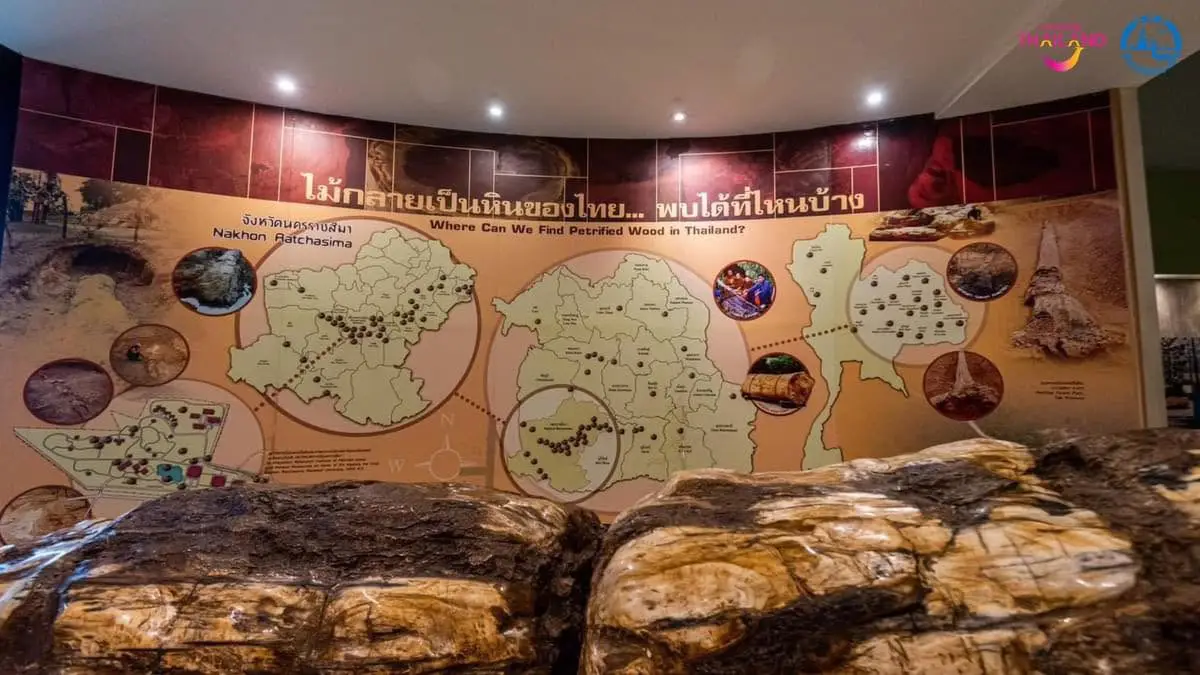
47. Khorat Fossil Museum, Nakhon Ratchasima is located at No. 184, Moo 7, Ban Krok Duean Ha, Suranari Subdistrict, Mueang Nakhon Ratchasima District. It is one of Thailand's well-known museums of geology and paleontology, with exhibitions devoted to petrified wood, prehistoric elephants, and dinosaurs. These displays help visitors understand the natural history of Earth through fossils discovered in Nakhon Ratchasima and neighboring areas. The museum operates in connection with educational and research organizations associated with Nakhon Ratchasima Rajabhat University. It is particularly suitable for families, students, and travelers interested in the evolution of life and environmental changes in the distant past.
Highlights: Large specimens of petrified wood, prehistoric elephant fossils, dinosaur fossils from Khorat, geological exhibitions, ancient animal skeletons, and explanations of paleontological research.
Nakhon Ratchasima is important for paleontological research because numerous discoveries of petrified wood and ancient animal fossils have been made throughout the province. These remains help researchers investigate past environments, including changes in landscapes, ancient river systems, and the types of organisms that once lived in the region. The museum therefore acts as an educational center connecting scientific discoveries with the study of Earth's history.
Petrified wood provides geological evidence of ancient trees that were buried beneath layers of sediment over long periods. Minerals carried by groundwater gradually replaced or filled spaces within the original wood structure. This process allowed some specimens to preserve the grain and internal features of ancient trees even after the material turned to stone. Visitors can examine examples of different sizes, shapes, and patterns to understand natural processes that took place over immense spans of time.
The prehistoric elephant exhibitions are another important attraction because Nakhon Ratchasima has yielded fossils belonging to several types of ancient mammals. These remains help scientists understand elephant evolution in Asia. Studying bones, teeth, and the physical characteristics of different species reveals how prehistoric elephants differed from those living today.
The dinosaur galleries extend the story of natural history even further into the past. They introduce prehistoric animals that once inhabited Khorat and other parts of northeastern Thailand. Fossils, reconstructions, and educational materials help visitors explore dinosaur anatomy, behavior, and ancient habitats. This approach allows children and young people to understand how scientific conclusions are developed from discoveries in the field.
The museum also plays an important role in conservation and research because fossils are irreplaceable sources of scientific evidence. Preserving and studying them under appropriate conditions ensures that their information remains available for future generations. Visitors therefore learn not only about prehistoric life but also about the importance of protecting natural heritage.
Khorat Fossil Museum is particularly suitable for family trips and educational excursions. Visitors can allow approximately 2–3 hours to explore the principal exhibition areas and combine their visit with other natural and educational attractions around Nakhon Ratchasima. Travelers interested in Khorat Geopark can use the museum as an introduction before exploring additional geological sites in the region.
The museum's distinctive appeal lies in its presentation of evidence from several periods of natural history, including ancient plants, mammals, and dinosaurs. Together, these collections demonstrate that Nakhon Ratchasima possesses scientific importance extending far beyond its present-day landscape and provides valuable evidence of environmental changes over millions of years.
Open Days: Tuesday–Sunday Opening Hours: 09:00 – 16:00
Admission Fee: Adults 50 THB; children 20 THB.
Getting There: From central Nakhon Ratchasima, take Mittraphap Road toward Suranari Subdistrict and continue to Ban Krok Duean Ha, following signs for the museum. Visitors can travel by private car, rental vehicle, or taxi from the city center.
Map (GPS):Get Directions to Khorat Fossil Museum
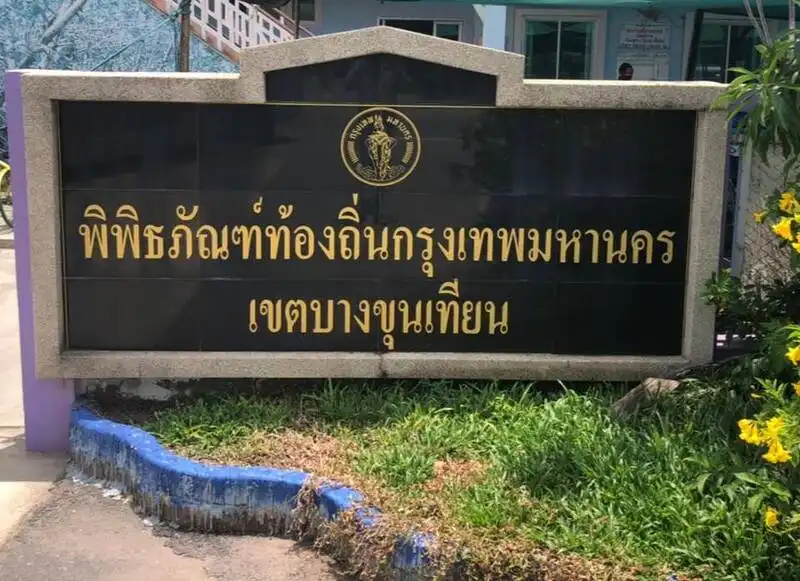
48. Bangkok Local Museum (Bang Khun Thian District), Bangkok is located within Khlong Phitthayalongkon School in Bang Khun Thian District, Bangkok. It is a community museum preserving local history, traditional canal-side lifestyles, occupations, and the knowledge of residents in an area with characteristics very different from Bangkok's inner-city districts. Its exhibitions particularly emphasize traditional orchards, fishing, waterborne transportation, and the relationship between local communities and coastal mangrove ecosystems. The museum is suitable for visitors seeking to discover the older communities and natural environments of Bangkok beyond the familiar cityscape of skyscrapers and shopping centers.
Highlights: The history of Bang Khun Thian communities, traditional canal-side life, fishing equipment, orchard farming, coastal community culture, and mangrove conservation.
Bang Khun Thian has a history closely connected with waterways and the Gulf of Thailand coastline. In earlier times, the lives of local residents were shaped by boat transportation, fishing, orchard cultivation, and the use of natural resources in wetland environments. The local museum introduces the community's settlement history and development through household objects, historical photographs, and other materials documenting different periods of everyday life.
Traditional fishing equipment is particularly interesting because it demonstrates how local people used resources from canals and coastal waters. Different types of fishing tools were designed for particular aquatic species and environmental conditions. Studying them reveals relationships between traditional technology and the natural ecosystems that formed the foundation of the community economy.
Agriculture and orchard cultivation are also important parts of Bang Khun Thian's history. In the past, fruit orchards and cultivated areas extended along local canals, while boats were used to transport agricultural produce. The expansion of Bangkok and changes in the environment gradually altered occupations and landscapes, illustrating the transformation of a once predominantly rural district.
Mangrove forests and coastal environments are another important subject. Mangroves provide habitats for aquatic animals, help reduce the effects of waves, and form an essential part of coastal ecosystems. Studying community history alongside environmental information helps visitors understand the relationship between nature conservation, traditional livelihoods, and the sustainable use of local resources.
The museum also demonstrates the role of schools and communities in preserving local memory. Objects once used in ordinary daily activities may seem unremarkable to older generations, but when carefully preserved and interpreted, they become valuable evidence for teaching younger people about local history. Community museums therefore play an important role in transmitting knowledge and experiences across generations.
Travelers interested in ecotourism can combine the museum with mangrove learning centers and attractions along the Bang Khun Thian coastline. Exploring these areas provides an opportunity to understand the connection between community history and the natural environment. Groups should coordinate with the school in advance to ensure that the visit is properly arranged and does not interfere with educational activities.
Bangkok Local Museum in Bang Khun Thian District broadens visitors' understanding of Bangkok's history beyond royal palaces, temples, and urban development. It introduces the lives of orchard farmers, fishermen, and canal-side communities whose activities have contributed to the growth and identity of the capital over many generations.
Open Days: Daily; advance arrangements are required for group visits Opening Hours: 09:00 – 16:00
Admission Fee: Free admission.
Getting There: From central Bangkok, take Rama II Road toward Bang Khun Thian, then continue along local roads to Khlong Phitthayalongkon School. The museum can be reached by private car or taxi. Groups should coordinate with the school before traveling.
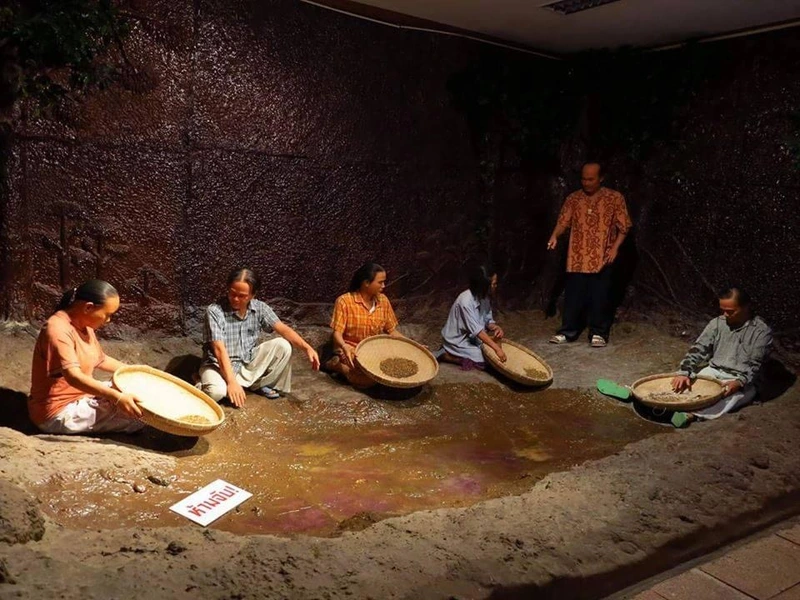
49. Gem City Museum, Trat is located in Bo Phloi Subdistrict, Bo Rai District, Trat Province. It is a local history museum presenting gemstone mining, the gem trade, and the lives of people in Bo Rai, once an important center of gemstone production in eastern Thailand. The area was particularly famous for its red gemstones, often referred to as Siamese rubies. Exhibitions explain how gemstones were discovered, mined, selected, cut, and polished, together with the transformation of the community from a mining-based economy to its present-day way of life. Photographs, models, and accessible educational materials make the museum suitable for families, students, and travelers interested in Trat's economic history.
Highlights: The history of gemstone mining in Bo Rai, Siamese rubies, traditional mining tools, gemstone cutting techniques, the gem trade, and the lifestyles of communities associated with the gemstone industry.
Bo Rai District was once well known for gemstone mining and trade, particularly rubies that attracted considerable attention in the gem market. The discovery of valuable deposits encouraged people from different parts of Thailand to move to the area for work. As mining expanded, communities grew and businesses associated with mining, gem selection, trading, and transportation developed. Gem City Museum preserves memories of the period when gemstone mining played an important role in the lives and economy of the district.
Exhibitions on gemstone mining help visitors understand the knowledge required to locate gems within different geological and soil conditions. Mining was not simply a matter of digging for valuable stones. It involved careful excavation, selection, quality assessment, and the use of equipment suited to local terrain. Displays of tools and reconstructed scenes help visitors imagine the working conditions of miners in the past.
Gemstone cutting is another fascinating aspect of the museum. Rough stones recovered from the ground must undergo careful examination and shaping before becoming gemstones suitable for jewelry. Studying the characteristics of rough and finished stones reveals the relationship between natural resources, skilled craftsmanship, design knowledge, and the creation of additional economic value.
The history of gemstone trading in Bo Rai also illustrates changes in local economies. As accessible mineral resources declined, communities had to adapt their occupations and sources of income. The museum encourages visitors to consider the consequences of dependence on natural resources and the importance of developing a more diverse economy capable of responding to long-term change.
Gem City Museum is important because it preserves the history of miners, gem traders, and workers whose livelihoods were connected with the gemstone industry. Their experiences remain an important part of Bo Rai's identity. Preserving information and tools associated with the former mining economy helps younger generations understand the economic and social foundations of the community seen today.
Travelers visiting Trat can include Gem City Museum in an itinerary exploring Bo Rai District and nearby attractions. Learning about the former gemstone industry offers an experience quite different from the province's famous beaches and islands, revealing another aspect of Trat's historical contribution to the economy of eastern Thailand.
Open Days: Tuesday–Sunday Opening Hours: 09:00 – 16:30
Admission Fee: Free admission.
Telephone: 039-591-111, press 0, extension 15
Getting There: From Trat city, follow the route toward Bo Rai District and continue to Bo Phloi Subdistrict, following signs for Gem City Museum. Travelers can use a private car, rental vehicle, or local taxi. Checking the route before departure is advisable because the museum is located outside central Trat.
Map (GPS):Get Directions to Gem City Museum

50. The National Maritime Commerce Museum (Underwater Archaeology), Chanthaburi is located within the historic Noen Wong Fort in Bang Kacha Subdistrict, Mueang Chanthaburi District. It is one of Thailand's important specialized museums dedicated to shipping, maritime commerce, and underwater archaeology. Its collections include evidence of ancient vessels, merchandise traded by sea, ceramics, traditional equipment, and artifacts discovered at underwater archaeological sites in Thai waters. The museum helps visitors understand the role of the sea and shipping routes in the development of economies, cultures, and relationships between communities across Southeast Asia.
Highlights: Ship replicas and archaeological evidence of ancient vessels, objects recovered from shipwrecks, ceramics associated with maritime trade, underwater archaeology exhibitions, the history of Thai navigation, and the historic Noen Wong Fort.
Thailand has a long history of maritime commerce because of its position within a region connecting the Indian Ocean and the South China Sea. Numerous ports in Thailand played important roles in the exchange of goods and culture among communities from different parts of Asia. The National Maritime Commerce Museum introduces this history through objects associated with shipping and overseas trade, demonstrating the connections between Siamese communities and the wider world.
Underwater archaeology studies historical evidence preserved beneath the surface of the water, particularly shipwrecks and objects that have remained submerged for long periods. Discoveries of ancient wrecks help researchers investigate shipbuilding techniques, trading routes, and goods transported between ports. The museum introduces the processes of locating, recording, studying, and conserving underwater artifacts, demonstrating the specialized archaeological and scientific knowledge required for this work.
Ceramics and vessels recovered from shipwrecks are especially interesting because they provide direct evidence of historical trading relationships. Visitors can compare their forms, decorative motifs, and manufacturing techniques, including objects originating from different production centers. These artifacts help explain how goods and cultural ideas moved between communities along maritime routes.
Ancient ships and ship replicas help visitors understand traditional boatbuilding and navigation. The shape of each vessel was related to its intended purpose, whether transporting merchandise, carrying passengers, or supporting activities at sea. Studying the construction of ships demonstrates traditional craftsmanship and the knowledge of currents, winds, and maritime environments required by earlier sailors.
Exhibitions on underwater archaeology also encourage visitors to recognize the importance of preserving cultural heritage beneath the sea. Shipwrecks and submerged artifacts are historical evidence that can be damaged or lose their scientific context if removed without proper documentation and conservation. Learning about these practices highlights the responsibility of protecting the country's maritime cultural resources.
The museum is located within Noen Wong Fort, an important historical site in Chanthaburi. Visitors can combine the exhibitions with a walk around the remains of the fortifications and historic grounds, exploring the connections between maritime commerce, coastal defense, and the development of local communities.
The National Maritime Commerce Museum is particularly suitable for visitors interested in maritime history, archaeology, and coastal cultural heritage. It broadens the study of Thai history beyond royal capitals and inland kingdoms to include the trading networks that helped shape the economy and cultures of Southeast Asia over many centuries.
Open Days: Wednesday–Sunday Opening Hours: 09:00 – 16:00
Admission Fee: Thai visitors 10 THB; foreign visitors 30 THB.
Telephone: 039-391-431
Getting There: From central Chanthaburi, take Highway 3146 toward Bang Kacha Subdistrict and Noen Wong Fort. The museum is located within the historic fort complex and can be reached by private car, rental vehicle, or local taxi. Visitors can also explore the surrounding historic grounds during the same trip.
Summary Table: 50 Best Museums in Thailand, Admission Fees, Contact Numbers and GPS Locations
| Museum | Province | Category / Highlights | Admission Fee | Telephone | GPS |
| 1. Museum Siam | Bangkok | Interactive Learning Museum / Thai Identity and Culture | Adults 100 THB; Students 50 THB, subject to conditions | 02-225-2777 | GPS |
| 2. The Jim Thompson House Museum | Bangkok | Historic House and Textiles / Teakwood Houses, Thai Silk and Asian Art | Adults 250 THB; Ages 10–21: 150 THB | 02-216-7368 | GPS |
| 3. National Museum of Royal Barges | Bangkok | Specialized Museum / Royal Barges and Traditional Royal Craftsmanship | 02-424-0004 | GPS | |
| 4. The Erawan Museum | Samut Prakan | Art and Cultural Museum / Three-Headed Elephant and Cosmological Symbolism | Thai Adults/Children 250/125 THB; Foreign Adults/Children 500/250 THB | 02-371-3135 to 3136 | GPS |
| 5. Chao Sam Phraya National Museum | Phra Nakhon Si Ayutthaya | Archaeology and History / Gold Treasures from Wat Ratchaburana | Thai 30 THB; Foreign 150 THB | 035-241-587, 035-244-570 | GPS |
| 6. Chiang Mai National Museum | Chiang Mai | History and Art / Lanna Culture | 053-221-308, 053-408-568 | GPS | |
| 7. Ramkhamhaeng National Museum | Sukhothai | Archaeology / Sukhothai Buddhist Art and Sangkhalok Ceramics | 055-697-026 | GPS | |
| 8. Nakhon Si Thammarat National Museum | Nakhon Si Thammarat | Archaeology / Southern Thai History and Art | 075-341-075, 075-340-419, 075-356-229 | GPS | |
| 9. Thai Boat Museum | Phra Nakhon Si Ayutthaya | Private Museum / Boat Models and Traditional Boatbuilding | Free / Donations Welcome | 035-241-195 | GPS |
| 10. Nakhon Si Thammarat City Museum | Nakhon Si Thammarat | City Museum / Multimedia Exhibitions and Twelve Zodiac Symbols | Free | 075-358-261 | GPS |
| 11. Ban Chiang National Museum | Udon Thani | Archaeology / Ban Chiang World Heritage and Red-Painted Pottery | Thai 30 THB; Foreign 200 THB | GPS | |
| 12. Udon Thani City Museum | Udon Thani | City Museum / Udon Thani History and Isan Culture | Free | GPS | |
| 13. Hill Tribe Museum | Chiang Mai | Ethnographic Museum / Highland Ethnic Clothing and Traditions | Free / Donations Welcome | 053-210-872, 053-221-933 | GPS |
| 14. Komol Antique Textile Museum | Phrae | Textile Museum / Traditional Long District Tin Chok Skirts | Free | GPS | |
| 15. Lampang Forestry Museum (Hundred-Year-Old House) | Lampang | Specialized History / Teak Trade and Historic Wooden Architecture | GPS | ||
| 16. Bank of Thailand Museum | Bangkok | Finance and Economics / Thai Currency and Bang Khun Phrom Palace | Free | GPS | |
| 17. Sinanon Museum | Lampang | Community Museum / Antique Rice Granary and Lanna Household Objects | GPS | ||
| 18. Chiang Rai Contemporary Art Gallery | Chiang Rai | Art Gallery / Contemporary Art and Artists' Exhibitions | GPS | ||
| 19. Wat Rangsi Sutthawat Museum | Chiang Mai | Community Museum / Tai Lue Culture of Ban Luang Tai | Generally Free / Voluntary Donations | GPS | |
| 20. National Museum Suphan Buri | Suphan Buri | History / Suphan Buri and Local Cultural Heritage | Thai 20 THB; Foreign 100 THB | GPS | |
| 21. Thai Farmers National Museum | Suphan Buri | Agriculture / Rice Cultivation, Farming Tools and Traditional Rituals | Free | GPS | |
| 22. U Thong National Museum | Suphan Buri | Archaeology / Ancient U Thong, Dvaravati Art and Beads | Thai 30 THB; Foreign 200 THB | GPS | |
| 23. Dragon Descendants Museum | Suphan Buri | Cultural History / Dragon-Shaped Building and Chinese Civilization | 035-526-212, 089-443-9709 | GPS | |
| 24. Hall of Fame of H.E. Banharn Silpa-Archa | Suphan Buri | Biographical Museum / Contemporary History | Free | GPS | |
| 25. Ratchaburi National Museum | Ratchaburi | History / Historic Provincial Hall and Dvaravati Art | Thai 20 THB; Foreign 100 THB | GPS | |
| 26. Ubon Ratchathani National Museum | Ubon Ratchathani | History / Former Provincial Hall and Mun River Basin Culture | Thai 20 THB; Foreign 100 THB | GPS | |
| 27. Hellfire Pass Memorial Museum | Kanchanaburi | War History / Thailand–Burma Railway and World War II | GPS | ||
| 28. Khon Kaen National Museum | Khon Kaen | Archaeology / Dvaravati Sema Stones and Ancient Isan Communities | Thai 20 THB; Foreign 100 THB | GPS | |
| 29. King Narai National Museum | Lop Buri | History and Royal Palace / King Narai Palace | Thai 30 THB | 036-411-458 | GPS |
| 30. Prachin Buri National Museum | Prachin Buri | Archaeology / Si Mahosot, Dvaravati and Khmer Art | 037-211-587 | GPS | |
| 31. Phra Pathom Chedi National Museum | Nakhon Pathom | Archaeology / Dvaravati Buddhist Art and Ancient Nakhon Pathom | GPS | ||
| 32. Phimai National Museum | Nakhon Ratchasima | Archaeology / Khmer Sculptures and Phimai Historical Park | Thai 20 THB; Foreign 200 THB | GPS | |
| 33. Surin National Museum | Surin | Ethnographic Culture / Kuy Traditions, Elephants and Southern Isan | Free | GPS | |
| 34. Satun National Museum (Kuden Mansion) | Satun | History / Kuden Mansion and Thai-Malay Heritage | Thai 10 THB; Foreign 50 THB | GPS | |
| 35. Thalang National Museum | Phuket | History / Thalang and Phuket Tin Mining | Thai 20 THB; Foreign 100 THB | GPS | |
| 36. Songkhla National Museum | Songkhla | History / Historic Songkhla Building and Thai-Chinese-Malay Culture | Thai 30 THB; Foreign 150 THB | GPS | |
| 37. Chaiya National Museum | Surat Thani | Archaeology / Srivijaya Art and Ancient Chaiya | Thai 20 THB; Foreign 100 THB | GPS | |
| 38. Maha Viravong National Museum | Nakhon Ratchasima | Archaeology / Dvaravati and Khmer Art in Khorat | Thai 10 THB; Foreign 50 THB | GPS | |
| 39. Hariphunchai National Museum | Lamphun | Archaeology / Hariphunchai Inscriptions and Buddhist Art | Thai 20 THB; Foreign 100 THB | GPS | |
| 40. Chiang Saen National Museum | Chiang Rai | Archaeology / Chiang Saen Buddha Images and Ancient Mekong City | Thai 20 THB; Foreign 120 THB | GPS | |
| 41. Hall of Opium, Golden Triangle Park | Chiang Rai | Social History / Opium Trade and the Golden Triangle | Thai 150 THB; Foreign 200 THB; Students 50 THB | 053-784-444 to 446 | GPS |
| 42. Phuket Thai Hua Museum | Phuket | Community History / Sino-Portuguese Architecture and Hokkien Culture | Thai Adults/Children 50/25 THB; Foreign Adults/Children 200/120 THB | 076-211-224 | GPS |
| 43. Sirindhorn Museum | Kalasin | Natural History / Dinosaurs and Phu Kum Khao Fossils | Thai Adults/Children 50/20 THB; Foreign Adults/Children 150/70 THB | GPS | |
| 44. Kamphaeng Phet National Museum | Kamphaeng Phet | Archaeology / Bronze Shiva and Kamphaeng Phet Buddhist Art | Thai 20 THB; Foreign 100 THB | GPS | |
| 45. Sawankhaworanayok National Museum | Sukhothai | Archaeology / Sangkhalok Ceramics and Sawankhalok Buddhist Art | GPS | ||
| 46. Queen Sirikit Museum of Textiles | Bangkok | Textiles and Costume / Traditional Thai Dress and Royal Handicraft Initiatives | Adults 150 THB; Special Rates Subject to Conditions | 02-225-9420, 02-225-9430 | GPS |
| 47. Khorat Fossil Museum | Nakhon Ratchasima | Natural History / Petrified Wood, Ancient Elephants and Dinosaurs | Adults 50 THB; Children 20 THB | GPS | |
| 48. Bangkok Local Museum (Bang Khun Thian District) | Bangkok | Community Museum / Orchard Farmers, Fishermen and Mangroves | Free | GPS | |
| 49. Gem City Museum | Trat | Specialized Museum / Gemstone Mining and Siamese Rubies | Free | 039-591-111, Extension 15 | GPS |
| 50. The National Maritime Commerce Museum | Chanthaburi | Underwater Archaeology / Ancient Ships and Maritime Trading Routes | Thai 10 THB; Foreign 30 THB | 039-391-431 | GPS |
Admission fees are provided for trip planning and may change according to official announcements. Discounts or exemptions may apply to children, students, senior citizens, and foreign visitors under the conditions established by each museum. Travelers should confirm the latest information before visiting.
What Types of Museums Are There in Thailand? Museums in Thailand can be classified according to their subject matter, purpose, and approach to learning. Some museums are administered by government agencies, while others are operated by educational institutions, foundations, communities, or private organizations. A single museum may belong to more than one category. For example, a historical museum might exhibit archaeological artifacts alongside displays about local community traditions.
| Museum Category | Characteristics and Significance | Examples |
| 1. History Museums | Collect and present historical events, important individuals, settlement patterns, and the development of cities or countries through documents, photographs, artifacts, and exhibitions. Suitable for visitors interested in understanding how societies have changed over time. | National Museum Suphan Buri, King Narai National Museum, Udon Thani City Museum |
| 2. Archaeological Museums | Display evidence recovered through archaeological surveys and excavations, including stone tools, pottery, sculptures, inscriptions, and objects from ancient settlements. These collections explain historical lifestyles, beliefs, and technological development. | Ban Chiang National Museum, U Thong National Museum, Phimai National Museum |
| 3. Art Museums and Galleries | Present paintings, sculptures, applied arts, and contemporary creative works. Some organize rotating exhibitions around themes developed by artists or curators. Suitable for visitors interested in creativity and artistic interpretation. | Chiang Rai Contemporary Art Gallery, The Erawan Museum |
| 4. Ethnographic Museums | Explore the diversity of communities, languages, traditional clothing, rituals, handicrafts, and ways of life among different ethnic groups. Their interpretation should respect cultural distinctions without treating diverse communities as though they all share identical traditions. | Hill Tribe Museum, Wat Rangsi Sutthawat Museum, Surin National Museum |
| 5. Community and Local Museums | Preserve oral histories, everyday objects, photographs, and local knowledge. They often help transmit community memories between generations, sometimes operating in collaboration with temples, schools, or local organizations. | Sinanon Museum, Bangkok Local Museum (Bang Khun Thian District), Nakhon Si Thammarat City Museum |
| 6. Natural History Museums | Present the history of Earth, geology, living organisms, ecosystems, and fossils using natural specimens, fossil evidence, reconstructions, and scientific educational materials. | Sirindhorn Museum, Khorat Fossil Museum |
| 7. Science and Interactive Learning Museums | Use interactive media, experiments, and technology to encourage questions and independent discovery. Some focus primarily on history and society rather than scientific subjects. | Museum Siam, Sirindhorn Museum |
| 8. Textile and Costume Museums | Preserve antique fabrics, clothing, jewelry, and knowledge of weaving, dyeing, and design. They contribute to the conservation of craftsmanship and explain the connections between textiles and cultural identity. | Komol Antique Textile Museum, Queen Sirikit Museum of Textiles, The Jim Thompson House Museum |
| 9. Agriculture and Occupational Museums | Explain the history of occupations, working tools, resource use, and changes in production technology. They demonstrate relationships between community economies and everyday life. | Thai Farmers National Museum, Lampang Forestry Museum, Gem City Museum |
| 10. Maritime and Transportation Museums | Explore the development of vessels, transportation networks, trading routes, and travel technology. Some specialize in royal ceremonial barges, while others investigate shipwrecks and underwater archaeological finds. | National Museum of Royal Barges, Thai Boat Museum, The National Maritime Commerce Museum |
| 11. Economics and Finance Museums | Present the history of currencies, banking, economic systems, and the evolution of commercial exchange, connecting financial developments with everyday life. | Bank of Thailand Museum |
| 12. War Museums and Memorial Sites | Communicate wartime events through evidence, documents, personal accounts, and authentic historical sites. They emphasize the effects of conflict on human lives, remembrance of those who died, and lessons about peace. | Hellfire Pass Memorial Museum |
| 13. Biographical Museums | Preserve photographs, documents, personal belongings, and life stories of individuals important to history, politics, art, or society. They help visitors understand the relationship between individual lives and historical events. | Hall of Fame of H.E. Banharn Silpa-Archa, The Jim Thompson House Museum |
| 14. Religious and Ancient Art Museums | Preserve Buddha images, sculptures, inscriptions, and ceremonial objects to study the development of religious beliefs and artistic styles across different historical periods. | Hariphunchai National Museum, Chaiya National Museum, Phra Pathom Chedi National Museum |
| 15. Museums of Foreign Civilizations and Cultural History | Introduce civilizations from other countries and their connections with Thailand through migration, trade, language, religion, and cultural exchange. | Dragon Descendants Museum, Phuket Thai Hua Museum |
Tips for Visiting Museums in Thailand Planning a museum visit involves checking opening hours, transportation, venue regulations, and the types of exhibitions you want to explore. Each museum operates differently. Some allow visitors to enter independently, while others require registration or advance booking. Museums that preserve antiquities, historic documents, or textiles may also restrict photography and physical contact to protect their collections.
| Topic | Recommendations | Additional Information |
| 1. Check Opening Days | Confirm weekly closing days and public holiday schedules before traveling. | Many national museums close on Mondays and Tuesdays, while privately operated museums may follow different schedules. |
| 2. Check Opening Hours and Guided Tours | Allow enough time to explore each gallery and confirm the last admission time. | Some museums organize guided tours or admit visitors only during scheduled sessions. |
| 3. Check Admission Fees | Confirm ticket prices for Thai and foreign visitors, children, and eligible groups. | Fees may change, and some special exhibitions may require an additional ticket. |
| 4. Bring Documents for Discounts | Carry an identification card, student card, or other documents required for discounted admission. | Senior citizens, children, and visitors with disabilities may qualify for discounted or free entry, depending on the museum's regulations. |
| 5. Dress Appropriately | Choose modest clothing, comfortable walking shoes, and follow the venue's dress requirements. | Museums within palaces, temples, and historic buildings may have additional dress codes. |
| 6. Follow Photography Rules | Check where photography and flash are permitted. | Flash photography and tripods may be restricted to protect collections and avoid disturbing other visitors. |
| 7. Do Not Touch Antiquities | Do not touch, lift, move, or lean against exhibits unless they are specifically designed for interaction. | Oils and moisture from hands can damage historic materials, especially fabrics, documents, paintings, and fragile objects. |
| 8. Avoid Eating in Exhibition Galleries | Consume food and drinks only in designated areas. | Food and beverages may leave stains, introduce moisture, or attract insects that could damage collections. |
| 9. Keep Noise to an Appropriate Level | Maintain a quiet atmosphere, particularly in film rooms, audio galleries, and memorial spaces. | War museums and memorial sites should be visited with particular respect for those being remembered. |
| 10. Plan Museum Visits with Children | Choose age-appropriate exhibitions, allow breaks, and make use of interactive activities when available. | Sirindhorn Museum, Museum Siam, and Khorat Fossil Museum offer subjects suitable for family educational activities. |
| 11. Consider Accessibility for Senior Visitors | Check for stairs, elevators, ramps, resting areas, and walking distances. | Historic buildings and some museums have uneven floors or limited accessibility. |
| 12. Arrange Visits in Advance When Necessary | Contact private, community, or school-operated museums before traveling. | Advance coordination is particularly important for groups and venues with guided tours available only by arrangement. |
| 13. Use GPS for Navigation | Confirm the museum's name and actual route before departing. | Some museums are located within temples, schools, palaces, or historic complexes where the entrance and parking area may not coincide with the map pin. |
| 14. Research the Museum in Advance | Read an overview of the museum's history and decide which exhibition topics interest you most. | Background knowledge helps visitors understand the artifacts and plan additional visits to nearby historical attractions. |
| 15. Keep the Museum and Surroundings Clean | Dispose of rubbish in designated bins, avoid damaging buildings, and respect site regulations. | Outdoor museums, archaeological excavations, and historical sites rely on visitors' cooperation to preserve their condition. |
Frequently Asked Questions (FAQ)
Q: What are some of the best museums to visit in Thailand?
A: Thailand offers many fascinating types of museums. Popular choices include Museum Siam and the Jim Thompson House Museum in Bangkok, Chao Sam Phraya National Museum in Phra Nakhon Si Ayutthaya, Ramkhamhaeng National Museum in Sukhothai, Ban Chiang National Museum in Udon Thani, Sirindhorn Museum in Kalasin, and the National Maritime Commerce Museum in Chanthaburi. The best choice depends on whether you are interested in history, art, traditional culture, or science.
Q: Which museums in Bangkok are suitable for a one-day trip?
A: Travelers interested in Thai history and culture can begin at Museum Siam in Phra Nakhon District before continuing to Queen Sirikit Museum of Textiles near the Grand Palace. Those who enjoy traditional houses and art may prefer the Jim Thompson House Museum in Pathum Wan or the National Museum of Royal Barges in Bangkok Noi. Visiting approximately 2–3 museums in one day is recommended to allow sufficient time for each attraction.
Q: Do museums in Thailand charge admission fees?
A: Thailand has both free and paid museums. Examples of museums charging admission include Museum Siam, the Jim Thompson House Museum, the Erawan Museum, and some national museums. Ticket prices may differ for Thai and foreign visitors, while discounts or exemptions may be available for children, students, and senior citizens. Travelers should check current admission fees before visiting.
Q: Which museums in Thailand offer free admission?
A: According to the information included in this guide, examples of museums offering free admission include Udon Thani City Museum, Thai Farmers National Museum, Nakhon Si Thammarat City Museum, Gem City Museum, and Bangkok Local Museum in Bang Khun Thian District. Free admission may still be subject to registration, advance arrangements, or special conditions for group visits.
Q: Which museums are suitable for children and families?
A: Museum Siam is suitable for interactive learning, while Sirindhorn Museum in Kalasin is ideal for children interested in dinosaurs and fossils. Khorat Fossil Museum in Nakhon Ratchasima provides opportunities to learn about natural history, and Thai Farmers National Museum in Suphan Buri introduces children to rice cultivation and traditional agricultural life. Parents should choose museums according to their children's ages and how long they can comfortably explore the exhibits.
Q: Where can visitors find dinosaur museums in Thailand?
A: Sirindhorn Museum in Kalasin presents dinosaurs and fossils associated with the Phu Kum Khao excavation site. Khorat Fossil Museum in Nakhon Ratchasima features petrified wood, prehistoric elephants, and dinosaur discoveries from the Khorat region. Both museums are suitable for visitors interested in geology, paleontology, and the evolution of life.
Q: What are some important Thai history museums?
A: Chao Sam Phraya National Museum in Phra Nakhon Si Ayutthaya is known for its Ayutthaya-period antiquities and gold treasures. Ramkhamhaeng National Museum in Sukhothai introduces Sukhothai art, while King Narai National Museum in Lop Buri presents the history of Lop Buri and its royal palace. Hariphunchai National Museum in Lamphun and Chiang Saen National Museum in Chiang Rai are valuable destinations for studying northern Thai history and art.
Q: Which museums focus on Thai textiles and traditional culture?
A: Komol Antique Textile Museum in Phrae is particularly notable for traditional Tin Chok skirts from Long District. Queen Sirikit Museum of Textiles in Bangkok presents Thai clothing and textile heritage, while the Jim Thompson House Museum connects the history of Thai silk with traditional architecture and Asian art. Wat Rangsi Sutthawat Museum in Chiang Mai also introduces Tai Lue culture and community craftsmanship.
Q: On which days are museums in Thailand usually closed?
A: Many national museums are open Wednesday through Sunday and closed on Mondays and Tuesdays. Some museums operate Tuesday through Sunday, while others open daily. Public holidays, building renovations, and special events may also affect opening schedules. Travelers should always check the museum's official information before visiting.
Q: How should travelers prepare for a museum visit in Thailand?
A: Check opening days, hours, admission fees, transportation options, and photography regulations. Wear comfortable walking shoes and allow approximately 1–3 hours, depending on the museum's size and exhibitions. Private and community museums may require advance reservations. Visitors should also respect conservation rules, including not touching antiquities, avoiding flash photography in restricted areas, and maintaining a quiet atmosphere in exhibition galleries.
 Category: ●Travel Articles, Recipes
 Group: ●Travel Review, Food Review
Last Update : 1 DayAgo
 Last Update : 1 DayAgo
Recommend

 Art, Culture and Heritage
 Historical Sites and Monuments(3)
 Landmarks and Memorials(23)
 Royal Palace(13)
 Art, Craft Centres, Tradition(35)
 Museums(59)
 Historic Homes and Cities(3)
 Art Gallery(16)
 Educational Places
 Museum for Study(6)
 Library(4)
 Places of Worship
 Temple(72)
 Church(2)
 Mosque(67)
 Other Sacred Sites(8)
 Research and Development
 Royal Project(1)
 Suburban Living
 Village, Community(5)
 Local Market(9)
 Floating Market(2)
 Nature and Wildlife
 River, Canal(3)
 Bays and Beaches(1)
 Other natural attractions(1)
 Entertainment and Agricultural
 Zoos and Aquariums(5)
 Animal camps and shows(5)
 Stadium(9)
 Farms, Parks and Ecotourism(20)
 Amusement Park(1)
 Waterpark(4)
 Theater(7)
 Cinema(1)
 Shopping
 Shopping and Night Market(20)
 Department Store(7)
 Spas and Wellness
 Spas and Wellness(1)
 Restaurant
 Michelin Star(5)
 Accommodation
 Hotel(3)
 Call Customer Service in Tourism
 Call Customer Service in Tourism(1)
Travel Review, Food Review(41)
 Royal Thai Desserts and Recipes(56)


