
lovethailand home >South Travel Attractions >Nakhon Si Thammarat Travel Attractions >Mueang NaKhon Si Thammarat >Na Khian > Nakhon Si Thammarat City Museum
TL;DR: Nakhon Si Thammarat City Museum is located at King Srinagarindra 84 Park, also known as Thung Tha Lat, Na Khian Subdistrict, Mueang Nakhon Si Thammarat District, Nakhon Si Thammarat, open Daily, hours 08.30 – 16.30.
Nakhon Si Thammarat City Museum
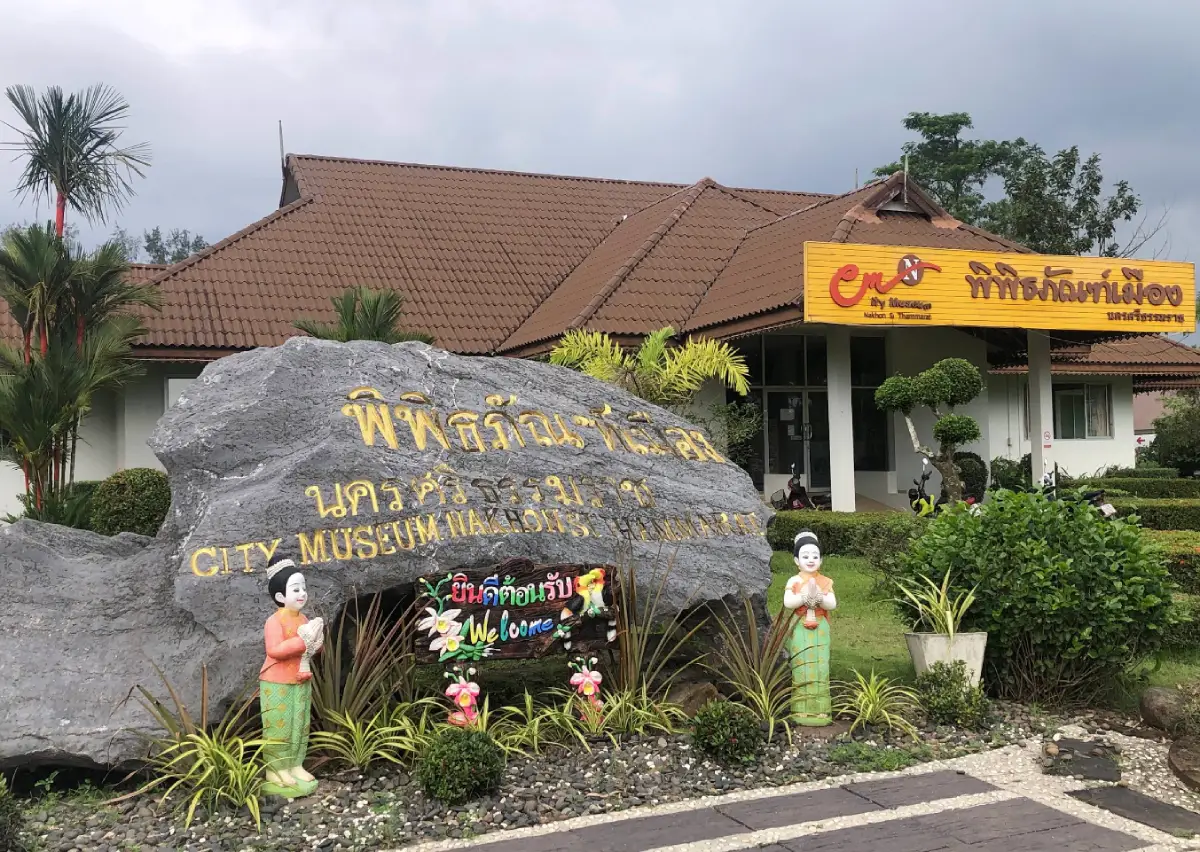
Open Days: Daily
Opening Hours: 08.30 – 16.30
Nakhon Si Thammarat City Museum is one of the most important cultural learning centers in Nakhon Si Thammarat city. It is located inside King Srinagarindra 84 Park, widely known as Thung Tha Lat, in Na Khian Subdistrict, Mueang Nakhon Si Thammarat District. The museum is managed by Nakhon Si Thammarat City Municipality and is open to the public with free admission. It was created as a place where residents, students, Thai travelers, and international visitors can learn about the history, society, culture, traditions, religion, and major events of Nakhon Si Thammarat through modern and accessible exhibition media.
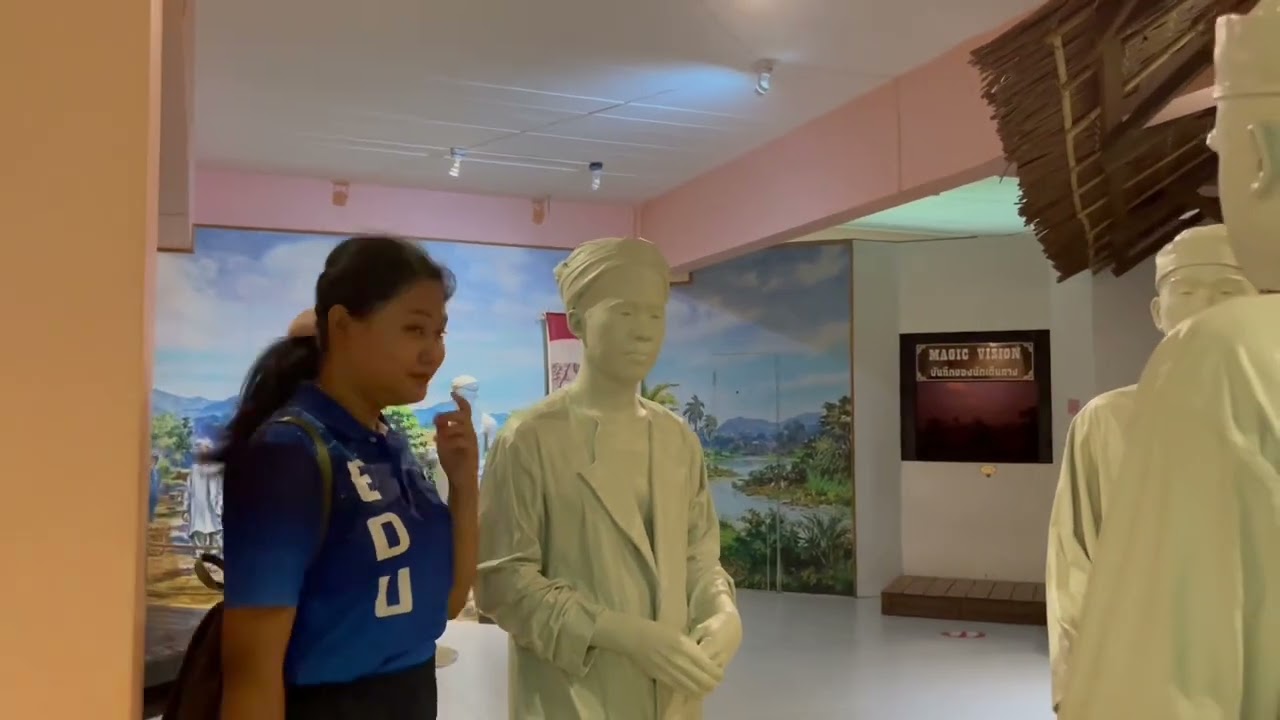
The museum is an excellent starting point for visitors who want to understand Nakhon Si Thammarat before exploring the old city. It presents the city through a wide range of themes, including urban history, early communities, the Twelve Zodiac emblems, ancient sites, archaeological evidence, religion, local customs, important historical events, and the identity of the people of Nakhon Si Thammarat. Instead of relying only on old objects, the museum uses multimedia, models, maps, video, animation, diorama, Magic Vision, software animation, and rotating exhibitions to make the story of the city vivid and easier to understand.
The strength of Nakhon Si Thammarat City Museum lies in the way it explains the city as a complete historical and cultural landscape. Visitors do not see only one famous temple or one old monument. They see how geography, settlement, trade, religion, belief, political relationships, disasters, war, and modern urban development shaped the city over time. This makes the museum useful for both first-time visitors and people who already know Nakhon Si Thammarat but want to understand it in greater depth.
The museum began from the municipality’s intention to create a public learning center for the history and culture of Nakhon Si Thammarat. In the early phase, the Veerathai Building inside King Srinagarindra 84 Park was renovated and adapted into the first museum building. The project later expanded with additional buildings and exhibition content. The museum opened to the public on 12 August 2003, and further construction and exhibition development were completed in 2006. Since then, the museum has served as a long-term learning space for the city.
Nakhon Si Thammarat City Museum received the Thailand Tourism Award in 2008 as an outstanding organization supporting and promoting tourism. It also received a Museum Thailand Award in 2020 as a recognized museum and learning center. These awards reflect the museum’s value as a local cultural institution that can present historical content in an engaging and visitor-friendly way. It is not simply a municipal facility, but a public space that supports tourism, education, and pride in local heritage.
The museum complex consists of 4 main buildings: Veerathai Building, Therd Thai Rachini Building, Ruam Jai Phak Building, and Nana Nakhon Rot Building. The main permanent exhibitions are located in Veerathai Building and Therd Thai Rachini Building. Veerathai Building was the first museum building and remains the heart of the exhibition. Inside, visitors encounter a sand table showing the physical geography of Nakhon Si Thammarat, a circular screen for historical video presentations, and displays introducing important figures who contributed to the development of the city.
The lower floor of Veerathai Building presents the history of Nakhon Si Thammarat based on evidence found in different areas. The content begins with prehistoric settlement, ancient archaeological sites, early urban communities, old names of the city, its role as a trading station on the Malay Peninsula, and the development of Nakhon Si Thammarat into the early Rattanakosin period. This sequence helps visitors understand the city as part of a wider regional and maritime world, not as an isolated settlement.
One of the museum’s important themes is the Twelve Zodiac emblems, which are closely associated with Nakhon Si Thammarat’s historical identity. These symbols are more than decorative images. They reflect ideas about political order, satellite cities, regional relationships, and the symbolic imagination of the old city. Understanding the Twelve Zodiac emblems helps visitors see Nakhon Si Thammarat as a central city with strong cultural and administrative connections to surrounding areas.
The exhibition on ancient sites and artifacts explains the city’s long-standing importance through physical evidence. Nakhon Si Thammarat has been connected with Buddhism, Brahmanism-Hinduism, trade, local craftsmanship, and religious architecture. By presenting these subjects together, the museum helps visitors understand the broader cultural background before traveling to actual sites such as Wat Phra Mahathat Woramahawihan, Ho Phra Isuan, the Old City Wall, and Nakhon Si Thammarat National Museum.
Religion is one of the central themes of the museum because Nakhon Si Thammarat has long been a major religious center of Southern Thailand. Wat Phra Mahathat Woramahawihan remains the spiritual heart of the city, while traces of Brahmanism-Hinduism also appear in the old urban area. The museum places these religious traditions within the larger story of local belief, ritual, community life, and historical change. This allows visitors to understand the city’s sacred sites as part of a connected cultural landscape.
Local customs and traditions are presented as living heritage. Nakhon Si Thammarat is known for important traditions such as Hae Pha Khuen That, the ceremony of offering cloth to the Great Stupa, and the Tenth Lunar Month Festival, which reflects family memory, merit-making, and community faith. By including these cultural practices, the museum shows that the identity of Nakhon Si Thammarat is not limited to ancient monuments. It continues through living rituals, seasonal ceremonies, family customs, and public celebrations.
The museum also presents important historical events that shaped the memory of the city. Two major examples are the Japanese landing in Nakhon Si Thammarat during World War II and the devastating storm disaster at Laem Talumphuk. These exhibitions show that the city’s history includes not only religious and cultural glory, but also conflict, tragedy, resilience, and recovery. They help visitors understand how local communities experienced major regional and global events.
The exhibition on the Japanese landing shows that Nakhon Si Thammarat was connected to wider wartime history. The city was not a distant or isolated place during World War II. It was directly affected by military movement, defense, and the impact of war on local people. This section adds a modern historical dimension to the museum and helps visitors see Nakhon Si Thammarat as a city that participated in major events beyond local history.
The exhibition on the Laem Talumphuk storm disaster connects the city’s story with the power of nature. Laem Talumphuk in Pak Phanang District is remembered as the site of a severe storm disaster that deeply affected communities in Southern Thailand. By presenting this event, the museum highlights coastal geography, environmental vulnerability, community memory, and the strength of recovery after disaster. It is an important reminder that the history of a city is also shaped by natural events and human resilience.
The use of modern presentation technology is one of the museum’s most distinctive features. Animation, Magic Vision, diorama, software animation, video, maps, photographs, models, and reconstructed scenes help make complex historical information easier to absorb. This is especially useful for younger visitors and school groups. Instead of reading long texts only, visitors can experience the history of the city through images, movement, sound, and immersive display techniques.
The museum does not focus only on objects. Its main approach is storytelling. Exhibition boards, historical maps, photographs, models, figures, and multimedia are used together to explain the relationship between people, places, events, and culture. This approach is well suited to a city museum because the purpose is not merely to collect rare objects, but to explain how a city developed and how its people remember their past.
The Nana Nakhon Rot Building is associated with later exhibition development. Its themes include Tambralinga, maritime trade, the spread of Buddhism, King Sri Thammasokarat, the 12 satellite cities, the spice trade route, religious diversity, everyday life, and important historical events. This section widens the visitor’s understanding of Nakhon Si Thammarat beyond the present provincial boundary and places the city within a larger cultural and commercial world.
What makes the museum especially meaningful is the way it connects past and present. Visitors learn that Nakhon Si Thammarat is not simply an old city frozen in history books. It is a living city where people continue to work, worship, celebrate, preserve traditions, and create new cultural memory. The museum becomes a bridge between younger generations and the roots of their hometown, while also helping travelers understand the city beyond surface-level sightseeing.
The museum’s location inside King Srinagarindra 84 Park gives the visit a relaxed atmosphere. The park, also known as Thung Tha Lat, is one of the major public green spaces in Nakhon Si Thammarat. It contains recreational areas, public facilities, and learning spaces. Visitors can combine the museum with a walk in the park, family activities, or nearby attractions. This makes the museum suitable for families because it offers both cultural learning and outdoor relaxation in the same area.
Visitors interested in local history should allow at least 1-2 hours for the museum. Those who want to read the exhibitions carefully, watch the videos, and explore the surrounding park may want to allow more time. The museum covers many themes, including geography, settlement, trade, religion, traditions, wartime history, disaster memory, and municipal development. A slower visit gives travelers a clearer and more rewarding understanding of the city.
For school groups, students, and educational tours, Nakhon Si Thammarat City Museum is a valuable outdoor classroom. The content connects history, social studies, geography, religion, culture, and local identity. Groups can contact the museum in advance by phone, especially when they need organized visits or official support. Advance coordination helps the staff prepare the visit properly and makes the learning experience smoother for larger groups.
For foreign travelers, Nakhon Si Thammarat City Museum is a useful introduction to one of Southern Thailand’s most historic cities. Even when some exhibition content is in Thai, the visual media, models, maps, recreated scenes, and multimedia displays help communicate the broader story. Visiting the museum before going to Wat Phra Mahathat Woramahawihan, Nakhon Si Thammarat National Museum, or the Old City Wall gives travelers a stronger cultural context for the rest of the journey.
Visitors should explore the museum respectfully. It is a public learning space, so guests should avoid disturbing other visitors, avoid touching displays or equipment without permission, and ask staff when they need additional information. Maintaining a calm and respectful atmosphere helps preserve the exhibition media and keeps the museum enjoyable for families, students, local residents, and travelers.
Getting There is convenient from the city center of Nakhon Si Thammarat. By private car, use Ratchadamnoen Road, the main road through the city, and head north toward the direction of Vajiravudh Camp. Before reaching the provincial stadium, turn left into King Srinagarindra 84 Park, also known as Thung Tha Lat. Continue inside the park for about 800 meters, then follow the route near the pond and public park area. The museum building is on the left and has a clear sign in front. Travelers using public transport can take the Hua Thanon-Sanam Kila songthaew and continue by local motorcycle taxi or local transport into the park.
A good travel plan is to combine the museum with other attractions in Nakhon Si Thammarat city. Visitors can begin with the museum and King Srinagarindra 84 Park in the morning, continue to lunch in the city, and then visit the City Pillar Shrine, the Old City Wall, Ho Phra Isuan, Wat Phra Mahathat Woramahawihan, Nakhon Si Thammarat National Museum, or Ban Nang Talung Suchart Subsin in the afternoon. This route gives travelers a complete experience of history, religion, local identity, food, public space, and cultural memory in one day.
Nakhon Si Thammarat City Museum is more than an exhibition building inside a public park. It is a memory house of the city, a learning space that collects and explains Nakhon Si Thammarat from its ancient roots to modern events. It helps local people appreciate their hometown and helps travelers understand why this city has been important for religion, trade, culture, tradition, disaster memory, and public life in Southern Thailand. For anyone who wants to explore Nakhon Si Thammarat in depth, this museum is one of the most useful places to begin.
| Name | Nakhon Si Thammarat City Museum |
| Location | King Srinagarindra 84 Park, also known as Thung Tha Lat, Na Khian Subdistrict, Mueang Nakhon Si Thammarat District, Nakhon Si Thammarat, Thailand |
| Address | Nakhon Si Thammarat City Museum, King Srinagarindra 84 Park, Thung Tha Lat, Na Khian Subdistrict, Mueang Nakhon Si Thammarat District, Nakhon Si Thammarat 80000, Thailand |
| Highlights | A city history museum using modern media such as animation, Magic Vision, diorama, software animation, video, maps, models, recreated scenes, and rotating exhibitions |
| History | The museum began with the renovation of Veerathai Building in King Srinagarindra 84 Park. It opened to the public on 12 August 2003, and additional museum buildings were completed in 2006. |
| Name Origin | The museum was established to collect, present, and explain the story of Nakhon Si Thammarat through history, culture, traditions, religion, and major events of the city. |
| Distinctive Features | A city museum focused on multimedia storytelling rather than only artifact display, making the history of Nakhon Si Thammarat easier to understand for visitors of different ages |
| Travel Information | Travel along Ratchadamnoen Road toward the north of Nakhon Si Thammarat city. Before the provincial stadium, turn into King Srinagarindra 84 Park or Thung Tha Lat, then continue inside the park to the museum building. Local songthaews on the Hua Thanon-Sanam Kila route can be combined with local transport into the park. |
| Current Status | Open as a learning center and cultural attraction managed by Nakhon Si Thammarat City Municipality |
| Open Days | Daily |
| Opening Hours | 08.30 – 16.30 |
| Fees | Free admission |
| Facilities | Exhibition buildings, multimedia areas, permanent exhibitions, rotating exhibitions, activity spaces, parking inside the park, and public recreational areas in King Srinagarindra 84 Park |
| Main Areas / Zones | 1. Veerathai Building 2. Therd Thai Rachini Building 3. Ruam Jai Phak Building 4. Nana Nakhon Rot Building 5. Sand Table Showing Nakhon Si Thammarat Geography 6. Circular Screen For City History Video 7. Urban History And Archaeological Community Zone 8. Twelve Zodiac, Satellite Cities, Religion And Tradition Zone 9. Japanese Landing In Nakhon Si Thammarat Zone 10. Laem Talumphuk Storm Disaster Zone 11. Rotating Exhibition Area |
| Caretaker | Nakhon Si Thammarat City Municipality, with the museum operating under the Strategy And Budget Division |
| Personnel Listed In Museum Information | Sureewan Satsananon, Director of the Strategy And Budget Division, and the museum staff team of Nakhon Si Thammarat City Museum |
| Main Contact Number | 075-358261 |
| Fax | 075-356164 |
| Official Website / Official Page | Nakhon Si Thammarat City Municipality website and Facebook: City Museum Nakhon Si Thammarat |
| Major Awards | Thailand Tourism Award 2008 for outstanding tourism support and promotion organization, and Museum Thailand Award 2020 honorable recognition for museum and learning center |
| Nearby Tourist Attractions | 1. King Srinagarindra 84 Park, about 100 m 2. Thung Tha Lat Zoo, about 500 m 3. Nakhon Si Thammarat City Pillar Shrine, about 4 km 4. Nakhon Si Thammarat Old City Wall, about 4 km 5. Ho Phra Isuan, about 4 km 6. Wat Phra Mahathat Woramahawihan, about 6 km 7. Nakhon Si Thammarat National Museum, about 8 km 8. Ban Nang Talung Suchart Subsin, about 7 km |
| Nearby Restaurants | 1. Chaba Restaurant, about 3 km, Tel. 098-670-6536 2. Roti Pa Nom Branch 5 Rim Khlong Suan Luang, about 4 km, Tel. 083-665-8189 3. Isan Ban Suan, about 4 km, Tel. 075-343-668, 080-654-1596 4. Krua Ban Than Khun At Wat Phra Mahathat, about 6 km, Tel. 093-672-9330 5. Ligor Na Phra That, about 6 km, Tel. 094-407-4455 6. ERGO Coffee, about 6 km, Tel. 098-067-1996 |
| Nearby Accommodations | 1. Pura Nakhon Hotel, about 3 km, Tel. 075-314-888 2. The Plug Hotel, about 4 km, Tel. 061-623-6555 3. The Twin Lotus Hotel, about 7 km, Tel. 075-323-777 4. Navakitel Design Hotel, about 5 km, Tel. 075-450959, 080-393-9339 5. The Original Orange Hotel, about 7 km, Tel. 075-774-675 6. Bunprasop Garden Hotel, about 7 km, Tel. 096-635-0762 |
Frequently Asked Questions (FAQ)
Q: Where is Nakhon Si Thammarat City Museum located?
A: The museum is located inside King Srinagarindra 84 Park, also known as Thung Tha Lat, in Na Khian Subdistrict, Mueang Nakhon Si Thammarat District, Nakhon Si Thammarat.
Q: What days is Nakhon Si Thammarat City Museum open?
A: The museum is open daily.
Q: What are the opening hours?
A: The museum is open from 08.30 to 16.30.
Q: Is there an admission fee?
A: Admission is free.
Q: What are the main highlights of the museum?
A: Highlights include the history of Nakhon Si Thammarat, the Twelve Zodiac emblems, ancient sites, religion, local traditions, the Japanese landing during World War II, the Laem Talumphuk storm disaster, and multimedia displays.
Q: How long should visitors spend at the museum?
A: Visitors should allow at least 1-2 hours to explore the exhibition buildings, multimedia displays, and the surrounding park area.
Q: How can groups arrange a visit?
A: Groups can contact the museum at 075-358261 in advance so that the staff can prepare the visit properly.
Q: What nearby attractions can visitors combine with the museum?
A: Visitors can combine the museum with King Srinagarindra 84 Park, Thung Tha Lat Zoo, Nakhon Si Thammarat City Pillar Shrine, the Old City Wall, Ho Phra Isuan, Wat Phra Mahathat Woramahawihan, Nakhon Si Thammarat National Museum, and Ban Nang Talung Suchart Subsin.
Tel : 075356261
 Tel : 075356261
 Category: ●Art, Culture and Heritage
 Group: ●Museums
Last Update : 2 MonthAgo
 Last Update : 2 MonthAgo
 Click to Access the Navigation Map GPS
Nakhon Si Thammarat City Museum Map
Recommend

 Historical Sites and Monuments(9)
 Landmarks and Memorials(9)
 Royal Palace(1)
 Art, Craft Centres, Tradition(12)
Museums(5)
 Educational Places
 Educational Gardens, Farm(2)
 Places of Worship
 Temple(44)
 Mosque(2)
 Other Sacred Sites(17)
 Research and Development
 Royal Project(2)
 Suburban Living
 Village, Community(8)
 Local Market(1)
 Floating Market(1)
 Nature and Wildlife
 National Parks and Marine Reserves(6)
 Mountain (Doi)(11)
 Dam, Reservoir, Lake(10)
 Waterfalls(43)
 Hot Springs(1)
 Caves(13)
 River, Canal(3)
 Bays and Beaches(29)
 Islands(2)
 Other natural attractions(3)
 Entertainment and Agricultural
 Farms, Parks and Ecotourism(3)
 Outdoor and Adventure Activities(4)
 Travel Articles, Recipes
 Travel Review, Food Review(5)
 Southern Food Menu, Southern Food Recipes(18)


