
lovethailand home >Northeastern Travel Attractions >Nakhon Ratchasima Travel Attractions >Pak Chong >Pak Chong > Khao Yai National Park
TL;DR: Khao Yai National Park is located at Covering Nakhon Ratchasima, Saraburi, Prachinburi, And Nakhon Nayok Provinces, With The Main Nakhon Ratchasima Entrance In Pak Chong, open Daily, hours 06.00 – 18.00.
Khao Yai National Park
Open Days: Daily
Opening Hours: 06.00 – 18.00
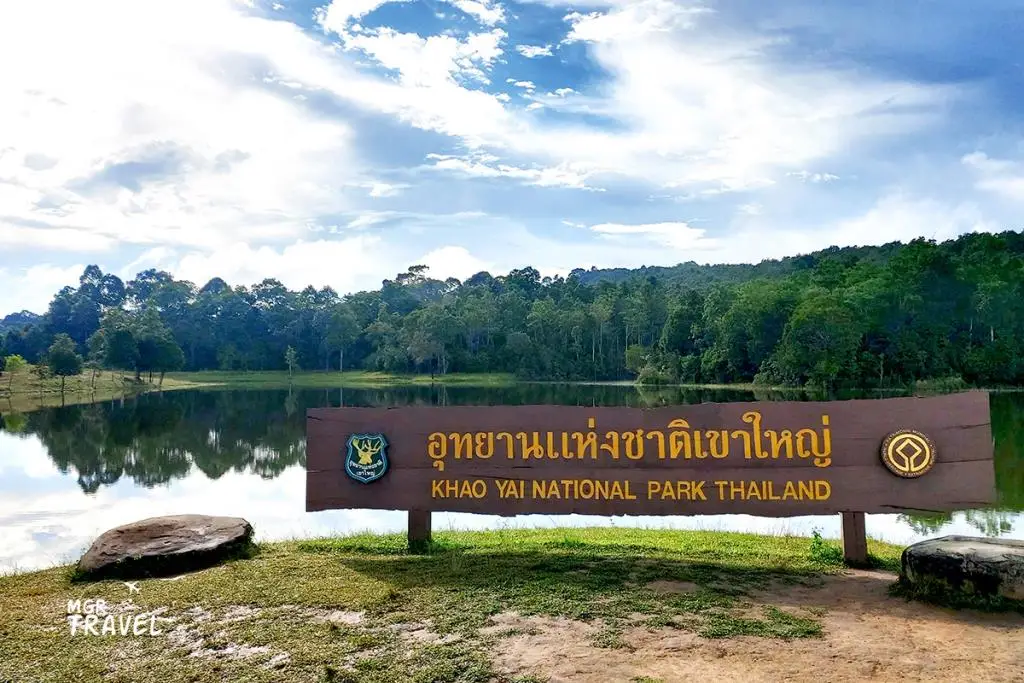
Khao Yai National Park in Nakhon Ratchasima is Thailand’s first national park and one of the country’s most important natural protected areas. The park extends across 4 provinces: Nakhon Ratchasima, Saraburi, Prachinburi, and Nakhon Nayok. It forms a major forested landscape between the Phanom Dongrak mountain system, the edge of the Khorat Plateau, and the central plains of Thailand. Its terrain includes high mountains, evergreen forests, mixed forests, dry dipterocarp areas, grasslands, streams, waterfalls, reservoirs, viewpoints, and wildlife habitats. For international travelers, Khao Yai is one of the most accessible places near Bangkok to experience a real tropical forest ecosystem with waterfalls, wild animals, birds, and mountain scenery.
Khao Yai was officially declared Thailand’s first national park on 18 September 1962. Later, it became an ASEAN Heritage Park and part of the Dong Phayayen–Khao Yai Forest Complex, which was inscribed as a UNESCO Natural World Heritage Site in 2005. These recognitions show that Khao Yai is not only a tourist destination but also a conservation landscape of international importance. Its forests protect wildlife, preserve watersheds, maintain biodiversity, and keep a large natural corridor alive in a region where forests have become increasingly valuable.
The park is a major watershed for several important rivers and streams, including the Nakhon Nayok River, Prachin Buri River, Lam Takhong, Lam Phra Phloeng, Huai Muak Lek, and many smaller tributaries. Water from the forest supports communities, farms, towns, and ecosystems beyond the park boundary. The waterfalls, creeks, and reservoirs inside Khao Yai are not only scenic places for visitors. They are part of the forest’s natural function as a source of water for central and northeastern Thailand.
The landscape of Khao Yai is shaped by elevation and mountain structure. The highest peak is Khao Rom, rising about 1,351 meters above sea level. Other important high points include Khao Sam Yod at about 1,142 meters and Khao Fa Pha at about 1,078 meters. Elevation differences create varied climates and plant communities within the park. Some areas are steep mountains, some are open grasslands, and some are dense evergreen forests. This variety allows many types of plants and animals to live within a single protected area.
The climate is cooler than the surrounding lowlands because of altitude and dense forest cover. The park can be visited throughout the year, and each season gives a different character to the landscape. In the hot season, wildflowers and seasonal fruits appear in the forest. In the rainy season, the forests and grasslands turn green and the waterfalls flow strongly. In the cool season, the sky is clearer, the air is cooler, and visitor numbers increase. The average temperature creates a comfortable mountain-forest atmosphere that has made Khao Yai a long-standing nature escape for Thai and foreign travelers.
Khao Yai contains several forest types, including mixed deciduous forest, dry evergreen forest, moist evergreen forest, hill evergreen forest, dry dipterocarp forest, grassland, and regenerating forest. This wide range of habitats creates high biodiversity. Dry evergreen forest is one of the main ecosystems of the park and supports many mammals, birds, reptiles, insects, orchids, rattan, resin trees, and large canopy trees. Hill evergreen areas around higher elevations support mosses, ferns, lichens, and plants that need cooler and more humid conditions.
Wildlife is central to the identity of Khao Yai. The park is known for wild elephants, sambar deer, barking deer, gaur, dholes, macaques, gibbons, civets, porcupines, squirrels, birds, reptiles, amphibians, butterflies, and many smaller species. Hornbills are among the most memorable birds of the park, while gibbons and deer are often associated with the forest experience around the visitor areas. The presence of large mammals and many bird species shows the ecological strength of the park and explains why Khao Yai attracts naturalists, birdwatchers, photographers, and conservation travelers from many countries.
Wild elephants are one of the most powerful symbols of Khao Yai. They move through forests, grasslands, salt licks, and water sources in large home ranges. Seeing elephants in a natural habitat gives visitors a direct sense of the park’s role as a living wildlife landscape. Elephants share the park with deer, gaur, dholes, monkeys, gibbons, and many smaller animals, creating a complex forest system that operates day and night.
The Chao Por Khao Yai Shrine is one of the first landmarks encountered on the Pak Chong entrance route. It is located around kilometer marker 23 on Thanarat Road, close to the Pak Chong entrance gate. The shrine has long been respected by park staff, local people, and travelers entering the mountain. It adds a cultural layer to the journey into the park, showing that Khao Yai is not only a natural landscape but also a place connected with local belief and memory.
The Khao Yai Visitor Center is the main information point inside the park. It provides maps, park information, trail details, visitor services, accommodation coordination, activity contact points, and educational displays. Nearby are Kong Kaew Waterfall and short nature trails, making this area a practical starting point for understanding the park. Visitors can begin with general information here before traveling onward to waterfalls, viewpoints, wildlife-watching areas, campsites, or lodges.
Kong Kaew Waterfall is a small waterfall created by Lam Takhong stream. It is located within walking distance of the Visitor Center, only about 100 meters away. The waterfall is low and shaded, with pleasant flow during the rainy season. A bridge and nearby short nature trail make this area one of the easiest places to experience a streamside forest setting in Khao Yai. It is a good example of how even a small waterfall can show the park’s water system and forest atmosphere.
Pha Kluai Mai Waterfall is a medium-sized waterfall on Lam Takhong stream, located about 7 km from the park headquarters. The area is known for red dendrobium orchids, which are closely associated with the identity of the waterfall. The water flows over rock layers before continuing through the forest. A walking route connects Pha Kluai Mai with Haew Suwat Waterfall, giving visitors a stronger sense of the relationship between river, forest, rock, orchids, and waterfall within the same landscape.
Haew Suwat Waterfall is one of the most famous waterfalls in Khao Yai. It is located at the end of Thanarat Road and is accessible from a parking area by a short walk of about 100 meters. The waterfall drops from a rock cliff about 20 meters high into a pool below. Visitors can view the waterfall from upper viewpoints or walk down toward the lower area. Its appearance changes by season: during the rainy season it is powerful and loud, while drier periods reveal the cliff structure and pool more clearly.
Haew Narok Waterfall is the largest and tallest waterfall system in the park. It is located on the southern route toward Prachinburi and requires a walk of about 1 km from the parking area to the viewpoint. The waterfall has 3 major levels, with the first drop about 60 meters high and the total fall reaching more than 150 meters through steep cliffs. During the rainy season, the water is extremely powerful, creating one of the most dramatic waterfall scenes in the park.
Nong Phak Chi Wildlife Observation Tower is an important wildlife-viewing point near grasslands, water, and salt-lick areas. The surrounding area attracts animals that use the open grassland and forest edge. Mo Singto Wildlife Observation Tower is another wildlife-focused area connected with salt licks and animal movement. These towers show how Khao Yai provides controlled viewing spaces where visitors can observe wildlife behavior without entering sensitive habitat directly.
The Khlong Pla Kang area, near National Park Protection Unit Khao Yai 4, is known for gaur observation. The viewing point is located in grassland near forest edge and mountain slopes. Gaur often come to feed in the evening. This area shows another side of Khao Yai’s wildlife landscape, where open grasslands, forest edges, and large herbivores meet. It also expands the park experience beyond waterfalls and scenic roads into deeper wildlife ecology.
Sai Sorn Reservoir is an important water body near the center of the park. It supplies water and creates habitat for wildlife. The surrounding grasslands and forest edges are used by animals, birds, and sometimes elephants. The reservoir also gives visitors an open landscape that contrasts with dense forest, showing another visual side of Khao Yai: water, sky, grassland, and mountains in one setting.
Pha Diao Dai and the Khao Khieo area represent the high-elevation character of Khao Yai. The cool climate, hill evergreen forest, orchids, ferns, mosses, lichens, and seasonal migrant birds make this area distinct from the lower waterfalls and grasslands. From high viewpoints, visitors can see wide forested landscapes and understand the scale of the park more clearly. The highland forest adds an important ecological layer to the park’s identity.
Nature trails inside Khao Yai reveal details that cannot be understood from a vehicle. Walking through the forest allows visitors to notice roots, leaf litter, fungi, insects, bird calls, animal tracks, stream edges, and changes in light under the forest canopy. Some trails are short and near the Visitor Center, while others connect waterfalls and deeper forest areas. These trails turn the park into an outdoor classroom where the forest can be read slowly through observation.
Night wildlife viewing is another well-known activity in Khao Yai, operated through park coordination. The forest after dark has a different rhythm from daytime. Insects, night birds, nocturnal mammals, and forest sounds create a separate ecological atmosphere. This activity gives visitors a glimpse of the fact that the forest continues to live after sunset, with many animals becoming active at night.
Khao Yai has visitor facilities inside the park, including the Visitor Center, official lodges, campsites, food and beverage areas, toilets, parking areas, meeting rooms, rescue and first-aid support, wildlife observation towers, and nature trails. Lam Ta Khong Campground is the main open campsite, set in a large grassland near a stream and surrounded by forest. Park lodges and campsites are managed through the national park reservation system and the Visitor Center according to availability and park conditions.
There are 2 main entrance routes to Khao Yai. The Nakhon Ratchasima side uses Mittraphap Road toward Pak Chong, then turns onto Thanarat Road toward the Chao Por Khao Yai Shrine entrance gate. This is the most popular entrance from Bangkok and connects with Mu Si, resorts, cafés, restaurants, and many Khao Yai attractions. The other route uses Highway 33 through Nakhon Nayok or Prachinburi toward the Noen Hom entrance, connecting more directly with Haew Narok Waterfall and the Prachinburi side of the park.
Travel from Bangkok to the Pak Chong entrance is about 205 km by road. Travelers without private vehicles can travel to Pak Chong town and continue by local transport or hired vehicle toward the park entrance. Inside the park, distances between attractions are significant, so vehicle access is important for reaching the Visitor Center, waterfalls, viewpoints, and campsites. The park’s internal roads connect major visitor areas but pass through real wildlife habitat.
Khao Yai National Park allows entry and exit from 06.00 to 18.00. The Visitor Center provides tourist information from 08.30 to 16.30. These hours reflect the fact that the park is a forest and wildlife area, where roads are also used by animals, especially during evening and nighttime. The park is open daily and remains one of Thailand’s most visited natural destinations.
The current entrance fees at the Pak Chong and Noen Hom gates are separated by visitor category and vehicle type. Thai visitors pay 20 baht for children and 40 baht for adults. Foreign visitors at these entrances pay 200 baht for children and 400 baht for adults. Vehicle fees are 20 baht for motorcycles, 30 baht for 4-wheel vehicles, 100 baht for 6-wheel vehicles, and 200 baht for vehicles with more than 6 wheels but not more than 10 wheels. Tickets are valid for entry and exit within the same day according to the park’s conditions.
The park is managed by the Department of National Parks, Wildlife and Plant Conservation. Its internal administration includes management, conservation, recreation and accommodation, academic work, visitor services, entrance gates, and many ranger units. The official website currently lists Mr. Chaiya Huayhongtong as National Park Chief. Because Khao Yai covers a very large area, management depends on distributed ranger units, visitor centers, conservation work, and public services across different zones.
The reason Khao Yai remains important for both Thai and international travelers is the completeness of its natural experience. Within one park, visitors can encounter waterfalls, grasslands, evergreen forest, wildlife, viewpoints, campsites, lodges, nature trails, and educational services. Around the park, Mu Si and Pak Chong provide restaurants, cafés, hotels, resorts, farms, art museums, vineyards, and family attractions. This combination makes Khao Yai a major nature-based travel region rather than a single isolated attraction.
Nearby attractions on the Pak Chong side include Khao Yai Art Museum, Primo Piazza, The Chocolate Factory Khao Yai, The Birder’s Lodge, Hokkaido Flower Park Khaoyai, Bonanza Exotic Park, PB Valley Khao Yai Winery, and Farm Chokchai. These destinations show different sides of the wider Khao Yai area: art, European-inspired architecture, food, cafés, farms, flowers, wildlife encounters, vineyards, and family recreation.
Restaurants around the Pak Chong and Mu Si side include The Chocolate Factory Khao Yai, The Birder’s Lodge Café & Restaurant, Midwinter Khaoyai, Krua Khao Yai, PenLaos Khao Yai, Ribs Mannn, and Dairy Home Restaurant. They provide food options before entering the park, after leaving the forest, or during a stay in Mu Si. The surrounding food scene strengthens Khao Yai’s role as a travel region combining natural forest and visitor services.
Accommodation options include official park lodges and campsites inside Khao Yai, as well as hotels and resorts around Mu Si and Pak Chong. Nearby names include Lacol Khaoyai – A Chatrium Collection, Hotel Labaris Khao Yai, Thames Valley Khao Yai, The Birder’s Lodge, and dusitD2 Khao Yai. This range allows travelers to stay inside the national park for a closer nature experience or outside the park for broader hotel facilities.
For international visitors, Khao Yai National Park is one of the most accessible ways to experience a real Thai forest ecosystem close to Bangkok. It offers waterfalls, evergreen forest, wild animals, hornbills, deer, gibbons, and the possibility of encountering elephants in natural habitat. Unlike a zoo or staged animal attraction, Khao Yai presents wildlife within a protected landscape. This makes the park valuable for travelers interested in nature, biodiversity, conservation, photography, birdwatching, and forest landscapes.
Overall, Khao Yai National Park has several layers of significance. It is historically important as Thailand’s first national park. It is ecologically important as a watershed and wildlife habitat. It is internationally important as part of the UNESCO-listed Dong Phayayen–Khao Yai Forest Complex. It is also one of Thailand’s most important nature destinations for recreation, education, camping, waterfall visits, wildlife viewing, and forest-based travel.
In summary, Khao Yai National Park is open daily from 06.00 to 18.00 and remains an active national park, wildlife habitat, watershed forest, and natural World Heritage landscape. Its highlights include Haew Suwat Waterfall, Haew Narok Waterfall, Pha Kluai Mai Waterfall, Kong Kaew Waterfall, Nong Phak Chi Wildlife Observation Tower, Mo Singto Wildlife Observation Tower, Sai Sorn Reservoir, Pha Diao Dai, Khao Khieo, Lam Ta Khong Campground, the Visitor Center, and the Chao Por Khao Yai Shrine. The park combines Thai conservation history, biodiversity, mountain scenery, and a strong visitor infrastructure within a protected natural landscape near Bangkok.
| Name | Khao Yai National Park |
| Location | Covering Nakhon Ratchasima, Saraburi, Prachinburi, And Nakhon Nayok Provinces, With The Main Nakhon Ratchasima Entrance In Pak Chong District |
| Address | P.O. Box 9, Pak Chong Post Office, Pak Chong District, Nakhon Ratchasima 30130 |
| Visitor Center Coordinates | 14.4391808, 101.3723666 |
| Highlights | Thailand’s first national park, UNESCO natural World Heritage landscape, ASEAN Heritage Park, watershed forest, waterfalls, viewpoints, wildlife observation towers, nature trails, wild elephants, deer, gaur, gibbons, hornbills, and diverse forest ecosystems |
| Type | National Park, Natural Attraction, Wildlife Conservation Area, Watershed Forest, Nature Learning Site, And UNESCO Natural World Heritage Landscape |
| Area | About 2,206 Square Kilometers |
| History / Significance | Declared Thailand’s first national park on 18 September 1962, declared an ASEAN Heritage Park in 1984, and included in the Dong Phayayen–Khao Yai Forest Complex listed as a UNESCO Natural World Heritage Site in 2005 |
| Landscape | Mountainous forest on the edge of the Khorat Plateau, with Khao Rom as the highest peak at about 1,351 meters above sea level, plus waterfalls, streams, grasslands, viewpoints, and forested valleys |
| Forest Types | Mixed Deciduous Forest, Dry Evergreen Forest, Moist Evergreen Forest, Hill Evergreen Forest, Dry Dipterocarp Forest, Grasslands, And Regenerating Forest Areas |
| Key Wildlife | Wild Elephants, Sambar Deer, Barking Deer, Gaur, Dholes, Gibbons, Macaques, Bears, Civets, Porcupines, Hornbills, Forest Birds, Butterflies, Reptiles, And Amphibians |
| Important Watersheds | Nakhon Nayok River, Prachin Buri River, Lam Takhong, Lam Phra Phloeng, Huai Muak Lek, And Other Tributaries |
| Travel Information | From Bangkok, take Phahonyothin Road to Saraburi, continue on Mittraphap Road toward Pak Chong, then turn onto Thanarat Road to the Chao Por Khao Yai Shrine entrance gate. Another route uses Highway 33 through Nakhon Nayok or Prachinburi to the Noen Hom entrance |
| Current Status | Open as a national park, natural attraction, nature-learning site, and wildlife conservation area |
| Open Days | Daily |
| Opening Hours | Park Entry And Exit: 06.00 – 18.00 Visitor Information: 08.30 – 16.30 |
| Admission Fee | Thai Visitors: Children 20 Baht / Adults 40 Baht Foreign Visitors At Pak Chong And Noen Hom Entrances: Children 200 Baht / Adults 400 Baht Vehicle Fees: Motorcycle 20 Baht / 4-Wheel Vehicle 30 Baht / 6-Wheel Vehicle 100 Baht / More Than 6 Wheels But Not More Than 10 Wheels 200 Baht |
| Facilities | Visitor Center, Official Lodges, Lam Ta Khong Campground, Restaurants, Drink Kiosks, Toilets, Parking Areas, Conference Rooms, Rescue And First-Aid Support, Wildlife Observation Towers, Nature Trails, And Visitor Information Services |
| Main Areas / Zones | 1. Chao Por Khao Yai Shrine Entrance, Pak Chong Side 2. Noen Hom Entrance, Prachinburi Side 3. Khao Yai Visitor Center 4. Chao Por Khao Yai Shrine 5. Kong Kaew Waterfall 6. Pha Kluai Mai Waterfall 7. Haew Suwat Waterfall 8. Haew Narok Waterfall 9. Nong Phak Chi Wildlife Observation Tower 10. Mo Singto Wildlife Observation Tower 11. Khlong Pla Kang Gaur Observation Area 12. Sai Sorn Reservoir 13. Pha Diao Dai And Khao Khieo Viewpoint Area 14. Lam Ta Khong Campground 15. Park Lodge And Camp Zones |
| Caretaker / Coordinator | Department Of National Parks, Wildlife And Plant Conservation / Khao Yai National Park / National Park Chief: Mr. Chaiya Huayhongtong |
| Contact Number | Visitor Center 086-092-6529 Khao Yai National Park Headquarters 086-092-6527 Chao Por Khao Yai Shrine Entrance, Pak Chong Side 086-092-6531 Noen Hom Entrance 090-728-1929 Night Safari Service 081-063-9241 Email khaoyai.np@gmail.com |
| Important Attractions Inside And Nearby | 1. Chao Por Khao Yai Shrine – About 200 M From Pak Chong Entrance 2. Khao Yai Visitor Center – About 15 Km From Pak Chong Entrance – Tel. 086-092-6529 3. Kong Kaew Waterfall – About 100 M From The Visitor Center 4. Pha Kluai Mai Waterfall – About 7 Km From Park Headquarters 5. Haew Suwat Waterfall – About 13 Km From The Visitor Center 6. Haew Narok Waterfall – About 25 Km From The Visitor Center 7. Khao Yai Art Museum – About 16 Km From Pak Chong Entrance – Tel. 044-756-060 8. Primo Piazza Khao Yai – About 10 Km From Pak Chong Entrance – Tel. 081-922-9000 9. Farm Chokchai – About 29 Km From Pak Chong Entrance – Tel. 044-935-505, 044-935-508 |
| Nearby Restaurants | 1. Restaurants And Drink Kiosks Inside The Park – Inside Khao Yai National Park – Visitor Center Tel. 086-092-6529 2. The Chocolate Factory Khao Yai – About 6 Km From Pak Chong Entrance – Tel. 092-443-8881 3. The Birder’s Lodge Café & Restaurant – About 6 Km From Pak Chong Entrance – Tel. 081-645-4252 4. Midwinter Khaoyai – About 9 Km From Pak Chong Entrance – Tel. 082-452-8888 5. Krua Khao Yai – About 6 Km From Pak Chong Entrance – Tel. 081-805-0636 6. PenLaos Khao Yai – About 5 Km From Pak Chong Entrance 7. Ribs Mannn Khaoyai – About 13 Km From Pak Chong Entrance – Tel. 044-365-555, 099-289-3555 8. Dairy Home Restaurant – About 28 Km From Pak Chong Entrance – Tel. 081-991-0271 |
| Nearby Accommodations | 1. Khao Yai National Park Lodges – Inside The Park – Visitor Center Tel. 086-092-6529 2. Lam Ta Khong Campground – Inside The Park – Visitor Center Tel. 086-092-6529 3. Lacol Khaoyai – A Chatrium Collection – About 3 Km From Pak Chong Entrance – Tel. 044-001-896 4. Hotel Labaris Khao Yai – About 4 Km From Pak Chong Entrance – Tel. 044-300-999, 063-190-1900 5. Thames Valley Khao Yai – About 5 Km From Pak Chong Entrance – Tel. 044-009-999 6. The Birder’s Lodge – About 6 Km From Pak Chong Entrance – Tel. 081-645-4252 7. dusitD2 Khao Yai – About 20 Km From Pak Chong Entrance – Tel. 044-003-000 |
Frequently Asked Questions (FAQ)
Q: Is Khao Yai National Park currently open?
A: Yes. Khao Yai National Park is open daily as a national park and natural attraction. Park entry and exit hours are 06.00 to 18.00.
Q: Which provinces does Khao Yai National Park cover?
A: Khao Yai National Park covers Nakhon Ratchasima, Saraburi, Prachinburi, and Nakhon Nayok provinces. The most popular Nakhon Ratchasima entrance is in Pak Chong District.
Q: How much is the entrance fee?
A: Thai visitors pay 20 baht for children and 40 baht for adults. Foreign visitors at Pak Chong and Noen Hom entrances pay 200 baht for children and 400 baht for adults. Vehicle fees are 20 baht for motorcycles, 30 baht for 4-wheel vehicles, 100 baht for 6-wheel vehicles, and 200 baht for vehicles with more than 6 wheels but not more than 10 wheels.
Q: What are the main attractions in Khao Yai National Park?
A: Main attractions include Chao Por Khao Yai Shrine, Khao Yai Visitor Center, Kong Kaew Waterfall, Pha Kluai Mai Waterfall, Haew Suwat Waterfall, Haew Narok Waterfall, Nong Phak Chi Wildlife Observation Tower, Mo Singto Wildlife Observation Tower, Sai Sorn Reservoir, Pha Diao Dai, and Khao Khieo.
Q: Is Khao Yai National Park a World Heritage Site?
A: Khao Yai National Park is part of the Dong Phayayen–Khao Yai Forest Complex, which was listed as a UNESCO Natural World Heritage Site in 2005.
Q: Are there accommodations inside the national park?
A: Yes. The park has official lodges and camping areas, including Lam Ta Khong Campground. Park accommodation is managed through the Department of National Parks reservation system and the Khao Yai Visitor Center according to availability and park conditions.
Q: How can travelers get to Khao Yai National Park from Bangkok?
A: The main route is from Bangkok to Saraburi, then along Mittraphap Road toward Pak Chong, and onto Thanarat Road to the Chao Por Khao Yai Shrine entrance gate. The distance is about 205 km. Another route uses Highway 33 through Nakhon Nayok or Prachinburi to the Noen Hom entrance.
Q: How can visitors contact Khao Yai National Park?
A: Visitors can contact the Visitor Center at 086-092-6529, the park headquarters at 086-092-6527, the Pak Chong entrance at 086-092-6531, and the Noen Hom entrance at 090-728-1929.
 Category: ●Nature and Wildlife
 Group: ●National Parks and Marine Reserves
Last Update : 2 MonthAgo
 Last Update : 2 MonthAgo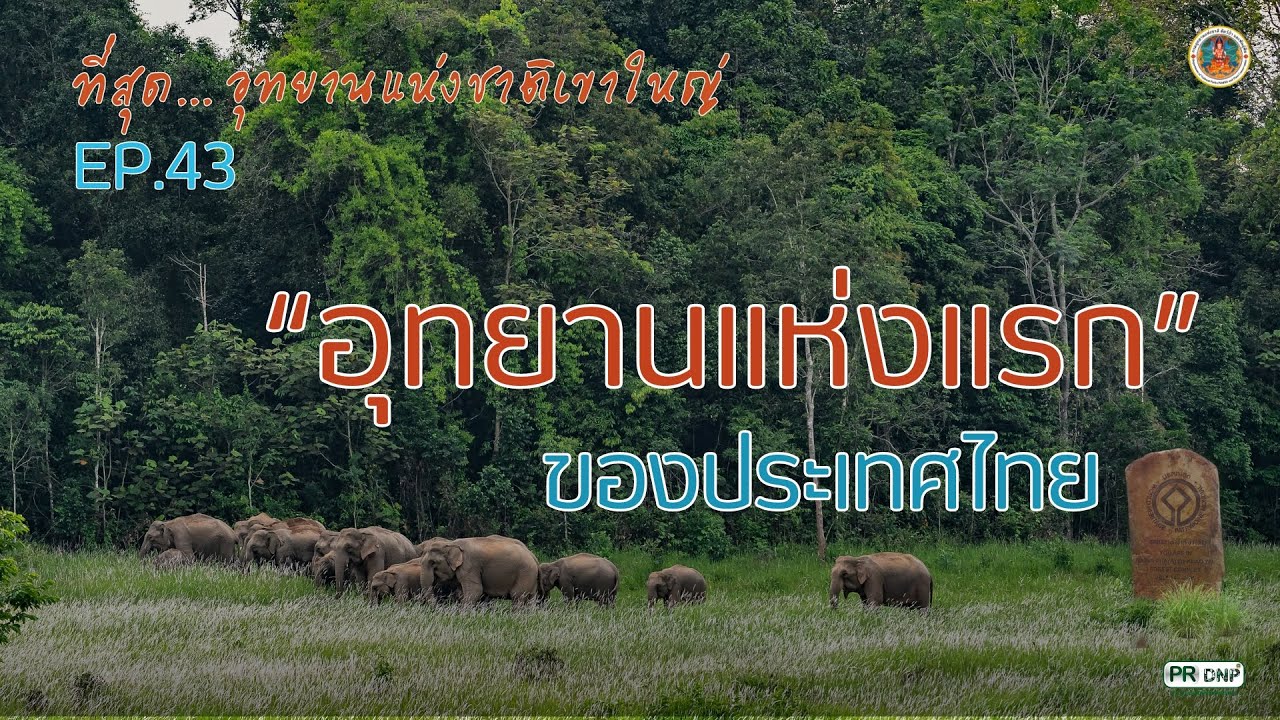
 Click to Access the Navigation Map GPS
Khao Yai National Park Map
Gellery
Recommend

 Art, Culture and Heritage
 Historical Sites and Monuments(20)
 Landmarks and Memorials(5)
 Art, Craft Centres, Tradition(7)
 Museums(6)
 Art Gallery(1)
 Educational Places
 Educational Gardens, Farm(4)
 Places of Worship
 Temple(29)
 Mosque(1)
 Other Sacred Sites(6)
 Research and Development
 Royal Project(3)
 Suburban Living
 Village, Community(6)
 Local Market(4)
 Floating Market(1)
National Parks and Marine Reserves(3)
Floating Market(1)
National Parks and Marine Reserves(3)
 Mountain (Doi)(5)
 Dam, Reservoir, Lake(8)
 Waterfalls(9)
 Hot Springs(1)
 Caves(2)
 Flower Field(1)
 River, Canal(8)
 Bays and Beaches(2)
 Other natural attractions(3)
 Entertainment and Agricultural
 Zoos and Aquariums(1)
 Animal camps and shows(1)
 Farms, Parks and Ecotourism(21)
 Waterpark(2)
 Outdoor and Adventure Activities(6)
 Shopping
 Shopping and Night Market(2)
 Travel Articles, Recipes
 Travel Review, Food Review(5)


