
lovethailand home >Northeastern Travel Attractions >Surin Travel Attractions >Tha Tum >Kra Pho > Surin Elephant Village
TL;DR: Surin Elephant Village is located at Ban Ta Klang, Krapho Subdistrict, Tha Tum District, Surin Province 32120, open Daily, hours 07.30 – 17.00.
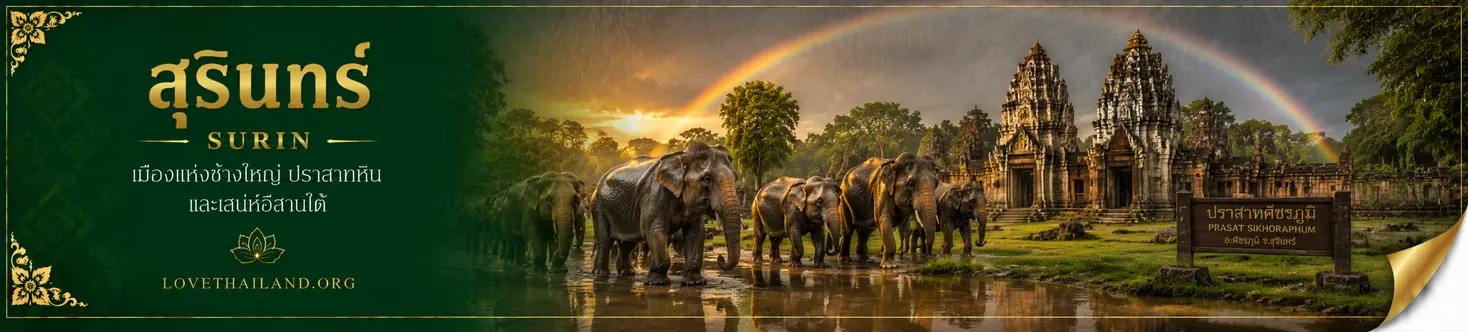
Surin Elephant Village
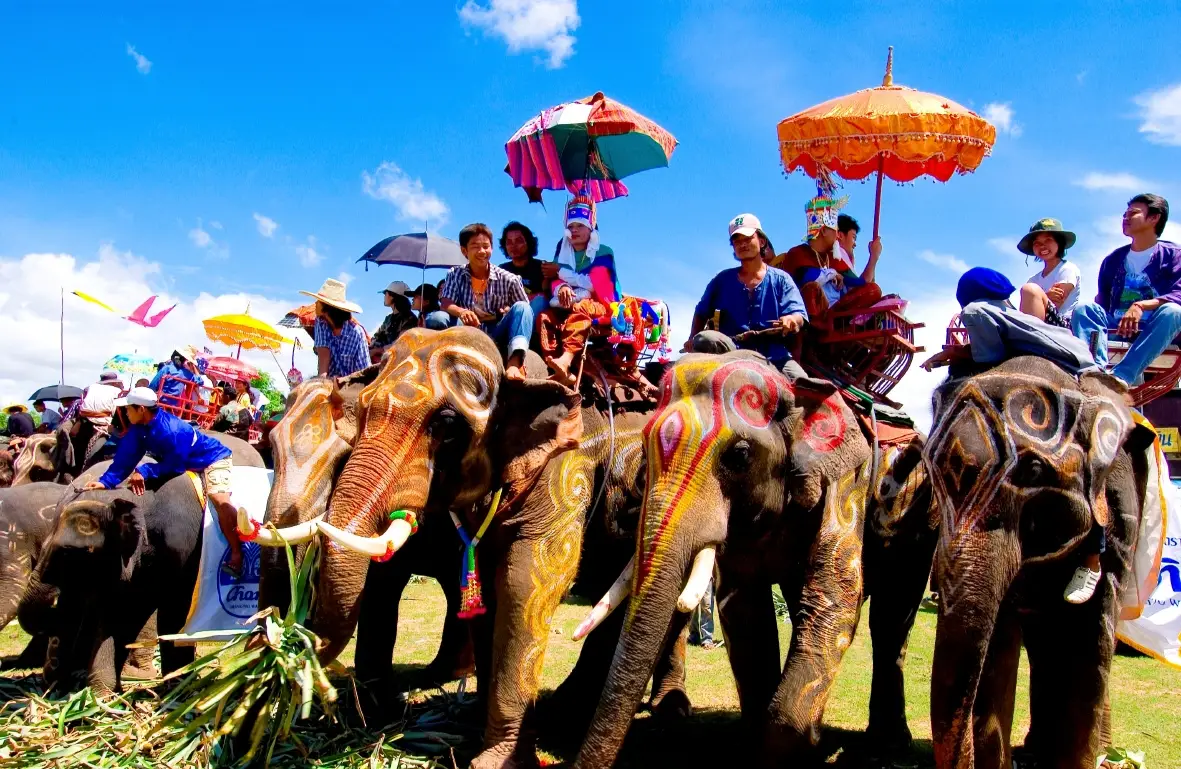
Open Days: Daily
Opening Hours: 07.30 – 17.00
Surin Elephant Village, also known as Ban Ta Klang Elephant Village, the Elephant Study Center, and Elephant World, is one of the most important cultural elephant destinations in Thailand. Located in Ban Ta Klang, Krapho Subdistrict, Tha Tum District, Surin Province, this village is home to the Kui or Kuay people, an ethnic community widely known for their inherited knowledge of elephants. In the past, they were also commonly referred to as the Suay people. What makes Ban Ta Klang exceptional is not only the number of elephants, but the way elephants live within the village as members of local families. Visitors can see elephant shelters near homes, mahouts caring for elephants in daily life, and a village environment where people and elephants have lived together for generations.
Ban Ta Klang is different from many elephant attractions because the relationship between humans and elephants here is rooted in community life. Local people do not regard elephants merely as working animals or tourist performers. Elephants are treated as companions, family members, and part of the household. Many homes in the village have elephant shelters within the same compound. Walking through the area, visitors see the connection among homes, mahouts, elephants, fodder, village paths, fields, and community spaces. This living relationship is the cultural foundation of the village.
The Kui people of Ban Ta Klang are known for “kachasat,” or traditional elephant knowledge. Their ancestors were skilled in tracking, capturing, training, and caring for wild elephants. As society, conservation law, and wildlife protection changed, the old practice of capturing wild elephants ended. However, the knowledge did not disappear. It evolved into expertise in elephant care, observation of elephant behavior, herbal treatment, mahout discipline, and the responsible relationship between humans and domesticated elephants. This makes the village an important living archive of elephant culture.
Ban Ta Klang is closely tied to Surin’s identity as Thailand’s city of elephants. Surin is famous for elephant festivals and grand elephant parades, but Ban Ta Klang explains where this public image comes from. Behind every festival procession and performance are families, mahouts, elders, rituals, and elephants living in real community conditions. A visit to the village gives travelers a deeper understanding of Surin beyond spectacle. It reveals the daily lives that support the province’s elephant heritage.
The village today combines traditional community life with organized learning areas. Visitors can experience the Elephant Study Center, Elephant World, Surin Elephant Museum, the elephant show arena, community shops, elephant-feeding points, educational zones, architecture within Elephant World, and routes connecting to Wang Thalu, the river confluence where the Mun and Chi rivers meet. This makes the area suitable for cultural travel, family travel, community study, and international visitors who want to understand Thai elephant culture in context.
The Elephant Study Center is the central point of visitor management in Ban Ta Klang. It was established to bring together knowledge about Thai elephants, mahout culture, and the way of life of the Kui elephant-keeping community. Later, the area was developed into the Elephant World project to bring elephants back to their home province, reduce the problem of elephants wandering in cities, and create income opportunities for mahouts and local families. The center therefore connects conservation, community welfare, education, and tourism.
Elephant World was developed with the vision of creating a place where people and elephants can live together happily. The project includes learning areas, activity grounds, elephant-food areas, herbal-plant areas, cultural presentations, and tourism facilities. Its importance lies in the fact that elephants are not separated from the community. Instead, tourism is used as one of the ways to support elephant care, mahout livelihoods, and the continuity of local knowledge in the elephants’ home region.
Surin Elephant Museum adds an important modern learning dimension to the village. Located within Elephant World, the museum is known for its distinctive red-brick architecture and educational exhibitions. It presents the relationship between humans and elephants from the past to the present, including wild elephants, royal elephants, domesticated elephants, Thai elephant history, Kui mahout culture, elephants around the world, prehistoric elephants, elephant art, and community traditions. The museum helps visitors understand elephants beyond close encounters and performances.
The museum is divided into major learning zones. One zone explains wild, royal, and domesticated elephants while connecting elephant history with Surin Province and the Kui community. Another zone presents elephant species around the world. A prehistoric elephant zone introduces ancient elephant relatives. The elephant gallery displays art and rotating exhibitions related to elephants. For children and international visitors, the museum helps explain complex cultural themes through models, displays, images, and interpretation.
The elephant show arena is one of the best-known visitor areas of the Elephant Study Center. The main show rounds are at 10.00 and 14.00. The activities demonstrate the intelligence, training, and communication between elephants and mahouts. Visitors may see elephants greeting the audience, responding to commands, showing strength, moving in coordinated ways, and taking part in educational activities. Visitors should remain in designated areas, follow staff instructions, and supervise children closely throughout the show.
Beyond the show, the most meaningful experience is walking through the village and observing daily elephant life. Visitors can see mahouts preparing fodder, elephants eating sugarcane, bananas, grass, or leaves, and families working around elephant shelters. These scenes make it clear that caring for one elephant requires time, food, labor, patience, and knowledge. The phrase “raising elephants as companions” becomes real when seen in the daily rhythm of the village.
Ban Ta Klang is also connected with Wang Thalu, about 3 km from the village. This is the point where the Mun and Chi rivers meet. The area has long been important to local life and was associated with elephant-related customs. It was once connected with the Buat Nak Chang ordination tradition and is known as a place where elephants may be taken to bathe. Including Wang Thalu in the route helps visitors understand the connection between elephants, rivers, ritual, and community landscape.
The Buat Nak Chang, or elephant-back ordination procession, is one of the most important traditions of Ban Ta Klang. In Kui culture, ordination is a major act of merit, and an ordination procession with elephants is believed to bring dignity and auspiciousness. The event is held before Buddhist Lent and includes young men in the ordination procession, elephants, local dress, music, large community participation, and inherited ritual meaning. It represents the relationship between Buddhism, elephants, families, and Kui cultural identity.
The Pakam shrine and related rituals are another important element of Kui elephant culture. Pakam is connected with the sacred rope and knowledge used by elephant masters in the past. Paying respect to the Pakam shrine honors ancestors, elephant masters, mahouts, and the body of knowledge that allowed humans and elephants to live together. These beliefs show that Surin elephant culture has both practical and sacred dimensions.
Thai Elephant Day on 13 March is also significant at the Elephant Study Center. Activities include Buddhist merit-making dedicated to elephant masters, mahouts, and elephants that have died, rituals at the Pakam shrine, ceremonial offerings, food offerings for elephants, exhibitions, and cultural activities related to Kui elephant knowledge. This event shows that elephants are respected not only as tourist attractions, but as beings deeply connected with Thai history, local identity, and community memory.
Wat Pa A Chiang is a nearby place that fits well with a Ban Ta Klang visit. This forest temple is associated with elephants, Kui heritage, and the elephant cemetery. It includes religious and cultural elements connected with elephant memory, local belief, and Buddhist devotion. Visitors who want to understand the spiritual side of Surin elephant culture should include this temple in the route.
Surin Elephant Village is suitable for many types of visitors: families, students, cultural travelers, photographers, international tourists, and people interested in Thai elephants and Kui culture. A meaningful visit normally takes at least 2 to 4 hours. Visitors who want to see the museum, attend a show, feed elephants, walk through the village, and continue to Wang Thalu or Wat Pa A Chiang should plan a half-day or full-day trip.
Visitors should treat elephants with respect and caution. Elephants are large animals with feelings, moods, and personal space. Visitors should stay where mahouts or staff allow, offer food slowly, avoid teasing elephants, avoid loud noises near elephants, never walk behind elephants, never let children approach elephants alone, and avoid touching trunks, tails, ears, or other parts of the elephant without permission. Responsible behavior protects visitors, elephants, mahouts, and the community.
The Elephant Study Center and elephant show area have admission fees. The commonly listed rate for the main center and show is 50 baht for Thai adults, 20 baht for Thai children, and 100 baht for foreign visitors. Surin Elephant Museum charges a separate admission fee: Thai children under 10 years old 30 baht, Thai children aged 10 and above 40 baht, Thai adults 50 baht, foreign children 100 baht, and foreign adults 200 baht. Special activities and elephant food are paid for at the service points.
Facilities in the area include Surin Elephant Museum, the Elephant Study Center, the elephant show arena, elephant-feeding points, community shops, souvenir shops, toilets, parking areas, photo areas, activity spaces, landmark architecture, and visitor information points. Groups should coordinate in advance if they want an organized visit, museum explanation, activity arrangement, or community learning program.
Getting There from Surin city is straightforward by private car, rental car, or chartered van. Take Highway 214, the Surin – Roi Et route, north toward Tha Tum District. Before reaching Tha Tum town, turn left near kilometer marker 36 and continue along the paved road for about 22 km to Ban Ta Klang in Krapho Subdistrict. The total distance from Surin city is about 58 km and usually takes around 1 hour to 1 hour 15 minutes by car.
Travelers without a private vehicle can take local transport on the Surin – Krapho route from Surin Bus Terminal and get off near the Elephant Study Center, then continue on foot or by local transport to the desired point. Private transport remains the most convenient option for families and international visitors because it allows stops at Wang Thalu, Wat Pa A Chiang, restaurants, and nearby attractions on the same route.
Dining options near the village are available in Krapho Subdistrict and Tha Tum District. Visitors who want to eat close to the area can choose local restaurants in Krapho or Tha Tum, while those who want more choices can return to Surin city. Restaurants with published contact information along the route include Phae Nawa Thong, Khrua Khun Kae Tha Tum, Dino Shabu Tha Tum, PunThai Coffee PTF Tha Tum, Sap Thara Service in the Krapho area, and Tha Tum Phochana.
Accommodation options include community homestays in Ban Ta Klang, small resorts in Tha Tum District, and hotels in Surin city. Those who want a community experience can stay at Ban Ta Klang homestay options arranged through local groups. Travelers who prefer basic hotel comfort may stay in Tha Tum at places such as Banlang Hotel Resort & Swimmingpool, Pawinee Resort, or NP View Resort. Visitors who prefer wider restaurant and service choices may stay in Surin city and visit Ban Ta Klang as a day trip.
Nearby attractions that combine well with the village include Wang Thalu, Wat Pa A Chiang, Prasat Nang Bua Tum or Wat Pathum Sila Wari in Tha Tum District, Tha Tum riverside areas, Surin City Pillar Shrine, Wat Burapharam, Surin National Museum, and Khwao Sinarin Handicraft Village. This route gives travelers a broad view of Surin through elephants, rivers, Buddhism, local history, and craft traditions.
For international visitors, Surin Elephant Village offers a deeper understanding of Thai and lower-Isan culture. It shows that the elephant is not only a national symbol or a tourist image, but part of a living system of family life, ethnic identity, belief, ritual, language, and specialized knowledge. A visit here helps explain why Surin is known as Thailand’s elephant province and why elephants remain deeply meaningful to local people.
Visitors should remember that Ban Ta Klang is both a real village and a tourism area. Local families live there, mahouts work there, and each elephant has its own behavior. Visitors should ask permission before photographing people or close elephant interactions, avoid private household areas, avoid littering, speak respectfully, and use community-managed service points. Respectful travel helps preserve both the dignity of the village and the quality of the visitor experience.
Overall, Surin Elephant Village is more than an elephant attraction. It is a place where Kui history, elephant knowledge, family mahout life, elephant conservation, community development, modern museum interpretation, and traditional rituals come together. Visitors can see real elephants, learn through the museum, attend center activities, observe village life, and understand the cultural role of elephants in Surin more deeply than through a short performance alone.
In summary, Surin Elephant Village, Ban Ta Klang Elephant Village, the Elephant Study Center, and Elephant World form one of the most important elephant-learning destinations in Thailand. Located in Krapho Subdistrict, Tha Tum District, Surin Province, the site is open daily and includes village life, elephant culture, Surin Elephant Museum, elephant shows, Kui traditions, Wang Thalu, and nearby cultural attractions. It is suitable for families, students, cultural travelers, and international visitors who want to understand Surin as a living elephant province.
| Name | Surin Elephant Village / Ban Ta Klang Elephant Village / Elephant Study Center / Elephant World |
| Location | Ban Ta Klang, Krapho Subdistrict, Tha Tum District, Surin Province 32120 |
| Address | Elephant Study Center / Elephant World, Ban Ta Klang, Krapho Subdistrict, Tha Tum District, Surin Province 32120 |
| Highlights | Kui elephant-keeping village, people and elephants living under the same household culture, Elephant Study Center, Elephant World, Surin Elephant Museum, elephant show, Wang Thalu, elephant-back ordination tradition, and Thai Elephant Day activities |
| History | Ban Ta Klang is a Kui community with inherited elephant knowledge. Surin Province later established the Elephant Study Center, and the area was developed into Elephant World to support elephant conservation, Kui culture, mahout livelihoods, and the return of elephants to their home province |
| Name Origin | The name Surin Elephant Village reflects Ban Ta Klang’s role as a major elephant-keeping community. Elephant Study Center and Elephant World refer to the organized learning and conservation areas developed to present human-elephant culture in a complete form |
| Distinctive Features | Elephants live close to local households, mahouts care for elephants in daily life, and visitors can learn through the museum, elephant show, village environment, feeding points, Kui cultural interpretation, and nearby river and temple routes |
| Travel Information | From Surin city, take Highway 214 toward Roi Et and Tha Tum. Before Tha Tum town, turn left near kilometer marker 36 and continue on the paved road for about 22 km to Ban Ta Klang. The total distance is about 58 km |
| Current Status | Open for cultural visits, elephant learning, the Elephant Study Center, Elephant World, Surin Elephant Museum, and elephant-related community activities |
| Open Days | Daily |
| Opening Hours | Elephant village and Elephant Study Center: 07.30 – 17.00 Elephant show rounds: 10.00 and 14.00 Surin Elephant Museum: Wednesday – Sunday, morning session 09.00 – 12.00 and afternoon session 13.00 – 16.00 |
| Fees | Elephant Study Center / Elephant Show: Thai adults 50 baht, Thai children 20 baht, foreign visitors 100 baht Surin Elephant Museum: Thai children under 10 years old 30 baht, Thai children aged 10 and above 40 baht, Thai adults 50 baht, foreign children 100 baht, foreign adults 200 baht Special activities and elephant food are paid at service points |
| Facilities | Surin Elephant Museum, Elephant Study Center, elephant show arena, elephant-feeding points, community shops, souvenir shops, toilets, parking areas, photo areas, activity grounds, and visitor information points |
| Main Areas / Zones | 1. Ban Ta Klang Village And Household Elephant Shelters 2. Elephant Study Center 3. Elephant World 4. Elephant Show Arena 5. Surin Elephant Museum 6. Wild, Royal, And Domesticated Elephant Zone 7. Global Elephant And Prehistoric Elephant Learning Zones 8. Elephant Gallery And Art Exhibition Area 9. Elephant-Feeding And Community Activity Area 10. Kui Cultural And Elephant-Knowledge Area 11. Route To Wang Thalu 12. Thai Elephant Day And Elephant-Back Ordination Activity Area |
| Important Rituals / Traditions | Buat Nak Chang elephant-back ordination tradition, Thai Elephant Day, Pakam shrine offerings, elephant-master rituals, Buddhist merit-making for deceased elephant masters, mahouts and elephants, elephant food offerings, and Kui elephant-knowledge activities |
| Caretaker / Related Authority | Surin Provincial Administrative Organization oversees the Elephant Study Center and Elephant World in cooperation with Ban Ta Klang community, Krapho Subdistrict, Tha Tum District |
| Contact | Elephant Study Center Office, Tel. 065-928-9433 Surin Provincial Administrative Organization, Tel. 044-515-581 Tourism / Surin Elephant Museum Information, Tel. 065-467-8488 |
| Nearby Tourist Attractions | 1. Wang Thalu, the Mun and Chi River confluence, about 3 km 2. Wat Pa A Chiang, Krapho Subdistrict, about 5 km 3. Prasat Nang Bua Tum / Wat Pathum Sila Wari, Tha Tum District, about 25 km 4. Tha Tum Riverside And District Town Area, about 26 km 5. Tha Tum Community Center And Market, about 27 km 6. Surin City Pillar Shrine, about 58 km 7. Wat Burapharam Royal Temple, about 58 km 8. Surin National Museum, about 62 km, Tel. 044-513-272, 044-513-274 9. Khwao Sinarin Handicraft Village, about 48 km |
| Nearby Restaurants | 1. Phae Nawa Thong, Tha Tum District, about 27 km, Tel. 089-949-5475 2. Khrua Khun Kae Tha Tum, about 27 km, Tel. 081-566-0658 3. Dino Shabu Tha Tum, about 27 km, Tel. 087-139-1921 4. PunThai Coffee PTF Tha Tum, about 27 km, Tel. 091-545-9859 5. Sap Thara Service / Local Restaurant Around Ban Krajao, Krapho Subdistrict, about 14 km, Tel. 081-421-1849 6. Tha Tum Phochana, Tha Tum District, about 27 km |
| Nearby Accommodations | 1. Ban Ta Klang Homestay / Ban Ta Klang Community Enterprise Homestay, about 1 km 2. Sroa Krao Homestay, Ban Ta Klang, about 1 km 3. Banlang Hotel Resort & Swimmingpool, Tha Tum District, about 27 km 4. Pawinee Resort, Tha Tum District, about 27 km, Tel. 044-591-188 5. NP View Resort, Tha Tum District, about 27 km, Tel. 089-579-0156 6. HOP INN Surin, Mueang Surin District, about 58 km, Tel. 065-518-9784 7. Maneerote Hotel Surin, Mueang Surin District, about 58 km, Tel. 044-514-569 8. Thong Tarin Hotel, Mueang Surin District, about 59 km, Tel. 044-514-281, 085-300-8858 |
Frequently Asked Questions (FAQ)
Q: Where Is Surin Elephant Village Located?
A: Surin Elephant Village, or Ban Ta Klang Elephant Village, is located in Ban Ta Klang, Krapho Subdistrict, Tha Tum District, Surin Province 32120, about 58 km from Surin city.
Q: When Is Surin Elephant Village Open?
A: The village and Elephant Study Center are open daily from 07.30 to 17.00. The main elephant show rounds are at 10.00 and 14.00.
Q: Is There An Admission Fee?
A: Yes. The Elephant Study Center and elephant show have admission fees: Thai adults 50 baht, Thai children 20 baht, and foreign visitors 100 baht. Surin Elephant Museum charges a separate fee according to its own admission rates.
Q: What Is The Main Highlight Of Ban Ta Klang Elephant Village?
A: The main highlight is the Kui elephant-keeping way of life, where elephants live close to local households as family companions. The village also includes the Elephant Study Center, Elephant World, Surin Elephant Museum, elephant show, and elephant-related traditions.
Q: Who Oversees The Elephant Study Center And Elephant World?
A: Surin Provincial Administrative Organization oversees the Elephant Study Center and Elephant World in cooperation with Ban Ta Klang community in Krapho Subdistrict, Tha Tum District.
Q: What Can Visitors See At Surin Elephant Museum?
A: Visitors can learn about wild elephants, royal elephants, domesticated elephants, Kui elephant culture, mahout traditions, elephants around the world, prehistoric elephants, and elephant-themed art exhibitions.
Q: What Nearby Places Can Be Visited With Surin Elephant Village?
A: Nearby places include Wang Thalu, Wat Pa A Chiang, Prasat Nang Bua Tum, Tha Tum riverside area, Surin City Pillar Shrine, Wat Burapharam, Surin National Museum, and Khwao Sinarin Handicraft Village.
Q: How Should Visitors Prepare For A Visit?
A: Visitors should dress comfortably, wear suitable walking shoes, bring water or a hat on hot days, follow mahout and staff instructions, avoid approaching elephants without permission, avoid loud behavior, and closely supervise children throughout the visit.
 Category: ●Suburban Living
 Group: ●Village, Community
Last Update : 2 MonthAgo
 Last Update : 2 MonthAgo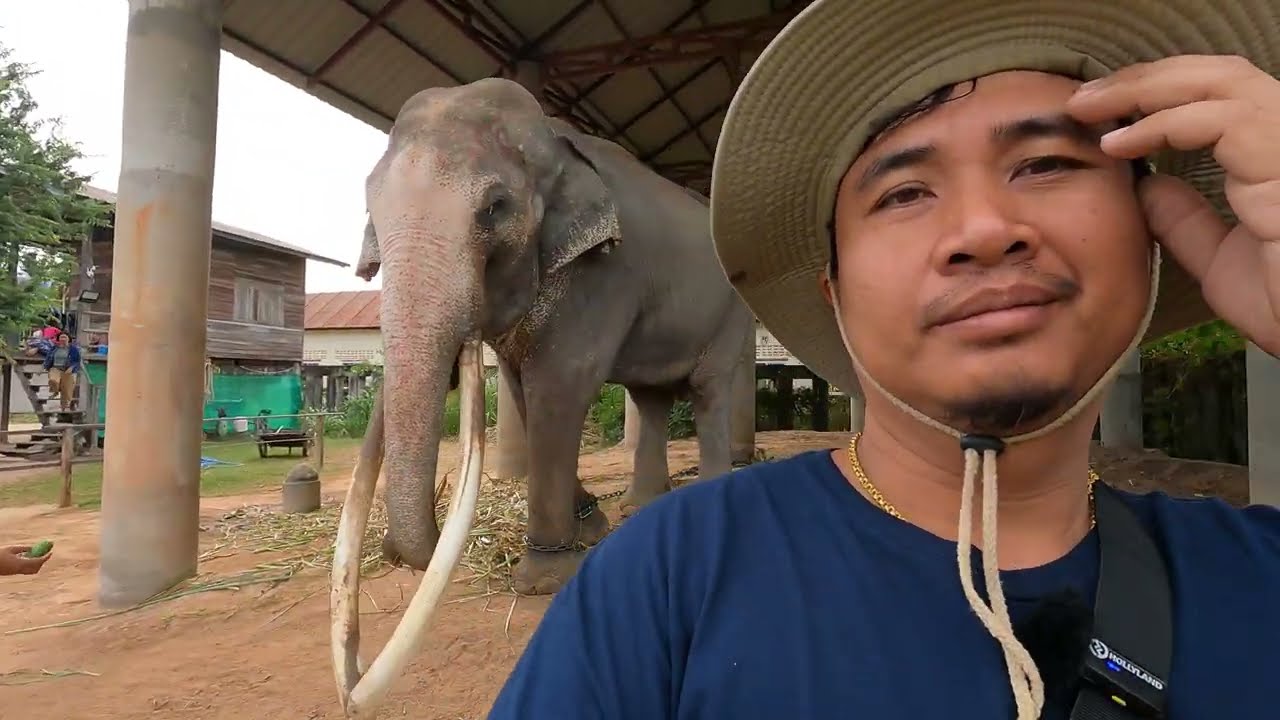
 Click to Access the Navigation Map GPS
Surin Elephant Village Map
Gellery
Recommend

 Art, Culture and Heritage
 Historical Sites and Monuments(11)
 Landmarks and Memorials(2)
 Art, Craft Centres, Tradition(5)
 Museums(1)
 Places of Worship
 Temple(15)
 Other Sacred Sites(1)
Village, Community(9)
Other Sacred Sites(1)
Village, Community(9)
 Local Market(1)
 Nature and Wildlife
 National Parks and Marine Reserves(2)
 Mountain (Doi)(2)
 Dam, Reservoir, Lake(6)
 Waterfalls(1)
 River, Canal(2)
 Other natural attractions(4)
 Entertainment and Agricultural
 Animal camps and shows(1)
 Farms, Parks and Ecotourism(2)
 Travel Articles, Recipes
 Travel Review, Food Review(1)


