
lovethailand home >Central Travel Attractions >Sing Buri Travel Attractions >Muang Sing Buri >Chakkrasi > Wat Phra Non Chakkrasi Worawihan
TL;DR: Wat Phra Non Chakkrasi Worawihan is located at Chaksi Subdistrict, Mueang Sing Buri District, Sing Buri Province, open Daily, hours 06.00 – 17.00.
Wat Phra Non Chakkrasi Worawihan
Open Days: Daily
Opening Hours: 06.00 – 17.00
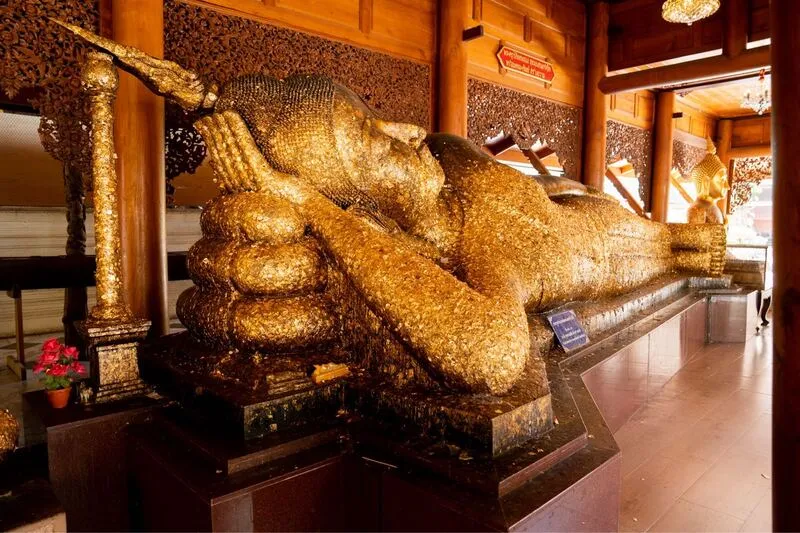
Wat Phra Non Chakkrasi Worawihan in Sing Buri Province is a third-class royal temple located in Chaksi Subdistrict, Mueang Sing Buri District. It is one of the most important Buddhist landmarks in the province and a major cultural destination for travelers interested in Thai temples, Buddhist art, and central Thai heritage. The temple is best known for its enormous reclining Buddha image, Luang Pho Phra Non Chakkrasi, enshrined inside the main viharn. The image measures 47 meters and 42 centimeters in length, has graceful Sukhothai-style features, faces north, and has its head oriented toward the east. For many visitors, this temple is the spiritual heart of Sing Buri.
Wat Phra Non Chakkrasi Worawihan is especially suitable for travelers who want to experience Sing Buri through a combination of worship, art history, local culture, and community life. The temple is close to downtown Sing Buri, easy to reach by car or local transport, and can be combined with several nearby attractions. Within one visit, travelers can pay respect to the giant reclining Buddha, observe important Buddha images from the reign of King Rama V, walk near the large Ceylon sal tree in front of the viharn, explore the temple market, and experience the living atmosphere of a royal monastery that remains active in Buddhist education and religious practice.
The temple is believed to have been built before Ayutthaya became the capital of Siam. Although exact documentary evidence about its founding date is not fully preserved, its long-standing religious importance and the presence of the monumental reclining Buddha have made it one of the most respected sacred sites in Sing Buri. Local memory, temple tradition, and public devotion all contribute to the temple’s identity. Wat Phra Non Chakkrasi Worawihan is therefore not only a place to see a famous Buddha image, but also a place where the long history of central Thai Buddhism can be felt through architecture, ritual, and community faith.
The main highlight is Luang Pho Phra Non Chakkrasi, the large reclining Buddha image inside the viharn. Its length of 47 meters and 42 centimeters gives it a monumental presence, yet the image is not overwhelming in a harsh way. Instead, it expresses calmness, compassion, and refined beauty. The Sukhothai-style features can be seen in the graceful form, serene face, and harmonious proportions. Standing before the image, visitors can sense both its physical scale and its spiritual stillness. This balance between grandeur and serenity is one of the reasons the image is so deeply revered.
The image’s face turns toward the north, while its head points toward the east. These directional details are important because they show how sacred space is arranged within the viharn. A meaningful visit should begin by observing the face of the reclining Buddha, then slowly walking along the length of the image toward the feet. This allows visitors to appreciate its full scale and artistic details. The experience is different from simply taking a quick photograph; it is a slow encounter with one of Sing Buri’s most important sacred images.
According to the temple’s devotional explanation, the reclining Buddha image is connected with the Buddha performing a miraculous teaching for the giant Asurindarahu. In this story, the Buddha reveals a form greater than that of the giant in order to reduce pride and false views. This gives the reclining image a deeper meaning. It is not merely an image of rest, but an image of wisdom, spiritual power, compassion, and the overcoming of ego. Devotees who come to pay respect often pray for peace, stability, protection, and clarity in life.
The Sukhothai-style character of the image makes the temple highly valuable for those interested in Thai Buddhist art. Sukhothai art is widely admired for its elegance, spiritual calm, and idealized human form. Even though Luang Pho Phra Non Chakkrasi is very large, its facial expression and body lines remain gentle and refined. Visitors can observe the curve of the body, the calm expression, the proportions, and the overall sense of peaceful movement. These details help explain why Thai Buddhist art is often appreciated not only for religious meaning but also for aesthetic harmony.
Inside the viharn, visitors can also see Phra Kan and Phra Kaeo, two important Buddha images associated with the reign of King Rama V. Phra Kan is a stone Buddha image coated with lacquer and gilded, while Phra Kaeo is a cast Buddha image seated in the diamond posture. Both images are considered beautiful and sacred. In the past, they were used as principal Buddha images during the oath of allegiance ceremony for government officials. This historical role makes them especially significant because they connect the temple with state ceremony, public duty, and the relationship between Buddhism and governance in Thai history.
The oath of allegiance ceremony was an important ritual in Thai political and administrative tradition. It symbolized loyalty, honesty, responsibility, and commitment to the kingdom. The fact that Phra Kan and Phra Kaeo were used in such ceremonies gives Wat Phra Non Chakkrasi Worawihan a broader historical dimension. The temple is not only a local religious site, but also a place linked to official ritual culture. Travelers interested in Thai history should therefore spend time observing these images, not only as works of Buddhist art but also as evidence of religious and administrative practice.
In front of the viharn stands a large Ceylon sal tree, an important tree associated with Buddhist tradition. Its presence adds shade, beauty, and symbolic meaning to the temple grounds. For visitors, the sal tree is a peaceful place to pause before or after paying respect to the reclining Buddha. It also creates a natural connection between the temple environment and Buddhist memory. The area in front of the viharn is therefore not only a passageway, but an important part of the overall experience of the temple.
Wat Phra Non Chakkrasi Worawihan is a royal temple of the third class and belongs to the Mahanikaya order. Its royal status reflects its significance beyond the local community. The current abbot is Phra Thamma Wachirakawi, who is connected with the temple’s religious activities, Buddhist education, and monastic community. The temple remains active, with monks, novices, devotees, students, and visitors using the space for worship, study, merit-making, and community activities. This living religious context is essential to understanding the temple correctly.
The temple also organizes and participates in meaningful religious activities. One important form of activity is the remembrance of former abbots and teachers, honoring the spiritual lineage and monastic figures who contributed to the temple. Another notable activity is the annual tudong pilgrimage route that ends at Wat Phra Non Chakkrasi Worawihan. These activities show that the temple is not a static attraction. It continues to function as a living center of practice, education, gratitude, and Buddhist continuity.
The area around the temple also includes a community market known for local products. Visitors can pay respect to the reclining Buddha and then walk through the market area to find food, vegetables, fruit, chili pastes, fermented fish products, OTOP goods, clothing, bags, and local souvenirs. This market connects religious tourism with local livelihood. For travelers, it makes the visit more complete: one can make merit, learn about sacred art, and support the local community in the same trip.
Wat Phra Non Chakkrasi Worawihan is also suitable for families. Older visitors can come to pray and make merit. Children can learn about Buddhist postures, Sukhothai art, temple manners, and Thai cultural heritage. Photography enthusiasts can capture the viharn, the reclining Buddha, Phra Kan and Phra Kaeo, the sal tree, and the temple atmosphere. However, visitors should allow enough time to experience the temple respectfully. A visit of 1 to 2 hours is recommended for those who want to see the main features without rushing.
Proper temple etiquette is important. Visitors should dress modestly, covering shoulders and knees. Shoes should be removed before entering designated sacred areas. Voices should be kept low, and visitors should avoid touching Buddha images or sacred objects. Photography should be respectful and should not disturb worshippers. If people are praying, making offerings, or participating in rituals, give them space. Respectful behavior helps preserve the sacred atmosphere and shows consideration for the local community.
The temple is ideal for inclusion in a Sing Buri temple route. From downtown Sing Buri, travelers can visit Wat Phra Non Chakkrasi Worawihan first, then continue to Wat Sawang Arom, Wat Prachotikaram, Wat Kradangnga Buppharam, Sing Buri City Pillar Shrine, or the Bang Rachan Heroes Monument. This route offers a broad view of Sing Buri through Buddhist art, local craftsmanship, provincial history, and community memory. It is a good choice for a half-day or full-day cultural itinerary.
For educational visits, Wat Phra Non Chakkrasi Worawihan provides many learning points. Students and travelers can study Sukhothai-style Buddhist art, the symbolism of the reclining Buddha posture, the role of Phra Kan and Phra Kaeo in the oath of allegiance ceremony, the significance of sacred trees in Buddhist tradition, and the relationship between temples and local markets. A single temple visit can therefore open discussions on art, religion, history, society, and local economy.
Photography is best done in the morning or late afternoon when the light is softer. Inside the viharn, visitors should take photographs quietly and avoid using flash in ways that disturb worshippers. Popular viewpoints include the face of the reclining Buddha, the long perspective along the body of the image, Phra Kan and Phra Kaeo, and the sal tree in front of the viharn. Captions should reflect the dignity of the site and its cultural value, not reduce the temple to a casual photo spot.
Getting There by private car is easy. From Mueang Sing Buri District, take the Sing Buri – Suphan Buri route, Highway 3032, for about 4 km. The temple is close to town and suitable for visitors of all ages. By public transport, travelers can take Bus Route 648 Sing Buri – Ban Don Pru, Bus Route 412 Suphan Buri – Khok Samrong, or local songthaews from the bus station in Mueang Sing Buri. These services pass in front of the temple. Travelers should check schedules before departure, especially if returning in the late afternoon.
The best time to visit is in the morning or early afternoon. The weather is more comfortable, and visitors have enough time to pay respect, walk around the viharn, see the sal tree, and visit the community market. Weekends and holidays may be busier, so visitors should plan for parking and travel time. Those seeking a quieter experience for chanting or meditation may prefer weekdays, when the temple atmosphere is calmer.
Overall, Wat Phra Non Chakkrasi Worawihan is one of the most important temples in Sing Buri. It brings together a royal monastery, a monumental Sukhothai-style reclining Buddha, Phra Kan, Phra Kaeo, the Ceylon sal tree, religious activities, a community market, and long-standing local devotion. A visit here is not only about seeing a large Buddha image. It is a way to experience the cultural and spiritual heart of Sing Buri through Buddhist art, history, and living community faith.
| Name | Wat Phra Non Chakkrasi Worawihan |
| Location | Chaksi Subdistrict, Mueang Sing Buri District, Sing Buri Province |
| Address | No. 1, Chaksi Subdistrict, Mueang Sing Buri District, Sing Buri 16000, Thailand |
| Highlights | A large Sukhothai-style reclining Buddha image, Luang Pho Phra Non Chakkrasi, measuring 47 meters and 42 centimeters in length, revered as a major sacred image of Sing Buri |
| History | Believed to have been built before Ayutthaya became the capital; currently a third-class royal temple of the Worawihan type under the Mahanikaya order |
| Distinctive Features | The reclining Buddha faces north with its head toward the east, displaying elegant and serene Sukhothai-style Buddhist art |
| Main Areas / Zones | 1. Viharn of Luang Pho Phra Non Chakkrasi 2. Large Reclining Buddha Image 3. Phra Kan, Lacquered and Gilded Stone Buddha Image 4. Phra Kaeo, Seated Buddha Image in Diamond Posture 5. Ceylon Sal Tree in Front of the Viharn 6. Community Market and Local Product Area 7. Religious Activity and Monastic Education Area |
| Travel Information | By car, take Highway 3032, the Sing Buri – Suphan Buri route, about 4 km from Mueang Sing Buri. By public transport, use Bus Route 648 Sing Buri – Ban Don Pru, Bus Route 412 Suphan Buri – Khok Samrong, or local songthaews from the Sing Buri bus station that pass in front of the temple |
| Current Status | Open to visitors and remains one of Sing Buri’s most important royal temples |
| Open Days | Daily |
| Opening Hours | 06.00 – 17.00 |
| Abbot / Caretaker | Phra Thamma Wachirakawi, Abbot of Wat Phra Non Chakkrasi Worawihan |
| Main Contact Number | 0 3652 0251, 0 3654 3415 |
| Official Website / Official Page | Official Website: watpranonjaksi.com Facebook: Wat Phra Non Chakkrasi Worawihan |
| Nearby Tourist Attractions | 1. Wat Sawang Arom, about 4 km 2. Sing Buri City Pillar Shrine, about 4 km 3. Wat Prachotikaram, about 7 km 4. Wat Kradangnga Buppharam, about 8 km 5. Bang Rachan Heroes Monument, about 17 km |
| Nearby Restaurants | 1. Kuai Tiao Ruea Soda (Chama Kala), about 0.1 km 2. Khwai Art Sing Buri, about 0.2 km 3. Kanlaya Pla Chon Nam Tok, about 0.3 km 4. Sweet Tea House, about 0.4 km 5. Jonsalad Cafe Sing Buri, about 0.5 km |
| Nearby Accommodations | 1. Sumali Villa, about 1 km 2. Golden Dragon Resort, about 4 km 3. Chaisaeng Villa Hotel, about 4 km 4. Pa Pun Resort, about 4 km 5. Baanbudsarin Apartment, about 5 km |
Frequently Asked Questions (FAQ)
Q: Where is Wat Phra Non Chakkrasi Worawihan located?
A: Wat Phra Non Chakkrasi Worawihan is located at No. 1, Chaksi Subdistrict, Mueang Sing Buri District, Sing Buri Province, about 4 km from downtown Sing Buri via Highway 3032.
Q: What is Wat Phra Non Chakkrasi Worawihan famous for?
A: The temple is famous for Luang Pho Phra Non Chakkrasi, a large Sukhothai-style reclining Buddha image measuring 47 meters and 42 centimeters in length.
Q: Which direction does the reclining Buddha face?
A: The reclining Buddha faces north, and its head is oriented toward the east.
Q: Why are Phra Kan and Phra Kaeo important?
A: Phra Kan is a lacquered and gilded stone Buddha image, while Phra Kaeo is a cast Buddha image seated in the diamond posture. Both were created during the reign of King Rama V and were used as principal Buddha images in the oath of allegiance ceremony for government officials.
Q: What are the opening hours of Wat Phra Non Chakkrasi Worawihan?
A: The temple is open daily from 06.00 to 17.00.
Q: Who is the abbot of Wat Phra Non Chakkrasi Worawihan?
A: The abbot of Wat Phra Non Chakkrasi Worawihan is Phra Thamma Wachirakawi.
Q: How can travelers get to Wat Phra Non Chakkrasi Worawihan?
A: By car, take Highway 3032, the Sing Buri – Suphan Buri route, for about 4 km from Mueang Sing Buri. Public transport options include Bus Route 648, Bus Route 412, and local songthaews from the Sing Buri bus station.
Q: What nearby attractions can be visited with Wat Phra Non Chakkrasi Worawihan?
A: Nearby attractions include Wat Sawang Arom, Sing Buri City Pillar Shrine, Wat Prachotikaram, Wat Kradangnga Buppharam, and the Bang Rachan Heroes Monument.
 Category: ●Places of Worship
 Group: ●Temple
Last Update : 5 MonthAgo
 Last Update : 5 MonthAgo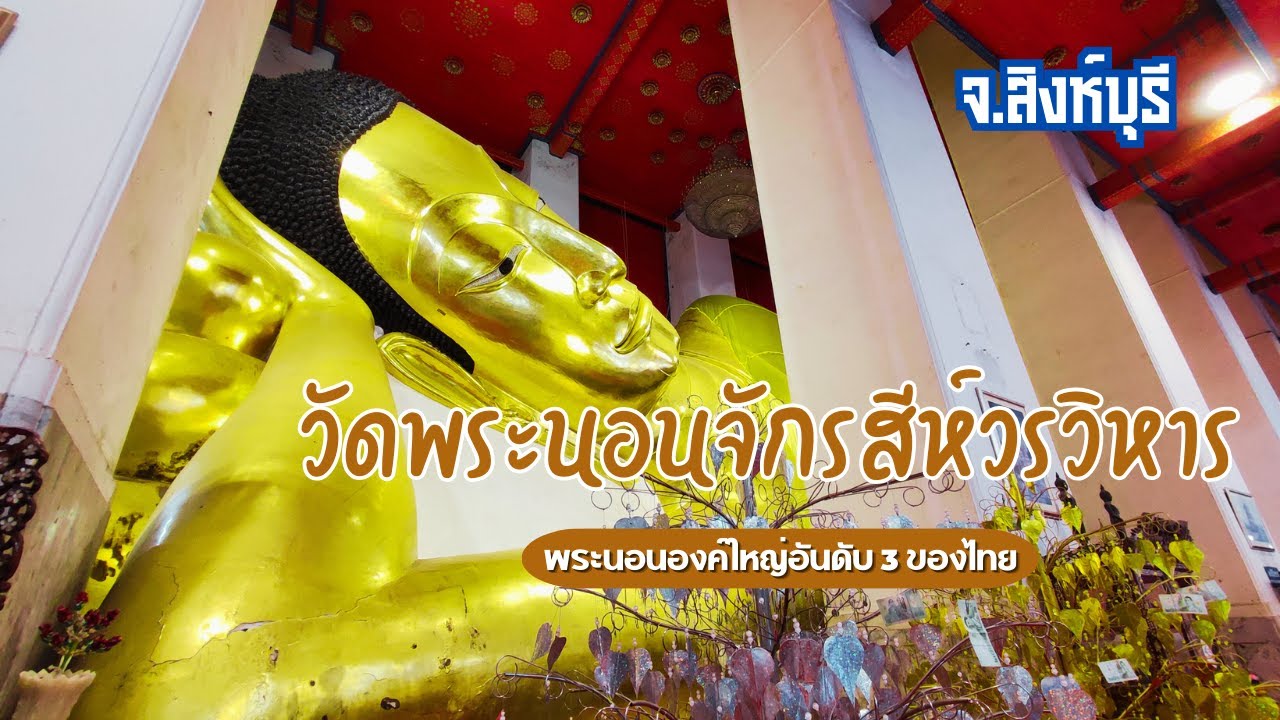
 Click to Access the Navigation Map GPS
Wat Phra Non Chakkrasi Worawihan Map

 Art, Culture and Heritage
 Historical Sites and Monuments(4)
 Landmarks and Memorials(3)
 Art, Craft Centres, Tradition(3)
 Museums(1)
 Educational Places
 Library(1)
Temple(42)
Library(1)
Temple(42)
 Church(1)
 Other Sacred Sites(2)
 Research and Development
 Royal Project(3)
 Suburban Living
 Village, Community(1)
 Local Market(1)
 Nature and Wildlife
 National Parks and Marine Reserves(1)
 River, Canal(7)
 Bays and Beaches(1)
 Other natural attractions(2)
 Entertainment and Agricultural
 Animal camps and shows(1)
 Farms, Parks and Ecotourism(1)
 Travel Articles, Recipes
 Travel Review, Food Review(1)


