
lovethailand home >North Travel Attractions >Lampang Travel Attractions >Ko Kha >Lampang Luang > Wat Phra That Lampang Luang
TL;DR: Wat Phra That Lampang Luang is located at Lampang Luang Subdistrict, Ko Kha District, Lampang Province, open Daily, hours 07.30 – 17.00.

Wat Phra That Lampang Luang
Open Days: Daily
Opening Hours: 07.30 – 17.00
Wat Phra That Lampang Luang is one of the most important ancient temples in Lampang Province and one of the finest surviving examples of traditional Lanna temple architecture in Thailand. Located in Lampang Luang Subdistrict, Ko Kha District, about 18 kilometers from Lampang city, the temple stands on a raised mound and preserves a remarkably complete northern Thai Buddhist layout. Within its sacred enclosure are the main pagoda, the grand wooden viharn, ancient mural halls, sacred Buddha images, a footprint shrine, a museum, and the revered Phra Kaeo Don Tao image.
According to local tradition, the temple has been associated with the time of Queen Chamadevi and later became one of the great sacred sites of the Lanna Kingdom. Over many centuries, it was supported by rulers, monks, and local devotees, allowing it to become a spiritual and cultural center of Lampang. Today, Wat Phra That Lampang Luang is respected not only as a place of worship but also as a living museum of Lanna architecture, Buddhist art, ritual objects, and local history.
The heart of the temple is Phra That Lampang Luang, the sacred pagoda that serves as the birth-year pagoda for people born in the Year of the Ox. This association comes from the belief that the pagoda was begun in an Ox year and completed in an Ox year. Inside the pagoda are enshrined sacred relics of the Buddha, including hair relics and bone relics from the right forehead and the front and back of the neck. For this reason, the pagoda remains the highest object of devotion within the temple.
The pagoda is built in classic Lanna style. Its base is formed with lotus-moulding elements, while the main body rises in a rounded form and is covered with golden metal sheets known as thong changko. The finial is crowned with a golden umbrella. The surface is decorated with embossed motifs, reflecting refined Lanna craftsmanship. The form of this pagoda influenced other important northern Thai stupas, including Phra That Hariphunchai and Phra Borommathat Chom Thong.
Around the brass railing of the pagoda, visitors can still see bullet marks associated with the story of Nan Thip Chang shooting Thao Mahayot. These traces connect the temple with Lampang’s political and local history, showing that great temples in Lanna were not only religious places but also important sites of civic memory and historical identity.
The main viharn, known as Viharn Luang, was built in 1476 by Chao Muen Kham Pek. This large wooden hall is one of the most impressive structures in the temple. Inside is a golden castle-like shrine housing Phra Chao Lan Thong, with Phra Chao Than Chai enshrined behind it. The upper wooden panels contain ancient paintings depicting the Ten Birth Stories of the Buddha and other Buddhist narratives, making the viharn an important site for studying Lanna mural traditions.
Viharn Luang is admired for its powerful wooden structure, large timber columns, layered roof, and calm interior atmosphere. Its beauty comes not from excessive ornamentation but from proportion, craftsmanship, and spatial harmony. The hall gives visitors a clear sense of why Wat Phra That Lampang Luang is often praised as one of Thailand’s most complete wooden temple complexes.
Viharn Phra Phut is another important ancient hall within the temple. Its exact date and builder are unknown, but it is believed to be at least 700 years old. Originally, it was an open-sided viharn with a floral-patterned gable decorated with colored glass. Inside is a large masonry Buddha image in the posture of subduing Mara, created in Chiang Saen style. This viharn is also one of the places where visitors can observe the inverted shadow of the pagoda.
The inverted pagoda shadow occurs when light passes through a small opening and projects an upside-down image of the pagoda and surrounding structures inside the hall. The effect is similar to a pinhole camera, but within the sacred setting of an ancient temple it feels especially remarkable. Visitors should observe it quietly and follow temple rules, especially in restricted areas such as the footprint shrine.
Viharn Nam Taem, or the painted hall, stands to the right when facing Viharn Luang. The word “taem” means painting in the northern Thai language. Built in 1501, this open-sided hall is one of the oldest surviving viharns in northern Thailand. It has no ceiling, and the wall behind the Buddha image is decorated with gold designs on red lacquer. The wooden upper panels preserve ancient Lanna paintings, now faded but still extremely valuable as rare examples of early northern Thai mural art.
Inside Viharn Nam Taem is a bronze Buddha image in the posture of subduing Mara, measuring about 1.25 meters across the lap and 1.25 meters high. The hall is quiet and modest, yet it contains some of the most historically important artistic evidence in the temple. Visitors interested in Lanna painting should spend time observing this viharn carefully.
The Buddha footprint shrine was built in 1449 to cover and protect the sacred footprint. Its base resembles the stepped base of a chedi. Inside, light refraction creates an inverted image of the pagoda and viharn. This shrine is one of the temple’s most famous features, but it has specific access restrictions, and visitors should follow the temple’s rules respectfully.
The Phra Kaeo residence enshrines Phra Kaeo Don Tao, also known as the Emerald Buddha of Lampang. This seated meditation Buddha image is carved from green jade in Lanna style and is regarded as one of Lampang’s most important sacred images. Every year, a worship festival for Phra Kaeo Don Tao is held on the full moon of the 12th lunar month.
Viharn Phra Chao Sila houses Phra Chao Sila, an ancient stone Buddha image associated by tradition with the old kingdom of Lopburi. The legend says that in 732 CE, the father of Queen Chamadevi gave the image to be enshrined here. This story connects Wat Phra That Lampang Luang with the wider religious history of Hariphunchai, Lopburi, and the early Buddhist world of northern Thailand.
The temple museum preserves rare religious and cultural objects, including ceremonial cloths, sermon seats, carrying poles, scripture cabinets, and other ritual items. These objects help visitors understand the daily and ceremonial life of a Lanna temple in earlier times. The museum adds an educational dimension to the visit and makes the temple more than a place for worship alone.
Wat Phra That Lampang Luang remains an active religious center. Local people come here to make merit, worship the pagoda, join annual ceremonies, and participate in important Buddhist traditions. The worship festival for Phra Kaeo Don Tao and the regular merit-making activities around the pagoda keep the temple closely connected with the living faith of the Lampang community.
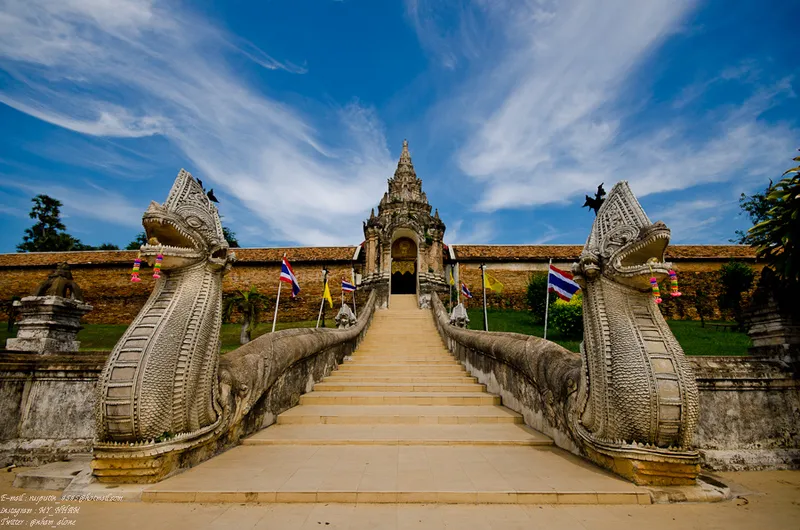
For travelers, the temple deserves at least 1 to 2 hours. A good route begins at the naga staircase and the ornate entrance arch, continues to Viharn Luang, the main pagoda, Viharn Nam Taem, Viharn Phra Phut, the Phra Kaeo residence, the footprint shrine, and the museum. Morning and late afternoon are especially pleasant times to visit because the light is softer and the weather is more comfortable.
Wat Phra That Lampang Luang is also highly valuable for those interested in architecture. Within one compound, visitors can study wooden Lanna viharns, golden metalwork, ancient mural painting, sacred relic worship, Buddhist sculpture, ritual objects, and temple planning. Few temples in Thailand preserve so many elements of traditional northern Buddhist culture in such a complete form.
Visitors should dress respectfully, remove shoes before entering sacred halls, keep a quiet manner, and follow all temple instructions. Some areas have specific restrictions, and these rules should be observed carefully. A respectful visit allows travelers to experience the temple’s sacred atmosphere while helping preserve its heritage.
Getting There is convenient from Lampang city. Take the Lampang–Thoen road to kilometer marker 586, turn toward Ko Kha District Office, continue about 2 kilometers, then turn into the temple road for another 1 kilometer. The total distance from Lampang city is about 18 kilometers. Travelers without a private car can take a blue songthaew from the Rop Wiang road area in Lampang city.
| Name | Wat Phra That Lampang Luang |
| Location | Lampang Luang Subdistrict, Ko Kha District, Lampang Province |
| Address | 271 Moo 2, Lampang Luang Subdistrict, Ko Kha District, Lampang 52130 |
| Place Type | Ancient Buddhist Temple, Sacred Lanna Pagoda, And Historic Wooden Temple Complex |
| Highlights | Phra That Lampang Luang, Year Of The Ox Pagoda, Wooden Lanna Viharns, Viharn Luang, Viharn Nam Taem, Viharn Phra Phut, Inverted Pagoda Shadow, Phra Kaeo Don Tao, And Temple Museum |
| History / Significance | Traditionally associated with Queen Chamadevi and one of Lampang’s most important sacred temples, preserving a complete Lanna temple layout and ancient wooden architecture |
| Main Sacred Sites | Main Pagoda, Viharn Luang, Viharn Phra Phut, Viharn Nam Taem, Buddha Footprint Shrine, Phra Kaeo Residence, Viharn Phra Chao Sila, And Museum |
| Birth-Year Pagoda | Birth-Year Pagoda For People Born In The Year Of The Ox |
| Important Festival | Annual worship ceremony for Phra Kaeo Don Tao on the full moon of the 12th lunar month, together with local pagoda worship traditions |
| Travel Information | From Lampang city, take the Lampang–Thoen road to kilometer marker 586, turn toward Ko Kha District Office, then continue to the temple; about 18 km from Lampang city. Blue songthaews from Rop Wiang road are also available |
| Current Status | Open for merit-making, worship, Lanna architecture viewing, and cultural visits |
| Open Days | Daily |
| Opening Hours | 07.30 – 17.00 |
| Fees | No Admission Fee |
| Facilities | Merit-Making Areas, Viharns, Museum, Restrooms, Shops Near The Temple Entrance, And Parking Area Within Or Near The Temple |
| Abbot / Caretaker | Phra Khru Phithan Noppakit |
| Main Contact Number | 054-328327 |
| Nearby Tourist Attractions | 1. Wat Lai Hin Luang, about 6 km 2. Wat Phra That Chom Ping, about 18 km 3. Kad Thung Kwian, about 11 km 4. Wat Phra That Doi Phra Chan, about 15 km 5. Lampang City / Kad Kong Ta, about 18 km |
| Nearby Restaurants | 1. Je Fong Pork Leg Rice And Chicken Rice, about 100 m 2. Chewa Coffee, about 200 m 3. Suan Somtam Wat Phra That Lampang Luang, about 300 m, Tel. 092-9250526 4. Krua Baan Udom, about 2 km, Tel. 064-4924554, 090-8931301 5. Choey Lampang, about 1 km, Tel. 095-4976949 |
| Nearby Accommodations | 1. Kokhaburi Hotel, about 3 km, Tel. 054-010111, 083-4789777 2. Lampang River Lodge Hotel, about 4 km 3. Baan Suan Resort Lampang, about 16 km, Tel. 088-5775661, 063-7898558 4. Tree Tara Hotel Lampang, about 14 km, Tel. 099-1322256 5. B2 Lampang City Boutique & Budget Hotel, about 13 km, Tel. 052-009161 |
Frequently Asked Questions (FAQ)
Q: Where Is Wat Phra That Lampang Luang Located?
A: Wat Phra That Lampang Luang Is Located In Lampang Luang Subdistrict, Ko Kha District, Lampang Province, About 18 Km From Lampang City.
Q: Why Is Wat Phra That Lampang Luang Important?
A: It Is Lampang’s Most Important Sacred Temple, The Birth-Year Pagoda For The Year Of The Ox, And One Of Thailand’s Most Complete Surviving Lanna Wooden Temple Complexes.
Q: What Can Visitors See Inside The Temple?
A: Visitors Can See The Main Pagoda, Viharn Luang, Viharn Nam Taem, Viharn Phra Phut, Buddha Footprint Shrine, Phra Kaeo Don Tao, Viharn Phra Chao Sila, And The Temple Museum.
Q: Which Birth Year Is Associated With Phra That Lampang Luang?
A: Phra That Lampang Luang Is The Birth-Year Pagoda For People Born In The Year Of The Ox.
Q: Can Visitors See An Inverted Pagoda Shadow At The Temple?
A: Yes. The Inverted Pagoda Shadow Can Be Seen In Areas Such As Viharn Phra Phut And The Buddha Footprint Shrine, Caused By Light Passing Through A Small Opening.
Q: What Are The Opening Hours?
A: The Temple Is Open Daily From 07.30 To 17.00.
Q: Is There An Admission Fee?
A: No. Visitors Can Make Merit, Worship, And View The Temple’s Lanna Architecture Free Of Charge.
 Category: ●Places of Worship
 Group: ●Temple
Last Update : 5 MonthAgo
 Last Update : 5 MonthAgo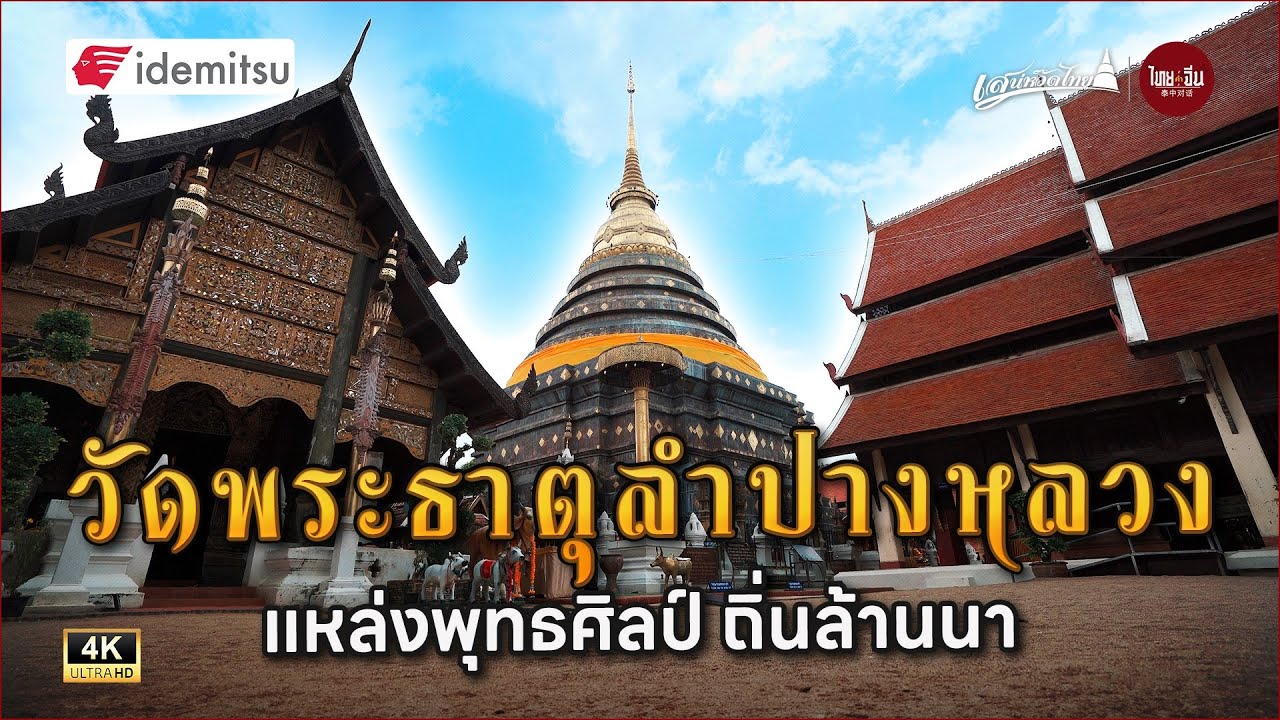
 Click to Access the Navigation Map GPS
Wat Phra That Lampang Luang Map
Recommend

 Art, Culture and Heritage
 Historical Sites and Monuments(2)
 Landmarks and Memorials(5)
 Art, Craft Centres, Tradition(10)
 Museums(4)
 Historic Homes and Cities(1)
Temple(86)
Historic Homes and Cities(1)
Temple(86)
 Other Sacred Sites(9)
 Research and Development
 Royal Project(2)
 Suburban Living
 Village, Community(3)
 Local Market(2)
 Nature and Wildlife
 National Parks and Marine Reserves(6)
 Mountain (Doi)(4)
 Dam, Reservoir, Lake(11)
 Waterfalls(15)
 Hot Springs(1)
 Caves(12)
 Flower Field(1)
 River, Canal(1)
 Bays and Beaches(1)
 Other natural attractions(4)
 Entertainment and Agricultural
 Animal camps and shows(1)
 Farms, Parks and Ecotourism(2)
 Outdoor and Adventure Activities(2)
 Shopping
 Shopping and Night Market(2)
 Spas and Wellness
 Spas and Wellness(1)
 Travel Articles, Recipes
 Travel Review, Food Review(1)


