
lovethailand home >South Travel Attractions >Ranong Travel Attractions >Muang Ranong >Koh Phayam > Koh Phayam
TL;DR: Koh Phayam is located at Ko Phayam Subdistrict, Mueang Ranong District, Ranong Province, open Daily, depending on passenger boat schedules and sea conditions, hours The island area is accessible throughout the day, while arrival and departure.
Koh Phayam
Open Days: Daily, depending on passenger boat schedules and sea conditions
Opening Hours: The island area is accessible throughout the day, while arrival and departure depend on daily boat operations
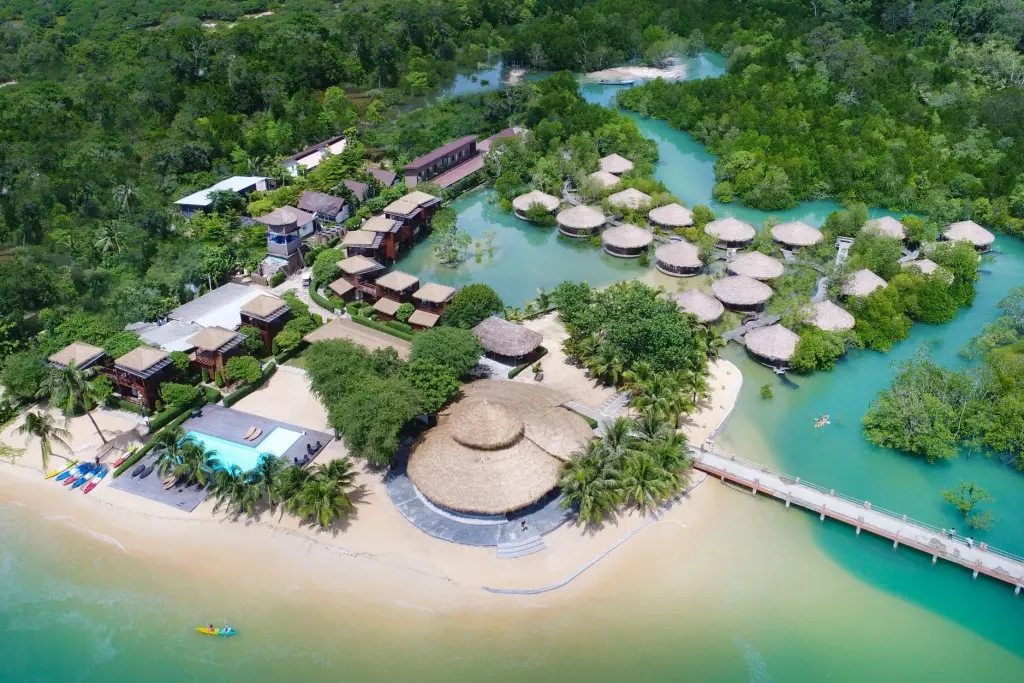
Koh Phayam in Ranong Province is one of the key Andaman islands in southern Thailand. Located in Ko Phayam Subdistrict, Mueang Ranong District, the island covers about 35 square kilometers, sits about 33 kilometers from Pak Nam Ranong, and lies close to Koh Chang Ranong. It is known for Ao Yai, Ao Khao Kwai, Ao Mae Mai, Wat Ko Phayam, the sea chapel, mangrove forests, the Moken community, cashew orchards, coastal fishing life, and a quiet slow-island atmosphere.
Koh Phayam, Ranong, is one of the most distinctive islands on Thailand’s northern Andaman coast. It belongs to Ko Phayam Subdistrict, Mueang Ranong District, Ranong Province, and lies southwest of Ranong town. The island is about 33 kilometers from Pak Nam Ranong and covers around 35 square kilometers. It is located near Koh Chang Ranong, making it part of an island travel route that connects Ranong town, Pak Nam Pier, Koh Chang, the Kam Islands, Koh Khang Khao, and the wider Ranong marine landscape.
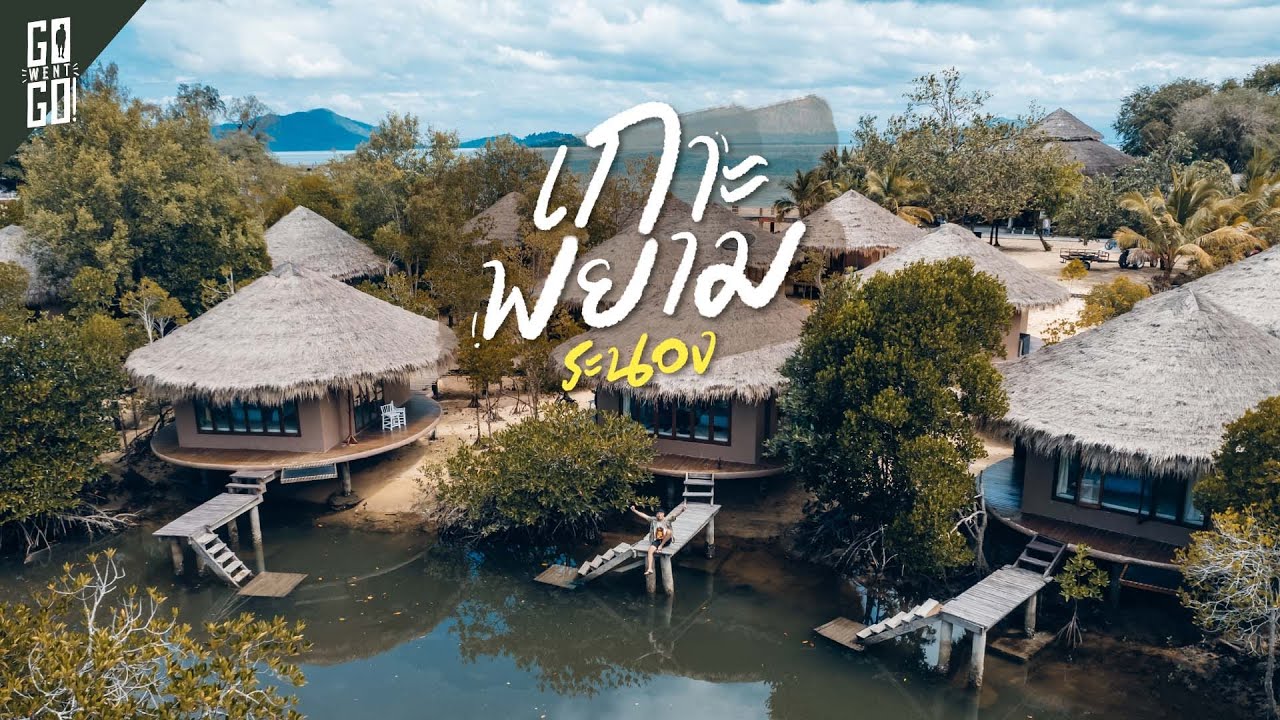
Koh Phayam is not defined by luxury resorts or heavy nightlife. Its identity comes from a slower rhythm, small roads, cashew orchards, rubber plantations, coastal fishing, simple bungalows, seafood restaurants, local shops, cafés, beaches, and mangrove areas. Motorbikes, bicycles, local motorcycle taxis, and walking are the main ways to move around the island. The atmosphere remains more relaxed and local than many better-known Andaman destinations.
The island’s name has several local explanations, but they all connect with the difficulty of travel in earlier times. One explanation links the name to the phrase meaning a journey that took a long time, while another connects it with the Thai word for effort. In the past, getting to the island required patience, timing, and dependence on fishing boats or limited transport. The name Koh Phayam therefore carries the memory of a remote island that once demanded real determination from anyone who wanted to reach it.
Geographically, Koh Phayam combines beaches, bays, mangrove forests, wooded areas, agricultural land, and local settlements. The western side faces the Andaman Sea and is especially good for sunsets. The eastern side has mangroves and coastal ecosystems that support marine life and protect the shoreline. The central part of the island is linked with cashew farming, rubber trees, coconut trees, small homes, and local roads. This makes Koh Phayam more than a beach destination. It is a living island with natural, agricultural, cultural, and coastal layers.
Ao Yai is one of the island’s most important beaches. Located on the southwest side of Koh Phayam, it is a long, wide beach suitable for walking, relaxing, swimming when the sea is calm, and watching the sunset. The area has several accommodations, restaurants, and beach bars, but the overall feeling remains informal and low-key. Travelers who want a broad beach and easy access to sunset views often choose Ao Yai as their base.
Ao Khao Kwai, also known as Buffalo Bay, is another signature area of Koh Phayam. The bay has a graceful curved shape, calm scenery, and one of the island’s most photographed natural features, Hin Talu. This rock formation has been shaped by waves and wind into a distinctive opening, creating a memorable coastal viewpoint. Ao Khao Kwai is suitable for beach walks, photography, quiet stays, and relaxed afternoons by the water. The area is also connected with the Moken community, adding cultural depth to the bay.
Ao Mae Mai is important because it functions as the island’s main arrival area. Most travelers arrive near this part of Koh Phayam before continuing to their accommodation or other bays. Around the pier area, visitors can find local transport, small shops, restaurants, basic services, and connections to different parts of the island. Although Ao Mae Mai is not the main beach for long seaside lounging, it is the practical gateway to Koh Phayam and an important part of everyday island life.
Wat Ko Phayam is one of the island’s most recognizable landmarks, especially because of its sea chapel reached by a bridge extending over the water. Many visitors stop here to take photos and pay respect before or after exploring the island. The temple is not only a tourist viewpoint. It is an active spiritual space for the local community. Visitors should dress modestly, keep their voices low, and respect monks, worshippers, and local residents using the temple grounds.
The eastern side of Koh Phayam does not have the same long sandy beach character as the west, but it is highly important ecologically. Mangrove forests and coastal wetlands help support juvenile marine life, protect shorelines, and maintain the island’s environmental balance. Koh Phayam is recognized for rich marine and coastal resources, including coral areas, seagrass ecosystems, mangroves, and habitats for rare marine species. A responsible trip to Koh Phayam should therefore value the mangroves as much as the beaches.
The Moken community adds an important cultural dimension to Koh Phayam. The Moken are a sea-oriented ethnic group with a long relationship with the Andaman Sea. On Koh Phayam, Moken residents are connected with areas around the island, including the eastern and Ao Khao Kwai side. Travelers should approach this subject with respect. The community should not be treated as a photo object. Privacy, dignity, and real local life matter more than casual curiosity.
Cashew, locally known in Ranong as kayu, is one of the island’s defining products. Many residents have livelihoods connected with cashew orchards, rubber plantations, and coastal fishing. Local products include traditional roasted cashews, baked cashews, salted cashews, herb-roasted cashews, and other cashew-based goods. These products show how the island’s economy combines sea, farms, and community knowledge. Travelers who explore the inner roads of Koh Phayam will see that the island is not only a beach but also a working agricultural landscape.
The Koh Phayam cashew festival reflects the importance of this crop to the local community. Held during the cashew season, it features agricultural displays, local products, seafood products, community activities, and contests linked with the harvest. Travelers who visit during the festival period can experience Koh Phayam through food, farming, local pride, and community gathering rather than through beaches alone.
Activities on Koh Phayam suit travelers who enjoy nature and slow travel. Visitors can go fishing, cycle around the island, ride a motorbike along local routes, walk on the beach, watch the sunset, kayak, swim when sea conditions are safe, join snorkeling trips arranged by local operators, or spend time in a beach café or seafood restaurant. These activities are best planned around weather, tide, sea conditions, and the island’s quiet pace.
Snorkeling is one of the activities often associated with Koh Phayam, but the best experience depends on season, water clarity, wind, waves, and the specific boat program. Some trips may include nearby islands such as Koh Khang Khao, the Kam Islands, or Koh Yipun. Travelers should choose operators who prioritize safety, provide life jackets, explain the route clearly, and discourage harmful behavior such as stepping on coral, touching marine life, or collecting shells and sea creatures.
Cycling and motorbike riding are practical ways to explore the island because Koh Phayam does not have a large car-based transport system. Many roads are narrow and better suited to small vehicles. Riders should keep speeds low, wear helmets, watch for sand, curves, slopes, animals, children, pedestrians, and low lighting after dark. The island is a living community, so road manners are part of responsible travel.
Accommodation on Koh Phayam ranges from simple bungalows and local guesthouses to mid-range resorts and beach stays. Popular areas include Ao Yai, Ao Khao Kwai, and Ao Mae Mai. Each area has a different character. Ao Yai suits travelers who want a long beach and sunset. Ao Khao Kwai suits those who want a curved bay, scenic rocks, and a quieter atmosphere. Ao Mae Mai is practical for pier access and local services.
Food on Koh Phayam includes seafood restaurants, Thai food, resort restaurants, cafés, and small local eateries. Fresh seafood, crab, prawns, fish, squid, southern Thai flavors, and simple rice dishes are common choices. Some restaurants operate seasonally or adjust hours according to visitor numbers, especially during the low season. Travelers should confirm opening times with their accommodation or the restaurant before making a long trip across the island.
The best time to visit Koh Phayam is when the sea is calmer, rain is lighter, and boat travel is more reliable. Ranong is a very rainy province, and sea conditions can affect boats and outdoor activities. Travelers who want swimming, snorkeling, and clear views should check weather and boat schedules before departure. Koh Phayam can be visited on a short trip, but at least 2 days and 1 night is better because the island is meant to be experienced slowly.
Getting There starts from Ranong town. Travelers go to Pak Nam Municipal Pier or the pier area serving boats to Koh Phayam. From Ranong Airport, the bus station, or central Ranong, visitors can reach the pier by local taxi, songthaew, private car, hotel transfer, or local operator transfer. At the pier, allow enough time to buy tickets, confirm the return schedule, prepare luggage, arrange parking where applicable, and check the latest sea conditions before boarding.
Boats to Koh Phayam include regular passenger boats and speedboats. Regular boats take longer but are suitable for travelers who are not in a hurry. Speedboats are faster and more convenient for those with limited time. Schedules and fares can change according to season, operator, passenger demand, and sea conditions, so older timetable information should not be used as final travel information. Travelers should verify the actual schedule before the travel date, especially on public holidays and during high season.
Useful items to bring include cash, personal medication, mosquito repellent, reef-safe sunscreen, a waterproof bag, a rain jacket during the wet season, comfortable footwear, a flashlight or power bank, and a bag for carrying personal waste. Services on the island have improved over time, but Koh Phayam is still not a fully urbanized tourist town. Good preparation makes the trip smoother and reduces pressure on the local community.
Responsible behavior is essential on Koh Phayam. Visitors should reduce plastic use, take personal waste out, avoid loud noise in local communities, ride slowly, avoid stepping on coral, avoid collecting shells or marine life, ask before photographing people, and respect temples and sacred spaces. The island remains attractive because it has retained balance between people and nature. Responsible travel helps protect that balance.
Overall, Koh Phayam is more than a pretty island in Ranong. It combines Andaman geography, beaches, bays, mangroves, coral areas, the Moken community, cashew orchards, fishing life, Wat Ko Phayam, and small-scale tourism that still carries a strong local character. Its strength is not speed or spectacle. Its strength is the space it gives travelers to slow down, observe real island life, and experience nature with care. With the right expectations and preparation, Koh Phayam becomes one of Ranong’s most complete island experiences.
| Name | Koh Phayam, Ranong |
| Location | Ko Phayam Subdistrict, Mueang Ranong District, Ranong Province |
| Address | Koh Phayam, Ko Phayam Subdistrict, Mueang Ranong District, Ranong Province 85000, Thailand |
| Coordinates | 9.734968, 98.40231 |
| Highlights | A major Andaman island in Ranong with Ao Yai, Ao Khao Kwai, Hin Talu, Wat Ko Phayam, the sea chapel, mangroves, cashew orchards, the Moken community, and coastal fishing life |
| History | A community island in Ranong’s Andaman Sea, historically associated with difficult travel and shaped by cashew farming, rubber plantations, coconut trees, coastal fishing, and nature-based tourism |
| Name Origin | The name Koh Phayam is linked with local stories about long and difficult journeys in the past, including interpretations connected with time and effort. |
| Distinctive Features | A quiet island with beaches, bays, mangroves, coral areas, local communities, cashew orchards, and a slow-travel atmosphere |
| Travel Information | Travel from Ranong town to Pak Nam Municipal Pier, then take a passenger boat or speedboat to Koh Phayam. The island is about 33 km from Pak Nam Ranong, with travel time depending on boat type and sea conditions. |
| Current Status | Koh Phayam remains an inhabited island and marine travel destination in Ranong, with boat services and accommodations available subject to season and sea conditions. |
| Open Days | Daily, depending on passenger boat schedules and sea conditions |
| Opening Hours | The island area is accessible throughout the day, while arrival and departure depend on daily boat operations. |
| Fees | There is no island admission fee. Boats, accommodation, meals, activities, and local tours are charged separately by each provider. |
| Facilities | Pier, accommodations, restaurants, shops, local transport, motorbike rental, viewpoints, beaches, temple area, and marine tour services |
| Main Areas / Zones | Ao Yai, Ao Khao Kwai, Ao Mae Mai, Ao Kwang Peep, Ao Hin Khao, Ao Mook, Wat Ko Phayam, sea chapel, Hin Talu, Moken village, Koh Phayam Pier, and mangrove areas |
| Caretaker / Related Authorities | Ko Phayam Subdistrict Administrative Organization and marine and coastal resource authorities related to the Koh Phayam protected coastal area |
| Main Contact Number | Ko Phayam Subdistrict Administrative Organization Tel. 09-3582-4507 |
| Official Website / Official Page | Ko Phayam Subdistrict Administrative Organization, Tourism Authority of Thailand Newsroom, Department of Marine and Coastal Resources |
| Nearby Tourist Attractions | 1. Wat Ko Phayam and the sea chapel, about 1 km from Koh Phayam Pier 2. Ao Mae Mai, about 1 km from Koh Phayam Pier 3. Ao Yai, about 5 km from Koh Phayam Pier 4. Ao Khao Kwai and Hin Talu, about 5 km from Koh Phayam Pier 5. Ao Kwang Peep, about 4 km from Koh Phayam Pier 6. Moken village, about 5 km from Koh Phayam Pier 7. Koh Chang Ranong, about 4 km by sea |
| Nearby Restaurants | 1. Koh Phayam Seafood, about 1 km, Tel. 099-067-8524 2. Wandee Seafood Kohphayam, about 3 km, Tel. 089-587-5528 3. Payam Cabana Restaurant, about 5 km, Tel. 081-787-5799 4. Phayamas Restaurant, about 3 km, Tel. 091-078-7715 5. Tum Restaurant, about 2 km 6. Phayam Seafood, about 1 km |
| Nearby Accommodations | 1. The Blue Sky Resort Koh Payam, about 1 km, Tel. 02-247-7310, 02-247-7311, 082-457-7801 2. Phayamas Private Beach Resort & Island Brew, about 3 km, Tel. 091-078-7715 3. Nitiporn Resort Koh Phayam, about 1 km, Tel. 095-040-5216 4. Sabai Sabai Bungalows, about 5 km, Tel. 080-849-7370, 087-895-4653 5. CEDE Boutique Beach Resort, about 5 km, Tel. 081-622-6464 6. Bamboo Bungalows, about 5 km |
Frequently Asked Questions (FAQ)
Q: Where is Koh Phayam located?
A: Koh Phayam is located in Ko Phayam Subdistrict, Mueang Ranong District, Ranong Province, in the Andaman Sea about 33 km from Pak Nam Ranong.
Q: Is there an admission fee for Koh Phayam?
A: There is no island admission fee. Travelers pay separately for boats, accommodation, meals, activities, and local services.
Q: How do travelers get to Koh Phayam?
A: Travelers go from Ranong town to Pak Nam Municipal Pier, then take a passenger boat or speedboat to Koh Phayam. Current boat schedules should be checked before departure.
Q: Who is Koh Phayam best for?
A: Koh Phayam is best for travelers who enjoy quiet beaches, nature, local communities, slow travel, cycling, motorbike exploration, and simple island accommodation.
Q: What are the main attractions on Koh Phayam?
A: Main attractions include Ao Yai, Ao Khao Kwai, Hin Talu, Ao Mae Mai, Ao Kwang Peep, Wat Ko Phayam, the sea chapel, the Moken village, and mangrove areas.
Q: When is the best time to visit Koh Phayam?
A: The best time is during calmer sea conditions and lighter rain. Travelers should check weather and boat schedules, especially during the rainy season and public holidays.
Q: Are cars used on Koh Phayam?
A: Island travel is mainly by motorbike, bicycle, local motorcycle taxi, or walking. Many roads are narrow, so visitors should ride slowly and carefully.
Q: Are there accommodations and restaurants on Koh Phayam?
A: Yes. Koh Phayam has bungalows, resorts, seafood restaurants, Thai restaurants, cafés, and small local eateries, though some places may operate seasonally.
 Category: ●Nature and Wildlife
 Group: ●Islands
Last Update : 2 MonthAgo
 Last Update : 2 MonthAgo
 Click to Access the Navigation Map GPS
Koh Phayam Map
Recommend

 Art, Culture and Heritage
 Historical Sites and Monuments(4)
 Landmarks and Memorials(1)
 Royal Palace(1)
 Art, Craft Centres, Tradition(4)
 Educational Places
 Educational Gardens, Farm(1)
 Places of Worship
 Temple(12)
 Other Sacred Sites(2)
 Suburban Living
 Village, Community(2)
 National Parks and Marine Reserves(6)
 Mountain (Doi)(4)
 Waterfalls(15)
 Hot Springs(3)
 Caves(4)
 River, Canal(2)
 Bays and Beaches(10)
Islands(8)
 Other natural attractions(3)
 Travel Articles, Recipes
 Travel Review, Food Review(1)


