
lovethailand home >Central Travel Attractions >Kanchanaburi Travel Attractions >Muang Kanchanaburi >Tha Makham > Bridge Over The River Kwai
TL;DR: Bridge Over The River Kwai, open Daily, hours All day (Morning and late afternoon are recommended for atmosphere and photo.

Bridge Over The River Kwai
Open Days: Daily
Opening Hours: All day (Morning and late afternoon are recommended for atmosphere and photo light) / Train times follow the State Railway of Thailand timetable
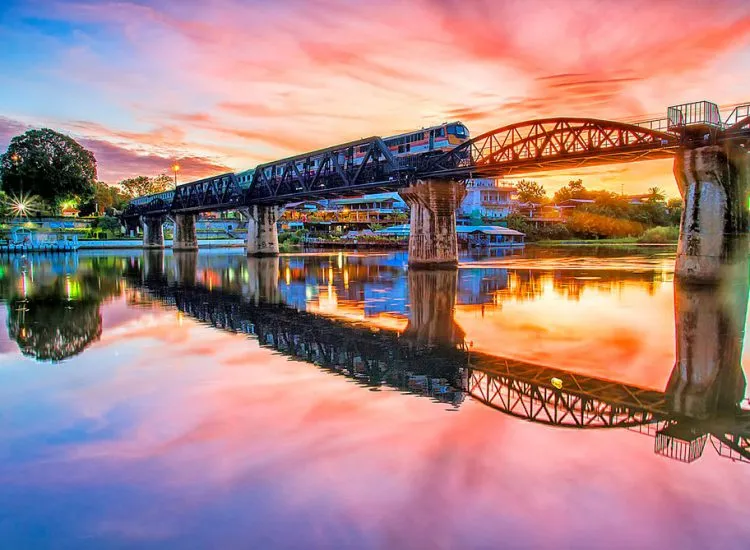
Bridge Over The River Kwai (Bridge Over The River Kwai) If you had to choose just one place in Kanchanaburi that makes travel feel “more meaningful than simply taking photos,” the Bridge Over the River Kwai would be one of the strongest answers. This is not only a globally recognized landmark, but also a key intersection of World War II history in Southeast Asia. It stands as physical evidence connected to the “Death Railway” and allows visitors to see the reality of war through steel trusses, active railway tracks, and the calm flow of the river beneath. Over many decades, the bridge has become both a symbol of Kanchanaburi and a place of remembrance for the countless people who suffered as forced laborers during wartime. When you walk on the bridge today, the beauty of the Khwae Yai River view and the scale of the structure naturally coexist with a sense of respect, because behind the photo-worthy scenery is a real history that once shaped human lives.
The Bridge Over the River Kwai is located in Tha Makham Subdistrict, Mueang Kanchanaburi District, Kanchanaburi Province. It is roughly 4 kilometers north of the city center along Highway 323, with a clearly signposted turn-off into the bridge area. In practical terms, the bridge is “easy to reach” compared with many other Kanchanaburi attractions: it is close to town, close to riverside accommodations, and close to several historical learning sites within just a few kilometers. For this reason, the bridge is often used as the starting point for a “Death Railway trail” day trip—because once you begin here, you can connect to museums, war cemeteries, and the sightseeing railway route in a single day without rushing.
To understand the bridge’s importance more deeply, it helps to step back into the World War II context of this region. At the time, Japanese forces aimed to expand operations and move troops and equipment to support campaigns in Burma and toward India, which was then under British colonial rule. Sea routes carried higher risks of attack and disruption, so the concept of a fast, continuous “land route” became strategically attractive. This led to the construction of the railway linking Thailand to Burma, commonly known as the Thailand–Burma Railway. Because the railway alignment in Kanchanaburi had to pass through mountains, forest, and major waterways, crossing the Khwae Yai River became an unavoidable engineering task. The Bridge Over the River Kwai was therefore built as a critical connection point in a wartime strategic corridor—not as a tourism bridge in the modern sense.
The railway construction was heavily accelerated during the war and relied on large numbers of Allied prisoners of war as well as Asian laborers who were recruited or compelled to work. Conditions were extremely harsh: tropical terrain, disease, severe food shortages, limited tools, and brutal punishment. As a result, many people lost their lives. The project’s “human cost” became so high that it left a lasting scar on wartime history and contributed to the line later being remembered as the “Death Railway.” Seen through this lens, the bridge is not merely a beautiful steel structure. It is a tangible reminder that technology and rapid infrastructure building, when paid for with human dignity and human lives, can never be treated as unquestioned achievement.
In popular memory, the “Death Railway” is often reduced to images of the Bridge Over the River Kwai and the famous cliffside curve near Tham Krasae. In reality, the railway was a long corridor that began at Nong Pladuk Junction Station in Ban Pong District, Ratchaburi Province, entered Kanchanaburi, ran through the town area, and pushed westward—with the original goal of connecting onward to Thanbyuzayat in Burma/Myanmar. Many historical summaries describe the full route as about 415 kilometers, with more than half lying in Thailand and numerous stations along the alignment. The key point is that it was “long and physically extensive,” which helps explain the massive labor force drawn into an intensely demanding system, especially in the sections that cut through cliffs and river valleys in Kanchanaburi.
After the war, the railway did not remain intact along its entire length. Some sections were dismantled, some were damaged, and parts of the original alignment later lay in areas transformed by dam and reservoir development. However, the “operational segments” on the Thai side were repaired and continue to run under the State Railway of Thailand. This allows people today to experience the route on real tracks, not only through old photographs in museums. That reality makes a visit to the Bridge Over the River Kwai different from many memorial sites: you may see trains pass, hear wheels on rails, and sense the living rhythm of a place that still functions day to day. At the same time, it remains a space that invites reflection and encourages visitors to honor those who died here with appropriate respect.
For travelers who want a trip that feels “complete” beyond photos, a useful approach is to treat the bridge as the starting point for a two-layer learning journey in a single day. The first layer is historical: walk the bridge attentively, observe structural details and the river views, then connect to a relevant museum or war cemetery to deepen understanding. The second layer is landscape: use the train as a core experience, because riding the railway across the bridge or along the Death Railway corridor reveals the relationship between river, mountains, and tracks more clearly than driving. When these two layers come together, the trip does not end with scenic images alone—it ends with understanding, which is precisely what separates strong travel content from generic sightseeing narratives.
One activity many visitors mention at the bridge is the sightseeing tram service (Fairmong Tram), which is said to operate in the bridge area. The tram concept is to help travelers with limited time enjoy the atmosphere in a short, convenient circuit. The fare is often described as budget-friendly, with service runs at set time windows. This option can suit families, older visitors, or anyone who prefers not to walk long distances. However, if your goal is to “feel the essence of the place,” walking the bridge on foot and riding a train across it tend to be more immersive experiences, because you engage directly with the wind, the river air, and the everyday movement of an active railway landscape.
If you want to extend your route from the bridge to the most famous scenic highlight of the Death Railway, the essential destination is the “Death Curve” near Tham Krasae (Tham Krasae / Wampo Viaduct). This is a cliff-hugging wooden viaduct along the Khwae Noi River and is widely known for its dramatic views. The area makes it immediately clear why wartime construction was so difficult: the track clings to rock face on one side while the river drops away on the other. As the train moves slowly through the curve, the experience shifts from simply “looking at the view” to “being inside the view,” and the terrain itself becomes a powerful, wordless form of evidence of what people endured here.
Today, the most-used sightseeing railway segment on the Thai side typically runs to Nam Tok Station (the Ban Tha Sao/Sai Yok Noi Waterfall zone). The popular distance from Kanchanaburi Station to Nam Tok is often described as about 77 kilometers. The charm of this route is the continuous river-and-mountain scenery and the sense that you are moving through a living historical landscape. If you want the trip to feel truly “worth it” in meaningful travel terms, allocate enough time for the train ride, avoid rushing for photos, and treat safety around the tracks as the top priority, because trains still operate here in real conditions.
Getting There If you drive from Bangkok to Kanchanaburi, a common route is Phetkasem Road (Highway 4) toward Nakhon Pathom, continuing toward Ratchaburi and onward to Kanchanaburi. Another option is the Pinklao–Nakhon Chai Si route (Highway 338) to connect into Nakhon Pathom before continuing to Kanchanaburi. Once you reach Kanchanaburi town, you can follow Highway 323 northbound to the bridge zone. The distance from the town center to the bridge area is generally only a few kilometers, and signage to the bridge entrance is typically clear. Traveling by train is ideal for those who want an authentic “on-the-rails” experience. You can plan a trip into Kanchanaburi and choose a service that passes the bridge area; if you want to continue to Tham Krasae or Nam Tok Station, you should check the latest timetable before departure to align your sightseeing time and reduce the risk of missing trains.
A practical way to make your bridge visit feel “seriously worthwhile” is to plan around crowd patterns and natural light. If you want a calmer atmosphere and fewer people in your photos, morning is usually better. Late afternoon brings warmer light and a more romantic mood, but can be busier. The key is never to stand or walk in risky positions when there are signals that a train is approaching, and never to prioritize photos over safety, because this is an active railway. Carrying drinking water, a hat, and stable walking shoes will also make the visit more comfortable, especially on hot days or during rainy periods when surfaces can be slippery.
In terms of deeper meaning, the Bridge Over the River Kwai helps visitors understand the relationship between people and history in a concrete way. You are not only reading about the past—you are standing on a structure directly connected to real events of World War II. When you look down and see the river flowing peacefully, the calmness contrasts sharply with the violence once associated with the same landscape. That contradiction gives the place its power: time moves forward, but the lesson should not be forgotten. If you arrive with respect, the bridge can offer both beauty and depth in a single visit, which is why it continues to be spoken of as one of Thailand’s most important historical sites.
| Place Name | Bridge Over The River Kwai (Bridge Over The River Kwai) / Connected To The Death Railway Route (Thailand–Burma Railway) |
| Address (Main Reference Point) | Tha Makham Subdistrict, Mueang Kanchanaburi District, Kanchanaburi Province (Along Highway 323, Near Kanchanaburi Town) |
| Place Summary | A World War II historical landmark and a key river-crossing point linked to the Death Railway. Today it is a globally known learning-and-memorial attraction in Kanchanaburi, with real train operations still passing through the area. |
| Highlights | Walk Across The Bridge Above The Khwae Yai River, Watch Trains Crossing The Bridge, Extend The Trip To Tham Krasae (Wampo Viaduct) And Nam Tok Station, Close To Museums/War Cemeteries In Town |
| Period | World War II (Death Railway Construction Period Around 1942–1943) |
| Key Evidence | The Bridge Structure, The Operational Thai-Side Death Railway Segment, Signature Route Highlights Such As Tham Krasae / Wampo Viaduct, And The Current Terminus At Nam Tok Station |
| Name Origin | The bridge is the Khwae Yai River crossing on the Death Railway alignment. The “Death Railway” name reflects the extreme hardship and large loss of life among POWs and forced laborers during wartime construction. |
| Travel | By Car: Reach Kanchanaburi and take Highway 323 to the bridge zone / By Train: Choose services passing the bridge area and confirm the latest timetable before departure |
| Current Status | Open for visits, with active train operations on the Thai-side route (Use official railway announcements/timetables for real-time operations) |
| Fees | Walking in the bridge area is generally free / The Fairmong sightseeing tram is commonly cited at 20 THB per person (On-site confirmation is recommended) |
| Facilities | Parking, Shops And Food Options In The Tourist Zone, Riverside Photo Spots, Convenient Access To Riverside Hotels In Town |
| Contact Number | State Railway Of Thailand Call Center: 1690 Kanchanaburi Railway Station: 034 511 285 |
| Nearby Tourist Attractions (With Distance) | 1) The Jeath War Museum – 3 km 2) Kanchanaburi War Cemetery (Don Rak) – 4 km 3) Death Railway Museum & Research Centre – 4 km 4) Tham Krasae (Wampo Viaduct) – 55 km 5) Sai Yok Noi Waterfall – 55 km 6) Erawan National Park (Erawan Waterfall) – 65 km |
| Popular Restaurants Nearby (With Distance + Phone) | 1) Keeree Tara Restaurant – 2 km – 034 513 855 2) By De River – 2 km – 085 405 9161 3) On’s Thai Issan Vegetarian Restaurant – 3 km – 087 364 2264 4) Bell’s Pizzeria – 3 km – 081 010 6614 5) Keeree Mantra Restaurant – 14 km – 034 540 889 |
| Popular Accommodations Nearby (With Distance + Phone) | 1) U Inchantree Kanchanaburi – 2 km – 034 521 584 2) Felix River Kwai Resort – 2 km – 034 551 000 3) Dheva Mantra Resort – 6 km – 034 615 999 4) The Bridge Residence Hotel – 2 km – 080 088 8454 5) Mida Resort Kanchanaburi – 35 km – 034 919 606 |
Frequently Asked Questions (FAQ)
Q: Where is the Bridge Over the River Kwai located in Kanchanaburi?
A: It is in Tha Makham Subdistrict, Mueang Kanchanaburi District, close to the town area and easily accessed via Highway 323.
Q: How is the bridge connected to the Death Railway?
A: The bridge is the key Khwae Yai River crossing on the Death Railway alignment, built during World War II as part of a strategic route linking Thailand toward Burma.
Q: How can I take a train ride across the bridge?
A: Choose a train service that passes the bridge area/station and confirm the latest timetable with the State Railway of Thailand before you travel.
Q: What is the must-visit highlight after the bridge?
A: Tham Krasae / Wampo Viaduct (often called the “Death Curve”) is a dramatic cliffside wooden viaduct above the Khwae Noi River, and you can continue onward toward Nam Tok Station.
Q: What should visitors be especially careful about when visiting the bridge?
A: Safety comes first: do not approach the track when a train is expected, watch for slippery surfaces during rainy periods, and avoid risky photo-taking on or near the rails.
Q: Is there a contact number for railway and route information?
A: You can contact the State Railway of Thailand Call Center at 1690, or Kanchanaburi Railway Station at 034 511 285.
Website : www.railway.co.th
 Website :
  Category: ●Art, Culture and Heritage
 Group: ●Historical Sites and Monuments
Last Update : 8 MonthAgo
 Last Update : 8 MonthAgo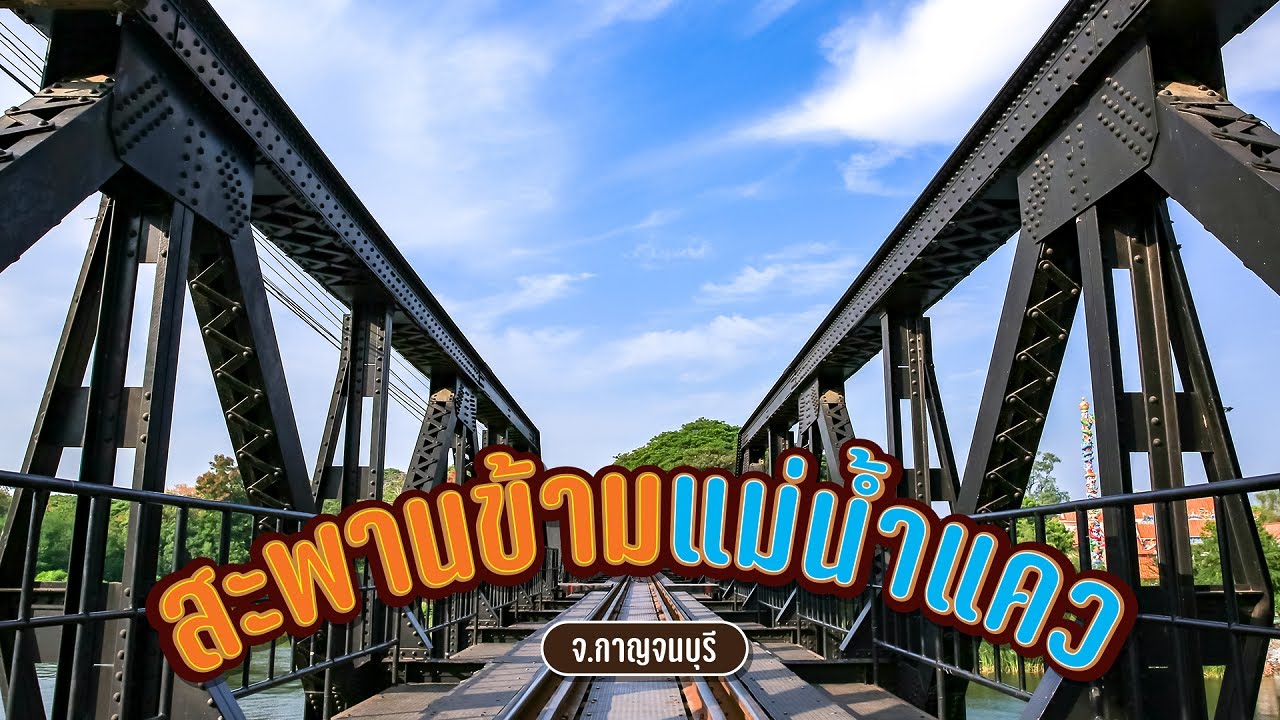
 Click to Access the Navigation Map GPS
Bridge Over The River Kwai Map
Recommend
 Historical Sites and Monuments(13)
 Landmarks and Memorials(5)
 Art, Craft Centres, Tradition(7)
 Museums(7)
 Art Gallery(1)
 Places of Worship
 Temple(37)
 Church(2)
 Other Sacred Sites(6)
 Research and Development
 Royal Project(1)
 Suburban Living
 Village, Community(5)
 Local Market(1)
 Nature and Wildlife
 National Parks and Marine Reserves(11)
 Mountain (Doi)(6)
 Dam, Reservoir, Lake(9)
 Waterfalls(19)
 Hot Springs(3)
 Caves(20)
 River, Canal(3)
 Other natural attractions(4)
 Entertainment and Agricultural
 Zoos and Aquariums(2)
 Animal camps and shows(4)
 Farms, Parks and Ecotourism(11)
 Cinema(1)
 Outdoor and Adventure Activities(2)
 Travel Articles, Recipes
 Travel Review, Food Review(1)


