
lovethailand home >South Travel Attractions >Phang Nga Travel Attractions >Khura Buri >Koh Phra Thong > Ko Ra-Ko Phra Thong National Park
TL;DR: Ko Ra-Ko Phra Thong National Park is located at Ko Phra Thong Subdistrict, Khura Buri District, Phang Nga Province, open Accessible By Local Boat Services And Sea Conditions; The Best Travel Period Is.
Ko Ra-Ko Phra Thong National Park
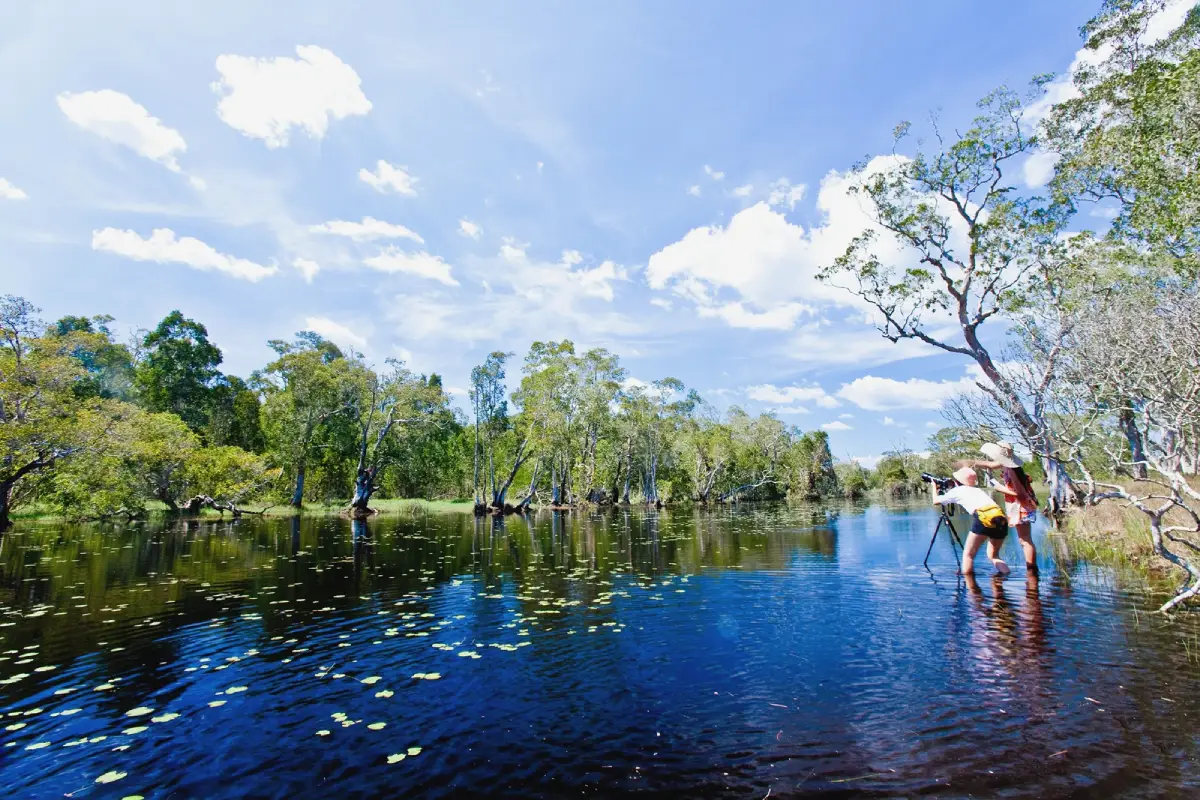
Open Days: Accessible By Local Boat Services And Sea Conditions; The Best Travel Period Is November – April
Ko Ra-Ko Phra Thong National Park in Phang Nga Province is a marine and island conservation area in Khura Buri District. It covers Ko Ra, Ko Phra Thong, Ko Pling, Ko Pho Ta, Ko Luk Tum, and smaller mangrove islands. The area is best known for Ko Phra Thong’s golden inland savanna, white-barked Melaleuca swamp forest, quiet beaches, mangroves, clear canals, birdwatching, wildlife observation, cycling, kayaking, and community-based eco travel.
Ko Ra-Ko Phra Thong National Park in Phang Nga Province is one of the most distinctive island and marine landscapes on Thailand’s Andaman coast. Unlike many popular beach islands, this area is not defined by nightlife, dense development, or crowded beach activity. Its identity comes from open space, silence, ecological variety, and the unusual inland grassland of Ko Phra Thong, often called Thailand’s savanna. During the dry season, the central grassland turns golden, with pale-barked Melaleuca trees scattered across the flat landscape. Morning and evening light over this open terrain creates one of the most unusual natural scenes in southern Thailand.
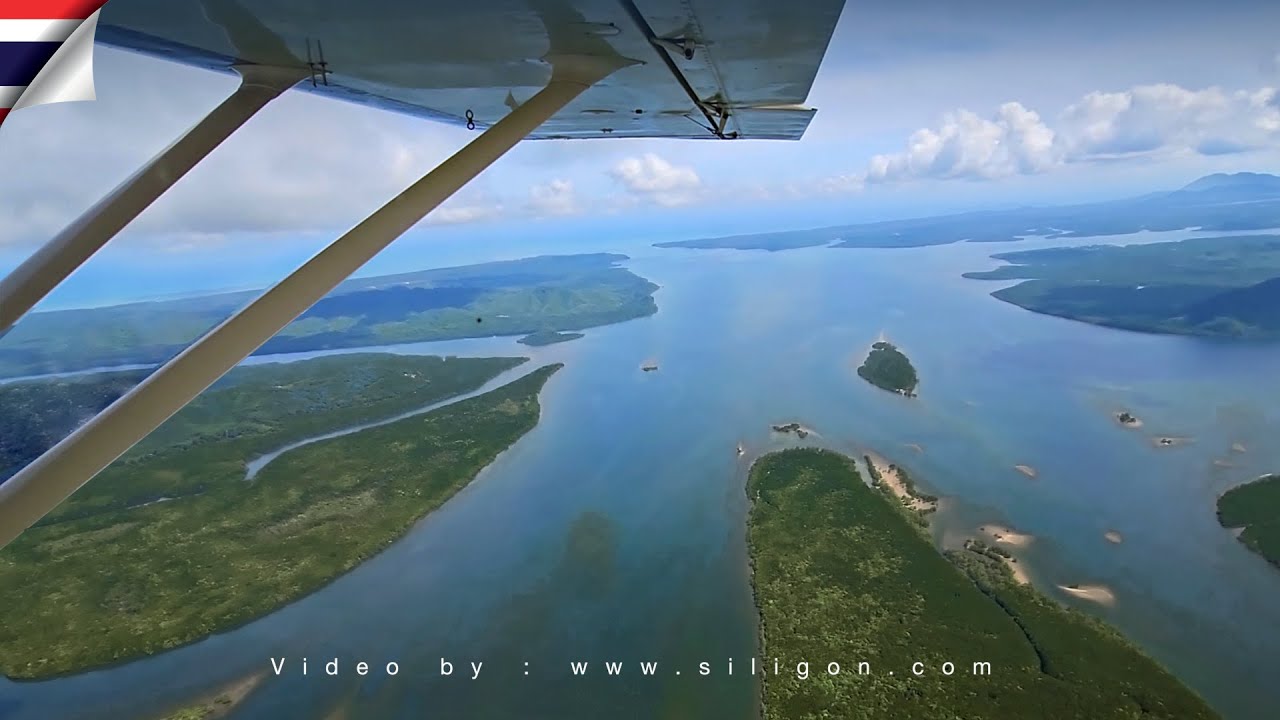
The area lies in Ko Phra Thong Subdistrict, Khura Buri District, Phang Nga Province. It includes major islands such as Ko Ra, Ko Phra Thong, Ko Pling, Ko Pho Ta, Ko Luk Tum, and many smaller islands within mangrove areas. The landscape combines sea, beaches, beach forest, mangrove forest, swamp forest, savanna-like grassland, inland wetlands, tidal canals, and local fishing communities. This combination makes the area especially suitable for eco travel, slow travel, birdwatching, nature photography, and visitors who prefer quiet landscapes over heavily commercial island tourism.
Ko Phra Thong is the heart of the area. It is a large, low-lying island with a landscape very different from limestone islands or steep forested islands elsewhere in Phang Nga. The interior contains broad grassland, swamp forest, white-barked Melaleuca trees, and seasonal wetlands. The coast has long quiet beaches that remain natural in many sections. The island is associated with wildlife such as deer, wild boar, many bird species, and the rare lesser adjutant stork, making it significant not only for tourism but also for conservation and biodiversity.
The phrase “Thailand’s savanna” refers to the open golden grassland in the middle of Ko Phra Thong. In the dry season, the grassland becomes wide, warm-toned, and spacious, with trees rising in scattered patches. This atmosphere is very different from the typical image of a tropical Thai island. It is a remarkable place for sunrise, photography, cycling, walking, and quiet wildlife observation. Visitors should follow local routes and avoid driving or walking randomly across sensitive areas, because the grassland and wetlands are part of a fragile island ecosystem.
The swamp forest and white Melaleuca trees are also central to the island’s identity. In the middle of Ko Phra Thong, swamp areas and Melaleuca stands create a landscape that changes with season and water level. These pale trees, wetland patches, and golden grassland form a rare visual and ecological combination. Travelers interested in plants and habitats should see the island not merely as a photo spot but as a wetland ecosystem shaped by water, soil, fire risk, wildlife, and seasonal change.
Ko Ra adds another important dimension to the protected landscape. It is more forested and less open than Ko Phra Thong, with mountains, natural coastline, and a quieter atmosphere. Its presence gives the area a wider ecological range, from flat savanna-like island terrain to forested island habitats. Ko Ra is best appreciated as a natural island landscape rather than a developed beach destination.
Ko Pling, Ko Pho Ta, Ko Luk Tum, and the small islands in the mangrove zone contribute to the area’s ecological richness. Mangroves protect the coast, support fish nurseries, provide habitat for birds and crabs, and connect land-based and marine ecosystems. Boat travel through mangrove waterways reveals roots, mudflats, tidal channels, small fish, birds, and the quiet complexity of coastal life. These areas show that the beauty of Ko Ra-Ko Phra Thong is not limited to beaches and open grassland; much of its ecological value lies in mangroves, wetlands, and tidal systems.
The beaches of Ko Phra Thong are long, quiet, and still natural in many places. They are suitable for walking, watching the sea, relaxing, and enjoying sunset light. The sense of quiet is one of the island’s greatest strengths. Visitors should be careful with waste, plastics, and disturbance to coastal wildlife. Andaman beaches can be ecologically sensitive, especially where sea turtles, shorebirds, and beach vegetation are involved.
Ko Ra-Ko Phra Thong is also important as a wetland area of international ecological value. Wetlands on and around the islands support biodiversity, retain water, provide food sources for wildlife, and connect coastal and marine life cycles. This makes responsible travel essential. Every activity, whether walking, cycling, boating, kayaking, or birdwatching, should be done with awareness that the land and water systems are fragile and slow to recover when disturbed.
The main activities are nature-based. Visitors come to see the golden savanna, cycle through island tracks, watch birds, observe wildlife, paddle kayaks, travel by boat through mangroves, walk on quiet beaches, learn about local fishing communities, and stay in small-scale accommodation. Local guides or community-based services are highly useful because many tracks are sandy, seasonal, or difficult to interpret without local knowledge. A guide also helps visitors understand the landscape rather than simply pass through it.
Birdwatching is one of the most valuable activities on Ko Phra Thong. The island is associated with the rare lesser adjutant stork and many other birds that use grassland, wetland, mangrove, and beach habitats. The best times are early morning and late afternoon. Birdwatchers should use binoculars, wear muted colors, keep quiet, and avoid approaching nests, feeding areas, or resting birds. This respectful approach gives better wildlife encounters and reduces stress on animals.
Cycling is one of the best ways to experience Ko Phra Thong. It allows visitors to move slowly through savanna, Melaleuca forest, local paths, and village areas without creating as much disturbance as motorized travel. Some tracks are sandy or rough, so suitable bicycles and local advice are important. Cyclists should stay on existing routes and avoid damaging grassland, wetlands, or sensitive vegetation.
Kayaking and canoeing through clear canals and mangrove areas offer another close but low-impact way to experience the landscape. The slow movement of a paddle boat allows visitors to see mangrove roots, birds, fish, crabs, and small life along the water edge. Visitors should stay on recommended routes, avoid touching mangrove roots, and carry all waste out of the area.
The local community is another important part of the Ko Phra Thong experience. Many residents are connected to small-scale fishing and local marine knowledge. Community-based tourism can support local income and help travelers understand the island more deeply. Visitors should respect private homes, ask before taking close photographs, and support local services that protect nature rather than overuse it.
The best travel period is generally from November to April, when the Andaman Sea is usually calmer and boat travel is easier. The grassland is especially attractive in the dry season, when it turns golden. During the rainy season, the landscape may become greener and wetter, but sea travel can be less reliable. Visitors should plan according to weather, sea conditions, and local boat availability.
The main access is by road to Khura Buri District via Highway 4, then by local boat from piers such as Nang Yon Pier or Ban Thung La-ong Pier. From Ban Thung La-ong, long-tail boats can reach the southern side of Ko Phra Thong in about 20 minutes. For trips around the wider island group, mangrove areas, or less common routes, visitors should arrange boats in advance with local operators.
Travelers from Phuket, Khao Lak, or Takua Pa should allow enough time to reach Khura Buri and the pier, because this northern part of Phang Nga is farther from the main tourist zones. Starting early is useful. Travelers from Bangkok can drive south along Highway 4 or take buses that pass Khura Buri, then continue by local transport to the pier. Advance planning is important because local boat schedules and island transport are not as frequent as in major resort destinations.
Accommodation on Ko Phra Thong is mostly small-scale: nature resorts, simple beach lodges, and local-style stays. Some are close to the beach, while others connect visitors with nature activities such as savanna tours, kayaking, birdwatching, or local boat trips. When choosing accommodation, travelers should check location, pier transfers, meals, island transport, and environmental practices, because water, electricity, waste handling, and logistics are more limited on islands than on the mainland.
Useful items include light clothing, a hat, sunglasses, marine-appropriate sun protection, insect repellent, waterproof phone bag, boat-friendly footwear, personal medication, a small flashlight, and a reusable bag for waste. Birdwatchers should bring binoculars. Cyclists and walkers should carry drinking water and avoid long exposure to strong midday sun. Simple but careful preparation makes the island experience safer and more enjoyable.
Responsible behavior is essential. Visitors should not litter, feed wildlife, collect plants, disturb animals, drive off existing tracks, collect shells or marine life, or make fires in dry grassland areas. Fire risk is especially important in the dry season. The savanna, swamp forest, mangroves, and wetlands are fragile systems. They can be damaged quickly but recover slowly.
Ko Phra Thong is best for travelers who appreciate quiet places. It is not designed for nightlife or intensive commercial tourism. Its strongest appeal is silence, open landscape, long beaches, mangroves, birds, wildlife, and local life. Visitors who accept simplicity will find one of Phang Nga’s most unusual natural experiences here.
Within the broader travel identity of Phang Nga, Ko Ra-Ko Phra Thong adds an important missing dimension. Phang Nga is known for Phang Nga Bay, the Similan Islands, the Surin Islands, Khao Lak, rainforest waterfalls, and limestone scenery. Ko Phra Thong adds a rare island grassland and wetland landscape, making it a valuable destination for slow travel, conservation travel, and nature education.
In summary, Ko Ra-Ko Phra Thong is an eco-focused Andaman destination known for Thailand’s savanna, white Melaleuca swamp forest, quiet beaches, mangroves, clear canals, birdwatching, wildlife observation, cycling, kayaking, and island community life. Travelers should plan around boat access and weather, prioritize the November to April period, use responsible local services, and follow conservation rules. With the right mindset, this area offers one of the quietest and most distinctive nature experiences in Phang Nga Province.
| Name | Ko Ra-Ko Phra Thong National Park |
| Location | Ko Phra Thong Subdistrict, Khura Buri District, Phang Nga Province |
| Area Character | Marine and island conservation area covering Ko Ra, Ko Phra Thong, Ko Pling, Ko Pho Ta, Ko Luk Tum, and smaller mangrove islands |
| Highlights | Golden savanna on Ko Phra Thong, Thailand’s savanna, white Melaleuca swamp forest, quiet beaches, mangroves, clear canals, birdwatching, wildlife observation, cycling, and kayaking |
| History / Significance | An important natural area of Khura Buri and the Andaman Sea, known for island grassland, swamp forest, mangroves, and wetlands valuable for biodiversity conservation |
| Distinctive Features | Ko Phra Thong has rare golden grassland and white Melaleuca swamp forest, supporting wildlife such as lesser adjutant storks, deer, wild boar, and many bird species |
| Travel Information | Travel by Highway 4 to Khura Buri District, then continue to Nang Yon Pier or Ban Thung La-ong Pier. From Ban Thung La-ong, a long-tail boat reaches the southern side of Ko Phra Thong in about 20 minutes. |
| Current Status | Nature and eco-travel area in Khura Buri District, accessed by local boats and guided services depending on sea conditions |
| Best Travel Period | November – April, especially during the dry season when the grassland turns golden and Andaman boat travel is generally easier |
| Facilities | Small private island accommodations, local boat services, nature routes, community guiding, and food services in some accommodations or village areas |
| Main Areas / Zones | Ko Phra Thong, Thailand’s savanna, white Melaleuca swamp forest, Khlong Nam Sai, Andaman beaches, Ko Ra, Ko Pling, Ko Pho Ta, Ko Luk Tum, and surrounding mangrove channels |
| Recommended Activities | Savanna viewing, sunrise photography, birdwatching, wildlife observation, cycling, kayaking, mangrove boat trips, beach walking, nature photography, and community-based travel |
| Caretaker | Department of National Parks, Wildlife and Plant Conservation, relevant natural resource agencies in Phang Nga Province, and local communities |
| Nearby Tourist Attractions | 1. Nang Yon Pier / Khura Buri Pier, about 0 km from the departure point 2. Ban Thung La-ong Pier, about 0 km from the boat departure point to southern Ko Phra Thong 3. Mu Ko Surin National Park, about 60 km from the coast by boat route 4. Si Phang Nga National Park, about 30 km from Khura Buri District 5. Ko Kho Khao, about 45 km from Khura Buri District by road and boat route |
| Nearby Restaurants | 1. Restaurants In Ko Phra Thong Accommodations, distance depends on stay location 2. Local Community Restaurants On Ko Phra Thong, distance depends on pier and accommodation 3. Restaurants In Khura Buri Market, about 7 km from Khura Buri Pier 4. Phae Pla Chon Sombat Khura Buri Phang Nga, about 25 km, Tel. 093-572-6111 5. Kuraburi Greenview Resort Restaurant, about 30 km, Tel. 076-401-400, 081-958-1543 |
| Nearby Accommodations | 1. Bansuan Sukcharoen At Kuraburi, about 0.3 km from the pier, Tel. 081-090-8760, 081-326-7853 2. Horizon Eco Resort Koh Phra Thong, on Ko Phra Thong 3. Mr. Chuoi Bar And Hut, on Ko Phra Thong 4. KURAA HOUSE, about 12 km from the pier, Tel. 088-753-2789 5. Kuraburi Greenview Resort, about 30 km, Tel. 076-401-400, 081-958-1543 |
Frequently Asked Questions (FAQ)
Q: Where is Ko Ra-Ko Phra Thong National Park located?
A: It is located in Ko Phra Thong Subdistrict, Khura Buri District, Phang Nga Province, covering Ko Phra Thong, Ko Ra, and several smaller Andaman islands.
Q: What is Ko Phra Thong best known for?
A: Ko Phra Thong is best known for its golden inland savanna, white Melaleuca swamp forest, quiet beaches, mangroves, and birdwatching habitats.
Q: When is the best time to visit Ko Phra Thong?
A: November to April is the best period because Andaman Sea travel is generally easier and the inland grassland becomes especially beautiful during the dry season.
Q: How do visitors travel to Ko Phra Thong?
A: Travel by Highway 4 to Khura Buri District, then continue to Nang Yon Pier or Ban Thung La-ong Pier. From Ban Thung La-ong, a long-tail boat can reach the southern side of Ko Phra Thong in about 20 minutes.
Q: What activities are suitable on Ko Phra Thong?
A: Recommended activities include savanna viewing, birdwatching, wildlife observation, cycling, kayaking, mangrove boat trips, beach walking, nature photography, and community-based travel.
Q: Is there accommodation on Ko Phra Thong?
A: Yes. There are small private nature-focused accommodations on Ko Phra Thong, as well as mainland accommodation options in Khura Buri before taking a boat to the island.
Q: Is Ko Phra Thong suitable for families?
A: Yes, for families who enjoy quiet nature travel. Boat transfers, accommodation, food, and island transport should be arranged in advance because facilities are more limited than in major tourist areas.
Q: What should visitors be careful about in the savanna area?
A: Visitors should stay on recommended routes, avoid off-road driving, avoid fire, carry out waste, keep distance from wildlife, and avoid disturbing wetlands or swamp forest areas.
 Category: ●Nature and Wildlife
 Group: ●National Parks and Marine Reserves
Last Update : 2 MonthAgo
 Last Update : 2 MonthAgo
 Click to Access the Navigation Map GPS
Ko Ra-Ko Phra Thong National Park Map
Recommend

 Art, Culture and Heritage
 Historical Sites and Monuments(2)
 Landmarks and Memorials(6)
 Art, Craft Centres, Tradition(3)
 Places of Worship
 Temple(18)
 Other Sacred Sites(8)
 Suburban Living
 Village, Community(3)
National Parks and Marine Reserves(12)
 Mountain (Doi)(8)
 Waterfalls(21)
 Hot Springs(2)
 Caves(12)
 River, Canal(4)
 Bays and Beaches(28)
 Islands(11)
 Other natural attractions(7)
 Entertainment and Agricultural
 Animal camps and shows(2)
 Farms, Parks and Ecotourism(2)
 Waterpark(3)
 Outdoor and Adventure Activities(3)
 Travel Articles, Recipes
 Travel Review, Food Review(1)
 Southern Food Menu, Southern Food Recipes(1)


