
lovethailand home >North Travel Attractions >Phitsanulok Travel Attractions >Chat Trakan >Chat Trakan > Namtok Chat Trakan National Park
TL;DR: Namtok Chat Trakan National Park is located at Chat Trakan and Nakhon Thai Districts, Phitsanulok Province, open Daily, hours 08.30 – 16.30.

Namtok Chat Trakan National Park
Open Days: Daily
Opening Hours: 08.30 – 16.30
Namtok Chat Trakan National Park in Phitsanulok Province is one of the most rewarding nature destinations in lower northern Thailand. Known for its 7-tier Chat Trakan Waterfall, evergreen forest, wildlife habitats, caves, cliffs, archaeological traces, and the headwater area of the Khwae Noi River, the park offers far more than a simple waterfall visit. It is a place where travelers can enjoy fresh water, forest trails, biodiversity, geology, and cultural history within one protected landscape.
The park is located in Chat Trakan and Nakhon Thai Districts of Phitsanulok Province. It was established as a national park in 1987 to protect forest resources, wildlife, natural scenery, and important watershed areas. Its forests are part of a rich ecological zone connected with the Luang Prabang forest region, known for green mountain landscapes and strong biological diversity. For visitors, this means the park provides not only scenic beauty but also a living ecosystem where water, forest, animals, and local history are closely connected.
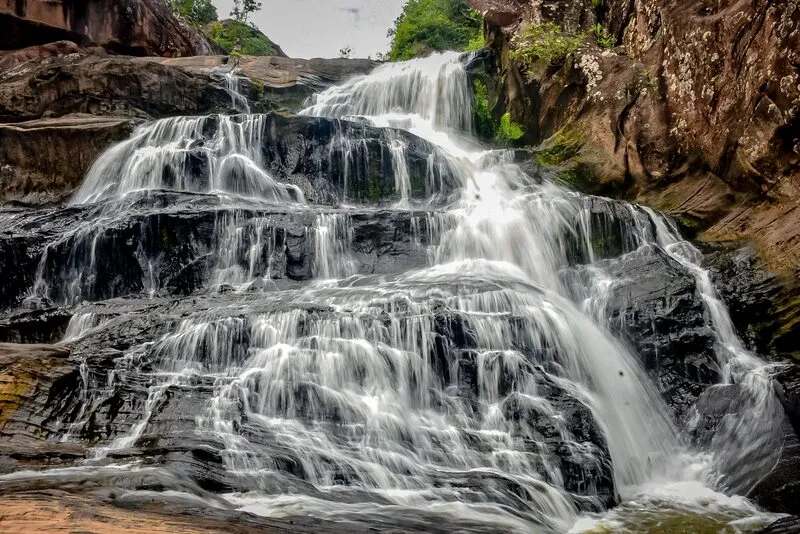
The main attraction is Chat Trakan Waterfall, locally known as Namtok Pak Rong. The waterfall has 7 levels, each with a different character. Some levels are easy to access and suitable for relaxing or playing in the water, while others require more careful walking. The waterfall is therefore ideal for both casual visitors and travelers who enjoy a more active nature experience. The sound of flowing water, the cool spray, and the shade of the surrounding forest create a refreshing atmosphere throughout the visit.
The first level is called Maliwan. It is a wide water terrace that receives water from the second level above. The fall is about 8 meters high, and the water flows over rock into a broad natural pool. This area is popular because it is relatively easy to reach and suitable for relaxing near the water. Visitors should still pay attention to warning signs, because some parts of the pool can be deep and water conditions can change depending on the season.
The second level, Kannika, requires a steeper walk from the first level. The route should be taken carefully, especially when the rocks are wet. The reward is a beautiful layered rock formation where water flows through channels and drops toward the lower level. The third level, Karaket, has a pool-like form and is appreciated for its clear water and shaded forest surroundings. Together, these first 3 levels show why Chat Trakan Waterfall is one of Phitsanulok’s most attractive natural sites.
The upper levels of the waterfall offer a quieter and more adventurous atmosphere. Reaching them may require more energy and caution, but the experience allows visitors to feel more deeply immersed in the forest. The sound of birds, moving leaves, and flowing water becomes stronger as the crowds thin out. For travelers who enjoy nature walks, exploring beyond the lower levels can make the visit more meaningful than a short stop at the first pool.
The best season for a strong waterfall flow is usually the rainy season into the early cool season. During this period, the forest is lush and the water volume is high. However, heavy rain can make trails slippery and may increase water levels quickly. Visitors should check park updates before traveling and follow staff instructions, especially if they plan to explore upper levels, cliffs, caves, or trails that require guidance.
Beyond the waterfall, the park contains several interesting natural and historical sites. Pha Daeng is a red sandstone cliff that stands out against the green forest. The route to the cliff is more challenging and should be taken with park staff or a local guide. The viewpoint offers a wide natural landscape and is suitable for travelers who want a more adventurous experience beyond the main waterfall area.
Pha Kradan is important for archaeology because it contains ancient carvings on a stone cliff. The geometric forms and symbolic marks suggest that people used this area long before it became a national park. This adds historical depth to the park and shows that the landscape has been meaningful to humans for thousands of years.
The caves in the park also add to its diversity. Tham Nam Mut is formed by water from Namtok Na Chan flowing through a cave system, creating an unusual natural feature. Tham Ka is known for ancient carvings on a large rock surface, estimated to be thousands of years old. These sites make the park valuable not only for nature tourism but also for geology, archaeology, and cultural learning.
The forest ecosystem of Namtok Chat Trakan National Park is rich and green for much of the year. The park contains evergreen forest with many plant species, including large trees, bamboo, palms, and native forest plants. These forests help store moisture, protect soil, regulate water flow, and provide habitat for wildlife. Walking through the forest helps visitors understand how trees, water, animals, soil, and people are all connected within one watershed system.
Wildlife found in the park includes barking deer, wild boar, mouse deer, squirrels, tree squirrels, junglefowl, and many bird species. Visitors may hear birds in the morning or see signs of animals along forest trails. Wildlife should always be observed quietly and from a distance. Feeding animals, making loud noise, or approaching them can disturb natural behavior and damage the balance of the ecosystem.
Nature walks are among the best activities in the park. Some trails are short and suitable for general visitors, while others require more preparation and may lead to cliffs, caves, or deeper forest areas. Travelers should wear non-slip shoes, bring drinking water, and ask park staff before entering unfamiliar routes. For families, the lower waterfall area offers an accessible and enjoyable nature experience. For more adventurous visitors, guided routes to cliffs and archaeological sites provide a deeper understanding of the landscape.
The park is also excellent for photography. Water flowing over rocks, mist from the waterfall, green forest, reflections in pools, rock textures, and small forest details all provide strong visual subjects. Morning and late afternoon are often the best times for softer light. Photographers should protect cameras from water spray and avoid standing on slippery rocks for risky angles.
As an educational destination, Namtok Chat Trakan National Park is suitable for schools, students, and youth groups. A visit here can teach about watersheds, forest conservation, wildlife, geology, archaeology, and responsible tourism. Seeing a real waterfall and walking in a living forest can make environmental lessons more powerful than classroom learning alone.
Seasonal planning is important. The rainy season offers strong waterfalls and lush forest, but visitors must be careful of slippery trails and changing water levels. The cool season is comfortable for walking, camping, and relaxing near the waterfall. The hot season can still be suitable for visiting the waterfall, although water levels may be lower in some periods. Travelers should check the park’s latest conditions before planning activities.
Park accommodation and camping areas allow visitors to stay overnight and spend more time in nature. Staying near the forest and waterfall lets travelers experience the park in the evening and early morning, when the atmosphere is quieter. Those planning to stay overnight should contact the park in advance, especially during long holidays or busy travel seasons.
Getting There is most convenient by private car or rental car. From Phitsanulok city, the real driving distance to the park is about 145 kilometers and usually takes around 2.5 – 3 hours depending on road and weather conditions. The route passes rural communities, mountains, and agricultural landscapes, giving travelers a clear sense of lower northern Thailand’s countryside. Public transport travelers can reach Chat Trakan District first and then continue by local transport or chartered vehicle to the park.
Visitors should follow park rules carefully. Do not litter, do not use soap or shampoo in streams, do not collect plants, rocks, or forest materials, do not feed wildlife, and do not leave designated trails without permission. If visiting cliffs, caves, or guided routes, follow staff instructions. Responsible travel is essential because waterfalls, forests, and archaeological sites can be damaged easily and may take a long time to recover.
In summary, Namtok Chat Trakan National Park is a complete nature destination in Phitsanulok. It combines a 7-tier waterfall, evergreen forest, wildlife, caves, cliffs, archaeological traces, camping, and environmental learning in one park. The waterfall is the heart of the destination, but the surrounding forest, cliffs, caves, and ancient rock carvings make the park much richer than a simple swimming spot. For foreign travelers seeking a peaceful and meaningful nature experience in northern Thailand, this park is well worth visiting.
| Name | Namtok Chat Trakan National Park |
| Location | Chat Trakan and Nakhon Thai Districts, Phitsanulok Province |
| Address | Moo 3, Ban Pak Rong, Chat Trakan Subdistrict, Chat Trakan District, Phitsanulok 65170, Thailand |
| Highlights | 7-tier Chat Trakan Waterfall, evergreen forest, Khwae Noi River headwater area, Pha Daeng, Pha Kradan, Tham Nam Mut, Tham Ka, and ancient rock carvings |
| History | Established as a national park in 1987 to conserve forest, wildlife, watershed resources, and important natural landscapes in Phitsanulok Province |
| Local Name | Chat Trakan Waterfall is locally known as Namtok Pak Rong |
| Distinctive Features | A national park with multi-tier waterfalls, evergreen forest, caves, cliffs, archaeological rock carvings, and rich Luang Prabang forest ecosystem |
| Main Waterfall | 7-tier Chat Trakan Waterfall, including Maliwan, Kannika, Karaket, and other natural levels with different scenery and pools |
| Important Flora and Fauna | Evergreen trees, bamboo, palms, native forest plants, barking deer, wild boar, mouse deer, squirrels, tree squirrels, junglefowl, and many bird species |
| Recommended Activities | Waterfall swimming in permitted areas, nature walks, waterfall photography, Pha Daeng visit, Pha Kradan archaeological study, Tham Nam Mut and Tham Ka visits, camping, and ecosystem learning |
| Travel Information | About 145 km from Phitsanulok city by real driving route, taking around 2.5 – 3 hours. Private car or rental car is most convenient. Public transport travelers should continue from Chat Trakan District by local vehicle. |
| Current Status | Open as a national park, waterfall attraction, and overnight nature destination in Phitsanulok Province |
| Open Days | Daily |
| Opening Hours | 08.30 – 16.30 |
| Fees | Thai visitors: adults 40 baht, children 20 baht / Foreign visitors: adults 400 baht, children 200 baht |
| Facilities | Visitor center, park accommodation, camping area, restrooms, welfare shop, parking area, warning signs, and waterfall walking paths |
| Main Areas / Zones | 7-tier Chat Trakan Waterfall, visitor center, accommodation area, camping ground, Pha Daeng, Pha Kradan, Tham Nam Mut, Tham Ka, and nature trails |
| Caretaker / Related Authorities | Department of National Parks, Wildlife and Plant Conservation, through Namtok Chat Trakan National Park. Park Chief: Ms. Patchara Panphumpho |
| Main Contact Number | 0-5590-6522 |
| Official Website / Official Page | Namtok Chat Trakan National Park Official Page |
| Nearby Tourist Attractions | 1. Chat Trakan Waterfall Level 1, Maliwan, about 0.2 km 2. Chat Trakan Waterfall Level 2, Kannika, about 0.4 km 3. Chat Trakan Waterfall Level 3, Karaket, about 0.7 km 4. Pha Daeng, about 8 km 5. Pha Kradan, about 10 km 6. Tham Nam Mut, about 12 km 7. Tham Ka, about 15 km |
| Nearby Restaurants | 1. National Park Welfare Shop, about 0 km, Tel. 0-5590-6522 2. Local food stalls near the park entrance, about 0.5 – 1 km 3. Restaurants in Chat Trakan District, about 12 km 4. Local restaurants near Chat Trakan Market, about 12 km 5. Made-to-order local restaurants in Chat Trakan town area, about 12 – 15 km |
| Nearby Accommodations | 1. Namtok Chat Trakan National Park Accommodation and Camping Area, about 0 km, Tel. 0-5590-6522 2. Chat Trakan Place, about 12 km 3. Resorts and local accommodation in Chat Trakan town, about 12 – 15 km 4. Phet Resort Nakhon Thai, about 28 km 5. Phu Hin Rong Kla National Park Accommodation, about 46 km 6. Rain Forest Resort Wang Thong, about 49 km |
Frequently Asked Questions (FAQ)
Q: Where is Namtok Chat Trakan National Park located?
A: It is located at Moo 3, Ban Pak Rong, Chat Trakan Subdistrict, Chat Trakan District, Phitsanulok Province, and covers parts of Chat Trakan and Nakhon Thai Districts.
Q: How many levels does Chat Trakan Waterfall have?
A: Chat Trakan Waterfall has 7 levels. Well-known levels include Maliwan, Kannika, and Karaket, each with different rock formations, pools, and forest scenery.
Q: What are the opening hours of Namtok Chat Trakan National Park?
A: The park is open daily from 08.30 to 16.30. Visitors planning to stay overnight or explore deeper nature routes should contact the park in advance.
Q: How much is the entrance fee?
A: Thai visitors pay 40 baht for adults and 20 baht for children. Foreign visitors pay 400 baht for adults and 200 baht for children.
Q: Can visitors swim at Chat Trakan Waterfall?
A: Yes, swimming is allowed in permitted areas. Visitors should follow warning signs and staff instructions because some pools are deep and water flow changes by season.
Q: Is accommodation available in the park?
A: Yes. The park provides accommodation and camping areas. Visitors should contact the park at 0-5590-6522 before traveling, especially during weekends and holidays.
Q: What else can visitors see besides the waterfall?
A: Other attractions include Pha Daeng, Pha Kradan, Tham Nam Mut, Tham Ka, nature trails, and archaeological rock carvings.
Q: When is the best time to visit?
A: The rainy season to early cool season is best for strong waterfall flow and lush forest. The cool season is good for camping, walking, and relaxing in pleasant weather.
 Category: ●Nature and Wildlife
 Group: ●National Parks and Marine Reserves
Last Update : 5 MonthAgo
 Last Update : 5 MonthAgo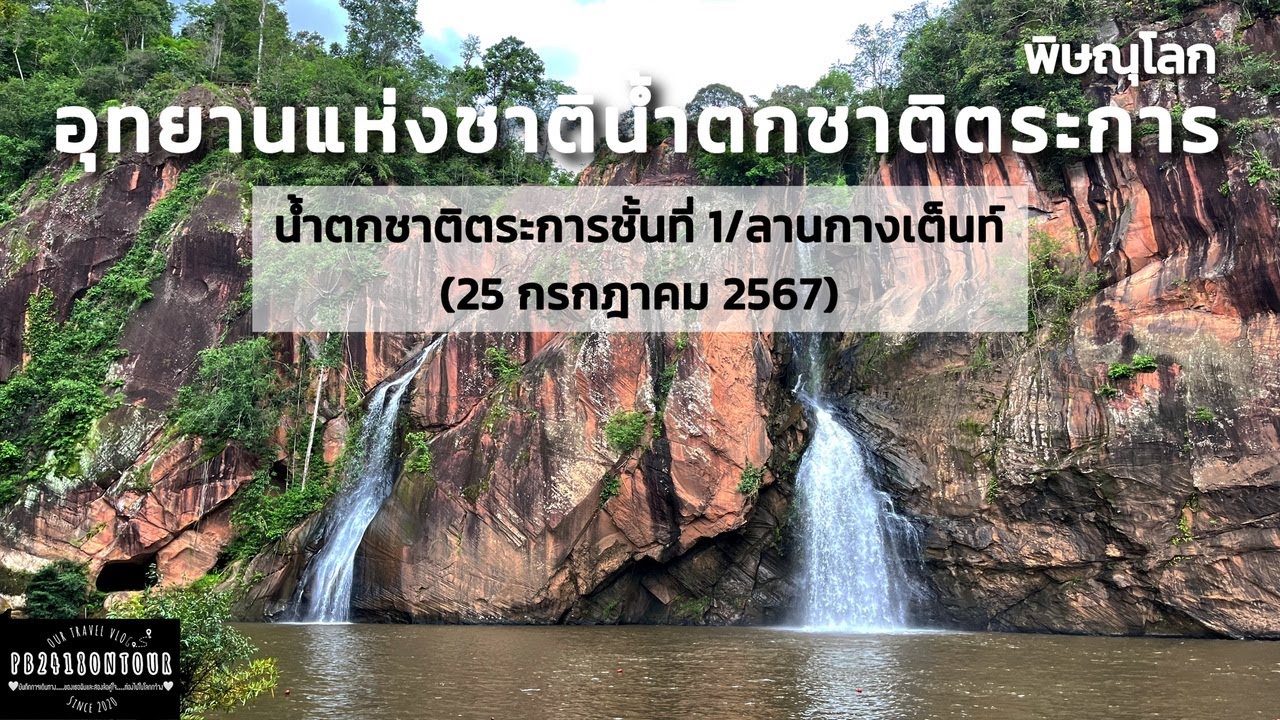
 Click to Access the Navigation Map GPS
Namtok Chat Trakan National Park Map
Recommend

 Art, Culture and Heritage
 Historical Sites and Monuments(1)
 Landmarks and Memorials(2)
 Art, Craft Centres, Tradition(3)
 Museums(3)
 Educational Places
 Educational Gardens, Farm(1)
 Places of Worship
 Temple(29)
 Mosque(1)
 Other Sacred Sites(3)
 Research and Development
 Royal Project(1)
 Suburban Living
 Village, Community(1)
National Parks and Marine Reserves(7)
Village, Community(1)
National Parks and Marine Reserves(7)
 Mountain (Doi)(4)
 Dam, Reservoir, Lake(5)
 Waterfalls(19)
 Caves(3)
 River, Canal(9)
 Other natural attractions(1)
 Entertainment and Agricultural
 Farms, Parks and Ecotourism(2)
 Outdoor and Adventure Activities(1)
 Travel Articles, Recipes
 Travel Review, Food Review(1)


