
lovethailand home >South Travel Attractions >Phang Nga Travel Attractions >Takua Pa >Bang Nai Si > Si Phang Nga National Park
TL;DR: Si Phang Nga National Park is located at Bang Wan Subdistrict, Khura Buri District, Phang Nga Province, open Daily, hours 08.00 – 16.30.

Si Phang Nga National Park
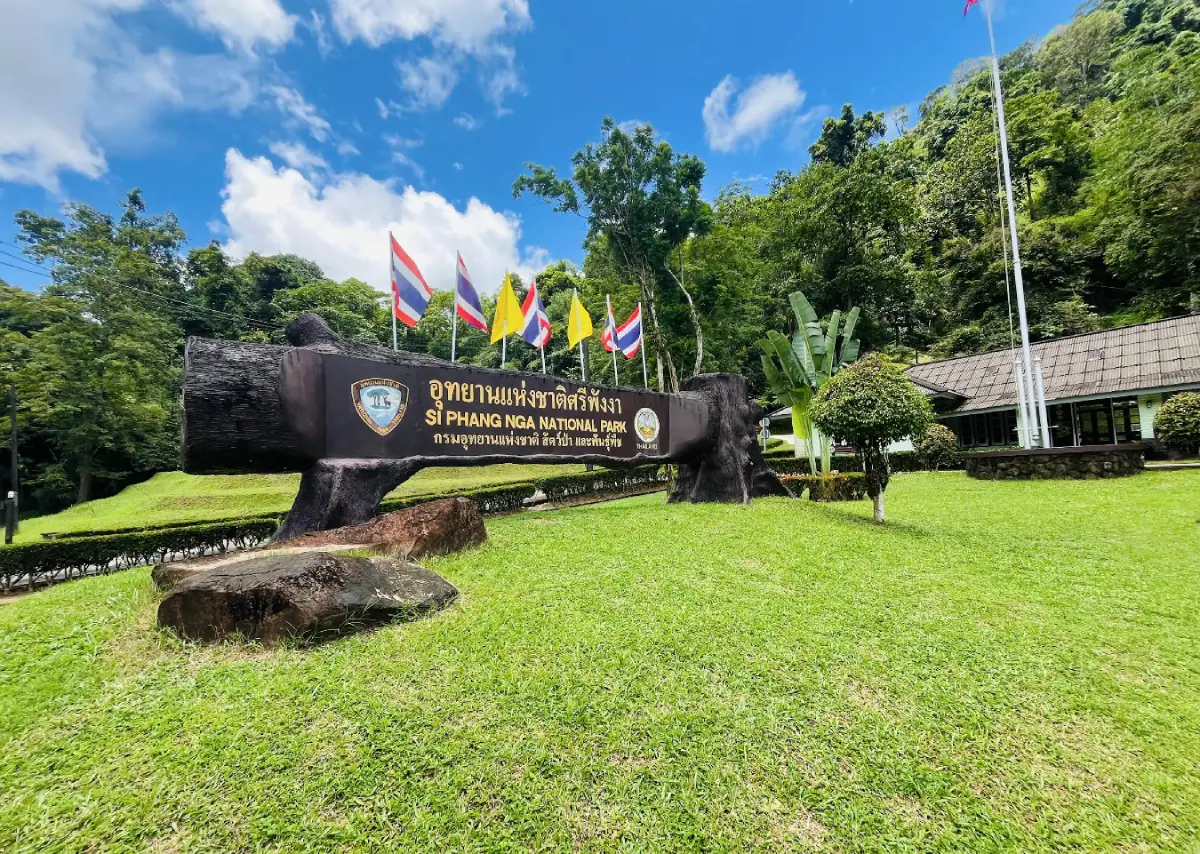
Open Days: Daily
Opening Hours: 08.00 – 16.30
Si Phang Nga National Park in Phang Nga Province is a large rainforest national park covering parts of Khura Buri District and Takua Pa District. The park covers about 153,800 rai and is one of the best places in northern Phang Nga for travelers who want to experience waterfalls, evergreen forest, mountain streams, freshwater fish, birdlife, and low-impact nature trails away from the province’s more famous coastal routes. Its best-known highlight is Tam Nang Waterfall, but the park also includes Ton Ton Toei Waterfall, Ton Ton Sai Waterfall, Suan Mai Waterfall, Thung Chali, Phra Aram Bridge, and forest trails that reveal the richness of southern Thailand’s rainforest ecosystem.
Unlike Phang Nga’s famous marine attractions, Si Phang Nga National Park offers a deep forest experience. The landscape is humid, green, and shaded by large trees. Streams run through the forest throughout the year, and several pools are home to phluang fish, a freshwater species often seen in clear mountain streams. Travelers visit the park not only to swim or relax at the waterfall, but also to understand how forest, water, wildlife, and local communities are connected through the watershed.
The park was created to conserve the forest around the Nom Sao mountain range and the Tam Nang Waterfall area. Si Phang Nga National Park was officially declared on 16 April 1988 as Thailand’s 56th national park. It was one of the national parks established in honor of His Majesty King Bhumibol Adulyadej on the auspicious occasion of his 5th cycle birthday anniversary on 5 December 1987. Its role is therefore both ecological and public: conserving forest resources, protecting watersheds, supporting nature education, and offering a place for recreation.
The terrain of Si Phang Nga National Park consists of complex mountain ranges, high humidity, and dense tropical evergreen forest. The park receives rain for much of the year and remains green in every season. It is an important watershed for streams such as Khlong Khu Rot, Khlong Tam Nang, Khlong Phraek Khwa, Khlong Phraek Sai, Khlong Bang Daeng, Khlong Bang Wan, Khlong Lak Khet, and Khlong Bang Yai. These waterways feed waterfalls and natural pools inside the park and also support communities around the protected area.
The plant life in the park reflects the richness of southern Thai rainforest. Large forest trees such as yang and takhian thong grow alongside wild sataw, krathon, ta suea, siat cho, nakhabut, palms, ferns, mosses, rattans, vines, medicinal plants, and forest herbs. The lower forest layers are dense and humid, while epiphytes and orchids add detail to tree trunks and rock surfaces. Orchids such as lady’s slipper orchids and ueang ngoen luang are among the notable plants associated with the park’s rainforest environment.
Wildlife diversity is another major reason the park is important. The area is associated with tapirs, serows, banteng, barking deer, sambar deer, bears, tigers, mouse deer, gibbons, macaques, langurs, hornbills, helmeted hornbills, blue-winged leafbirds, parrots, junglefowl, barbets, drongos, bulbuls, woodpeckers, reptiles, amphibians, phluang fish, and large frogs such as the giant river frog. The presence of hornbills and large mammals reflects the ecological value of the protected forest, although most wildlife is naturally shy and not easily seen by casual visitors.
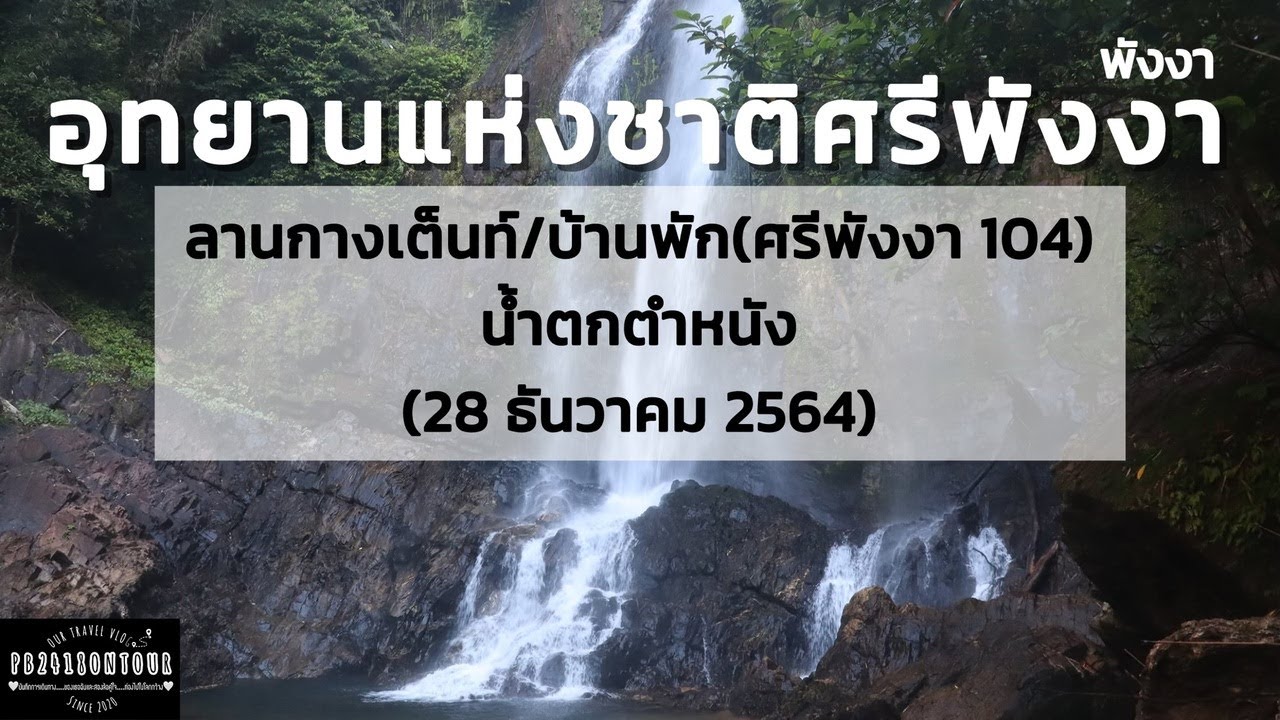
Tam Nang Waterfall is the main attraction and the easiest waterfall to visit in Si Phang Nga National Park. After reaching the parking area, visitors walk about 500 meters through shaded forest to the waterfall. The waterfall drops from a high rock cliff of about 60–63 meters into a broad pool below. It has water throughout the year and becomes especially powerful during the rainy season. The clear pool and the phluang fish living in the stream make this site memorable for visitors who enjoy peaceful forest-waterfall scenery.
Even though Tam Nang Waterfall is relatively easy to reach, visitors should treat it as a natural site rather than a developed swimming pool. During the rainy season, water can flow strongly, rocks can become slippery, and water levels can change quickly. Visitors should swim only in safe areas, avoid climbing wet rocks or cliffs, and never feed the fish. Feeding wildlife or fish can affect natural behavior and water quality. The best way to enjoy the waterfall is to sit by the stream, listen to the forest, take photographs, and follow staff guidance.
The nature trail around Tam Nang Waterfall is about 2 km long and takes around 3 hours. It passes through humid evergreen forest, slope sections, stream areas, viewpoints, and plant-rich zones. This trail is more demanding than the short walk to the waterfall and should be done with park staff or an authorized guide. The route is suitable for travelers who want a more serious forest experience and who are ready for a steep, moist, and physically active walk.
Ton Ton Toei Waterfall is another important waterfall inside the park. The trail branches left before the checkpoint near the park office. The waterfall drops from a rock cliff about 45 meters high, and the walking route is about 1 km each way. The round trip normally takes around 3 hours because the path passes through forest and viewpoint areas. Along the way, visitors can see the park’s mountain forest and understand why staff guidance is important for this route.
On the route to Ton Ton Toei Waterfall, visitors also pass Ton Ton Toei Noi Waterfall, a smaller waterfall about 10 meters high. It serves as a natural rest point and adds variety to the forest walk. Continuing farther leads to the main waterfall, where water drops from a cliff into a rainforest setting. This area is suitable for fit travelers who enjoy trekking and quiet natural scenery rather than quick sightseeing.
Ton Ton Sai Waterfall lies on the same general route as Ton Ton Toei, about 500 meters farther. It is a waterfall that flows over rock formations about 20 meters high, with banyan trees and large stones around the area. The setting is quieter and more enclosed than Tam Nang Waterfall. Visitors should go only with staff guidance and avoid entering during heavy rain or unsafe water conditions.
Other places inside the park include Suan Mai Waterfall, Thung Chali, and Phra Aram Bridge. These sites add variety to a visit, especially for travelers who have more than half a day and want to explore beyond Tam Nang Waterfall. Because access and safety can depend on season, weather, and water levels, visitors should ask park staff before choosing a longer route.
Si Phang Nga National Park has two broad seasons. The warmer season runs from January to April, while the rainy season runs from May to December. The dry-warm period is generally easier for family visits and short waterfall trips. The rainy season brings lush forest and strong waterfall flow, but it also requires more caution. Some areas may be temporarily closed when water levels rise or when flash-flood risk increases. Visitors should follow official safety instructions at all times.
Birdwatchers can find the park especially rewarding. The evergreen forest provides habitat for many forest birds, including hornbills and other species that depend on mature trees. Early morning is the best time for birdwatching. Visitors should wear muted colors, move quietly, and bring binoculars. Even if wildlife is not seen directly, sounds from the forest and signs along streams make the visit meaningful for nature-focused travelers.
A first-time visit to Si Phang Nga National Park can be done in half a day if the plan focuses on Tam Nang Waterfall. This allows enough time to walk in, enjoy the stream, take photographs, and return without rushing. Travelers who want to walk the nature trail or visit Ton Ton Toei Waterfall should allow most of the day and prepare for a more demanding route. Families with children and older visitors should prioritize Tam Nang Waterfall rather than deeper forest trails.
Useful items to bring include non-slip shoes or trekking shoes, spare clothes, a towel, drinking water, insect repellent, personal medication, a waterproof phone pouch, and a small bag for carrying waste out of the park. For longer walks, bring enough water, a hat, a long-sleeved shirt, and only necessary items. The humidity of the rainforest can make even short distances feel more tiring than expected.
The national park entrance fee places Si Phang Nga National Park in Group 1 of Thailand’s national park fee structure. Thai adults pay 20 baht and Thai children pay 10 baht. Foreign adults pay 100 baht and foreign children pay 50 baht. Vehicle fees apply separately, including 30 baht for a four-wheeled car and 20 baht for a motorcycle. Accommodation, camping, or guiding costs should be checked directly with park staff before visiting.
The park provides basic visitor facilities such as a visitor center, parking area, toilets, welfare shop or food service during some periods, accommodation, camping area, and walking access to Tam Nang Waterfall. Overnight stays are suitable for travelers who want to experience the rainforest atmosphere in the morning and evening, but reservations and current conditions should be checked before arrival, especially during long holidays and the rainy season.
Responsible travel is essential in Si Phang Nga National Park. Visitors should not feed fish, touch wildlife, collect plants, pick orchids, litter, make loud noise, or leave designated trails. Swimming should be done carefully and only in safe areas. Waste should be carried out of the park. These practices protect the streams, fish, forest plants, and wildlife that make the park valuable.
Getting There is easiest by private car. Use Highway 4 on the Takua Pa–Ranong route, passing the Nom Sao mountain forest area. At around kilometer marker 756, turn toward the park office. The road from the Ban Tam Nang entrance to the park area is about 5–6 km. Travelers without a private car can take public transport passing Khura Buri or the Takua Pa–Ranong route, then continue by local transport to the park.
From Phang Nga town, the park is about 100 km away, so travelers should start early for a day trip. Those staying in Khura Buri or Takua Pa will have easier access and can combine the visit with nearby community attractions, nature routes, or local restaurants. The route passes mountain and rural areas, so travelers should check fuel, vehicle condition, and weather before departure.
For a first visit, Tam Nang Waterfall is the best starting point because it is beautiful, accessible, and representative of the park’s rainforest character. Travelers with more time and fitness can add the nature trail, Ton Ton Toei Waterfall, or Ton Ton Sai Waterfall with staff guidance. Si Phang Nga National Park is not only a waterfall destination; it is a living rainforest watershed and one of Phang Nga’s most valuable protected landscapes.
| Name | Si Phang Nga National Park |
| Location | Bang Wan Subdistrict, Khura Buri District, Phang Nga Province |
| Address | 65/16 Moo 2, Bang Wan Subdistrict, Khura Buri District, Phang Nga 82150, Thailand |
| Highlights | Tam Nang Waterfall, phluang fish, rainforest trail, Ton Ton Toei Waterfall, Ton Ton Sai Waterfall, Suan Mai Waterfall, Thung Chali, Phra Aram Bridge, and dense evergreen forest |
| History | Declared a national park on 16 April 1988 as Thailand’s 56th national park and one of the national parks established in honor of His Majesty King Bhumibol Adulyadej’s 5th cycle birthday anniversary |
| Distinctive Features | Tropical evergreen forest, complex mountain terrain, watershed streams, large waterfalls, rainforest plants, wildlife, hornbills, and freshwater fish in clear streams |
| Travel Information | Use Highway 4 on the Takua Pa–Ranong route and turn toward the park office around kilometer marker 756. The road from Ban Tam Nang entrance to the park is about 5–6 km. |
| Current Status | Open as a nature, waterfall, trekking, birdwatching, and camping destination. Waterfall areas may be temporarily restricted during heavy rain for safety. |
| Open Days | Daily |
| Opening Hours | 08.00 – 16.30 |
| Fees | Thai adults 20 baht, Thai children 10 baht / foreign adults 100 baht, foreign children 50 baht / car 30 baht / motorcycle 20 baht |
| Facilities | Visitor center, parking area, toilets, welfare shop or food service during some periods, accommodation, camping area, and access trail to Tam Nang Waterfall |
| Main Areas / Zones | Park office, Tam Nang Waterfall, 2 km nature trail, Ton Ton Toei Waterfall, Ton Ton Toei Noi Waterfall, Ton Ton Sai Waterfall, Suan Mai Waterfall, Thung Chali, Phra Aram Bridge, and camping area |
| Caretaker | Department of National Parks, Wildlife and Plant Conservation, Protected Area Regional Office 5 (Nakhon Si Thammarat) |
| Main Contact Number | 086-952-5246 |
| Nearby Tourist Attractions | 1. Tam Nang Waterfall, about 1 km 2. Ban Thung Rak Chai Phatthana Community Tourism Group, about 9 km 3. Tharn Morakot / Khlong Nang Yon, about 19 km 4. Ko Thung Nang Dam / Ban Thung Nang Dam Community Tourism Group, about 21 km 5. Dragon Whisker Sandbar, about 21 km |
| Nearby Restaurants | 1. Krua Rom Mai Khura Buri, about 13 km, Tel. 095-036-3236 2. Krua Khura, about 14 km 3. Phae Pla Chon Sombat Khura Buri Phang Nga, about 25 km, Tel. 093-572-6111 4. Bai Ya Restaurant Khura Buri, about 15 km 5. Kuraburi Greenview Resort Restaurant, about 30 km, Tel. 076-401-400, 081-958-1543 |
| Nearby Accommodations | 1. Si Phang Nga National Park Accommodation And Camping Area, about 0 km, Tel. 086-952-5246 2. Baankhunta Resort, about 8 km, Tel. 089-895-8951 3. KURAA HOUSE, about 16 km, Tel. 088-753-2789 4. Kuraburi Resort, about 20 km, Tel. 081-719-4775 5. The Champ Resort, about 20 km, Tel. 081-902-4651, 087-280-3702 |
Frequently Asked Questions (FAQ)
Q: Where is Si Phang Nga National Park located?
A: Si Phang Nga National Park is located in Bang Wan Subdistrict, Khura Buri District, Phang Nga Province, and covers parts of Khura Buri and Takua Pa districts.
Q: What are the opening hours of Si Phang Nga National Park?
A: The park is open daily from 08.00 to 16.30.
Q: How much is the entrance fee?
A: Thai adults pay 20 baht and Thai children pay 10 baht. Foreign adults pay 100 baht and foreign children pay 50 baht. Vehicle fees are charged separately.
Q: How far is the walk to Tam Nang Waterfall?
A: Visitors walk about 500 meters from the parking area to reach Tam Nang Waterfall.
Q: Is a guide required for the nature trail?
A: Staff guidance is strongly recommended for the 2 km nature trail and waterfall trekking routes because some sections are steep, slippery, and take several hours.
Q: When is the best time to visit?
A: January to April is easier for relaxed visits, while May to December offers lush forest and stronger waterfall flow. Travelers should check safety announcements before visiting during heavy rain.
Q: Is there accommodation or camping inside the park?
A: Yes. The park has accommodation and a camping area. Visitors should contact the park or reserve in advance before traveling.
Q: How do travelers get to Si Phang Nga National Park?
A: Take Highway 4 on the Takua Pa–Ranong route and turn toward the park office around kilometer marker 756. The entrance road from Ban Tam Nang is about 5–6 km.
 Category: ●Nature and Wildlife
 Group: ●National Parks and Marine Reserves
Last Update : 2 MonthAgo
 Last Update : 2 MonthAgo
 Click to Access the Navigation Map GPS
Si Phang Nga National Park Map
Recommend

 Art, Culture and Heritage
 Historical Sites and Monuments(2)
 Landmarks and Memorials(6)
 Art, Craft Centres, Tradition(3)
 Places of Worship
 Temple(18)
 Other Sacred Sites(8)
 Suburban Living
 Village, Community(3)
National Parks and Marine Reserves(12)
 Mountain (Doi)(8)
 Waterfalls(21)
 Hot Springs(2)
 Caves(12)
 River, Canal(4)
 Bays and Beaches(28)
 Islands(11)
 Other natural attractions(7)
 Entertainment and Agricultural
 Animal camps and shows(2)
 Farms, Parks and Ecotourism(2)
 Waterpark(3)
 Outdoor and Adventure Activities(3)
 Travel Articles, Recipes
 Travel Review, Food Review(1)
 Southern Food Menu, Southern Food Recipes(1)


