
lovethailand home >North Travel Attractions >Phayao Travel Attractions >Chiang Muan >Ban Mang > Doi Phu Nang National Park
TL;DR: Doi Phu Nang National Park is located at Covering Chiang Muan, Pong, And Dok Kham Tai Districts, Phayao Province, open Daily, hours 08.00 – 16.30.

Doi Phu Nang National Park
Open Days: Daily
Opening Hours: 08.00 – 16.30
Doi Phu Nang National Park in Phayao Province is one of northern Thailand’s distinctive nature destinations, especially known for green peafowl, limestone waterfalls, mixed deciduous forest, dry dipterocarp forest, and quiet mountain scenery. The park covers areas of Chiang Muan, Pong, and Dok Kham Tai districts, with its main office located around Ban Bo Bia, Ban Mang Subdistrict, Chiang Muan District. For travelers who want to experience Phayao beyond Kwan Phayao, temples, and local markets, Doi Phu Nang offers a deeper natural side of the province through wildlife, waterfalls, forest landscapes, and outdoor recreation.
The park is suitable for many types of visitors. Nature lovers can enjoy waterfalls and forest scenery. Birdwatchers and wildlife photographers can observe green peafowl near the park headquarters. Families can take children to see wildlife in a responsible way and walk to Than Sawan Waterfall, one of the easiest and most beautiful attractions in the park. Travelers who prefer a slower outdoor experience can stay overnight in park accommodation or camp in designated areas. This variety makes Doi Phu Nang a practical national park for both short visits and more relaxed nature trips.
The most iconic wildlife of Doi Phu Nang is the green peafowl, locally known as Thai peafowl. These birds are admired for their elegant bodies, bright colors, long tail feathers, and graceful behavior. Around the park headquarters, visitors often have a chance to see peafowl walking, feeding, or displaying themselves in the open areas. During the breeding season, male peafowl spread their tails and show their eye-patterned feathers to attract females. This display is one of the most memorable scenes for travelers visiting the park.
The best time to observe peafowl is during the cool season and early part of the year, especially during the breeding period when their behavior is more visible. Male peafowl display their tails to show strength and beauty, while females choose mates and later lay eggs on the ground in suitable nesting areas. After the chicks hatch, the mother bird cares for them until they are strong enough to move more independently. Watching peafowl in this setting helps visitors understand wildlife behavior rather than seeing the birds only as beautiful photo subjects.
Even when some peafowl appear familiar with people around the park office, they remain wild animals. Visitors should not feed, chase, touch, disturb, or use flash photography around them. Keeping a respectful distance allows travelers to enjoy the birds naturally while protecting their behavior and safety. Responsible wildlife viewing is especially important in places like Doi Phu Nang, where wildlife and tourism occur close to each other.
Besides peafowl, the park is home to various wildlife species such as fishing cats, marbled cats, leopard cats, serows, pangolins, soft-shelled turtles, monitor lizards, and many kinds of birds. Many of these animals are difficult to see because they live in deeper forest or are active at night. Their presence, however, shows the ecological value of the park. Doi Phu Nang is not only a scenic destination for humans; it is also a real habitat for wildlife that depends on quiet forest, clean water, and protected landscapes.
The main forest types include mixed deciduous forest, dry dipterocarp forest, and some dry evergreen forest. Mixed deciduous forest contains many tree species that change seasonally, while dry dipterocarp forest is more open and adapted to drier conditions. This variety of forest types creates different habitats for wildlife. Some species use open forest for feeding, others need denser cover or nearby water sources, and peafowl use certain open areas for feeding and breeding displays. The diversity of habitats is one reason the park supports a rich variety of life.
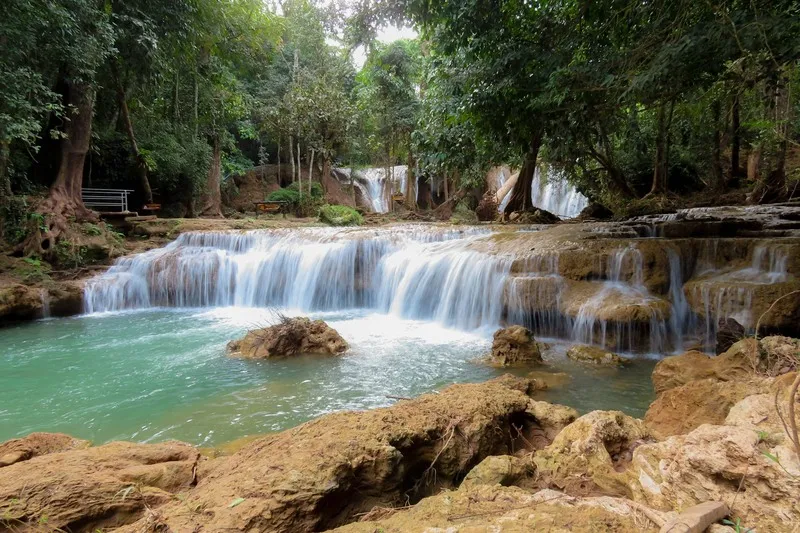
Than Sawan Waterfall is one of the most popular attractions in the park. It is located close to the park headquarters, with a walking distance of about 300 meters including steps and a flat path. The waterfall is formed by several streams, including Huai Song Sop, Huai Pong, Huai Un, and Bo Bia spring water, which join as Huai Mae Pang before flowing over limestone. The water has a clear blue-green color and flows throughout the year. Surrounded by large trees and shaded forest, Than Sawan Waterfall is ideal for relaxing, photography, and a refreshing nature stop.
The beauty of Than Sawan Waterfall comes from its limestone character. The water flows gently over the rock and collects in a pool below, creating a calm and inviting scene. Visitors should wear shoes with good grip because paths and rocks may be wet, especially during the rainy season. Swimming or playing in the water should be done only in safe areas. Avoid climbing wet limestone and always watch children closely.
Tat Pu Kheng Waterfall is another natural attraction within the park area. It is located about 5 km from the park office, with vehicle access for part of the route and a walking distance of about 1.5 km. The waterfall is smaller than Than Sawan but has a peaceful atmosphere. Water flows over a broad rock platform of about 20 meters, surrounded by forest. This site is suitable for visitors who have more time and are comfortable walking in a natural setting.
Huai Ton Phueng Waterfall is notable for its height and forest setting. The waterfall flows down several limestone levels from a height of about 80 meters and has water throughout the year. The surrounding forest remains lush and quiet. The route to the waterfall is more remote, so visitors should travel in groups and prepare properly. From Ban Bo Bia Intersection, take Highway 1251 toward Chiang Muan to around kilometer marker 53, where the entrance is on the right. The waterfall is about 2.5 km from the main road.
Kaeng Luang is another interesting natural site connected with the park and Chiang Muan District. Located on the Yom River above the Kaeng Suea Ten area near Ban Pong Sanuk, it features large rock formations across the river, with dry dipterocarp and mixed deciduous forest along both banks. During the rainy season, when water levels are suitable, rafting or river activities may be available under safe conditions. During the dry season, the exposed rocks create a scenic landscape for photography and relaxation.
Huai Yua Reservoir offers a different kind of landscape, combining forest and open water. It is especially attractive in the early morning during the cool season, when mist may appear over the water and hills. This site is suitable for travelers who enjoy wide scenery, sunrise atmosphere, and peaceful nature photography. It can be included in a broader route with the park headquarters and nearby natural attractions.
Fang Ta is another unusual landscape associated with the area. It is a natural formation created by long-term erosion from water and wind, producing shapes that resemble the famous Phae Mueang Phi in Phrae Province. This gives visitors another perspective on Phayao’s natural diversity. The province is not only about forests and waterfalls; it also has unusual landforms shaped by geological processes over time.
Doi Phu Nang can be visited in several ways. For a short trip, visitors can stop at the park office, watch peafowl, and walk to Than Sawan Waterfall. This can be done in about 2 to 3 hours. For a full-day trip, travelers can add Tat Pu Kheng Waterfall, Huai Ton Phueng Waterfall, Kaeng Luang, or other nearby sites depending on road and weather conditions. Because each attraction has a different access route and walking requirement, planning is important.
For families with children, the most suitable area is around the park headquarters and Than Sawan Waterfall. The route is relatively easy, and the chance to see peafowl makes the visit memorable. Children can learn about wild animals, forest ecosystems, waterfalls, and respectful behavior in nature. Parents should remind children not to feed or chase birds, not to litter, and not to enter unsafe areas.
For birdwatchers and wildlife photographers, early morning and late afternoon are usually the best times. Wildlife is often more active during cooler hours, and the light is softer for photography. A long lens is useful for photographing peafowl without approaching too closely. Images taken from a respectful distance preserve natural behavior and are more meaningful than photos obtained by disturbing wildlife.
The park offers accommodation, camping areas, and tents for visitors who want to stay overnight. Advance contact or booking through the national park system is recommended, especially during weekends, holidays, and the cool-season travel period. Staying overnight allows travelers to experience the forest in the early morning and evening, which are often the best times to enjoy quiet nature and observe peafowl around the headquarters area.
The park entrance fee follows the national park rate: Thai adults 20 baht, Thai children 10 baht, foreign adults 100 baht, and foreign children 50 baht. These fees help support park maintenance, cleanliness, patrol work, facilities, and conservation efforts. Visitors should prepare cash and follow the payment process at the park entrance.
Visitors must follow national park rules. Do not bring pets into the park, do not collect plants, stones, or forest products, do not hunt, do not make loud noise, do not litter, and do not swim in dangerous or prohibited areas. Camping should be done only in designated zones. Fires should be used only where allowed by park staff, and food should be stored properly to avoid attracting wildlife.
The best travel season is generally from the late rainy season to the cool season, when the forest is green, the weather is cooler, and waterfalls have good water flow. The period from November to early year is also suitable for peafowl watching. The rainy season is good for waterfalls but requires caution because trails may be slippery and water levels can change quickly. The dry season is easier for travel but brings concerns about dust and forest fire risk. Always check park announcements before traveling, especially during heavy rain or temporary route closures.
A one-day itinerary can begin from Dok Kham Tai or Chiang Muan District. Arrive at the park headquarters in the morning, observe peafowl, walk to Than Sawan Waterfall, have lunch, and then continue to Tat Pu Kheng Waterfall or Kaeng Luang depending on time and conditions. If time allows, Huai Yua Reservoir or Fang Ta can be added. Travelers should plan to leave before dark, especially if they are not familiar with rural and mountain roads.
A 2-day, 1-night trip allows a more relaxed experience. On the first day, focus on the park headquarters, Than Sawan Waterfall, and evening peafowl observation. Stay overnight in park accommodation or the camping area. On the second day, wake early to enjoy the forest atmosphere, then continue to Huai Ton Phueng Waterfall, Kaeng Luang, or Chiang Muan-Kaeng Luang Dinosaur Forest Park. This route is suitable for travelers who want to experience Chiang Muan more deeply.
Doi Phu Nang also has strong local conservation value. The presence of many green peafowl indicates that the habitat still has ecological potential. Long-term conservation depends on park officers, local communities, and responsible visitors working together. Not disturbing wildlife, staying on proper routes, avoiding litter, and respecting park rules all help protect this natural area for the future.
For travelers who want to understand Phayao more deeply, Doi Phu Nang shows that the province is not only about lakes, temples, and old towns. It also has large forests, rare wildlife, waterfalls, and peaceful mountain landscapes. Chiang Muan, Pong, and Dok Kham Tai districts are important parts of Phayao’s nature travel identity. A trip to Doi Phu Nang expands the visitor’s view of the province from town and lake to forest and wildlife.
Getting There is most convenient by private car. The park headquarters is located around Ban Bo Bia, Ban Mang Subdistrict, Chiang Muan District, Phayao Province. From Dok Kham Tai District, take Highway 1251 toward Chiang Muan District. At Ban Bo Bia Intersection, turn right. After about 3 km, a sign for the park headquarters appears on the left. Turn into the access road for about 1 km to reach the park office. Travelers starting from Mueang Phayao should allow enough travel time, check vehicle condition, refuel in advance, and drive carefully on rural and hilly roads.
Doi Phu Nang National Park is a worthwhile destination for anyone who loves nature and wants to see Thai green peafowl in a real forest setting. The park offers Than Sawan Waterfall, easy peafowl viewing near the headquarters, more remote waterfalls for adventurous visitors, Kaeng Luang, Huai Yua Reservoir, Fang Ta, and overnight facilities for travelers who want to spend more time in nature. Visiting responsibly helps protect the wildlife and forest that make this park special.
| Name | Doi Phu Nang National Park |
| Location | Covering Chiang Muan, Pong, And Dok Kham Tai Districts, Phayao Province |
| Address | Ban Bo Bia, Ban Mang Subdistrict, Chiang Muan District, Phayao 56160 |
| Area | Approximately 462,775 Rai |
| Highlights | Green Peafowl, Than Sawan Waterfall, Tat Pu Kheng Waterfall, Huai Ton Phueng Waterfall, Kaeng Luang, Huai Yua Reservoir, Fang Ta, Mixed Deciduous Forest, Dry Dipterocarp Forest, And Nature Camping Areas |
| History / Local Context | A national park in Phayao Province covering 3 districts, known for forest ecosystems, waterfalls, rare wildlife, and green peafowl near the park headquarters |
| Distinctive Features | Large forest landscape suitable for peafowl watching, waterfall visits, nature study, camping, and learning about dry dipterocarp and mixed deciduous forest ecosystems |
| Important Wildlife | Green Peafowl, Fishing Cat, Marbled Cat, Leopard Cat, Serow, Pangolin, Soft-Shelled Turtle, Monitor Lizard, And Various Bird Species |
| Peafowl Watching Season | Cool Season To Early Year, Especially During The Breeding Season When Male Peafowl May Display Their Tails Near The Park Headquarters |
| Main Waterfalls | Than Sawan Waterfall, Tat Pu Kheng Waterfall, And Huai Ton Phueng Waterfall |
| Travel Information | From Dok Kham Tai District, take Highway 1251 toward Chiang Muan District. At Ban Bo Bia Intersection, turn right and continue about 3 km until seeing the park headquarters sign on the left, then drive about 1 km to the office. |
| Current Status | Open as a national park and nature destination in Phayao Province, with accommodation, camping areas, and natural attractions within the park |
| Open Days | Daily |
| Opening Hours | 08.00 – 16.30 |
| Fees | Thai Adults 20 Baht, Thai Children 10 Baht / Foreign Adults 100 Baht, Foreign Children 50 Baht |
| Facilities | Park Headquarters, Bungalows, Camping Ground, Rental Tents, Waterfall Walking Routes, Peafowl Viewing Area, Parking Area, And Staff Contact Point |
| Main Areas / Zones | Park Headquarters, Peafowl Viewing Route, Than Sawan Waterfall, Tat Pu Kheng Waterfall, Huai Ton Phueng Waterfall, Kaeng Luang, Huai Yua Reservoir, Fang Ta, And Camping Area |
| Caretaker | Doi Phu Nang National Park, Protected Area Regional Office 15 (Chiang Rai), Department Of National Parks, Wildlife And Plant Conservation |
| Main Contact Number | 09 5690 0605, 0 5447 6302 / Department Of National Parks Tel. 0 2562 0760 |
| Official Website / Official Page | Doi Phu Nang National Park Official Facebook Page And Department Of National Parks, Wildlife And Plant Conservation Information System |
| Nearby Tourist Attractions | 1. Than Sawan Waterfall, About 0 km 2. Peafowl Viewing Route Near Park Headquarters, About 0 km 3. Tat Pu Kheng Waterfall, About 5 km 4. Huai Ton Phueng Waterfall, About 11 km 5. Kaeng Luang, About 30 km 6. Chiang Muan-Kaeng Luang Dinosaur Forest Park, About 30 km 7. Huai Yua Reservoir, About 25 km 8. Fang Ta, About 45 km |
| Nearby Restaurants | 1. Aun Ruean Restaurant, About 11 km, Tel. 064-269-2263 2. Ban Tha Fa Cafe, About 15 km, Tel. 080-898-9662, 095-685-1965 3. Huan Muan Suan Hug, About 14 km 4. Larb Lam Chiang Muan, About 14 km 5. Jungle Cafe Chiang Muan Phayao Branch, About 15 km 6. PunThai Coffee Chiang Muan, About 15 km |
| Nearby Accommodations | 1. Doi Phu Nang National Park Bungalows, About 0 km, Tel. 09 5690 0605, 0 5447 6302 2. Doi Phu Nang National Park Camping Ground, About 0 km, Tel. 09 5690 0605, 0 5447 6302 3. Ban Suan Sarun, About 1 km, Tel. 094-238-9989 4. P&P House Chiang Muan, About 15 km, Tel. 086-001-2011, 061-252-8615 5. Deetorjai Resort Chiang Muan, About 16 km, Tel. 085-627-6422 6. Baan Suan Siri Homestay, About 16 km, Tel. 096-772-5214 |
Frequently Asked Questions (FAQ)
Q: Where is Doi Phu Nang National Park located?
A: Doi Phu Nang National Park is in Phayao Province, covering Chiang Muan, Pong, and Dok Kham Tai districts. The park headquarters is around Ban Bo Bia, Ban Mang Subdistrict, Chiang Muan District.
Q: What are the main highlights of Doi Phu Nang National Park?
A: The main highlights are green peafowl near the park headquarters, Than Sawan Waterfall, Tat Pu Kheng Waterfall, Huai Ton Phueng Waterfall, Kaeng Luang, Huai Yua Reservoir, Fang Ta, and camping areas.
Q: When is the best time to see peafowl at Doi Phu Nang?
A: The cool season to early year is a good time, especially during the breeding season when male peafowl may display their tails near the park headquarters.
Q: Is Than Sawan Waterfall far from the park headquarters?
A: No. Than Sawan Waterfall is close to the park headquarters, with a walking distance of about 300 meters, including steps and a flat path.
Q: Does Doi Phu Nang National Park have accommodation or camping?
A: Yes. The park has bungalows, camping areas, and rental tents. Visitors should contact the park or book through the national park system in advance.
Q: How much is the entrance fee for Doi Phu Nang National Park?
A: Thai adults 20 baht, Thai children 10 baht, foreign adults 100 baht, and foreign children 50 baht.
Q: How do visitors get to Doi Phu Nang National Park?
A: From Dok Kham Tai District, take Highway 1251 toward Chiang Muan. At Ban Bo Bia Intersection, turn right, continue about 3 km to the park sign on the left, then drive about 1 km to the park headquarters.
Q: What nearby attractions can be visited after Doi Phu Nang National Park?
A: Nearby places include Kaeng Luang, Chiang Muan-Kaeng Luang Dinosaur Forest Park, Huai Yua Reservoir, Fang Ta, Huai Ton Phueng Waterfall, and other attractions in Chiang Muan District.
 Category: ●Nature and Wildlife
 Group: ●National Parks and Marine Reserves
Last Update : 4 MonthAgo
 Last Update : 4 MonthAgo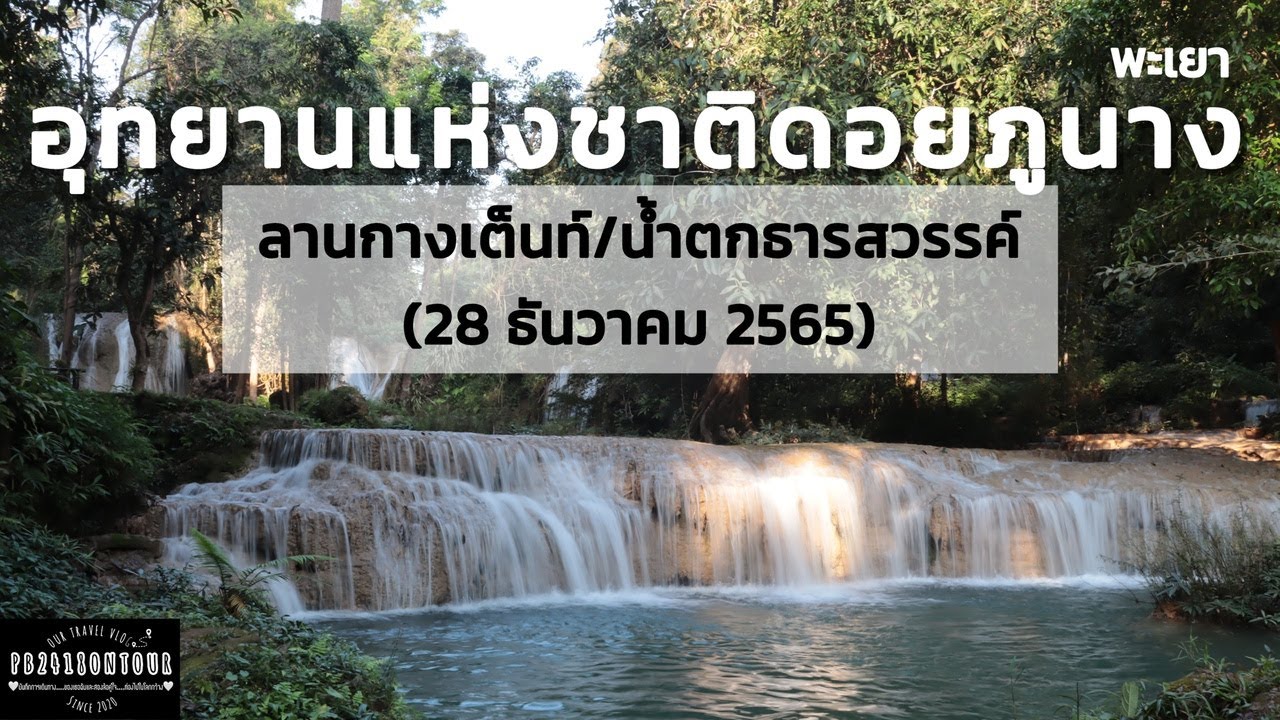
 Click to Access the Navigation Map GPS
Doi Phu Nang National Park Map
Recommend

 Art, Culture and Heritage
 Historical Sites and Monuments(4)
 Landmarks and Memorials(4)
 Art, Craft Centres, Tradition(1)
 Museums(2)
 Places of Worship
 Temple(39)
 Other Sacred Sites(5)
 Research and Development
 Royal Project(1)
 Suburban Living
 Village, Community(2)
 Local Market(4)
National Parks and Marine Reserves(6)
Local Market(4)
National Parks and Marine Reserves(6)
 Mountain (Doi)(2)
 Dam, Reservoir, Lake(11)
 Waterfalls(8)
 Caves(5)
 River, Canal(3)
 Other natural attractions(5)


