
TL;DR: Nature and Wildlife of North in Phayao
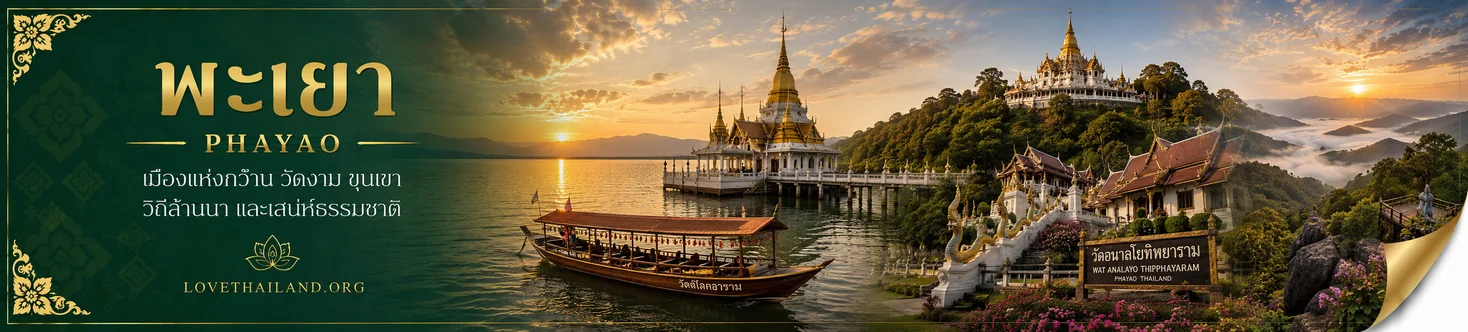

Nature and Wildlife
Nature and Wildlife in Thailand form one of the key foundations that make Thai tourism both distinctive and appealing compared with many other countries in Southeast Asia. Thailand is not known only for beautiful seas or high mountains. It also offers forests, waterfalls, caves, lakes, wetlands, coastlines, islands, coral reefs, mountain grasslands, and vast forest areas that provide habitats for a wide variety of wildlife across almost every region of the country. From a traveler’s perspective, Thai nature is therefore more than just a beautiful backdrop for relaxation. It is an ecosystem deeply connected to local communities, regional culture, food, transportation, and seasonal rhythms, allowing many destinations to develop into tourism sites while still preserving their natural identity.
Thailand’s strength lies in its geographical diversity within a relatively manageable area, allowing travelers to experience very different kinds of nature within a single country. The North is known for its mountain ranges, mixed deciduous forests, pine forests, sea-of-mist viewpoints, and cool weather in certain seasons. The Central Region offers wetlands, rivers and canals, forests close to urban areas, and national parks that are easy to reach. The Northeast features sandstone mountains, cliffs, waterfalls, seasonal flower fields, and forest landscapes with a character of their own. The South has two coastlines, both the Gulf of Thailand and the Andaman Sea, along with islands, beaches, sea caves, tropical rainforest, and large wetland systems. This level of diversity means that “nature travel in Thailand” does not refer to a single experience, but to a wide range of experiences that travelers can choose based on their interests and travel season.
Another aspect that makes Thai nature so compelling is the relationship between forest and wildlife, which should never be separated. The quality of a natural tourist destination is not measured only by scenic beauty, but also by the health of the ecosystem behind it. Areas that still support a wide range of wildlife often indicate that the forests, water sources, food chains, and surrounding environment remain in relatively good condition. That is why Thailand has strong potential for hiking, birdwatching, wildlife observation, plant study, butterfly watching, waterfall trips, cave exploration, mountain travel, and ecotourism experiences that emphasize learning rather than simply admiring the view.
When people think about Thai nature in general, many immediately picture national parks, and that is understandable. National parks combine natural beauty, conservation value, and tourism infrastructure in one place, whether in the form of nature trails, viewpoints, waterfalls, campsites, park lodges, or visitor centers. In reality, however, Thailand’s natural attractions are not limited to national parks alone. They also include wildlife sanctuaries, forest parks, arboretums, wetlands, mangrove forests, geological sites, and communities that live in close balance with the natural environment. For that reason, any article about nature and wildlife in Thailand should go beyond simply listing well-known national parks.
Northern Thailand offers some of the strongest natural imagery in the minds of many travelers. Its high mountains, cool climate, forests, waterfalls, and sea-of-mist viewpoints create a memorable seasonal travel experience. Doi Inthanon in Chiang Mai Province is one of the clearest examples of a natural destination that brings together highland scenery, montane forest ecosystems, waterfalls, and interpretive nature trails in a single area. Meanwhile, Phu Chi Fa and Pha Tang in Chiang Rai represent the beauty of border mountains and sunrise views above the mist. Ob Luang, Mae Ping, Chae Son, Phu Hin Rong Kla, and many other forested mountain areas in the North show that the region is not only about beautiful peaks, but also about geology, forest ecology, and the adaptation of highland communities.
What gives Northern nature its unique charm is the rhythm of the seasons. Winter is ideal for cool weather and sea-of-mist landscapes. The rainy season is excellent for waterfalls, lush green forests, and refreshing natural trails. Late rainy season through early winter is especially good for wildflowers and open scenic views. Travelers who love mountain landscapes often choose the North first because it offers both peaceful surroundings and a climate very different from the major cities, along with the chance to experience forests and mountains at close range. At the same time, travel in mountainous areas requires more attention to route planning, weather conditions, and safety than many other forms of nature tourism.
The Central Region offers a different kind of advantage. It is highly accessible and suits many types of travelers, from those with limited time to those looking for forest experiences close to Bangkok. Nature in Central Thailand is not defined only by high mountains. Instead, it appears in the form of forested national parks, large waterfalls, western forest complexes, wetlands, mangroves, and coastal areas. The best-known example is Khao Yai National Park, which spans several provinces and symbolizes the idea of forest travel that is easy to access. In certain seasons, wildlife can genuinely be seen there, and the park also offers waterfalls, hiking trails, viewpoints, and a pleasant atmosphere. Kaeng Krachan, Erawan Waterfall, Sangkhla Buri, wetlands, and mangrove forests along the Gulf coast also show that the Central Region is more naturally diverse than many people realize.
The heart of nature tourism in the Central Region is not only convenience, but also its role as a bridge between nature and urban travelers. Many destinations can be visited as day trips, or with only 1–2 nights of travel, yet still offer forests, waterfalls, birdwatching, and even some wildlife viewing. This makes the Central Region especially suitable for first-time nature travelers, families, and those who want to begin exploring Thailand’s national parks in a practical and approachable way.
The Northeast is often associated with rice fields and local culture, but in reality it also has outstanding natural resources, especially sandstone mountains, cliffs, dry evergreen and deciduous forests, waterfalls, and seasonal flower fields. Phu Kradueng National Park is one of the great symbols of nature travel in Thailand because it offers the full experience of trekking uphill, pine forests, grasslands, waterfalls, and cliffs that change atmosphere along the route. Pha Taem National Park is notable for its Mekong-side scenery, dramatic cliffs, and prehistoric rock paintings. The Siam tulip fields of Chaiyaphum, along with Pa Hin Ngam and Sai Thong National Parks, reflect a form of highly seasonal travel in which visitors plan their trip specifically around the short blooming period each year.
The appeal of Northeastern nature lies in its open, seasonal character. It is not dense and humid year-round like the tropical rainforest of the South. Instead, it presents beauty in the form of cliffs, grasslands, dry dipterocarp forest, and wide skies. It is ideal for travelers who enjoy unusual landscapes, long-distance road journeys, and the relationship between nature and local culture. Many destinations in the Northeast offer not only scenic viewpoints, but also deep connections to the Mekong River, local history, community life, and regional food traditions.
Southern Thailand is the region that has made Thai nature tourism internationally recognizable. With coastlines on both the Gulf of Thailand and the Andaman Sea, the South offers islands, sandy beaches, coral reefs, tropical rainforest, caves, waterfalls, and wetland areas within relatively short travel distances. Many of Thailand’s iconic natural destinations are located here, including the Similan Islands, Surin Islands, Phang Nga Bay, Khao Sok, Tarutao, Koh Phangan, Koh Tao, and Thale Noi. These places show that Southern nature is not only about beautiful beaches. It also includes ancient forest, reservoirs, limestone mountains, mangrove systems, freshwater ecosystems, and important birdwatching and aquatic wildlife areas.
Khao Sok in Surat Thani Province is a clear example of Southern nature tourism that goes beyond the image of the sea. It combines tropical rainforest, Cheow Lan Lake, limestone mountains, morning mist, and activities such as boat trips and nature-based stays. The Similan and Surin Islands reflect the beauty of the Thai sea, closely tied to clearly defined seasonal opening periods. Thale Noi in Phatthalung, meanwhile, is a leading example of a wetland with major value for birdwatching, ecosystem education, and the traditional way of life around the lake.
If we move from region to type of natural attraction, it becomes clear that nature tourism in Thailand can be divided into many styles, each appealing to different travelers. Those who enjoy mountains and cool weather often choose mountain viewpoints, sea-of-mist spots, and highland campsites. Those who love waterfalls tend to focus on the rainy season and late rainy season when water flow is at its best. Sea lovers choose their travel time according to which coast has calmer weather and better visibility. Birdwatchers and wildlife enthusiasts focus on protected areas with high ecological integrity. Families often prefer parks that are easy to access, have clear walking paths, and offer a reasonable level of facilities.
Wildlife therefore becomes an essential part of nature travel in Thailand. Going into the forest does not mean one will always see wildlife, but even the possibility of spotting hornbills, gibbons, tapirs, deer, or monkeys in the forest, or simply noticing footprints, calls, and traces of animal movement, creates a travel experience very different from ordinary sightseeing. Khao Yai is one of the best-known places where wildlife may sometimes be seen along roads or at designated viewing areas. Kui Buri is often mentioned in connection with responsible viewing of wild elephants and gaurs from a respectful distance. Some areas in the South and the West are especially suitable for birdwatching, butterfly watching, or observing region-specific wildlife species.
Even so, talking about wildlife in tourism must always be grounded in the right principles. Wildlife is not a performance, not a prop for photographs, and should never be expected to appear on demand for visitors. Good nature tourism must accept the reality of ecosystems: wildlife should remain free to live according to natural patterns. Travelers should observe quietly, politely, and without disturbance by not feeding animals, not making loud noises, not chasing them with vehicles, not using flash at close range, and not leaving litter behind in protected areas. These practices are not merely strict rules. They are the foundation for making tourism and conservation compatible in the long term.
Beyond behavior and etiquette, trip planning is another crucial part of nature travel in Thailand because each destination has its own best season. Mountains and mist viewpoints are often best from late rainy season into winter. Waterfalls are usually at their most beautiful during or just after the rainy season. The two coastlines of the South have different ideal travel periods. Checking weather conditions, opening and closing schedules, visitor limits in certain areas, and the regulations of each protected area is therefore something every traveler should do before departure, especially when visiting marine attractions or highly managed national parks.
For general travelers who want to begin exploring Thailand’s natural destinations in a meaningful way, it is wise to choose a destination based on one’s travel style first. If time is limited and easy access is important, the Central Region and national parks near Bangkok may be the best option. If you love mountains, cool weather, and long-distance views, the North is an excellent choice. If you enjoy trekking, seasonal flowers, and cliff landscapes, the Northeast has a character of its own. If you want a combination of sea, forest, waterfalls, and humid tropical scenery, the South is the most complete destination. This is one reason why Thailand’s natural tourism continues to have strong appeal for both domestic and international travelers.
From the perspective of modern travel content, describing Thai nature fully should not stop at calling it beautiful. It should answer practical questions that help readers plan a real journey, such as what kind of nature belongs to which region, which season is best, how to prepare, what activities are possible, and how to travel without harming the place. These answers matter greatly in an era when many travelers want meaningful experiences, not simply photo stops. Good nature travel should allow visitors to feel that they have seen, understood, and respected the place at the same time.
In economic terms, Thailand’s nature and wildlife also form an important base for sustainable tourism because they can create local income in many ways, including tourism services, local employment, accommodation, restaurants, community guides, local boat services, transportation, and community-made products. At the same time, however, if tourism is managed poorly, the very natural resources that attract visitors may be damaged through overuse. The true core of developing natural attractions in Thailand is therefore not simply increasing visitor numbers, but ensuring that ecosystems remain healthy over the long term.
Thailand has a major advantage in this respect. It has conservation agencies, a large number of protected areas, popular nature routes, and local communities that are increasingly ready to work with conservation-oriented tourism. Combined with the country’s natural diversity across all regions, Thailand remains one of the most suitable destinations in Asia for nature travelers, whether they are first-timers who want to begin with accessible national parks or those seriously interested in wildlife, birdwatching, trekking, and ecosystem learning.
In the end, nature and wildlife in Thailand are valuable not only as tourist attractions, but also as environmental and cultural assets that give the country a very clear travel identity. Natural areas in every region have their own character. The North stands out for mountains and mist. The Central Region is known for accessible forests and national parks near urban areas. The Northeast is distinguished by cliffs, seasonal flower fields, and highly specific local landscapes. The South is defined by the sea, tropical rainforest, and wetland ecosystems. These landscapes will remain beautiful only if tourism grows together with a real understanding of conservation, and if every traveler chooses to be a responsible visitor to the natural world.
| Topic | Details |
| Title | Nature and Wildlife in Thailand: Natural Attractions Across Every Region of the Country |
| Overall Meaning | Covers Thailand’s natural attractions such as national parks, waterfalls, mountains, caves, seas, islands, mangrove forests, wetlands, birdwatching areas, and wildlife-viewing destinations. |
| Thailand’s Main Strength | Thailand offers highly diverse landscapes within one country, including mountains, forests, waterfalls, major protected forest complexes, two coastlines, and ecosystems suitable for ecotourism. |
| Main Natural Resources | National parks, protected forests, waterfalls, mountains, caves, rivers, seas, islands, mangroves, wetlands, birdwatching sites, and wildlife observation areas. |
| Related Tourism Types | National park travel, hiking, birdwatching, wildlife observation, waterfall trips, cave visits, marine tourism, nature boat tours, ecotourism, and ecosystem-based community learning. |
| Northern Thailand: Distinctive Nature | High mountains, mixed deciduous forest, pine forest, waterfalls, sea-of-mist viewpoints, and cool seasonal weather. |
| Northern Thailand: Example Destinations | Doi Inthanon, Phu Chi Fa, Pha Tang, Ob Luang, Mae Ping, Chae Son, and Phu Hin Rong Kla. |
| Northern Thailand: Travel Highlights | Sea of mist, sunrise viewpoints, rainy-season waterfalls, cool mountain forests, interpretive nature trails, and highland travel experiences. |
| Northern Thailand: Best Time to Visit | Late rainy season to winter for mist and cool weather, and the rainy season for waterfalls and lush green forest. |
| Central Thailand: Distinctive Nature | Accessible forest parks, major waterfalls, western forest complexes, wetlands, mangroves, and easy-to-reach coastal areas. |
| Central Thailand: Example Destinations | Khao Yai, Kaeng Krachan, Erawan Waterfall, Gulf mangrove areas, forests near Bangkok, and accessible national parks. |
| Central Thailand: Travel Highlights | Ideal for short nature trips, easy access, family-friendly travel, beginner nature experiences, and forest visits without long travel times. |
| Central Thailand: Best Time to Visit | Possible year-round depending on activity, with the rainy season ideal for waterfalls and late rainy season to winter good for forest travel and some wildlife observation. |
| Northeastern Thailand: Distinctive Nature | Sandstone mountains, cliffs, dry dipterocarp forest, waterfalls, seasonal flower fields, and open landscapes with highly specific regional character. |
| Northeastern Thailand: Example Destinations | Phu Kradueng, Pha Taem, Pa Hin Ngam, Sai Thong, Mekong viewpoints, and forested uplands in several provinces. |
| Northeastern Thailand: Travel Highlights | Mountain trekking, Siam tulip fields, cliff landscapes, Mekong views, seasonal beauty, and strong links between nature and local culture. |
| Northeastern Thailand: Best Time to Visit | Rainy season and late rainy season for flower fields, waterfalls, and green forests, while winter is ideal for trekking and cooler weather. |
| Southern Thailand: Distinctive Nature | Two coastlines, islands, beaches, coral reefs, tropical rainforest, limestone mountains, waterfalls, and extensive wetland systems. |
| Southern Thailand: Example Destinations | Similan Islands, Surin Islands, Khao Sok, Phang Nga Bay, Tarutao, Thale Noi, Koh Tao, and Koh Phangan. |
| Southern Thailand: Travel Highlights | Diving, coral viewing, boat trips, tropical rainforest experiences, reservoir and limestone mountain scenery, waterbird watching, and trips that combine sea and forest in one journey. |
| Southern Thailand: Best Time to Visit | Travel timing should be chosen according to coastline and season, as the Gulf of Thailand and the Andaman coast have different rainfall and sea conditions. |
| Wildlife Related to Nature Tourism | Hornbills, gibbons, deer, wild elephants, gaurs, butterflies, waterbirds, coastal aquatic life, and region-specific wildlife in different ecosystems. |
| Leading Wildlife Tourism Areas | Khao Yai, Kui Buri, Pang Sida, Kaeng Krachan, Thale Noi, and birdwatching or wildlife-viewing areas in other protected zones. |
| Popular Activities | Hiking, waterfall visits, birdwatching, wildlife observation, boat-based nature viewing, nature photography, camping, ecosystem learning, sea-of-mist viewing, snorkeling, and diving. |
| Suitable Traveler Groups | Families, nature travelers, photographers, birdwatchers, trekkers, ecotourists, and those seeking relaxation outside the city. |
| Preparation Before Travel | Check the season, weather, opening times, park regulations, trail difficulty, accommodation booking, vehicle readiness, and equipment for rain or sun. |
| Nature Travel Etiquette | Do not litter, do not feed animals, do not make loud noise, do not remove plants or rocks, do not use flash near wildlife, maintain distance, and respect all protected-area regulations. |
| Recommended Travel Approach | Travel responsibly, use resources carefully, support local communities, and treat nature as an ecosystem that must be protected rather than simply a photo backdrop. |
| Value of Thai Nature | It is both a tourism foundation, an ecological resource, a learning space, and one of the country’s most important assets for sustainable tourism. |
Frequently Asked Questions (FAQ)
Q: Which region of Thailand is strongest for nature and wildlife tourism?
A: No single region is strongest in every way because each has different strengths. The North stands out for mountains and mist, the Central Region for accessible national parks, the Northeast for cliffs and seasonal flower fields, and the South for the sea, tropical rainforest, and wetlands.
Q: If I want to start exploring nature in Thailand in an easy way, where should I begin?
A: It is best to begin with a national park or natural destination that is easy to reach, offers a reasonable level of facilities, and has clearly marked routes, such as Khao Yai, well-known waterfalls, or accessible natural areas near major cities.
Q: What kind of nature travel is Northern Thailand best for?
A: It is ideal for mountain travel, sea-of-mist viewpoints, rainy-season waterfalls, interpretive nature trails, and cool-weather escapes from late rainy season through winter.
Q: What are some of the most interesting nature destinations in Northeastern Thailand?
A: The Northeast is especially known for Phu Kradueng, Pha Taem, Siam tulip fields, Pa Hin Ngam, waterfalls, and cliff or grassland landscapes with a very distinctive regional character.
Q: Is Southern Thailand known only for the sea?
A: No. Southern Thailand offers much more than the sea, including tropical rainforest, limestone mountains, waterfalls, wetlands, and important birdwatching areas, allowing travelers to experience both marine and forest ecosystems in the same region.
Q: How should wildlife viewing in Thailand be done responsibly?
A: Wildlife should be observed from an appropriate distance. Visitors should never feed animals, make loud noises, or use flash near them, and should always follow the guidance of park staff or local guides.
Q: Is the rainy season a good time for nature travel in Thailand?
A: Yes, in many places it is excellent because forests are lush, waterfalls are impressive, and the atmosphere feels fresh. However, travelers should be careful about slippery trails, heavy rain, and temporary closures in some areas, so checking conditions in advance is essential.
Q: Why are nature and wildlife so important to Thai tourism?
A: They are both a major attraction of the country and a foundation for ecosystem learning, community income, and sustainable tourism, all of which contribute to the wide variety of travel experiences Thailand can offer.
Q: How can I enjoy nature travel without damaging the environment?
A: Reduce waste, bring reusable personal items, do not feed animals, do not remove anything from the site, use water and resources carefully, support environmentally responsible local businesses, and respect the rules of protected areas.
Q: Is Thai nature suitable for international travelers as well?
A: Very much so. Thailand offers mountains, forests, waterfalls, seas, islands, and diverse wildlife, giving international travelers many different kinds of nature experiences within one country.

 National Parks and Marine Reserves(7)
 Mountain (Doi)(2)
 Dam, Reservoir, Lake(11)
 Waterfalls(8)
 Caves(5)
 River, Canal(3)
 Other natural attractions(5)


