
lovethailand home >North Travel Attractions >Kamphaeng Phet Travel Attractions >Pang Sila Thong >Pang Ta Wai > Mae Wong National Park
TL;DR: Mae Wong National Park is located at Kamphaeng Phet and Nakhon Sawan provinces, covering Pang Sila Thong District in Kamphaeng Phet and Mae Wong and Mae Poen districts in, open Daily, hours 06.00 – 18.00.
Mae Wong National Park
Open Days: Daily
Opening Hours: 06.00 – 18.00
Mae Wong National Park is one of the most important protected forest areas in upper central and lower northern Thailand. The park covers parts of Kamphaeng Phet and Nakhon Sawan provinces and spans approximately 558,750 rai, or 894 square kilometers. It forms part of Thailand’s vast Western Forest Complex, connecting with Khlong Lan National Park to the north, Huai Kha Khaeng Wildlife Sanctuary to the south, and Umphang Wildlife Sanctuary to the west. This ecological connection makes Mae Wong a vital habitat for rare wildlife, mountain forest ecosystems, and watershed landscapes.
Mae Wong National Park can be understood as a destination for travelers who want real forest, cool mountain air, waterfalls, birdwatching, camping, and long-distance trekking. Its main highlights include Chong Yen, Kio Krathing Viewpoint, Kaeng Pha Khoi Nang, Pha Khoi Nang Waterfall, Mae Krasa Waterfall, Mae Rewa Waterfall, Mae Ki Waterfall, Nang Nuan Waterfall, Suea Khrong Waterfall, and Mount Mokoju, the highest peak in the Western Forest Complex at about 1,964 meters above sea level.
The park was officially declared a national park on 14 September 1987. Its forest consists mainly of mixed deciduous forest, evergreen forest, and dry dipterocarp forest. Important tree species include teak, pradu, makha mong, yang daeng, teng, and rang. These forests are not only scenic; they also function as water storage areas, oxygen-producing ecosystems, wildlife habitats, and valuable natural classrooms for conservation education.
Mae Wong is especially significant for wildlife conservation. The park provides habitat for elephants, gaurs, deer, barking deer, bears, wild boar, civets, squirrels, wild cats, and many smaller animals. It is also one of Thailand’s notable birdwatching sites, with rare birds such as rufous-necked hornbill, long-tailed broadbill, greater necklaced laughingthrush, green-eared barbet, great slaty woodpecker, and Burmese yuhina. For birdwatchers, Chong Yen and the surrounding hill forest are among the most rewarding areas of the park.
The landscape of Mae Wong includes foothill forests, valleys, streams, waterfalls, cliffs, and high mountains. This variety allows different styles of travel. Visitors with limited time can enjoy short walks, viewpoints, streams, and accessible camping areas. More experienced hikers can plan longer routes to remote waterfalls or Mount Mokoju. The park therefore suits families, photographers, birdwatchers, campers, and serious trekkers, as long as each group chooses a route that matches its experience and physical readiness.
Kaeng Pha Khoi Nang is one of the easier attractions to reach. It is a large rocky rapid in Khlong Khlung stream, located about 1.8 kilometers from the park headquarters. From the rapid area, visitors can continue on foot for about 350 meters to Pha Khoi Nang Waterfall, a small 4-tier waterfall set in a peaceful forest environment. This area is suitable for first-time visitors who want to enjoy Mae Wong’s streams and forest atmosphere without committing to a difficult hike.
The area around Kaeng Pha Khoi Nang and Pha Khoi Nang Waterfall is also suitable for camping in designated zones. Travelers who plan to stay overnight should prepare tents, sleeping bags, warm clothing, flashlights, food, drinking water, and personal trash bags. Camping in Mae Wong gives a different experience from a day trip because visitors can enjoy the quiet night forest, cool morning air, and the changing light over the mountains.
Kio Krathing Viewpoint is another important stop. It is located around kilometer marker 81 on the Khlong Lan-Umphang route, about 16 kilometers from the park headquarters. From this cliffside viewpoint, visitors can see wide mountain and forest scenery. The viewpoint is excellent for photography, rest stops, and understanding the scale of Mae Wong’s forest landscape.
Chong Yen is one of Mae Wong’s most famous destinations. It is the highest point on the Khlong Lan-Umphang road, about 28 kilometers from the park headquarters, at approximately 1,340 meters above sea level. The area is known for cool weather, strong winds, mist, and highland forest. With an average temperature of around 20 degrees Celsius, Chong Yen is especially popular for camping during the cool season.
Chong Yen is also an outstanding birdwatching and plant study area. The surrounding forest contains ferns, orchids, tree ferns, and many epiphytic plants. Birdwatchers often visit to look for rufous-necked hornbill, long-tailed broadbill, Burmese yuhina, and great slaty woodpecker. Visitors staying at Chong Yen should prepare carefully because facilities are limited in some areas. Warm clothing, rain protection, flashlights, drinking water, food, and trash bags are essential.
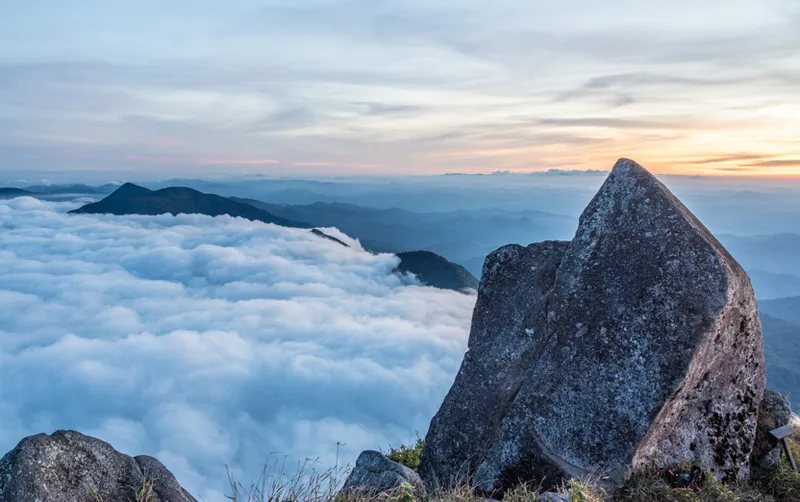
Near the Chong Yen area, many travelers also visit the viewpoint known as Little Mokoju. It offers wide mountain views without requiring the full 5-day trek to Mount Mokoju. The view of layered ridgelines and forested valleys gives visitors a strong sense of the scale and beauty of Mae Wong’s protected forest. For many people, this viewpoint is a practical way to experience the atmosphere of the high mountains within a shorter trip.
Mount Mokoju is the dream destination for many Thai trekkers. It is the highest peak in Mae Wong National Park and the highest mountain in the Western Forest Complex, reaching about 1,964 meters above sea level. The name “Mokoju” comes from the Karen language and means “like it is going to rain,” reflecting the cloudy and misty character of the summit area. The trek usually takes about 5 days and 4 nights and requires camping at designated forest sites.
The Mokoju trek is not a casual walk. The trail is long, physically demanding, and includes steep sections. Some parts are very challenging, with slopes that require stamina and proper hiking preparation. Travelers must contact the park in advance, join the official trekking period, and follow park regulations. The trail is generally opened only during the cool season, usually from November to February, to ensure safety and reduce environmental impact.
Mae Wong also has several remote waterfalls that attract experienced nature travelers. Mae Krasa Waterfall is one of the largest waterfalls in the park, with 9 tiers and a total height of about 900 meters. It is located about 18 kilometers from the park headquarters and requires a 3-4 day round-trip trek. This waterfall is best suited to well-prepared hikers with enough time, equipment, and guidance.
Mae Rewa Waterfall is another large and beautiful waterfall, located about 21 kilometers from the park headquarters. It has 5 tiers and usually requires about 2 days for a round-trip trek. Nearby areas also include Mae Ki Waterfall, which originates from the Thanon Thong Chai mountain range. These waterfalls show the depth and richness of Mae Wong’s inner forest, but visitors must contact park staff before entering.
Nang Nuan Waterfall and Suea Khrong Waterfall are located around kilometer marker 99 on the Khlong Lan-Umphang route. Nang Nuan Waterfall requires a descent of about 200 meters, while Suea Khrong Waterfall requires a walk of about 1 kilometer. Visitors must inform park staff before visiting these areas. Waterfalls and forest trails can be slippery and change with weather conditions, so safety should always come first.
The park also has nature study trails, including the Nang Nuan Waterfall Nature Trail, about 6.4 kilometers long, and the Than Bun Mi Waterfall Nature Trail, which takes about 2 hours. These trails allow visitors to observe forest structure, plant diversity, bird calls, wildlife signs, streams, and the relationship between soil, water, and vegetation. Travelers should walk quietly, stay on marked paths, and avoid collecting plants or disturbing wildlife.
The best season to visit Mae Wong is from November to February. During this period, the weather is cool, views are clearer, and highland areas such as Chong Yen are at their most pleasant. The rainy season brings lush forest and strong waterfalls, but some routes may become slippery or temporarily closed. Visitors should always check current park announcements before traveling, especially if they plan to camp, visit Chong Yen, or join a long-distance trekking route.
Getting There is most convenient by private car. From Bangkok, drive north on Highway No. 1 toward Kamphaeng Phet, then continue toward the Khlong Lan-Umphang route via Highway No. 1117. Another option is Highway No. 1072 from Lat Yao to Khlong Lan. From Khlong Lan Market intersection, continue toward the park headquarters. Public transport travelers can take a bus to Khlong Lan Market and then hire a local songthaew or motorcycle taxi to the park.
Drivers should check their vehicles before entering higher areas, especially brakes, tires, fuel, and lights. The road toward Chong Yen includes curves and uphill sections. During misty weather, drivers should reduce speed and use headlights. Visitors who plan to stay at Chong Yen should register according to the park’s rules and follow the official access times for safety and area management.
Facilities at Mae Wong include a visitor center, park accommodation, camping areas, toilets, welfare shops, cooked-to-order food, coffee service, parking, viewpoints, and designated rest areas. However, facilities in higher or deeper forest areas are limited. Some locations have no electricity, no shops, and weak mobile phone signal. Visitors should bring enough food, water, warm clothing, medicine, flashlights, and outdoor equipment.
Mae Wong is suitable for many types of travelers. Families can choose easier areas near the park headquarters. Birdwatchers can focus on Chong Yen and montane forest zones. Photographers can capture mist, ridgelines, forest streams, and sunset light. Trekkers can plan long-distance routes during official seasons. Campers can enjoy the cool mountain air and night sounds of the forest.
Responsible travel is essential in Mae Wong because the park is home to rare wildlife and forms part of the Western Forest Complex. Visitors should not litter, feed wildlife, collect plants, leave marked trails, make excessive noise, or wash food containers directly in streams. Carrying trash out of the park and following staff guidance helps protect the forest for future generations.
As a natural learning area, Mae Wong clearly shows the relationship between forest, water, wildlife, and human life. Healthy forests create streams and waterfalls. Streams support communities downstream. Wildlife survives because the forest provides food, shelter, and space. A visit to Mae Wong is therefore not just a sightseeing trip; it is an opportunity to understand why forest conservation matters.
For travelers who want to climb Mokoju or join longer trekking routes, preparation should begin weeks in advance. Fitness training, backpack organization, suitable footwear, rain protection, high-energy food, water planning, and hiking etiquette are all important. Trekking in Mae Wong is not about speed; it is about safety, respect for nature, and awareness of one’s own limits.
Travelers who prefer easier trips can still enjoy Mae Wong without entering difficult routes. Chong Yen camping, Kio Krathing Viewpoint, Kaeng Pha Khoi Nang, and the areas near the park headquarters provide a strong forest experience within a shorter trip. These options are ideal for first-time visitors who want to get to know Mae Wong before attempting more challenging routes in the future.
The park also connects with nearby communities and attractions such as Khlong Lan Market, Khlong Lan National Park, Khlong Lan Waterfall, and Pang Sila Thong District. Buying supplies, food, or services from nearby communities helps distribute tourism income and supports local people who live around the protected forest.
A one-day trip should focus on accessible areas near the park headquarters, Kaeng Pha Khoi Nang, and nearby viewpoints. A 2-day, 1-night trip can include Chong Yen camping and mountain scenery. Travelers with more time and trekking experience can consider Mokoju or remote waterfall routes during the official open season. Matching the route with available time and physical readiness is the best way to enjoy Mae Wong safely.
Overall, Mae Wong National Park is a deeply valuable destination for nature, adventure, education, and conservation. The beauty of Chong Yen, the challenge of Mokoju, the richness of the waterfalls, the diversity of birds and wildlife, and the importance of the Western Forest Complex make it much more than a scenic travel spot. Visitors who prepare well, follow park rules, and travel responsibly will leave with a deeper appreciation of Thailand’s forests.
| Name | Mae Wong National Park |
| Location | Kamphaeng Phet and Nakhon Sawan provinces, covering Pang Sila Thong District in Kamphaeng Phet and Mae Wong and Mae Poen districts in Nakhon Sawan |
| Address | Moo 7, Ban Khlong Pla Soi, Pang Ta Wai Subdistrict, Pang Sila Thong District, Kamphaeng Phet Province 62120 |
| Coordinates | 16.06600, 99.22500 |
| Highlights | Chong Yen, Kio Krathing Viewpoint, Kaeng Pha Khoi Nang, Pha Khoi Nang Waterfall, Mount Mokoju, Mae Krasa Waterfall, Mae Rewa Waterfall, Mae Ki Waterfall, Nang Nuan Waterfall, Suea Khrong Waterfall, nature trails, and forest camping areas |
| History | Declared a national park on 14 September 1987, covering about 558,750 rai or 894 square kilometers as part of Thailand’s Western Forest Complex |
| Name Origin | The name is associated with the Mae Wong area in Nakhon Sawan, which forms part of the park’s protected landscape |
| Distinctive Features | A fertile Western Forest Complex landscape with mixed deciduous forest, evergreen forest, dry dipterocarp forest, high peaks, waterfalls, long-distance trekking routes, birdwatching areas, and cool-weather camping zones |
| Travel Information | From Bangkok, take Highway No. 1 toward Kamphaeng Phet, then continue via Highway No. 1117 on the Khlong Lan-Umphang route or Highway No. 1072 from Lat Yao to Khlong Lan before heading to the park headquarters |
| Current Status | Open for tourism under national park regulations; long-distance trekking routes and some inner areas open seasonally according to park announcements |
| Open Days | Daily |
| Opening Hours | 06.00 – 18.00 |
| Fees | Thai adults 40 baht, Thai children 20 baht / Foreign adults 200 baht, foreign children 100 baht / Car 30 baht / Motorcycle 20 baht |
| Facilities | Visitor center, park accommodation, camping areas, toilets, welfare shop, cooked-to-order food, coffee shop, parking, viewpoints, and designated rest areas |
| Main Areas / Zones | Park headquarters, Kaeng Pha Khoi Nang, Pha Khoi Nang Waterfall, Kio Krathing Viewpoint, Chong Yen, Khun Nam Yen, Mount Mokoju, Mae Krasa Waterfall, Mae Rewa Waterfall, Mae Ki Waterfall, Nang Nuan Waterfall, Suea Khrong Waterfall, and nature trails |
| Caretaker | Department of National Parks, Wildlife and Plant Conservation through Mae Wong National Park |
| Main Contact Number | 061-048-4837, 055-766-027, 090-457-9291 |
| Official Website / Official Page | Mae Wong National Park official Facebook page and the Department of National Parks, Wildlife and Plant Conservation website |
| Nearby Tourist Attractions | 1. Kaeng Pha Khoi Nang, about 2 km 2. Kio Krathing Viewpoint, about 16 km 3. Chong Yen, about 28 km 4. Khun Nam Yen, about 30 km 5. Khlong Lan National Park, about 36 km 6. Khlong Lan Waterfall, about 38 km 7. Khlong Lan Market, about 19 km |
| Nearby Restaurants | 1. Mae Wong National Park Welfare Restaurant, about 0 km, Tel. 061-048-4837 2. Mae Wong National Park Coffee Shop, about 0 km, Tel. 061-048-4837 3. Mae Wong Cafe & Cuisine, about 11 km 4. Ba LaLe Cafe, about 11 km 5. Local restaurants around Khlong Lan Market, about 19 km 6. Local food shops in Pang Ta Wai community, about 8 km |
| Nearby Accommodations | 1. Mae Wong National Park Accommodation, about 0 km, Tel. 061-048-4837, 090-457-9291 2. Chong Yen Camping Area, about 28 km, Tel. 061-048-4837 3. Khun Nam Yen Camping Area, about 30 km, Tel. 061-048-4837 4. Rattanabodee House / Ban Nai Suan Ya Jin, about 12 km 5. Mountain View Khlong Lan, about 20 km 6. Local homestays and accommodations around Khlong Lan Market, about 19 km |
Frequently Asked Questions (FAQ)
Q: Where is Mae Wong National Park located?
A: Mae Wong National Park covers parts of Kamphaeng Phet and Nakhon Sawan provinces. The park headquarters is in Pang Ta Wai Subdistrict, Pang Sila Thong District, Kamphaeng Phet Province.
Q: What are the main attractions in Mae Wong National Park?
A: Major attractions include Chong Yen, Kio Krathing Viewpoint, Kaeng Pha Khoi Nang, Pha Khoi Nang Waterfall, Mount Mokoju, Mae Krasa Waterfall, Mae Rewa Waterfall, Nang Nuan Waterfall, Suea Khrong Waterfall, and nature trails.
Q: How far is Chong Yen from the park headquarters?
A: Chong Yen is about 28 km from the park headquarters and is one of the most popular cool-weather camping areas in the park.
Q: Is Mount Mokoju open all year?
A: No. Mount Mokoju is a seasonal long-distance trekking route. It is generally opened during the cool season according to official park announcements, and visitors must contact the park in advance.
Q: How much is the entrance fee?
A: The entrance fee is 40 baht for Thai adults, 20 baht for Thai children, 200 baht for foreign adults, and 100 baht for foreign children. Vehicle fees are 30 baht for cars and 20 baht for motorcycles.
Q: Can visitors camp in Mae Wong National Park?
A: Yes. Camping is available in designated areas such as Chong Yen, Khun Nam Yen, and areas near the park headquarters. Visitors should contact or reserve in advance.
Q: When is the best time to visit Mae Wong National Park?
A: The best time is from November to February, when the weather is cool and suitable for camping, birdwatching, viewpoints, and trekking routes that are open during the season.
Q: What should visitors prepare before visiting?
A: Visitors should prepare warm clothing, hiking shoes, a flashlight, drinking water, food, personal medicine, insect repellent, a trash bag, and check park announcements before traveling, especially for Chong Yen or long-distance trekking routes.
 Category: ●Nature and Wildlife
 Group: ●National Parks and Marine Reserves
Last Update : 4 MonthAgo
 Last Update : 4 MonthAgo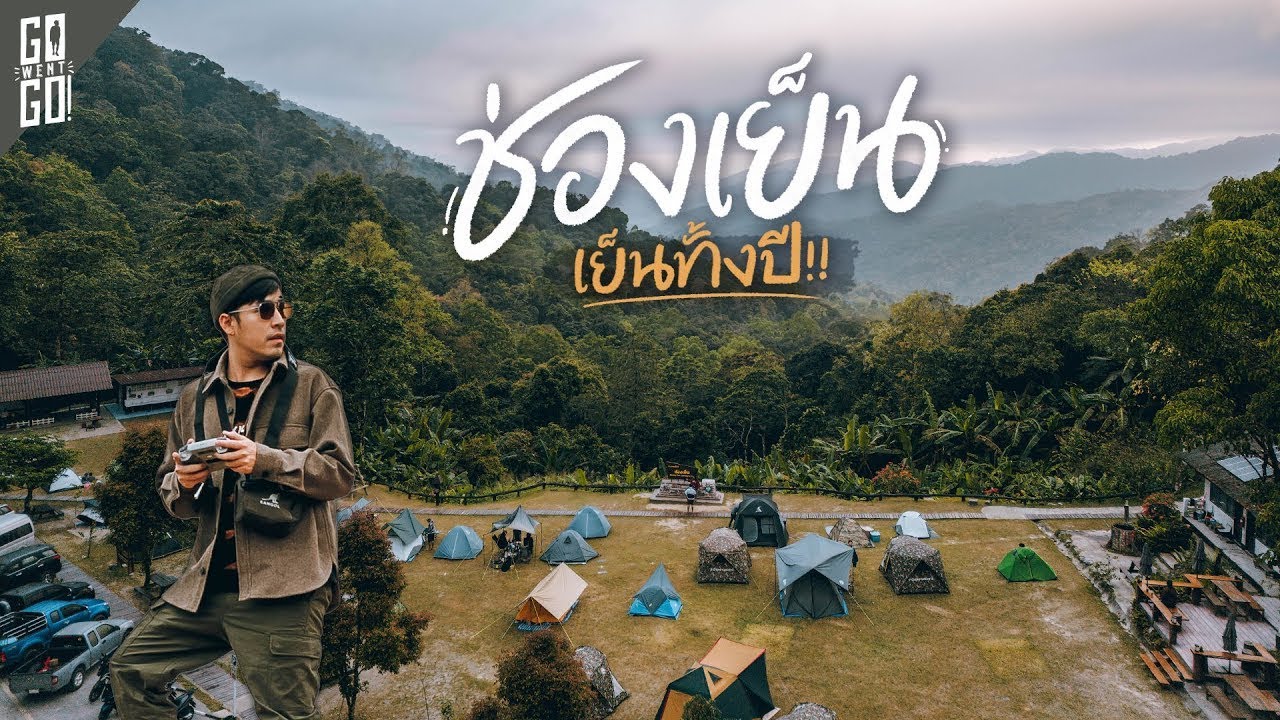
 Click to Access the Navigation Map GPS
Mae Wong National Park Map
Recommend

 Art, Culture and Heritage
 Historical Sites and Monuments(4)
 Landmarks and Memorials(1)
 Art, Craft Centres, Tradition(4)
 Museums(4)
 Historic Homes and Cities(1)
 Places of Worship
 Temple(25)
 Other Sacred Sites(8)
 Research and Development
 Royal Project(2)
 Suburban Living
 Village, Community(2)
 Local Market(2)
National Parks and Marine Reserves(4)
Local Market(2)
National Parks and Marine Reserves(4)
 Mountain (Doi)(2)
 Dam, Reservoir, Lake(4)
 Waterfalls(4)
 Hot Springs(1)
 River, Canal(3)
 Bays and Beaches(2)
 Other natural attractions(1)
 Entertainment and Agricultural
 Farms, Parks and Ecotourism(5)
 Waterpark(1)
 Shopping
 Shopping and Night Market(1)


