
lovethailand home >North Travel Attractions >Sukhothai Travel Attractions >Si Sat Chana Lai >Ban Kaeng > Si Satchanalai National Park
TL;DR: Si Satchanalai National Park is located at Ban Pa Kha, Moo 6, Ban Kaeng Subdistrict, Si Satchanalai District, Sukhothai Province; covering parts of Si Satchanalai, Thung Saliam, and, open Daily, hours 08.00 – 16.30.
Si Satchanalai National Park
Open Days: Daily
Opening Hours: 08.00 – 16.30
Si Satchanalai National Park, formerly known as Pa Kha, is one of Sukhothai Province’s most important natural conservation areas. Located around Ban Pa Kha, Moo 6, Ban Kaeng Subdistrict, Si Satchanalai District, the park protects a large forest landscape covering parts of Si Satchanalai District, Thung Saliam District, and Thoen District in Lampang Province. With an area of about 319 square kilometers, it is a valuable watershed forest, a habitat for wildlife, and a peaceful nature destination for travelers who want to experience waterfalls, caves, forest trails, mountain scenery, and the ecological side of northern Sukhothai.
The old name Pa Kha refers to the broad grassland landscape once associated with this area. The word “kha” reflects the presence of tall cogon grass fields that gave the forest its local identity. This original name helps visitors understand the special character of the park. It is not only a dense mountain forest, but also a landscape of grasslands, ridges, valleys, streams, limestone caves, and mixed forest types. For foreign travelers, Si Satchanalai National Park offers a quieter and more natural counterpoint to the famous historical attractions of Sukhothai.
The park was established according to the royal wish of His Majesty King Bhumibol Adulyadej the Great to protect the watershed forest and preserve natural resources in their most complete condition. It was officially declared a national park on 8 May 1981. This designation helped protect a large and ecologically important forest area from disturbance and allowed the landscape to remain a source of water, biodiversity, and environmental stability for surrounding communities.
The terrain of Si Satchanalai National Park consists mainly of mountains, forested slopes, valleys, streams, waterfalls, caves, and large natural grassland areas. The forest types include mixed deciduous forest, dry dipterocarp forest, and hill evergreen forest. Each forest type supports different plants and animals. Mixed deciduous forest changes strongly with the seasons, dry dipterocarp forest reflects the drier parts of the landscape, and hill evergreen forest holds more moisture and supports species adapted to cooler and more humid conditions. This variety makes the park ecologically rich and visually diverse.
As a watershed forest, the park plays an important role in the Mae Tha Phae River system. Forests in the area absorb rainwater, slow runoff, reduce soil erosion, and release water gradually into streams and lower communities. This natural function benefits both ecosystems and local livelihoods. Healthy forests mean cleaner water, more stable soil, better humidity, and stronger environmental resilience. Visiting the park helps travelers see that forests are not only scenic places, but living systems that support water, soil, plants, wildlife, and human communities.
The biodiversity of the park is one of its major values. Wildlife found in the area includes tree shrews, Asiatic golden cats, masked palm civets, serows, big-headed turtles, barking deer, wild boars, squirrels, butterflies, forest birds, reptiles, and amphibians. Some animals are difficult to see because they avoid people and live in deeper forest zones. However, their presence reflects the health of the habitat. Travelers should move quietly, avoid feeding wildlife, stay on designated trails, and respect the fact that a national park is first and foremost a protected home for wild species.
The big-headed turtle is especially interesting because it is usually associated with clean mountain streams. Its presence reflects the ecological quality of the water environment. Serows are linked to rugged mountain terrain and steep rocky areas, while civets and small wild cats form part of the forest food chain. These animals help maintain ecological balance. For students, nature lovers, and eco-tourists, the park is a valuable place to learn about how water, forest structure, wildlife, and conservation management are connected.
Tat Duean Waterfall is one of the easiest attractions to reach inside the park. It is located only about 300 meters from the park office. The waterfall is formed by Huai Mae Tha Phae flowing across a broad rock platform before dropping into a natural pool. The surrounding area is shaded and peaceful, making it suitable for families, short visits, photography, and relaxed nature walks. Because it is close to the visitor area, Tat Duean Waterfall is a good introduction to the park’s forest atmosphere.
Huai Sai Khao Waterfall is located about 3 kilometers from the park office. It is formed by Huai Sai Khao flowing down a rocky cliff in 7 tiers. The waterfall is surrounded by mountain forest and a variety of plants, especially beautiful during the rainy season and early cool season when the water flow is stronger. Travelers planning to visit this area should wear suitable shoes and check trail conditions with park staff, especially after rainfall when rocks and forest paths may be slippery.
Tat Dao Waterfall is one of the park’s most impressive waterfalls. It originates from Huai Mae Tha Phae and drops from a steep cliff about 50 meters high. The water falls in 2 streams through a quiet forest setting. Reaching Tat Dao requires walking about 4 kilometers from the park office, so it is better suited to travelers who are physically prepared and comfortable with forest walking. The reward is a powerful natural scene of high cliffs, falling water, forest sounds, and a peaceful atmosphere away from the easier visitor zones.
Bat Cave, or Tham Khang Khao, is another important attraction. It is located about 20 kilometers from the park office and is a large cave with beautiful stalactites and stalagmites. The cave is also home to a large population of bats. It is valuable both geologically and ecologically because cave environments are sensitive systems with stable darkness, humidity, and temperature. Visitors should follow staff guidance, avoid loud noise, avoid excessive light disturbance, never touch cave formations, and never leave waste inside the cave.
Tham Tharawasan is a smaller limestone cave with distinctive natural beauty. Inside, the cave has layered open spaces and rock textures that resemble flowing water. Some sections of the rock surface have patterns similar to marble, and one sandstone formation resembles a lion’s head. Access requires descending along the mountain and passing through a natural tunnel formed where two mountain masses meet. This cave is suitable for careful travelers who enjoy geological features and quiet natural exploration.
The Chom Tawan Nature Trail is designed for visitors who want a moderate forest walk with scenic views. The trail follows a mountain shoulder with moderate slopes and some stream crossings. The surrounding forest is mainly mixed deciduous forest. Along the route are 14 interpretation stations with educational signs. The trail takes about 2-3 hours and covers about 5.5 kilometers for the round trip. It is suitable for travelers who want a meaningful walk that combines exercise, forest observation, and the chance to see sunrise or wide views of the park landscape.
The Huai Mae Tha Phae Nature Trail is a shorter loop trail of about 2 kilometers, taking approximately 1 hour. It is suitable for visitors who want to learn about the forest without walking too far. Along the route, travelers may see butterflies, signs of barking deer, wild boars, squirrels, and smaller animals. The forest is a mixture of dry evergreen forest and mixed deciduous forest, allowing visitors to observe ecological variation within a compact area. This route is suitable for families, students, and travelers who prefer a lighter nature experience.
Beyond waterfalls, caves, and forest trails, Si Satchanalai National Park is a strong destination for environmental learning. Visitors can observe stream systems, rock formations, medicinal plants, forest layers, bird calls, insect sounds, and seasonal changes in the landscape. During the rainy season, the forest becomes lush and waterfalls are stronger. During the cool season, the weather is more comfortable for walking and camping. During the hot season, short visits around the park office and nearby waterfall zones are still possible, but travelers should bring enough drinking water and sun protection.
The park provides facilities for visitors, including accommodation, camping areas, rental tents, a welfare shop, food and drinks, toilets, parking, a visitor service area, and park staff. The park bungalows can accommodate different group sizes, and camping is available under park regulations. Travelers who plan to stay overnight should make arrangements in advance through the Department of National Parks reservation system or the park’s official channels, especially during weekends and long holidays.
The entrance fee follows the national park fee group 2 rate. Thai visitors pay 40 baht for adults and 20 baht for children. Foreign visitors pay 200 baht for adults and 100 baht for children. A vehicle fee applies, such as 30 baht for a car. Camping fees and accommodation fees depend on the type of service and current park regulations. Visitors should prepare some cash because digital payment options may not always be convenient in remote forest areas.
The main zones of the park can be understood as several areas. The first is the park office and visitor service zone, where travelers can contact staff and obtain information. The second is Tat Duean Waterfall zone, which is close and easy to reach. The third is Huai Sai Khao Waterfall zone for visitors who want to see a 7-tier waterfall. The fourth is Tat Dao Waterfall zone for stronger hikers. The fifth is Bat Cave zone for cave and wildlife interest. The sixth is Tham Tharawasan zone for limestone cave formations. The seventh is Chom Tawan Nature Trail zone for scenic forest walking. The eighth is Huai Mae Tha Phae Nature Trail zone for short ecological learning. The ninth is the accommodation and camping zone.
The park is managed by the Department of National Parks, Wildlife and Plant Conservation. Park officers are responsible for conservation, tourism management, visitor safety, fire prevention, patrols, and public service. The latest publicly reported head of Si Satchanalai National Park is Mr. Sakhon Suebsai. Managing a national park of this kind requires balancing conservation with public access. If tourism is uncontrolled, fragile ecosystems may be damaged. If managed properly, however, tourism can help visitors understand why forests, watersheds, wildlife, and caves must be protected.
Getting There can be done by private car from Sukhothai town using 2 main routes. The first route follows Highway 12 on the Sukhothai-Tak route for about 15 kilometers, then turns right onto Highway 1113, continues to the Sarachit intersection, and turns left onto Highway 1294 for a total distance of about 100 kilometers. The second route follows Highway 101 from Sukhothai toward Si Satchanalai District, turns left past Si Satchanalai Hospital, continues on Highway 1035 for about 11 kilometers, and then turns right onto Highway 1249 for a total distance of about 122 kilometers. Public transport travelers can reach Si Satchanalai District and take a local songthaew from the area opposite Si Satchanalai Police Station. The service usually leaves before noon and takes about 50 minutes.
Travel preparation should match the type of route. For Tat Duean Waterfall and the park office area, comfortable clothing and shoes suitable for damp ground are enough. For Tat Dao Waterfall, Chom Tawan Trail, or Huai Mae Tha Phae Trail, visitors should bring hiking shoes, drinking water, snacks, insect repellent, rain protection in the rainy season, and a personal trash bag. For cave visits, a flashlight is useful, and visitors should go with staff or people familiar with the route. Good nature travel requires both personal safety and low environmental impact.
Responsible behavior is essential in Si Satchanalai National Park. Visitors should stay on designated trails, avoid cutting plants, avoid collecting natural materials, avoid touching wildlife, avoid feeding animals, avoid writing on rocks or cave walls, avoid touching stalactites and stalagmites, and take all waste out of the forest. In Bat Cave, visitors should be especially careful with noise and light because bats are sensitive to disturbance. Quiet and respectful travel helps wildlife continue using the area naturally and helps preserve the park for future visitors.
Si Satchanalai National Park can be combined with nearby cultural attractions such as Si Satchanalai Historical Park, Wat Chang Lom, Wat Chedi Chet Thaeo, Wat Nang Phaya, and Ban Na Ton Chan. A 1-day trip is suitable for light nature activities around Tat Duean Waterfall and the visitor area, while a 2-day, 1-night trip allows more time for trails, waterfalls, caves, and overnight stays. Travelers who want both culture and nature can visit the historical park in the morning and continue to the national park in the afternoon, or stay overnight in Si Satchanalai and continue exploring the next day.
Si Satchanalai National Park is therefore more than a scenic forest destination. It is a watershed forest for the Mae Tha Phae River, a biodiversity refuge, a landscape of waterfalls and caves, a place for nature study, and a conservation area that helps people understand the living relationship between water, soil, plants, animals, and communities. For foreign travelers seeking a quieter and more ecological side of Sukhothai, this park offers a meaningful nature experience that complements the province’s historical heritage.
| Name | Si Satchanalai National Park |
| Location | Ban Pa Kha, Moo 6, Ban Kaeng Subdistrict, Si Satchanalai District, Sukhothai Province; covering parts of Si Satchanalai, Thung Saliam, and Thoen District in Lampang Province |
| Address | P.O. Box 10, Ban Kaeng Subdistrict, Si Satchanalai District, Sukhothai 64130, Thailand |
| Coordinates | 17.5316, 99.7606 |
| Highlights | Mae Tha Phae watershed forest, Tat Duean Waterfall, Huai Sai Khao Waterfall, Tat Dao Waterfall, Bat Cave, Tham Tharawasan, Chom Tawan Nature Trail, and Huai Mae Tha Phae Nature Trail |
| History | Formerly known as Pa Kha or Pa Kha Luang, established according to the royal wish of His Majesty King Bhumibol Adulyadej the Great and officially declared a national park on 8 May 1981 |
| Name Origin | The old name Pa Kha refers to the large cogon grass landscape; Si Satchanalai reflects its location and cultural connection with Sukhothai |
| Distinctive Features | A large watershed forest with mixed deciduous forest, dry dipterocarp forest, hill evergreen forest, waterfalls, caves, streams, and diverse wildlife |
| Travel Information | From Sukhothai town, use Highway 12, Highway 1113, and Highway 1294 for about 100 km, or use Highway 101 via Si Satchanalai District, Highway 1035, and Highway 1249 for about 122 km. Public transport travelers can take a local songthaew from opposite Si Satchanalai Police Station. |
| Current Status | Open for tourism and overnight stays in visitor service areas; access to waterfalls, caves, and nature trails should follow current park announcements |
| Open Days | Daily |
| Opening Hours | 08.00 – 16.30 |
| Fees | Thai visitors: adults 40 baht, children 20 baht Foreign visitors: adults 200 baht, children 100 baht Car fee: 30 baht |
| Facilities | Bungalows, camping ground, rental tents, welfare shop, food and drinks, toilets, parking area, visitor service area, and park staff |
| Main Areas / Zones | 1. Park Office And Visitor Center Zone 2. Tat Duean Waterfall Zone 3. Huai Sai Khao Waterfall Zone 4. Tat Dao Waterfall Zone 5. Bat Cave Zone 6. Tham Tharawasan Zone 7. Chom Tawan Nature Trail Zone 8. Huai Mae Tha Phae Nature Trail Zone 9. Accommodation And Camping Zone |
| Caretaker | Department of National Parks, Wildlife and Plant Conservation / Head of Si Satchanalai National Park: Mr. Sakhon Suebsai |
| Main Contact Number | 093-8523213, 095-8088580, 055-619214, 055-619215, DNP Hotline 1362 |
| Official Website / Official Page | Si Satchanalai National Park Official Page / National Park Accommodation Reservation System, Department of National Parks, Wildlife and Plant Conservation |
| Nearby Tourist Attractions | 1. Tat Duean Waterfall, about 0.3 km 2. Huai Sai Khao Waterfall, about 3 km 3. Tat Dao Waterfall, about 4 km 4. Bat Cave, about 20 km 5. Si Satchanalai Historical Park, about 46 km |
| Nearby Restaurants | 1. Si Satchanalai National Park Welfare Shop, about 0 km, Tel. 093-8523213, 095-8088580 2. Baan Klang Na Si Satchanalai, about 44 km 3. CSL Restaurant, about 46 km 4. Mee Khao Pan Phak, about 46 km 5. All Blues Home And Cafe, about 47 km |
| Nearby Accommodations | 1. Si Satchanalai National Park Bungalows, about 0 km, Tel. 055-910-002-3 2. Smile Loft Resort, about 36 km, Tel. 055-672456, 086-4497500 3. Si Satchanalai Heritage, about 43 km 4. Nong Or Blue House Resort, about 45 km 5. Chanalai Resort And Hotel, about 46 km |
Frequently Asked Questions (FAQ)
Q: Where is Si Satchanalai National Park located?
A: It is located at Ban Pa Kha, Moo 6, Ban Kaeng Subdistrict, Si Satchanalai District, Sukhothai Province, and extends into nearby areas including Thung Saliam and Thoen District in Lampang Province.
Q: What are the main highlights of Si Satchanalai National Park?
A: The main highlights include watershed forest, Tat Duean Waterfall, Huai Sai Khao Waterfall, Tat Dao Waterfall, Bat Cave, Tham Tharawasan, and 2 nature study trails.
Q: How much is the entrance fee?
A: Thai visitors pay 40 baht for adults and 20 baht for children. Foreign visitors pay 200 baht for adults and 100 baht for children. A car fee of 30 baht applies.
Q: Which waterfall is easiest to reach?
A: Tat Duean Waterfall is the easiest to reach because it is only about 300 meters from the park office, making it suitable for families and casual visitors.
Q: Is Tat Dao Waterfall suitable for all visitors?
A: Tat Dao Waterfall is better suited to visitors who are physically prepared, as it requires walking about 4 kilometers from the park office.
Q: Are there accommodations inside the park?
A: Yes. The park has bungalows, camping areas, and rental tents. Travelers should contact the park or use the official DNP accommodation reservation system before visiting.
Q: Can travelers reach the park by public transport?
A: Yes. Travelers can reach Si Satchanalai District and take a local songthaew from opposite Si Satchanalai Police Station. The service usually leaves before noon and takes about 50 minutes.
Q: When is the best time to visit Si Satchanalai National Park?
A: Late rainy season to cool season is generally the best period because the forest is lush, waterfalls are beautiful, and the weather is more comfortable for walking.
Tel : 025620760
 Tel : 025620760
 Category: ●Nature and Wildlife
 Group: ●National Parks and Marine Reserves
Last Update : 5 MonthAgo
 Last Update : 5 MonthAgo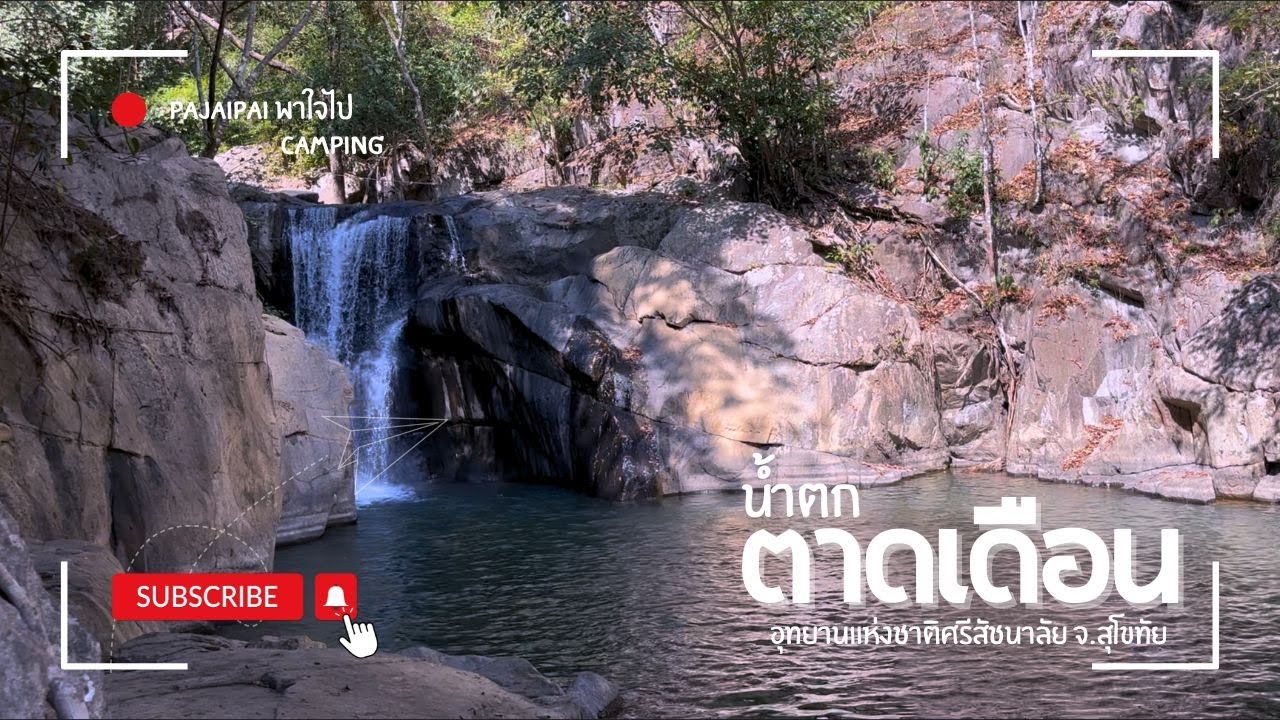
 Click to Access the Navigation Map GPS
Si Satchanalai National Park Map
Recommend

 Art, Culture and Heritage
 Historical Sites and Monuments(4)
 Landmarks and Memorials(5)
 Art, Craft Centres, Tradition(11)
 Museums(5)
 Places of Worship
 Temple(40)
 Other Sacred Sites(10)
 Suburban Living
 Village, Community(3)
National Parks and Marine Reserves(3)
Village, Community(3)
National Parks and Marine Reserves(3)
 Mountain (Doi)(2)
 Dam, Reservoir, Lake(4)
 Waterfalls(8)
 Caves(4)
 River, Canal(2)
 Entertainment and Agricultural
 Farms, Parks and Ecotourism(3)
 Travel Articles, Recipes
 Travel Review, Food Review(1)


