

 Home
Home Chiang Mai(













Assumption College Museum (Assumption College)
Rating: 5/5 (1 votes)
 Search By
  Map
Map 
 Have Map
  No Map
Bangkok attractions
Attractions in Thailand
Open Days: By school appointment (recommended to contact the school and submit a prior request, especially for group visits)
Opening Hours: By appointment time (recommended to confirm your visiting slot before traveling)
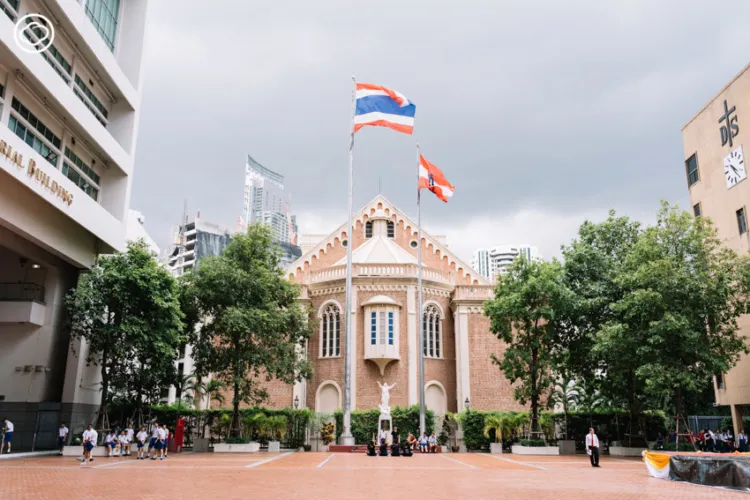
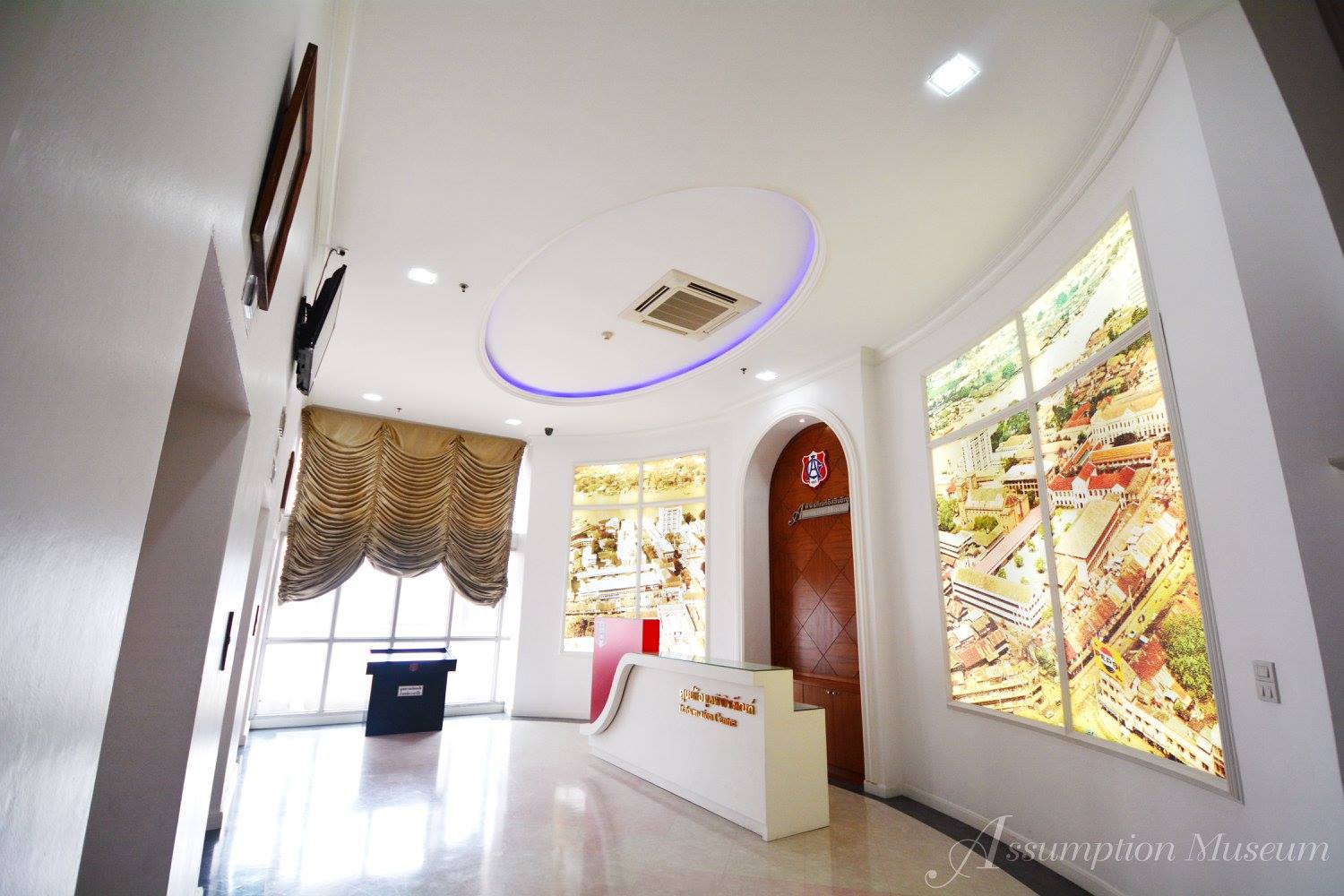
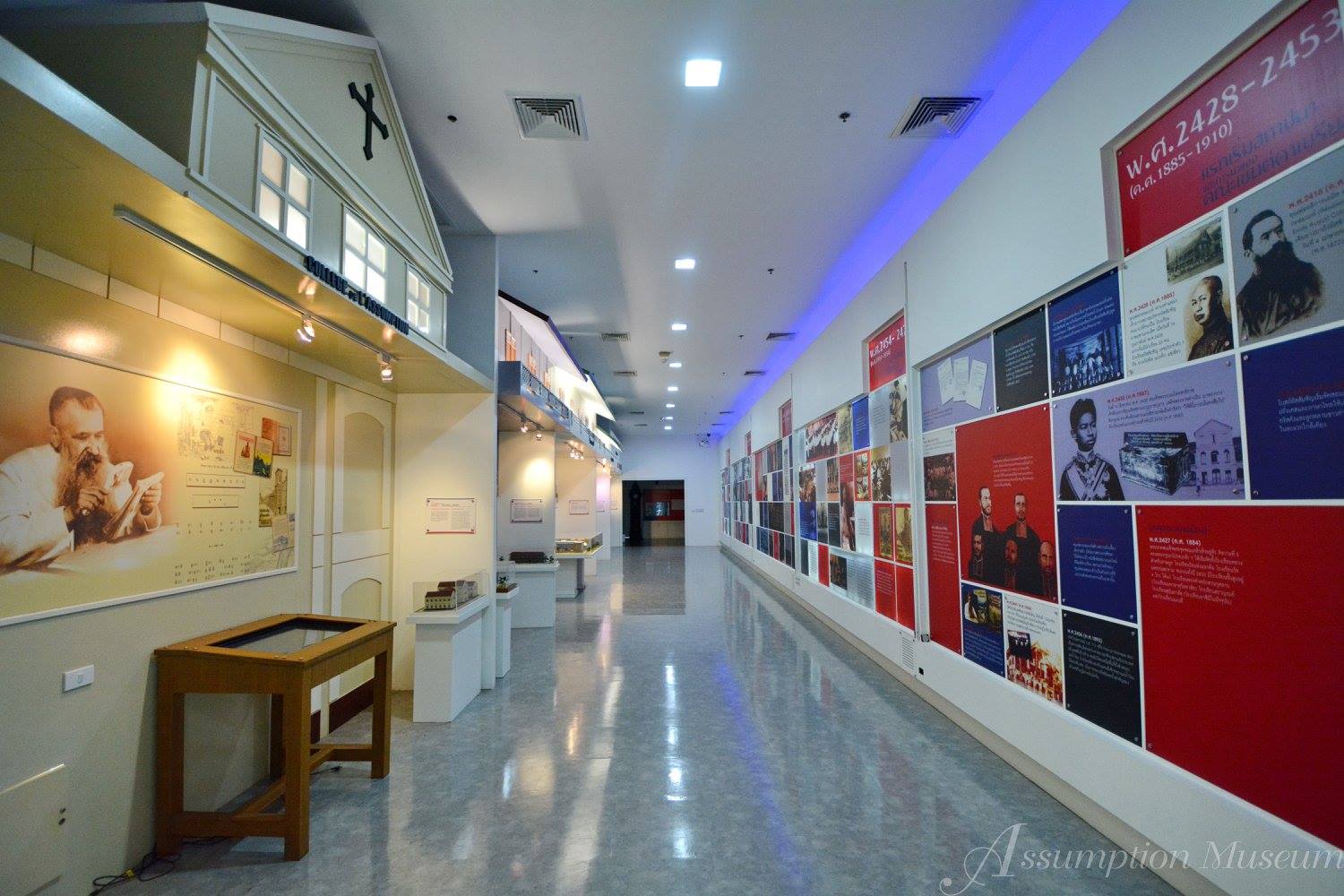
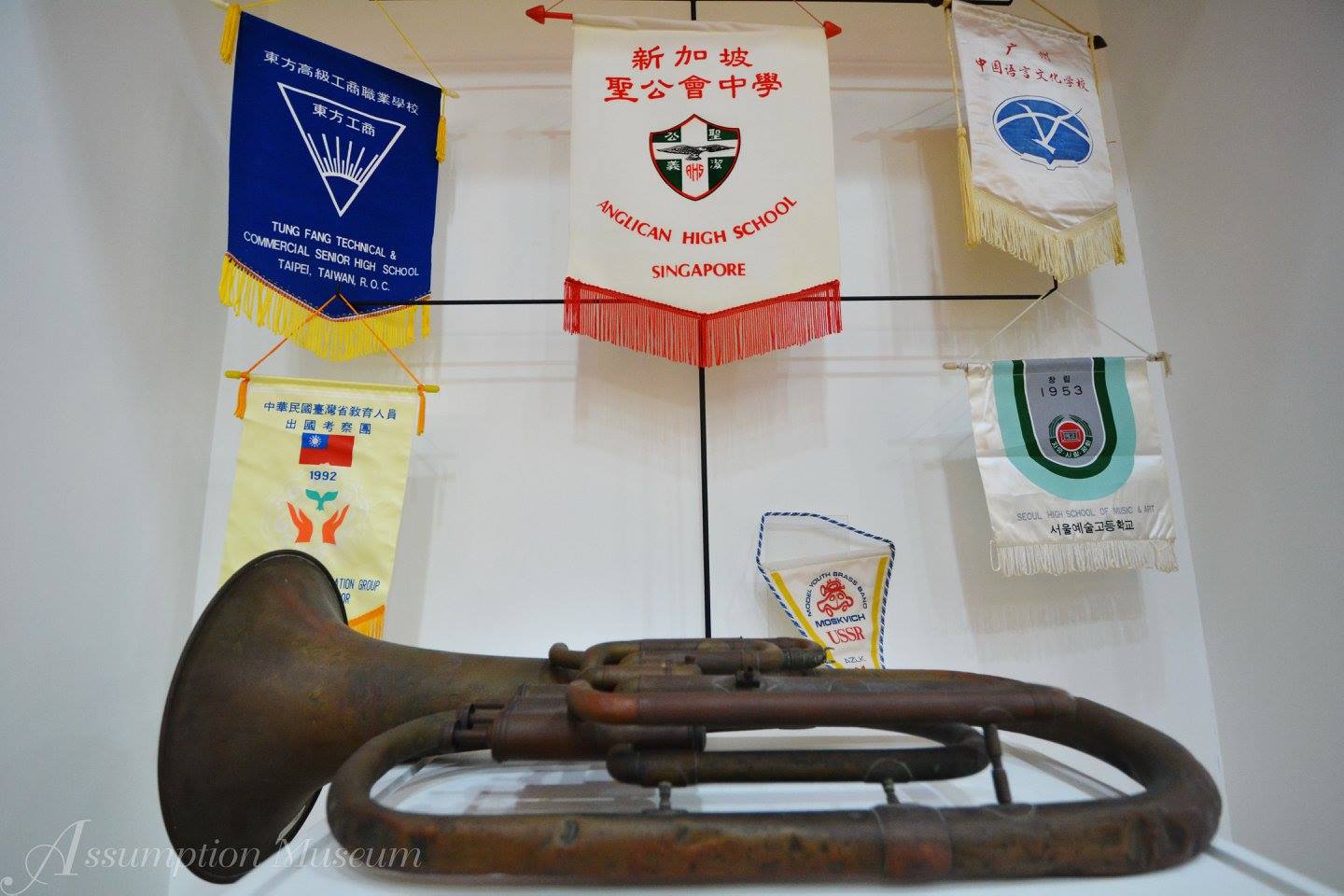
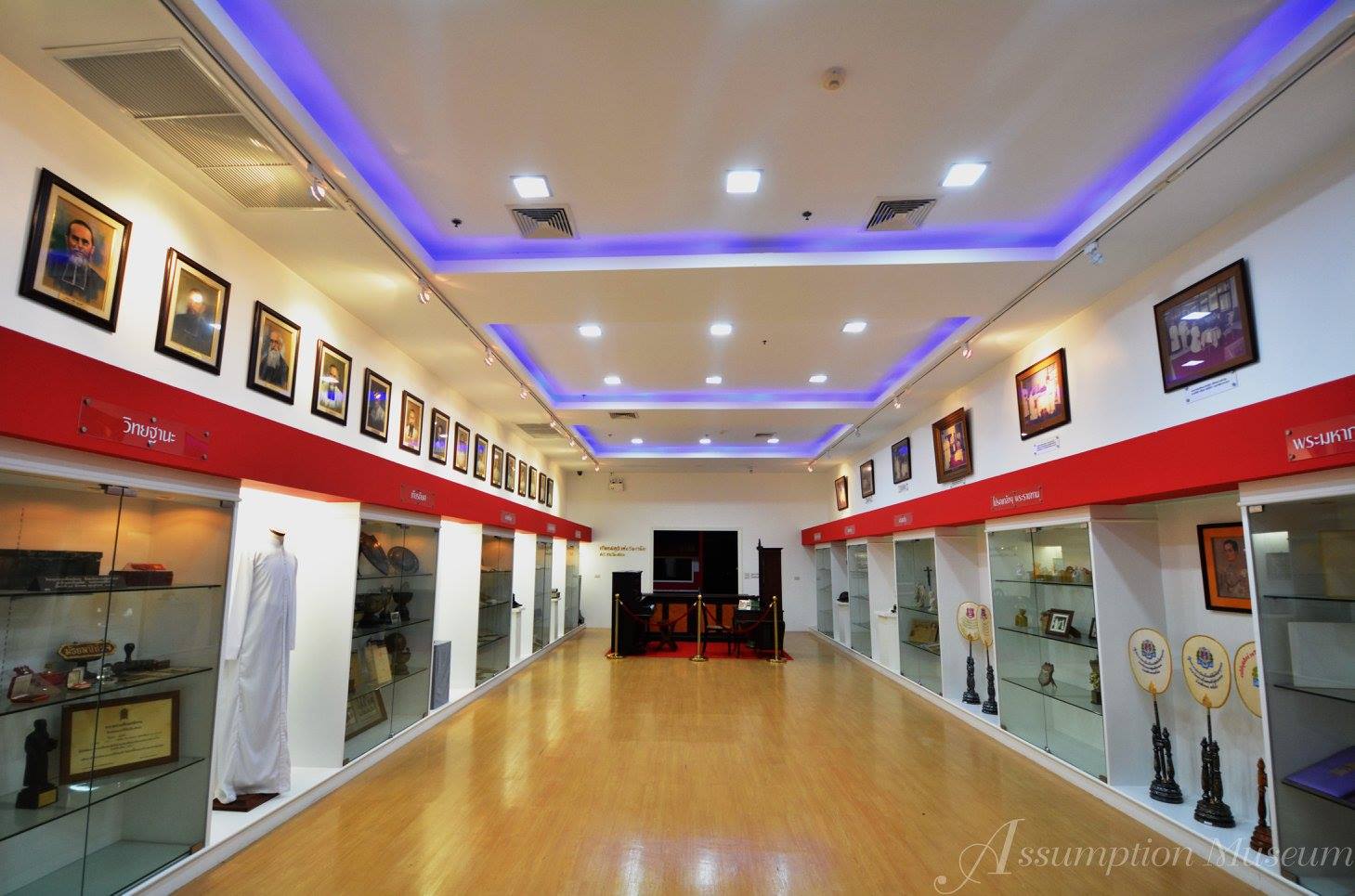
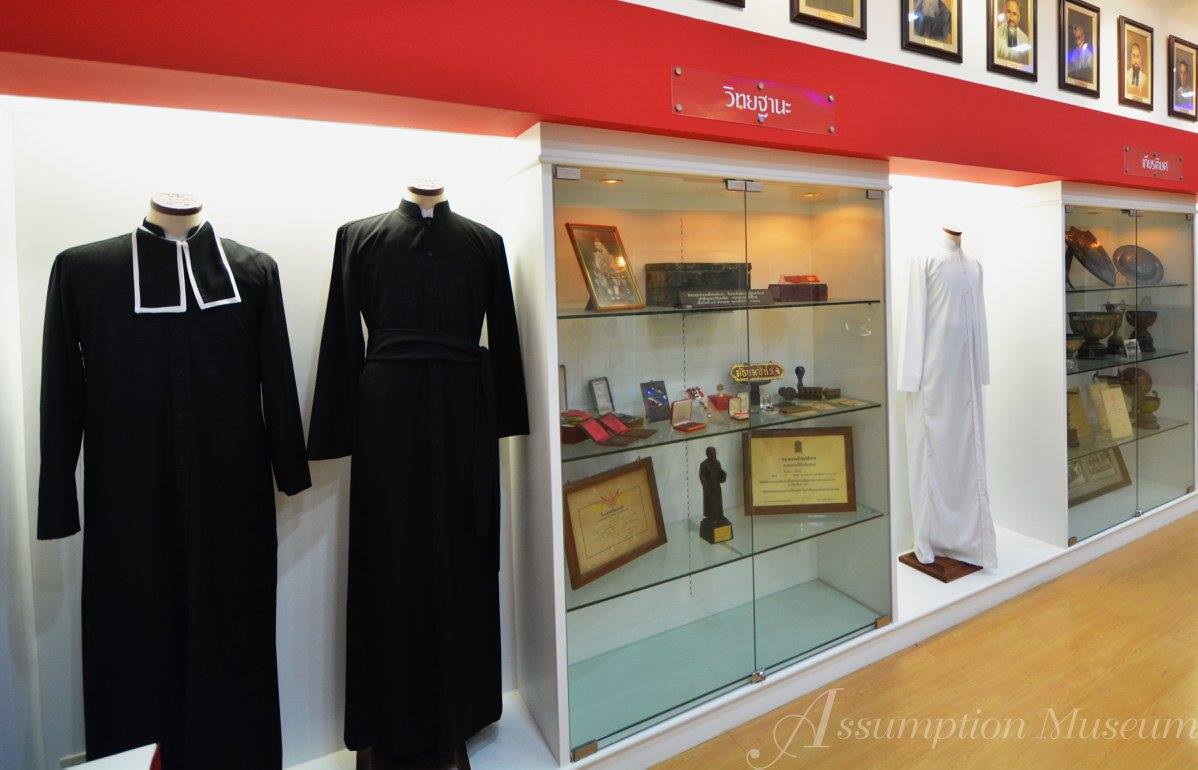
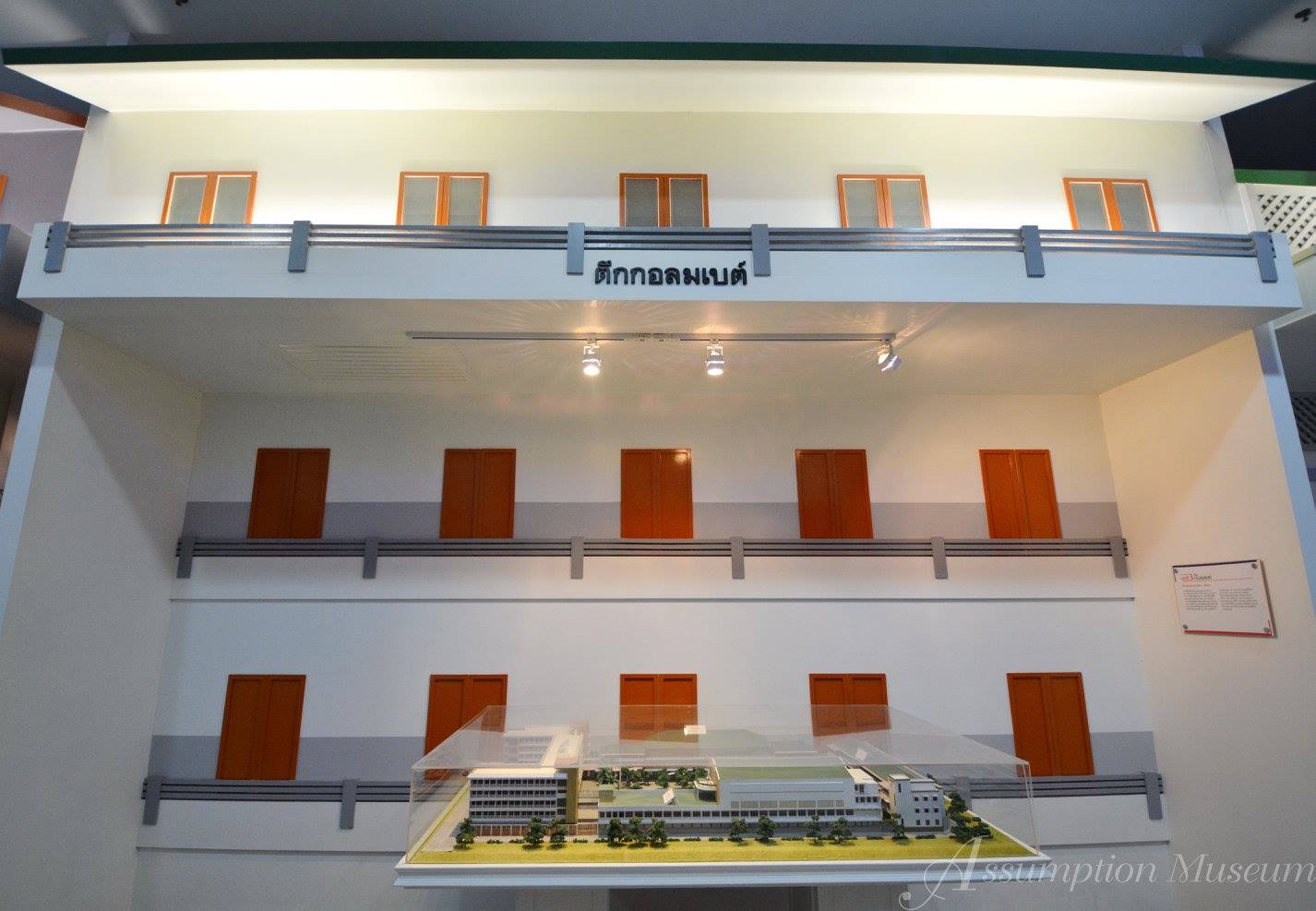
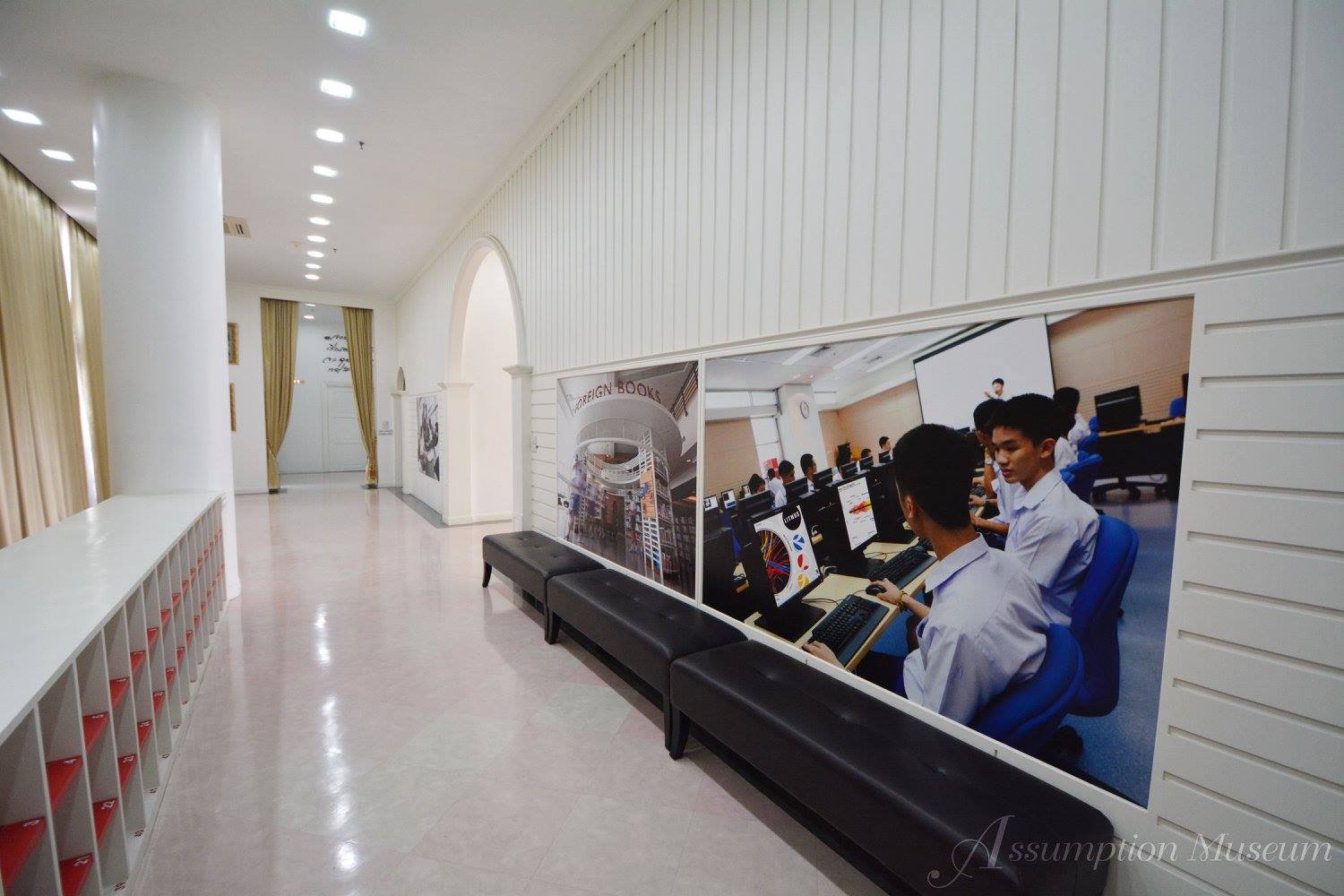
Assumption College Museum (Assumption College) is a Bangkok spot in Bang Rak that doesn’t try to impress with spectacle—it wins with “real things” that carry historical weight without needing extra storytelling. Many objects here were once part of everyday student life at Assumption College in earlier generations, from school-life essentials to items tied to faith, institutional culture, and the gradual arrival of modernity into Bangkok through Charoen Krung Road and the old commercial districts.
What makes a school museum like this special is how naturally it functions as a primary source. It doesn’t rely on explanations alone—it speaks through objects that passed through real hands, real student routines, and real school rules. That’s why it helps answer big, tangible questions: why someone grew up to think the way they did, why they became skilled in a certain field, why their worldview formed the way it did. Often the answer isn’t in a single biography page, but in the learning system, discipline, and the repeated habits of “reading the world” that were quietly shaped within a school environment.
In the bigger picture, Assumption College is one of Bangkok’s institutions whose alumni network reflects the structure of modern urban Thai society. The museum feels like a room that preserves traces of that shaping process in a form that everyday visitors can access. If you’ve ever wondered why many alumni went on to hold important roles in Thai society, this museum won’t hand you a short summary—it invites you to see the “context” that builds an answer, through everyday objects and artifacts that feel closer than you’d expect.
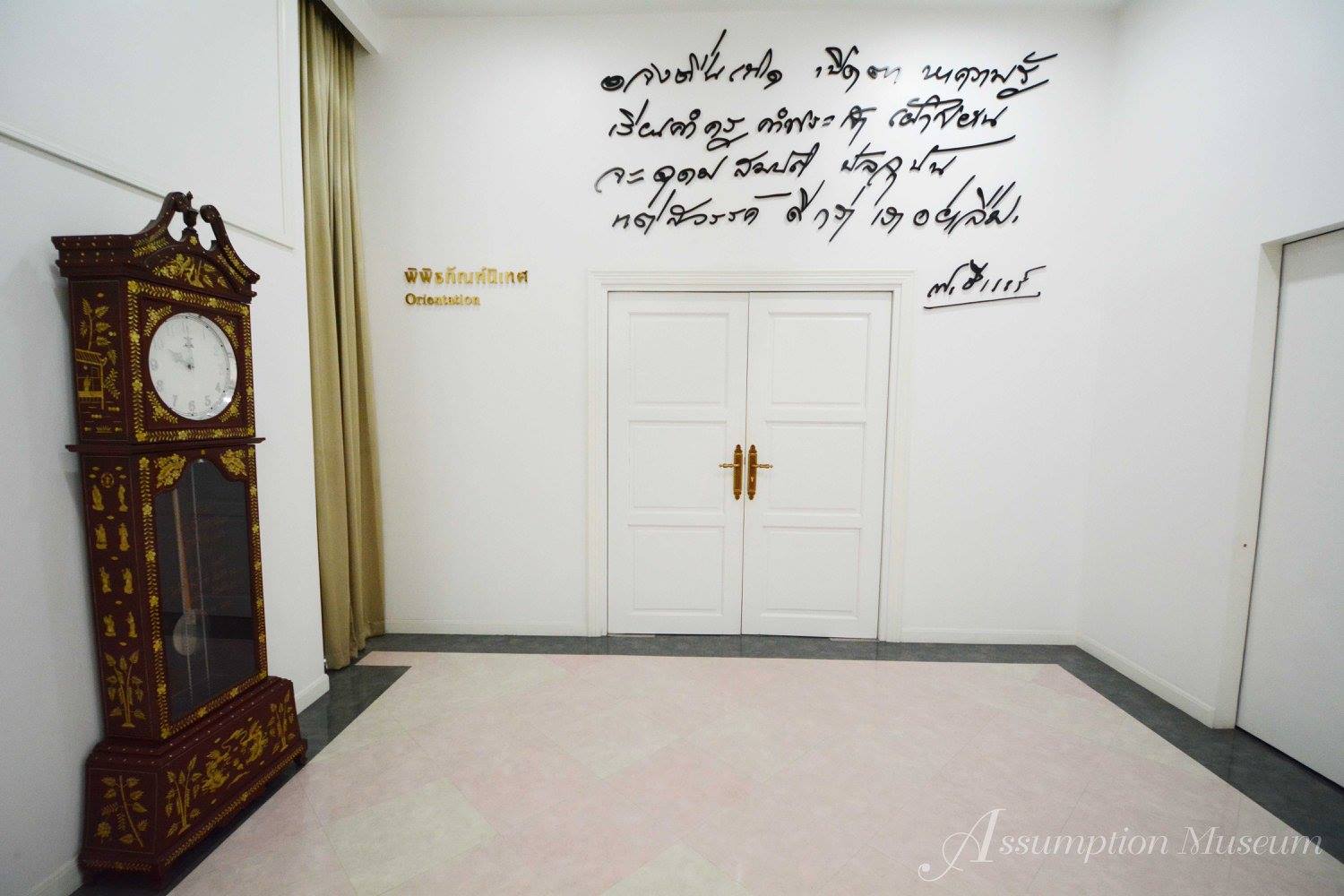
One piece that is often spoken about is the “dome-top clock” engraved with “จปร.”, linked to narratives of merit-making and its role as a commemorative item presented to organizations that contributed to the nation. The most interesting part isn’t just the craftsmanship, but the object’s dual status as both a functional item and a symbol—when you look closely, you begin to read meanings about the state, institutions, and honor translated into something physically present before you.
Another item that tends to hold visitors’ attention is a cross reliquary with detailed casing and a wax seal bearing a Cardinal’s mark. Objects like this make the school’s connections—to faith, to the Brothers’ international networks, and to cross-border institutional relationships—feel concrete. It doesn’t only tell a story of devotion; it also hints at journeys, relationships, and the ways knowledge and culture crossed borders and took root in an old-city district like Bang Rak.
What’s genuinely heartening is that the collection did not come from a single source. Some items were once scattered throughout the school, some were donated by alumni, and some arrived with the Brothers from abroad. Over time, collecting and cataloging turned these objects into a shared memory archive for the school rather than a private collection. That’s why visiting a school museum like this feels different from many conventional museums—it holds “home,” “institution,” and “history” in the same space.
If you want to make the visit feel truly worthwhile, start with the “everyday life” objects first—study tools, school-life items, and things reflecting the technology and tastes of their time—then move toward pieces with social or ceremonial symbolism. Once you’ve seen the rhythm of ordinary life, you’ll read the “meaning” of the larger, symbolic objects with more clarity, and you’ll start to notice how no artifact stands alone; each sits within a system of thought and a culture of living together that shaped an entire generation.
Another reason this visit works well is the context of Bang Rak itself. This district is like a window into modern Bangkok: historic roads such as Charoen Krung, heritage buildings, religious sites, hospitals, and riverside commercial communities all share the same neighborhood. After you’ve viewed “life evidence” inside the museum, stepping back out into the real district helps you connect the dots—how the city changed, how people lived with that change, and what role educational institutions played in the process.
Getting There It’s recommended to contact the school in advance to arrange an appointment, as the museum is located within the school grounds. A commonly convenient approach is to take the BTS and then continue by taxi/ride-hailing into the Bang Rak–Charoen Krung area, or travel by private car/taxi and allow extra time for traffic in this historic inner-city zone. Use “Assumption College (Bangkok)” as your primary map pin.
| Place Name | Assumption College Museum (Assumption College) |
| Location | Assumption College, Bang Rak District, Bangkok (Charoen Krung–Bang Rak area) |
| Key Characteristics | A school museum preserving artifacts and everyday objects from earlier generations of Assumption College students, including items tied to urban society, faith, and institutional history |
| Period / Themes | Artifacts spanning multiple eras of the school and the Bang Rak area (depending on the current display and cataloged collection) |
| Notable Evidence / Highlights | School-life objects from earlier eras, a dome-top clock engraved with “จปร.”, and a cross reliquary with a sealed mark (details may vary by visiting slot and display set) |
| Open Days | By school appointment (recommended to contact in advance) |
| Opening Hours | By appointment time (recommended to confirm) |
| Fees | Please inquire with the school (conditions may depend on the visiting slot or visit format) |
| Travel | Contact the school to arrange an appointment, then travel by BTS + taxi/ride-hailing to Bang Rak–Charoen Krung, or by private car/taxi (allow extra time for traffic) |
| Current Status | Located within the school; visiting by appointment is recommended |
| Contact Number | 02-234-1547 |
| Nearby Attractions (Approx. Distance) | Bang Rak Post Office (Thailand Post Grand Postal Building) – 2 km (Tel. 1545) Bangkokian Museum – 2 km (Tel. 02-233-7027) Assumption Cathedral – 3 km (Tel. 02-234-8557) Lerdsin Hospital – 3 km (Tel. 02-353-9100) Asiatique The Riverfront – 4 km (Tel. 02-108-4488) |
| Popular Restaurants Nearby (Approx. Distance) | Blue Elephant Bangkok (Sathorn) – 2 km (Tel. 02-673-9353) Sirocco (lebua at State Tower) – 2 km (Tel. 02-624-9999) Mandarin Oriental, Bangkok (restaurants) – 3 km (Tel. 02-659-9000) Shangri-La Bangkok (restaurants) – 3 km (Tel. 02-236-7777) Holiday Inn Bangkok Silom (restaurants) – 3 km (Tel. 02-207-4300) |
| Popular Accommodations Nearby (Approx. Distance) | Holiday Inn Bangkok Silom – 3 km (Tel. 02-207-4300) lebua at State Tower – 2 km (Tel. 02-624-9999) Shangri-La Bangkok – 3 km (Tel. 02-236-7777) Mandarin Oriental, Bangkok – 3 km (Tel. 02-659-9000) Chatrium Hotel Riverside Bangkok – 6 km (Tel. 02-307-8888) |
Frequently Asked Questions (FAQ)
Q: Can I walk in to visit the Assumption College Museum?
A: It’s recommended to contact the school and arrange an appointment in advance, as the museum is located within the school grounds.
Q: How much time should I plan for a visit?
A: If you want to take your time and read details, plan at least 1 – 2 hours (depending on the visiting slot and the display set available that day).
Q: What is the museum’s main highlight?
A: “Real-life evidence” from earlier school life, plus artifacts that connect Bang Rak and Bangkok’s urban history—making it especially strong for reading history through everyday objects.
Q: Where should I go next to make the trip feel complete?
A: Nearby options include the Grand Postal Building (Bang Rak), the Bangkokian Museum, Assumption Cathedral, or a riverside stop like Asiatique for an easy continuation.
 Tel: 026307111
 Assumption College Museum (Assumption College) Map
 Category:
  Group:
  Tag: ●Assumption College Museum (Assumption College)●assumption college museum ●assumption college bangkok ●bang rak attractions ●charoen krung attractions ●museum in bangkok ●heritage museum bangkok ●bangkok history museum ●educational museum bangkok ●riverside bangkok attractions ●things to do in bang rak Last Update: 2 MonthAgo
Comment

Photo Gellery(9) 
 Thank you photo(9) from: Assumption Museum
|
|
|
|
|
|
|
|
|
 | ● Photographer: Assumption Museum |
● Copyright Photography. (800*500)
● View full size images from the photographer.
● View full size images from the photographer.
 Nearby Attractions
| Keyword (Advance) |
 Facebook Fanpage
 Region
 Historical Sites and Monuments(
 Landmarks and Memorials(
 Royal Palace(
 Art, Craft Centres, Tradition(
 Historical Houses and The Ancient City(
 Art Gallery(
 Educational Places
 Museum for Study(
 Library(
 University
 Places of Worship
 Temple(
 Church(
 Mosque(
 Other religious and spiritural sites(
 Research and Development
 Royal Project(
 Suburban Living
 Village, Community(
 Local Market(
 Floating Market(
 Nature and Wildlife
 River, Canal(
 Bays and Beaches(
 Other natural attractions(
 Entertainment and Agricultural
 Zoos and Aquariums(
 Animal camps and shows(
 Stadium(
 Farm, Parks, Gardens and Ecotourism(
 Amusement Park(
 Waterpark(
 Theater(
 Cinema(
 Shopping
 Shopping and Night Market(
 Department Store(
 Spas and Wellness
 Spas and Wellness(
 Restaurant
 Michelin Star(
 Accommodation
 Hotel(
 Call Customer Service in Tourism
 Call Customer Service in Tourism(
 Travel Articles, Recipes
 Travel Review, Food Review(
 Royal Thai Desserts, Traditional Dessert, Thai Dessert Recipes(
 Copyright 2012,