
lovethailand home >North Travel Attractions >Chiang Mai Travel Attractions >Hang Dong >Nong Khwai > Wat Ton Kwen (Wat Intharawat)
TL;DR: Wat Ton Kwen (Wat Intharawat) is located at Ban Ton Kwen, Soi 3, Nong Khwai Subdistrict, Hang Dong District, Chiang Mai, open Daily, hours Recommended 06.00–17.00.
Wat Ton Kwen (Wat Intharawat)
Open Days: Daily
Opening Hours: Recommended 06.00–17.00
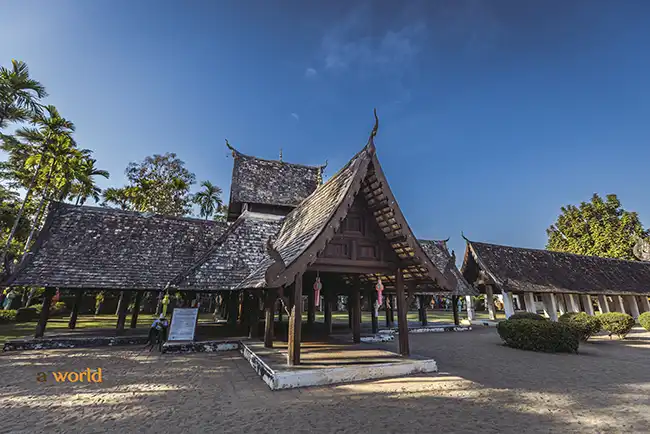
Wat Ton Kwen (Wat Intharawat) is located in Ban Ton Kwen, Nong Khwai Subdistrict, Hang Dong District, Chiang Mai. It is an old temple that stands out immediately to anyone who loves Lanna architecture, because this is one of the rare places where “classic Lanna beauty” still feels complete—in mood, materials, and proportion. It is not the kind of place that has been dressed up to look ancient; it feels ancient in the honest way time tells stories for you. Once you pass the entrance and the temple boundary, the first impression is usually not the wow-factor of a large tourist landmark, but a calmness and a kind of precision that slowly reveals itself, as if you are reading the craft through tree shadows, the scent of old wood, and plaster surfaces shaped by countless seasons.
The reason many people consider Wat Ton Kwen (Wat Intharawat) a “complete Lanna prototype” is not just that it photographs beautifully, but that the temple still preserves the original language of vernacular architecture in its most important structures. The key highlight is the traditional Lanna viharn (assembly hall), clearly recorded as being built in 1858 (B.E. 2401). Even more compelling is the presence of Thai Yuan script on the ceiling, serving as period evidence that lets visitors read the site’s story from a real contemporary trace, rather than relying on guesswork.
When you look at the viharn carefully, the charm is in how the craftsmen never tried to “show off.” Instead, they focused on balance between structure and ornament. The rhythm of the wooden elements makes the building feel light and dignified at the same time. Meanwhile, the plaster details around the gable and decorative panels (often understood to have been formed alongside construction and/or restoration in the same working period, in keeping with traditional workshop practice) add life to the surface without disturbing the hall’s quiet clarity. This is the kind of beauty that becomes richer the longer you look, not the kind that finishes the moment you take a quick photo.
Another feature that gives Wat Ton Kwen its rare identity is the traditional Lanna four-gabled pavilion, often described as a “chatrumuk” pavilion or a four-gabled mondop. This form is uncommon and is frequently mentioned as especially distinctive in the Northern Thai context. Its open, four-sided layout welcomes breeze and views from every direction, creating a space that genuinely functions as a resting pavilion while still feeling architecturally refined. Standing there and looking back toward the temple buildings, you begin to see that the beauty here does not come from a single structure alone, but from the way the plan is composed—how distance, alignment, and empty space work together as part of the art.
What makes the temple feel “alive in history,” rather than simply a pretty old temple, is its role in a major religious tradition. Local accounts connect this place to the procession of Phra Borommathat Si Chom Thong, carried from Chom Thong toward Chiang Mai. In certain periods the procession is said to have paused here for 2–3 days, allowing local people to pay respect and perform ritual bathing before the relic continued onward into the city. In that sense, the temple sits within a “route of faith,” where community participation was part of the ritual meaning, not just background.
From an official conservation perspective, Wat Ton Kwen has a clear recognized status. It was registered as an ancient monument (announced in the Royal Gazette in 1983 / B.E. 2526), and later received an Outstanding Conservation Building award from the Association of Siamese Architects under Royal Patronage in 1989 (B.E. 2532). These acknowledgements reflect that the temple’s value is not only devotional, but also architectural and artistic—worthy of being protected as a benchmark of Lanna craftsmanship.
If you want to visit in a way that truly feels “worth it,” move from the overall layout toward the details. Start by taking in the plan and the relationships between buildings and open space. Then step closer to the viharn and let your eyes travel to the gable, the plaster lines, and the woodwork. Save the four-gabled pavilion for last, because it often invites you to stop and sit in quiet for a while. This is a temple best enjoyed slowly; the best part of it usually comes from staying with the details rather than chasing a checklist.
Getting There From Chiang Mai Old City, you can drive or use a ride-hailing service to Ban Ton Kwen in Nong Khwai, Hang Dong. The Hang Dong–Mae Hia side routes are commonly used, and the temple is not far from major attractions such as Royal Park Rajapruek and Chiang Mai Night Safari. Driving is the most convenient option because parking and walking around the temple grounds is easy. If you do not have a private vehicle, calling a car from the city and pinning “Wat Ton Kwen (Wat Intharawat)” is the most straightforward choice.
A small tip that improves the visit: dress respectfully and treat the space as a living religious site, even though it is also a popular place for photography. For the most peaceful atmosphere and the most flattering light, go in the morning or later afternoon, when sunlight naturally pulls the craftsmanship forward—no heavy filters needed.
In short, Wat Ton Kwen is ideal for anyone who wants to see Lanna in a version that feels “authentic and perfectly measured.” It is not huge or flashy like the most famous temples, but it is dense with value and quietly beautiful. The more you understand its background, the more satisfying it becomes—and it gently reframes “conservation” as something more than storing old things, but protecting the way a place tells its story so future generations can still read it and feel it.
| Name | Wat Ton Kwen (Wat Intharawat) |
| Location | Ban Ton Kwen, Soi 3, Nong Khwai Subdistrict, Hang Dong District, Chiang Mai |
| Key Characteristics | Traditional Lanna viharn + rare four-gabled pavilion (chatrumuk/mondop), highly intact classic Lanna craftsmanship |
| Period | Viharn built in 1858 (B.E. 2401) with Thai Yuan script evidence |
| Key Evidence | Thai Yuan script on the viharn ceiling |
| Name Origin | Named after the “ton kwen/ton kwoen” tree associated with the site and community |
| Conservation Status / Awards | Registered as an ancient monument (1983 / B.E. 2526) and recognized as an Outstanding Conservation Building by the Association of Siamese Architects (1989 / B.E. 2532) |
| Admission | Free |
| Contact Number | 053-248-604, 053-248-607 |
| Nearby Attractions (Approx. Distance) | Chiang Mai Night Safari ~2–3 km (Tel. 053-999-000) Royal Park Rajapruek ~2–3 km (Tel. 053-114-110) Wat Phra That Doi Kham ~5–7 km (Tel. 053-263-001) Baan Tawai (Baan Tawai Tourism & Trade Information Center) ~7–10 km (Tel. 081-882-4882) Grand Canyon Water Park ~10–15 km (Tel. 052-010-565) |
| Popular Restaurants Nearby (Approx. Distance) | carp cafe ~1–4 km (Tel. +66 61 273 1444) little italy pizza garden (hang dong) ~8–12 km hang dong buffet ~8–12 km (Tel. 053-114-552) the service 1921 (anantara) ~12–18 km (Tel. 053-253-333) (backup) choose additional options around hang dong / mae hia to match your route |
| Popular Accommodations Nearby (Approx. Distance) | r1 resort rajapruek chiangmai ~2–4 km (Tel. 088-138-0525) content villa chiang mai (hang dong) ~4–7 km (Tel. 062-439-9799) the camp muay thai resort & academy ~5–10 km (Tel. +66 61 272 7042) (city area) arun dara villa ~12–18 km (Tel. 061-272-8886) (backup) choose additional stays in hang dong / mae hia based on budget and plan |
Frequently Asked Questions (FAQ)
Q: Is Wat Ton Kwen (Wat Intharawat) open every day?
A: Generally yes. A good visiting window is 06.00–17.00 so you can walk around comfortably and catch good light.
Q: What are the must-see highlights at Wat Ton Kwen?
A: The traditional Lanna viharn (recorded as built in 1858 / B.E. 2401) and the rare four-gabled pavilion, plus the woodwork and plaster details that still feel authentically Lanna.
Q: What tradition is Wat Ton Kwen connected to in Lanna culture?
A: Local accounts link it to the procession of Phra Borommathat Si Chom Thong on the way into Chiang Mai, with the temple serving as a resting point for 2–3 days so local people could pay respect and perform ritual bathing before the relic continued onward.
Q: Does Wat Ton Kwen have official conservation recognition or awards?
A: Yes. It was registered as an ancient monument (1983 / B.E. 2526) and later received an Outstanding Conservation Building award from the Association of Siamese Architects (1989 / B.E. 2532).
Q: What is the easiest way to get there without a private car?
A: The simplest option is to use a ride-hailing service from Chiang Mai city and pin “Wat Ton Kwen (Wat Intharawat).” The temple is in the Hang Dong–Mae Hia area and pairs easily with Royal Park Rajapruek or Chiang Mai Night Safari on the same route.
 Category: ●Places of Worship
 Group: ●Temple
Last Update : 9 MonthAgo
 Last Update : 9 MonthAgo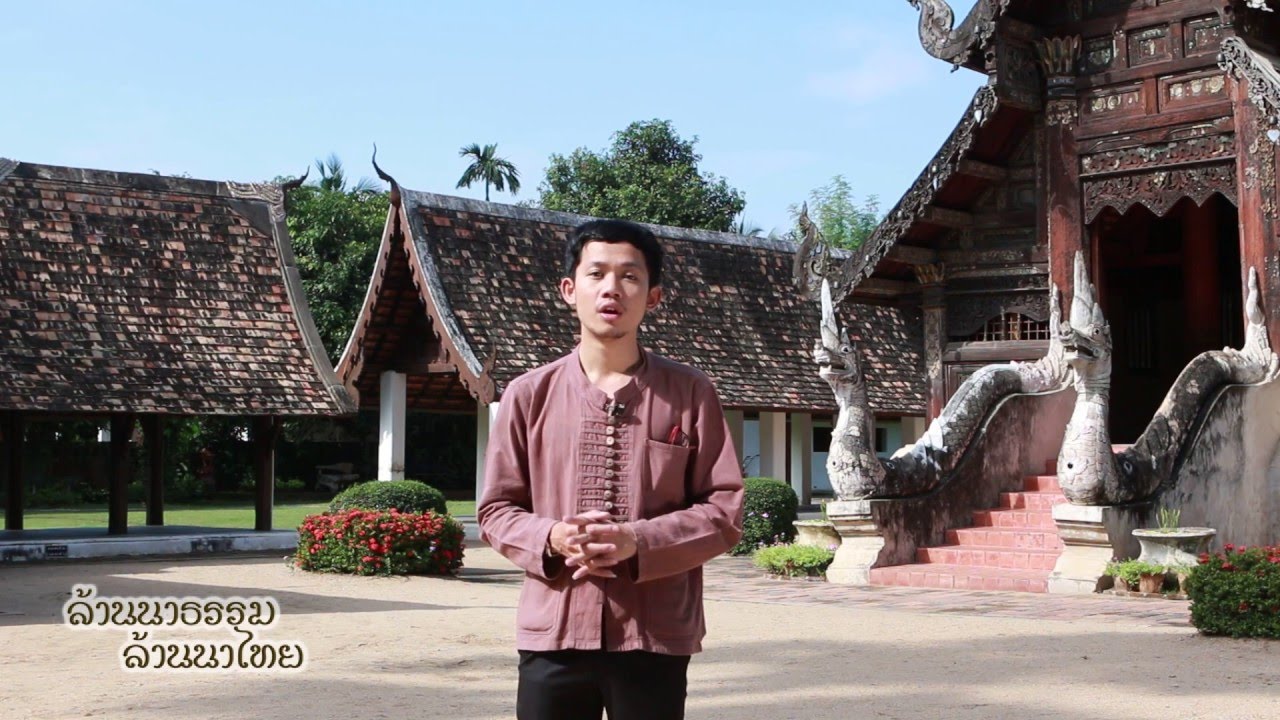
 Click to Access the Navigation Map GPS
Wat Ton Kwen (Wat Intharawat) Map
Recommend

 Art, Culture and Heritage
 Historical Sites and Monuments(8)
 Landmarks and Memorials(5)
 Royal Palace(2)
 Art, Craft Centres, Tradition(43)
 Museums(24)
 Educational Places
 Museum for Study(2)
 Educational Gardens, Farm(5)
 Training Center(1)
Temple(79)
Training Center(1)
Temple(79)
 Mosque(2)
 Other Sacred Sites(17)
 Research and Development
 Royal Project(44)
 Suburban Living
 Village, Community(41)
 Local Market(14)
 Nature and Wildlife
 National Parks and Marine Reserves(16)
 Mountain (Doi)(21)
 Dam, Reservoir, Lake(26)
 Waterfalls(43)
 Hot Springs(12)
 Caves(11)
 River, Canal(6)
 Other natural attractions(14)
 Entertainment and Agricultural
 Zoos and Aquariums(2)
 Animal camps and shows(3)
 Stadium(1)
 Farms, Parks and Ecotourism(19)
 Waterpark(2)
 Theater(1)
 Outdoor and Adventure Activities(10)
 Shopping
 Shopping and Night Market(6)
 Restaurant
 Michelin Star(1)
 Michelin Guide(23)
 Call Customer Service in Tourism
 Call Customer Service in Tourism(1)
 Travel Articles, Recipes
 Travel Review, Food Review(15)
 Food Menu, North Recipes(30)
 Thai Desserts, North Recipes(17)


