
lovethailand home >North Travel Attractions >Chiang Mai Travel Attractions >San Sai >Nong Yaeng > Wat Rong Meng Museum
TL;DR: Wat Rong Meng Museum is located at Wat Rong Meng, No. 1, Ban Rong Meng, Moo 2, Nong Yaeng Subdistrict, San Sai District, Chiang Mai, Thailand, open Daily, hours 08:00–17:30.

Wat Rong Meng Museum
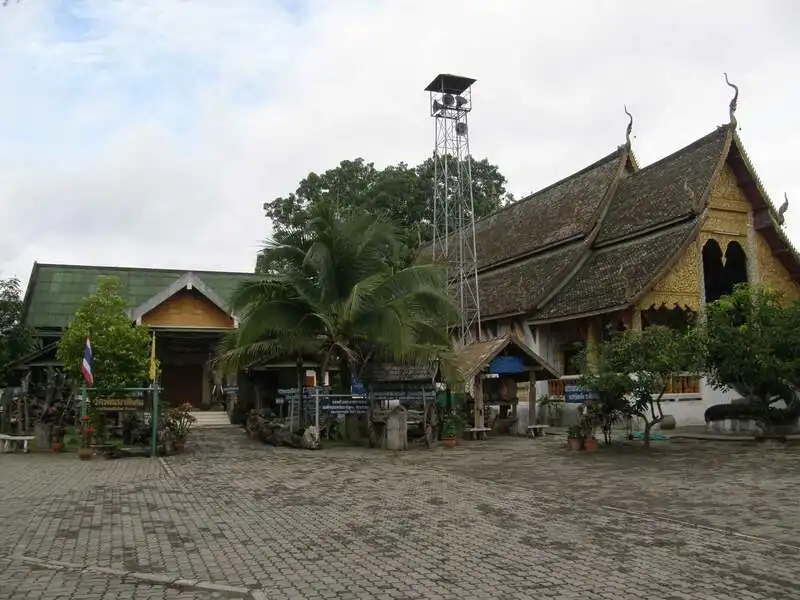
Open Days: Daily
Opening Hours: 08:00–17:30
Wat Rong Meng Museum is a community-based temple museum located within Wat Rong Meng, San Sai District, Chiang Mai Province, in Northern Thailand. The museum serves as an important cultural learning center that preserves and presents the traditional lifestyle, beliefs, and artistic heritage of the Lanna people. It offers visitors an opportunity to explore Northern Thai history through tangible objects that once played a vital role in everyday life, all within a calm rural temple setting.
The museum is situated at No. 1, Ban Rong Meng, Moo 2, Nong Yaeng Subdistrict, San Sai District, Chiang Mai. It is open to the public every day with free admission, making it accessible to students, researchers, local residents, and travelers who are interested in art, archaeology, and local history.
Wat Rong Meng was established in 1857 (B.E. 2350) and belongs to the Maha Nikaya Buddhist order. The temple occupies an area of approximately 5 rai, 2 ngan, and 80 square wah, bordered mainly by villagers’ rice fields and traditional irrigation canals. Within the temple grounds are key religious structures including an ordination hall, sermon hall, viharn, monks’ residences, and storage buildings, along with important sacred objects such as Phra Singh Buddha images, bronze Buddha statues, and a chedi.
The temple received its official ordination boundary (wisungkhamsima) on June 23, 1971. In addition to its religious role, Wat Rong Meng has long served as an educational center, offering Buddhist Dhamma studies since 1934. The temple also houses a library and a subdistrict community training unit, reinforcing its role as a focal point for both spiritual and community life.
The Wat Rong Meng Museum was officially founded on October 1, 1984, by Phra Khru Kowitthamm Sophon (Sri Phong Govido), the abbot of Wat Rong Meng and the ecclesiastical head of Nong Yaeng Subdistrict. He had a strong personal commitment to preserving religious artifacts, ancient objects, and traditional household items that were being neglected or discarded as lifestyles changed over time.
The very first artifact preserved for the museum was a curved wooden brick mold made of teak, over 100 years old, inherited from the abbot’s family. This object became the starting point of a broader effort to collect everyday tools and objects created by ancestors for farming, household use, and religious practices. The aim was to ensure that future generations could see, touch, and understand how people lived and worked in the past.
As villagers noticed the careful preservation and clear purpose of the collection, they began donating old household items, Buddha images, farming tools, ceramics, and other artifacts. What started as a small display of around 100 objects gradually expanded to more than 1,000 pieces. Eventually, a dedicated museum building was constructed to properly house and organize the growing collection, which today consists of over 4,000 local artifacts and works of folk art.
All objects displayed in the museum were donated by community members and supporters; none were purchased. This approach reflects the founder’s belief that purchasing antiques could encourage speculation and commercial exploitation. Instead, every donation is recorded, carefully conserved, and displayed according to basic archaeological and conservation principles, fostering trust and continued community support.
One of the museum’s most distinctive features is the series of mural paintings covering all four interior walls of the building. Painted by a skilled local artist, these murals depict traditional Lanna life in the past, including rural village scenes, rice pounding, cotton spinning, handicraft production, ox-cart processions, and traditional transportation. These scenes were inspired by the abbot’s memories of village life 40–50 years ago and help visitors visually connect artifacts with their original context.
Many visitors find that these murals evoke strong feelings of nostalgia and reflection, recalling memories of their own communities or ancestral homes. Although the paintings are modern creations, they are highly valued for preserving detailed images of Lanna cultural life that might otherwise be forgotten.
Wat Rong Meng Museum is regarded as a shared heritage of the entire community. It is maintained collectively by the abbot, monks, novices, lay supporters, and local residents, ensuring that it remains open as a free learning space where people can study history, archaeology, folk wisdom, and the cultural continuity between past and present.
Getting There to Wat Rong Meng Museum is convenient from Chiang Mai city. Visitors can drive along the Chiang Mai–Doi Saket Road (Highway 118) toward San Sai District, then follow local signs to Wat Rong Meng in Nong Yaeng Subdistrict. Private cars, taxis, and chartered local transport are recommended. Group visits are advised to contact the temple in advance for arrangements.
| Name | Wat Rong Meng Museum |
| Location | Wat Rong Meng, No. 1, Ban Rong Meng, Moo 2, Nong Yaeng Subdistrict, San Sai District, Chiang Mai, Thailand |
| Established | October 1, 1984 |
| Founder | Phra Khru Kowitthamm Sophon (Sri Phong Govido) |
| Type | Community temple museum / Lanna cultural museum |
| Main Collections | Lanna household items, farming tools, religious artifacts, Buddha images, folk art, and traditional utensils |
| Opening Hours | Daily, 08:00–17:30 |
| Admission | Free admission |
| Contact | +66 81 960 3698, +66 87 185 2120, +66 53 255 182 |
| Current Status | Open to the public as an active community museum |
Frequently Asked Questions (FAQ)
Q: Who is Wat Rong Meng Museum suitable for?
A: It is ideal for visitors interested in Lanna culture, local history, traditional lifestyles, students, researchers, and travelers seeking quiet cultural attractions in Chiang Mai.
Q: Is there an entrance fee?
A: No. Admission is completely free. Visitors may make donations to support the temple and museum if they wish.
Q: How much time should I plan for a visit?
A: Most visitors spend about 1–2 hours exploring the museum and viewing the murals.
Q: Can visitors take photographs inside the museum?
A: Photography is generally allowed, but visitors should avoid using flash and should not touch displayed artifacts.
 Category: ●Art, Culture and Heritage
 Group: ●Museums
Last Update : 10 MonthAgo
 Last Update : 10 MonthAgo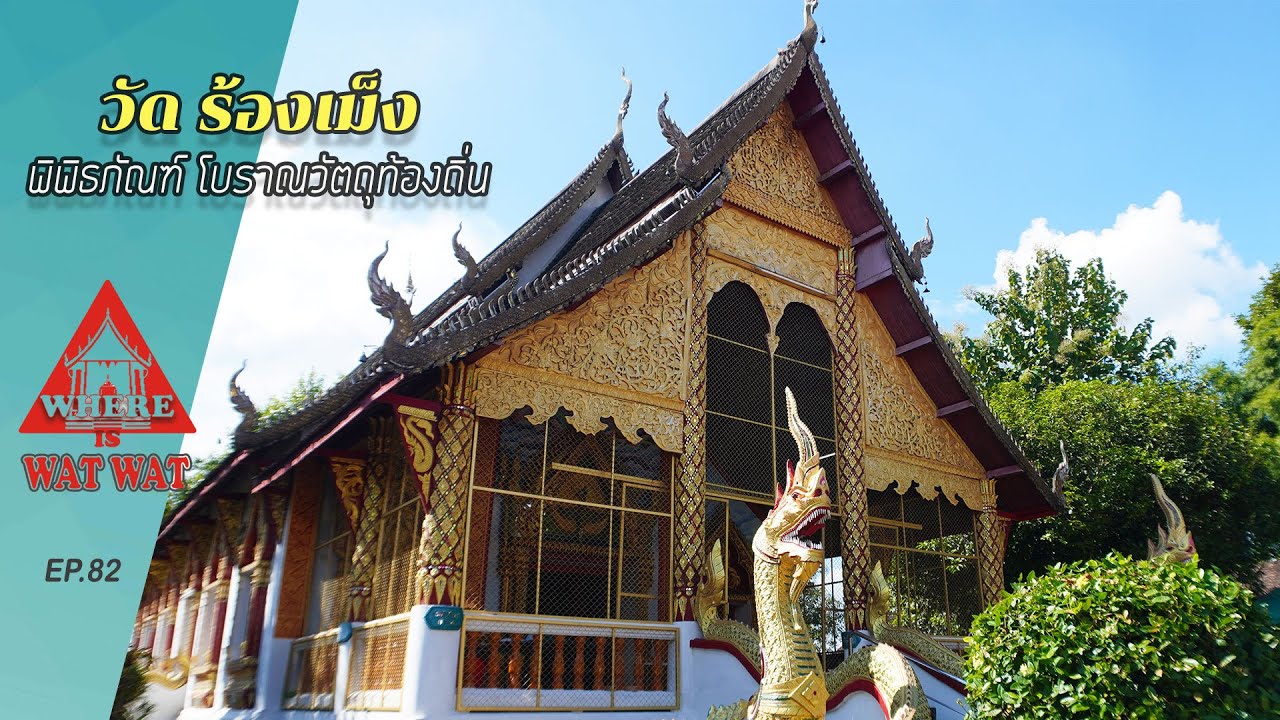
 Click to Access the Navigation Map GPS
Wat Rong Meng Museum Map
Recommend

 Historical Sites and Monuments(8)
 Landmarks and Memorials(5)
 Royal Palace(2)
 Art, Craft Centres, Tradition(43)
Museums(24)
Art, Craft Centres, Tradition(43)
Museums(24)
 Educational Places
 Museum for Study(2)
 Educational Gardens, Farm(5)
 Training Center(1)
 Places of Worship
 Temple(79)
 Mosque(2)
 Other Sacred Sites(17)
 Research and Development
 Royal Project(45)
 Suburban Living
 Village, Community(41)
 Local Market(14)
 Nature and Wildlife
 National Parks and Marine Reserves(18)
 Mountain (Doi)(21)
 Dam, Reservoir, Lake(26)
 Waterfalls(43)
 Hot Springs(12)
 Caves(11)
 River, Canal(6)
 Other natural attractions(14)
 Entertainment and Agricultural
 Zoos and Aquariums(3)
 Animal camps and shows(3)
 Stadium(1)
 Farms, Parks and Ecotourism(19)
 Waterpark(2)
 Theater(1)
 Outdoor and Adventure Activities(10)
 Shopping
 Shopping and Night Market(6)
 Restaurant
 Michelin Star(1)
 Michelin Guide(23)
 Call Customer Service in Tourism
 Call Customer Service in Tourism(1)
 Travel Articles, Recipes
 Travel Review, Food Review(24)
 Food Menu, North Recipes(30)
 Thai Desserts, North Recipes(17)


