
 Home
Home North(
 Chiang Mai(


Wat Ban Mai
Rating: 3/5 (7 votes)
 Search By
  Map
Map 
 Have Map
  No Map
Chiang Mai attractions
Attractions in Thailand
Open Days: Daily
Opening Hours: 08.00–17.00
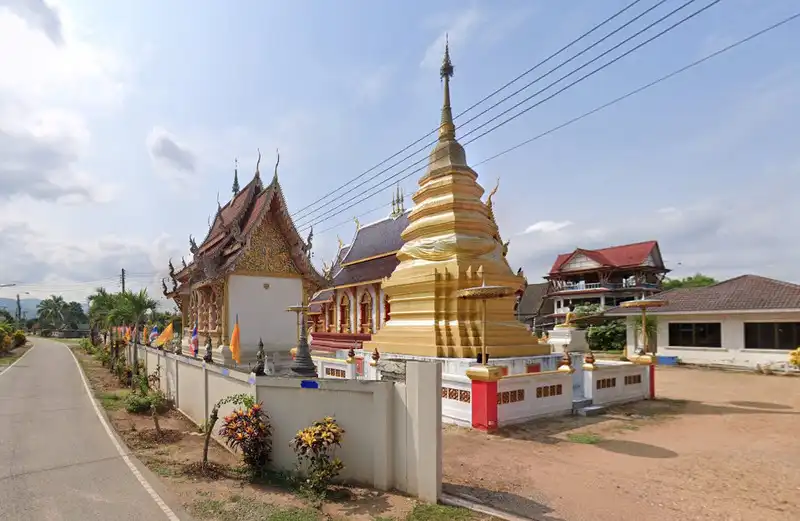
Wat Ban Mai is located in Moo 5, Cho Lae Subdistrict, Mae Taeng District, Chiang Mai Province. It is a local temple under the Maha Nikaya sect and has long served as the spiritual heart of the Ban Mai community. The temple’s location is distinctive, as roads surround it on three sides, with residential houses on the western side. This layout allows the temple to remain closely connected to daily community life, making it easily accessible for residents who come to make merit, attend religious ceremonies, or participate in community activities. Rather than standing apart from the village, Wat Ban Mai exists as an integral part of it, reflecting the close relationship between Buddhism and local life in northern Thailand.
According to local history, Wat Ban Mai was founded in 1861. Originally, the area was a forested and undeveloped land known as “Wat Nong Din Ji.” The establishment of the temple began through the faith and dedication of Mr. Wang Chumphu, together with villagers who cleared the land to create a place for monks to reside and practice Buddhism. As the village became more established, the temple was renamed “Wat Ban Mai” to correspond with the name of the community. In 1897, the temple was officially granted permission to be recognized as a formal monastery. This development mirrors the traditional formation of community temples in northern Thailand, where shared faith and cooperation gradually shape a spiritual center for the village.
Covering an area of approximately 4 rai and 74 square wah, Wat Ban Mai includes key religious structures such as an ordination hall, sermon hall, monks’ residences, and open spaces used for religious and community gatherings. These facilities allow the temple to support both everyday merit-making and larger ceremonial events. Sacred images and revered Buddha statues, including replicas of Phra Phuttha Chinnarat, the Emerald Buddha, the Naga-Protected Buddha, and bronze Buddha images, serve as focal points for worship and meditation. These objects play an important role in providing spiritual comfort, especially for visitors seeking peace of mind or guidance during difficult periods in their lives.
One of the main reasons people visit Wat Ban Mai is the belief in making merit and performing rituals to ward off misfortune and alleviate suffering. This practice reflects a common aspect of Lanna and northern Thai belief systems, where the emphasis is not on avoiding hardship altogether, but on cultivating strength of mind and clarity to overcome life’s challenges. Making merit at the temple is often accompanied by quiet reflection, sincere prayers, and a renewed intention to live mindfully. In this sense, the temple acts as a place of emotional and spiritual refuge, allowing individuals to regain balance before returning to their daily responsibilities.
Local belief also holds that sincere prayers made before the Buddha images at Wat Ban Mai can help one “be free from suffering.” In Buddhist understanding, this does not necessarily mean that problems disappear immediately, but rather that one gains the inner stability needed to face them without being overwhelmed. Spending time in prayer, meditation, or silent contemplation within the temple grounds often helps visitors regain clarity, strengthen their resolve, and approach life’s difficulties with renewed calm and wisdom.
For those wishing to make their visit more meaningful, it is often recommended to begin with a clear intention—whether seeking peace of mind, strength during uncertain times, or guidance for new beginnings. Visitors may then offer alms or donations according to their means, followed by mindful prayer and dedication of merit to loved ones or departed relatives. This simple yet thoughtful practice reflects the essence of merit-making in Thai Buddhism, emphasizing inner awareness rather than elaborate ritual.
Beyond its religious role, Wat Ban Mai remains a vital gathering place for the Ban Mai community. Religious holidays, seasonal merit-making events, and local traditions are regularly held at the temple, reinforcing social bonds and passing cultural values to younger generations. As long as the temple remains active, the community retains a shared center that preserves its identity and cultural continuity.
Getting There From Chiang Mai city, drive toward Mae Taeng District and continue to Cho Lae Subdistrict. Using navigation apps and searching for “Wat Ban Mai, Cho Lae” is the most convenient option, as local roads connect at multiple points. Once in the Ban Mai area, the temple is easy to find due to its accessible location and surrounding roads. Early mornings and late afternoons are ideal times to visit, offering a cooler atmosphere and a particularly peaceful ambiance.
Wat Ban Mai is well suited for travelers who wish to experience a quieter side of Chiang Mai, away from major tourist crowds. While it may not feature grand or elaborate architecture, it offers something equally valuable: a genuine sense of community faith, tranquility, and the everyday spirituality that continues to shape life in rural northern Thailand.
| Name | Wat Ban Mai |
| Location | Moo 5, Cho Lae Subdistrict, Mae Taeng District, Chiang Mai Province, Thailand 50150 |
| Key Characteristics | Community temple serving as a spiritual and cultural center, suitable for merit-making, prayer, and reflection |
| Period | Founded in 1861; officially recognized in 1897 |
| Important Features | Replica Phra Phuttha Chinnarat, Emerald Buddha replica, Naga-Protected Buddha, bronze Buddha images |
| Name Origin | Named after Ban Mai village |
| Open Days | Daily |
| Opening Hours | 08.00–17.00 |
| Getting There | Drive from Chiang Mai city to Mae Taeng District, then proceed to Cho Lae Subdistrict (navigation apps recommended) |
| Current Status | Open to visitors; respectful attire and behavior recommended |
Frequently Asked Questions (FAQ)
Q: Is Wat Ban Mai open every day?
A: Yes, the temple is open daily from 08.00 to 17.00.
Q: What do people usually pray for at Wat Ban Mai?
A: Visitors commonly come to make merit, pray for peace of mind, protection from misfortune, and strength to overcome life’s difficulties.
Q: What is the historical background of Wat Ban Mai?
A: The temple was founded in 1861, originally known as Wat Nong Din Ji, and was officially recognized as Wat Ban Mai in 1897.
Q: Are there any important sacred objects inside the temple?
A: Yes, the temple houses several revered Buddha images, including replicas of Phra Phuttha Chinnarat and the Emerald Buddha, as well as Naga-Protected and bronze Buddha statues.
Q: What should visitors be aware of when visiting Wat Ban Mai?
A: Visitors should dress modestly, speak quietly, respect sacred spaces, and follow any guidance provided by monks or local community members.
 Wat Ban Mai Map
 Category:
  Group:
  Tag: ●Wat Ban Mai●wat ban mai ●wat ban mai cho lae ●wat ban mai mae taeng ●chiang mai temples ●temple tour chiang mai ●mae taeng travel ●northern thailand temple ●merit making in chiang mai ●thai temple rituals ●wat in cho lae Last Update: 3 MonthAgo
Comment
 Nearby Attractions
| Keyword (Advance) |
 Facebook Fanpage
 Region
 Art, Culture and Heritage
 Historical Sites and Monuments(
 Landmarks and Memorials(
 Royal Palace(
 Art, Craft Centres, Tradition(
 Museums(
 Educational Places
 Museum for Study(
 Educational Gardens, Farm(
 Training Center(
 University
 Mosque(
 Other religious and spiritural sites(
 Research and Development
 Royal Project(
 Suburban Living
 Village, Community(
 Local Market(
 Nature and Wildlife
 National Parks and Marine Reserves(
 Mountain (Doi)(
 Dam, Reservoir, Lake(
 Waterfalls(
 Hot Springs(
 Caves(
 River, Canal(
 Other natural attractions(
 Entertainment and Agricultural
 Zoos and Aquariums(
 Animal camps and shows(
 Stadium(
 Farm, Parks, Gardens and Ecotourism(
 Waterpark(
 Theater(
 Outdoor and Adventure Activities(
 Shopping
 Shopping and Night Market(
 Restaurant
 Michelin Star(
 Michelin Guide(
 Call Customer Service in Tourism
 Call Customer Service in Tourism(
 Travel Articles, Recipes
 Travel Review, Food Review(
 Food Menu, North Recipes(
 Thai Desserts, North Recipes(
 Copyright 2012,