
lovethailand home >North Travel Attractions >Chiang Mai Travel Attractions >Muang Chiang Mai >Si Phum > Rotten Beans North Food
TL;DR: Rotten Beans North Food.

Rotten Beans North Food
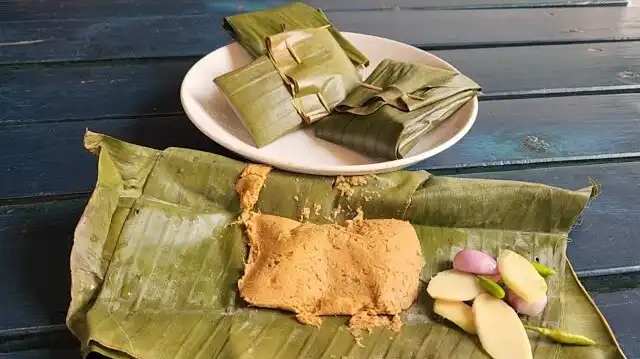
Rotten Beans North FoodUnusual northern Lanna food Cooking process: Bring the soybeans to boil until decay and then ferment for about 3 days to slightly mold. Then come pound thoroughly As well as the rotten beans But the beans are rotten. It is pounding the decomposed soybeans. Then wrapped in banana leaves, grilled over low heat, may be steamed. Popular to eat with young chili. Some recipes add an egg mixture before grilling it over the fire. Roasted rotten beans can be roasted or pounded with chili paste.
North Local Food That is unique Because the local food of the North will have a unique history. There is a variety of tribal cultures. It reflects the way of life, culture, tradition and well-being. Which food from northern wisdom is nutritious and healthy.
Material
- Rotten Beans
- Red onion
- Garlic
- Young peppers
- Eggs
- Shrimp paste
- Various seasoning powders
- Vegetable oil
- Spring onions
- Coriander
How to do it
1. Pound the chili paste, prepare a mortar, add garlic, shallots, pound together, add young chili paste. Pound them together with a rough pound, then add the rotten beans to pound for a while, add shrimp paste and powder to the noodle. Pound them together, then set aside on a plate.
2. Set up a wok, add a little oil, wait for the oil and pan hot, add the pounding peanut paste and stir for a while, add chicken eggs Stir until the eggs are cooked, beautiful colors. Served with vegetables And sticky rice.
| Name | Thua Nao Moe (Fermented Soybean Paste in Banana Leaf) |
| Category | Northern Thai Food / Traditional Fermented Dish |
| Main Ingredient Description | Made from soybeans boiled until soft, then fermented to develop a distinct aroma |
| Preparation Method | Fermented for about 3 days, pounded, wrapped in banana leaves, then grilled or steamed |
| Taste Profile | Savory, slightly salty, nutty, with a fermented aroma and smoky fragrance from banana leaves |
| Serving Style | Served with sticky rice or used as an ingredient in chili paste |
| Related Dishes | Nam Prik Thua Nao Moe, stir-fried fermented soybean with egg |
| Common Side Dishes | Green chili (Prik Noom), fresh vegetables, and boiled local greens |
| Distinctive Feature | A traditional fermented food with a unique aroma, enhanced by banana leaf grilling |
| Nutritional Value | High in plant-based protein and beneficial probiotics from fermentation |
| Cultural Significance | Represents Lanna wisdom in food preservation and the use of natural ingredients |
Frequently Asked Questions (FAQ)
Q: What is Thua Nao Moe?
A: Thua Nao Moe is a traditional Northern Thai fermented soybean dish, prepared by fermenting soybeans, pounding them, wrapping in banana leaves, and grilling or steaming.
Q: How is Thua Nao Moe different from Thua Nao Kaep?
A: Thua Nao Kaep is dried into thin sheets, while Thua Nao Moe remains moist and is grilled in banana leaves, giving it a softer texture and richer aroma.
Q: Does Thua Nao Moe have a strong smell?
A: Yes, it has a distinct fermented aroma, but when cooked, it becomes more fragrant and appealing.
Q: How is Thua Nao Moe typically eaten?
A: It is commonly eaten with sticky rice, green chili, and fresh vegetables, or used to make chili paste.
Q: What dishes can be made from Thua Nao Moe?
A: It can be used in chili paste, stir-fried with egg, or added to other Northern Thai dishes for extra flavor.
Q: Is Thua Nao Moe healthy?
A: Yes, it is rich in plant protein and contains beneficial probiotics from the fermentation process.
Q: Why is banana leaf used in cooking Thua Nao Moe?
A: Banana leaf enhances the aroma when heated and helps retain moisture, giving the dish its unique character.
Q: What cultural value does Thua Nao Moe represent?
A: It reflects Northern Thai traditions of food preservation, resourcefulness, and the use of locally available ingredients.
 Category: ●Travel Articles, Recipes
 Group: ●Food Menu, North Recipes
Last Update : 5 MonthAgo
 Last Update : 5 MonthAgo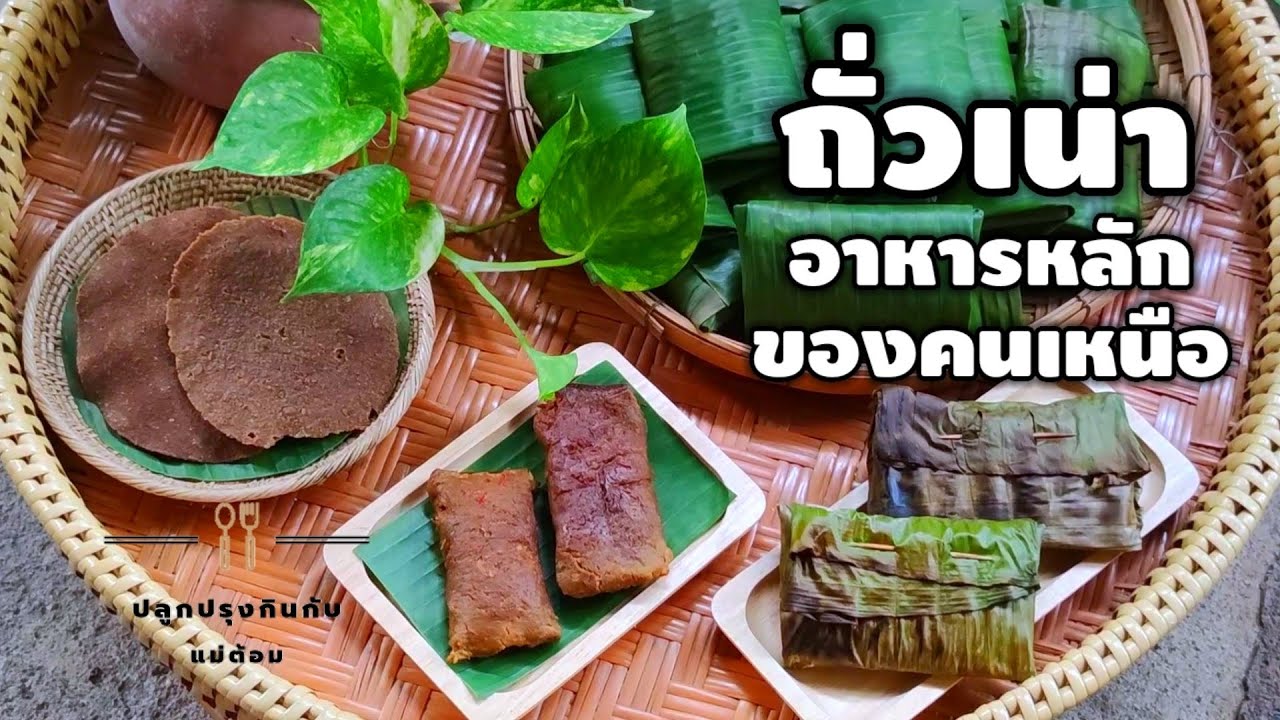

 Art, Culture and Heritage
 Historical Sites and Monuments(8)
 Landmarks and Memorials(5)
 Royal Palace(2)
 Art, Craft Centres, Tradition(43)
 Museums(24)
 Educational Places
 Museum for Study(2)
 Educational Gardens, Farm(5)
 Training Center(1)
 Places of Worship
 Temple(79)
 Mosque(2)
 Other Sacred Sites(17)
 Research and Development
 Royal Project(44)
 Suburban Living
 Village, Community(41)
 Local Market(14)
 Nature and Wildlife
 National Parks and Marine Reserves(16)
 Mountain (Doi)(21)
 Dam, Reservoir, Lake(26)
 Waterfalls(43)
 Hot Springs(12)
 Caves(11)
 River, Canal(6)
 Other natural attractions(14)
 Entertainment and Agricultural
 Zoos and Aquariums(2)
 Animal camps and shows(3)
 Stadium(1)
 Farms, Parks and Ecotourism(19)
 Waterpark(2)
 Theater(1)
 Outdoor and Adventure Activities(10)
 Shopping
 Shopping and Night Market(6)
 Restaurant
 Michelin Star(1)
 Michelin Guide(23)
 Call Customer Service in Tourism
 Call Customer Service in Tourism(1)
 Travel Review, Food Review(15)
Food Menu, North Recipes(30)
Travel Review, Food Review(15)
Food Menu, North Recipes(30)
 Thai Desserts, North Recipes(17)


