
lovethailand home >North Travel Attractions >Chiang Mai Travel Attractions >Omkoi >Sop Khong > Doi Bear Lear Highland Agricultural Development St..
TL;DR: Doi Bear Lear Highland Agricultural Development Station, Chiang Mai attractions : Research and Development, Royal Project.
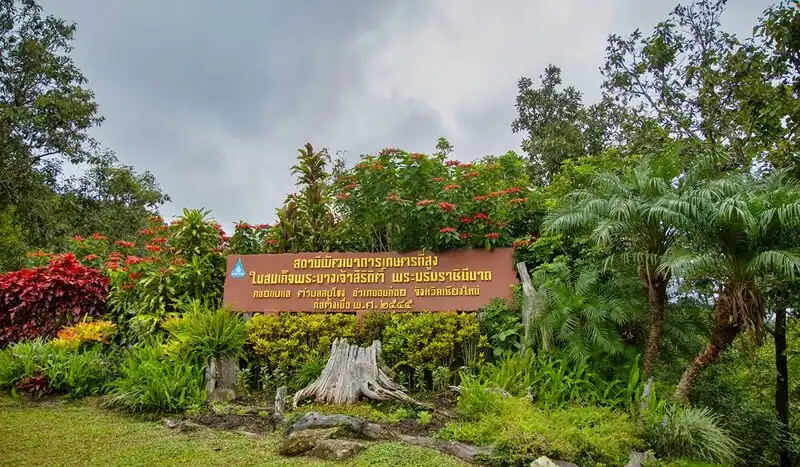
Doi Bear Lear Highland Agricultural Development Station
Open Days: Recommended to contact / make an appointment in advance before visiting (this is an active Royal Initiative fieldwork area with ongoing on-site operations)
Opening Hours: Recommended to visit in daytime, 08.30–16.30 (hours may change depending on field missions / season; please reconfirm before traveling)
Doi Bae Lae Royal Initiative Highland Agricultural Development Station is a destination for people who want to see “watershed forest conservation through livelihood development” in a way that feels real, not just a quick viewpoint stop-and-go. The work here traces back to a field visit on 07 March 2002, when extensive forest clearing and encroachment around Doi Bae Lae was found to be placing multiple upstream headwaters at risk. If left unchecked, the outcome would not be only forest loss; water scarcity and drought pressure would eventually flow back downstream and affect communities across the district in the future.
The Royal Initiative direction at that time was very clear: the priority was to “stop further encroachment,” but in a way that makes living with the forest genuinely possible—not by prohibition alone. This led to the concept of establishing a highland agricultural trial and development station, turning already-cleared areas into demonstration plots for cool-climate crops and agricultural activities guided by sound technical practice. Local stakeholders are engaged to participate, so that income and viable livelihood choices gradually replace the incentives that drive shifting cultivation expansion, and forest stewardship becomes a shared benefit between communities and the watershed.
Another key emphasis is orchid conservation in the area, alongside organizing nearby villages as a foundation for practical life-skills training—supporting sustainable ways to live with the forest. In other words, Doi Bae Lae is not viewed merely as a production site. It is shaped as a “forest classroom,” where people can build both livelihood skills and life skills without harming natural resources, which is the heart of many Royal Initiative development efforts across Northern Thailand.
If you have ever wondered what “restoring a watershed forest” looks like in real field conditions, Doi Bae Lae helps that picture become sharper. The core is not lofty slogans, but whether a community can earn stable enough income to avoid slipping back into choices that pressure the forest again. Highland agricultural development under the Royal Initiative typically begins with trial and demonstration first, so results can be seen in practice—from crop suitability in highland climate, to soil and water management on sloped terrain, to reducing overall stress on forest areas.
Omkoi has specific “highland” conditions that shape both travel and fieldwork. In the rainy season, roads can become slippery or change quickly compared with lowland routes. In cool season, temperatures can drop noticeably, especially early morning and after sunset. Some days bring dense fog. Visiting Doi Bae Lae is therefore more than a casual “trip”—it is a visit to a working landscape where nature and seasons set the rhythm.
What many visitors take away is not only mountain scenery, but a simple understanding that forest–water–food–income are always connected. When watershed forest is pressured, water sources become fragile. When water is fragile, farming becomes riskier. When farming is risky, household income becomes less secure. And when income is insecure, forests are often pressured again. Royal Initiative work tries to “cut” this cycle by building livelihoods that match the land and use resources with balance.
From a travel perspective, if you enjoy slow trips—observing terrain, noticing signs of forest recovery, listening to local stories, and seeing the easy link between forest–water–food–income—Doi Bae Lae can make the phrase “a restorative Chiang Mai escape” feel meaningful. Omkoi’s calm is the kind of calm that feels real: quiet enough to hear wind, birds, water, and your own thoughts—not a staged quiet made for photos.
That calm comes with conditions, though, because this is an active working area where staff and communities collaborate continuously. Arriving without coordination can disrupt both your experience and the on-site work. Making an appointment in advance is not “formality”; it is respect for the place, and it usually improves your visit. When staff or community members know ahead of time, they can better suggest suitable learning points or areas that can be visited during that period.
One detail people often overlook is how sensitive a watershed area can be. Some spots include trial plots or conservation zones where unnecessary close access should be avoided. Certain periods may involve field operations that require higher safety awareness. Keeping appropriate distance and following guidance is both respect and risk prevention. In trips like this, “going with balance” often lets you see more deeply than rushing ever will.
To plan smoothly, always build in travel buffer time. Omkoi routes include mountainous stretches and natural curves, and in some seasons the road condition can change with rainfall. Bringing drinking water, essentials, personal medication, a rain jacket or wind layer, and being prepared for limited signal in some sections helps you arrive without losing momentum—and it also reduces disturbance to staff and local communities.
Another reason Doi Bae Lae stands out is the kind of knowledge that is not reduced into catchy quotes. Standing in the real landscape helps you understand why highland farming on slopes must consider soil erosion and runoff, why water management in mountains must think upstream and downstream together, and why orchid conservation is not only about beauty—it can also indicate ecological health in certain habitat types.
If you enjoy photography, Doi Bae Lae does not need a “set” to look beautiful. Highland beauty lies in mountain layers, ridgelines, and light that changes through the day. What makes the view more meaningful is knowing that some of what you see was once pressured by clearing, and that recovery is connected to livelihood options that reduce the need to push the forest boundary further.
For those interested in Royal Initiative development approaches, visiting a place like this also shows systems thinking in action: “state–community–nature” must move together. If they move separately, the forest gets exhausted, people get exhausted, and downstream communities eventually carry the burden. Highland agriculture in this context is not about maximizing output; it is about making cultivation sustainable for the long run without reopening wounds in the watershed.
As a visitor, you may not find a fixed “tour program” timetable like at mainstream attractions. Instead, you will encounter a working landscape where learning happens through observation and conversation. Some days you may see demonstration plot management; other times the focus may be conservation work or community collaboration. This is part of the charm of Royal Initiative areas: you come to understand, not to collect check-ins.
If you travel with children or older family members, plan readiness more carefully. Highland travel can be more tiring than expected, and phone signal may be unstable in certain stretches. Having backup plans, rest stops, and clear timing arrangements with your driver makes the trip more comfortable, so everyone can enjoy the learning rather than struggle with the journey.
A popular time to visit is late rainy season into early cool season through winter, when the air often feels crisp and the mountains look greener and clearer. However, fog can be thick on some days, requiring extra caution while driving. Rainy season also has its own beauty—lush and fresh—but comes with higher risk of slippery roads and sudden rainfall. If you can plan ahead, checking weather and road conditions before departure reduces risk substantially.
Overall, if you want a Northern Thailand trip with both calm and “meaning,” Doi Bae Lae can go beyond photography. It brings you back to a basic question: how can people and forests live together sustainably? Here, the answer is built through livelihoods and skills that make the forest not something to be traded away, but something to be protected for the future of water and life.
Getting There From Chiang Mai city, you can travel to Omkoi District by public transport or private vehicle. From Omkoi town, continue along the route passing Ban Luang and Ban Doi toward Ban Yang Tai. Before reaching Ban Yang Tai, turn right toward Ban Khun Om Haed Nok and continue for about 4 km. Please allow extra time, as some sections are highland roads and conditions can change by season.
| Name | Doi Bae Lae Royal Initiative Highland Agricultural Development Station |
| Location | Omkoi District, Chiang Mai (route toward Ban Yang Tai → turn toward Ban Khun Om Haed Nok) |
| Highlights | Royal Initiative highland agricultural development site aiming to stop further forest encroachment, restore watershed health, promote technically sound highland farming, conserve orchids, and support communities to live with the forest sustainably |
| Period | Royal Initiative direction initiated following the field visit on 07 March 2002 |
| Key Evidence / Information | Extensive forest clearing around Doi Bae Lae increased risk to multiple headwater streams (e.g., Huai Om Haed, Huai Mae Long, Huai Bae Lae, Huai Mae Tuen, Huai Pha An, Huai Kong Sang, Huai Klai Nun), leading to a development approach that halts further encroachment and involves communities in technically guided highland agriculture |
| Name Origin | Named after the local mountain area known as “Doi Bae Lae” |
| Getting There | Chiang Mai → Omkoi District → pass Ban Luang, Ban Doi, Ban Yang Tai → before Ban Yang Tai turn right to Ban Khun Om Haed Nok (~4 km). Allow extra time and check road conditions by season. |
| Current Status | Active Royal Initiative fieldwork area. Recommended to contact / make an appointment before visiting. |
| Nearby Tourist Attractions with Distance | Doi Bae Lae viewpoint areas — approx. 0–10 km (depends on meeting point / access route) Ban Khun Om Haed Nok — approx. 0–5 km (depends on station access point / village destination) Ban Yang Tai — approx. 4–12 km (depending on the exact route used) Omkoi town area — approx. 20–60 km (varies by starting point and route) Huai Om Haed / headwater stream zones — distance depends on access point (recommended only with strong respect for the area) Doi Mon Chong area (Omkoi) — overall distance varies (check access permissions and vehicle requirements before planning) Note: Distances are approximate for trip planning; please confirm actual distance via maps before departure. |
| Popular Restaurants Nearby | Phu Fa Cafe (Omkoi) — approx. 20–60 km — Tel. 053-114-334 Ae-Na ณ Omkoi — approx. 20–60 km — Tel. 082-648-5778 Good Morning Omkoi — approx. 20–60 km — Tel. 086-911-6797, 098-950-4091 Pat Bar Cafe (Omkoi) — approx. 20–60 km — Tel. 064-345-1059 Krua Phichit (Omkoi) — approx. 20–60 km — Tel. 085-232-1189 |
| Popular Accommodations Nearby | Omkoi Resort — approx. 20–60 km — Tel. 086-188-1910 Omkoi Phu View Resort — approx. 20–60 km — Tel. 081-993-9879 Mon Chong Homestay (Omkoi) — overall distance depends on route — Tel. 086-193-1399 Ban Saengchan Resort (Mae Tuen area) — overall distance depends on route — Tel. 064-994-4977 Natpani Resort (Mae Tuen area) — overall distance depends on route — Tel. 061-424-1662 |
| Facilities | Learning area / agricultural development plots (depending on station missions), orchid conservation approach, livelihood and life-skills activities (subject to timing and access permission) |
Frequently Asked Questions (FAQ)
Q: Who is Doi Bae Lae Royal Initiative Highland Agricultural Development Station suitable for?
A: It suits travelers who prefer a calm, unhurried trip focused on learning about watershed forests and highland livelihood development—people who want to see “conservation that helps communities thrive,” rather than a fast check-in style visit.
Q: Why was the Doi Bae Lae station established?
A: Because large-scale forest clearing and encroachment around Doi Bae Lae created risks to multiple headwater streams. The Royal Initiative approach aimed to stop further encroachment and involve communities in technically guided highland agriculture as a sustainable alternative.
Q: How should I prepare before visiting Doi Bae Lae?
A: Contact or make an appointment in advance, allow extra travel time, and bring drinking water and essentials. This is a fieldwork area and road conditions can change by season.
Q: If I want food or accommodation, where should I plan to stay?
A: Most options are in and around Omkoi town and nearby communities along the route. The summary table lists recommended restaurants and accommodations with phone numbers; distances are approximate, so it’s best to confirm via maps before departure.
Q: When is the best time to visit?
A: Late rainy season into early cool season through winter is often most comfortable. However, always check weather and road conditions before traveling.
 Category: ●Research and Development
 Group: ●Royal Project
Last Update : 7 MonthAgo
 Last Update : 7 MonthAgo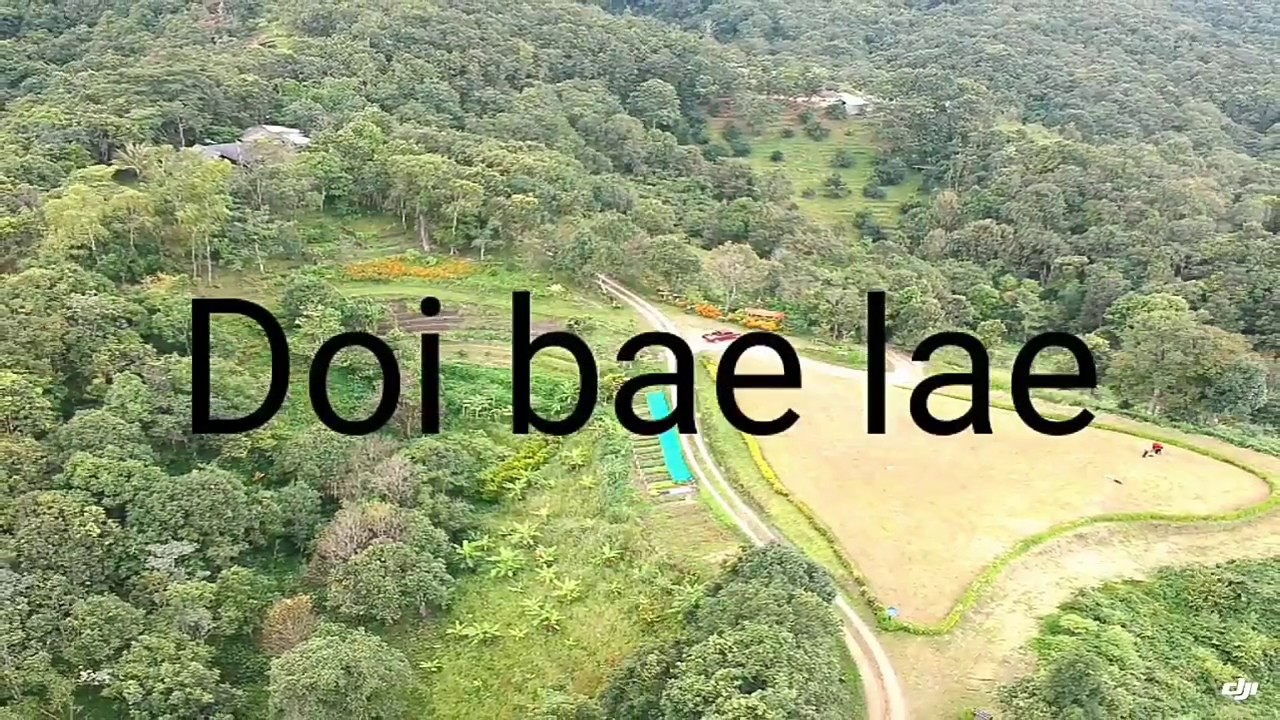
 Click to Access the Navigation Map GPS
Doi Bear Lear Highland Agricultural Development Station Map
Recommend

 Art, Culture and Heritage
 Historical Sites and Monuments(8)
 Landmarks and Memorials(5)
 Royal Palace(2)
 Art, Craft Centres, Tradition(43)
 Museums(24)
 Educational Places
 Museum for Study(2)
 Educational Gardens, Farm(5)
 Training Center(1)
 Places of Worship
 Temple(79)
 Mosque(2)
 Other Sacred Sites(17)
Royal Project(44)
Other Sacred Sites(17)
Royal Project(44)
 Suburban Living
 Village, Community(41)
 Local Market(14)
 Nature and Wildlife
 National Parks and Marine Reserves(16)
 Mountain (Doi)(21)
 Dam, Reservoir, Lake(26)
 Waterfalls(43)
 Hot Springs(12)
 Caves(11)
 River, Canal(6)
 Other natural attractions(14)
 Entertainment and Agricultural
 Zoos and Aquariums(2)
 Animal camps and shows(3)
 Stadium(1)
 Farms, Parks and Ecotourism(19)
 Waterpark(2)
 Theater(1)
 Outdoor and Adventure Activities(10)
 Shopping
 Shopping and Night Market(6)
 Restaurant
 Michelin Star(1)
 Michelin Guide(23)
 Call Customer Service in Tourism
 Call Customer Service in Tourism(1)
 Travel Articles, Recipes
 Travel Review, Food Review(15)
 Food Menu, North Recipes(30)
 Thai Desserts, North Recipes(17)


