

 Home
Home Chiang Mai(










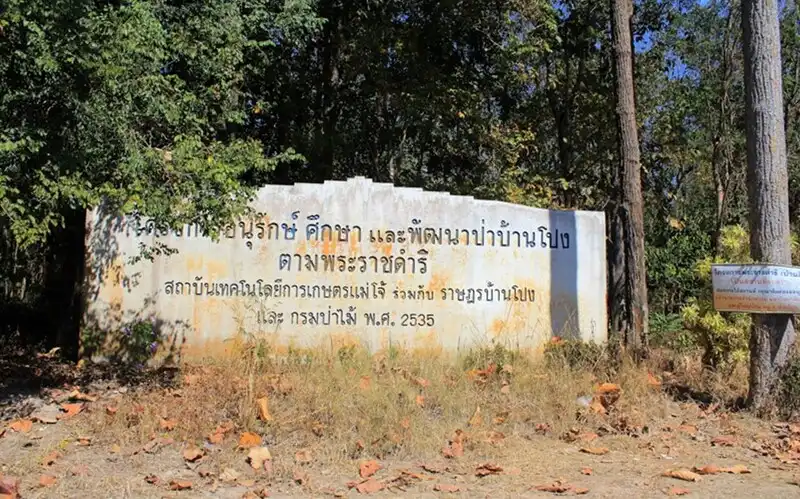
Ban Pong Study and Development of Forest Conservation Project
Rating: 4.3/5 (4 votes)
 Search By
  Map
Map 
 Have Map
  No Map
Chiang Mai attractions
Attractions in Thailand
Open Days: Recommended to contact/arrange in advance before visiting (this is a community-based study and conservation area)
Opening Hours: Recommended daytime visit 08.30–16.30 (hours may vary depending on field operations/season)
Ban Pong Forest Conservation, Study, and Development Project under the Royal Initiative (Ban Pong Conservation Forest) If you’re looking for a “Chiang Mai retreat” that doesn’t need dramatic viewpoints or trendy cafés with long queues to feel worthwhile, Ban Pong Forest Conservation, Study, and Development Project under the Royal Initiative (Ban Pong Conservation Forest) fits beautifully. The charm here isn’t about spectacle—it’s the feeling of a “real forest” with its own story, ongoing study work, community stewardship, and a kind of quiet that lets your mind unclench without having to try too hard.
This forest area lies within the San Sai National Reserved Forest, covering parts of Nong Han and Pa Phai subdistricts in San Sai District, Chiang Mai. The area is often cited as approximately 3,686 rai. Locals commonly call it “Ban Pong Conservation Forest” because the community has long shared and relied on this forest—both as a source of forest foods and as a place to learn directly from nature. At the same time, it has been positioned as a study, research, and forest development area under the Royal Initiative approach, with educational institutions continuing to play an ongoing role.
The forest’s most recognizable identity is its “dry dipterocarp forest” character—a deciduous forest type with an airy, open feel and a forest floor that changes color beautifully through the seasons without any need for staging. What makes Ban Pong’s dry dipterocarp forest valuable is the biodiversity that shows up in the details: a range of plant species, birds, insects, butterflies, and other winged wildlife that appear depending on the time of day and seasonal conditions. Some days you’ll hear the forest more clearly than you expect, and some days you’ll realize the “silence” here does something genuinely good to your body and mind.
Another special layer is the relationship between “university–community–forest.” The area serves as a learning and research base for forestry and ecosystem studies in multiple dimensions, while local residents still depend on the forest as a food source—such as mushrooms and edible wild plants (within appropriate and sustainable use). This model makes a visit more than a simple walk in the woods; it lets you see how long-term conservation tends to work best when the people who live with the forest are actively involved, rather than only being told to protect it.
If your goal is rest, the best approach is to arrive slowly and let the forest reset your pace. Walk while listening to leaves, watch light filter through branches, and observe insects and birds without rushing. Photos are welcome, but try not to turn nature into a backdrop—the value here comes from being a real working landscape. Basic visitor manners matter: don’t litter, keep noise low, don’t disturb wildlife, don’t pick plants or remove living things, and if you enter zones used for study or research, follow the site rules closely.
Getting There A commonly used route is to go via the back access roads near Maejo University in Chiang Mai, heading toward Ban Pong community in Pa Phai Subdistrict, San Sai District. The conservation forest area is located before reaching “Wat Doi Thaen Phra Pha Luang” (a key landmark). It’s recommended to set your map destination to the project/“Ban Pong Conservation Forest” name, and allow a little extra time near the community area, as some sections can be narrow with smaller junctions.
The best time to visit is generally morning through late afternoon, when the light is pleasant, walking is comfortable, and you’re less likely to disrupt local rhythms. If you want butterflies and that lively post-rain forest feel, late rainy season into early winter often brings good moisture—but pack insect repellent and shoes with good grip. In winter, walking is cooler and easier; nature feels more open and dry, with crisp light and a different kind of beauty.
| Name | Ban Pong Forest Conservation, Study, and Development Project under the Royal Initiative (Ban Pong Conservation Forest) |
| Location | San Sai National Reserved Forest (Nong Han and Pa Phai subdistrict areas), San Sai District, Chiang Mai |
| Highlights | Dry dipterocarp forest; quiet atmosphere; ideal for nature learning walks; rich biodiversity (birds, insects, butterflies, wild plants); a conservation and study/development area |
| Period | Royal Initiative project approach (sustainable forest conservation and development) |
| Key Evidence / Notes | Located within the San Sai National Reserved Forest; commonly cited area is approx. 3,686 rai; supports education/research functions and community-based sustainable use |
| Name Origin | Named after “Ban Pong” community, commonly referred to as “Ban Pong Conservation Forest” in the context of shared use and joint stewardship |
| Getting There | Use the back route near Maejo University heading toward Ban Pong community, Pa Phai Subdistrict, San Sai. The forest area is before Wat Doi Thaen Phra Pha Luang (recommended to pin on a map and allow extra time). |
| Current Status | Conservation area and nature learning site (recommended to contact/arrange in advance, especially for study/activity zones) |
| Contact Number | 053-873429 (related unit for project work within the Maejo University area) |
| Nearby Attractions with Distance | Maejo University — approx. 5–12 km Huay Jo Reservoir — approx. 8–18 km Wat Doi Thaen Phra Pha Luang — approx. 2–8 km Maejo area / local market zone (food and community area) — approx. 6–14 km Mae Ngat Somboon Chon Dam — approx. 35–55 km Note: Distances are approximate for trip planning. Please verify exact distances on a map before traveling. |
| Nearby Restaurants | Some Hours Cafe (Maejo area) — approx. 8–16 km — tel. 064-498-9446 Have-A-Hug Fusion Farm (Have a Hug Cafe) — approx. 10–20 km — tel. 053-121-268 Tam Mua (behind Maejo University branch) — approx. 8–16 km — tel. 088-972-4649 Ban Pasta (Maejo/San Sai area) — approx. 8–18 km — tel. 095-819-5519 Soup Kradook (Maejo/San Sai area) — approx. 8–18 km — tel. 098-315-3549 |
| Nearby Accommodations | Mae Jo Golf Resort & Spa — approx. 10–22 km — tel. 053-354431-2 D-Sabai Residence (San Sai) — approx. 10–25 km — tel. 053-351419-20, 092-271-9787 The Laguna Serviced Apartment (Maejo Sankhayom area) — approx. 12–28 km — tel. 053-854996-7, 085-030-9731 At Villa Sansai by Anoma Boutique — approx. 12–28 km — tel. 084-803-2388 Mindzai Residence (San Sai) — approx. 12–30 km — tel. 053-845083 |
| Facilities | Nature learning/walking forest area (subject to site guidelines), scenic rest points (depending on management zones), suitable for an easy day trip |
| Fees | — (entry/activity conditions may vary depending on access format; recommended to confirm before visiting) |
Frequently Asked Questions (FAQ)
Q: Who is Ban Pong Conservation Forest best for?
A: It’s ideal for travelers who want quiet rest, slow nature walks, and a conservation area with real study work and community stewardship—not just a photo spot.
Q: Can I do this as a day trip?
A: Yes. Morning through afternoon is recommended for comfortable walking and good light, and you should allow extra time near the community area if you need to ask directions.
Q: What should I bring?
A: Comfortable walking shoes with good grip, drinking water, insect repellent, a hat, and your own trash bag (pack out all waste) to help keep the area clean.
Q: Is it difficult to get there?
A: Generally no. If you follow the back route near Maejo University toward Ban Pong community and use Wat Doi Thaen Phra Pha Luang as a landmark, it’s straightforward. Pin the location on a map and drive slowly on smaller local roads.
Q: Are there restaurants and accommodations nearby?
A: Yes. The Maejo–San Sai area has a range of options. The summary table lists popular places with contact numbers, and it’s best to verify opening times and exact distances on a map before going.
 Tel: 053041542
 Ban Pong Study and Development of Forest Conservation Project Map
 Category:
  Group:
  Tag: ●Ban Pong Study and Development of Forest Conservation Project●ban pong conservation forest ●ban pong forest royal initiative ●maejo university ban pong forest ●san sai chiang mai nature ●dry dipterocarp forest thailand ●biodiversity chiang mai forest ●nature walk near maejo ●chiang mai quiet day trip ●huay jo reservoir ●wat doi thaen phra pha luang Last Update: 3 MonthAgo
Comment
 Nearby Attractions
| Keyword (Advance) |
 Facebook Fanpage
 Region
 Art, Culture and Heritage
 Historical Sites and Monuments(
 Landmarks and Memorials(
 Royal Palace(
 Art, Craft Centres, Tradition(
 Museums(
 Educational Places
 Museum for Study(
 Educational Gardens, Farm(
 Training Center(
 University
 Places of Worship
 Temple(
 Mosque(
 Other religious and spiritural sites(
 Suburban Living
 Village, Community(
 Local Market(
 Nature and Wildlife
 National Parks and Marine Reserves(
 Mountain (Doi)(
 Dam, Reservoir, Lake(
 Waterfalls(
 Hot Springs(
 Caves(
 River, Canal(
 Other natural attractions(
 Entertainment and Agricultural
 Zoos and Aquariums(
 Animal camps and shows(
 Stadium(
 Farm, Parks, Gardens and Ecotourism(
 Waterpark(
 Theater(
 Outdoor and Adventure Activities(
 Shopping
 Shopping and Night Market(
 Restaurant
 Michelin Star(
 Michelin Guide(
 Call Customer Service in Tourism
 Call Customer Service in Tourism(
 Travel Articles, Recipes
 Travel Review, Food Review(
 Food Menu, North Recipes(
 Thai Desserts, North Recipes(
 Copyright 2012,