

 Home
Home Chiang Mai(










Ban San Kang Pla
Rating: 2.6/5 (9 votes)
 Search By
  Map
Map 
 Have Map
  No Map
Chiang Mai attractions
Attractions in Thailand
Open Days: Daily (Advance contact or appointment is recommended for in-depth visits or discussions with weaving groups or community leaders)
Opening Hours: Recommended 08.30–17.00 (Morning hours are ideal for walking around and soft natural light for photography)
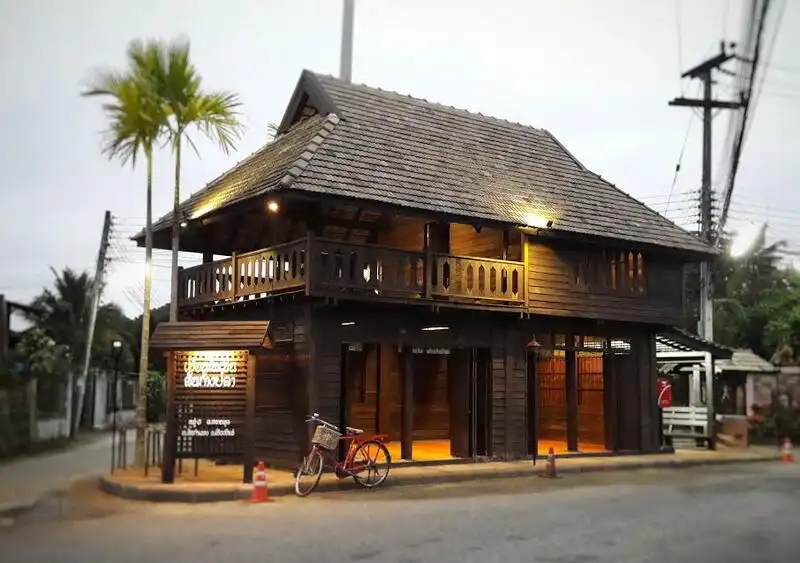
Ban San Kang Pla is a Tai Khen ethnic village located in San Kamphaeng District, Chiang Mai Province. With a community history of approximately 200 years, the village still preserves the atmosphere of a traditional rice-farming settlement where daily life follows the rhythm of household work, agriculture, and craftsmanship. Rather than being a flashy tourist attraction, Ban San Kang Pla stands out for the depth of its Tai Khen cultural roots, which can still be seen through language, traditional clothing, community rituals, and especially traditional handwoven textiles that continue to serve as both cultural heritage and a sustainable source of income.
When looking at the broader network of Tai Khen communities in the San Kamphaeng area, several villages are closely connected through kinship and shared cultural identity, including Ban Sai Mun, Ban Hua Thung, Ban Rong, Ban Muang Ma, and Ban San Kang Pla itself, which is located in Sai Mun Subdistrict. Ban San Kang Pla lies in Village No. 6 within San Kamphaeng Municipality. To the north are open rice fields, to the south lies Ban Hua Thung, to the east Ban San Khong, and to the west Ban Sai Mun. This geographical setting preserves the village’s agricultural character, where open landscapes and rice paddies form the backdrop of everyday life.
The charm of visiting Ban San Kang Pla lies in experiencing craftsmanship shaped by discipline and patience rather than surface-level attractions. Tai Khen handwoven textiles are admired not only for their patterns but also for their precision, consistency, and the weaver’s understanding of materials—from yarn selection and warp arrangement to tension control and neatly finished edges. When choosing textiles from this community, careful handling reveals quality work through a balanced firmness that is neither too loose nor overly stiff.
Another reason Ban San Kang Pla remains relevant today is that its weaving heritage has been successfully developed into income-generating community products, earning recognition through Thailand’s One Tambon One Product (OTOP) program in multiple periods. Purchasing handwoven fabrics or local products here is not merely buying souvenirs, but directly supporting artisans and helping preserve intergenerational skills that might otherwise fade away.
For visitors who wish to “travel with understanding,” a slow walk through the village is highly recommended. Observe how seamlessly repeated patterns align, whether warp lines remain straight, the smoothness of the fabric surface, and the firmness of the edges. If given the opportunity to speak with weavers, asking about pattern origins often reveals connections to beliefs, memories, and everyday life—far beyond aesthetics alone.
Community-based travel comes with simple but important etiquette. Visitors should ask permission before photographing private spaces or work areas, avoid touching looms or unfinished textiles without consent, and show appreciation for shared time and knowledge. Purchasing local products is one of the most direct and respectful ways to support the community and acknowledge the value of their craftsmanship.
For those seeking deeper cultural context, nearby landmarks such as Wat San Kang Pla and the Tai Khen Museum offer valuable insights into Tai Khen history, settlement patterns, tools, attire, and traditional ways of life. These sites are especially suitable for visitors interested in ethnic studies and cultural heritage, with advance arrangements recommended for in-depth visits.
Getting There Ban San Kang Pla is located approximately 2 kilometers from San Kamphaeng town center and is accessible year-round via multiple local routes. The village is well connected through San Kamphaeng–Mae On Road (Route 4035), which links conveniently to National Highway No. 1006. A day trip can easily combine visits to San Kamphaeng and Mae On attractions, such as craft villages, museums, or hot springs, before returning to Chiang Mai city in the evening.
In summary, Ban San Kang Pla is an ideal destination for travelers seeking Chiang Mai through the lens of living cultural communities. Without heading into mountainous terrain, visitors can experience the depth of Tai Khen heritage, appreciate enduring textile craftsmanship, and enjoy the simplicity of village life surrounded by rice fields—quietly following its own timeless rhythm.
| Name | Ban San Kang Pla (Tai Khen Community) – Sai Mun Subdistrict, San Kamphaeng District, Chiang Mai |
| Location | Village No. 6, Sai Mun Subdistrict, San Kamphaeng District, Chiang Mai |
| Highlights | A 200-year-old Tai Khen community known for traditional handwoven textiles and rice-field village life |
| Period / Development | Long-established Tai Khen settlement that has developed textile craftsmanship into sustainable community products |
| Key Heritage | Tai Khen handwoven textile wisdom, community craftsmanship, and ethnic networks in the San Kamphaeng area |
| Name Origin | “Ban San Kang Pla” is the traditional local name passed down through generations |
| Access | Approximately 2 km from San Kamphaeng town, connected via Route 4035 (San Kamphaeng–Mae On) and Highway 1006 |
| Current Status | Active residential community; advance contact recommended for in-depth visits or weaving group demonstrations |
Frequently Asked Questions (FAQ)
Q: What is Ban San Kang Pla known for?
A: It is known for its long-established Tai Khen community and traditional handwoven textiles that continue to generate local income.
Q: How can I choose quality handwoven textiles?
A: Look for consistent patterns, straight warp lines, neatly finished edges, and a balanced firmness that feels neither loose nor overly stiff.
Q: What is the best time to visit?
A: Morning hours are recommended for comfortable walking, cooler temperatures, and easier conversations with local artisans.
Q: What nearby attractions can be combined in a one-day trip?
A: Ban Bo Sang umbrella village, MAIIAM Contemporary Art Museum, and San Kamphaeng Hot Springs are popular nearby options.
Q: Are there any etiquette tips for visiting the community?
A: Always ask permission before taking photos in private or work areas, avoid touching tools or unfinished textiles, and consider purchasing local products to directly support the community.
 Ban San Kang Pla Map
 Category:
  Group:
  Tag: ●Ban San Kang Pla●ban san kang pla ●tai khen village chiang mai ●san kamphaeng cultural village ●tai khen weaving ●traditional thai weaving chiang mai ●otop weaving thailand ●things to do san kamphaeng ●chiang mai craft village ●local culture chiang mai ●day trip from chiang mai Last Update: 2 MonthAgo
Comment
 Nearby Attractions
| Keyword (Advance) |
 Facebook Fanpage
 Region
 Art, Culture and Heritage
 Historical Sites and Monuments(
 Landmarks and Memorials(
 Royal Palace(
 Art, Craft Centres, Tradition(
 Museums(
 Educational Places
 Museum for Study(
 Educational Gardens, Farm(
 Training Center(
 University
 Places of Worship
 Temple(
 Mosque(
 Other religious and spiritural sites(
 Research and Development
 Royal Project(
 Local Market(
 Nature and Wildlife
 National Parks and Marine Reserves(
 Mountain (Doi)(
 Dam, Reservoir, Lake(
 Waterfalls(
 Hot Springs(
 Caves(
 River, Canal(
 Other natural attractions(
 Entertainment and Agricultural
 Zoos and Aquariums(
 Animal camps and shows(
 Stadium(
 Farm, Parks, Gardens and Ecotourism(
 Waterpark(
 Theater(
 Outdoor and Adventure Activities(
 Shopping
 Shopping and Night Market(
 Restaurant
 Michelin Star(
 Michelin Guide(
 Call Customer Service in Tourism
 Call Customer Service in Tourism(
 Travel Articles, Recipes
 Travel Review, Food Review(
 Food Menu, North Recipes(
 Thai Desserts, North Recipes(
 Copyright 2012,