
lovethailand home >North Travel Attractions >Chiang Mai Travel Attractions >Mae Wang >Mae Win > Mae Sa Pok Royal Project Development Center
TL;DR: Mae Sa Pok Royal Project Development Center, Chiang Mai attractions : Research and Development, Royal Project.
Mae Sa Pok Royal Project Development Center
Open Days: Recommended to check or make an appointment in advance (this is an active Royal Project operational area and activities may vary by period)
Opening Hours: Recommended 08.00–16.30 (hours may change depending on field operations; please check before traveling)
Mae Sa Pok Royal Project Development Center If you are looking for a meaningful “Chiang Mai retreat” rather than just a scenic stop for photos, the Mae Sa Pok Royal Project Development Center offers a rare opportunity to experience the real substance of a Royal Initiative project on highland development. Located in a valley behind the Doi Inthanon mountain range, the area is quiet, lush, and deeply connected to everyday community life. Visiting here feels less like sightseeing and more like stepping into an active learning space shaped by people, land, and long-term development work.
Mae Sa Pok village is home to the Karen ethnic community. In the past, many highland communities relied on shifting cultivation and forest foraging for subsistence. These practices, while rooted in survival, gradually placed pressure on forest resources and watersheds. Combined with limited economic opportunities, living conditions were often difficult. This context made sustainable livelihood development and alternative income options an essential challenge for the area.
In response, the Royal Project Foundation began agricultural economic development initiatives in 1983 and formally established the Mae Sa Pok Royal Project Development Center. The center provides support in agricultural knowledge, crop selection suitable for highland conditions, production systems, natural resource management, and long-term income pathways. As a medium-sized development center, it functions as a practical field base that works alongside the community rather than imposing solutions from outside.
Geographically, the Mae Sa Pok Royal Project Development Center lies within a valley, resulting in noticeably cool weather during winter and pleasantly mild temperatures in summer. The surrounding forested mountains create a calm, refreshing atmosphere. For visitors who appreciate terraced fields, contour farming, and agricultural landscapes shaped by real terrain, this setting offers a genuine sense of place rather than a staged tourist environment.
A key highlight is agro-tourism. Visitors can observe demonstration and promotion plots featuring seasonal produce such as baby cos lettuce, red oak leaf, green oak leaf, cos lettuce, red coral lettuce, rocket salad, butterhead, sweet lettuce, and other leafy greens. Organic vegetable and herb cultivation is also showcased, including zucchini, Chinese kale with shiitake mushrooms, white bitter gourd, and other seasonal crops. What stands out is not only the produce itself, but also the land management methods adapted to mountain conditions.
Another distinctive feature is the Karen terraced rice fields. These terraces are not created for aesthetics alone; they represent traditional wisdom in water management and hillside farming. Seeing the fields in context helps visitors understand how landscape, culture, and subsistence are interwoven, giving depth to the beauty beyond surface-level scenery.
Cultural tourism is equally meaningful here. One of the most important traditions is the Karen New Year celebration, when villagers gather for communal festivities, traditional performances, and shared meals. Community members dress in full ethnic attire, creating a powerful expression of cultural identity. Visitors may also observe Karen textile weaving, with intricate patterns reflecting beliefs, heritage, and skills passed down through generations.
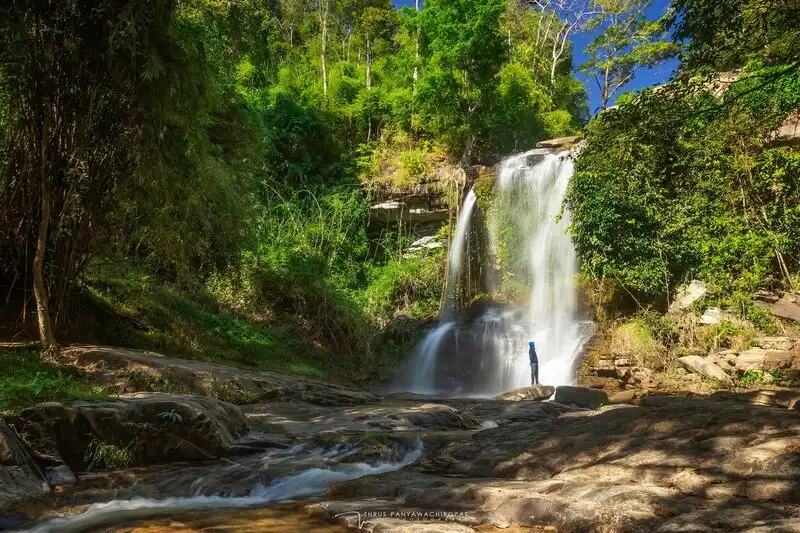
Nature-based attractions surround the center as well. Nearby waterfalls include Mae Sa Pok Waterfall, Mae Wang Waterfall, and Pha Mon Waterfall. The Mae Wang River supports various low-impact nature activities, and nearby areas offer bamboo rafting experiences along the river near Ban Sop Win. Additional attractions include the Mae Sa Pok elephant camp area, providing a broader picture of nature-based tourism in the region.
For souvenirs, visitors can purchase seasonal Royal Project produce and locally made handicrafts. Since agricultural products vary by season, those seeking specific items are advised to check availability in advance to align expectations with seasonal cycles.
Accommodation is available within the Mae Sa Pok Royal Project Development Center. There is one guesthouse building with four rooms accommodating approximately 6–8 people, as well as designated camping areas. Tent rental with bedding is provided, and an on-site restaurant serves meals. Staying overnight allows visitors to experience early morning mountain air and observe daily life before larger visitor groups arrive. As this is a working development site, advance planning and appropriate preparation for weather conditions are recommended.
Getting There From Chiang Mai city, the total distance to the Mae Sa Pok Royal Project Development Center is approximately 68 kilometers. Travel south via Highway 108 (Chiang Mai–Hot) toward San Pa Tong District. Then turn right onto Highway 1013 and continue for about 38 kilometers. A left turn leads into Mae Sa Pok Nuea village; from there, it is approximately 500 meters to the center. Extra travel time should be allowed, especially during the rainy season when mountain roads may be slippery and visibility reduced.
For the most rewarding experience, it is best to keep the itinerary unhurried. Choose one or two core activities—such as visiting agricultural plots and terraced fields, or exploring waterfalls and river landscapes—before ending the trip with seasonal local products. This approach balances learning, relaxation, and genuine connection with the place.
| Name | Mae Sa Pok Royal Project Development Center |
| Location | Mae Sa Pok Village, Mae Win Subdistrict, Mae Wang District, Chiang Mai |
| Key Characteristics | Royal Project development center in a valley behind Doi Inthanon, cool climate, highland agriculture, organic vegetables, Karen terraced rice fields, community-based learning |
| Best Time to Visit | Late rainy season to winter for comfortable weather; crop availability depends on season |
| Key Background | Established in 1983 to promote sustainable agriculture and livelihoods for highland communities |
| Name Origin | Named after Mae Sa Pok village in Mae Win Subdistrict |
| Travel | Chiang Mai city → Highway 108 → San Pa Tong → Highway 1013 → Mae Sa Pok Nuea village (approx. 68 km total) |
| Current Status | Active Royal Project development and learning area with limited tourism activities |
Frequently Asked Questions (FAQ)
Q: Who is the Mae Sa Pok Royal Project Development Center suitable for?
A: It is ideal for visitors seeking a quiet Chiang Mai retreat focused on agro-tourism, cultural learning, and real examples of Royal Initiative highland development.
Q: When is the best time to visit?
A: Late rainy season through winter offers pleasant weather, while crop viewing depends on seasonal agricultural cycles.
Q: Are there activities beyond farm visits?
A: Yes. Visitors can experience Karen cultural traditions, weaving, nearby waterfalls, river activities, and bamboo rafting in surrounding areas.
Q: Is overnight accommodation available?
A: Yes. Guesthouse rooms, camping areas, tent rentals, and an on-site restaurant are available, with advance planning recommended.
Q: Is the drive difficult?
A: The main routes are accessible, but mountain roads require caution, especially during the rainy season. Allow extra travel time.
Tel : 053318322
 Tel : 053318322
Mobile : 0857163134
 Mobile : 0857163134
 Category: ●Research and Development
 Group: ●Royal Project
Last Update : 10 MonthAgo
 Last Update : 10 MonthAgo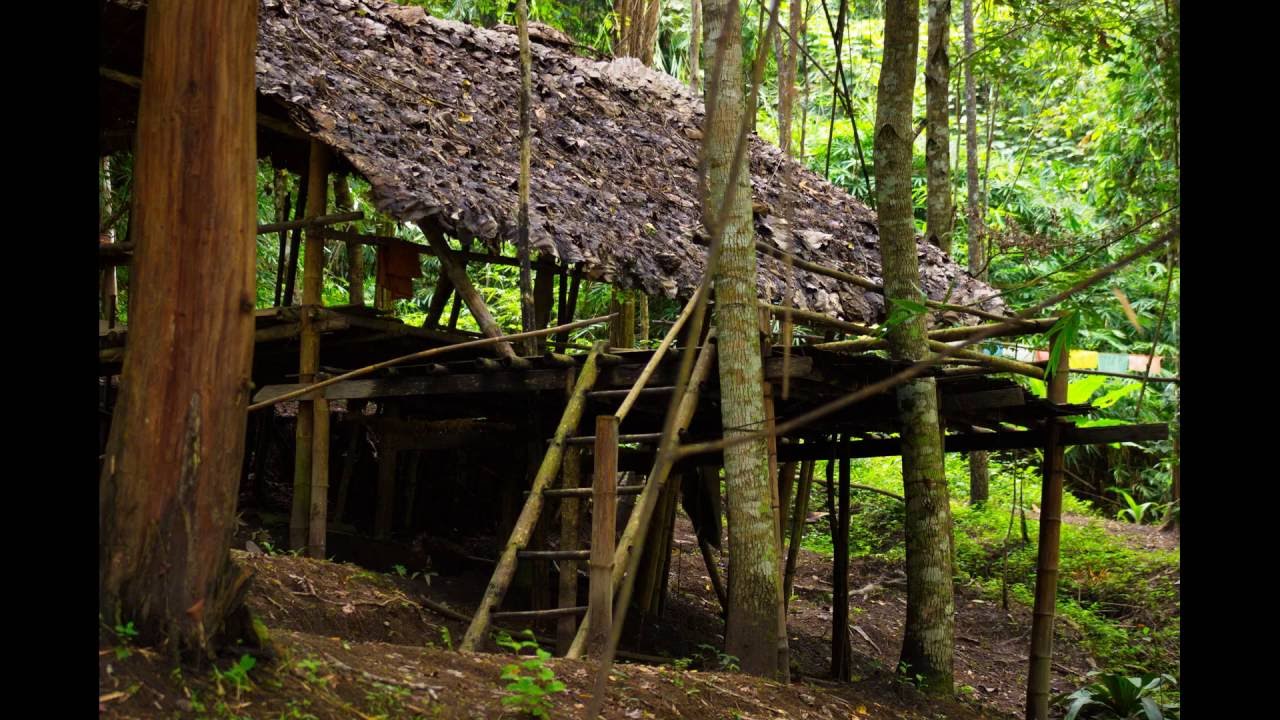
 Click to Access the Navigation Map GPS
Mae Sa Pok Royal Project Development Center Map
Recommend

 Art, Culture and Heritage
 Historical Sites and Monuments(8)
 Landmarks and Memorials(5)
 Royal Palace(2)
 Art, Craft Centres, Tradition(43)
 Museums(24)
 Educational Places
 Museum for Study(2)
 Educational Gardens, Farm(5)
 Training Center(1)
 Places of Worship
 Temple(79)
 Mosque(2)
 Other Sacred Sites(17)
Royal Project(45)
Other Sacred Sites(17)
Royal Project(45)
 Suburban Living
 Village, Community(41)
 Local Market(14)
 Nature and Wildlife
 National Parks and Marine Reserves(18)
 Mountain (Doi)(21)
 Dam, Reservoir, Lake(26)
 Waterfalls(43)
 Hot Springs(12)
 Caves(11)
 River, Canal(6)
 Other natural attractions(14)
 Entertainment and Agricultural
 Zoos and Aquariums(3)
 Animal camps and shows(3)
 Stadium(1)
 Farms, Parks and Ecotourism(19)
 Waterpark(2)
 Theater(1)
 Outdoor and Adventure Activities(10)
 Shopping
 Shopping and Night Market(6)
 Restaurant
 Michelin Star(1)
 Michelin Guide(23)
 Call Customer Service in Tourism
 Call Customer Service in Tourism(1)
 Travel Articles, Recipes
 Travel Review, Food Review(24)
 Food Menu, North Recipes(30)
 Thai Desserts, North Recipes(17)


