
lovethailand home >North Travel Attractions >Chiang Mai Travel Attractions >Samoeng >Samoeng Nuea > Mae Phae Royal Project Development Center
TL;DR: Mae Phae Royal Project Development Center is located at Mae Phae Village, Samoeng Nuea Subdistrict, Samoeng District, Chiang Mai, open Please check or make an appointment in advance before visiting, hours 08.30–16.30 (may vary depending on field operations).
Mae Phae Royal Project Development Center
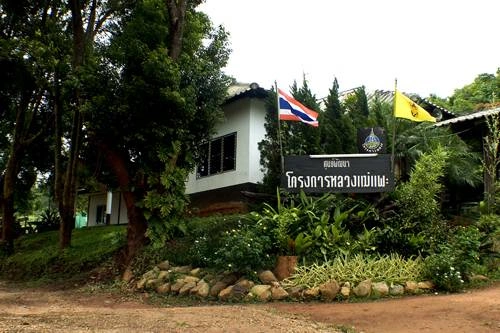
Open Days: Please check or make an appointment in advance before visiting
Opening Hours: 08.30–16.30 (may vary depending on field operations)
Mae Phae Royal Project Development Center is a quiet Chiang Mai getaway for travelers who want a peaceful Northern Thailand trip with cool mountain air and a real look at how highland livelihoods are improved through hands-on development work. This is not a place designed only for photo stops. At its core, it is an agricultural development site under the Royal Project, where information is collected, trials are carried out, and practical knowledge is passed on to farmers so they can grow crops correctly, earn sustainable income, and live in balance with forest resources.
The center was established on 1 October 2001 and covers two subdistricts: Mae Saep and Samoeng Nuea. The local communities are largely highland ethnic groups, with the majority being Karen and Lisu people. The terrain is a mix of steep slopes and valley plains. Important streams such as Mae Phae Stream and Kiew Muet Stream act as vital headwaters that support the area, creating a landscape that feels green, humid, and naturally calming – often easier for “resting your mind” than crowded, mainstream tourist zones.
With an elevation of around 900–1,200 meters above sea level and a generally cool climate throughout the year, the center is suitable for highland farming and also works well for learning-based travel. Visitors can clearly see that the demonstration plots are not only arranged for visual appeal. They function like a “living laboratory in a valley,” helping both farmers and travelers understand what each crop requires – and what kind of management is needed for healthy growth on steep terrain under seasonal weather changes.
For agritourism, one of the main highlights is walking through diverse vegetable demonstration plots, including beans, Japanese cucumbers, purple-stem eggplants, and other seasonal crops. There are also fruit plots featuring avocado, star fruit, and lychee. These areas show that “alternative crops” on highlands are not selected by guesswork. They rely on real data, field trials, and knowledge transfer that communities can repeat successfully over time.
Another interesting feature is the Mae Tung Ting Model Farm, an integrated farming concept developed under the Royal Initiative. Seeing an integrated system in a real setting often helps visitors understand that highland development is not simply about maximizing yield from one crop. It is about building a system where people can live well, forests remain protected, and income is not fragile when weather or market prices fluctuate.
On the nature side, Pong Kwuaw Hot Spring is a popular place to stop and relax. It is a natural mineral spring with soaking pools, and there is also a small waterfall nearby, making it a gentle spot for resting and enjoying water in good weather. During the rainy season, the landscape becomes especially lush and green, but visitors should be more cautious about slippery surfaces and changing access conditions due to mountain weather.
If you enjoy local culture, the center and surrounding communities also connect to highland ways of life and local merit-making traditions. One tradition worth knowing is Tan Kuay Salak, held after the end of Buddhist Lent. The atmosphere often includes music, dance performances, and community activities, so a visit can go beyond simply viewing plots – it can also reveal the “heart of the community” that quietly powers the area behind the scenes of tourism.
Souvenirs here are not limited to agricultural produce. You can also find bamboo weaving crafts, handmade brooms, woven textiles, silk fabrics, and herbal products. These items reflect both community skills and thoughtful use of local resources. Travelers who like gifts with real stories and strong local roots often appreciate this kind of craftsmanship.
For accommodation, the center provides one on-site guesthouse building with four rooms, suitable for approximately 10–15 guests. There is also a camping area, with tent and sleeping bag rentals available. This setup fits travelers who want to sleep close to nature and wake up with mountain air. As for food, there is no restaurant service inside the center. Visitors should prepare meals on their own, especially if planning to stay overnight or traveling with a group.
Getting There From Chiang Mai city, take Highway 107 (Chiang Mai–Mae Rim). Then turn left onto the Mae Rim–Samoeng route for about 43 kilometers. After that, turn right at the Prong Khrai Watershed Development Unit. From this point, the road becomes unpaved for roughly 20 kilometers. The total distance is approximately 62 kilometers. During the rainy season, travel can be difficult, so a pickup truck or high-clearance vehicle is recommended, and it is wise to allow extra travel time.
If you want the trip to feel truly comfortable, it helps to plan without rushing. Mountain roads have many curves, and driving slowly and steadily usually makes the journey more enjoyable. It is also important to remember that this is a real working area for communities and staff. Stay on designated paths, do not disturb demonstration plots, and always take your trash out with you so the landscape can remain beautiful for a long time.
| Name | Mae Phae Royal Project Development Center |
| Location | Mae Phae Village, Samoeng Nuea Subdistrict, Samoeng District, Chiang Mai |
| Key Characteristics | Highland Royal Project development center focusing on agricultural demonstration plots, ethnic communities, and mountain nature |
| Elevation | Approximately 900–1,200 meters above sea level |
| Main Water Sources | Mae Phae Stream, Kiew Muet Stream |
| Main Activities | Agritourism (vegetable and fruit plots), visit Mae Tung Ting Model Farm, nature-based relaxation |
| Tradition / Culture | Tan Kuay Salak Festival (after Buddhist Lent) |
| On-site Accommodation | 1 guesthouse building (4 rooms, approx. 10–15 guests), camping area, tent and sleeping bag rental |
| Food Services | No on-site restaurant (visitors should prepare their own food) |
| Souvenirs | Bamboo weaving crafts, handmade brooms, woven textiles/silk, herbal products |
| Nearby Attractions | Pong Kwuaw Hot Spring and natural spots around Samoeng Nuea (recommended to check maps depending on season and route conditions) |
| Popular Restaurants Nearby (phone numbers) | Baan Mon Muan – 083-318-6444, 083-318-6555 Suan Toon-In (Pong Yaeng) – 053-879-251, 087-185-2951 Panviman Chiang Mai Spa Resort (restaurant) – 053-879-540, 084-721-6062 Proud Phu Fah (restaurant) – 053-879-389 Lanna Resort and Spa (cafe/restaurant zone) – 053-365-222 |
| Popular Accommodations Nearby (phone numbers) | Panviman Chiang Mai Spa Resort – 053-879-540, 084-721-6062 Proud Phu Fah – 053-879-389 Lisu Camp at Mon Jam – 080-897-9888 Mon Ing Dao Resort – 086-216-7405 Pong Kwuaw Hot Spring Hotel – 081-005-9911 |
Frequently Asked Questions (FAQ)
Q: When is the best time to visit Mae Phae Royal Project Development Center?
A: The cool season and the period from late rainy season into early winter are usually the most comfortable for driving and walking. If you visit during the rainy season, allow extra travel time and bring non-slip footwear because some sections are unpaved and may become slippery.
Q: What can I do there?
A: You can explore vegetable and fruit demonstration plots, learn about highland agriculture, visit the Mae Tung Ting Model Farm, and relax in a quiet mountain environment.
Q: Is there accommodation inside the center?
A: Yes. There is one guesthouse building with four rooms for about 10–15 guests, plus a camping area with tent and sleeping bag rental. Planning ahead is recommended, especially for group visits.
Q: How should I manage meals?
A: There is no restaurant service inside the center, so you should prepare food and drinking water in advance, especially if staying overnight or traveling when food options on the route are limited.
Q: What kind of vehicle should I use?
A: Most of the route is paved and accessible by normal vehicles, but there is an unpaved section of about 20 kilometers near the center. During the rainy season, a pickup truck or a high-clearance vehicle is recommended, and you should make sure your vehicle is in good condition before driving into the mountains.
Q: When is the Tan Kuay Salak Festival, and why is it interesting?
A: It is generally held after the end of Buddhist Lent. It is a lively community merit-making event, often featuring music, dance performances, and local activities, giving visitors a chance to experience everyday cultural life alongside nature-based travel.
Mobile : 0861172377
 Mobile : 0861172377
 Category: ●Research and Development
 Group: ●Royal Project
Last Update : 10 MonthAgo
 Last Update : 10 MonthAgo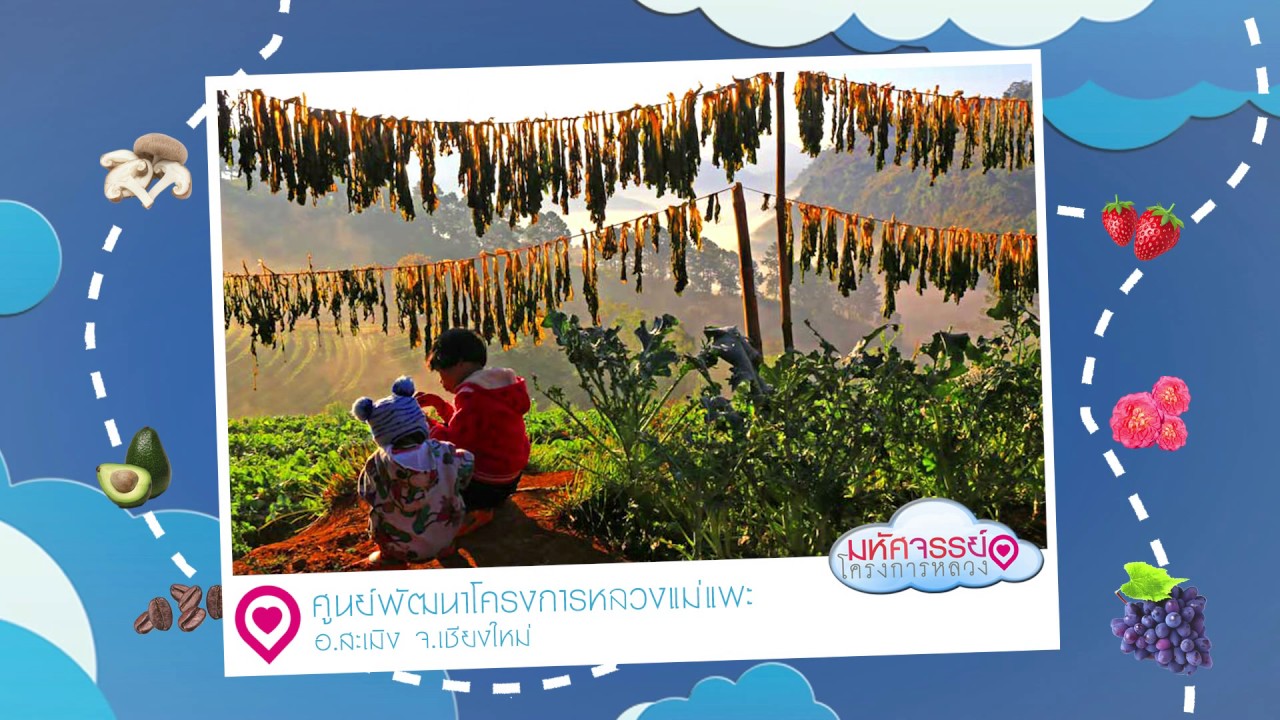
 Click to Access the Navigation Map GPS
Mae Phae Royal Project Development Center Map
Recommend

 Art, Culture and Heritage
 Historical Sites and Monuments(8)
 Landmarks and Memorials(5)
 Royal Palace(2)
 Art, Craft Centres, Tradition(43)
 Museums(24)
 Educational Places
 Museum for Study(2)
 Educational Gardens, Farm(5)
 Training Center(1)
 Places of Worship
 Temple(79)
 Mosque(2)
 Other Sacred Sites(17)
Royal Project(45)
Other Sacred Sites(17)
Royal Project(45)
 Suburban Living
 Village, Community(41)
 Local Market(14)
 Nature and Wildlife
 National Parks and Marine Reserves(18)
 Mountain (Doi)(21)
 Dam, Reservoir, Lake(26)
 Waterfalls(43)
 Hot Springs(12)
 Caves(11)
 River, Canal(6)
 Other natural attractions(14)
 Entertainment and Agricultural
 Zoos and Aquariums(3)
 Animal camps and shows(3)
 Stadium(1)
 Farms, Parks and Ecotourism(19)
 Waterpark(2)
 Theater(1)
 Outdoor and Adventure Activities(10)
 Shopping
 Shopping and Night Market(6)
 Restaurant
 Michelin Star(1)
 Michelin Guide(23)
 Call Customer Service in Tourism
 Call Customer Service in Tourism(1)
 Travel Articles, Recipes
 Travel Review, Food Review(24)
 Food Menu, North Recipes(30)
 Thai Desserts, North Recipes(17)


