
lovethailand home >North Travel Attractions >Chiang Mai Travel Attractions >Mae Rim >Mae Raem > Nong Hoi Royal Project Development Center
TL;DR: Nong Hoi Royal Project Development Center is located at Ban Nong Hoi Kao, Mae Ram Subdistrict, Mae Rim District, Chiang Mai, open Daily, hours 08.00–17.00.
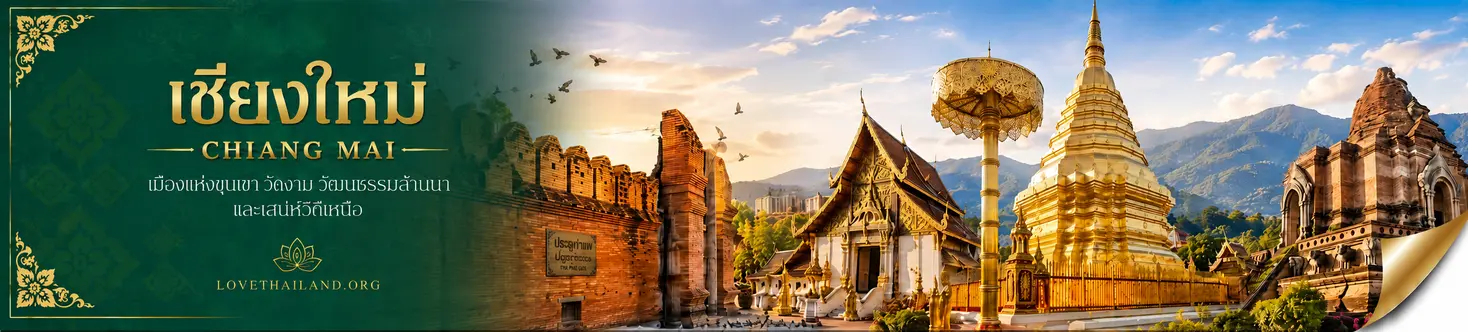
Nong Hoi Royal Project Development Center
Open Days: Daily
Opening Hours: 08.00–17.00
Nong Hoi Royal Project Development Center is a serene highland destination in Mae Rim District, Chiang Mai, where natural beauty and meaningful development work coexist. Rather than being a simple sightseeing stop, this area represents a living example of the Royal Project initiative, showing how agriculture, watershed conservation, and community livelihoods can grow together in a balanced and sustainable way. Visitors come not only to enjoy cool mountain air and scenic landscapes, but also to understand how highland development has been carefully shaped over decades.
The story of Nong Hoi dates back to 1969, when His Majesty King Bhumibol Adulyadej visited the villagers of Ban Nong Hoi. During this visit, he expressed a royal initiative emphasizing the importance of promoting suitable agricultural occupations for people living in highland areas. Following this, the Royal Forest Department and related development agencies began working with local communities to address issues such as poverty, forest degradation, and the protection of upstream water resources.
In 1984, Mom Rajawongse Bhisadej Rajani observed that the population of Nong Hoi had increased significantly, leading to the expansion of the settlement into two villages: Nong Hoi Kao and Ban Nong Hoi Mai. At that time, opium cultivation was still widespread in the area. As a result, the Nong Hoi Royal Project Development Center was officially established to replace narcotic crops with sustainable agricultural alternatives, while improving living standards and creating long-term economic security for local communities.
Geographically, the center is located in the headwaters of the Mae Ram and Mae Sa streams. It covers an area of approximately 21.17 square kilometers, or about 13,231 rai, at elevations ranging from 780 to 1,430 meters above sea level. The project area includes six villages with a total of 371 households, inhabited by Lisu, Hmong, Northern Thai, and Yunnanese Chinese communities. Religious practices are diverse, including Buddhism, traditional spirit beliefs, and Christianity, reflecting settlement patterns that date back to before World War I.
Agricultural tourism is one of the main highlights of Nong Hoi. Visitors can explore extensive herb cultivation plots featuring mint, chamomile, rosemary, lemon thyme, lemon balm, stevia, and other seasonal herbs. Nearby are greenhouses for seedless grapes and demonstration fruit plots, including strawberries, offering insight into how highland agriculture is adapted to climate, altitude, and terrain.
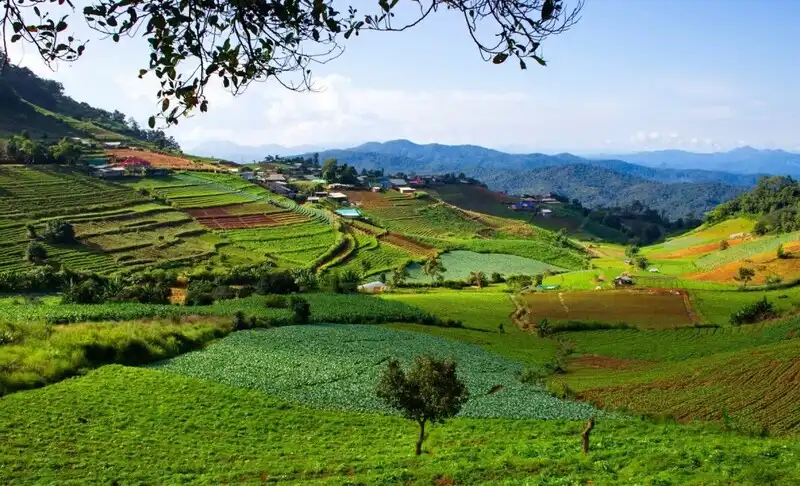
The center also plays an important role in agricultural research and innovation. Visitors can observe cold-climate vegetable trials, hydroponic systems growing crops such as red oak leaf lettuce and other salad greens, organic vegetable plots, and terraced fields cultivated by Hmong farmers. These terraced plots, planted with crops like Chinese cabbage, carrots, and spinach, illustrate both traditional knowledge and modern agricultural support provided by the Royal Project.
Nature-based attractions surround the Nong Hoi area. Doi Mon Long Viewpoint, one of the highest points in Mae Rim District at around 1,400 meters above sea level, offers panoramic views and is especially popular for sunset and winter sea mist. Other nearby attractions include Mon Doi Viewpoint, Tad Mok Waterfall, Wang Hang Waterfall, and the well-known Mon Jam area, which features scenic viewpoints and camping grounds.
Cultural experiences are equally enriching. Visitors may encounter traditional Hmong music and performances, including drum playing, bamboo flutes, mouth organs, and folk games. Local handicrafts, particularly Hmong embroidery and everyday household items, reflect skills and traditions passed down through generations and offer a deeper understanding of community life in the highlands.
The most vibrant period to visit is during the Hmong New Year festival, usually held between December and January. During this time, villagers dress in colorful traditional attire and take part in cultural performances, folk games, music, and celebrations. Activities such as ball tossing, traditional dances, and musical performances create a lively atmosphere throughout the community. Festival dates may vary each year, so checking local information in advance is recommended.
Souvenirs from Nong Hoi focus on authentic local produce and craftsmanship. These include seasonal vegetables and fruits, herbal products, processed goods such as carrot wine and beetroot wine, and handicrafts like embroidered Hmong textiles and bamboo baskets. Purchasing these items directly supports local livelihoods and sustainable development.
Dining and accommodation options are available around Nong Hoi and along the Pong Yaeng–Mon Jam route. Travelers can choose from tent-style accommodations with mountain views, local restaurants, and cafés. During the high season, especially at the end of the year, advance reservations are strongly recommended.
Getting There From Chiang Mai city, Nong Hoi is approximately 39 kilometers away. Take Highway 107 (Chiang Mai–Fang) to Mae Rim District, then turn left at kilometer marker 17 onto Highway 1096 (Mae Rim–Samoeng). Continue for about 15 kilometers to the Pong Yaeng area, then follow signs to Nong Hoi Royal Project Development Center. The final uphill stretch is about 6 kilometers. The road is fully paved and accessible by standard vehicles. Public buses on the Samoeng Nuea–Chiang Mai route stop near the junction before the ascent.
Nong Hoi Royal Project Development Center is ideal for travelers seeking a calm and meaningful Chiang Mai experience, combining cool mountain scenery with a deeper understanding of sustainable development rooted in royal initiatives and community participation.
| Name | Nong Hoi Royal Project Development Center |
| Location | Ban Nong Hoi Kao, Mae Ram Subdistrict, Mae Rim District, Chiang Mai |
| Key Characteristics | Royal Project development center, agricultural tourism, highland farming, watershed area |
| Period / Establishment | Royal initiative began in 1969; center established in 1984 |
| Elevation | Approximately 780–1,430 meters above sea level |
| Nearby Attractions | Mon Jam, Doi Mon Long Viewpoint, Tad Mok Waterfall, Wang Hang Waterfall |
| Current Status | Open for agricultural tourism and educational visits |
Frequently Asked Questions (FAQ)
Q: When is the best time to visit Nong Hoi Royal Project Development Center?
A: The most comfortable time is from late rainy season to winter, especially between November and January, when the weather is cool and viewpoints are most scenic.
Q: What activities can visitors do at Nong Hoi?
A: Visitors can explore herb and vegetable demonstration plots, learn about highland agriculture, shop for local produce, and continue to nearby viewpoints and waterfalls.
Q: When is the Hmong New Year festival held?
A: The festival is usually held between December and January each year, though exact dates may vary depending on the community.
Q: Is the road suitable for regular cars?
A: Yes, the road is fully paved and accessible by standard vehicles, though drivers should be cautious on steep and winding sections, especially during the rainy season.
Mobile : 0819509767, 0833240610
 Mobile : 0819509767, 0833240610
 Category: ●Research and Development
 Group: ●Royal Project
Last Update : 10 MonthAgo
 Last Update : 10 MonthAgo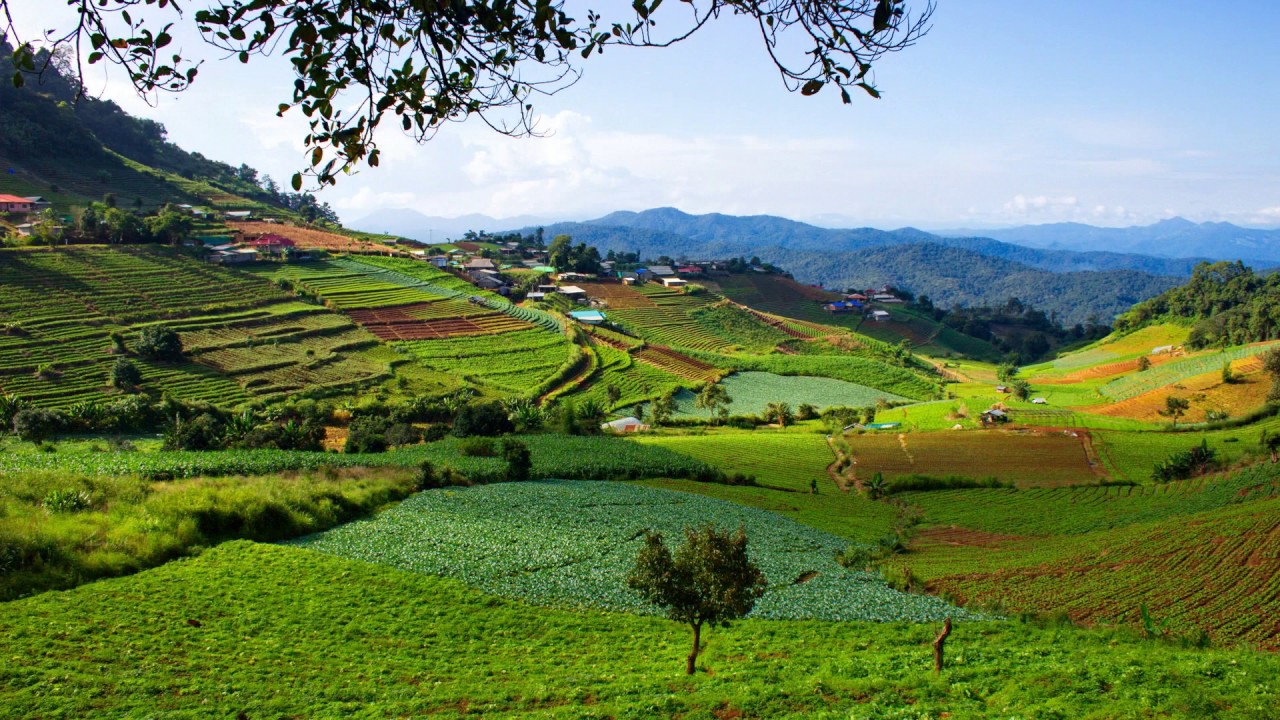
 Click to Access the Navigation Map GPS
Nong Hoi Royal Project Development Center Map
Recommend

 Art, Culture and Heritage
 Historical Sites and Monuments(8)
 Landmarks and Memorials(5)
 Royal Palace(2)
 Art, Craft Centres, Tradition(43)
 Museums(24)
 Educational Places
 Museum for Study(2)
 Educational Gardens, Farm(5)
 Training Center(1)
 Places of Worship
 Temple(79)
 Mosque(2)
 Other Sacred Sites(17)
Royal Project(45)
Other Sacred Sites(17)
Royal Project(45)
 Suburban Living
 Village, Community(41)
 Local Market(14)
 Nature and Wildlife
 National Parks and Marine Reserves(18)
 Mountain (Doi)(21)
 Dam, Reservoir, Lake(26)
 Waterfalls(43)
 Hot Springs(12)
 Caves(11)
 River, Canal(6)
 Other natural attractions(14)
 Entertainment and Agricultural
 Zoos and Aquariums(3)
 Animal camps and shows(3)
 Stadium(1)
 Farms, Parks and Ecotourism(19)
 Waterpark(2)
 Theater(1)
 Outdoor and Adventure Activities(10)
 Shopping
 Shopping and Night Market(6)
 Restaurant
 Michelin Star(1)
 Michelin Guide(23)
 Call Customer Service in Tourism
 Call Customer Service in Tourism(1)
 Travel Articles, Recipes
 Travel Review, Food Review(24)
 Food Menu, North Recipes(30)
 Thai Desserts, North Recipes(17)


