
 Home
Home North(
 Chiang Mai(


Tung Roeng Royal Project Development Center
Rating: 4.2/5 (5 votes)
 Search By
  Map
Map 
 Have Map
  No Map
Chiang Mai attractions
Attractions in Thailand
Open Days: Recommended to contact / make an appointment in advance (this is an operational area of the Royal Project Foundation)
Opening Hours: Recommended 08.00–17.00 (hours may change depending on field operations / season; please check before visiting)
Tung Roeng Royal Project Development Center is a great choice for anyone looking for a “Chiang Mai getaway” without having to compete for café queues or dramatic viewpoints. Tung Roeng’s real strength is the valley-and-forest atmosphere that naturally slows you down and quiets the mind. It’s not far from key attractions around Hang Dong, yet it feels like you’ve stepped away from city noise into a calmer rhythm. If you enjoy quiet trips—walking, observing local life, and seeing agricultural landscapes shaped by real development work rather than photo set-ups—Tung Roeng fits perfectly.
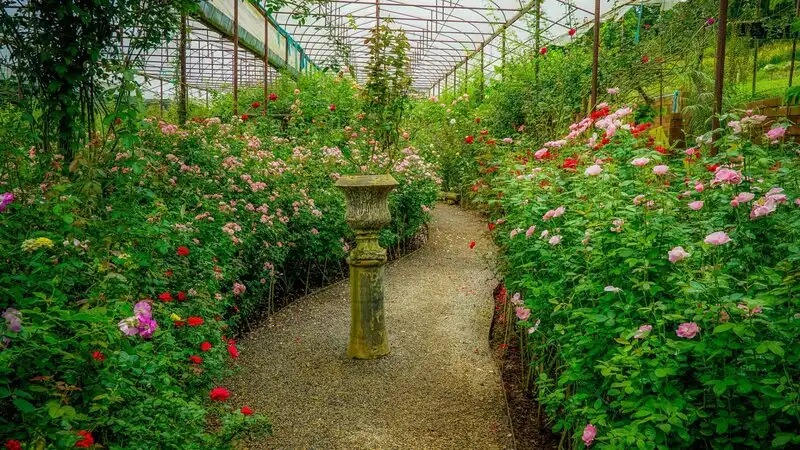
One story often mentioned is that, in the past, this center area was an important trial site for cool-climate flowers, especially roses, which once became a signature of the place—many people still remember the scent and the feeling of a “rose garden on the hills.” Over time, however, the center’s direction has been adjusted to match real conditions and community livelihood goals. Today, it focuses mainly on vegetable-based agriculture to create steady, practical income that suits local households.
The Tung Roeng Royal Project Development Center was established in 2521 BE (1978), with a clear mission: promoting agricultural livelihoods alongside watershed forest conservation. This addressed a major highland challenge in earlier decades, when shifting cultivation contributed to forest loss. The center’s work therefore goes beyond “what to grow and sell”—it considers the whole system: water, soil, forests, and the skills and options people need so communities can thrive without trading away the natural resources that sustain them.
The center’s service area includes 4 villages: Ban Mae Khanin Nuea (local residents), Ban Nam Sum, Ban Huai Kwang, and Ban Huai Mong (Hmong communities). The terrain is moderately sloped mountain landscape, at about 550–750 meters above sea level. This makes the climate warmer than high peaks, yet still cooler and more comfortable than the lowlands. Average temperature is often cited around 23°C, with moderate rainfall. That “just right” climate is what makes Tung Roeng suitable for a day trip or an overnight stay for a slower kind of rest.
If you see Tung Roeng as an agro-tourism trip, what stands out is how crops connect to seasons and real household income. You can visit avocado plots with a notable harvest period around June to November, and cool-climate vegetable plots that can produce year-round for some crops—such as chayote shoots and long purple eggplants. There are also demonstration plots for miniature roses, and greenhouse rose cultivation for cut flowers that can bloom throughout the year. Another angle is trial orchards of various fruit trees, such as sweet starfruit. Together, these show the center’s role is not only “production,” but also testing, learning, and gradually refining what works best for local soil, climate, and market realities.
But Tung Roeng’s charm doesn’t stop at farm plots. The cultural dimension—especially Hmong ways of life—adds meaning to the visit. You may see traditional games like spinning tops, as well as Hmong reed-pipe music. Local skills and crafts also matter here: Hmong embroidery, hemp-fiber weaving, silverwork, and knife forging. For visitors these might look like “activities,” but looked at more closely, they are community-rooted creative economies—another pathway for highland livelihoods that doesn’t rely on heavy natural resource extraction.
In terms of traditions, two seasonal highlights are frequently mentioned and can help with trip planning if you want to experience community life at its most vibrant. The first is the Hmong New Year, often held in January, when people dress in beautiful traditional clothing and gather at village activity grounds with games and celebrations. The second is the Buffalo Blessing / “tying the buffalo’s wrist” ceremony, held around June each year after buffalo have helped plow fields and rice seedlings have been planted. The ceremony includes words of apology and gratitude to the buffalo, reflecting a relationship between people, animals, and rice farming that is not merely labor, but a shared life grounded in respect.
Nature lovers also have several worthwhile nearby spots. First is “Tak Ka Tan Cave” in Ban Nam Sum. From the center to the visitor rest point is about 3 km, then it’s roughly a 300-meter walk down to the cave mouth. Inside, there are natural stalactites and stalagmites. From there, you can continue to the viewpoint above Tak Ka Tan Cave, with wide forest-and-mountain scenery and views toward Hang Dong and San Pa Tong; the distance is often cited around 3.5 km from the center. Another spot is Kaew Ta Chang Waterfall at Ban Pang Yang, about 5 km from the center; after parking, it’s around a 200-meter walk. These places are great for a nature loop that isn’t overly demanding, but gives you real forest air and a restful pace.
Souvenirs from Tung Roeng include both agricultural products and crafts. You’ll find seasonal vegetables and fruits such as chayote, eggplant, avocado, herbs, passion fruit, and other local produce. There are also value-added avocado products made by local women’s groups, such as shampoo and conditioner. Craft items can include silverwork, knives, and hemp-woven textiles or bags—ideal if you prefer souvenirs “with a story” rather than the same items you see everywhere.
For accommodation, information notes that the center has guest houses that can host around 20 visitors, and a camping area (campers need to bring their own tents). As for food, the center itself does not primarily operate a restaurant, but there are eateries run by locals or nearby resorts. If you’re visiting seriously, it’s best to plan meals and water accordingly, or stay at a resort in the area for convenience.
Getting There From Chiang Mai, take Highway 108 (Chiang Mai–Hot) through Hang Dong. At around kilometer 10, turn right toward Samoeng on Highway 1269. Continue past landmarks such as Krisada Doi Resort, Ban Mae Ha, and Ban Pang Yang. At around kilometer 15, turn left and continue about 2 km to reach the center office. The total distance is often estimated at about 32 km. Drive carefully as there are winding hillside sections, especially during the rainy season or when fog is present.
In short, Tung Roeng suits travelers who want a peaceful rest but still want “meaning” along the way—highland agriculture, living community culture and crafts, and nearby nature in the same trip. Most importantly, arrive with respect for the place, and you’ll feel that this trip doesn’t just take you somewhere—it helps you breathe a little deeper, too.
| Name | Tung Roeng Royal Project Development Center |
| Location | Hang Dong District, Chiang Mai (Hang Dong–Samoeng route, Highway 1269; follow the landmarks described) |
| Characteristics | Royal Project development center in a valley setting; calm atmosphere; primarily vegetable agriculture; agro-tourism, Hmong culture, and nearby nature (cave/viewpoint/waterfall) |
| Period | Established in 2521 BE (1978) |
| Key Evidence | Serves 4 villages (local residents and Hmong); elevation about 550–750 m; offers agro-tourism activities and nearby natural attractions |
| Name Origin | Named after the local area “Tung Roeng,” where the Royal Project development center is located |
| Travel | From Chiang Mai take Highway 108 to km 10, turn right onto Highway 1269 (Hang Dong–Samoeng), pass Krisada Doi Resort–Ban Mae Ha–Ban Pang Yang, at km 15 turn left and continue ~2 km to the center (total ~32 km) |
| Current Status | Development center and a destination for agro-cultural-nature tourism (recommended to make an appointment in advance) |
| Contact Number | 062 805 7443 |
| Local Traditions / Rituals | Hmong New Year — usually around January Buffalo Blessing / Wrist-tying for buffalo — usually around June (after plowing and rice seedling planting) |
| Nearby Tourist Attractions with Distance | Tak Ka Tan Cave (Ban Nam Sum) — about 3 km + 300 m walk to the cave entrance Viewpoint above Tak Ka Tan Cave — about 3.5 km Kaew Ta Chang Waterfall (Ban Pang Yang) — about 5 km + 200 m walk Hang Dong–Samoeng scenic route (viewpoints/curves) — about 5–20 km (depends on stop) Kad Farang / Hang Dong area (food & local shopping) — about 20–35 km Note: Distances are approximate for trip planning; please confirm actual distance on a map before departure. |
| Popular Restaurants Nearby | The Higher Room (Veranda High Resort) — about 15–30 km — Tel. 053-365007 Have-A-Hug Fusion Farm — about 18–35 km — Tel. 053-121-268 Ginger Farm Kitchen (Hang Dong area) — about 20–35 km — Tel. 052-080-928 Local eateries/resort restaurants along Highway 1269 — about 5–20 km (ask locally) Restaurants around Kad Farang–Hang Dong — about 20–35 km (choose by preference) |
| Popular Accommodations Nearby | Veranda High Resort Chiang Mai — about 15–30 km — Tel. 053-365007 North Hill City Resort — about 25–40 km — Tel. 053-333-111 Resorts/homestays along the Hang Dong–Samoeng route (near Highway 1269) — about 5–20 km Accommodation in Hang Dong area (near Kad Farang/community) — about 20–35 km Accommodation in Chiang Mai city — about 30–45 km (good for day trips) |
| Facilities | Guest houses (around 20-person capacity), camping area (bring your own tent), farm/demo viewing and learning points, community activity ground (depending on timing and local management) |
| Fees | — (activity/access/accommodation conditions may change; recommended to confirm before visiting) |
Frequently Asked Questions (FAQ)
Q: Who is the Tung Roeng Royal Project Development Center suitable for?
A: It’s ideal for travelers who want a quiet valley atmosphere, enjoy agro-tourism, and want to experience real highland community stories rather than checklist-style sightseeing.
Q: When is the best time to visit for nice weather and comfortable walking?
A: Mornings or late afternoons are comfortable and give better light. If you want the highlight avocado season, it’s often around June to November. For generally pleasant weather, late rainy season into cool season is usually a good choice.
Q: What cultural experiences are interesting here?
A: You can learn about Hmong life and crafts such as embroidery, hemp weaving, silverwork, and knife forging, as well as traditional games and music. Please follow local rules and respect privacy.
Q: When are the Hmong New Year and the buffalo blessing ceremony held?
A: Hmong New Year is usually around January. The buffalo blessing / wrist-tying ceremony is usually around June, after plowing and rice seedling planting. Exact dates can vary by village, so it’s best to ask locally or contact coordinators.
Q: What natural attractions can I visit near the center?
A: Highlights include Tak Ka Tan Cave (with a short walk to the entrance), the viewpoint above the cave, and Kaew Ta Chang Waterfall. These are within a short driving distance from the center with brief walking segments to the viewpoints.
 Mobile: 0899556470
 Tung Roeng Royal Project Development Center Map
 Category:
  Group:
  Tag: ●Tung Roeng Royal Project Development Center●tung roeng royal project ●tung roeng royal project development center ●chiang mai getaway ●hang dong attractions ●northern thailand travel ●chiang mai agro tourism ●hmong culture chiang mai ●tak ka tan cave ●kaew ta chang waterfall ●hang dong samoeng road 1269
Last Update: 3 MonthAgo
Tag: ●Tung Roeng Royal Project Development Center●tung roeng royal project ●tung roeng royal project development center ●chiang mai getaway ●hang dong attractions ●northern thailand travel ●chiang mai agro tourism ●hmong culture chiang mai ●tak ka tan cave ●kaew ta chang waterfall ●hang dong samoeng road 1269
Last Update: 3 MonthAgo
Comment
 Nearby Attractions
| Keyword (Advance) |
 Facebook Fanpage
 Region
 Art, Culture and Heritage
 Historical Sites and Monuments(
 Landmarks and Memorials(
 Royal Palace(
 Art, Craft Centres, Tradition(
 Museums(
 Educational Places
 Museum for Study(
 Educational Gardens, Farm(
 Training Center(
 University
 Places of Worship
 Temple(
 Mosque(
 Other religious and spiritural sites(
 Suburban Living
 Village, Community(
 Local Market(
 Nature and Wildlife
 National Parks and Marine Reserves(
 Mountain (Doi)(
 Dam, Reservoir, Lake(
 Waterfalls(
 Hot Springs(
 Caves(
 River, Canal(
 Other natural attractions(
 Entertainment and Agricultural
 Zoos and Aquariums(
 Animal camps and shows(
 Stadium(
 Farm, Parks, Gardens and Ecotourism(
 Waterpark(
 Theater(
 Outdoor and Adventure Activities(
 Shopping
 Shopping and Night Market(
 Restaurant
 Michelin Star(
 Michelin Guide(
 Call Customer Service in Tourism
 Call Customer Service in Tourism(
 Travel Articles, Recipes
 Travel Review, Food Review(
 Food Menu, North Recipes(
 Thai Desserts, North Recipes(
 Copyright 2012,