
lovethailand home >North Travel Attractions >Chiang Mai Travel Attractions >Muang Chiang Mai >Hai Ya > Wat Muen San
TL;DR: Wat Muen San is located at Wua Lai Road, Hai Ya Subdistrict, Mueang Chiang Mai District, Chiang Mai, Thailand, open Daily, hours 06.00–17.00.

Wat Muen San
Open Days: Daily
Opening Hours: 06.00–17.00
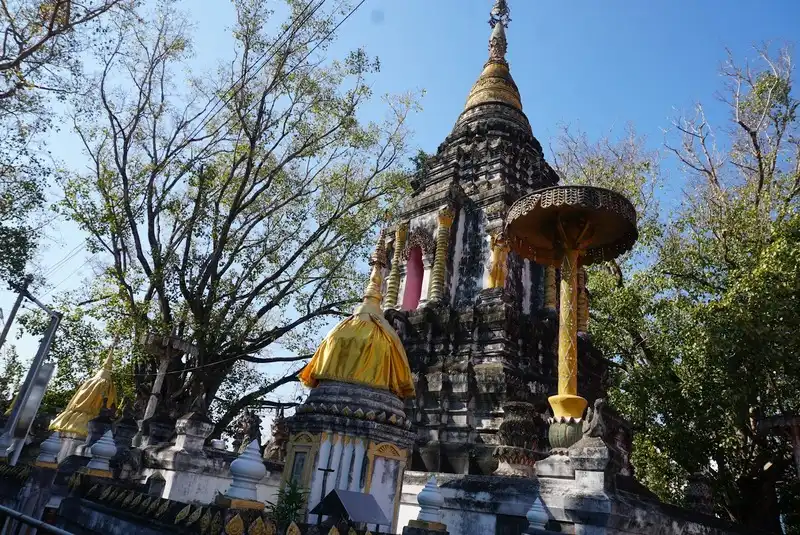
Wat Muen San, commonly known as the “Silver Ubosot Temple,” is an old temple located on Wua Lai Road, the historic silversmith quarter of Chiang Mai. Situated close to Chiang Mai Gate and the southern section of the old city moat, the temple is easily accessible and well suited for travelers who wish to explore local culture on foot. Wat Muen San is not only a place of religious practice, but also an important site for understanding Lanna history, Buddhist traditions, and the living heritage of the surrounding community.
The temple’s distinctive character comes from its close relationship with the Wua Lai silversmith community. Decorative metalwork in silver tones can be seen in parts of the temple, which is why locals often refer to it as the “Silver Ubosot Temple.” More than visual appeal, Wat Muen San offers a calm and authentic atmosphere rarely found at more crowded tourist temples. Visitors can walk slowly, observe fine craftsmanship, and experience a functioning community temple that continues to serve local residents.
Historical records indicate that Wat Muen San dates back to the reign of King Tilokaraj of the Mangrai Dynasty, the 12th ruler of Chiang Mai, during the period corresponding to 1985–2021 CE. According to the legend of the Phra Sila (stone Buddha), at that time the monk Phra Maha Yanapothi resided at Wat Pa Daeng. King Tilokaraj ordered Muen Khampha Wiang Din to present the sacred stone Buddha to Phra Maha Yanapothi for worship at Wat Pa Daeng.
The legend recounts that Phra Maha Yanapothi performed rituals and bathed the stone Buddha with perfumed water. During the ceremony, heavy rain fell, an event traditionally interpreted in Lanna belief as an auspicious sign symbolizing sacred power and abundance. This episode later became an important part of the temple’s historical narrative.
At that time, a high-ranking official named Muen Nangsue Wimalakitti, who held the position of Sanghakari (a senior administrative role connected to religious affairs), initiated the construction of a vihara at Wat Muen San. He then invited the stone Buddha from Wat Pa Daeng to be enshrined at Wat Muen San, with the intention of strengthening Buddhism in the area. The abbot at the time held the prestigious title of Mahasami Sanghanayaka and was known as Phutthayanathera, reflecting the high status of the temple within the religious hierarchy.
Further evidence of the temple’s importance appears in the Yonok Chronicle preserved at the National Library. In the year corresponding to 2065 CE, during the reign of King Mueang Kaew, the 14th ruler of Chiang Mai, royal envoys from Ayutthaya were received, and royal correspondence was translated at Wat Muen San. This highlights the temple’s role as a center of learning and official communication between kingdoms.
Additional references are found in local temple legends and short Dharma histories recorded on palm-leaf manuscripts using traditional Lanna script. These sources mention the naming of Wat Muen San around the year 2069 CE. Later, during the reign of King Mueang Ket Klao, the 15th ruler of the Mangrai Dynasty, the temple was formally established and restored by a military official named Wimalakitti, who held the rank of “Muen.”
The full title of this patron appears as Muen Nangsue Wimalakitti Singhala Ratchamontri, a court official involved in diplomatic affairs and the translation of royal correspondence. His continuous patronage led to the temple being named Wat Muen San in his honor. These historical layers demonstrate the temple’s long-standing association with governance, scholarship, and religious leadership.
Wat Muen San later became a major center of learning in Chiang Mai, particularly noted for its collection of palm-leaf manuscripts. A survey conducted by the Social Research Institute of Chiang Mai University in the 1970s recorded 163 manuscript titles totaling 815 bundles. Some manuscripts date back more than 200 years, providing valuable insight into the religious and intellectual traditions of Lanna.
Today, Wat Muen San remains an active community temple and a living historical site. The current abbot is Phra Khru Sutthijittapirat (Anek Suthong), who continues the temple’s role in religious practice and cultural preservation. Visitors will notice a sense of calm and continuity that reflects the temple’s enduring connection to the surrounding neighborhood.
While walking through the temple grounds, visitors are often drawn to the silver-toned metalwork details that gave rise to the temple’s popular nickname. In the early morning or late afternoon, natural light enhances the texture and patterns of the metal surfaces. The surrounding Wua Lai area further enriches the visit, allowing travelers to combine temple exploration with a walk through craft shops, small local businesses, and traditional streetscapes.
Another reason many travelers choose to stop at Wat Muen San is its quiet charm. Compared to nearby landmark temples, it offers a more relaxed pace, ideal for mindful observation, prayer, and appreciation of everyday temple life. It is a place to experience Chiang Mai beyond photography, focusing instead on atmosphere and lived tradition.
Getting There Wat Muen San is located on Wua Lai Road in Hai Ya Subdistrict, Mueang Chiang Mai District. From Chiang Mai Gate, visitors can easily walk along Wua Lai Road to reach the temple. Local red trucks (songthaews), taxis, and private vehicles are also convenient options. On Saturday evenings, when the Wua Lai Walking Street Market is held, parking may be limited, so walking or public transport is recommended.
Visitors are advised to dress modestly, speak softly, and respect areas used for religious activities. Photography is generally allowed, but attention should be paid to posted signs and the comfort of worshippers.
| Place Name | Wat Muen San (Silver Ubosot Temple) |
| Location | Wua Lai Road, Hai Ya Subdistrict, Mueang Chiang Mai District, Chiang Mai, Thailand |
| Key Highlights | Historic Lanna temple in the silversmith quarter, silver-toned metalwork decoration, strong community atmosphere |
| Historical Period | Mangrai Dynasty, with references dating back to the reign of King Tilokaraj |
| Important Evidence | Legend of Phra Sila, Yonok Chronicle, palm-leaf manuscripts preserved at the temple |
| Name Origin | Named after Muen Nangsue Wimalakitti Singhala Ratchamontri, a royal official and patron of the temple |
| Getting There | Walkable from Chiang Mai Gate; accessible by songthaew, taxi, or private vehicle |
| Admission | Free (donations welcome) |
| Current Status | Open to visitors and worshippers |
Frequently Asked Questions (FAQ)
Q: Where is Wat Muen San located?
A: It is located on Wua Lai Road, near Chiang Mai Gate in the southern part of the old city.
Q: Why is Wat Muen San called the Silver Ubosot Temple?
A: The nickname comes from the silver-toned metalwork decorations and its location in Chiang Mai’s historic silversmith district.
Q: What is the best time to visit Wat Muen San?
A: Mornings are quiet and ideal for prayer, while Saturday evenings are convenient for combining the visit with the Wua Lai Walking Street Market.
Q: Is there an entrance fee?
A: No, admission is free, and visitors may make donations according to personal faith.
Q: Can visitors reach the temple without a private car?
A: Yes, the temple is easily reached on foot from Chiang Mai Gate or by local transport such as songthaews and taxis.
Tel : 053275545
 Tel : 053275545
Mobile : 0856525770
 Mobile : 0856525770
 Category: ●Places of Worship
 Group: ●Temple
Last Update : 10 MonthAgo
 Last Update : 10 MonthAgo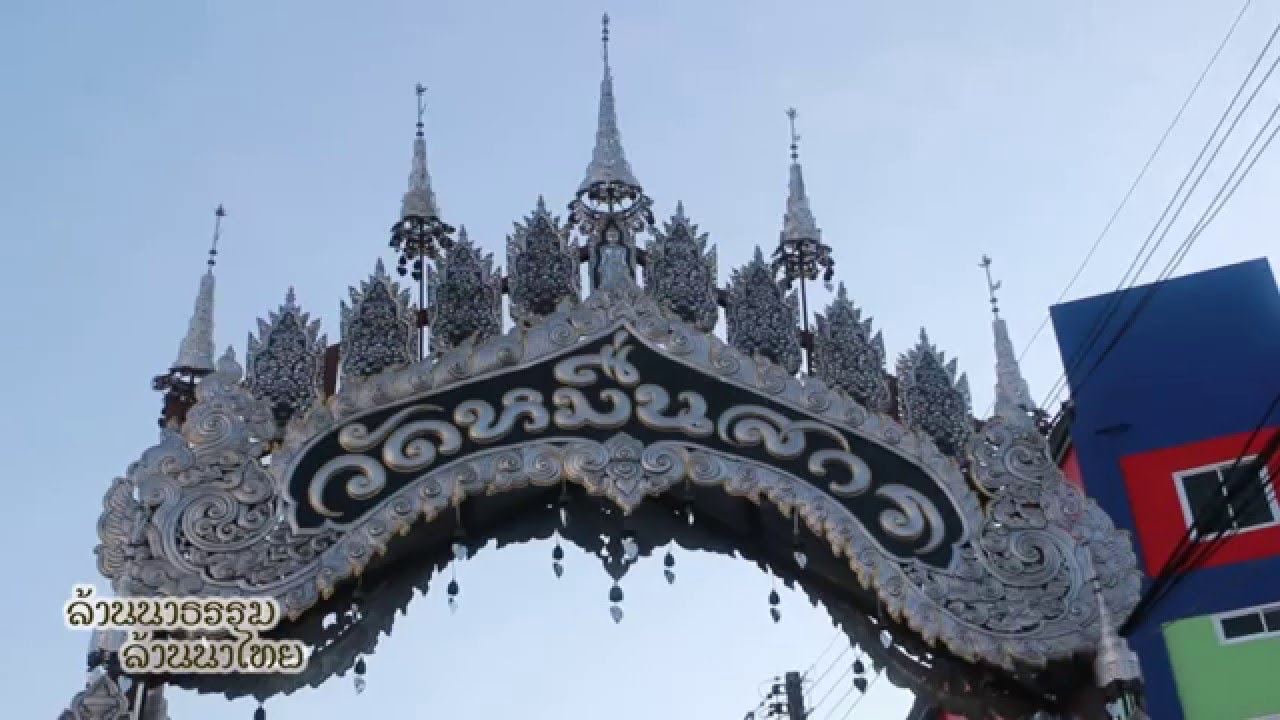
 Click to Access the Navigation Map GPS
Wat Muen San Map
Recommend

 Art, Culture and Heritage
 Historical Sites and Monuments(8)
 Landmarks and Memorials(5)
 Royal Palace(2)
 Art, Craft Centres, Tradition(43)
 Museums(24)
 Educational Places
 Museum for Study(2)
 Educational Gardens, Farm(5)
 Training Center(1)
Temple(79)
Training Center(1)
Temple(79)
 Mosque(2)
 Other Sacred Sites(17)
 Research and Development
 Royal Project(45)
 Suburban Living
 Village, Community(41)
 Local Market(14)
 Nature and Wildlife
 National Parks and Marine Reserves(18)
 Mountain (Doi)(21)
 Dam, Reservoir, Lake(26)
 Waterfalls(43)
 Hot Springs(12)
 Caves(11)
 River, Canal(6)
 Other natural attractions(14)
 Entertainment and Agricultural
 Zoos and Aquariums(3)
 Animal camps and shows(3)
 Stadium(1)
 Farms, Parks and Ecotourism(19)
 Waterpark(2)
 Theater(1)
 Outdoor and Adventure Activities(10)
 Shopping
 Shopping and Night Market(6)
 Restaurant
 Michelin Star(1)
 Michelin Guide(23)
 Call Customer Service in Tourism
 Call Customer Service in Tourism(1)
 Travel Articles, Recipes
 Travel Review, Food Review(24)
 Food Menu, North Recipes(30)
 Thai Desserts, North Recipes(17)


