
lovethailand home >North Travel Attractions >Phayao Travel Attractions >Muang Phayao >Mae Sai > Century-Old Houses By Kwan Phayao
TL;DR: Century-Old Houses By Kwan Phayao, Phayao attractions : Art, Culture and Heritage, Historical Sites and Monuments.

Century-Old Houses By Kwan Phayao
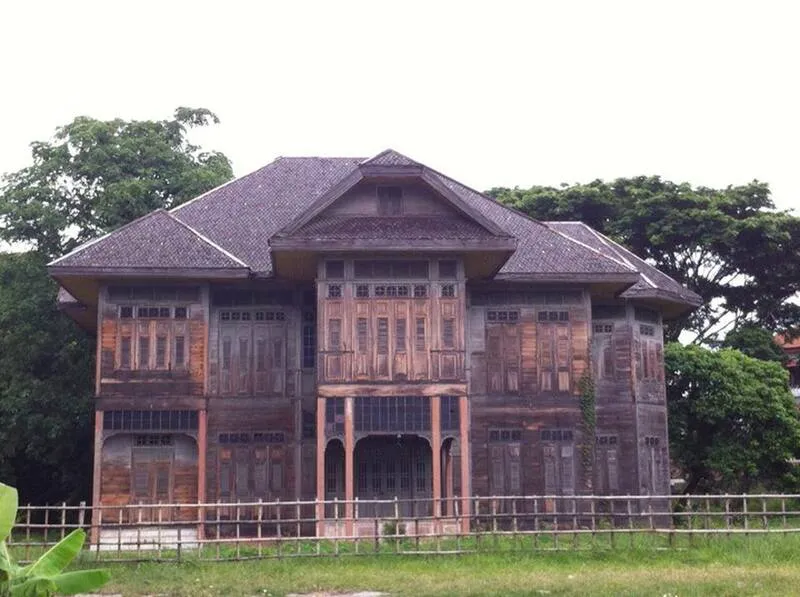
Open Days: Daily For Exterior Viewing From The Public Lakeside Road
Opening Hours: Exterior Viewing Is Possible Throughout The Day; Interior Visits Require Prior Permission From The Owner Or Caretaker
The Century-Old Houses By Kwan Phayao are among the quiet cultural treasures of Phayao Province. Set along the lakeside road beside Kwan Phayao, the largest freshwater lake and symbolic heart of the province, these old wooden houses preserve the atmosphere of a past era when lakeside living, family heritage, craftsmanship, and local identity were closely connected. A visit here is not only about seeing old wooden architecture. It is also a chance to understand how people once lived beside the water and how the landscape of Kwan Phayao shaped the memory of the city.
The charm of these old houses comes from their relationship with the lake. Kwan Phayao is more than a scenic body of water. It is part of daily life, local history, fishing culture, public recreation, evening walks, and the visual identity of Phayao town. A century-old wooden house standing beside this landscape therefore carries deeper meaning. It reflects a time when living near the water was practical, beautiful, and culturally important. The house, the road, the breeze, and the lake together create a quiet historical scene that still feels alive.
The houses are notable for their wooden structure and refined architectural details. Teak and other traditional wood materials give the buildings warmth, strength, and a graceful aged texture. Over time, the color of the wood becomes deeper and more expressive. Door panels, windows, balconies, wooden joints, carved details, and roof forms reveal the skill of earlier craftsmen. These details remind visitors of an era when houses were built slowly and carefully, with strong attention to proportion, ventilation, climate, and daily use.
The architecture reflects a blend of Lanna character and subtle external influences, including some Chinese-inspired details in decorative woodwork, door patterns, and roof elements. The beauty of the houses is not only in their age but in the balance between function and elegance. They were built as homes, yet they also communicate status, taste, and a sense of place. For travelers who enjoy old architecture, these houses offer a valuable glimpse into the domestic heritage of northern Thailand.
Old wooden houses by Kwan Phayao also reveal how families lived in the past. Houses near water often used open balconies, wide windows, and airy spaces to welcome breezes from the lake. Interior areas were arranged for family life, receiving guests, storing household items, and living with seasonal rhythms. Looking at the layout and materials of an old house is like reading social history through architecture. Every beam, doorway, and verandah reflects the needs and values of the people who once lived there.
One of the best-known heritage houses associated with this lakeside area is Sutthaphakdi House. Local information identifies it as a significant old wooden house connected with Luang Si Nakharanukun, also known as Chiam Sutthaphakdi, and states that it was completed in 1922. The house is remembered as a symbol of Phayao’s former prosperity and as an example of well-preserved wooden architecture by the lake. Although interior access depends on permission from the owner or caretaker, viewing the house from the outside still allows visitors to appreciate its form, scale, and craftsmanship.
The survival of these old houses is important because many historic wooden buildings in lakeside towns have disappeared or changed over time. Some were demolished, some were heavily altered, and some were replaced by modern structures. Houses that still preserve their original form therefore act as cultural evidence. They help younger generations and visitors imagine what Phayao looked and felt like in earlier decades. Preserving them is not only about keeping buildings. It is about keeping the memory of the town visible.
The century-old houses by Kwan Phayao are suitable for travelers interested in local history, wooden architecture, old residences, lakeside communities, and cultural photography. Visitors can walk along the lakeside road, view the houses respectfully from outside, observe the details of doors, windows, rooflines, verandahs, and wooden surfaces, and then continue to enjoy the lake view. The combination of old wood and open water creates a mood that is calm, nostalgic, and strongly connected to the identity of Phayao.
Because several old houses in this area are private properties, visitors must be respectful. Exterior viewing from public areas is generally possible, but entering the house or compound requires prior permission. Visitors should not open gates, enter private areas, photograph interior spaces, touch private belongings, or disturb residents without consent. Responsible cultural tourism means appreciating heritage while respecting the rights and privacy of the people who care for it.
If permission is granted for an interior visit, the experience can be especially meaningful. Visitors may be able to see old room layouts, wooden verandahs, furniture, lamps, black-and-white photographs, and household objects that reflect earlier lifestyles. These items are not simply antiques. They are personal and historical traces that connect the house with the families, guests, and memories that shaped it.
The best times to visit are in the morning and late afternoon. Morning light helps reveal the texture of the wood and the structure of the house, while late afternoon is ideal for the lake atmosphere. As the sun lowers over Kwan Phayao, the water reflects warm light and the old houses take on a softer, more nostalgic mood. Photographers should choose angles that respect privacy and avoid entering private areas without permission.
Kwan Phayao itself is a key part of the experience. In the evening, local residents and visitors come to walk, exercise, eat by the lake, take photos, and watch the sunset. The old houses are therefore not isolated monuments. They are part of the living lakeside route of Phayao city. A visitor can combine a short cultural walk with lake scenery, local food, and a relaxed evening atmosphere.
Getting to the old houses is convenient because they are located in Phayao city near the lakeside road. Travelers can use a private car, motorcycle, local transport, or walk if staying near Kwan Phayao. Navigation toward Chai Kwan Road, the lakeside road, or Sutthaphakdi House helps locate the area. Visitors who wish to see the interior should arrange permission before arriving.
Getting There from Phayao city center is straightforward. Head toward the Kwan Phayao lakeside road in Wiang Subdistrict, Mueang Phayao District. The area connects easily with Kwan Phayao viewpoints, the King Ngam Mueang Monument, and lakeside restaurants. If driving, park in a nearby public area and walk carefully along the lakeside road. If staying near the lake, walking or cycling allows a slower and more rewarding experience than simply driving past.
The houses can be combined with several nearby attractions. The King Ngam Mueang Monument is located by Kwan Phayao and is one of the important landmarks of the city. Visitors can also take a boat to Wat Tilok Aram, an old temple site in the middle of Kwan Phayao, or continue to Wat Si Khom Kham, also known as Wat Phra Chao Ton Luang, one of Phayao’s most important temples. These places together create a meaningful route through lake scenery, local history, and religious heritage.
Wat Tilok Aram is especially suitable to combine with a visit to the old houses because it also belongs to the cultural landscape of Kwan Phayao. Moving from a wooden house by the lakeside to an old temple site in the middle of the lake helps visitors understand that Kwan Phayao is not only a natural attraction. It is a cultural landscape connected with settlement, faith, history, and memory.
Wat Si Khom Kham, or Wat Phra Chao Ton Luang, adds another important dimension to the route. The temple houses Phra Chao Ton Luang, a highly revered Buddha image and an important spiritual symbol of Phayao. A trip that combines the old lakeside houses, Kwan Phayao, Wat Tilok Aram, and Wat Si Khom Kham gives visitors a strong overview of Phayao’s cultural identity.
For photography, the lakeside route offers many subjects: old wooden houses, lake water, boats, mountain views, sunset light, local life, restaurants, and public spaces. The best photographs often show the relationship between architecture and landscape, such as old wood beside the lake, carved doors in warm light, or the quiet road with Kwan Phayao in the background. Visitors should always photograph respectfully from permitted areas.
Restaurants around Kwan Phayao are easy to find, ranging from local food shops to lakeside restaurants and cafés. Visitors can view the old houses in the late afternoon and then enjoy dinner by the lake. Nearby choices include Aurora Kwan Phayao, Lae Kwan, Rim Kwan Talay Phao, and other restaurants along the lakeside route. This makes the visit suitable for both cultural sightseeing and relaxed evening travel.
Accommodation near the old houses includes lakeside hotels, boutique hotels, and city hotels. Travelers who want to walk easily around Kwan Phayao should stay near the lakeside road, the King Ngam Mueang Monument, or the central lakefront area. Hotels such as Phuglong Hotel, The Cozy Nest Hotel, KM Kwanphayao Hotel, and nearby city properties make it convenient to explore the old houses, restaurants, and lake views without long travel time.
Visitors should follow basic etiquette when visiting historic private houses. Keep noise low, do not disturb residents, do not climb fences, do not enter private property without permission, and do not touch or move objects. If the owner or caretaker allows interior access, follow all instructions carefully. Respectful behavior helps make it possible for cultural heritage and private ownership to coexist.
The century-old houses by Kwan Phayao are also valuable as lessons in architectural conservation. An old wooden house gains meaning over time. Careful restoration, continued maintenance, and respectful use can turn a private building into a cultural symbol and a living classroom for local history. These houses help visitors see that the past is not only preserved in museums. It can remain present in streets, homes, lakeside views, and daily urban life.
In summary, the century-old houses by Kwan Phayao are quiet but meaningful cultural landmarks. They combine old wooden architecture, family history, lakeside living, and the atmosphere of Phayao’s most important landscape. A visit does not require a long schedule, but it rewards visitors who slow down and observe carefully. For travelers who want to understand Phayao beyond the lake view, these old houses add depth, memory, and a strong sense of place to the journey.
| Name | Century-Old Houses By Kwan Phayao |
| Location | Chai Kwan Road / Kwan Phayao Lakeside Road, Wiang Subdistrict, Mueang Phayao District, Phayao Province |
| Address | Old Wooden Houses By Kwan Phayao, Chai Kwan Road Area, Wiang Subdistrict, Mueang Phayao District, Phayao 56000, Thailand |
| Highlights | Century-old wooden houses by Kwan Phayao, Lanna-style wooden architecture with subtle Chinese influence, peaceful lakeside atmosphere, cultural photography, and local history |
| History | Old wooden houses by Kwan Phayao reflect former lakeside lifestyles and local taste. Sutthaphakdi House, associated with this area, was completed in 1922 and is an important example of Phayao’s old wooden architecture |
| Name Origin | The name refers to historic wooden houses that have stood beside Kwan Phayao for more than 100 years |
| Distinctive Features | Old teak houses, carved wooden details, verandahs, doors, windows, and a lakeside atmosphere that reflects Phayao’s past |
| Travel Information | From Phayao city center, head to Chai Kwan Road or the Kwan Phayao lakeside road in Wiang Subdistrict. Accessible by private car, motorcycle, local transport, walking, or cycling if staying near the lake |
| Current Status | Exterior viewing is possible from the public lakeside road. Interior visits require prior permission from the owner or caretaker because the houses are private properties |
| Open Days | Daily For Exterior Viewing From The Public Lakeside Road |
| Opening Hours | Exterior Viewing Is Possible Throughout The Day; Interior Visits Depend On Permission From The Owner Or Caretaker |
| Fees | No Admission Fee For Exterior Viewing From Public Areas |
| Facilities | Lakeside walking area, photo spots, nearby restaurants, public rest areas, and nearby city parking areas |
| Main Areas / Zones | Old wooden houses along the lakeside road, verandahs, doors, windows, exterior architectural details, and Kwan Phayao lakeside viewing area |
| Caretaker | Private owners or caretakers of each historic house. Sutthaphakdi House lists Ms. Wanpen Sutthaphakdi as the owner / possessor |
| Official Website / Official Page | Phayao tourism information and local sources on the old lakeside houses |
| Nearby Tourist Attractions | 1. Kwan Phayao, about 0 km 2. King Ngam Mueang Monument, about 0.5 km 3. Wat Tilok Aram Pier, about 0.8 km 4. Wat Tilok Aram In Kwan Phayao, about 1.5 km including boat transfer 5. Wat Si Khom Kham / Wat Phra Chao Ton Luang, about 1.8 km 6. Phayao Walking Street / Chai Kwan Road, about 0.5 km 7. Ho Watanatham Nithat At Wat Si Khom Kham, about 2 km |
| Nearby Restaurants | 1. Aurora Kwan Phayao, about 1 km, Tel. 054-410-065, 093-136-6655 2. Lae Kwan, about 3 km, Tel. 064-762-4839 3. Rim Kwan Talay Phao Phayao, about 2 km, Tel. 099-484-4996 4. Rim Kwan Buffet Mookata Seafood And Chinese Hot Pot, about 2 km, Tel. 092-623-1038 5. Lakeside Restaurants Along Kwan Phayao, about 0.5 km |
| Nearby Accommodations | 1. Phuglong Hotel, about 0.5 km, Tel. 054-481-915 2. The Cozy Nest Hotel, about 1 km, Tel. 054-071-222 3. KM Kwanphayao Hotel, about 1 km, Tel. 054-071-243 4. Baan Ma Grood Hotel, about 1.5 km, Tel. 061-578-4771 5. Hop Inn Phayao, about 1.5 km, Tel. 02-080-2222 6. ABIZZ Hotel KwanPhayao, about 3 km, Tel. 062-941-6228 7. Naga Tara Resort, about 4 km, Tel. 054-430-838 |
Frequently Asked Questions (FAQ)
Q: Where are the century-old houses by Kwan Phayao located?
A: They are located along Chai Kwan Road or the Kwan Phayao lakeside road in Wiang Subdistrict, Mueang Phayao District, Phayao Province.
Q: Can visitors enter the old houses?
A: Exterior viewing from public areas is possible, but interior access requires prior permission from the owner or caretaker because the houses are private properties.
Q: Why are the old houses by Kwan Phayao important?
A: They are valuable examples of old wooden architecture and reflect the lakeside lifestyle, taste, and prosperity of Phayao in the past.
Q: What are the highlights of the century-old houses?
A: Highlights include old teak structures, carved wooden details, verandahs, doors, windows, and the peaceful setting beside Kwan Phayao.
Q: When is the best time to visit?
A: Morning and late afternoon are ideal. Morning light reveals wooden details clearly, while late afternoon offers beautiful lake views and softer atmosphere.
Q: What nearby attractions can be visited with the old houses?
A: Nearby attractions include Kwan Phayao, King Ngam Mueang Monument, Wat Tilok Aram Pier, Wat Tilok Aram, Wat Si Khom Kham, Chai Kwan Road, and Ho Watanatham Nithat.
Q: Who would enjoy visiting the old houses by Kwan Phayao?
A: They are suitable for travelers interested in old houses, wooden architecture, Phayao history, cultural photography, and peaceful lakeside walking.
Q: What should visitors be careful about when taking photos?
A: Visitors should photograph only from public or permitted areas, avoid disturbing owners, never climb fences, and never enter private areas without permission.
 Category: ●Art, Culture and Heritage
 Group: ●Historical Sites and Monuments
Last Update : 4 MonthAgo
 Last Update : 4 MonthAgo
 Click to Access the Navigation Map GPS
Century-Old Houses By Kwan Phayao Map
Recommend
 Historical Sites and Monuments(4)
 Landmarks and Memorials(4)
 Art, Craft Centres, Tradition(1)
 Museums(2)
 Places of Worship
 Temple(39)
 Other Sacred Sites(5)
 Research and Development
 Royal Project(1)
 Suburban Living
 Village, Community(2)
 Local Market(4)
 Nature and Wildlife
 National Parks and Marine Reserves(6)
 Mountain (Doi)(2)
 Dam, Reservoir, Lake(11)
 Waterfalls(8)
 Caves(5)
 River, Canal(3)
 Other natural attractions(5)


