
 Home
Home North(
 Chiang Mai(


Wat Paramaiyikawat Worawihan
Rating: 4.2/5 (5 votes)
 Search By
  Map
Map 
 Have Map
  No Map
Nonthaburi attractions
Attractions in Thailand
Open Days: Open Daily
Opening Hours: 06:00–19:00
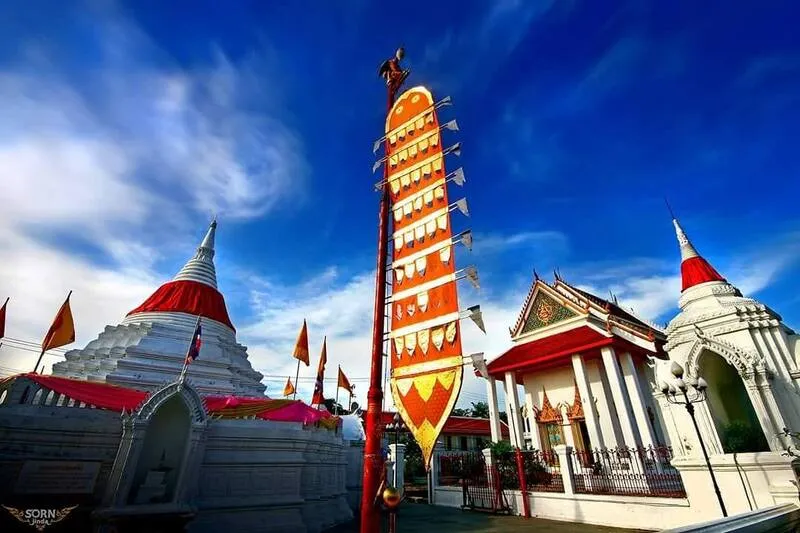
Wat Paramaiyikawat Worawihan is one of the most important temples on Ko Kret in Nonthaburi and a second-class royal monastery of the worawihan rank. For many visitors, this is the first place to visit on the island because it brings together everything that makes Ko Kret special: Mon heritage, riverside scenery, sacred Buddha images, historical architecture, and the famous leaning Mon-style pagoda known as Phra Chedi Mutao.
In practical terms, this is the temple that best introduces the cultural identity of Ko Kret. A visit here is not just about paying respect at a historic monastery. It is also a way to understand how the Mon community shaped the island, how the temple was revived after periods of decline, and why this riverside religious site still serves as a spiritual and cultural landmark for Nonthaburi today.
The temple was originally known as Wat Pak Ao and is believed to date back to the late Ayutthaya period, after the canal excavation that reshaped the area in 1721. During the Burmese invasion in 1764, the temple fell into decline and was eventually abandoned. Later, Mon settlers who moved into the area during the reign of King Taksin restored the temple and gave it a Mon name referring to a temple on a cape extending into the water, which perfectly matched its setting near the edge of the island.
A major turning point came in 1874 when King Chulalongkorn visited the Mon temples of Nonthaburi and found Wat Pak Ao in very poor condition. He ordered a complete restoration while preserving its Mon identity and then granted the temple its present name, Wat Paramaiyikawat, in dedication to his royal grandmother who had cared for him during his youth. The current name therefore carries both historical meaning and a deeply personal royal tribute.
Today, the temple remains visually striking yet calm. Large trees provide welcome shade, the riverside setting creates a peaceful atmosphere, and the overall layout makes it ideal for both worship and leisurely cultural travel. The ordination hall features mural paintings in a Thai-applied style, while the decorative details around doors, windows, and the enclosing structures reflect refined craftsmanship from the late nineteenth century.
The most recognizable landmark within the temple grounds is Phra Chedi Mutao, the white Mon-style leaning pagoda that has become the symbol of Ko Kret. It stands close to the river and is especially memorable when viewed from the temple side, from the ferry, or from boats passing along the Chao Phraya River. Its beauty comes not only from its distinctive silhouette but also from the historical fact that King Chulalongkorn came here to enshrine Buddha relics in 1884.
Another important area is the vihara that houses the large reclining Buddha. Nearby, visitors will also find other significant sacred images, including a marble Buddha image and Phra Nontamunin, the principal Buddha image of Nonthaburi Province. This strong connection between the temple and the civic identity of Nonthaburi is one reason Wat Paramaiyikawat continues to hold ceremonial importance beyond its religious role.
The temple also reflects the wider story of Ko Kret. Visitors who begin their island trip here often gain a much deeper understanding of the community before exploring the market lanes, pottery workshops, dessert stalls, and riverside homes. Instead of seeing Ko Kret only as a weekend destination near Bangkok, they begin to see it as a living cultural landscape shaped by religion, migration, craftsmanship, and river life.
An additional point of interest is the temple museum, which adds historical depth to the visit by presenting pottery traditions, Mon cultural objects, and items related to the temple itself. This makes the site especially rewarding for travelers who want more than a quick stop for photographs. It works equally well for cultural tourists, history enthusiasts, and visitors interested in Buddhism and local heritage.
Getting There The easiest way to reach Wat Paramaiyikawat is to travel to Wat Sanam Nuea Pier in Pak Kret and take the public ferry directly to the temple pier on Ko Kret. This is the most popular access route for visitors arriving by private car, taxi, or local transport. Once you step onto the island, the temple is very close to the pier, making it an ideal first stop before continuing on foot around the island. Weekends and public holidays are best for travelers who want the full Ko Kret atmosphere with food stalls and local shops, while weekday mornings are better for a quieter temple visit.
| Name | Wat Paramaiyikawat Worawihan |
| Location | Moo 7, Ban Ong Ang, Ko Kret, Pak Kret, Nonthaburi |
| Address | 51 Moo 7, Ko Kret, Pak Kret, Nonthaburi 11120 |
| Coordinates | Approx. 13.912 N, 100.490 E |
| Highlights | Phra Chedi Mutao leaning pagoda, Mon-style temple architecture, reclining Buddha hall, Phra Nontamunin, riverside setting |
| History | Ancient temple from the late Ayutthaya period, restored by Mon settlers in the Thonburi era and extensively renovated in the reign of King Chulalongkorn |
| Name Origin | The name refers to a temple dedicated in honor of the king’s royal grandmother |
| Distinctive Features | Mon cultural identity, royal restoration, riverside views, historic sacred images, museum linked to Ko Kret pottery heritage |
| Travel Information | Most visitors park near Wat Sanam Nuea and take the ferry to the temple pier. Ferry service generally runs about 05:00–21:30, with fares around 3–5 THB depending on time |
| Current Status | Open for worship and cultural visits; one of the main landmarks of Ko Kret |
| Open Days | Open Daily |
| Opening Hours | 06:00–19:00 |
| Fees | No admission fee for the temple grounds; the temple museum also states free entry during announced opening periods |
| Facilities | Temple pier, walking paths, seating areas, worship spaces, temple museum, nearby community shops and food stops |
| Main Areas / Zones | Ordination Hall, Phra Chedi Mutao, Reclining Buddha Hall, Phra Nontamunin area, Wat Paramaiyikawat Museum |
| Abbot / Caretaker | Phra Wachirarangsi (Buathong Thavaro) |
| Main Contact Number | 02-120-7043, 08-2295-2295 |
| Official Website / Official Page | Facebook: Wat Poramaiyikawat Worawihan | Pak Kret |
| Nearby Tourist Attractions | 1. Ko Kret 0 km. Tel. 0-2623-6143, 0-2623-6001-3 2. Wat Paramaiyikawat Museum 0 km. Tel. 02-120-7043, 08-2295-2295 3. Ko Kret Community Market 0.2 km 4. Wat Sanam Nuea 0.6 km 5. Kalanan Riverside Resort riverfront area 4 km. Tel. 02-584-2222 |
| Nearby Restaurants | 1. Khao Chae Khun Daeng, Ko Kret 0.3 km. Tel. 089-686-2422 2. Tiew Ing Nam 0.6 km. Tel. 085-333-7819, 093-137-5791 3. Koh Kret Restaurant 1 km. Tel. 02-960-8788 4. Baan Pa Sun 0.8 km. Tel. 083-298-1594, 089-698-5599 5. RIVER WINE Restaurant and Wine Bar 4 km. Tel. 02-962-8800, 090-986-3815, 090-257-7499 |
| Nearby Accommodations | 1. Kalanan Riverside Resort 4 km. Tel. 02-584-2222 2. Best Western Plus Wanda Grand Hotel 7 km. Tel. 02-582-8282, 062-594-3609 3. Villa Baron Hotel 8 km. Tel. 02-050-5005, 099-181-5558, 095-247-0017 4. Novotel Bangkok IMPACT 10 km. Tel. 02-833-4888 5. TUB Mansion 6 km. Tel. 02-962-6700, 081-314-0525 |
Frequently Asked Questions (FAQ)
Q: What is Wat Paramaiyikawat best known for?
A: It is best known for Phra Chedi Mutao, the iconic leaning Mon-style pagoda that has become the symbol of Ko Kret.
Q: Where is the temple located on Ko Kret?
A: The temple is located close to the main ferry pier, making it one of the easiest and most convenient first stops on the island.
Q: What is the easiest way to get there?
A: The easiest route is to go to Wat Sanam Nuea Pier in Pak Kret and take the public ferry directly to the temple pier on Ko Kret.
Q: Why is the temple important to Mon culture?
A: The temple was restored by Mon settlers and continues to preserve Mon artistic and cultural identity in one of the most historically important Mon communities near Bangkok.
Q: Is there a museum inside the temple?
A: Yes. The temple museum presents pottery heritage, Mon cultural objects, and historical items connected with the temple and Ko Kret community.
Q: When is the best time to visit?
A: Weekends and public holidays are best for a lively island atmosphere, while weekday mornings are better for a quieter and more reflective temple visit.
 Tel: 025845120
 Wat Paramaiyikawat Worawihan Map
 Category:
  Group:
  Tag: ●Wat Paramaiyikawat Worawihan●wat paramaiyikawat ●wat paramaiyikawat worawihan ●ko kret temple ●koh kret temple ●leaning pagoda koh kret ●phra chedi mutao ●mon temple nonthaburi ●things to do in ko kret ●nonthaburi temple ●wat poramaiyikawat
Last Update: 15 HourAgo
Tag: ●Wat Paramaiyikawat Worawihan●wat paramaiyikawat ●wat paramaiyikawat worawihan ●ko kret temple ●koh kret temple ●leaning pagoda koh kret ●phra chedi mutao ●mon temple nonthaburi ●things to do in ko kret ●nonthaburi temple ●wat poramaiyikawat
Last Update: 15 HourAgo
Comment
 Nearby Attractions
| Keyword (Advance) |
 Region
|
 Muang Nonthaburi(
 Copyright 2012,