

 Home
Home Chiang Mai(











Wat Tritossathep Worawihan
Rating: 2.6/5 (14 votes)
 Search By
  Map
Map 
 Have Map
  No Map
Bangkok attractions
Attractions in Thailand
Open Days: Daily
Opening Hours: 07:00 – 20:00 (hours may change; please call to confirm)
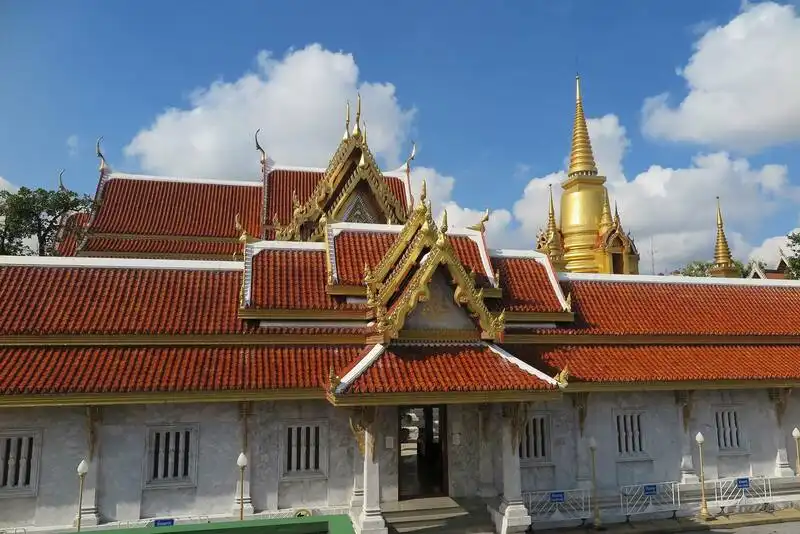
Wat Tritossathep Worawihan is one of those Bangkok temples you might accidentally walk past and assume is just another old-city monastery. But if you actually stop and look, you’ll realize it holds a surprisingly dense layer of Bangkok’s timeline – from its origins outside the old city wall on the northern side of Khlong Bang Lamphu, to refined craftsmanship that can keep detail-lovers quietly staring far longer than they expected. The best part is the atmosphere: it tends to feel calmer than many headline landmarks in the historic district, making it a solid choice for anyone who wants to explore Bangkok at a slower pace, collect small details, and leave with both knowledge and a certain softness in the mood.
The temple sits along Thanon Prachathipatai in Ban Phan Thom, Phra Nakhon. In terms of the city’s “walkable geography,” it’s in a very convenient zone because it connects easily to Bang Lamphu, Phra Athit Road, Thewet, and onward to Phan Fa and the Ratchadamnoen area. With a decent plan, Wat Tritossathep can work as the starting point of your day – or as a mid-route pause – where you pay respects first and then continue to food stops or more old-town wandering on foot, without having to rely on vehicles all the time.
The story of Wat Tritossathep begins in the reign of King Rama IV. It is commonly assumed that the temple was initiated before 1862 (B.E. 2405), which is also the year the initiator passed away: His Royal Highness Prince Wissanu Nart Niphathorn, the Krom Muen Wissanu Nart Niphathorn. After that, King Rama IV continued his son’s intention by appointing another royal son – His Royal Highness Prince Mahesuan Siwa Wilas (Krom Muen Mahesuan Siwa Wilas), who was also the elder brother of Prince Wissanu Nart – to carry the work forward. However, the construction progressed only as far as defining the temple’s boundary, laying the foundation of the ordination hall, and building part of the stupa, before he too passed away.
With the project interrupted twice, King Rama IV ensured the work would be completed by commissioning Phraya Ratchasongkhram (also known as Phraya Wiang Nai) to continue construction until it was finished in 1867 (B.E. 2410). The King then bestowed the name “Wat Tritossathep Worawihan.” The meaning of the name is memorable: it suggests that three “deified kings” (a concept tied to the Thai royal tradition of viewing the monarch as a “divine king”) participated in its creation. That makes the name more than a beautiful label – it functions as a historical code, hinting that the temple took shape through the shared intent of several royal figures and ultimately reached completion through the King’s continuing patronage.
The charm of Wat Tritossathep lies in craftsmanship that you can truly feel while walking through it. It’s not the kind of place designed to shock you with instant grandeur; it reveals itself in layers. If you enjoy “reading” a temple through details, you’ll have a good time here, because nearly every corner gives you a reason to pause – whether it’s the main architectural elements, ornamental features, or the overall sense of order that feels very much like a capital-city monastery, fitting its era and setting.
The highlight that has drawn serious attention is the mural painting associated with Ajarn Chakrabhand Posayakrit, Thailand’s National Artist. It is often described as exceptional – even “one of a kind in Thailand” – in terms of dedication and the long, continuous nature of the work. If you visit to see it in person, it’s worth allowing enough time, because this isn’t a “look once and leave” kind of artwork. The more you look, the more you notice, and the more you notice, the longer you want to stay – a rare quality for temple visits that are usually rushed.
Another modern layer of the temple’s identity is its role as a cremation temple for the Royal Thai Police. This means the space is actively used for important ceremonies, and facilities for merit-making and funeral rites have been improved over time. So if you visit and notice certain areas arranged for events or temporary restrictions, simply following signage and observing respectful etiquette will keep the visit smooth and appropriate.
If you want the best atmosphere, aim for the morning or late afternoon when the heat is softer and walking is more comfortable – especially if you plan to continue toward Bang Lamphu or Phra Athit afterward. Dress modestly, keep your voice low, and be mindful about photography in worship areas or on days when ceremonies are taking place. A little sensitivity goes a long way in old-city temples, and it helps the whole place keep its calm.
Getting There Wat Tritossathep Worawihan is located on Thanon Prachathipatai in Ban Phan Thom, Phra Nakhon. It’s best reached by public transport followed by a short walk, since the area connects easily to Bang Lamphu, Thewet, and Phan Fa. If you take a bus, choose routes that pass the Prachathipatai – Ban Phan Thom – Bang Lamphu zone and then walk to the temple. Driving is possible, but parking can be limited in Bangkok’s historic district, so it’s usually smoother to park once and explore mostly on foot.
| Name | Wat Tritossathep Worawihan |
| Location | Thanon Prachathipatai, Ban Phan Thom, Phra Nakhon, Bangkok |
| Key Highlights | Rama IV-era royal temple outside the old city wall on the northern side of Khlong Bang Lamphu, refined craftsmanship, widely discussed mural painting, calm atmosphere for slow, detail-focused visits |
| Period | Rattanakosin Period (Rama IV; carried on and completed around 1867 / B.E. 2410) |
| Key Evidence | A temple whose construction intention was continued across multiple royal figures and completed in the reign of Rama IV; the name suggests “three divine kings” jointly associated with its creation; notable murals discussed widely in the Thai art world |
| Name Origin | “Tritossathep” conveys the idea of three “divine kings” associated with the temple’s creation (linked to the Thai concept of the monarch as a “divine king”) |
| Abbot (Latest) | Phra Phrom Wachirarangsi (Acting Abbot) |
| Travel | Prachathipatai – Ban Phan Thom area near Bang Lamphu – Thewet – Phan Fa; best by public transport plus walking for easier movement in the old town |
| Current Status | Open for worship and visits |
| Contact Number (Verified) | 02-282-4453 |
| Nearby Attractions (Distance) | Wat Makut Kasattriyaram Ratchaworawihan (approx. 0.8 km) Wat Sommanat Wihan (approx. 1.3 km) Thewet Market (approx. 2.0 km) Santichaiprakan Park (approx. 2.6 km) Khao San Road (approx. 2.8 km) Bank of Thailand Museum (approx. 2.4 km) |
| Popular Restaurants Nearby (Distance + Phone) | Steve Cafe & Cuisine (Thewet) (approx. 2.2 km) – 02-281-0915 Suki Thewet (approx. 2.0 km) – 02-282-1033 Ber 1 (Si Sao Thewet) (approx. 2.4 km) – 02-628-6868 Khao Tom Peng Peng (Bang Lamphu) (approx. 2.6 km) – 086-332-9959 Krua Apsorn (Sam Sen / nearby Dusit) (approx. 2.8 km) – 02-241-1857 |
| Popular Accommodations Nearby (Distance + Phone) | The Raweekanlaya Bangkok (approx. 1.6 km) – 02-628-5999 Trang Hotel Bangkok (approx. 2.2 km) – 02-282-0022 Nouvo City Hotel (approx. 2.7 km) – 02-282-7500 Shanti Lodge Bangkok (approx. 2.9 km) – 02-282-3551 Chillax Heritage Hotel (approx. 3.0 km) – 02-281-8899 |
Frequently Asked Questions (FAQ)
Q: Where is Wat Tritossathep Worawihan located in Bangkok?
A: It is in the Prachathipatai – Ban Phan Thom area of Phra Nakhon, close to Bang Lamphu and conveniently connected to routes toward Thewet or Phan Fa.
Q: What is the biggest highlight of Wat Tritossathep Worawihan?
A: The temple is known for refined craftsmanship and widely discussed mural work, making it especially rewarding for visitors who enjoy slow, detail-focused temple walks.
Q: What does the name “Tritossathep Worawihan” mean?
A: It suggests the idea of three “divine kings” jointly associated with the temple’s creation, linked to the Thai concept of the monarch as a “divine king,” and acts as a memorable code for the temple’s origin story.
Q: How much time should I plan for a visit?
A: For a simple worship-and-walk visit, 30–60 minutes is usually enough. If you want to study the art details and murals properly, 1–2 hours will feel much more relaxed.
Q: What time of day is best to visit?
A: Morning or late afternoon is ideal because it’s cooler and the light is softer, especially if you plan to continue walking toward Bang Lamphu or Phra Athit afterward.
Q: What are good places to visit nearby afterward?
A: You can continue to Wat Makut Kasattriyaram, Wat Sommanat, Thewet Market, Santichaiprakan Park, or Khao San Road – all within an easy old-town route.
 Wat Tritossathep Worawihan Map
 Category:
  Group:
  Tag: ●Wat Tritossathep Worawihan●wat tritossathep worawihan ●wat tritossathep ●bangkok temple ●temples in old town bangkok ●phra nakhon temple ●ban phan thom temple ●mural painting thailand ●chakrabhand posayakrit mural ●bang lamphu nearby temple ●things to do in old bangkok Last Update: 2 MonthAgo
Comment

Photo Gellery(3) 
 Thank you photo(3) from: Jiphone