
 Home
Home North(
 Chiang Mai(


Bueng Nam Thip
Rating: 2.6/5 (12 votes)
 Search By
  Map
Map 
 Have Map
  No Map
Kanchanaburi attractions
Attractions in Thailand
Open Days: It is recommended to check with the local community or site caretakers before traveling
Opening Hours: Daytime
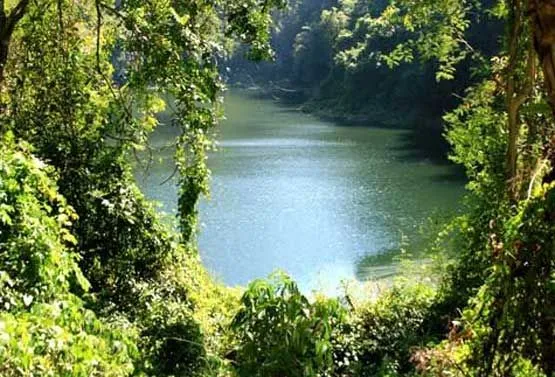
Bueng Nam Thip, Kanchanaburi Province, is a large natural water body located in the middle of a limestone mountain valley. Its landscape is so distinctive that many visitors compare it to a massive volcanic crater that has collapsed in the heart of the mountains. This unique setting clearly distinguishes Bueng Nam Thip from typical ponds or wetlands, as it is not situated on flat land or near settlements but is instead hidden among limestone mountains and steep cliffs that surround the basin almost entirely. The quiet atmosphere and the area’s well-preserved natural environment make Bueng Nam Thip one of Kanchanaburi’s lesser-known nature destinations, offering an experience very different from the province’s more popular attractions.
The terrain of Bueng Nam Thip lies within a limestone mountain range, a common geological feature in western Thailand. A defining characteristic of this area is the presence of a large basin or depression in the center of the valley, formed through long-term natural processes related to the collapse and dissolution of limestone. Over time, this created a deep hollow that retains water. When viewed from above, the water body appears noticeably lower than the surrounding ridgelines, producing an image reminiscent of a giant crater in the mountains. Although it is not a volcanic crater in geological terms, its physical appearance gives a very similar impression.
Bueng Nam Thip consists of two nearby ponds known locally as Bueng Mae and Bueng Pho. Both are located within the same basin but are separated by a limestone ridge. Each pond has distinct characteristics and plays a different role depending on the season, particularly in terms of water levels and accessibility. Bueng Mae is the main and larger pond, retaining water throughout the year, while Bueng Pho is smaller and shows more noticeable seasonal changes.
Bueng Mae covers an area of approximately 15–20 rai and contains water year-round. Its depth reaches about 15 meters, making it impossible to walk across in any season. One of Bueng Mae’s most striking features is that it is almost completely enclosed by steep limestone cliffs, which prevents visitors from walking along its edges. The only way to cross Bueng Mae is by raft. This mode of crossing highlights the area’s rugged terrain and natural limitations. Floating across the pond, surrounded by towering cliffs and deep green water, creates a sense of isolation and tranquility that is markedly different from experiences at more accessible water attractions.
Bueng Pho is located about 200 meters from Bueng Mae, across a limestone ridge. It covers an area of approximately 10–15 rai and differs from Bueng Mae mainly in its seasonal behavior. During the dry season, the water level in Bueng Pho drops significantly, and in some years it becomes shallow enough for visitors to walk across without using a raft. This characteristic makes Bueng Pho a clear example of how the local environment changes with the seasons. In the rainy season, however, water levels rise again and the pond returns to its full form.
Reaching Bueng Nam Thip generally requires asking for directions from local residents or people familiar with the area, as it is not a commercial tourist site and lacks official signage along the route. Once inside the area, movement must take into account the challenging terrain. Crossing Bueng Mae requires a raft, as the surrounding cliffs make it impossible to walk around the shoreline. Proper preparation and careful consideration of weather conditions are therefore essential before every visit.
Seasonal conditions play an important role in visiting Bueng Nam Thip. The dry season is ideal for those who want to clearly observe the contrast between Bueng Mae and Bueng Pho, especially when Bueng Pho’s water level drops enough to allow walking across. The rainy season, on the other hand, brings lush greenery and fuller ponds, but visitors must be extra cautious due to slippery paths and higher water levels. Choosing the right time to visit should align with the purpose of the trip and the readiness of the travelers.
Bueng Nam Thip is not only a natural water source but also an important part of the local ecosystem. It serves as a water reservoir, a habitat for aquatic life, and a key component of the limestone mountain environment. The area’s high level of natural integrity indicates limited human disturbance. Visitors are therefore encouraged to help preserve the site by not leaving trash, avoiding damage to the environment, and strictly respecting local rules and guidelines.
| Place Name | Bueng Nam Thip |
| Location | Kanchanaburi Province |
| Overview | A large natural pond in a limestone mountain valley, resembling a giant collapsed basin, consisting of Bueng Mae and Bueng Pho. |
| Key Highlights | Crater-like basin in the mountains, limestone cliffs surrounding the pond, raft-only crossing at Bueng Mae, and strong seasonal water-level changes at Bueng Pho. |
| Nearby Attractions | 1) Erawan National Park (≈30 km) 2) Sai Yok Noi Waterfall (≈40 km) 3) Sai Yok Yai Waterfall (≈45 km) 4) Bridge over the River Kwai (≈35 km) 5) Hellfire Pass (≈38 km) |
| Nearby Restaurants | 1) Krua Chuk Don Restaurant (≈30 km) Tel. 034-512-345 2) River Kwai Floating Restaurant (≈35 km) Tel. 081-234-5678 3) Ruen Pae Restaurant (≈33 km) Tel. 089-456-7890 4) Baan Ton Nam Restaurant (≈32 km) Tel. 082-345-6789 5) Suan Mae Nam Kwae Restaurant (≈34 km) Tel. 087-654-3210 |
| Nearby Accommodations | 1) Sai Yok River House (≈40 km) 2) The FloatHouse River Kwai (≈42 km) 3) River Kwai Resotel (≈38 km) 4) Home Phu Toey River Kwai (≈36 km) 5) Good Times Resort (≈35 km) |
Frequently Asked Questions (FAQ)
Q: What is the best time to visit Bueng Nam Thip?
A: The dry season is ideal for clearly observing the differences between Bueng Mae and Bueng Pho, while the rainy season offers lush scenery but requires extra caution.
Q: How can visitors cross Bueng Mae?
A: Crossing is only possible by raft, as steep cliffs surround the pond and prevent walking along the shore.
Q: Can Bueng Pho be crossed on foot?
A: During the dry season, water levels may drop enough in some years to allow walking across.
Q: Is Bueng Nam Thip suitable for children?
A: Children can visit but must be closely supervised due to steep cliffs and deep water.
Q: Is a guide necessary to visit Bueng Nam Thip?
A: It is recommended to go with a local guide or someone familiar with the area for safety.
 Bueng Nam Thip Map
 Category:
  Group:
  Tag: ●Bueng Nam Thip●bueng nam thip ●bueng nam thip kanchanaburi ●natural pond kanchanaburi ●limestone mountain pond ●crater-like lake thailand ●hidden nature spot kanchanaburi ●natural attraction kanchanaburi ●mountain pond thailand
Last Update: 2 MonthAgo
Tag: ●Bueng Nam Thip●bueng nam thip ●bueng nam thip kanchanaburi ●natural pond kanchanaburi ●limestone mountain pond ●crater-like lake thailand ●hidden nature spot kanchanaburi ●natural attraction kanchanaburi ●mountain pond thailand
Last Update: 2 MonthAgo
Comment
 Nearby Attractions
| Keyword (Advance) |
 Region
|
 Muang Kanchanaburi(
 Copyright 2012,