
lovethailand home >North Travel Attractions >Chiang Mai Travel Attractions >San Sai >Nong Han > Maejo University
TL;DR: Maejo University is located at Nong Han Subdistrict, San Sai District, Chiang Mai Province, Thailand, open Monday–Friday (University Offices and Administrative Departments), hours 08:30–16:30 (Office Hours; Access to Individual Facilities and Learning Centers.

Maejo University
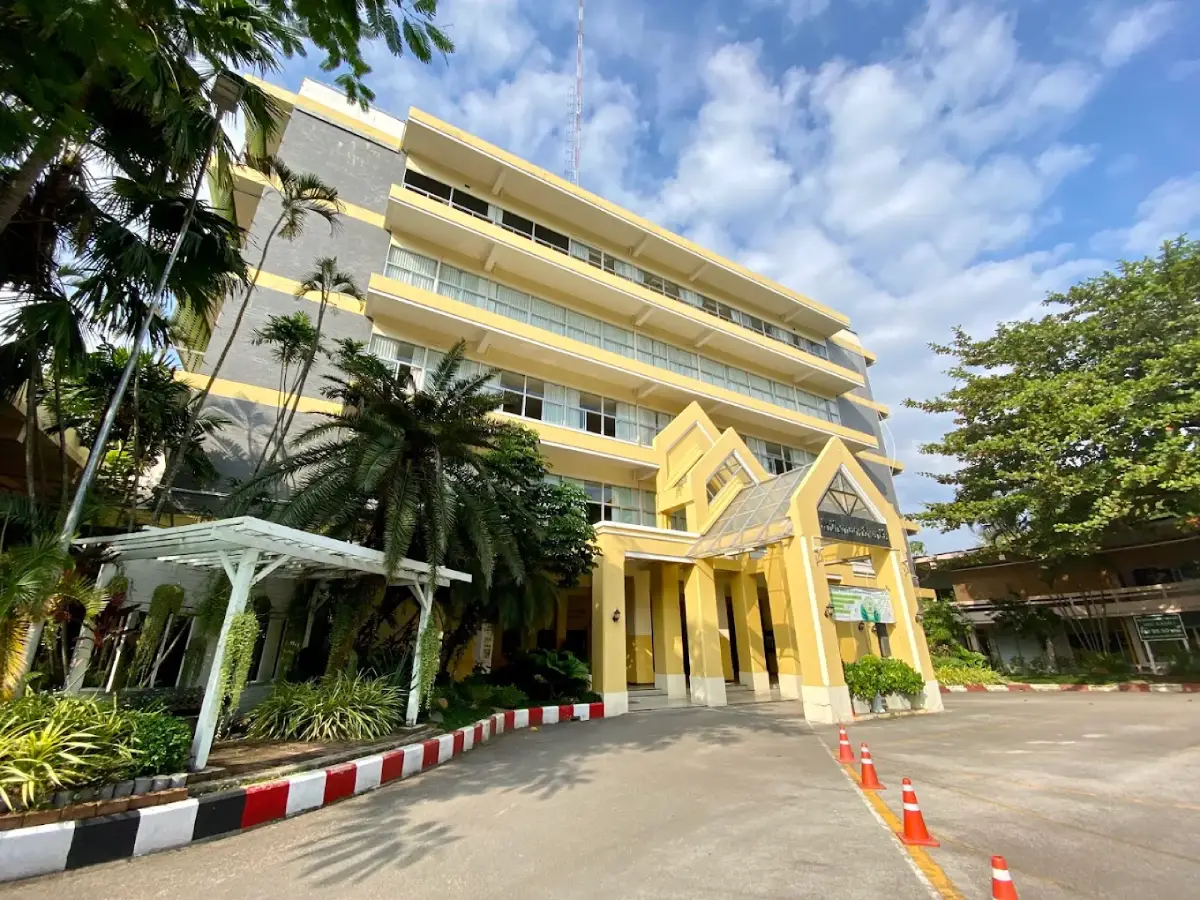
Open Days: Monday–Friday (University Offices and Administrative Departments)
Opening Hours: 08:30–16:30 (Office Hours; Access to Individual Facilities and Learning Centers Is Subject to Departmental Regulations)
Maejo University, located in Nong Han Subdistrict, San Sai District, Chiang Mai Province, is one of Thailand's oldest institutions dedicated to agricultural education. Its history dates back to June 7, 1934, when the Northern Agricultural Primary Teacher Training School began operating under the leadership of Phra Chuang Kasetsilpakan (Chuang Lojaya), a pioneering figure in Thai agricultural education. Over the decades, the institution evolved from an agricultural training school into a college, an agricultural technology institute, and eventually Maejo University. In 2026, Maejo celebrates 92 years of educational development, preserving its agricultural heritage while advancing research, sustainable farming, agricultural innovation, and the cultural traditions of northern Thailand. Today, the university is both a higher education institution and an important center for understanding the history of Thai agriculture and the agricultural heritage of the Lanna region.
Maejo University has a distinctive identity shaped by its origins as a practical agricultural school. Unlike institutions that developed primarily around classroom-based academic instruction, Maejo established its educational philosophy through hands-on learning and direct engagement with the land. Students were expected to understand agricultural principles while acquiring the practical skills necessary for cultivating crops, managing soil and water, caring for livestock, and solving agricultural problems. This combination of scientific knowledge and practical experience became an enduring characteristic of Maejo's educational approach and continues to influence its institutional culture.
The university's main campus lies north of Chiang Mai city in San Sai District, an area historically associated with agricultural communities and rural landscapes. The campus encompasses academic buildings, research facilities, green spaces, sports grounds, historical monuments, and agricultural learning areas. Its physical environment reflects the coexistence of modern university life and the agricultural traditions that shaped its foundation. The name Maejo has become closely associated with both the university and the surrounding community, making it a recognizable landmark in northern Thailand.
The historical roots of Maejo University extend beyond the establishment of its campus in Chiang Mai. In 1917, Chao Phraya Thammasakmontri (Sanan Thephatsadin na Ayutthaya), an influential figure in Thailand's education system, was involved in establishing an agricultural teacher-training school in the Hor Wang area of Bangkok. This initiative formed part of the broader development of modern agricultural education in Thailand. As national development increasingly required trained agricultural personnel, the government sought to expand agricultural education into provincial areas. These educational initiatives eventually contributed to the establishment of an agricultural training institution in northern Thailand.
A defining moment occurred on August 14, 1933, when Phra Chuang Kasetsilpakan traveled to explore an area known as Dong Maejo in San Sai District. At that time, the area consisted largely of woodland, open countryside, and small rural settlements, with limited transportation infrastructure. Historical accounts describe how Phra Chuang reached San Sai by motor vehicle before continuing on horseback with a local guide along a cart track into the forested landscape. This journey marked the beginning of the effort to transform the area into an agricultural experiment station and an educational center.
The original Maejo landscape presented considerable agricultural challenges. The subsoil was hard, while the upper soil layers were relatively sandy and lacked sufficient fertility for several types of crops. Nevertheless, the area had water resources that offered opportunities for agricultural improvement. The decision to develop Maejo demonstrated a belief that scientific knowledge, careful land management, and sustained effort could turn challenging land into productive agricultural ground. The establishment of agricultural facilities in this environment represented an early practical application of modern farming principles in northern Thailand.
In 1934, the Ministry of Education, then known as the Ministry of Public Instruction, established the Northern Agricultural Primary Teacher Training School at Maejo. The school formally began teaching on June 7, 1934, with Phra Chuang Kasetsilpakan serving as its first headmaster. Its purpose was to prepare teachers and agricultural personnel who could transfer practical farming knowledge to schools and rural communities. Education emphasized both theoretical understanding and applied agricultural skills, including land preparation, cultivation, crop management, and farm operations. June 7 subsequently became the anniversary commemorating Maejo's institutional origins.
The school underwent several transformations as Thailand's agricultural education policies developed. In 1936, an agricultural secondary school was established within the same educational area. Further restructuring followed in 1938, when agricultural education programs were reorganized and the institution became associated with the name Maejo Agricultural College. These changes reflected the growing importance of agricultural education and the need to create a coordinated system for training skilled agricultural personnel.
In 1939, Maejo became involved in preparing students for further agricultural studies. In 1943, the institution operated under the name Preparatory School of Kasetsart University. Another major change followed in 1948, when the institution was transferred to the Department of Vocational Education under the Ministry of Education and became Maejo Agricultural School. Although its administrative status and name changed several times, practical agricultural education remained central to its mission.
In 1956, Maejo Agricultural School was upgraded to Chiang Mai Agricultural College. This development allowed the institution to expand its educational programs and provide more advanced technical and professional agricultural training. The college helped prepare personnel for agricultural teaching, agricultural extension, government service, and farming-related occupations. Its development coincided with a period when Thailand increasingly recognized the importance of agricultural productivity, rural development, and professional training in the agricultural sector.
On February 19, 1975, Chiang Mai Agricultural College was elevated to the Institute of Agricultural Technology under the Agricultural Technology Institute Act of 1975. This transformation marked a major step toward higher education. The institute was able to offer degree-level education and develop programs combining agricultural science, technology, and applied professional skills. Its academic structure included the Faculty of Agricultural Production and the Faculty of Agricultural Business, reflecting the expanding relationship between agricultural production, management, and technological development.
In 1982, the institution was renamed the Maejo Institute of Agricultural Technology. The restoration of the name Maejo was especially meaningful because the institution had already built a strong reputation under that name throughout Thailand. Generations of graduates identified themselves with Maejo, and the name had become inseparable from its educational traditions. Restoring Maejo to the official institutional name preserved an important element of its historical identity.
Another milestone was reached on November 12, 1996, when the Maejo Institute of Agricultural Technology officially became Maejo University under the Maejo University Act of 1996. University status created greater opportunities for academic development, research, and the expansion of educational programs. While agriculture remained its historical foundation, Maejo broadened its academic activities into fields such as science, engineering, business, management, tourism development, public administration, and other disciplines contributing to national development.
One of the most influential figures in Maejo's history is Phra Chuang Kasetsilpakan (Chuang Lojaya), whose leadership helped establish the agricultural experiment station and the original training school. He believed that agricultural education should integrate scientific principles with practical experience. His pioneering role in developing the Maejo area earned him recognition as the Father of Maejo Agriculture, a title that reflects his lasting contributions to the institution and its educational philosophy.
Phra Chuang's relationship with Maejo continued well beyond his early administrative responsibilities. He remained interested in the institution's progress, supported its development, and maintained close relationships with former students. After Maejo became an agricultural technology institute, he served as chairman of the institute's council from 1975 to 1979. His enduring influence is remembered through a well-known saying among Maejo alumni: “Without Phra Chuang, there would be no Maejo.” The expression represents the respect and gratitude felt toward the man who helped establish the institution's foundations.
A monument honoring Phra Chuang Kasetsilpakan stands within the university campus. The monument is an important historical landmark and a symbolic place of remembrance for students, faculty members, staff, and alumni. Each year, particularly during the anniversary of Maejo's establishment on June 7, representatives of the university gather to pay tribute and lay commemorative wreaths. These ceremonies express gratitude toward the institution's founder and preserve the historical memory of agricultural education in northern Thailand.
Another major figure in Maejo's development is Professor Dr. Wiphat Boonsri Wang Sai, who contributed significantly to the institution's transformation from an agricultural school into a higher education institution. He served as director of Chiang Mai Agricultural College before becoming rector of the Institute of Agricultural Technology in 1975. He held this leadership position until 1983, a period marked by the development of academic programs, institutional administration, and advanced agricultural education.
Professor Wiphat is particularly remembered for his educational philosophy emphasizing perseverance, responsibility, and hard work. His famous expression, “Hard work never killed anyone,” became an important part of Maejo's institutional culture. The phrase reflects the demanding practical nature of agricultural education, in which students learn to overcome challenges through discipline, experience, and sustained effort. It also represents an attitude toward learning and personal development that continues to resonate among generations of Maejo alumni.
Maejo University established a monument honoring Professor Dr. Wiphat Boonsri Wang Sai near the university's central library. The foundation ceremony took place on March 12, 1990, and the monument was officially unveiled on October 30, 1992. It stands as a tribute to his contributions to agricultural education and institutional development, while also preserving the connection between the university's history and the people who helped shape its identity.
The identity of Maejo students and graduates is closely associated with agriculture, perseverance, solidarity, and respect for their predecessors. The expression “Maejo family” carries a meaning that extends beyond formal membership in an educational institution. It reflects shared experiences, loyalty, mutual assistance, and pride in the university's traditions. These values help maintain strong connections among students, faculty members, and alumni across different generations.
Maejo University's institutional colors are green, white, and yellow. Green represents the fertility of nature and agricultural abundance, white symbolizes purity of mind, and yellow represents ripened rice, an essential symbol of agricultural life. Together, the three colors express the relationship between nature, ethical values, and the productive work associated with farming. They are prominently connected with Maejo's traditions and institutional identity.
The university's symbolic tree and flower is the Inthanin, a flowering tree known for its clusters of purple or pinkish-purple blossoms. Its sturdy trunk represents perseverance and resilience, while the flowers growing together in clusters symbolize unity, friendship, and enduring bonds among members of the university. The Inthanin has become deeply embedded in Maejo's cultural identity, including the tradition of referring to generations of students as numbered Inthanin blossoms or cohorts.
Another important emblem is Phra Phirun Song Nak, the image of the rain deity riding a naga. In Thai cultural traditions, Phra Phirun is associated with rain and water, while the naga is closely connected with beliefs concerning water and fertility. The image is therefore particularly meaningful to an agricultural institution whose work depends on understanding natural resources. A sculpture of Phra Phirun Song Nak was created in 1967 through the efforts of Maejo alumni from Class 27 and remains an important symbol of the university.
Maejo University commemorates its founding anniversary on June 7 each year. Traditional activities include a ceremony honoring Phra Phirun Song Nak, Buddhist merit-making activities, and wreath-laying ceremonies at the monument of Phra Chuang Kasetsilpakan. These events connect spiritual traditions, institutional history, gratitude, and alumni relationships. On June 7, 2026, Maejo organized its 92nd anniversary commemorations under the theme “92 Years of Maejo: Growing Sustainably,” bringing together university administrators, students, faculty, staff, and alumni.
One of Maejo's most distinctive student traditions is the Maejo–San Sai Walk and Run. Its origins date back to 1962, when endurance running formed part of the physical assessment of prospective agricultural students. Over time, the activity evolved into an event celebrating unity and strengthening connections between new students, alumni, university personnel, and the local community. Today, the tradition serves as a symbolic welcome for incoming students and introduces them to the people and communities surrounding Maejo University.
The Maejo–San Sai Walk and Run is more than a sporting activity. It represents community participation and a shared sense of belonging. Residents, senior students, and alumni traditionally welcome and encourage participants along the route connecting the university with San Sai District. On June 27, 2026, the university organized another edition of the event, with more than 6,200 new students participating from the Chiang Mai, Phrae, and Chumphon campuses. The event illustrates how a historical university tradition can evolve into a contemporary activity emphasizing friendship, community relationships, and institutional identity.
Maejo's campus also contains places associated with historical student life, including Sa Kaset Sanan, a pond that features in accounts and recollections of earlier generations. The pond is part of the university's historical landscape and is connected with stories about student activities and institutional traditions. Studying such places provides insight into the ways student life has changed over time, including the evolution of educational practices, campus activities, and approaches to student welfare.
Beyond its historical monuments, Maejo University is recognized for its green spaces and agricultural landscape. Tree-lined areas, landscaped grounds, paths, activity spaces, and educational farming areas contribute to the university's distinctive atmosphere. These surroundings encourage a close relationship between academic life and the natural environment. They also support the university's emphasis on sustainable resource management and practical learning.
One of the university's important cultural learning resources is the Lanna Agricultural Heritage Learning Center, established on June 21, 2012. The center was created to preserve and communicate traditional agricultural knowledge associated with northern Thailand. It connects farming practices with local beliefs, traditional customs, community life, and cultural identity, presenting agriculture as an integral part of Lanna heritage rather than simply an economic activity.
The learning center focuses on traditional rice cultivation, plowing with water buffalo, soil preparation, harvesting, home gardening, natural livestock management, and sustainable agricultural practices. It also incorporates ideas associated with New Theory Agriculture and the Sufficiency Economy Philosophy. These subjects demonstrate how traditional agricultural systems depend on local resources, family labor, community cooperation, and knowledge passed between generations.
The value of Lanna agricultural heritage extends beyond cultivation techniques. Traditional farming is linked with seasonal customs, local language, beliefs, tools, irrigation practices, and social relationships within rural communities. Understanding these connections offers a broader perspective on northern Thai history and culture. The Lanna Agricultural Heritage Learning Center supports learning and training activities for students, farmers, young people, and interested groups. Participation in demonstrations or study visits follows the arrangements and schedules established by the responsible department.
Another valuable resource is the Maejo University Archives, which preserves historical documents, photographs, publications, personal accounts, and records relating to the university's development. These collections provide important insights into the history of Thai agricultural education, the people who shaped Maejo, and changes in student life and campus development. The archives also maintain digital resources that allow researchers and members of the public to explore the institution's historical collections online.
The Maejo University Archives is located on the third floor of the Wiphat Boonsri Wang Sai Building at the University Library. Its published office hours are Monday to Friday, 08:30–16:30. Researchers and visitors interested in Maejo's history can consult the archives website and contact the department regarding research services or visits. Historical records and original photographs provide a valuable way to understand the institution beyond brief chronological accounts.
Today, Maejo University continues to build on its agricultural heritage through scientific research, technological development, and innovation. Its academic activities increasingly address smart agriculture, resource efficiency, food production, environmental management, and value creation in agricultural industries. An important objective is to translate research findings into practical knowledge that benefits farmers, rural communities, entrepreneurs, and society.
Organic farming and environmentally responsible agricultural production are also important areas of Maejo's academic work. Understanding the relationships among soil, water, plants, microorganisms, and agricultural ecosystems is essential for developing sustainable food production systems. Modern technologies, including environmental monitoring, irrigation management, and data-supported agricultural decisions, can help improve productivity while reducing unnecessary resource consumption. These approaches reflect the transformation of agriculture from traditional production methods toward increasingly knowledge-driven and technology-supported systems.
In 2026, Maejo University continues to advance its strategic direction of Intelligence Well-being Agriculture (IWA), connecting agricultural innovation with education, research, environmental responsibility, and human well-being. The approach emphasizes the development of graduates capable of applying modern knowledge to agricultural production, food systems, and quality of life. It also aligns with Maejo's long-term development as a Green University and Eco University, integrating sustainability into teaching, research, and institutional management.
The university's academic programs extend well beyond traditional crop and livestock production. Related disciplines include science, agricultural engineering and industry, fisheries and aquatic resources, business, management, tourism development, and public administration. These fields allow students and researchers to approach agricultural challenges from multiple perspectives, including production, processing, distribution, marketing, resource management, and sustainable economic development.
In addition to its main campus in Chiang Mai, Maejo University maintains a regional educational presence through Maejo University Phrae Campus in Rong Kwang District, Phrae Province, and Maejo University Chumphon Campus in Lamae District, Chumphon Province. These regional campuses extend educational opportunities and allow academic activities to respond to different agricultural, environmental, economic, and social conditions. They also strengthen Maejo's role in supporting regional development across Thailand.
The relationship between Maejo University and San Sai District is another important aspect of the institution's history. As the university expanded, surrounding communities also developed through housing, commercial activities, restaurants, transportation services, and businesses supporting students and university personnel. At the same time, the community remains involved in university traditions, cultural activities, and agricultural knowledge exchange. This relationship makes Maejo an important part of local identity rather than simply an institution located within San Sai District.
For visitors interested in Maejo's historical significance, the university's principal monuments and cultural symbols provide a useful introduction. The monument of Phra Chuang Kasetsilpakan represents the establishment of agricultural education at Maejo, while the monument of Professor Dr. Wiphat Boonsri Wang Sai reflects the institution's transformation into higher education. The sculpture of Phra Phirun Song Nak, the Inthanin tree, and other historically significant places illustrate the relationship between agriculture, institutional identity, and cultural traditions.
Visitors seeking a deeper understanding of Maejo's past can explore the resources of the University Archives and Library. Those interested in agricultural education may also follow the university's announcements regarding exhibitions, practical demonstrations, training programs, and organized study visits. As Maejo is an active university, some facilities are reserved for students, faculty members, researchers, or authorized participants. Advance coordination is required for activities involving restricted research areas or specialized learning facilities.
When agricultural fairs or academic exhibitions are organized, visitors may have opportunities to see research presentations, agricultural innovations, educational demonstrations, and products developed through farming and food-related knowledge. Such events connect academic research with farmers, entrepreneurs, students, and the wider public. Exhibition schedules, participation requirements, and access arrangements vary according to the event, so visitors should check official university announcements before making travel plans.
Maejo University can also serve as a starting point for exploring the cultural heritage of San Sai District. Nearby places of interest include Wat Thung Muen Noi, Wat Nong Ubosot, Wat Si Don Chai Pa Tung Ngam (Wat Mae Kaet Noi), Wat Doi Than Phra Pha Luang, and Thudongkasathan Lanna. These sites offer opportunities to explore local Buddhist traditions, community life, and religious culture in northern Thailand. Visitors planning to combine university-related activities with visits to nearby religious sites should respect local customs and confirm access arrangements where necessary.
The Maejo and San Sai area is also known for its local dining culture and growing selection of restaurants, cafés, and accommodation services. The development of the university community has contributed to a lively local economy serving students, residents, visitors, and travelers from other parts of Chiang Mai. Dining options range from local Thai and northern Thai cuisine to contemporary cafés and restaurants emphasizing fresh agricultural ingredients. Exploring these businesses adds another dimension to a visit by connecting the university experience with everyday life in the surrounding community.
Planning a visit to Maejo University should begin with the purpose of the trip. Those attending official appointments or requesting academic information should visit during the relevant department's office hours. Visitors interested in historical research can contact the University Archives or Library, while those planning agricultural study visits should coordinate directly with the responsible departments. This approach ensures that visits are compatible with the university's educational and research activities.
Getting There: Maejo University is located at 63 Moo 4, Nong Han Subdistrict, San Sai District, Chiang Mai 50290. From central Chiang Mai, visitors can travel north along Highway 1001, also known as the Chiang Mai–Phrao Road, toward San Sai and the Maejo area. Private cars and hired transport services provide practical options for reaching the campus. Travelers relying on public transportation should confirm current routes, boarding points, schedules, and fares before departure. The university's official address can be used as the destination in digital navigation services.
Visitors planning to reach several departments or educational facilities should check their locations in advance, as the campus covers a substantial area and buildings may be separated by considerable walking distances. Drivers should use designated parking areas and observe campus traffic rules. Visitors should also respect the daily activities of students and staff and avoid entering research facilities or operational areas without authorization.
Those interested in the university's traditions may consider visiting during periods when public commemorative activities or approved exhibitions take place. June is particularly significant in Maejo's annual calendar because of the anniversary of the institution's establishment and activities associated with welcoming new students. Agricultural study visits may also depend on crop production seasons and departmental schedules. Planning around the appropriate activity provides a more meaningful experience than simply visiting the campus without a particular educational objective.
Across 92 years, Maejo University has developed from a rural agricultural training school into a modern university engaged in scientific research, technological innovation, and sustainable development. Its history demonstrates the continuing importance of education that connects academic knowledge with real-world experience. The determination that guided the original development of Dong Maejo remains visible in the university's emphasis on practical skills, perseverance, and using knowledge to improve the lives of people and communities.
Maejo University is therefore significant as a historic institution of Thai agricultural education, a center for preserving Lanna agricultural knowledge, and a university connecting education with social and environmental progress. For those interested in the history of Thailand's education system, it provides a compelling example of the transition from vocational agricultural training to university-level education. For visitors interested in culture and agriculture, Maejo offers insight into the relationship between land, water, people, and knowledge across generations. Its story is not merely the history of one university, but an important chapter in the continuing development of agriculture and society in Thailand.
| Name | Maejo University |
| Type | Public University, Agricultural Education Institution, and Historical and Cultural Learning Destination |
| Location | Nong Han Subdistrict, San Sai District, Chiang Mai Province, Thailand |
| Address | 63 Moo 4, Nong Han Subdistrict, San Sai District, Chiang Mai 50290, Thailand |
| Historical Foundation | Teaching began on June 7, 1934, as the Northern Agricultural Primary Teacher Training School |
| University Establishment | November 12, 1996 |
| Institutional Age | 92 Years in 2026, Calculated from Its Educational Foundation in 1934 |
| Important Historical Figures | Phra Chuang Kasetsilpakan (Chuang Lojaya), Pioneer and First Headmaster Professor Dr. Wiphat Boonsri Wang Sai, Institutional Leader and Rector of the Institute of Agricultural Technology |
| University Rector | Associate Professor Dr. Weerapon Thongma (2026) |
| Historical Significance | One of Thailand's Historic Agricultural Education Institutions, Known for Applied Learning, Research, Agricultural Innovation, and the Preservation of Local Knowledge |
| Symbols and Identity | Phra Phirun Song Nak, Inthanin Tree, Green, White and Yellow Institutional Colors, Practical Learning, and Maejo Community Values |
| Important Places on Campus | 1. Phra Chuang Kasetsilpakan Monument 2. Professor Dr. Wiphat Boonsri Wang Sai Monument 3. Phra Phirun Song Nak Sculpture 4. Sa Kaset Sanan Pond 5. Maejo University Archives 6. Lanna Agricultural Heritage Learning Center 7. Inthanin Stadium |
| Traditions and Events | June 7 Founding Anniversary, Phra Phirun Song Nak Ceremony, Phra Chuang Commemorative Wreath-Laying Ceremony, and Maejo–San Sai Walk and Run |
| Educational Highlights | Agricultural History, Lanna Agricultural Heritage, Organic Farming, Agricultural Technology, Environmental Conservation, and Smart Agriculture |
| Regional Campuses | Maejo University, Chiang Mai Maejo University Phrae Campus, Phrae Province Maejo University Chumphon Campus, Chumphon Province |
| Office Days and Hours | Monday–Friday, 08:30–16:30, Based on Published Departmental Office Hours |
| Visitor Access | Subject to University and Departmental Regulations, Particularly for Research Facilities, Agricultural Learning Areas, and Organized Study Visits |
| Getting There | Travel North from Chiang Mai along Highway 1001 (Chiang Mai–Phrao Road) toward San Sai District and the Maejo Area |
| Facilities | Academic Buildings, University Library, Sports Facilities, Activity Areas, and Designated Parking Spaces |
| Nearby Tourist Attractions | 1. Wat Thung Muen Noi, San Sai District 2. Wat Nong Ubosot, San Sai District 3. Wat Si Don Chai Pa Tung Ngam (Wat Mae Kaet Noi), San Sai District 4. Wat Doi Than Phra Pha Luang, San Sai District 5. Thudongkasathan Lanna, San Sai District |
| Nearby Restaurants and Cafés | 1. Ohkajhu Organic Farm, San Sai, Tel. +66 61 274 9977 2. Tum Mour Restaurant, Behind Maejo University, Tel. +66 81 020 6971 3. Inbox Cafe SANSAI 4. Melbourne Story Café, Tel. +66 80 778 8720 5. A Place on Earth |
| Nearby Accommodations | 1. Le Saichan, Maejo Chiang Mai 2. Ranch Inn Hotel 3. I Residence at Maejo 4. MyRoom Boutique Home Maejo 5. MonMin Farmstay |
| Main Contact Number | +66 53 873 000 |
| Maejo University Archives | 3rd Floor, Wiphat Boonsri Wang Sai Building, University Library Tel. +66 53 873 507–8 Website: https://archives.mju.ac.th |
| Official Website | https://www.mju.ac.th |
| Current Status | Active Public University Providing Education, Research, and Academic Services in 2026 |
Maejo University Academic Programs and Fields of Study in 2026 Maejo University provides education across a wide range of disciplines, including agriculture, science, technology, engineering, business, economics, social sciences, tourism, liberal arts, healthcare, and natural resource management. Academic activities take place at the main campus in Chiang Mai, Maejo University Phrae Campus, and Maejo University Chumphon Campus. The following table presents the academic programs and fields of study listed in the university's published curriculum-related records in 2026, organized by faculty, college, campus, and degree level.
| Faculty / College | Academic Programs and Fields of Study |
| 1. Faculty of Agricultural Production | Bachelor's Degree 1. Agricultural Extension and Communication 2. Agriculture (Majors: Agricultural Chemistry, Organic Agriculture, Forest Resources and Management, Soil Science, Agronomy, Medicinal Plant Science, and Plant Protection) 3. Horticulture Master's Degree 1. Resource Management and Development 2. Soil Science 3. Sustainable Geosocial Development 4. Agronomy 5. Horticulture 6. Interdisciplinary Agriculture 7. Agricultural Extension and Rural Development Doctoral Degree 1. Resource Management and Development 2. Agronomy 3. Agricultural Extension and Rural Development 4. Interdisciplinary Agriculture |
| 2. Faculty of Business Administration | Bachelor's Degree 1. Business Administration (Management) 2. Business Administration (Financial Management and Investment) 3. Business Administration (Marketing Innovation and Digital Marketing) 4. Modern Retail Business Innovation 5. Digital Business Innovation 6. Accounting Master's Degree 1. Business Administration 2. Accounting Doctoral Degree 1. Business Administration |
| 3. Faculty of Science | Bachelor's Degree 1. Mathematics 2. Chemistry 3. Biotechnology 4. Information Technology 5. Industrial Chemistry Innovation 6. Materials Innovation 7. Applied Physics 8. Computer Science 9. Statistics and Information Management Master's Degree 1. Applied Chemistry 2. Biotechnology 3. Environmental Technology 4. Digital Technology Innovation 5. Genetics 6. Nanoscience and Nanotechnology Doctoral Degree 1. Applied Chemistry 2. Biotechnology 3. Genetics |
| 4. Faculty of Engineering and Agro-Industry | Bachelor's Degree 1. Rubber and Polymer Technology 2. Postharvest Technology 3. Food Science and Technology 4. Agricultural Engineering 5. Food Engineering Master's Degree 1. Food Science and Technology Innovation 2. Agricultural Engineering 3. Food Engineering Doctoral Degree 1. Food Engineering |
| 5. Faculty of Fisheries Technology and Aquatic Resources | Bachelor's Degree 1. Fisheries Business Management Innovation 2. Fisheries and Aquaculture Production Innovation Master's Degree 1. Fisheries Technology and Aquatic Resources Doctoral Degree 1. Fisheries Technology and Aquatic Resources |
| 6. Faculty of Animal Science and Technology | Bachelor's Degree 1. Animal Science 2. Smart Agriculture Master's Degree 1. Animal Science Doctoral Degree 1. Animal Science |
| 7. Faculty of Economics | Bachelor's Degree 1. Agricultural and Environmental Economics 2. Economics 3. Digital Economics and Cooperatives 4. International Economics Master's Degree 1. Applied Economics Doctoral Degree 1. Applied Economics |
| 8. School of Tourism Development | Bachelor's Degree 1. Tourism Development 2. Tourism and Hospitality Business Management Master's Degree 1. Tourism Development Doctoral Degree 1. Tourism Development |
| 9. Faculty of Liberal Arts | Bachelor's Degree 1. English 2. Thai Language for Foreigners 3. Integrated Communication Arts 4. Social Innovation Master's Degree 1. Community Health Development |
| 10. Faculty of Information and Communication | Bachelor's Degree 1. Digital Communication |
| 11. Faculty of Architecture and Environmental Design | Bachelor's Degree 1. Architecture 2. Landscape Architecture 3. Landscape Technology Master's Degree 1. Urban and Environmental Planning |
| 12. Faculty of Nursing | Bachelor's Degree 1. Nursing Science |
| 13. Faculty of Veterinary Medicine | Bachelor's Degree 1. Veterinary Technology and Animal Nursing |
| 14. School of Administrative Studies | Bachelor's Degree 1. Political Science 2. Public Administration Master's Degree 1. Public Administration Doctoral Degree 1. Administrative Studies |
| 15. School of Renewable Energy | Bachelor's Degree 1. Renewable Energy 2. Smart Farm Engineering and Agricultural Innovation (Continuing Program) 3. Energy Conservation Engineering Master's Degree 1. Renewable Energy Engineering Doctoral Degree 1. Renewable Energy Engineering |
| 16. International College | Master's Degree 1. Digital Economics and Management Innovation 2. Organic Agriculture Management 3. Tourism Management Doctoral Degree 1. Tourism Management 2. Organic Agriculture Management 3. Digital Economics and Management Innovation |
| 17. Maejo University Phrae Campus | Bachelor's Degree 1. Digital Marketing 2. Accounting 3. Political Science 4. Agroforestry 5. Plant Production Technology 6. Animal Production Technology 7. Industrial Biotechnology 8. Forest Industry Technology 9. Community Management 10. Tourism Development Master's Degree 1. Forest Management |
| 18. Maejo University Chumphon Campus | Bachelor's Degree 1. Entrepreneurial Management 2. Politics and Local Governance 3. Coastal Aquaculture 4. Plant Science 5. Tourism and Hospitality |
Frequently Asked Questions (FAQ)
Q: Where is Maejo University located?
A: Maejo University is located at 63 Moo 4, Nong Han Subdistrict, San Sai District, Chiang Mai 50290, Thailand. It can be reached from central Chiang Mai via Highway 1001, also known as the Chiang Mai–Phrao Road.
Q: When was Maejo University founded?
A: Maejo University began teaching on June 7, 1934, as the Northern Agricultural Primary Teacher Training School. It officially became Maejo University on November 12, 1996.
Q: Who founded Maejo University?
A: Phra Chuang Kasetsilpakan (Chuang Lojaya) was a key pioneer who explored and developed the Dong Maejo area in 1933. He became the first headmaster of the Northern Agricultural Primary Teacher Training School and is remembered as the Father of Maejo Agriculture.
Q: Why is Maejo University important to Thai agriculture?
A: Maejo University is one of Thailand's historic agricultural education institutions. It has contributed to agricultural training, professional development, scientific research, agricultural technology, and the transfer of practical knowledge to farming communities.
Q: What are the most important places at Maejo University?
A: Important landmarks include the Phra Chuang Kasetsilpakan Monument, the Professor Dr. Wiphat Boonsri Wang Sai Monument, the Phra Phirun Song Nak Sculpture, Sa Kaset Sanan Pond, Maejo University Archives, Lanna Agricultural Heritage Learning Center, and Inthanin Stadium.
Q: Can tourists visit Maejo University?
A: Access depends on the location and activity. Some academic, research, and agricultural learning facilities require authorization or advance arrangements. Visitors can contact the university at +66 53 873 000 for information about the appropriate department or facility.
Q: What traditional events are associated with Maejo University?
A: Important traditions include the June 7 founding anniversary, the Phra Phirun Song Nak ceremony, the commemorative wreath-laying ceremony honoring Phra Chuang Kasetsilpakan, and the Maejo–San Sai Walk and Run, which strengthens relationships between students, alumni, and the local community.
Q: How can visitors travel from Chiang Mai city to Maejo University?
A: Visitors can travel north from Chiang Mai along Highway 1001 toward San Sai District. Private cars, hired transport, and available local transportation services can be used to reach the university. Maejo University in Nong Han Subdistrict can be entered as the destination in a navigation application.
 Category: ●University
 Group: ●Public university
Last Update : 1 WeekAgo
 Last Update : 1 WeekAgo
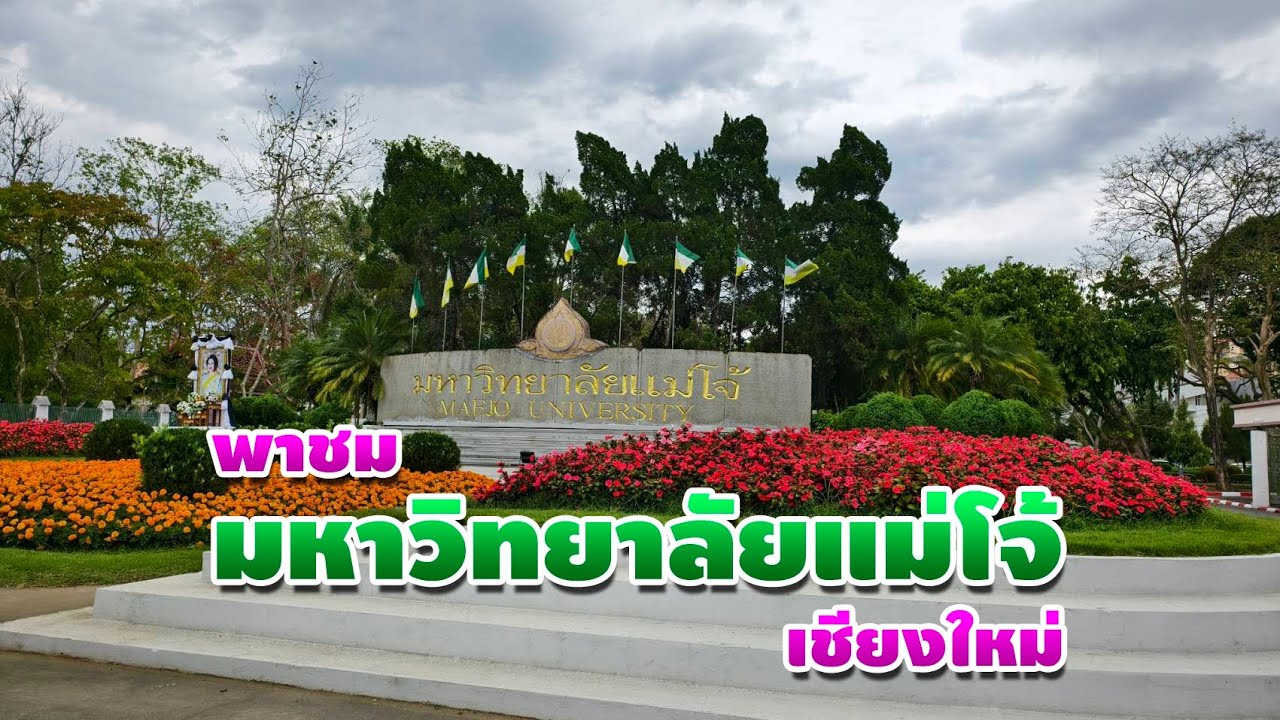
 Click to Access the Navigation Map GPS
Maejo University Map
Recommend

 Art, Culture and Heritage
 Historical Sites and Monuments(8)
 Landmarks and Memorials(5)
 Royal Palace(2)
 Art, Craft Centres, Tradition(43)
 Museums(24)
 Educational Places
 Museum for Study(2)
 Educational Gardens, Farm(5)
 Training Center(1)
Public university(3)
 Autonomous Universities(3)
 Rajamangala University of Technology(1)
 Rajabhat University(1)
 Private University(5)
 Places of Worship
 Temple(79)
 Mosque(2)
 Other Sacred Sites(17)
 Research and Development
 Royal Project(45)
 Suburban Living
 Village, Community(41)
 Local Market(14)
 Nature and Wildlife
 National Parks and Marine Reserves(18)
 Mountain (Doi)(21)
 Dam, Reservoir, Lake(26)
 Waterfalls(43)
 Hot Springs(12)
 Caves(11)
 River, Canal(6)
 Other natural attractions(14)
 Entertainment and Agricultural
 Zoos and Aquariums(3)
 Animal camps and shows(3)
 Stadium(1)
 Farms, Parks and Ecotourism(19)
 Waterpark(2)
 Theater(1)
 Outdoor and Adventure Activities(10)
 Shopping
 Shopping and Night Market(6)
 Restaurant
 Michelin Star(1)
 Michelin Guide(23)
 Call Customer Service in Tourism
 Call Customer Service in Tourism(1)
 Travel Articles, Recipes
 Travel Review, Food Review(26)
 Food Menu, North Recipes(30)
 Thai Desserts, North Recipes(17)


