
lovethailand home >South Travel Attractions >Satun Travel Attractions >La Ngu >Kam Phaeng > Satun Inland Fisheries Research and Development Ce..
TL;DR: Satun Inland Fisheries Research and Development Center is located at Moo 7, Ban Kota, Kamphaeng Subdistrict, La-ngu District, Satun Province 91110, Thailand, open Monday – Friday, hours Official Working Hours.
Satun Inland Fisheries Research and Development Center
Open Days: Monday – Friday
Opening Hours: Official Working Hours
Satun Inland Fisheries Research and Development Center is located in Moo 7, Ban Kota, Kamphaeng Subdistrict, La-ngu District, Satun Province. It is an important freshwater fisheries center under the Department of Fisheries, with roles in research, freshwater aquaculture development, aquatic animal breeding, stock enhancement for public water bodies, support for local farmers, and conservation of rare freshwater species. The center is especially significant for the conservation of the Asian giant river turtle, a rare and endangered species closely associated with Khlong La-ngu in Satun. For this reason, the center is not only a government fisheries office, but also a conservation learning site where students, families, local residents, and travelers can better understand freshwater animals, Thai freshwater turtles, land tortoises, and the ecology of the La-ngu watershed.
The center is about 2 km from La-ngu town and about 50 km from Satun town. Its location in Kamphaeng Subdistrict places it near several important travel routes in southern Satun, including the road toward Pak Bara, Mu Ko Phetra National Park, Ko Lipe connections, geological attractions in La-ngu and Thung Wa, and local community routes. This makes the center a useful stop before or after visiting natural attractions in La-ngu District, especially for travelers interested in conservation, aquatic resources, and the relationship between inland waterways and coastal communities.
The main strength of Satun Inland Fisheries Research and Development Center is the way it combines technical fisheries work with public learning. The area is shaded and connected with Khlong La-ngu, creating an environment suitable for aquaculture work, conservation activities, research, and environmental interpretation. Within the center are administrative buildings, hatchery areas, concrete ponds, earthen ponds, staff working areas, and a conservation-tourism project area dedicated to Thai freshwater turtles and land tortoises. Visitors can therefore see how freshwater fisheries work connects research, breeding, nursery care, conservation, and public education in one place.
The history of the center began in 1983, when the Department of Fisheries received funding to establish a unit for the conservation of the Asian giant river turtle. At that time, the species was considered rare and endangered and was strongly linked with Khlong La-ngu in Satun. The first unit was known as the Asian giant river turtle conservation station. In 1984, it was renamed Satun Freshwater Animal Conservation Station. As the work expanded to include other freshwater turtles such as the painted terrapin and other native turtles, the mission grew beyond one species and became a broader freshwater animal conservation effort.
In 1990, the unit was renamed Satun Freshwater Fisheries Development Center because its work in producing freshwater fish seed had increased. In 1997, structural changes within the Department of Fisheries led to another adjustment of the center’s status and responsibilities. In 2003, a conservation-tourism facility was developed to promote the conservation of Thai freshwater turtles and land tortoises and to help the public learn about their history and importance. In 2008, the unit was upgraded as Satun Inland Fisheries Research and Development Center. It remains an important Department of Fisheries unit in Satun Province.
According to the center’s historical information, its area covers about 184 rai and 117 square wah. Khlong La-ngu runs through the site and divides the center into three main land parcels. The first parcel covers about 17 rai in Moo 7, Kamphaeng Subdistrict, and includes administrative buildings, hatchery buildings, concrete ponds, and staff accommodation. The second parcel covers about 16 rai and 31 square wah in Moo 13, La-ngu Subdistrict, and contains the conservation-tourism project for Thai freshwater turtles and land tortoises. The third parcel covers about 151 rai and 84 square wah in Moo 3 and Moo 12, La-ngu Subdistrict, and is used for earthen ponds for freshwater aquaculture work.
The center’s core functions include research and development in freshwater aquaculture, breeding of freshwater fish, production of giant freshwater prawn seed, release of aquatic animals into public water bodies, distribution of aquatic animal seed to farmers, and conservation of rare aquatic species. These functions are important to Satun because they support freshwater fisheries, local livelihoods, community water resources, and biodiversity. When visitors see the work behind breeding and releasing aquatic animals, they can understand that freshwater fisheries are not only about food production. They are also connected with conservation, water quality, ecosystem health, and long-term local resource management.
The center is particularly distinctive because of its role in Asian giant river turtle conservation. This rare and endangered turtle has high conservation value, and Khlong La-ngu is one of the key natural areas associated with the species. The center supports conservation through collection, study, breeding, nursery care, and release programs. These efforts help protect biodiversity in the La-ngu watershed and make Kamphaeng Subdistrict and La-ngu District strongly associated with turtle conservation in Satun.
In addition to the Asian giant river turtle, the center is connected with the conservation of more than ten species of Thai freshwater turtles and land tortoises. The turtle display area inside the center helps visitors understand the diversity of Thai turtles, the differences between aquatic and terrestrial species, and the threats they face. It also shows that turtle conservation requires science, habitat protection, careful management, and cooperation from local communities around rivers and waterways.
The atmosphere of the center supports slow and practical learning. Visitors can see a working fisheries environment rather than a conventional museum with only static displays. Trees, ponds, water areas, and the presence of Khlong La-ngu give the center a living learning-site character. The visit helps explain how fish seed and aquatic animals are produced before being released into public water bodies, and how hatchery, nursery, water-quality care, and site selection all matter in freshwater fisheries management.
For students, the center is a useful study-visit destination because it connects many subjects: biology, ecology, environmental science, aquaculture, community livelihoods, conservation, and endangered species recovery. Seeing the center in person helps learners understand more clearly than reading from a textbook. They can compare turtle forms, observe fish and prawn breeding areas, learn about Khlong La-ngu, and see how a government agency works with local communities to restore aquatic resources.
For families, Satun Inland Fisheries Research and Development Center is an educational stop that is easy for children to understand. Turtles and freshwater animals naturally draw attention, and children can learn by seeing real animals and asking questions about feeding, movement, habitat, growth, and conservation. Parents can use the visit to explain why wildlife should not be traded illegally, why pets should not be released into natural waterways without proper consideration, and why visitors should not disturb animals in display or nursery areas.
A general visit may take about 45 minutes to one and a half hours. Visitors who only want a short educational stop can walk through the public learning areas and observe the atmosphere of the center. Study groups, schools, universities, local agencies, or farmer groups should contact the center in advance so staff can prepare appropriate information. Advance coordination is especially useful for groups that want deeper explanations about freshwater aquaculture, turtle conservation, breeding work, or fish seed production.
From a conservation perspective, the center is important because Khlong La-ngu is linked with communities, agriculture, local fisheries, and natural aquatic life. Releasing aquatic animal seed, studying water habitats, and restoring rare species such as the Asian giant river turtle all require long-term work. The center’s role is therefore to maintain balance between human use of water resources and the survival of aquatic life that depends on the same ecosystem.
Kamphaeng Subdistrict is also connected with World Turtle Day activities that promote awareness of the Asian giant river turtle and freshwater turtle conservation. Events of this type bring conservation out of technical workspaces and into the wider community. Children, young people, residents, and visitors can learn why turtles and waterways matter. When local people understand the importance of the species, cooperation in protecting Khlong La-ngu and nearby water resources becomes stronger.
Visitors should follow the rules of a government and research area. Do not make loud noise, feed animals without permission, tap display tanks, throw objects into water, leave rubbish, or enter staff-only zones. Parts of the center are used for research, breeding, and nursery work, so cleanliness, safety, and orderly behavior matter more than in ordinary tourist attractions. A good visit respects the work of the officers and the welfare of the animals.
The center can be combined with several nearby attractions in La-ngu District. For a learning-focused route in Kamphaeng Subdistrict, visitors can combine the center with Kamphaeng Municipality Park, La-ngu Local Museum, the Natural History Museum at Kamphaeng Witthaya School, Urai Thong Cave, and Khao Daeng Fossil Site. Travelers continuing toward the coast can also visit Pak Bara Beach, Pak Bara Pier, and Mu Ko Phetra National Park. This route gives a fuller picture of La-ngu, including freshwater resources, turtles, geology, community culture, and coastal scenery.
The value of the center for travelers is not entertainment in the usual sense. Its value lies in understanding real conservation work. Many people pass through La-ngu on the way to Pak Bara Pier or Ko Lipe without realizing that an important turtle and freshwater fisheries center is located only a short distance from town. A visit to the center adds depth to a Satun trip by connecting the province’s famous marine image with inland waterways, rare freshwater animals, and the scientific work needed to protect natural resources.
For travel content, the center is relevant to readers searching for family-friendly places in Satun, educational attractions, fisheries study sites, Asian giant river turtle conservation, and things to do near La-ngu. It fits several travel styles: conservation travel, agricultural learning, nature education, and community-based understanding of water resources. Visitors who prefer meaningful places with educational value will find that this center offers a different experience from beaches, waterfalls, and caves.
The best time to visit is during official working hours from Monday to Friday. Groups should contact the center before traveling to confirm access, staff availability, and any special conditions. This is especially important during official duties, training sessions, fish-release activities, or special events. Advance contact helps make the visit smoother and more informative.
Photography should be done respectfully. Visitors should avoid disturbing animals or obstructing staff work. Suitable photo subjects include the shaded center atmosphere, ponds, interpretive signs, learning areas, and the surrounding environment connected with Khlong La-ngu. When photographing animals, avoid close flash use and follow staff instructions. Some animals are more sensitive to disturbance than visitors may realize.
Visitors should dress politely because the center is a government site and an educational facility. Comfortable walking shoes are recommended. Drinking water, a hat, or an umbrella can be useful when walking outdoors. Families with children should explain simple rules before entering: do not run near ponds, do not touch animals, do not throw anything into water, and do not enter restricted areas. These habits help make the visit safe, respectful, and educational.
Satun Inland Fisheries Research and Development Center is therefore a meaningful learning destination in La-ngu District. It is suitable for anyone who wants to understand Asian giant river turtle conservation, Thai freshwater turtles, land tortoises, freshwater aquaculture, and the Department of Fisheries’ local role in Satun. The center deepens a Satun itinerary by showing not only beautiful nature, but also the work required to protect it. When combined with nearby attractions in Kamphaeng, La-ngu, and Pak Bara, the center adds knowledge, conservation value, and local context to a trip through southern Satun.
Getting There to Satun Inland Fisheries Research and Development Center is straightforward from La-ngu District. From Satun town, take the main route toward La-ngu for about 50 km. From La-ngu town, continue to Ban Kota, Moo 7, Kamphaeng Subdistrict, about 2 km from the district center. Travelers with a private car can visit the center before continuing to La-ngu Local Museum, Urai Thong Cave, Pak Bara Beach, Pak Bara Pier, or Mu Ko Phetra National Park.
| Name | Satun Inland Fisheries Research and Development Center |
| Related Former Names | Asian Giant River Turtle Conservation Station, Satun Freshwater Animal Conservation Station, Satun Freshwater Fisheries Development Center, Satun Freshwater Fisheries Station |
| Location | Moo 7, Ban Kota, Kamphaeng Subdistrict, La-ngu District, Satun Province 91110, Thailand |
| Distance From Town | About 2 km from La-ngu town and about 50 km from Satun town |
| Highlights | Freshwater fisheries learning site, aquatic animal breeding, Asian giant river turtle conservation, Thai freshwater turtles, and land tortoises |
| History / Importance | Established from a Department of Fisheries initiative in 1983 to conserve the Asian giant river turtle, a rare and endangered species associated with Khlong La-ngu in Satun |
| Distinctive Features | A shaded fisheries research and learning center connected with Khlong La-ngu, including hatchery areas, concrete ponds, earthen ponds, and turtle conservation learning areas |
| Main Functions | Research and development in freshwater aquaculture, breeding of freshwater fish and giant freshwater prawns, aquatic animal release, seed distribution to farmers, and rare species conservation |
| Main Areas / Zones | 1. Administrative and public service area 2. Freshwater animal hatchery 3. Concrete ponds and earthen aquaculture ponds 4. Thai freshwater turtle and land tortoise conservation-tourism area 5. Khlong La-ngu environment and fisheries working areas |
| Key Species / Learning Focus | Asian giant river turtle, painted terrapin, native freshwater turtles, Thai land tortoises, freshwater fish, and giant freshwater prawns |
| Current Status | A Department of Fisheries center under the Inland Fisheries Research and Development Division, open to visitors from Monday to Friday during official working hours |
| Open Days | Monday – Friday |
| Opening Hours | Official Working Hours |
| Caretaker / Related Agency | Satun Inland Fisheries Research and Development Center, Inland Fisheries Research and Development Division, Department of Fisheries |
| Center Director | Nicharin Kaewrit |
| Main Contact Number | 0-7477-5455 |
| ifsatuninland.2526@gmail.com | |
| Official Website / Official Page | Satun Inland Fisheries Research and Development Center website under the Department of Fisheries and its official Facebook page |
| Travel Information | From Satun town, travel toward La-ngu District for about 50 km. From La-ngu town, continue to Ban Kota, Moo 7, Kamphaeng Subdistrict, about 2 km from the district center. |
| Nearby Tourist Attractions | 1. Kamphaeng Municipality Park, about 2 km 2. La-ngu Local Museum, about 3 km 3. Natural History Museum at Kamphaeng Witthaya School, about 4 km 4. Urai Thong Cave, about 8 km 5. Khao Daeng Fossil Site, about 10 km 6. Pak Bara Beach, about 17 km 7. Mu Ko Phetra National Park, about 18 km |
| Nearby Restaurants | 1. Chom View Rim Khlong Boat Noodle, about 3 km, Tel. 086-476-7556 2. Baan Coffee Na La-ngu, about 4 km, Tel. 062-896-4199 3. Noor cafe&arts La-ngu, about 4 km, Tel. 085-335-8139 4. Nong Nee Satun La-ngu, about 6 km, Tel. 084-069-3118 5. R Ruea Cafe La-ngu, about 6 km, Tel. 061-175-7873 6. Krua Rim Lay Seafood Pak Bara, about 18 km, Tel. 083-195-7844, 087-794-0699 |
| Nearby Accommodations | 1. The La-ngu Boutique, about 4 km, Tel. 094-584-6910 2. La-ngu Phupha Resort, about 5 km, Tel. 064-235-4759 3. Farmsuk Residence and Resort, about 5 km, Tel. 083-535-3535 4. Sweet Garden Home Resort, about 8 km, Tel. 080-545-3404 5. Sea Side Home Resort La-ngu Satun, about 16 km, Tel. 081-963-8597 6. Best House Resort Pak Bara, about 17 km, Tel. 061-132-7077 7. Royal Hill Satun Hotel, about 18 km, Tel. 092-746-7999 |
Frequently Asked Questions (FAQ)
Q: Where is Satun Inland Fisheries Research and Development Center located?
A: It is located in Moo 7, Ban Kota, Kamphaeng Subdistrict, La-ngu District, Satun Province, about 2 km from La-ngu town and about 50 km from Satun town.
Q: When is the center open?
A: The center is open to visitors from Monday to Friday during official working hours. Groups should contact the center in advance before visiting.
Q: What can visitors learn at the center?
A: Visitors can learn about freshwater fisheries, aquatic animal breeding, fish and prawn seed production, Asian giant river turtle conservation, Thai freshwater turtles, land tortoises, hatchery work, and conservation learning areas.
Q: Why is the Asian giant river turtle important here?
A: The center was established from a key mission to conserve the Asian giant river turtle, a rare and endangered species associated with Khlong La-ngu in Satun Province.
Q: Is the center suitable for children and families?
A: Yes. The center is suitable for families because turtles and freshwater animals are easy for children to understand, but children should remain under adult supervision and follow site rules.
Q: How long should visitors spend at the center?
A: A general visit may take about 45 minutes to one and a half hours. Study groups should arrange their visit in advance for a fuller explanation from staff.
Q: How do travelers get to Satun Inland Fisheries Research and Development Center?
A: From Satun town, travel toward La-ngu District for about 50 km. From La-ngu town, continue to Ban Kota, Moo 7, Kamphaeng Subdistrict, about 2 km from the district center.
Q: What attractions can be visited nearby?
A: Nearby attractions include Kamphaeng Municipality Park, La-ngu Local Museum, the Natural History Museum at Kamphaeng Witthaya School, Urai Thong Cave, Khao Daeng Fossil Site, Pak Bara Beach, and Mu Ko Phetra National Park.
 Category: ●Entertainment and Agricultural
 Group: ●Zoos and Aquariums
Last Update : 2 MonthAgo
 Last Update : 2 MonthAgo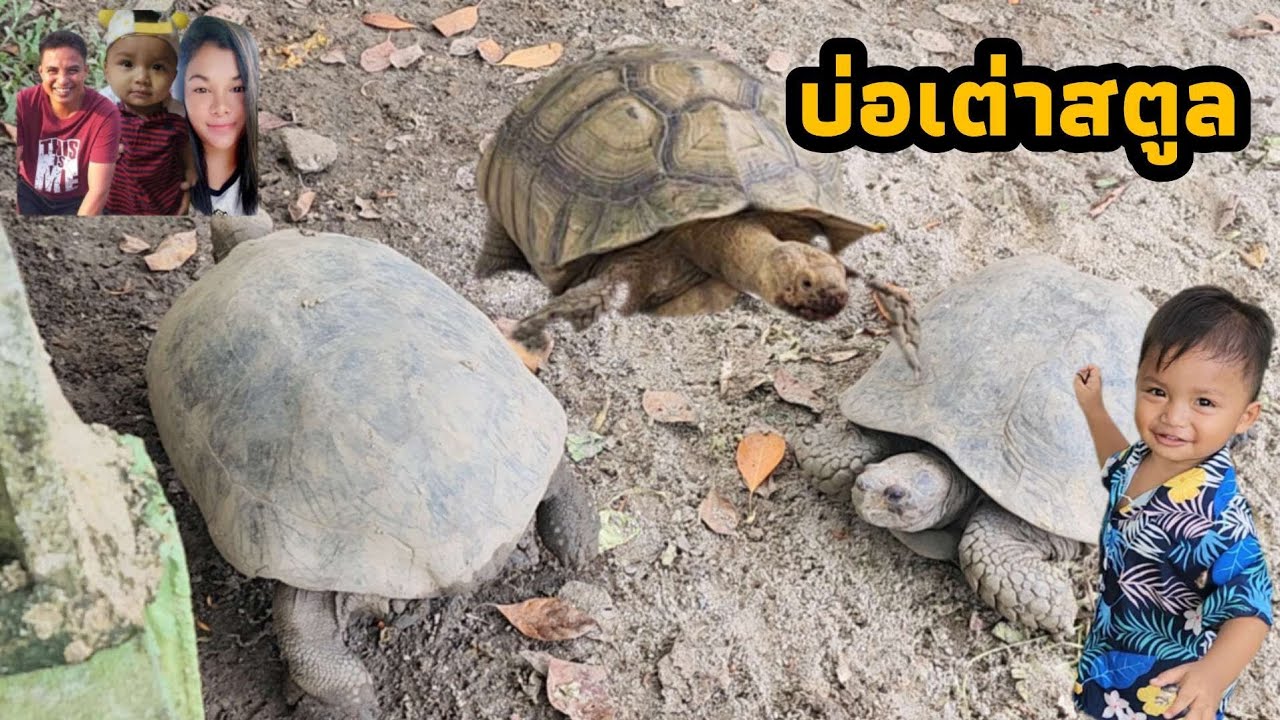
 Click to Access the Navigation Map GPS
Satun Inland Fisheries Research and Development Center Map
Recommend

 Art, Culture and Heritage
 Historical Sites and Monuments(1)
 Landmarks and Memorials(1)
 Art, Craft Centres, Tradition(5)
 Museums(3)
 Places of Worship
 Temple(3)
 Mosque(27)
 Other Sacred Sites(1)
 Suburban Living
 Village, Community(1)
 Local Market(2)
 Nature and Wildlife
 National Parks and Marine Reserves(7)
 Mountain (Doi)(1)
 Dam, Reservoir, Lake(2)
 Waterfalls(9)
 Hot Springs(1)
 Caves(9)
 Bays and Beaches(10)
 Islands(16)
 Other natural attractions(5)
Zoos and Aquariums(1)
Other natural attractions(5)
Zoos and Aquariums(1)
 Farms, Parks and Ecotourism(4)
 Outdoor and Adventure Activities(1)
 Travel Articles, Recipes
 Travel Review, Food Review(1)


