
lovethailand home >South Travel Attractions >Narathiwat Travel Attractions >Rue So >Suwa Ri > Narathiwat Muslim Wedding Tradition
TL;DR: Narathiwat Muslim Wedding Tradition, open The Narathiwat Muslim Wedding Tradition Has No Fixed Opening Day; It Is Held, hours Local Wedding and Engagement Ceremonies Are Traditionally Associated With the.
Narathiwat Muslim Wedding Tradition
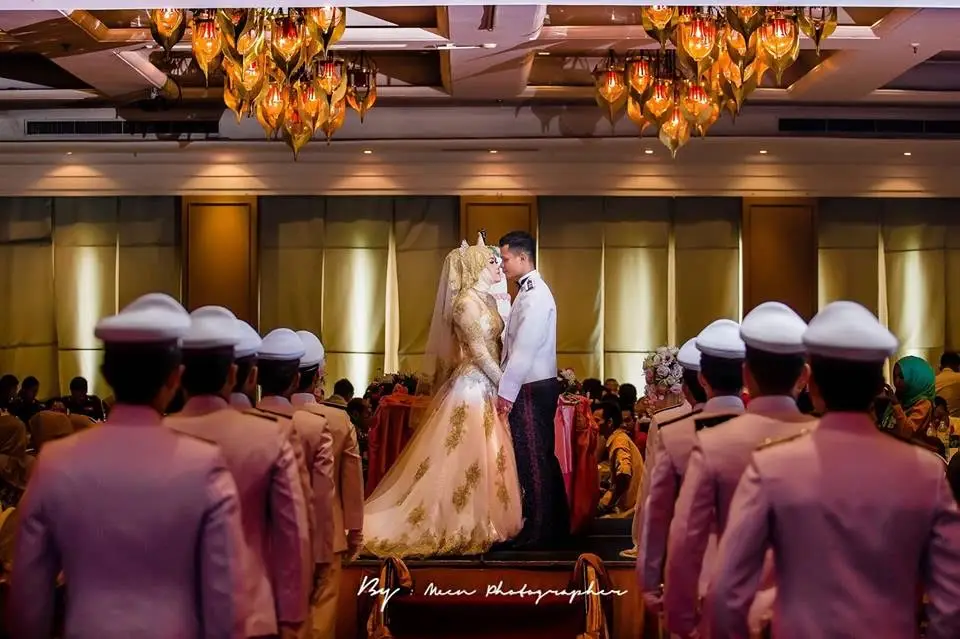
Open Days: The Narathiwat Muslim Wedding Tradition Has No Fixed Opening Day; It Is Held According to Family Readiness, Customary Timing, and Islamic Principles, and Is Generally Not Preferred During the Hajj Season
Opening Hours: Local Wedding and Engagement Ceremonies Are Traditionally Associated With the Late Afternoon Around 16.00 - 17.00; the Pre-Marriage Training at the Office of the Islamic Committee of Narathiwat Province Is Held Every Sunday From 08.30 - 15.00
The Narathiwat Muslim Wedding Tradition is a southern Thai cultural tradition that reflects Islamic religious principles, family etiquette, Malay-Thai local identity, and the social structure of Narathiwat’s Muslim communities. A wedding is not only a celebration between two individuals. It is a formal union between families, a religiously valid nikah ceremony, and the beginning of family life under the principles of responsibility, justice, sincerity, and social recognition.
In summary, the traditional Muslim wedding process in Narathiwat generally has 3 main stages: proposal, engagement, and the wedding or nikah ceremony. In the past, the groom’s family often sent senior female relatives as negotiators to approach the bride’s parents. Once the bride’s family accepted the proposal, an engagement date would be arranged. Later, the groom’s side would send the khan mak procession to the bride’s house. For the wedding ceremony, the imam, khatib or religiously knowledgeable person, the bride’s guardian, respected witnesses, and both families all played important roles.
The word “nikah” is central to Muslim marriage. It means a marriage ceremony performed under Islamic principles, creating a valid husband-and-wife relationship. The core elements include consent, the bride’s guardian or wali, witnesses, mahr, and the correct offer-and-acceptance formula. The surrounding local customs, such as proposal etiquette, engagement trays, ceremonial gifts, family meals, and the decorated sitting ceremony, are cultural elements that support and enrich the religious ceremony.
The importance of marriage in Narathiwat Muslim life lies in placing human relationships within a clear moral and religious framework. Marriage is understood as a balanced and responsible path for human life. When a man and a woman begin family life openly and properly, in the presence of their families, religious leaders, and witnesses, the union is recognized both religiously and socially.
The first stage is the proposal. Traditionally, the groom’s family selected respected senior female relatives to act as matchmakers and approach the bride’s parents. This custom shows the delicacy of southern border Muslim society, where discussions about marriage are expected to be polite, careful, and respectful of the bride’s family. The matter is handled by elders rather than by the young couple alone.
In the past, once the bride’s parents accepted the proposal, the engagement date was arranged. In some older contexts, the decision of elders carried great weight. Today, the practice has changed in many families. The groom’s mother or senior relatives may visit the bride’s family with appropriate gifts such as sweets, fruit, or other polite offerings. They begin by saying that they have an important matter to discuss, then ask whether the woman has already been promised to anyone.
If the woman is not already promised, the groom’s side states whom they wish to propose on behalf of. The bride’s family usually does not immediately accept in that moment. They take time to consult relatives, often for several days. If they agree, they may send a respected person to inform the groom’s family. If they do not agree, silence may itself be understood as refusal. This indirect method protects the dignity of both families and avoids public embarrassment.
After the proposal is accepted, the families discuss the engagement date, wedding date, bridewealth, engagement gifts, and mahr. Mahr is a central Islamic element because it belongs to the bride and symbolizes the groom’s responsibility. Bridewealth and engagement gifts, in the local cultural setting, represent readiness, sincerity, and honor shown by the groom’s family toward the bride and her family.
The second stage is the engagement. In the older custom, the groom’s side sent matchmakers and the khan mak procession to the bride’s house, while the groom himself did not attend. The procession was usually timed for the late afternoon, around 16.00 - 17.00. The traditional khan mak consisted of 3 trays: a betel tray, a yellow sticky rice tray, and a sweets tray. Wealthier families could add more sweets trays. All trays were covered with attractive cloths to show orderliness, respect, and auspiciousness.
The betel tray was especially important because money was placed beneath it. This money was called “La Pe Si Khe,” or money under the betel tray. The sweets tray might include local sweets such as khanom ko, known locally as “Tupong Putu,” puffed rice, and sugar sweets known as “Tupong Haluwo Kimae.” These were not merely foods. They symbolized sweetness, abundance, and the social beauty of the engagement.
When the procession arrived at the bride’s house, the bride’s family welcomed the visitors. The groom’s representative announced that the groom had brought engagement items for the bride. After the bride’s representative accepted the items, the groom’s representative would ask about the head money. The families then discussed the wedding date, the event arrangements, and the meal. Before the groom’s side returned, the bride’s family placed a man’s sarong or batik cloth in the betel tray and placed sweets in the yellow sticky rice and sweets trays as return gifts.
In the present day, engagement may occur either before the nikah or after it. If the engagement takes place before the wedding, the groom cannot touch the bride according to Islamic rules. If the engagement occurs after the nikah, the groom may place the engagement gift on the bride, and the couple may sit together on a decorated platform for relatives from both sides to congratulate them. This distinction shows how local custom must remain aligned with religious principles.
The third stage is the wedding ceremony or nikah. Traditionally, the wedding was usually held within 2 weeks after the engagement and often around 16.00 - 17.00. The groom’s side would go to the bride’s house. This procession included the groom, his close friends, and about 5 - 6 senior relatives. Unlike the engagement day, the groom did not bring many items. He usually brought the head money, often in an odd-numbered amount, placed in a small brass container wrapped with a handkerchief, along with a few bunches of good bananas.
On the wedding day, the bride’s house prepared to receive the groom’s side. The imam was invited to preside over the ceremony, together with a khatib or knowledgeable religious person and a respected witness. The witness could be a village headman, subdistrict headman, or another morally trusted person. When the groom arrived, he handed the head-money bundle to the imam, who checked the amount. A meal was then shared before the core religious procedure began.
In the older custom, the bride remained inside a room or kitchen area rather than appearing before everyone at the beginning. After the meal, the groom sat before the imam. Before proceeding, the bride’s guardian needed to confirm the bride’s consent. This consent is essential. A valid marriage must not be based on pressure or silence interpreted unfairly. The willingness of the bride is therefore a core moral and religious requirement.
The bride’s guardian, or wali, has an important role. In general, the bride’s father is the one who arranges the marriage for his daughter. If he lacks the knowledge or ability to conduct the ceremony himself, he may delegate the duty to a knowledgeable person or to the imam. This delegation is locally referred to as “wakil” or “wo kel,” meaning that authority is entrusted to someone qualified to conduct the ceremony properly.
Next comes the reading or recitation of the marriage sermon, known locally as “Bajo Kutbah,” or khutbah nikah. This sermon reminds the groom about married life, responsibility, care for the wife, and the religious obligations of family life. After the sermon, the imam begins the nikah by holding one of the groom’s fingers and pronouncing the marriage formula. The groom must respond correctly.
The essential point of the response is that the groom accepts the marriage according to the agreed mahr or head money. The offer and acceptance are the heart of the nikah. The ceremony does not depend primarily on the beauty of the feast or the decoration of the procession. It depends on the validity of religious elements: the wali, witnesses, mahr, and the spoken acceptance.
According to Islamic principles, marriage is a binding relationship between a man and a woman who become husband and wife through a valid nikah. Marriage is therefore not merely living together. It is a religious contract with duties, responsibilities, and dignity for both parties. Islamic teaching also stresses that a man who has more than one wife must be able to support and treat them with justice. If he cannot do so, he should have only one wife. This principle links marriage with accountability, not personal desire alone.
The Muslim wedding tradition of Narathiwat also has a strong social dimension. Weddings involve the extended family and the surrounding community. Neighbors, relatives, and respected elders help with venue preparation, food, hospitality, and witnessing. A wedding is therefore not a purely private event. It is a public acknowledgment that the couple has been accepted and blessed by the people around them.
In Narathiwat, the wedding tradition also reflects local Malay-Thai culture through language, objects, foods, and ritual terms such as La Pe Si Khe, Tupong Putu, Tupong Haluwo Kimae, sarongs, batik cloth, yellow sticky rice trays, and the khan mak procession. These details give Narathiwat weddings a distinct cultural character, even though the core nikah principles are shared with Muslims elsewhere.
Another important detail is that weddings are generally not preferred during the Hajj season. Hajj is a major religious obligation and a deeply significant period for Muslims. Avoiding this time shows respect for religious timing and family readiness, especially when relatives may be traveling for pilgrimage. Wedding timing is therefore shaped not only by convenience but also by religious and social awareness.
Today, many couples pay more attention to preparation before marriage. The Office of the Islamic Committee of Narathiwat Province holds pre-marriage training every Sunday from 08.30 - 15.00, with men and women attending together and registering at the office on the training day. Such training helps couples understand Islamic family principles, responsibilities, and the expectations of married life before the actual ceremony.
In addition to the religious nikah, couples should also understand the importance of civil marriage registration under Thai law. Religious marriage and civil registration are different dimensions, but they can complement each other. Civil registration helps establish legal family status in matters such as rights, duties, property, children, and official documentation. Narathiwat is also one of the provinces with a specific legal context for Islamic family and inheritance matters for Muslims.
The Office of the Islamic Committee of Narathiwat Province is an important reference body for Islamic affairs in the province. It is located at 221 Moo 10, Lam Phu Subdistrict, Mueang Narathiwat District, Narathiwat 96000. Its roles include advising on Islamic affairs, coordinating with the Central Islamic Council of Thailand, overseeing mosque-related matters, promoting activities that do not violate Islamic principles, and maintaining committee responsibilities that include marriage affairs.
Getting There to the Office of the Islamic Committee of Narathiwat Province is straightforward from Mueang Narathiwat. Travelers can head to Lam Phu Subdistrict in the government-center area of Moo 10 by private car, rental car, or local transport. Visitors from other provinces can fly to Narathiwat Airport and continue by road to the city and the government-center area.
Those who want to understand Narathiwat Muslim weddings culturally should remember that this is not a tourist attraction with fixed visiting hours. It is a family and religious ceremony that occurs in real community life. Writing or speaking about it should therefore be done respectfully, with attention to religious etiquette, privacy, and the distinction between public cultural knowledge and private family moments.
The beauty of the Narathiwat Muslim wedding tradition lies in the balance between religious clarity and family warmth. The nikah has clear religious requirements, while the surrounding ceremony is full of family cooperation. Engagement gifts and processions carry cultural detail, while mahr and consent carry religious meaning. Food and celebration create joy, but they remain within the boundaries of religious and community etiquette.
This tradition is worth preserving because it helps younger generations understand that marriage in Narathiwat is not merely a personal event. It is a system of relationships that includes religion, family, elders, witnesses, language, food, gifts, and community acknowledgment. From the proposal to the engagement and the nikah, each stage protects the dignity of the bride, shows the responsibility of the groom, and builds acceptance between both families.
The Narathiwat Muslim Wedding Tradition is therefore one of Southern Thailand’s important cultural traditions. It carries religious, social, and cultural value. It shows that southern border Muslim life is detailed, principled, and beautiful in its own way. Preserving this tradition means preserving its essential values: consent, responsibility, justice, respect for elders, and good relationships between families and the wider community.
| Name | Narathiwat Muslim Wedding Tradition |
| Type | Southern Thai Culture / Muslim Wedding Tradition / Nikah and Malay-Thai Local Wedding Custom |
| Cultural Area | Narathiwat Province and Muslim communities in Thailand’s southern border region |
| Current Status | Still practiced in Muslim families, with details adjusted to contemporary life and Islamic principles |
| Open Days | No fixed public opening day; held according to family arrangements and religious suitability, and generally not preferred during the Hajj season |
| Customary Time | Traditional local engagement and wedding ceremonies are associated with the late afternoon around 16.00 - 17.00 |
| Admission Fee | No admission fee because it is a family and religious ceremony, not a permanent tourist attraction |
| Reference Organization | Office of the Islamic Committee of Narathiwat Province |
| Reference Address | 221 Moo 10, Lam Phu Subdistrict, Mueang Narathiwat District, Narathiwat 96000, Thailand |
| Contact Number | 073-530825 |
| Caretakers / Key Persons | Imam, wali or bride’s guardian, khatib, respected witnesses, and both families |
| Marriage Affairs Reference | The Office of the Islamic Committee of Narathiwat Province has marriage-affairs members in its committee structure |
| Pre-Marriage Training | Every Sunday, 08.30 - 15.00; registration is made at the office on the training day |
| Main Stages | 1. Proposal 2. Engagement 3. Wedding or Nikah Ceremony |
| Traditional Engagement Items | Betel tray, yellow sticky rice tray, sweets tray, La Pe Si Khe money, khanom ko, puffed rice, sugar sweets, sarong, or batik cloth |
| Nikah Elements | Bride’s consent, wali, witnesses, imam or qualified officiant, mahr, and the spoken offer-and-acceptance formula |
| Key Terms | Nikah, mahr, wali, wakil, Bajo Kutbah, La Pe Si Khe, Tupong Putu, Tupong Haluwo Kimae, Walimah |
| Main Areas / Zones | Bride’s family home, engagement-reception area, nikah ceremony area, dining area, decorated sitting area, and the Islamic Committee office for training or religious inquiries |
| Travel Information | Travel to Mueang Narathiwat, then continue to Lam Phu Subdistrict in the government-center area of Moo 10 by private car, rental car, or local transport |
| Visitor Etiquette | Dress modestly, respect the private nature of the ceremony, avoid disturbing the imam or officiant, and take photographs only with permission from the host family |
| Nearby Tourist Attractions | 1. Narathiwat Central Mosque, about 7 km 2. Masjid Yumu’iyah, about 7 km 3. Tha Phraya Sai Embankment, about 8 km 4. Narathat Beach, about 9 km 5. Ao Manao National Park, about 13 km |
| Nearby Restaurants | 1. BK Drink N' Food, about 4 km, Tel. 082-8257010, 086-9586693 2. The Origano Pizza, about 7 km, Tel. 083-8189971, 083-9194302 3. Rim Nam Restaurant, about 8 km, Tel. 073-511559 4. Tam Sang Tam Jai Restaurant, about 7 km, Tel. 088-8328699 5. Do R3 Shop, about 7 km, Tel. 096-3324146 |
| Nearby Accommodations | 1. The Imperial Narathiwat Hotel, about 7 km, Tel. 073-515041 2. Tanyong Hotel Narathiwat, about 7 km, Tel. 073-511477 3. Paksina Hotel, about 8 km, Tel. 073-511800 4. Ruean Ram Resort, about 4 km, Tel. 089-8694141 5. Ban Thon Beach, about 15 km, Tel. 094-4599515 |
Frequently Asked Questions (FAQ)
Q: What is the Narathiwat Muslim Wedding Tradition?
A: It is a southern Thai Muslim wedding tradition that combines Islamic nikah principles with Malay-Thai local customs. The main stages are proposal, engagement, and the nikah ceremony.
Q: What is nikah?
A: Nikah is the Islamic marriage ceremony that makes a man and a woman husband and wife according to religious principles. Key elements include the wali, witnesses, mahr, and the spoken offer and acceptance.
Q: How many stages are there in the traditional process?
A: There are generally 3 main stages: the proposal, the engagement, and the wedding or nikah ceremony.
Q: Why did the groom traditionally not attend the engagement day?
A: In the older custom, the groom’s representatives and senior relatives handled the engagement procession to preserve etiquette and allow elders to conduct the formal negotiation.
Q: How is mahr different from bridewealth or engagement gifts?
A: Mahr is the bride’s religious right and a key element of nikah. Bridewealth and engagement gifts are local social customs that express readiness, honor, and goodwill from the groom’s family.
Q: What time is the ceremony traditionally held?
A: Local information associates traditional engagement and wedding ceremonies with the late afternoon, around 16.00 - 17.00, and weddings are generally not preferred during the Hajj season.
Q: Where can couples ask about pre-marriage training in Narathiwat?
A: They can contact the Office of the Islamic Committee of Narathiwat Province at 221 Moo 10, Lam Phu Subdistrict, Mueang Narathiwat District, Tel. 073-530825.
Q: How should guests behave at a Muslim wedding ceremony?
A: Guests should dress modestly, respect the religious setting, avoid disturbing the imam or officiant, and take photos only with the host family’s permission.
 Category: ●Art, Culture and Heritage
 Group: ●Art, Craft Centres, Tradition
Last Update : 2 MonthAgo
 Last Update : 2 MonthAgo

 Landmarks and Memorials(8)
 Royal Palace(1)
Art, Craft Centres, Tradition(7)
 Museums(4)
 Art Gallery(1)
 Places of Worship
 Temple(16)
 Mosque(23)
 Other Sacred Sites(5)
 Research and Development
 Royal Project(1)
 Suburban Living
 Village, Community(9)
 Local Market(1)
 Nature and Wildlife
 National Parks and Marine Reserves(5)
 Mountain (Doi)(2)
 Dam, Reservoir, Lake(2)
 Waterfalls(16)
 River, Canal(3)
 Bays and Beaches(5)
 Islands(1)
 Other natural attractions(4)
 Entertainment and Agricultural
 Stadium(1)
 Farms, Parks and Ecotourism(7)
 Shopping
 Shopping and Night Market(1)
 Travel Articles, Recipes
 Travel Review, Food Review(1)


