
 Home
Home North(
 Chiang Mai(


Wat Tham Watthanamongkhon
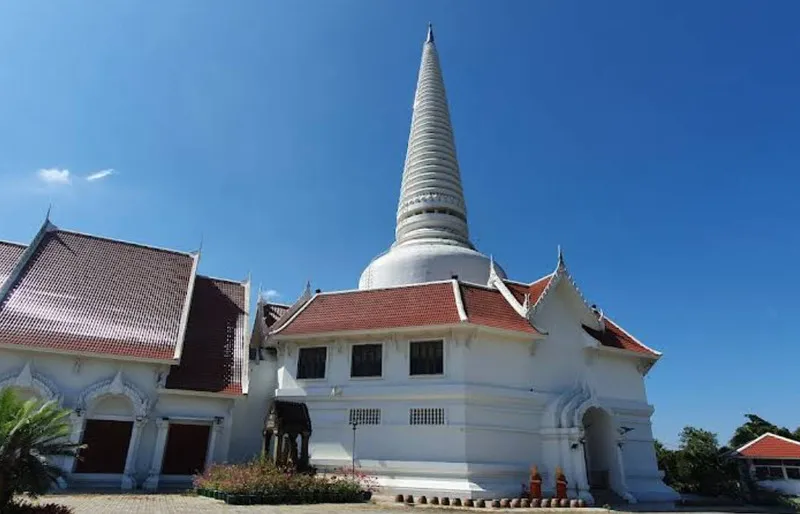
Rating: 3.5/5 (4 votes)
 Search By
  Map
Map 
 Have Map
  No Map
Rayong attractions
Attractions in Thailand
Open Days: Daily (recommended to confirm with the temple in advance)
Opening Hours: 06:00–18:00 (may vary depending on temple activities)
Wat Tham Watthanamongkhon, also known as “Wat Tham Chao Khun,” is located in Moo 5, Ban Takhob, Khao Noi Subdistrict, Khao Chamao District, Rayong Province. The temple was founded through local faith and the surrounding nature itself. Nestled among rocky hills and caves, it offers a serene and tranquil atmosphere—perfect for meditation, reflection, and slowing down from the city’s pace. Visiting this place is more than paying respects at a temple; it’s entering a living landscape of stone and forest that reminds you how peace can exist without excess.
The temple is surrounded by layers of grey cliffs that form natural walls. Light filters through cracks between the rocks, revealing entrances to multiple caves—large and small. When sunlight meets fine dust or water vapor in the cave chambers, it creates shimmering beams that feel almost sacred. The reward here is not grandeur, but stillness—the kind that lets you hear your own breath and footsteps echo in time with the mountain wind.
The temple has been developed gradually, respecting the original landscape. Paths and gathering areas are simple and unobtrusive, preserving the rock formations and slopes. The design makes you feel the temple is “within the mountain,” not the mountain being forced into a temple. This philosophy aligns with its purpose: bringing people closer to Dharma by being closer to nature.
Early morning and late afternoon are the best times to explore the caves. The light is soft, the air is cool, and the only sounds are wind and birdsong. To appreciate the stalactites and rock textures, bring a small flashlight or headlamp; avoid strong flashes that can damage delicate surfaces. Photography works best by raising ISO slightly, slowing shutter speed, and leaning against the rock for stability.
The surrounding Ban Takhob community is quiet and welcoming. During harvest season, green rice fields alternate with rubber and fruit orchards typical of Rayong. The local rhythm moves slowly, so visiting the temple feels like true rest rather than sightseeing. If you wish to join meditation or overnight retreats, contact the temple in advance to ask about dress codes and schedules. Modest clothing and a light long-sleeve shirt are ideal, as cave interiors are often cooler than outside air.
Though it lies amid nature, the main walking route is manageable for most visitors. The primary path is well-structured and suitable for families or seniors with steady footing. However, some rocky surfaces can be slippery after rain. Wear shoes with good grip and avoid smooth flip-flops. Those who wish to hike deeper into the inner caves should plan their time carefully, assess their stamina, and never go alone.
A half-day visit is perfect for travelers who want a complete yet relaxed experience. Begin mid-morning by exploring the front caves, observing the texture of each rock layer that tells a story of time. Sit quietly for a few minutes to absorb the stillness, then walk up to a lookout point for a panoramic view of the forested hills. End your visit by chatting with a temple volunteer or local villager about how they balance preservation with accessibility—you’ll understand why the temple chooses to “do less” rather than overbuild.
One of the most memorable parts of visiting is noticing the sensory details: the slow drip of water echoing inside the caves, the earthy scent of damp moss and tree sap, the filtered light on stone walls. When you slow down enough to let your senses work naturally, you realize the beauty here lives in subtlety, not spectacle. Wat Tham Watthanamongkhon rewards those who appreciate stillness more than those who chase checklists.
The seasons shape the experience. From late rainy season to early winter, the landscape turns lush and green, with cool, fresh air and vibrant stalactites. In summer, the sky clears for wide-angle views of the layered cliffs, though midday heat can be strong. During the rainy season, be cautious of wet, slippery paths and dripping cave ceilings—light rain gear and waterproof pouches for devices are helpful.
Simple temple rules keep the site beautiful: take out what you bring in—bottles, wrappers, tissue, all of it. Never touch stalactites or cave walls directly, as natural oils from skin can stop their growth. Protecting the cave today ensures future visitors can see the same wonder tomorrow.
Traveling is easiest by private car. From Khao Chamao town, head toward Ban Takhob. The final stretch climbs gently uphill; drive slowly and watch for sharp curves and loose gravel. Public transport options are limited, though local songthaews or hired cars may reach the temple area. Plan return travel carefully, as shared vehicles may not run frequently in the evening.
In short, people come here because peace is the main attraction—and the place truly delivers. There are no grand pagodas or noisy markets, only caves, wind, and quiet. Those who love gentle nature, slow exploration, and places that honor their environment will find this temple deeply rewarding.
Extra tip: bring a cloth mat to sit near an open cave wall, ideally before noon or near sunset when light falls at an angle. Let others know your visiting hours and route, a basic hiking precaution. If rain starts to fall, move out from narrow crevices quickly, and avoid unfamiliar paths in low light.
From a cultural standpoint, Wat Tham Watthanamongkhon is an example of coexistence between faith and environment. Its architecture respects the mountain’s form, making it both a spiritual site and a living classroom for eco-awareness. The temple shows that caves and forests are not outside religion—they shelter it.
Finally, come with patience and quietness. Read temple signs, follow volunteer guidance, and remind others gently when needed. Serenity here is a shared responsibility. When you exit the last cave, you might notice your own breathing a little clearer—and that’s perhaps the best souvenir this place can give.
Getting There From Bangkok, take the Eastern Motorway toward Rayong, then continue to Khao Chamao District and Ban Takhob. The final approach is best navigated with GPS or local directions. Fill your gas tank beforehand and bring drinking water; once you enter the hills, amenities become sparse.
For families with children or elderly travelers, take care on rocky steps and slopes. Seniors should avoid steep trails during hot or rainy periods, and those sensitive to dust may bring a light mask for cave interiors.
Visitors planning to join a meditation retreat should ask the temple about clothing, schedule, and accommodation. Keep devices on silent mode, bring personal medicine, a flashlight, and a light jacket for the cool evening air.
As contact numbers and hours may change, verify details with local sources before visiting, especially during festivals or maintenance periods.
| Name | Wat Tham Watthanamongkhon (Wat Tham Chao Khun) |
| Location | Moo 5, Ban Takhob, Khao Noi Subdistrict, Khao Chamao District, Rayong Province |
| Characteristics | A cave temple surrounded by cliffs and multiple natural caves; peaceful atmosphere ideal for meditation, nature walks, and cave photography. |
| Period | Contemporary (developed gradually with nature-centered principles) |
| Key Evidence | Natural stone cliffs, multi-layered caves, stalactites, and paths designed in harmony with the mountain landscape. |
| Name Origin | “Tham” means cave, while “Watthanamongkhon” reflects prosperity and auspiciousness; symbolizing spiritual growth within natural surroundings. |
| Travel | Best accessed by private car; final road has slopes and curves—drive slowly and bring a flashlight for cave exploration. |
| Current Status | Open for worship and meditation; contact the temple or community for updated schedules and retreat details. |
| Nearby Attractions | - Khao Chamao–Khao Wong National Park (Khao Chamao Waterfall) — approx. 15–25 km - Khao Wong Cave Nature Trail (Chanthaburi side) — approx. 35–45 km - Khlong Pla Kang Waterfall (Rayong–Chanthaburi border) — approx. 30–40 km - Dok Krai Reservoir (viewpoint and cycling route) — approx. 40–55 km - Local community markets (open on select days) — distance varies by route |
Frequently Asked Questions
Q: Is Wat Tham Watthanamongkhon open every day?
A: Generally yes, but cave access and activities may vary by season. It’s best to check before visiting.
Q: Do I need permission to enter the caves?
A: Main caves are open to visitors, but deeper or restricted areas require approval or a guide.
Q: What should I bring?
A: Non-slip shoes, flashlight, enough drinking water, a light long-sleeve shirt, and waterproof storage for devices during rain.
Q: Is it suitable for elderly visitors?
A: Yes, along main routes with stable ground and assistance. Avoid slippery or steep paths.
Q: Is there an entrance fee?
A: No entrance fee for general visits; meditation retreats may have special schedules or guidelines.
Q: Can I take photos?
A: Yes, in public areas. Avoid strong flashes and respect others during meditation or prayer.
Q: Is it safe to travel alone?
A: Yes, on main paths. Inform someone of your route and time, bring a flashlight and power bank, and avoid deep caves alone.
Q: Which season is best for visiting?
A: Late rainy to early winter offers the best air and greenery; summer provides clearer distant views but can be hot at midday.
 Tel: 038626227
 Wat Tham Watthanamongkhon Map
 Category:
  Group:
  Tag: ●Wat Tham Watthanamongkhon●wat tham watthanamongkhon ●cave temple rayong ●khao chamao temple ●meditation retreat rayong ●wat tham chao khun ●rayong attractions ●nature temple thailand ●cave exploration rayong ●watthanamongkhon temple ●rayong travel guide
Last Update: 5 MonthAgo
Tag: ●Wat Tham Watthanamongkhon●wat tham watthanamongkhon ●cave temple rayong ●khao chamao temple ●meditation retreat rayong ●wat tham chao khun ●rayong attractions ●nature temple thailand ●cave exploration rayong ●watthanamongkhon temple ●rayong travel guide
Last Update: 5 MonthAgo
Comment
 Nearby Attractions
| Keyword (Advance) |
 Region
|
 Muang Rayong(
 Copyright 2012,