
lovethailand home >North Travel Attractions >Nan Travel Attractions >Santi Suk >Du Phong > Khrua Tan Procession Tradition
TL;DR: Khrua Tan Procession Tradition, open Held during merit-making festivals and community celebration events, hours According to the schedule of the host temple and community.
Khrua Tan Procession Tradition
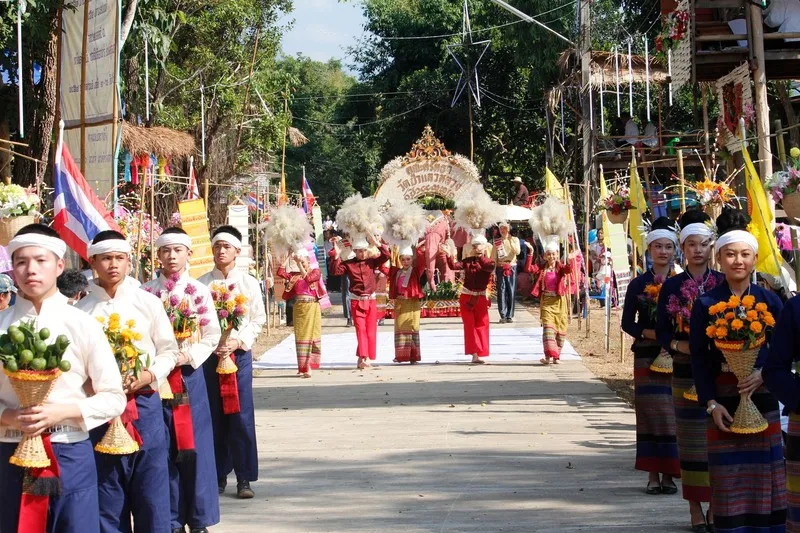
Open Days: Held during merit-making festivals and community celebration events
Opening Hours: According to the schedule of the host temple and community
The Khrua Tan Procession Tradition is an important cultural practice of Northern Thailand that reflects Lanna faith, community cooperation, and local craftsmanship. The term “Khrua Tan” refers to offerings or useful items prepared collectively by villagers and presented to a temple on important religious occasions, such as Tan Salak Phat, celebrations for a newly built ordination hall, viharn, pavilion, or other public structures built for the benefit of the community.
The heart of the tradition lies in collective participation. Villagers discuss what kind of offerings should be prepared, what form the Khrua Tan should take, and what meaning it should communicate. After the idea is agreed upon, a local craftsperson known as a “sala” designs the structure, while community members help decorate it beautifully. A Khrua Tan is therefore both a religious offering and a piece of folk art created from faith, creativity, and community wisdom.
The forms of Khrua Tan vary widely depending on the imagination and skill of each community. Some are made as miniature models of sacred historical monuments, while others take the form of animals from Buddhist Jataka tales. Some are practical items for temple use or community benefit, including daily necessities, materials, Buddhist offerings, and local vegetables. The most important point is that the design must communicate a meaning that local people can understand.
On the procession day, the community arranges the parade in an orderly and festive manner. The procession usually begins with the village name sign, followed by trays of popped rice, flowers, incense, candles, traditional drums such as long drums or local Lanna drums, dancers, and the beautifully decorated Khrua Tan. As the procession enters the temple, the atmosphere becomes lively with music, drums, dance, and the participation of villagers.
When each village’s Khrua Tan procession arrives at the temple, an announcer or ceremony host explains the meaning of the offering. In some areas, there is a traditional verbal presentation called “Ham Khrua Tan,” which describes the intention, meaning, and cultural value of the offering. The Khrua Tan is then presented to the monks or the abbot, followed by receiving precepts and blessings, completing the ceremony.
This tradition is more than a merit-making event. It is a cultural mechanism that cultivates respect, wisdom, and unity. Respect is shown through mutual honor between villages and generations. Wisdom appears through the shared process of planning, designing, and solving problems together. Unity is created when elders, young people, and children all contribute to the work according to their abilities.
The Khrua Tan procession also serves as a space for cultural transmission. Elders pass down religious meanings and community values, local craftspeople pass on artistic techniques, and younger generations learn cooperation, respect for temples, respect for elders, and the deeper meaning of merit-making in Lanna society.
Getting There Visitors who wish to observe the Khrua Tan procession can travel to temples or villages in Northern Thailand where merit-making festivals are held, especially in provinces that strongly preserve Lanna culture such as Chiang Mai, Lamphun, Lampang, Phrae, Nan, Phayao, and Chiang Rai. Schedules should be checked with the temple, community, or local authorities before traveling, as the event date depends on the occasion in each locality.
| Name | Khrua Tan Procession Tradition |
| Region | Northern Thailand |
| Occasions | Tan Salak Phat, ordination hall celebrations, viharn celebrations, pavilion celebrations, and public community structures |
| Significance | Presenting Buddhist offerings to temples while strengthening community unity |
| Distinctive Features | Creative offering structures shaped as sacred monuments, Jataka animals, or useful items |
| Key Participants | Villagers, local craftspeople, monks, abbots, and community leaders |
| Procession Elements | Village name sign, popped rice and flower trays, incense, candles, traditional drums, dancers, and Khrua Tan offerings |
| Main Rituals | Procession to the temple, explanation or Ham Khrua Tan, offering to monks, receiving precepts and blessings |
| Cultural Values | Respect, wisdom, and community unity |
| Travel Information | Travel to temples or villages in Northern Thailand and check local schedules before visiting |
Frequently Asked Questions (FAQ)
Q: What is the Khrua Tan procession?
A: It is a Northern Thai tradition in which villagers create and parade offerings to a temple during important merit-making occasions.
Q: What does a Khrua Tan look like?
A: It may be shaped like a sacred monument, a Jataka animal, or useful items for the temple and community.
Q: When is this tradition held?
A: It is held during merit-making events such as Tan Salak Phat or celebrations of temple and community structures.
Q: What is included in the procession?
A: The procession includes a village sign, flower trays, incense, candles, traditional drums, dancers, and the Khrua Tan offering.
Q: What values does this tradition represent?
A: It represents respect, collective wisdom, and unity within the community.
 Category: ●Art, Culture and Heritage
 Group: ●Art, Craft Centres, Tradition
Last Update : 4 MonthAgo
 Last Update : 4 MonthAgo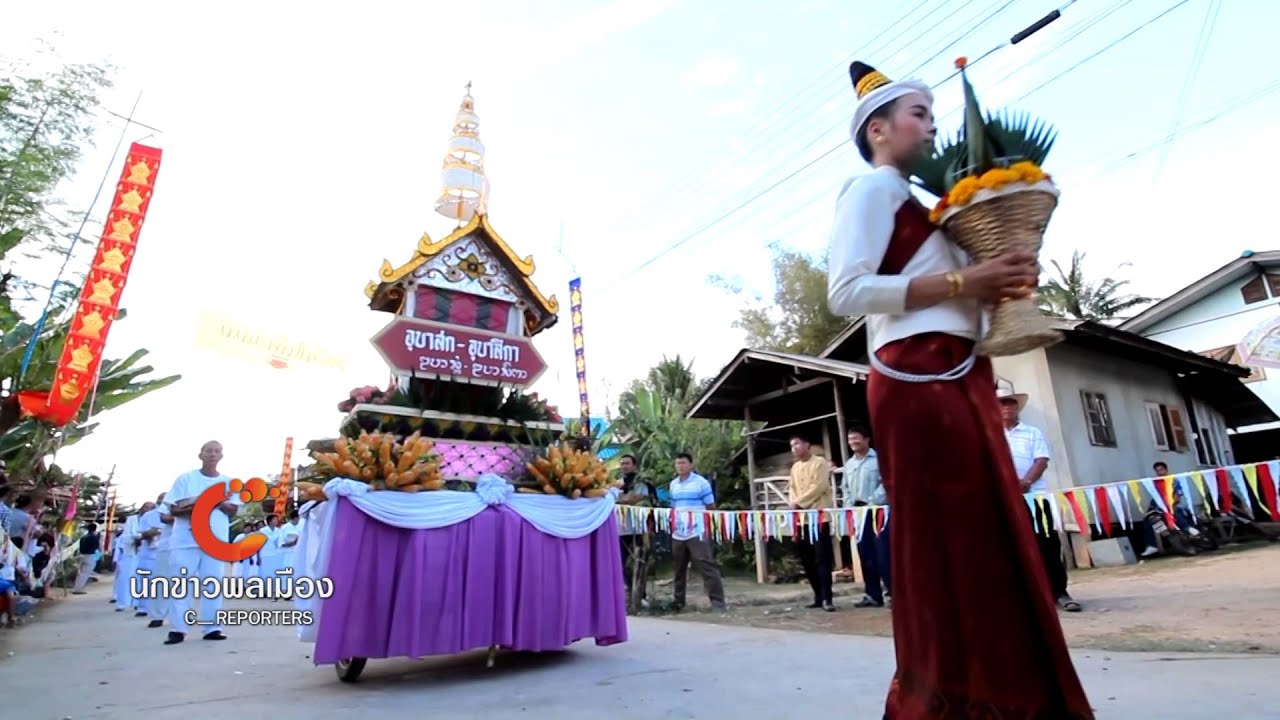

 Landmarks and Memorials(6)
Art, Craft Centres, Tradition(6)
Landmarks and Memorials(6)
Art, Craft Centres, Tradition(6)
 Museums(4)
 Historic Homes and Cities(1)
 Art Gallery(1)
 Educational Places
 Educational Gardens, Farm(1)
 Places of Worship
 Temple(68)
 Church(1)
 Other Sacred Sites(18)
 Research and Development
 Royal Project(2)
 Suburban Living
 Village, Community(13)
 Local Market(1)
 Nature and Wildlife
 National Parks and Marine Reserves(9)
 Mountain (Doi)(6)
 Dam, Reservoir, Lake(16)
 Waterfalls(28)
 Hot Springs(1)
 Caves(11)
 River, Canal(5)
 Other natural attractions(10)
 Entertainment and Agricultural
 Farms, Parks and Ecotourism(4)
 Outdoor and Adventure Activities(2)


