
lovethailand home >North Travel Attractions >Nan Travel Attractions >Wiang Sa >Klang Wiang > Ban Kalok
TL;DR: Ban Kalok is located at Ban Don Chai Village No. 13, Wiang Sa District, Nan Province, Thailand, open Community cultural learning activities depend on local arrangements, hours Visitors should contact local coordinators in advance.

Ban Kalok
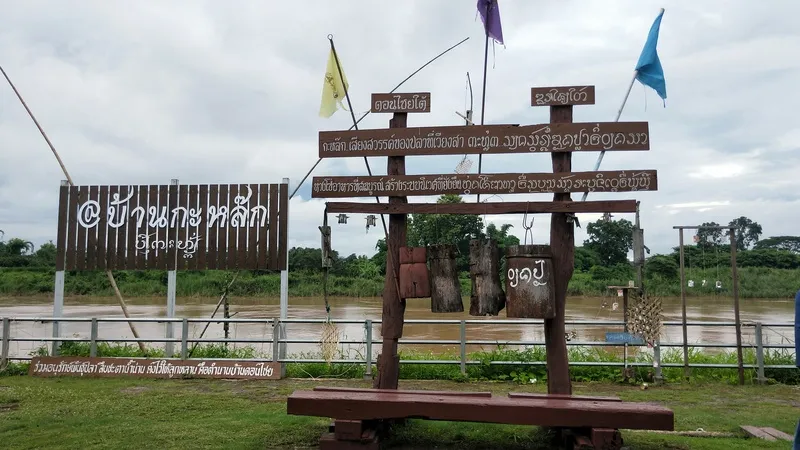
Open Days: Community cultural learning activities depend on local arrangements
Opening Hours: Visitors should contact local coordinators in advance
Ban Kalok in Nan Province is an important cultural learning community associated with traditional Lanna script known as “Tua Mueang.” The village is recognized as a local center for studying northern Thai art, culture, and ancient writing traditions that have been preserved in Nan for generations.
Tua Mueang refers to the traditional Lanna script once widely used throughout the old Lanna Kingdom. The script was used to record Buddhist teachings, local literature, herbal medicine texts, chronicles, folklore, and traditional knowledge. In Nan Province, the preservation of this script remains especially important because the region has long been one of the cultural centers of northern Thailand.
Historically, learning Tua Mueang was closely connected with temples and religious education. Young boys often studied reading and writing with monks, and many ancient manuscripts were copied onto palm leaves or traditional paper books. As a result, the writing system became deeply connected with religion, local wisdom, and community identity.
Ban Kalok continues to preserve this cultural heritage through community activities and local knowledge transmission. Elders and cultural networks in the area help maintain awareness of traditional Lanna writing, allowing younger generations and visitors to understand the historical significance of the script.
The atmosphere of Ban Kalok reflects the quiet charm of rural Nan Province. Visitors can experience traditional northern Thai village life, local customs, and the peaceful environment that still supports cultural continuity. The village is suitable for travelers interested in cultural tourism, local history, and traditional knowledge rather than commercial tourism.
Nan Province itself is widely known for its strong Lanna cultural identity, including temples, architecture, murals, traditional language, and historical manuscripts. The preservation of Tua Mueang in communities like Ban Kalok therefore plays an important role in protecting the intellectual heritage of northern Thailand.
Researchers in Lanna studies often describe Tua Mueang as more than just a writing system. The script preserves ways of thinking, religious beliefs, local law, medicine, astronomy, and stories passed through generations. Through ancient manuscripts, historians and cultural scholars continue to learn about the worldview of northern Thai communities in the past.
Traveling to Ban Kalok offers an opportunity to understand Nan’s cultural roots through language and traditional wisdom. The village can also be combined with visits to important temples and historical attractions in Wiang Sa District and Nan town, making it an interesting destination for cultural exploration.
The artistic beauty of Tua Mueang is another reason for its importance. The curved and elegant forms of the script require patience, concentration, and careful practice. Traditional manuscript writing was once considered both a practical skill and a form of sacred art.
Today, many communities in Nan are working to revive awareness of traditional Lanna script so that this knowledge is not lost. Ban Kalok therefore represents an important bridge between the past and present, helping preserve local identity in a rapidly changing world.
Getting There from Wiang Sa District, use the Wiang Sa–Na Noi road. Before reaching Sa School, turn right toward Ban Don Chai Village No. 13 and continue for approximately 5 kilometers to reach Ban Kalok.
| Name | Ban Kalok |
| Location | Ban Don Chai Village No. 13, Wiang Sa District, Nan Province, Thailand |
| Highlights | Lanna cultural learning center focused on traditional Tua Mueang script |
| Distinctive Features | Preservation of ancient Lanna writing traditions and local wisdom |
| Travel Information | Accessible via the Wiang Sa–Na Noi route, then continue about 5 km into Ban Don Chai Village |
| Current Status | Local cultural learning community in Nan Province |
| Caretaker | Ban Kalok community and local cultural networks |
| Nearby Tourist Attractions | 1. Wat Boonyuen Wiang Sa, about 9 km 2. Nan River area in Wiang Sa, about 8 km 3. Wat Phra That Chang Kham Worawihan, about 32 km 4. Nan National Museum, about 33 km 5. Wat Phumin, about 33 km |
| Nearby Restaurants | 1. Huan Hom Nan, about 10 km 2. Ton Nam Khao Soi Restaurant, about 8 km 3. Baan Suan Kitchen Wiang Sa, about 9 km 4. Huan Chao Nang Restaurant, about 32 km, Tel. 054-710-428 5. Pa Nim Dessert Shop, about 8 km |
| Nearby Accommodations | 1. Nantrungjai Boutique Hotel, about 31 km, Tel. 054-775-532 2. PX122 DBEST HOTEL, about 32 km, Tel. 054-710-222 3. Nan Lanna Hotel, about 33 km, Tel. 054-710-444 4. Wiang Sa Riverside Resort, about 9 km 5. Baan Suan Leelawadee Wiang Sa, about 10 km |
Frequently Asked Questions (FAQ)
Q: What is Ban Kalok known for?
A: Ban Kalok is known for preserving Lanna culture and traditional Tua Mueang writing.
Q: What is Tua Mueang?
A: Tua Mueang is the traditional Lanna script historically used in northern Thailand.
Q: Where is Ban Kalok located?
A: Ban Kalok is located in Ban Don Chai Village No. 13, Wiang Sa District, Nan Province.
Q: What type of tourism is suitable for Ban Kalok?
A: It is suitable for cultural tourism, historical learning, and local wisdom exploration.
Q: Why is Nan Province culturally important?
A: Nan Province preserves many aspects of traditional Lanna culture, including temples, manuscripts, murals, and local language.
Q: Can visitors learn about Tua Mueang at Ban Kalok?
A: Visitors can learn about traditional Lanna script and local cultural heritage through community-based learning experiences.
 Category: ●Suburban Living
 Group: ●Village, Community
Last Update : 4 MonthAgo
 Last Update : 4 MonthAgo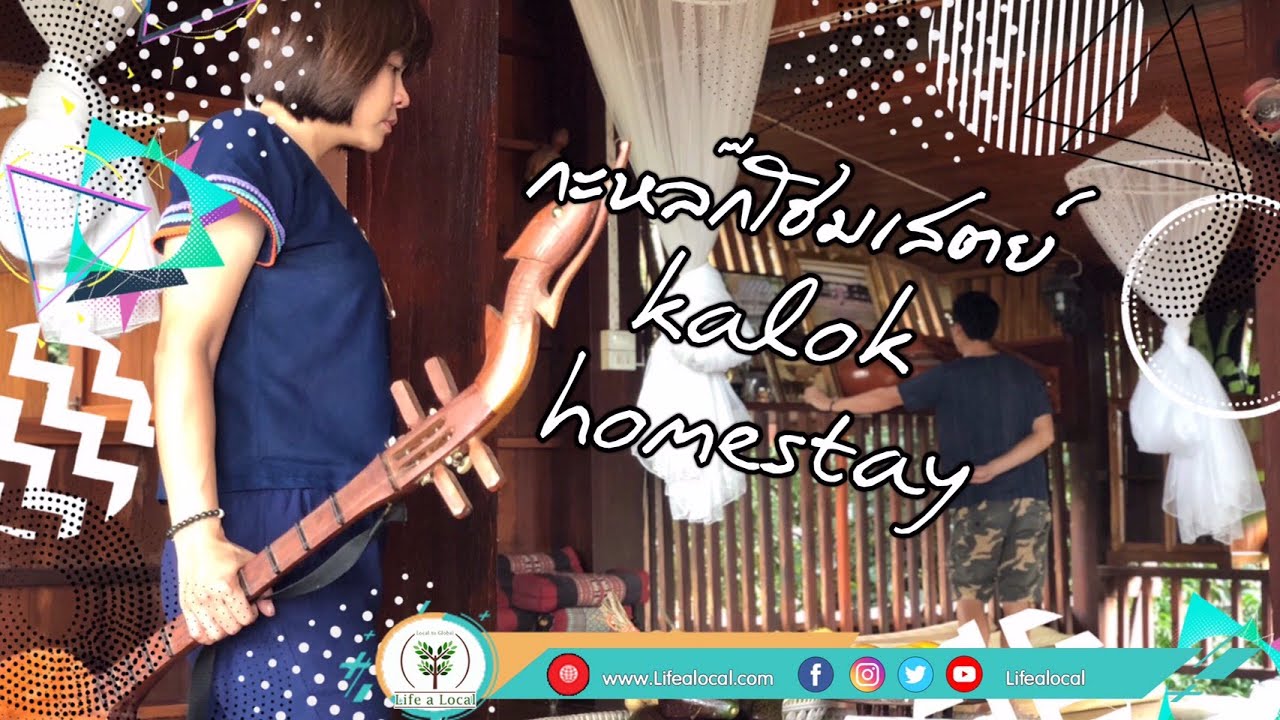
 Click to Access the Navigation Map GPS
 Art, Culture and Heritage
 Landmarks and Memorials(6)
 Art, Craft Centres, Tradition(6)
 Museums(4)
 Historic Homes and Cities(1)
 Art Gallery(1)
 Educational Places
 Educational Gardens, Farm(1)
 Places of Worship
 Temple(68)
 Church(1)
 Other Sacred Sites(18)
 Research and Development
 Royal Project(2)
Village, Community(13)
Royal Project(2)
Village, Community(13)
 Local Market(1)
 Nature and Wildlife
 National Parks and Marine Reserves(9)
 Mountain (Doi)(6)
 Dam, Reservoir, Lake(16)
 Waterfalls(28)
 Hot Springs(1)
 Caves(11)
 River, Canal(5)
 Other natural attractions(10)
 Entertainment and Agricultural
 Farms, Parks and Ecotourism(4)
 Outdoor and Adventure Activities(2)


