
lovethailand home >Central Travel Attractions >Chachoengsao Travel Attractions >Muang Chachoengsao >Na Mueang > Luang Pho Sothon Worship Festival
TL;DR: Luang Pho Sothon Worship Festival is located at 134 Thep Khunakon Road, Na Mueang Subdistrict, Mueang District, Chachoengsao, open Open daily, hours 07.00 – 17.00.
Luang Pho Sothon Worship Festival
Open Days: Open daily
Opening Hours: 07.00 – 17.00
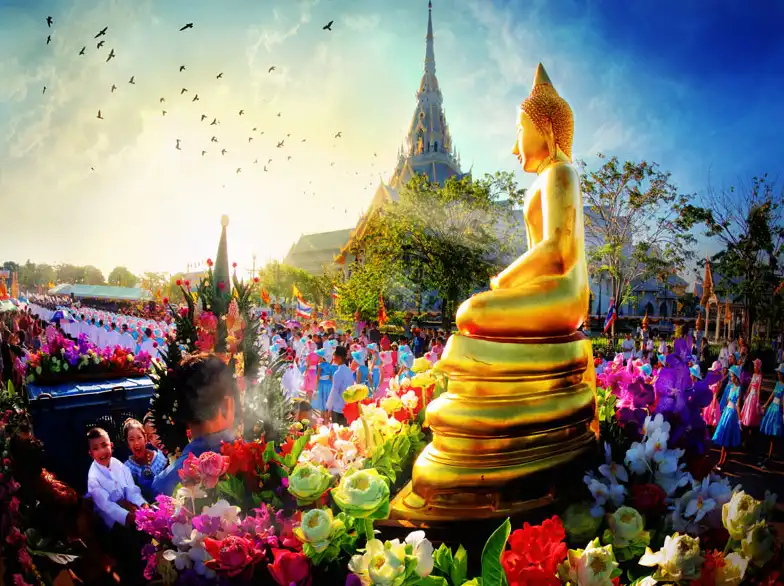
Luang Pho Sothon Worship Festival is the time when “faith” brings together large crowds in Chachoengsao and visitors from all over Thailand at Wat Sothon Wararam Worawihan, a royal monastery on the Bang Pakong River, to pay respect to Luang Pho Sothon—a revered sacred Buddha image cherished for generations. This festival is not merely an annual fair. It is a living tradition that closely connects people’s lives with Buddhism, helping “bring people into the temple” so they can pause from daily burdens and return to core teachings: refrain from wrongdoing, do good deeds, and keep the mind clear. Luang Pho Sothon becomes the spiritual center that makes many feel reassured the moment they come to worship in person.
At its heart, the Luang Pho Sothon festival carries forward Buddhist rituals alongside local beliefs. Many people come to “make wishes” for a smooth life, stable work, good health, or family safety. Others come with an even more specific purpose: to “fulfill vows” made to Luang Pho, following a long-standing belief in his sacred power passed down through generations. Common vow-fulfillment offerings include boiled eggs, sets of alms (sangkathan), or sponsoring celebratory performances according to one’s means and faith. Look deeper and the festival becomes simultaneously a religious rite, a space for emotional healing, and a modern cultural meeting ground where people of different ages and backgrounds share the same atmosphere.
Wat Sothon Wararam Worawihan is located in Mueang District, Chachoengsao Province. As a royal monastery, it plays a major role for the province—both as a center of faith and as a cultural tourism destination. The temple’s architecture has been continuously improved to accommodate growing numbers of devotees, with Luang Pho Sothon enshrined as the principal image for worship. The Luang Pho Sothon festival is therefore inseparable from this place, because “arriving at the temple” is the core of the entire experience—from walking into the grounds and joining orderly lines, to making merit at the various stations prepared especially during the festival period.
What makes the Luang Pho Sothon festival distinctive is that it is held “three times a year,” scheduled according to the lunar calendar (so the dates on the Gregorian calendar change each year). Each period carries its own meaning. The mid–Month 5 festival is held from the 14th waxing moon until the 1st waning moon of lunar Month 5, totaling 3 days. It is linked to the belief that this marks the anniversary of the day people invoked Luang Pho from the river and invited him to be enshrined at Wat Sothon Wararam Worawihan. The festival therefore carries the sense of a ceremonial “welcoming and grand celebration” of Luang Pho. During this time, many devotees come specifically to make merit, make vows, and present offerings appropriate to this highly auspicious occasion.
The mid–Month 12 festival is a long-standing tradition of more than a century, believed to have begun around B.E. 2434. Local narratives connect its origin to a time of hardship: famine and high food prices, drought that ruined crops, and severe outbreaks of cholera and smallpox that caused many human and animal deaths. When circumstances became desperate, villagers prayed and made vows to Luang Pho to help dispel suffering. They later fulfilled these vows with gold-leaf offerings, celebratory performances, and other rituals. Stories describe a remarkable turn of events in which rainfall returned, the land became fertile again, and illness subsided. In gratitude, the community united to hold a major celebration to fulfill their vows—and the event has continued as one of the province’s most important annual festivals.
Originally, the Month 12 festival lasted 3 days: the 14th and 15th waxing moons, and the 1st waning moon of lunar Month 12. Later, in B.E. 2494, it was extended by 2 additional days (the 12th and 13th waxing moons), making it a total of 5 days—a practice that continues to this day. This period includes memorable rituals: on the 14th waxing moon there is a land procession of Luang Pho; on the 15th waxing moon there is a water procession; and on the final day (the 1st waning moon) there is candlelit circumambulation and the ritual bathing of Buddha images. These ceremonies reflect a deep relationship with “water” and the Bang Pakong River, because both the legend of inviting Luang Pho and the way of life of Chachoengsao people are closely tied to the river.
The Chinese New Year period is another time when large crowds come to worship Luang Pho. It follows the Chinese lunar calendar, from the 1st to the 5th day of the new year (Chiw-it to Chiw-ngow). In Thai lunar terms, this falls roughly around the second or third lunar month. The atmosphere during this period naturally blends Buddhist devotion with the Chinese cultural heritage of local communities. Many visitors begin the year by making merit, performing rites to ward off misfortune, enhancing auspiciousness, and praying for prosperity in trade and work. It is a vivid reflection of how diverse cultures coexist harmoniously in Chachoengsao.
When the festival is underway, visitors often notice how well-organized worship inside the temple is. Lines move continuously; there are stations for flowers, incense, and candles; donation points; and clearly designated areas for vow-fulfillment offerings, all arranged to handle large crowds. At the same time, the contemporary “temple fair” atmosphere emerges—especially during the Month 12 period, which is typically the most lively. Numerous stalls and food vendors gather around the festival area, allowing those who come to worship to spend longer on-site: making merit, soaking in the atmosphere, choosing souvenirs, and enjoying local dishes that are part of Chachoengsao’s charm.
The special meaning of the land and water processions is not only their grandeur, but also the sense of “bringing auspicious blessings close to the people.” The procession helps devotees feel that their faith participates in the community and the place itself, rather than being a private act. Meanwhile, the candlelit circumambulation on the final day returns the festival to Buddhism’s core—mindful recollection of the Buddha, Dhamma, and Sangha, and a sincere resolve to practice goodness. After the bustle of performances and crowds, many participants feel that the circumambulation is the moment when the “mind is the most calm,” because it becomes a direct, quiet meeting with oneself and the teachings.
For those who come intentionally to worship Luang Pho Sothon, what makes the experience feel “complete” is preparing appropriately for a sacred space and very large crowds. Dress should be modest and comfortable, as there is a fair amount of walking and queueing. If you plan to make merit at multiple points, bringing smaller banknotes is convenient. If you intend to fulfill a vow with large quantities of boiled eggs or other offerings, check the temple’s designated receiving areas to keep everything orderly and avoid disrupting others. Most importantly, maintain proper temple etiquette: speak politely, keep noise down, and allow space for seniors and families with young children to reach the worship area safely.
Many visitors approach merit-making in “steps.” They begin by setting an intention as they enter the temple grounds, then pay respects to the principal Buddha image and Luang Pho Sothon, and only afterward choose additional acts of merit—such as donating at designated boxes, offering flowers/incense/candles, presenting alms sets, or releasing fish where appropriate according to the temple’s guidelines. The key is to do these acts with sincerity, without rushing, and without creating congestion. During the festival the crowds are dense; walking slowly and mindfully can make the experience noticeably more peaceful even in a very busy environment.
Getting There Wat Sothon Wararam Worawihan is in Chachoengsao town and is easy to reach from Bangkok by private car, train, or van. If driving, follow the main routes into Chachoengsao and the signs to Wat Sothon. During festival periods, allow extra travel time because traffic is heavy and parking fills quickly. By train, get off at Chachoengsao Station and continue by local songthaew or taxi; the distance into town is short. By van or bus, you can arrive in the city area and then take local transport to the temple. If you plan to attend a procession ritual or visit in the late afternoon/evening, arrive earlier to manage parking and join the worship line comfortably.
From a cultural tourism perspective, the Luang Pho Sothon festival is one of the events that makes “Chachoengsao” feel especially vibrant, because many people do not simply worship and leave. They often continue on to the old-town area, riverside markets, or well-known local restaurants. This makes it easy to turn a temple visit into a half-day or one-day trip. A popular plan is to worship in the morning, enjoy local food in town, then continue to Ban Mai 100-Year Market or stop at a café/riverside restaurant along the Bang Pakong River before returning to Bangkok in the afternoon or early evening.
Another reason this festival has endured is that it functions as a subtle and effective “means” for the community to draw people into the temple. Some come out of faith, some come to fulfill vows, and others come to experience the atmosphere of a major festival—but once they arrive, everyone ends up making merit, listening to Dhamma, or at the very least spending time in a place that reminds them of goodness, mindfulness, and living without negligence. The festival becomes a bridge between private faith and shared community life, and a space where locals, domestic travelers, and international visitors can experience Thai culture as something genuinely alive.
| Place Name | Luang Pho Sothon Worship Festival – Wat Sothon Wararam Worawihan (Royal Monastery) |
| Address | 134 Thep Khunakon Road, Na Mueang Subdistrict, Mueang District, Chachoengsao |
| Summary | A major merit-making festival in Chachoengsao held 3 times a year by the lunar calendar, with the most significant period in lunar Month 12 featuring land and water processions, candlelit circumambulation, and ritual bathing of Buddha images. Devotees come to make merit, worship, pray for blessings, and fulfill vows. |
| Highlights | A national center of faith with key rituals (land procession / water procession / candlelit circumambulation) and a large-scale temple-fair atmosphere that blends religion, culture, and Bang Pakong riverside community life. |
| Abbot / Temple Head | Phra Thep Phawana Wachirakhun, V. (Siriwat Siriwatthano) |
| Festival Periods | 1) Mid Lunar Month 5: Waxing 14 – Waning 1 (3 days) 2) Mid Lunar Month 12: Waxing 12 – 15 (5 days; expanded to 5 days in B.E. 2494) 3) Chinese New Year: Lunar day 1 – 5 (roughly around Thai lunar Month 2/3) |
| Contact | 0 3851 1048, 0 3851 1666 |
| Nearby Attractions | 1. Ban Mai 100-Year Market – 3 km 2. Chaloem Phra Kiat Park by the Bang Pakong River (city park) – 2 km 3. Chachoengsao City Fort – 4 km 4. Somdet Phra Srinagarindra Park (Chachoengsao) – 5 km 5. Wat Chin Prachasamoson (Wat Leng Hok Yi) – 6 km |
| Nearby Restaurants | 1. Wariy Pochana (Hoy Tod / Pad Thai) – 0.3 km – 096-350-1008 2. Goong Chae Nam Pla Paed Riw – 1 km – 084-275-7150 3. Ruean Rom Sai – 3 km – 090-407-4007 4. Baan Pa Nu (Ban Mai 100-Year Market) – 3 km – 038-817-336 5. Sam Mae Krua (Wood-Fire) Ban Mai 100-Year Market – 3 km – 087-602-8174 |
| Nearby Accommodations | 1. Tree House Chachoengsao – 1 km – 098-253-7460 2. JK Living Hotel & Service Apartment – 2 km – 092-742-9929 3. The Wish Hotel – 3 km – 088-521-5234 4. Malone Maranatha – 4 km – 084-008-0004 5. Heaven Hotel Chachoengsao – 5 km – 038-511-150 |
Frequently Asked Questions (FAQ)
Q: When is the Luang Pho Sothon Worship Festival held?
A: It is held 3 times a year by the lunar calendar: mid lunar Month 5 (3 days), mid lunar Month 12 (5 days), and during Chinese New Year (lunar days 1 – 5).
Q: What are the key rituals during the mid lunar Month 12 festival?
A: The festival features a land procession (waxing 14), a water procession (waxing 15), and on the final day (waning 1) a candlelit circumambulation and ritual bathing of Buddha images.
Q: If I want fewer crowds, what time should I visit?
A: Early morning near opening time is generally easier to walk around. Avoid late afternoons/evenings on major ritual days, when crowds are usually very dense.
Q: How do people commonly fulfill vows made to Luang Pho Sothon?
A: Common vow-fulfillment offerings include boiled eggs, sangkathan (alms sets), or sponsoring celebratory performances according to one’s means. Follow the temple’s designated areas and guidelines to keep things orderly.
Q: Is it convenient to travel from Bangkok to Wat Sothon?
A: Yes. You can travel by private car, train, or van. During festival periods, allow extra time for traffic and parking.
Q: What are the temple’s contact numbers?
A: 0 3851 1048 and 0 3851 1666.
 Category: ●Art, Culture and Heritage
 Group: ●Art, Craft Centres, Tradition
Last Update : 8 MonthAgo
 Last Update : 8 MonthAgo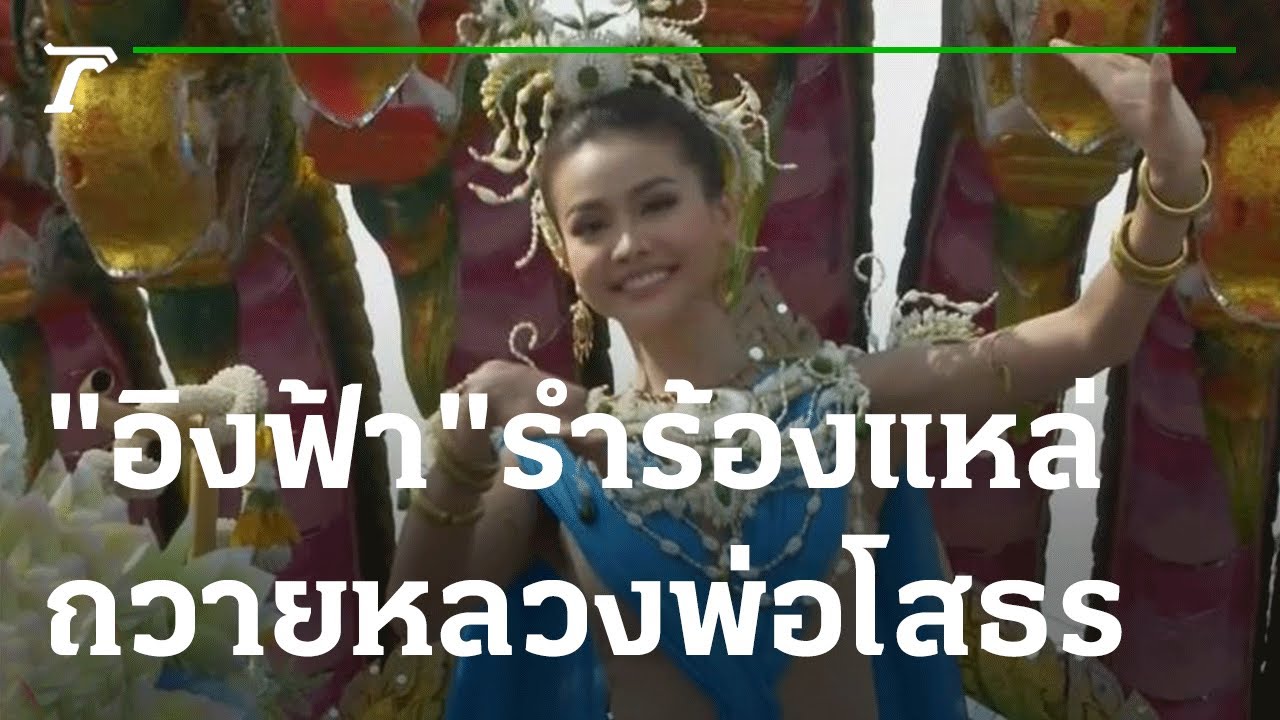
 Click to Access the Navigation Map GPS
Luang Pho Sothon Worship Festival Map
Recommend

 Historical Sites and Monuments(3)
 Landmarks and Memorials(4)
 Royal Palace(1)
Art, Craft Centres, Tradition(10)
Royal Palace(1)
Art, Craft Centres, Tradition(10)
 Museums(2)
 Historic Homes and Cities(1)
 Educational Places
 Museum for Study(1)
 Library(1)
 Educational Gardens, Farm(2)
 Places of Worship
 Temple(50)
 Mosque(2)
 Other Sacred Sites(7)
 Research and Development
 Royal Project(4)
 Suburban Living
 Village, Community(5)
 Local Market(4)
 Floating Market(1)
 Nature and Wildlife
 National Parks and Marine Reserves(2)
 Mountain (Doi)(1)
 Dam, Reservoir, Lake(6)
 Waterfalls(1)
 Caves(1)
 River, Canal(2)
 Bays and Beaches(1)
 Islands(2)
 Other natural attractions(2)
 Entertainment and Agricultural
 Zoos and Aquariums(1)
 Animal camps and shows(1)
 Farms, Parks and Ecotourism(6)
 Spas and Wellness
 Spas and Wellness(1)
 Travel Articles, Recipes
 Travel Review, Food Review(3)


