
 Home
Home North(
 Chiang Mai(


Wat Ban Pho
Rating: 2.7/5 (7 votes)
 Search By
  Map
Map 
 Have Map
  No Map
Chachoengsao attractions
Attractions in Thailand
Open Days: Daily
Opening Hours: 08:00 – 18:00
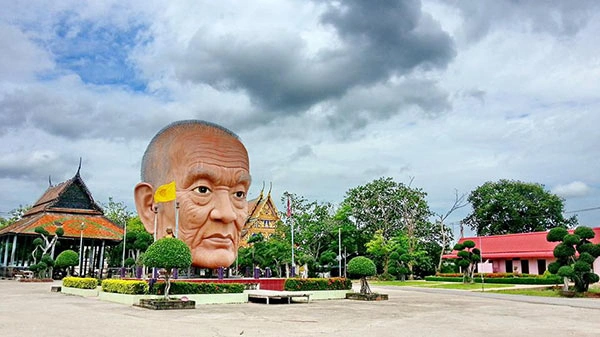
Wat Ban Pho in Ban Pho District, Chachoengsao Province, is a Mahanikaya community temple on the Bang Pakong River that clearly reflects the way of life of riverside communities. Its long-standing history, the royal granting of a consecrated boundary (Visungkhamsima), and key monastic buildings—especially the ordination hall with mural paintings of the Buddha’s life—help “tell the Dhamma” in a visual language that later generations can still read. At the same time, the temple stands out as a contemporary place of devotion through the construction of a large Luang Pu Thuat image, which has become a symbol of the community’s shared faith. It is well suited to a quiet, unhurried temple visit near Bangkok—where you can make merit, rest your mind by the Bang Pakong River, and slowly absorb the stories of Ban Pho.
Wat Ban Pho in Ban Pho District, Chachoengsao Province, is a riverside community temple along the Bang Pakong River that feels “simple yet steady” from the moment you arrive. The river setting and the rhythm of local life make the visit more than a quick stop to pay respects and leave; it becomes a chance to see how the temple serves as a real center of faith, relationships, and shared memory. The Bang Pakong River has flowed past homes, orchards, and communities for generations, shaping Ban Pho as an area where people have long relied on waterways for travel, trade, and everyday connection. A temple by the river becomes a kind of “anchor” for local society—bringing people back together for seasonal merit-making, traditional celebrations, memorial rituals, and ceremonies that help life feel ordered, meaningful, and supported.
What makes Wat Ban Pho memorable is not only grand scale like a famous tourist temple, but the layered story you can read gradually—starting with its role in the Thai Sangha system as a Mahanikaya community temple, continuing through documented milestones such as the year it was officially established, and culminating in major markers like the royal granting of Visungkhamsima, which defines the correct monastic boundary for formal ceremonies and gives the ordination hall official standing. To many visitors, Visungkhamsima may sound like an administrative detail, but in practice it signals the temple’s stability as a religious institution. It shows that community faith did not stop at building a place to worship; it developed into a fully recognized temple capable of supporting monastic rites and sustaining the spiritual life of the community.
If you approach Wat Ban Pho as a cultural traveler, the first thing to do is to slow your pace slightly. Riverside temples along the Bang Pakong often have a special charm: nature quietly helps settle the mind without effort. Wind, water, and shaded space make walking through the temple grounds feel like a mental reset. You may see locals stopping by to make simple offerings, some coming to pray, some bringing alms, and others sitting quietly to step out of the city’s rush. These everyday scenes are proof that the temple is “alive” through genuine community use—not a place arranged only for photographs.
Historically, Wat Ban Pho has clearly stated milestones: the year it was permitted to be established and the date it received Visungkhamsima. These details help us see the temple’s development in sequence. Temples in river basins typically grow from collective faith and cooperation. As the community expands, the temple expands as well—through buildings, monastic education, and broader social roles led by monks and the temple committee. Key structures such as the sermon hall, monks’ quarters, and the ordination hall are therefore more than architecture; they are working spaces of faith that support merit-making, learning, and the social order of the community.
One reason a visit to Wat Ban Pho feels “more than just paying respects” is its ordination hall with mural paintings depicting the Buddha’s life. In Thai temples, mural paintings are not merely decoration; they are an intelligent teaching medium from an era when books were not widely accessible. Each scene allows viewers to “read” Dhamma visually—through major events in the Buddha’s life and through details that reflect beliefs and aesthetics of the period. Standing with these paintings attentively is like stepping back in time and seeing how earlier generations used art as a bridge between knowledge, devotion, and moral instruction.
You do not need to be an art expert to appreciate temple murals. Start by noticing the narrative flow—how one scene leads to another—then observe details such as posture, color choices, and composition that highlight key moments. Some scenes emphasize stillness; others emphasize movement to make the story feel alive. Often, the beauty lies not in luxury but in the commitment of artists and the community to preserve this learning space within the temple. When you look slowly, you will feel that the visit is not limited to bowing before the Buddha; there is a “lesson” embedded along the way.
Beyond art and history, Wat Ban Pho is widely known for its role as a contemporary place of devotion, drawing many visitors who come specifically to pay respects to Luang Pu Thuat. In Thai belief, Luang Pu Thuat symbolizes compassion, protection, and steadfast goodness. The temple has undertaken the construction of a large Luang Pu Thuat image, becoming an important destination for devotees in the Eastern region and visitors from nearby provinces. The significance of such a large devotional image at a community temple is that it reveals the real power of collective effort—projects of this scale depend on sustained faith, time, and consistent community support.
When Luang Pu Thuat is explained well in a Thai temple context, it is not merely a story for spectacle. It becomes a story about how faith works in ordinary lives. Some come to pray for work, some for family safety, some to fulfill vows through merit-making, and many simply come to sit quietly and return to themselves. This kind of devotional space is both religious and social at once, because it reminds people they are not walking alone—there is community, there is the temple, and there is a spiritual model that helps life feel steadier.
As more people visit a temple for devotional highlights, its role naturally expands into hosting important community events throughout the Buddhist calendar—annual merit-making, gold-leaf offering ceremonies, Kathina, robe offerings, and fundraising activities to maintain and develop the temple. Wat Ban Pho periodically communicates its events and merit-making activities, indicating that it is not an isolated, quiet temple but one that moves with the community’s rhythm. Visiting on an event day offers a different kind of charm: you see people working together, the temple prepared to welcome guests, and the temple clearly functioning as a social center.
From a cultural tourism perspective, a “worthwhile” visit to Wat Ban Pho is not about collecting every photo angle, but about spending time in harmony with the place. Begin by paying respects and making merit within your means, then walk through the key buildings and observe the lived simplicity of a community temple. After that, give yourself time to view the ordination hall murals carefully, and then move to the devotional point you came for—especially if your intention is to pay respects to Luang Pu Thuat. Even with only 1–2 hours, this sequence makes the visit feel meaningful and something you carry with you, rather than a quick check-in.
The most comfortable times to visit Wat Ban Pho are usually morning to late morning, when the air is cooler and the atmosphere is calm for slow walking. Late afternoon is also pleasant as the light softens and many people stop by to make merit before heading home. If you are bringing elderly family members or young children, morning tends to be easier. It is wise to carry drinking water, especially during the Central Thailand hot season when temperatures can be higher than expected.
What makes a community temple visit like Wat Ban Pho especially rewarding is that people genuinely use the space to rest their minds. This is why visitor etiquette matters: dress modestly, speak softly, respect monastic areas, do not block walkways, and take photos without disturbing worshippers—especially during ceremonies. Such respect helps your experience blend naturally with the temple environment and helps preserve the calm atmosphere for others and for future generations.
Getting There Wat Ban Pho is located in Khlong Ban Pho Subdistrict, Ban Pho District, Chachoengsao Province. Traveling by private car is the most convenient option. From Bangkok, head east toward Chachoengsao and then follow signs into Ban Pho District. Once you enter the community area, drive carefully as local traffic and small intersections are common. From Chachoengsao town, the trip to Ban Pho is relatively short, making the temple suitable for a half-day or one-day itinerary. Plan enough time for merit-making, viewing the ordination hall, and paying respects at the devotional point you intend to visit.
For an unhurried plan, allow at least 1–2 hours to pray, make merit, walk around, and spend time with the mural paintings inside the ordination hall. If you come on a day with temple events or merit-making activities, consider staying longer. Seeing the community gather helps you understand the temple’s role more clearly than on an ordinary day, and it naturally adds depth to the visit without any extra embellishment.
Regular temple-goers often say the best souvenir from a temple is not an object, but the feeling you carry after you leave. Wat Ban Pho gives that kind of souvenir. The calm riverside setting and the community rhythm help your thoughts settle into a little more order. When you get back into your car, you may not feel you did anything extraordinary—but you will feel you truly rested, truly returned to yourself, and truly saw how community faith remains alive through the temple. For cultural travelers, that is exactly the kind of value that makes you want to return.
| Place Name | Wat Ban Pho (Wat Ban Pho) |
| Address | Khlong Ban Pho Subdistrict, Ban Pho District, Chachoengsao, Thailand |
| Overview | A Mahanikaya community temple on the Bang Pakong River with documented establishment milestones and a consecrated boundary (Visungkhamsima), known for its ordination hall murals of the Buddha’s life and a major Luang Pu Thuat devotional landmark reflecting strong community faith. |
| Highlights | (1) Peaceful Bang Pakong riverside setting (2) Ordination hall with Buddha-life mural paintings (3) Visungkhamsima milestone supporting formal monastic rites (4) Luang Pu Thuat devotional landmark and community merit-making events (5) Ideal for a calm, unhurried temple trip near Bangkok |
| Telephone | 0863444638 |
| Current Abbot | Phra Palad Kowit Kowito |
| Open Days | Daily |
| Opening Hours | 08:00 – 18:00 |
| Admission Fee | Free (donations welcome) |
| Facilities | Parking area, pavilions/merit-making areas, walking areas within the temple grounds, resting spots inside the temple |
| Nearby Tourist Attractions (Approx. Distance) | 1) Khlong Suan 100-Year Market – 20 km 2) Wat Sothon Wararam Worawihan (Luang Pho Sothon) – 25 km 3) Ban Mai 100-Year Market – 28 km 4) Wat Saman Rattanaram – 35 km 5) Bang Khla Floating Market – 40 km |
| Nearby Restaurants (Approx. Distance + Phone) | 1) Ban Pho Riverside – 6 km – 0627822854 2) Ekkanek Chachoengsao – 26 km – 0819491394 3) Krua Mae Somkliang (Bang Pakong Riverside) – 27 km – 0946816636 4) Ruen Romsai – 28 km – 0904074007 5) Phae Khiang Nam Bang Pakong – 30 km – 038574444 |
| Nearby Accommodations (Approx. Distance + Phone) | 1) Bangpakong Boat Club – 18 km – 0635352521 2) Suntara Wellness Resort & Hotel – 25 km – 033590250 3) Heaven Hotel Chachoengsao – 27 km – 038511150 4) JK Living Hotel & Service Apartment – 29 km – 0927429929 5) Bangpakong Hotel – 22 km – 038538371 |
| Current Status | Open for merit-making and visits |
Frequently Asked Questions (FAQ)
Q: Where is Wat Ban Pho located?
A: Wat Ban Pho is located in Khlong Ban Pho Subdistrict, Ban Pho District, Chachoengsao Province, on the Bang Pakong River. It is easiest to visit by private car and works well for a half-day or one-day trip.
Q: What is Wat Ban Pho best known for?
A: It is known for its calm Bang Pakong riverside atmosphere, its ordination hall with Buddha-life mural paintings, and its Luang Pu Thuat devotional landmark that reflects strong community unity and faith.
Q: How many hours should I plan for a visit?
A: Plan at least 1–2 hours for prayer, merit-making, walking around the key buildings, viewing the murals, and paying respects at the devotional point you intend to visit. Allow extra time if you visit during a temple event.
Q: Is there an admission fee?
A: Admission is free. Visitors typically make donations according to personal faith and appropriateness.
Q: How should I dress and behave when visiting?
A: Dress modestly, speak softly, respect monastic areas, avoid blocking walkways, and take photos without disturbing worshippers or ceremonies.
Q: What time of day is best to visit Wat Ban Pho?
A: Morning to late morning is comfortable and calm, while late afternoon is also pleasant as the light softens and the atmosphere becomes more relaxed.
 Wat Ban Pho Map
 Category:
  Group:
  Tag: ●Wat Ban Pho●wat ban pho ●wat ban pho chachoengsao ●ban pho temple ●temple by bang pakong river ●luang pu thuat wat ban pho ●buddhist mural paintings thailand ●chachoengsao temple trip ●one day trip chachoengsao ●near bangkok temple tour ●things to do in ban pho Last Update: 4 WeekAgo
Comment
 Nearby Attractions
| Keyword (Advance) |
 Region
|
 Muang Chachoengsao(
 Copyright 2012,